What Makes a Gemstone Purple
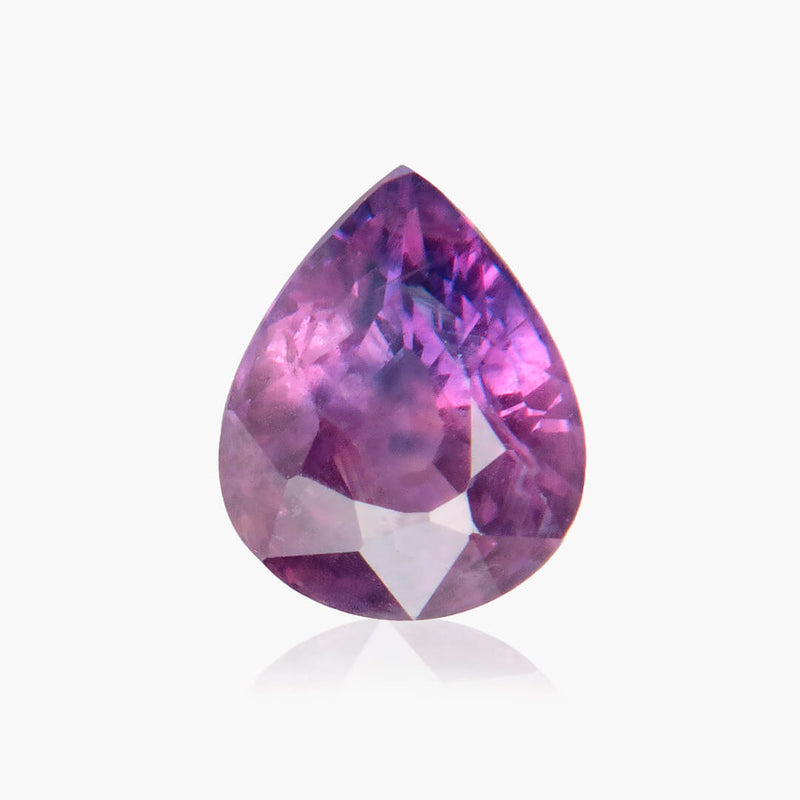
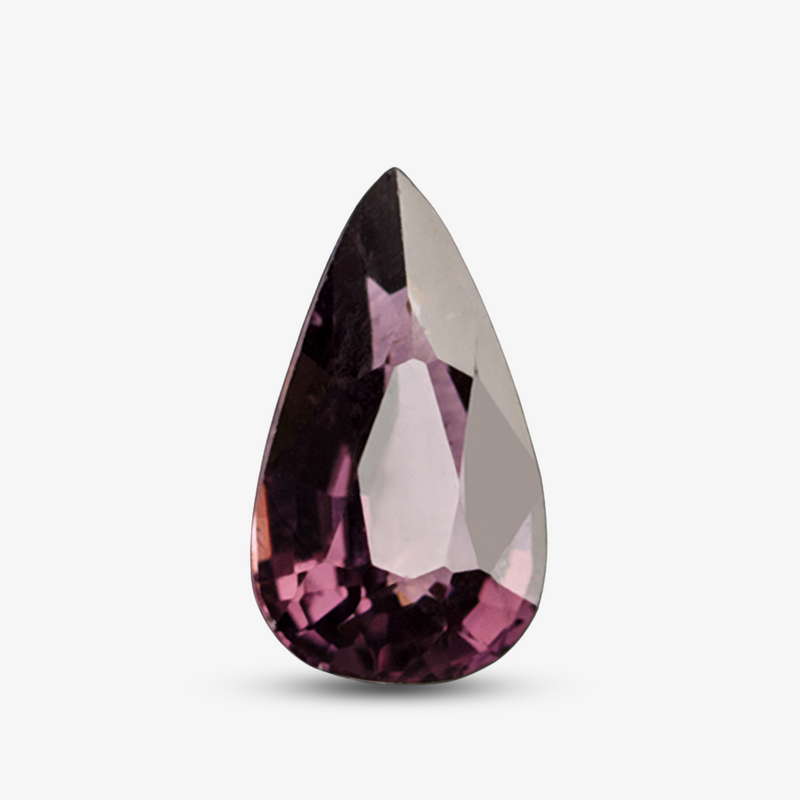
Purple is the least chemically unified of the gem colours. Red has chromium, blue has iron and titanium, but purple is usually a position between two hues rather than a single colouring mechanism — a red pushed towards blue, or a blue pulled back towards red — reached by several unrelated routes.
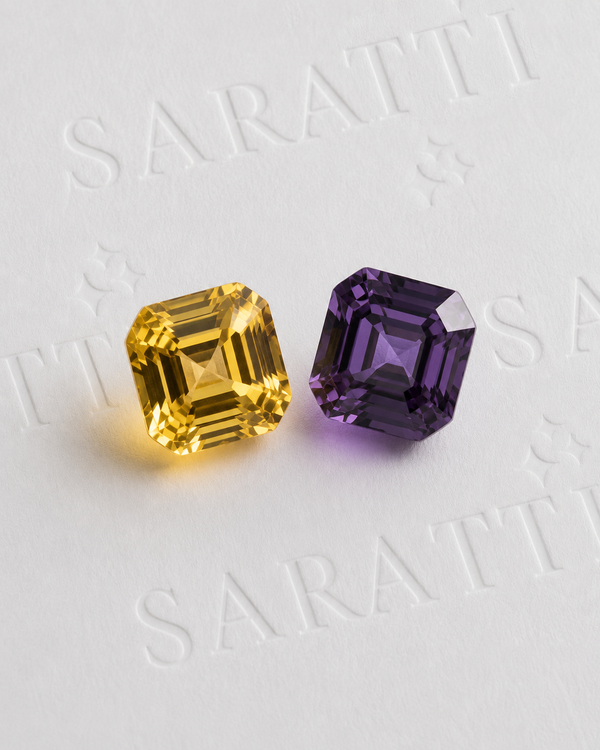
In amethyst the colour comes from iron acted on by natural irradiation, which creates colour centres — damaged sites in the quartz that absorb yellow-green light and leave violet behind. In corundum it comes from chromium, vanadium and iron in combination, and the balance between them decides whether a stone reads pink, violet or purple. In spinel the same three elements work in a different structure. In tanzanite it is vanadium, and only after heat; in kunzite, manganese; in garnet, iron and manganese present as constituents of the mineral rather than impurities.
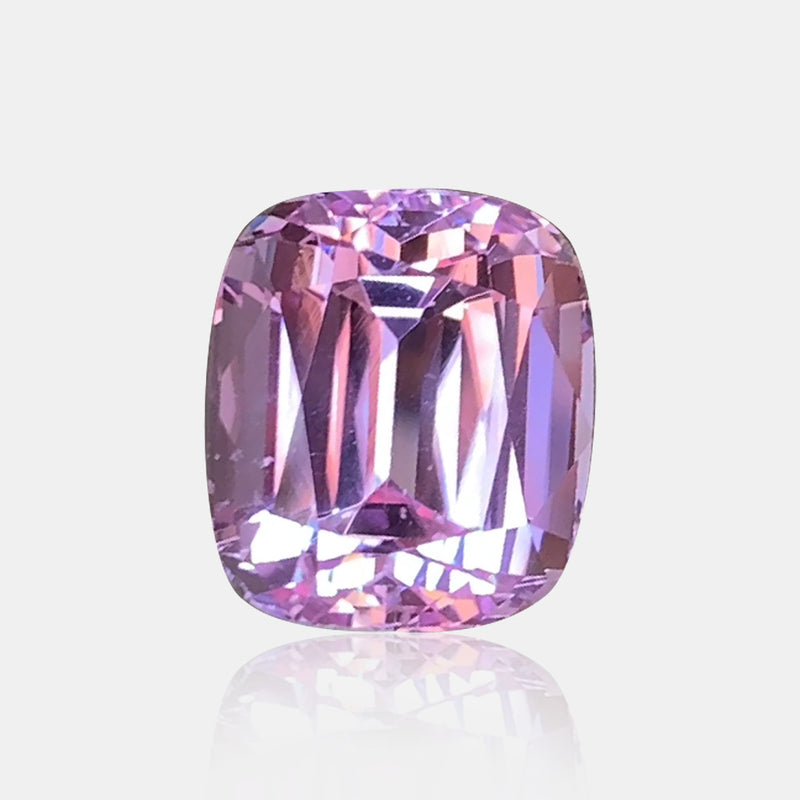
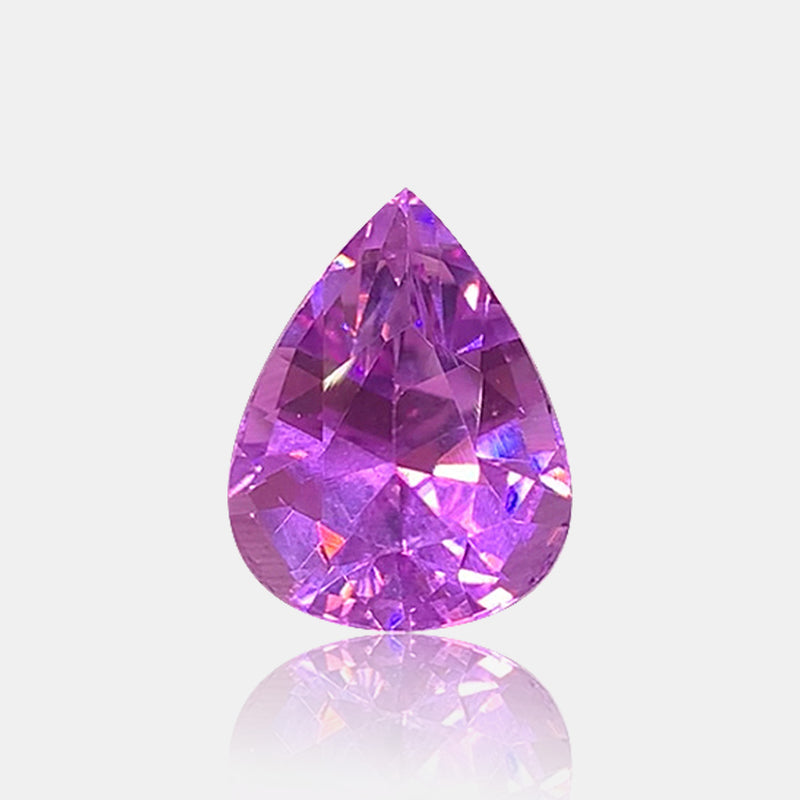
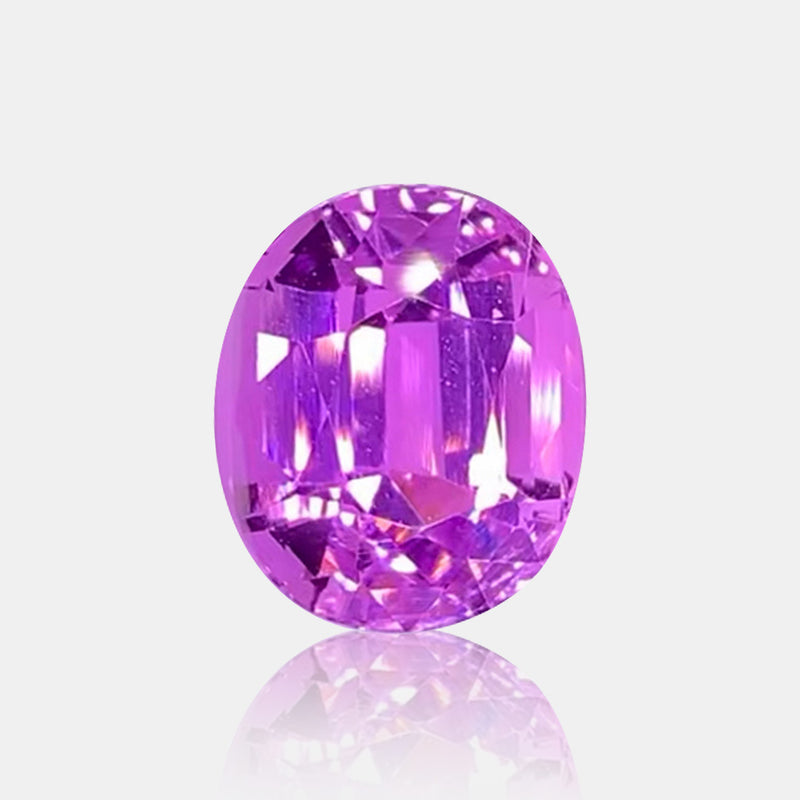
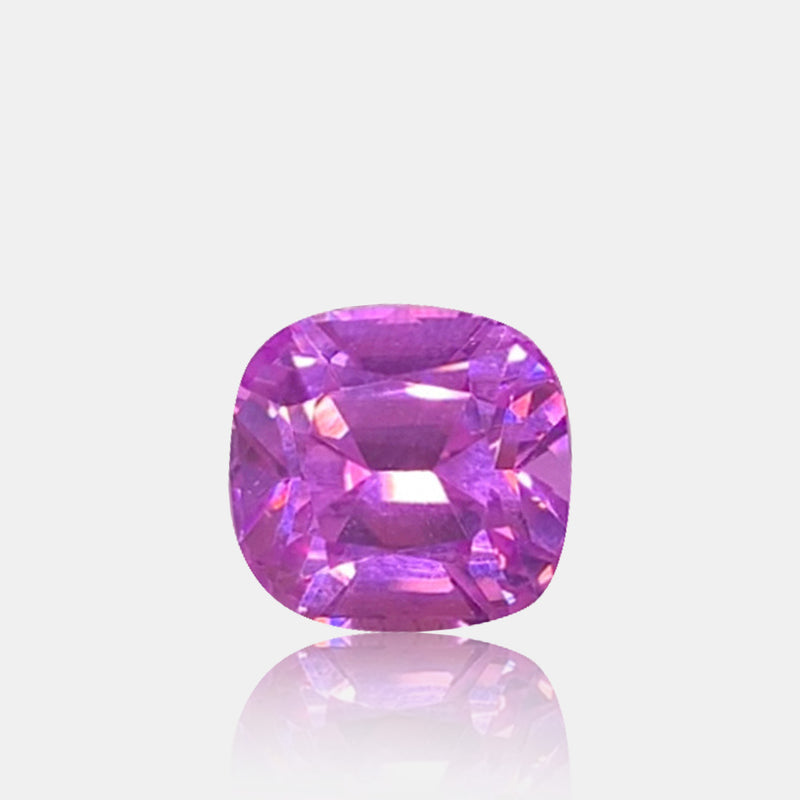
Because purple sits between red and blue, it is also the colour most likely to move. Many purples shift under different light — daylight is rich in blue, lamplight in red, and a stone near the middle leans one way under a window and the other indoors. That behaviour runs underneath our purple gemstone collection, and it is the first thing to test when comparing stones.
Amethyst: The Accessible Benchmark
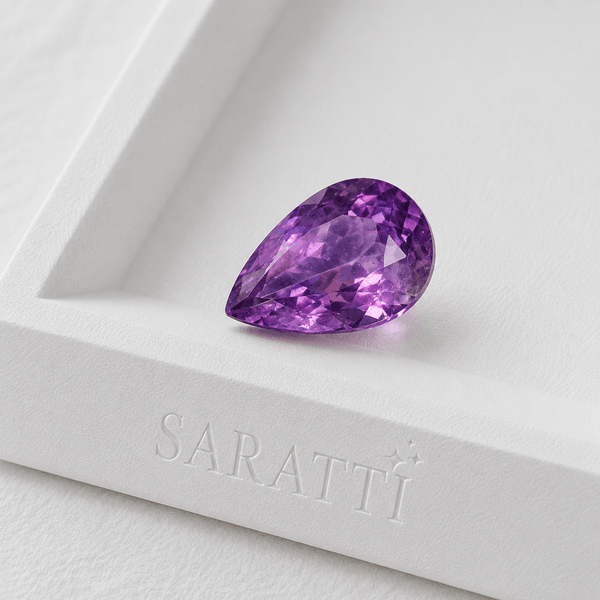
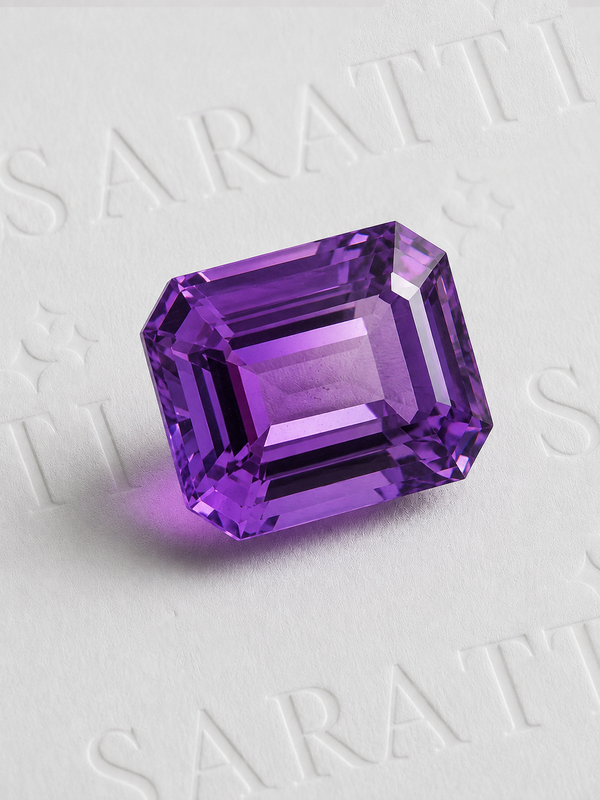
Amethyst is purple quartz, and the stone every other purple is measured against — not because it is the finest, but because it is the one everybody has seen. The name is Greek, from amethystos, not intoxicated, after the belief that it prevented drunkenness.
Brazil supplies the bulk of the world's material, in quantity and generally in medium tones. Zambian amethyst is the connoisseur's: darker, with a reddish-purple flash Brazilian stones rarely show. Siberian is now a colour grade rather than an origin — a deep purple with red and blue flashes — and a stone sold as Siberian almost certainly came from Zambia or Brazil, not Russia.
Two facts matter commercially. Heating amethyst turns it yellow to orange, and most commercial citrine is heat-treated amethyst — one species, separated by a furnace. And amethyst fades: prolonged strong light lightens it permanently, because the colour centres producing the violet are themselves destroyed by light. At Mohs 7 it is hard enough for daily wear, plentiful in large sizes, and by a wide margin the most affordable serious purple.
Purple and Violet Sapphire
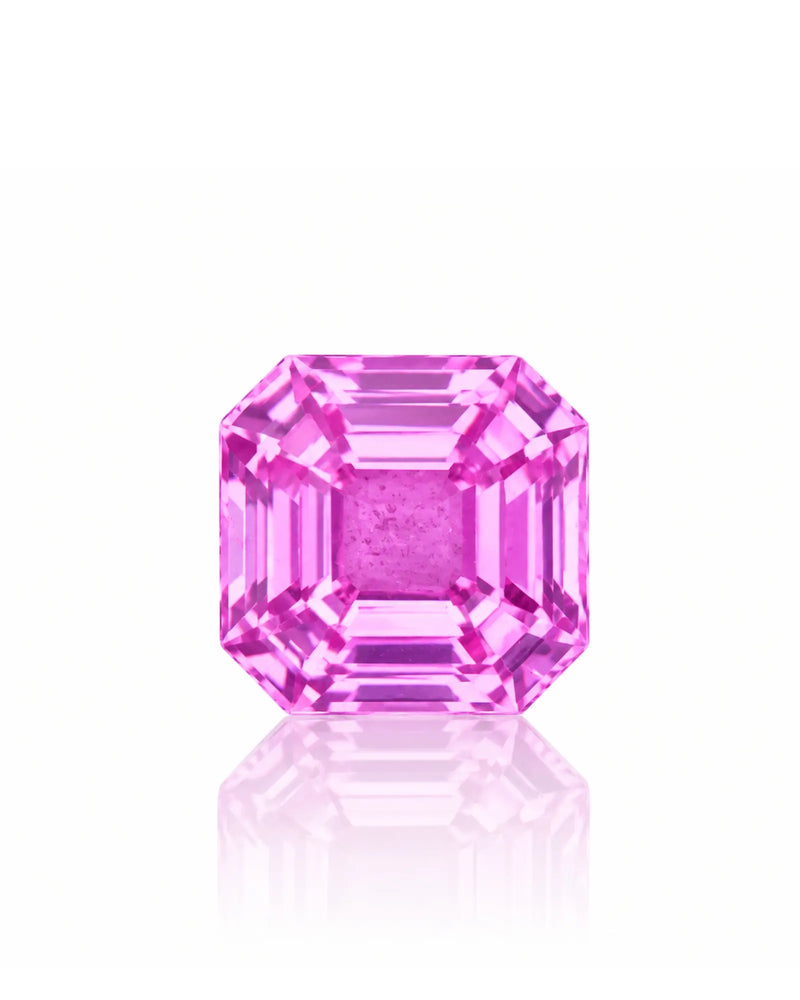
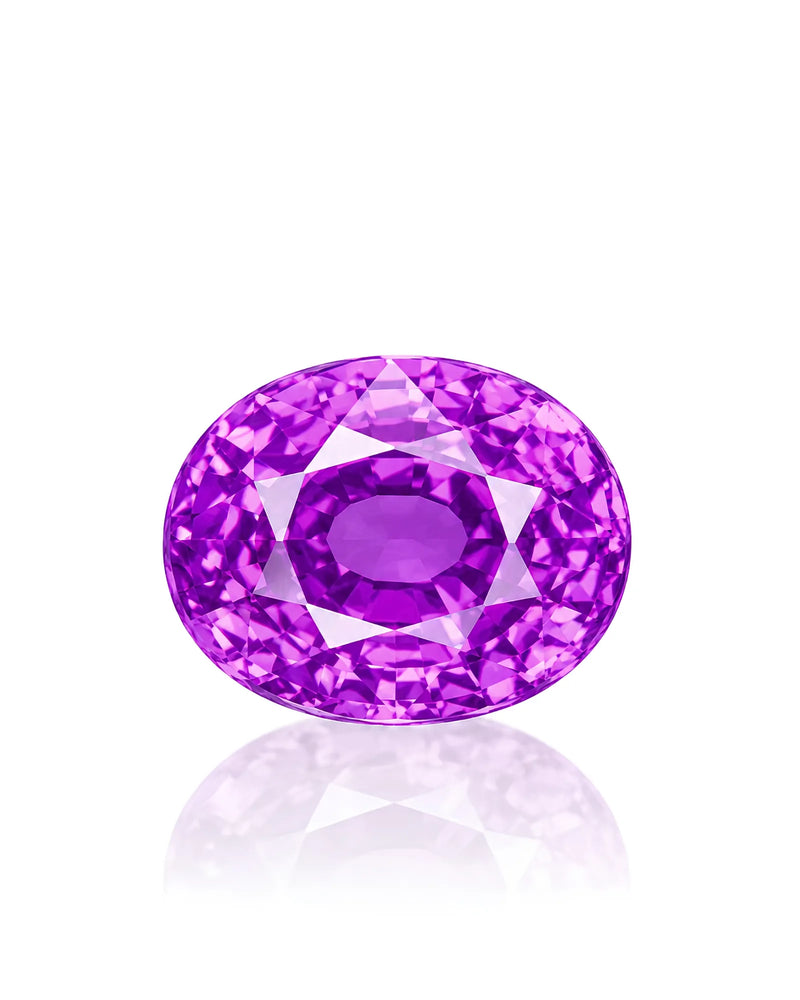
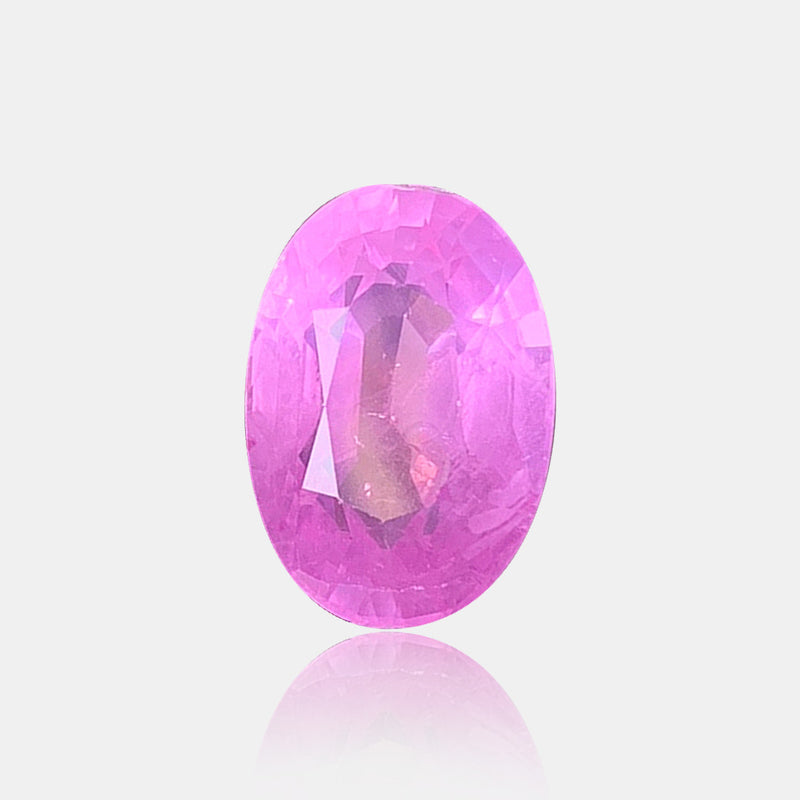
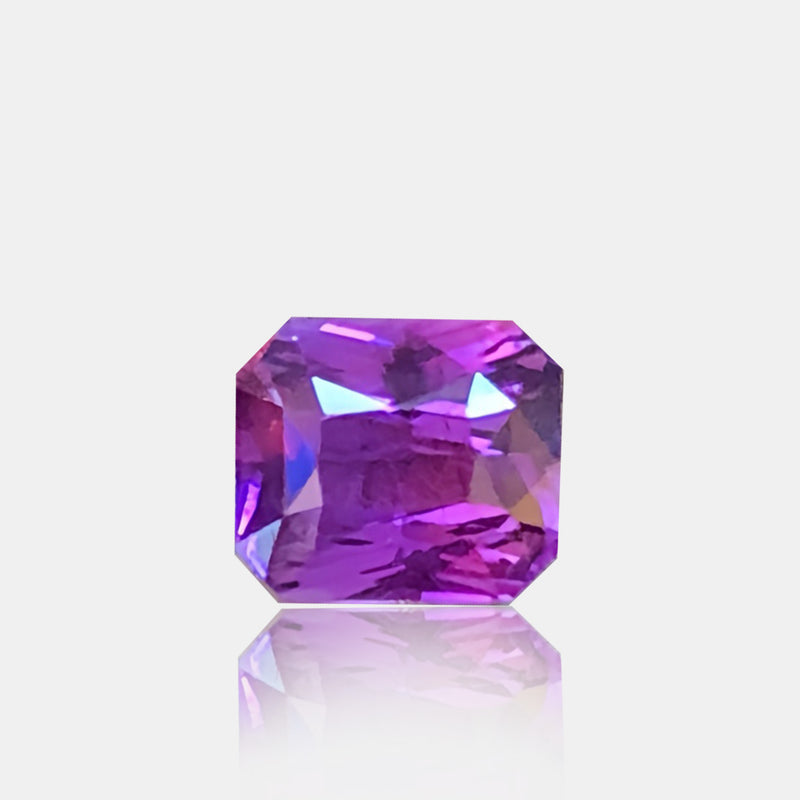
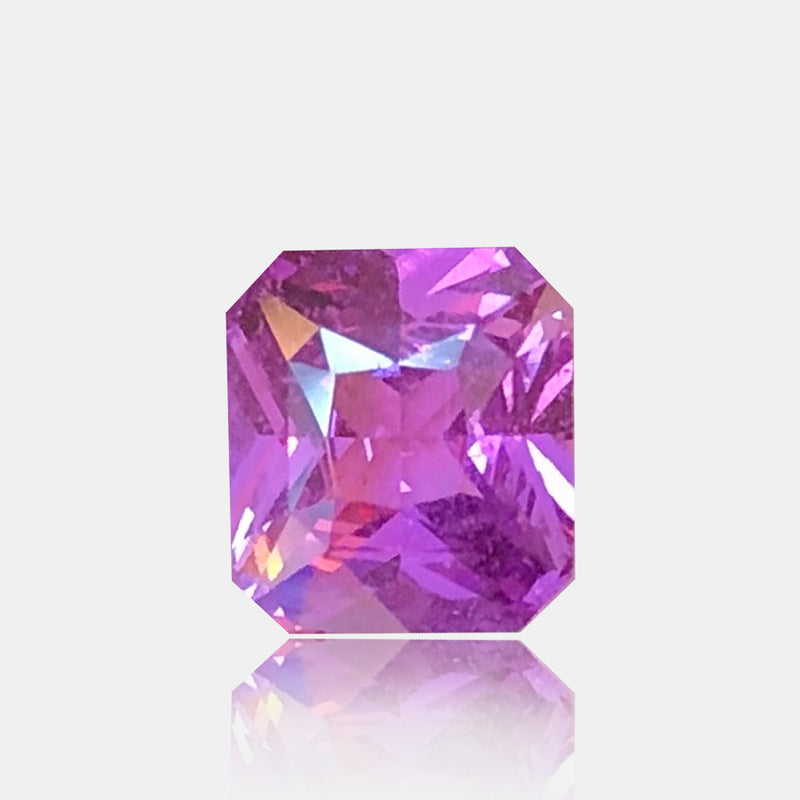
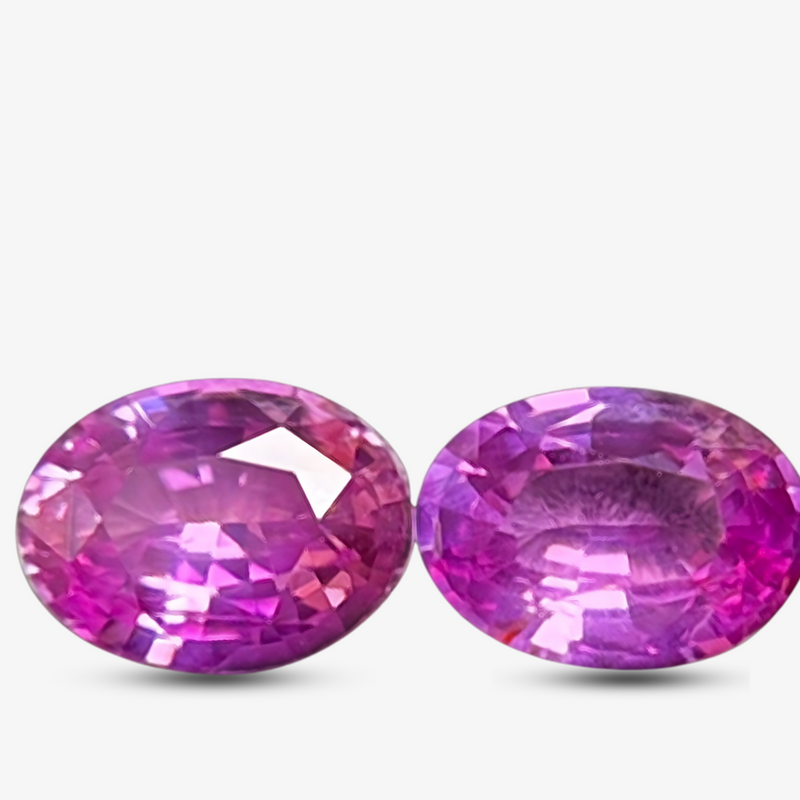
Purple sapphire is corundum, at Mohs 9 the hardest purple available and the only one that can be recommended without qualification for a ring worn daily. Its colour comes from chromium with vanadium and iron in varying proportions, and runs from soft lilac through violet to a deep grape purple.
Two things distinguish it from blue sapphire. The first is treatment: purple and violet sapphire is untreated far more often than blue, because heat does less for it and the market is small enough that most rough is cut as it comes.
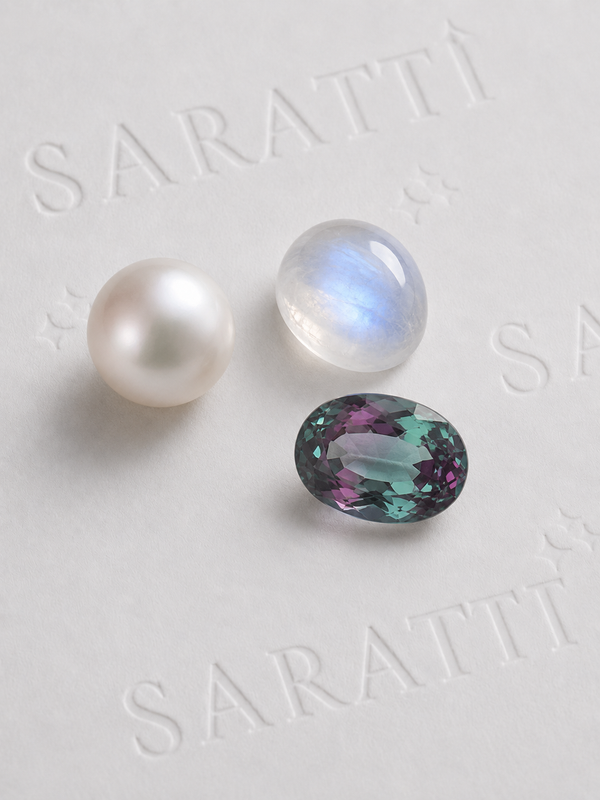
The second is behaviour under light. Many purple sapphires show genuine colour change, reading violet or blue-violet in daylight and shifting to a warmer reddish purple under incandescent light. That is a feature rather than a fault, and a strong, clean change carries a premium.
The boundary with pink sapphire is judgement rather than measurement. There is no line in the mineral; laboratories draw it where the purple component becomes dominant, and one stone can be called purplish pink by one report and pinkish purple by another. Near that boundary, buy the colour rather than the word. The sapphire collection sets out how the species is graded.
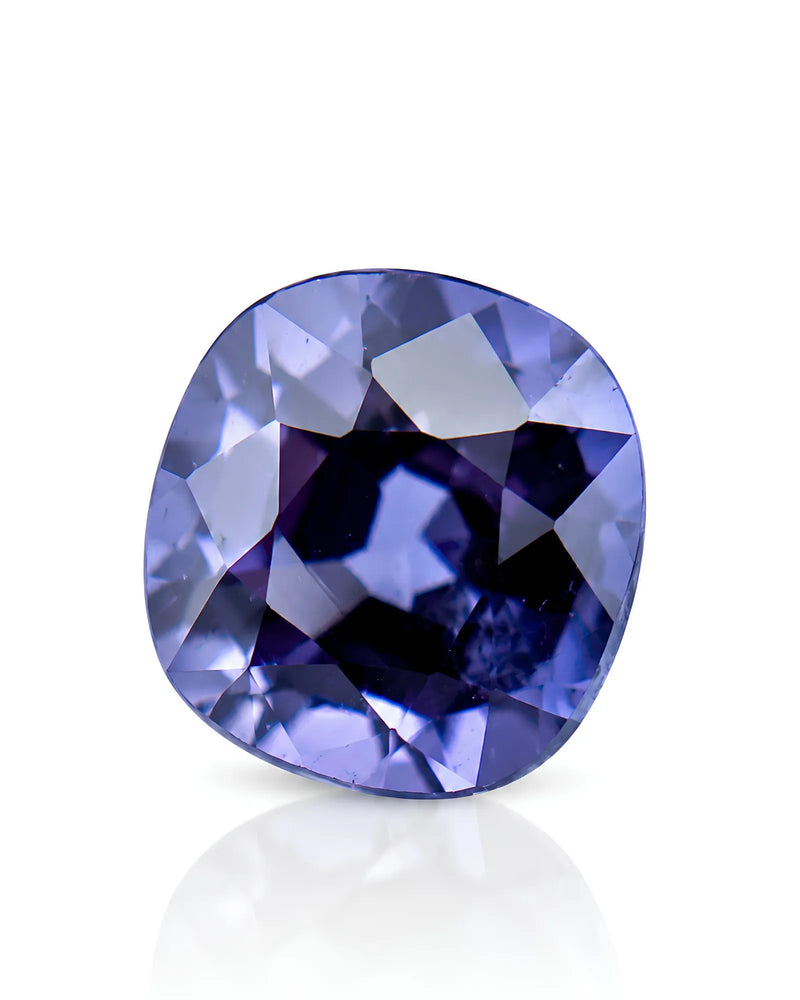
Purple Spinel
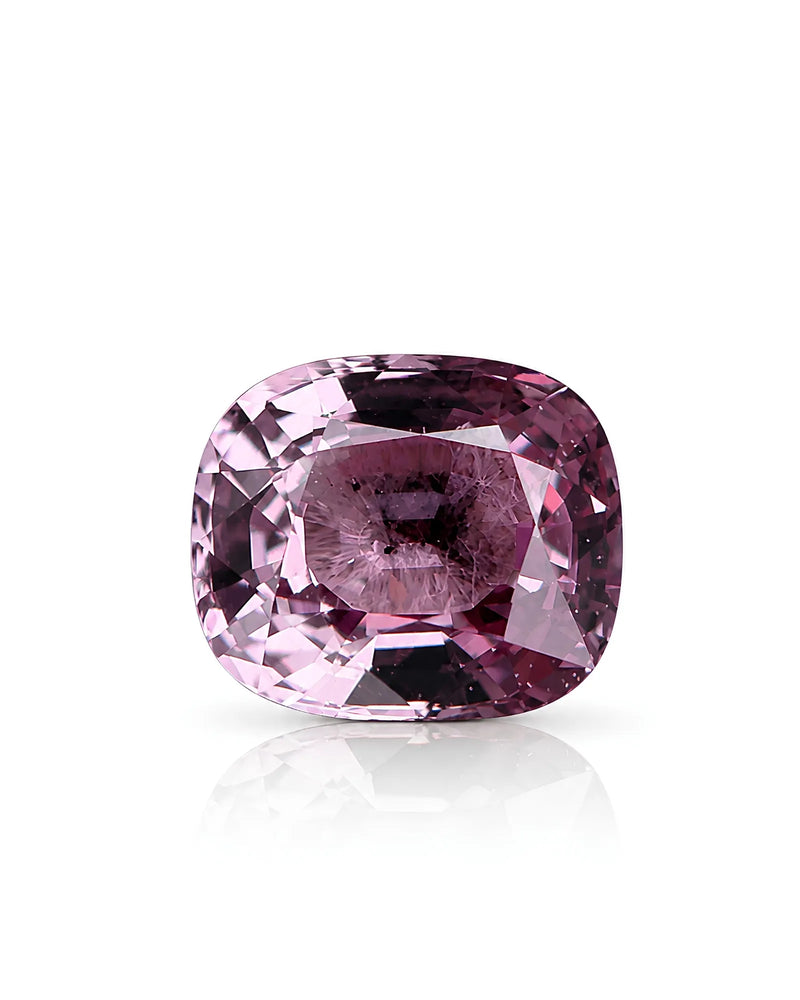
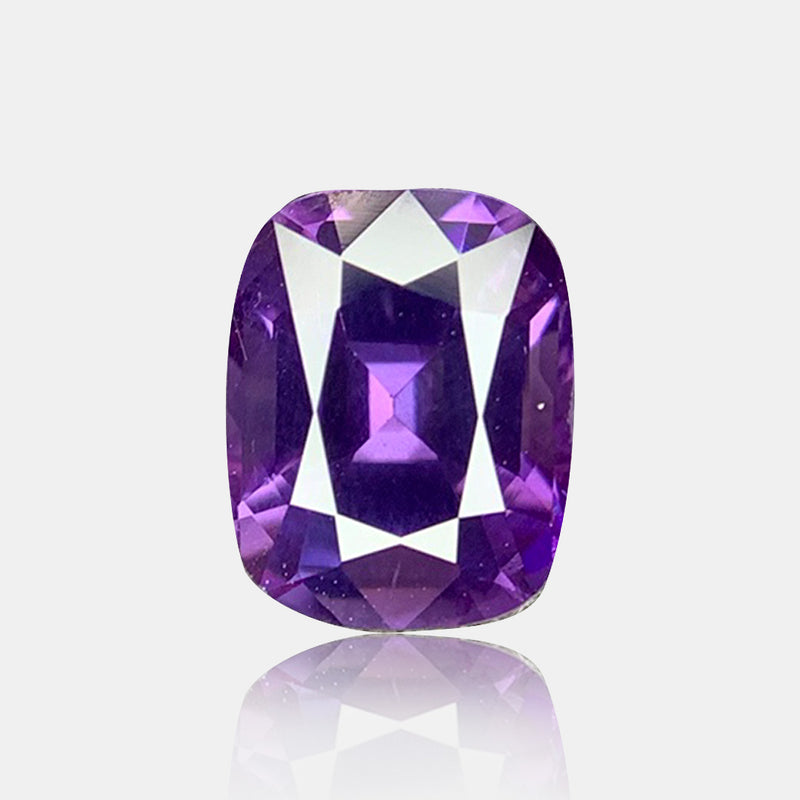
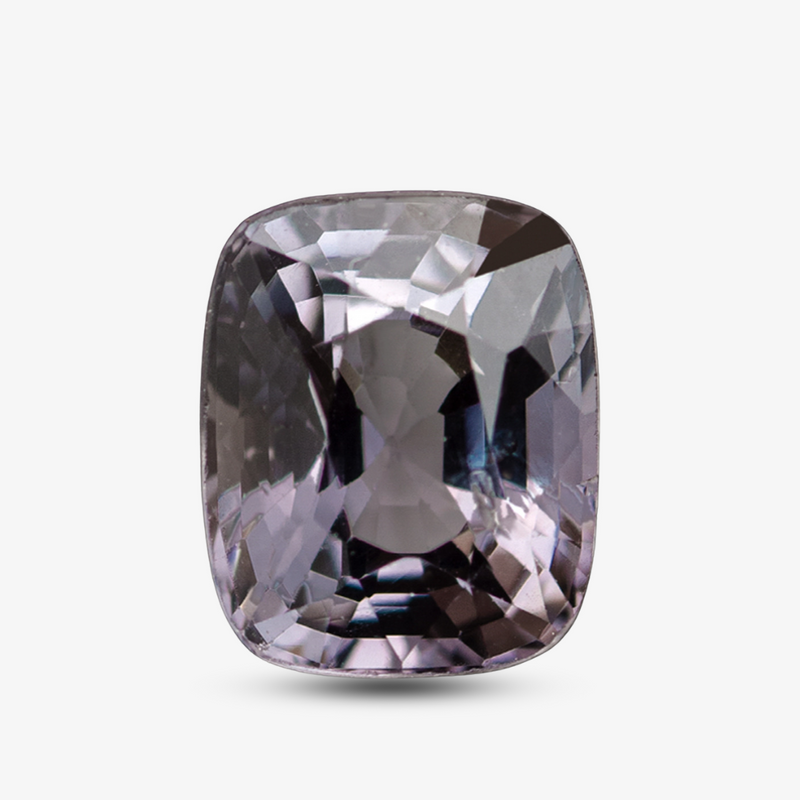
Purple spinel runs from pale lavender through mid violet to a deep, slightly greyish purple, and in the best material it has a clarity and liveliness that outperforms amethyst comfortably. Mahenge in Tanzania, Burma and Sri Lanka are the principal sources.
The single most useful fact about it is that spinel is essentially never treated. No established process improves it and there is no reason for one, so a purple spinel is what geology made. At Mohs 8, with no cleavage, it is the second-hardest stone here and wears extremely well.
Why, then, is it inexpensive relative to its quality? It has no name recognition. Spinel spent centuries misidentified as ruby and sapphire, and never had the marketing that built demand for tanzanite or amethyst. The result is a hard, clean, untreated stone selling below what its properties justify — the best value in purple by a clear margin. Our note on the full colour range of spinel shows how wide the species runs, and the spinel collection covers it.
Tanzanite: One Source, One Furnace, One Weakness
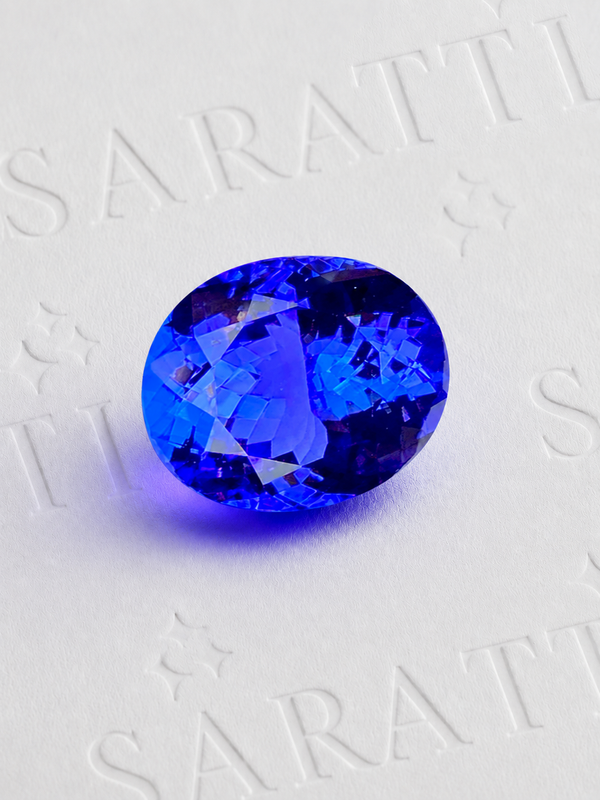
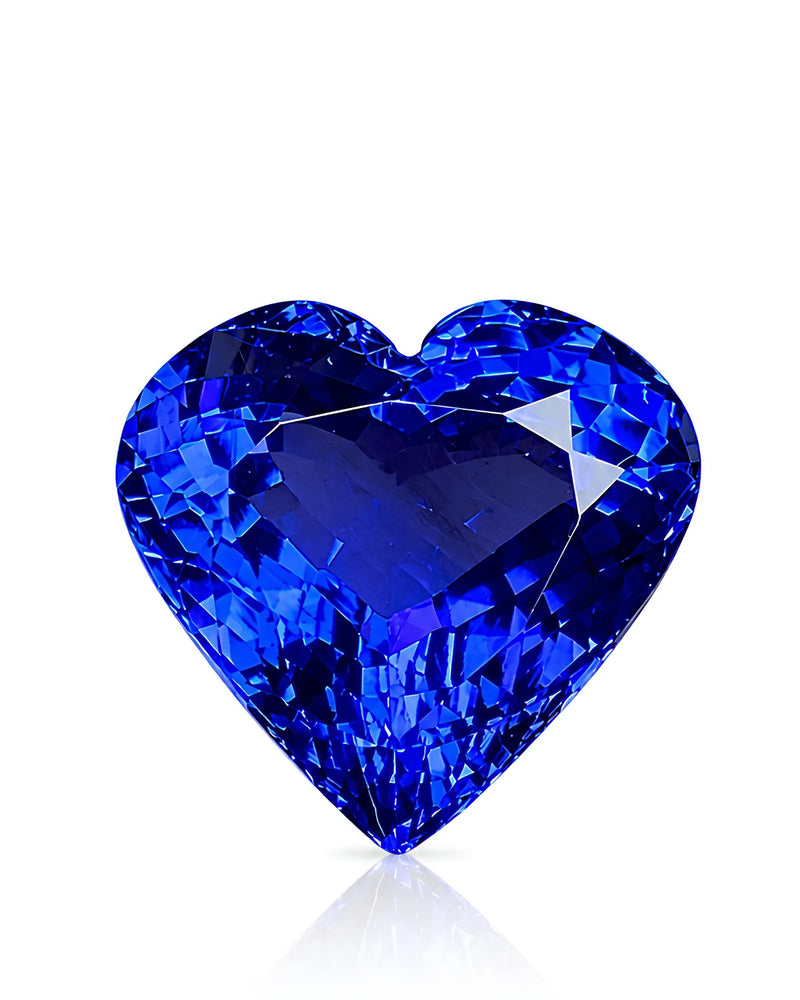
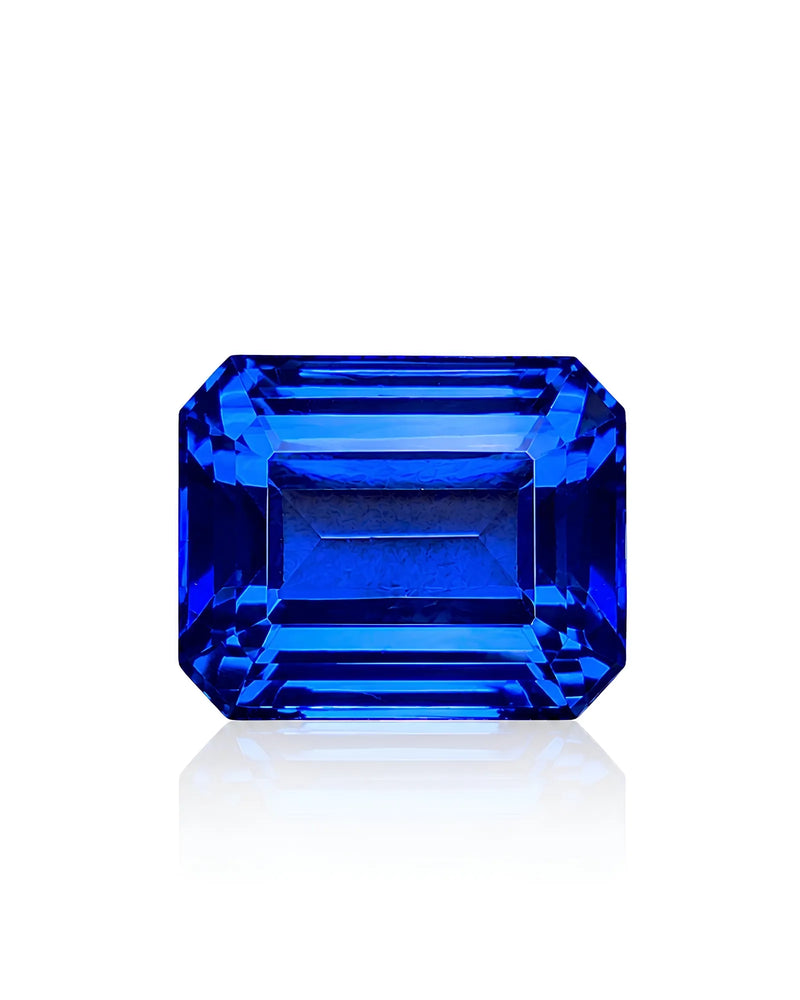
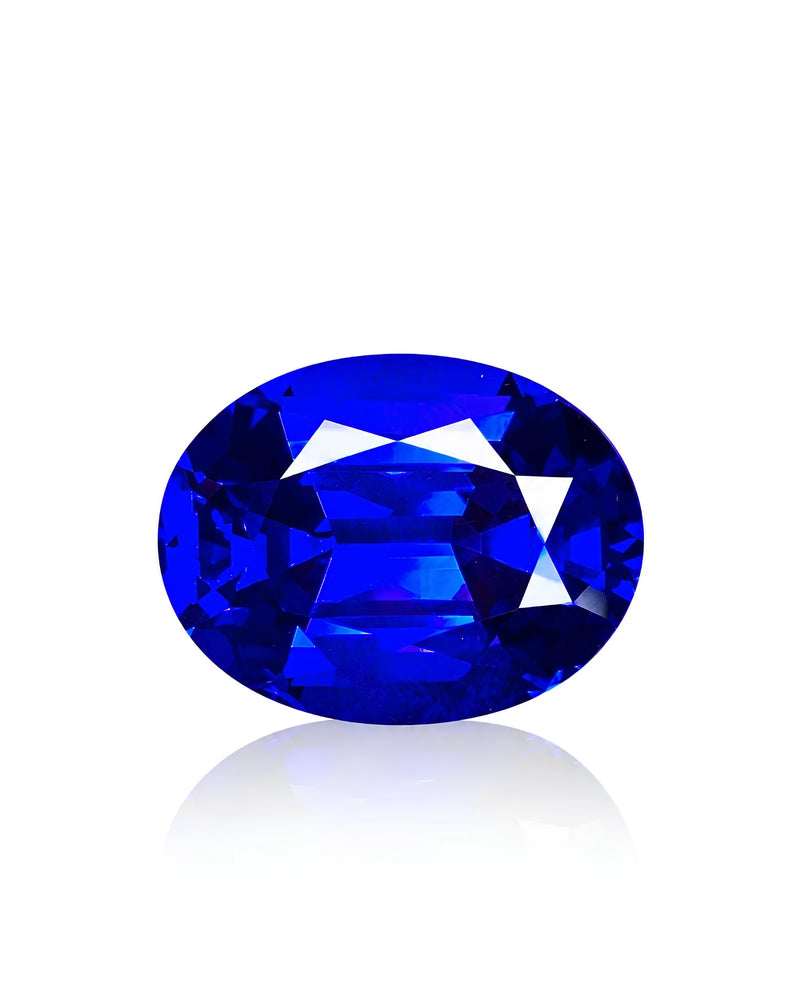
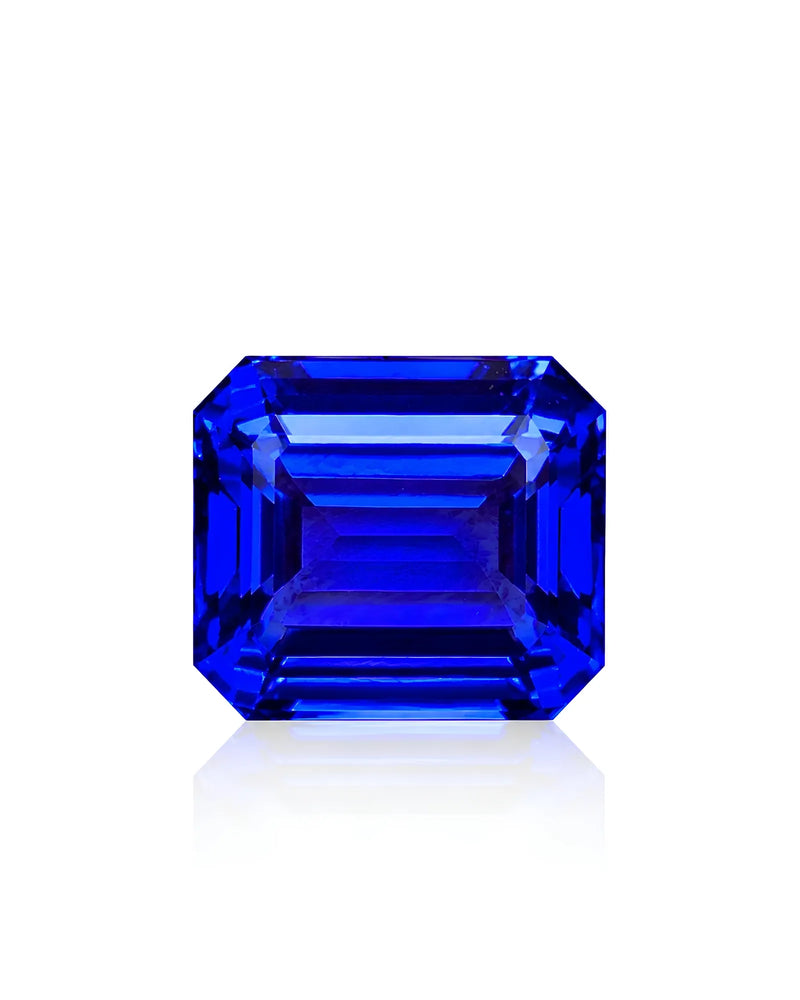
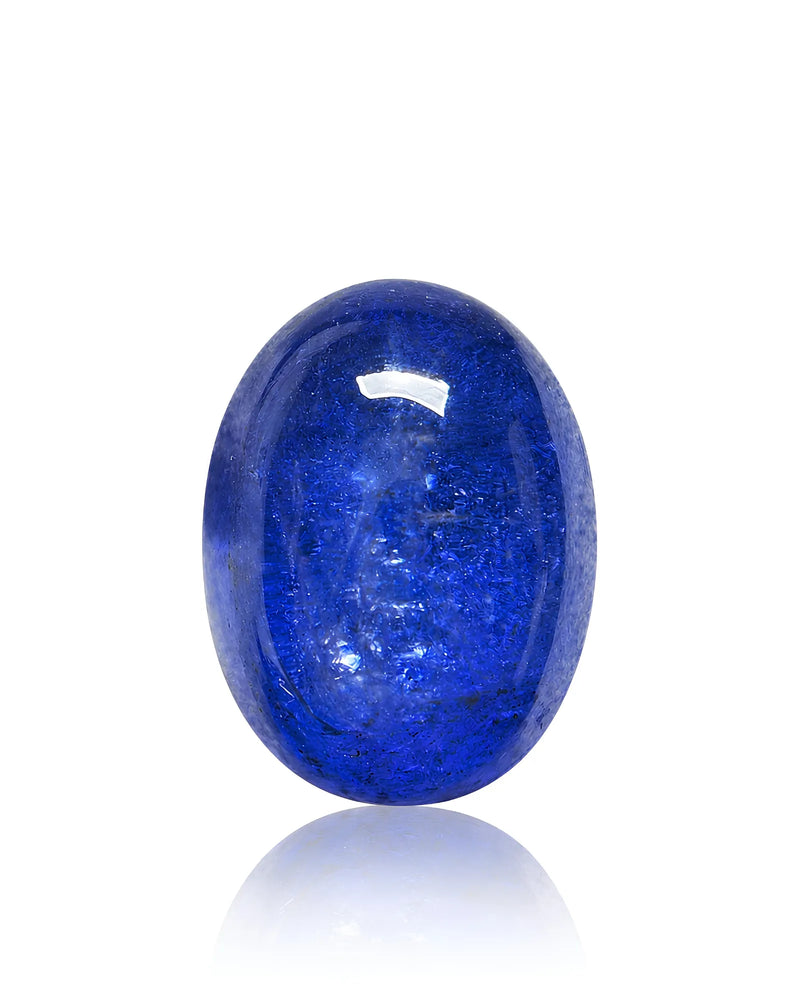
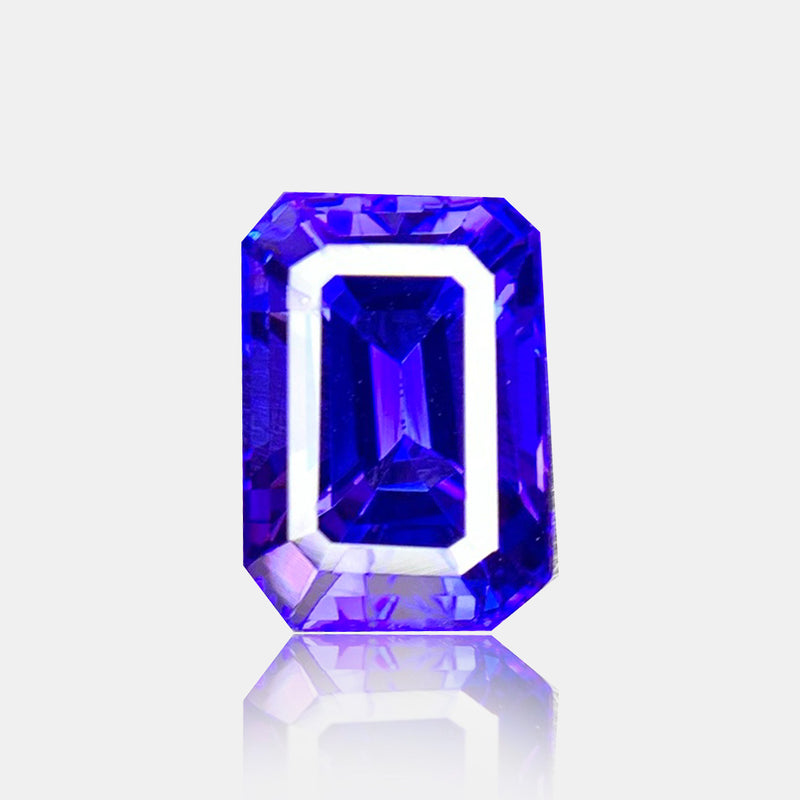
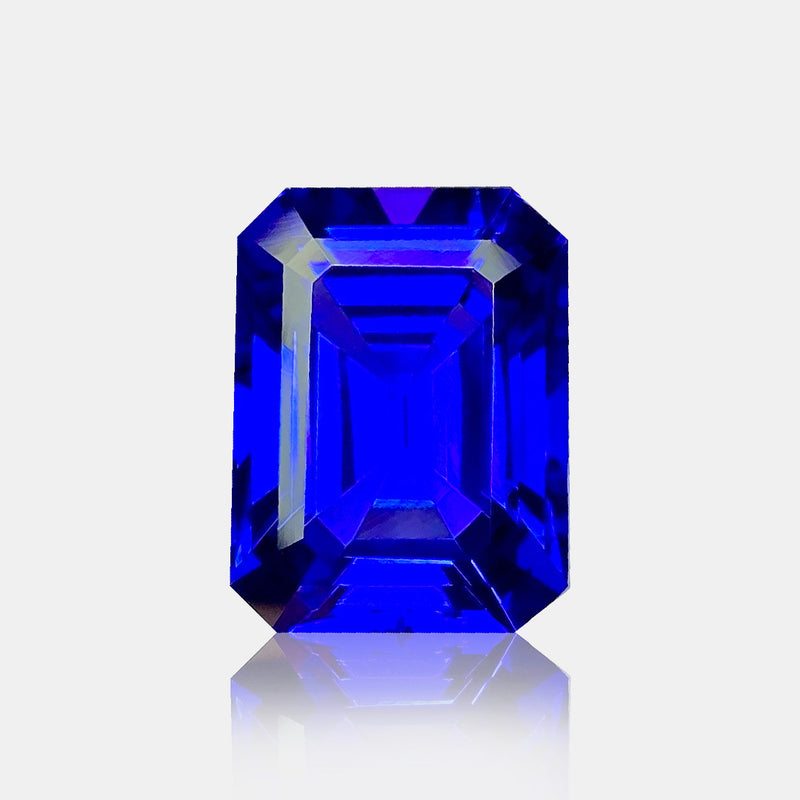
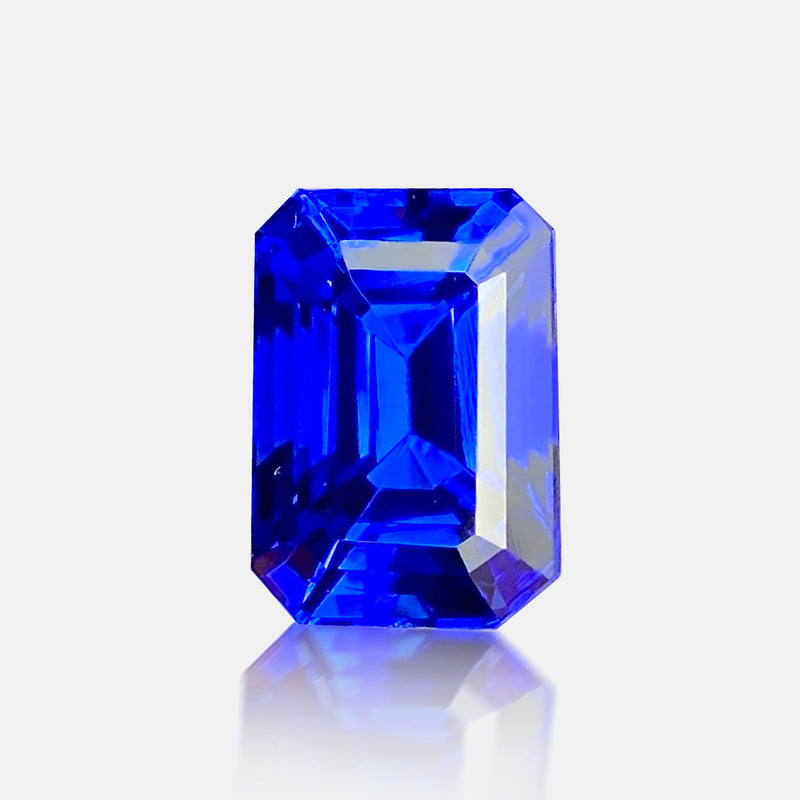
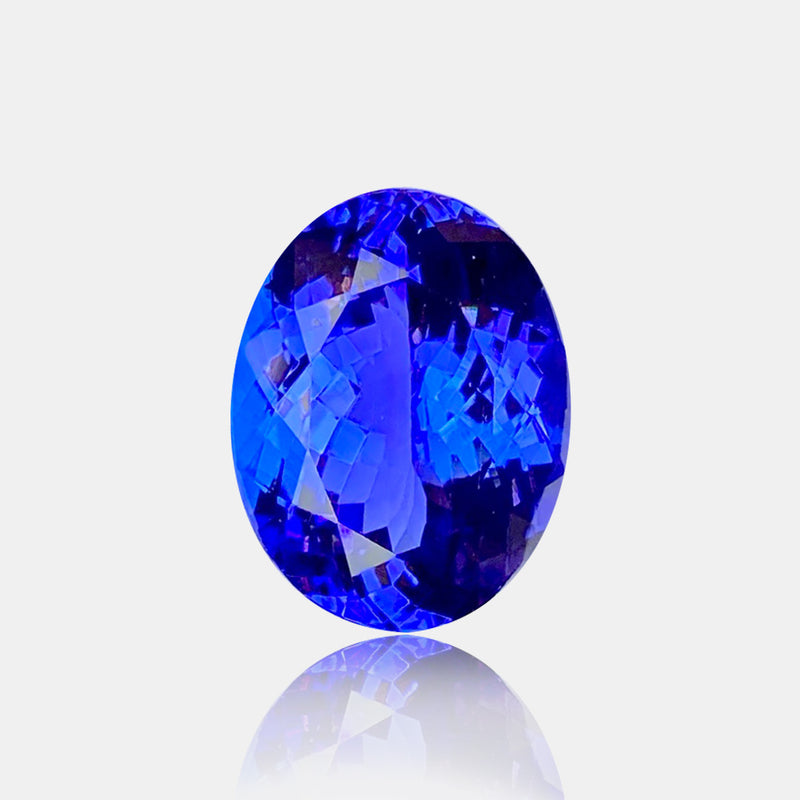
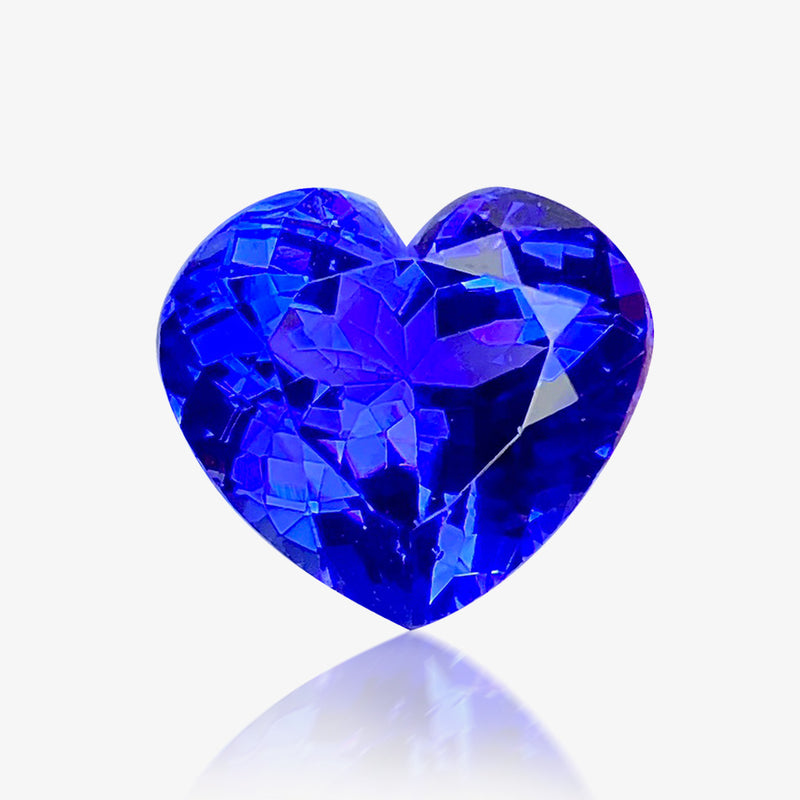
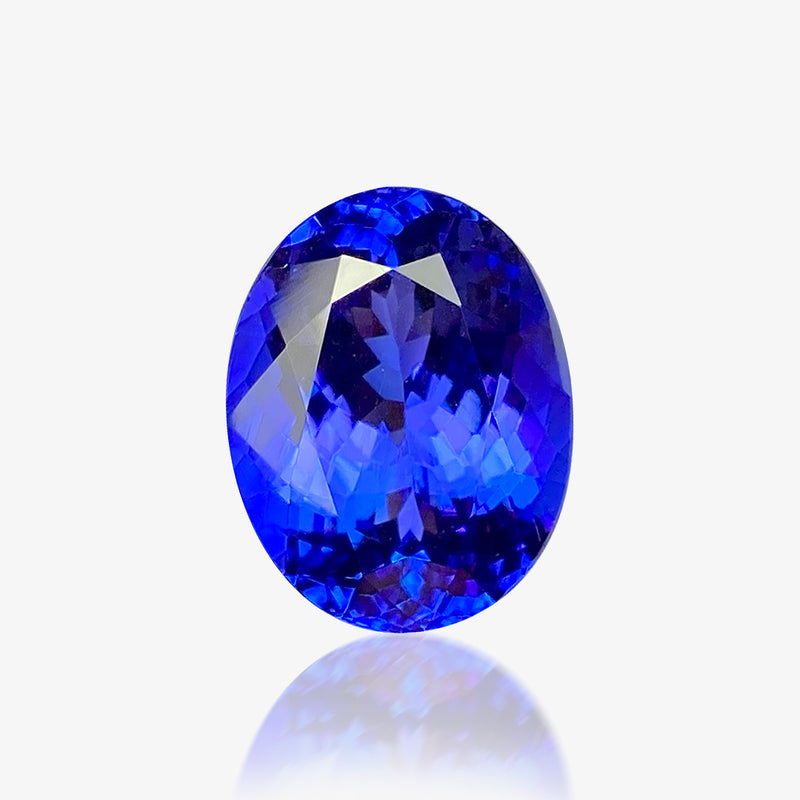
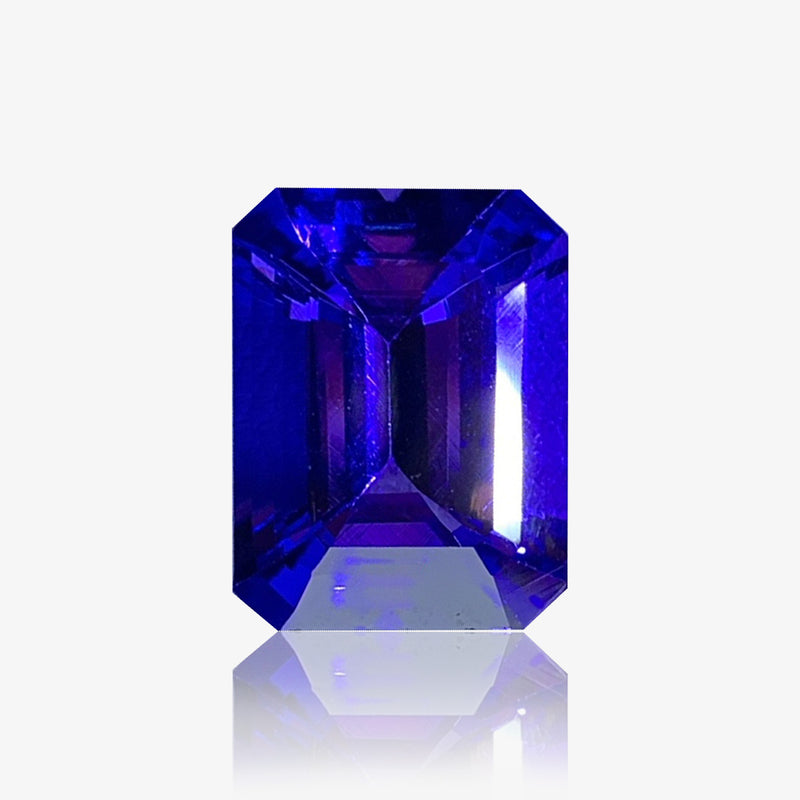
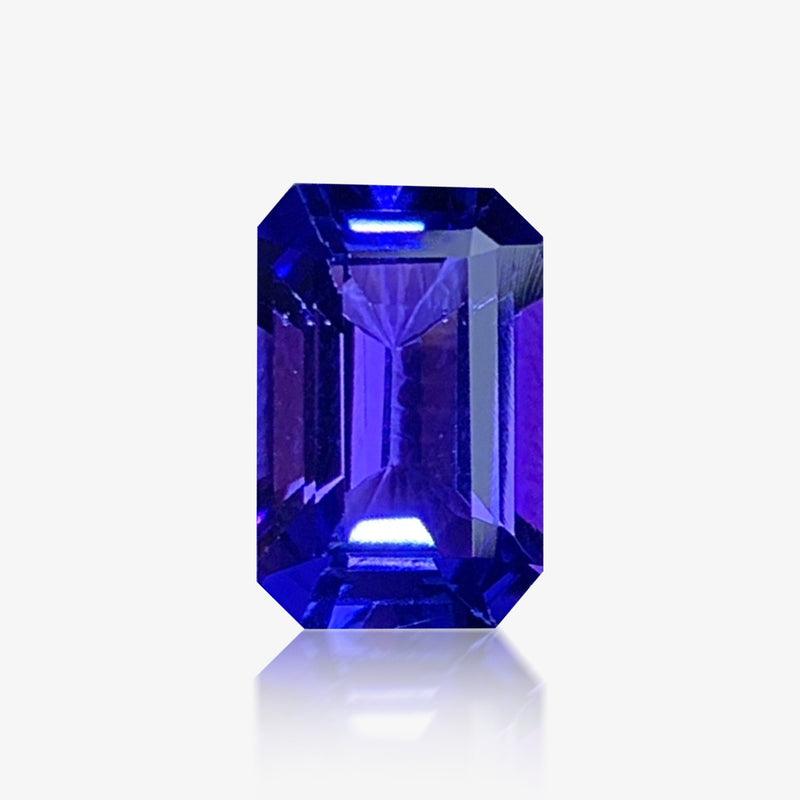
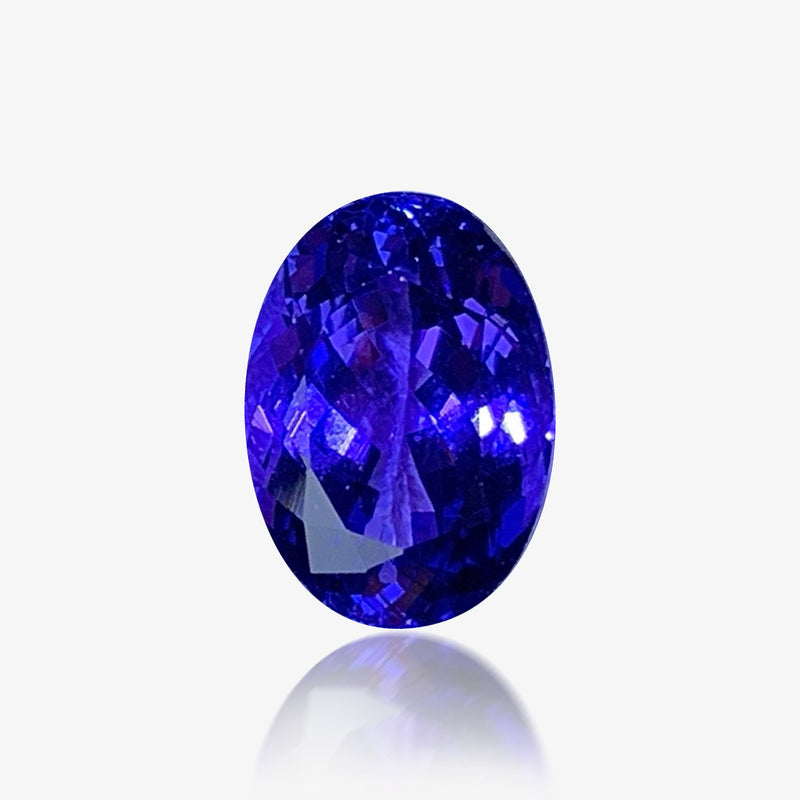
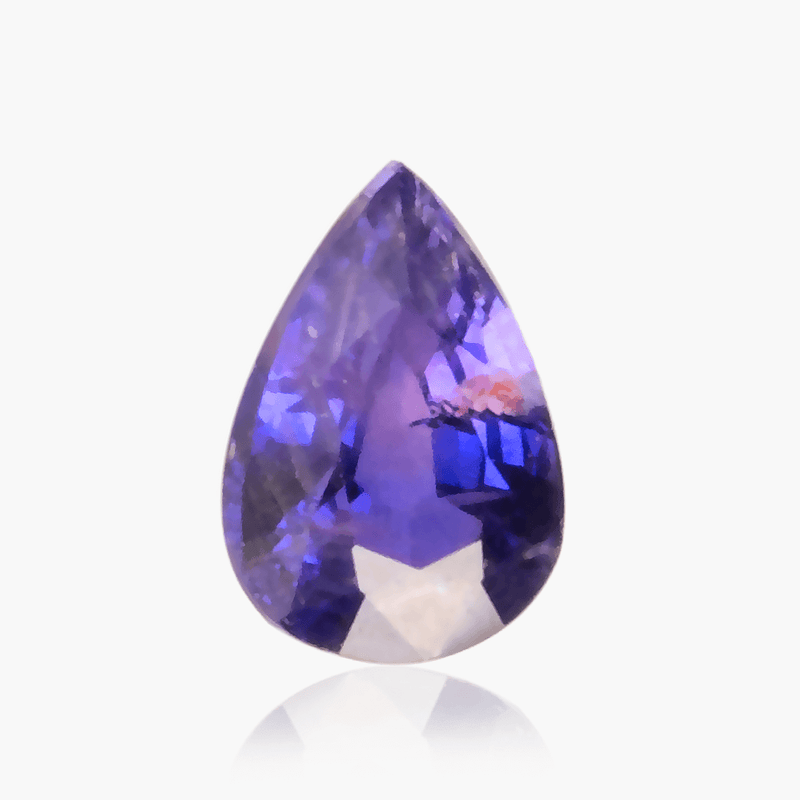
Tanzanite is blue-violet zoisite coloured by vanadium, and the benchmark for the violet end of this colour. It comes from one small area near Merelani in northern Tanzania — nowhere else on earth has produced it — which is why it is discussed as a finite resource in a way amethyst never is.
Tanzanite is trichroic, showing blue, violet and a burgundy tone along three crystal directions. The cutter decides which faces up, and orienting for blue wastes more rough than orienting for violet, which is why deeper blue stones cost more per carat. Larger stones show deeper colour; small tanzanite reads pale and greyish.
Effectively all tanzanite is heated. Rough emerges brownish, and heating to around 600 degrees produces the blue-violet the stone is known for. Untreated blue tanzanite barely exists in the trade, and its absence is not a scandal — it is how the material is made usable.
The serious caution is structural. Tanzanite is Mohs 6.5 to 7 and has perfect cleavage, a plane along which it parts cleanly under a sharp knock, regardless of hardness. That dictates how it is set and worn: a bezel rather than claws, earrings and pendants rather than rings, and no ultrasonic or steam cleaning. Our tanzanite collection and the fuller guide to tanzanite both read differently once that constraint is understood.
Rhodolite and Purple Garnet
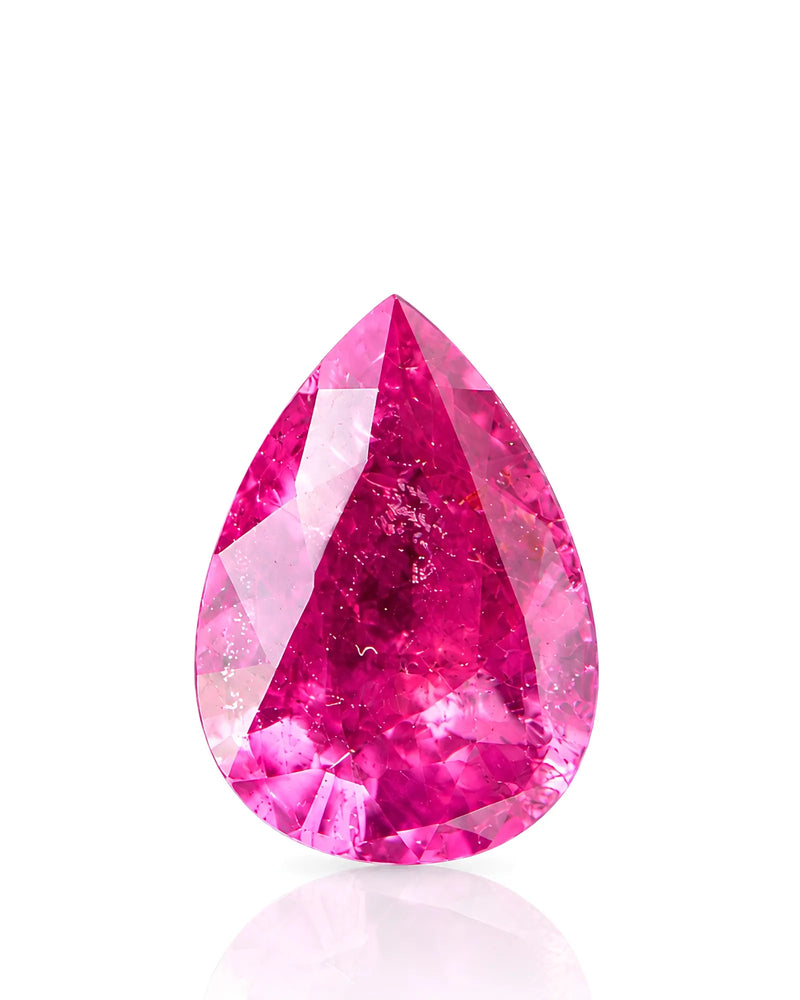
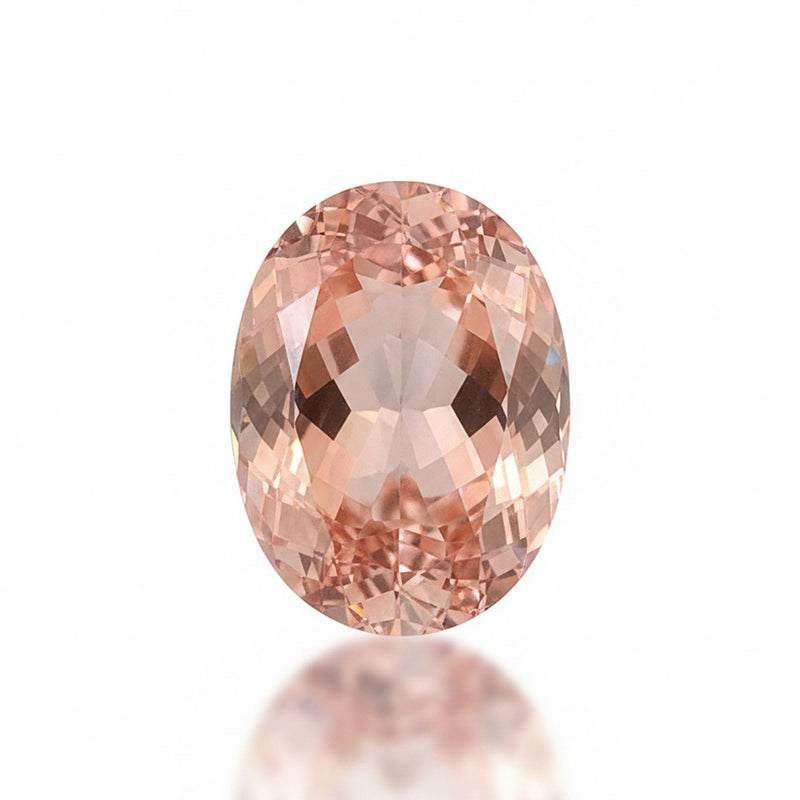
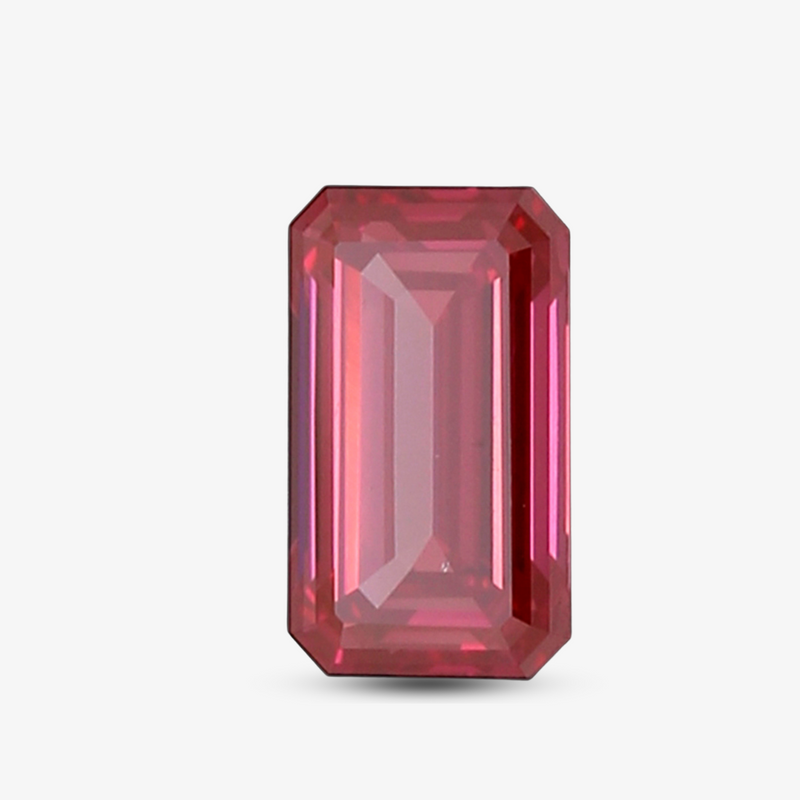
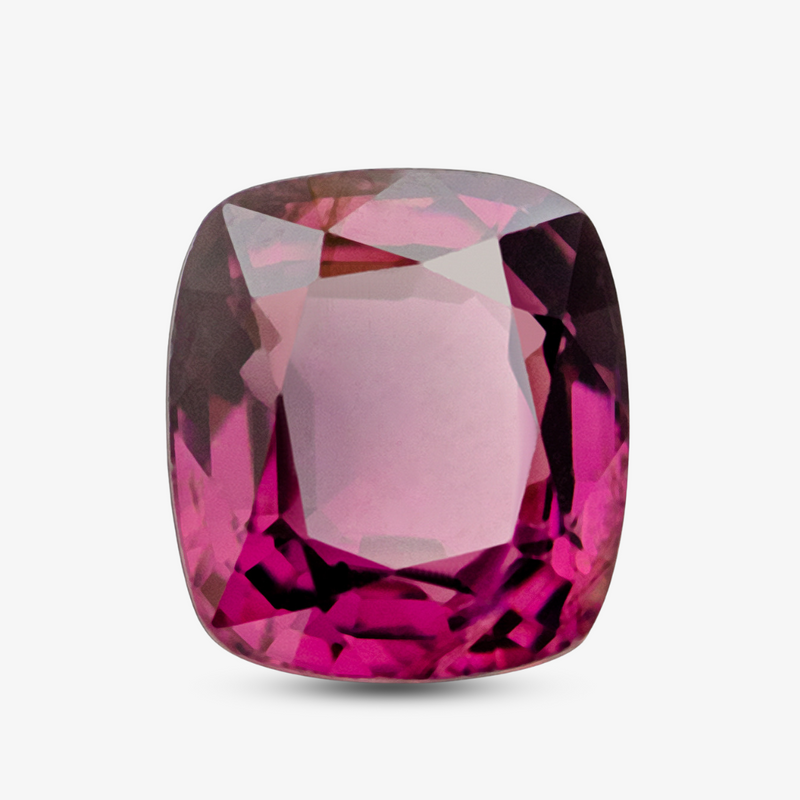
Rhodolite is the purplish-red garnet, an intermediate between pyrope and almandine, and the brightest inexpensive purple available. The colour is raspberry to grape, and the best Tanzanian and Mozambican material is vivid rather than merely dark.
Garnet has three overlooked advantages. It is never treated — no heat, no filling, no dye in general use. It is singly refractive, so light is not split into two rays inside the stone and facets read crisply. And it is usually clean, in decent sizes, for very little money.
Colour-change garnet belongs here too. Certain pyrope-spessartine blends shift from a greenish tone in daylight to a strong reddish purple under lamplight — a change as dramatic as alexandrite's, at a fraction of the cost. It is scarce and worth asking about. At Mohs 6.5 to 7.5 garnet is the softest of the main purples and suits earrings, pendants and rings worn occasionally. The garnet collection and our rhodolite guide cover the varieties.
Iolite, Kunzite and Sugilite
Iolite is gem-quality cordierite, a violet-blue stone whose defining property is extreme pleochroism — a good violet-blue down one direction, a pale yellowish grey down another, near-colourless down a third. Orientation therefore decides everything, and a badly oriented iolite is washed out beyond any rescue by polishing. Cut correctly it is attractive, untreated and inexpensive. At Mohs 7 to 7.5 it has distinct cleavage and needs a sensible setting.
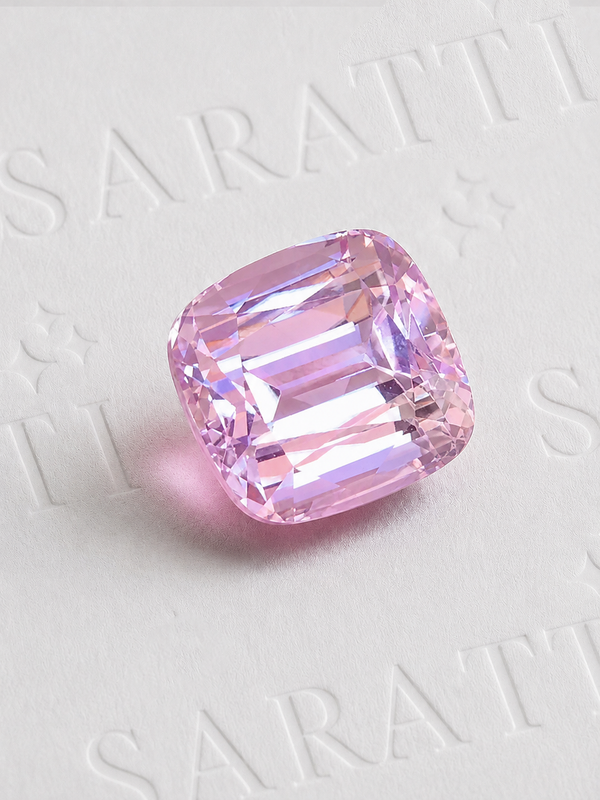
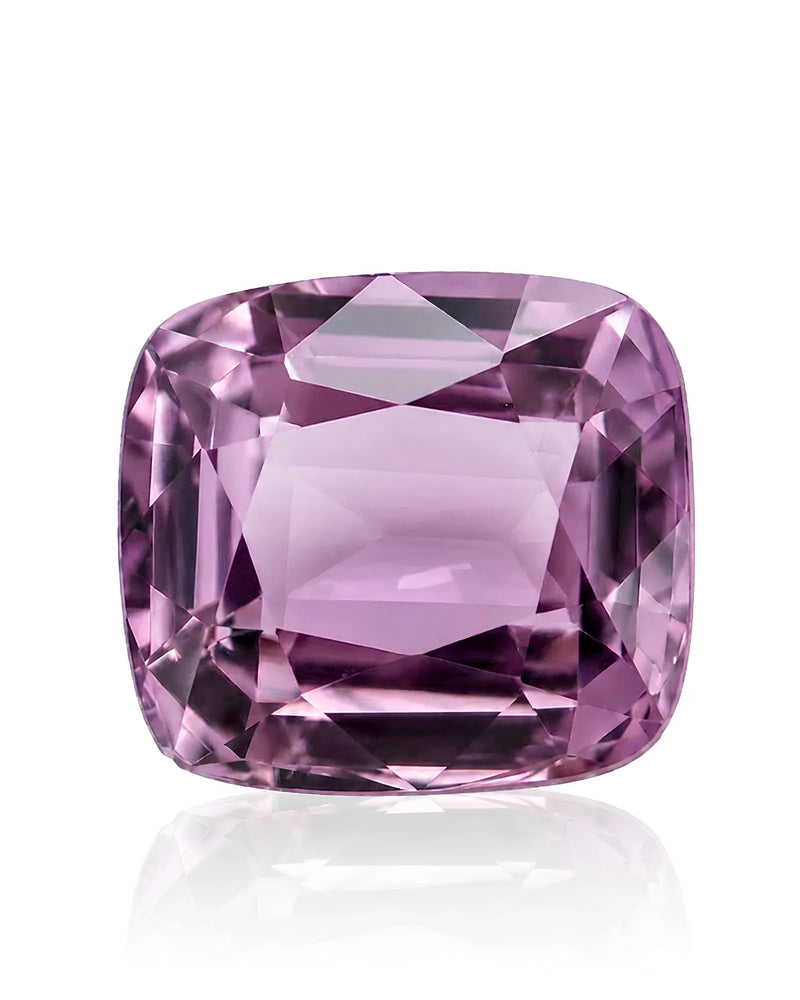
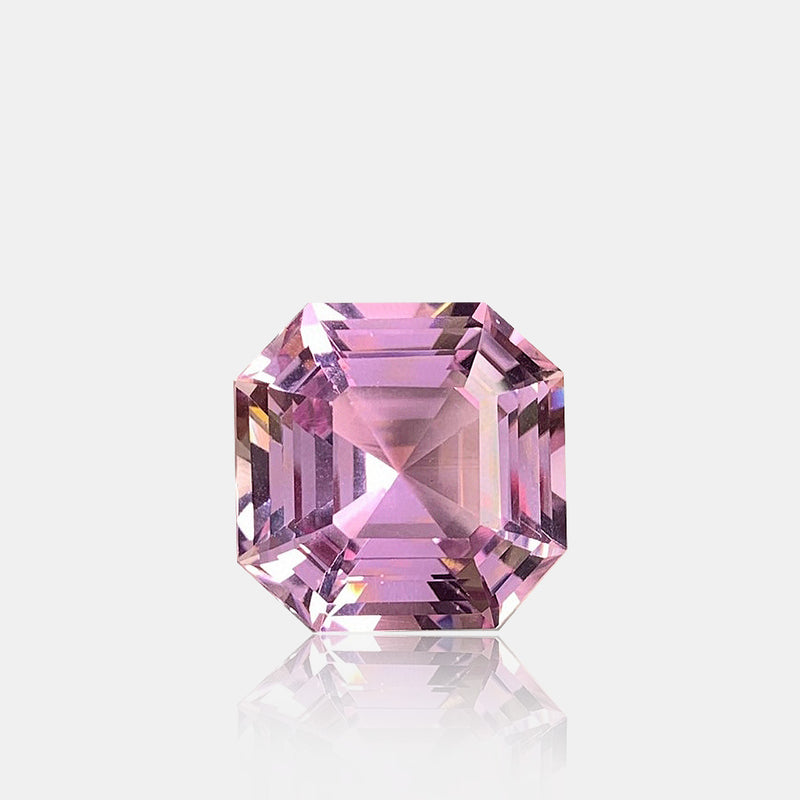
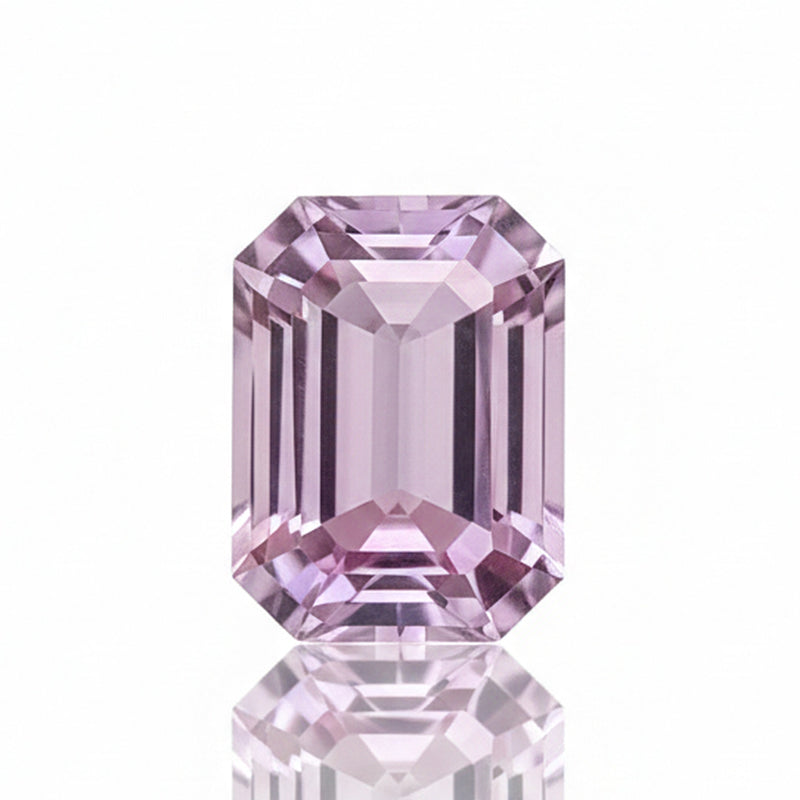
Kunzite is the pink to lilac variety of spodumene, coloured by manganese, and it must be described honestly: its colour fades in light. It is sometimes irradiated to deepen the tone, and irradiated material fades faster, but even untreated stones lighten with prolonged exposure. It also has perfect cleavage in two directions and at Mohs 6.5 to 7 is a poor ring stone. Buy it as an evening piece and keep it dark between wearings. Our kunzite guide sets out the rest.
Sugilite is opaque, a dense magenta-purple rock from South Africa cut as cabochons and beads. At around Mohs 6 it is collector and designer material rather than a faceted gemstone, though top grades are scarce and expensive.
Comparing Them Directly: Budget, Durability, Treatment
On budget, most to least expensive per carat in fine quality: purple sapphire, then colour-change garnet and top purple spinel, then good tanzanite, then ordinary spinel and rhodolite, then iolite and kunzite, then amethyst, the most affordable by a wide margin.
On durability, the order is close to reversed: sapphire at 9, spinel at 8, iolite at 7 to 7.5, amethyst at 7, rhodolite at 6.5 to 7.5, then kunzite and tanzanite last, both cleaved and both soft.
On treatment, purple does better than most colours. Sapphire is frequently untreated here, and spinel, garnet, iolite and most amethyst are untreated as a matter of course. Only tanzanite is treated without exception.
Those orderings agree more than they disagree: the cheapest stone is durable, and the hardest is the most likely to be untreated. The difficulty in purple is not treatment but light — fading in amethyst and kunzite, cleavage in tanzanite, orientation in iolite.
Treatment Across the Group
Stated plainly: tanzanite is heated in effectively every case. Some amethyst is heated to lighten overdark material, and some pale quartz irradiated to produce purple; both are stable and routine. Kunzite is sometimes irradiated, and that treatment is not stable in light.
Spinel, garnet, iolite and most purple sapphire are untreated. For a buyer who objects to enhancement, purple offers more choice than blue does, and considerably more than green.
Where a treatment is known, we state it on the listing, and the standard we apply is set out in how SARATTI grades gemstones.
Durability and Daily Wear
Hardness resists scratching; toughness resists breaking, and cleavage overrides hardness entirely. Two cautions here are real; the rest is manageable.
The first is tanzanite's cleavage. At 6.5 to 7 with a perfect cleavage plane, it parts under a knock a sapphire would not notice. Set it protectively, keep it off a working hand, and never put it through an ultrasonic or steam cleaner.
The second is kunzite's fading, against which no setting protects. A kunzite worn daily in sunlight will be visibly paler within a few years, irradiated material faster still. Amethyst fades far more slowly but by the same mechanism.
Purple sapphire at 9 and spinel at 8 are unqualified choices for daily wear. Amethyst at 7 is sound with sensible care, and iolite and rhodolite are fine in settings that shield the girdle. Warm water, mild soap and a soft brush are safe for all of them.
Certification, and How to Choose
An independent report from GIA, GUILD, AIGS, CGRL, GRS or GRC should confirm the species and identify treatment where detectable, and these stones need reports unequally. A purple sapphire of consequence should carry one, to separate natural corundum from synthetic — synthetic purple sapphire is common and cheap — and to state whether it is unheated, since that accounts for much of the price. Spinel needs one chiefly to confirm it is spinel. Tanzanite rarely needs one for treatment, since heating is assumed, but a report separates it from glass and synthetic imitations. Amethyst almost never requires one. Where a report exists it is shown; where none exists, we say so. Recertification with a different laboratory can be arranged, with the fee passed on at cost.
Decide which constraint will not move. If it is daily wear on a hand, purple sapphire, and nothing else comes close. If it is an untreated stone at a fair price, purple spinel is the best buy here. If it is the violet-blue only one deposit produces, tanzanite, worn with respect for its cleavage. If it is size and colour for very little, amethyst. And if you want a stone that behaves like two, ask for colour-change garnet, and view it under both lights before deciding.
Only part of what we can reach is listed online. Describe it, and we will go and look.