One Deposit, a Few Kilometres Across
Every tanzanite ever sold came out of the same place: a strip of ground a few kilometres across in the Merelani Hills, northern Tanzania. There is no second source. No other country produces it, and despite six decades of looking, no comparable deposit has been found anywhere else on earth.
That is unusual. Sapphire comes from a dozen countries, ruby from at least as many, and a shortfall in one is made up by another. Tanzanite has no such fallback. The stone was identified in 1967, and Tiffany, who took on its marketing, gave it the name tanzanite after the country.
Mineralogically, tanzanite is blue-violet zoisite, a calcium aluminium silicate coloured by vanadium. It is not related to sapphire and not a sapphire substitute, although it is frequently sold as one. It has its own strengths and its own real limitations, and both deserve stating plainly. A fuller species account sits in our tanzanite guide.
Trichroism: The Property That Explains Everything Else
Many coloured stones are pleochroic, showing different colours down different crystal axes. Tanzanite is trichroic, and unusually strongly so. Look through a rough crystal along one axis and it is blue; along the second, violet to purple; along the third, a burgundy or brownish tone that nobody wants.
This single property drives almost everything about how tanzanite is cut, priced and sold. The cutter must decide which axis to face up. Orienting for the pure blue axis usually means cutting across the length of the crystal, and that wastes weight — sometimes a great deal of it. Orienting for violet retains more of the rough. Blue-dominant stones are therefore not merely rarer in nature; they are more expensive to produce. That is the main reason violet-leaning tanzanite is consistently cheaper than blue-leaning material of the same size and clarity, and a better explanation than the one usually offered, which is that blue is more fashionable.
Trichroism has a second consequence that buyers meet without understanding it. A tanzanite can look distinctly different under shop lighting than in daylight. Incandescent and warm LED light draw out the violet and red components; north daylight favours the blue. A stone that read as a deep royal blue under a jeweller's spotlight may read as a soft violet on the drive home. This is not a trick and not a defect — it is the stone doing what zoisite does. But it means colour should be judged in more than one light before anything is decided.
What Drives Colour Value
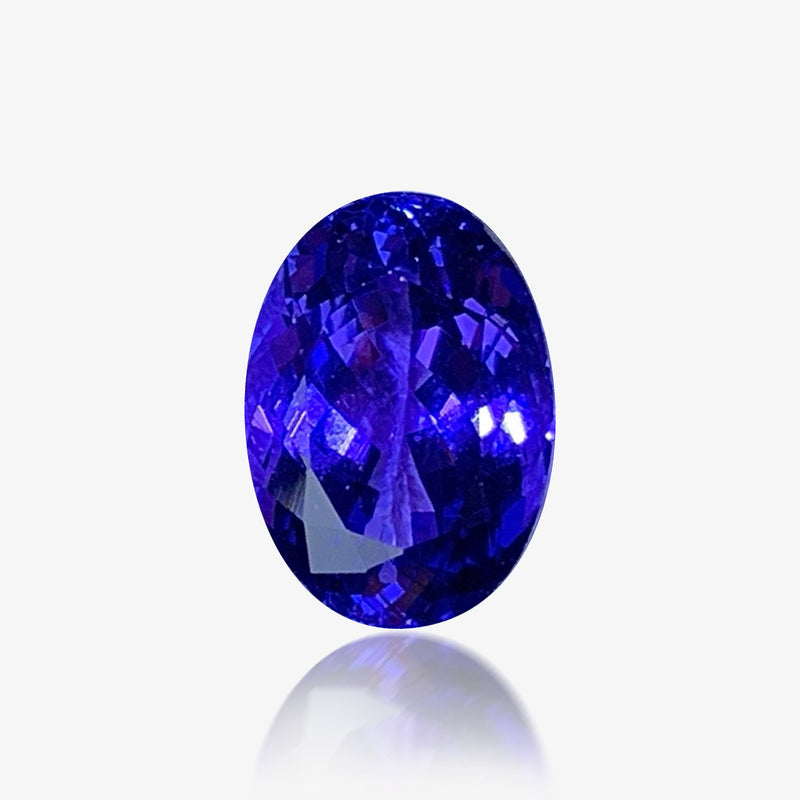
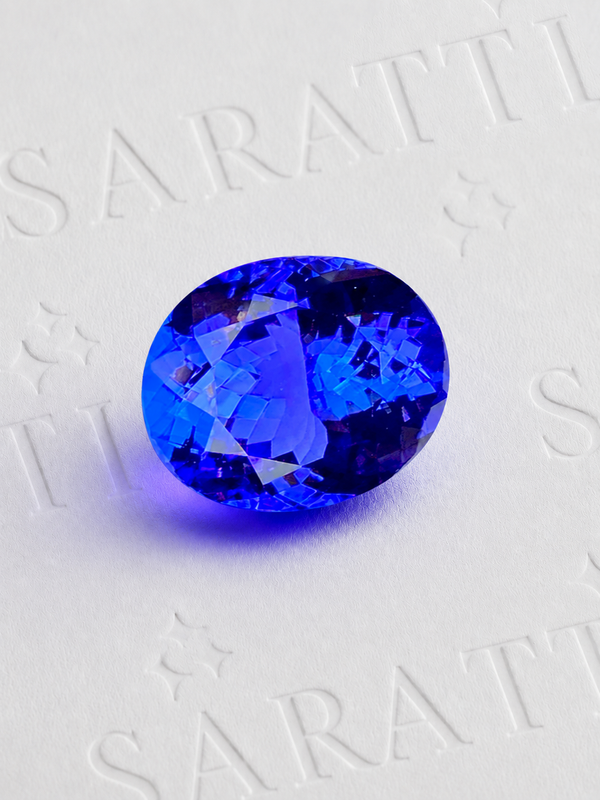
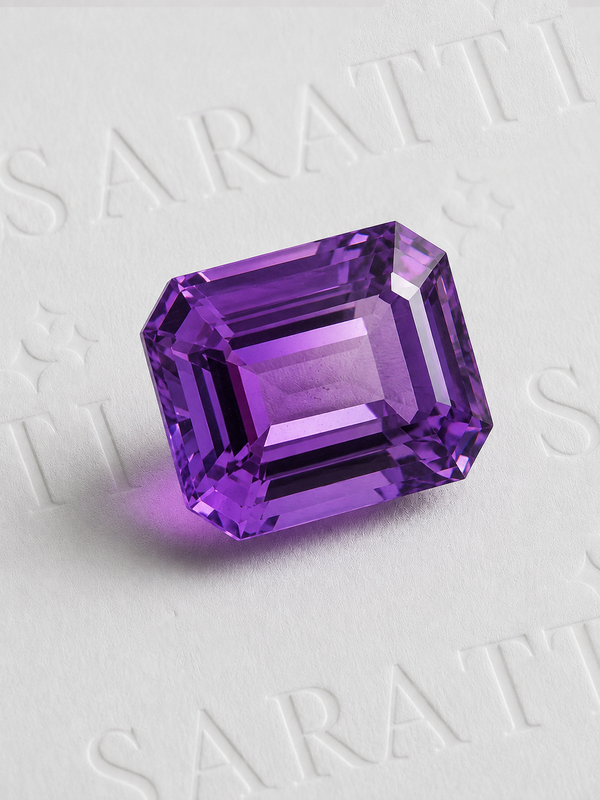
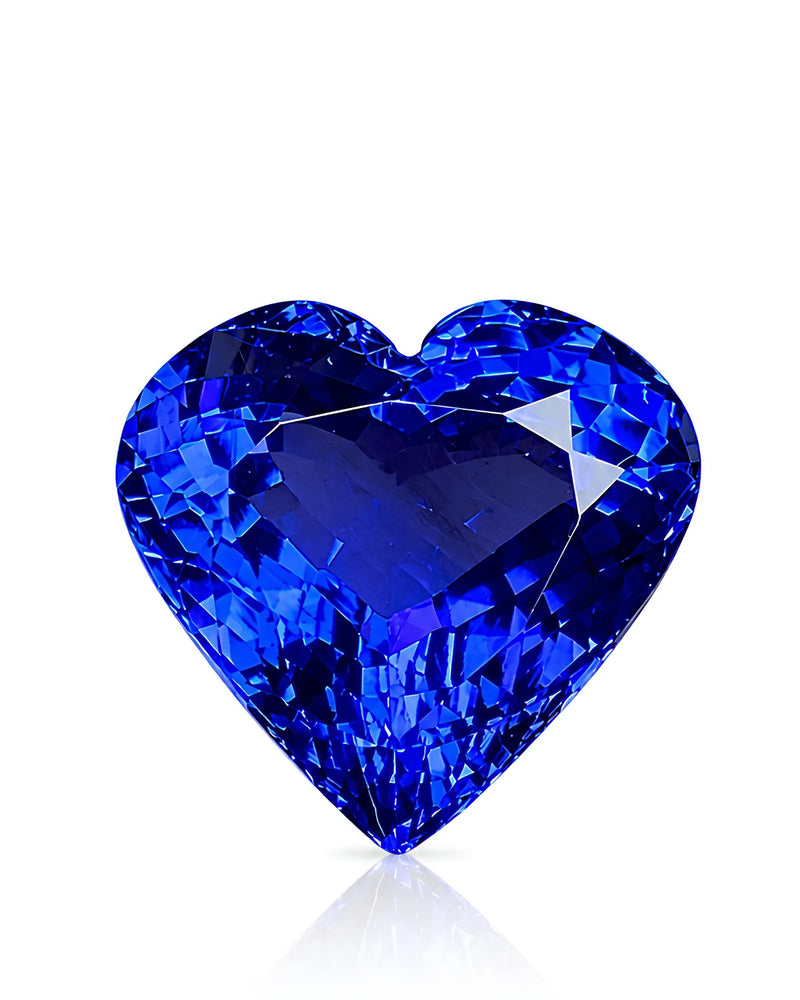
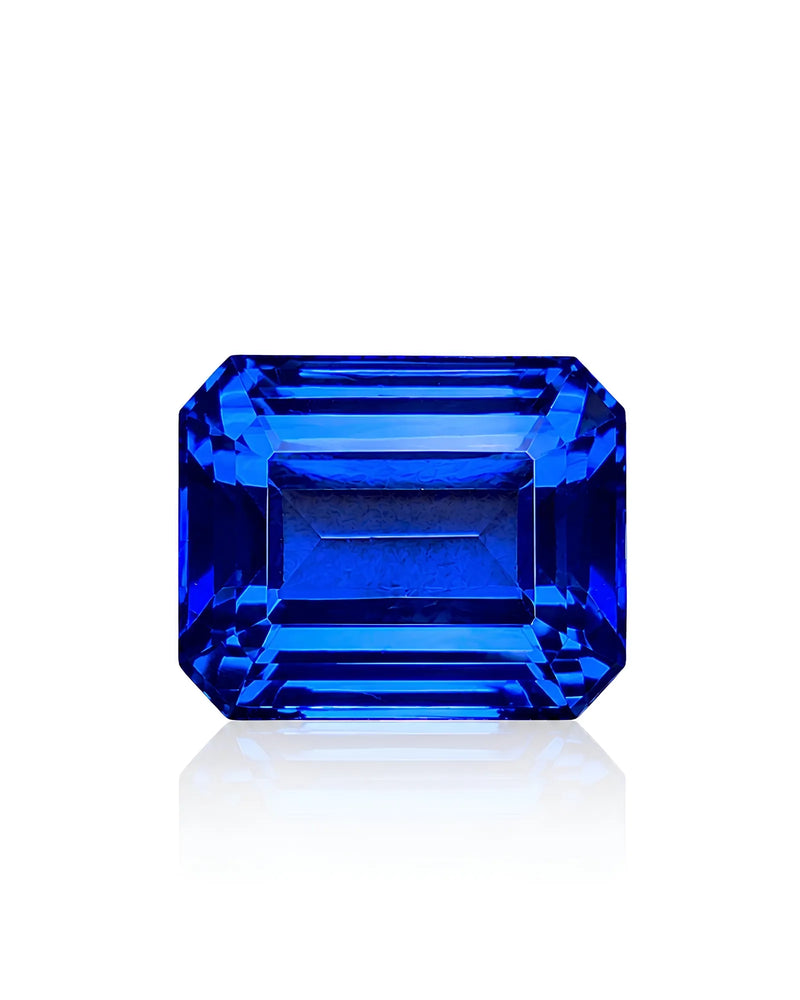
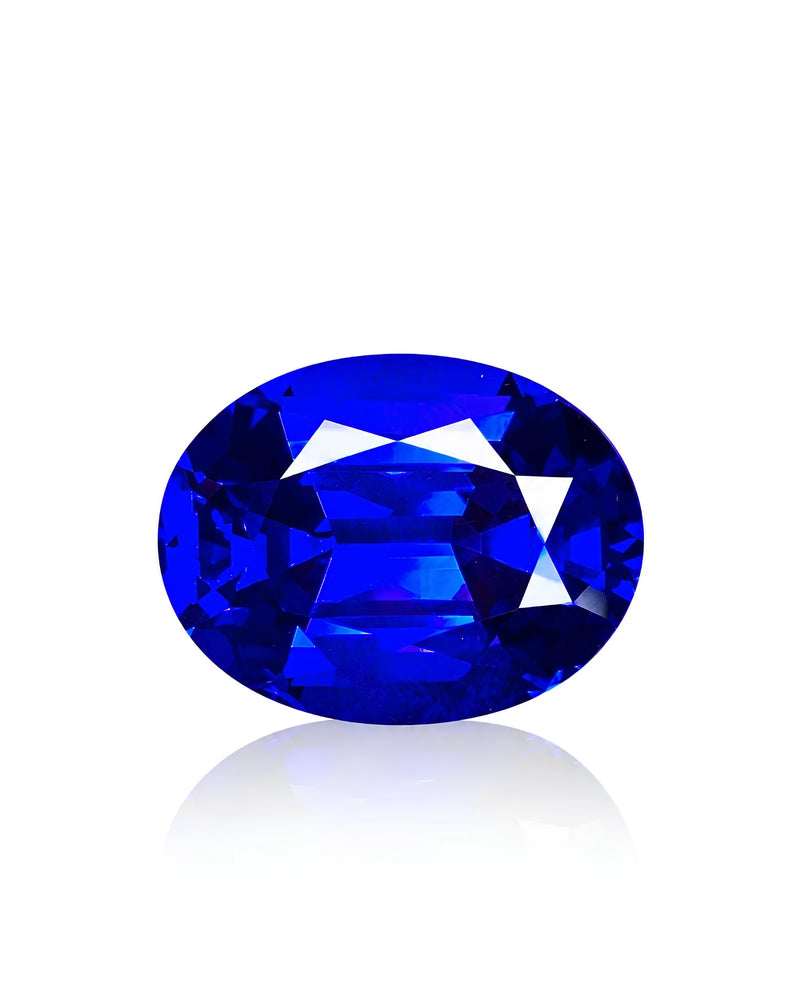
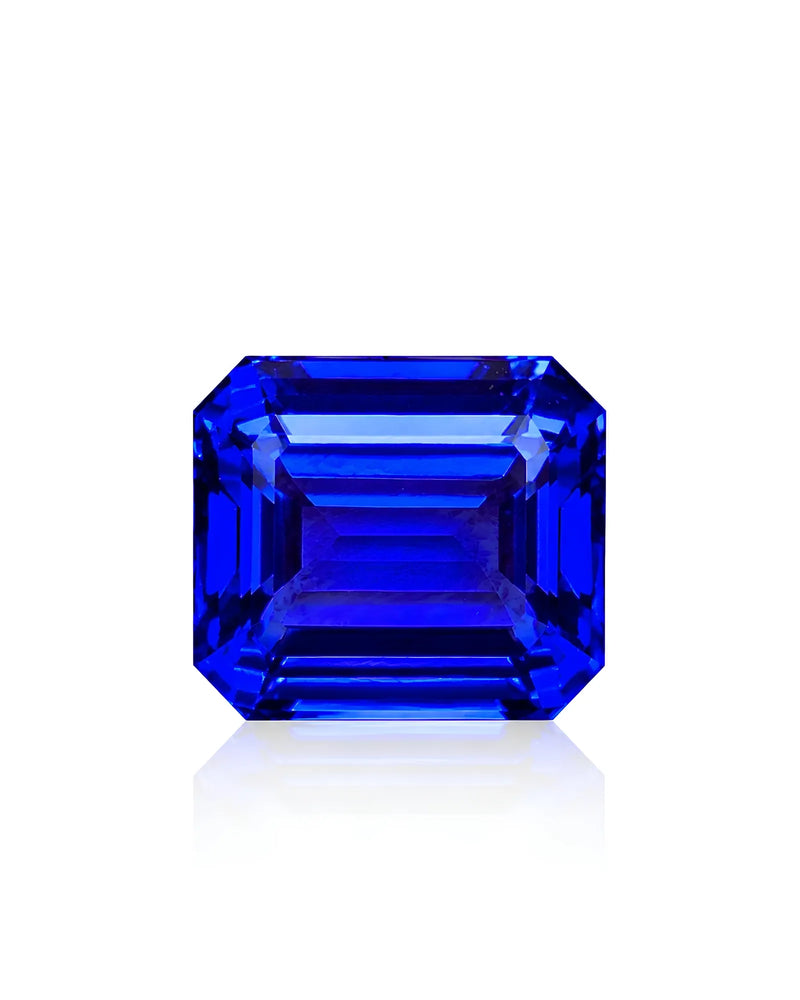
The most valued tanzanite is a deep, saturated violetish blue in a medium to medium-dark tone. The trade sometimes borrows sapphire vocabulary for the top material, which is not helpful — fine tanzanite has more violet in it than fine sapphire, and comparing them directly flatters neither.
The three variables are the same as in any coloured stone. Hue is the balance between blue and violet, blue commanding the premium. Tone is how light or dark; too light and the stone reads washed out, too dark and it closes up. Saturation is intensity, and it separates an ordinary tanzanite from a good one.
Saturation in tanzanite is tied closely to size. Small tanzanite is very often pale. A one-carat stone with genuinely deep colour is not common; below half a carat, most tanzanite in commercial jewellery is a light, greyish periwinkle. The colour that made the stone famous generally starts to appear above two or three carats and deepens from there.
The price curve therefore steps rather than climbing evenly. A fine five-carat tanzanite costs a great deal more than five times a fine one-carat stone, because the one-carat stone with equivalent colour barely exists. If colour is what you are buying, budget for size — in this stone they are the same decision. Our blue gemstone collection and purple gemstone collection show where tanzanite sits against its neighbours.
Clarity, and What to Expect
Tanzanite is a Type I gemstone in the trade classification — material typically found eye-clean. That is the opposite of the situation in ruby or emerald, and it changes what you should accept.
An eye-visible inclusion in a tanzanite is a real deduction, not a characteristic of the species. Fine tanzanite should be clean to the unaided eye at normal viewing distance. Under magnification you may find small crystals, fingerprints or growth tubes, and those are unremarkable. What is not is a fracture reaching the surface, particularly near a corner or the girdle, because of the cleavage discussed below. A surface-reaching break in a stone with cleavage is a structural matter, not a cosmetic one.
Heat, and Being Direct About It
Nearly all tanzanite has been heated. Rough from Merelani generally comes out of the ground brownish, khaki or dull green, and heating to around 500–600°C converts it to the blue-violet the stone is known for. The change is permanent, stable, and universally accepted in the trade. A heated tanzanite is a natural tanzanite.
It is worth being blunt about the proportions. This is not a case like sapphire, where heated and unheated material both circulate in quantity. Untreated tanzanite that is naturally fine blue-violet is genuinely rare, and most stones described that way are either unverified or are pale material that never needed treating. Where a stone is claimed as unheated, that claim should rest on a laboratory report rather than a seller's assurance.
There are also coated tanzanites in the market — thin films applied to the pavilion to deepen apparent colour — and these are a different proposition entirely, being neither permanent nor tolerant of repolishing. Where a treatment is known, we state it on the listing. Our full standard is set out in how SARATTI grades gemstones.
Cut, and the Weight the Cutter Gives Away
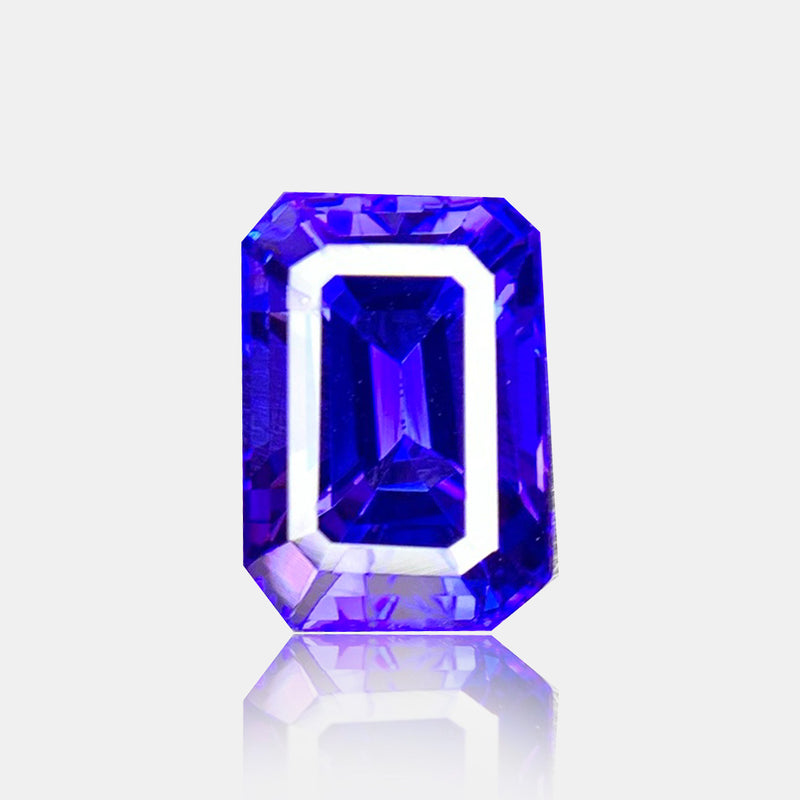
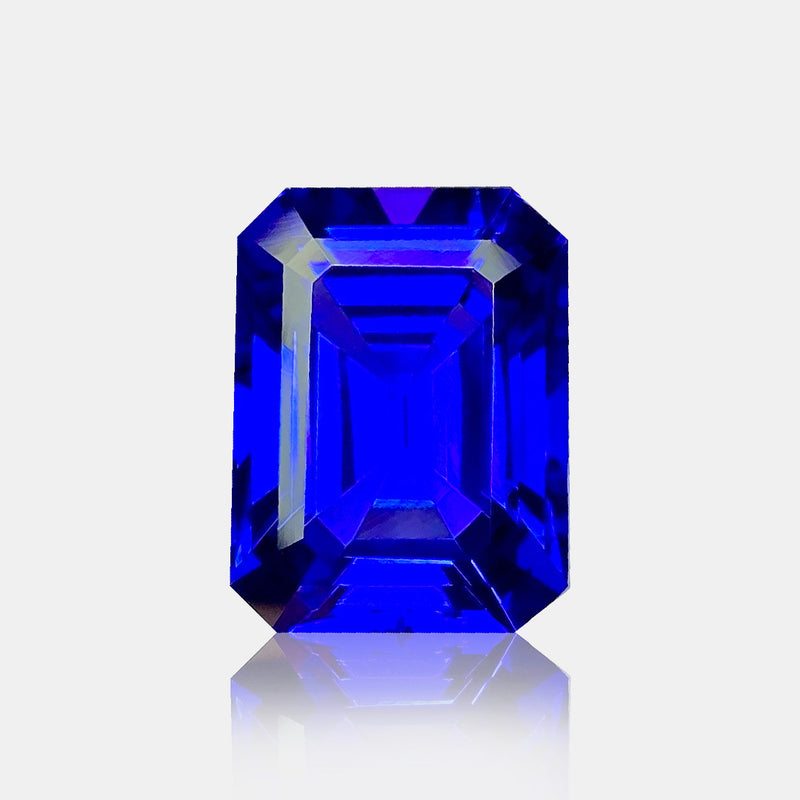
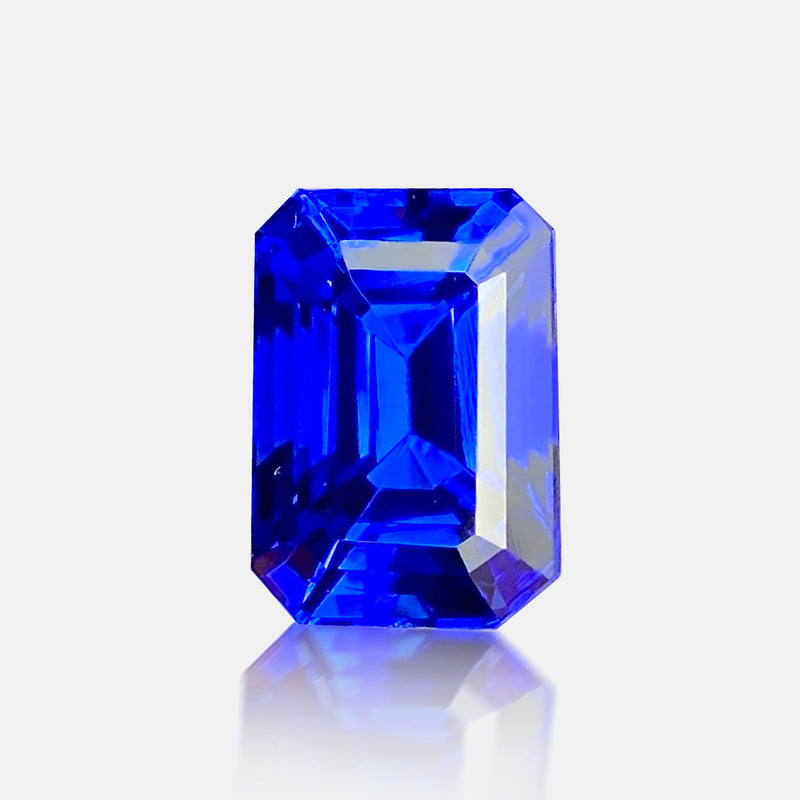
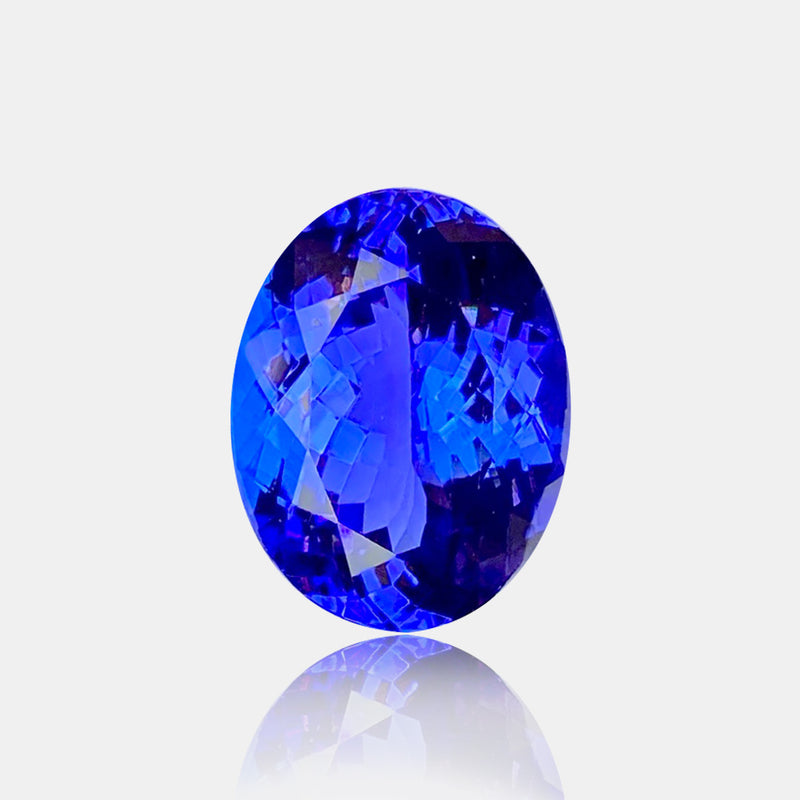
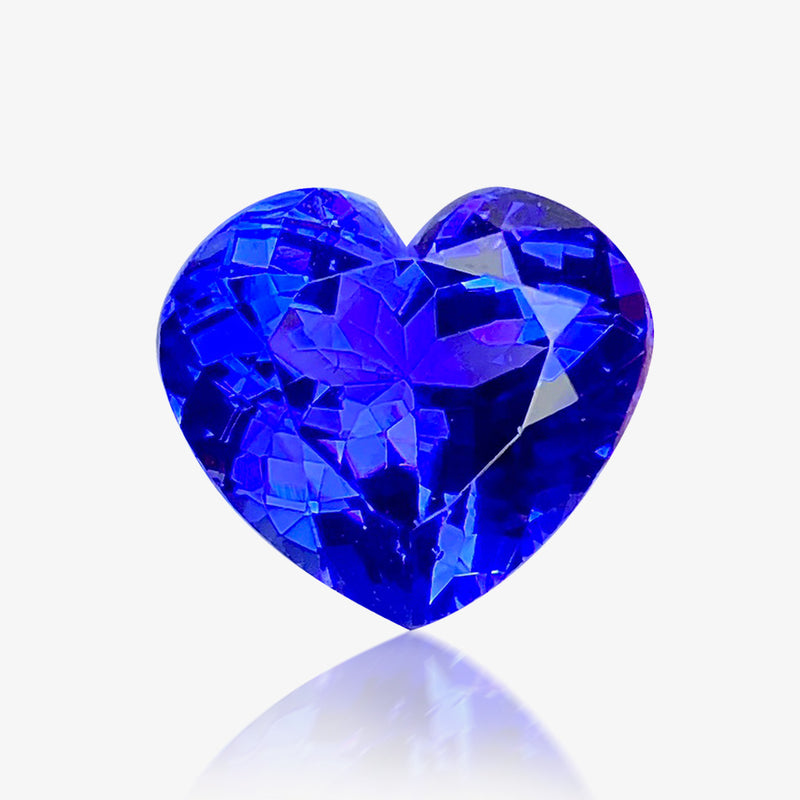
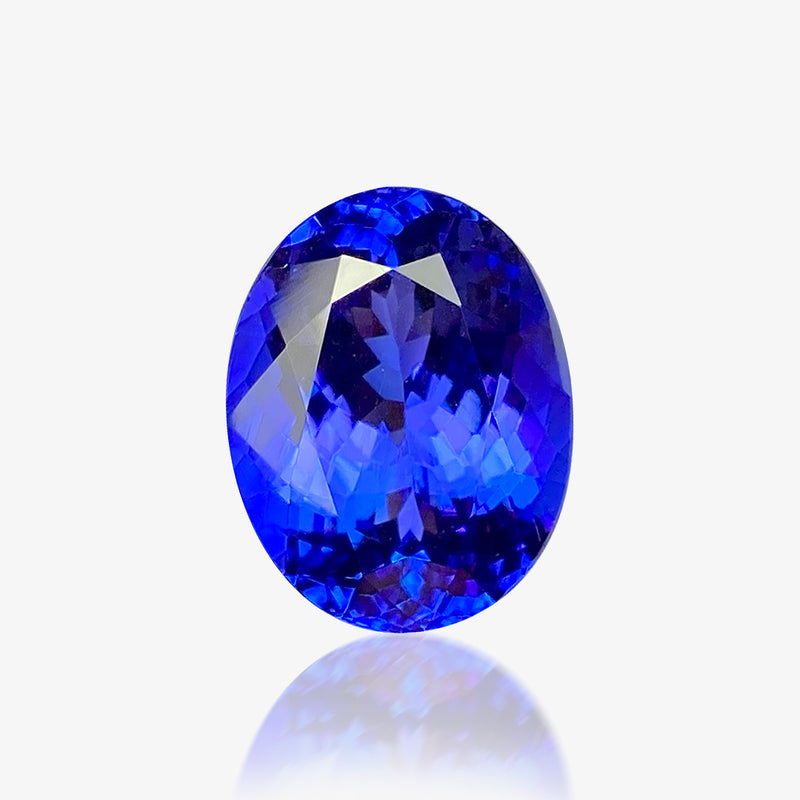
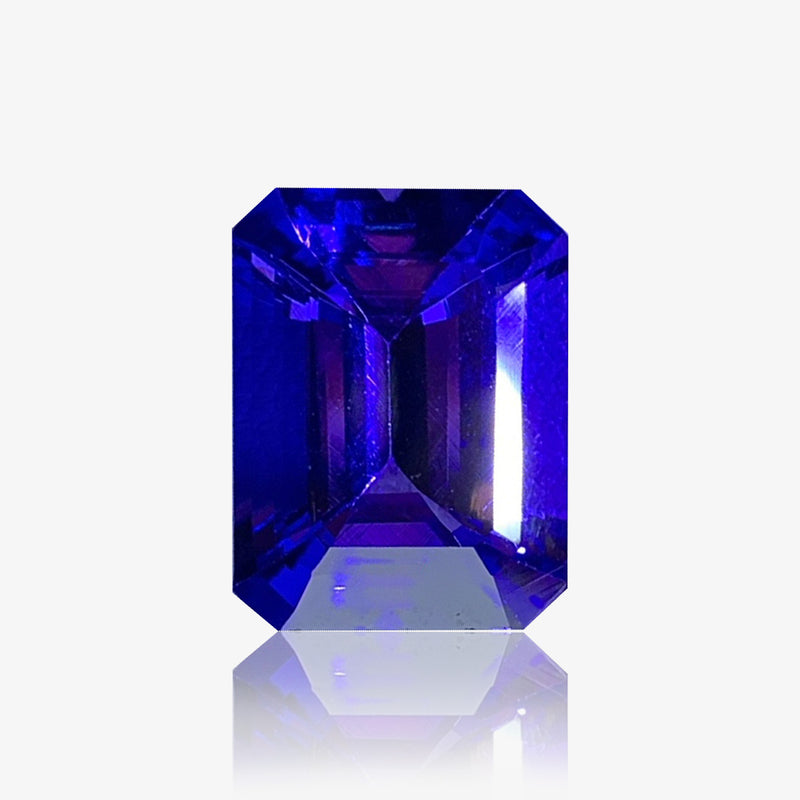
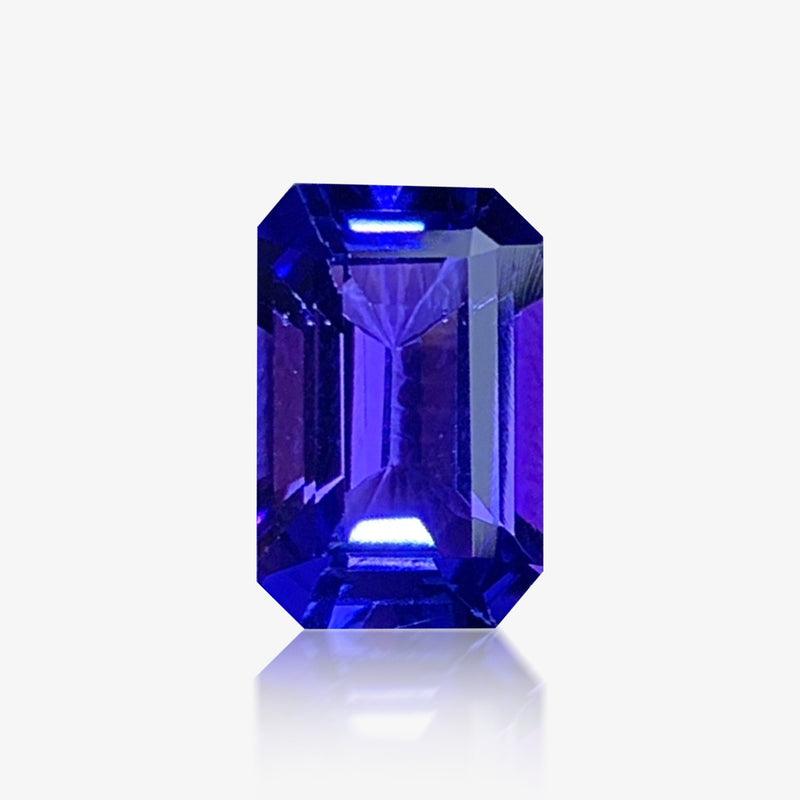
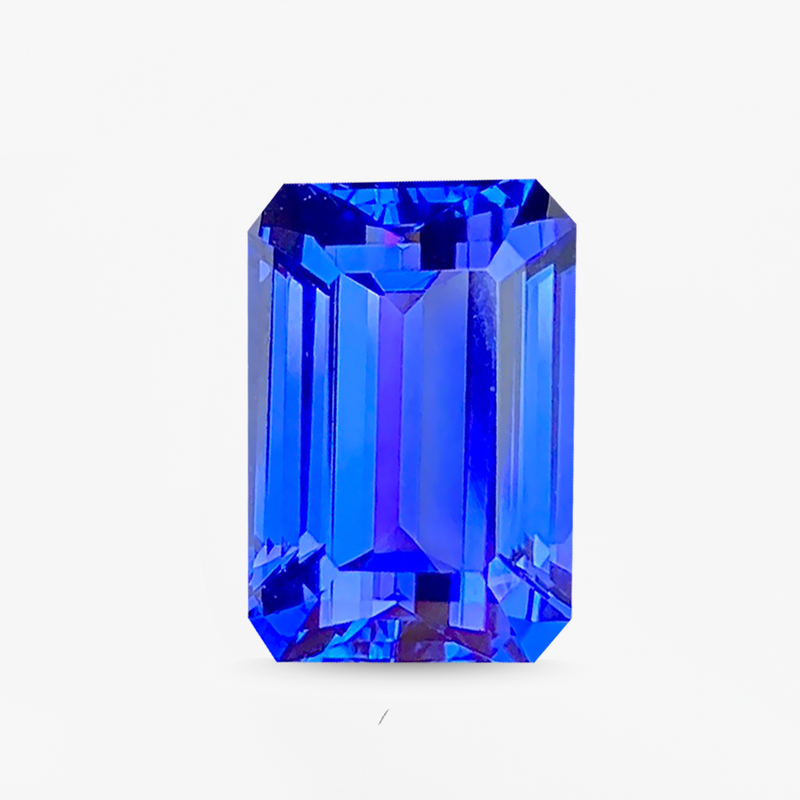
Tanzanite crystals are typically elongated and prismatic, which suits emerald cuts, elongated cushions, ovals, pears and trilliants. Rounds are less common because they fight the shape of the rough.
The orientation problem sits underneath every one of those decisions. A cutter who faces up the strongest blue may give away a substantial share of the weight relative to a violet-oriented cut. That cost is in the price of the finished stone, and it is why two tanzanites of identical weight and clarity can differ so much — you are partly paying for the rough that was cut away.
Judge a cut on whether the colour reads evenly across the face and whether there is a window at the centre where light passes straight through. Deep pavilions are common in tanzanite because depth concentrates colour, which means a tanzanite can look smaller face-up than its carat weight suggests. Compare millimetre dimensions, not weight, when choosing between stones.
Durability, and the Honest Limits
This is the part omitted from most tanzanite copy, and it matters more than anything else on this page.
Tanzanite is Mohs 6.5 to 7, softer than quartz, meaning ordinary household dust can abrade it over years. More importantly, it has distinct cleavage in one direction — a plane along which the crystal will part cleanly if struck correctly. Hardness and toughness are not the same property, and tanzanite is moderate on the first and poor on the second.
The practical rules follow, and they are not optional. Never clean tanzanite in an ultrasonic. Never steam it. Avoid sudden temperature change of any kind, including running a ring under hot water after cold hands. Warm water, a soft brush and mild soap is the whole of the cleaning method.
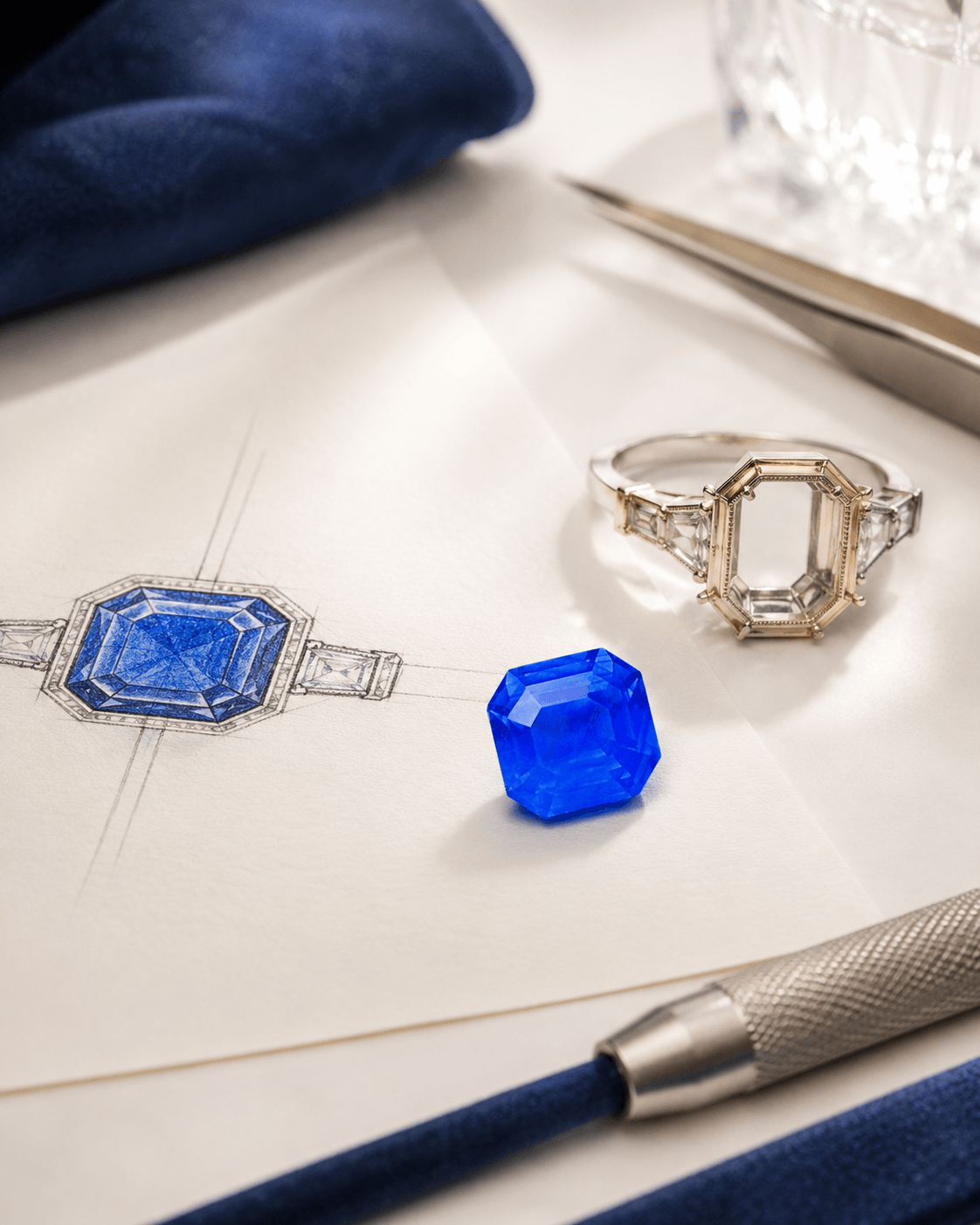
Tanzanite is at its best in pendants and earrings, where it is not struck. It can be set in a ring, but it should be a ring worn with attention rather than a daily band, and the setting should be protective — a bezel, a halo, or a design that keeps the girdle and corners below the metal. A four-claw solitaire in a soft cleavable stone worn every day is asking a great deal of it. A jeweller working on a tanzanite ring should be told what the stone is before the torch comes out.
Certification
For a tanzanite of consequence, an independent report is worth having. A report from a recognised laboratory — GIA, GUILD, AIGS, CGRL, GRS or GRC — will confirm the stone is natural zoisite rather than a synthetic or a simulant, record weight and measurements, and comment on treatment where it is detectable.
Two cautions. Heat in tanzanite often leaves no reliable trace, so a report may say nothing conclusive about it, and the sensible assumption in the absence of evidence remains that the stone was heated. And origin determination is meaningless here — there is only one deposit, so no laboratory can add information by naming it.
Where a report exists, it is shown; where none exists, we say so rather than implying certification a stone does not carry. Where a client would like a stone reviewed by a different laboratory, we can arrange it, and the laboratory fee is passed on at cost.
The Investment Pitch, and Why We Do Not Make It
You will encounter the argument that the Merelani deposit is finite, that it will be exhausted within a generation, and that tanzanite should therefore be bought as an appreciating asset. It is the single most common sales line attached to this stone, and it deserves an honest answer.
The rarity is real. One deposit of a few kilometres is a geological fact, not a marketing invention, and supply is bounded in a way that sapphire's is not. Predictions of the mine's closing date, however, have been made repeatedly since the 1980s and have consistently been wrong, and prices over that period have moved in both directions.
More fundamentally, we do not sell gemstones as financial instruments. A coloured stone is illiquid, priced by opinion, and sold back into a trade that buys at wholesale. We would far rather a tanzanite were bought because someone looked at the colour and wanted it. That reason holds regardless of what the mine does.
Choosing a Tanzanite
Tanzanite is a December birthstone, sharing the month with blue topaz, zircon and turquoise — the newest addition to a very old list, added in 2002. Our birthstone guide sets out the full calendar, and there is further reading in our note on what to look for when buying tanzanite jewellery and in the December birthstone piece on tanzanite's place in the month.
If the stone is for a pendant or earrings, spend the budget on colour and size. If it is destined for a ring, spend some of it on a protective mount and accept a slightly smaller stone. If you are choosing between a deeper violet and a paler blue at the same money, look at both in daylight — the answer is often not the one the shop lighting suggested.
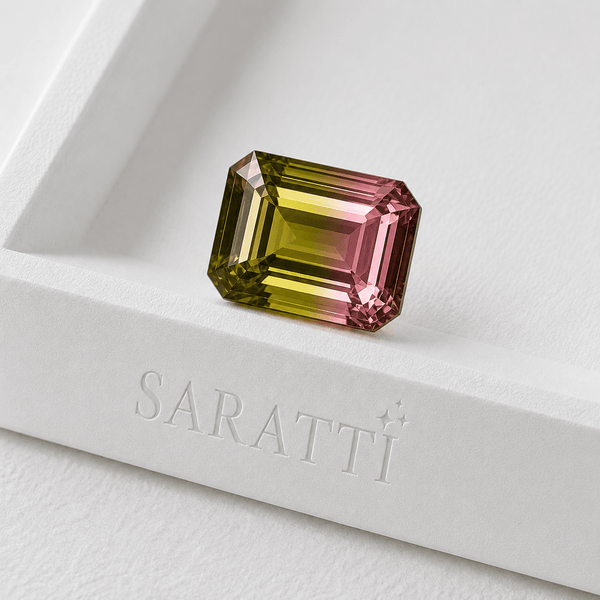
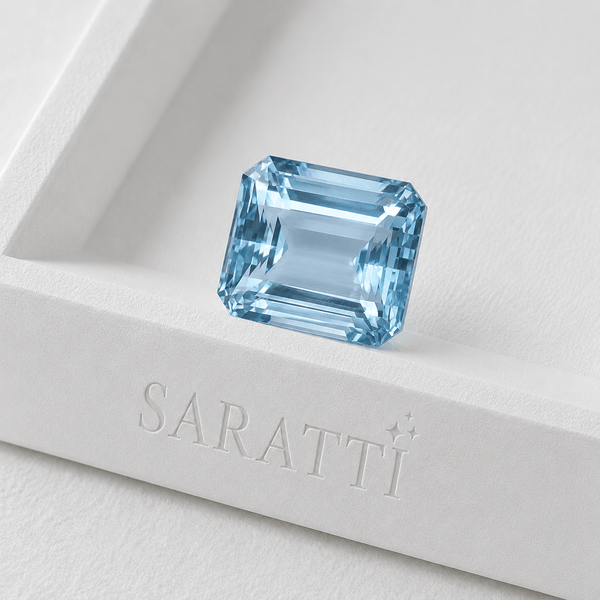
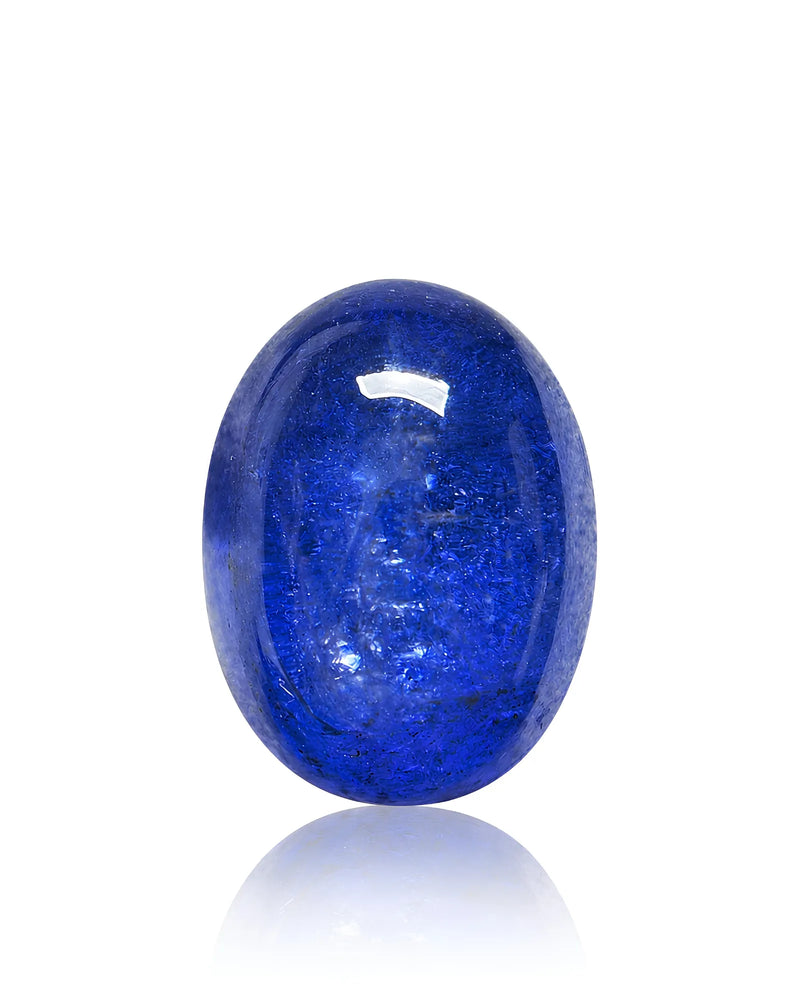
Every tanzanite in this collection is listed individually, with its own photography and its own details. Where a stone has been treated, we say so. Where a report exists, it is shown, and where none exists, we say that too.
And if what you are looking for is not on these pages — a particular tone, a size we are not currently showing, a matched pair for earrings — only part of what we can reach is listed online. Describe it, and we will go and look.




 Engagement Rings
 Gemstone Rings
 Wedding Bands
 The SARATTI Difference
 Gemstone Type
 Shop By Color

 SARATTI
 SARATTI
 SARATTI
 SARATTI
 SARATTI