What Tourmaline Is
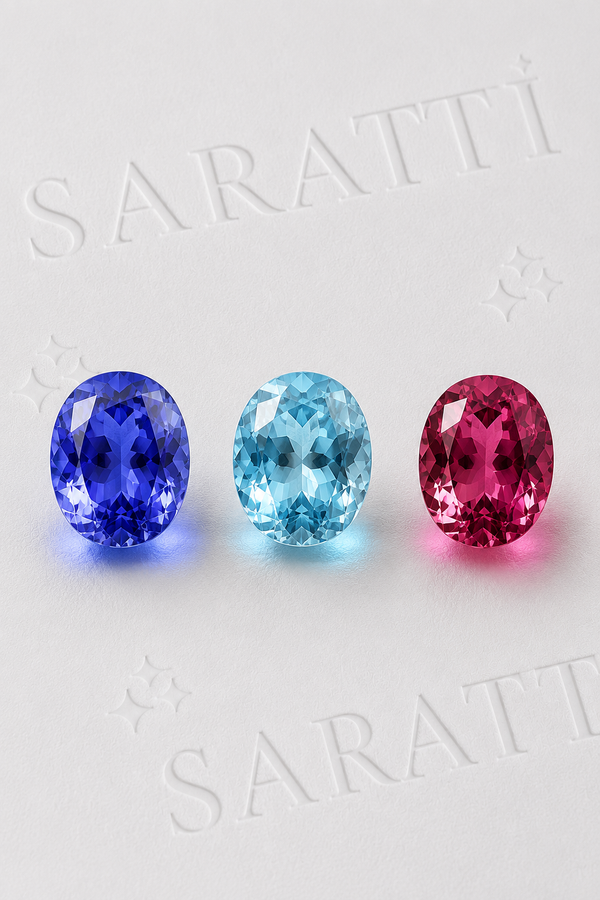
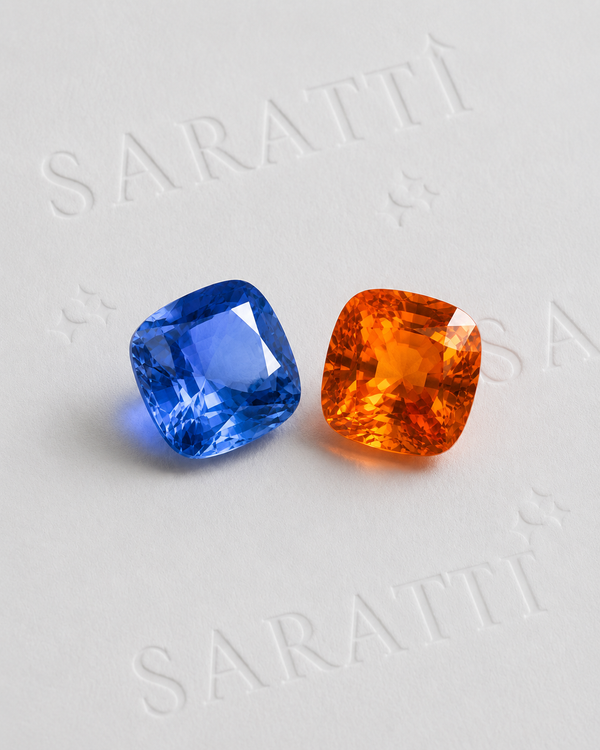
Tourmaline is not one mineral. It is a family — a group of closely related boron silicates whose chemistry varies enormously from one crystal to the next, and it is that chemical promiscuity that produces the widest colour range of any gemstone group on earth.
The species you will actually meet in fine jewellery is elbaite, which accounts for nearly all gem tourmaline. Others exist: dravite in browns, schorl in the black material that is not usually cut, liddicoatite in Madagascar. But when a jeweller says tourmaline, elbaite is almost always what is meant.
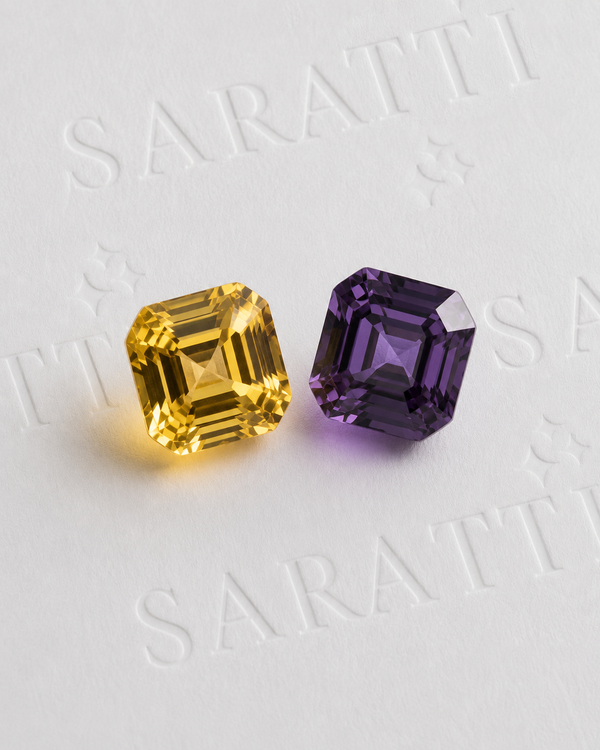
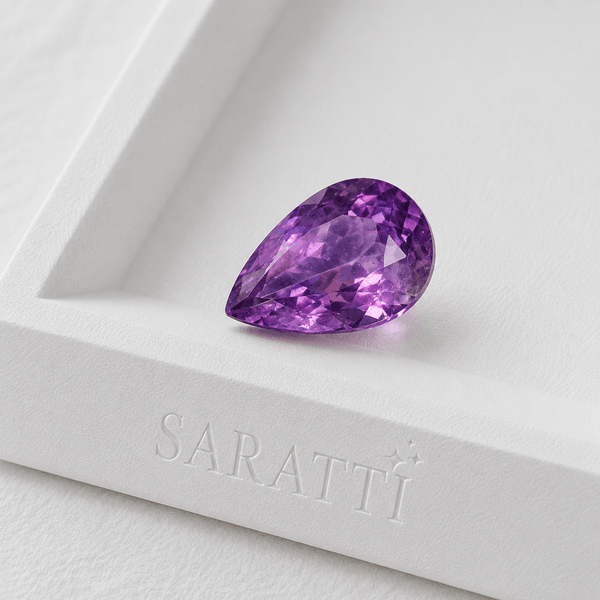
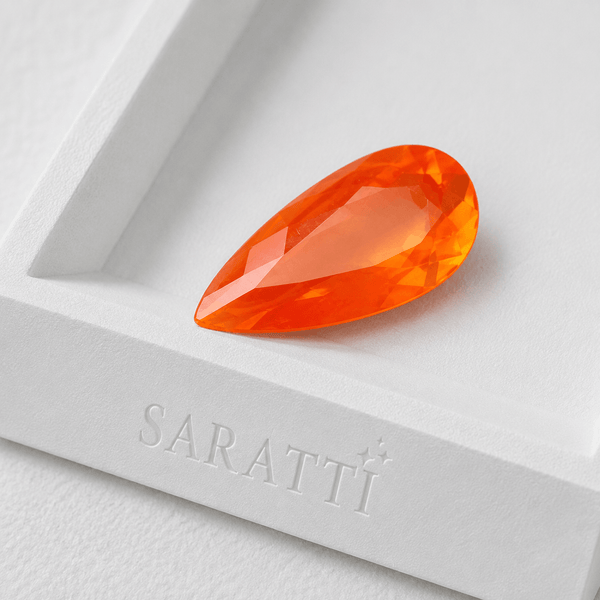
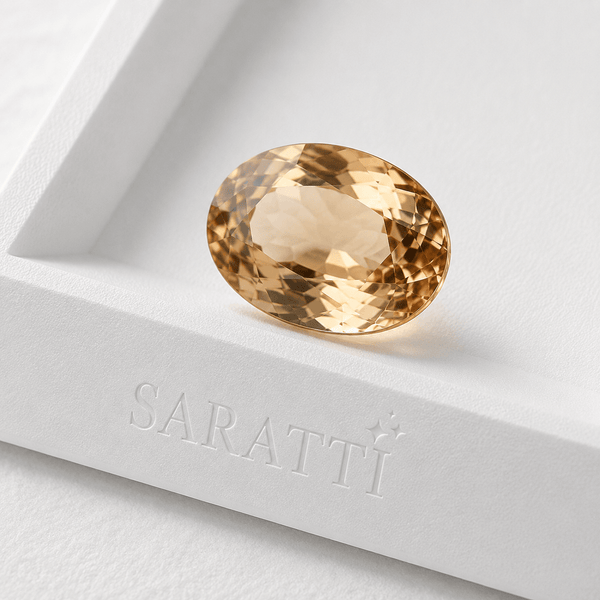
The name comes from the Sinhalese turmali, meaning mixed stones — a merchant's shorthand for a parcel of gems nobody could sort. That is a fair description of the species even now. Tourmaline occurs in red, pink, green, blue, yellow, orange, purple, brown, black, colourless, and in crystals that hold two or three of those at once.
At 7 to 7.5 on the Mohs scale it is durable enough for everyday wear with reasonable care, though it is meaningfully softer than sapphire and benefits from a protective setting in a ring.
The Colours, and Their Names
The trade has given names to the important varieties, and knowing them saves confusion:
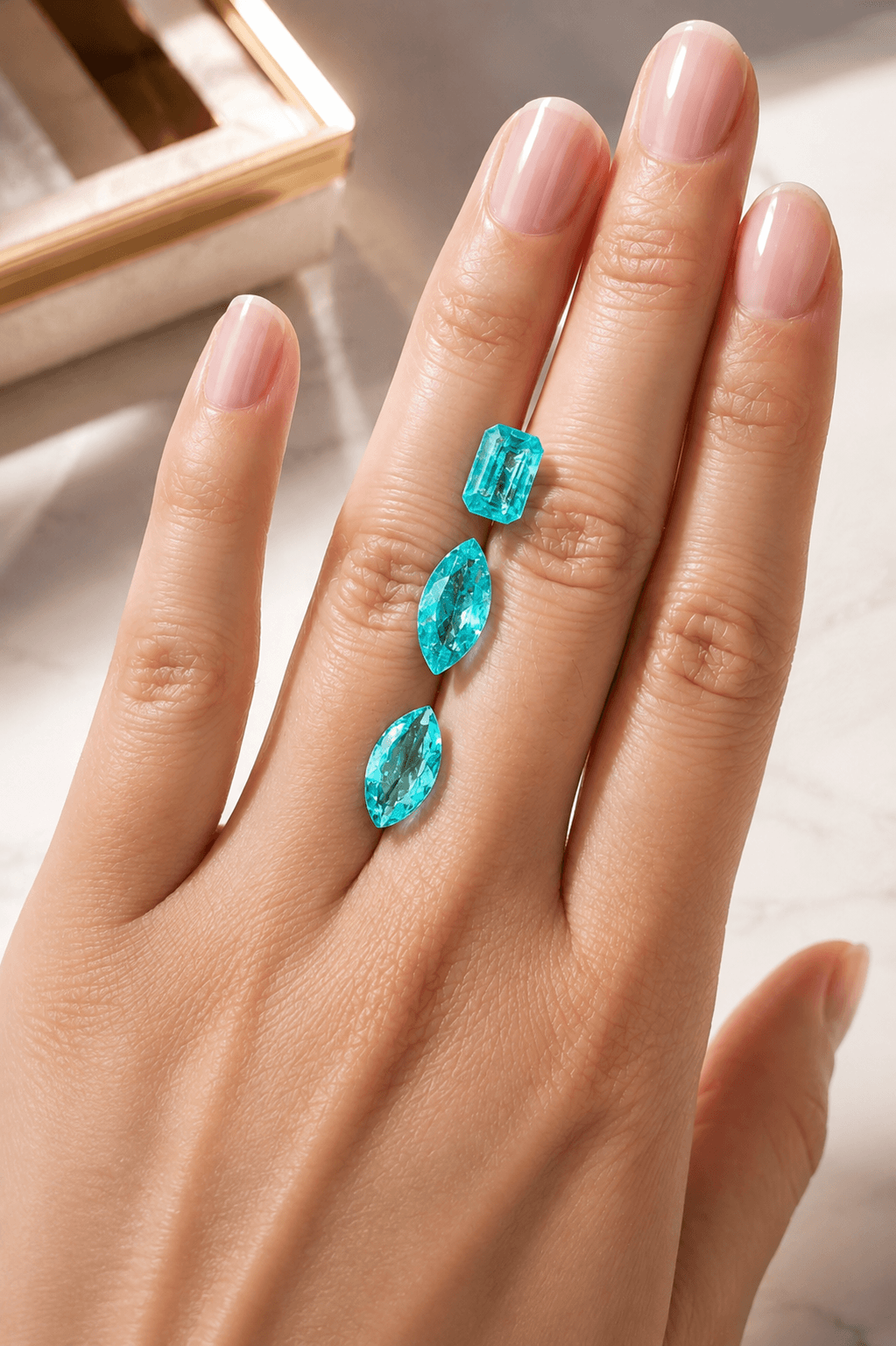
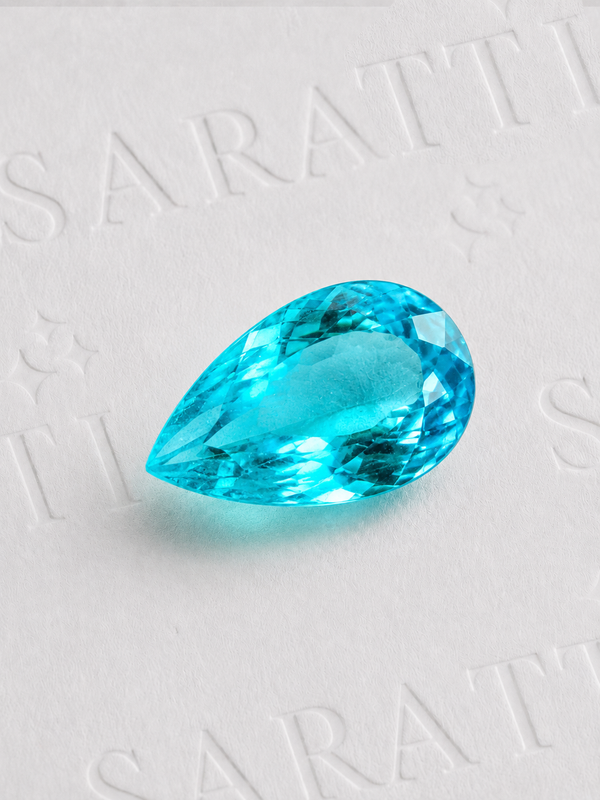
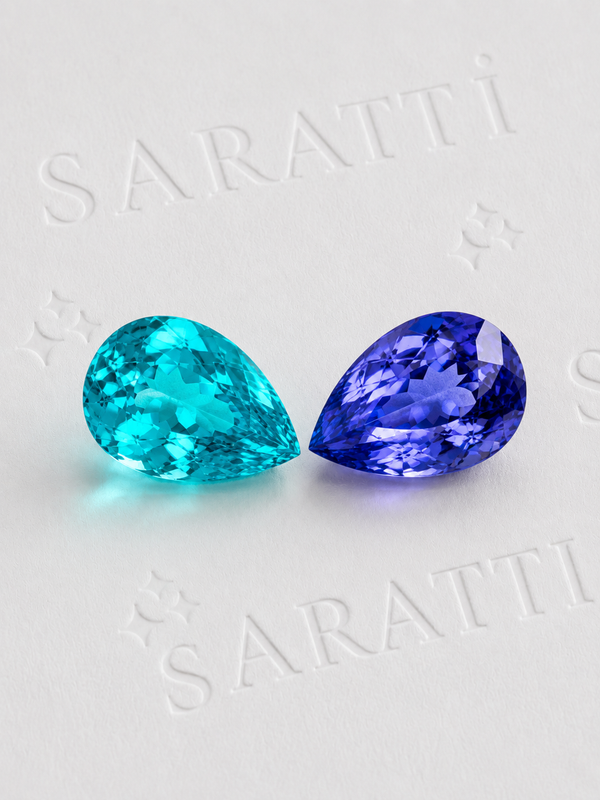
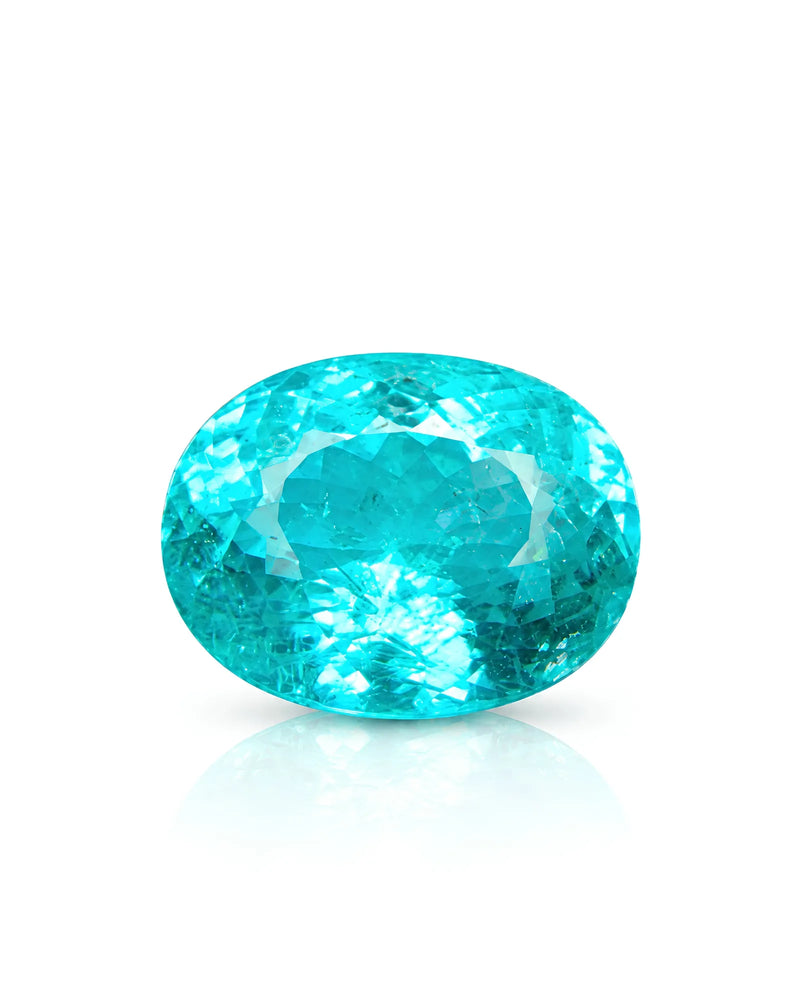
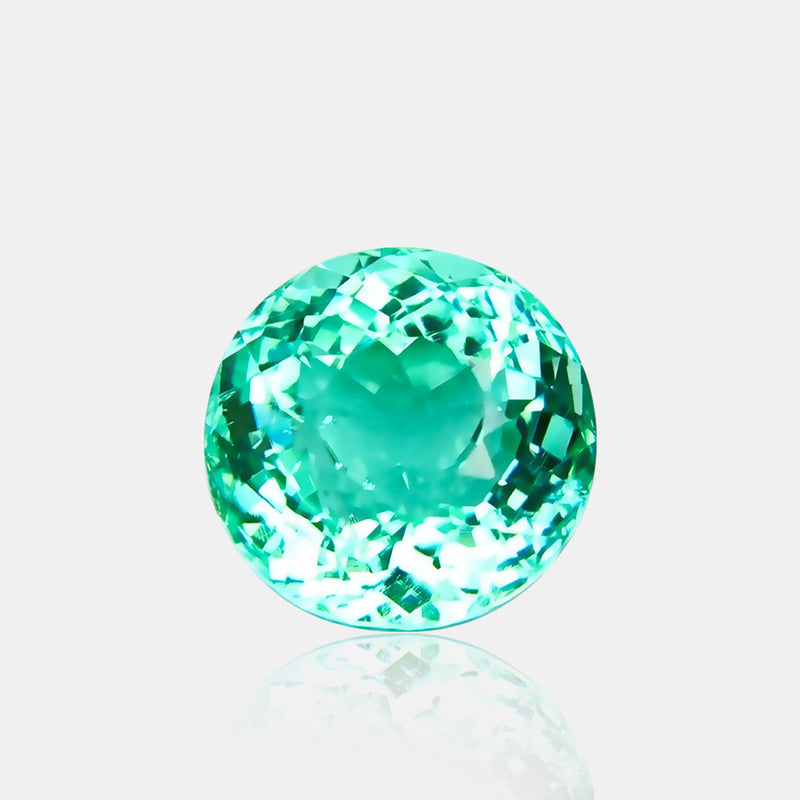
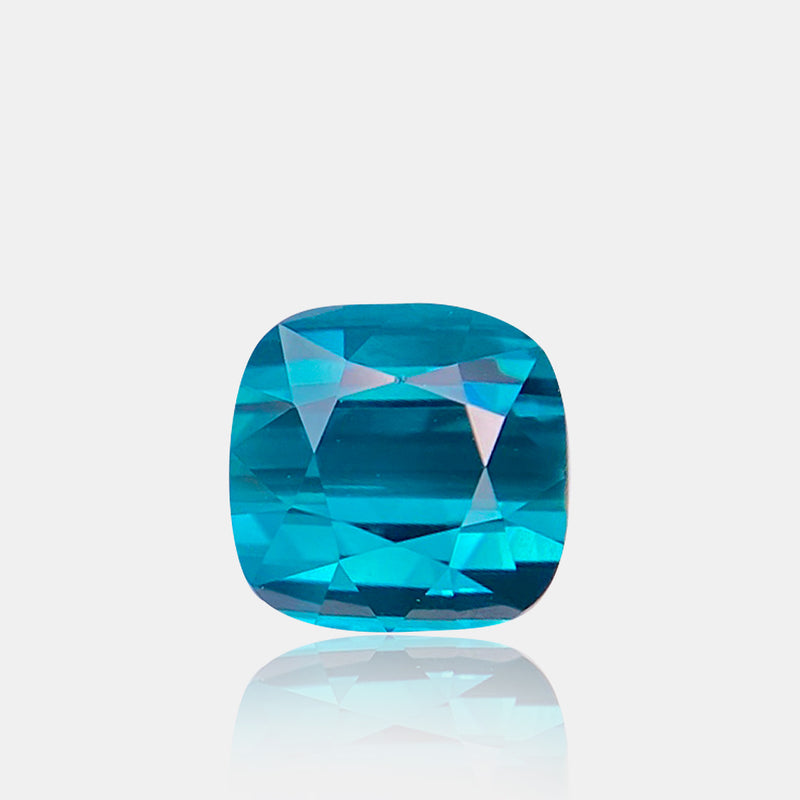
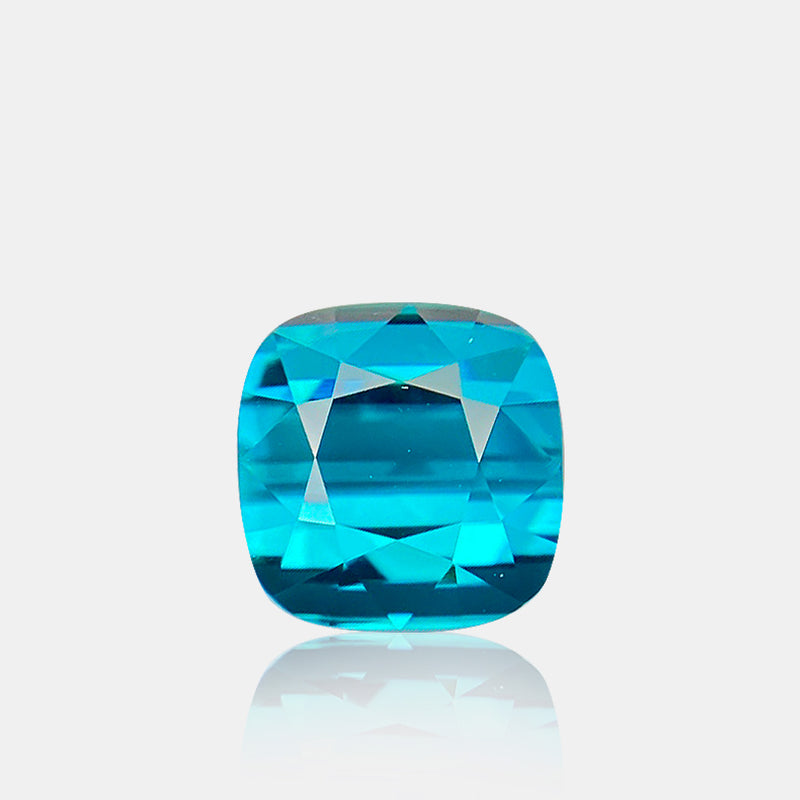
Paraiba — copper-bearing, electric neon blue to blue-green. The rarest and by a very long way the most valuable. It is a chemical classification rather than a colour one, and it has its own collection and its own pricing world.
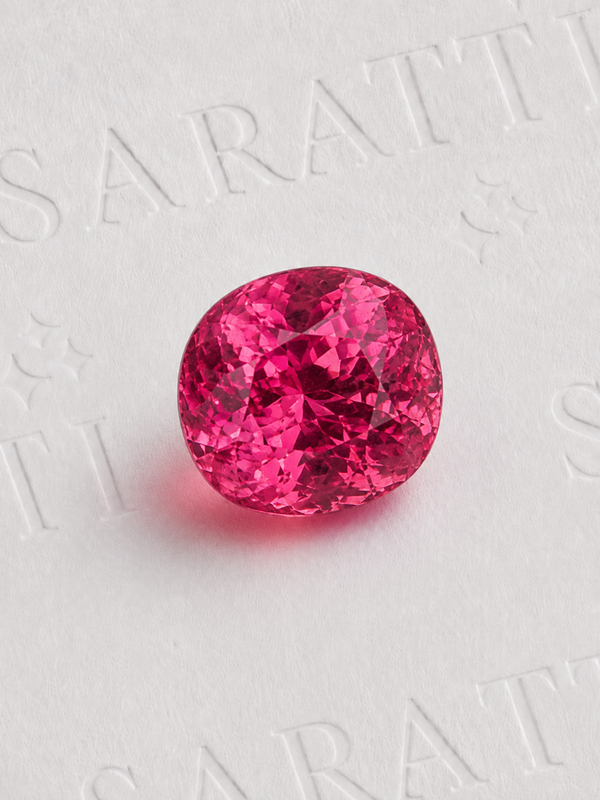
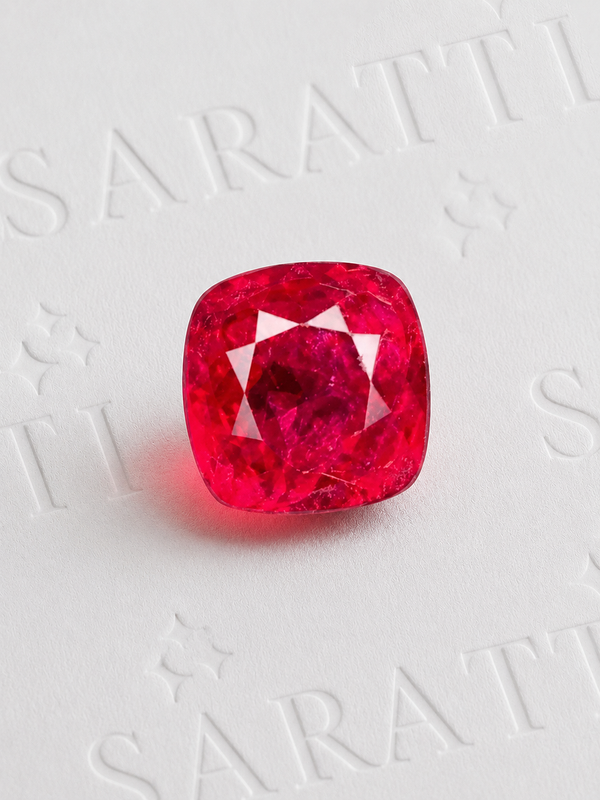
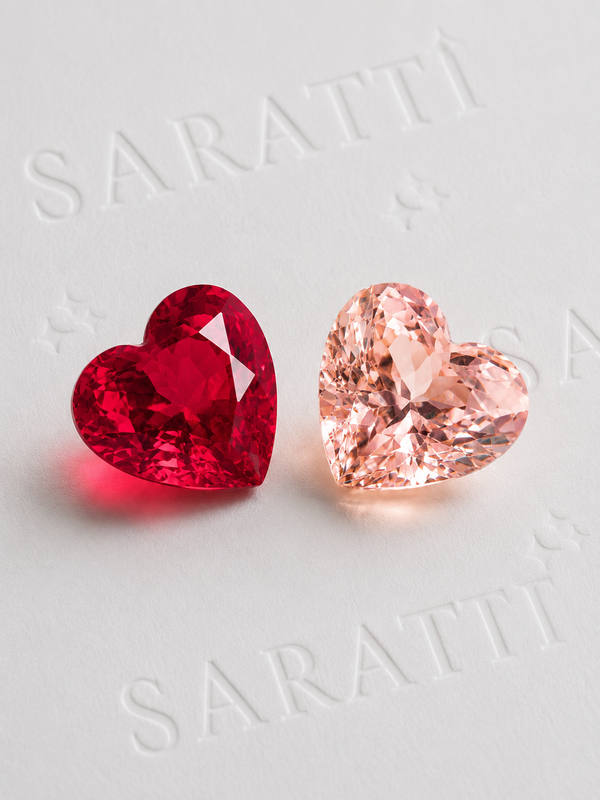
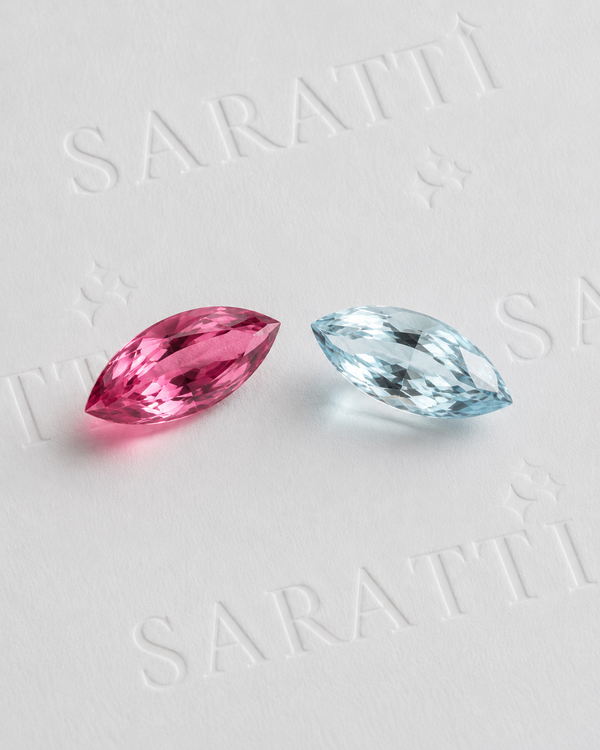
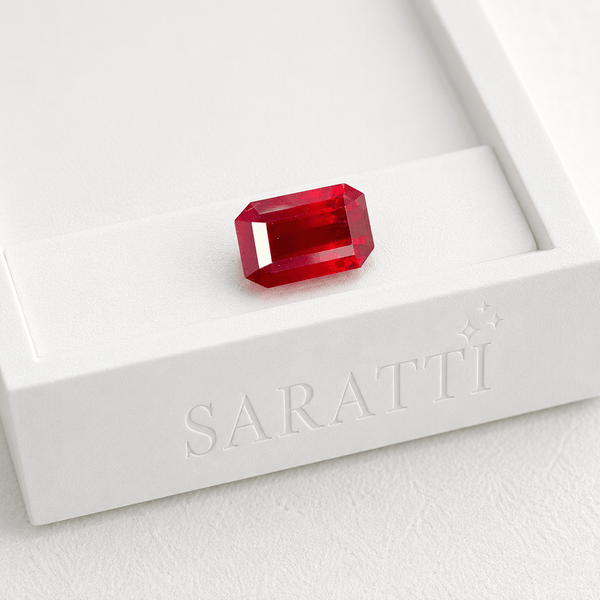
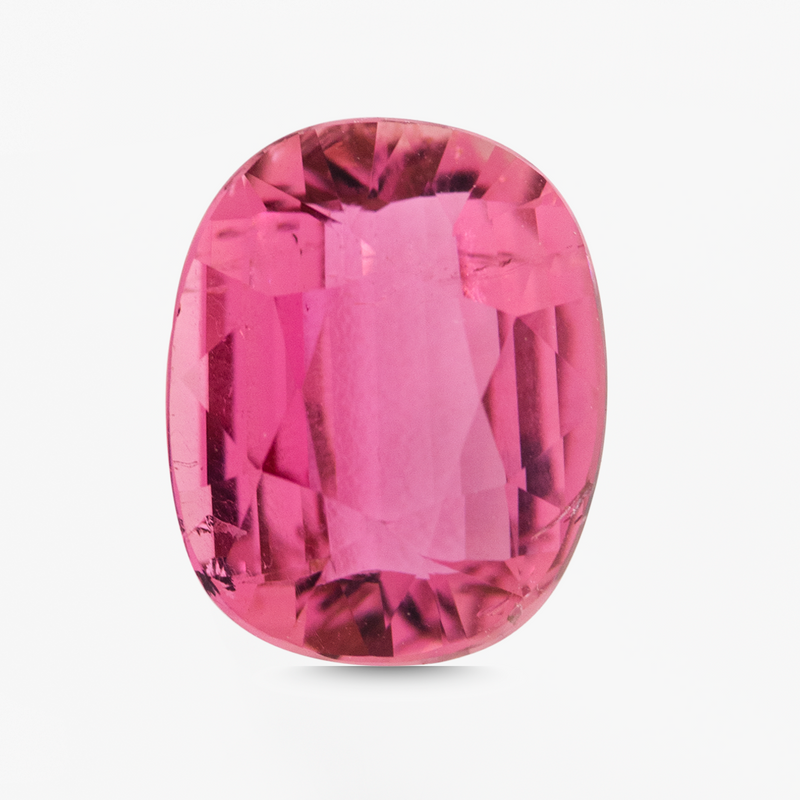
Rubellite — red to pinkish red. The trade test is whether the colour holds under incandescent light rather than turning brown or grey. Fine rubellite is scarce and typically included; there is a separate collection for it.
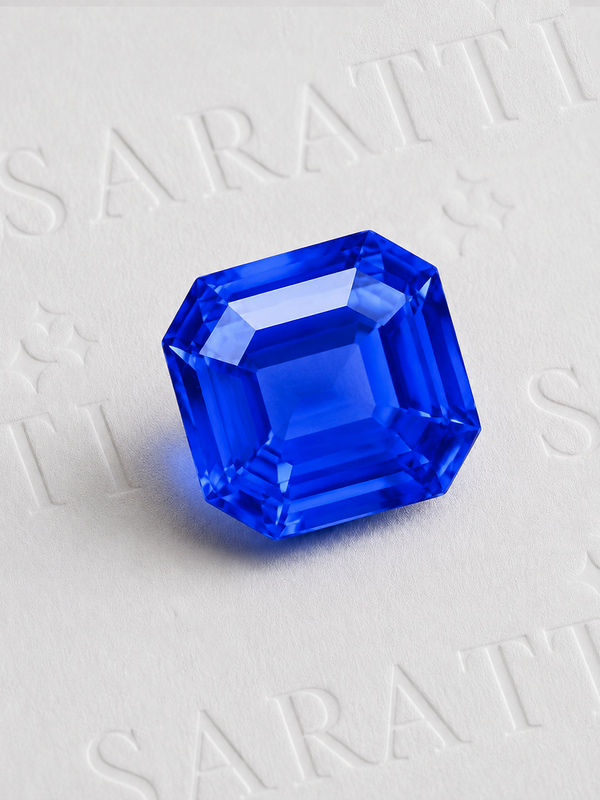
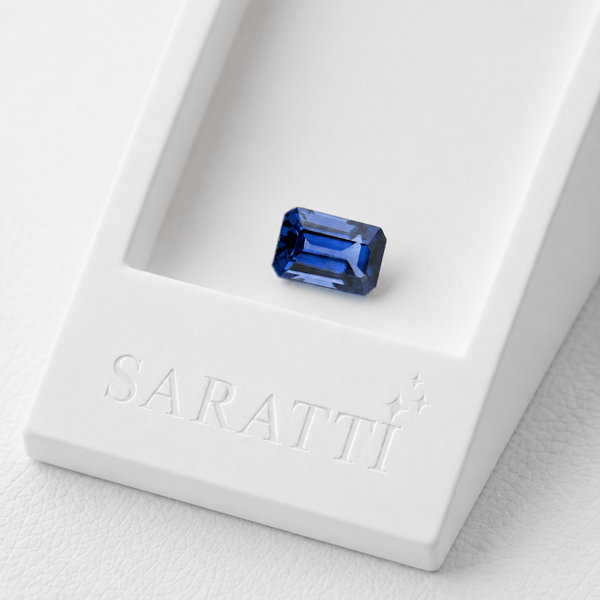
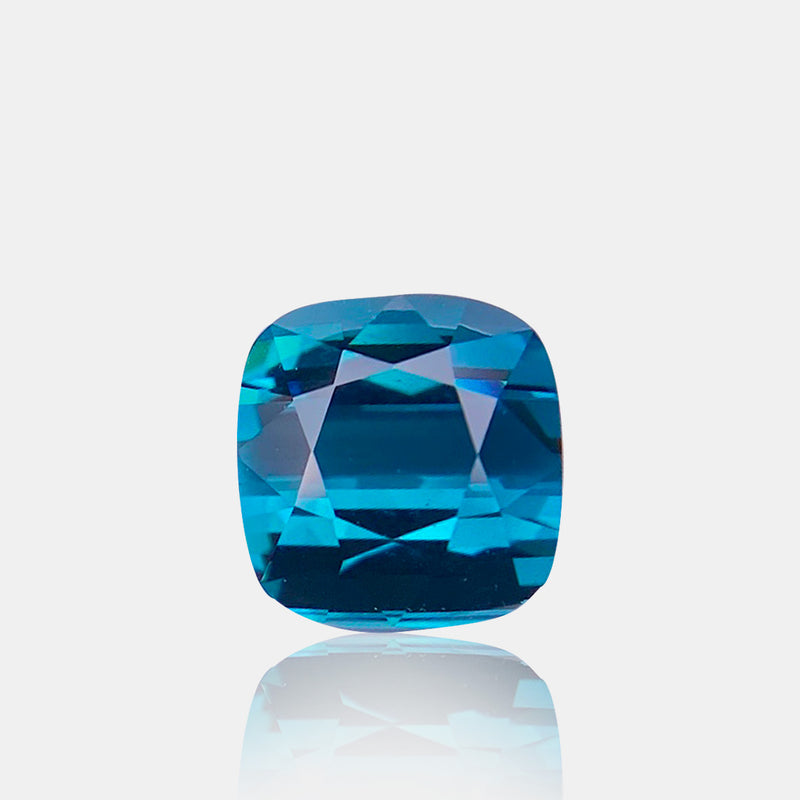
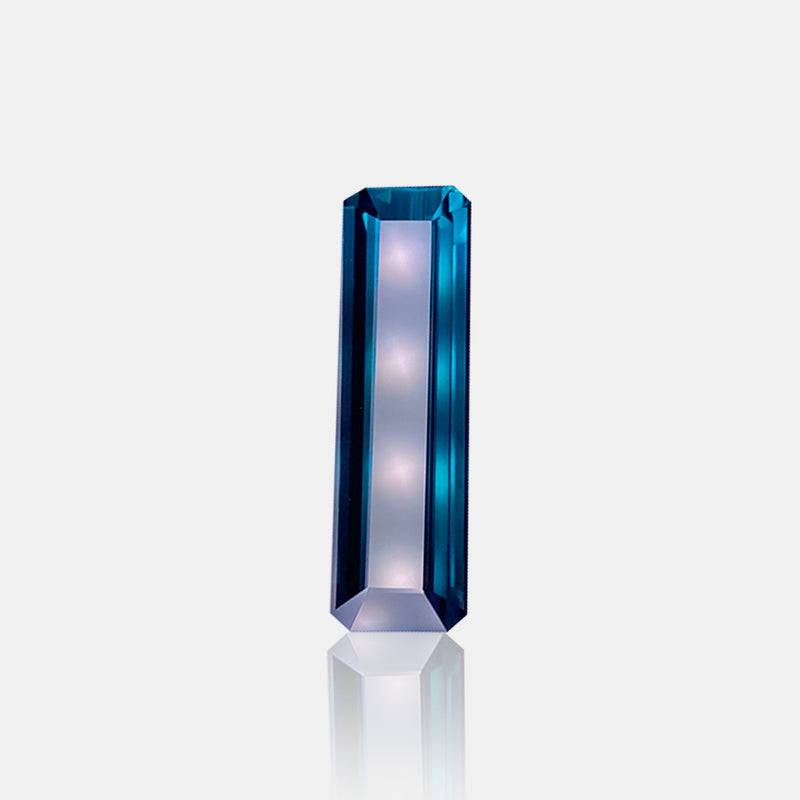
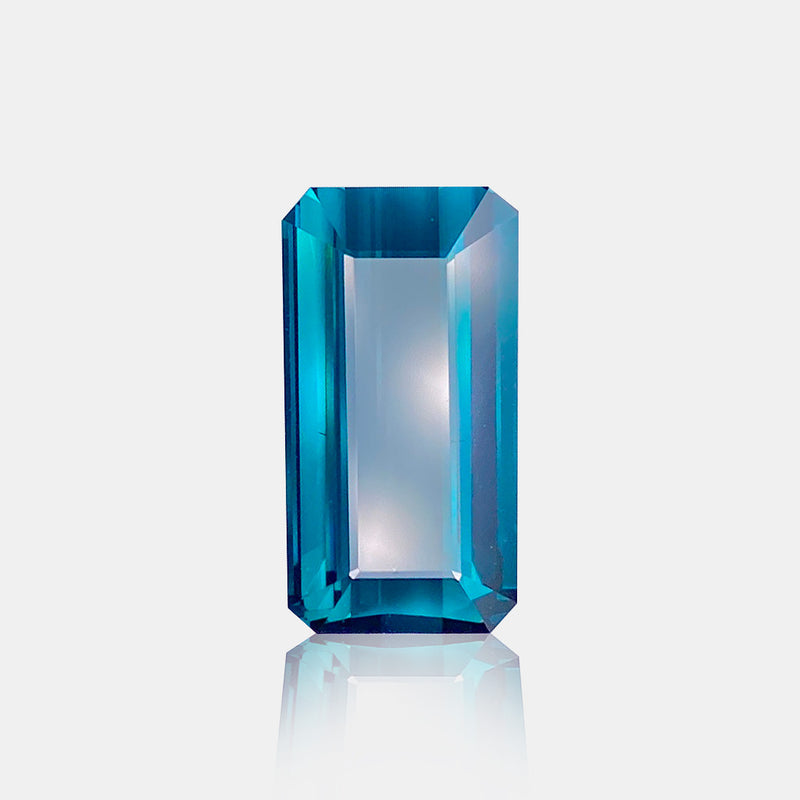
Indicolite — blue, from a soft denim through to deep inky tones. Genuinely rare in strong saturation, and often confused with Paraiba by people selling it.
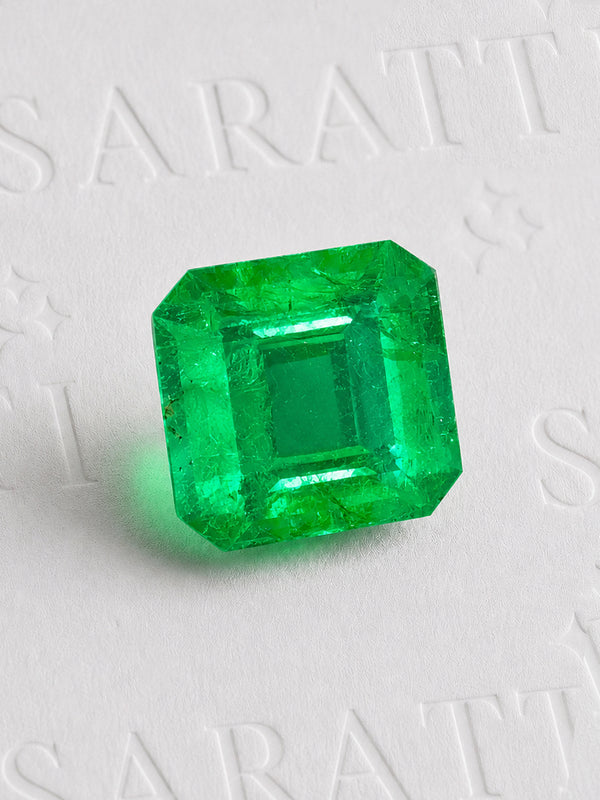
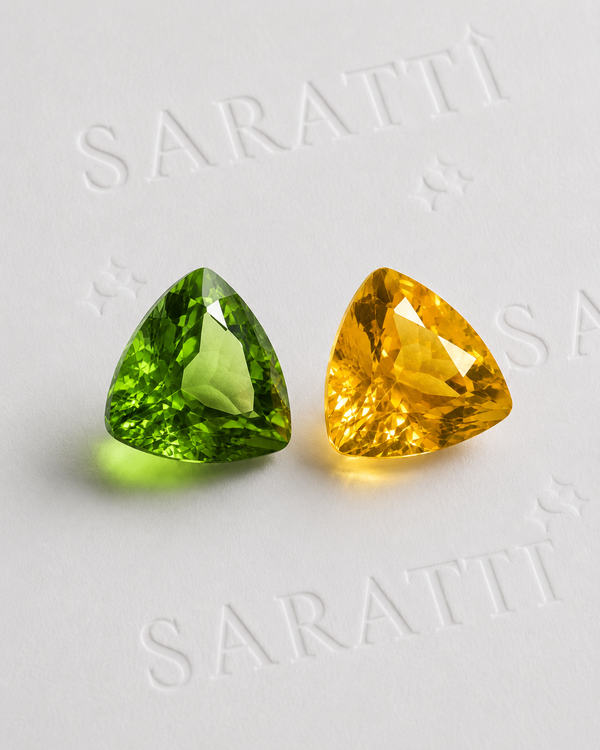
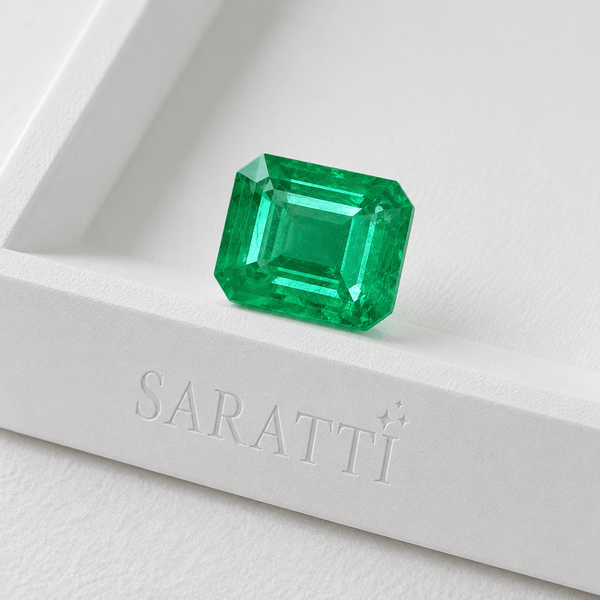
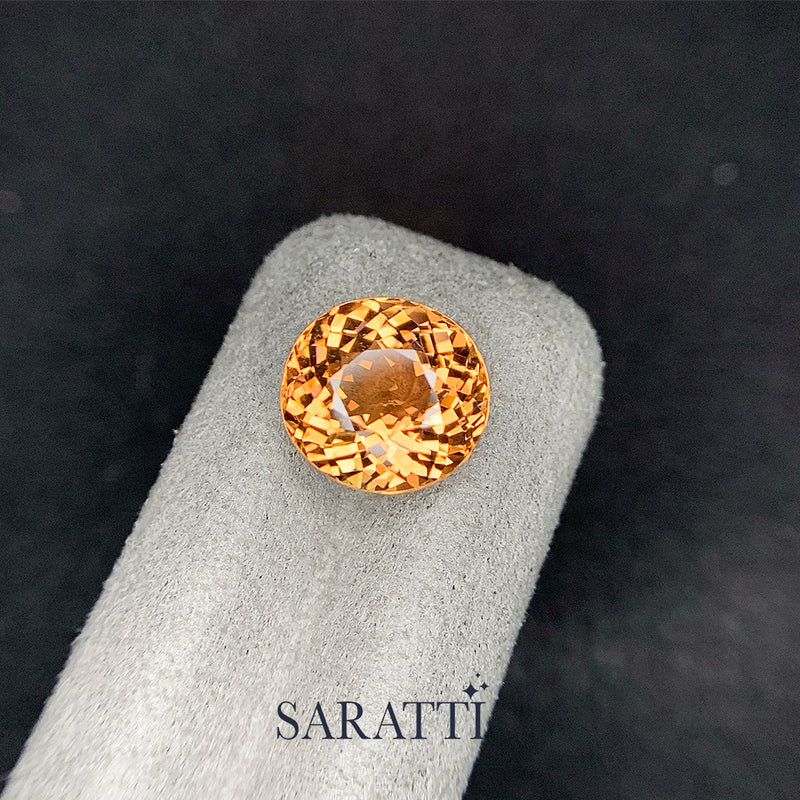
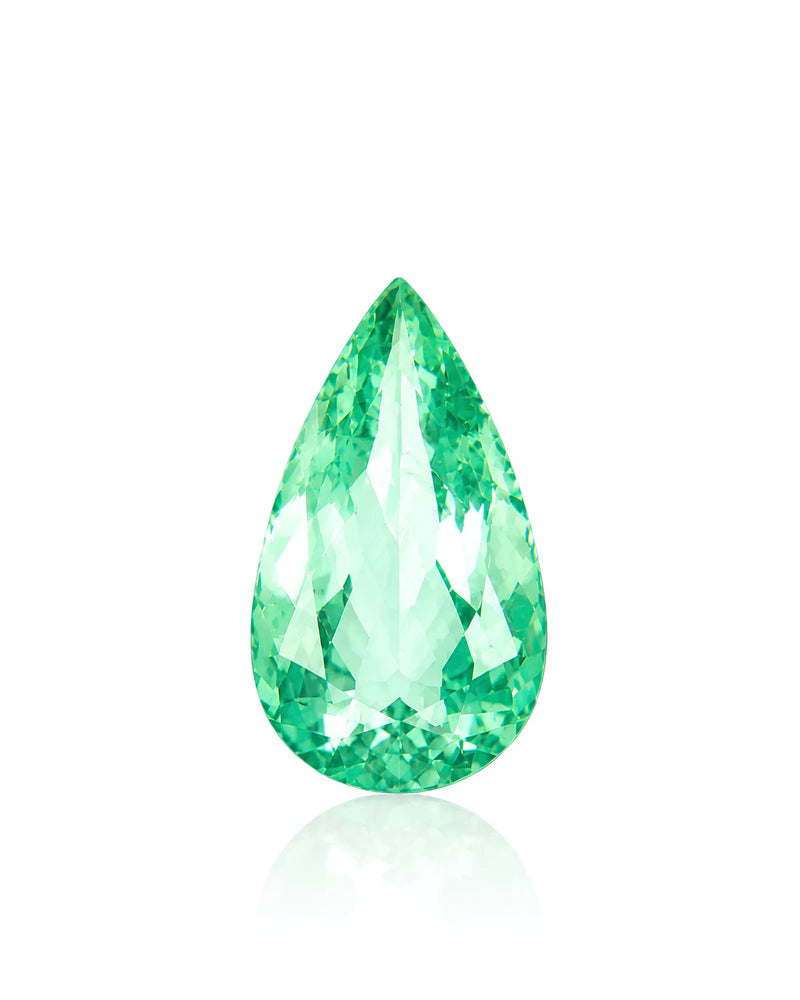
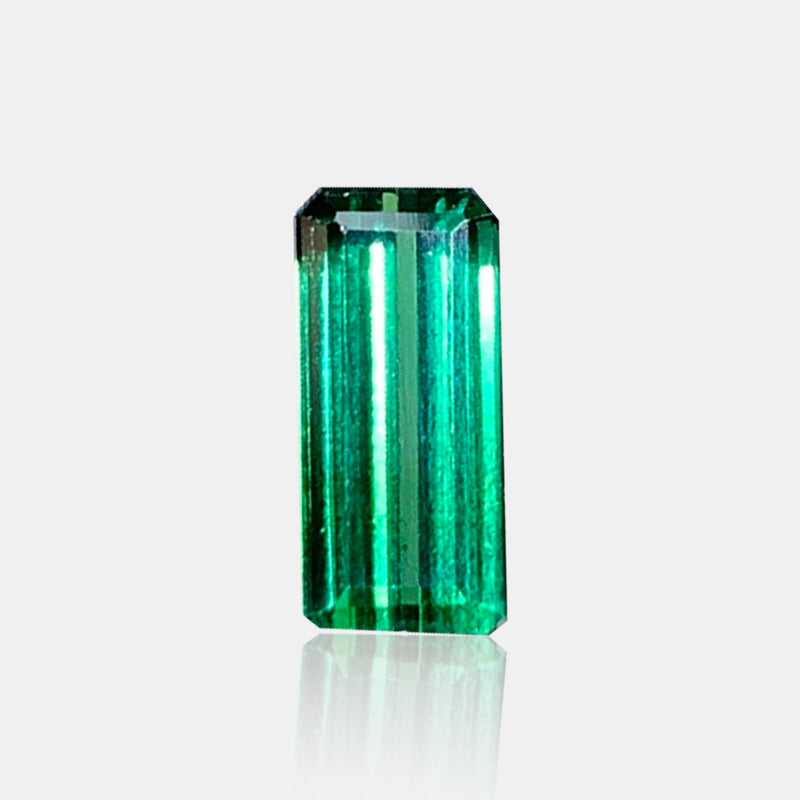
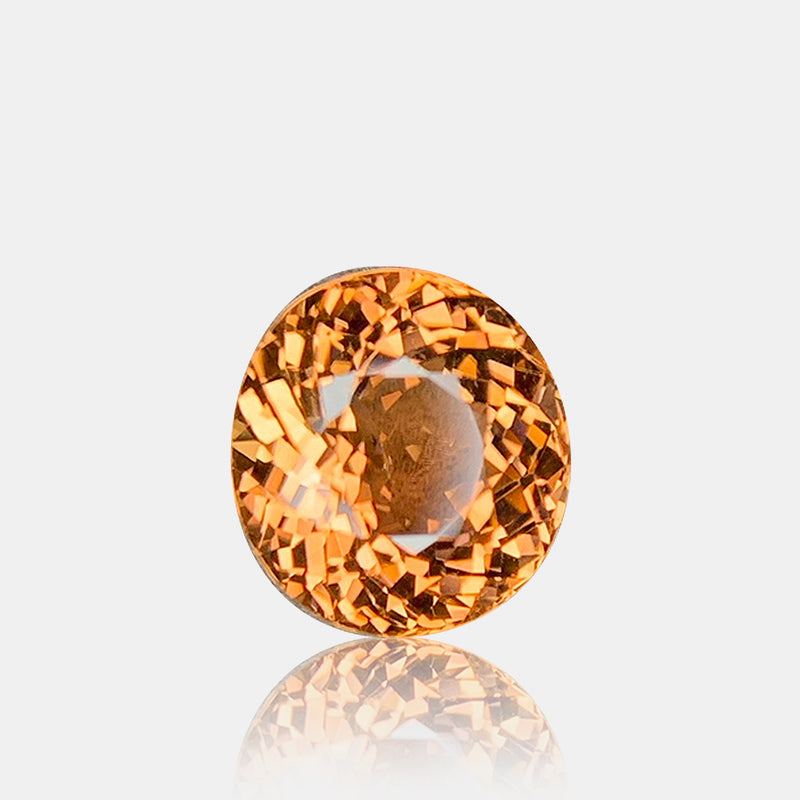
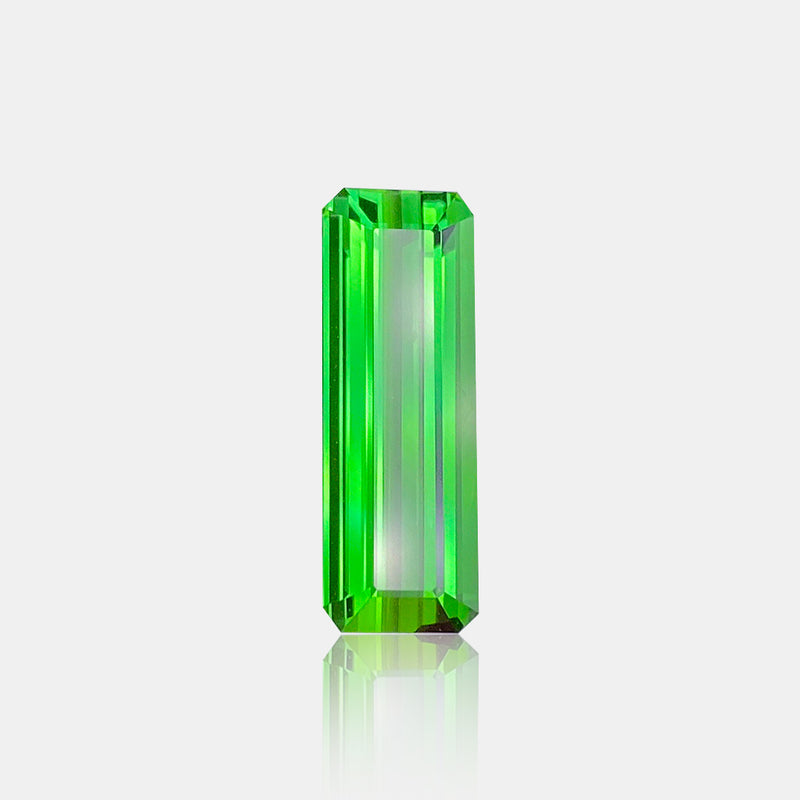
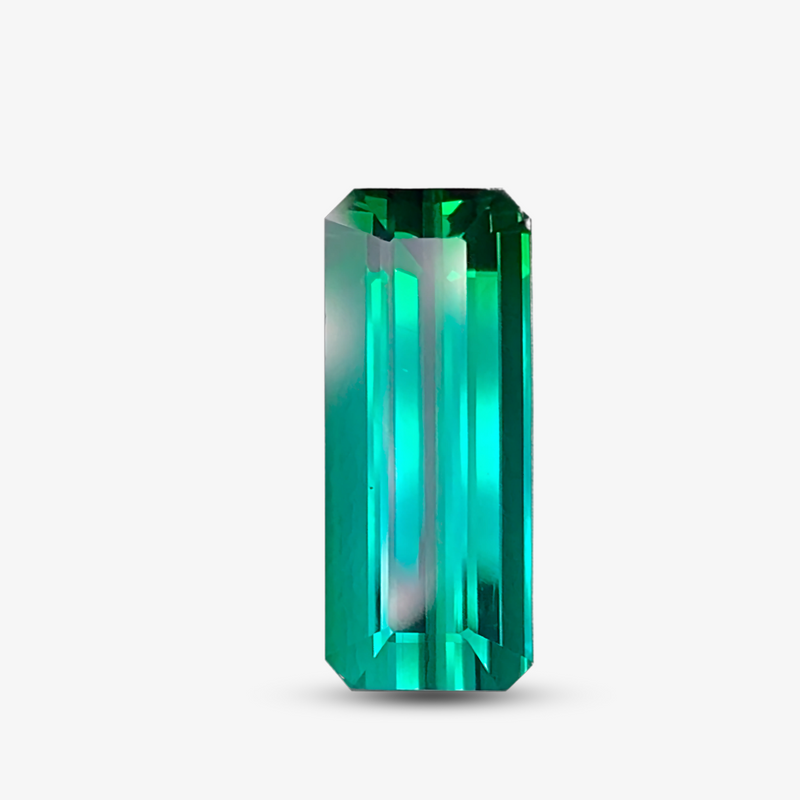
Chrome tourmaline — vivid green coloured by chromium or vanadium, largely from Tanzania. It reads closer to tsavorite or fine emerald than to ordinary green tourmaline, and is priced well above it.
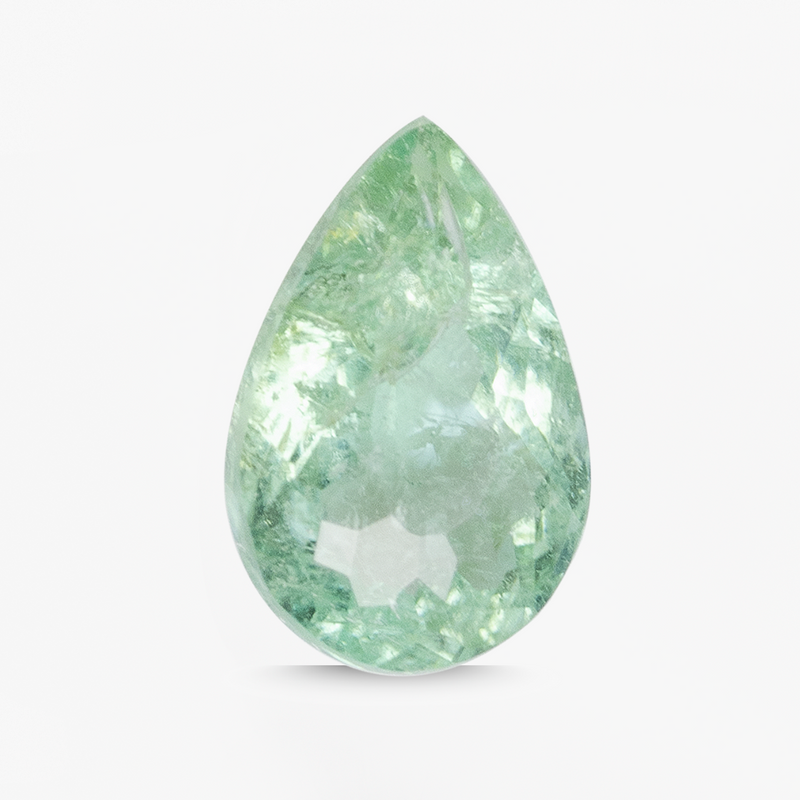
Verdelite — the general term for green tourmaline, the most abundant colour in the species.
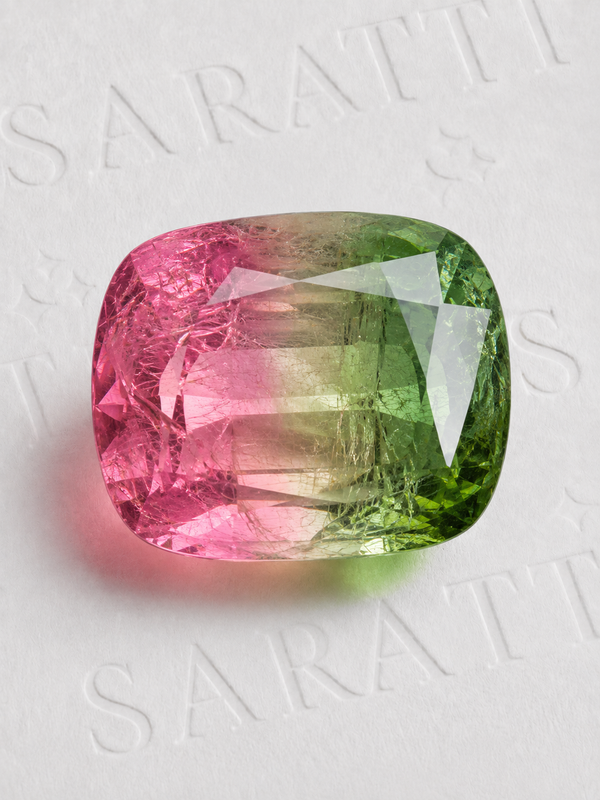
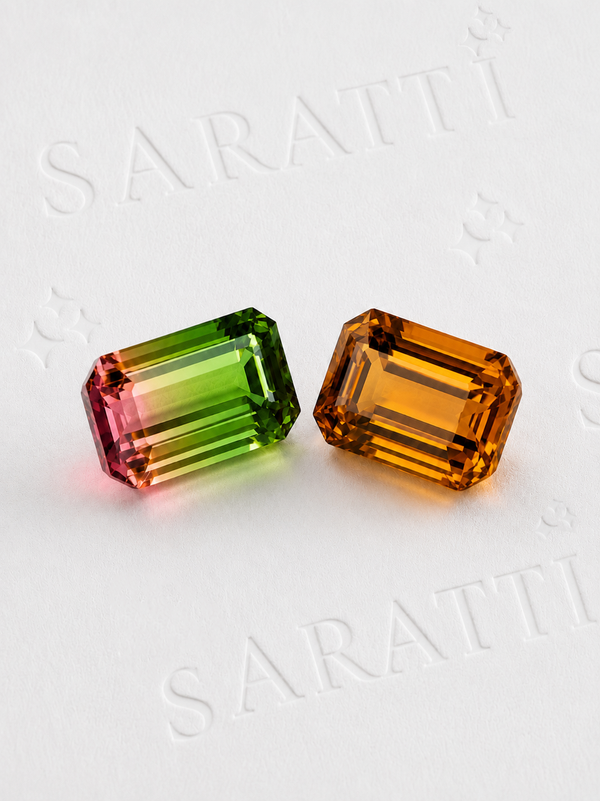
Watermelon — a crystal that grew with a pink core and a green rim. Slices cut across the crystal display both, and a clean, well-defined division is what carries the value.
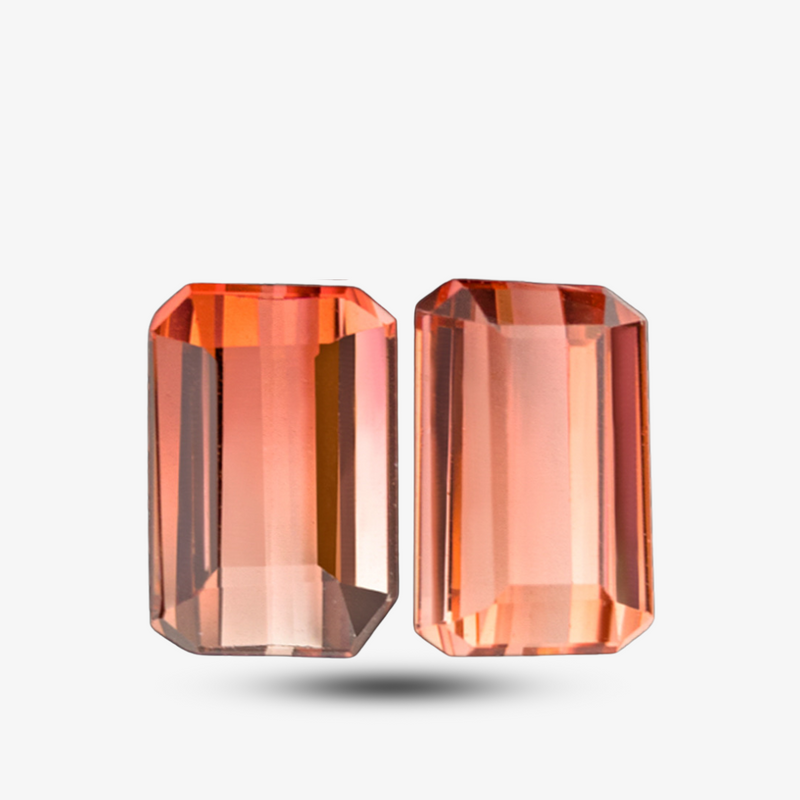
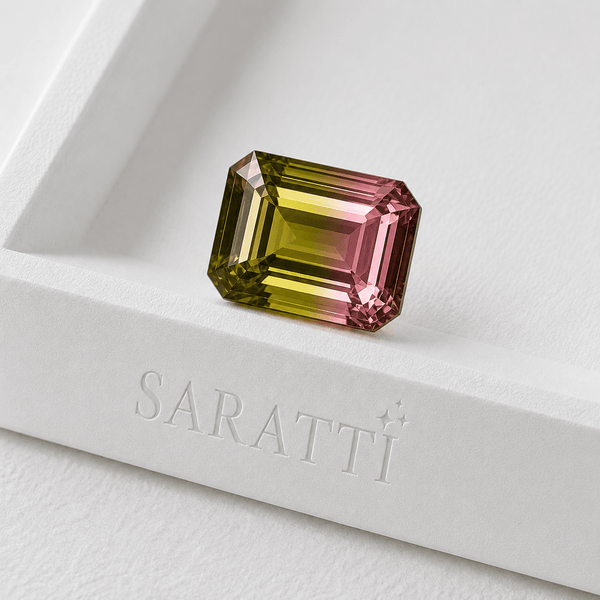
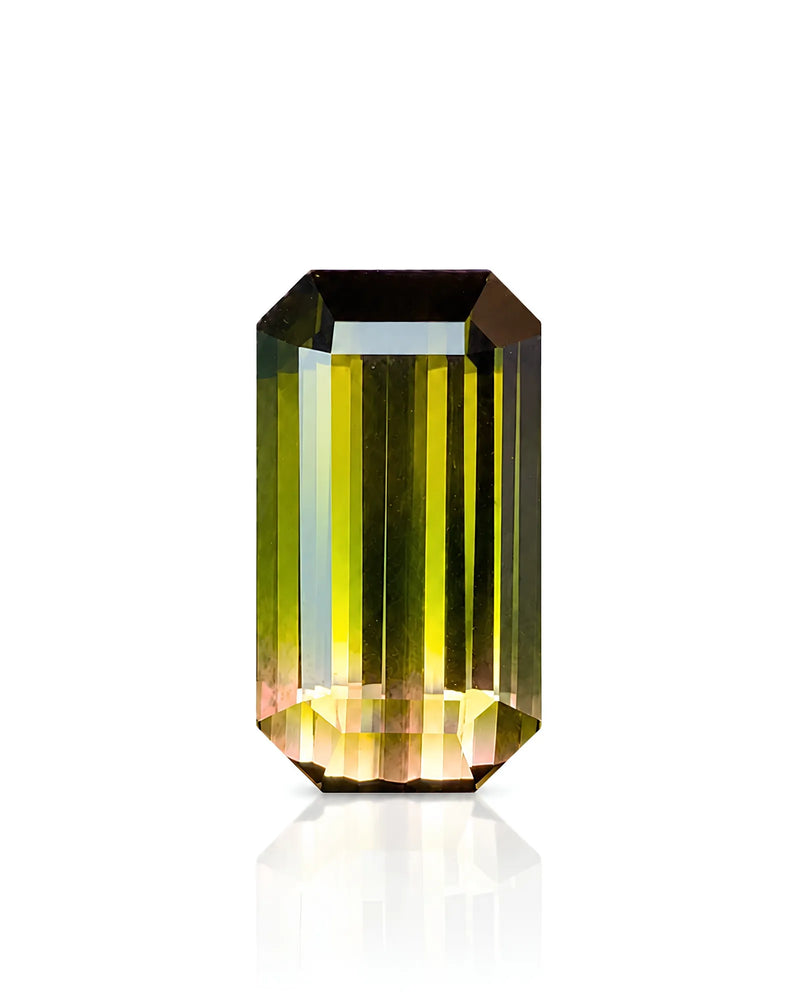
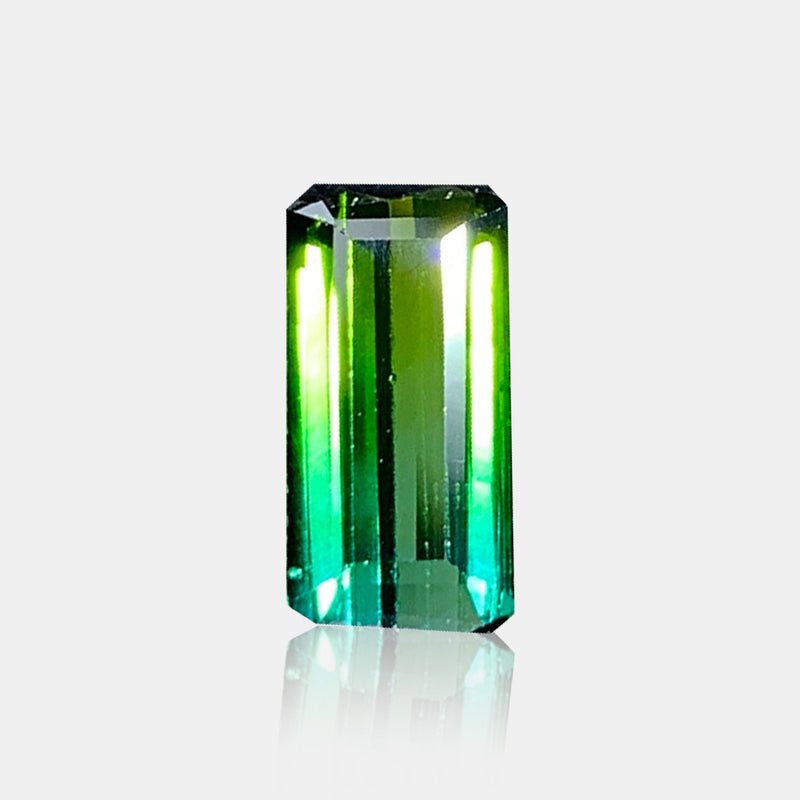
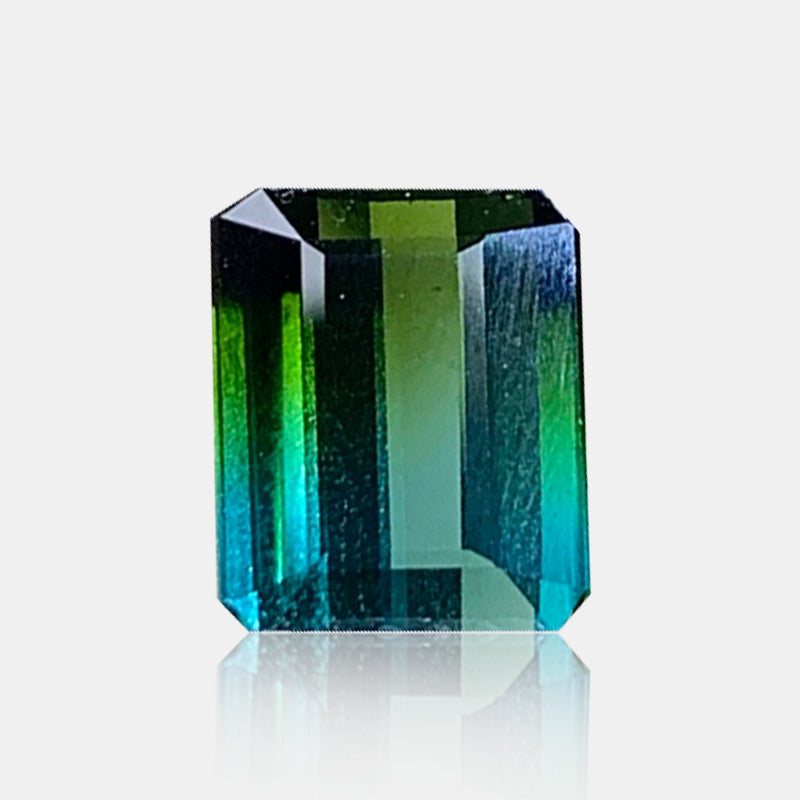
Bi-colour and tri-colour — crystals that changed chemistry as they grew, producing bands along their length. Cut lengthwise, a single stone shows two or three colours meeting.
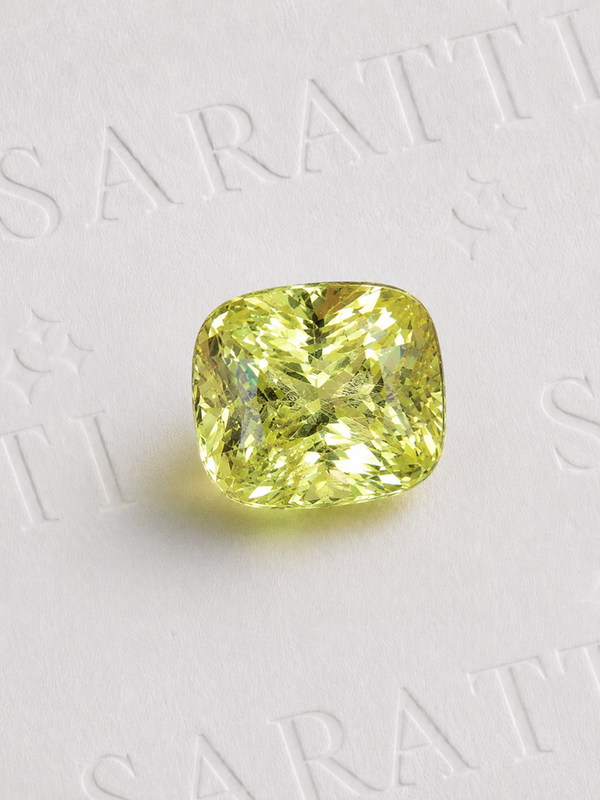
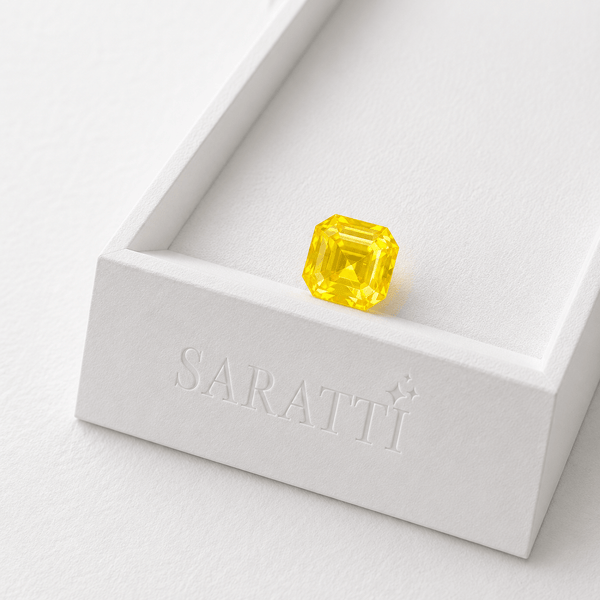
Achroite is colourless, and canary a vivid yellow from Malawi. Cat's eye tourmaline occurs where fine parallel tubes are dense enough to produce a band.
Where It Comes From
Brazil — chiefly Minas Gerais — has been the historic heart of the trade and remains a major source of every colour, including the original Paraiba.
Afghanistan and Pakistan produce exceptional pinks, greens and bi-colours from the Nuristan and Kunar pegmatites, often in large clean crystals.
Mozambique and Nigeria supply copper-bearing material and a broad range of ordinary colours. Madagascar produces liddicoatite and a wide spread of elbaite. Tanzania is the source for chrome tourmaline. Namibia, Sri Lanka and the United States — Maine and California, historically important — all contribute.
Origin matters less in tourmaline than in ruby or sapphire, with one significant exception: for Paraiba, where Brazilian material commands a substantial premium, origin should be supported by a laboratory report.
Maine, California and the China Trade
The American chapter of this stone is largely forgotten, and it explains why so much fine antique pink tourmaline is Chinese rather than European.
Gem tourmaline was found at Mount Mica in Paris, Maine, in 1820 by two schoolboys who noticed a green crystal caught in the roots of a fallen tree. It was the first significant gem discovery in the United States and the deposit was worked, on and off, for the next century and a half. Later in the century the pegmatites of San Diego County — the Himalaya mine at Mesa Grande, and the Tourmaline Queen and Stewart mines at Pala — began producing pink and red tourmaline in remarkable quantity.
The market for it was not American. The Empress Dowager Cixi had a particular liking for pink tourmaline, and the Qing court bought San Diego material by the ton, carving it into snuff bottles, buttons, toggles and burial ornaments. For roughly two decades the Californian mines existed principally to supply China. When Cixi died in 1908 and the dynasty fell three years later, the trade collapsed almost overnight and most of the mines closed. They have been worked intermittently since, chiefly for specimens.
Liddicoatite, and the Madagascar Slices
Not all gem tourmaline is elbaite. Liddicoatite is the calcium-rich member of the family, named in 1977 for Richard Liddicoat of the Gemological Institute of America, and almost all of the fine material comes from Anjanabonoina in central Madagascar.
Faceted liddicoatite looks like elbaite and is usually sold as tourmaline without further distinction, because separating the two requires chemical analysis rather than standard gemmological testing. Where it becomes unmistakable is in slices. Cut across the crystal and polished, Madagascan liddicoatite shows concentric triangular zones of pink, green, brown and colourless that follow the three-sided growth habit of the crystal, often with a dark core and a rhythmic banding that reads like the rings of a tree.
These slices are collected as objects in their own right and are the clearest illustration available of how a tourmaline crystal actually changed chemistry as it grew. They are rarely set into jewellery, since a thin slice is fragile, but a good one is the most informative single specimen a tourmaline collector can own.
Clarity, and What to Expect by Colour
Tourmaline does not have one clarity expectation. It has several, and they run by colour.
Green and blue material is often relatively clean, and eye-clean stones of reasonable size are obtainable without difficulty.
Red and pink — rubellite especially — is typically included. The chemistry that produces the red also produces internal fracturing, and an eye-clean rubellite of any size is uncommon and priced well above an included one.
Paraiba is usually included, and the market accepts it because colour is so much scarcer than clarity in that material.
The practical rule: judge clarity against the colour you are looking at, not against a universal standard. What matters everywhere is whether a fracture reaches the surface in a way that threatens the stone, which is a durability question rather than a beauty one. Our full standard is set out in how SARATTI grades gemstones.
Treatment
Tourmaline is one of the less heavily treated coloured gemstones, and a good deal reaches the market entirely untreated.
Heat is used on some material to lighten overly dark green and blue stones or to improve colour in certain reds. It is permanent and undetectable in most cases.
Irradiation is used on some pink and red material to deepen colour. It is stable under normal conditions, though strongly irradiated stones should be kept away from prolonged heat.
Clarity enhancement with resin appears occasionally on heavily fractured rubellite and Paraiba, and this is the one that changes what you are buying. It must be disclosed, and it dictates that the stone should never see an ultrasonic cleaner.
Where a treatment is known, we state it on the listing.
Pleochroism, and Why the Cut Matters
Tourmaline is strongly pleochroic — it shows a different colour, and usually a much darker one, when viewed down the length of the crystal rather than across it. In many stones the view along the c-axis is nearly opaque.
This governs how tourmaline is cut. The table is normally oriented across the crystal to face up the lighter, more attractive colour, which is why so much tourmaline is cut as elongated emerald cuts, baguettes and long ovals — the shape follows the crystal, and the orientation follows the colour.
It also means darker material is cut shallow to let light through, and paler material cut deep to build saturation. Face-up spread therefore varies a great deal for the same carat weight, and comparing millimetre dimensions is more useful than comparing weight.
Tourmaline is also pyroelectric and piezoelectric: it develops a static charge when warmed or compressed. This is why a tourmaline left on a dressing table gathers more dust than its neighbours. A curiosity rather than a problem, but it explains the behaviour.
Size and Price
Tourmaline is one of the few fine gemstone species where large clean stones remain attainable. Ten and twenty carat greens and pinks of good quality exist at prices that would be impossible in ruby or sapphire, which makes it a natural choice for statement rings and pendants.
Price is driven overwhelmingly by colour, and the spread across the species is extreme. Ordinary green tourmaline is among the more affordable coloured gemstones in the trade. Fine chrome green, strong indicolite and good rubellite sit far above it. Paraiba occupies a different market altogether, reaching into the tens of thousands per carat.
The practical consequence is that "tourmaline" tells you almost nothing about price. The variety, the saturation and the clarity do.
Wearing Tourmaline
At 7 to 7.5 on the Mohs scale, tourmaline suits a ring worn with normal care, and is very comfortable in pendants and earrings.
Clean by hand — warm water, mild soap, a soft brush. Avoid ultrasonic and steam cleaning on any included or resin-treated stone, which in practice means most rubellite and much Paraiba. Store separately so harder stones cannot scratch it, and avoid sharp knocks on stones with reaching fractures.
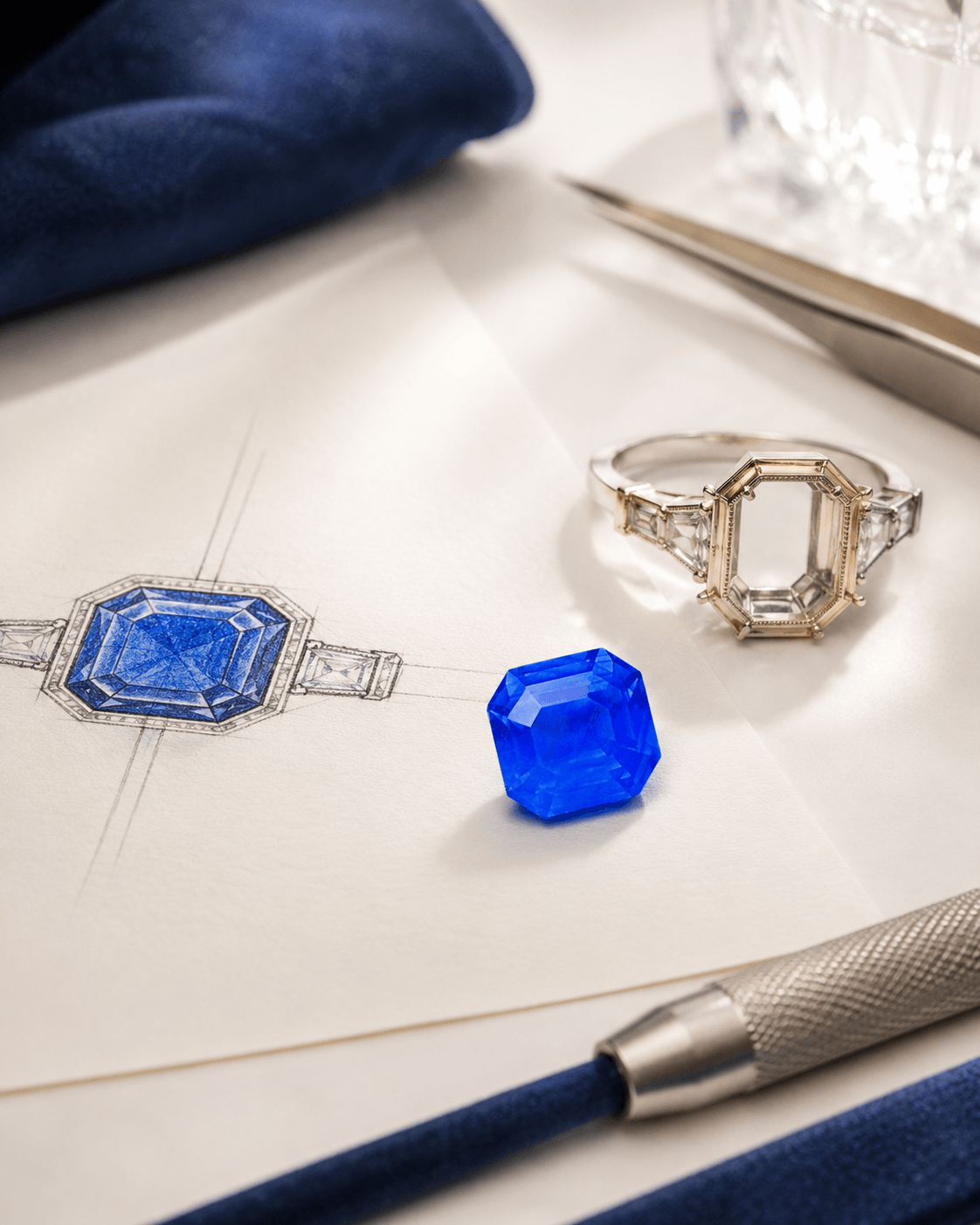
For a ring worn every day, a bezel or a setting that protects the corners of a step cut is worth specifying.
Certification
For ordinary tourmaline, a report is optional — the species is not commonly imitated and treatment is limited.
There are two exceptions where it is not optional at all. Paraiba requires a laboratory determination of copper content, because ordinary blue-green tourmaline can look similar and is worth a fraction as much. And any stone where a treatment or an origin is being priced in should carry a report that states it.
A report from GIA, GUILD, AIGS, CGRL, GRS or GRC will confirm species and variety, record measurements and weight, and note treatment where detectable. Where you would like a stone reviewed by a particular laboratory, we can arrange it and the fee is passed on at cost.
Choosing a Tourmaline
Tourmaline is the October birthstone alongside opal, and the traditional gift for an eighth anniversary. Beyond that, most people arrive at it for one of two reasons: they want a specific colour that no other species offers at the price, or they want size.
If colour is the driver, decide which variety you are actually after before comparing prices, because a chrome green and an ordinary green are not competing products. If size is the driver, tourmaline is one of the best-value fine gemstones available and will give you presence that sapphire or ruby could not at the same budget.
Every stone here is listed individually, with its own photography and its own details. Where a treatment is known, we say so. Where a report exists, it is shown.
For more on the species, see our tourmaline guide and the October birthstone note. If colour is your starting point, the green and pink collections gather everything in those ranges across species.
And if what you want is not on these pages — a particular colour, a size, a bi-colour with a clean division — only part of what we can reach is listed online. Describe it, and we will go and look.






 Engagement Rings
 Gemstone Rings
 Wedding Bands
 The SARATTI Difference
 Gemstone Type
 Shop By Color

 AIGS
AIGS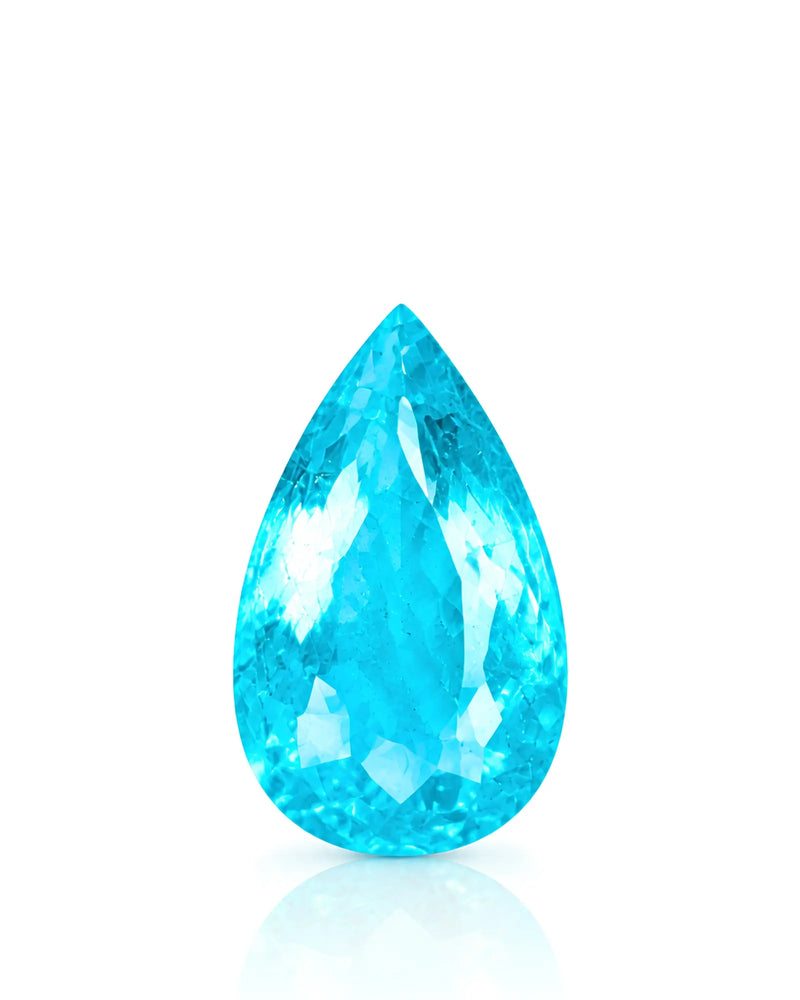 AIGS
AIGS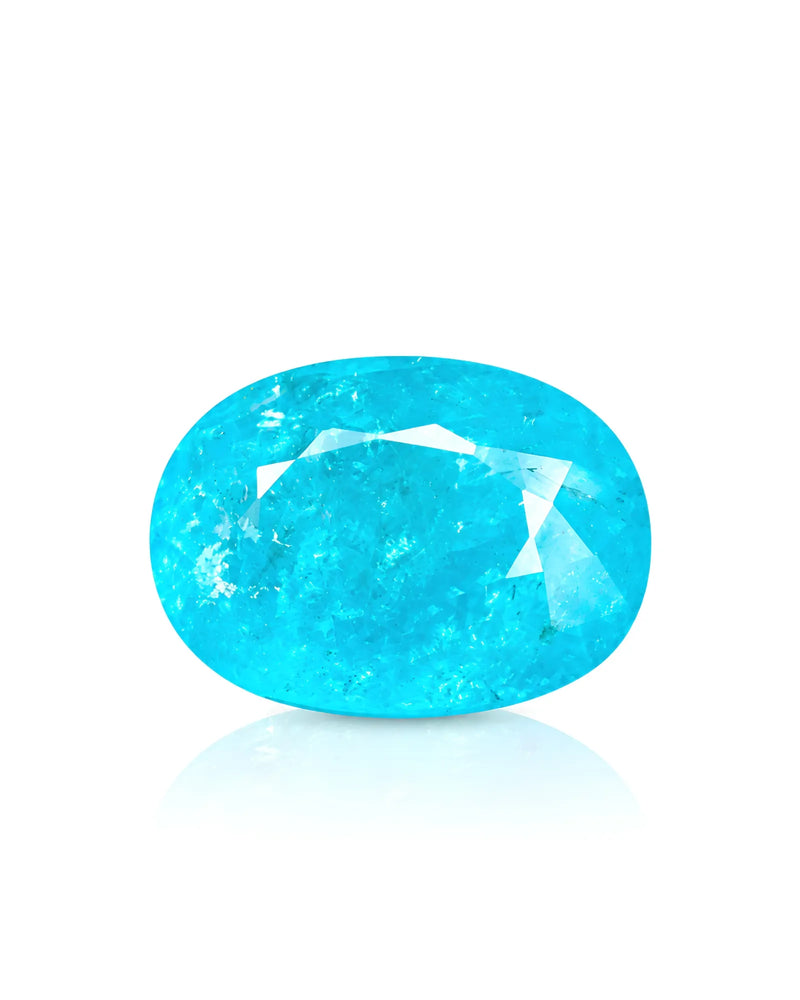 AIGS
AIGS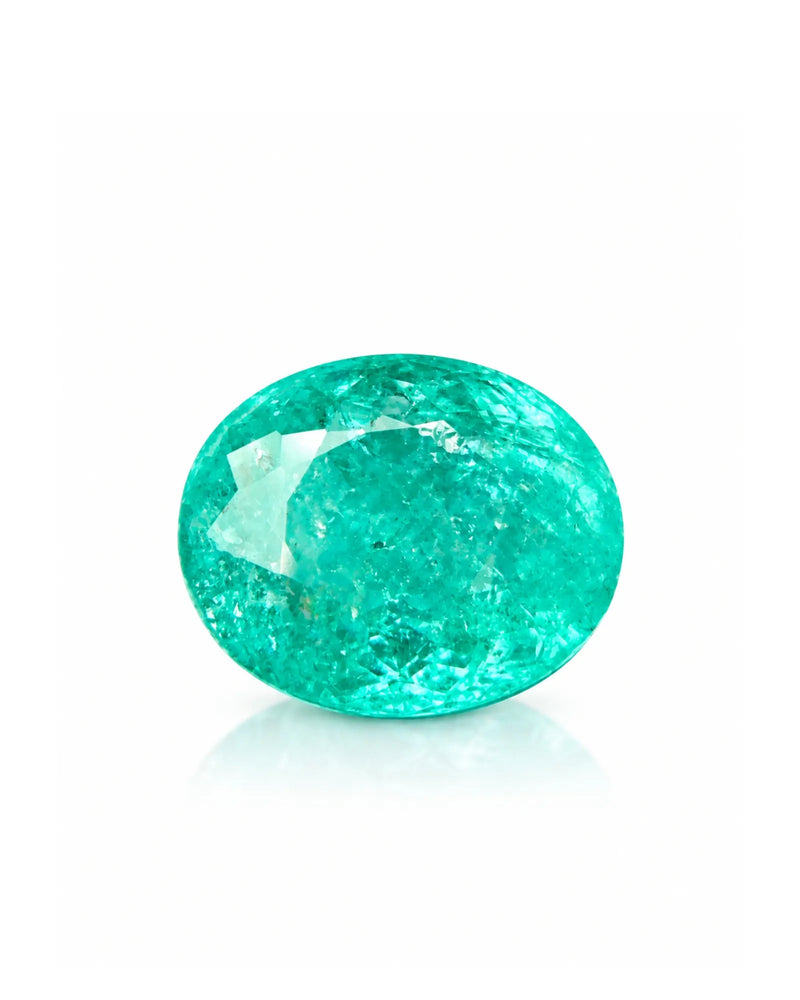 AIGS
AIGS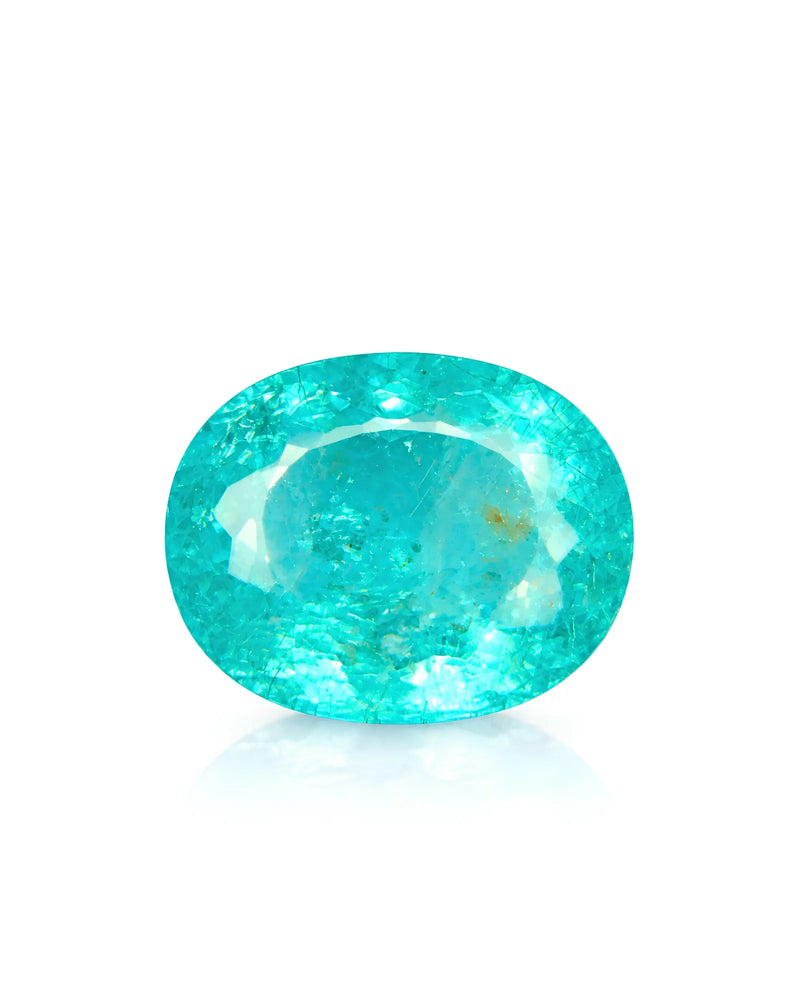 AIGS
AIGS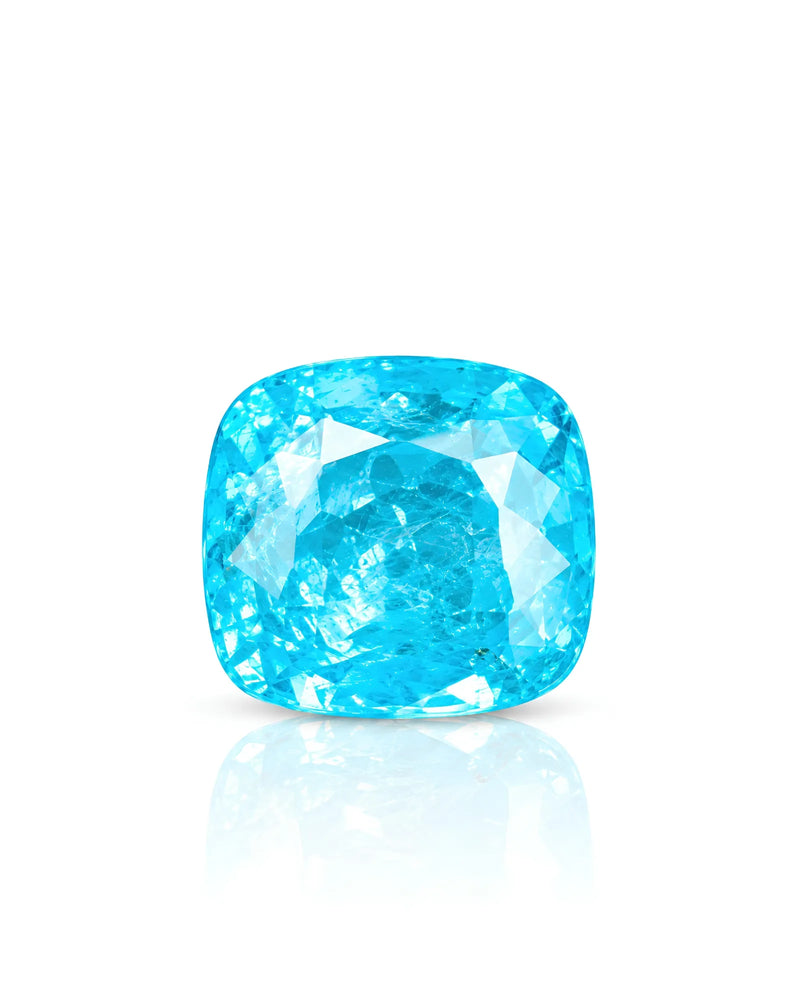 AIGS
AIGS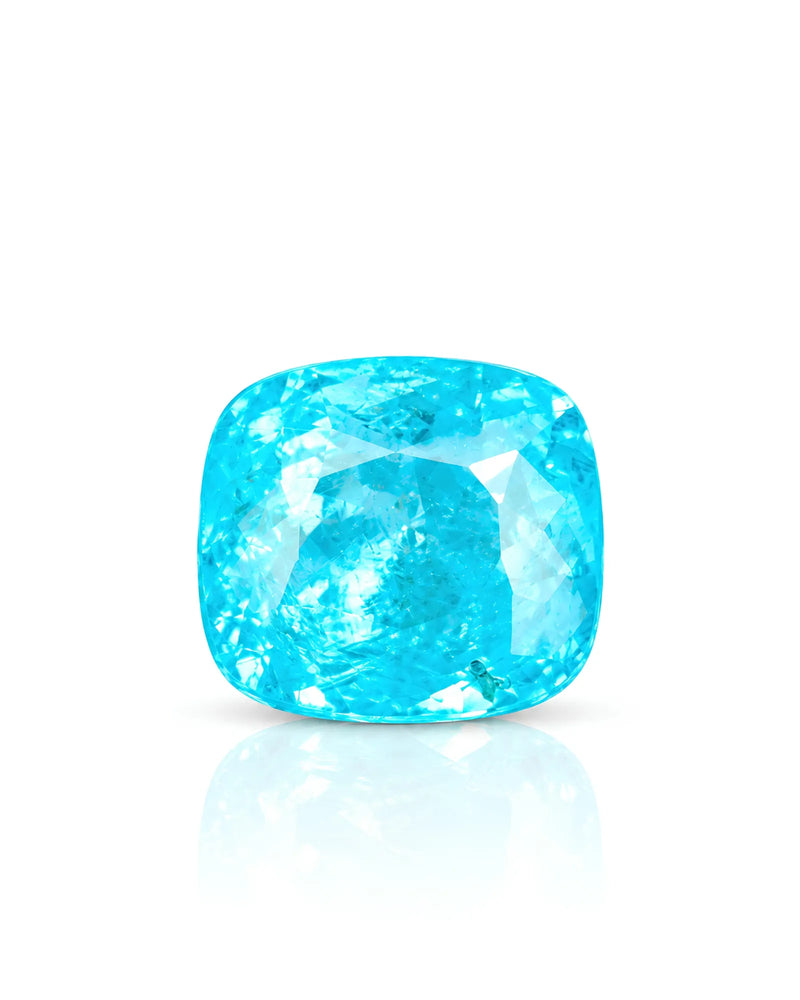 AIGS
AIGS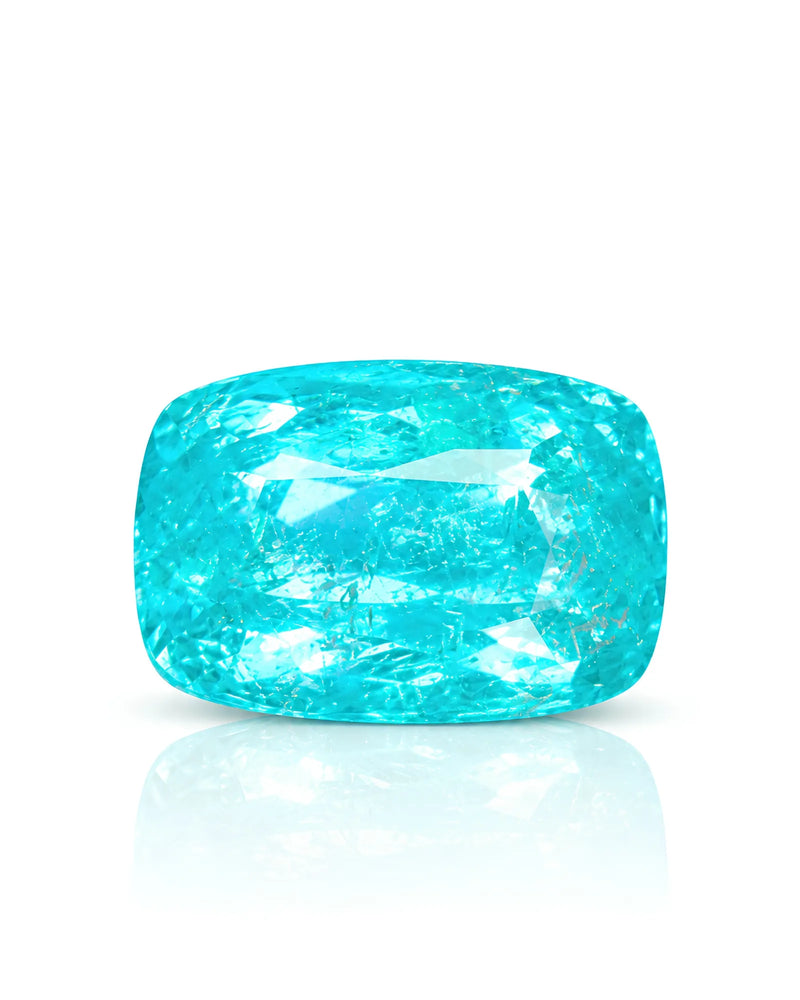 AIGS
AIGS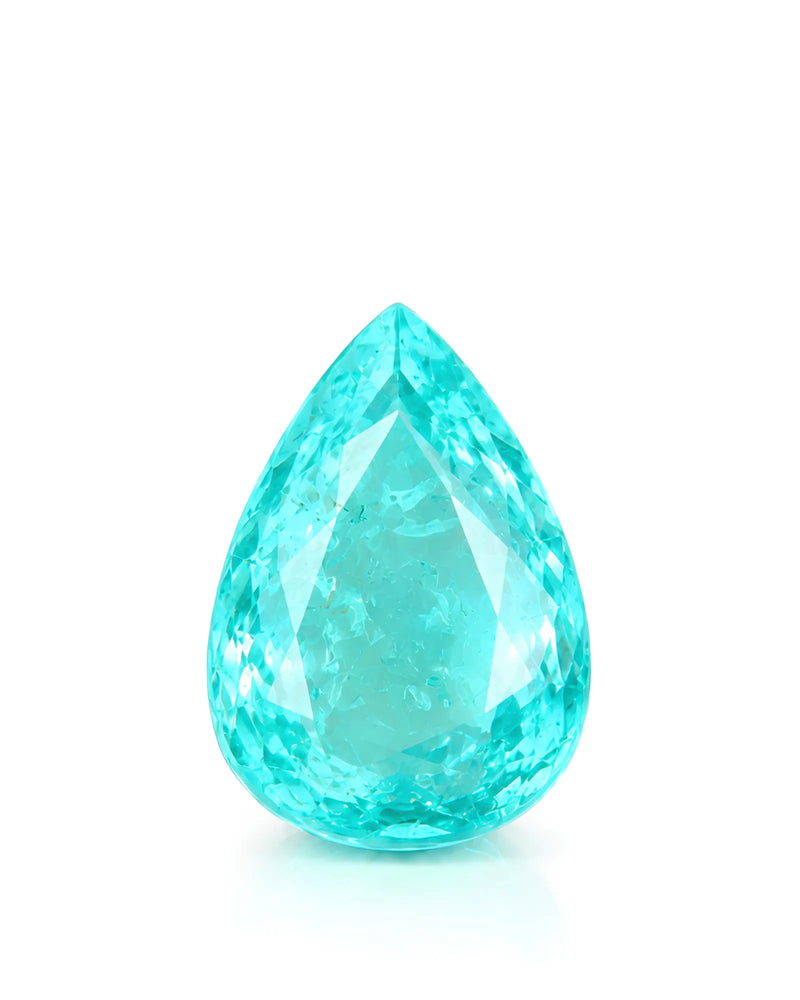 AIGS
AIGS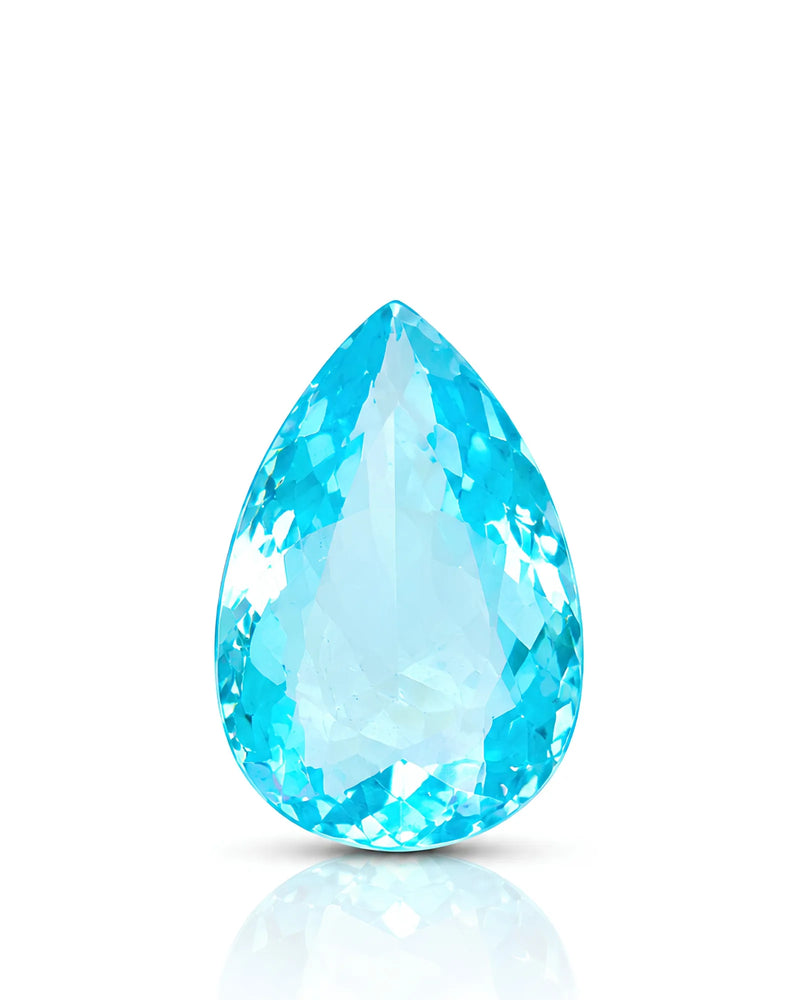 AIGS
AIGS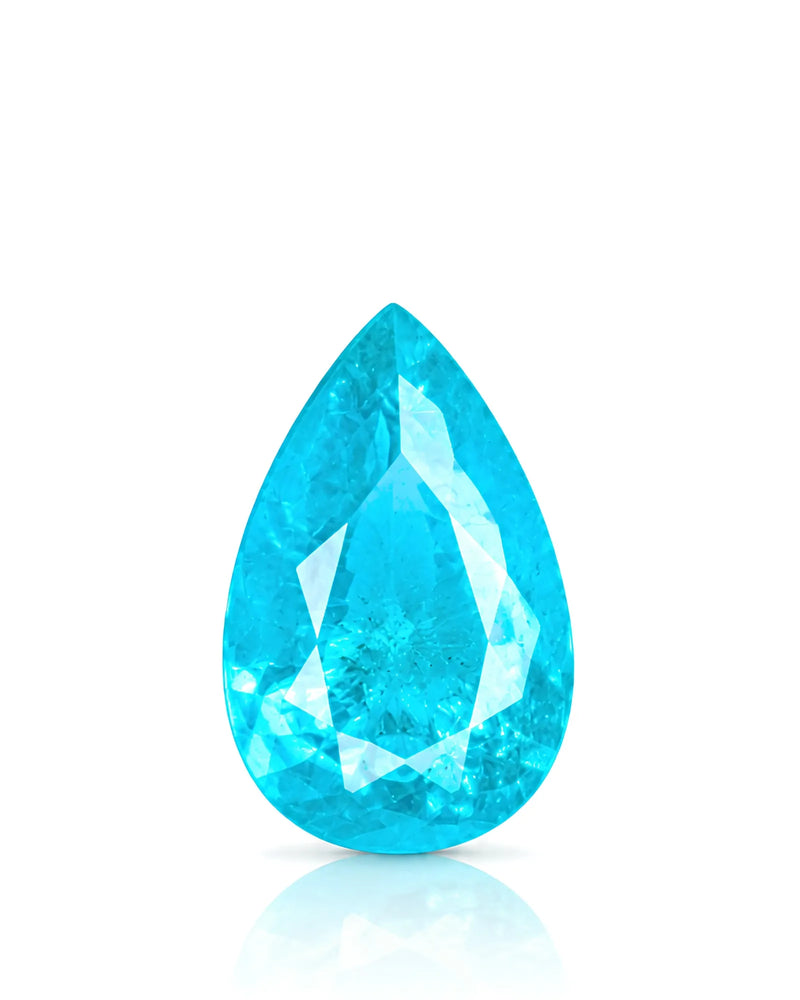 AIGS
AIGS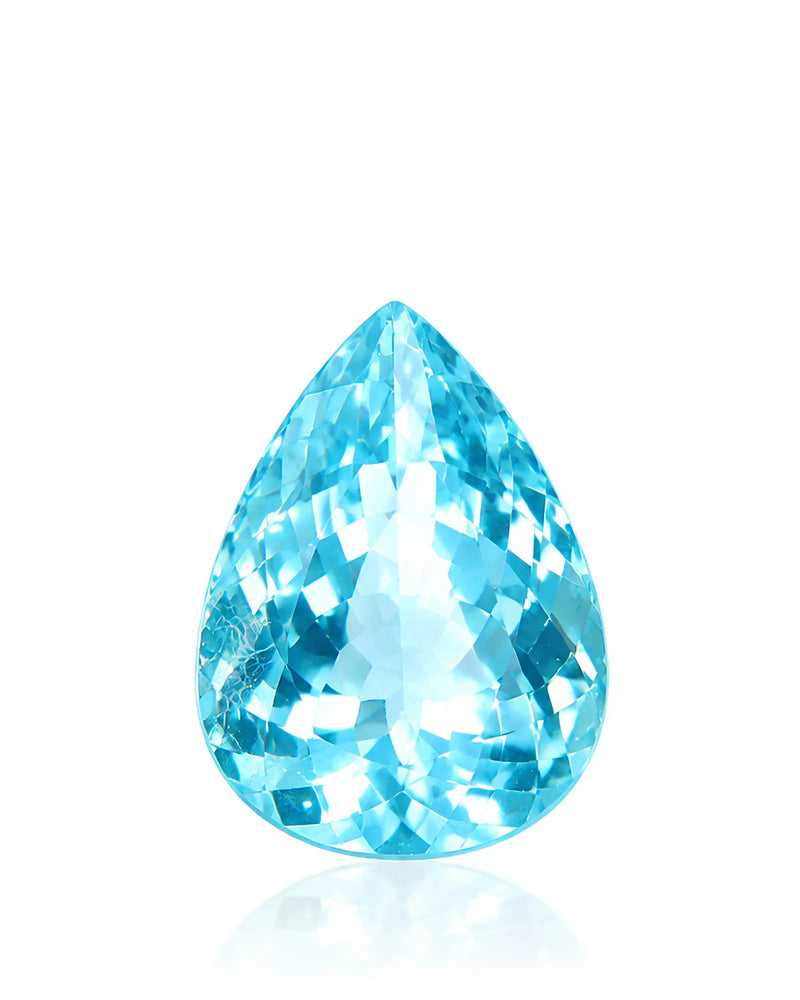 AIGS
AIGS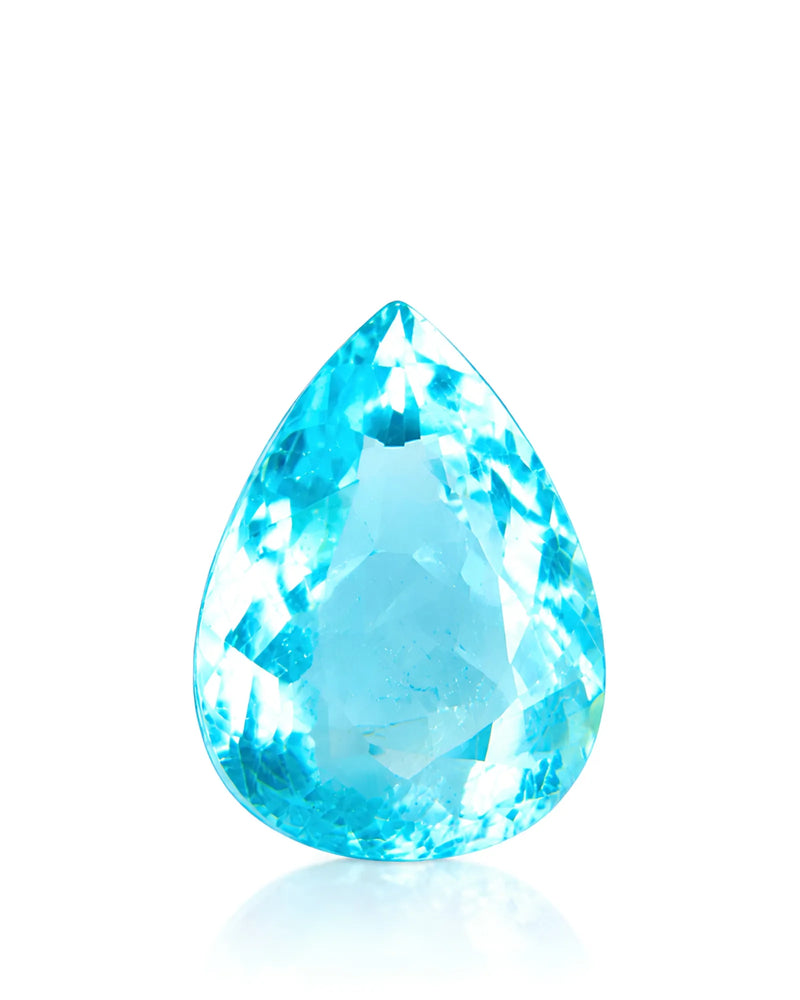 AIGS
AIGS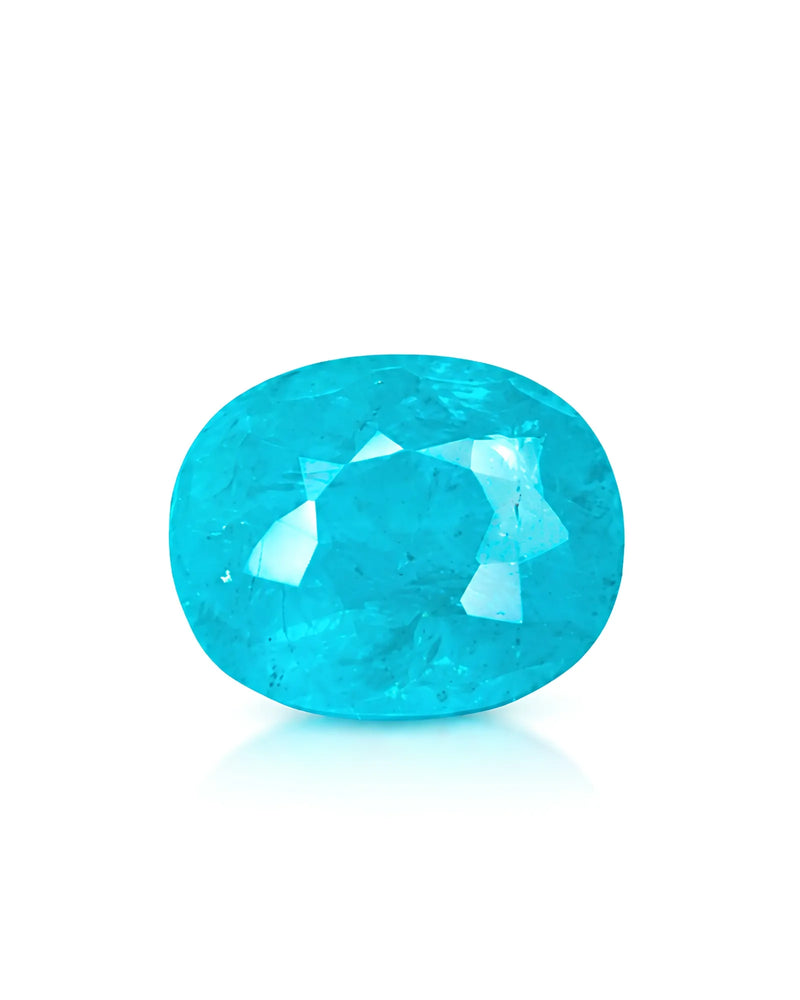 AIGS
AIGS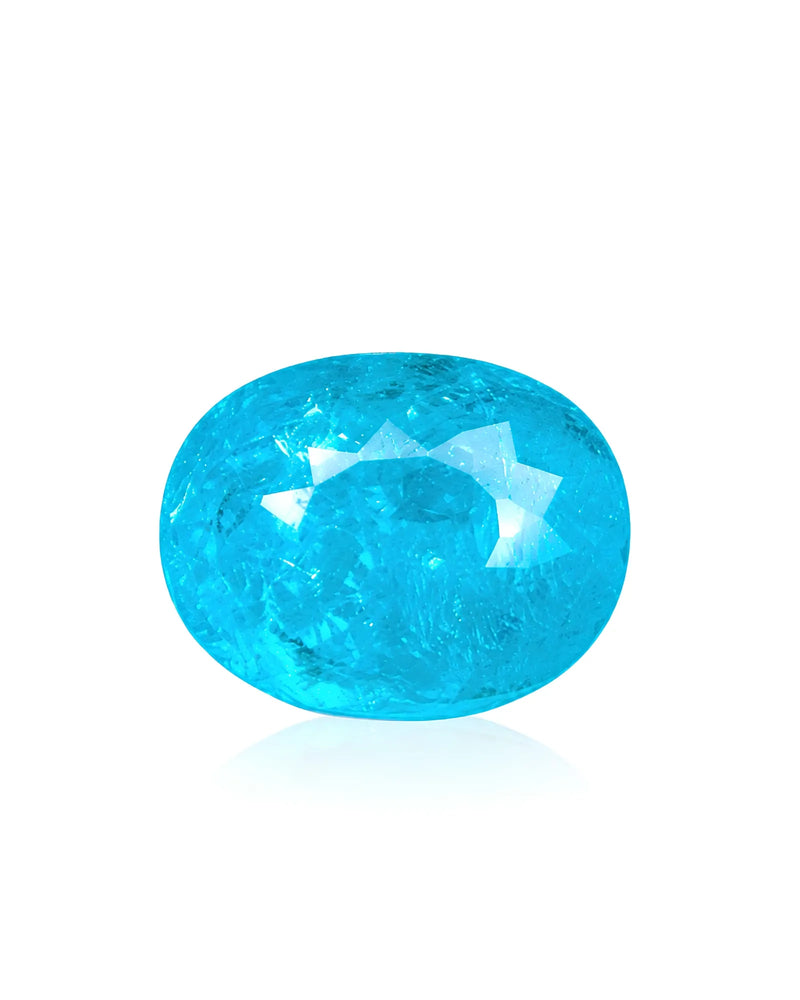 AIGS
AIGS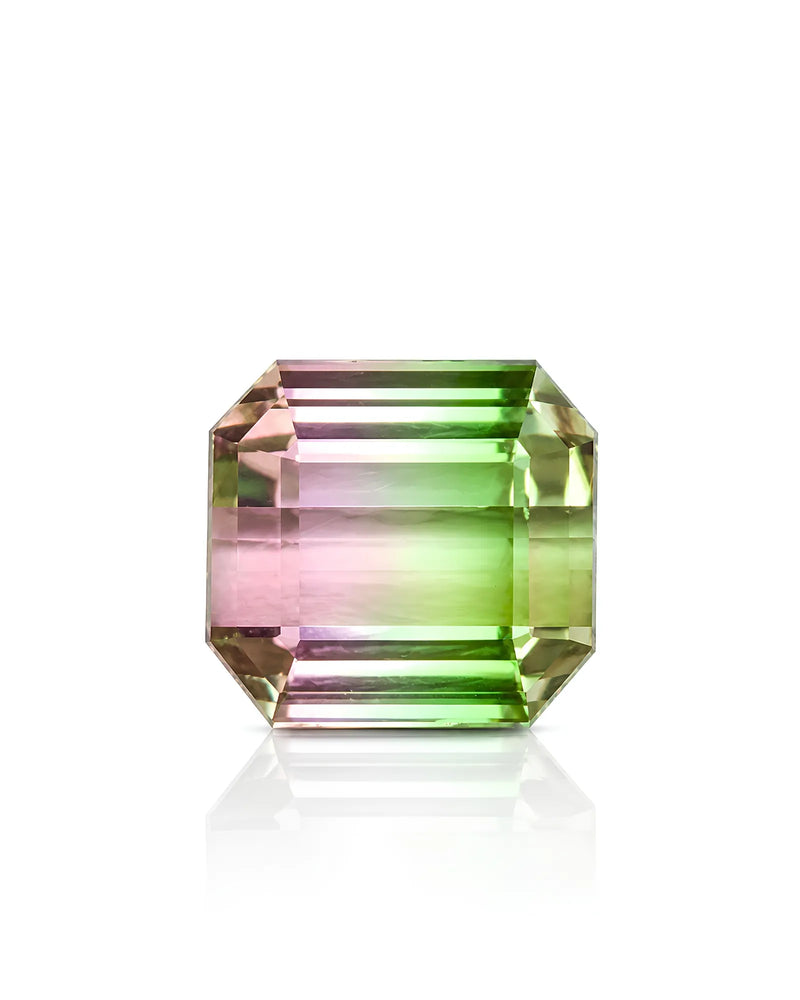 SARATTI
 AIGS
AIGS AIGS
AIGS AIGS
AIGS AIGS
AIGS GUILD
GUILD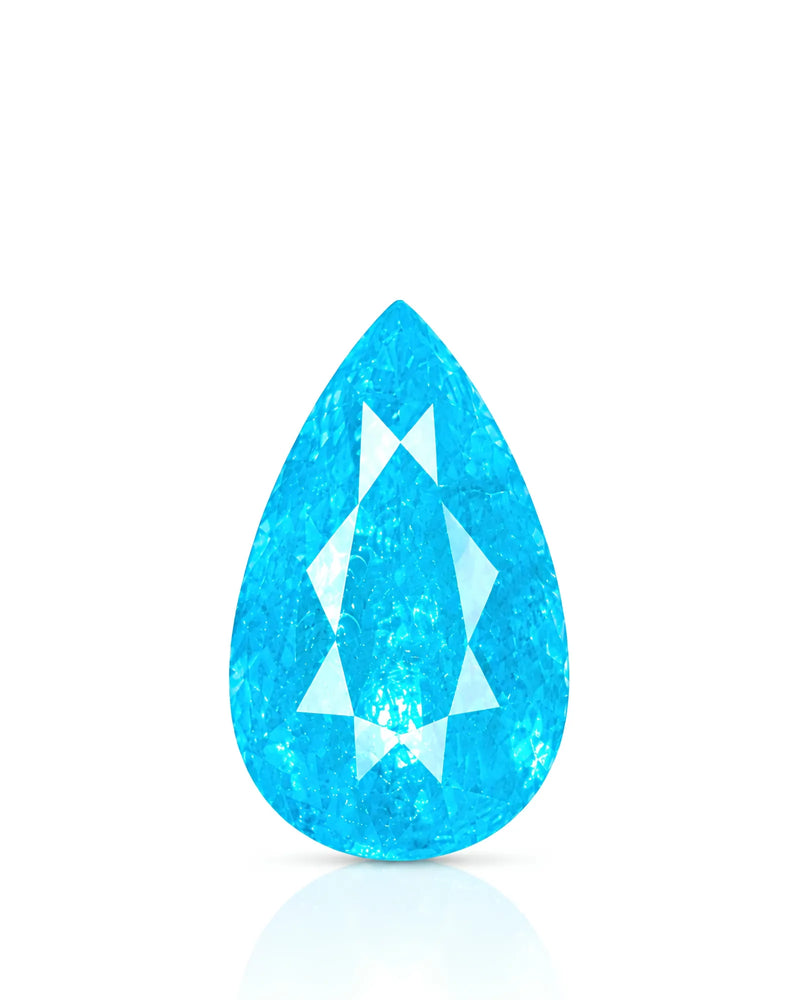 GIA
GIA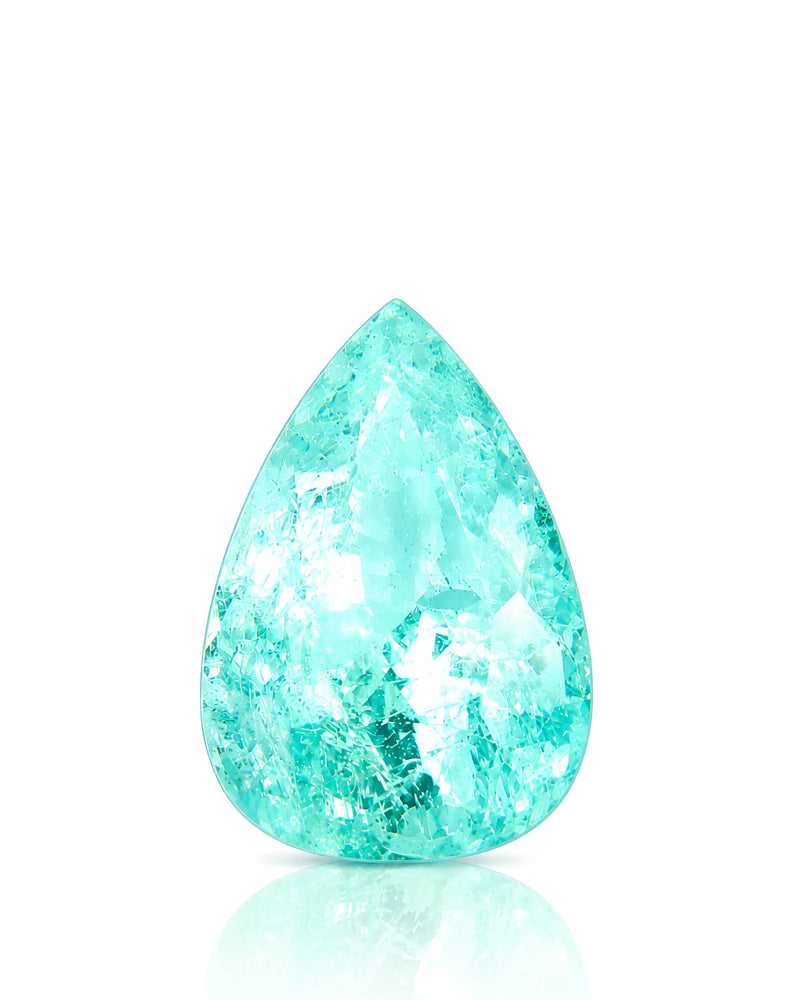 AIGS
AIGS AIGS
AIGS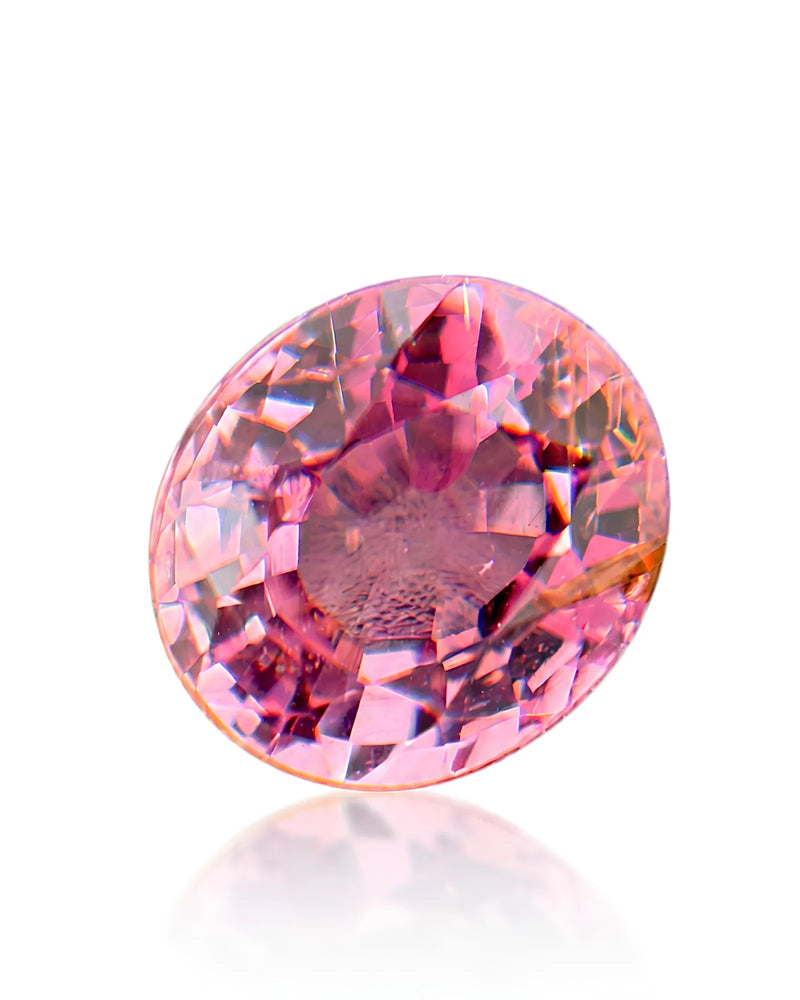 SARATTI
 SARATTI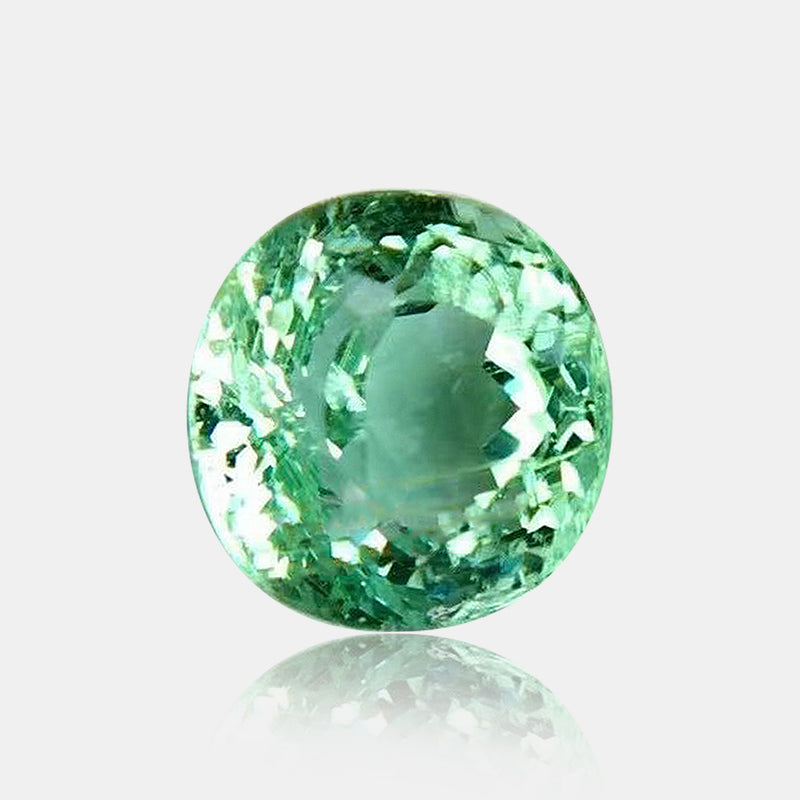
 AIGS
AIGS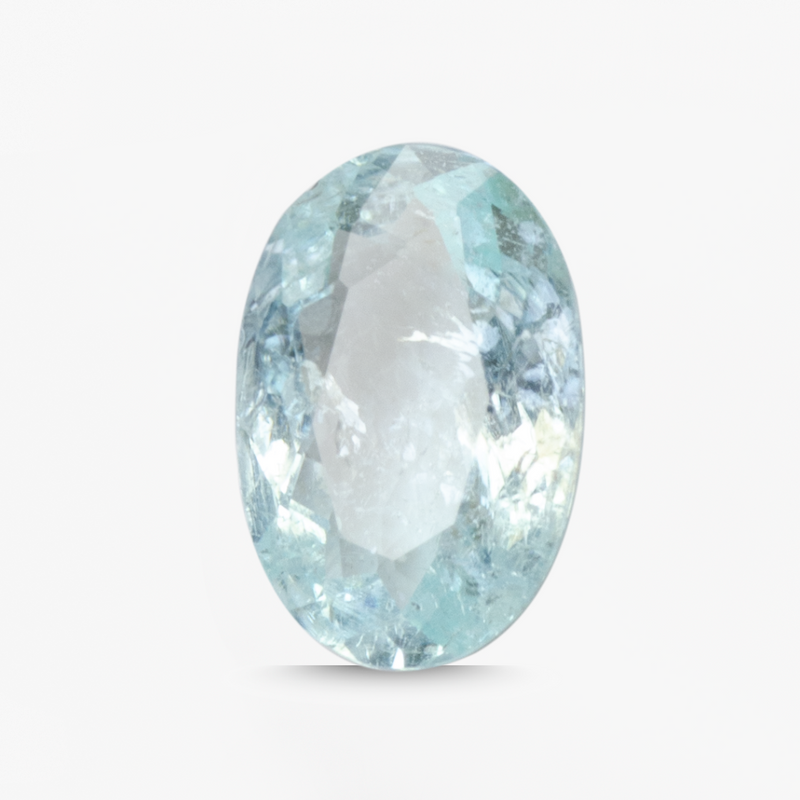
 AIGS
AIGS AIGS
AIGS AIGS
AIGS