


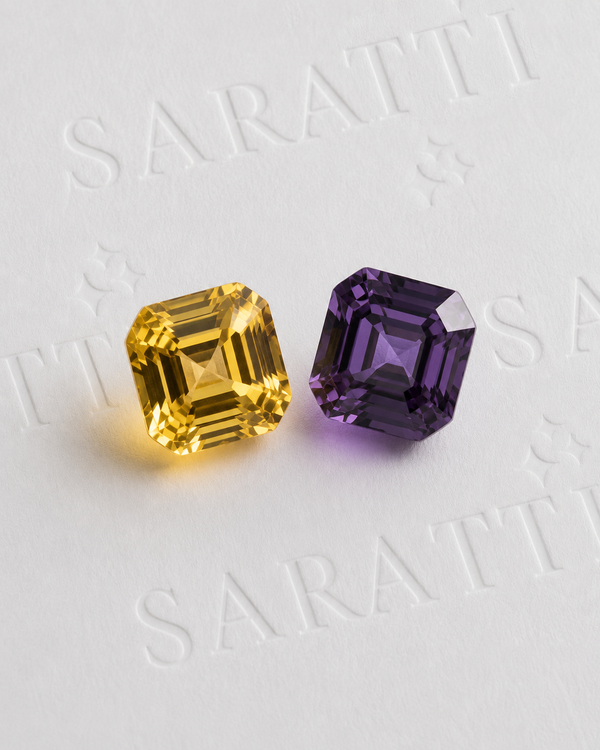
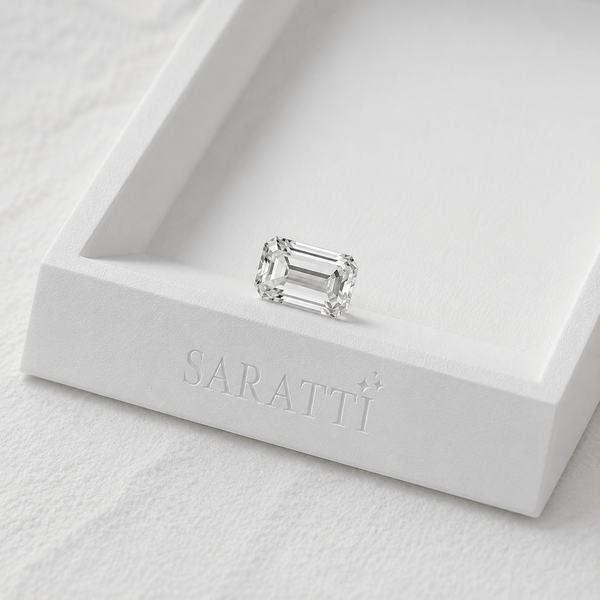


Begin with Colour
Every piece begins with one stone, chosen for what it is rather than what it fills. Start wherever you like — we will build the rest around it.
Gemstone Type
Every species held in the house. If you already know the name, begin here.
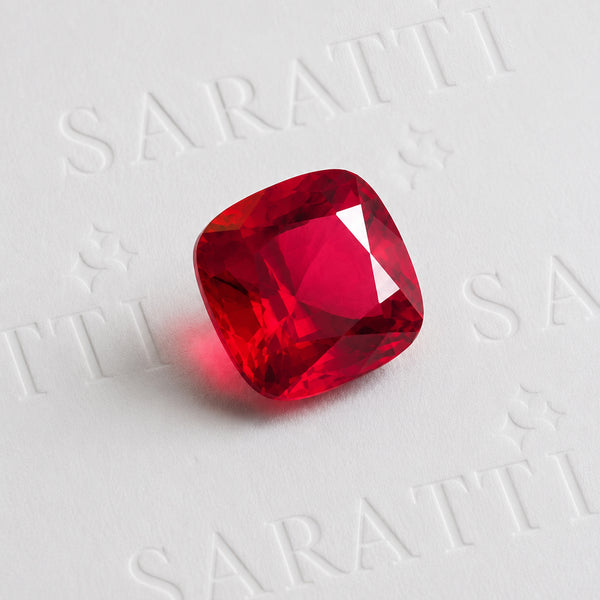
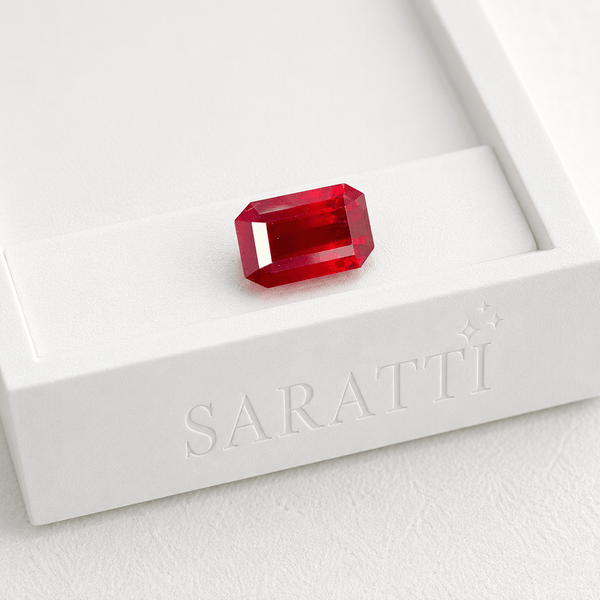
Ruby
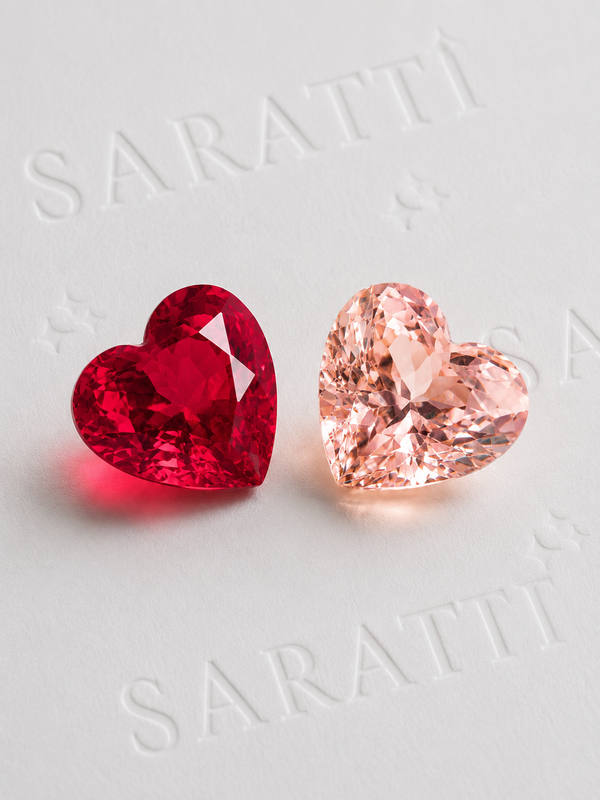
Pigeon Blood describes a specific saturation, not a flourish. Most rubies on the market are treated to improve clarity — ours state it in the title, because the price already reflects it.
Explore ruby →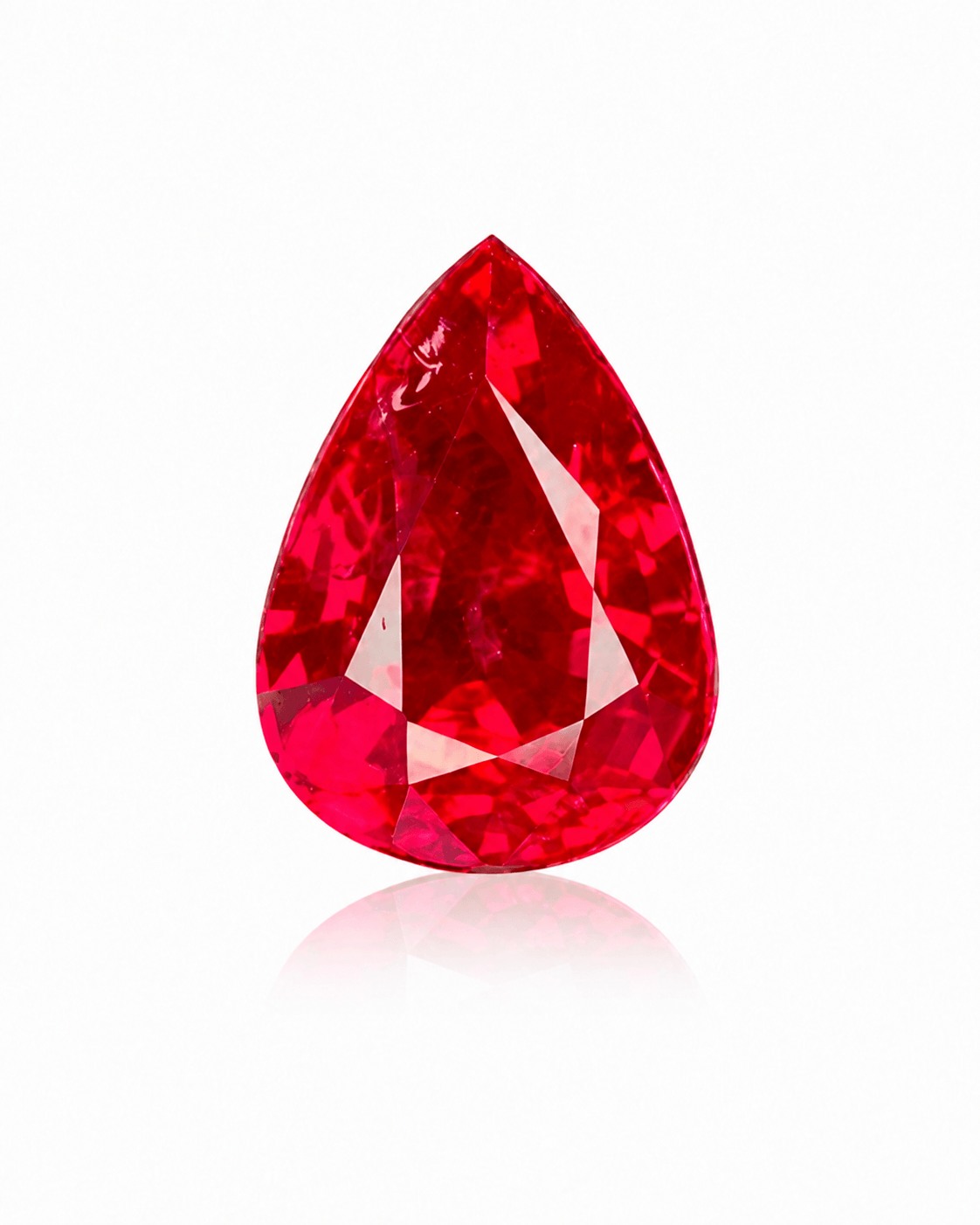
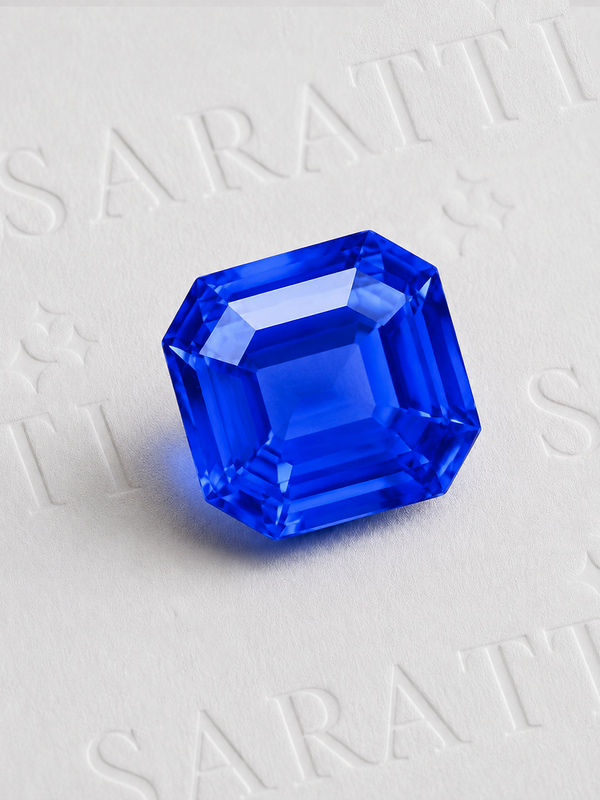
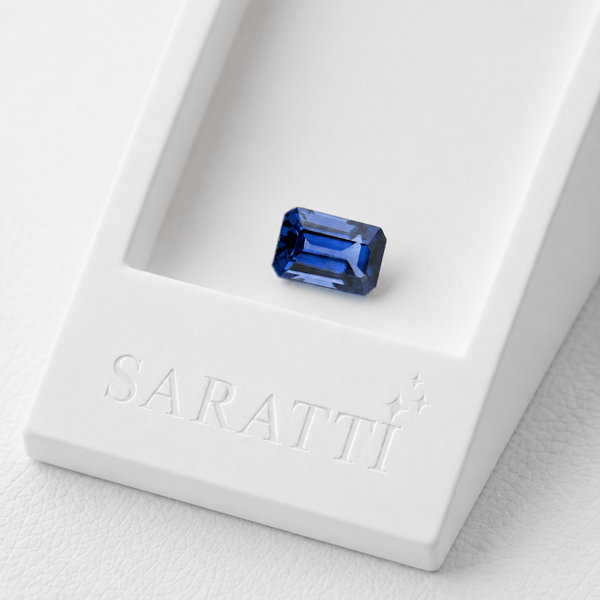
Sapphire
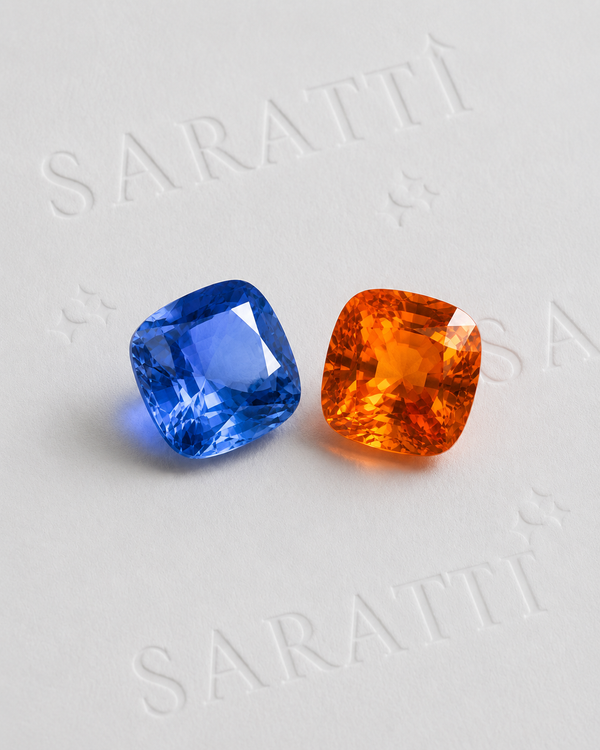
Royal Blue and Cornflower are confirmed trade names on the report, not adjectives we chose. Where a stone is unheated, the certificate says so before we do.
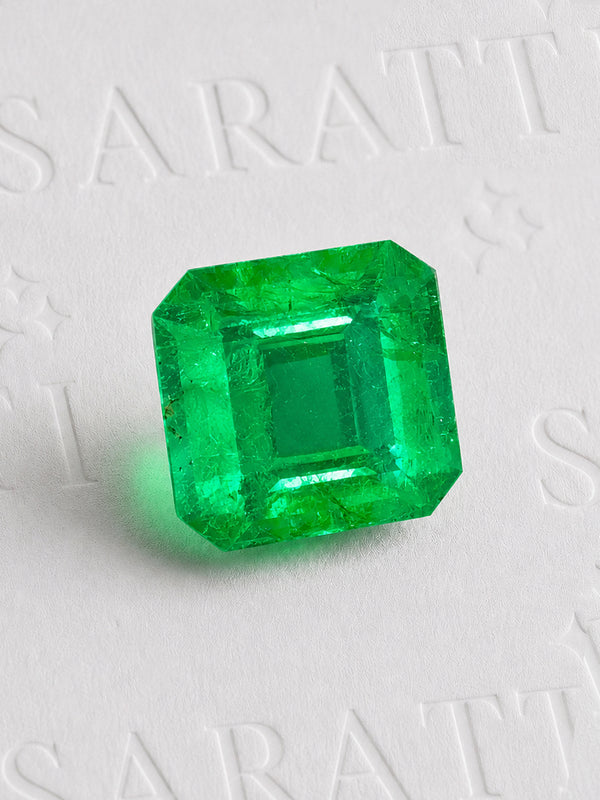
Explore sapphire →Emerald
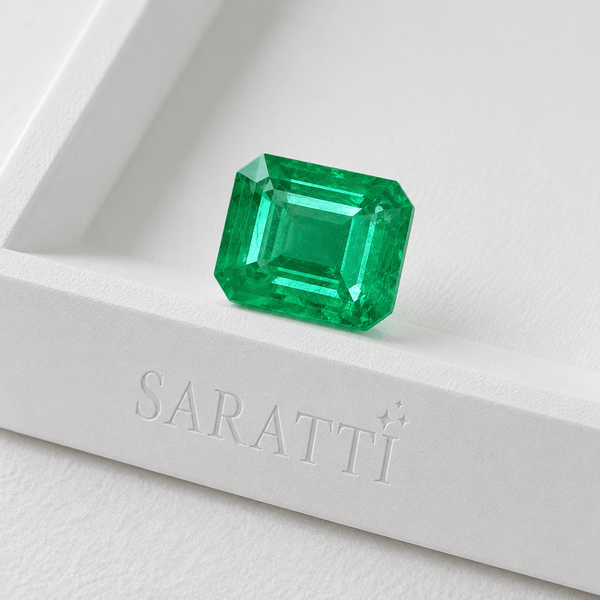
Graded on the openness of its green more than the absence of inclusions. We keep cabochons and carved pieces alongside faceted stones, because not every emerald wants to be a solitaire.
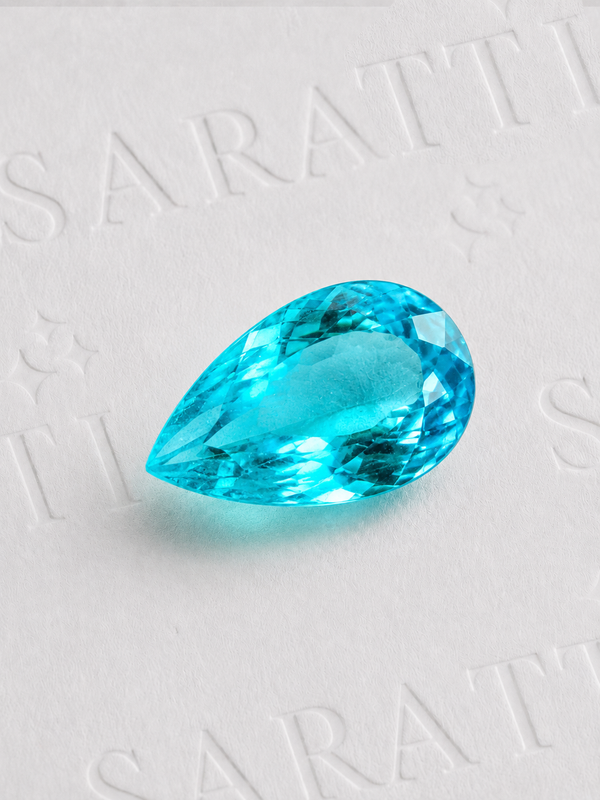
Explore emerald →Paraiba
The colour comes from copper inside the crystal, which is why nothing else looks quite like it under any light. Under a carat, in the right colour, it is one of the few honest ways into the material.
Explore paraiba →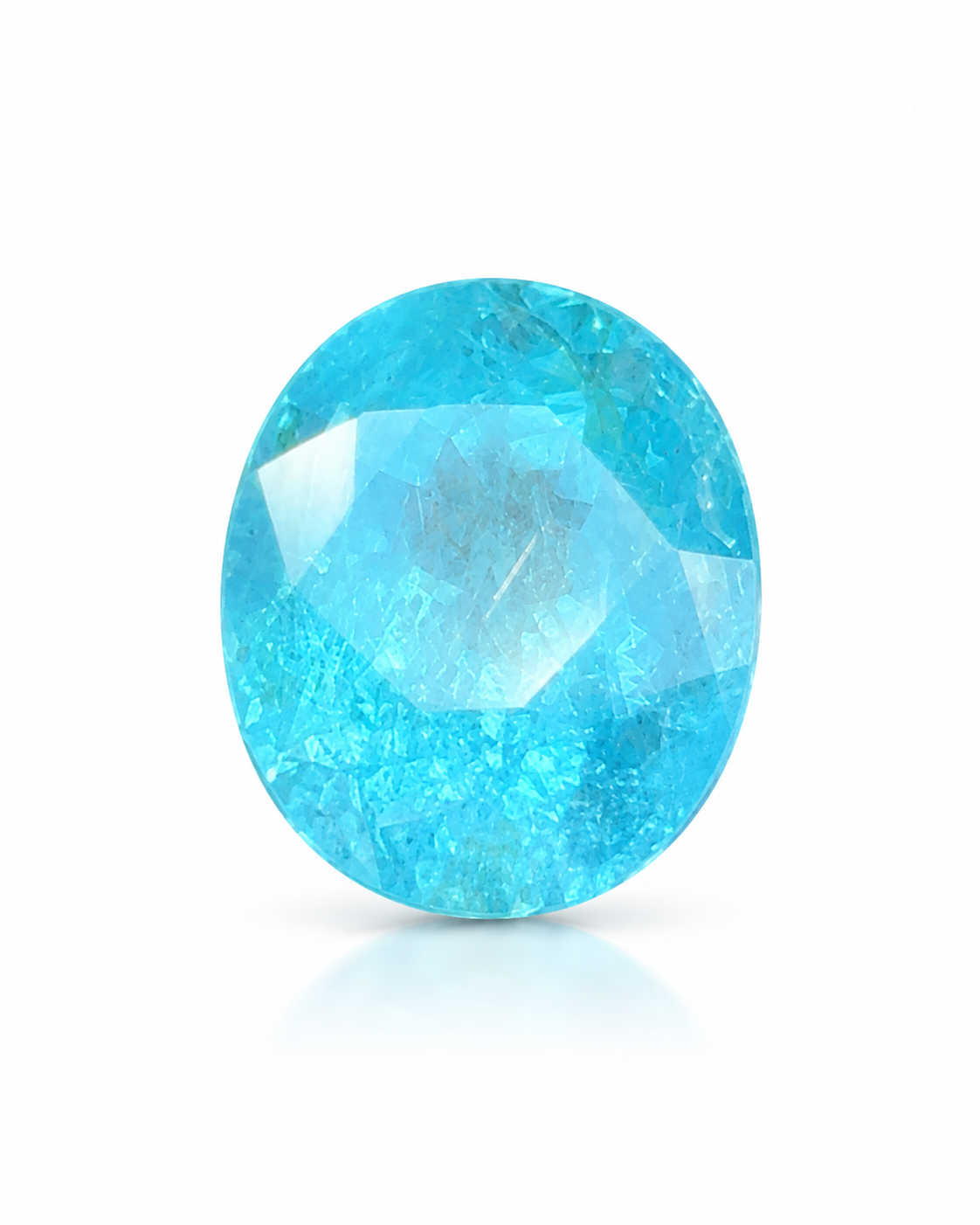
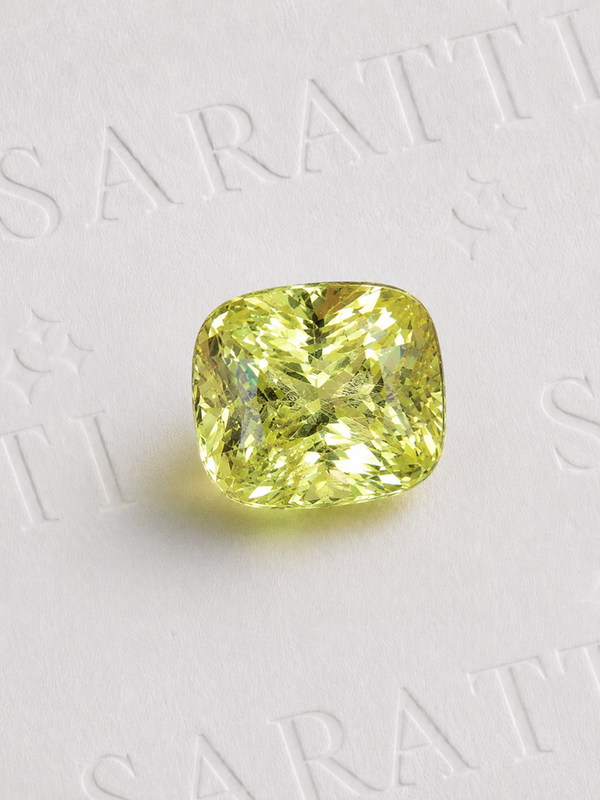
Chrysoberyl
A single band of light across the dome, sharpest when the stone is cut for the eye and nothing else. Orientation matters more than weight.
Explore chrysoberyl →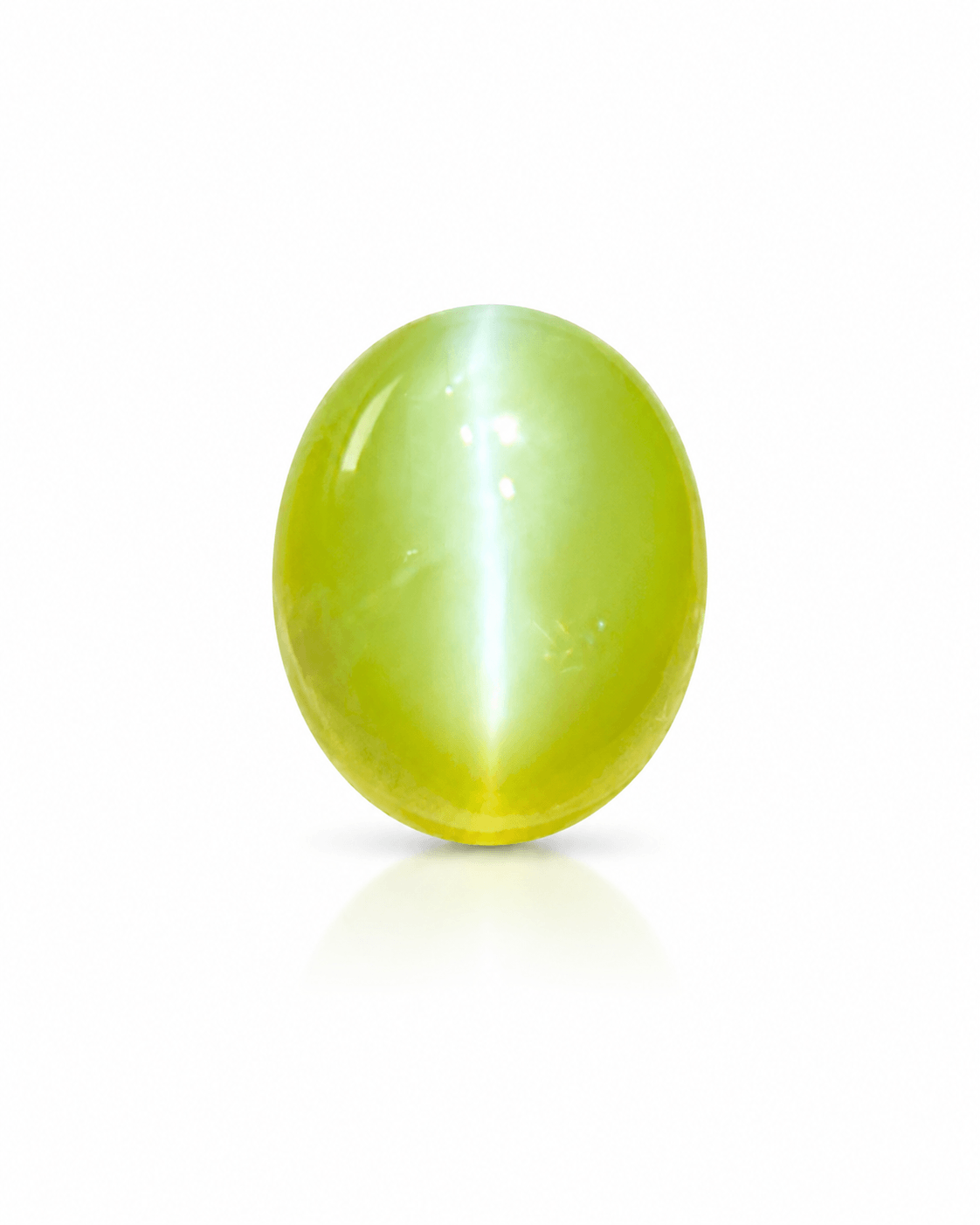
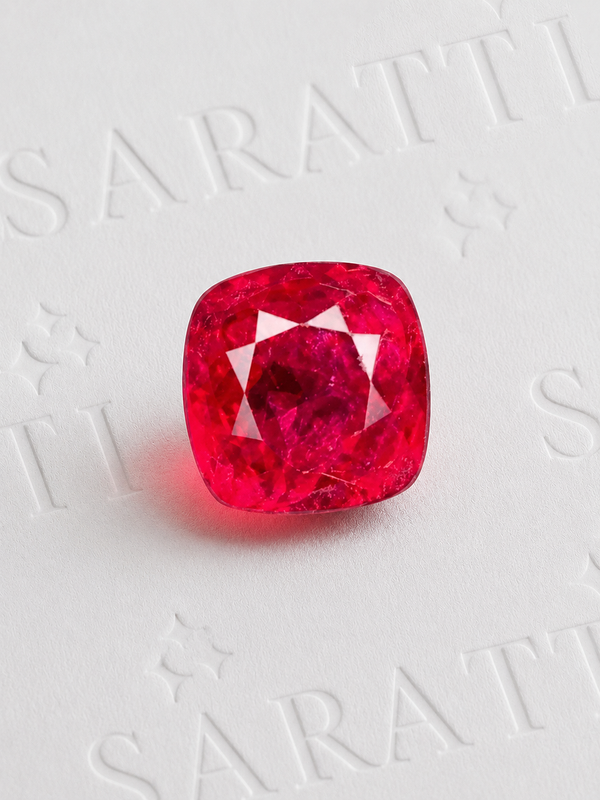
Rubellite
Tourmaline in its deepest red, held to a stricter colour standard than pink. The name is earned on the report, not assumed.
Explore rubellite →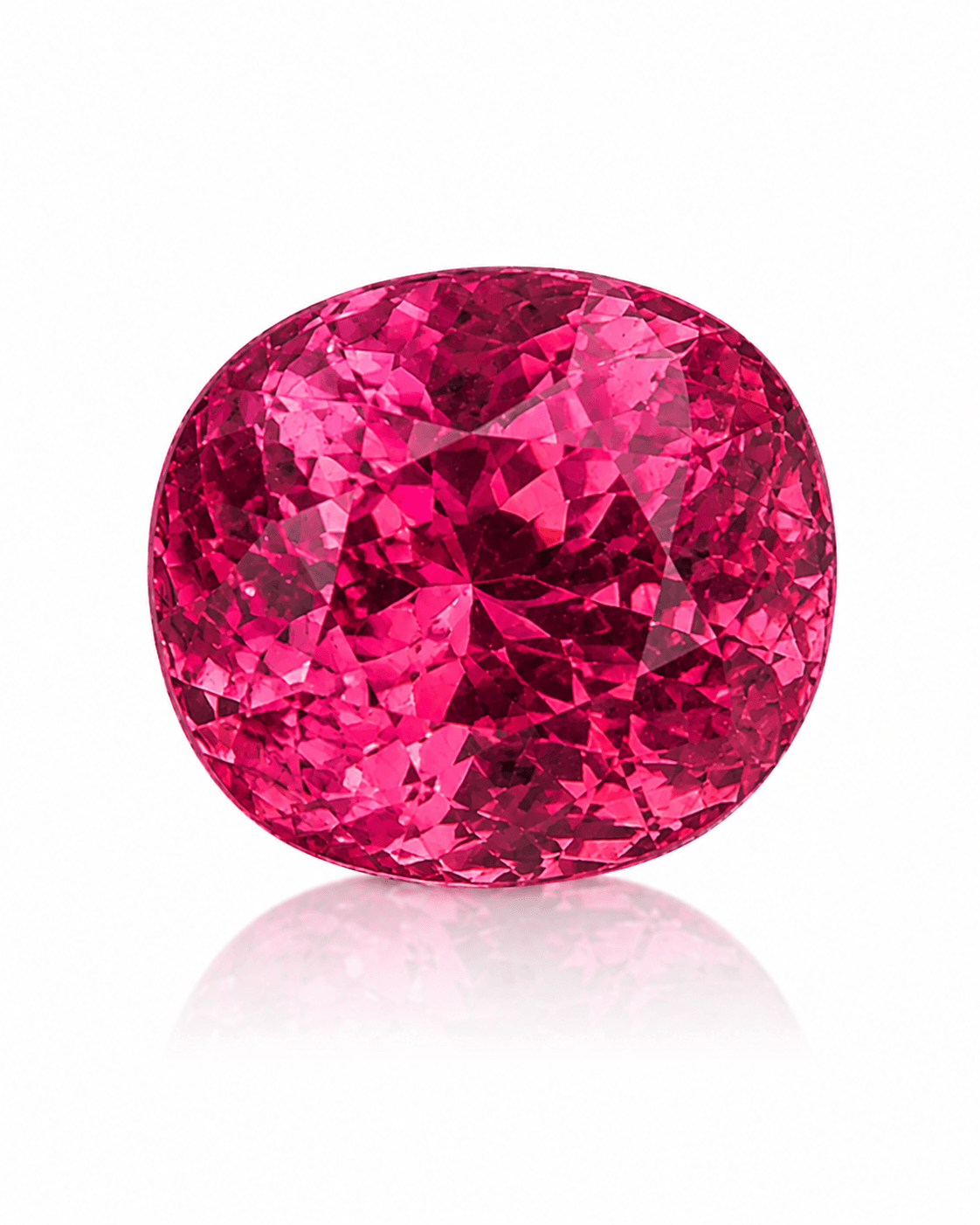
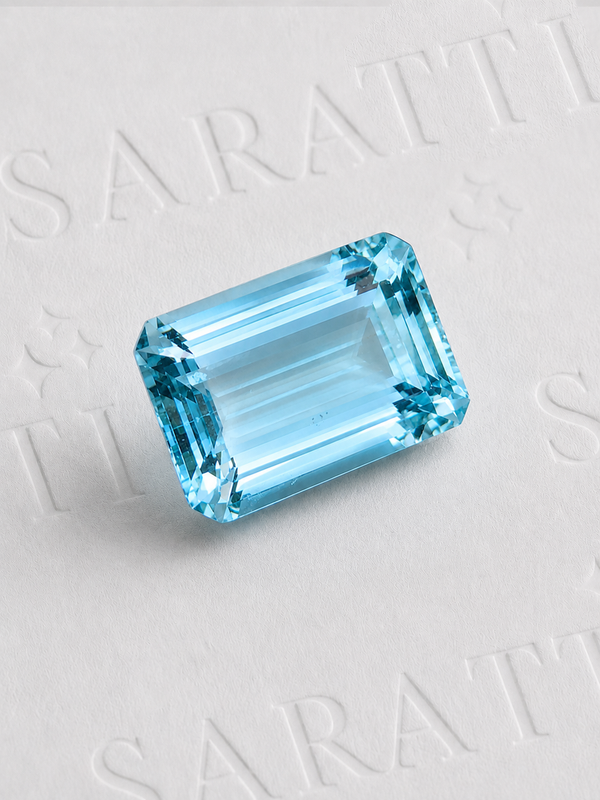
Aquamarine
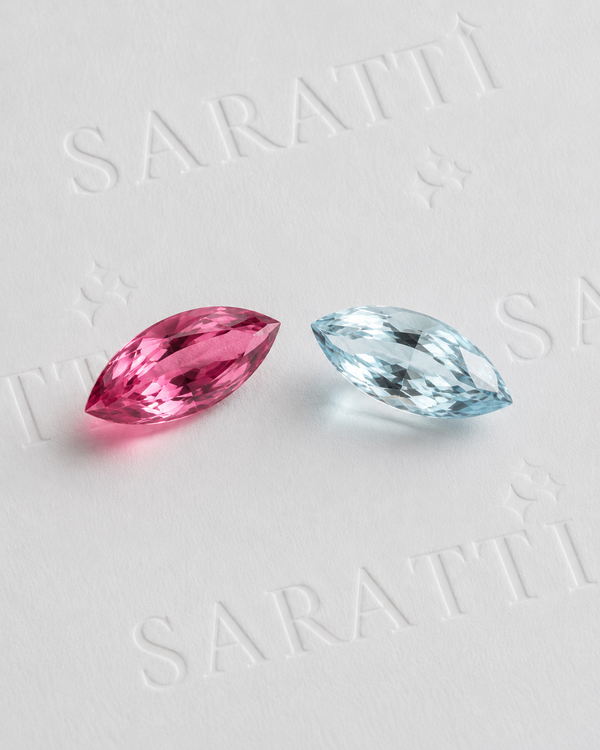
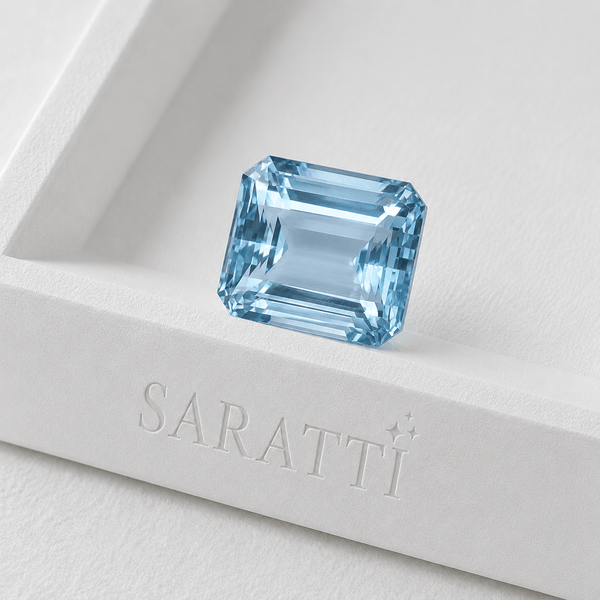
Santa Maria is a colour grade named for the Brazilian mine where it was first found — it describes a specific vivid blue, and stones from Mozambique can carry it too.
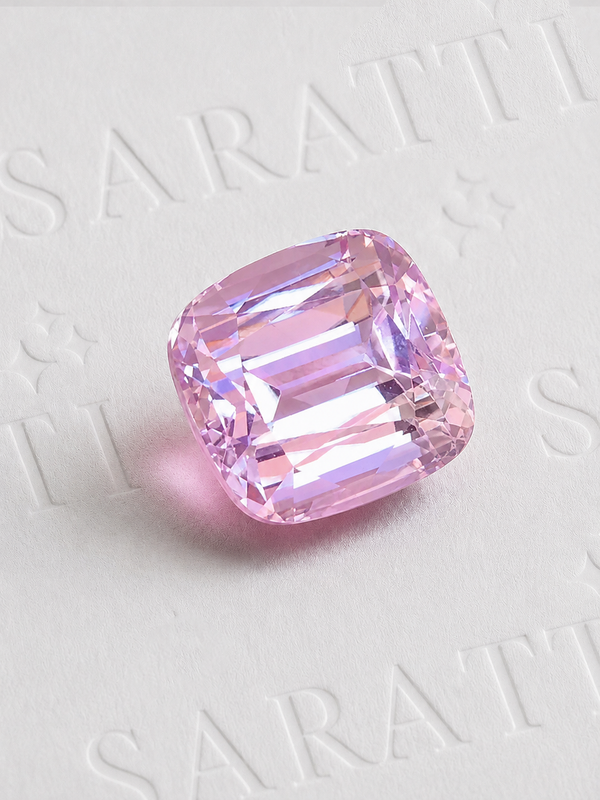
Explore aquamarine →Kunzite
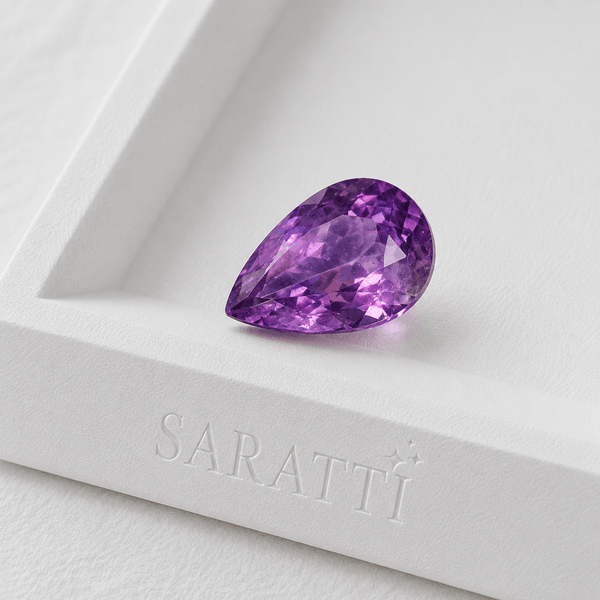
Found in sizes other pink stones rarely reach, and best kept out of long direct sun so the colour holds.
Explore kunzite →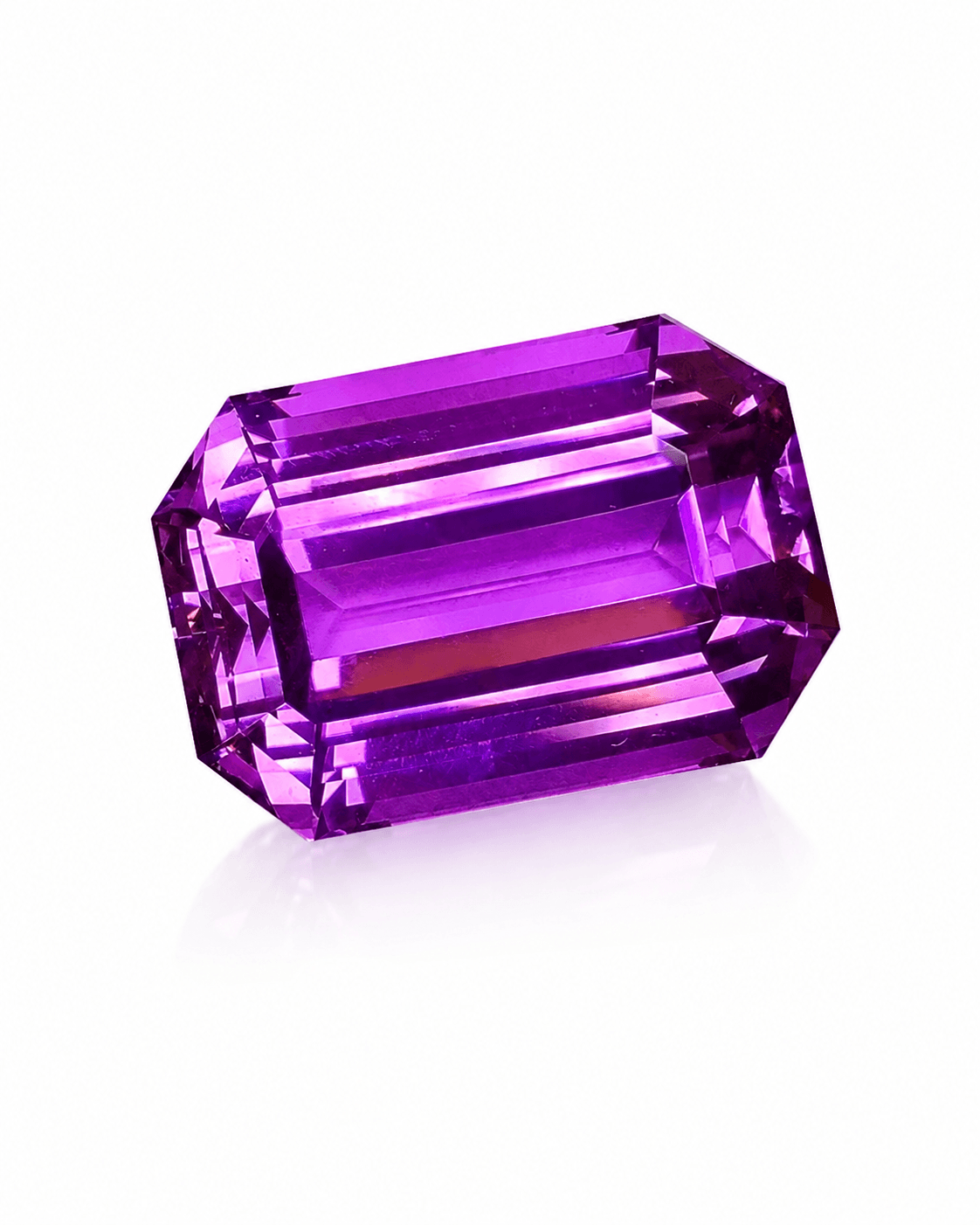
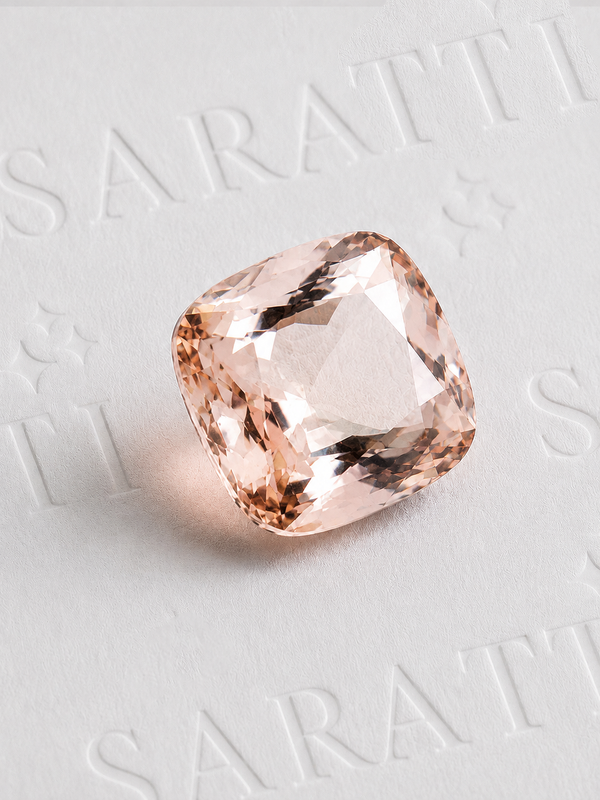
Morganite
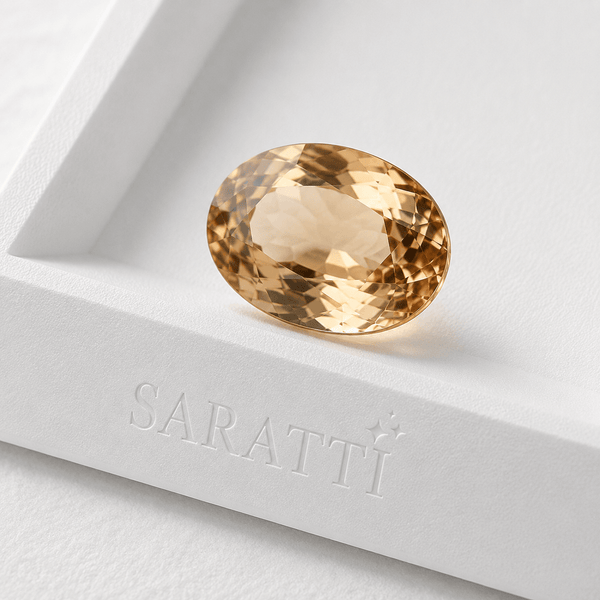
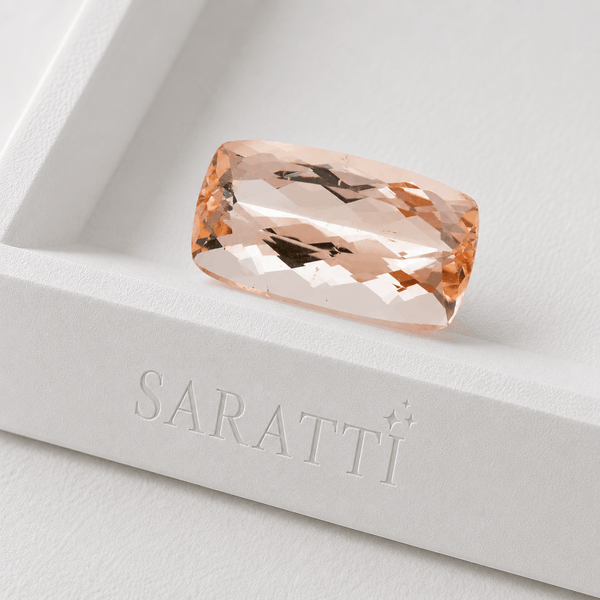
Beryl in peach — the same family as emerald and aquamarine, at its softest. Photography for this species is being reshot.
Explore morganite →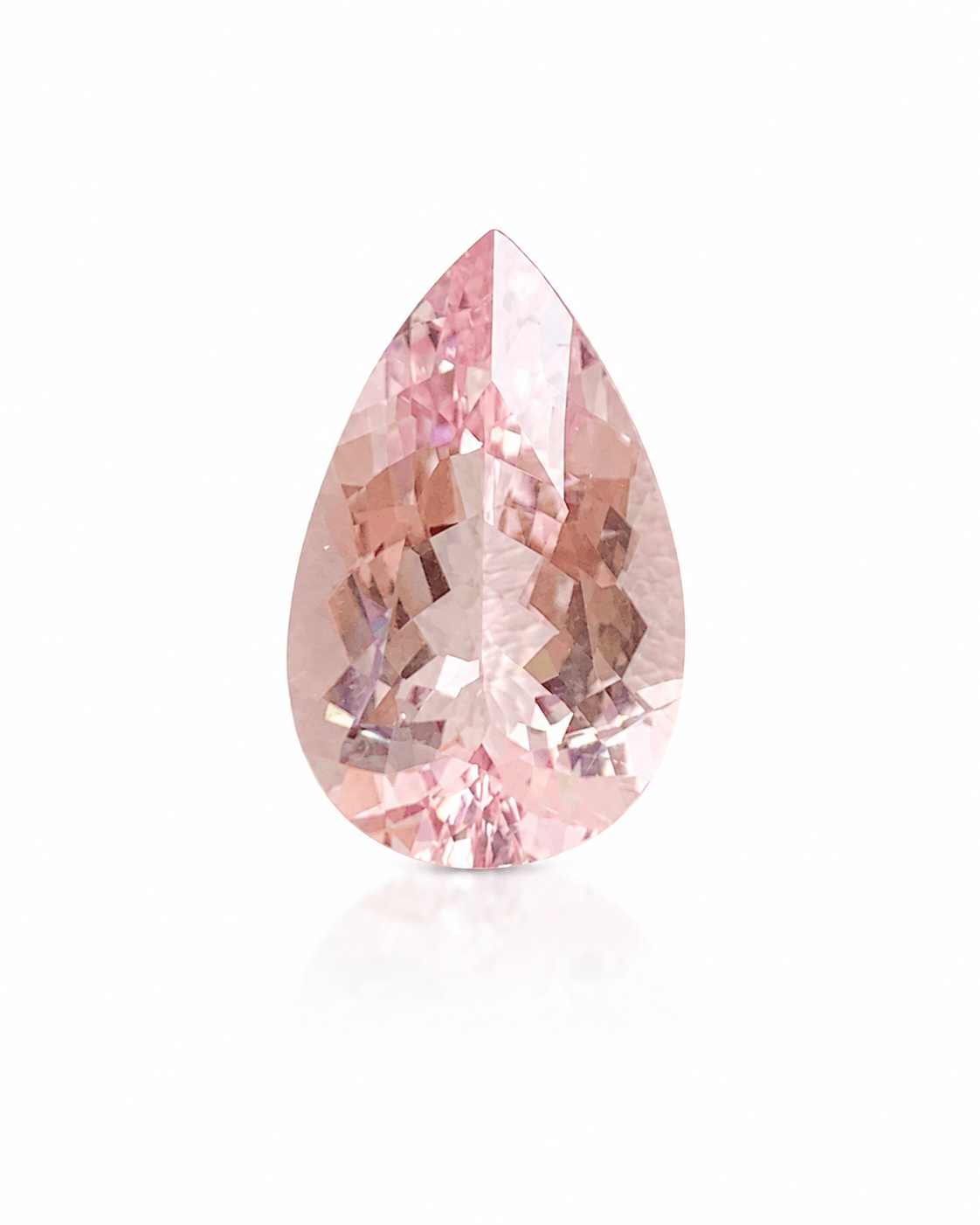
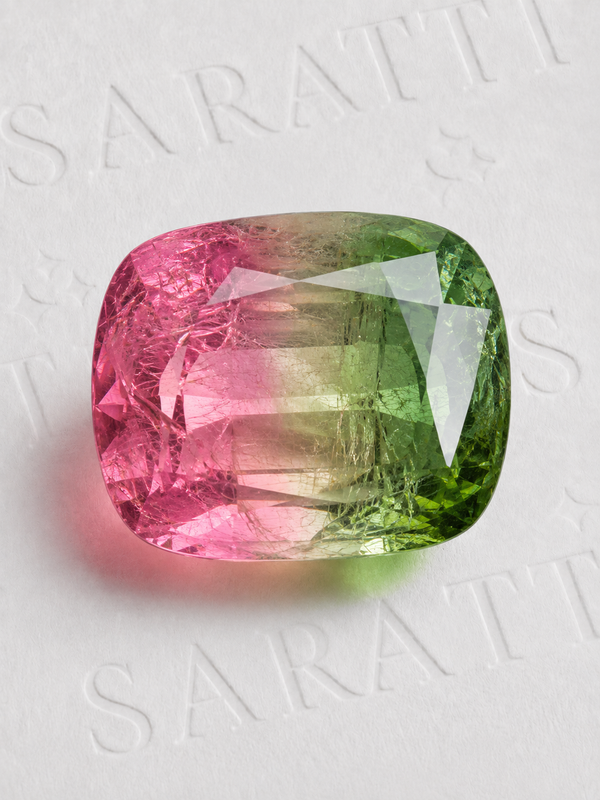
Tourmaline
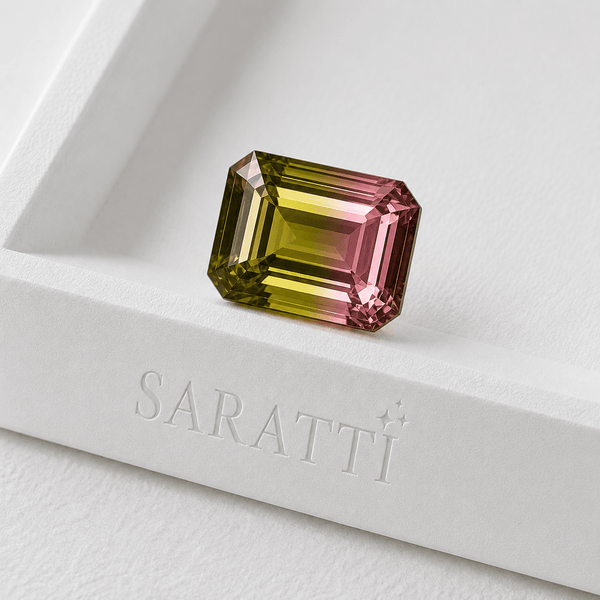
One species covering more of the spectrum than any other, which is why it appears twice in this list. October birthstone.
Explore tourmaline →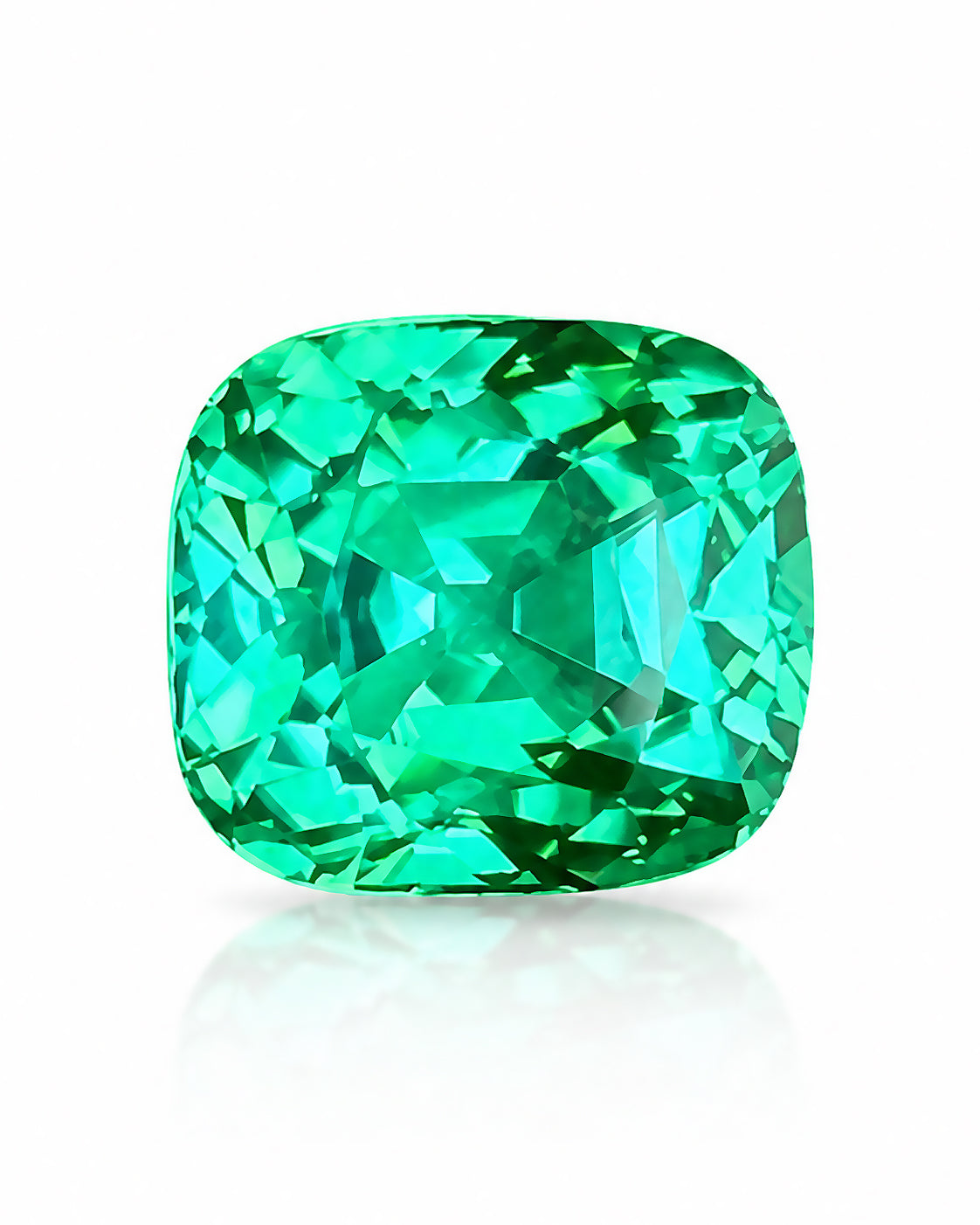
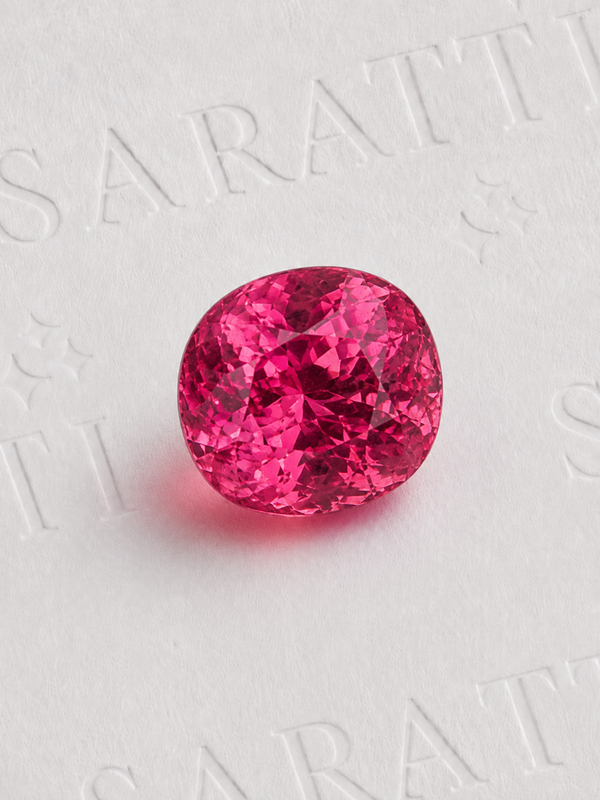
Spinel
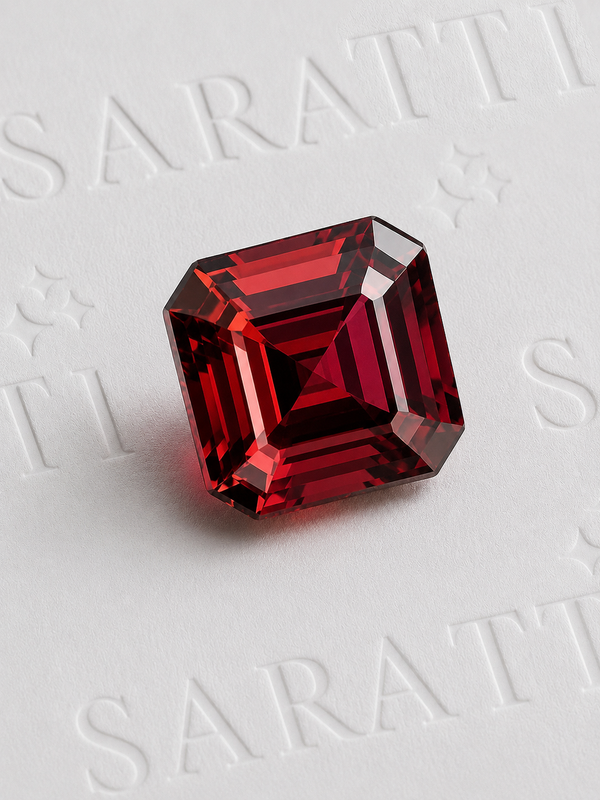
Mistaken for ruby for centuries, and now collected on its own terms. Rarely treated, and often the most honest stone in a parcel.
Explore spinel →
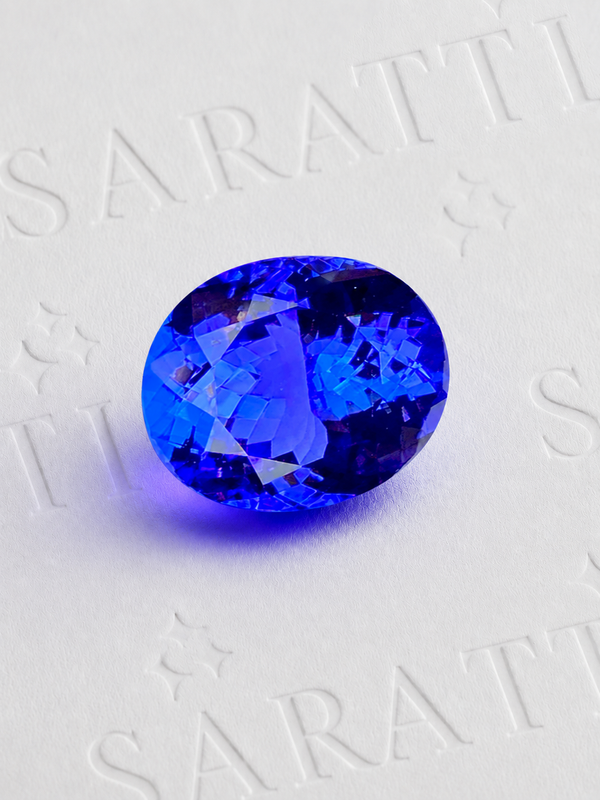
Tanzanite
Found in one place on earth, in a strip of ground a few kilometres wide. It shifts between blue and violet depending on the angle you hold it, which is the whole reason to own one.
Explore tanzanite →Garnet
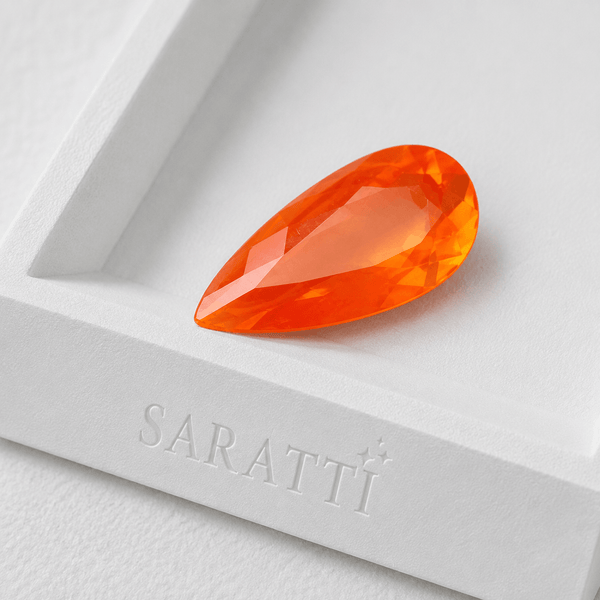
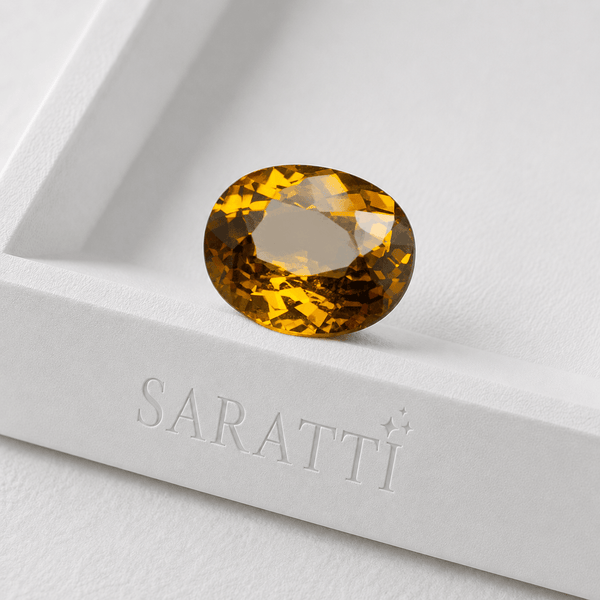
The family that spans the widest range of colour we hold — Namibian Fanta orange at one end, Tanzanian tsavorite green at the other, and no treatment on either.
Explore garnet →Topaz
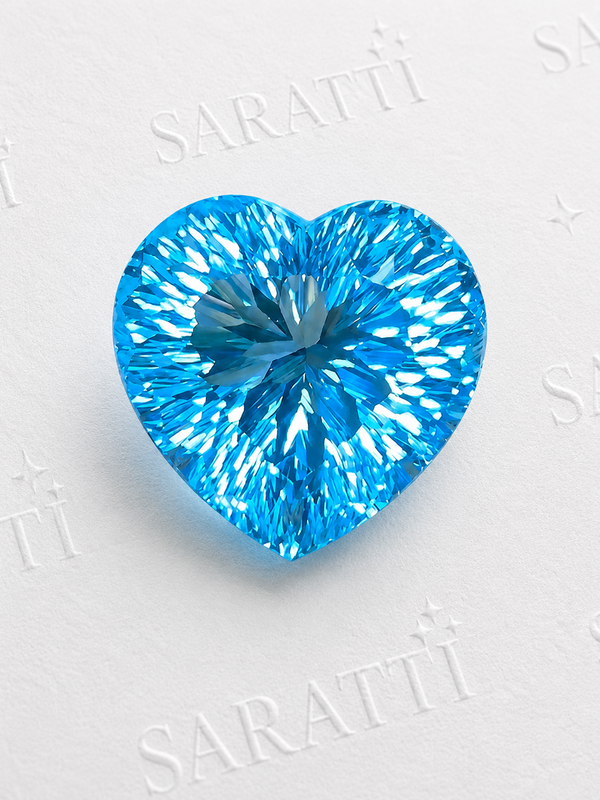
A December stone, wide in size and colour, and honest about which pieces have been treated to reach their blue.
Explore topaz →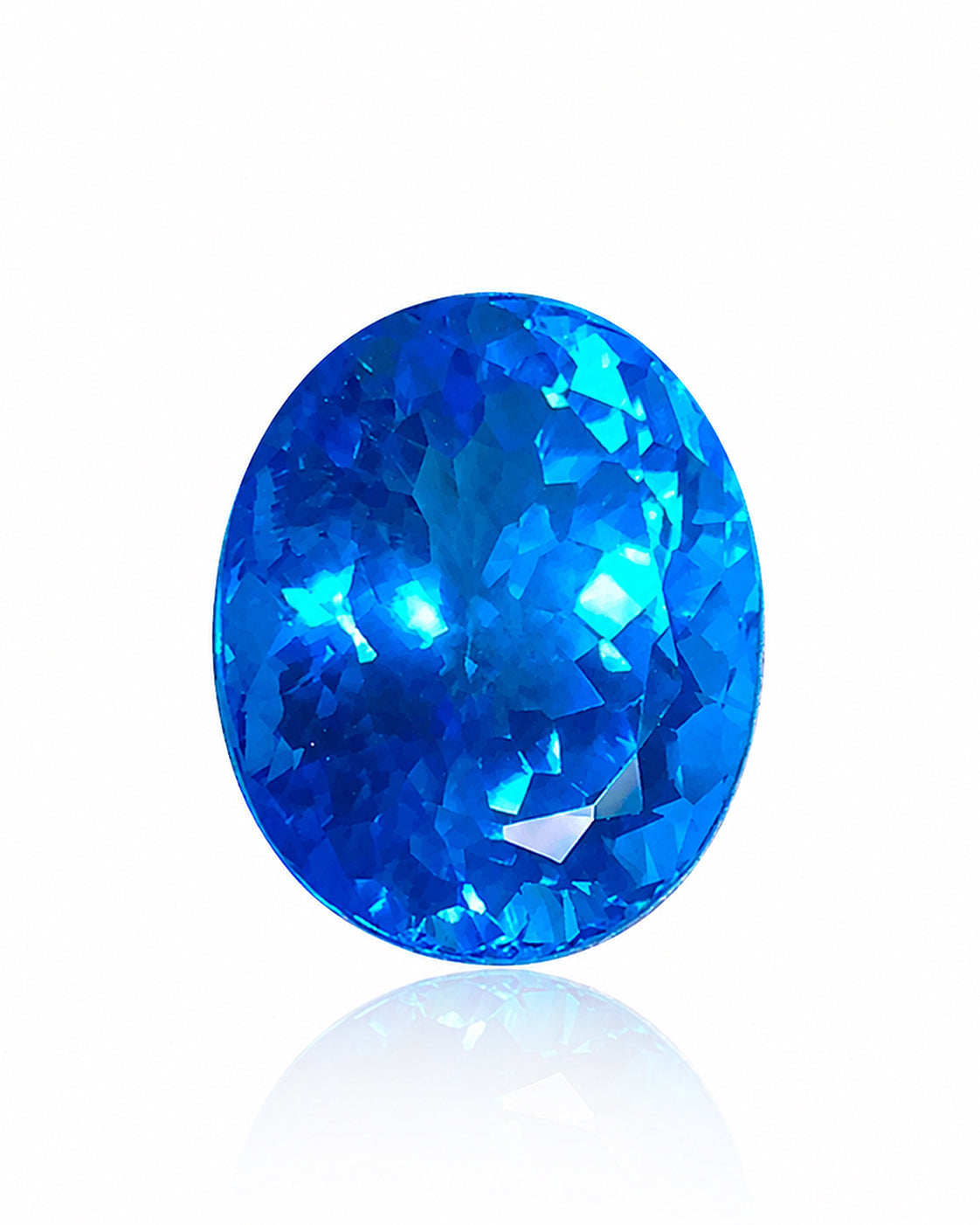
Imperial Topaz
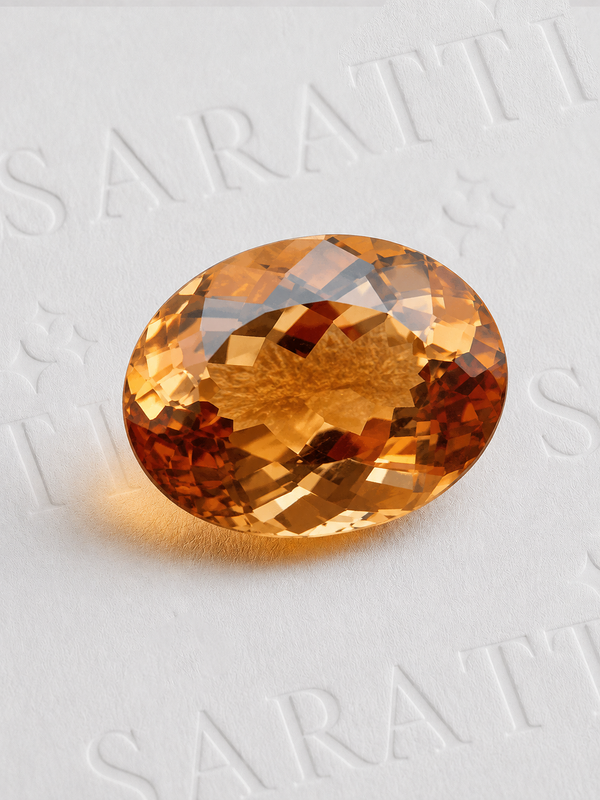
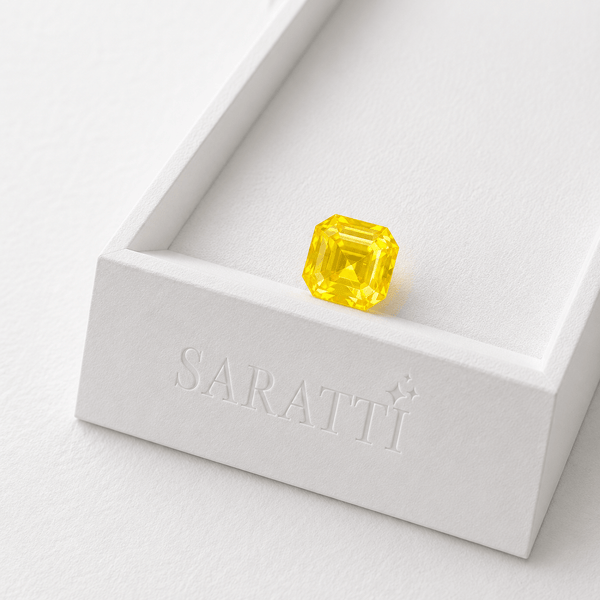
The only topaz that carries the name. Brazilian, and graded on warmth rather than clarity alone.
Explore imperial topaz →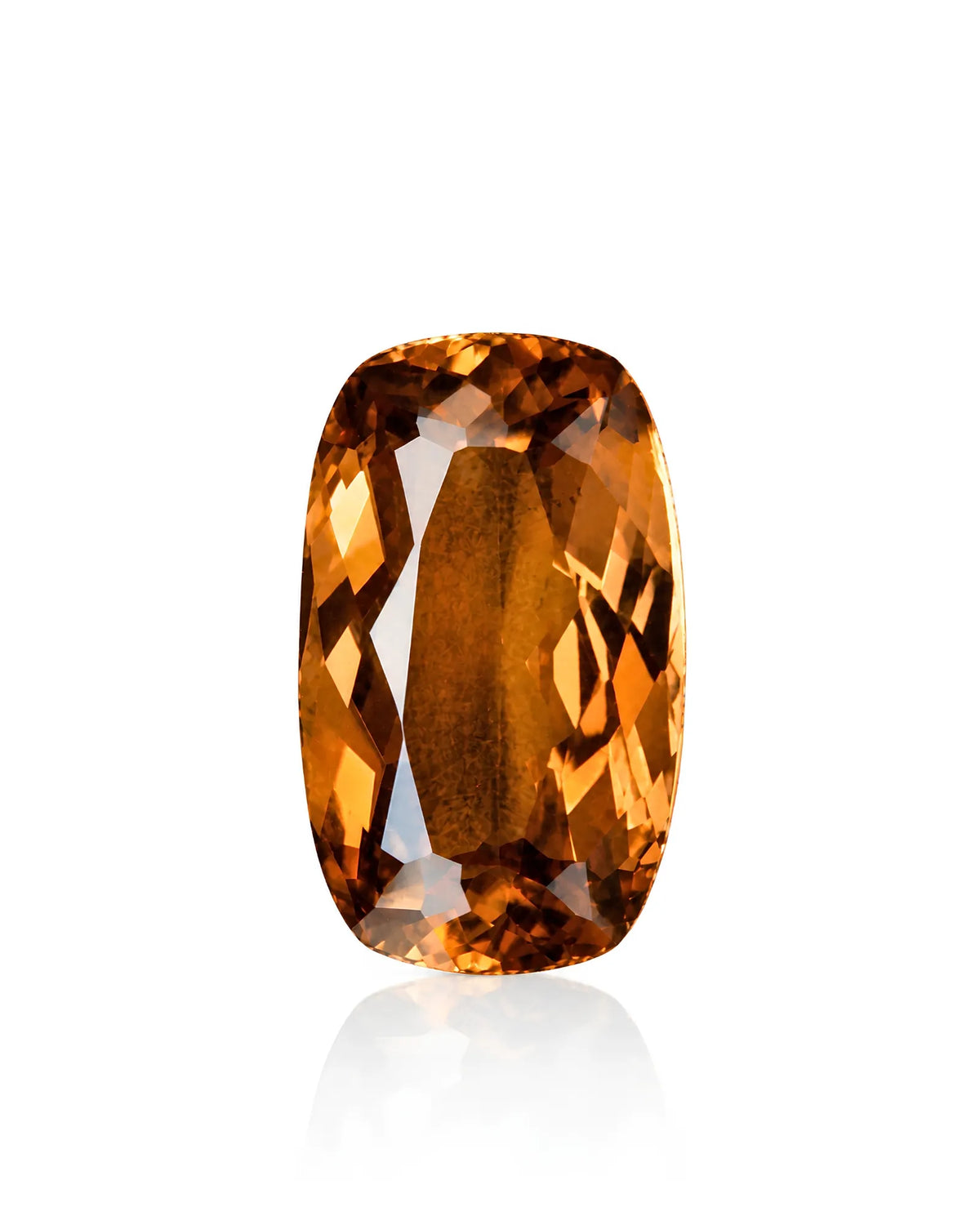
Opal
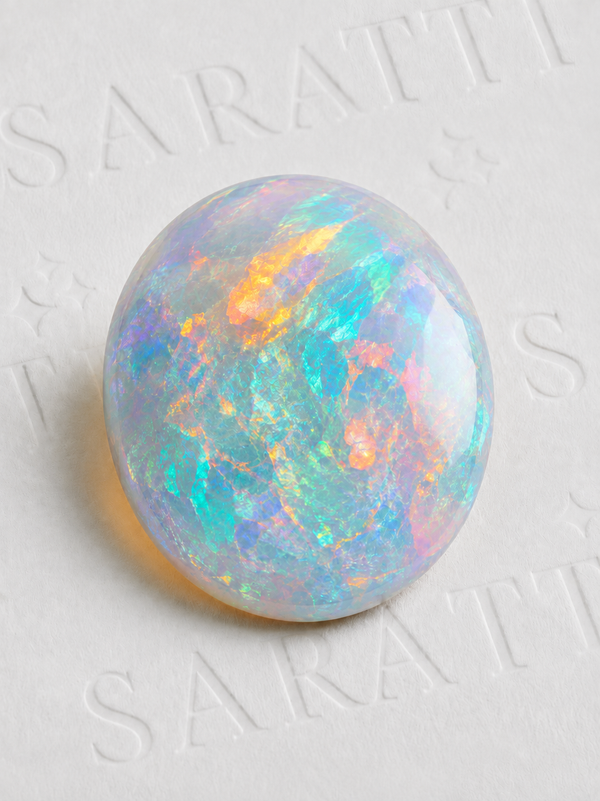
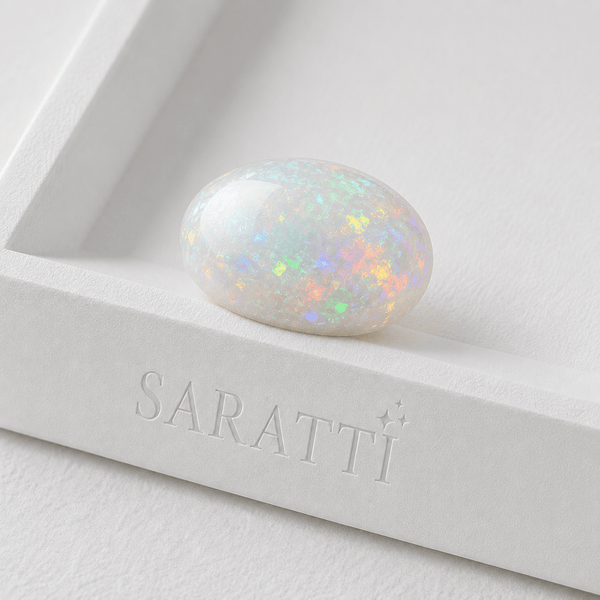
Colour that moves rather than sits. Held faceted, as cabochon, and carved — the only stone here judged on what it does when you tilt it.
Explore opal →Gemstone Colour
Most jewellers file stones by species. We file them by colour too, because that is how you arrive — knowing the feeling before you know the name.


Gemstone Shape
Cut decides how a stone holds light and how it will sit once set. Choose the outline first, and the rest follows.


Birthstones
The oldest reason to choose a stone, and still the most personal. Twelve months, each with its own colour and its own long history.


Every Stone, On the Record
Laboratory, colour grade and treatment status appear before the price does. Where a stone has been treated, we say so in the title — because the price already reflects it.

Not here? We will find it.
What is listed on this site is a fraction of what we can reach. Roughly one stone in ten ever makes it onto these pages — the rest sit uncut, unphotographed, or still with the dealers and cutters we buy from.
So if the colour, size or cut you have in mind is not here, that almost never means it does not exist. Describe it, and we will go and look.
Two Ways Forward
Once a stone has your attention, there are only two questions left.

As It Is
Held loose, certified, and shipped insured. Yours to set later, or to keep exactly as it left the cutter.
Browse loose stonesMade to Answer the Stone
A setting designed for this stone and no other. Six weeks at the bench, reviewed with you before anything is cut.
Begin a commissionColour, chosen by someone.
Each stone selected in person, graded by an independent laboratory, and described in the words the report used.
Begin with Colour