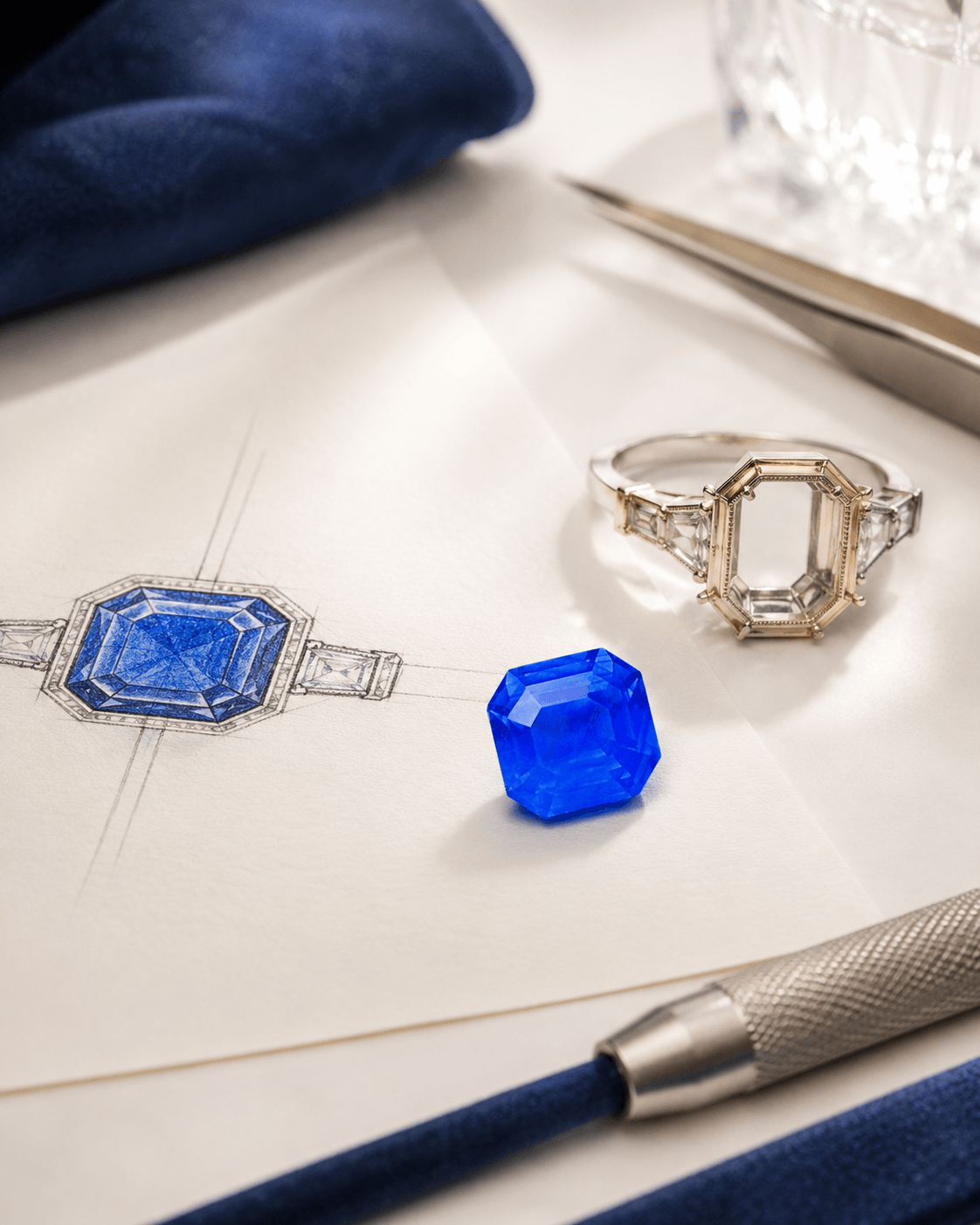
Designed with you. Completed without compromise.

Complimentary Insured Worldwide Delivery

Bi-Color Gemstones

Every stone held by the house, listed one at a time.

Two tones. One Natural Expression.

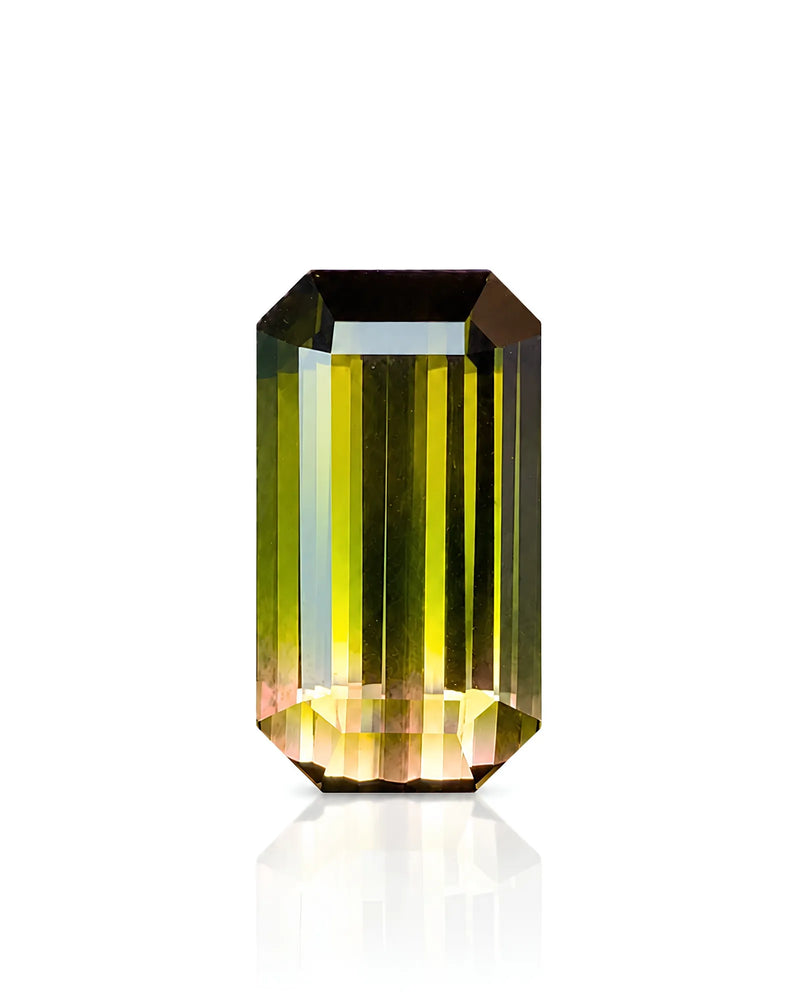
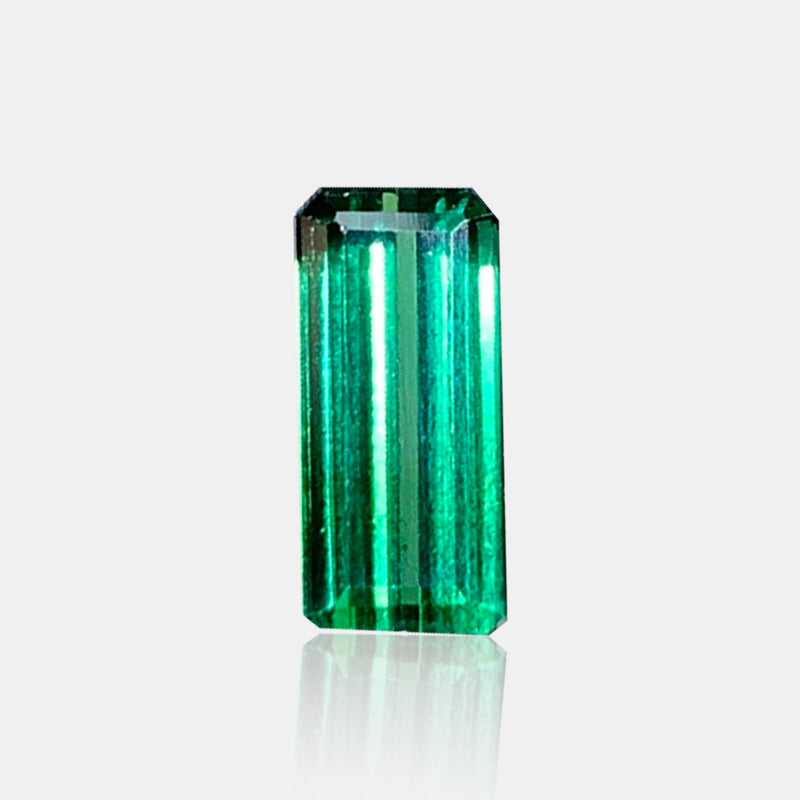
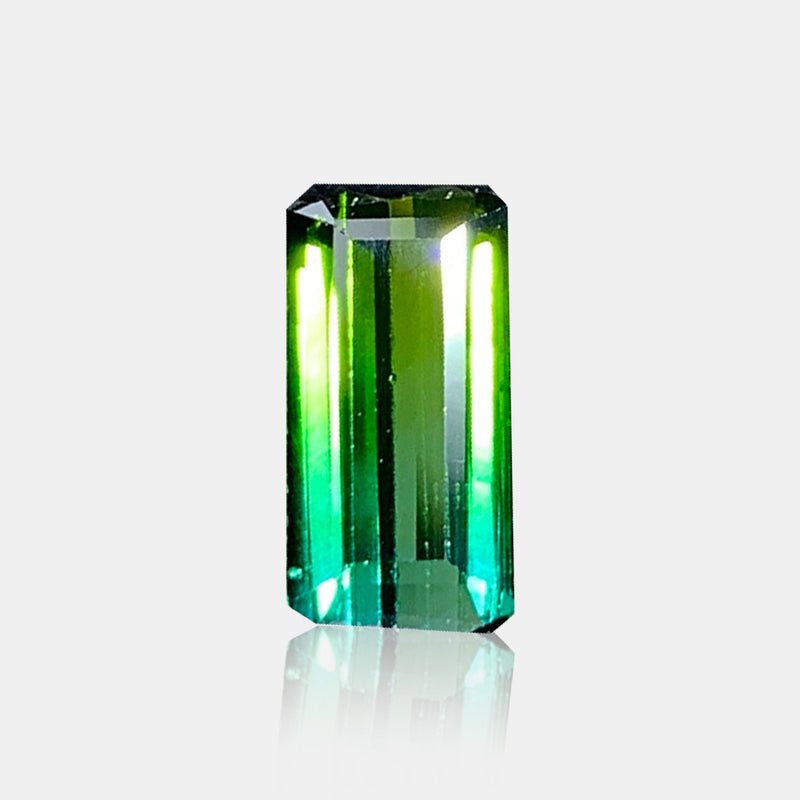
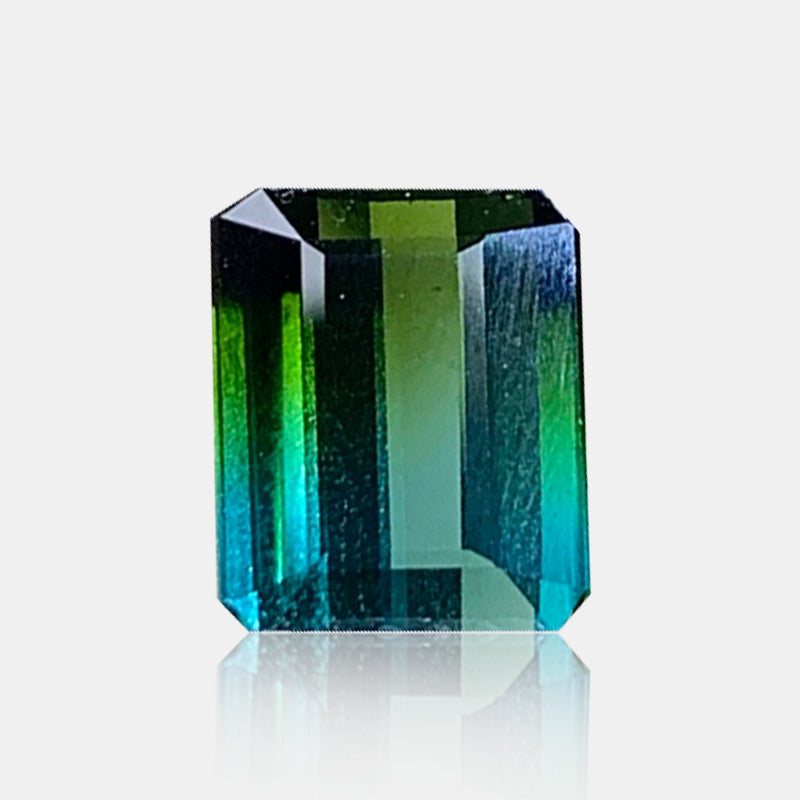
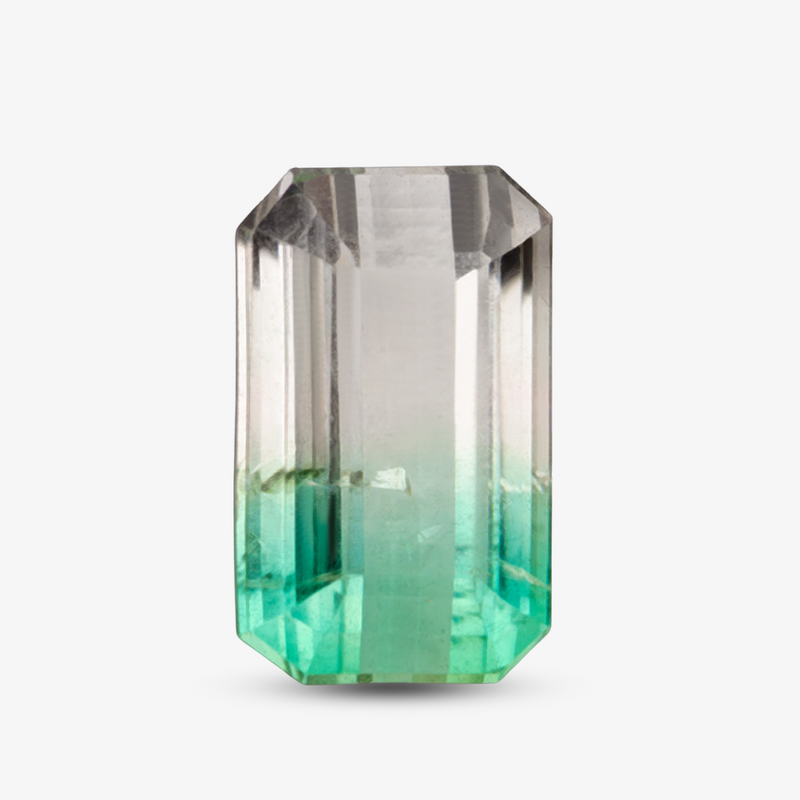
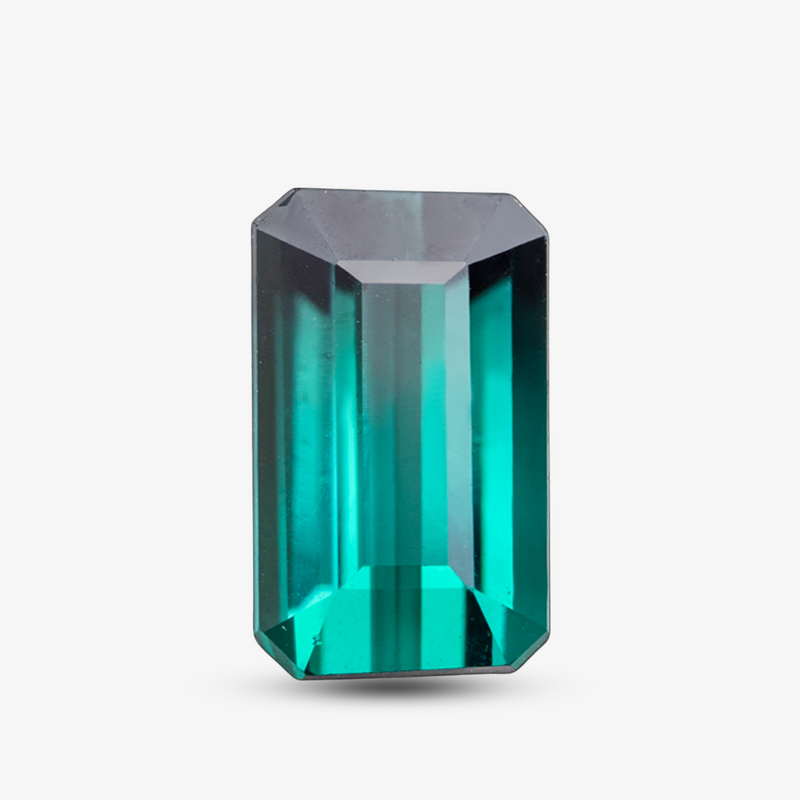
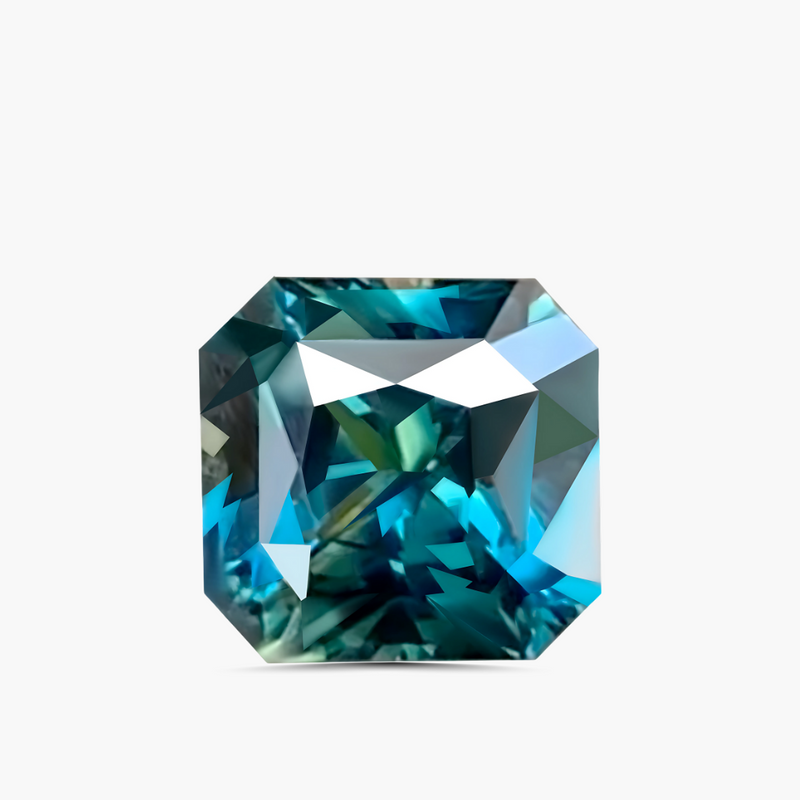
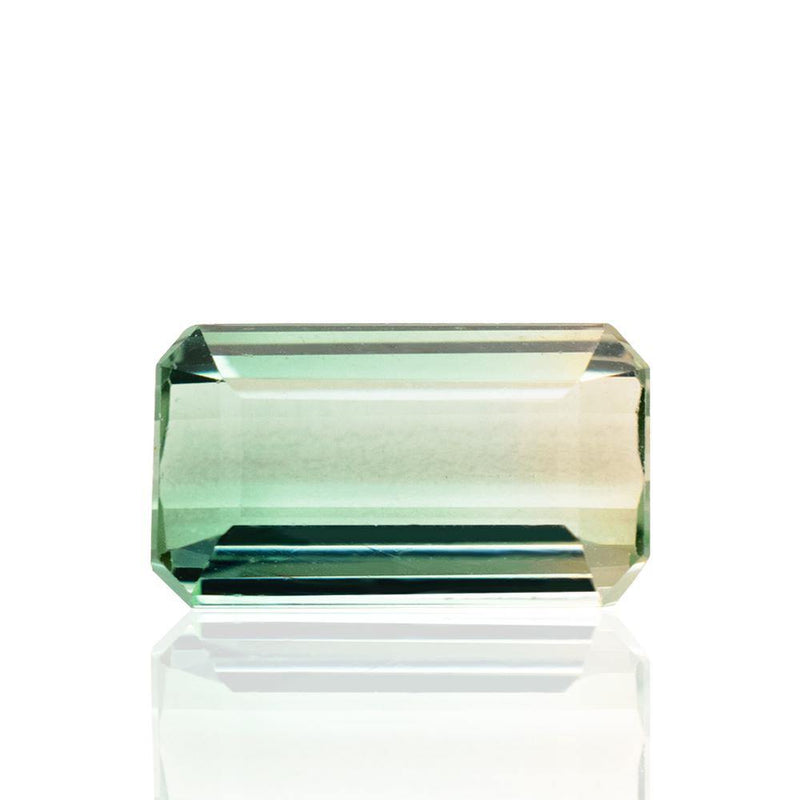
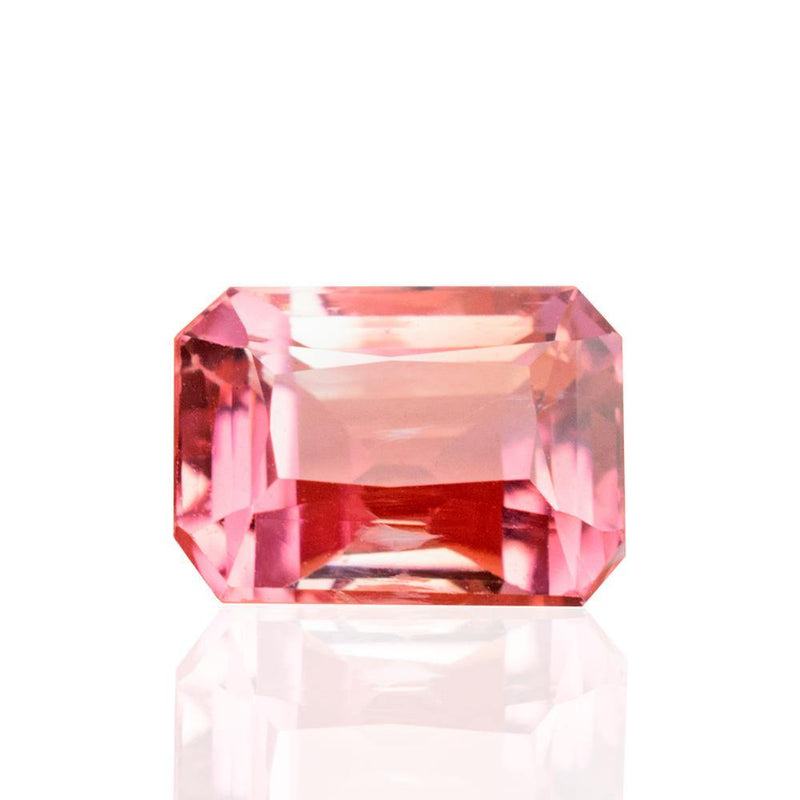
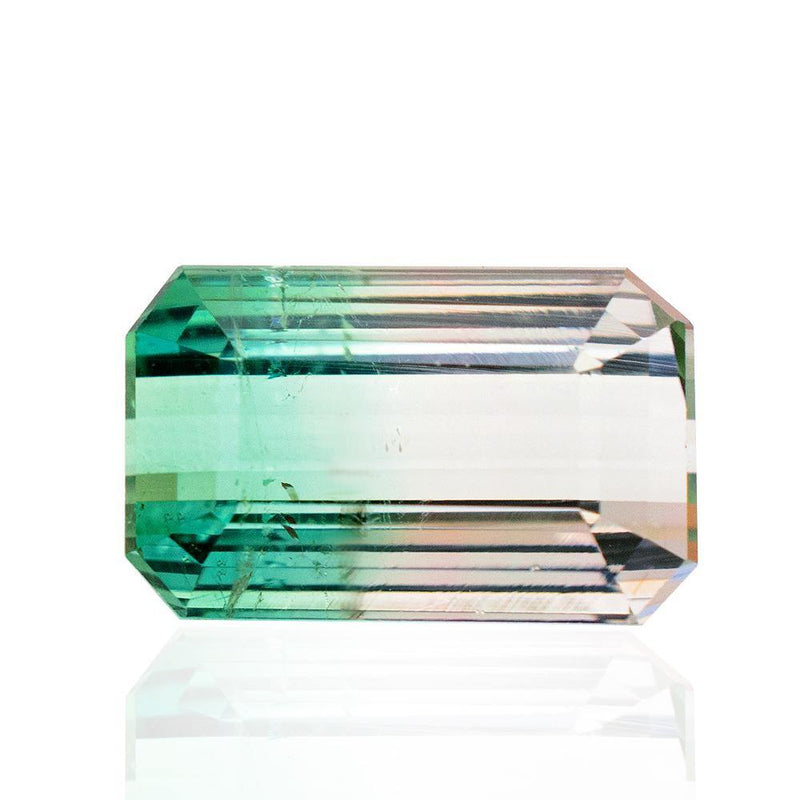
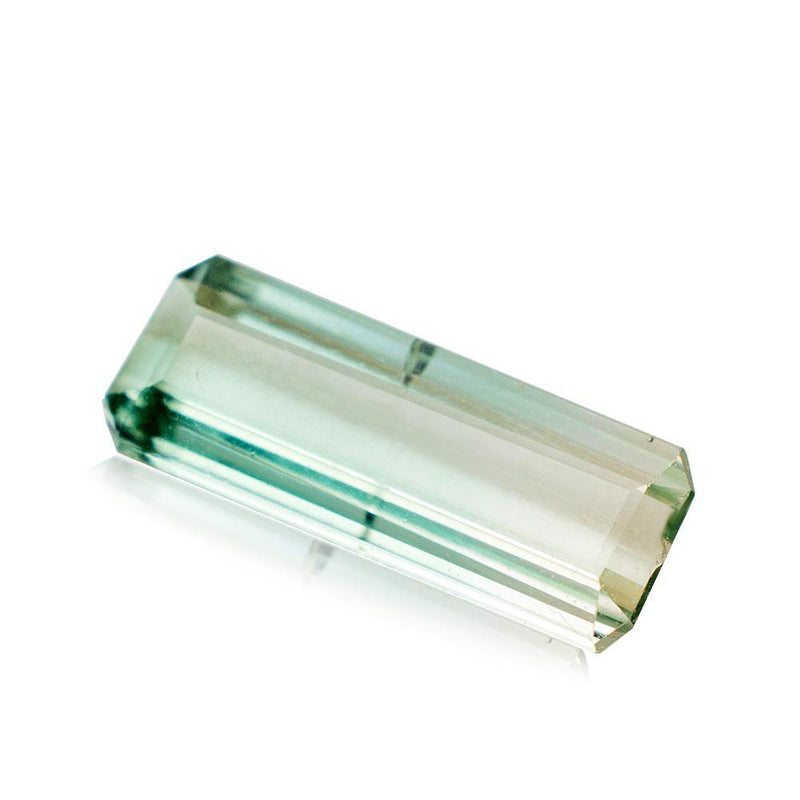
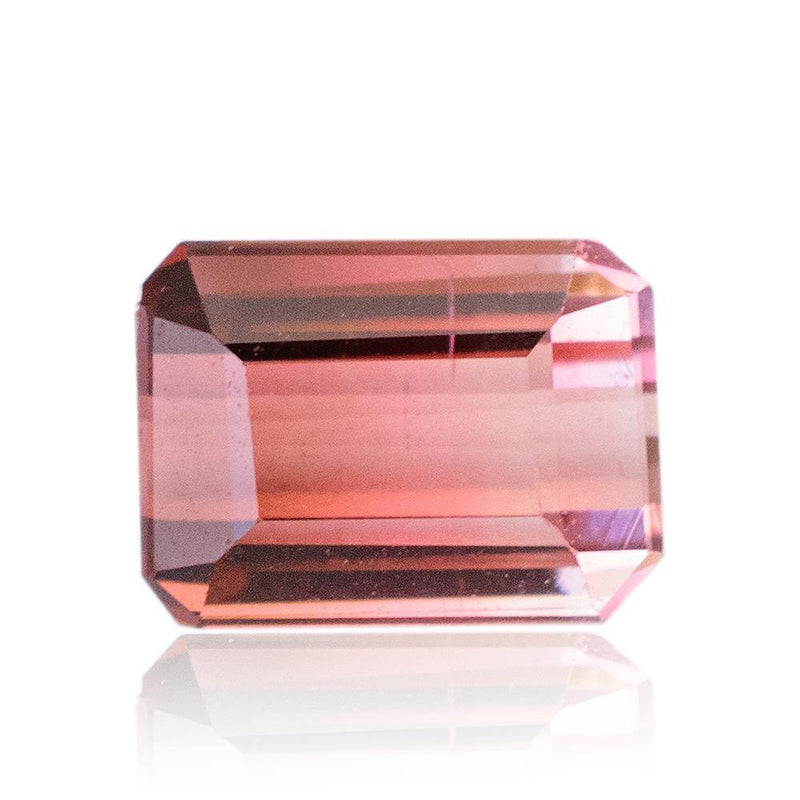
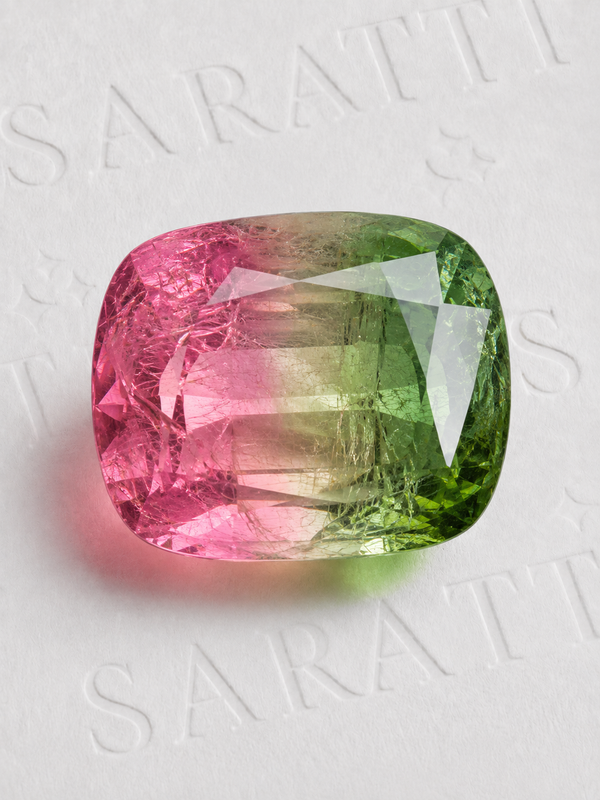
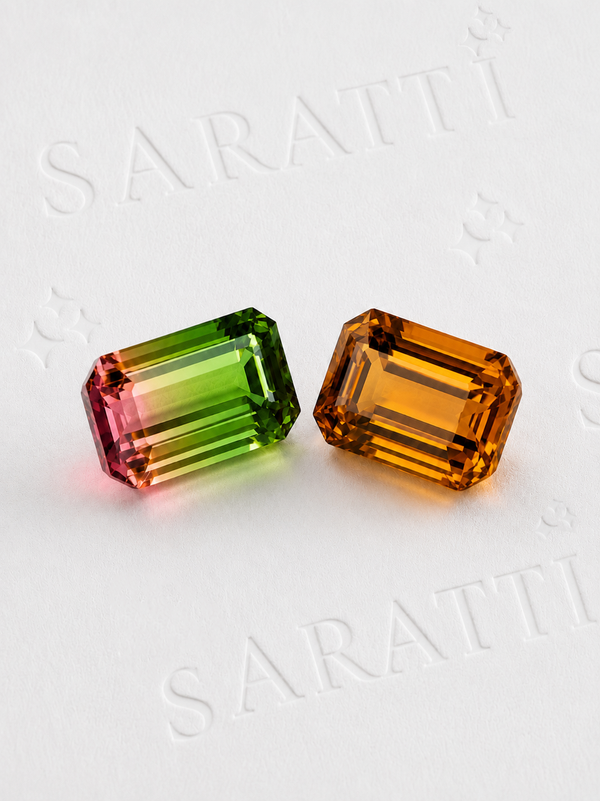
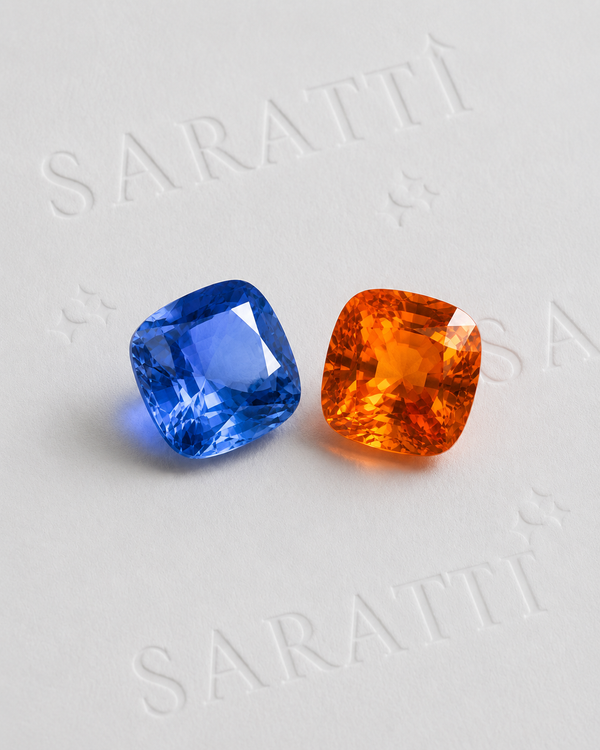
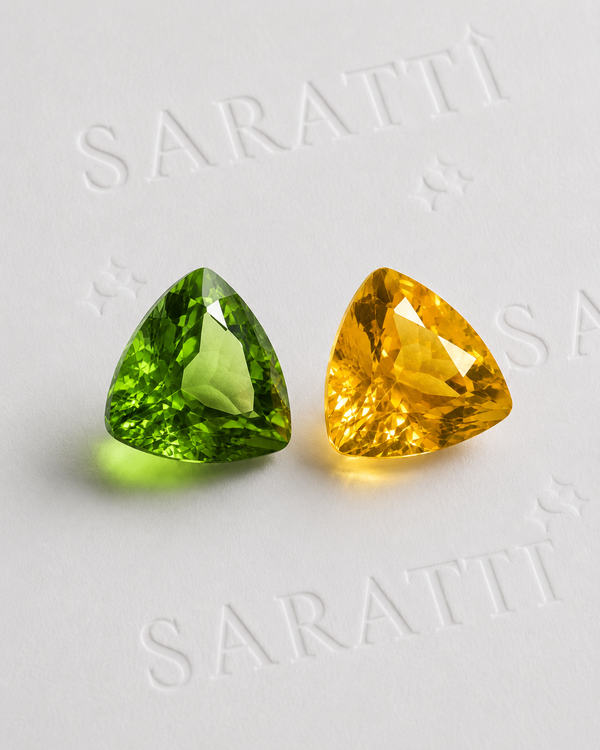
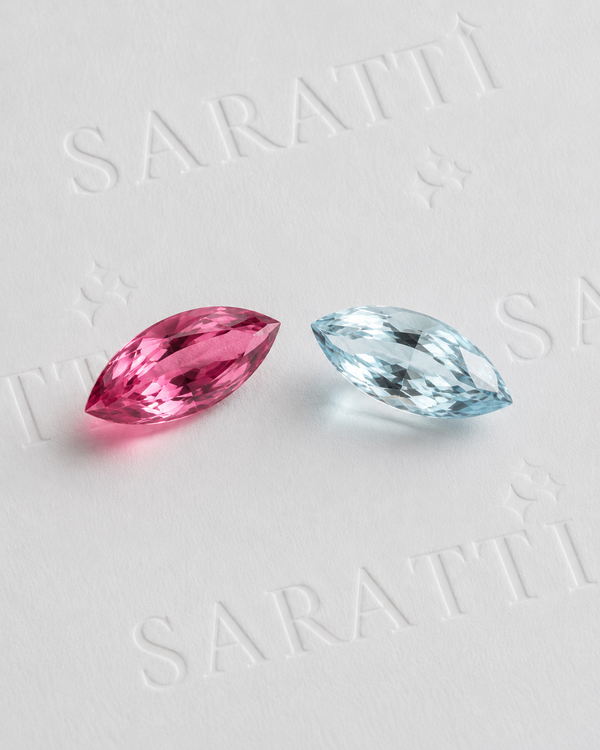
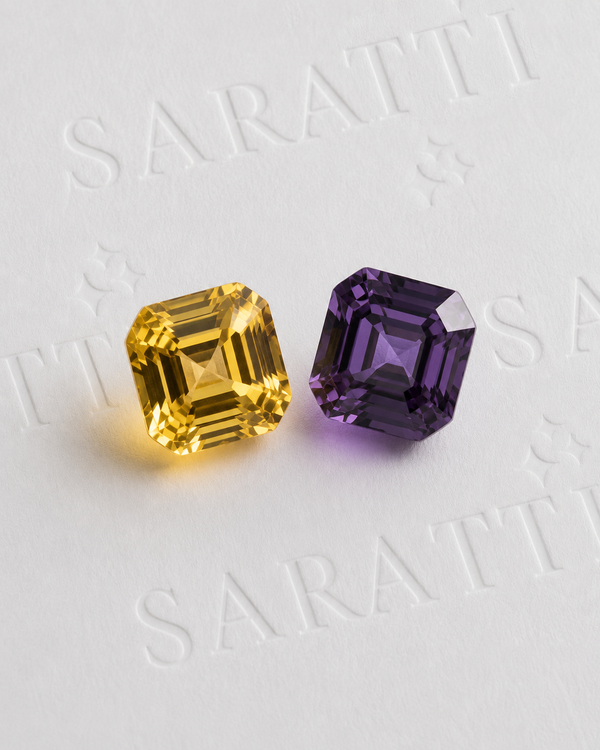
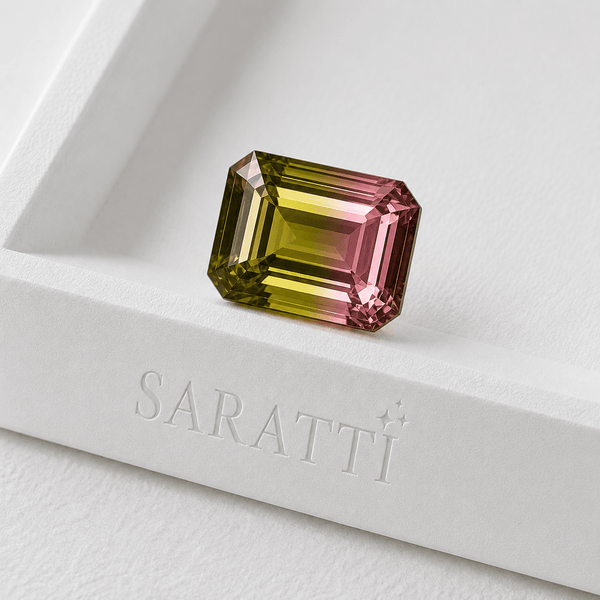
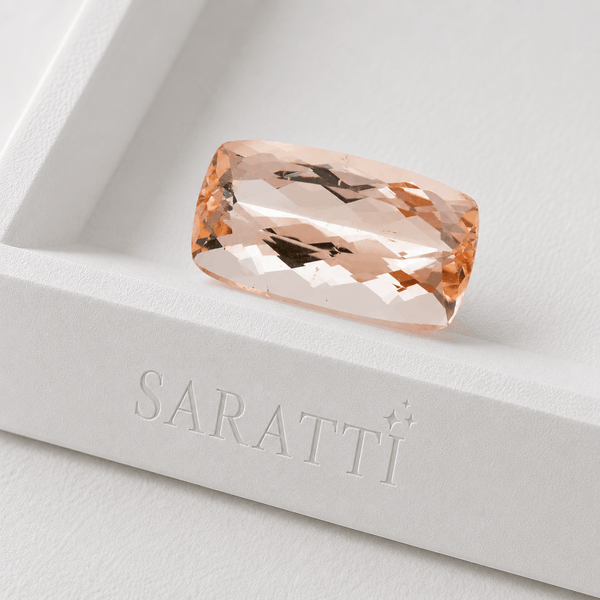
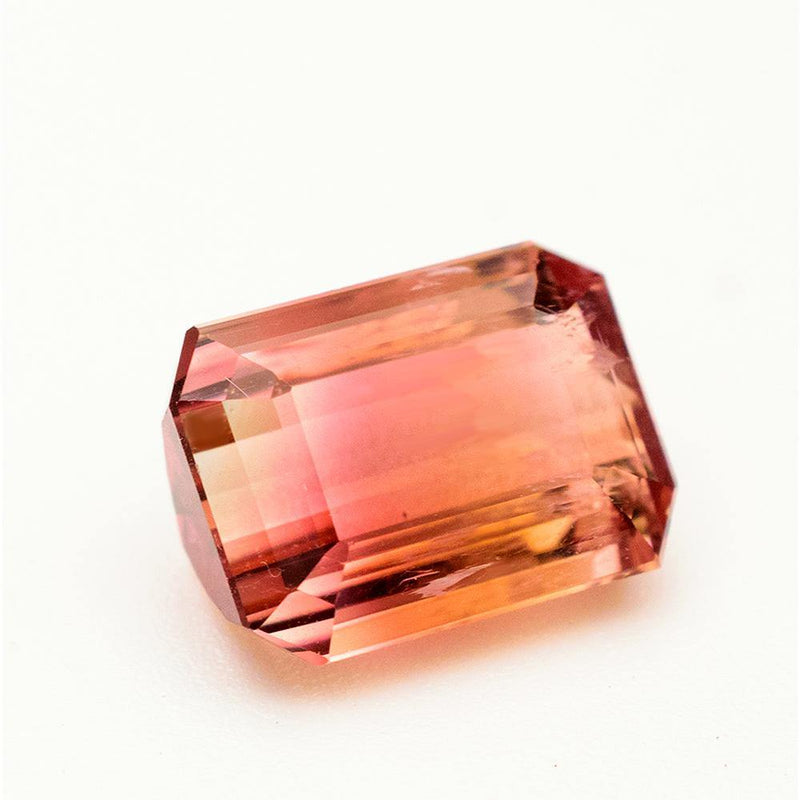
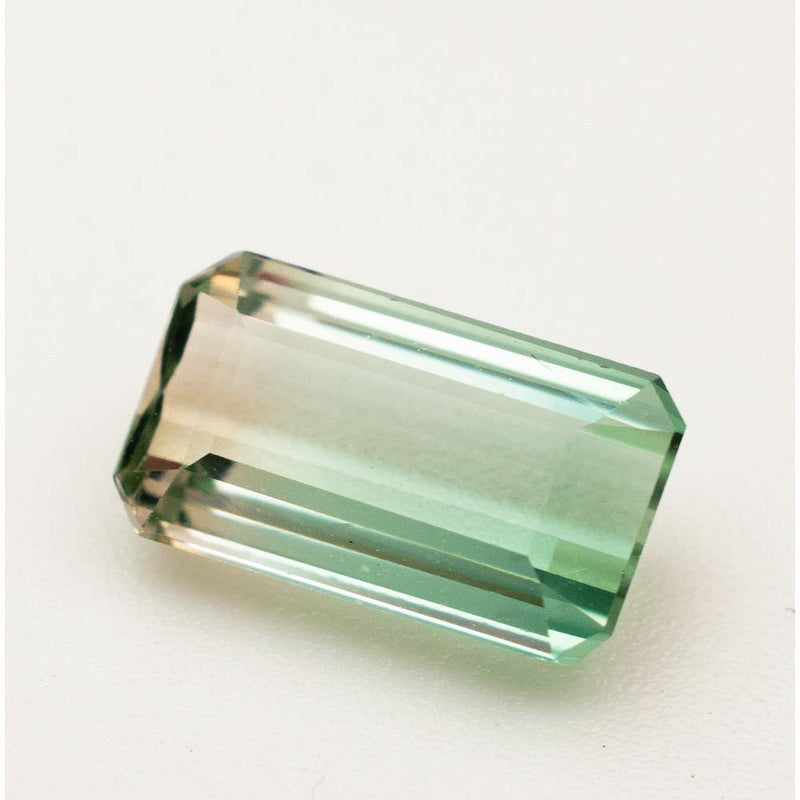
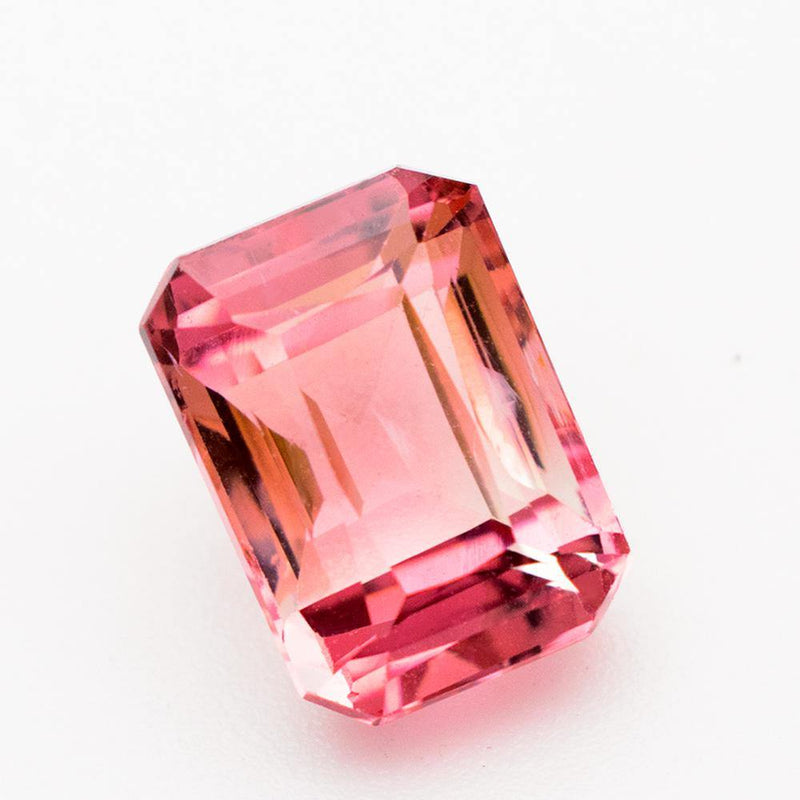
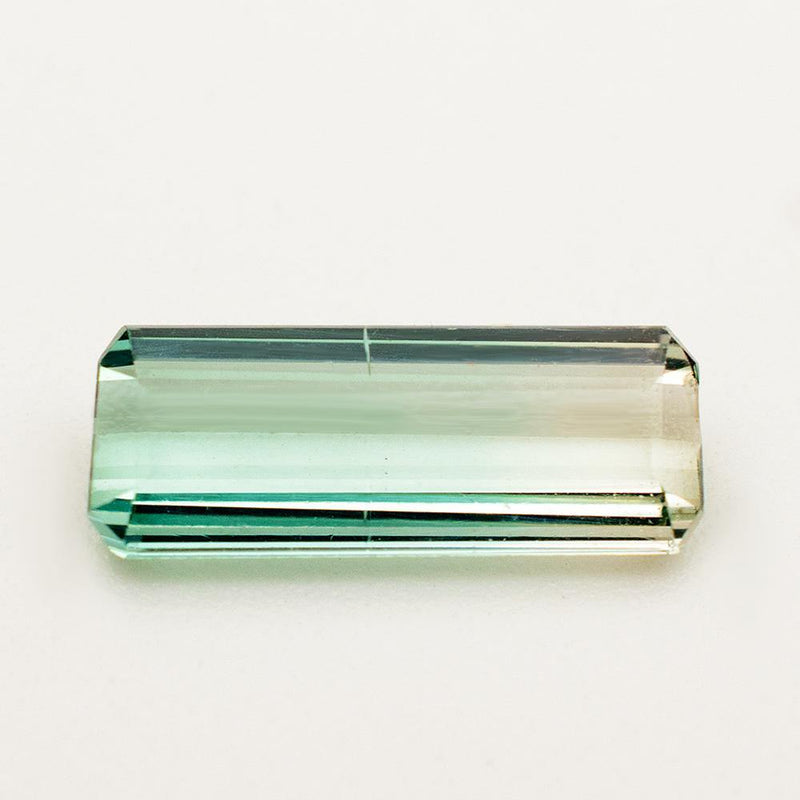
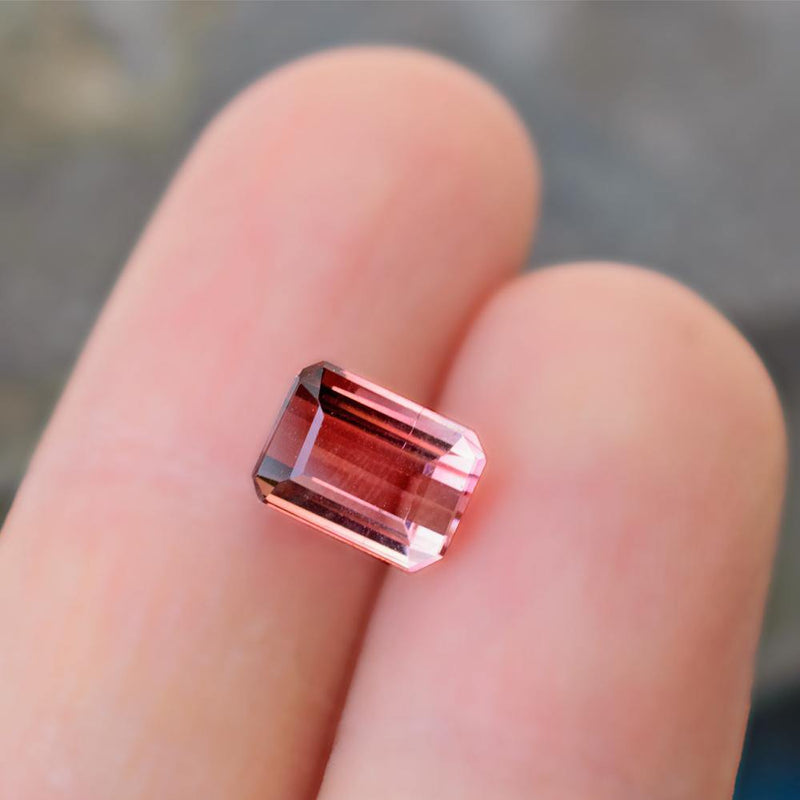
The Bi-Color Gemstones collection captures the beauty of two colors meeting in a single stone — like a soft shift in the sky at sunset or light moving through leaves. That gentle pop of contrast brings life and depth, giving each gemstone its own quiet energy.

From naturally occurring bi-color gemstones, each piece offers a unique balance of tone and movement, making it an inspired choice for custom rings, pendants, and fine jewelry shaped around your story.

Bi-Color Gemstones
Filter
✦ ✦ ✦
THE PRIVATE COLLECTION

Not every stone we hold is online.

Our online collection is only part of what is available. Many more gemstones are held privately, including stones that may never appear on the website. Tell us what you are looking for — or simply send us a photograph of something you love.

Our gemologists will personally select stones from the wider SARATTI collection for you to consider. Not sure exactly what you want? Send us a photograph, a color you love, or simply ask.

No question is too small.
No request is too specific.
WHATSAPP A GEMOLOGIST
Where colour zoning stops being a fault and becomes the point

Bi-Colour Gemstones

Why Two Colours in One Stone

A crystal does not grow all at once. It grows outward, layer on layer, from a fluid whose chemistry changes as the growth proceeds — a new element arrives, the temperature drops, a neighbouring mineral finishes crystallising and stops competing for an ion. Each event is recorded in the layer forming at that moment, and where the element involved colours the crystal, the record is visible.

That is colour zoning, and in almost every gemstone it is a fault. A sapphire with a blue core and a colourless rim is a cutting problem: the cutter's job is to orient the stone so the colour spreads evenly across the face and the boundary disappears.

Bi-colour gemstones are the rare case where the same phenomenon becomes the point. Instead of hiding the boundary, the cutter places it. What was a defect becomes a legible record of the crystal's own history — the moment the fluid changed, preserved in a stone you can hold. Nothing else in the gem world documents its own formation this plainly.

That is also the standard the category should be judged by, and the one our multi-coloured collection is assembled on. A vague division, or a second colour too weak to read, is a zoning fault somebody decided to sell rather than cut around.

Bi-Colour, Pleochroism and Colour Change

Three different things are sold under overlapping language, and buyers conflate them constantly.

Bi-colour means two distinct colours in the same stone at once, in different parts of it, caused by growth zoning. Both are visible together, from any direction, under any light. The stone genuinely contains two chemistries.

Pleochroism is a property of the mineral, not of the individual stone. Many crystals absorb light differently along different crystal axes, so a uniformly coloured stone shows one colour down one direction and another down a second — tanzanite is the familiar example. Turn it and the colour shifts, but there are not two colours in it — one chemistry is being viewed two ways. Such a stone photographed at two angles is not a bi-colour stone, whatever the listing says.

Colour change is different again: one colour under daylight, another under incandescent light, because the mineral's absorption falls where the two light sources differ most. Alexandrite is the benchmark; the stone is uniform, and what changes is the light.

The test is simple. Two colours at once in different parts of the stone is bi-colour; colour that depends on how you hold it is pleochroism; colour that depends on which lamp is on is colour change.

Bi-Colour and Tri-Colour Tourmaline

Tourmaline is the flagship of the category, and the reason is chemical. The gem tourmaline most often cut, elbaite, has one of the most accommodating structures in mineralogy: it will take lithium, manganese, iron, copper and titanium into the same lattice without breaking. A small change in the fluid therefore produces a large change in colour, and pegmatite fluids change constantly as they cool.

It also grows in one direction far faster than the others, forming long prisms, so its zoning is typically longitudinal — the colour changes along the length of the crystal, in bands stacked end to end. One crystal can run green at one termination, colourless through the middle, and pink or red at the other. Cut across those bands and you have a bi-colour or tri-colour tourmaline; cut along them and you have a muddy single colour and a wasted crystal.

The pegmatite districts of Minas Gerais in Brazil are the historic source and still produce the best-defined green-and-pink material. Afghanistan and Pakistan — Nuristan and Kunar — supply clean pink and green combinations with unusually sharp boundaries. Madagascar yields a wider and less predictable range.

The cutting decision is where the value is made or lost. The cutter must choose where the boundary sits relative to the table and how much weight to sacrifice to place it cleanly. A crystal that would yield six carats as a single indifferent green may be worth more at three with a sharp pink-to-green division across the face. The tourmaline collection shows how differently that judgement is exercised, and learn about tourmaline covers the species in full.

Watermelon Tourmaline

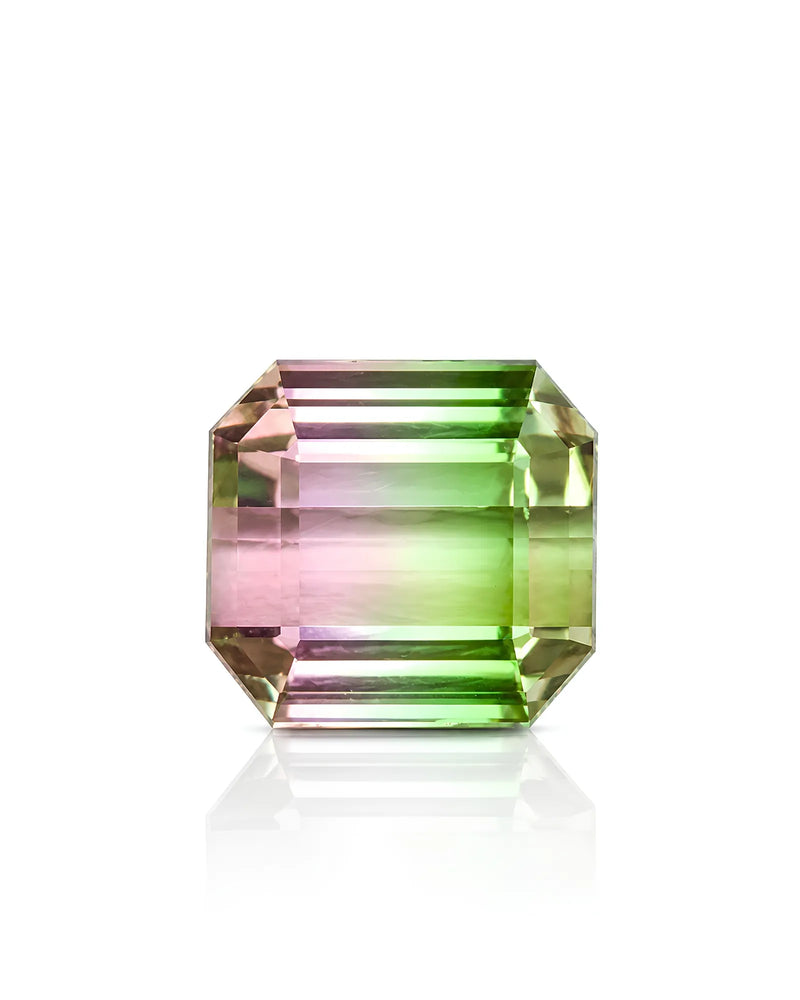
Watermelon tourmaline is the same zoning in a different geometry. The change is concentric rather than longitudinal: a pink or red core, a pale intermediate zone, and a green rim, laid down as the crystal grew outward. Sliced across the prism it looks like a slice of watermelon.

Most watermelon material is sold as polished slices, because slicing across the prism is the only orientation that shows the full concentric pattern. Faceted watermelon tourmaline exists but is uncommon: cut with a table and pavilion, most of the ring structure is lost.

A good one is judged on two things. The core must be properly centred within the rim, so the pattern reads as a ring rather than an off-balance blot, and the division must be clean — a definite boundary rather than a smear through a muddy zone. Saturation matters as much as pattern; a pale core in a pale rim is a weak stone however neat the geometry.

Ametrine

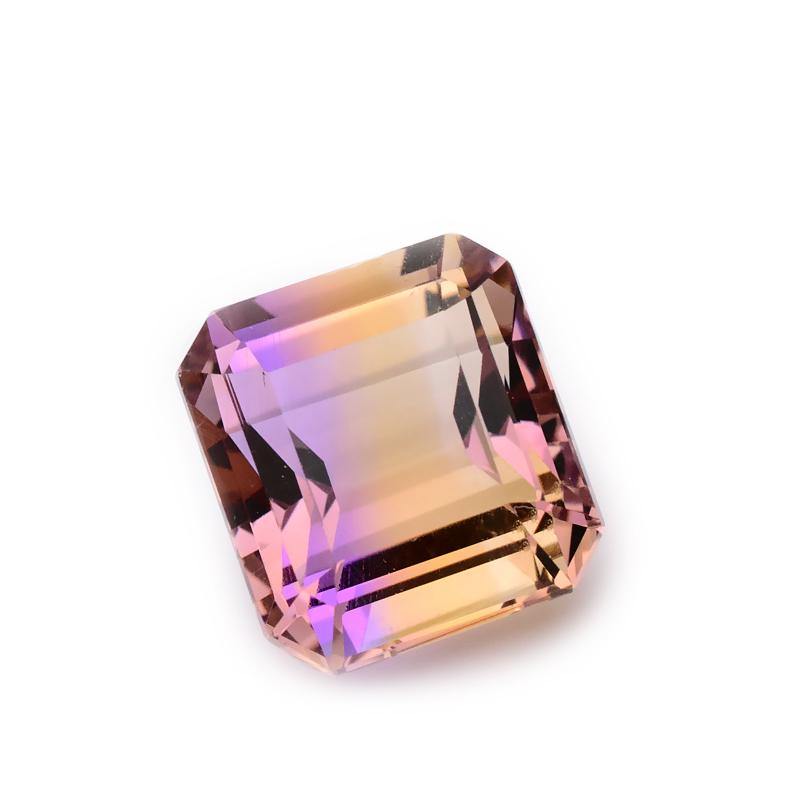
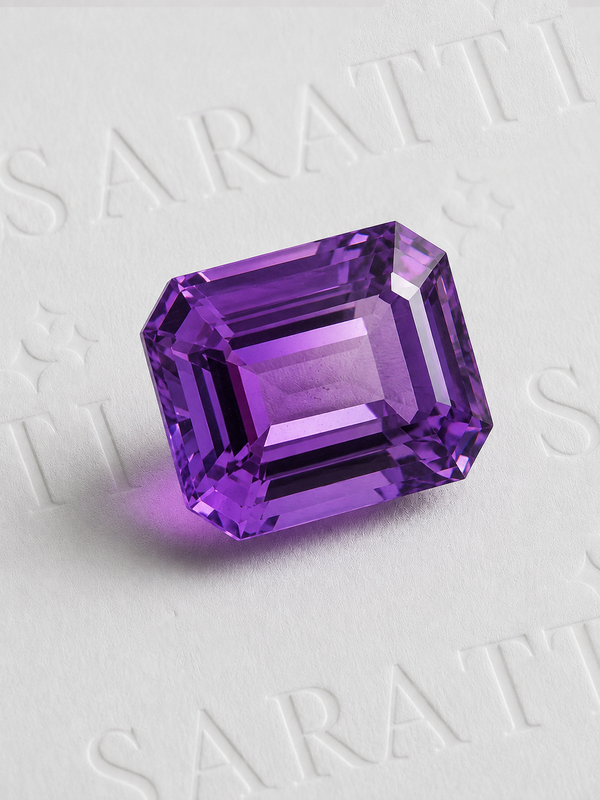
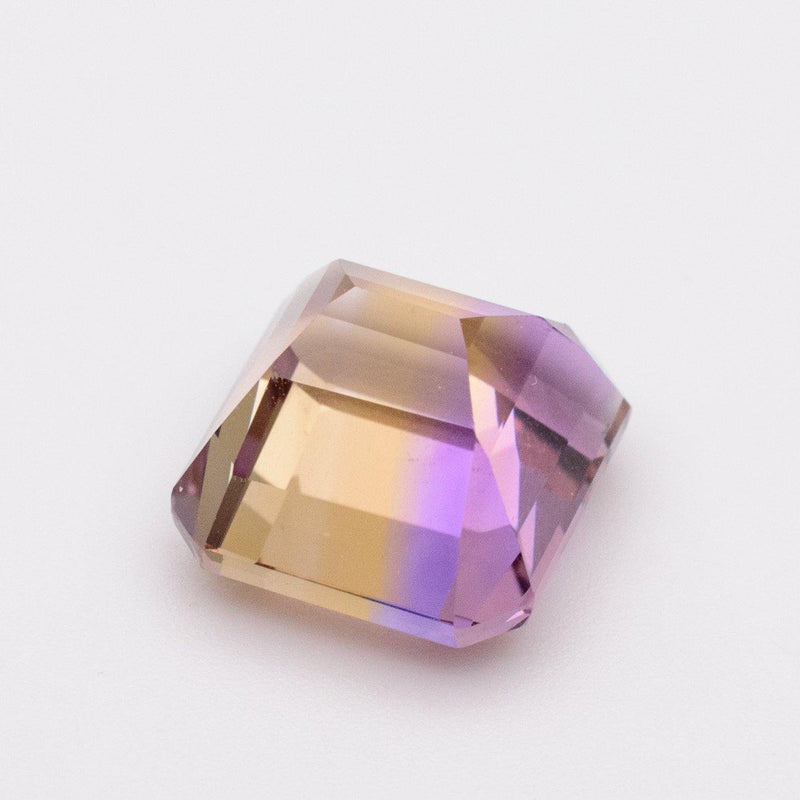
Ametrine is the one bi-colour with a genuinely famous name: a single quartz crystal containing both amethyst and citrine, purple and yellow-orange sectors meeting along a sharp boundary. The colours arise from iron in different oxidation states in adjacent growth sectors of the same crystal.

Commercially there is effectively one source: the Anahí mine in eastern Bolivia supplies almost all natural ametrine, and material claimed from elsewhere should be treated sceptically. The signature cut is the 50/50 emerald cut, an elongated step cut with the boundary running straight across the table, dividing the stone into equal halves of purple and gold.

One thing must be stated plainly: synthetic ametrine exists, produced hydrothermally in quantity, and it is not separable from natural material by eye, by loupe, or by any test a buyer can perform. Separation is a laboratory matter, so any ametrine of consequence should be bought with a report. Those preferring a single colour will find it among purple gemstones and yellow gemstones.

Bi-Colour Sapphire and Colour-Zoned Corundum

Colour zoning is extremely common in sapphire, and in almost all of it a fault. Sri Lankan rough often shows blue confined to narrow bands in a colourless crystal; Australian material commonly shows blue against yellow or green. The cutter's task is to orient the stone so the colour bleeds across the whole face, because a sapphire in which zoning shows face-up is a cheaper sapphire.

A bi-colour sapphire inverts that. Blue-and-yellow and blue-and-colourless material from Sri Lanka and Australia is occasionally cut to display the division rather than disguise it, usually in a step cut with the boundary square to the length. They are a niche, priced well below fine single-colour sapphire of the same weight but valued for exactly the reason the trade normally penalises. At Mohs 9 they are also the most durable bi-colour stones by a wide margin; the sapphire collection is where to judge one against single-colour material.

Liddicoatite and the Madagascar Slices

Liddicoatite is a calcium-rich tourmaline, separated from elbaite by chemistry rather than appearance, and it produces the most extreme zoning in the gem world. Because tourmaline's crystal habit is three-sided, its concentric zones follow that outline, building up triangular bands in pink, green, brown and near-black — sometimes dozens within one crystal, each recording a distinct episode of growth.

Madagascar is the source that made these known, and the material is almost always presented as polished slices. They are collected as objects far more often than they are set. Nothing else illustrates the argument at the top of this article so directly: a liddicoatite slice is a stratigraphic record of a pegmatite, readable in colour.

Bi-Colour Quartz, Fluorite and the Others

The affordable end is broad. Bi-colour quartz other than ametrine occurs as smoky-and-colourless and citrine-and-colourless combinations, usually inexpensive. Fluorite zones spectacularly in purple, green and blue and is common and cheap — and at Mohs 4, with perfect cleavage in four directions, not a wearable stone at all. Bi-colour beryl, andalusite and zoned apatite turn up occasionally.

Care is needed here. Dyed and irradiated quartz is sold with manufactured colour divisions, coated or assembled material appears wherever nobody expects a report, and several of these species are too soft to wear at all.

What to Check in a Bi-Colour Stone

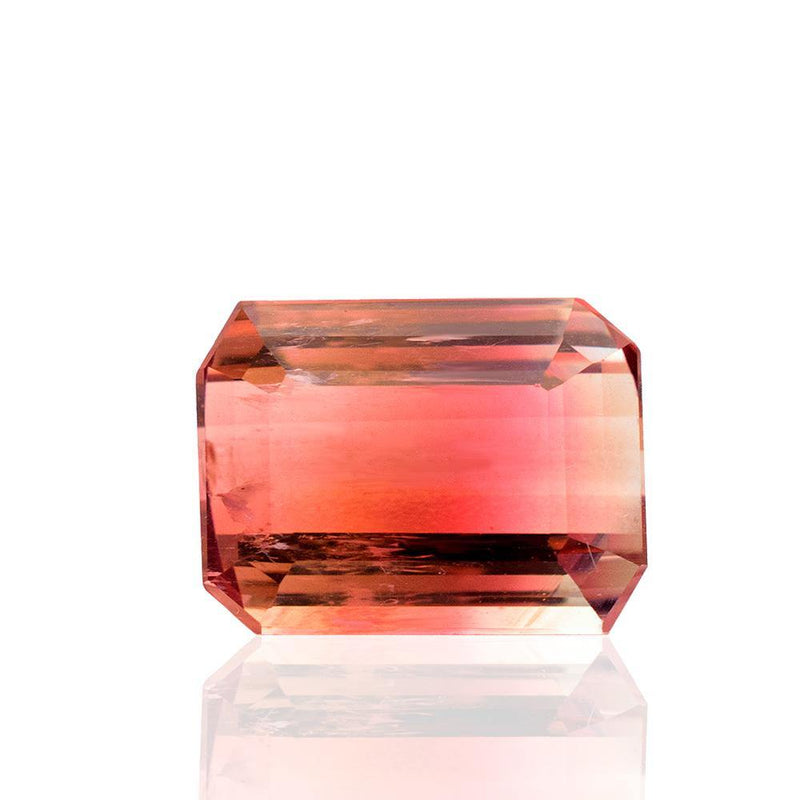
Look first at the boundary. It should be sharp and defined, not a slow gradient through a muddled zone; a crisp division is what separates a bi-colour stone from a merely zoned one.

Look next at both colours independently. Each half has to be saturated enough to read on its own; a vivid green against a barely tinted colourless zone is a green stone with a pale end.

Then look at placement. The division should relate deliberately to the outline — square across the length of an emerald cut, centred in a round, concentric in a slice. A boundary running diagonally through a shape it does not suit says the cutter was chasing weight.

Consider what happens when the stone is set. A boundary near the girdle can be swallowed by a bezel or hidden by prongs, so choose with the mounting in mind.

Finally, check for windowing. Bi-colour rough is often cut shallow to preserve both colours, and a shallow stone leaks light through the middle. Held over print it lets the text show through, and the pale zone looks paler still.

Treatment, Durability and Daily Wear

Zoning cannot be created by treatment: it is a growth feature, and no process adds a second colour to a finished stone. Treatment alters the colours already present. Tourmaline is commonly heated to lighten dark material, and heating a bi-colour crystal can weaken one zone relative to the other, which is why fine bi-colour tourmaline is often left alone.

On durability the group divides sharply. Bi-colour sapphire at Mohs 9 will take daily wear indefinitely. Tourmaline at Mohs 7 to 7.5 is sound in a sensible setting, though included or thin material should be protected. Ametrine at Mohs 7 is adequate for regular wear but dislikes sudden heat. Slices of any kind, and all fluorite, belong in pendants and cabinets rather than on hands.

Warm water, mild soap and a soft brush are safe throughout; ultrasonic and steam cleaning are not, for included tourmaline, any slice, or anything dyed or coated. Where a treatment is known, we state it on the listing, and the standard we apply is set out in how SARATTI grades gemstones.

Certification, and How to Choose

Reports matter unevenly here. Ametrine needs one more than anything else in the category, because natural and synthetic material are visually identical. Bi-colour sapphire should be confirmed as corundum and checked for heat. Tourmaline of consequence should be reported for species — elbaite or liddicoatite — and for clarity enhancement, while inexpensive quartz and fluorite rarely justify the cost. An independent report from GIA, GUILD, AIGS, CGRL, GRS or GRC is what we look for. Where one exists it is shown; where none exists, we say so, and recertification can be arranged with the fee passed on at cost.

Decide first whether the stone is to be worn or to be looked at. For daily wear, bi-colour sapphire is the only unqualified answer and a faceted bi-colour tourmaline in a protective setting the next. To be looked at, slices and liddicoatite give more pattern for the money than anything faceted. For the famous version of the idea, ametrine in a 50/50 emerald cut, bought with a report. Whichever it is, judge the boundary first and let the rest follow. The seasonal survey in tourmaline treasures is a useful companion to that decision.

Only part of what we can reach is listed online. Describe it, and we will go and look.

A Record of Growth The boundary marks the moment the fluid feeding the crystal changed chemistry. A bi-colour stone documents its own formation more plainly than any other gem, which is why collectors buy the division itself.
Fault Turned Feature Colour zoning lowers the price of a sapphire or an amethyst, because the cutter is meant to hide it. In bi-colour material the cutter places the boundary deliberately instead, and the same phenomenon becomes the value.
Cut Decides Everything Orientation is the whole judgement. The boundary has to sit squarely relative to the table and the outline, and a cutter will give up substantial weight to place it cleanly rather than chase carats.
No Two Alike Because the division records a unique sequence of growth conditions, no two bi-colour stones share the same boundary, proportion of colours or geometry. Matching a pair for earrings is genuinely difficult and priced accordingly.

Frequently Asked Questions About Bi-Colour Gemstones

Growth zoning. A crystal grows outward in layers from a fluid whose chemistry changes while growth is happening — a new trace element arrives, the temperature drops, the pressure shifts. Each layer records the conditions at the moment it formed, and where the change involves an element that colours the crystal, the colour changes with it. A bi-colour stone is therefore a legible record of its own formation, with the boundary marking the moment the growth environment altered.

Bi-colour means two colours in different parts of the same stone at once, caused by growth zoning; both are visible together under any light. Pleochroism is a property of the mineral, not the stone: a uniformly coloured crystal absorbs light differently along different axes, so it shows one colour down one direction and another down a second. Colour change means one colour in daylight and another under incandescent light. If it depends on how you hold it, that is pleochroism; on which lamp is on, colour change.

The zoning itself is always natural. It is a growth feature formed once, inside the crystal, and no treatment adds a second colour to a finished stone. What treatment can do is alter colours already present — tourmaline is often heated to lighten dark material, which can weaken one zone relative to the other, so fine bi-colour tourmaline is frequently left untreated. At the inexpensive end, dyed, coated and irradiated quartz is sold with manufactured colour divisions, and that should always be disclosed.

Ametrine is a single quartz crystal containing both amethyst and citrine, the purple and yellow-orange sectors meeting along a sharp boundary, produced by iron in different oxidation states in adjacent growth sectors. Commercially it comes almost entirely from the Anahí mine in eastern Bolivia. Synthetic ametrine does exist, grown hydrothermally in quantity, and it cannot be separated from natural material by eye or by loupe. Separation requires laboratory testing, so any ametrine of consequence should be bought with a report.

Watermelon tourmaline zones concentrically rather than along the crystal's length: a pink or red core, a pale intermediate zone, and a green rim. A good one has the core properly centred within the rim, so the pattern reads as a ring rather than an off-balance blot, and a clean, well-defined boundary between the colours rather than a smear through a muddy zone. Both colours must also be saturated enough to read; a pale core in a pale rim is weak, however neat the geometry.

The colours will not fade in normal wear, because zoning is structural rather than surface colour, though dyed or coated material at the cheap end can lose its appearance. What is genuinely at risk is the division. A boundary sitting near the girdle can be swallowed by a bezel or hidden behind prongs, and a stone that reads clearly as bi-colour when loose can look single-coloured once mounted. Choose a bi-colour stone with the setting already decided.

Not by carat weight alone. The boundary is the value: a sharp, well-placed division between two saturated colours commands a premium over a vague gradient, and a cutter will sacrifice significant weight to place it well, so a three-carat stone can outprice a six-carat one from the same crystal. Species matters too. Bi-colour sapphire is a niche priced below fine single-colour sapphire, while good bi-colour and tri-colour tourmaline is priced above ordinary tourmaline of the same size.