


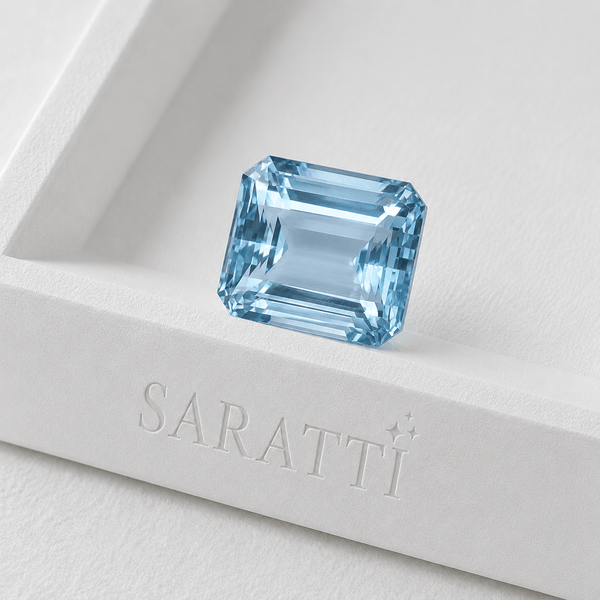








A Guide to Aquamarine Engagement Rings for Brides Who Love Soft Blue Stones
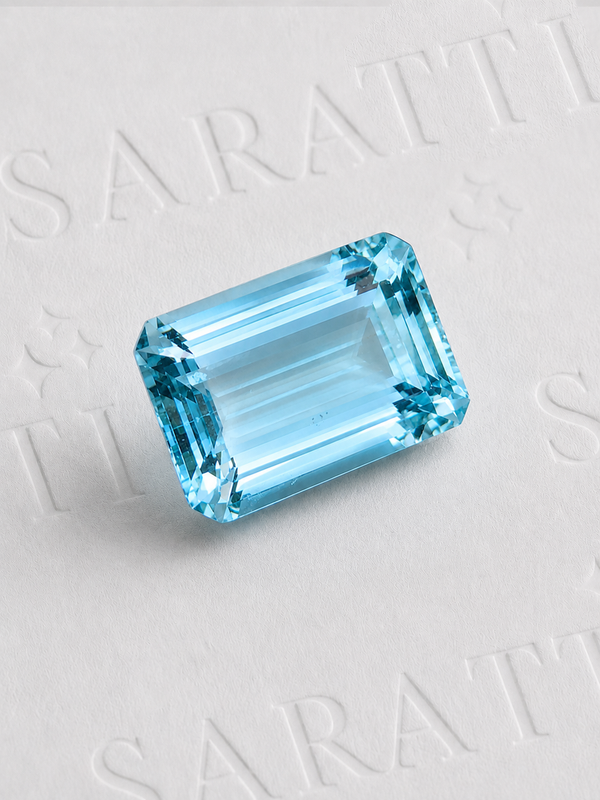
Some blue stones are made to dazzle.Aquamarine is made to calm. Its beauty is softer than a flash of brilliance. It carries the blue of clear water, pale sky, and...

 Engagement Rings
 Gemstone Rings
 Wedding Bands
 The SARATTI Difference
 Gemstone Type
 Shop By Color
Every stone held by the house, listed one at a time.
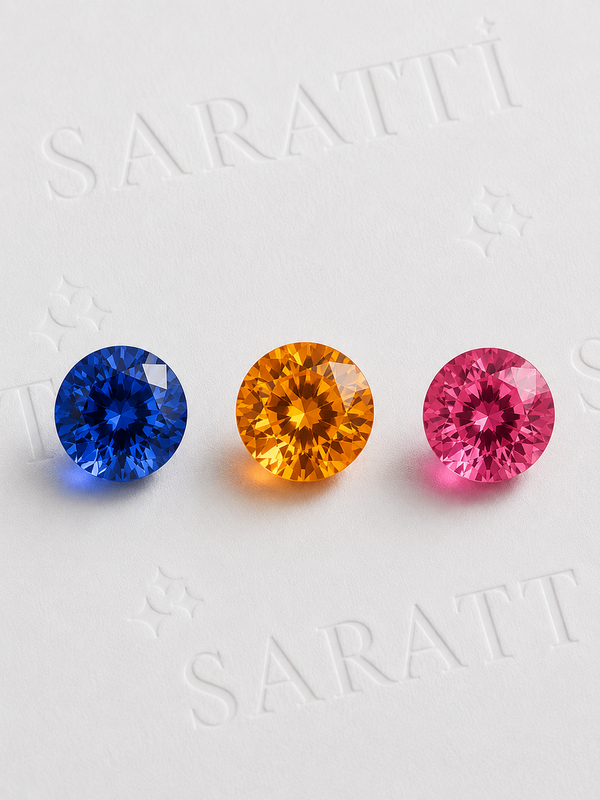
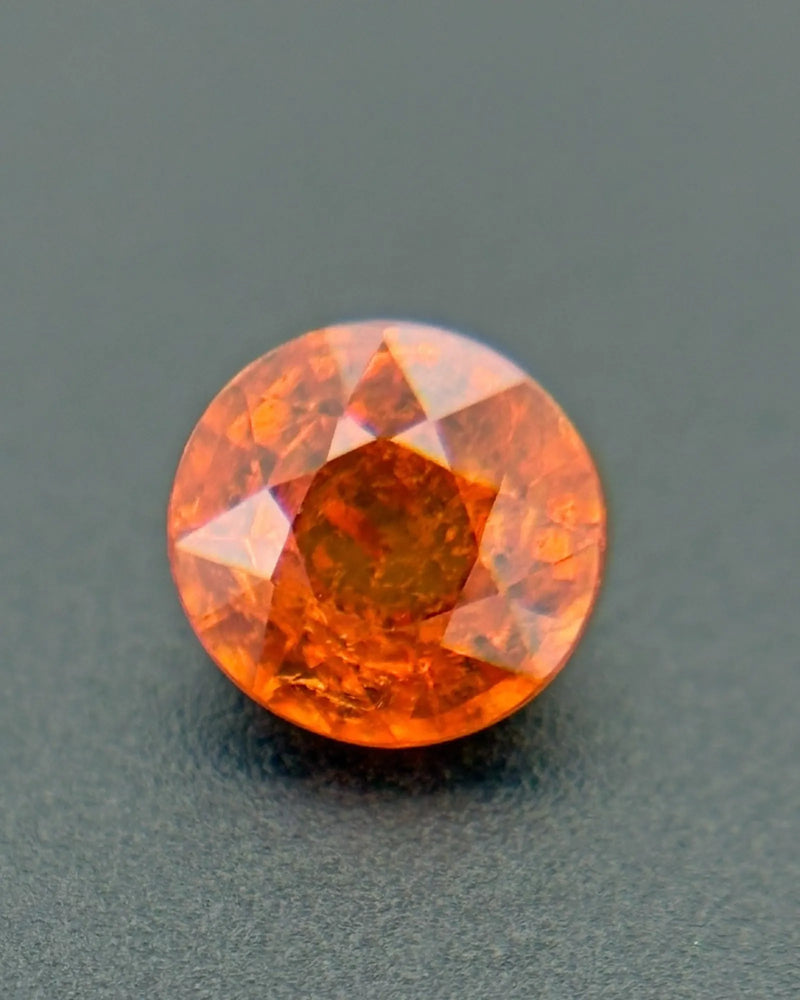
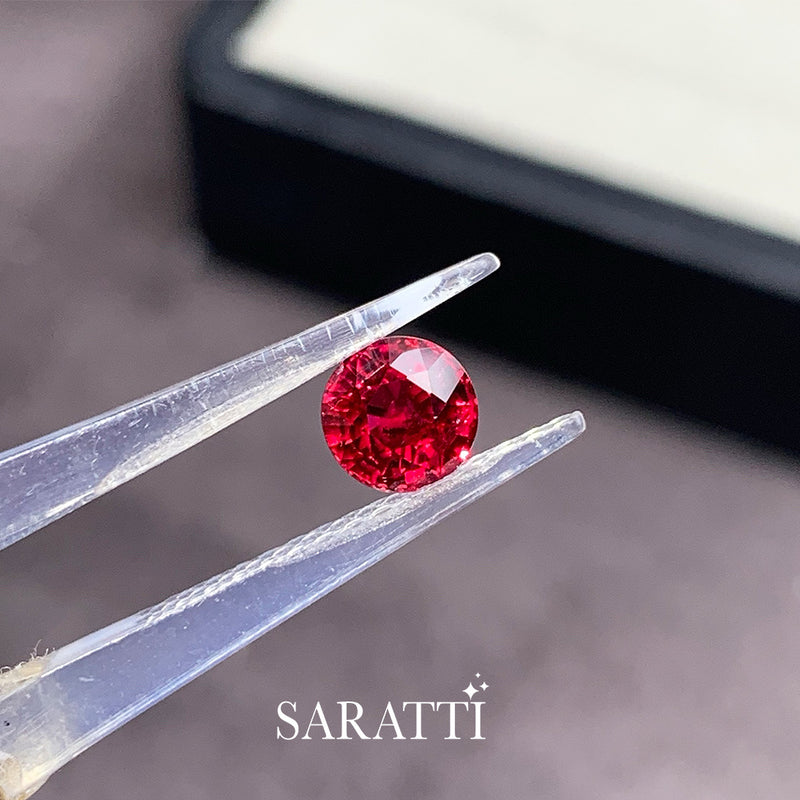
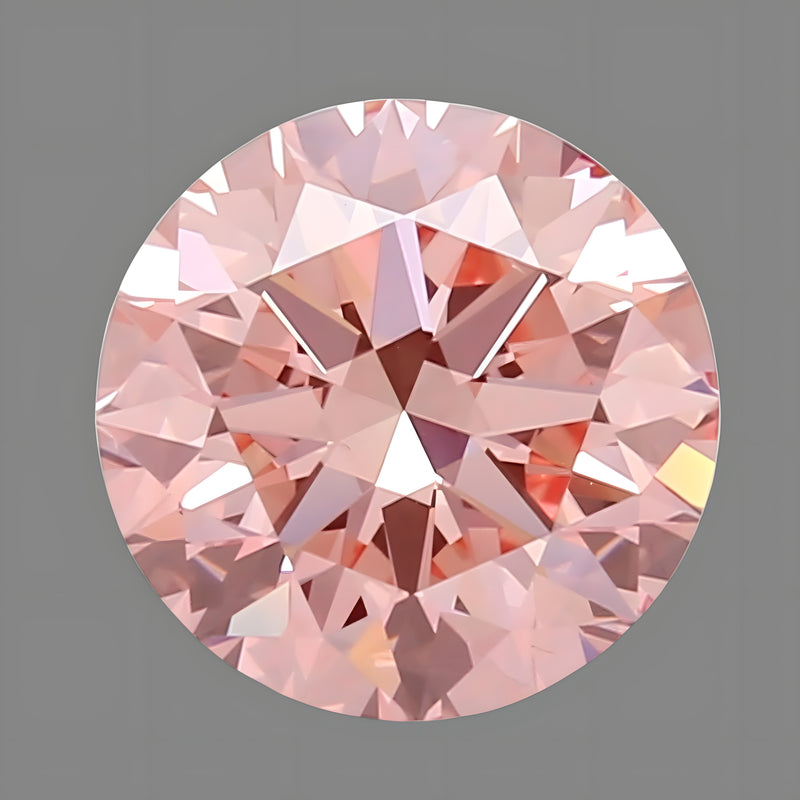
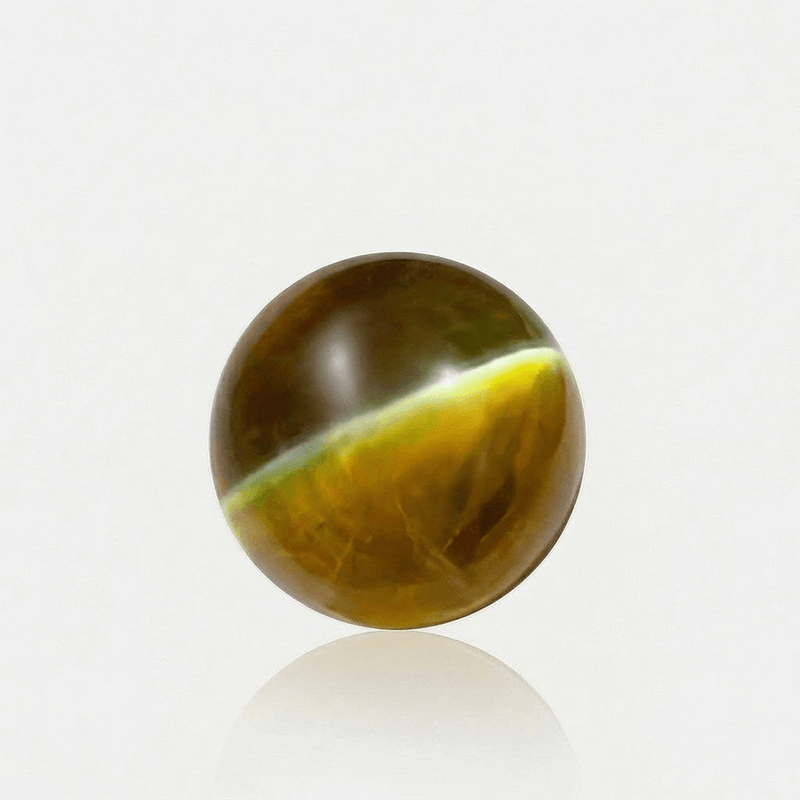
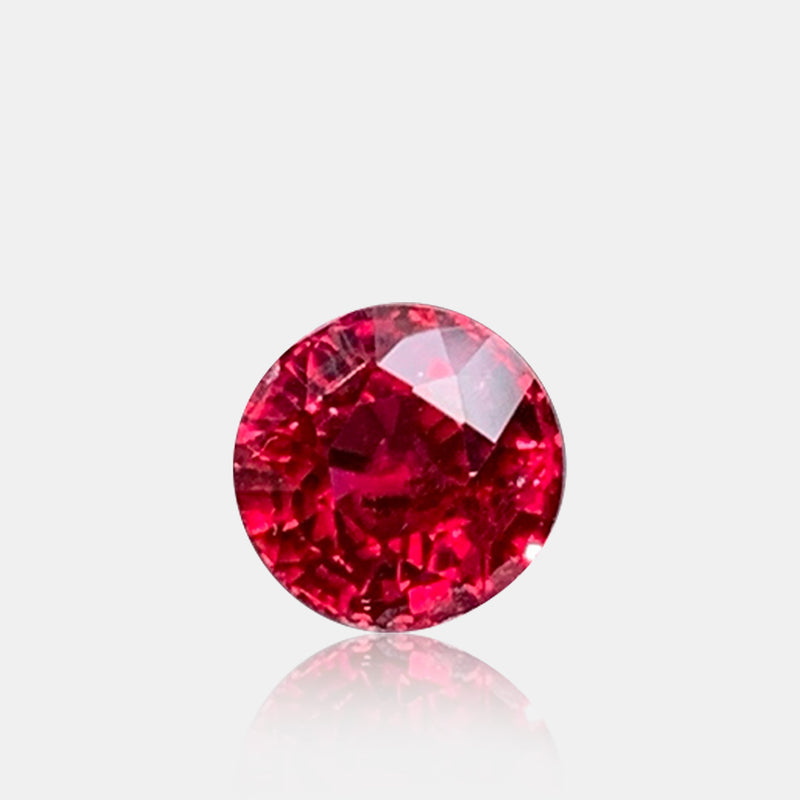
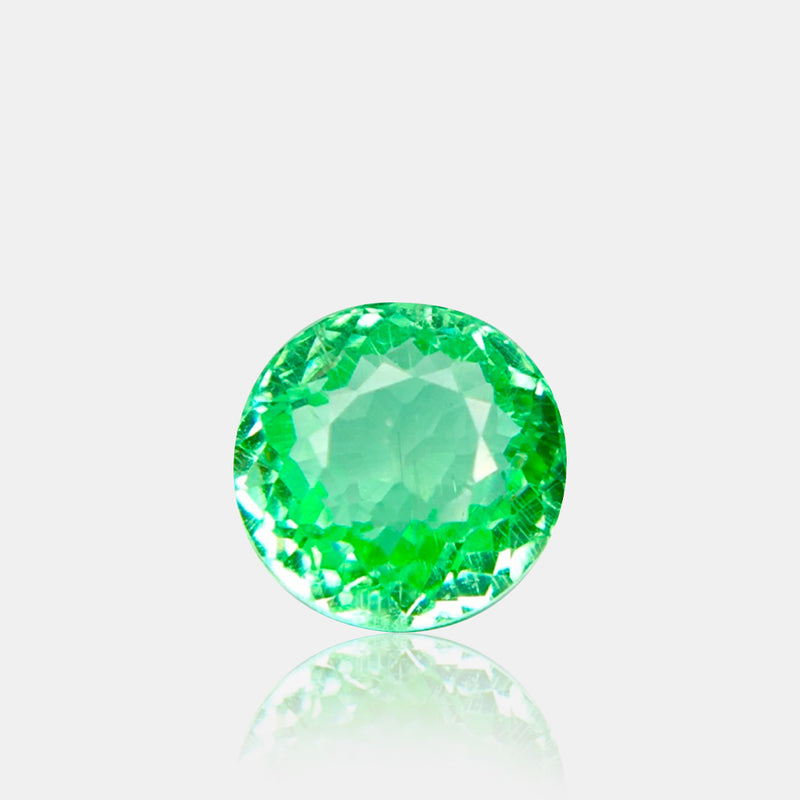
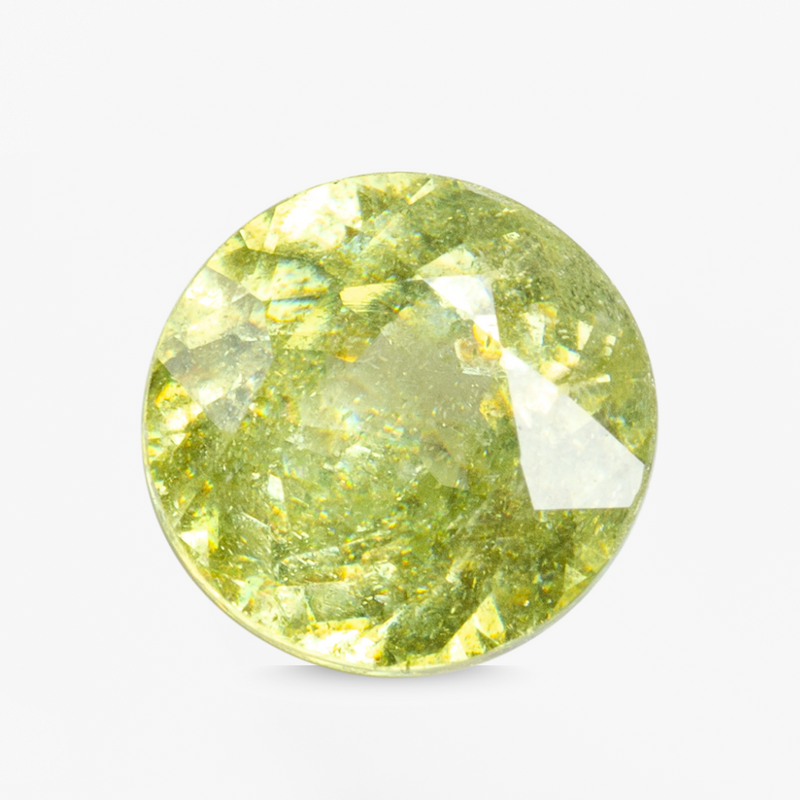
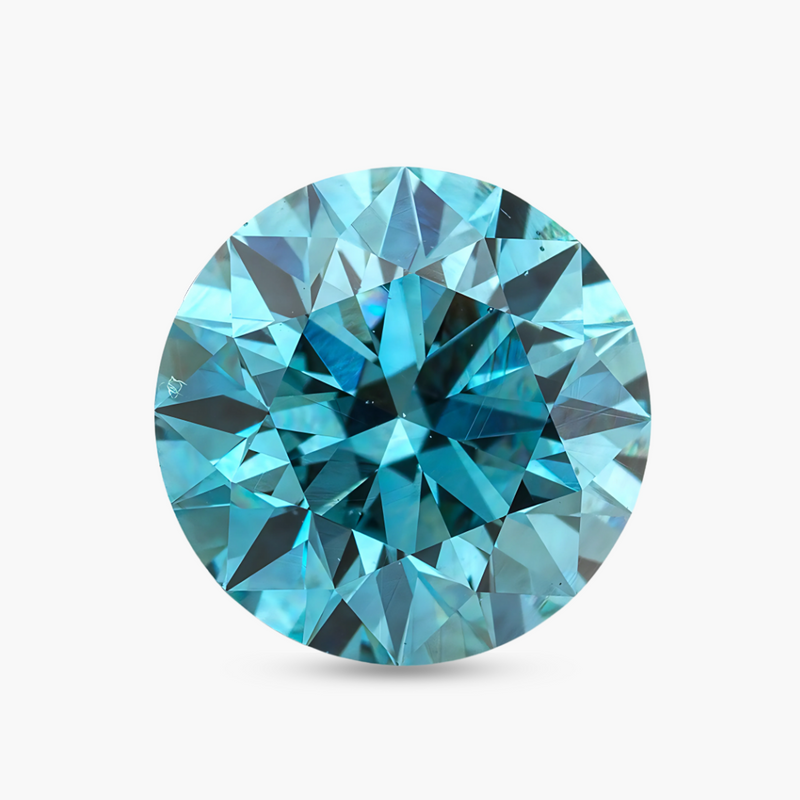
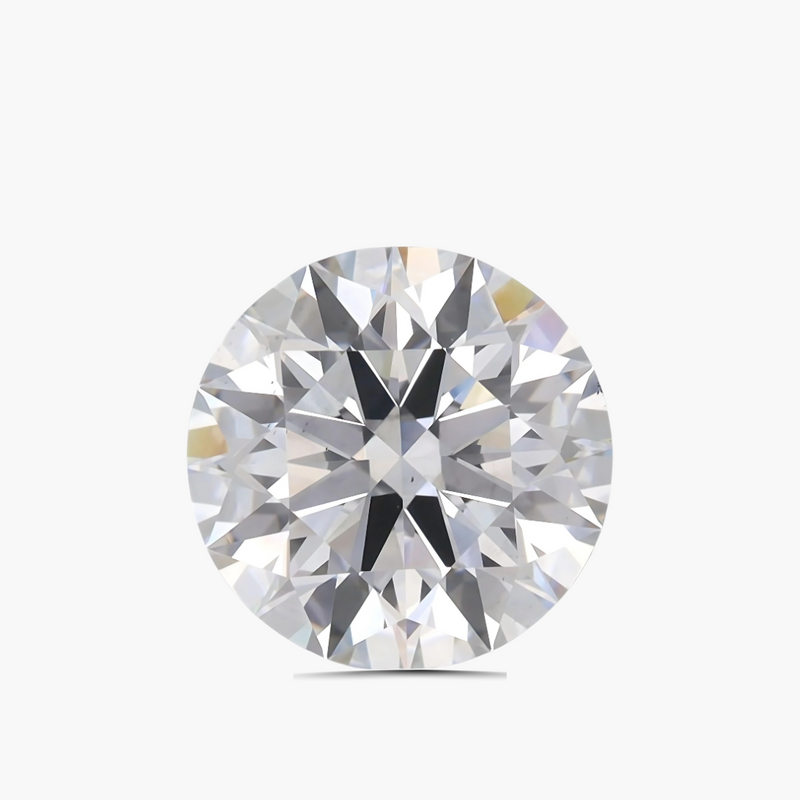
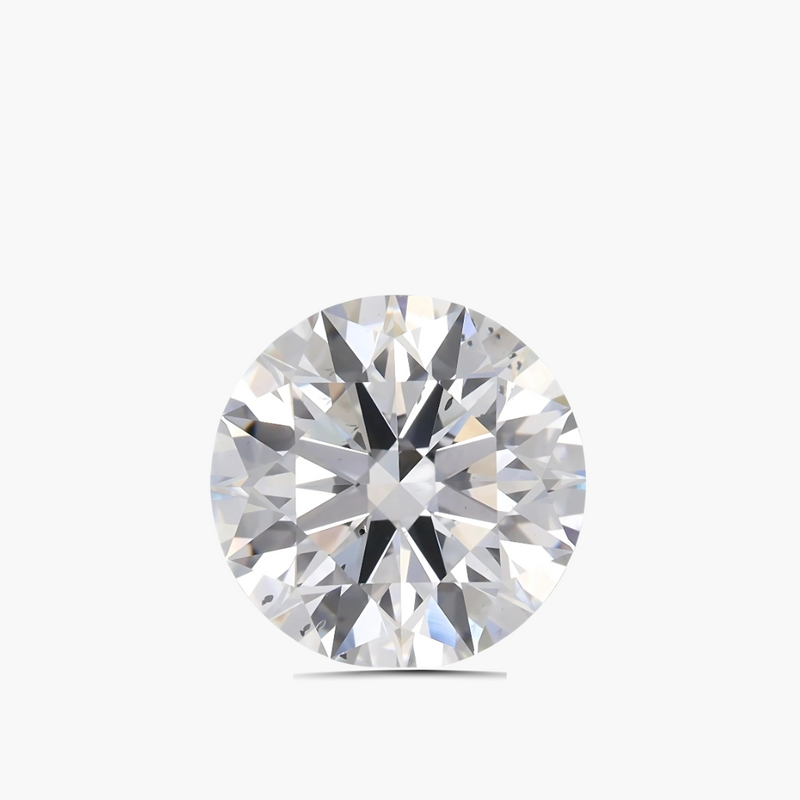
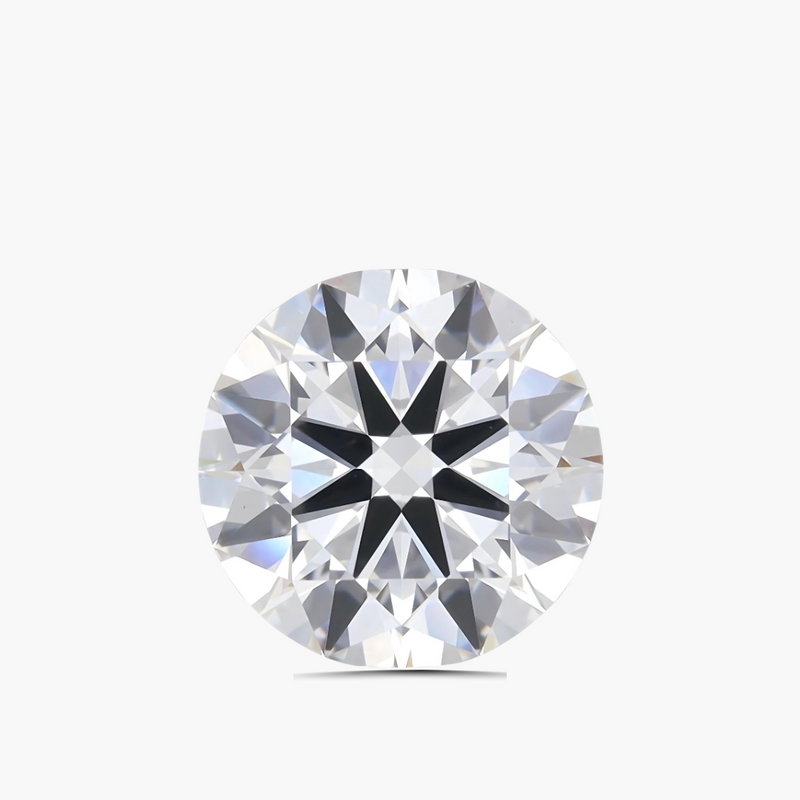
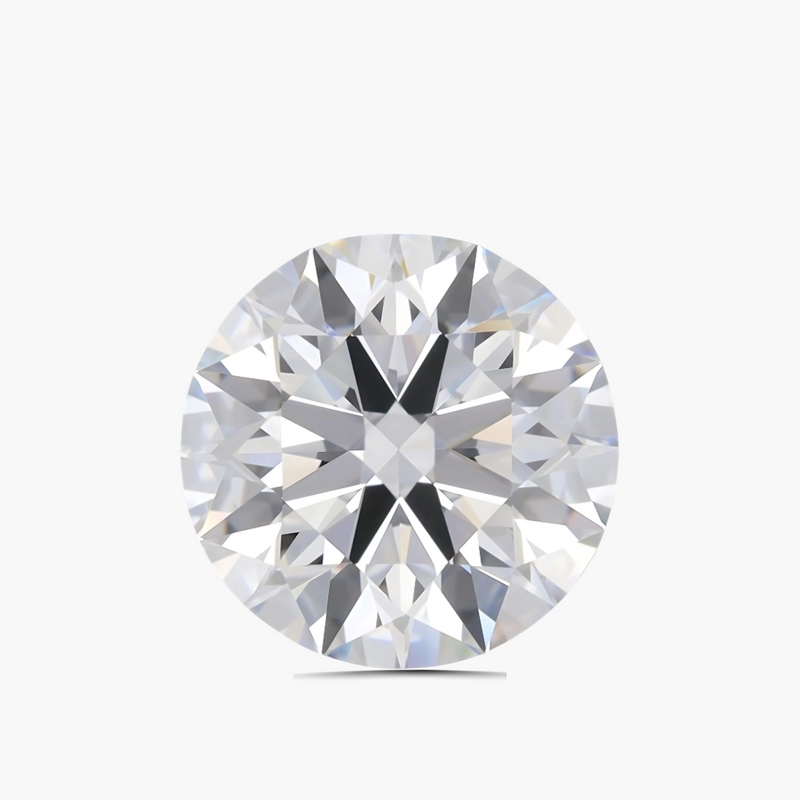
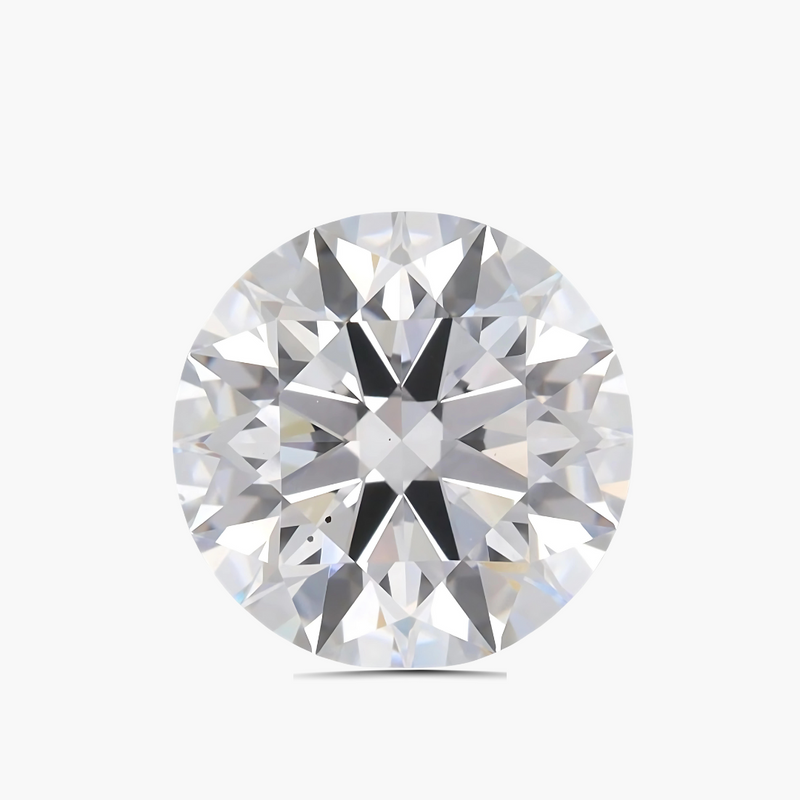
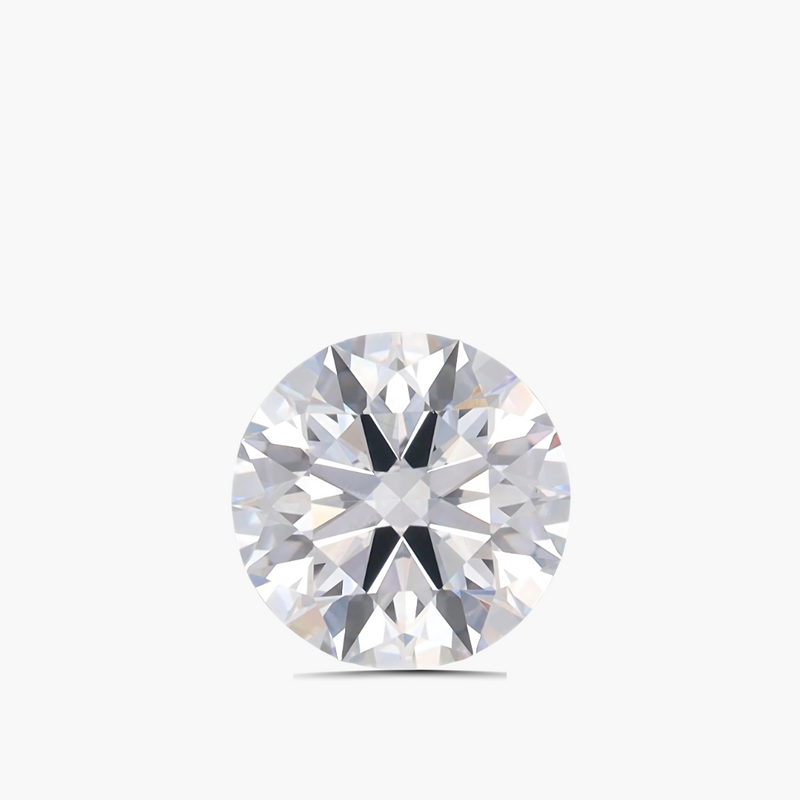
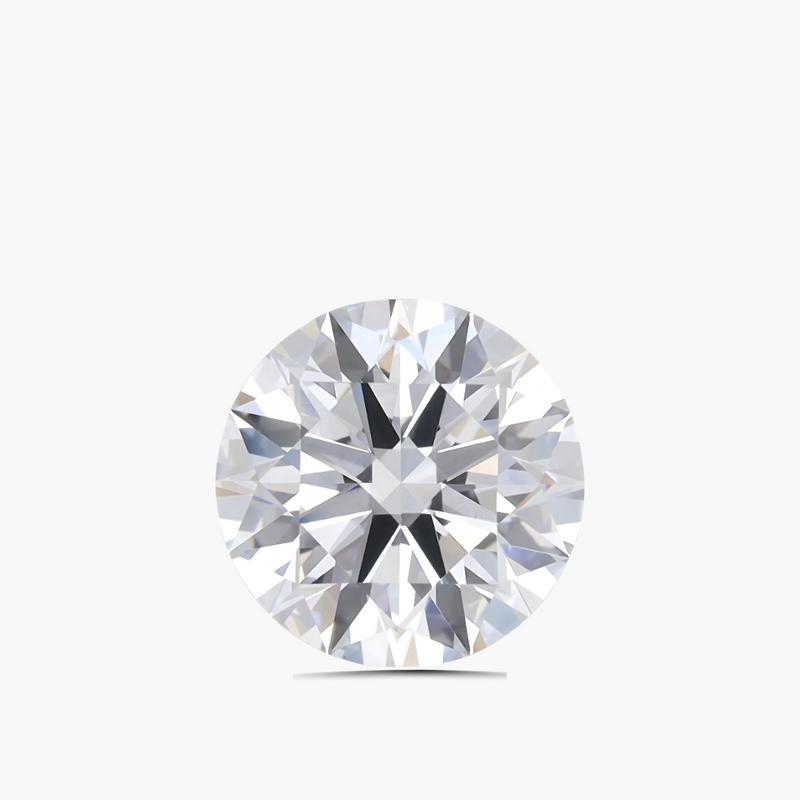
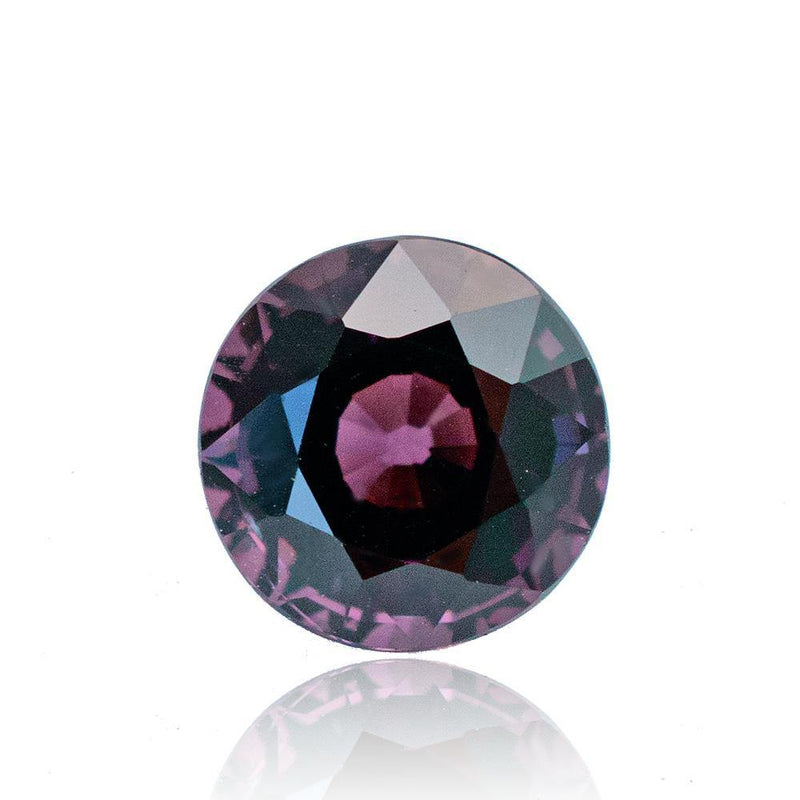
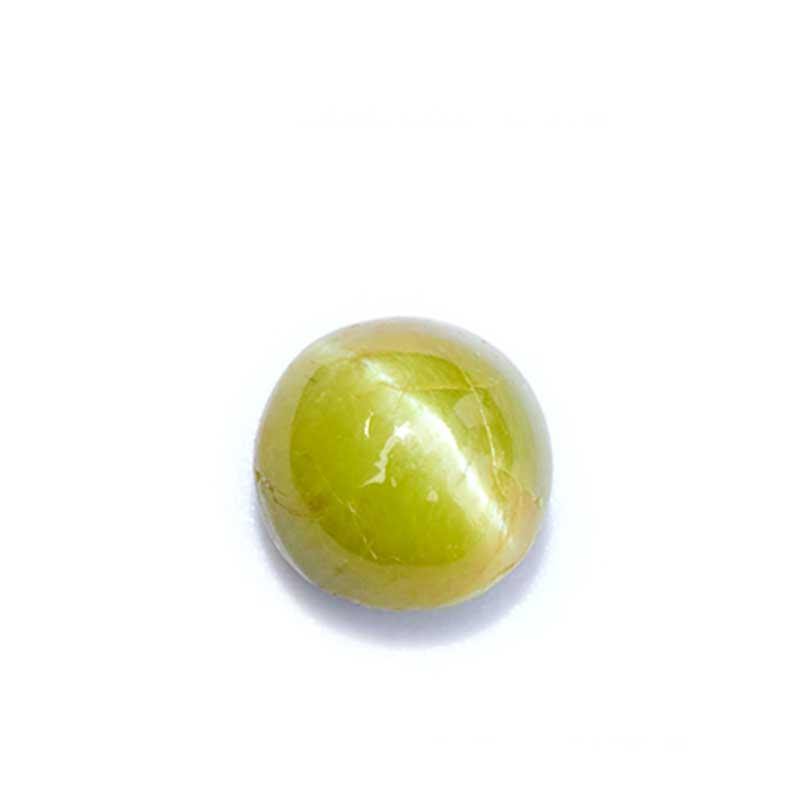
Welcome to the fine collection of carefully selected Round Natural Gemstones. Every gemstone here is selected for its unique beauty. Find round gemstones in almost every color of the rainbow. Showing and displaying different colors. Round gemstones, from natural diamonds, rubies, sapphires, and others. Shop unique Round Garnets and more. Whether you are looking for a shape to make a ring, necklace, earring, or pendant. Pink your gem and design your dream round gemstone jewelry today. The round cut know for its classic beauty and ability to shine and maximize light. Its about to give gemstones a pop of sparkle and color together. Shop round gemstones here or request a specific gemstone. If you can't find a specific gem, please get in touch with our online customer care today. Shop Now.

 CGRL
CGRL GUILD
GUILD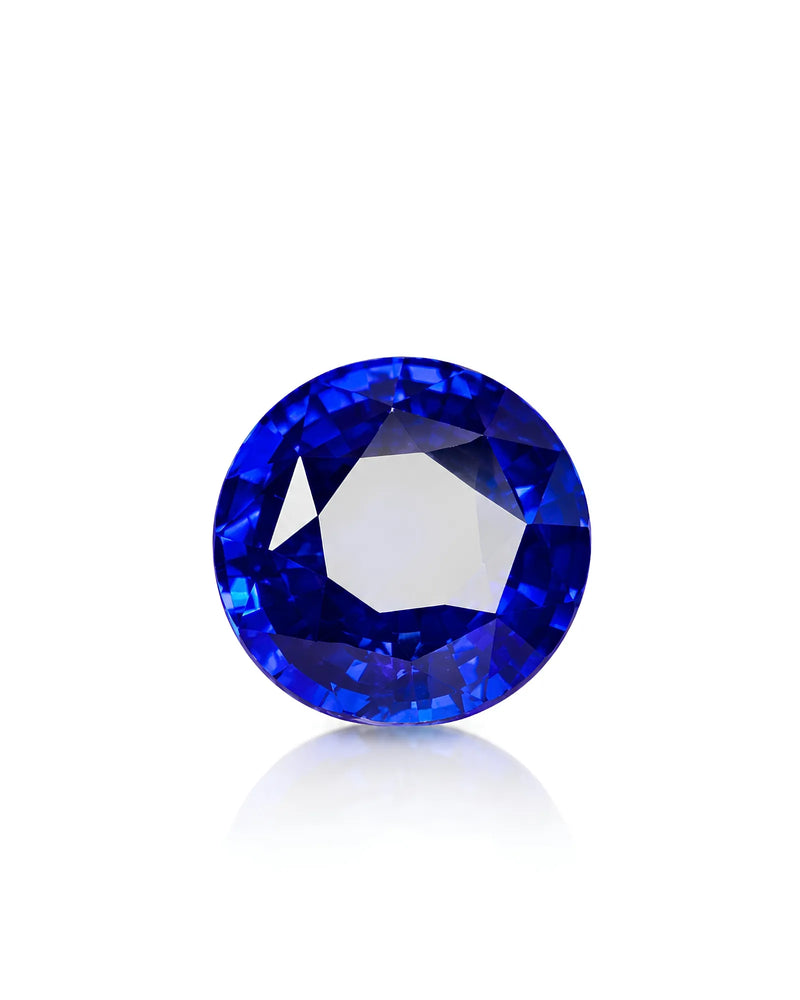 GUILD
GUILD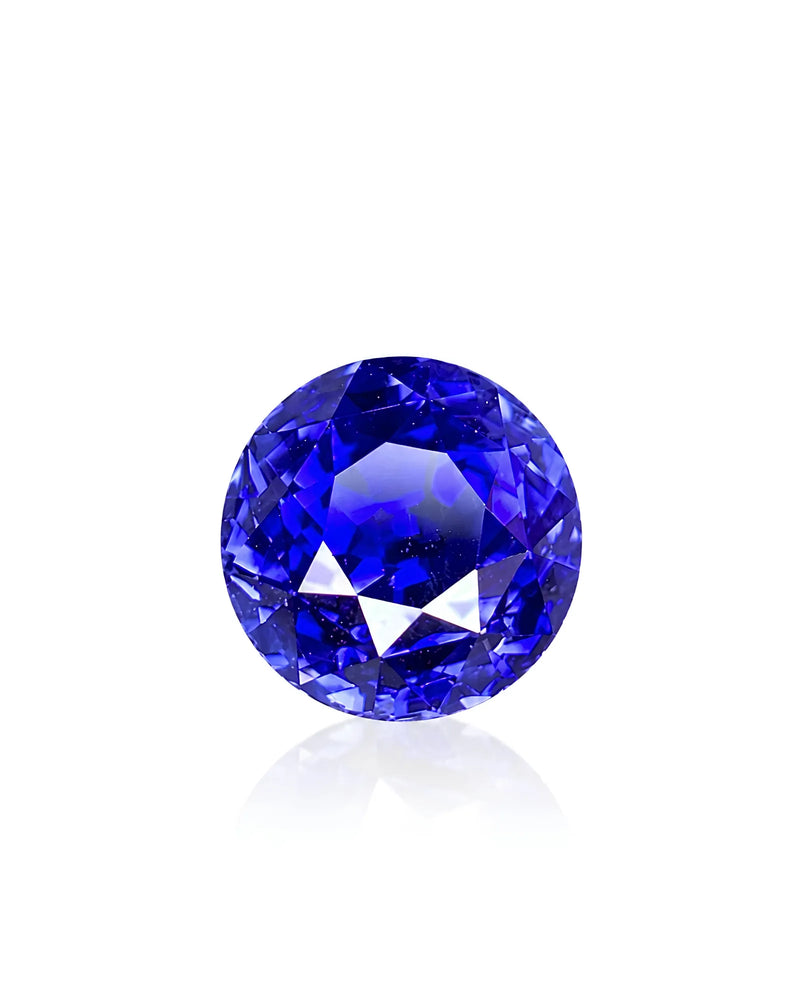 GUILD
GUILD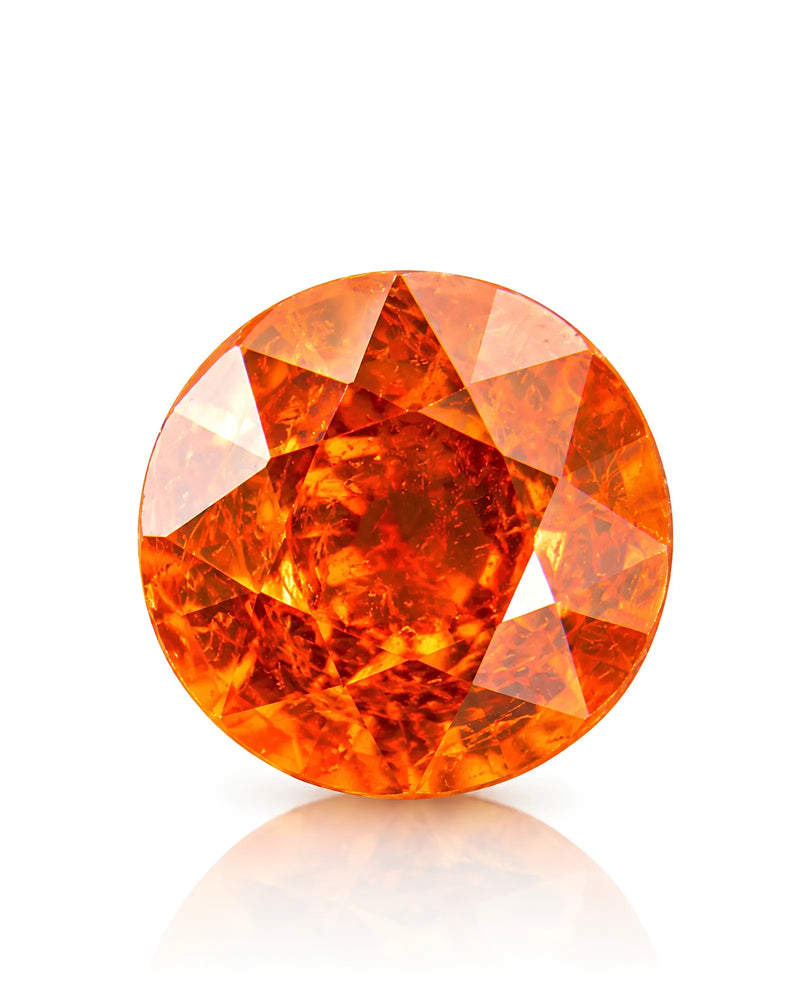 SARATTI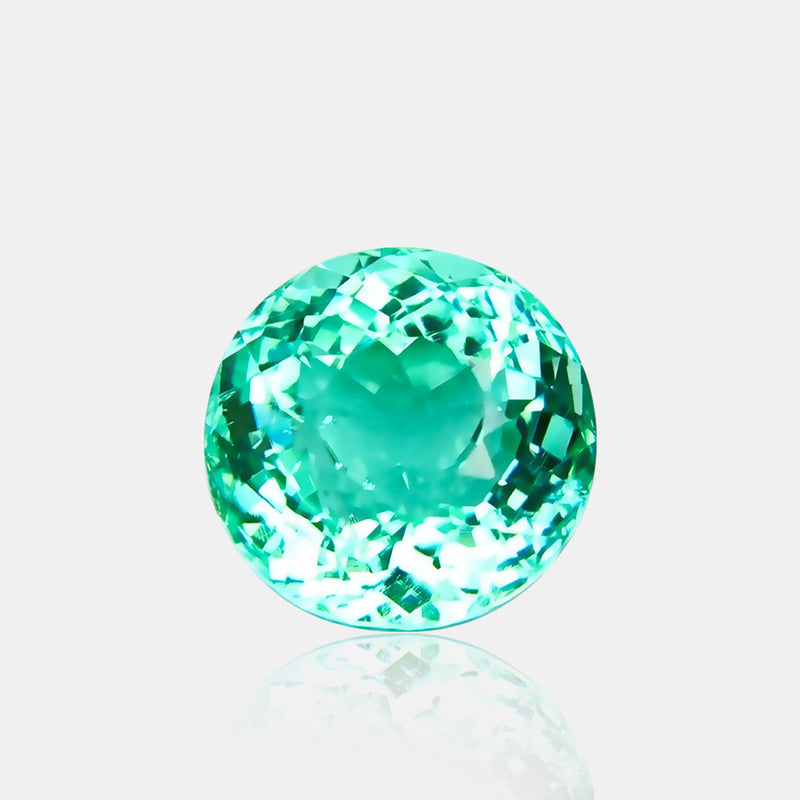
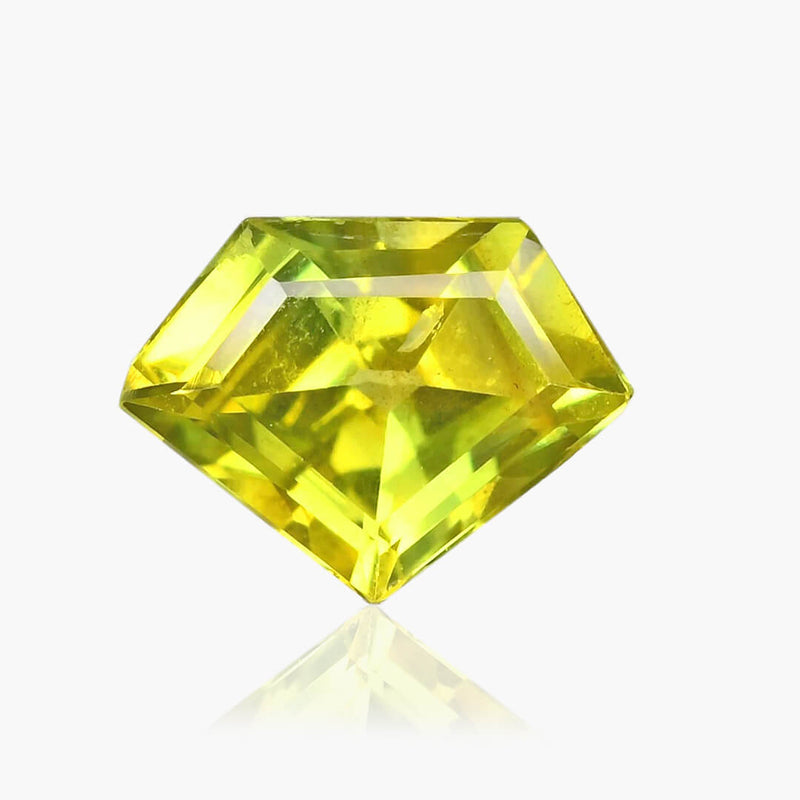
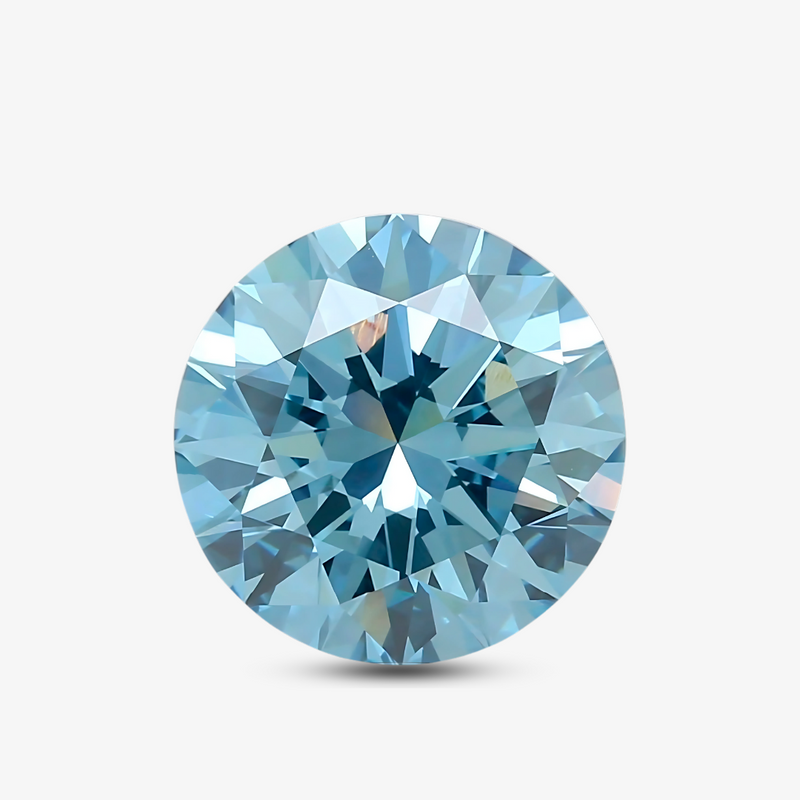 GIA
GIA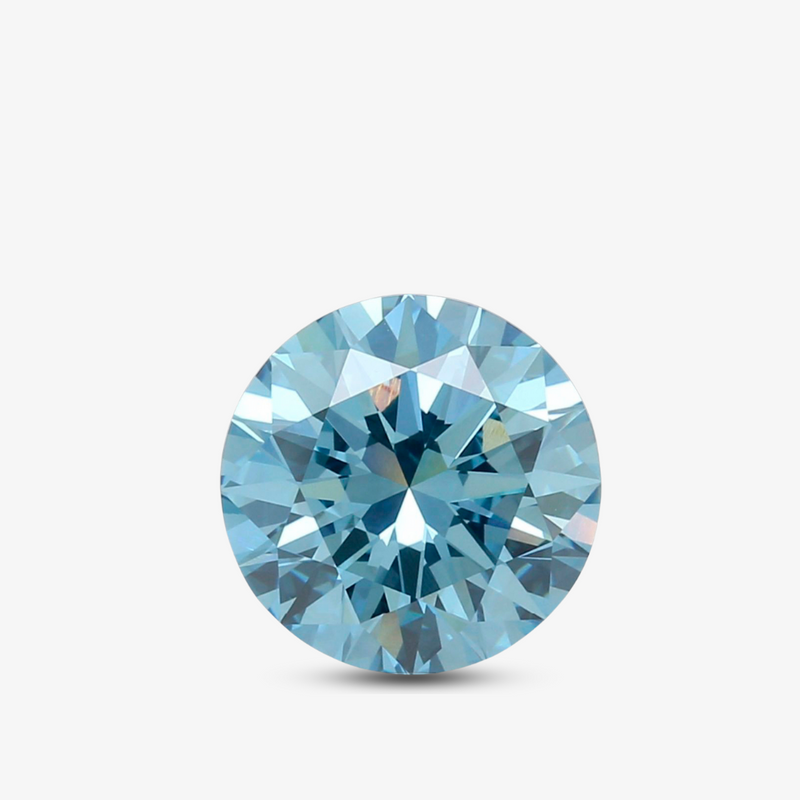 GIA
GIA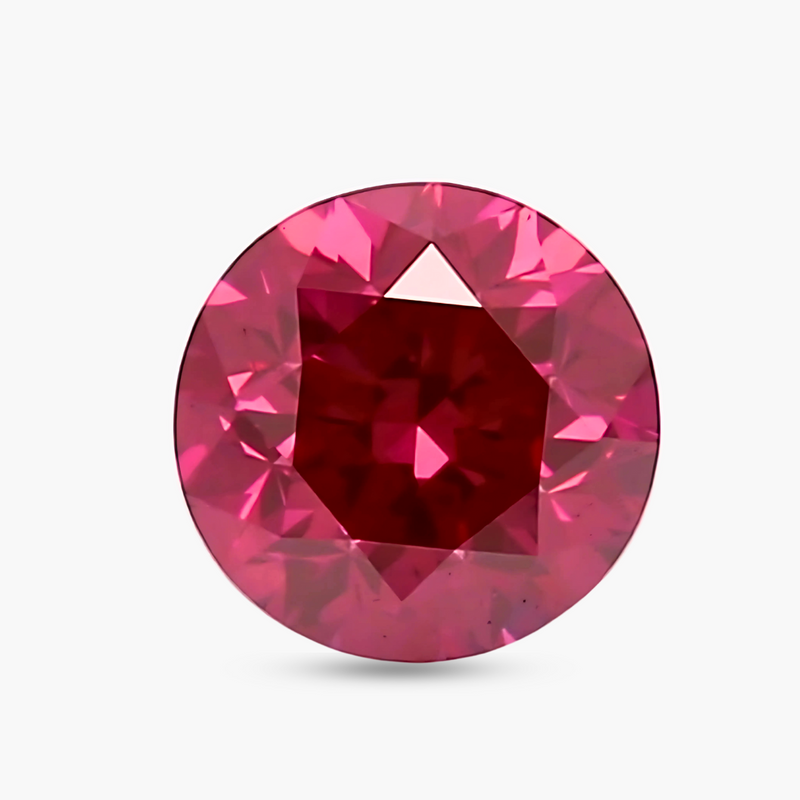 GIA
GIA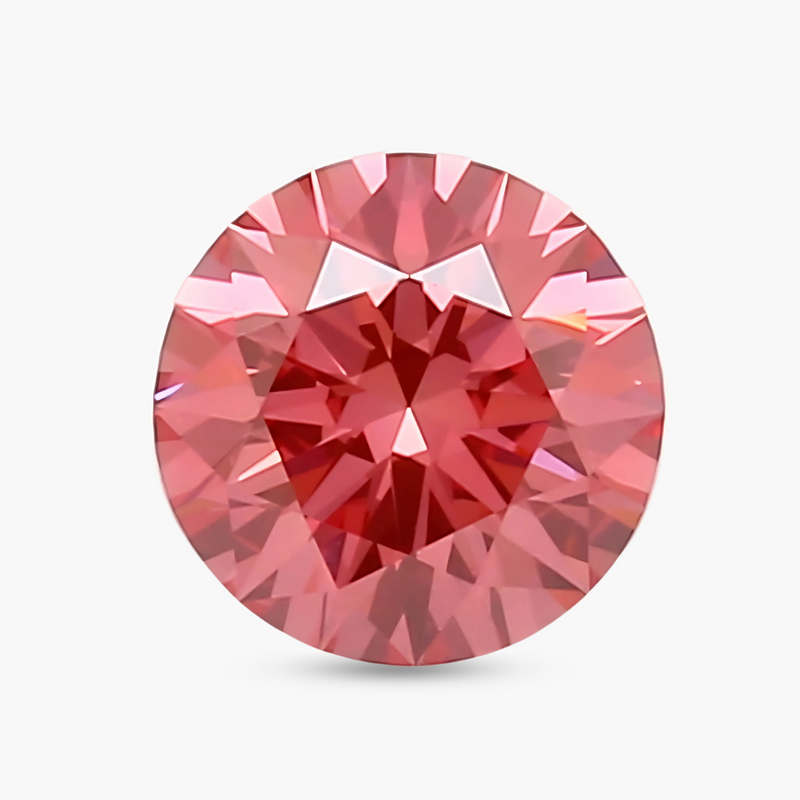 GIA
GIA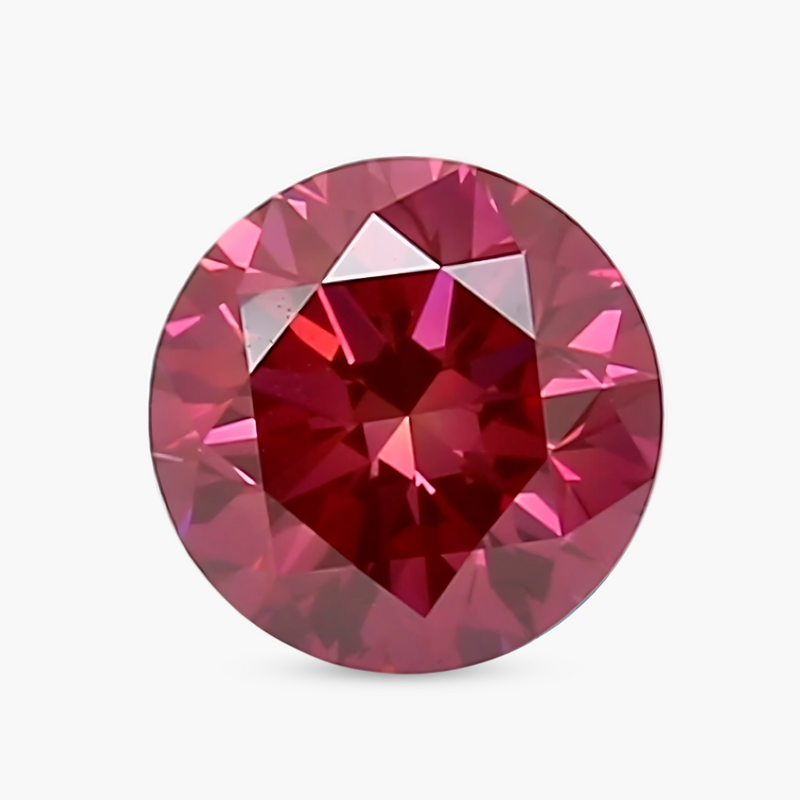 GIA
GIA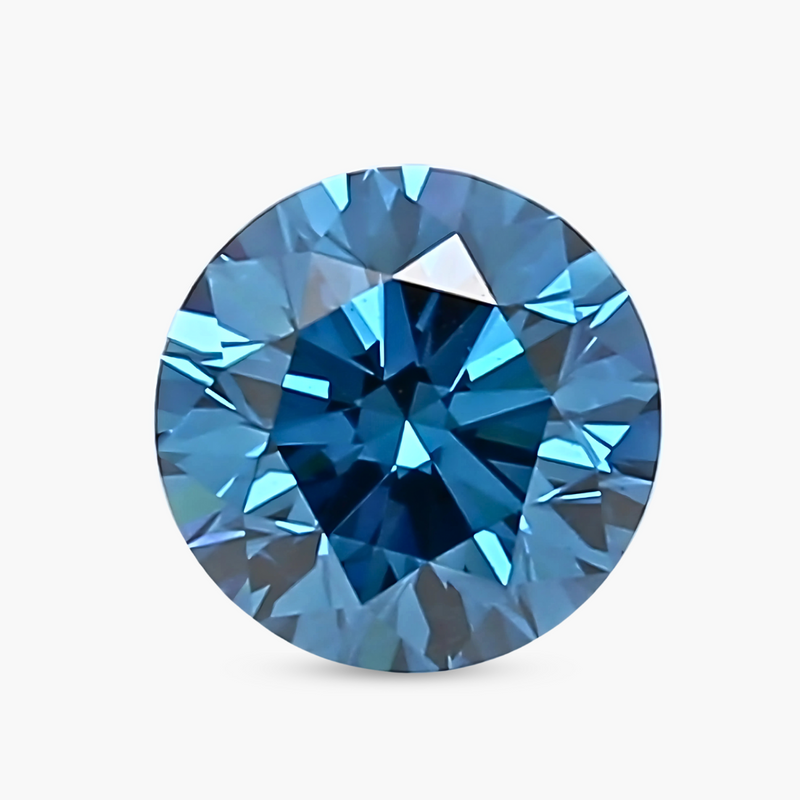
 GIA
GIA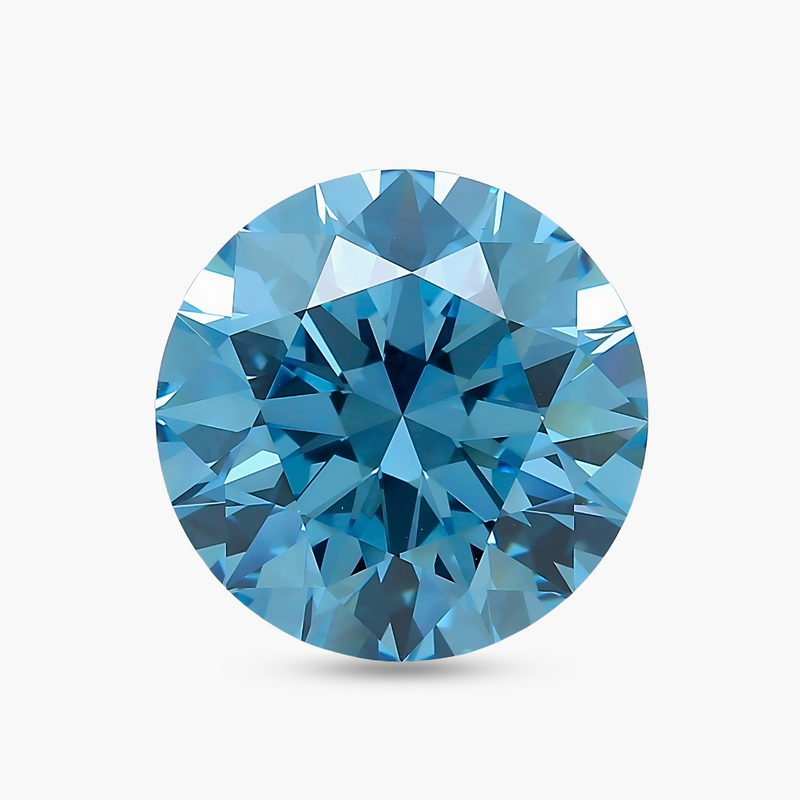 GIA
GIA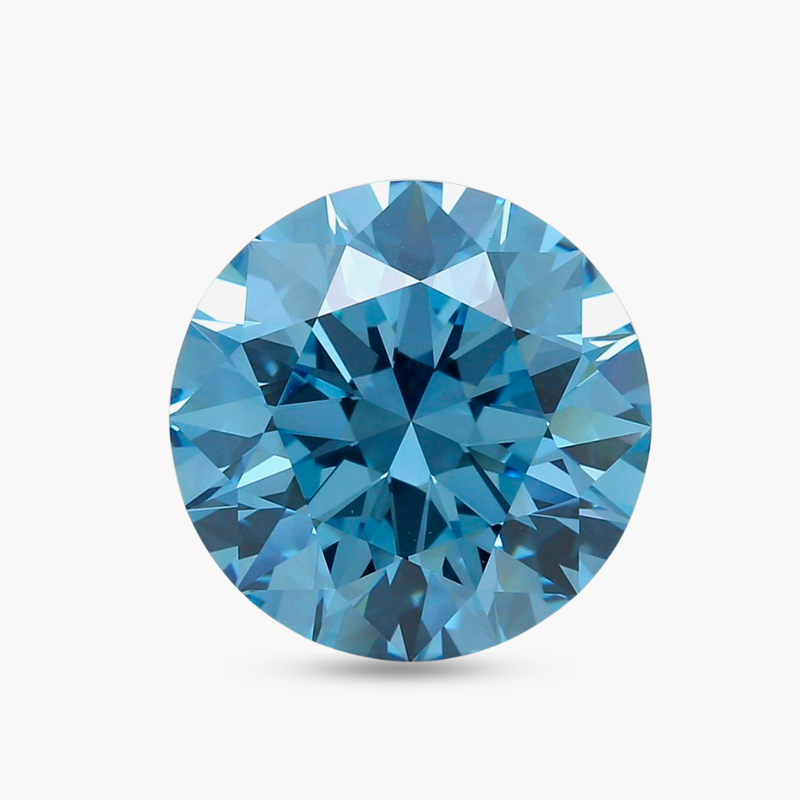 GIA
GIA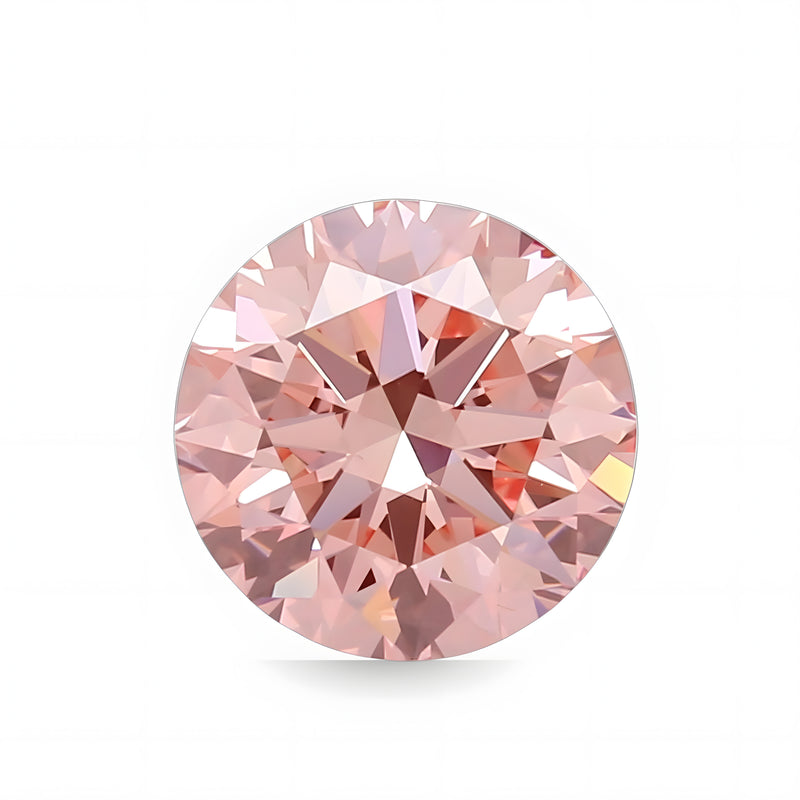 GIA
GIA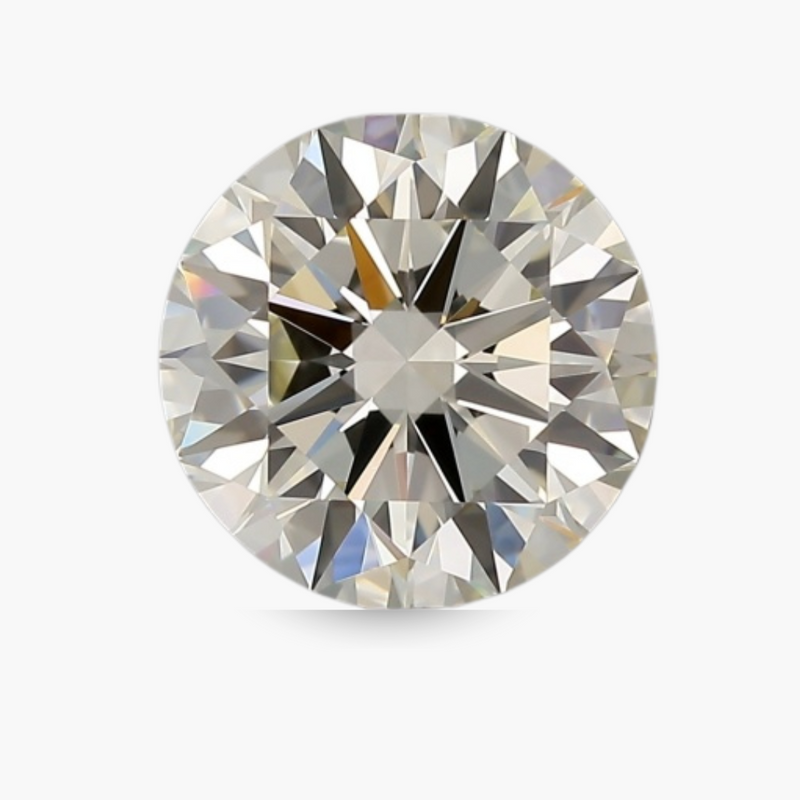 GIA
GIA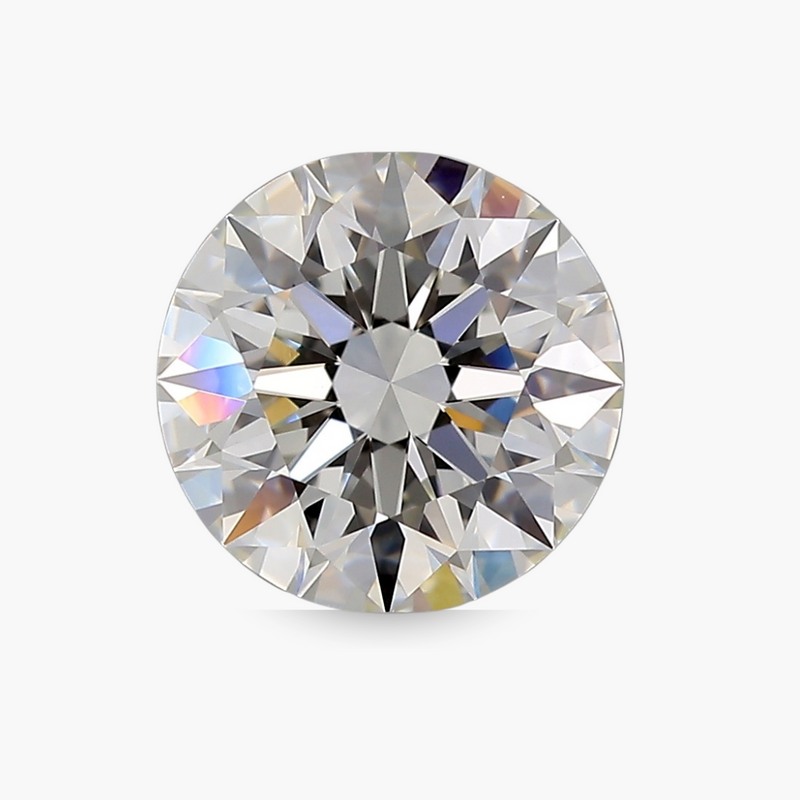 GIA
GIA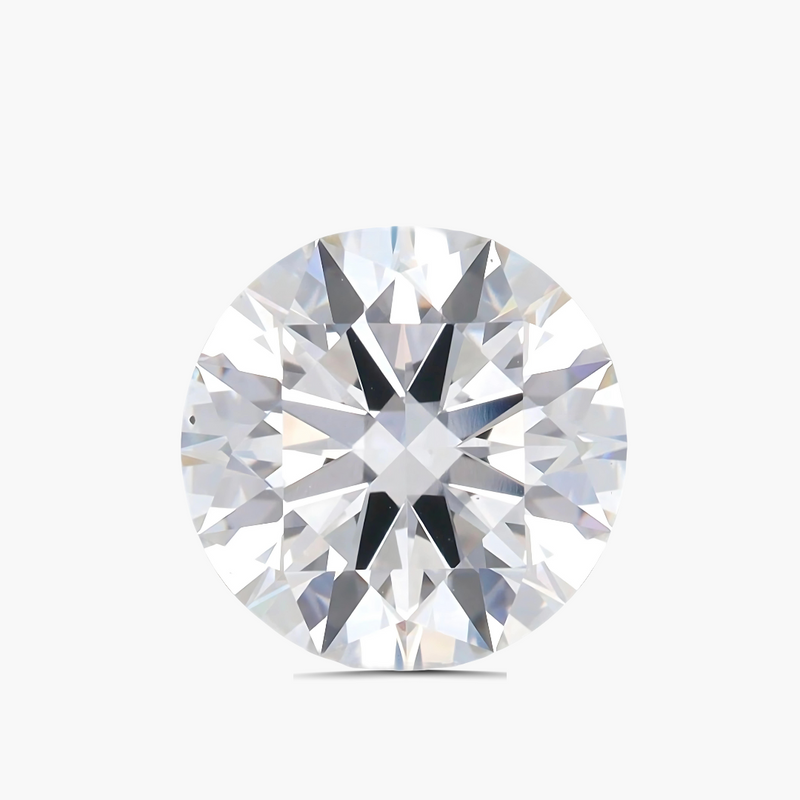
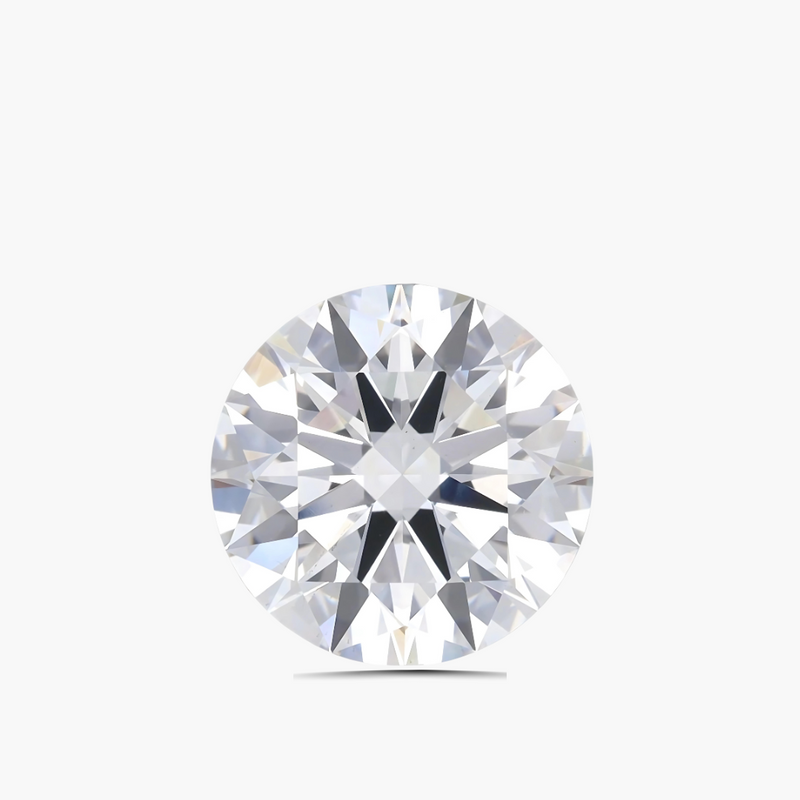
 GIA
GIA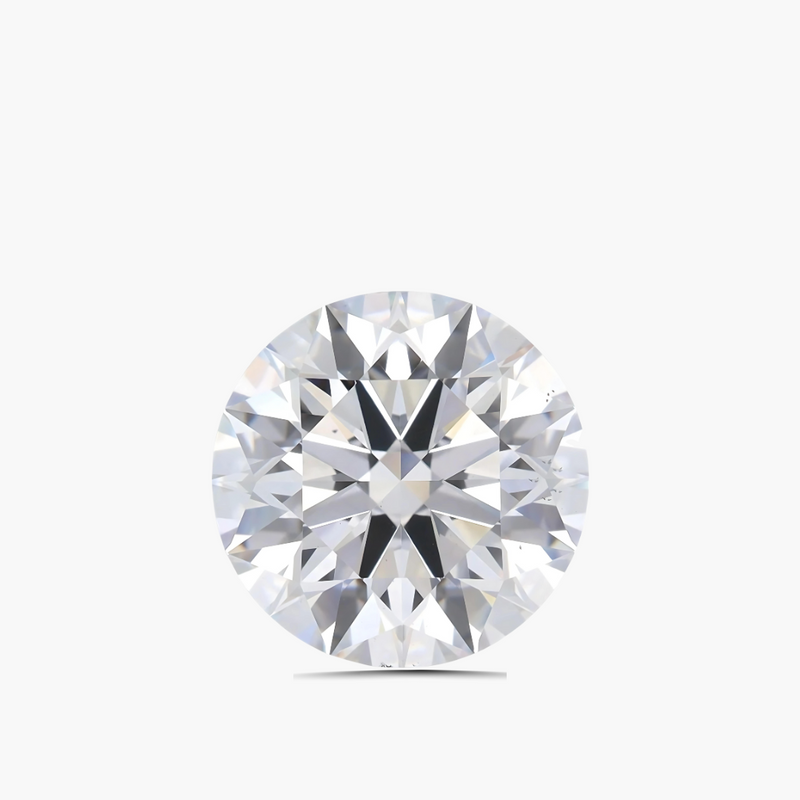
 GIA
GIA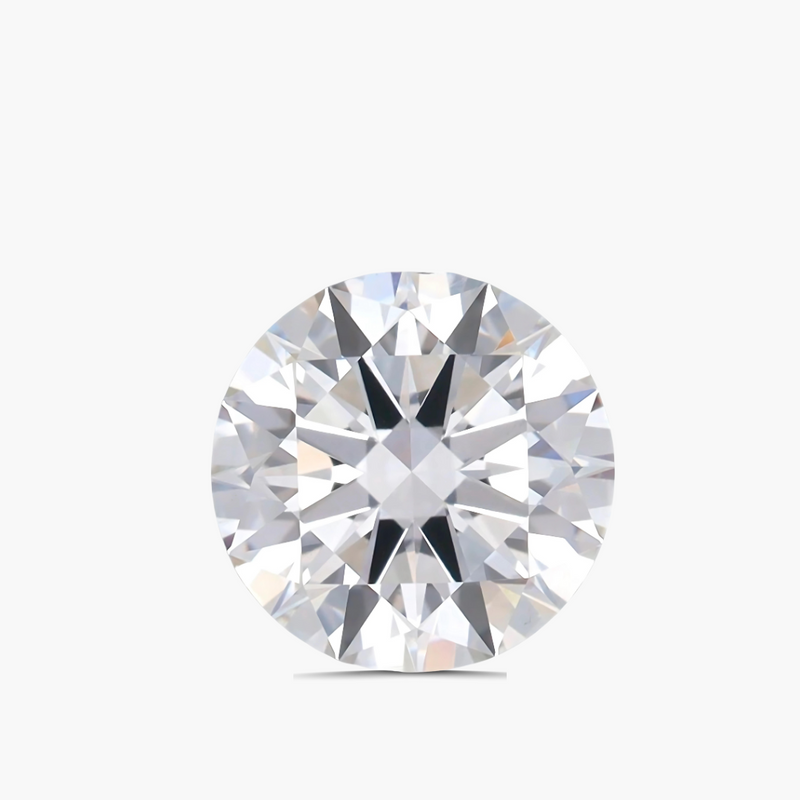
Our online collection is only part of what is available. Many more gemstones are held privately, including stones that may never appear on the website.
Tell us what you are looking for — or simply send us a photograph of something you love.
Our gemologists will personally select stones from the wider SARATTI collection for you to consider.
Not sure exactly what you want? Send us a photograph, a color you love, or simply ask.
No question is too small.
No request is too specific.
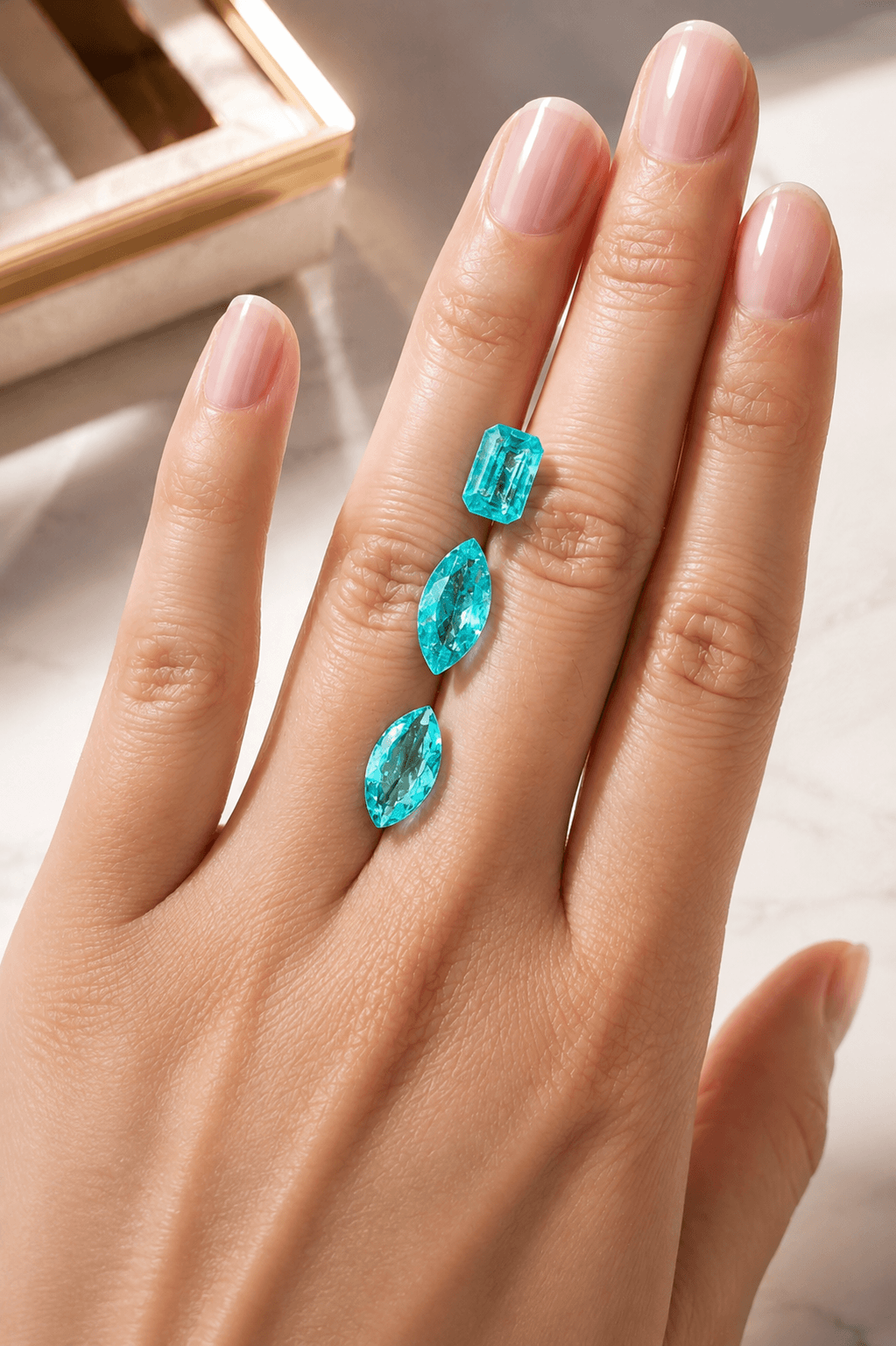
Chosen loose, certified where applicable, and shipped insured. Yours to keep, collect, or set later.
Browse Loose Stones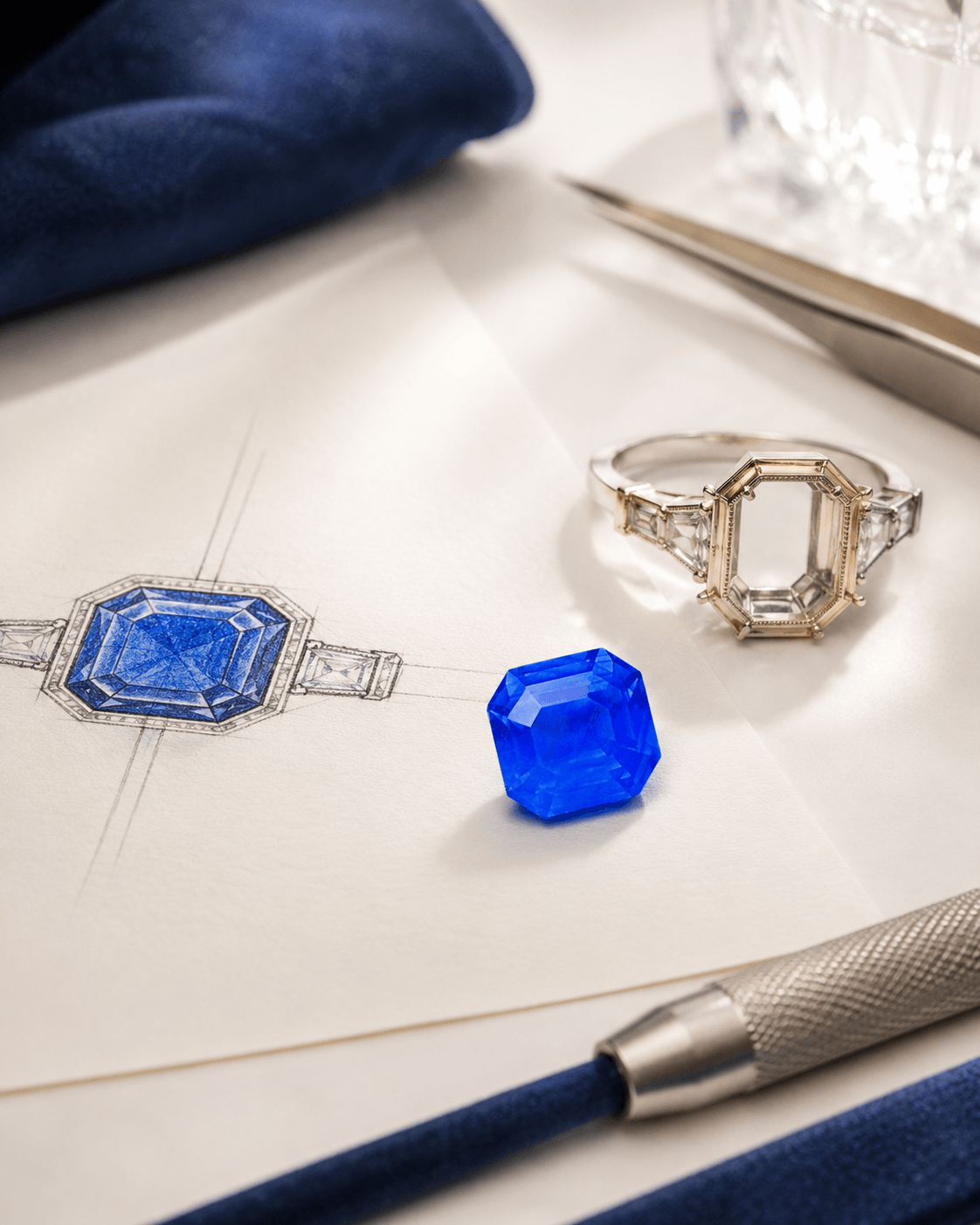
A setting designed around the gemstone and no other. Thoughtfully made, and reviewed with you before anything begins.
Begin a Commission
Some blue stones are made to dazzle.Aquamarine is made to calm. Its beauty is softer than a flash of brilliance. It carries the blue of clear water, pale sky, and...

Choosing an emerald engagement ring is a deeply personal decision. It is not only about choosing a beautiful green gemstone, but also about understanding how emeralds behave, how they are...

Blue gemstones can look similar at first glance, but they do not belong to the same value category. That is exactly why Paraiba Tourmaline and Aquamarine are compared so often....

Blue gemstones often look similar at first. That is why Paraiba Tourmaline and Aquamarine are compared so often. Both can appear fresh, elegant, and full of light. Both also sit...

Fine jewelry becomes more meaningful when it feels personal. Not just beautiful, but intentional. The kind of piece that reflects mood, emotion, and identity rather than simply adding sparkle. That...

A tennis bracelet does not need a loud design to feel unforgettable. It sits close to the wrist. It moves softly. It catches light in one clean line. That is the beauty...

At first glance, it is easy to understand why aquamarine and Paraiba tourmaline are often compared. Both are blue gemstones. Both feel luminous. Both belong to that part of the...

What if a diamond could hold the blue of the ocean, the warmth of sunlight, or the soft blush of a rose? That is the world of fancy colored diamonds. They are...
A round brilliant is radially symmetrical, so its facet pattern repeats identically around the axis and light entering from any direction meets the same geometry. There is no orientation in which it performs badly. Elongated shapes have a long axis and a short one, which is why ovals, pears and marquises often show a dark central bow-tie. The round has no long axis, no corner, and no dead wing, so brilliance, fire and scintillation arrive together.
A round outline must be inscribed inside the rough in every direction at once, so the finished stone is limited by the crystal's narrowest dimension and everything outside that circle is lost. A round therefore retains a much smaller fraction of the original crystal than an oval or cushion, which can follow the natural form of the rough. That wasted material has already been mined and bought, and its cost sits in the price.
Carat measures weight, not size. A round carries a large proportion of its mass in the pavilion, below the girdle, where it serves the light path but adds nothing to what you see from above. An elongated shape spreads the same weight across a longer outline, so more of it faces up. Compare millimetre dimensions rather than carat weight, and treat the carat figure as a fact about the invoice.
Four kinds. Strongly pleochroic material such as tanzanite, iolite, kunzite and andalusite needs a specific orientation for its best colour, and a round's symmetry forces a compromise. Pale material usually needs the extra depth of a cushion or elongated cut to build saturation. Very dark material can go near-black in a round. Heavily included material is better served by a cut that scatters and disguises rather than displaying the interior.
Table width around half to sixty per cent of the diameter, crown angle near thirty-four degrees, and total depth in the high fifties to low sixties, allowing that coloured stones are cut deeper than diamond. The girdle should be even, neither knife-thin nor thick enough to hide weight. Any culet should be small and centred. Then check face-up: a well-cut round shows no window and no large static dark zones.
Round is the only shape produced reliably in calibrated millimetre sizes, cut to standard dimensions in volume and sold in matched parcels. Melee, the trade term for small accent stones under roughly 0.18 carats, is overwhelmingly round for that reason. A jeweller setting a halo, pave or eternity band needs every stone the same diameter and depth, and needs to be able to source a replacement years later.
Compare millimetres first, not carats, because the round will present less face-up spread at the same weight. Then decide what the stone is for. If maximum sparkle is the point, the round wins and you pay a premium in rough waste. If size on the hand, colour saturation in pale material, or hiding inclusions matters more, the oval or cushion is the better purchase rather than a compromise.