The Stone That Fooled Kings
For most of recorded history, spinel was ruby.
The Black Prince's Ruby, set in the front of the British Imperial State Crown above the Cullinan II diamond, is a spinel. So is the Timur Ruby in the Royal Collection, engraved with the names of the Mughal emperors who owned it. So are several of the great red stones in the Iranian and Russian crown jewels. None of this was fraud — spinel and ruby occur in the same marble deposits in Burma, they look alike, and until the late eighteenth century there was no way to tell them apart. Once chemistry could separate them, the world discovered that some of its most famous rubies were a different mineral entirely.
Spinel is magnesium aluminium oxide, and it is a species in its own right, with its own optics and its own considerable virtues. It spent two centuries being treated as ruby's understudy because of that history, and it has spent the last twenty years being reappraised. Among gemmologists and collectors it is now one of the most admired stones in the trade.
The Colours
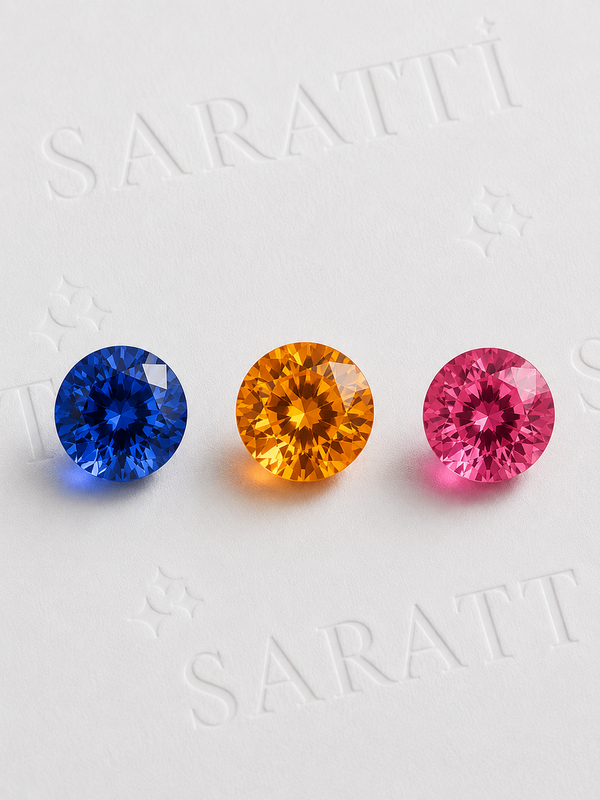
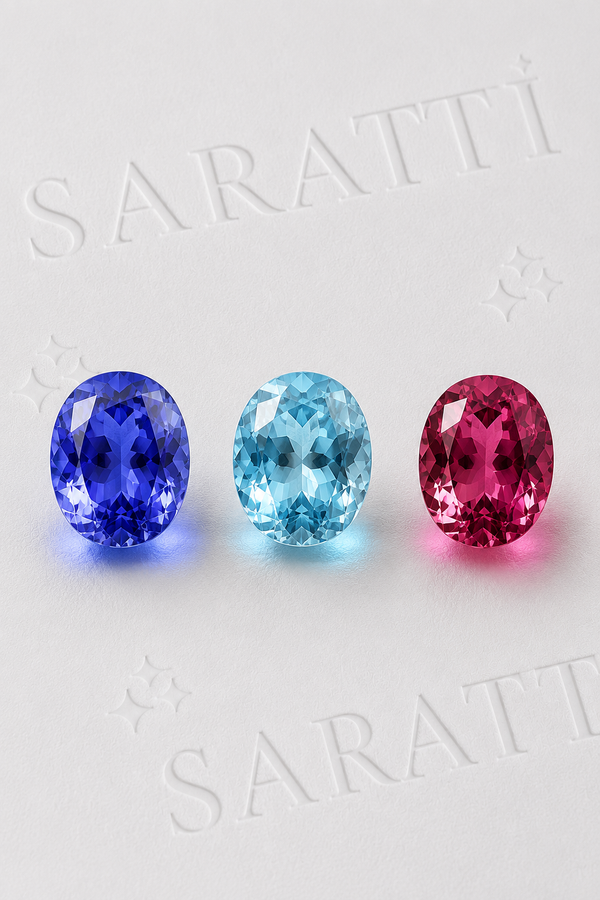
Spinel occurs across a wider range than its red reputation suggests.
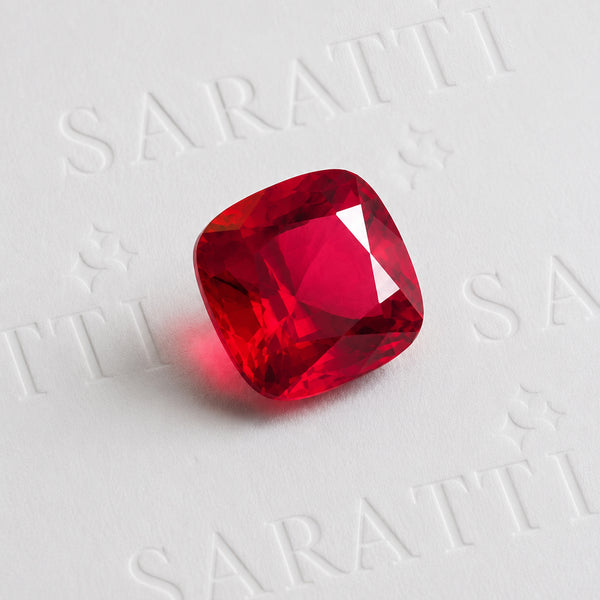
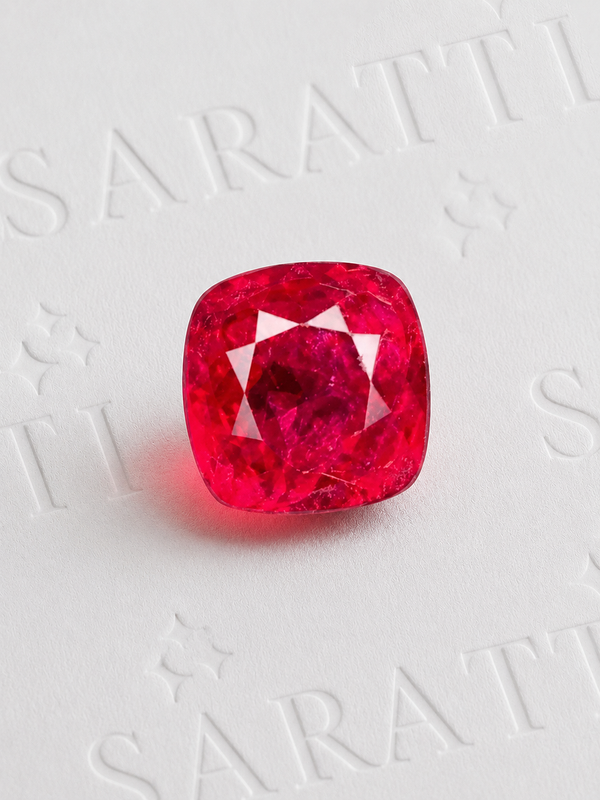
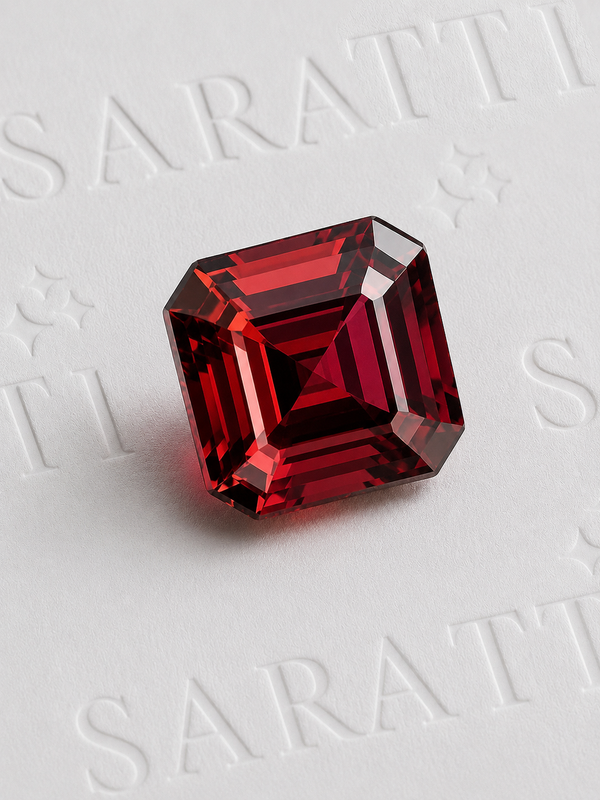
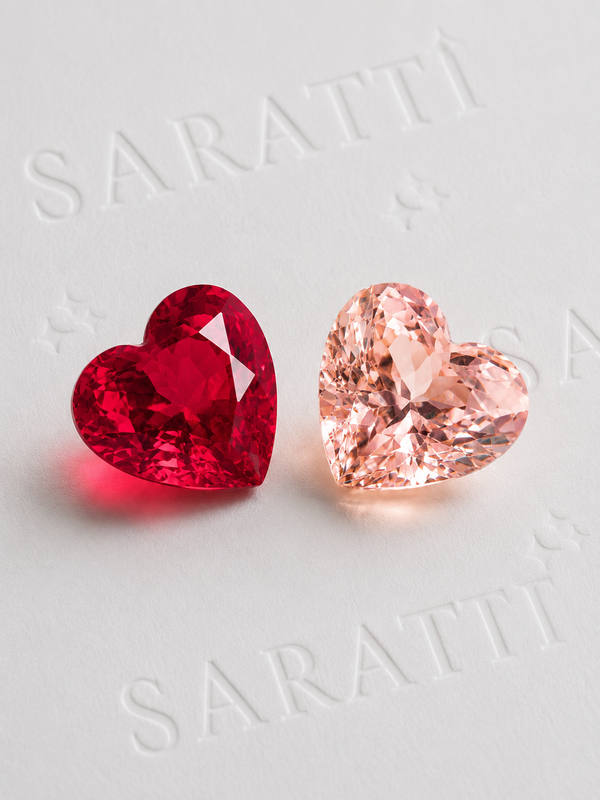
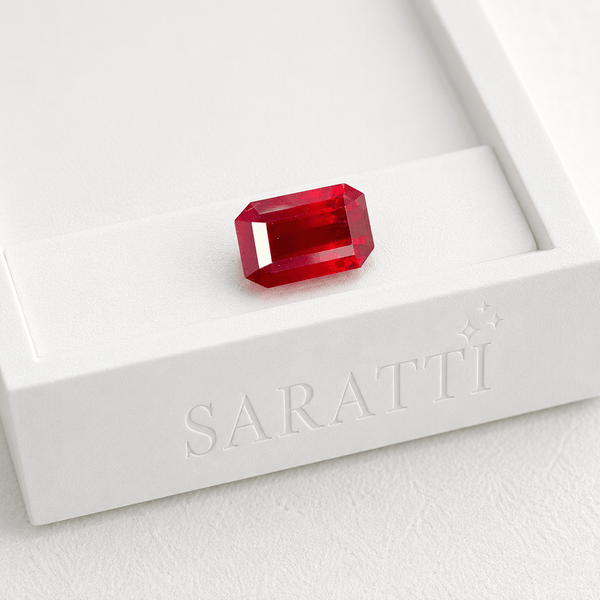
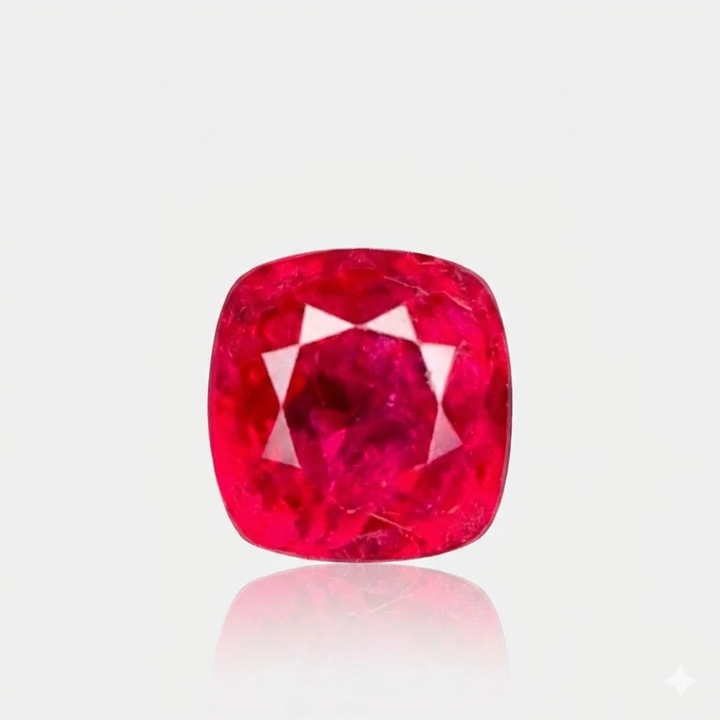
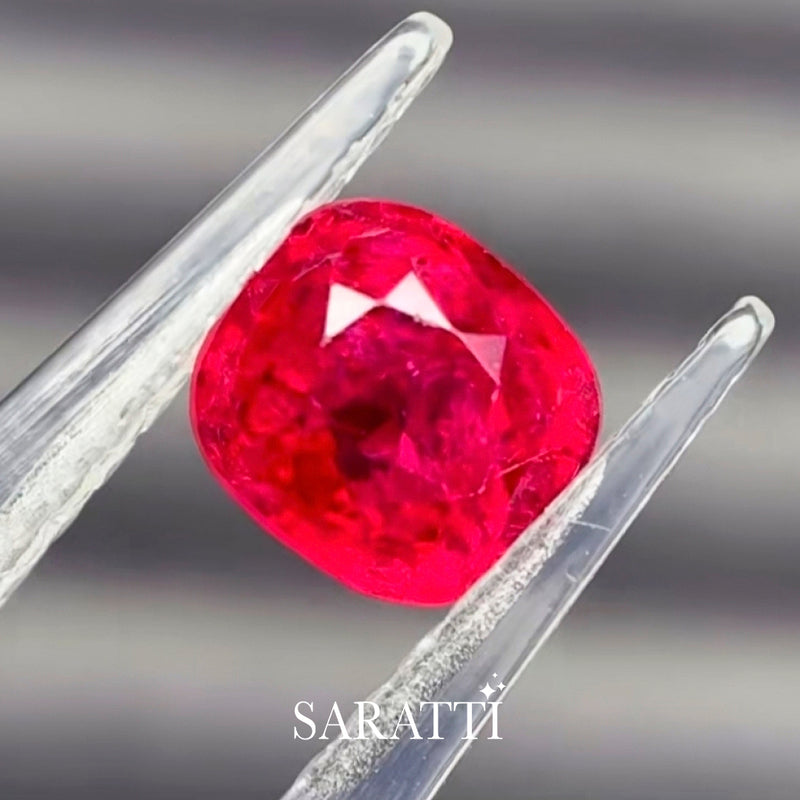
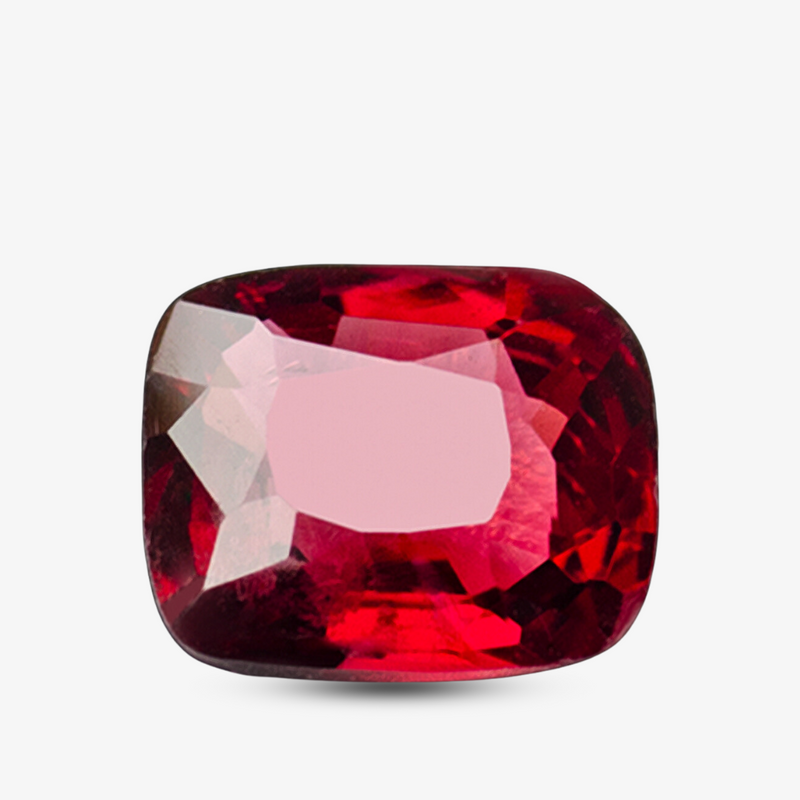
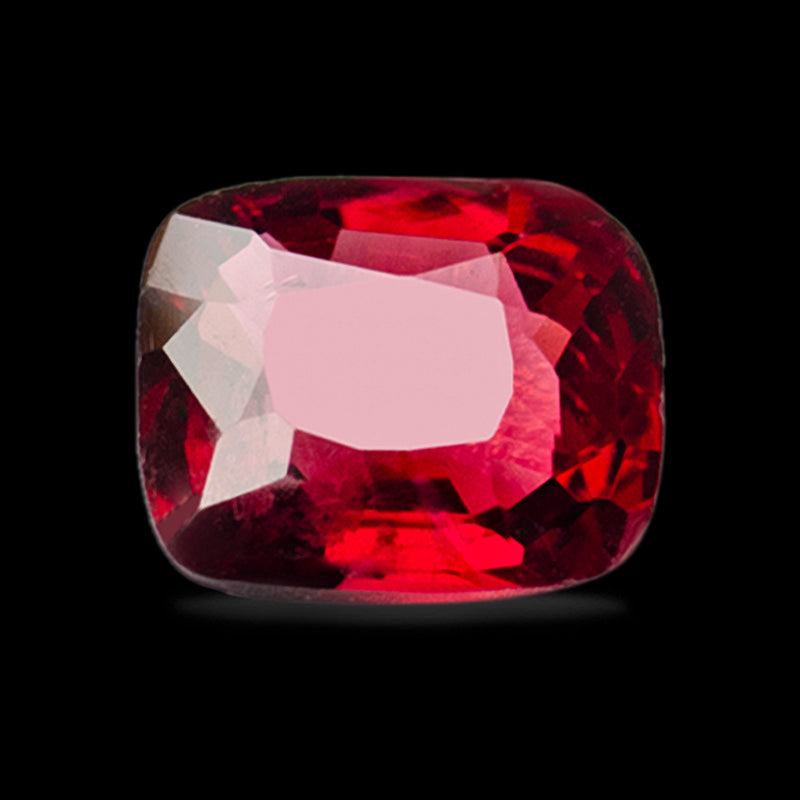
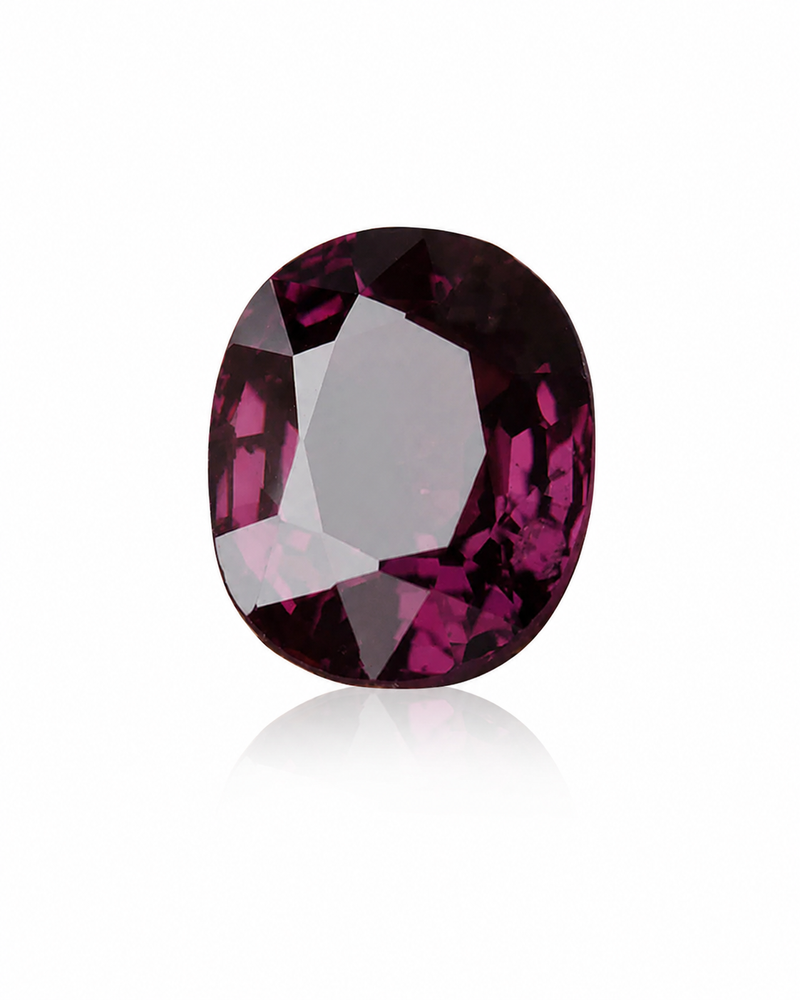
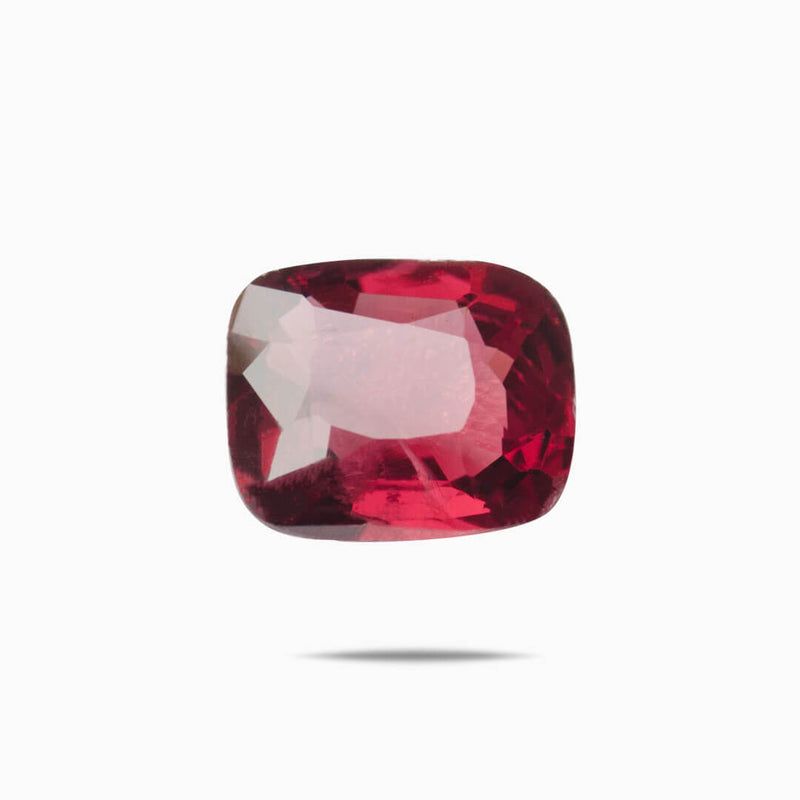
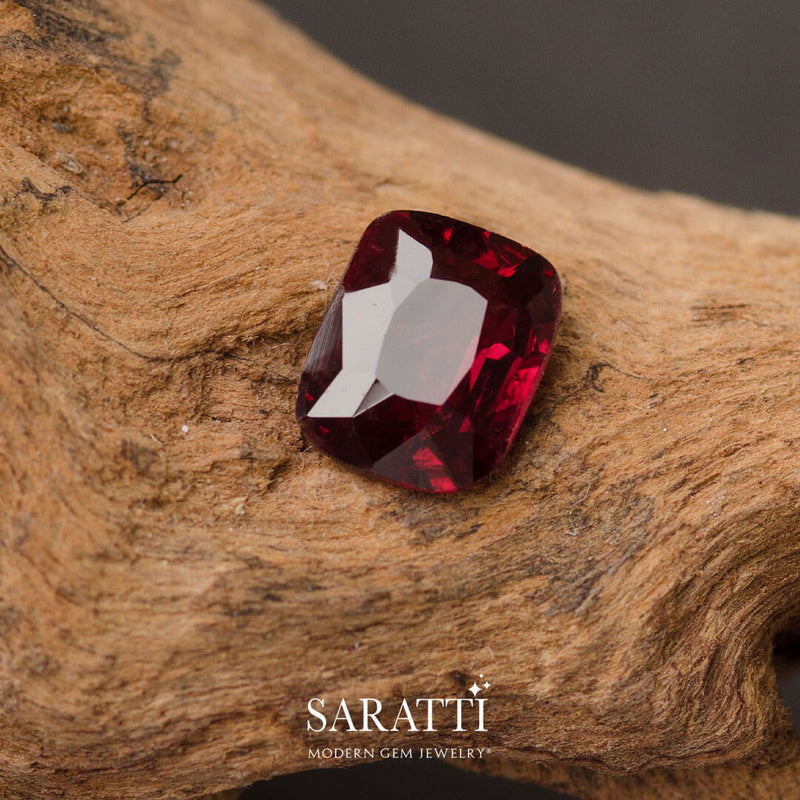
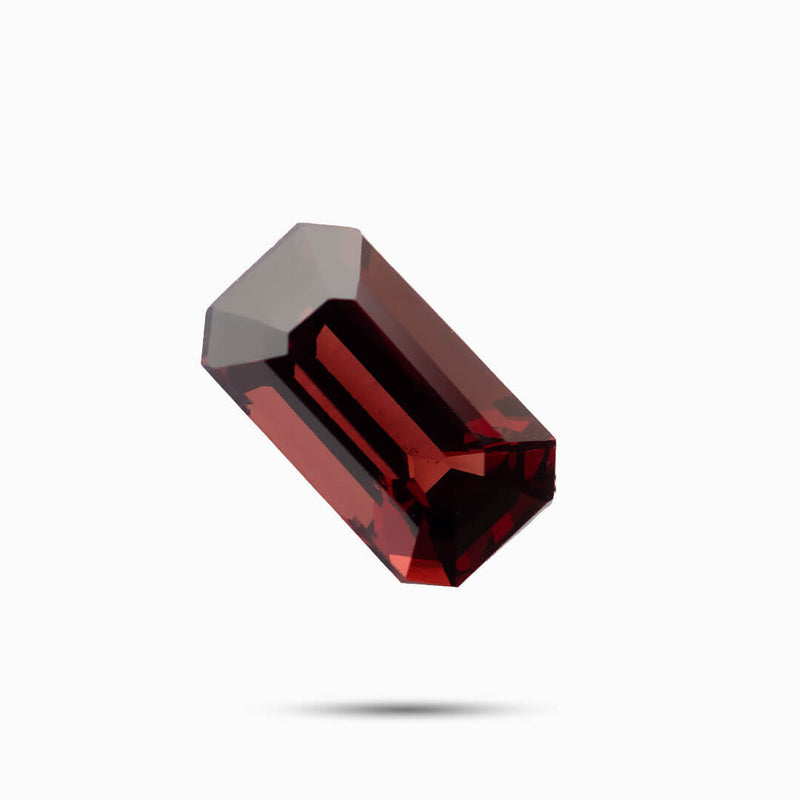
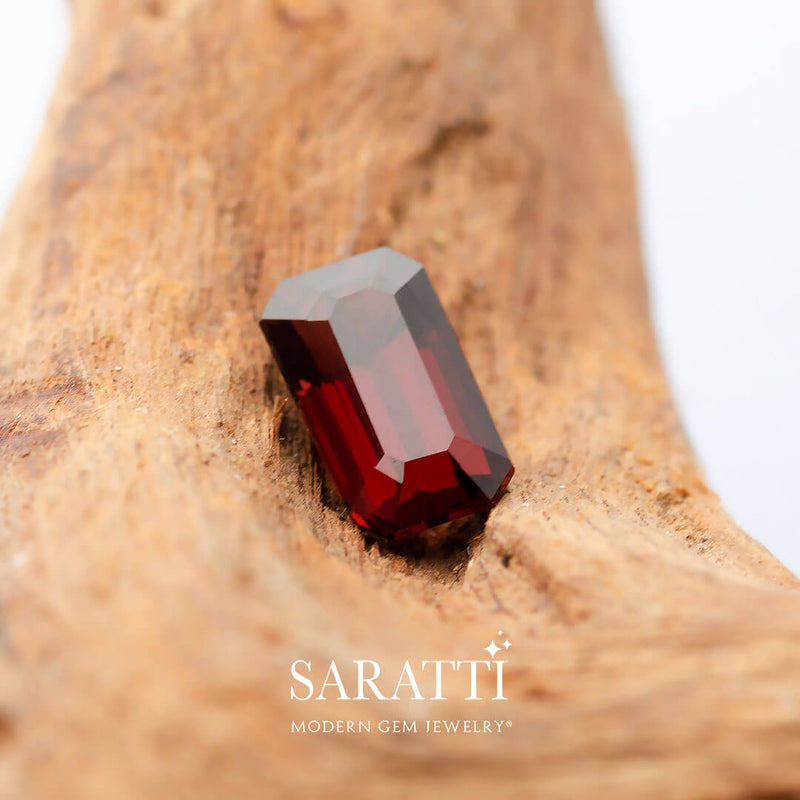
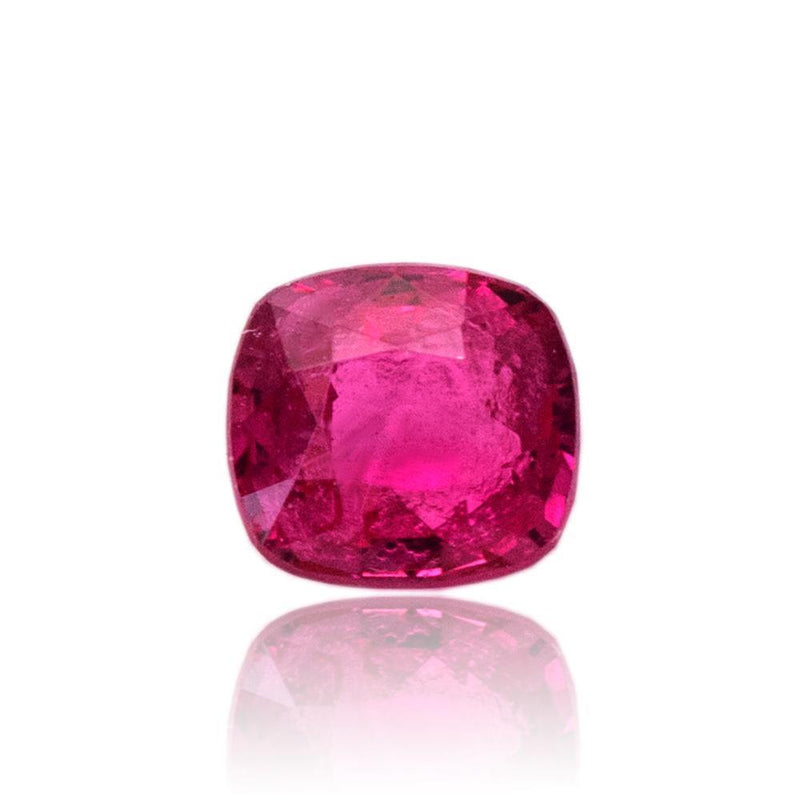
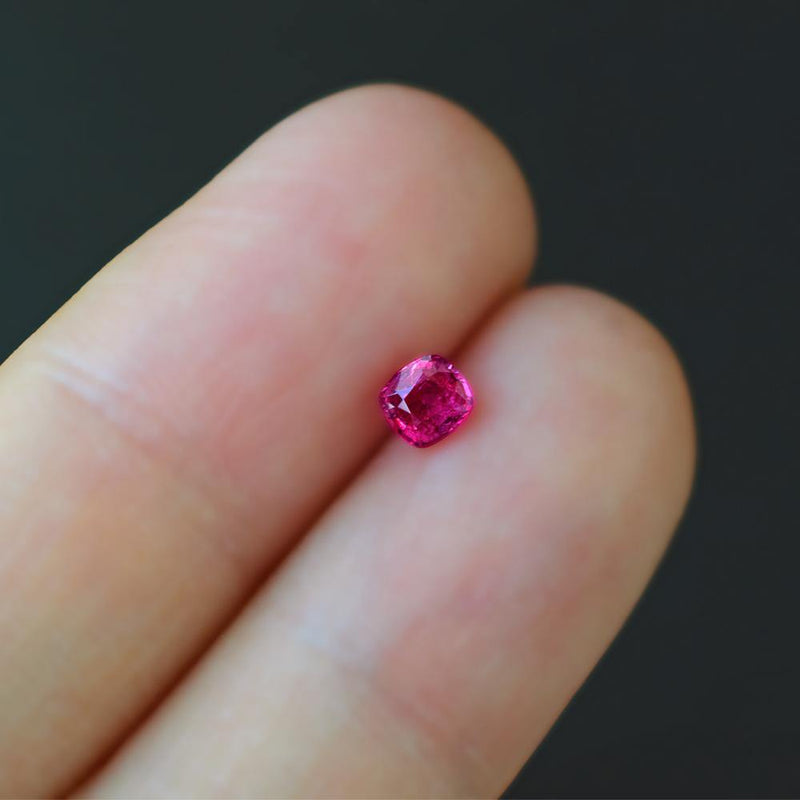
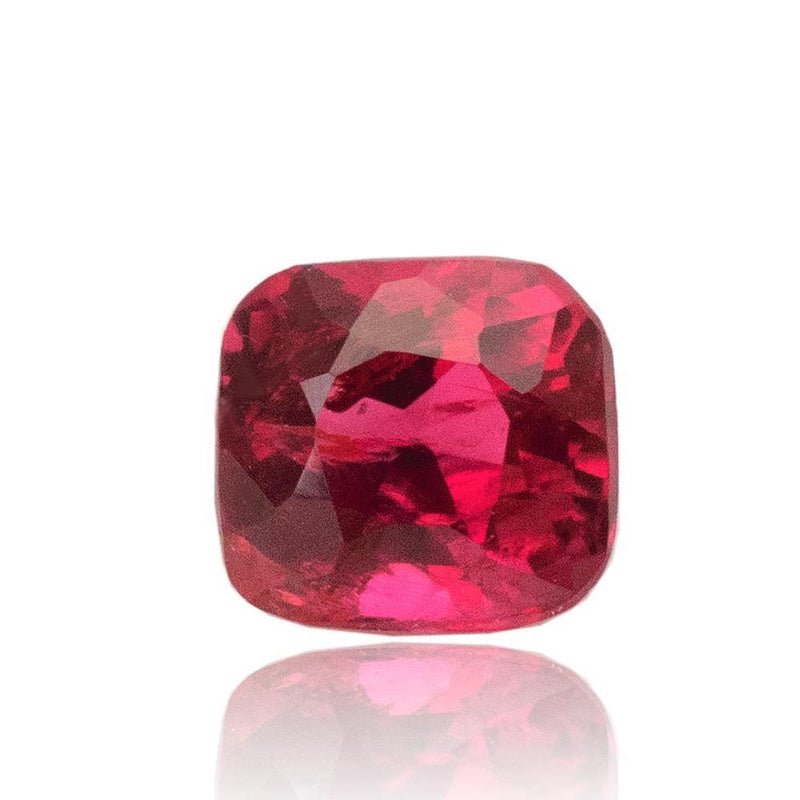
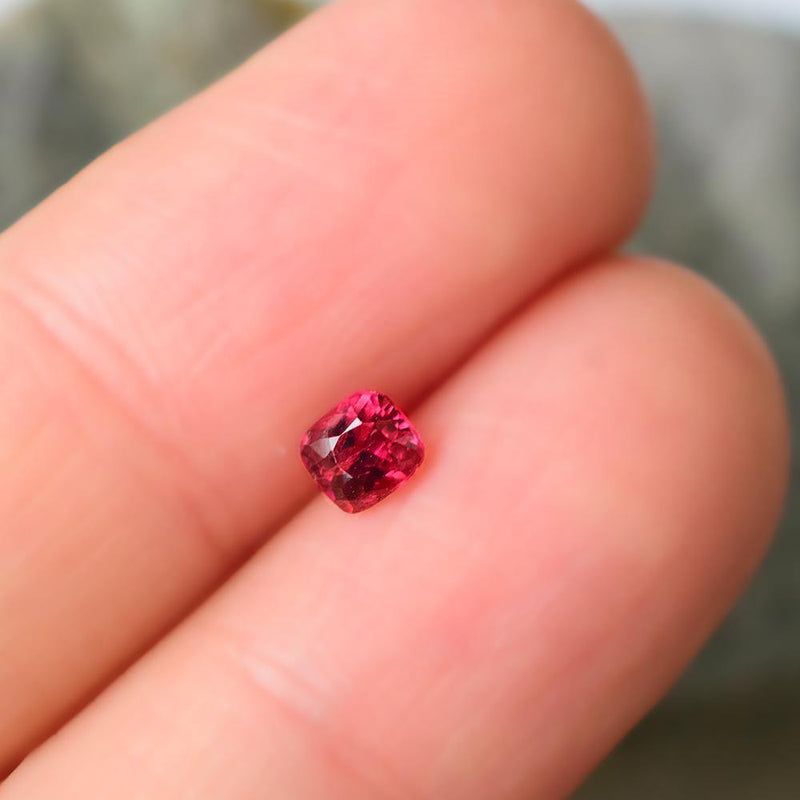
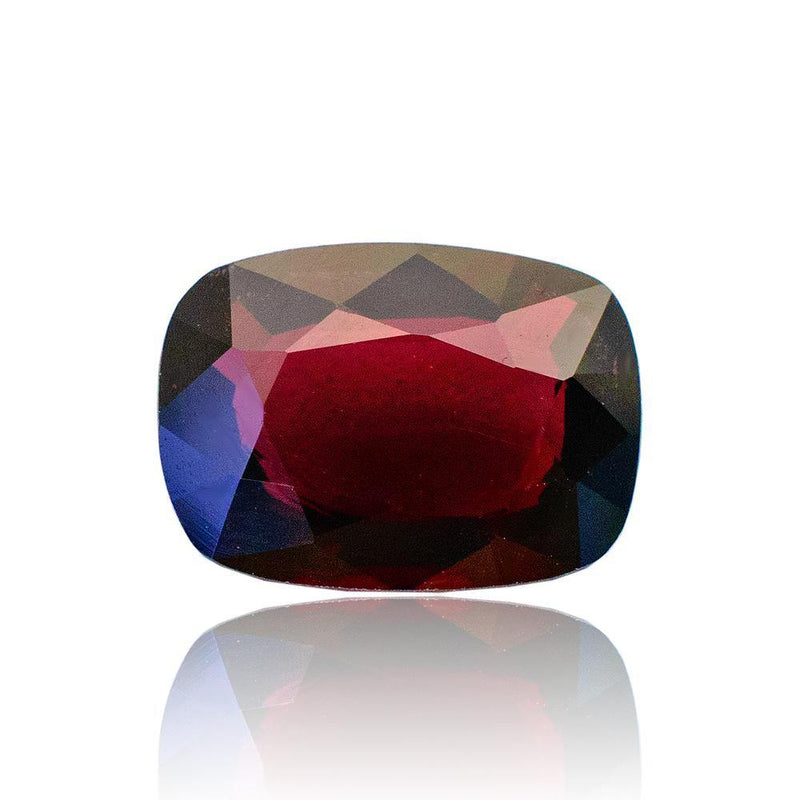
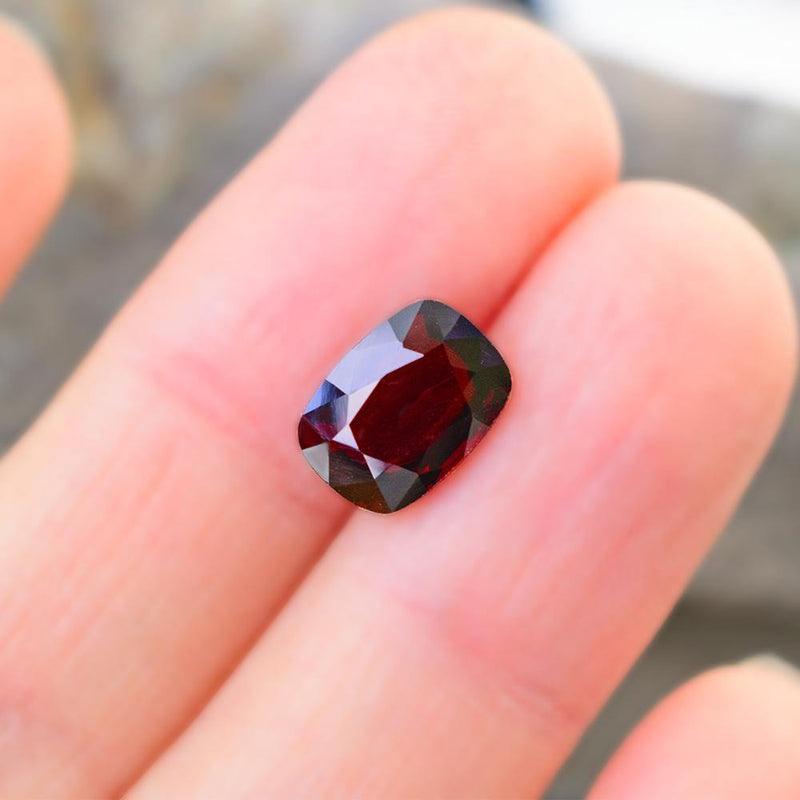
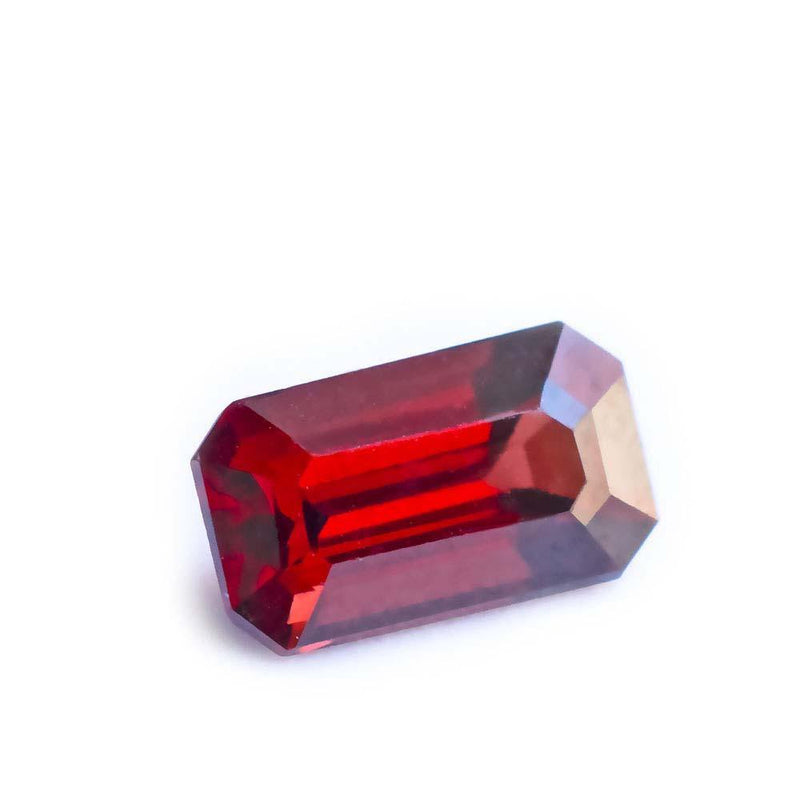
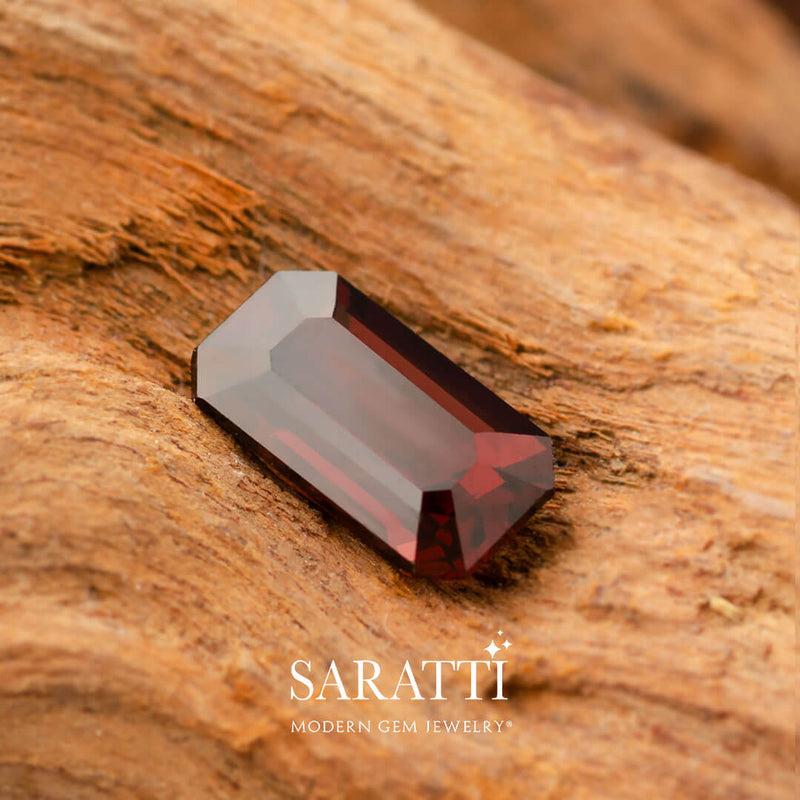
Red is the historic colour and still the most valuable, running from a vivid pure red to a slightly orangey or pinkish red. Burmese material from Mogok is the benchmark.
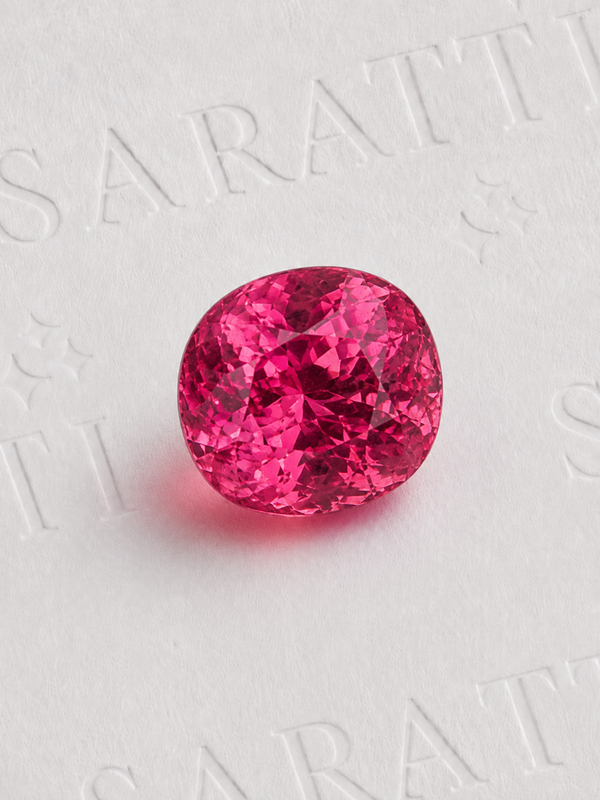
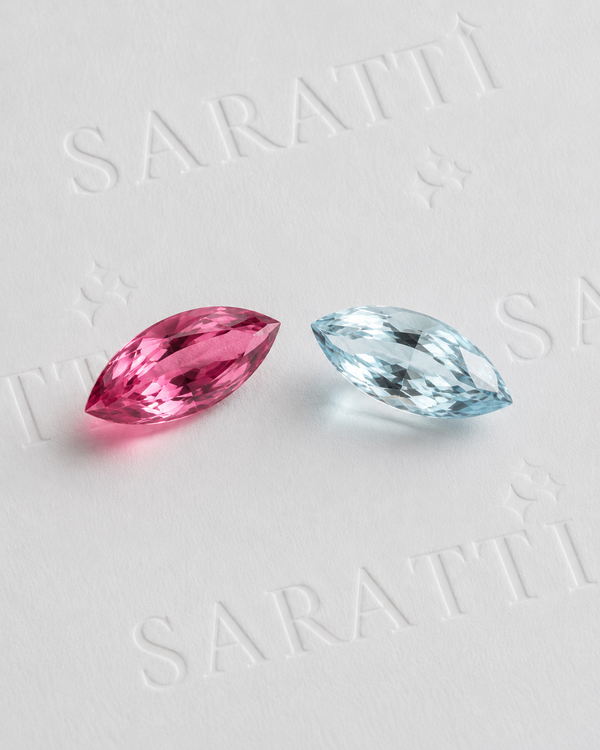
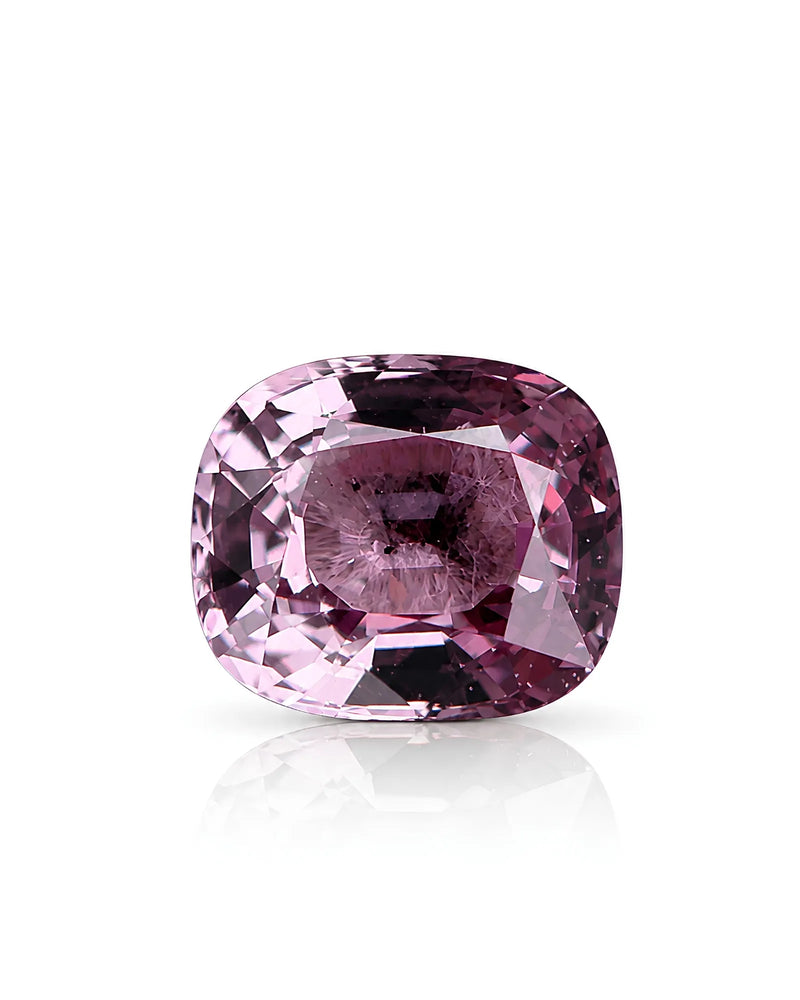
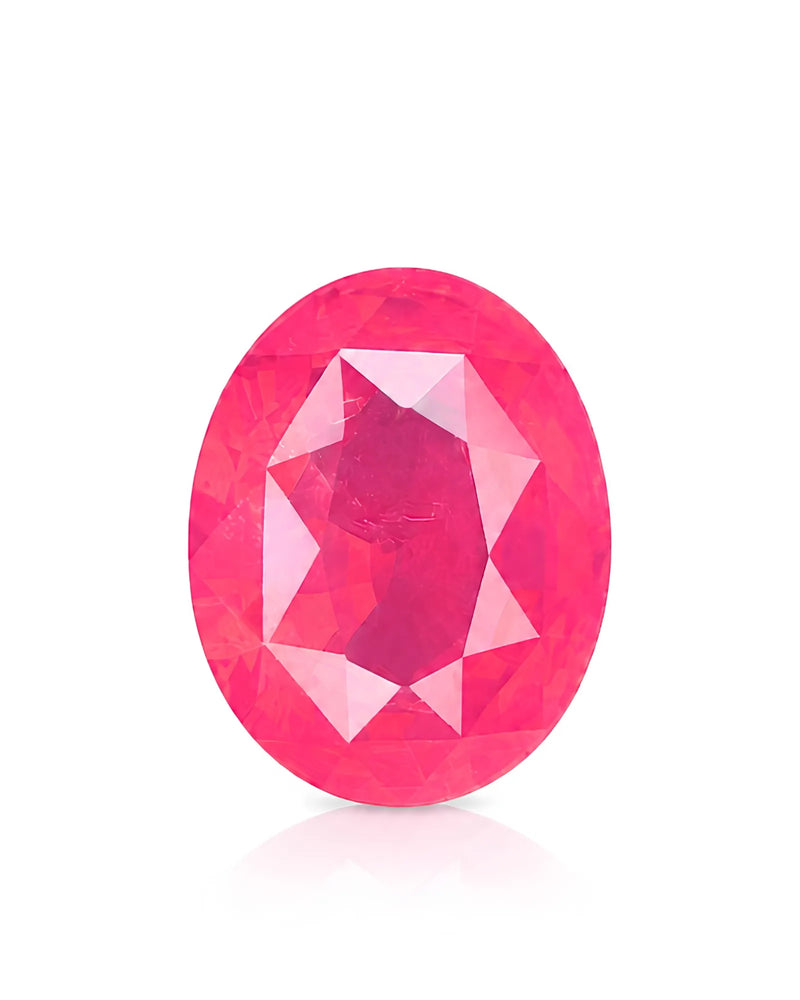
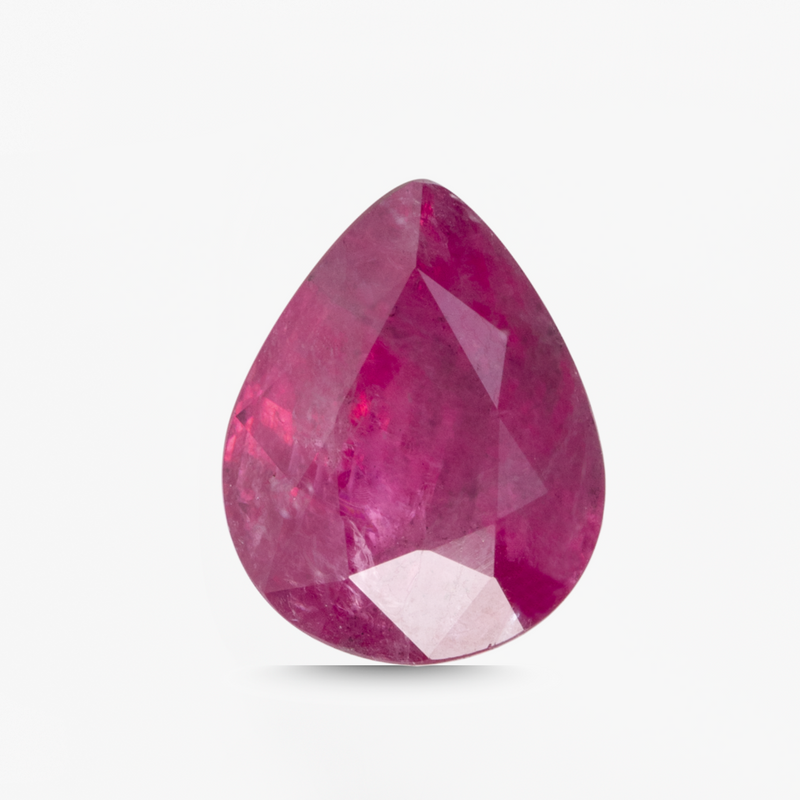
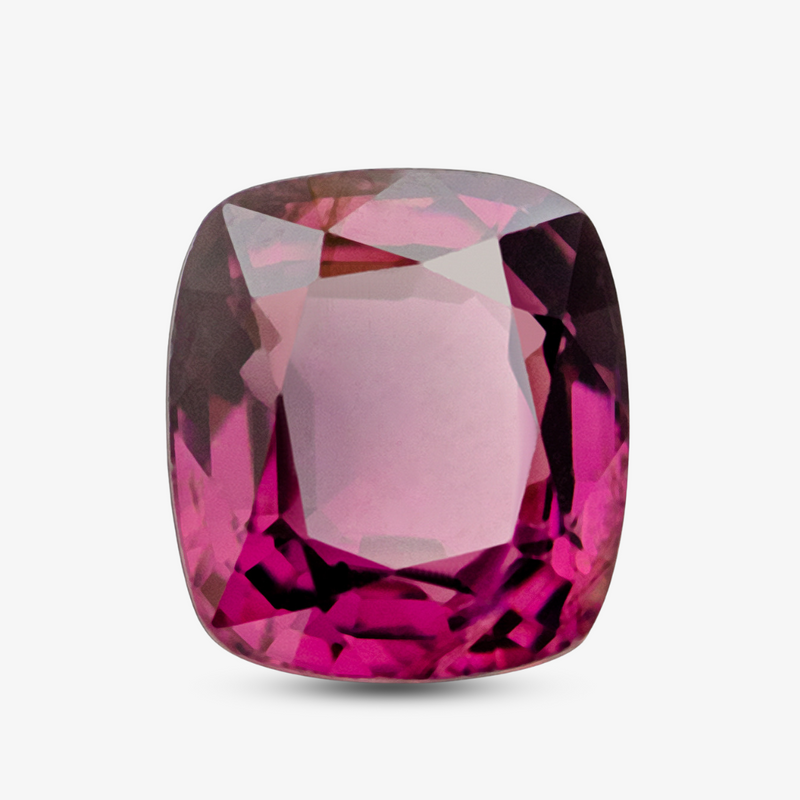
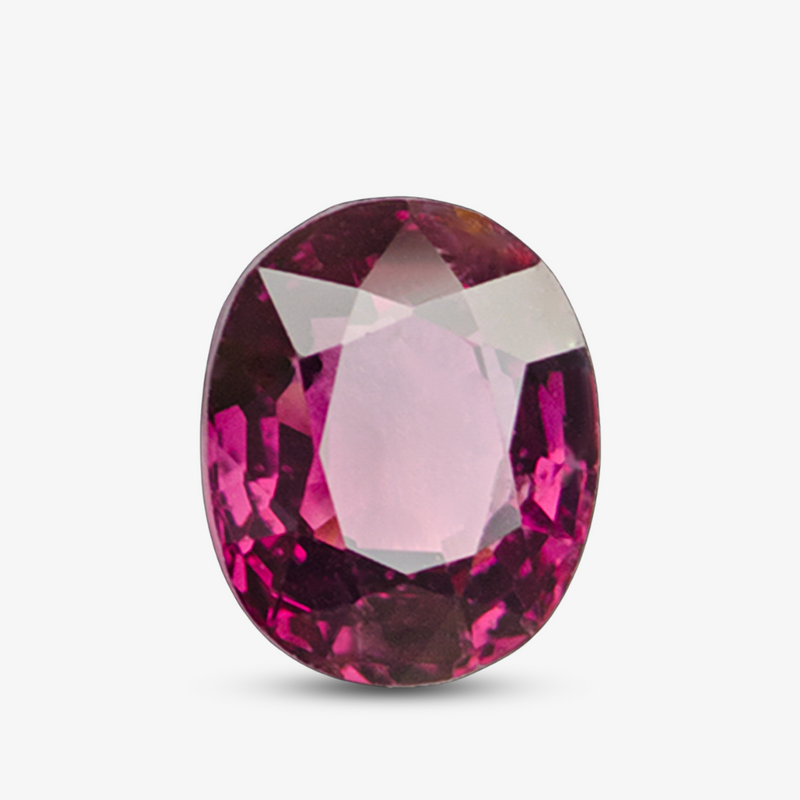
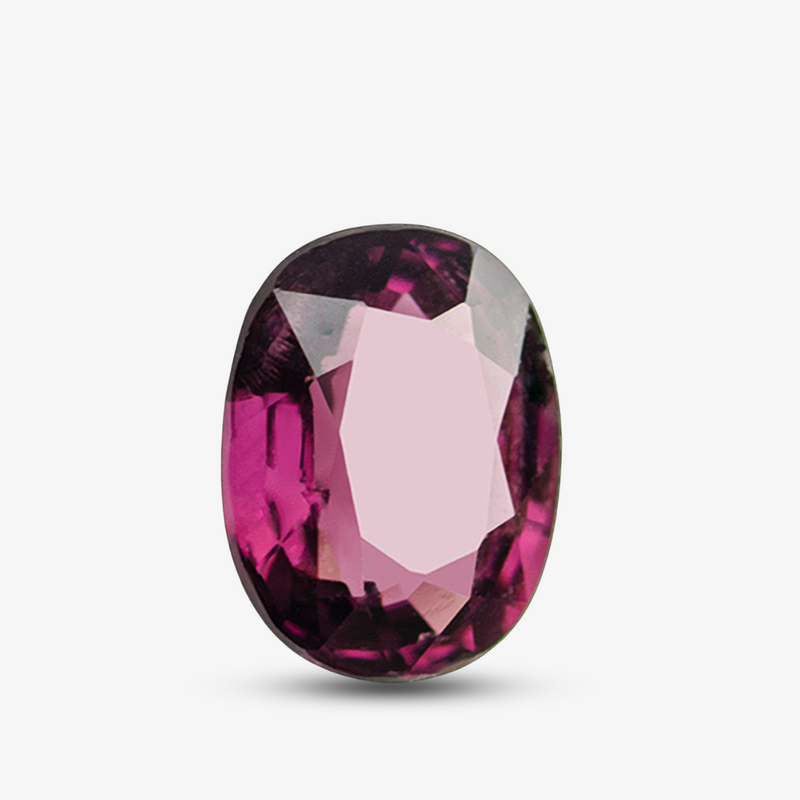
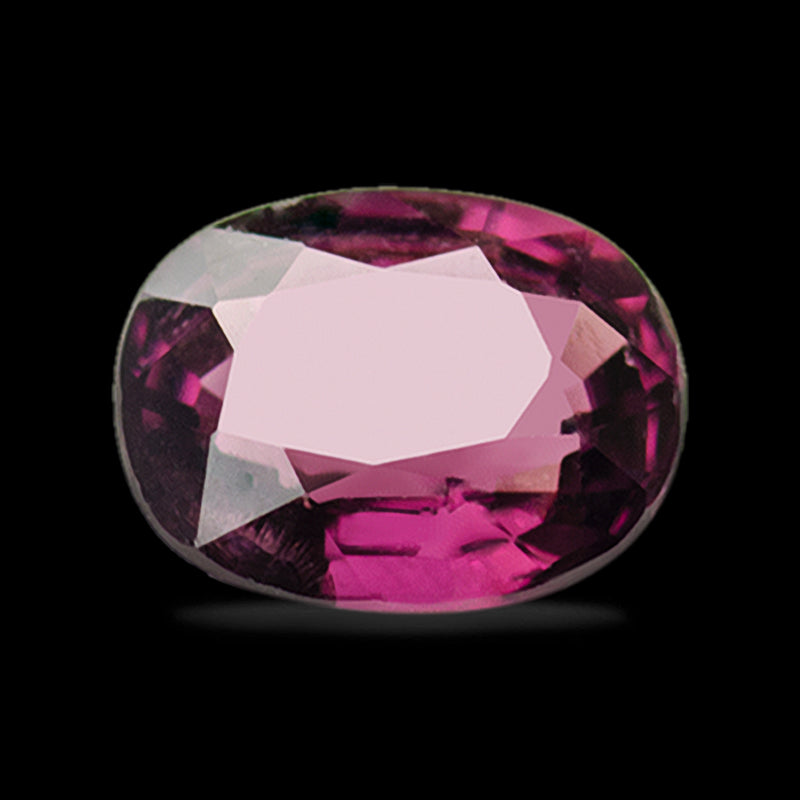
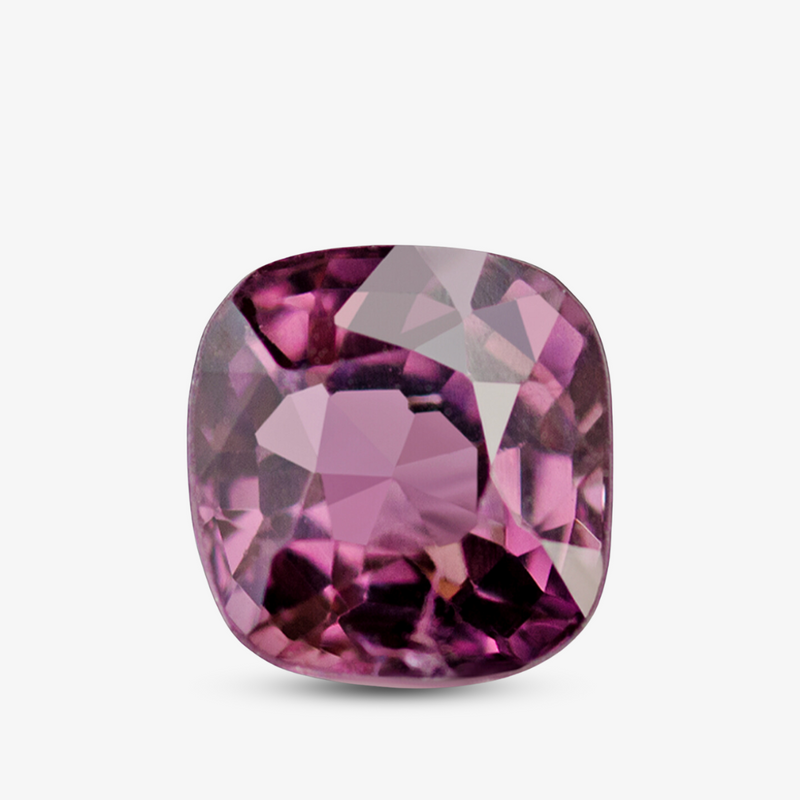
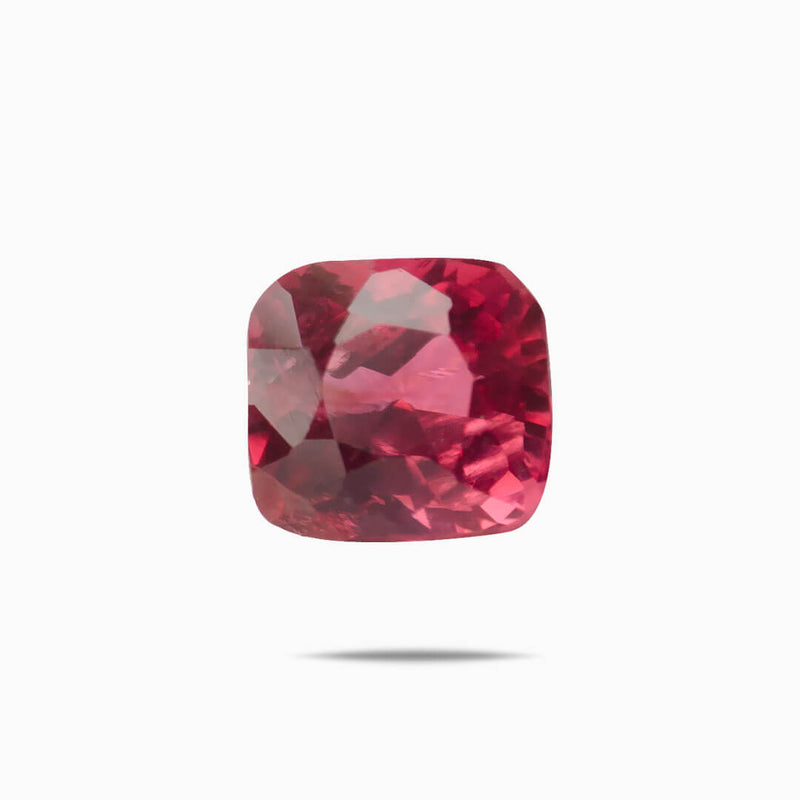
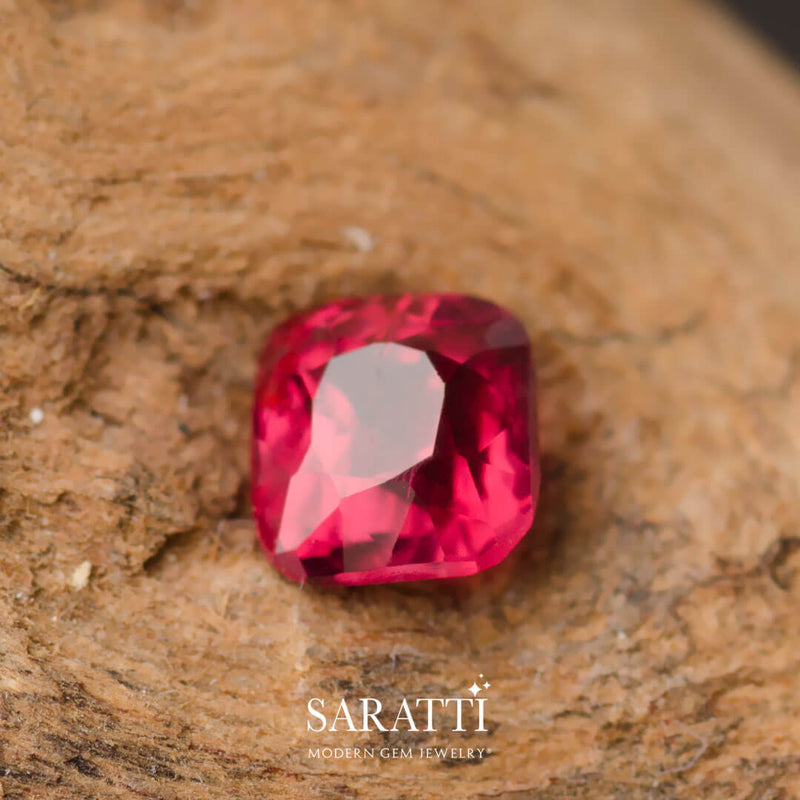
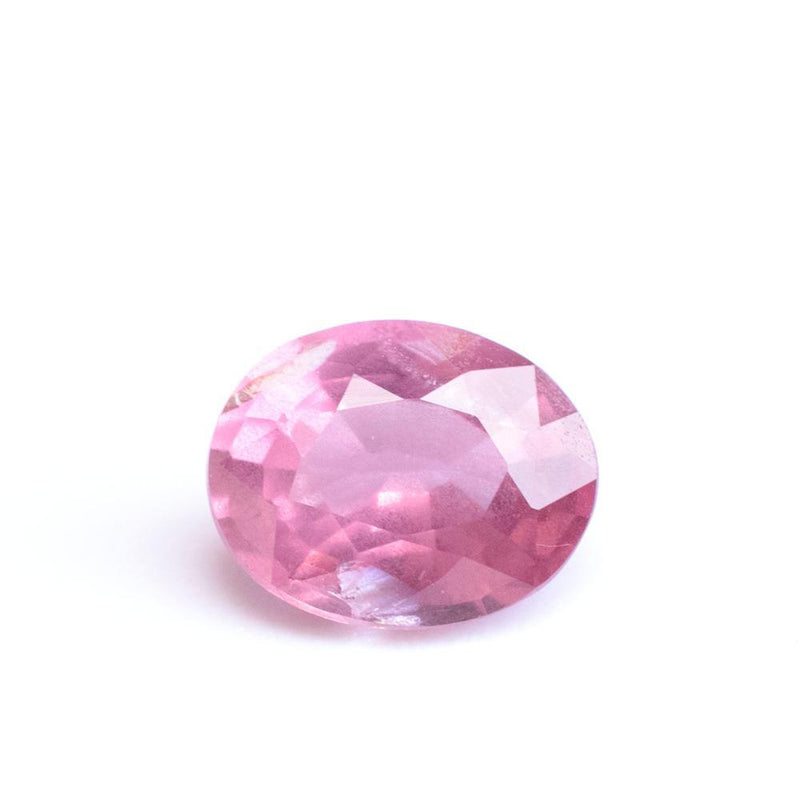
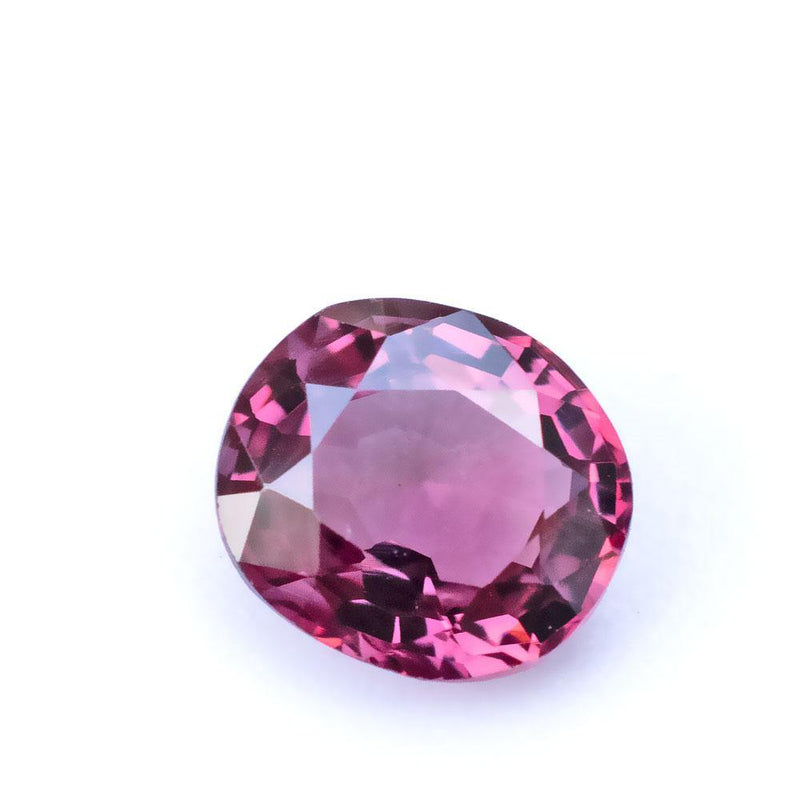
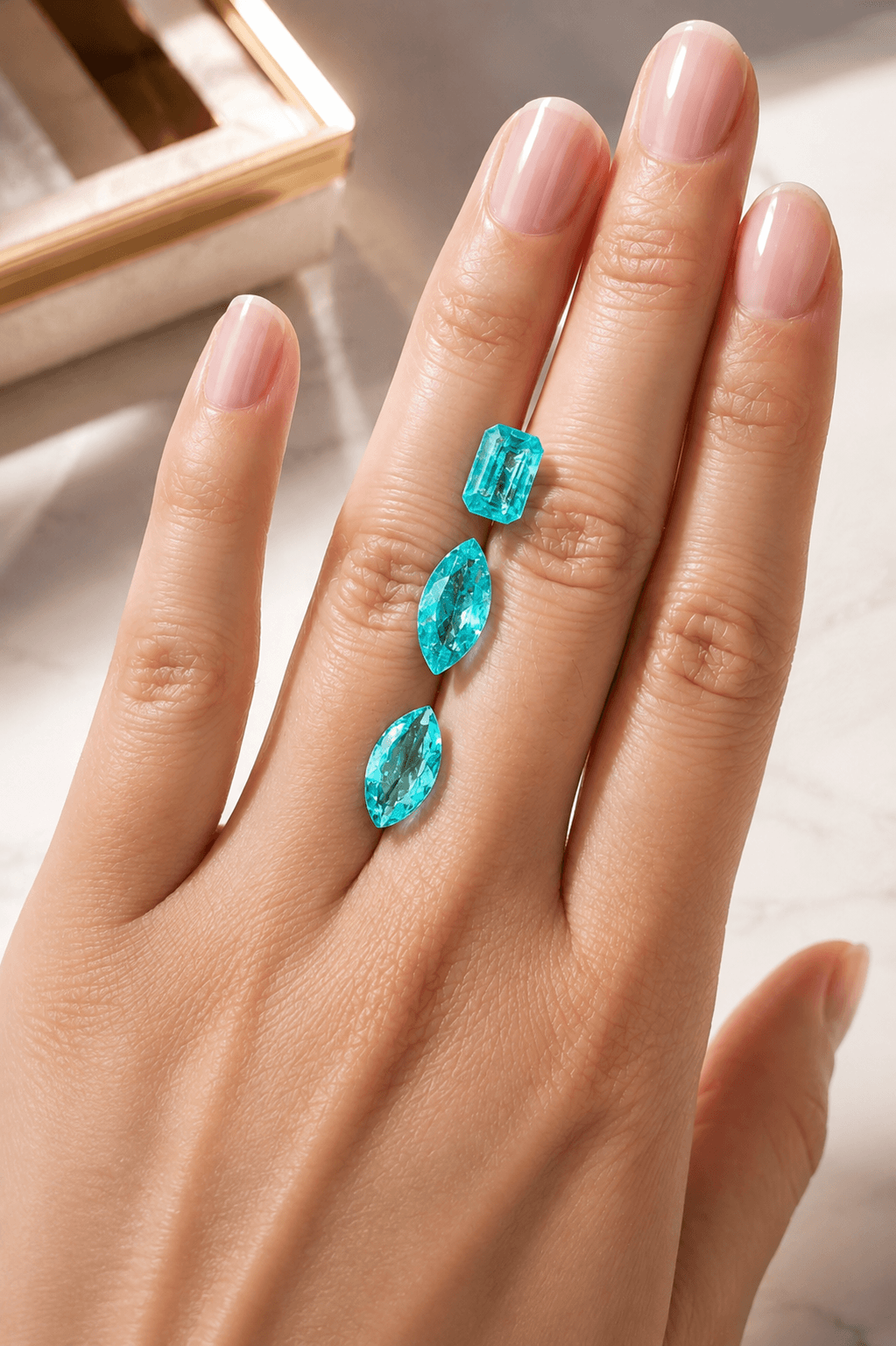
Hot pink and vivid pink from Burma and Tanzania are among the most brilliant pinks in gemmology.
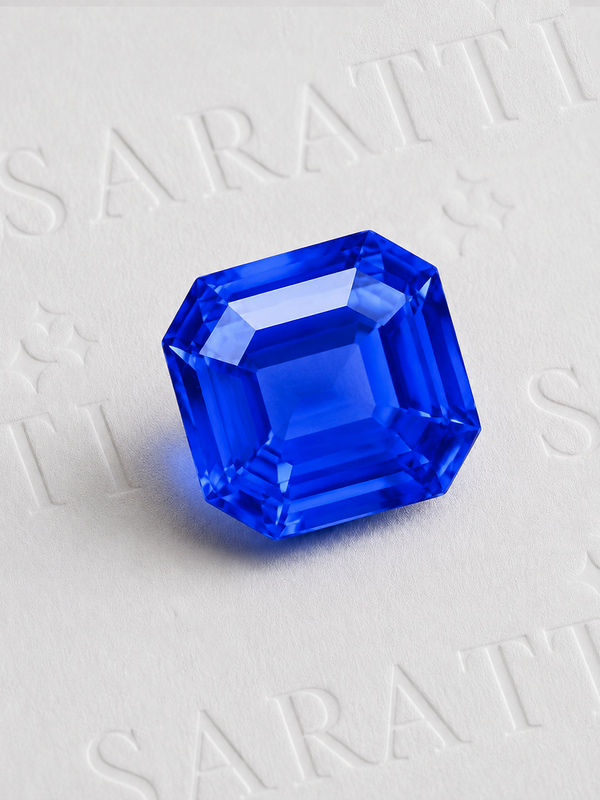
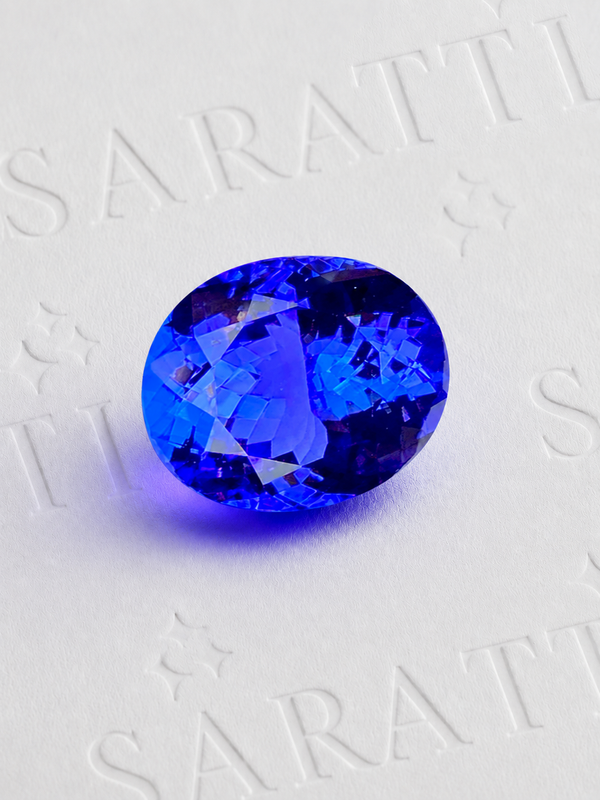
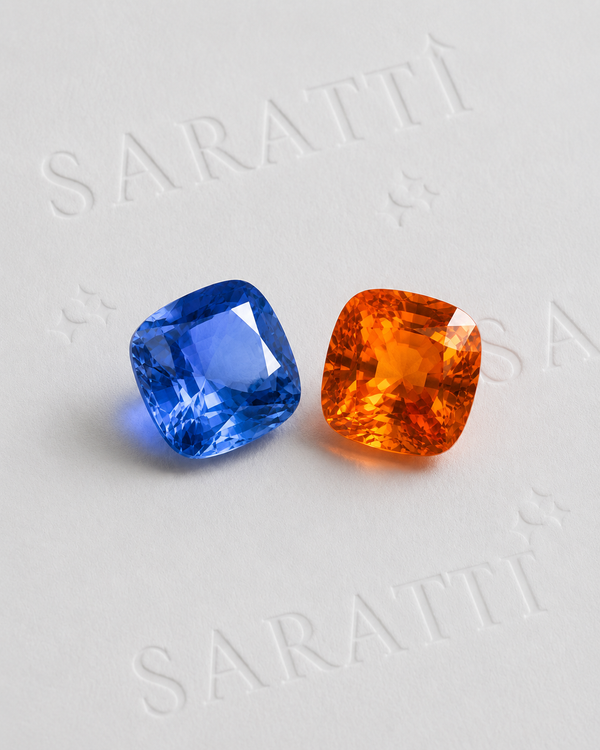
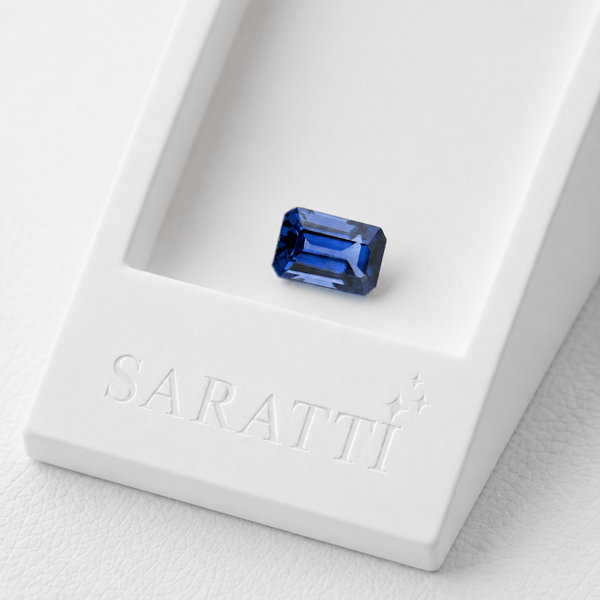
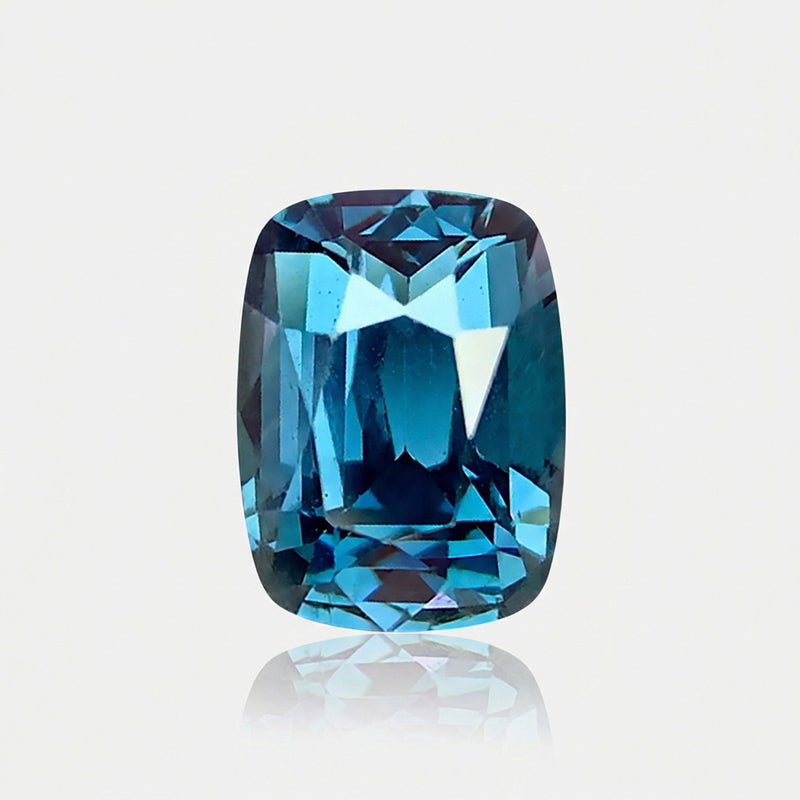
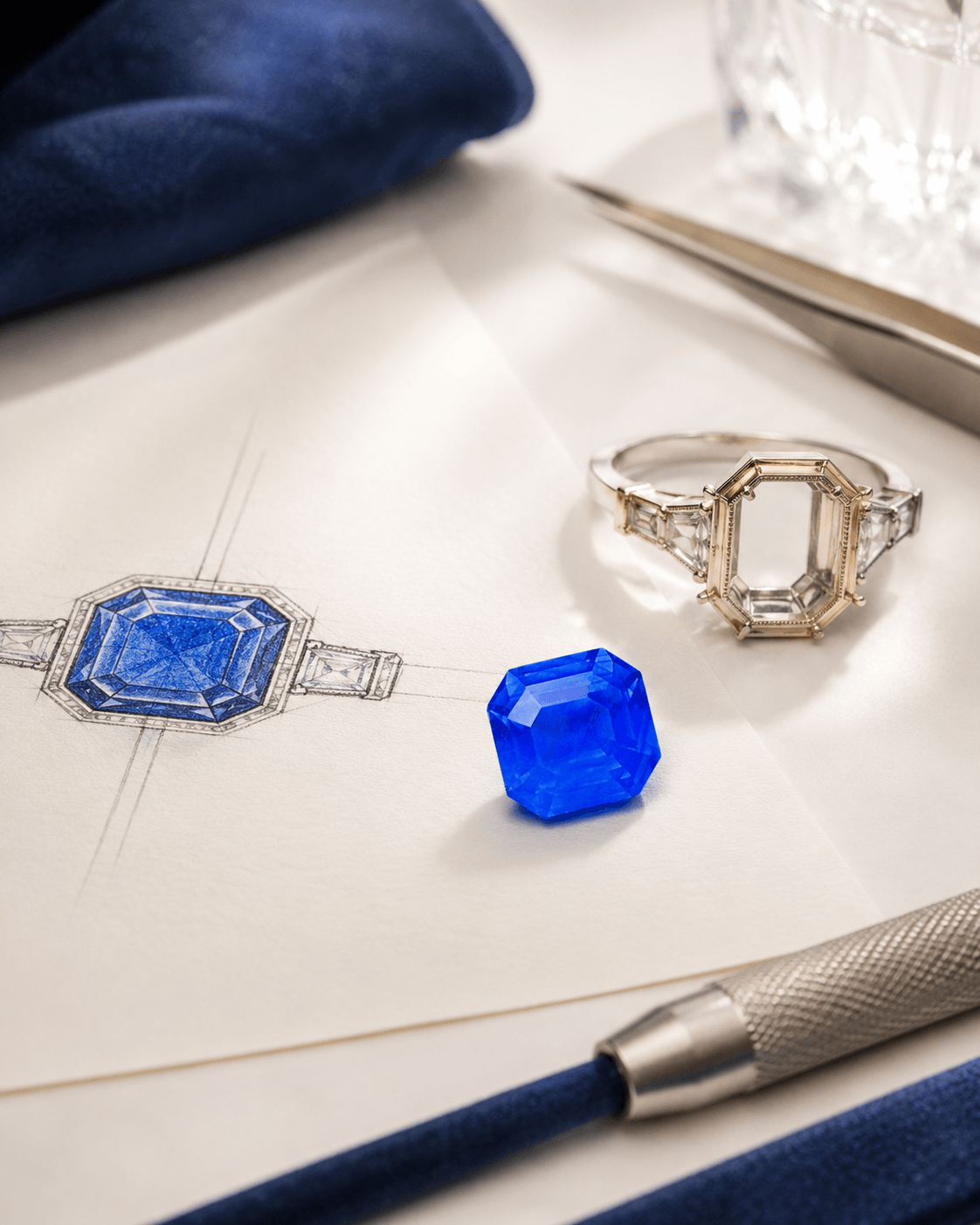
Cobalt blue is the rarest and, at fine quality, the most expensive spinel of all. Coloured by cobalt rather than iron, it shows an electric, saturated blue found almost nowhere else — chiefly Luc Yen in Vietnam and Mahenge in Tanzania. Fine cobalt spinel above two carats reaches prices that surprise people who still think of spinel as inexpensive.
Mahenge material from Tanzania, discovered in 2007, produced a neon pinkish-red that caused a genuine sensation in the trade.
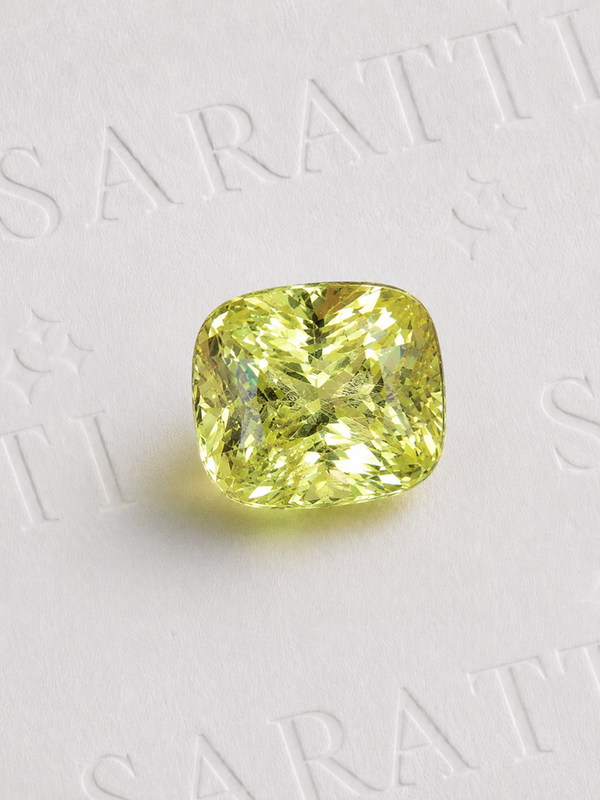
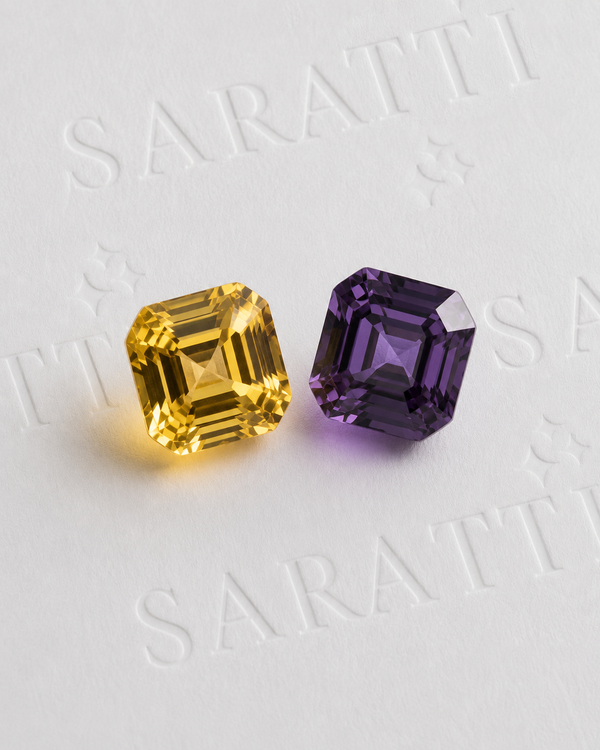
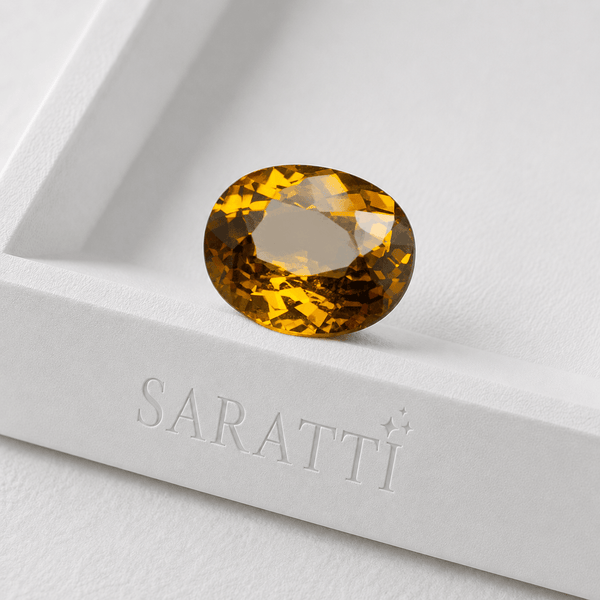
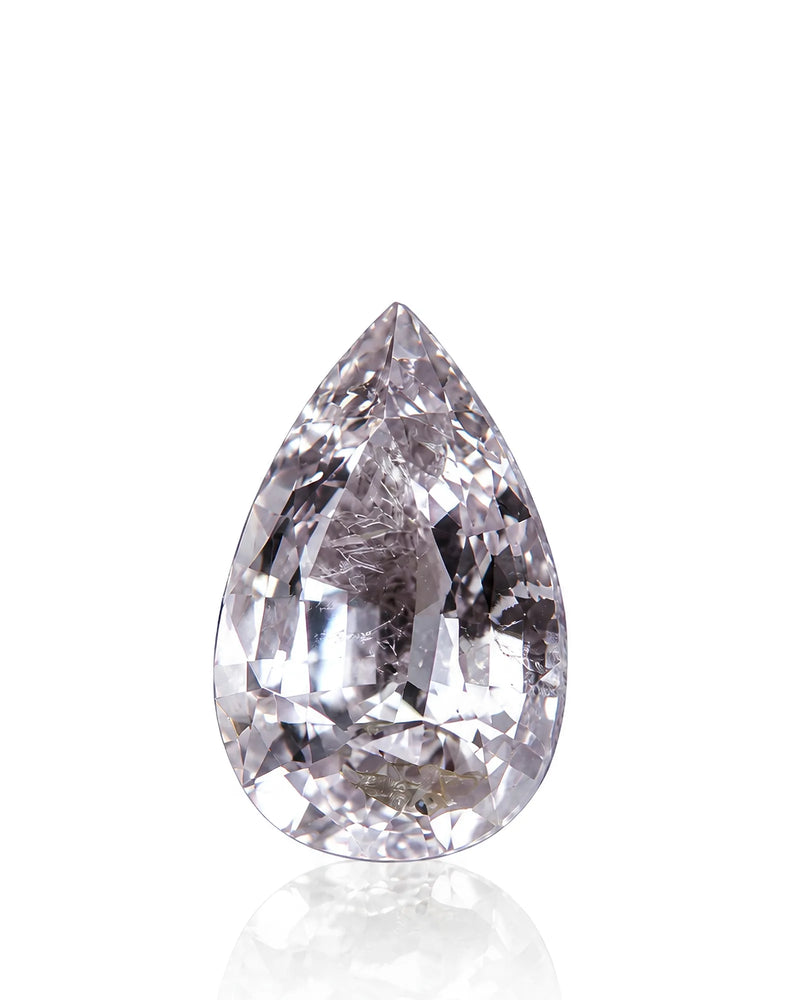
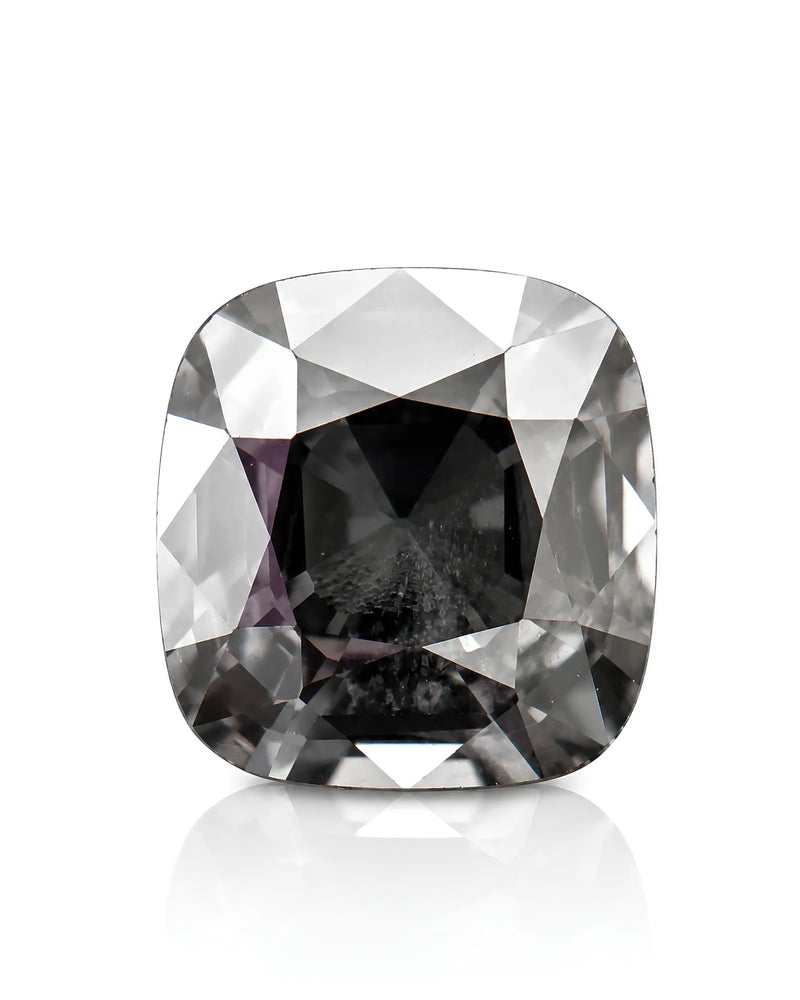
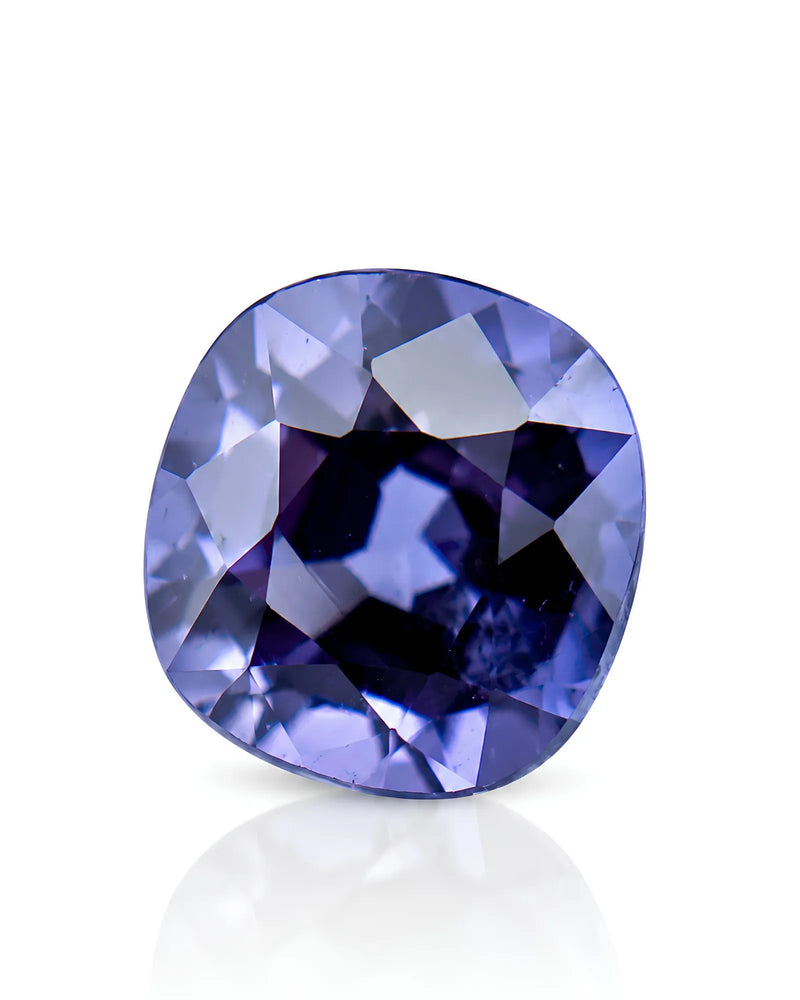
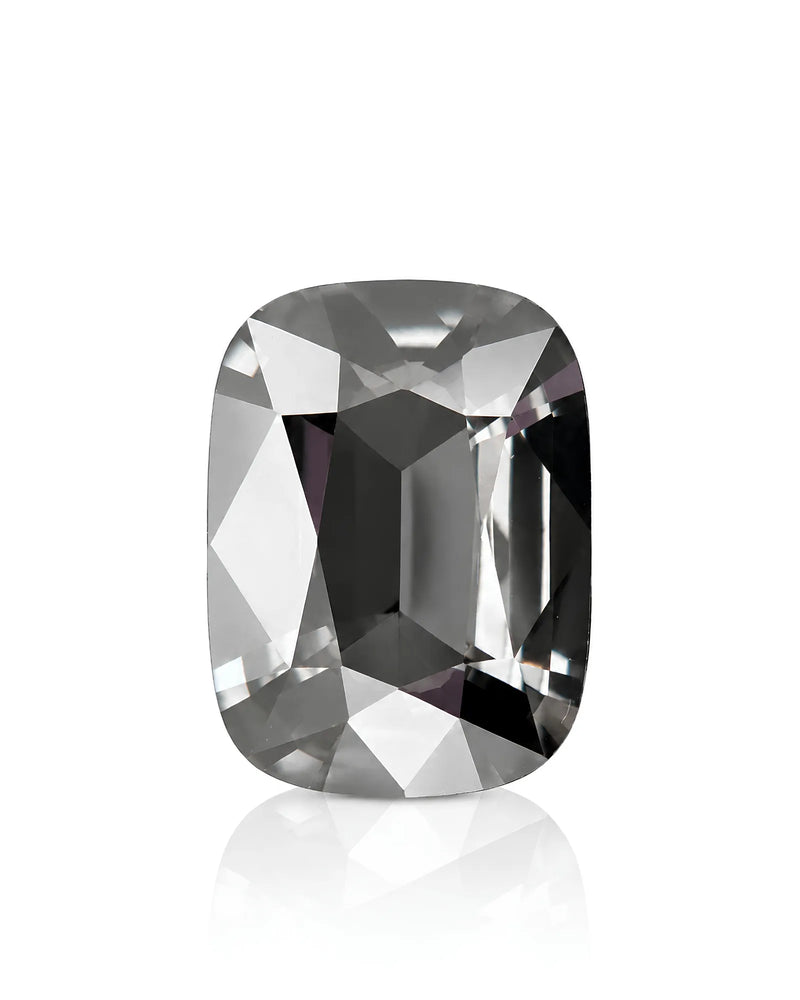
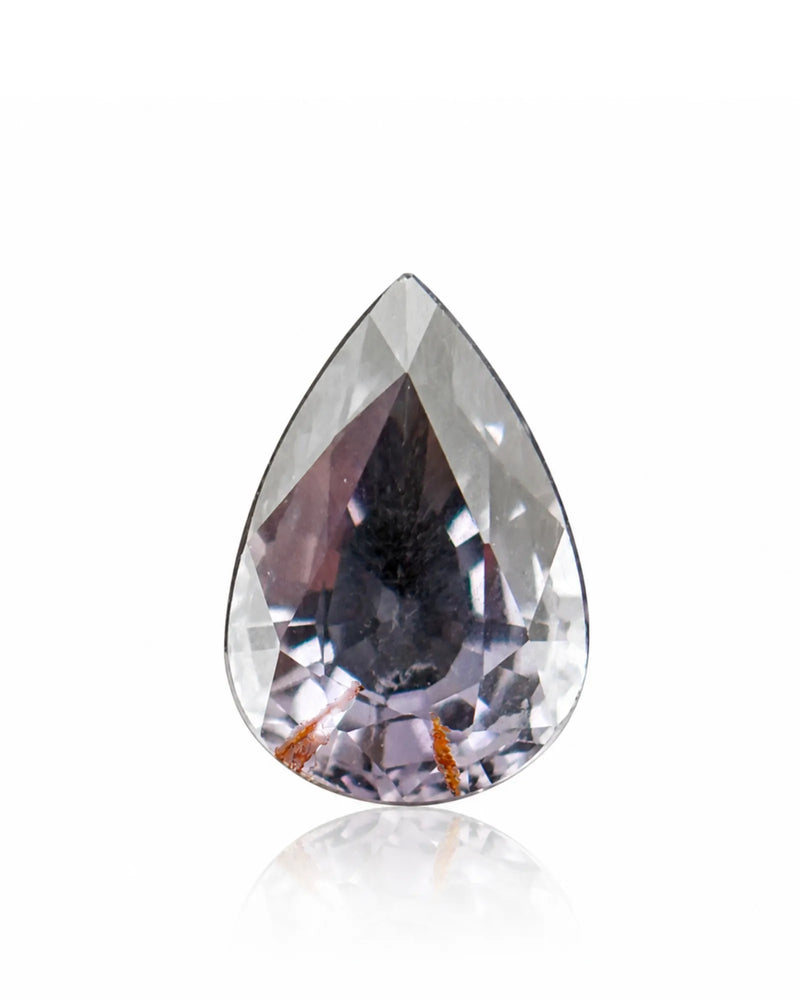
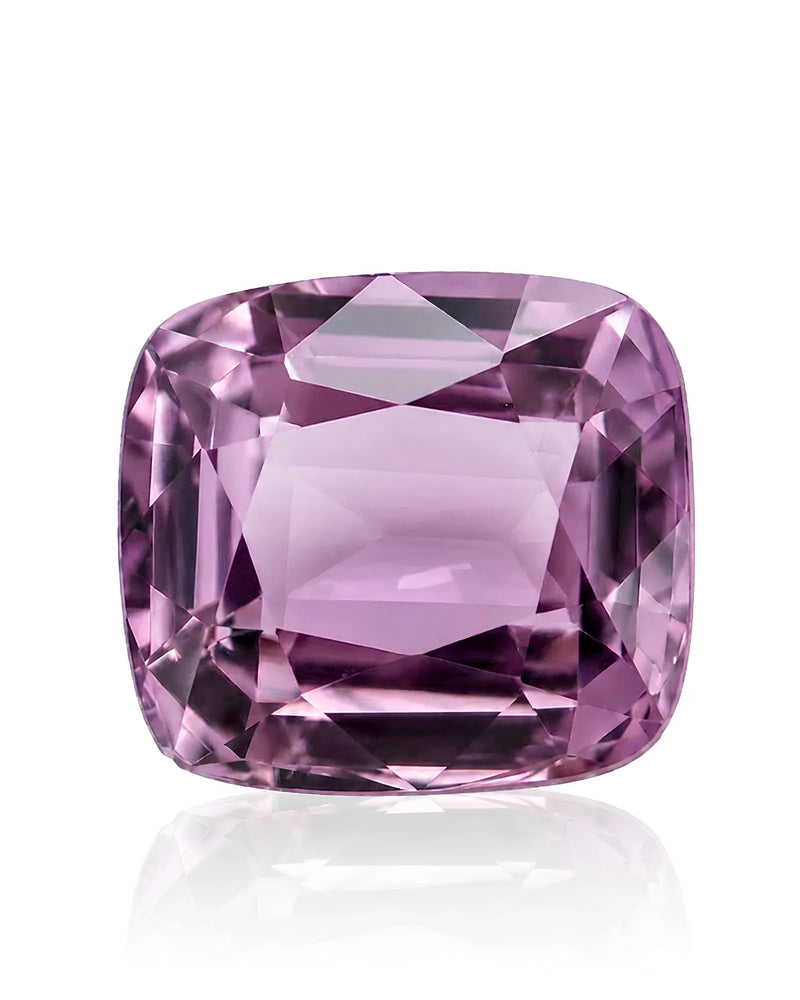
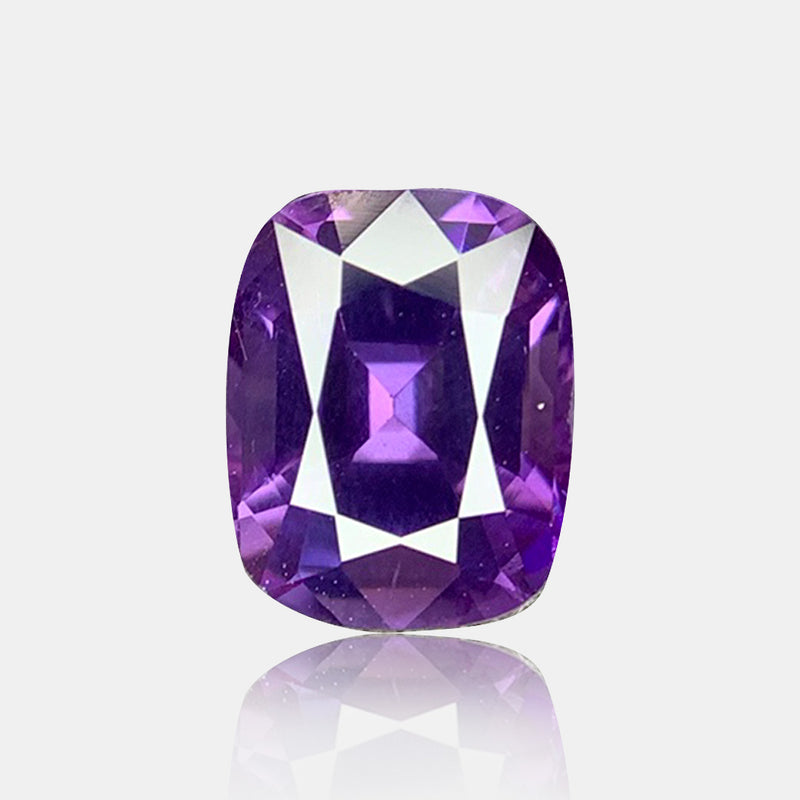
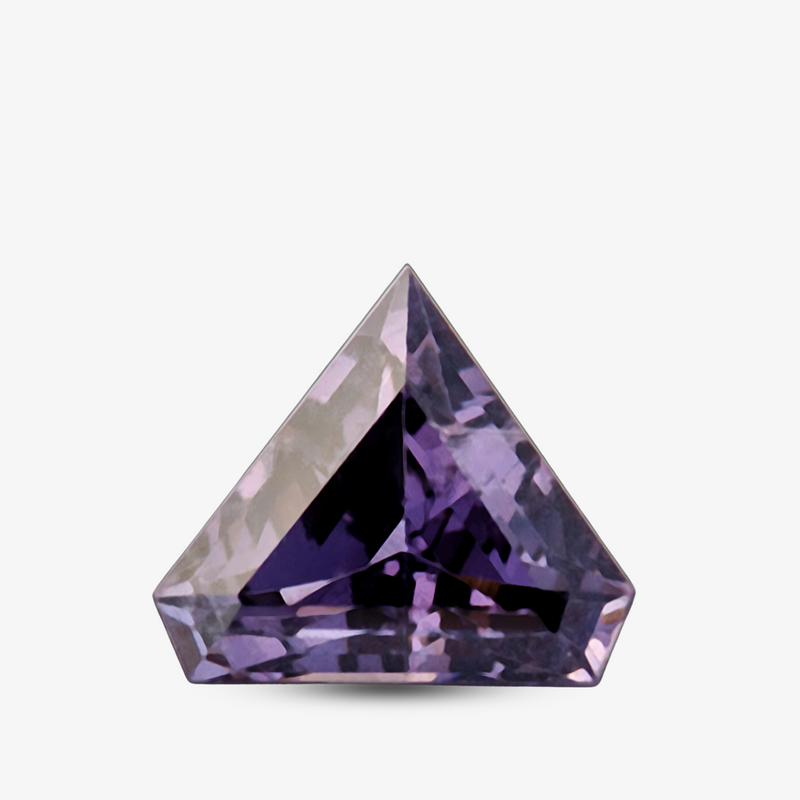
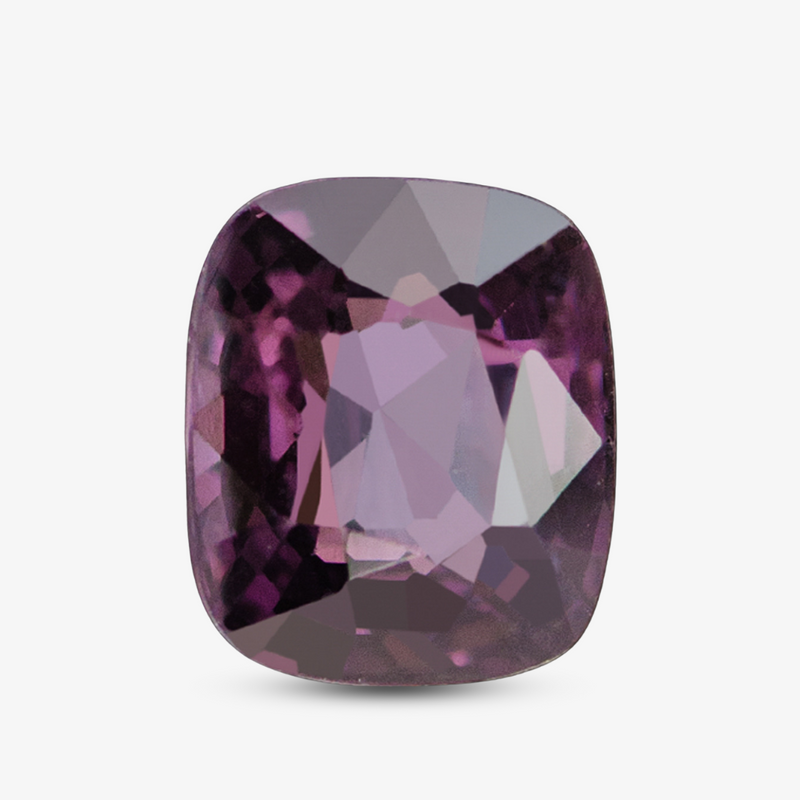
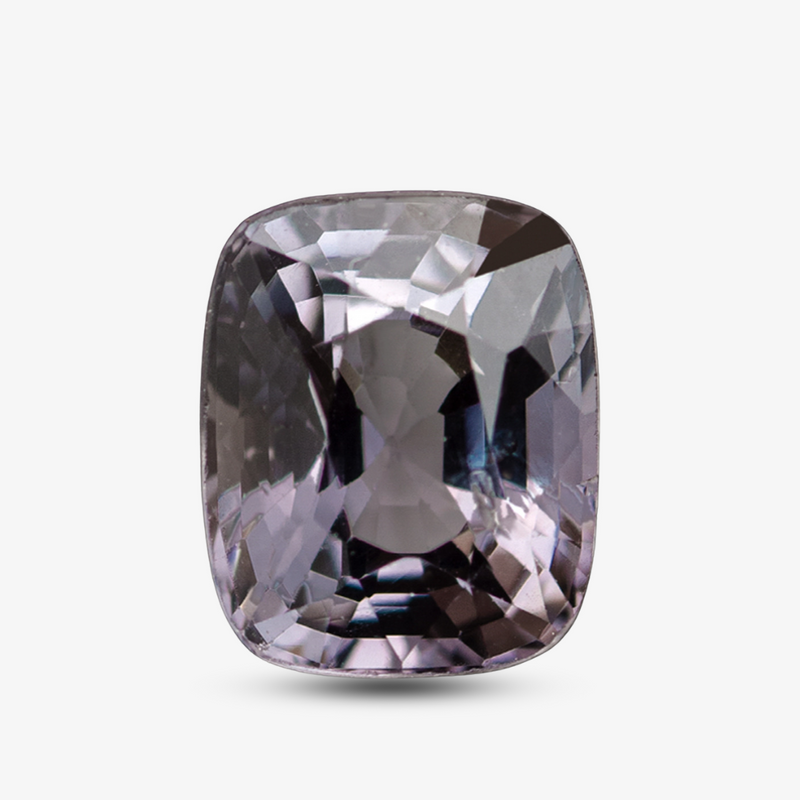
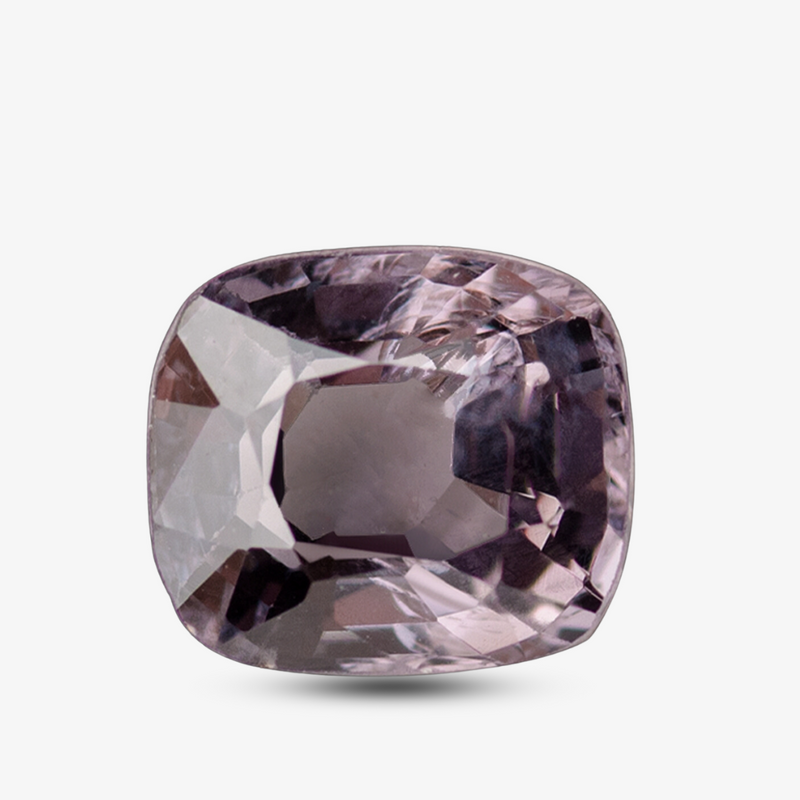
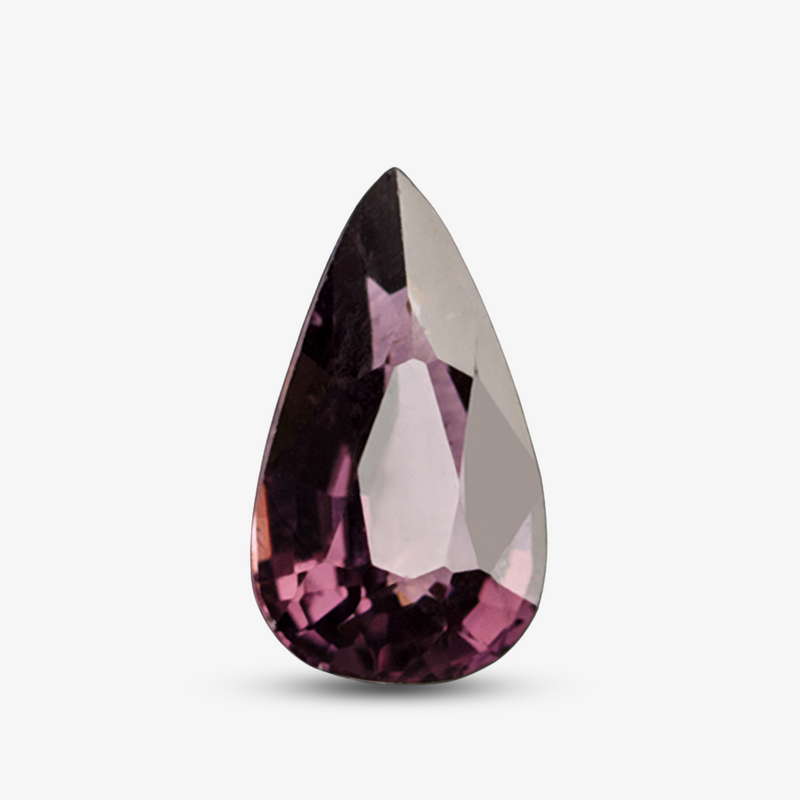
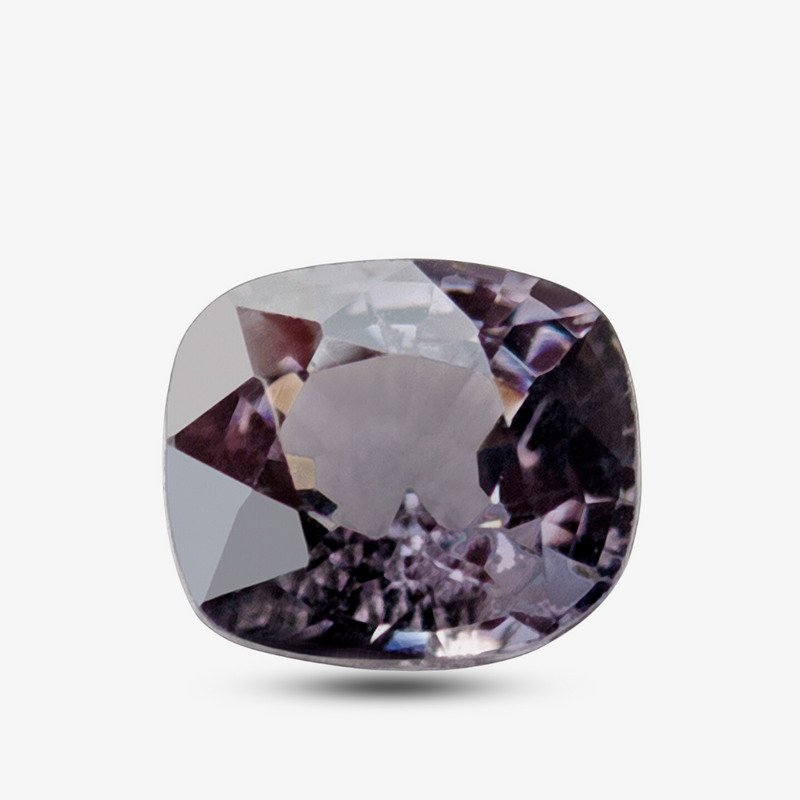
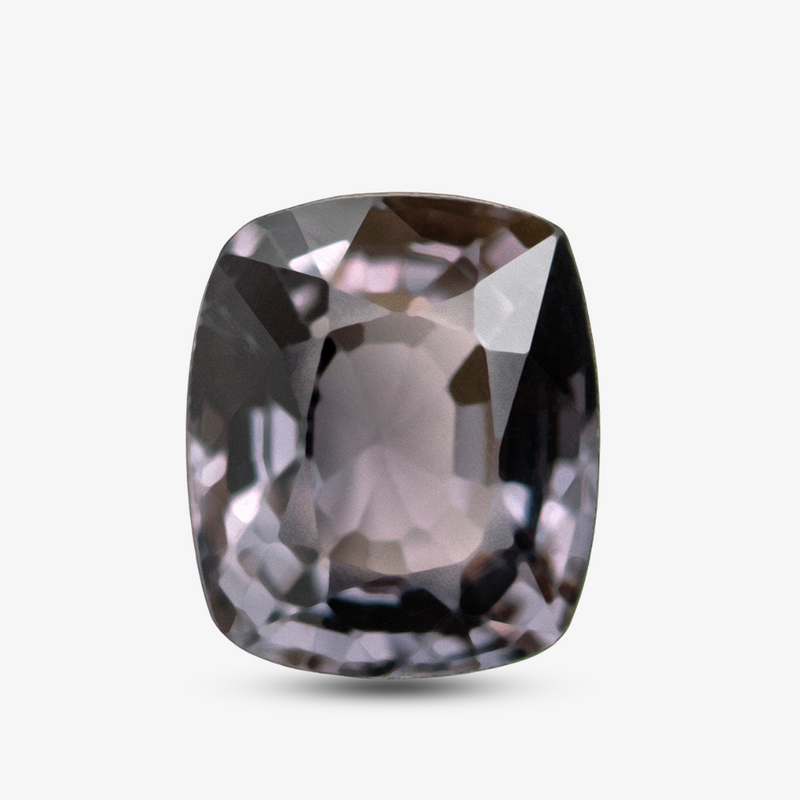
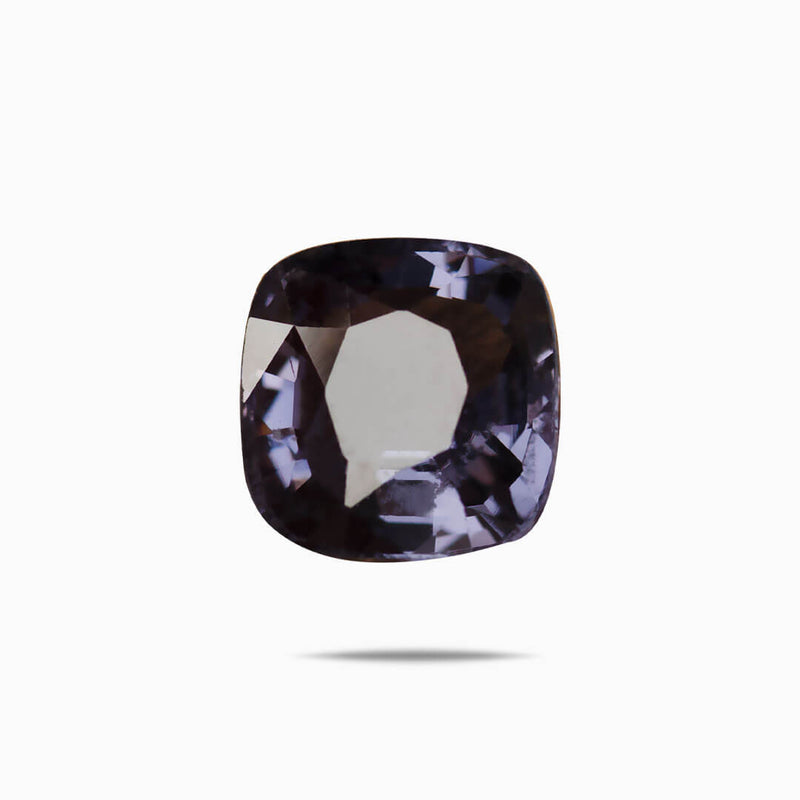
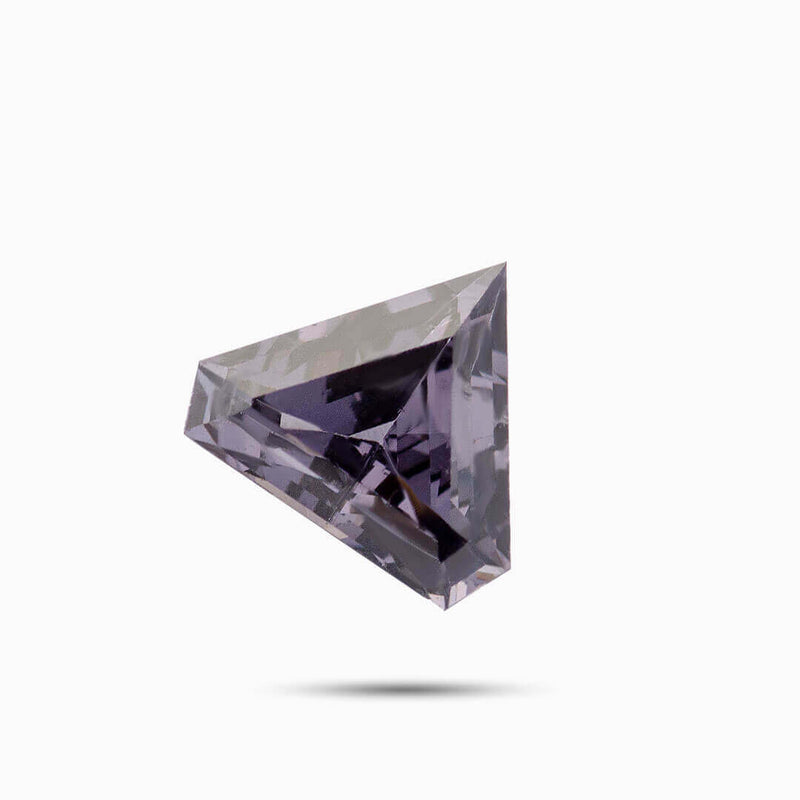
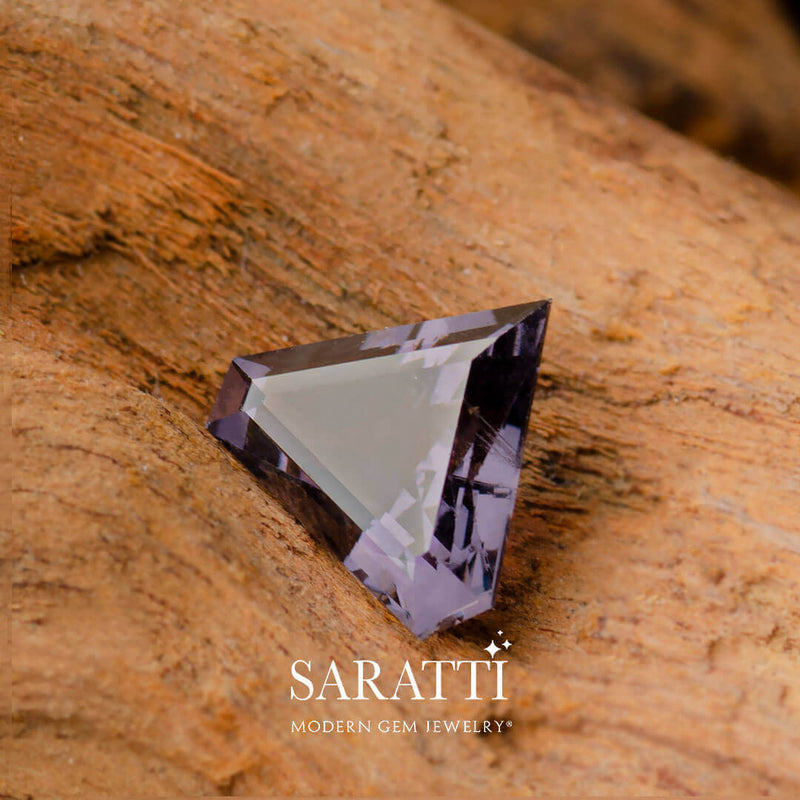
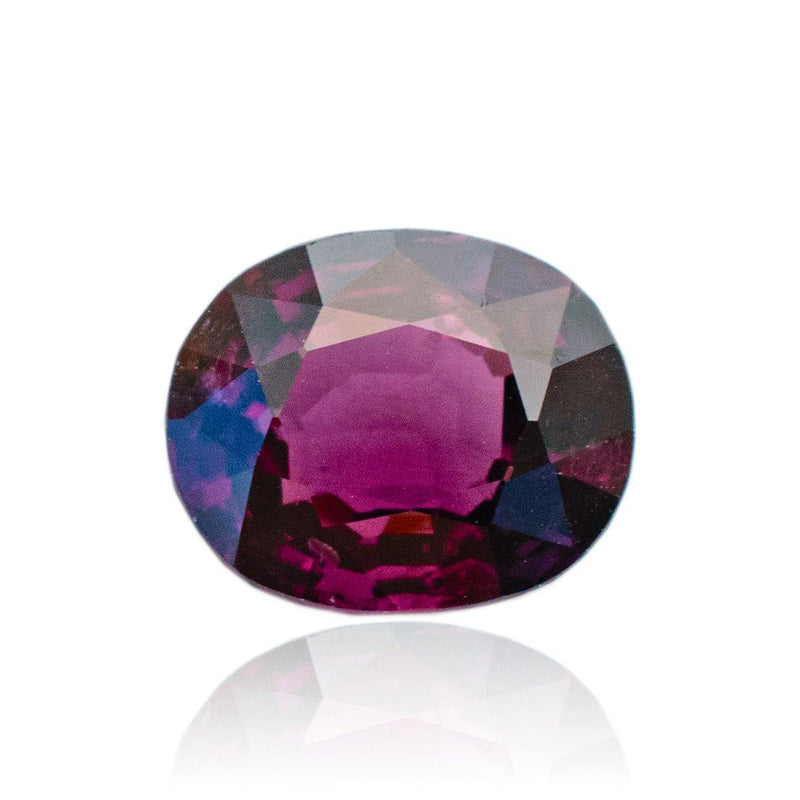
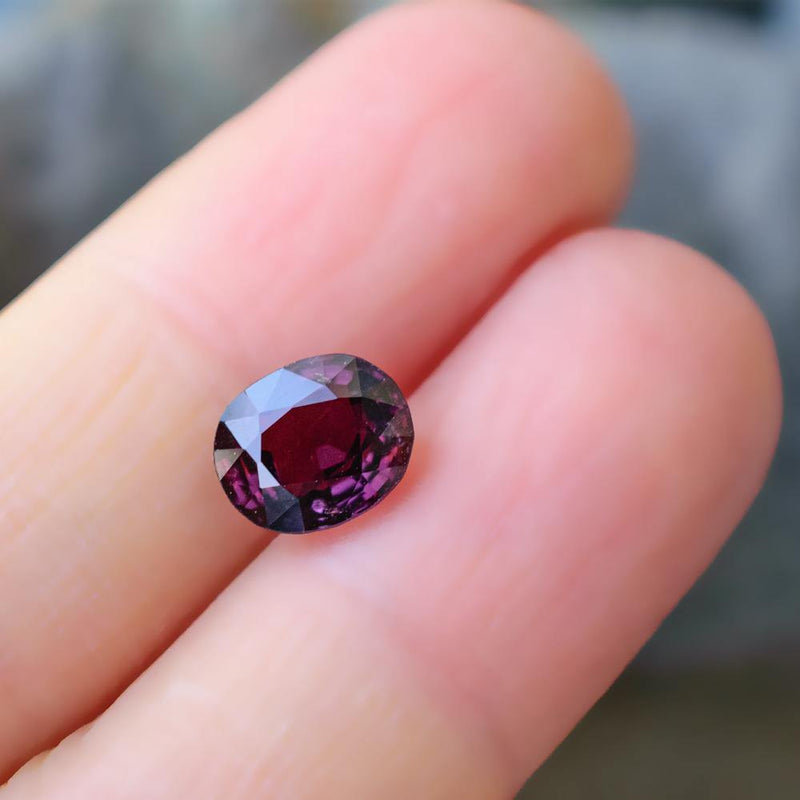
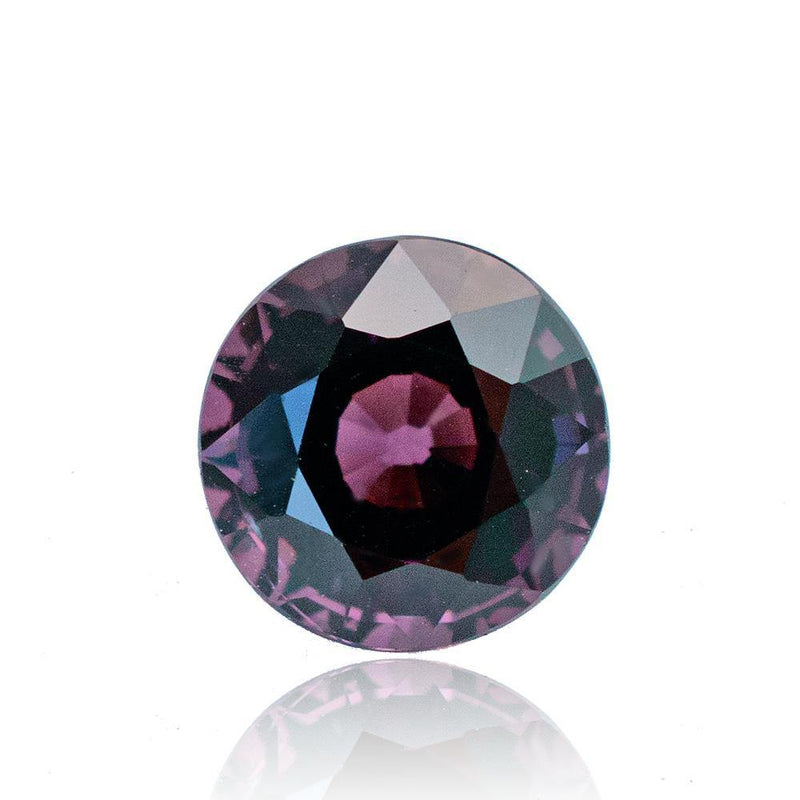
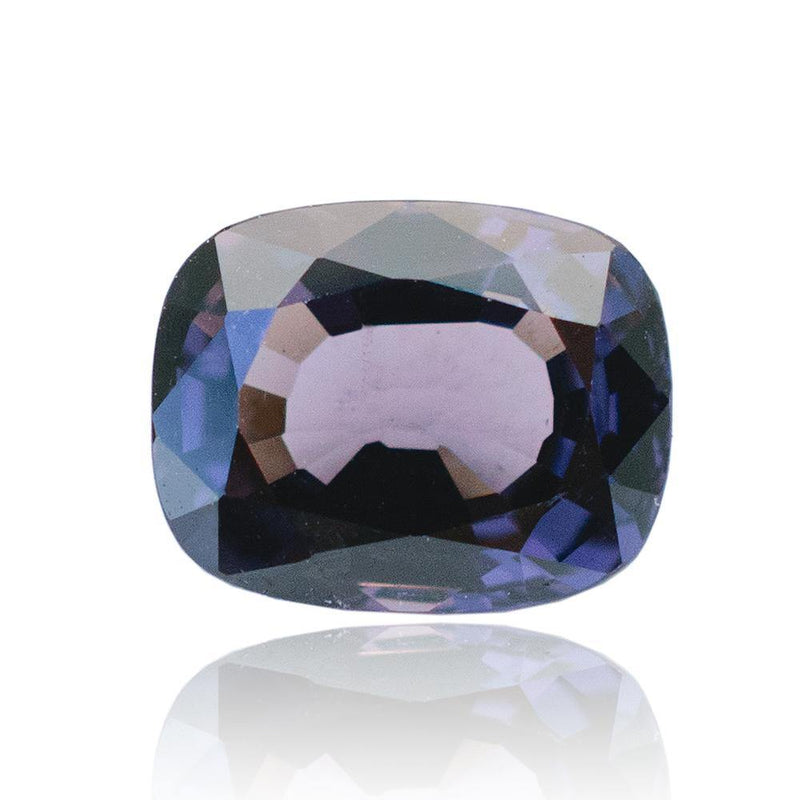
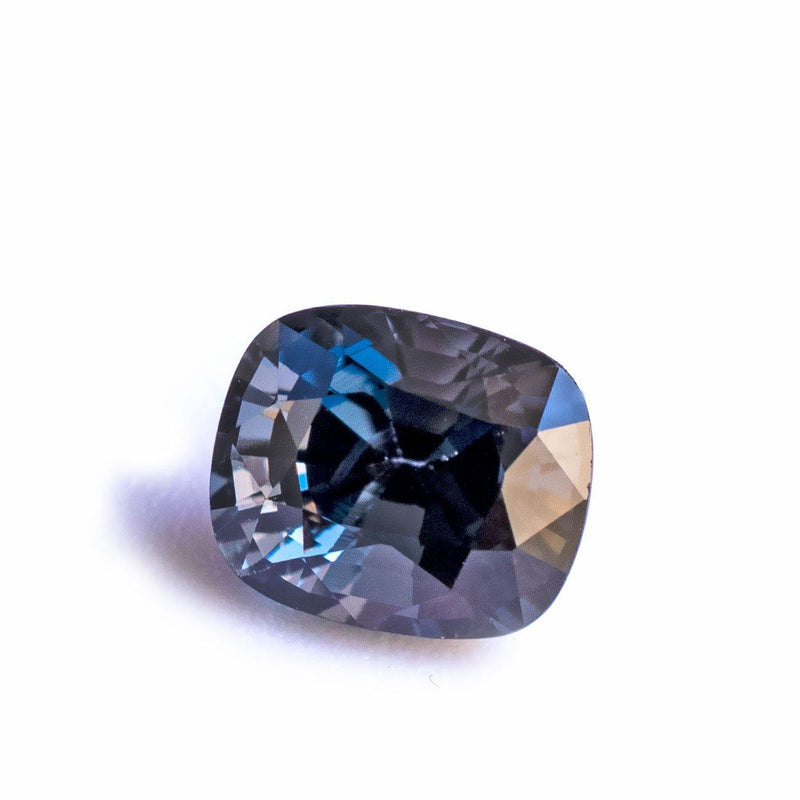
Grey, lavender, purple, mauve and steel blue spinels have become collectable in their own right over the last decade, prized precisely because they are subtle. The greys in particular have a following that would have baffled the market thirty years ago.
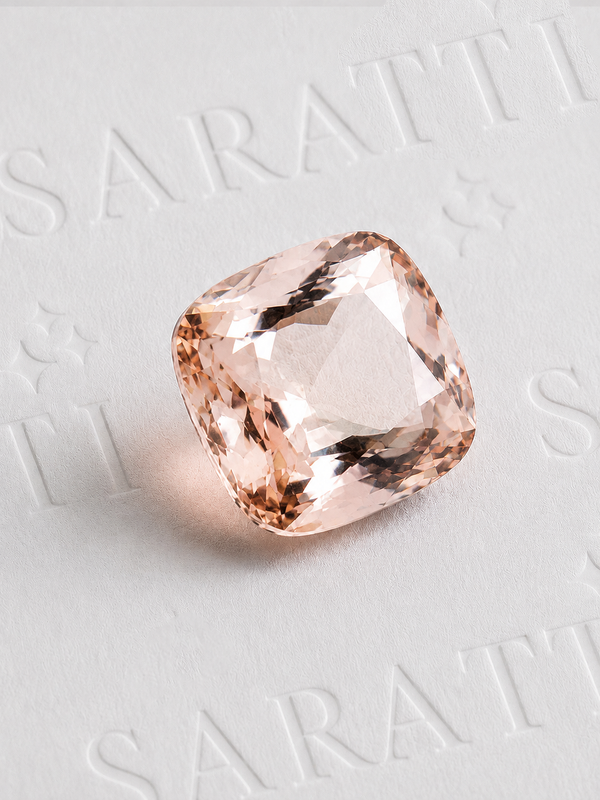
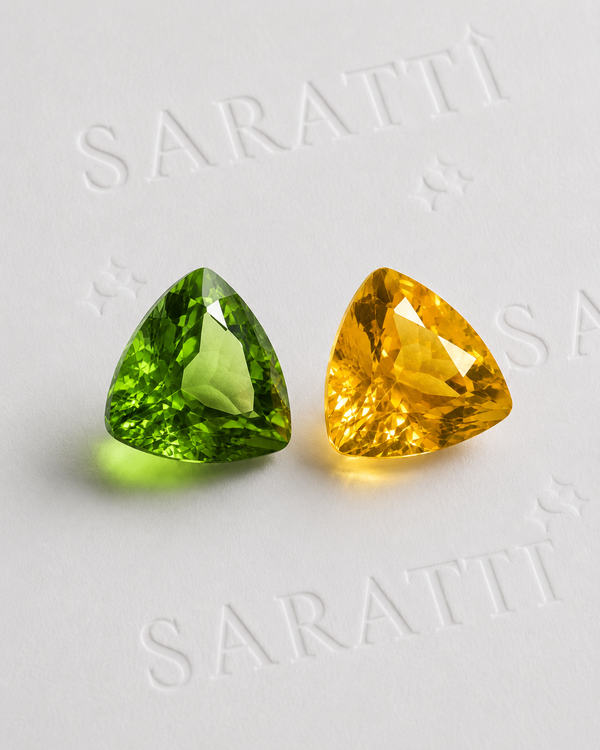
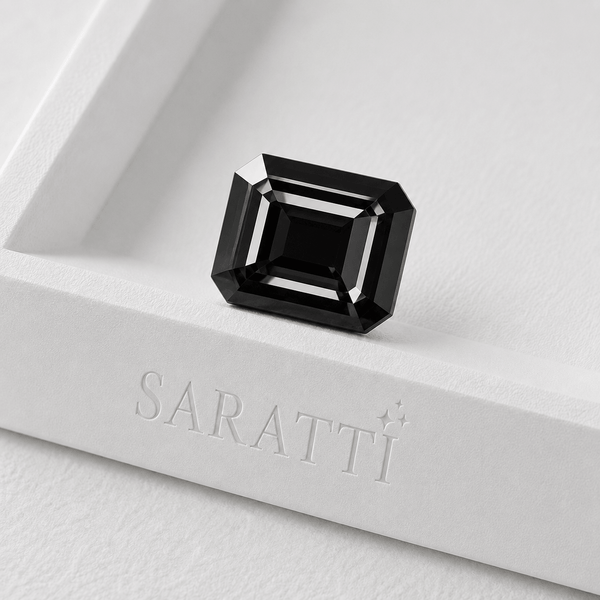
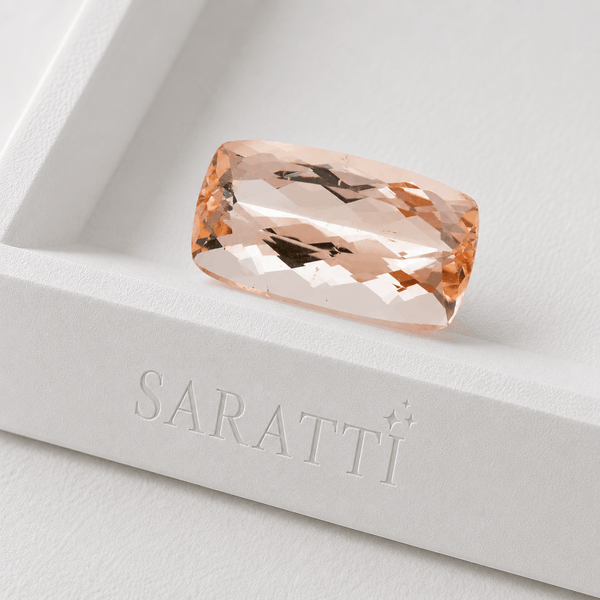
Orange, peach and colourless material also occurs. Black spinel is common and used mostly in beads.
Our note on the different colours of natural spinel goes through the range with examples, and exploring the spectacular colours of spinel covers the newer collectable tones.
The Untreated Argument
Here is the reason spinel has been reappraised, and it is a strong one.
Spinel is almost never treated. The overwhelming majority reaching the market has had nothing done to it — no heat, no oil, no irradiation, no diffusion, no filling. What you are looking at is the colour the earth produced.
Set that against the alternatives. Most ruby is heated. Most sapphire is heated. Nearly all emerald is oiled or resin-filled. Almost all blue topaz is irradiated. Almost all tanzanite and aquamarine are heated. In that context, an untreated fine red spinel is an unusual proposition: a stone of real quality that requires no disclosure conversation at all.
A very small amount of spinel is heated, and cobalt-diffused material has appeared, which is why a report matters on an expensive blue. But as a general rule, spinel is what it appears to be, and we would state it if a treatment were detected. Our full standard is in how SARATTI grades gemstones.
Clarity, Cut and Optics
Spinel is a Type II gemstone, expected to be reasonably clean, and good material frequently is. Fine spinels are often cleaner than rubies of comparable quality from the same deposits, which is one of the practical advantages of buying spinel over ruby.
Spinel is singly refractive — it belongs to the cubic system, like diamond and garnet. This has a real consequence for how it looks: there is no double refraction to soften facet edges and no pleochroism to manage, so the facet junctions read crisp and the colour is the same from every direction. A well-cut spinel has a clean, bright quality that doubly refractive stones cannot quite reproduce.
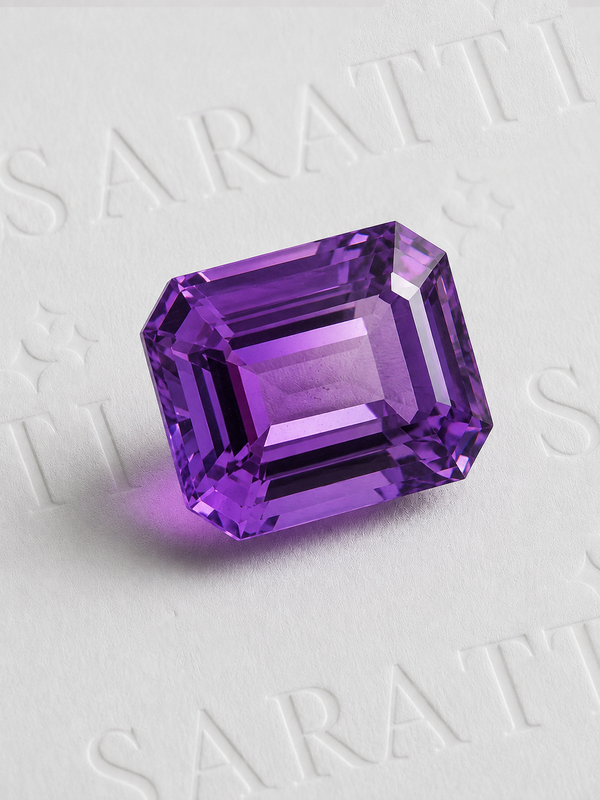
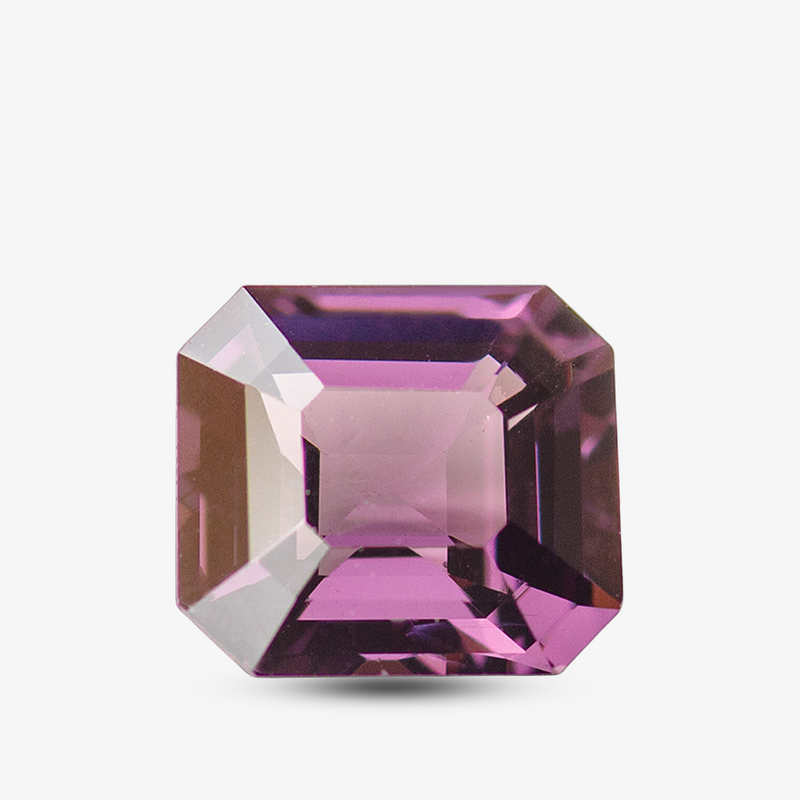
It also gives the cutter freedom. Without pleochroism there is no orientation compromise, so spinel is cut for beauty rather than for colour management — cushions and ovals dominate, and octagonal step cuts suit the material well.
Spinel crystallises as octahedra, which is where the name is thought to come from: spina, Latin for thorn, describing the pointed crystal.
Durability
8 on the Mohs scale, with no cleavage.
That combination puts spinel among the most practical coloured gemstones for daily wear. It is harder than emerald, tourmaline, tanzanite, garnet and topaz, and unlike topaz it has no plane along which it will split. Only corundum and diamond outrank it in common use.
Clean with warm soapy water and a soft brush. Spinel generally tolerates an ultrasonic cleaner, though as with any stone we would avoid it on material with a reaching fracture. Store separately so sapphire and diamond cannot scratch it.
For an engagement ring or a piece worn every day, spinel is a genuinely sensible choice, and it is one of the few coloured stones we recommend for that purpose without adding caveats.
Star Spinel and Other Phenomena
Spinel produces phenomena of its own, though they are far less common than in corundum.
Star spinel occurs where oriented inclusions are dense enough to return a ray from a cabochon. Unlike the six-rayed stars typical of sapphire and ruby, spinel more often produces a four-rayed star, and six-rayed examples are rare enough to be collectors' pieces.
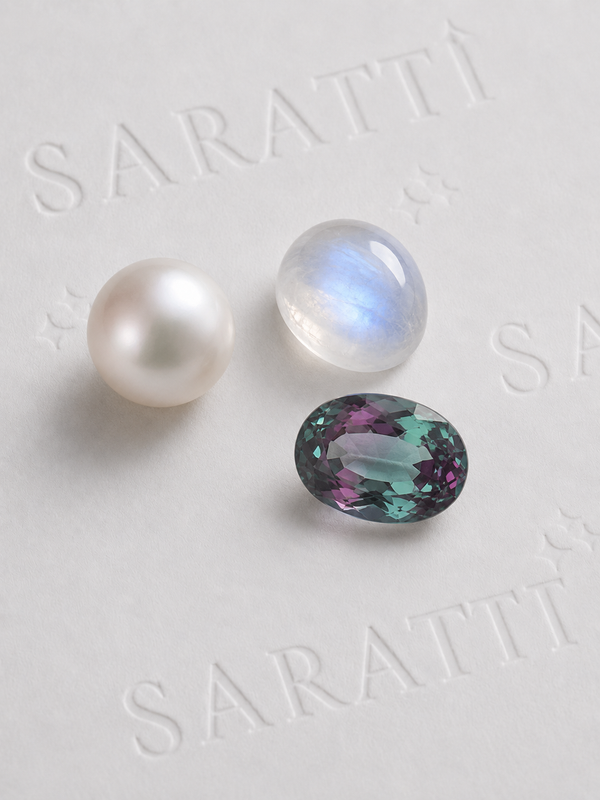
Colour-change spinel exists, shifting from a bluish or greyish tone in daylight toward purple or violet under warm light. It is uncommon and not widely known, which makes it one of the better-value curiosities available.
Some spinel also fluoresces a strong red under ultraviolet, a chromium effect it shares with ruby — and, historically, one more reason the two were mistaken for each other.
Synthetic Spinel, and the Rings in the Drawer
A great many people have inherited a piece of synthetic spinel without knowing it, and the reason is a hundred-year-old industrial accident.
The Verneuil flame-fusion furnace was developed at the turn of the twentieth century to grow synthetic ruby, and it worked. Attempts to extend it to blue sapphire by adding cobalt did not: the melt kept producing a different mineral. What was coming out was synthetic spinel, and once the makers understood what they had, they found it took colouring agents readily and grew with fewer curved growth lines than synthetic corundum.
From the 1920s onward it was manufactured in dozens of shades and used as an inexpensive imitation of aquamarine, blue zircon, peridot, tourmaline and blue sapphire. It became the standard stone in class rings, school pins and inexpensive birthstone jewellery for most of the century. Very little of it was ever sold as spinel.
A laboratory separates it easily. Flame-fusion spinel is grown with more alumina than the natural mineral contains, which raises its refractive index slightly, and the resulting internal strain shows as a distinctive cross-hatched pattern between crossed polarising filters. Natural spinel does not show it. This is worth knowing chiefly because the history explains an unhelpful reputation: the word spinel meant a cheap synthetic to two generations of buyers, and the natural stone has spent twenty years recovering from an association it never earned.
What Changed in 2016
The addition of spinel to the August birthstones in 2016, alongside peridot and sardonyx, was the visible end of a longer reappraisal rather than the start of one.
Several things had converged. The Mahenge find of 2007 put a colour into the market that nobody had seen before. Cobalt blue material from Luc Yen and later Tanzania established that spinel could reach prices previously reserved for corundum. Collectors and gemmologists had been arguing the case on the merits — untreated, hard, singly refractive, cleaner than ruby — for a decade. And August had a practical problem: peridot alone gave the month a single colour and a limited price range, where most months offer a choice.
Birthstone lists are a trade convention rather than a gemmological fact. What the 2016 change records is that a stone the market had discounted for two centuries because of its history was finally being assessed on what it is.
Origin
Burma (Myanmar) — Mogok and Namya — is the historic source and still produces the finest reds and hot pinks.
Tanzania — Mahenge and Tunduru — is the most important modern source, responsible for the neon pinkish-reds and for much fine cobalt material.
Vietnam — Luc Yen — produces the cobalt blues and fine pinks. Sri Lanka yields a broad range including many of the collectable greys and lavenders. Tajikistan, Afghanistan and Madagascar all contribute.
Origin carries less weight in spinel than in ruby, though Burmese and Mahenge material do attract a premium. Colour and clarity remain the dominant factors.
Price, and Where the Value Is
Spinel occupies an unusual position. Fine red spinel costs a fraction of fine ruby of comparable colour and size — often a small fraction — while being untreated, comparably durable and frequently cleaner. For a buyer who wants a red stone judged on its merits rather than on its name, it is one of the strongest arguments in coloured stones.
At the top, though, spinel is no longer cheap. Fine cobalt blue and top Mahenge material command serious prices, and the gap between them and ordinary spinel is very wide. The market has caught up with the material, which is what tends to happen once collectors notice something.
Large sizes are obtainable. Ten and twenty carat spinels of good colour exist, at prices that would be impossible in ruby.
Certification
For ordinary spinel, a report is optional.
For anything expensive — fine red, hot pink, and especially cobalt blue — it is worth having. A laboratory will confirm the stone is natural spinel rather than synthetic (spinel has been synthesised since the early twentieth century and is common in costume jewellery and birthstone rings), separate it from ruby and garnet, and detect cobalt diffusion where present.
A report from GIA, GUILD, AIGS, CGRL, GRS or GRC will confirm species, record measurements and weight, and note treatment where detectable. Where you would like a stone reviewed by a particular laboratory, we can arrange it and the fee is passed on at cost.
Choosing a Spinel
Spinel is an August birthstone and the traditional gift for a twenty-second anniversary.
Most people arrive at spinel from one of two directions. Either they wanted a ruby and discovered that spinel offers a comparable red, untreated, at a fraction of the price. Or they are collectors who have worked past the obvious stones and want something with better optics and a better story.
For the first, the advice is to stop thinking of it as a substitute. Judge the stone in front of you. For the second, the grey, lavender and cobalt material is where the interesting collecting is happening now.
Every spinel here is listed individually, with its own photography and its own details.
For the history, our note on the stone that fooled kings covers the ruby confusion, and famous spinel jewellery through history follows the great stones. If you want to compare directly against corundum, our ruby collection is the place, and the red gemstones collection gathers every red stone we hold.
And if what you want is not listed — a cobalt blue, a Mahenge pink, a particular size — only part of what we can reach is shown online. Describe it, and we will go and look.