A Species in Its Own Right
Chrysoberyl is beryllium aluminium oxide, and despite the name it is not a variety of beryl. Beryl is a beryllium aluminium silicate — emerald, aquamarine, morganite. Chrysoberyl is a separate mineral species with a different crystal structure, different optics and markedly different physical properties. The shared syllable is a historical accident of naming and nothing more.
The confusion is worth clearing up first because it leads people to expect beryl behaviour from a stone that has none of it. Emerald is fragile and almost always oiled. Chrysoberyl is one of the toughest, hardest and least treated materials in the coloured stone trade.
It presents to the market in three quite different ways: as ordinary faceted chrysoberyl in yellow and green, as cat's eye chrysoberyl, and as alexandrite. Those three occupy completely different price brackets and attract completely different buyers, but they are the same mineral.
Hardness Without Compromise
Chrysoberyl is 8.5 on the Mohs scale, with no problematic cleavage.
That single line does more for the stone's practical case than anything else on this page. It is harder than topaz, spinel, tourmaline, emerald, tanzanite, garnet and peridot. Only corundum — sapphire and ruby — and diamond outrank it among gemstones in common use.
More importantly, it pairs that hardness with good toughness. Topaz is 8 on Mohs and will split along a perfect basal cleavage. Kunzite is 7 and cleaves in two directions. Chrysoberyl does neither. There is no plane along which an ordinary knock will part it.
The result is one of the small number of coloured stones that can be recommended for daily wear without qualification. A chrysoberyl ring worn every day for thirty years will still have its facet edges and its polish. It tolerates warm soapy water and a soft brush, and generally tolerates an ultrasonic cleaner, though as with any gemstone we would keep material with a reaching fracture out of one. Store it separately so sapphire and diamond cannot mark it.
For a client who wants something unusual that will survive being worn rather than admired, this is among the strongest recommendations in the shop.
Ordinary Chrysoberyl, and Why It Is Underrated
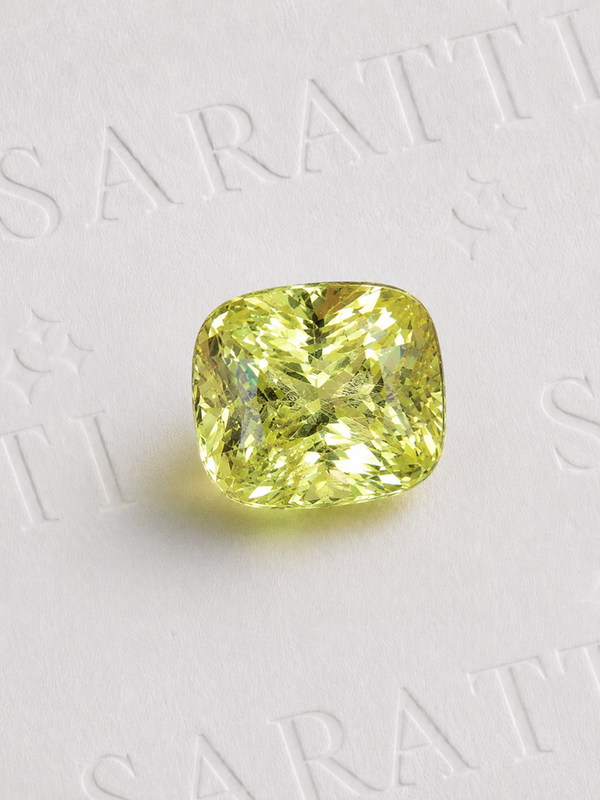
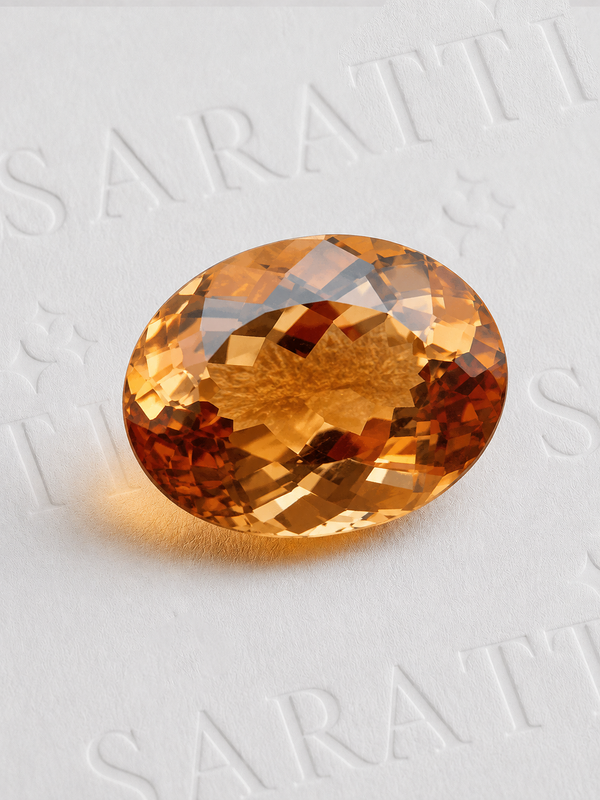
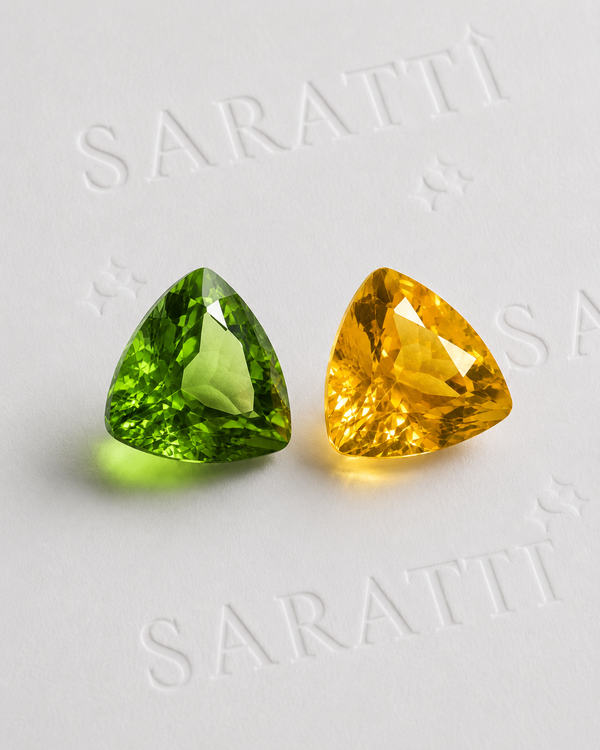
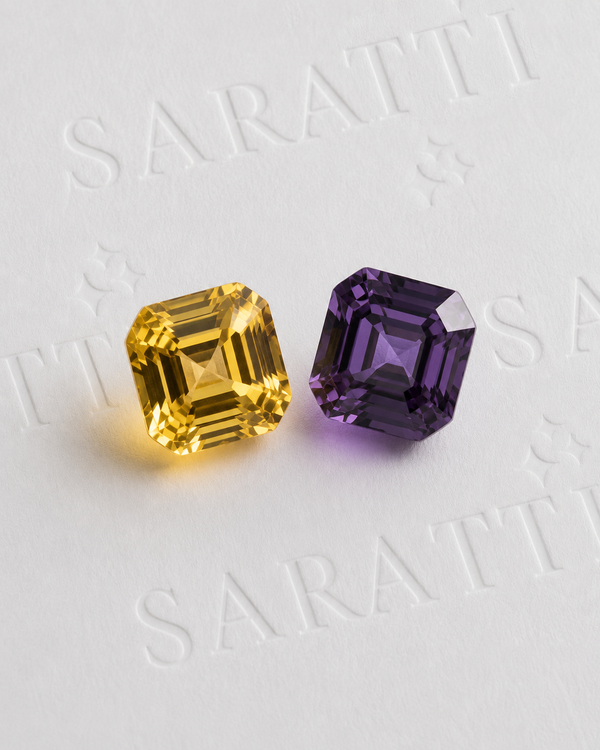
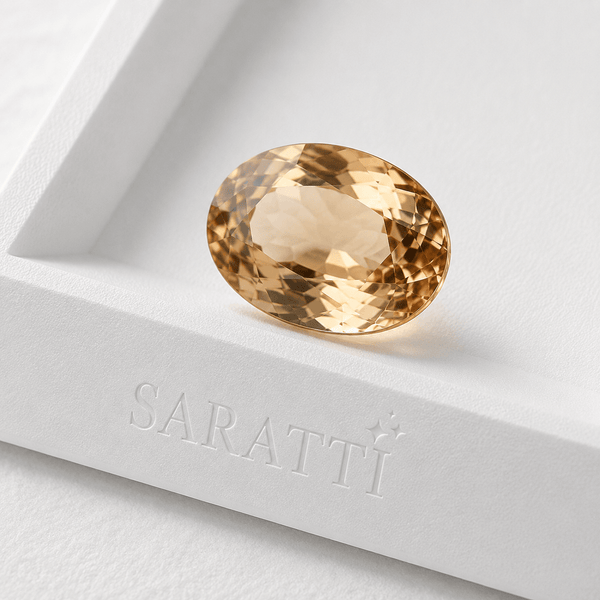
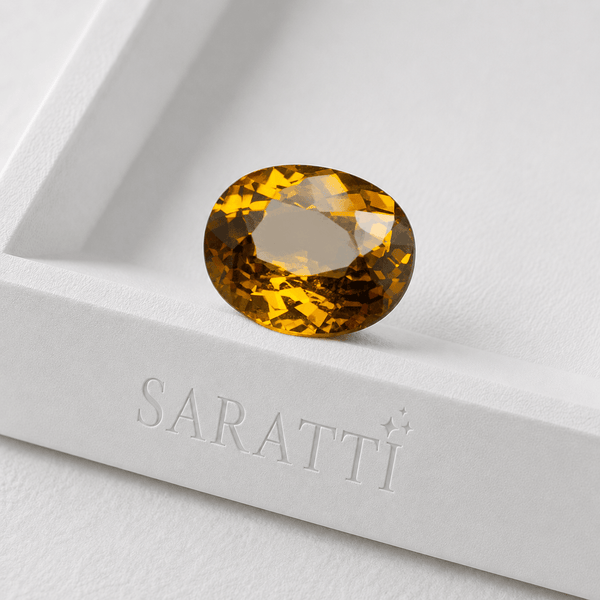
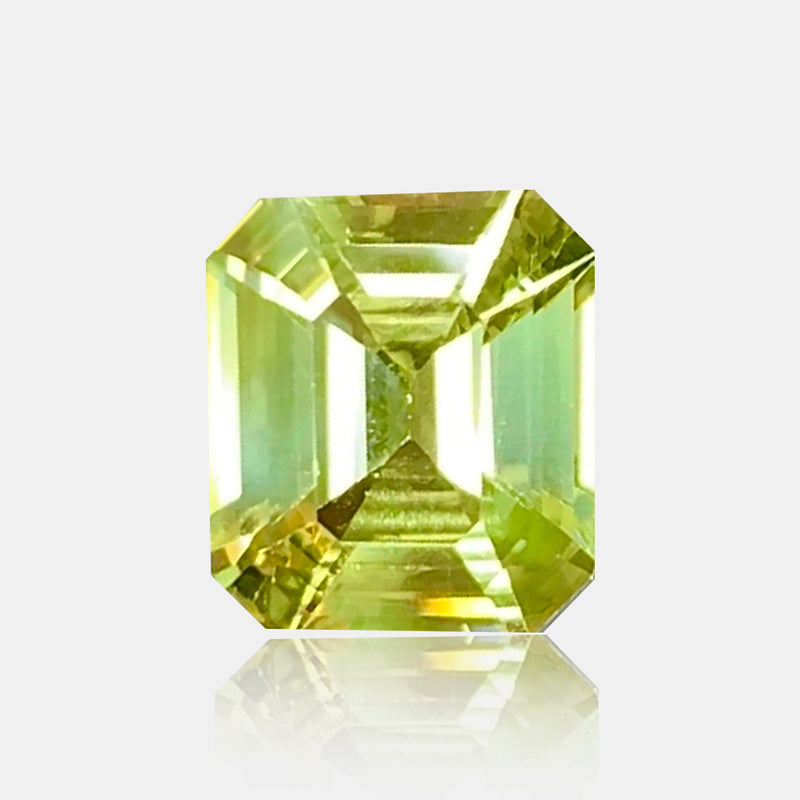
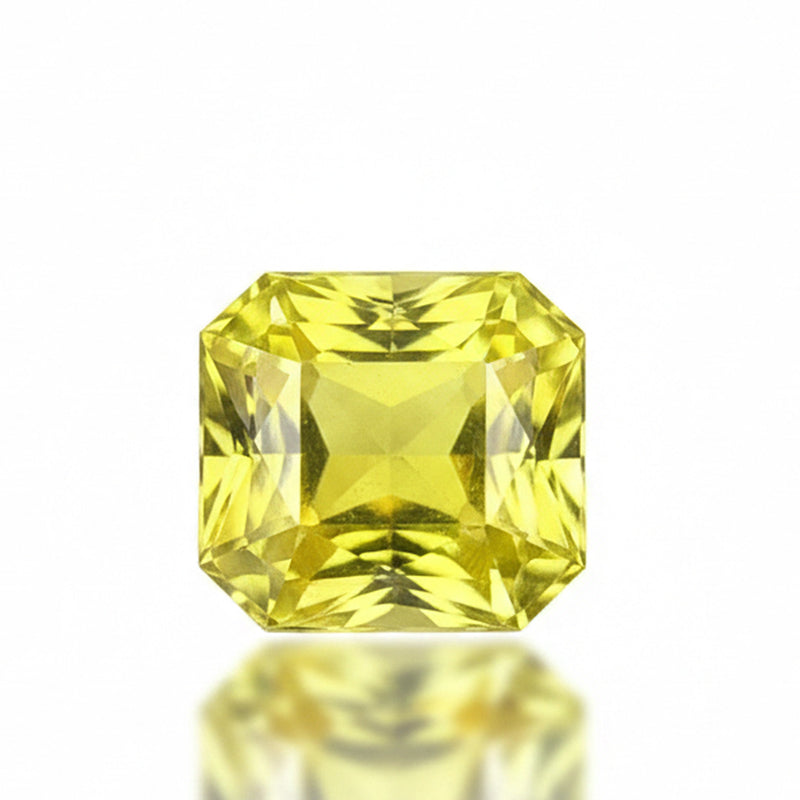
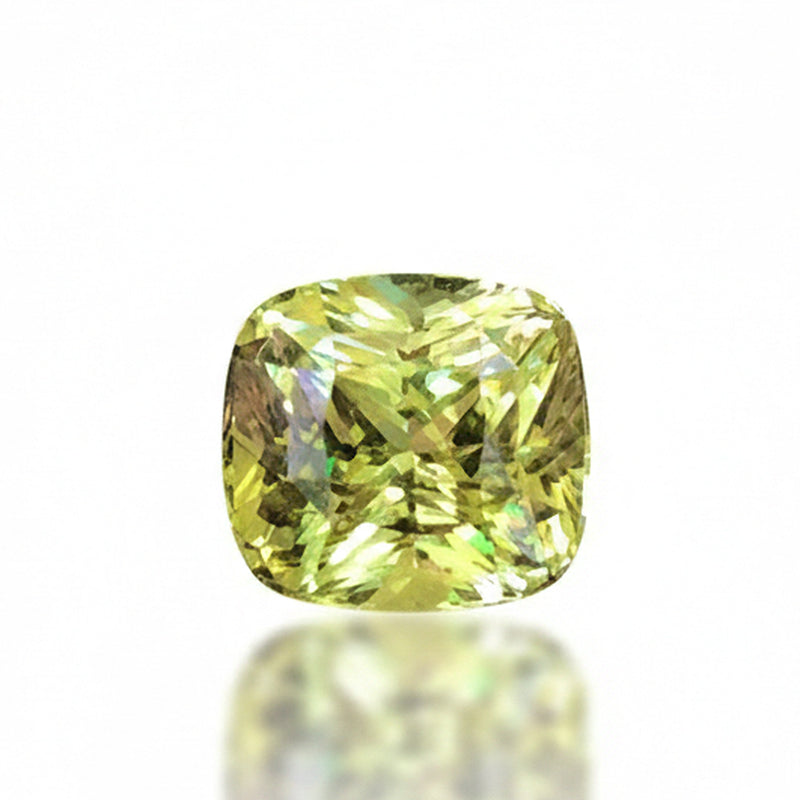
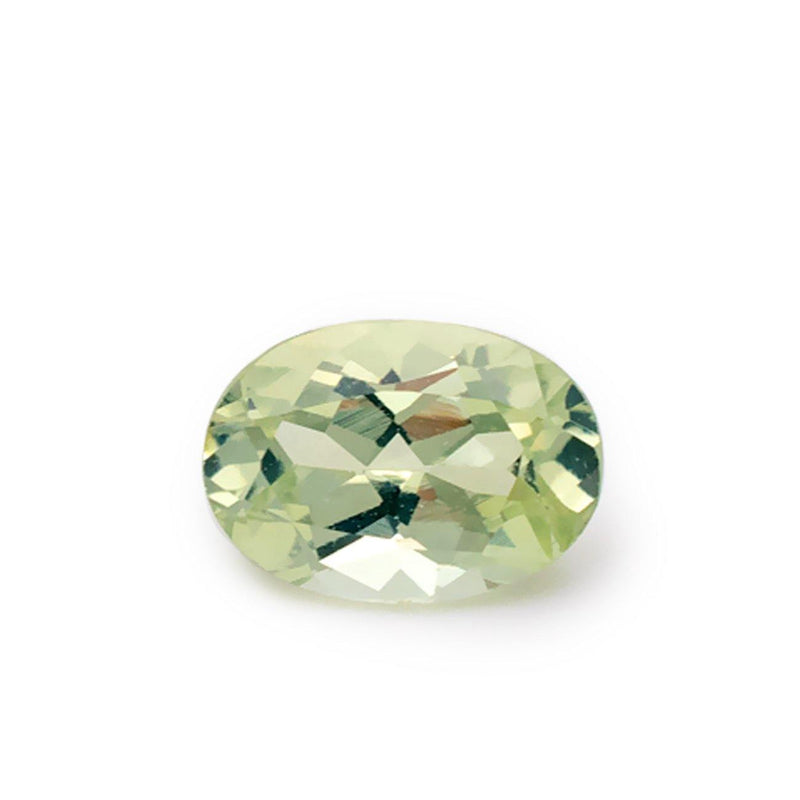
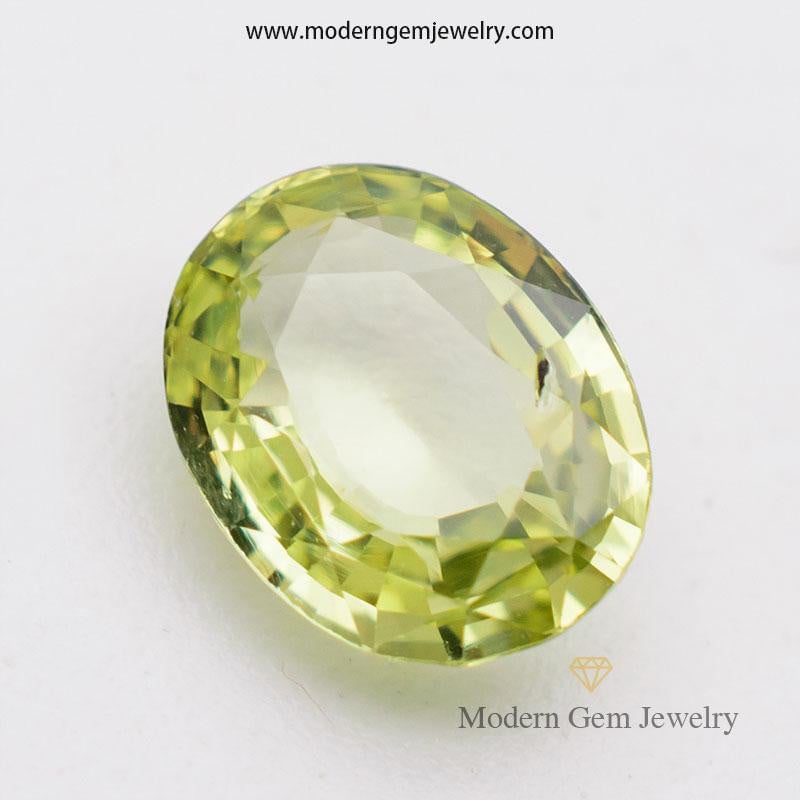
The plain faceted material runs from a warm yellow through greenish-yellow to brown, occasionally into a mint or olive green. Historically it was popular in Georgian and Victorian jewellery, where it was often called chrysolite, and it has never quite recovered the standing it had then.
It is, straightforwardly, underrated and affordable. A well-cut greenish-yellow chrysoberyl of five or ten carats can be bought for a fraction of what a comparable sapphire or a fine tourmaline would cost, and it will outwear both the tourmaline and nearly everything else in the case. It is bright — the refractive index is high for a non-corundum stone — it is usually clean, and it is almost never treated.
The reason it is cheap is not quality. It is unfamiliarity. Chrysoberyl has no marketing behind it and no recognition among buyers who have not been shown one. That is precisely the condition under which good stones can be bought sensibly.
Anyone choosing by colour rather than species will find it alongside its neighbours in our yellow gemstone collection and, for the greener material, in the green gemstone collection.
Cat's Eye Chrysoberyl
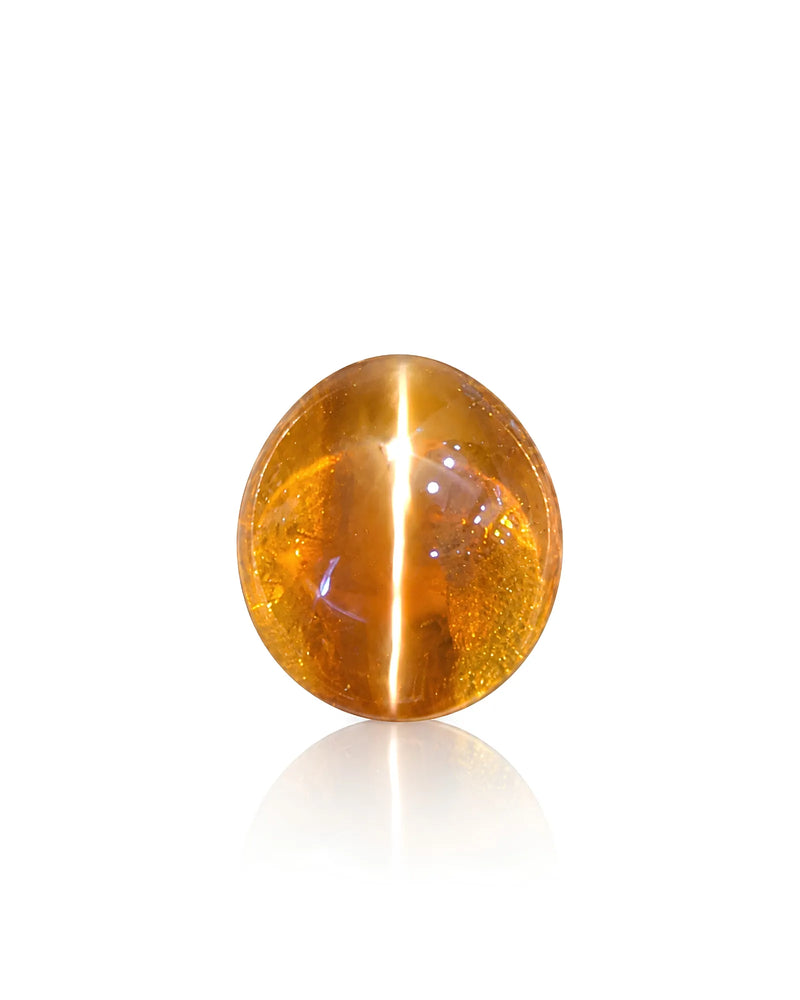
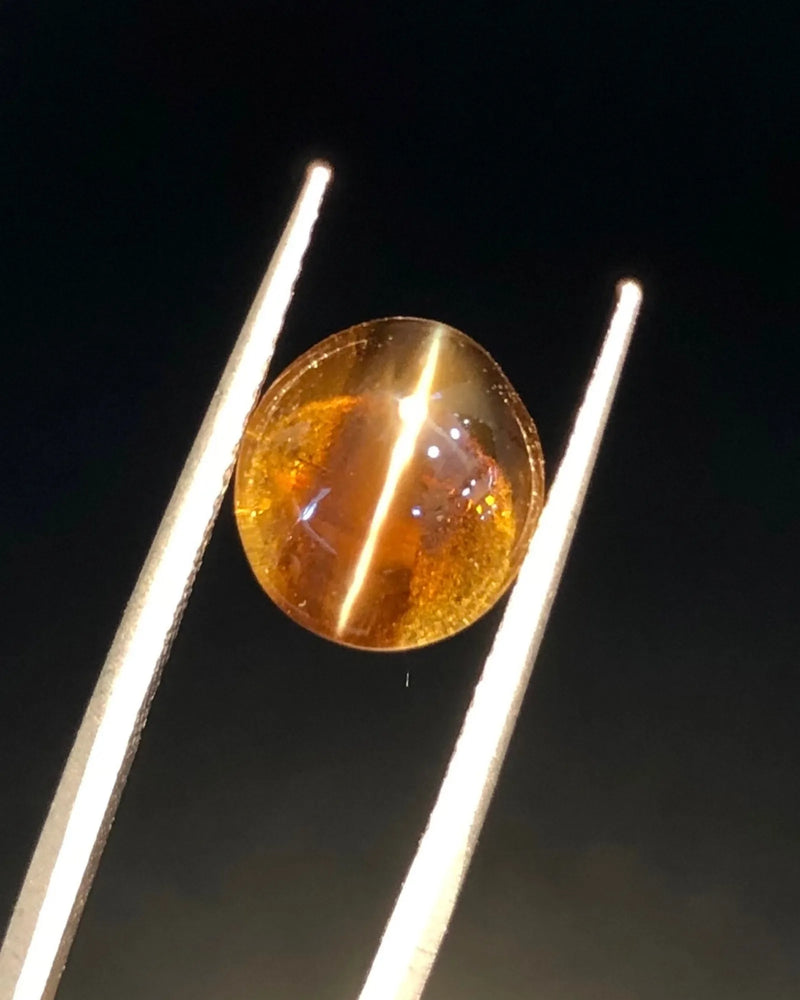
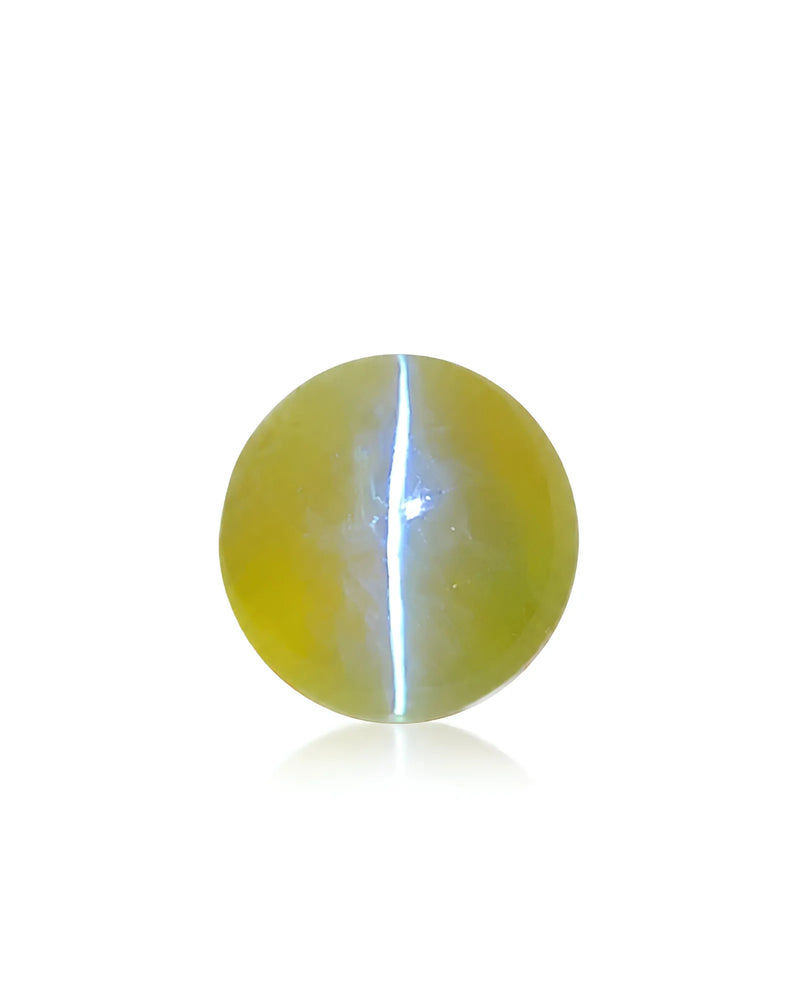
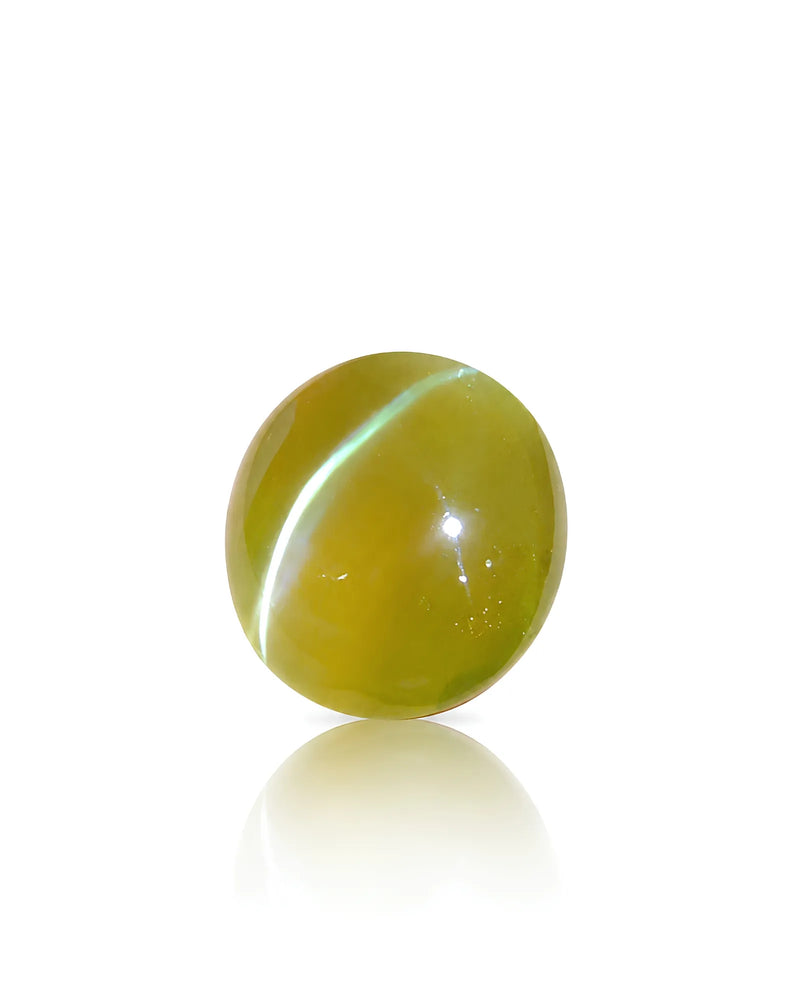
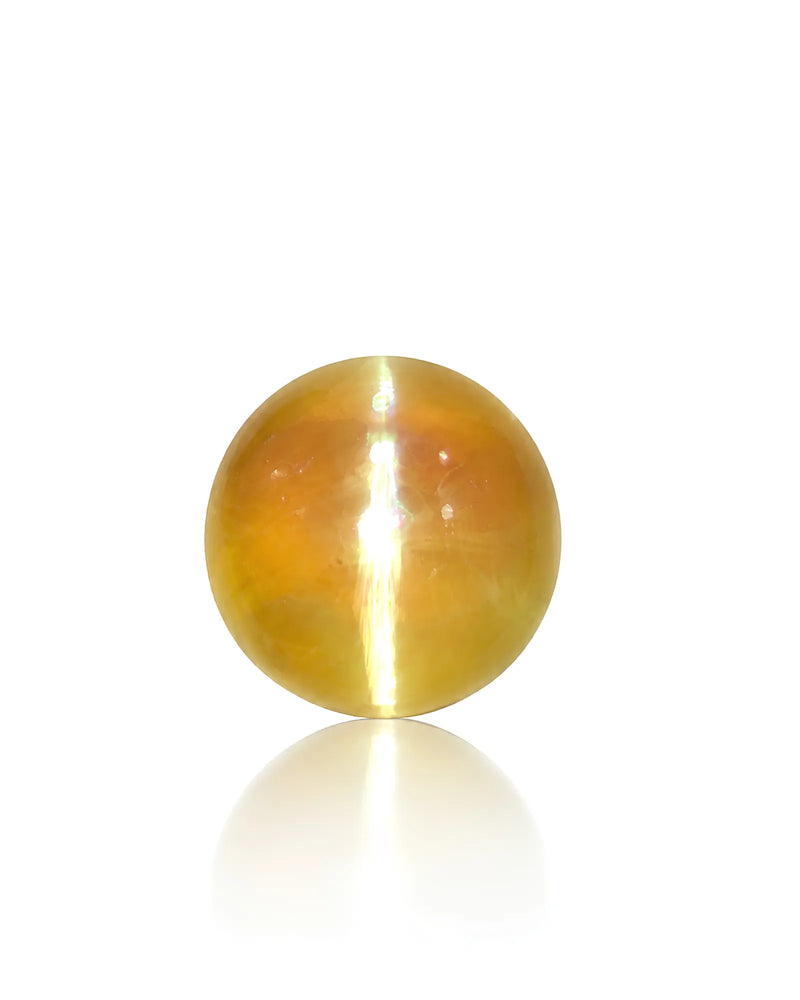
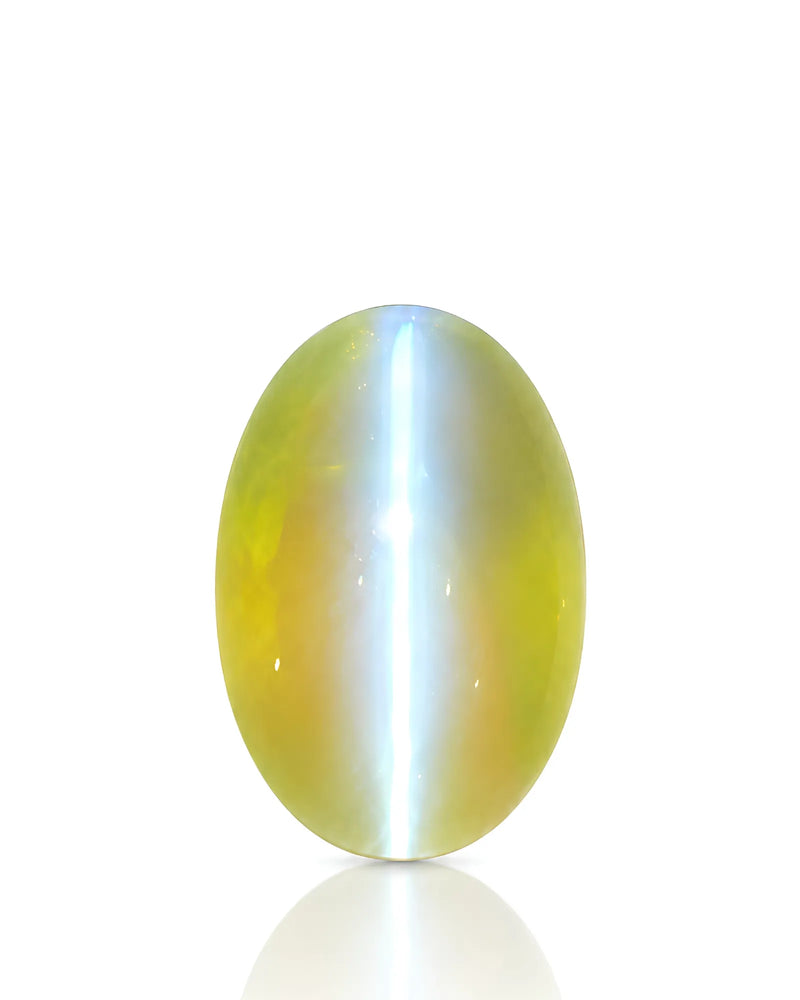
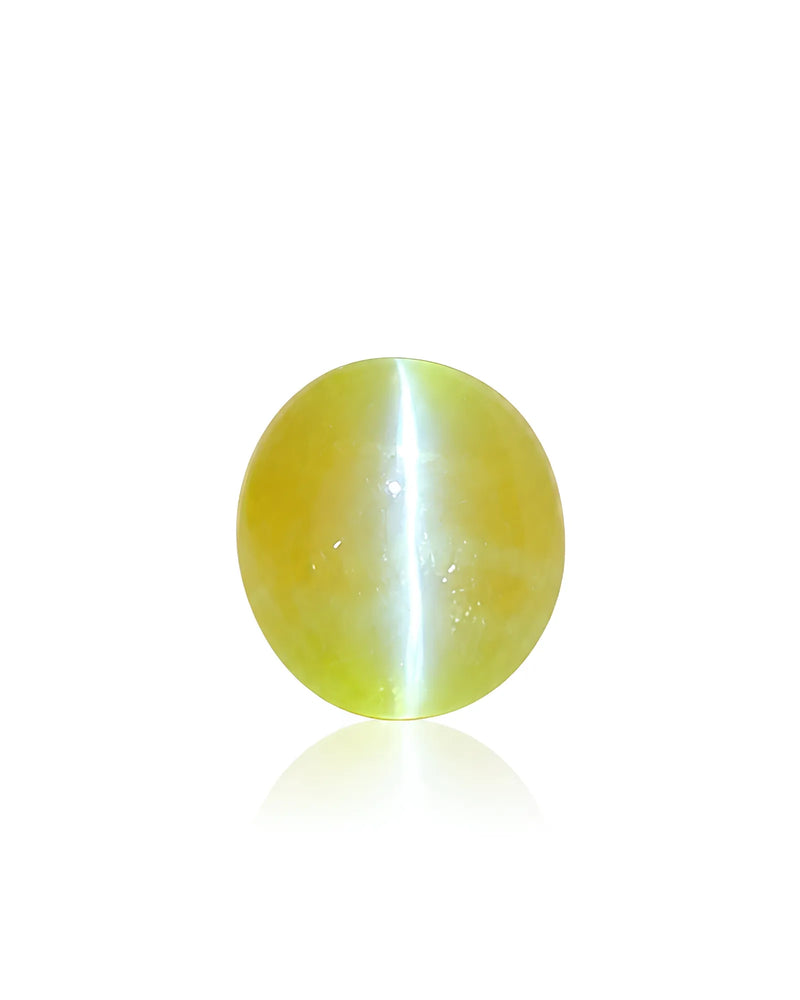
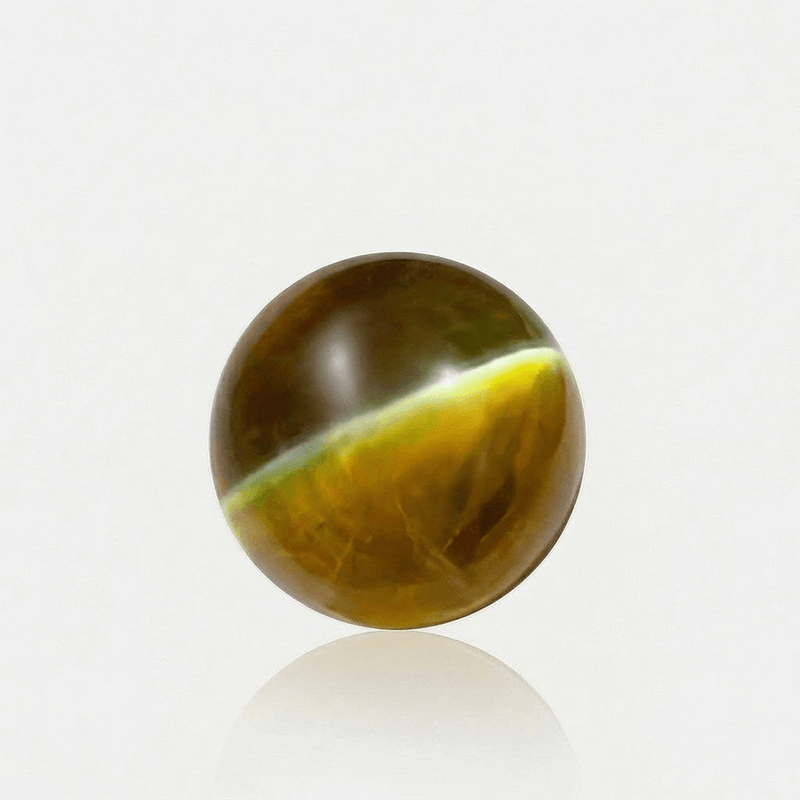
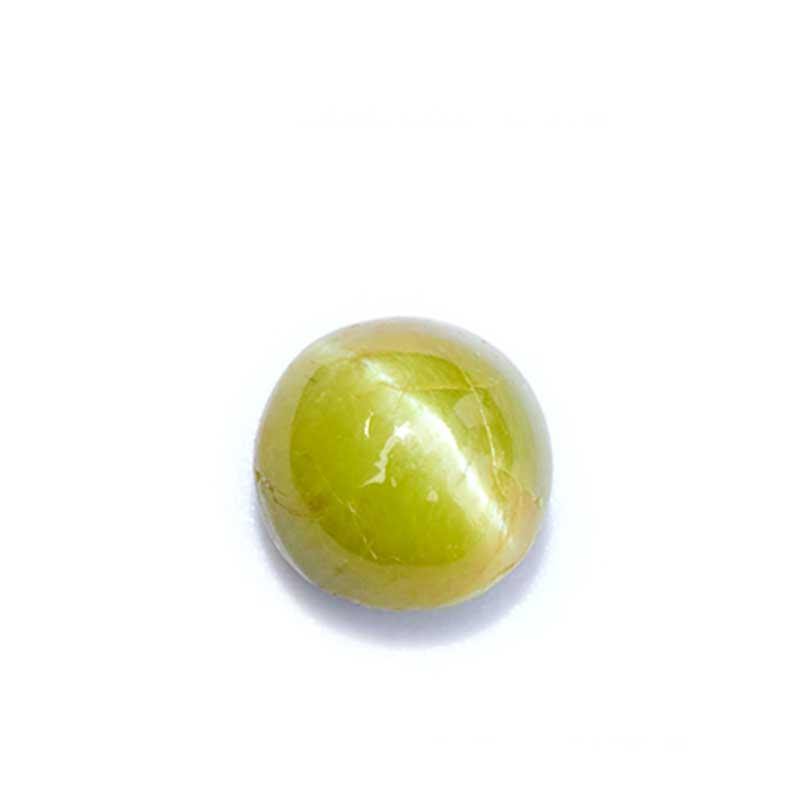
Chrysoberyl produces the finest cat's eye in gemmology, and when the trade says "cat's eye" without qualification it means this stone and no other. The mineralogical name for the variety is cymophane.
The effect comes from dense parallel rutile needles, or hollow tubes, running through the crystal in one direction. Light striking the domed surface of a cabochon is reflected off that array and returned as a single sharp band lying at right angles to the needles. The stone must be cut as a cabochon, and it must be oriented so that the base of the dome is parallel to the needles. Orientation is everything: the same rough cut wrongly gives a dull stone with no eye at all.
What a fine eye looks like. It is sharp rather than diffuse — a clean line, not a smear. It is centred on the dome. It is straight, running the full length of the stone. And it opens and closes cleanly as the stone is rocked under a single light source, the two halves of the band parting and closing like a pupil. That rocking test, performed under one directed light rather than under diffuse room lighting, is the whole assessment. Diffuse light hides a weak eye; a single source exposes it.
The milk and honey effect is the additional quality mark. Under a directed light held to one side, one half of the dome reads milky and pale while the other reads honey-coloured and deeper, with the eye running between them. A stone that shows it clearly is a good stone.
Beyond the eye itself, judge the body colour — a rich golden honey is the most valued — and the transparency, and be aware that the cabochon must be domed high enough to concentrate the effect, so cat's eye chrysoberyl often carries more weight below the girdle than its face-up size suggests.
Cat's eyes occur in other species — tourmaline, apatite, quartz, aquamarine — and the effect in those is almost always softer and broader. If a stone is described simply as cat's eye at a low price, it is worth asking what the species is.
Alexandrite
Alexandrite is the colour-change variety of chrysoberyl, and it is one of the rarest gemstones in commerce.
It reads green to bluish-green in daylight and red to purplish red under incandescent light. The cause is chromium, which in alexandrite sits in a crystal environment that transmits light in two separate windows of the spectrum — one in the green, one in the red. Daylight is rich in the shorter wavelengths and the stone reads green; incandescent light is rich in the longer ones and the stone reads red. Nothing about the stone changes. The light changes.
It was discovered in the Russian Urals in the 1830s and named for the tsarevich who became Alexander II. The Russian material became the benchmark and those deposits are now largely historic.
The honest part of the alexandrite conversation is the strength of the change. A strong, complete change — a genuinely green stone that becomes a genuinely red one, with no muddiness at either end — commands an extraordinary premium and is very rarely seen. A weak change is far more common: a greyish or brownish green that shifts to a purplish or brownish red, or a stone that only hints at the second colour. Weak-change material is worth a small fraction of strong-change material, and both are sold as alexandrite.
The two are frequently photographed in a way that flatters the weaker stone. Any assessment worth trusting is made by looking at the stone yourself in daylight and then under a tungsten source, not under an LED torch chosen to exaggerate the effect. Ask what percentage of change a report describes, and treat the difference between "strong" and "moderate" as a difference of an order of magnitude in price.
Cat's eye alexandrite exists — colour change and chatoyancy in one stone — and it is rarer still. Fine examples are collector's material in the strict sense.
Our note on alexandrite goes further into the colour-change mechanism and what to look for.
Synthetics, Simulants and Treatment
Chrysoberyl is rarely treated. No routine heating, no oiling, no filling, no diffusion. What the stone looks like is generally what the earth produced, which puts chrysoberyl in the small company of untreated species alongside spinel and garnet.
The concern is not treatment but identity. Synthetic alexandrite has been produced since the twentieth century, and colour-change synthetic corundum — a laboratory sapphire that shifts blue to purple — has been sold as alexandrite for over a hundred years and still circulates in antique jewellery and in inherited pieces. Colour-change garnet and colour-change spinel are natural stones that are sometimes confused with it in good faith.
Nothing in this is undetectable. A competent laboratory separates natural alexandrite from synthetic alexandrite and from colour-change corundum without difficulty. It simply has to be asked.
Where a treatment is known, we state it on the listing. Where a report exists it is shown; where none exists, we say so. Our full standard is set out in how SARATTI grades gemstones.
Origin
Sri Lanka is the most important source across all three forms and produces much of the world's fine cat's eye material. Brazil yields alexandrite, some of it of very good change, and abundant yellow chrysoberyl. Madagascar and Tanzania are significant modern sources. India contributes, and Russia is largely historic — Ural alexandrite still trades, but as vintage material rather than as current production.
Russian origin attracts a premium on alexandrite for the same reasons Kashmir does on sapphire, and the same caution applies. Origin is a modifier on value, not a substitute for quality. A weak-change Russian alexandrite is a weak-change stone whatever the paperwork says, and a strong-change Brazilian one is the better purchase. Where origin is claimed, it should be supported by a laboratory qualified to give that opinion.
Clarity, Cut and Size
Faceted chrysoberyl is usually clean and should be judged as such. In alexandrite, some inclusion is tolerated because fine material is so scarce, but transparency is critical: a cloudy alexandrite will not change convincingly, since the change depends on light passing through the stone and returning.
Cutting is oriented for colour in alexandrite, since the stone is pleochroic and the best balance of both colours must be placed face-up. In cat's eye the orientation is dictated entirely by the needles.
Size matters sharply in alexandrite. Above one carat with a strong change, stones are genuinely scarce; above three, they are events. Yellow chrysoberyl, by contrast, is available in large clean sizes at reasonable prices, which is one more argument for it.
Certification and Choosing
For plain yellow or green chrysoberyl, a report is optional. For any alexandrite, and for a significant cat's eye, it is not. A report from GIA, GUILD, AIGS, CGRL, GRS or GRC will confirm the stone is natural chrysoberyl rather than a synthetic or a simulant, describe the colour change and its strength, record weight and measurements, and note treatment where detected. Where a client would like a stone reviewed by a particular laboratory, we can arrange it and the fee is passed on at cost.
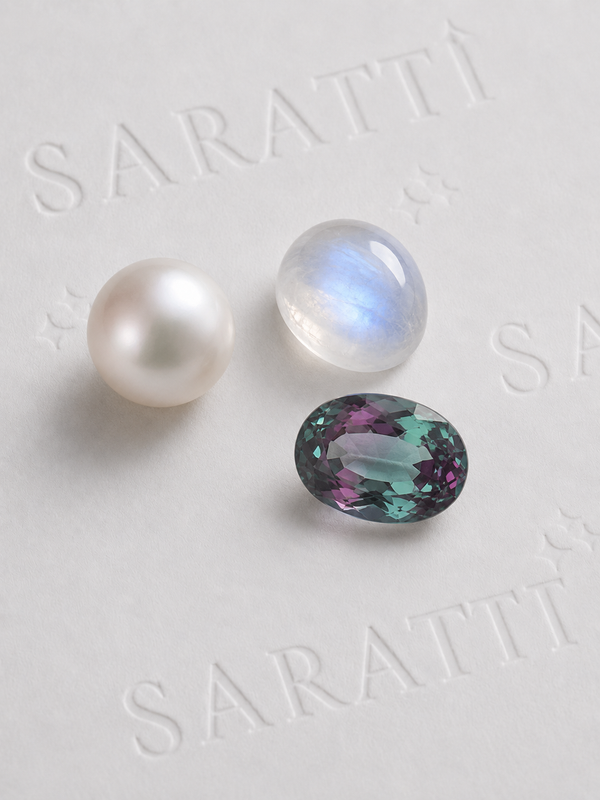
Chrysoberyl itself is not an official birthstone, but alexandrite is a June birthstone, listed alongside pearl and moonstone. For the species as a whole, our guide to chrysoberyl covers the three forms together.
Most buyers arrive here for the alexandrite and leave having also looked at the yellow material, which is the sensible order. One is among the rarest things in the trade and priced accordingly. The other is among the soundest purchases available in a coloured stone and is priced as though nobody has noticed.
Every stone here is listed individually, with its own photography and its own details.
And if what you want is not shown — a strong-change alexandrite in a particular size, a sharp golden cat's eye, a large clean yellow — only part of what we can reach is listed online. Describe it, and we will go and look.