


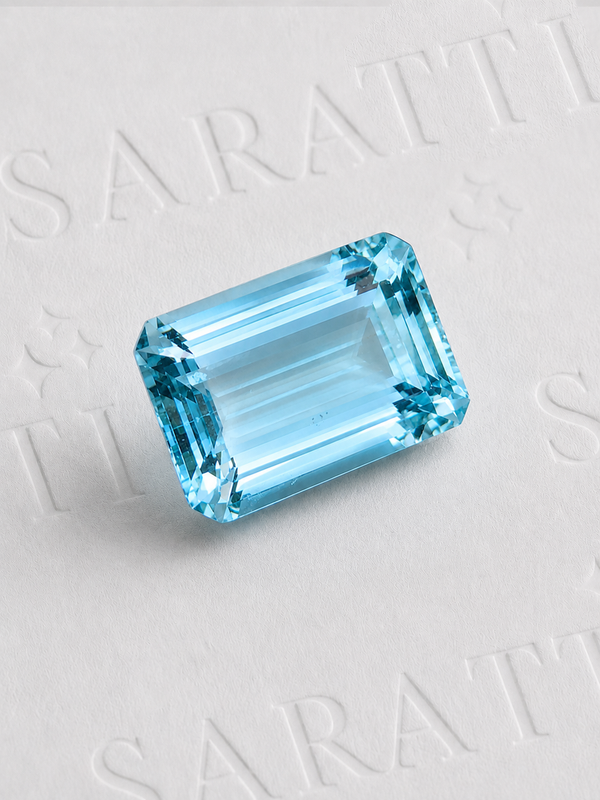




A Guide to Aquamarine Engagement Rings for Brides Who Love Soft Blue Stones
Some blue stones are made to dazzle.Aquamarine is made to calm. Its beauty is softer than a flash of brilliance. It carries the blue of clear water, pale sky, and...

 Engagement Rings
 Gemstone Rings
 Wedding Bands
 The SARATTI Difference
 Gemstone Type
 Shop By Color
Every stone held by the house, listed one at a time.
Warmth, light, and natural beauty.
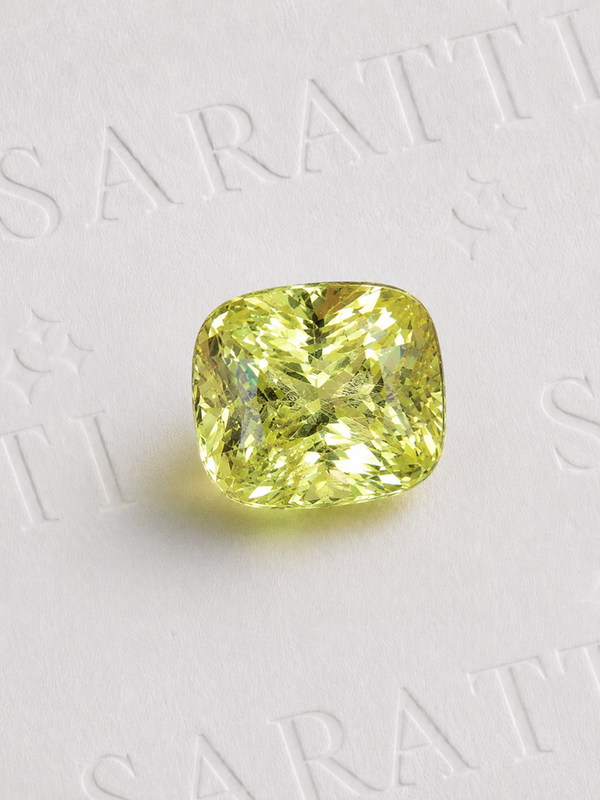
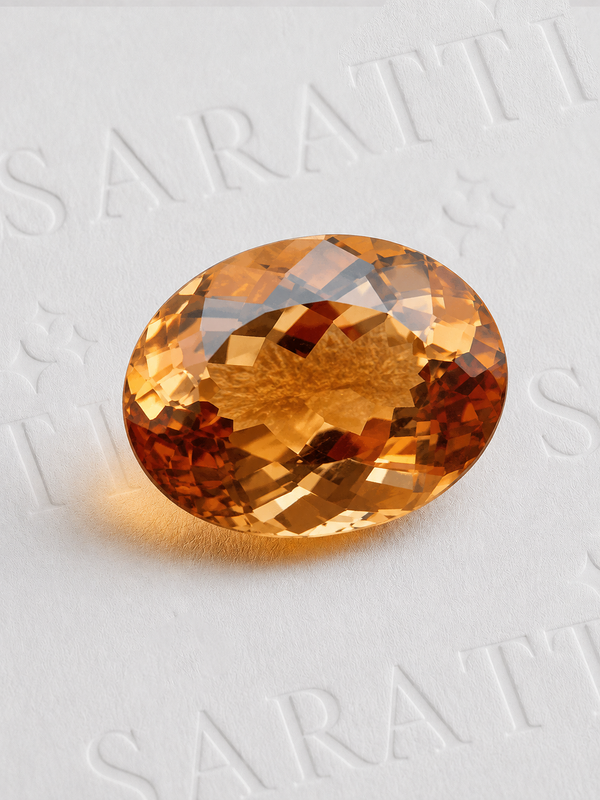
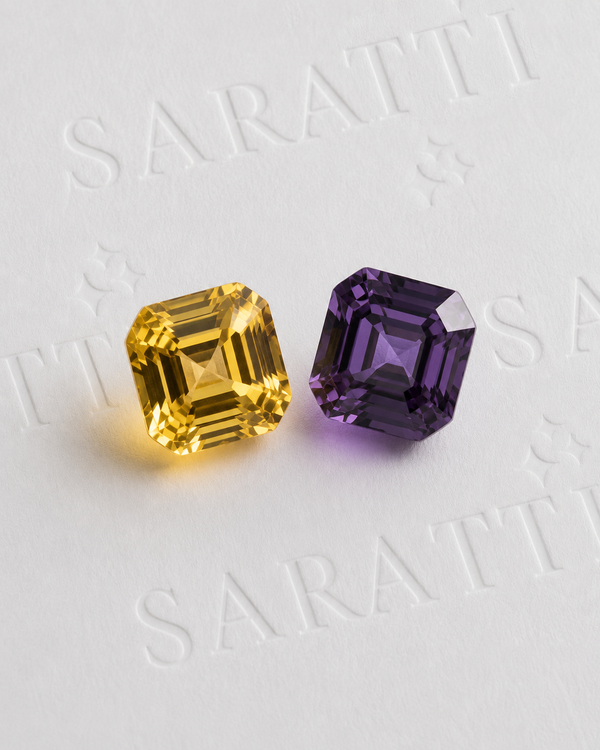
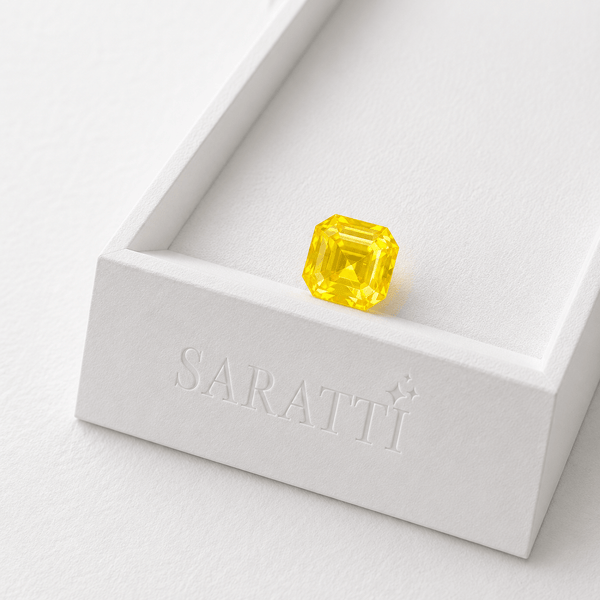
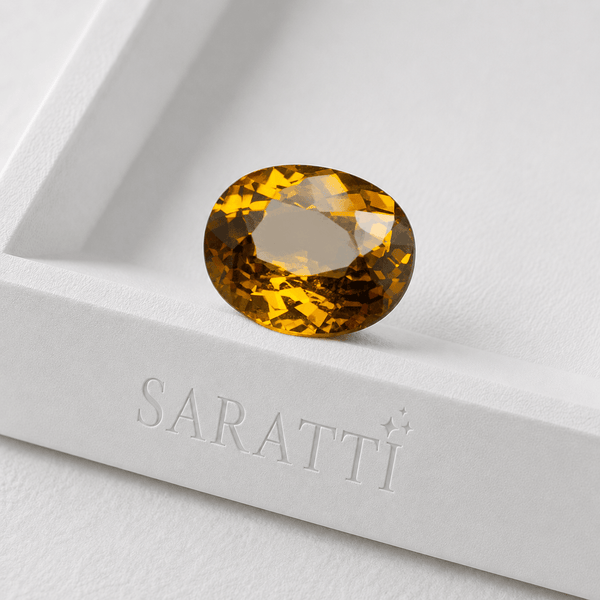
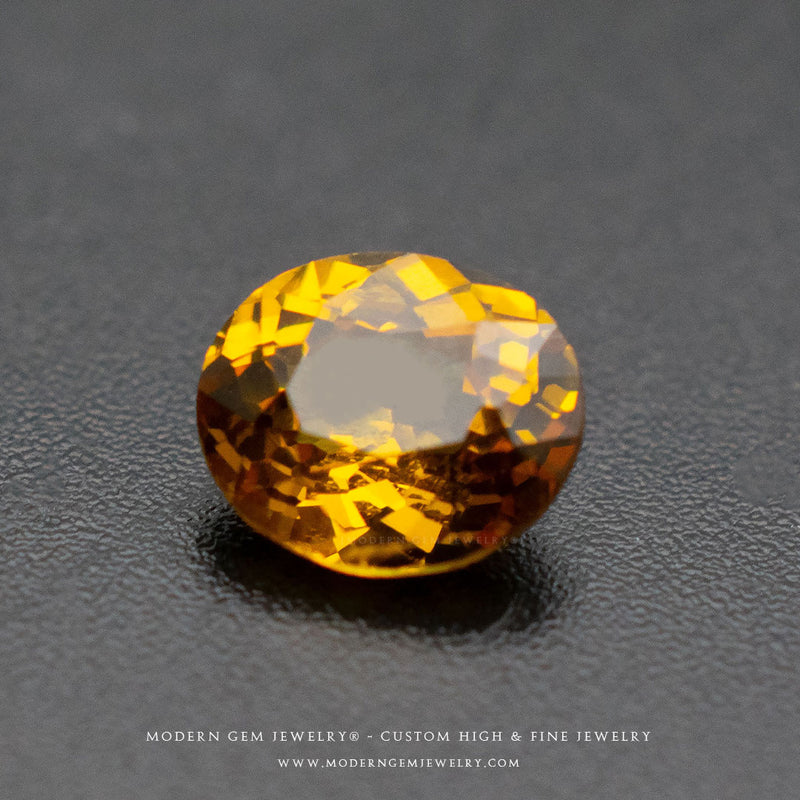
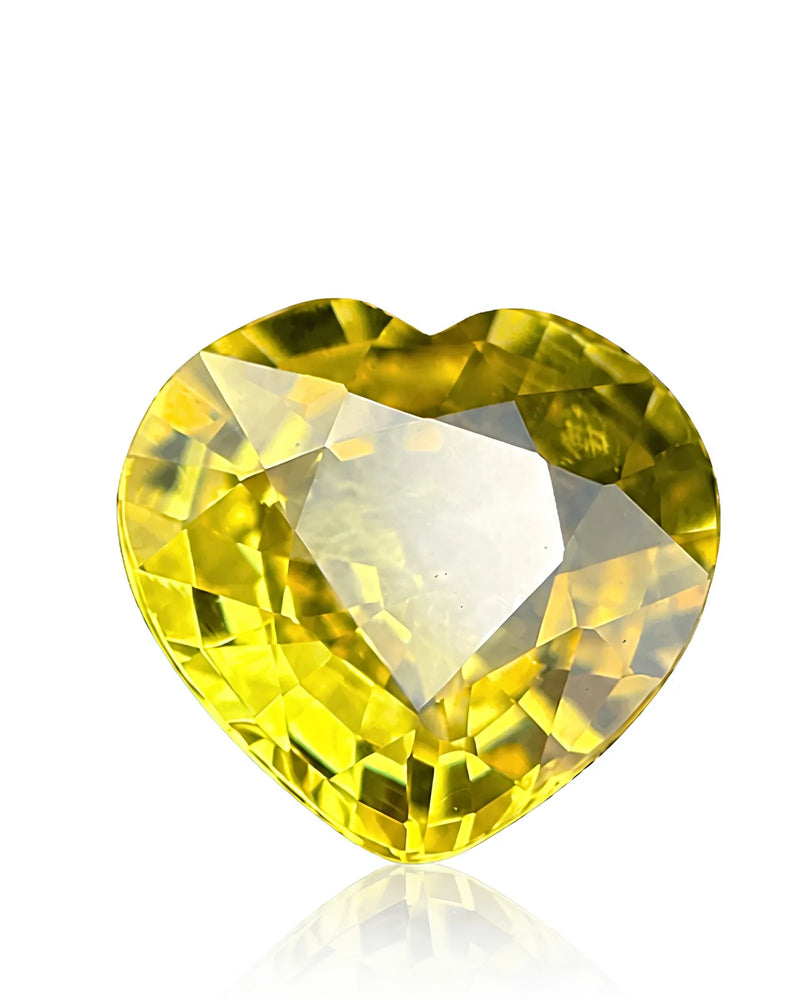
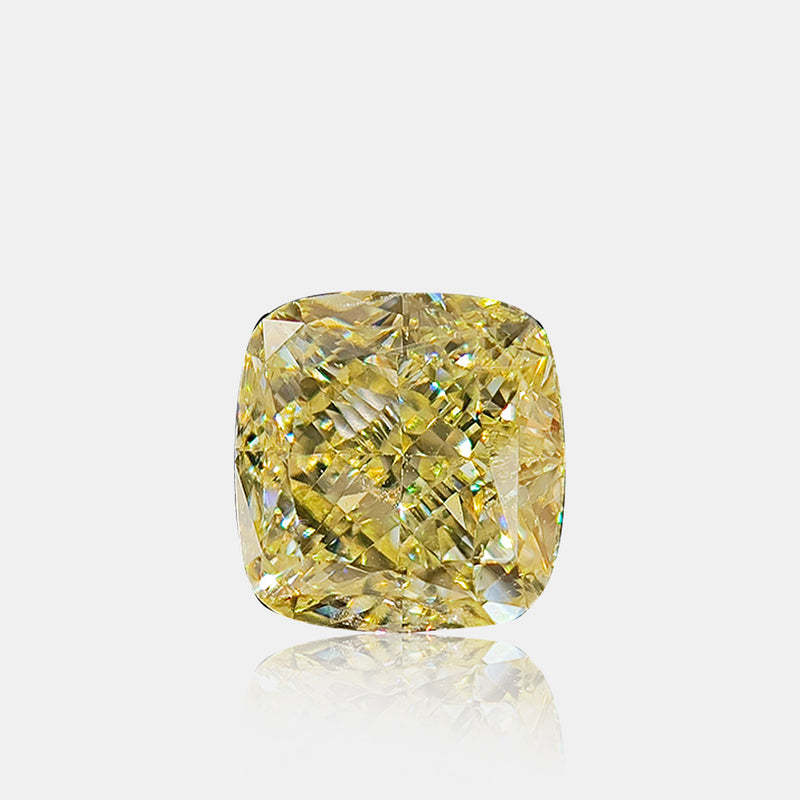
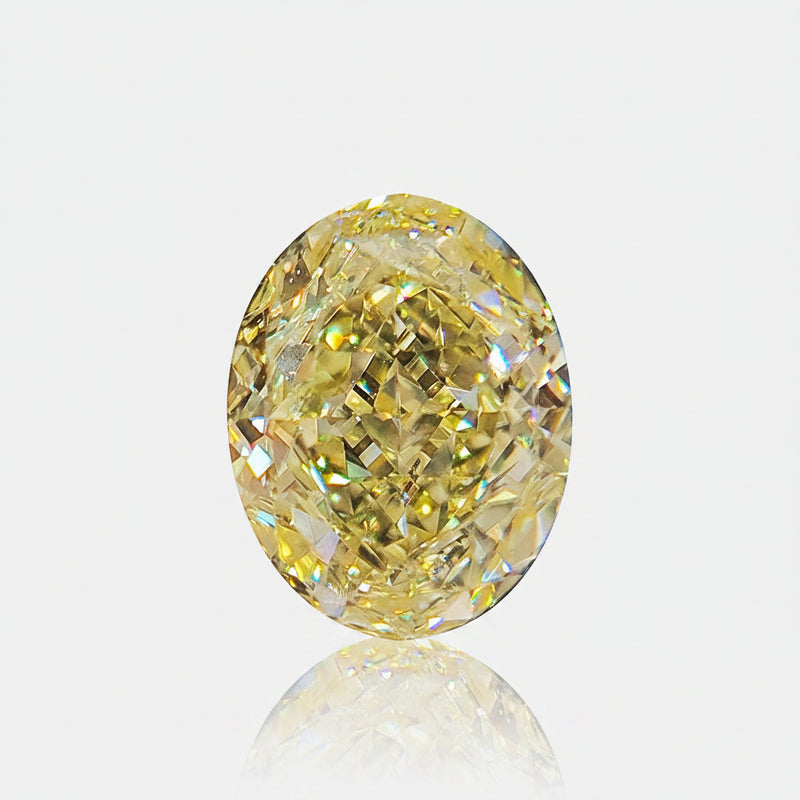
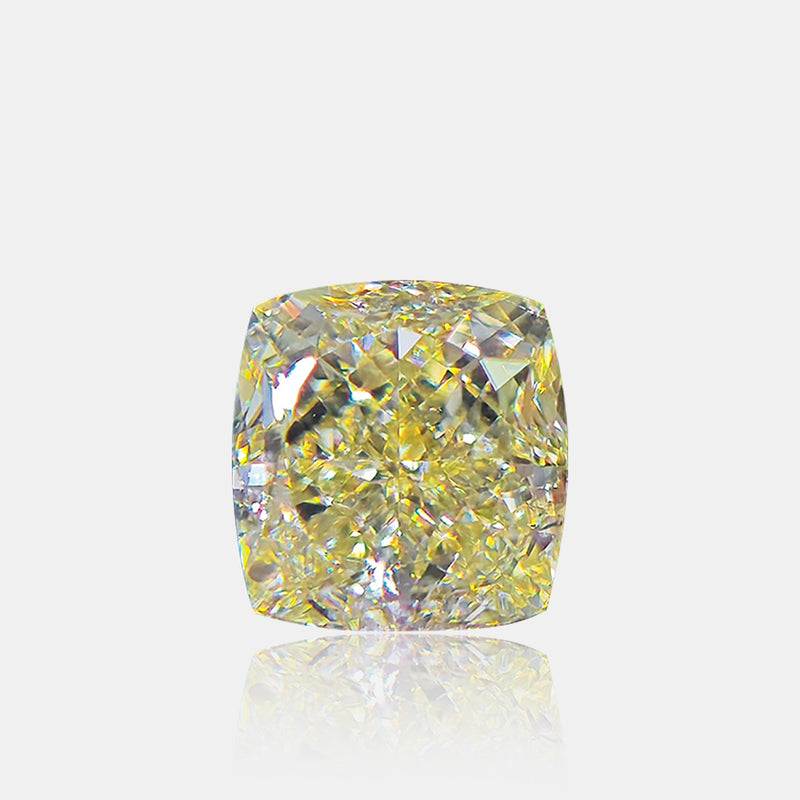
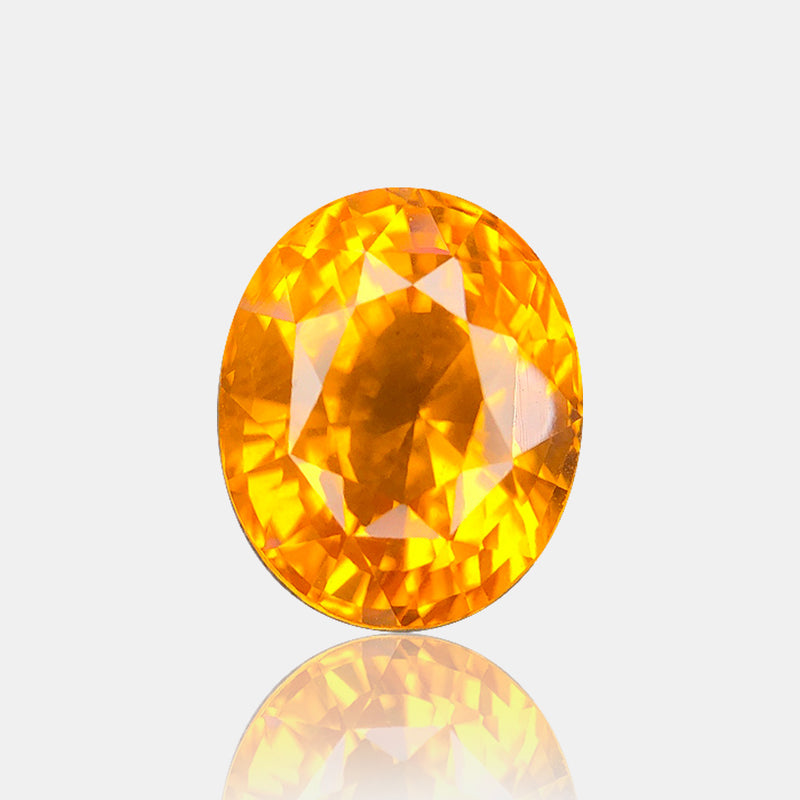
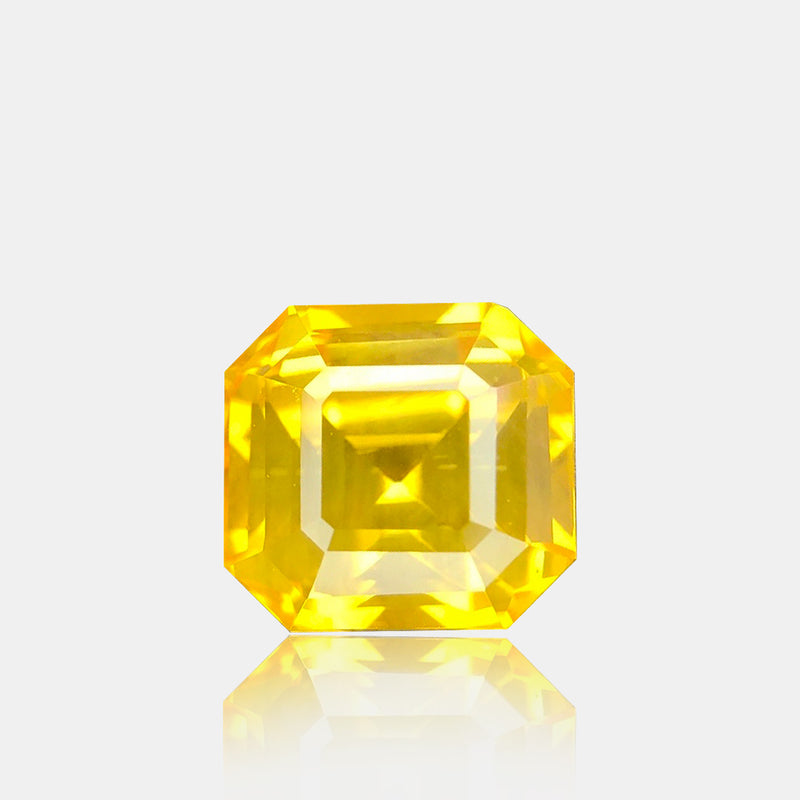
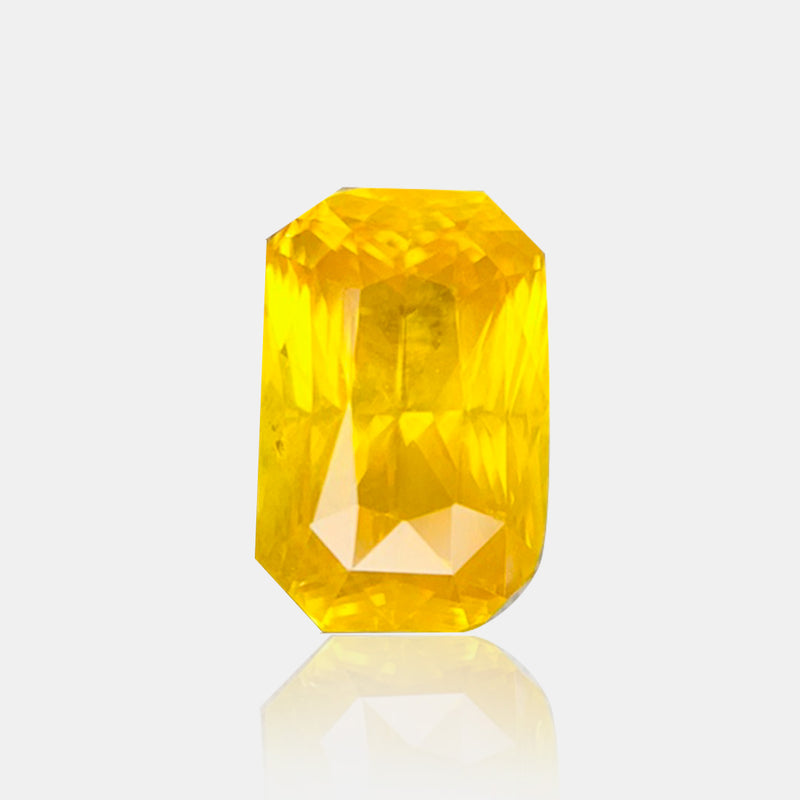
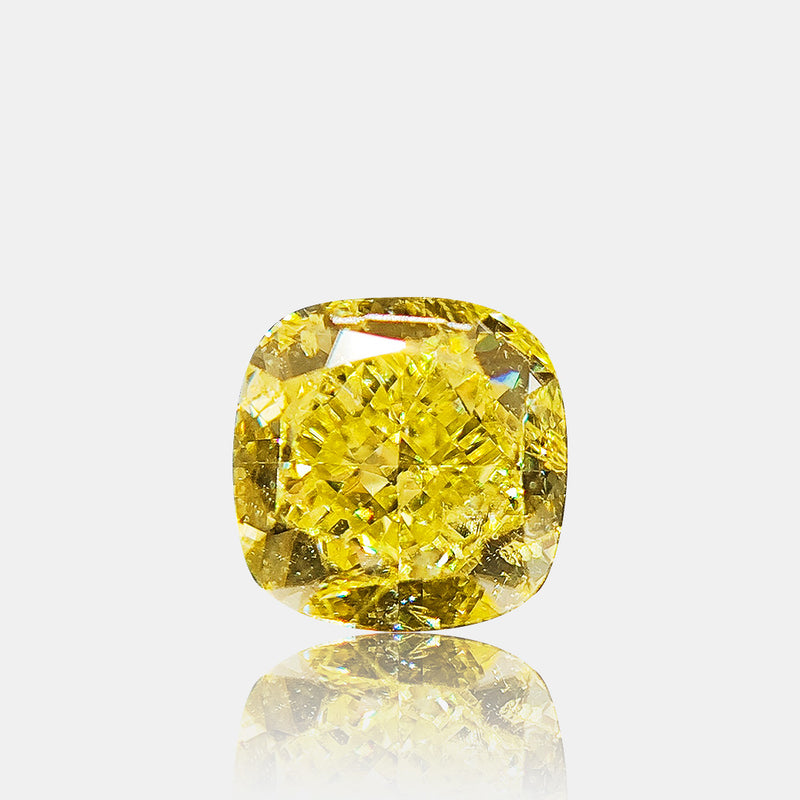
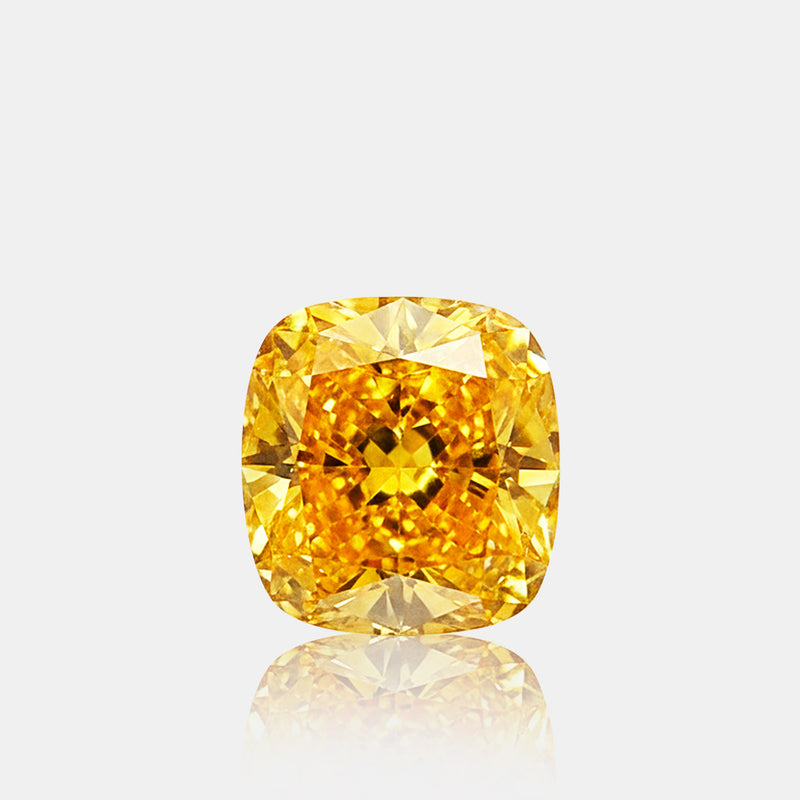
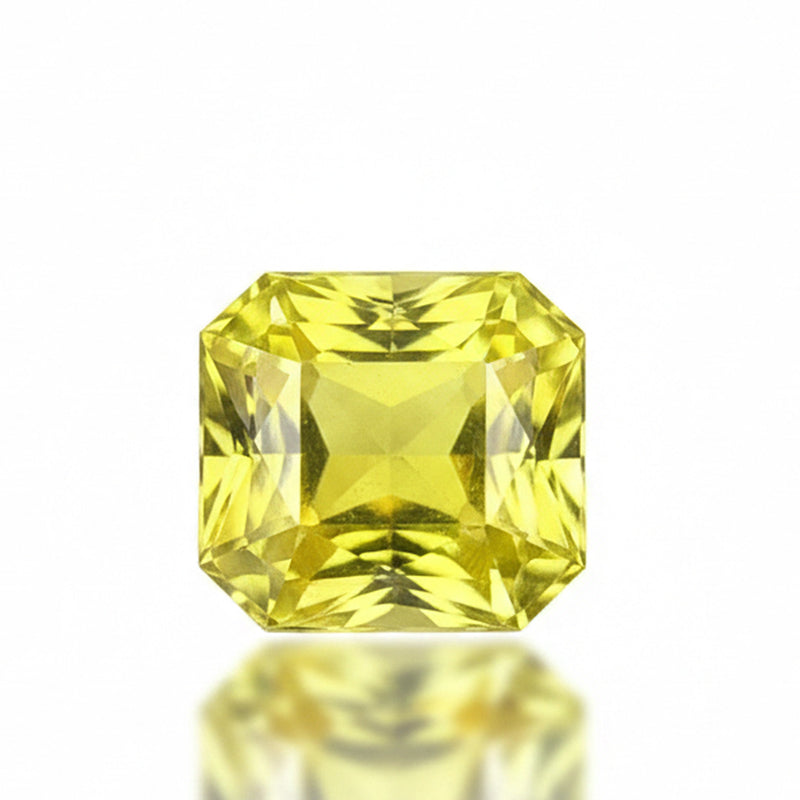
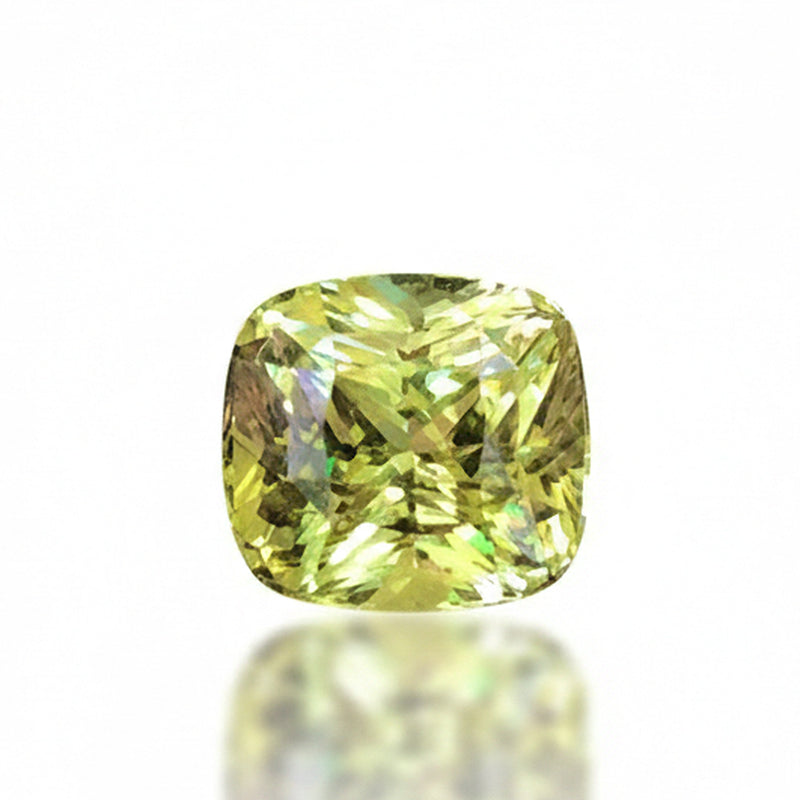
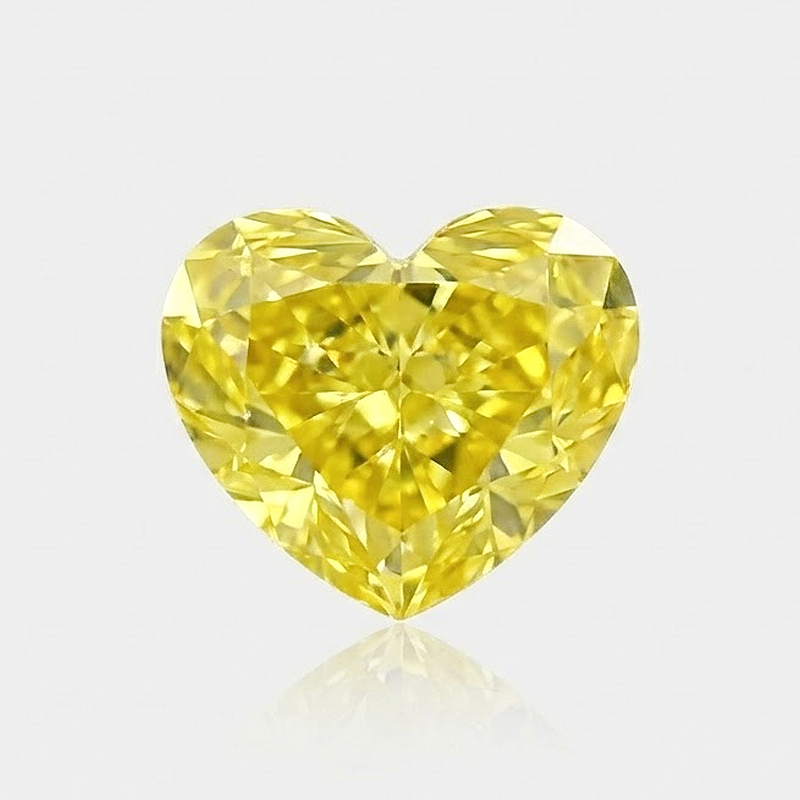
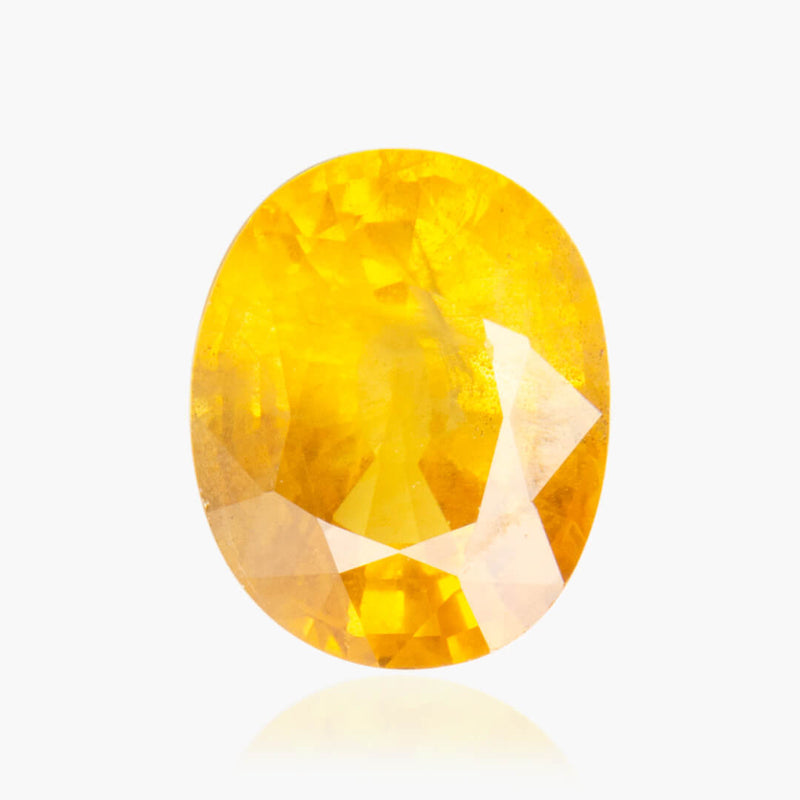
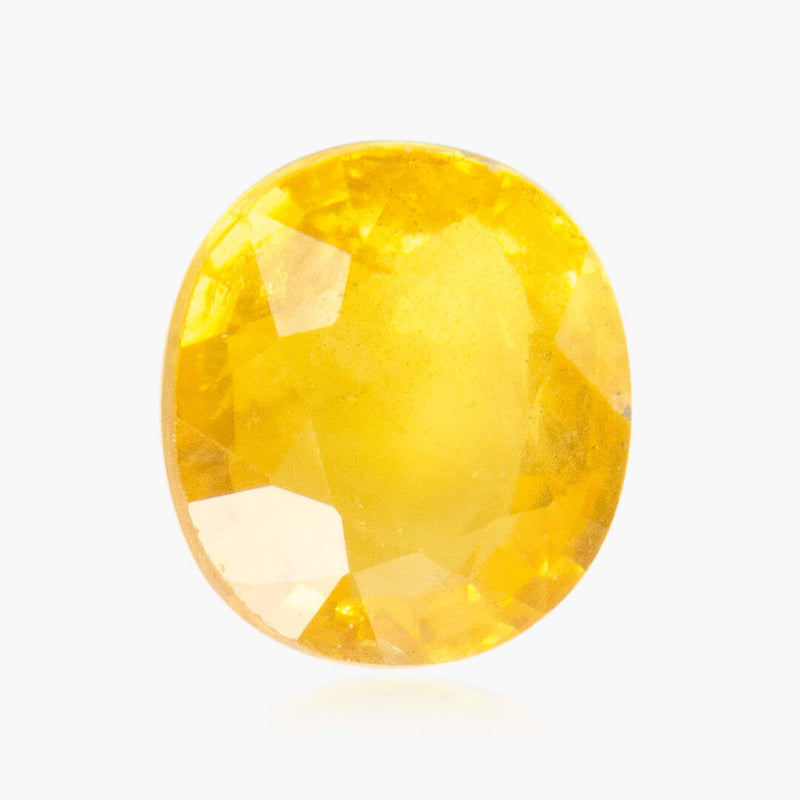
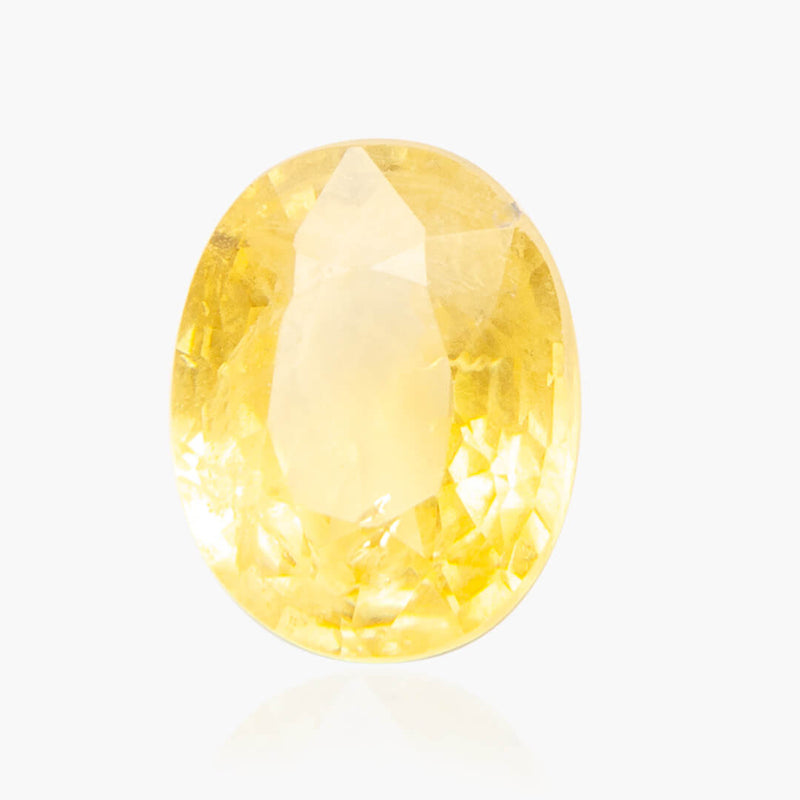
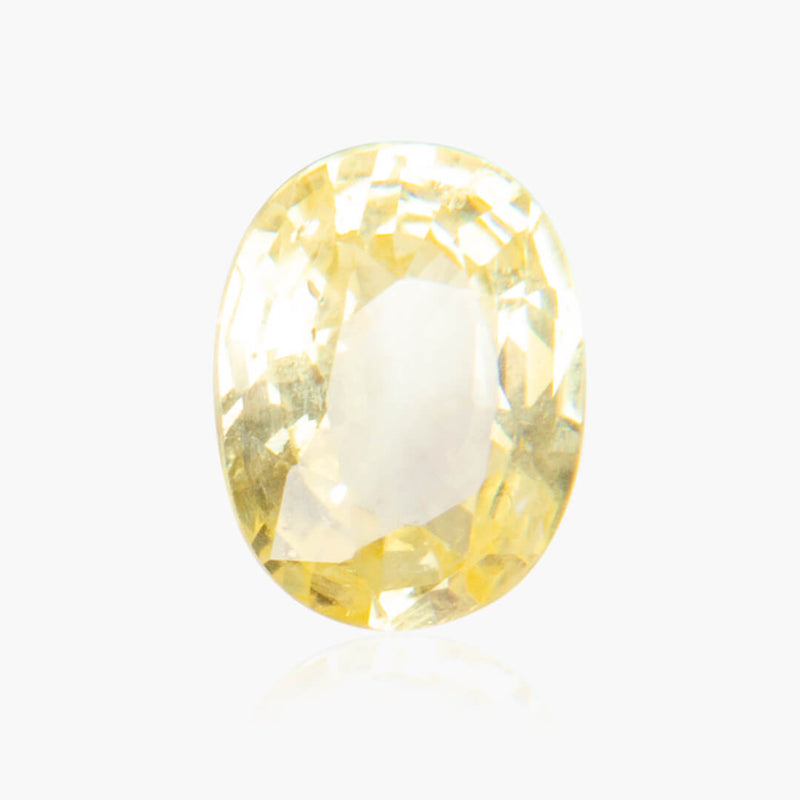
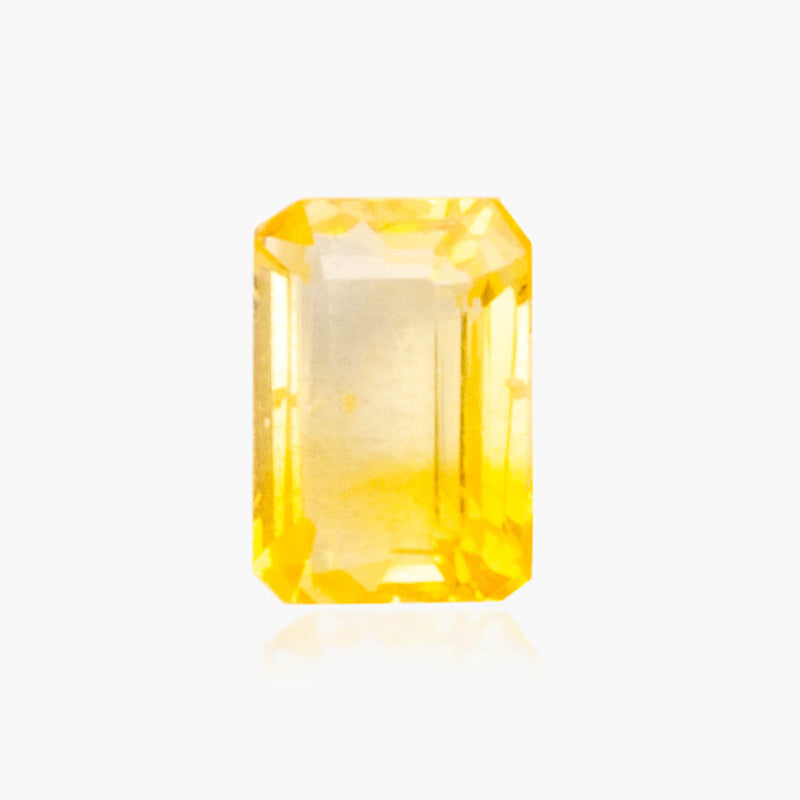
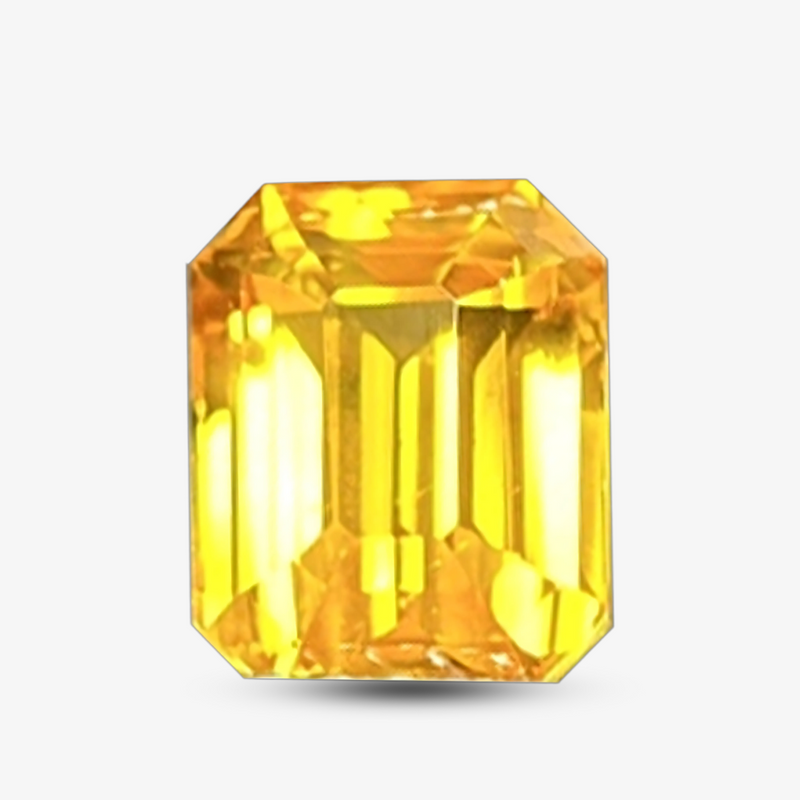
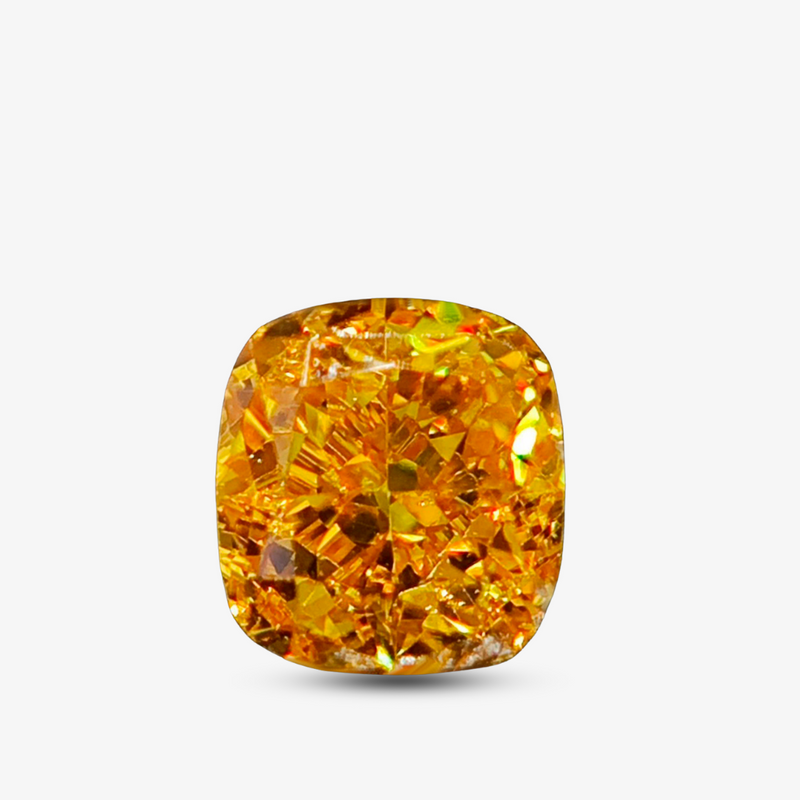
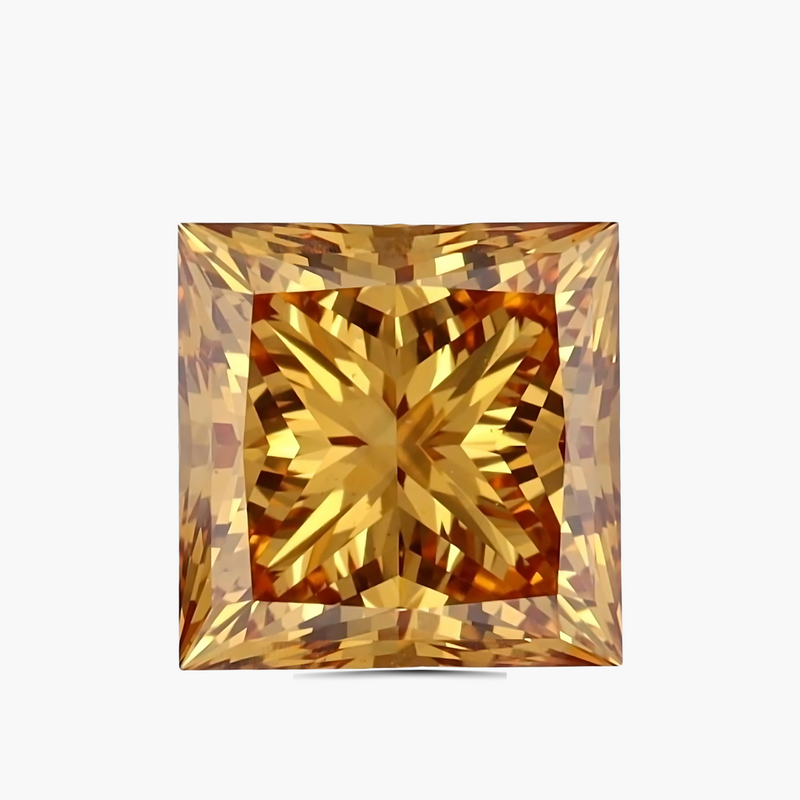
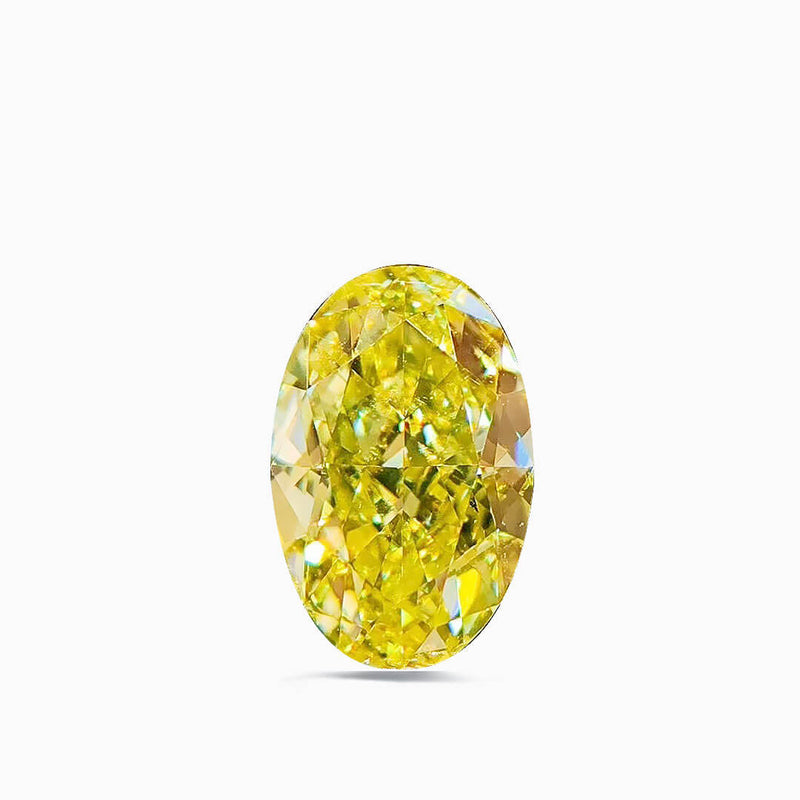
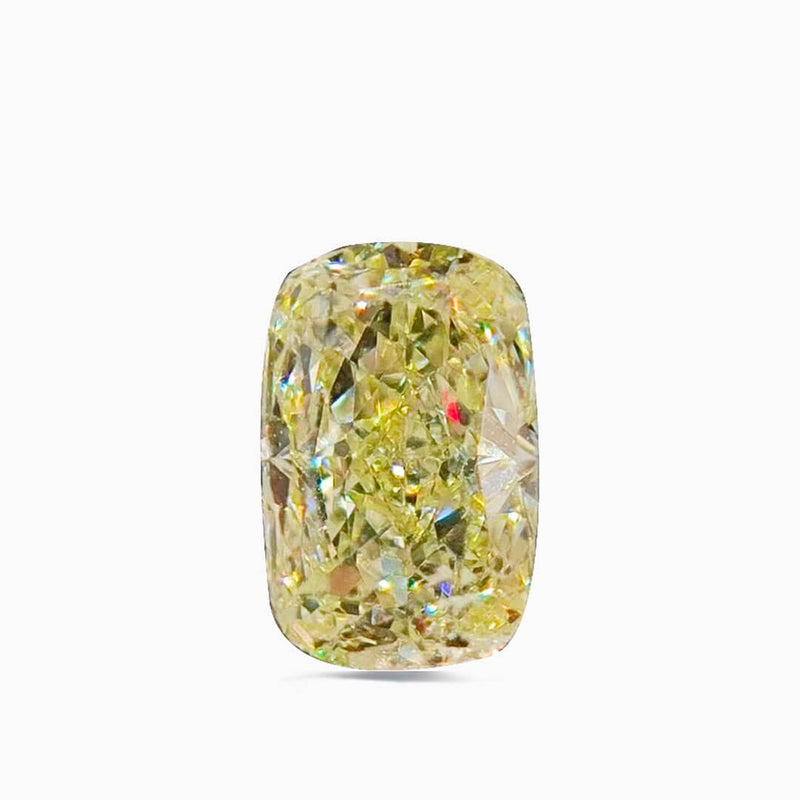
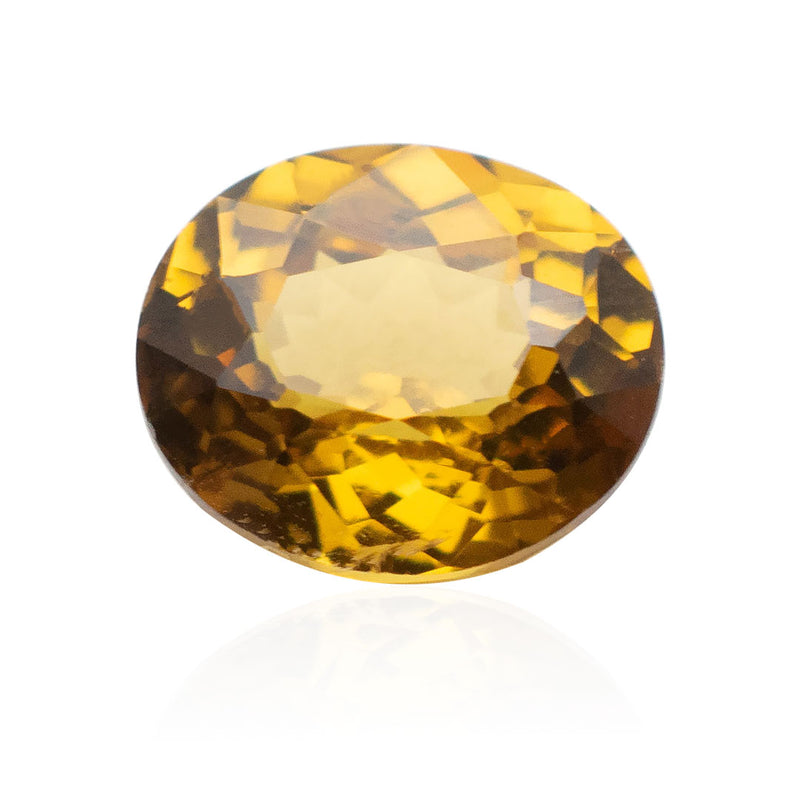
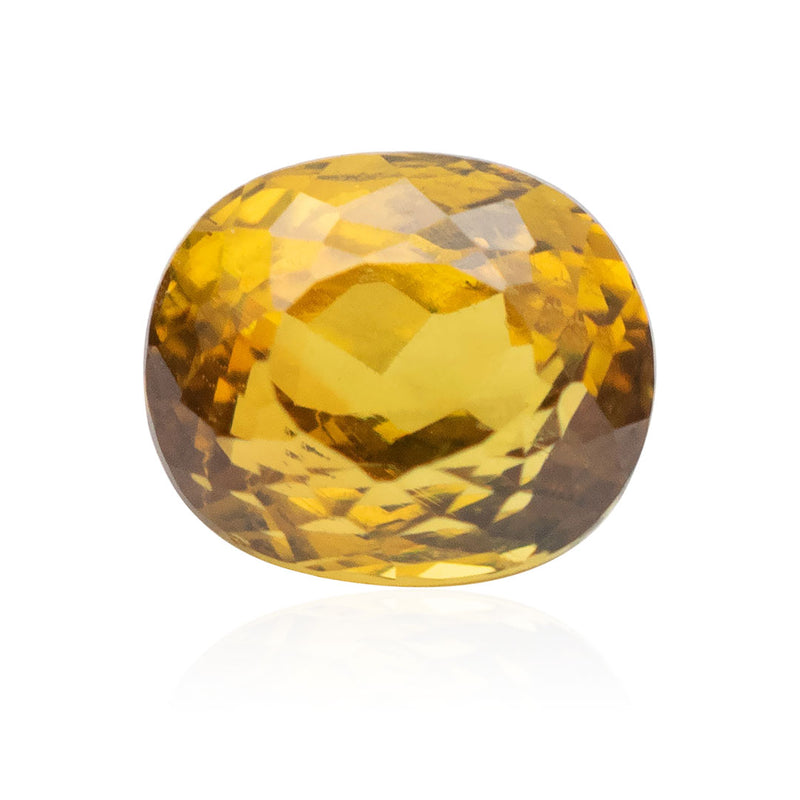
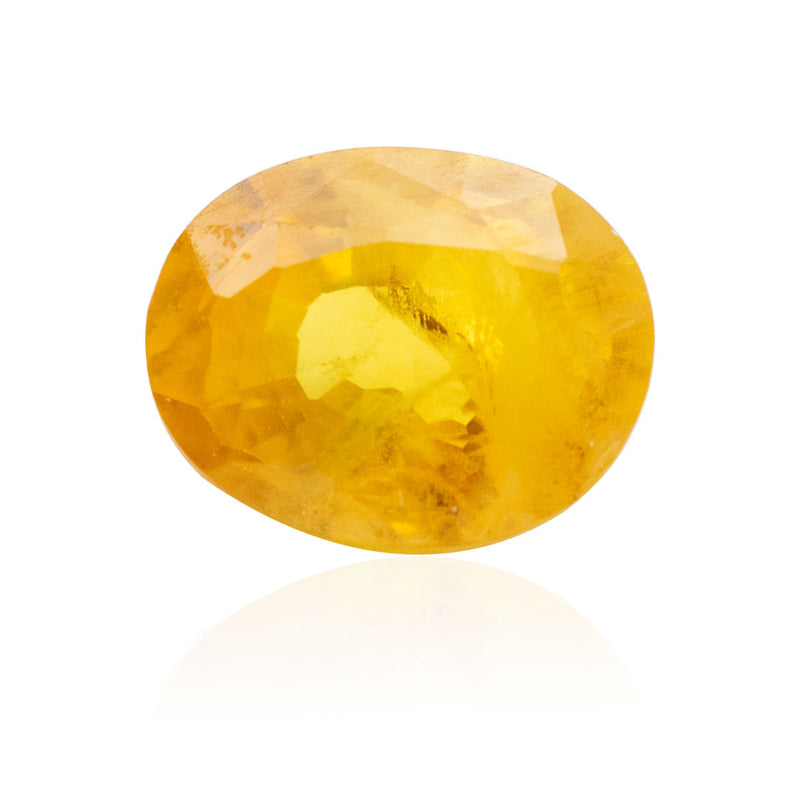
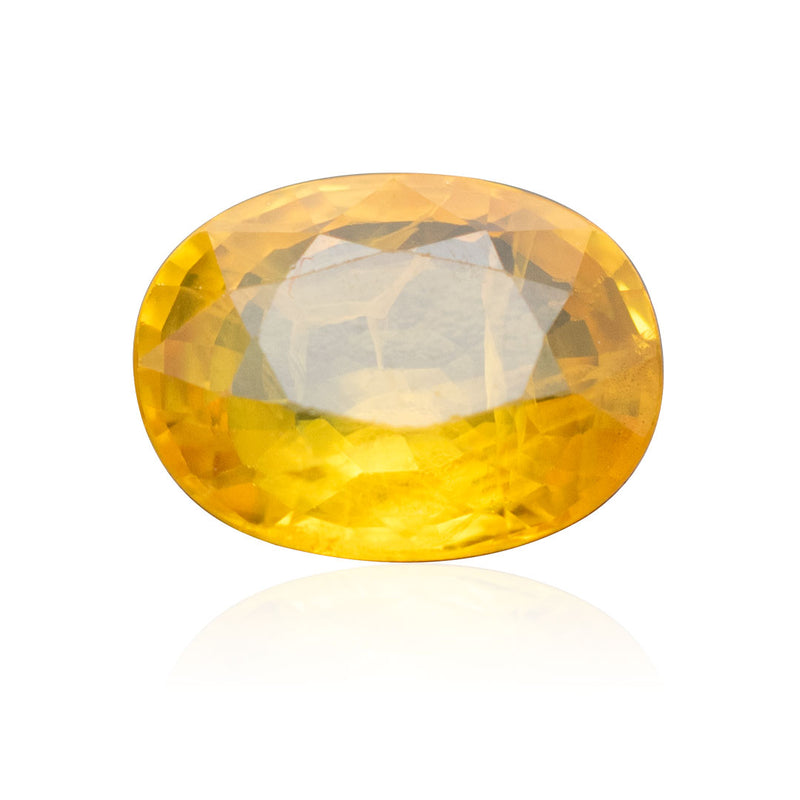
The Yellow Gemstones collection brings together rare natural stones known for their golden tones and bright presence. From yellow diamonds to sapphires, tourmalines, and other fine yellow gemstones, each gemstone is carefully chosen for its color, clarity, and character.
A beautiful starting point for bespoke rings, pendants, and timeless fine jewelry — shaped by nature, finished with intention.

 New
SARATTI
New
SARATTI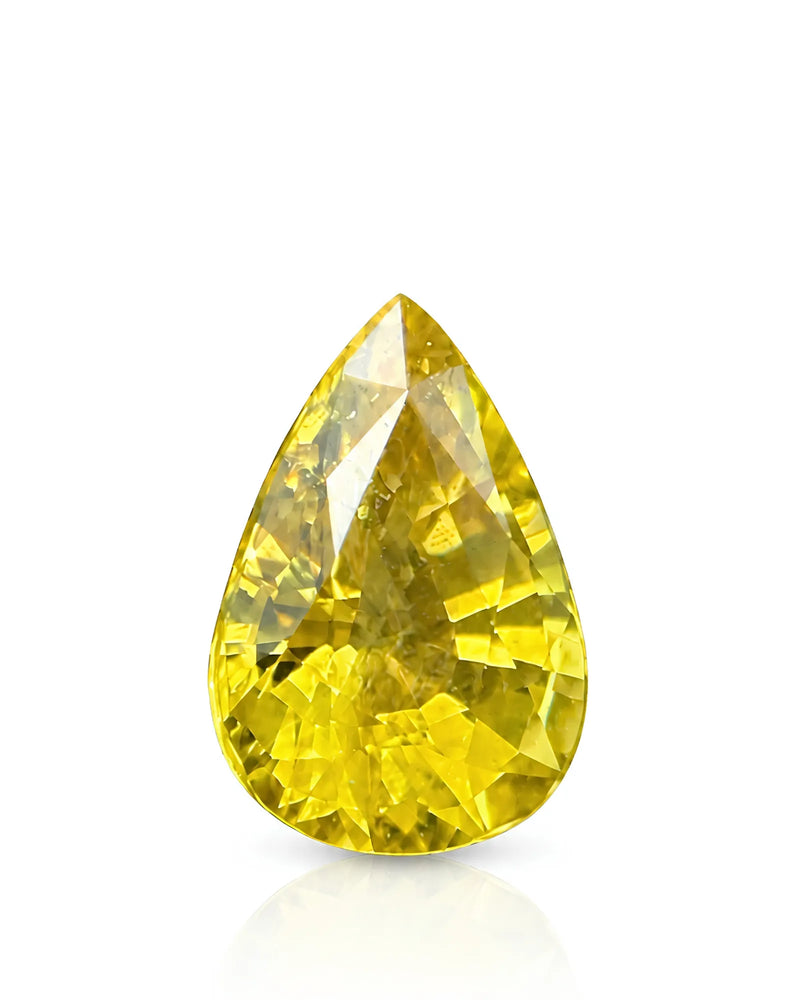 New
SARATTI
New
SARATTI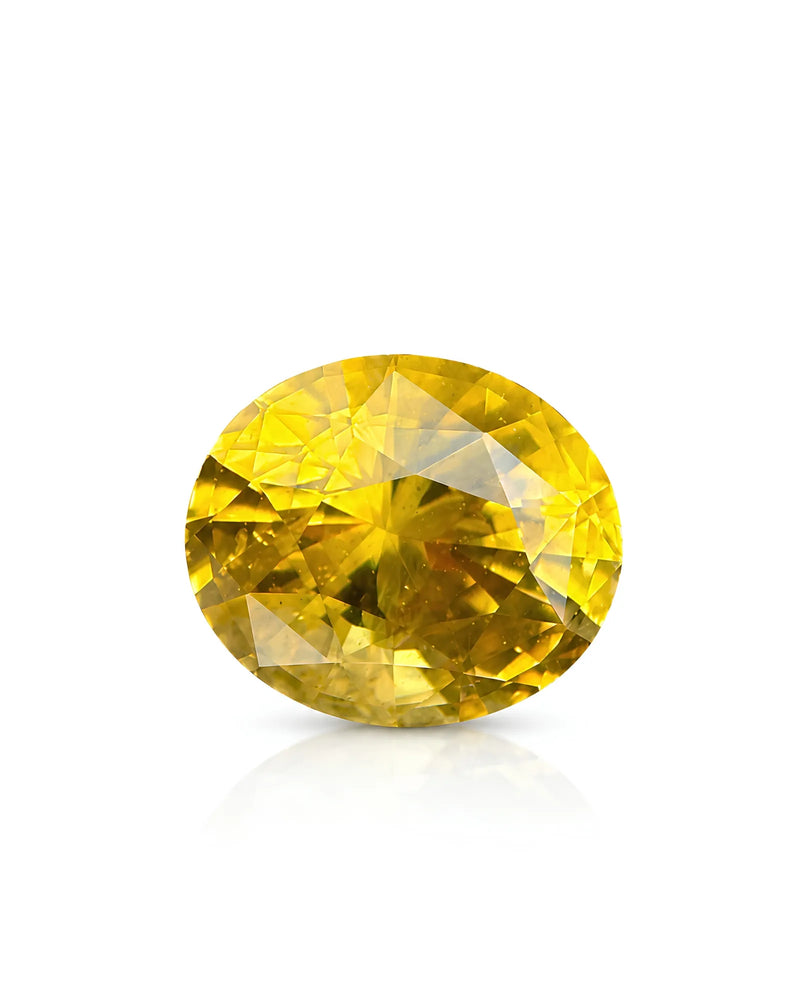 New
SARATTI
New
SARATTI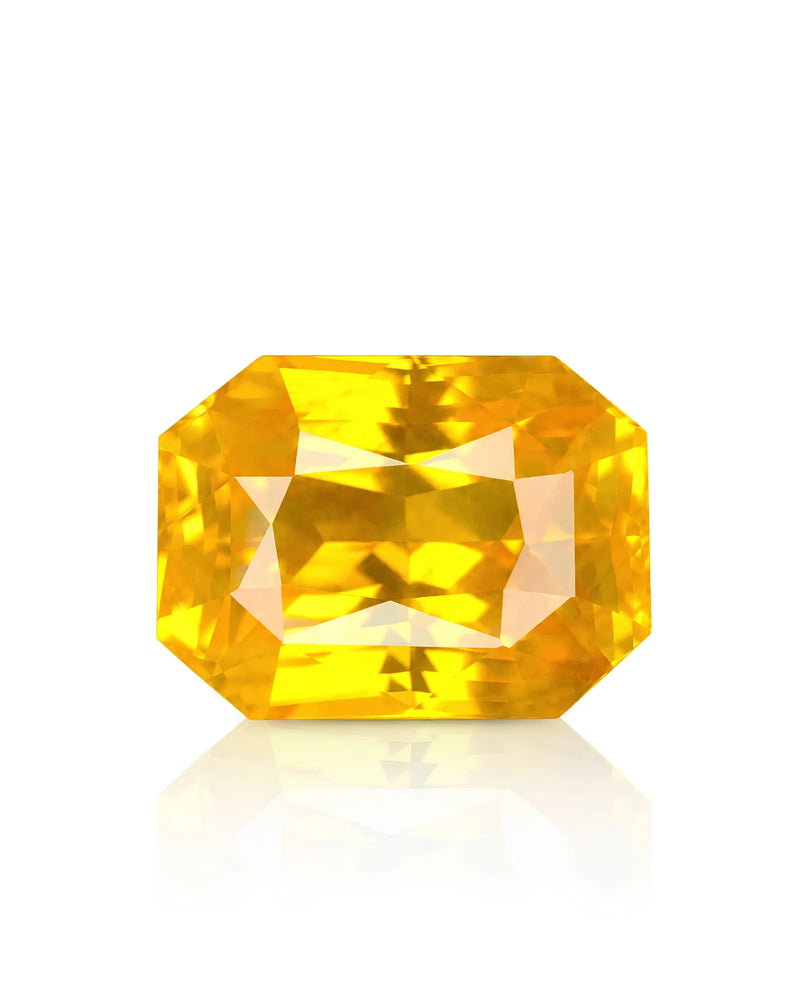 New
GUILD
New
GUILD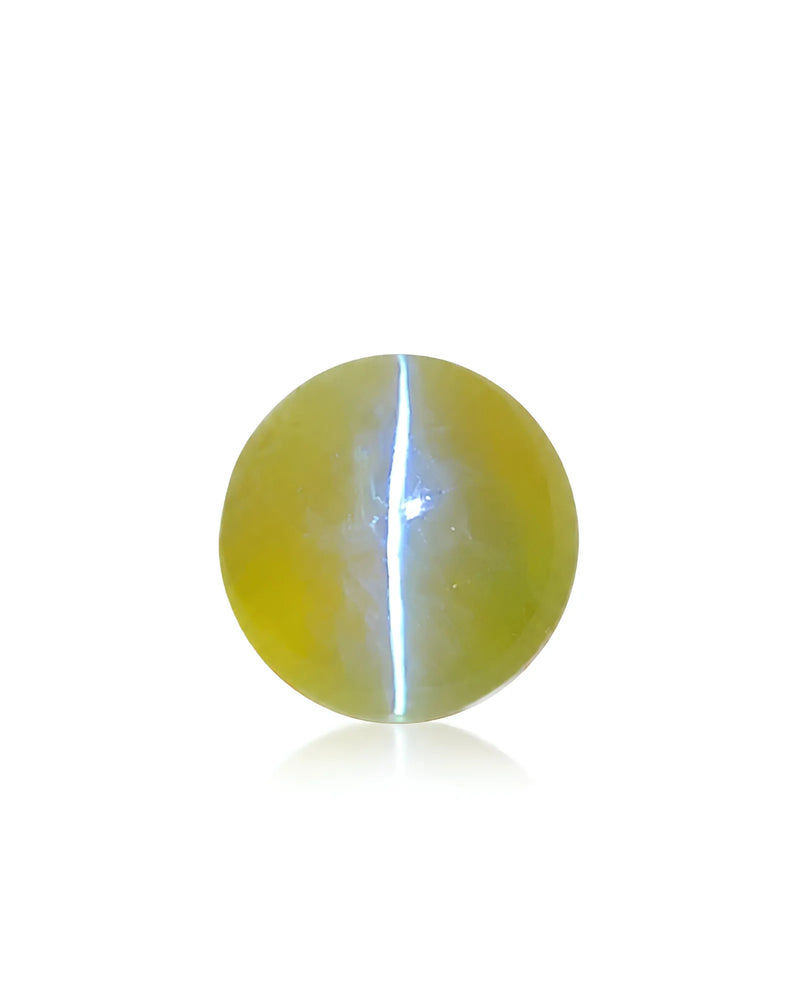 New
CGRL
New
CGRL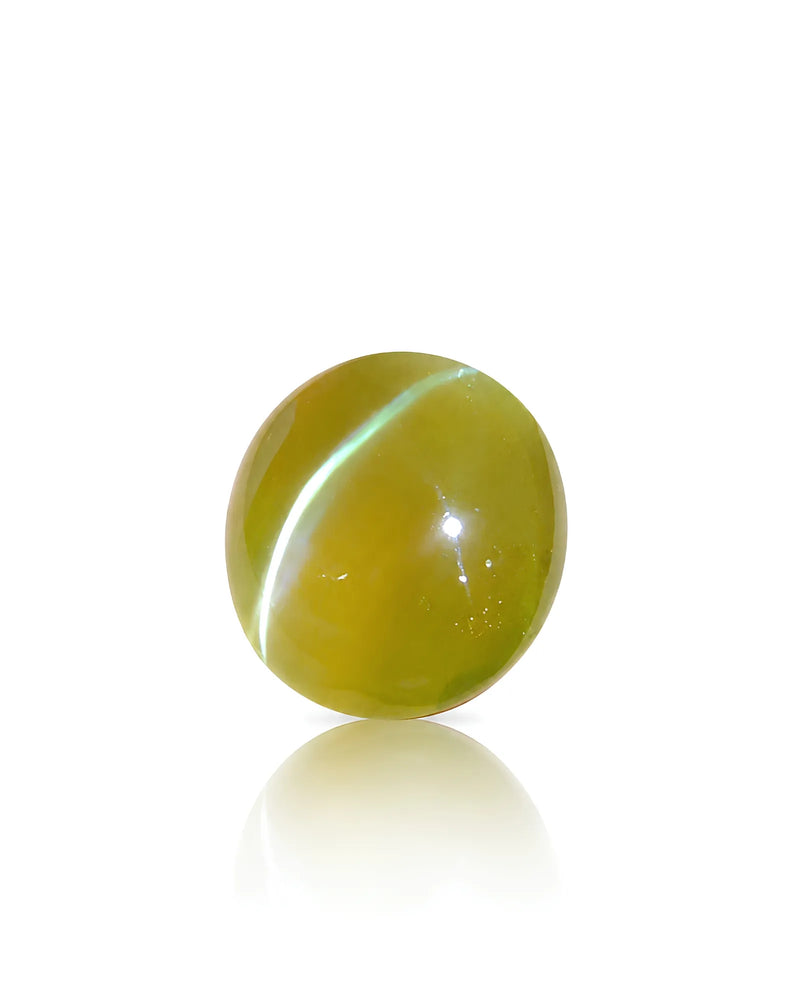 GUILD
GUILD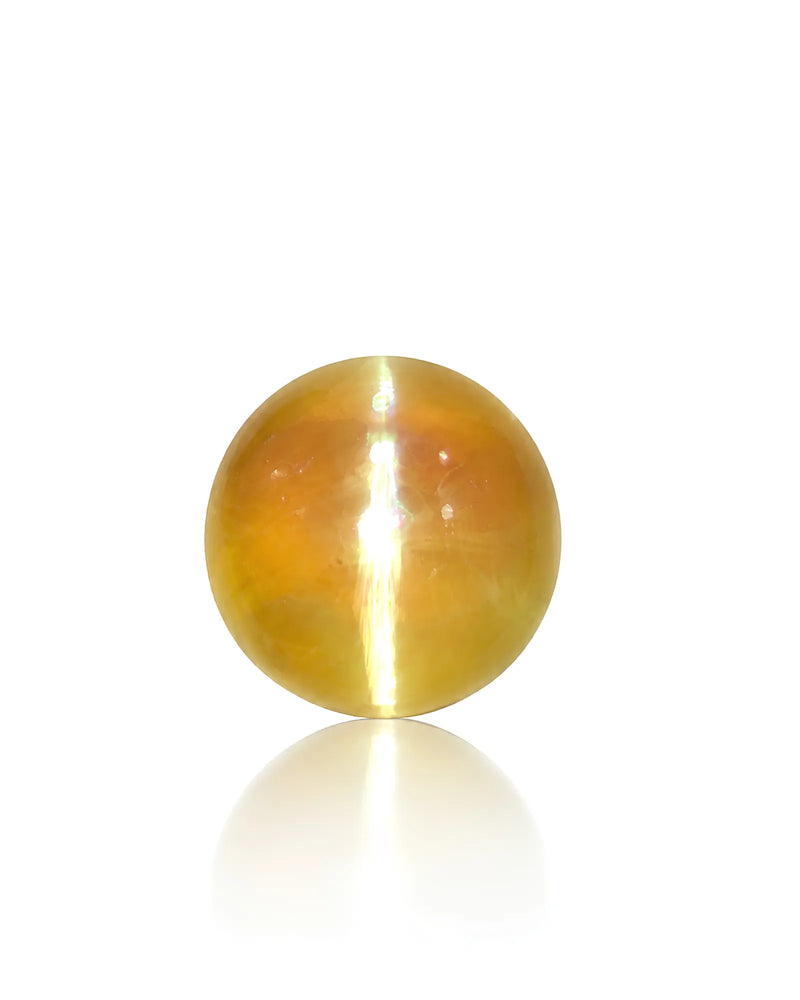 GUILD
GUILD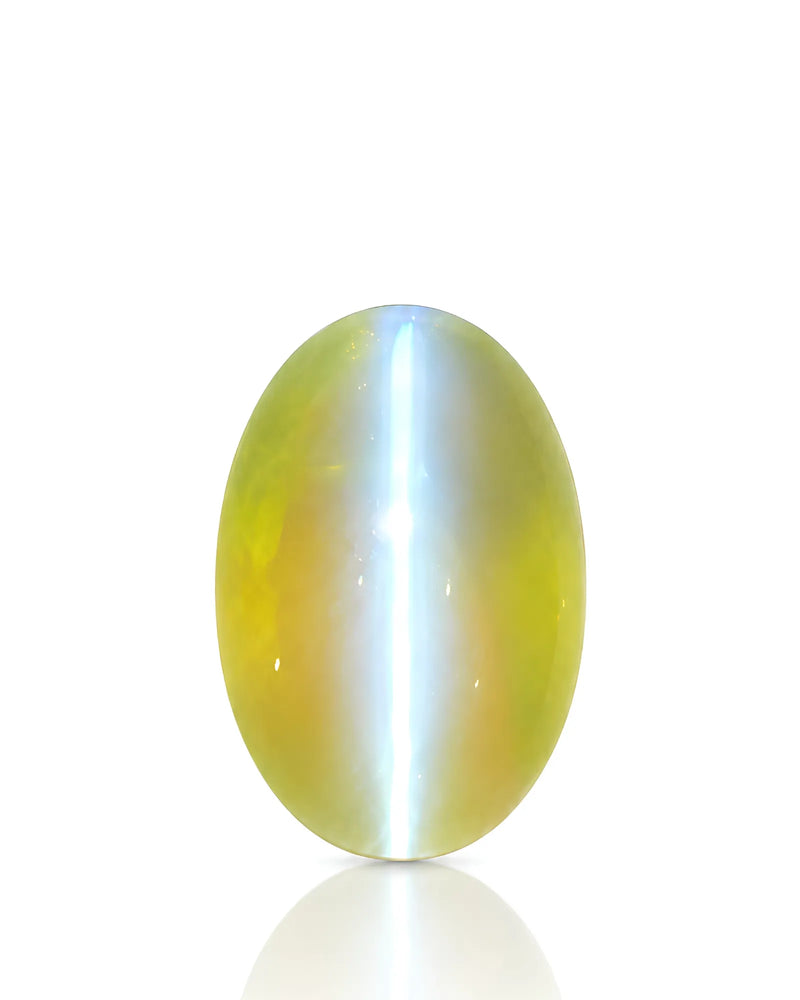 CGRL
CGRL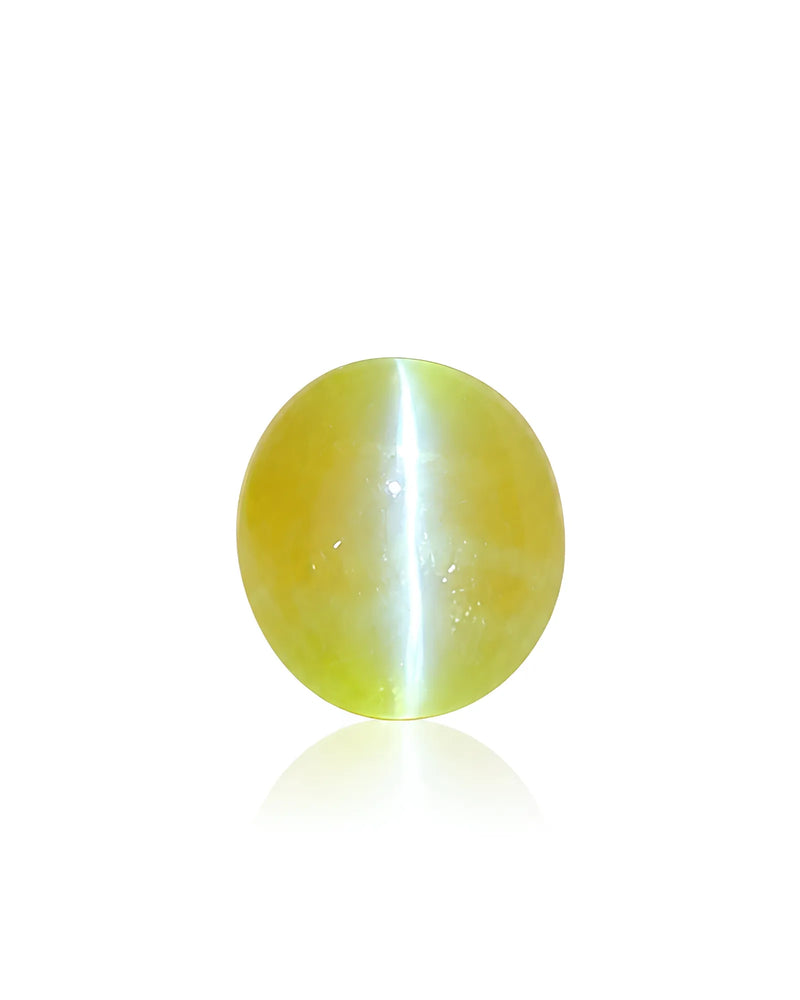
 GUILD
GUILD GUILD
GUILD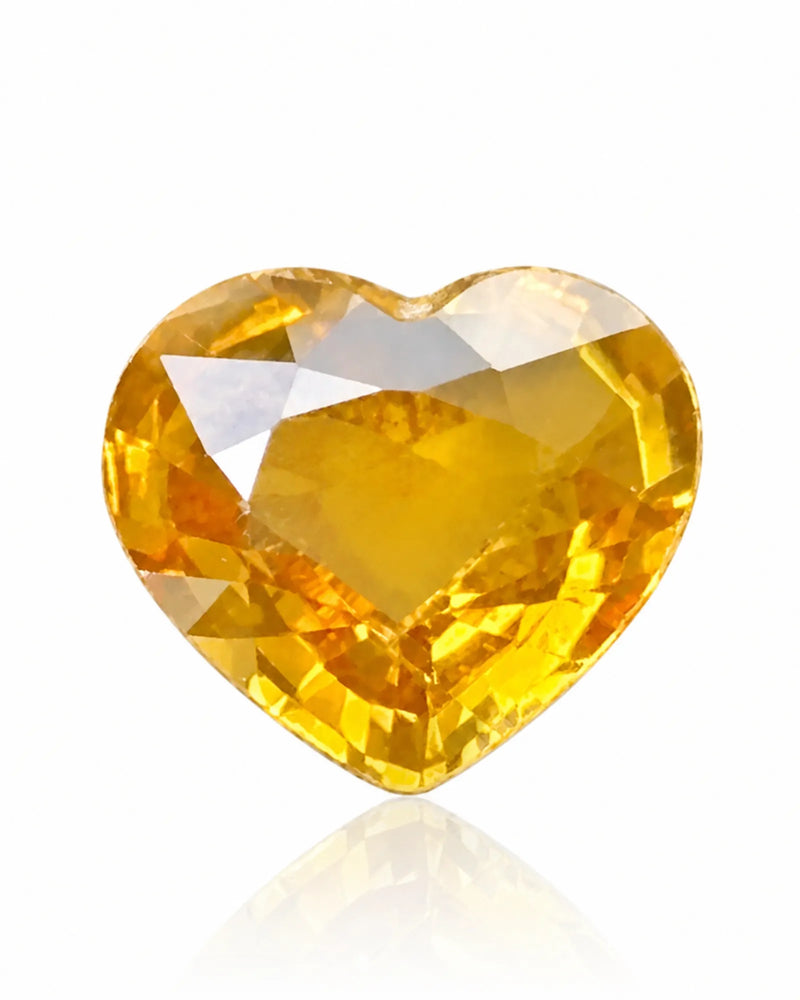 SARATTI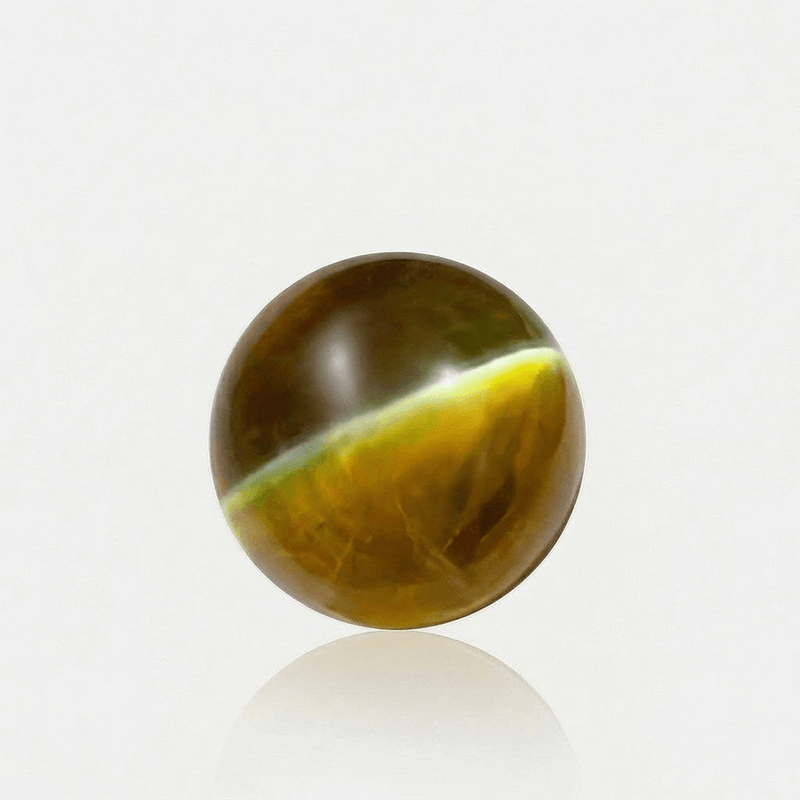
 GIA
GIA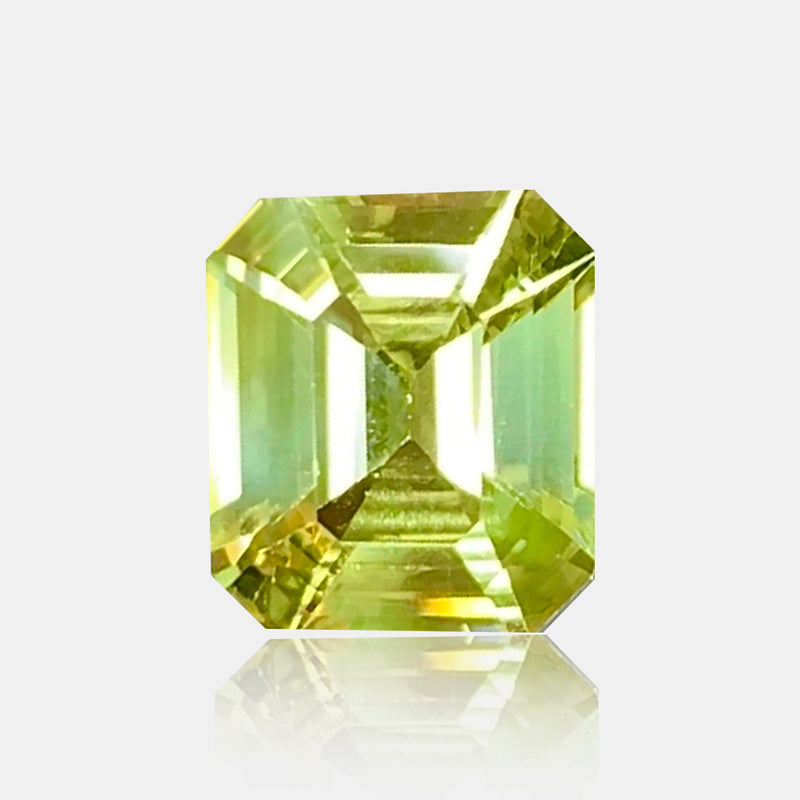
 GIA
GIA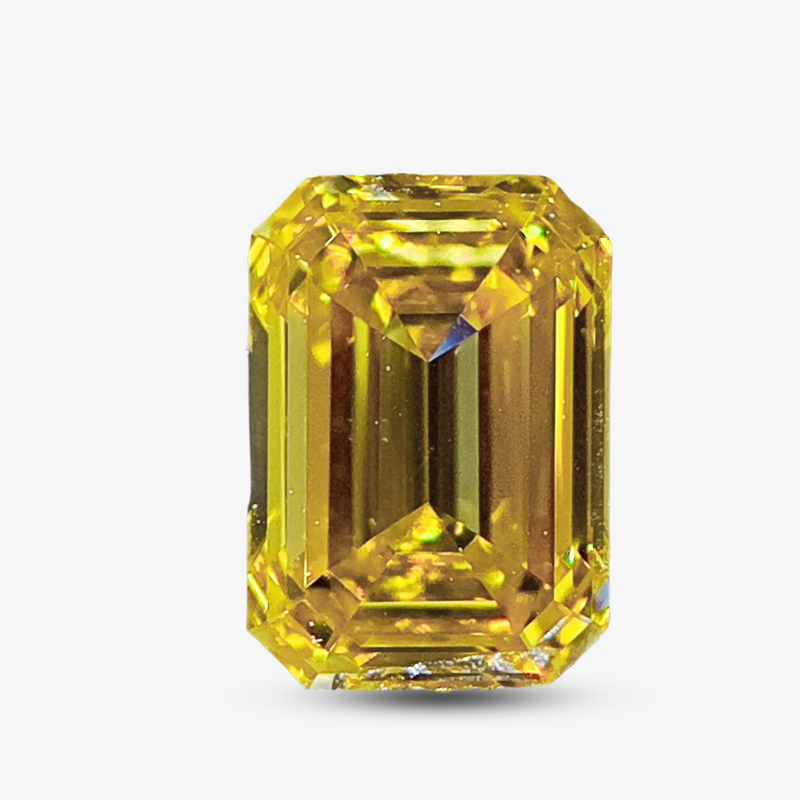 GIA
GIA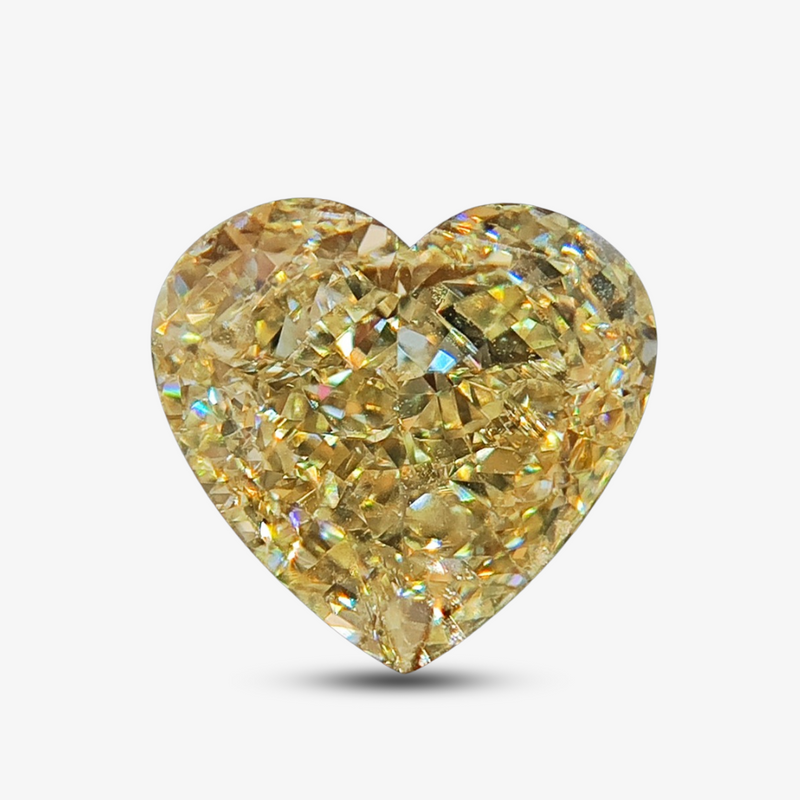 GIA
GIA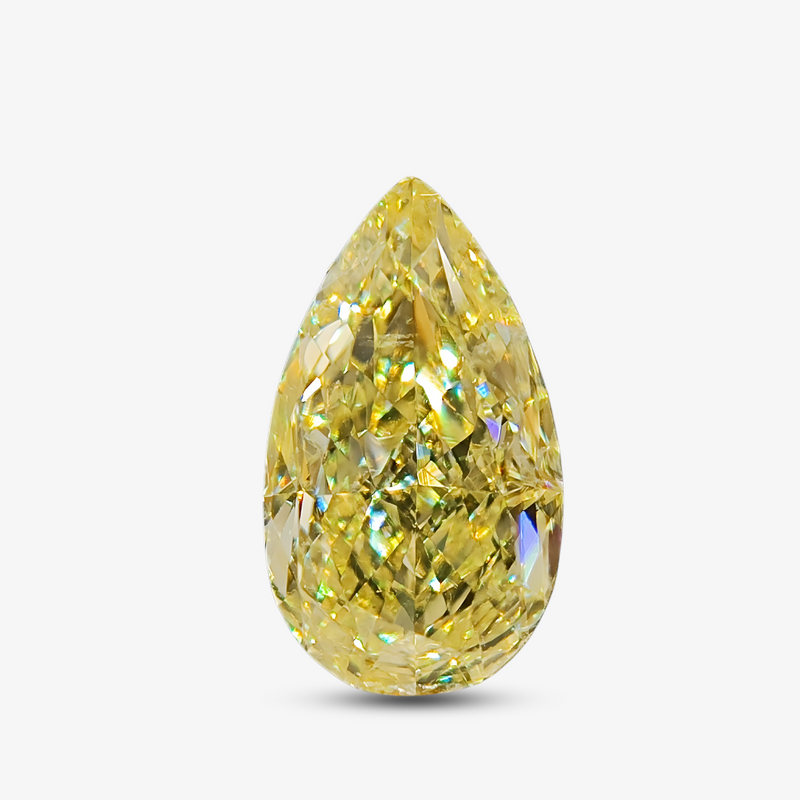 GIA
GIA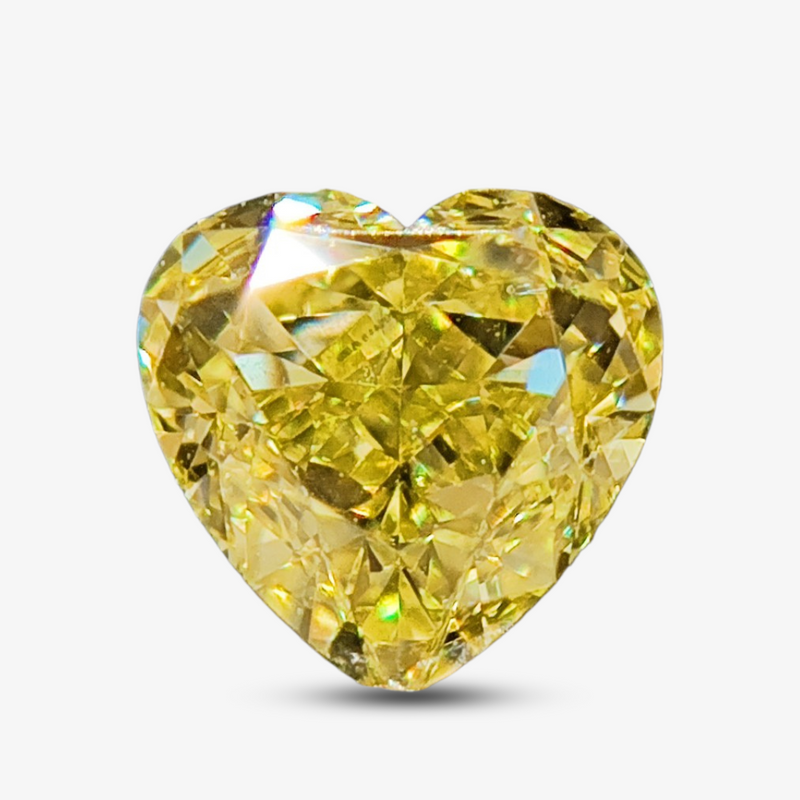 GIA
GIA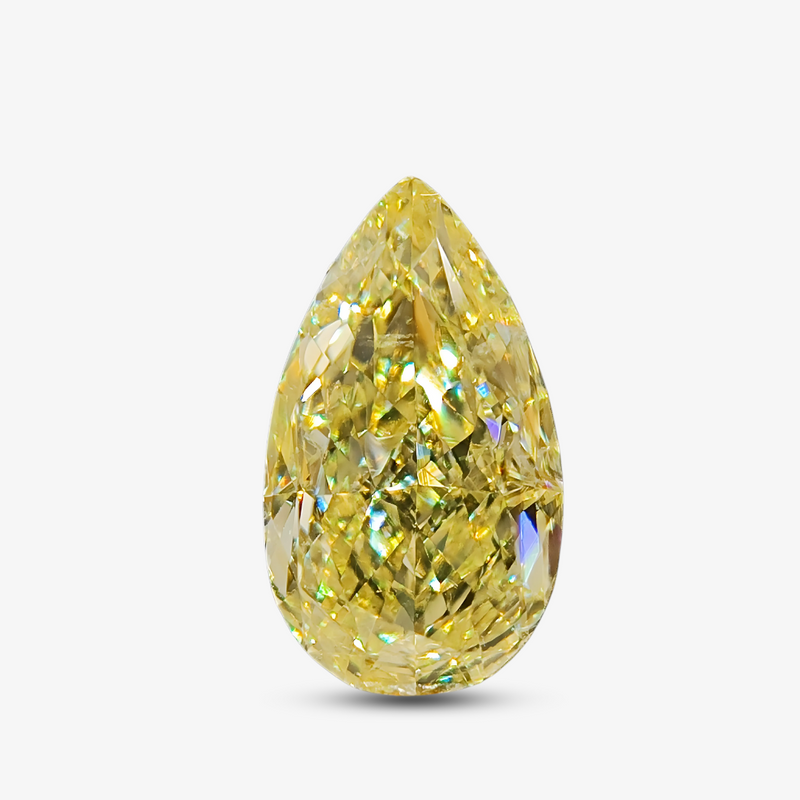 GIA
GIA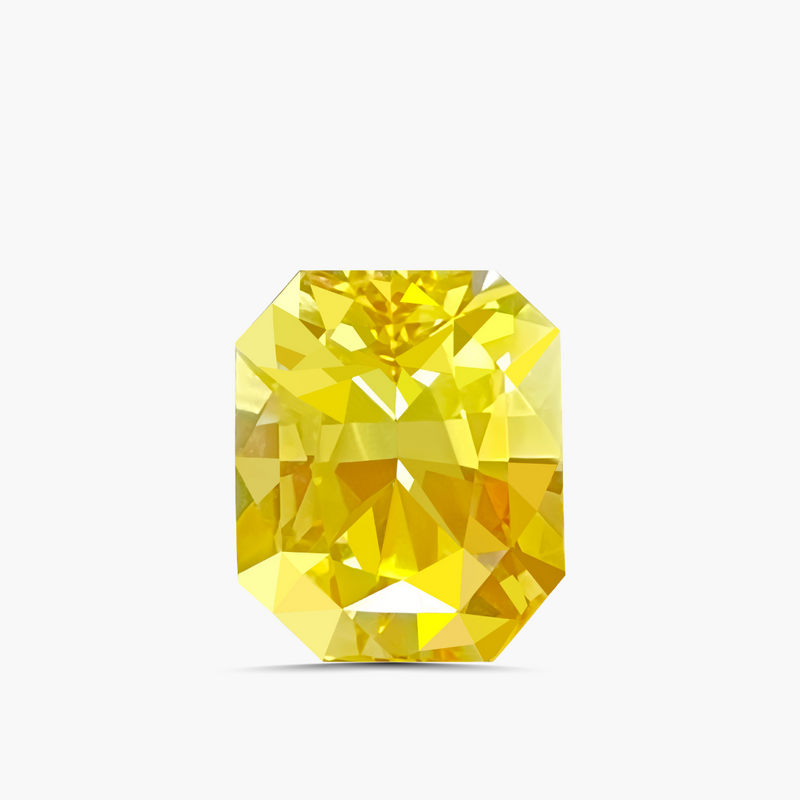
![1 Carat Oval Natural Loose Yellow Diamond [GIA Certified] | Saratti Gemstones](http://saratti.com/cdn/shop/files/Oval-Diamond-Gemstone-_-Saratti-Gemstones.jpg?v=1713334836&width=800) GIA
GIA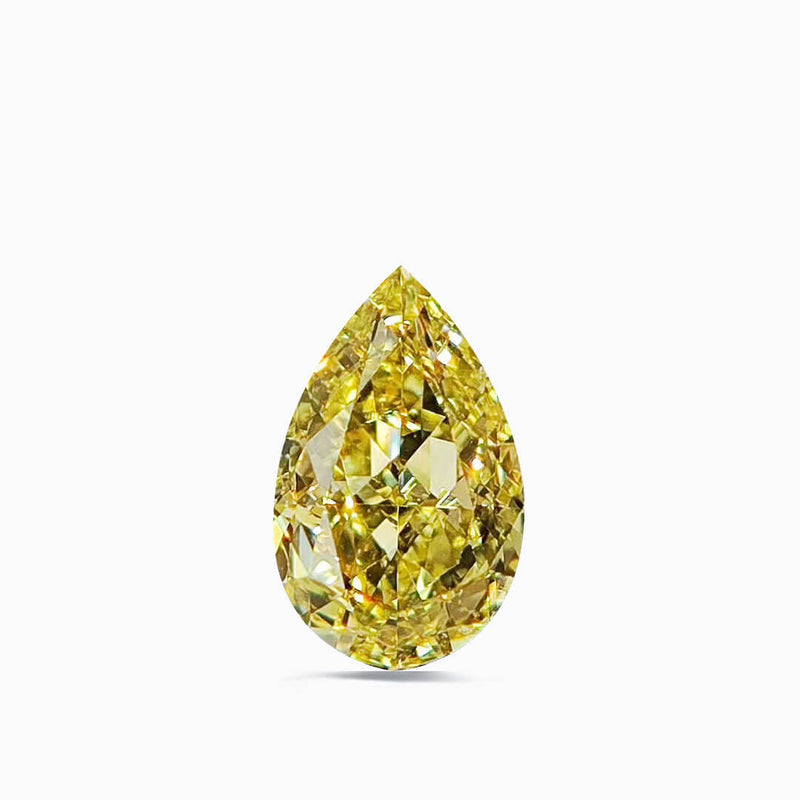 GIA
GIA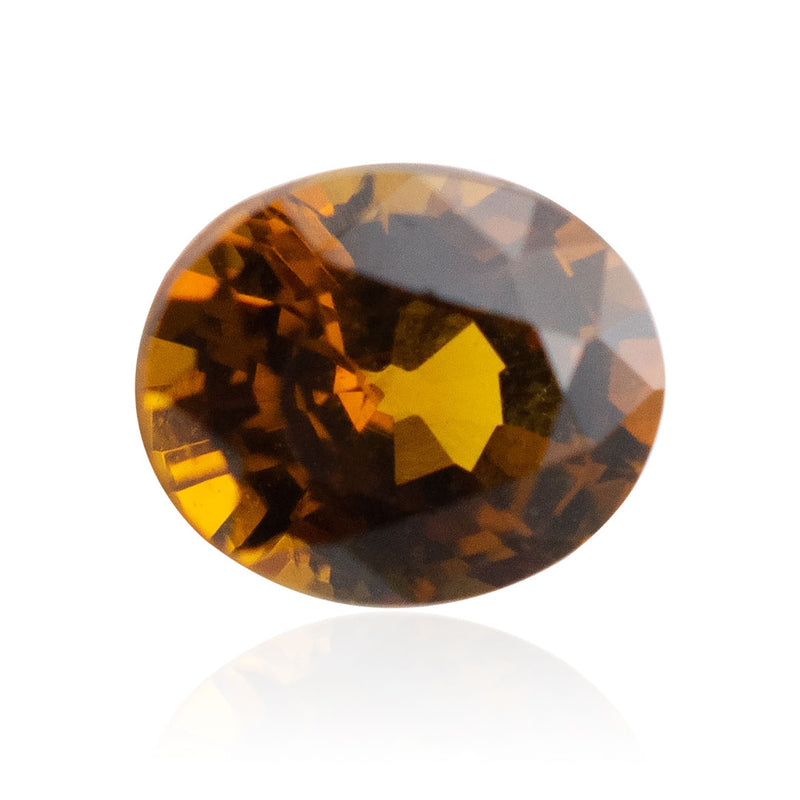
Our online collection is only part of what is available. Many more gemstones are held privately, including stones that may never appear on the website.
Tell us what you are looking for — or simply send us a photograph of something you love.
Our gemologists will personally select stones from the wider SARATTI collection for you to consider.
Not sure exactly what you want? Send us a photograph, a color you love, or simply ask.
No question is too small.
No request is too specific.
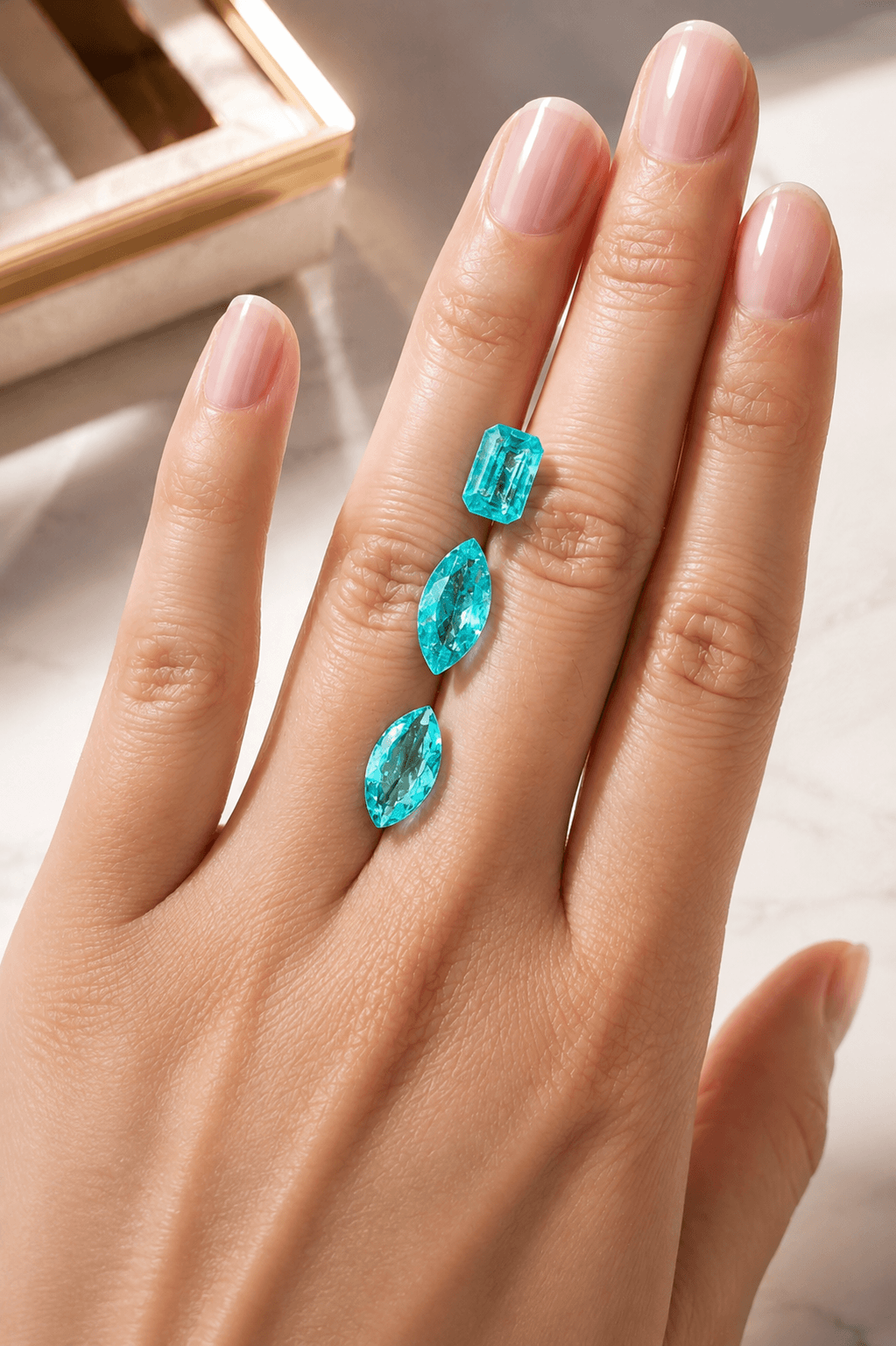
Chosen loose, certified where applicable, and shipped insured. Yours to keep, collect, or set later.
Browse Loose Stones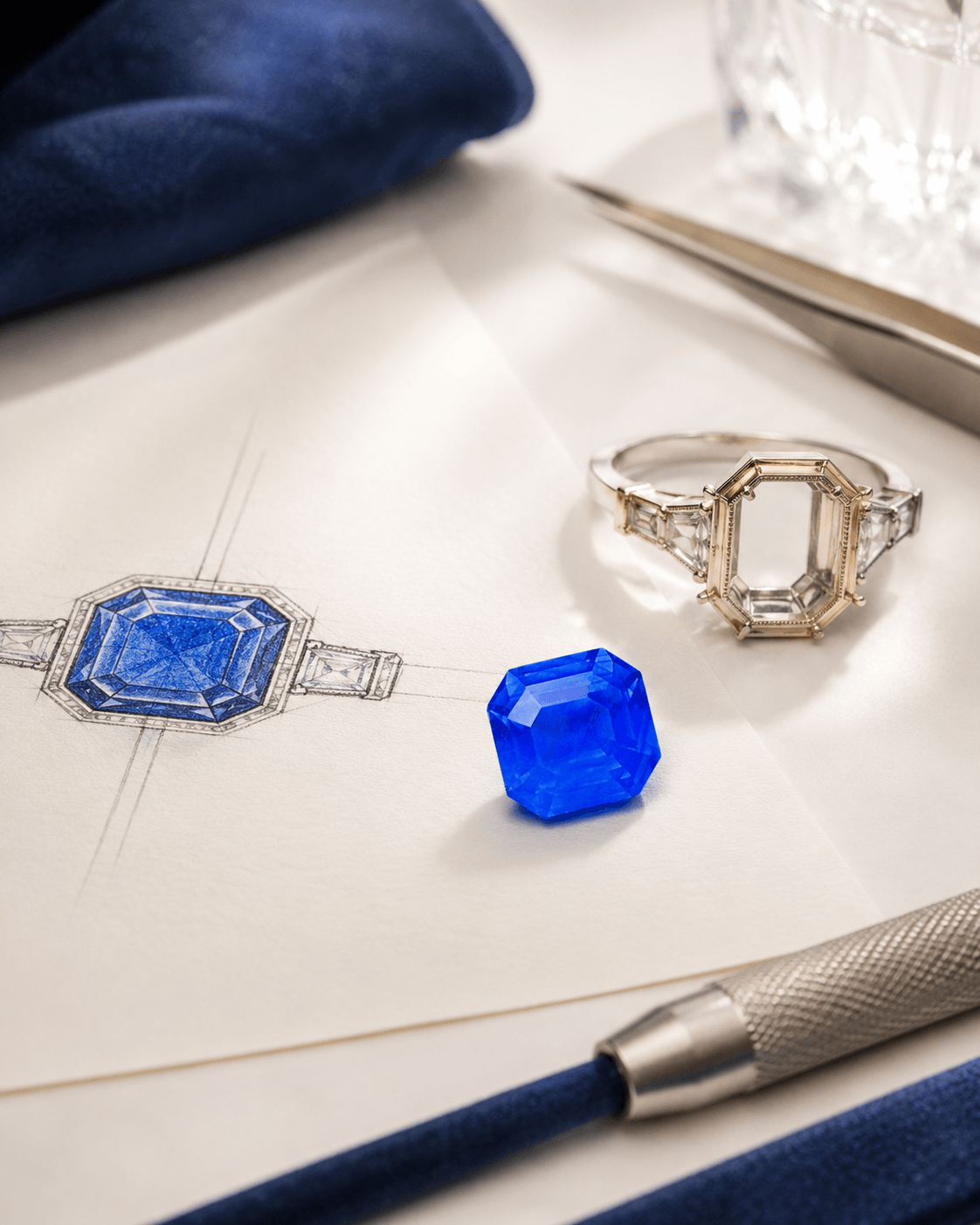
A setting designed around the gemstone and no other. Thoughtfully made, and reviewed with you before anything begins.
Begin a Commission
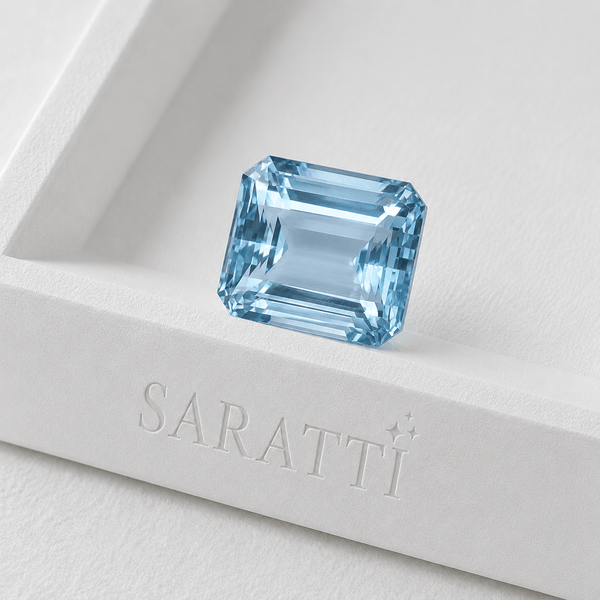
Some blue stones are made to dazzle.Aquamarine is made to calm. Its beauty is softer than a flash of brilliance. It carries the blue of clear water, pale sky, and...

Choosing an emerald engagement ring is a deeply personal decision. It is not only about choosing a beautiful green gemstone, but also about understanding how emeralds behave, how they are...

Blue gemstones can look similar at first glance, but they do not belong to the same value category. That is exactly why Paraiba Tourmaline and Aquamarine are compared so often....

Blue gemstones often look similar at first. That is why Paraiba Tourmaline and Aquamarine are compared so often. Both can appear fresh, elegant, and full of light. Both also sit...

Fine jewelry becomes more meaningful when it feels personal. Not just beautiful, but intentional. The kind of piece that reflects mood, emotion, and identity rather than simply adding sparkle. That...

A tennis bracelet does not need a loud design to feel unforgettable. It sits close to the wrist. It moves softly. It catches light in one clean line. That is the beauty...

At first glance, it is easy to understand why aquamarine and Paraiba tourmaline are often compared. Both are blue gemstones. Both feel luminous. Both belong to that part of the...

What if a diamond could hold the blue of the ocean, the warmth of sunlight, or the soft blush of a rose? That is the world of fancy colored diamonds. They are...
Yellow sapphire is the benchmark, coloured by iron and hard at Mohs 9. Citrine is the affordable quartz option, available in very large sizes. Imperial and ordinary topaz cover the golden-orange range, chrysoberyl and heliodor the yellow-green to honey range. Mali and grossular garnet give bright, untreated colour in small sizes, while sphene and zircon offer exceptional dispersion at the cost of durability. Fancy yellow diamond sits in an entirely separate market.
In the great majority of cases, yes. Amethyst turns yellow to reddish-orange when heated to roughly 470 to 560 degrees, permanently and irreversibly, and most Brazilian and Bolivian rough is treated this way as a matter of routine. The result is still genuine quartz and genuine citrine by every definition the trade uses. Natural unheated citrine exists but is uncommon, usually paler and smokier, and the two are near-impossible to separate because the end product is chemically identical.
Most yellow sapphire has been heated, which develops or deepens existing colour and is permanent, stable and accepted throughout the trade. Beryllium diffusion is different: beryllium is driven into the stone at very high temperature, adding colour rather than developing it, often as a rim. Diffused material is worth a fraction of comparable heated-only stones, and it cannot be seen with a loupe. Only laboratory analysis identifies it, which is why a report matters here.
Imperial topaz is the premium material in the species: a saturated orange-yellow to golden or reddish stone, often peachy or sherry-toned, historically from the mines around Ouro Preto in Minas Gerais, Brazil. Ordinary yellow topaz is pale straw to golden, abundant and inexpensive, and comes from many sources. The distinction is one of colour saturation and, for most of the trade, origin. A pale yellow stone described as imperial is being sold on a word.
Yellow sapphire at Mohs 9 and chrysoberyl at 8.5 are unqualified choices, both hard and free of troublesome cleavage. Topaz is hard at 8 but has perfect basal cleavage and can split under a sharp knock, so it needs a protective setting. Heliodor is sound for regular wear. Citrine and zircon show softened facet edges over years of hard wear, yellow garnet suits occasional wear, and sphene at 5 to 5.5 should never go into a ring.
Yellow is the hue least forgiving of tone and saturation. An under-saturated yellow carrying a warm modifier reads brown; one carrying a cool modifier reads greenish. Iron, the commonest cause of yellow, slides that way easily when there is slightly too much of it, which is why iron-coloured stones such as heliodor and some chrysoberyl tend yellow-green. Always judge a yellow stone in daylight and again under a warm bulb, where the difference becomes obvious.
Fancy yellow diamond sits well clear of everything else. Below it come fine unheated yellow sapphire and top imperial topaz, then heated yellow sapphire and fine cat's eye chrysoberyl, then Mali and grossular garnet, transparent chrysoberyl and heliodor, then sphene and zircon, then ordinary yellow topaz. Citrine is the most affordable by a wide margin and the only one that gives real size cheaply. Yellow sapphire also costs far less than blue of comparable quality.