What Rubellite Is
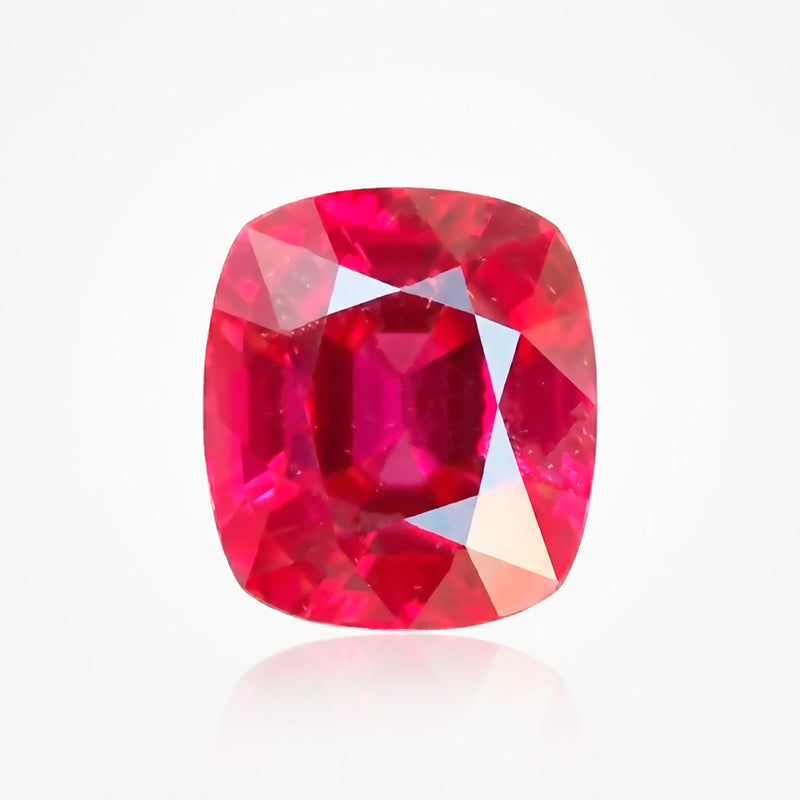
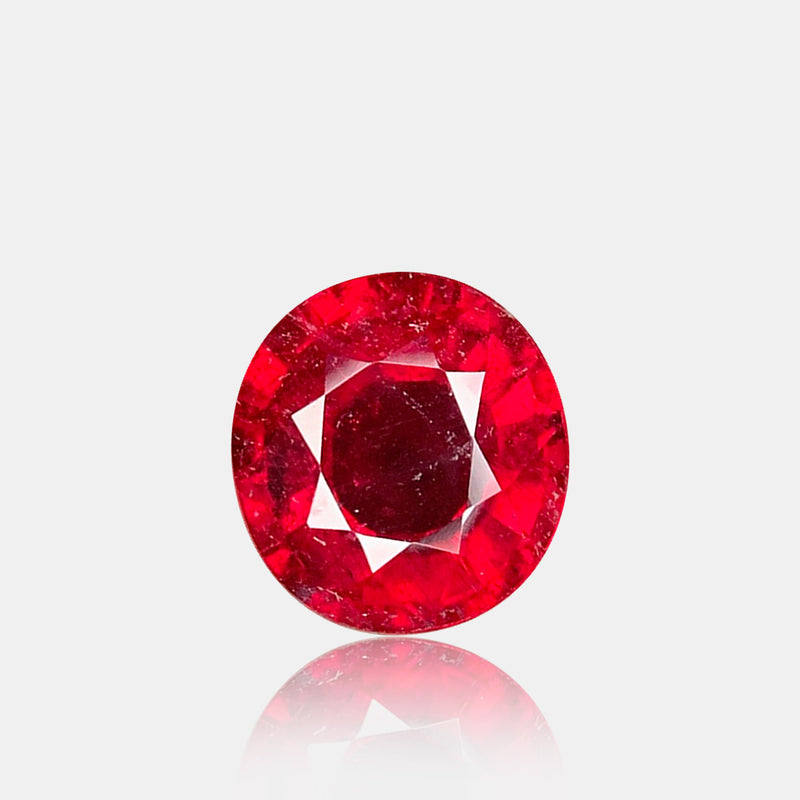
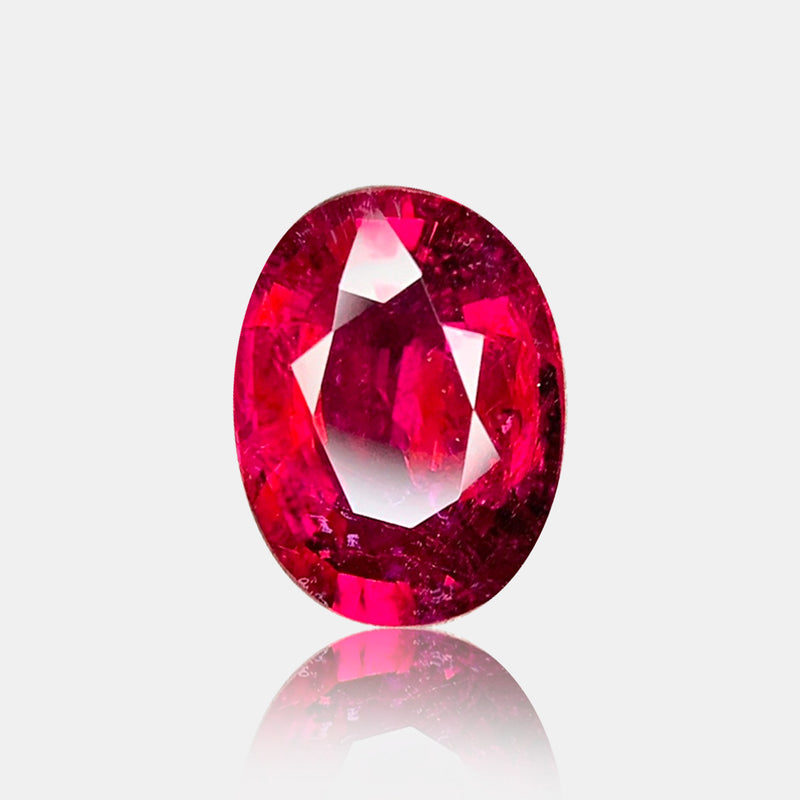
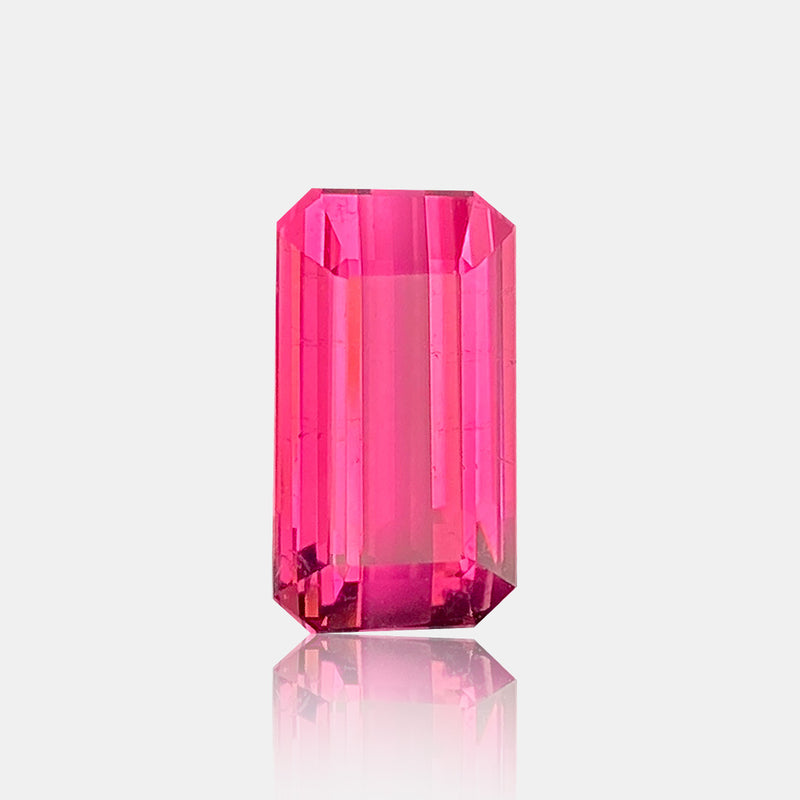
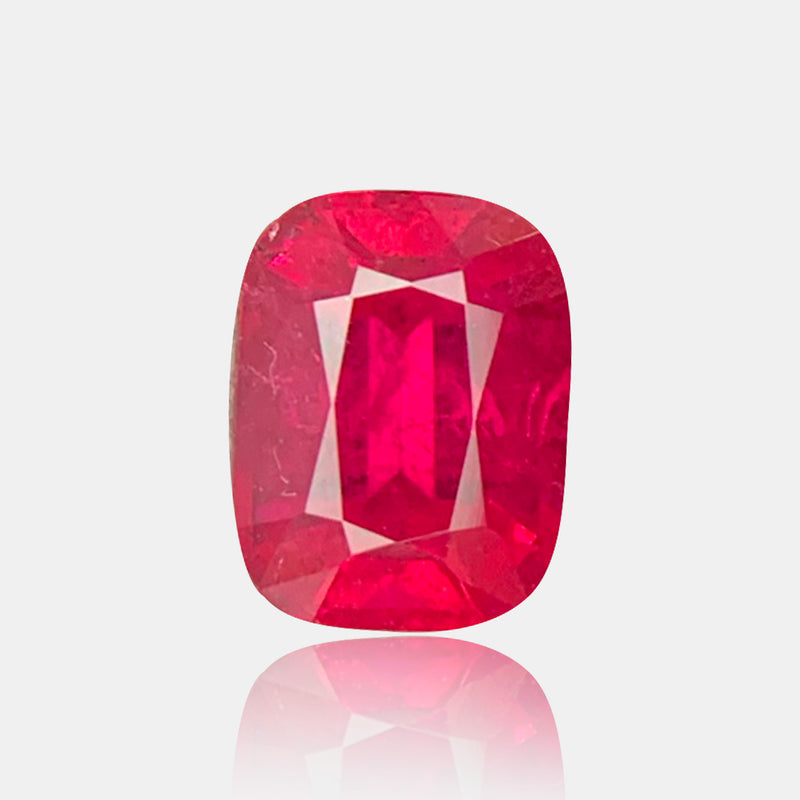
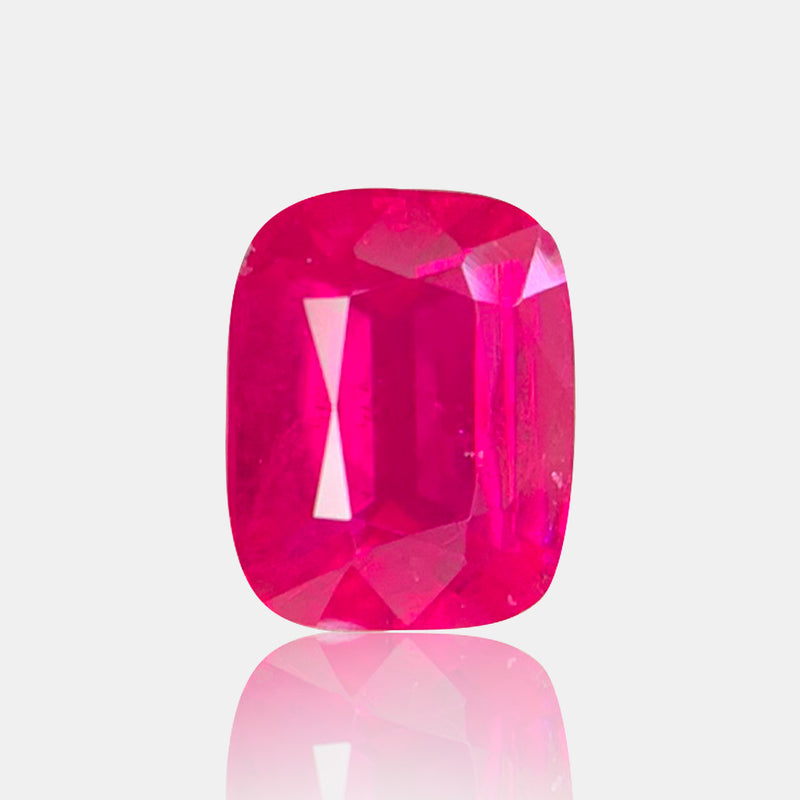
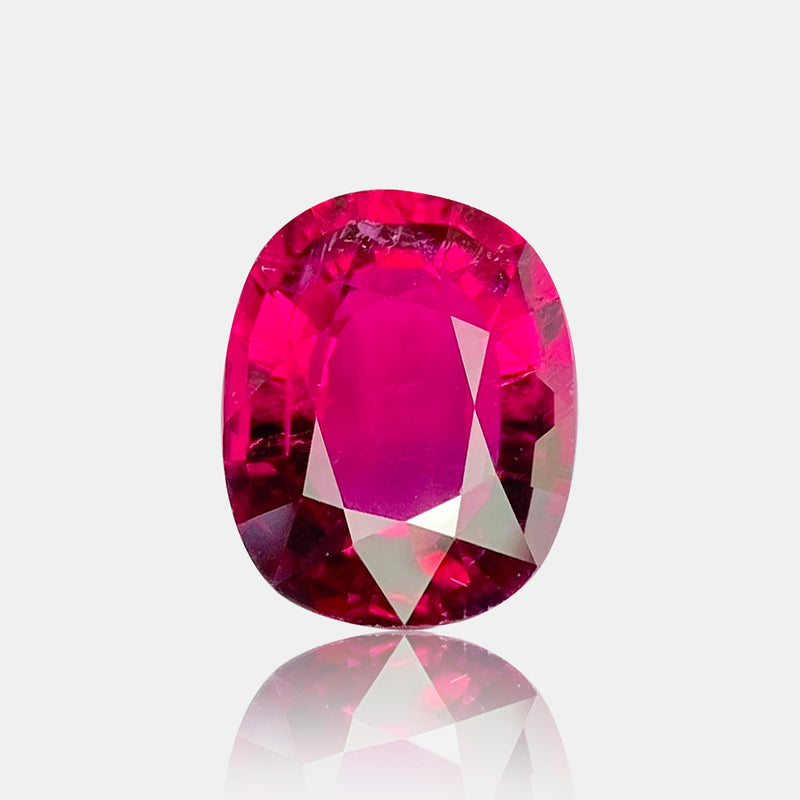
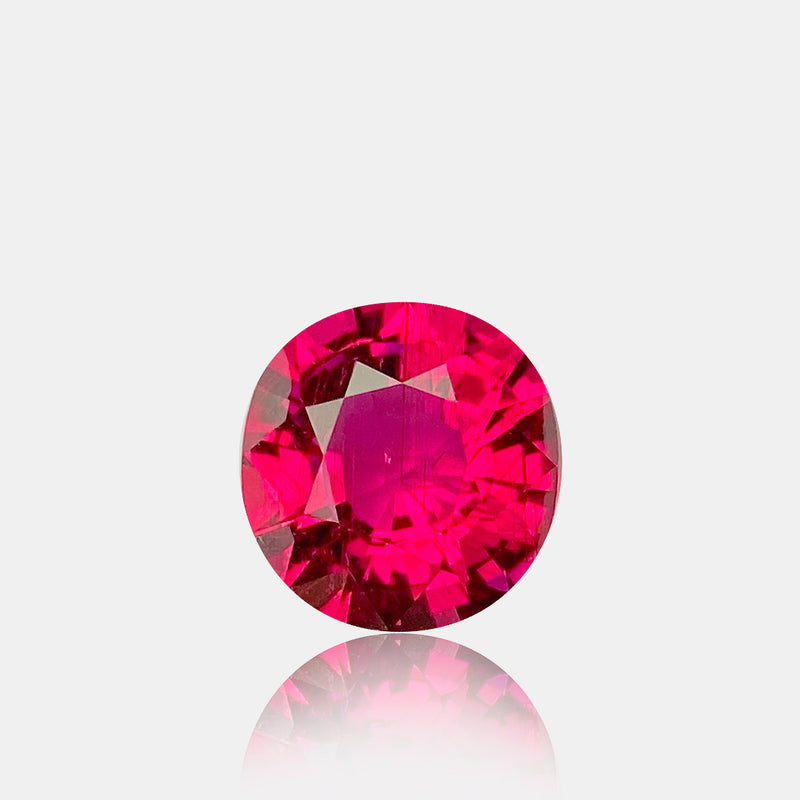
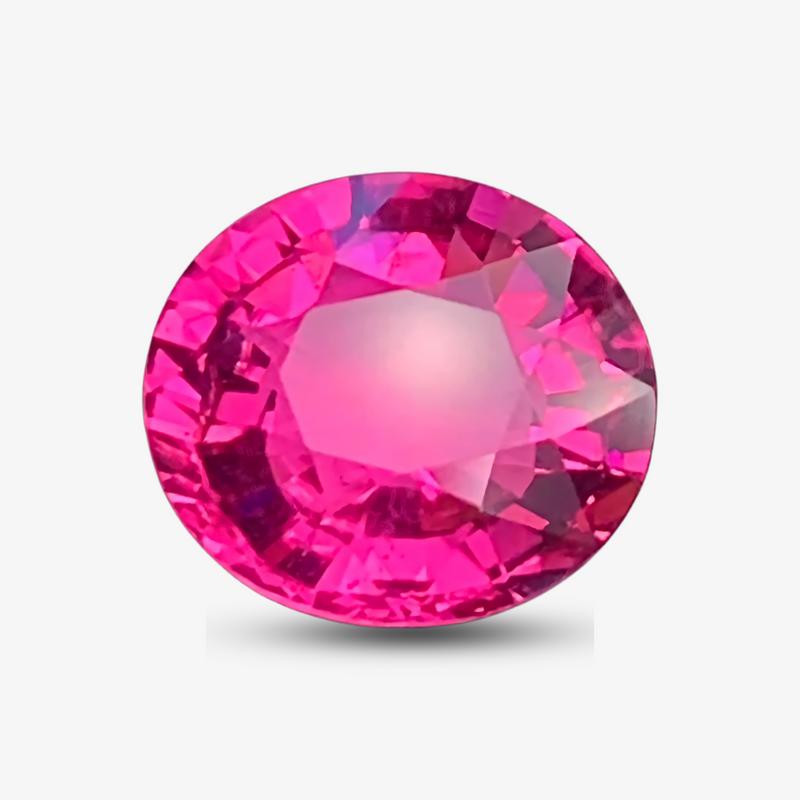
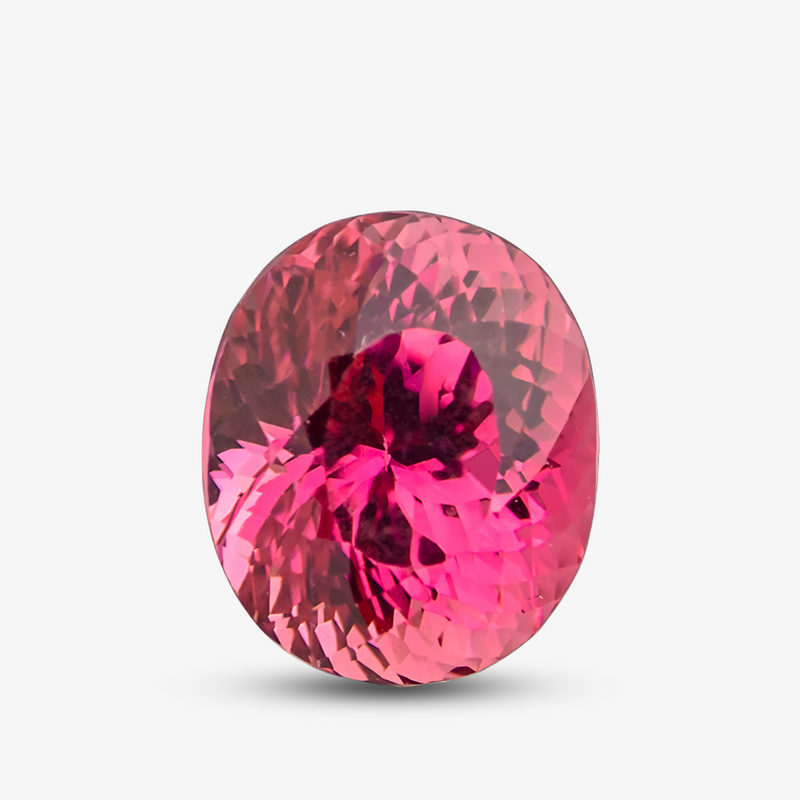
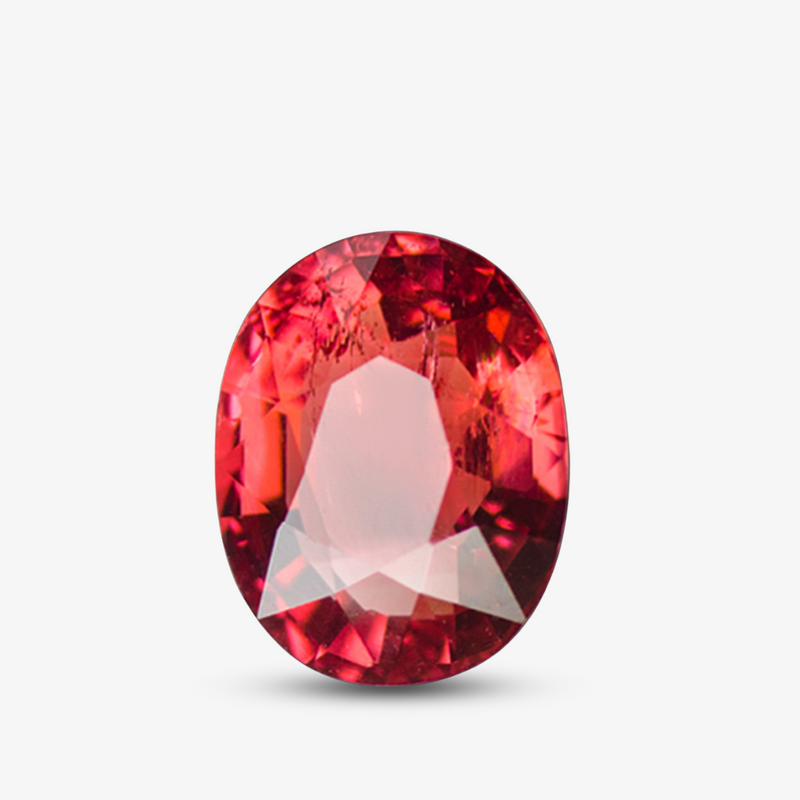
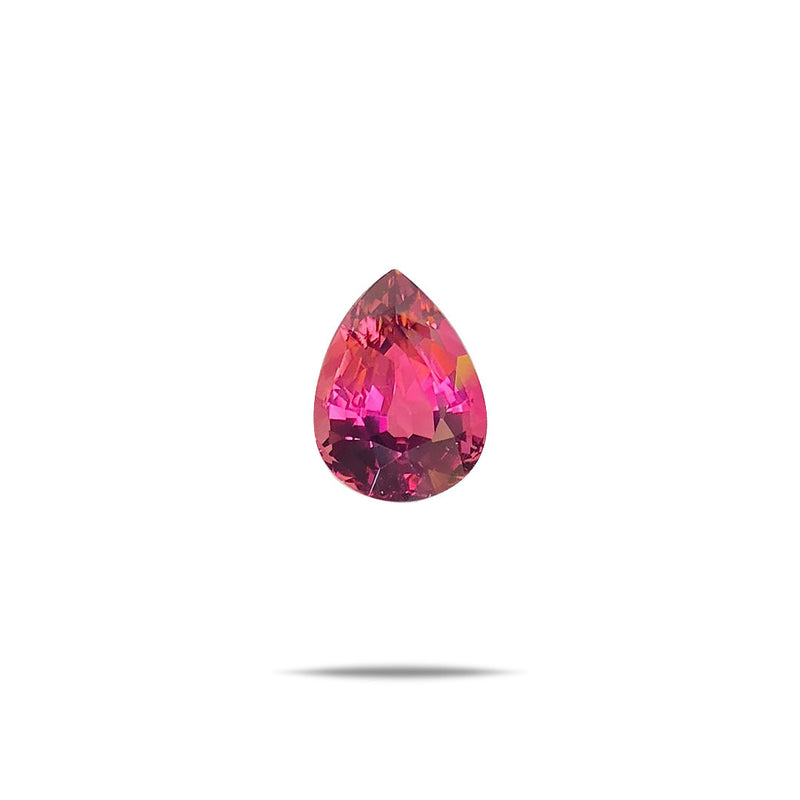
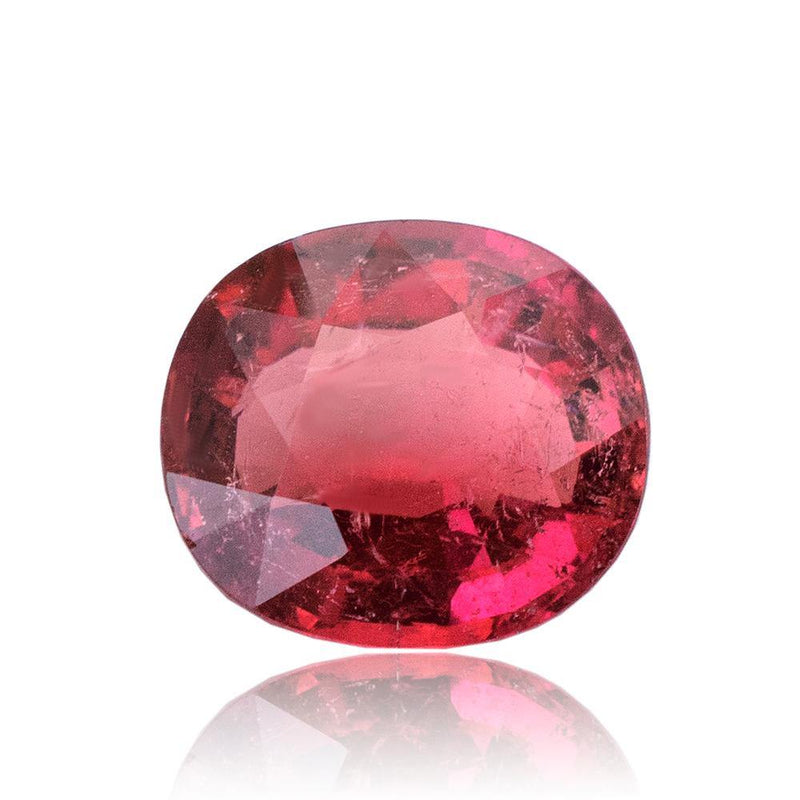
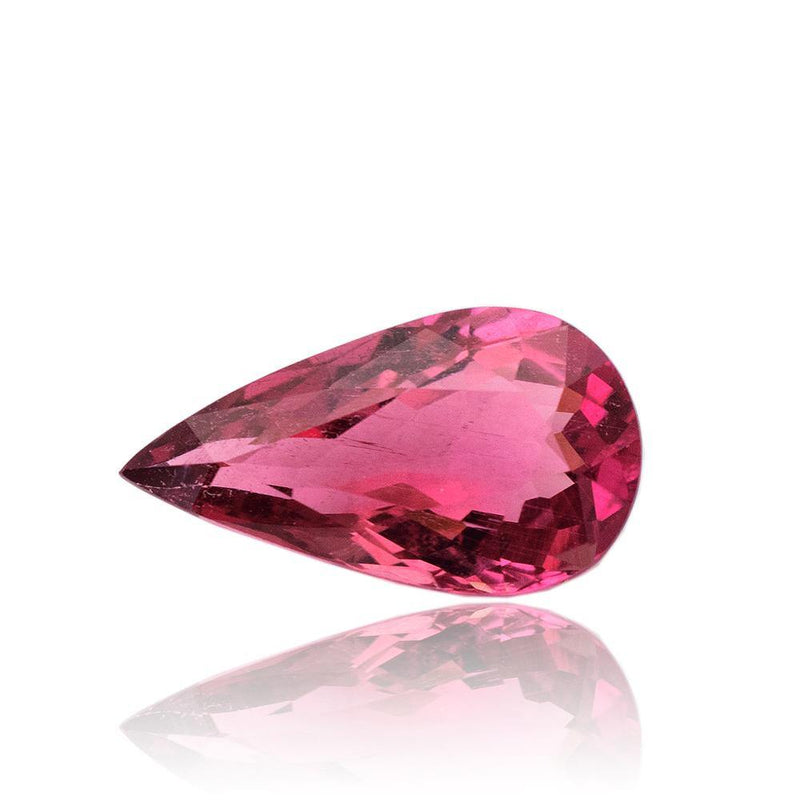
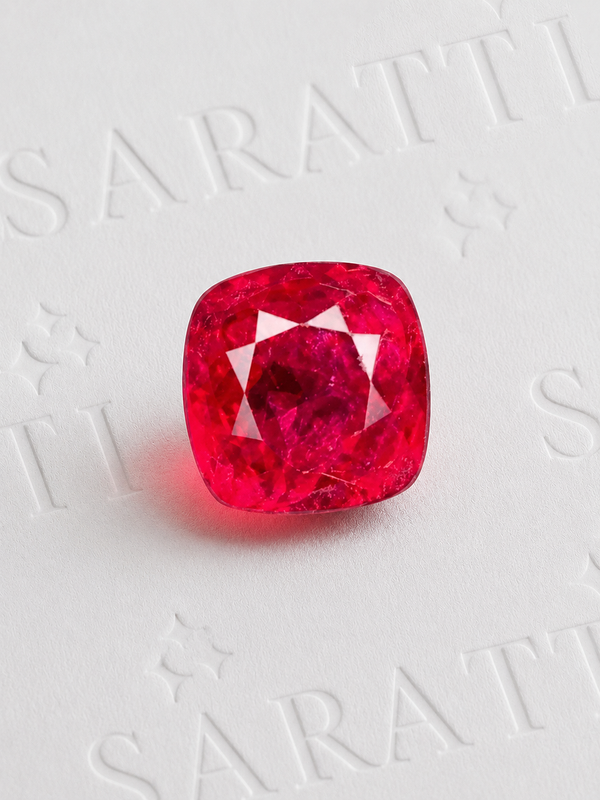
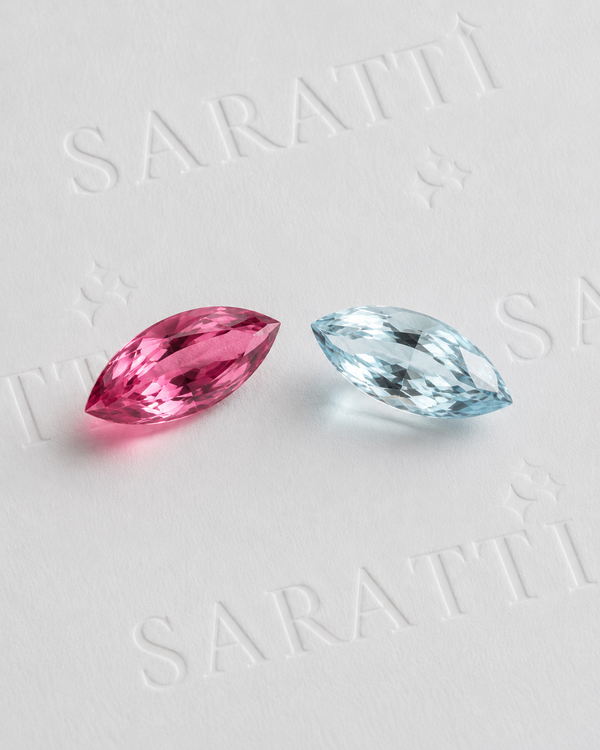
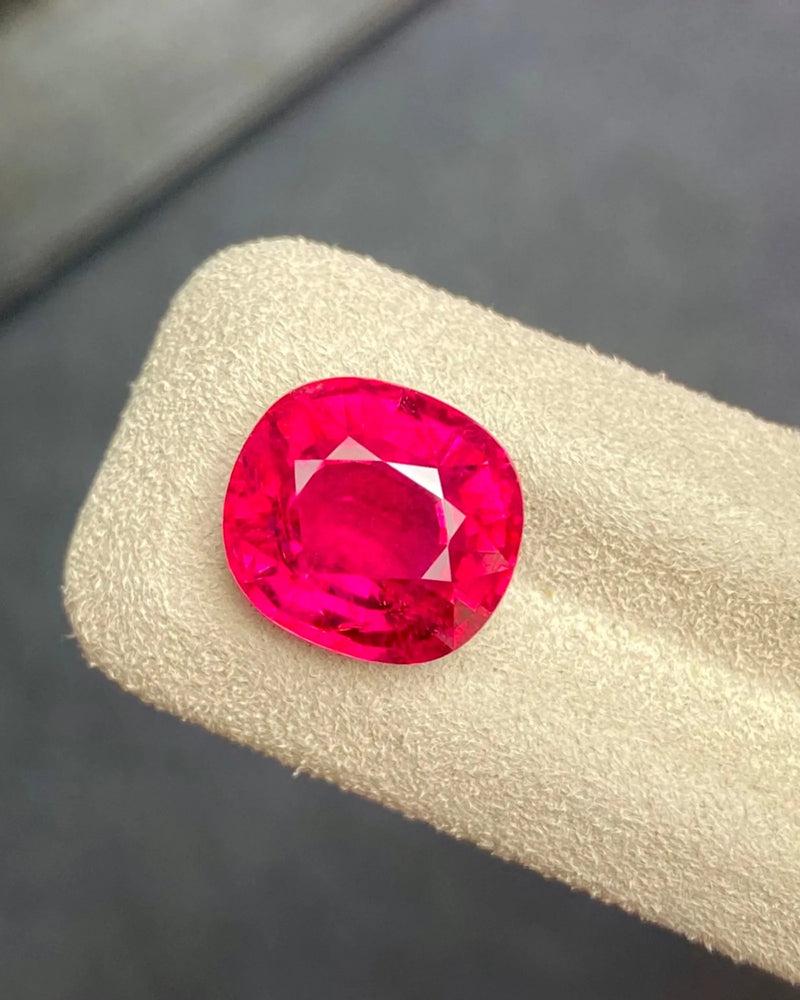
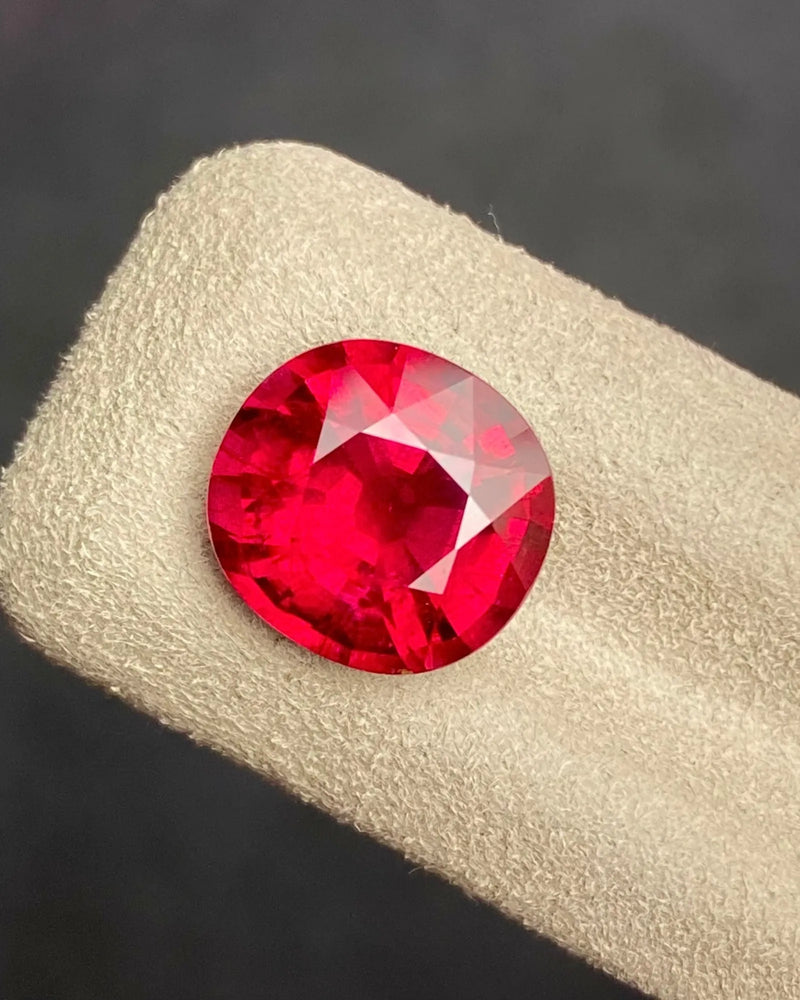
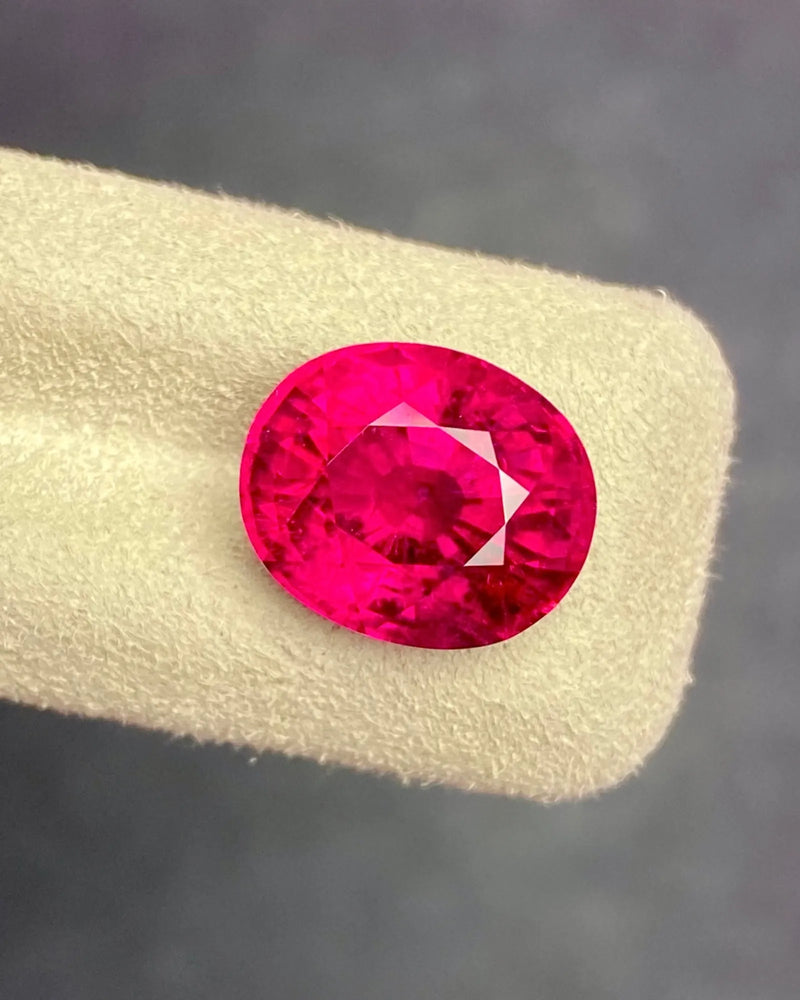
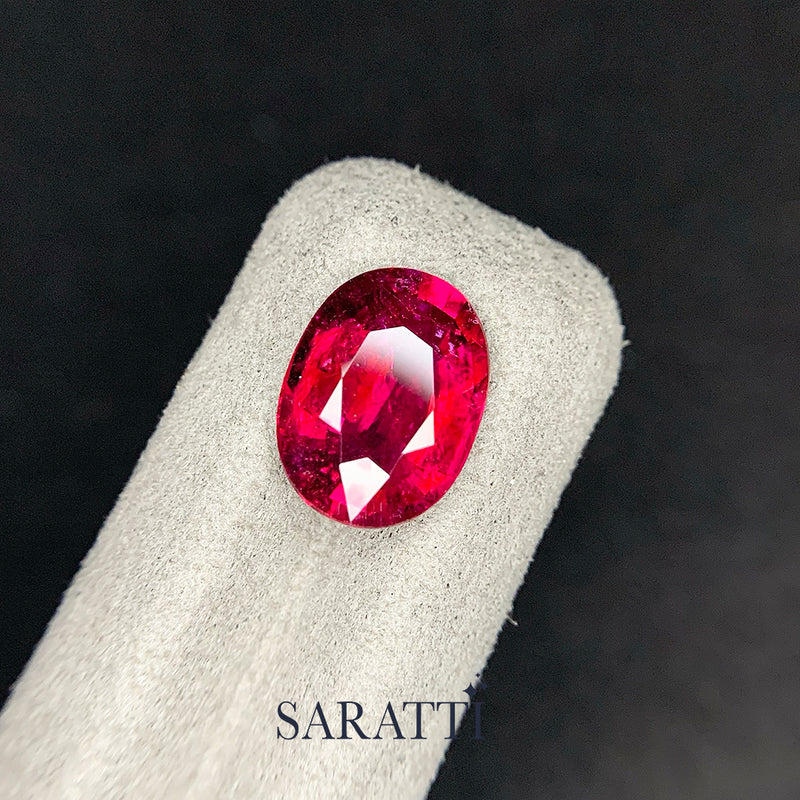
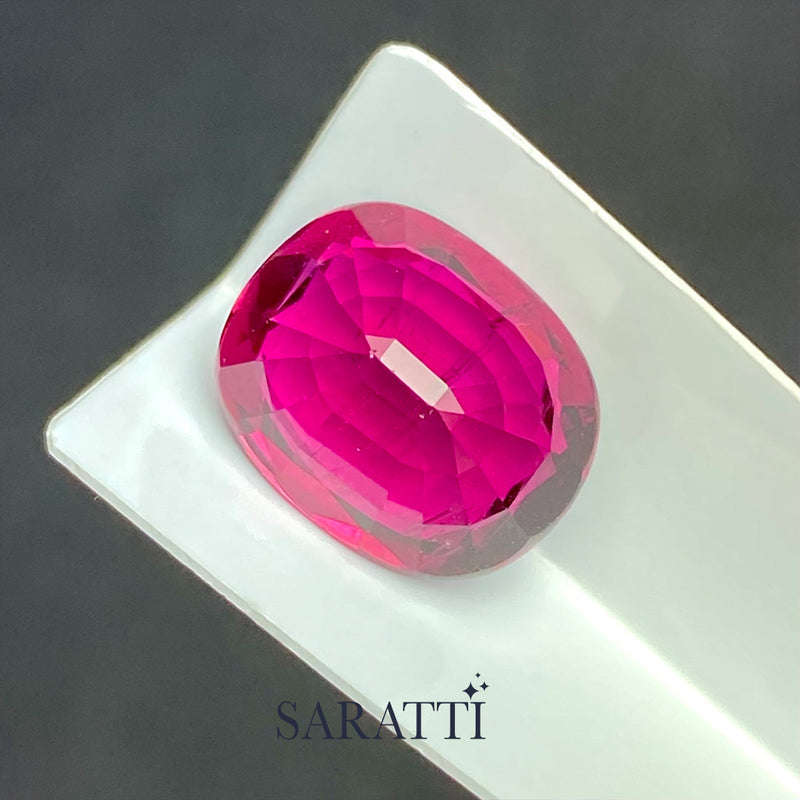
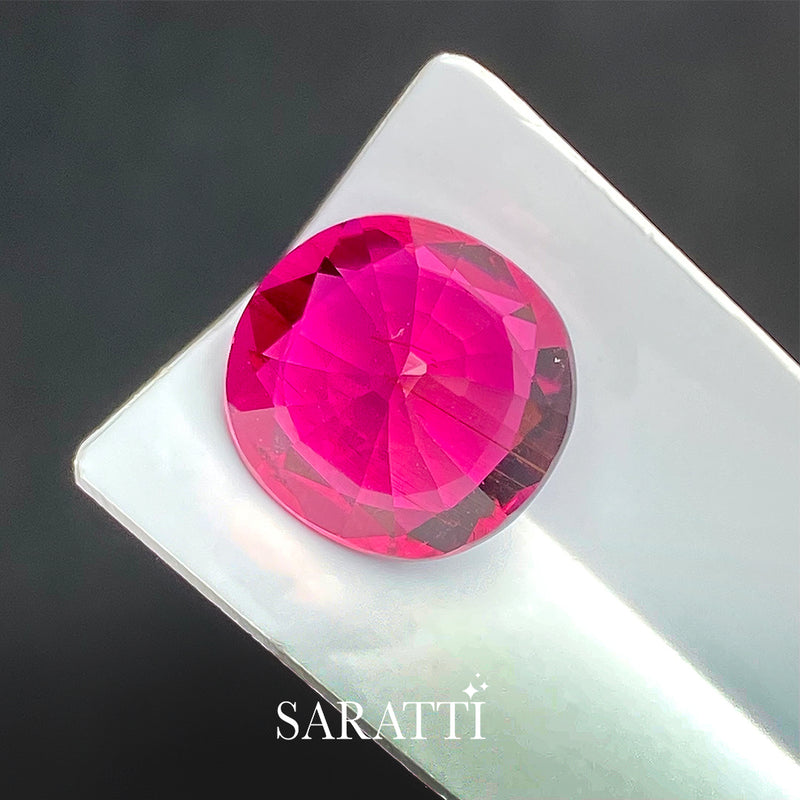
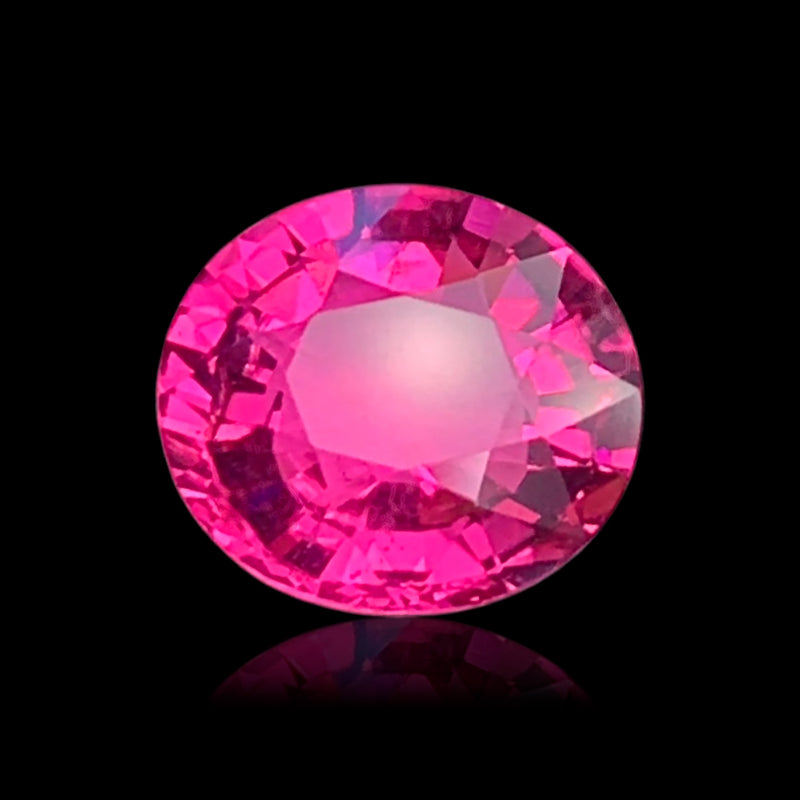
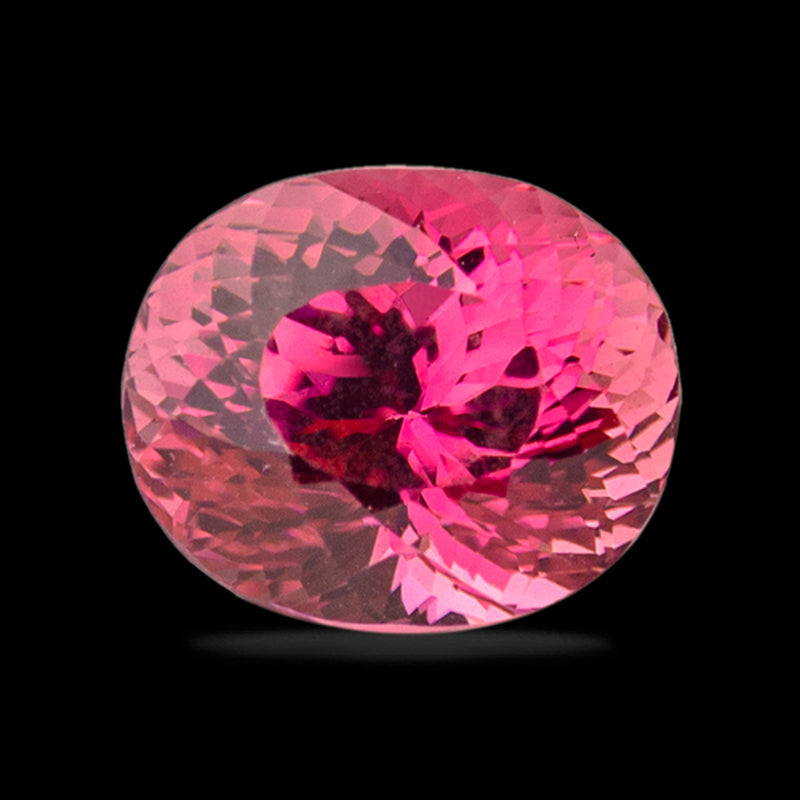
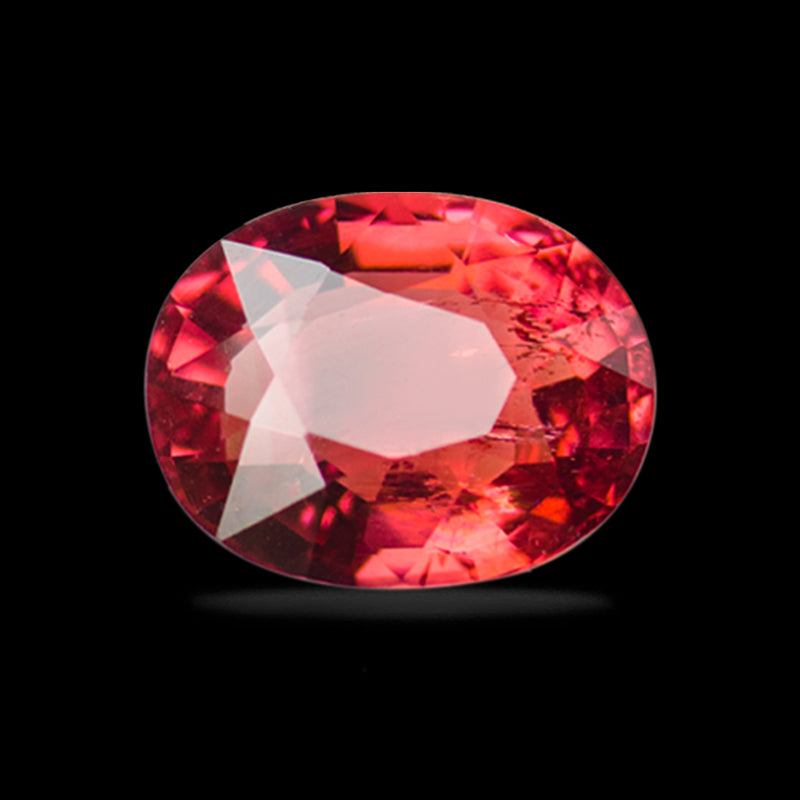
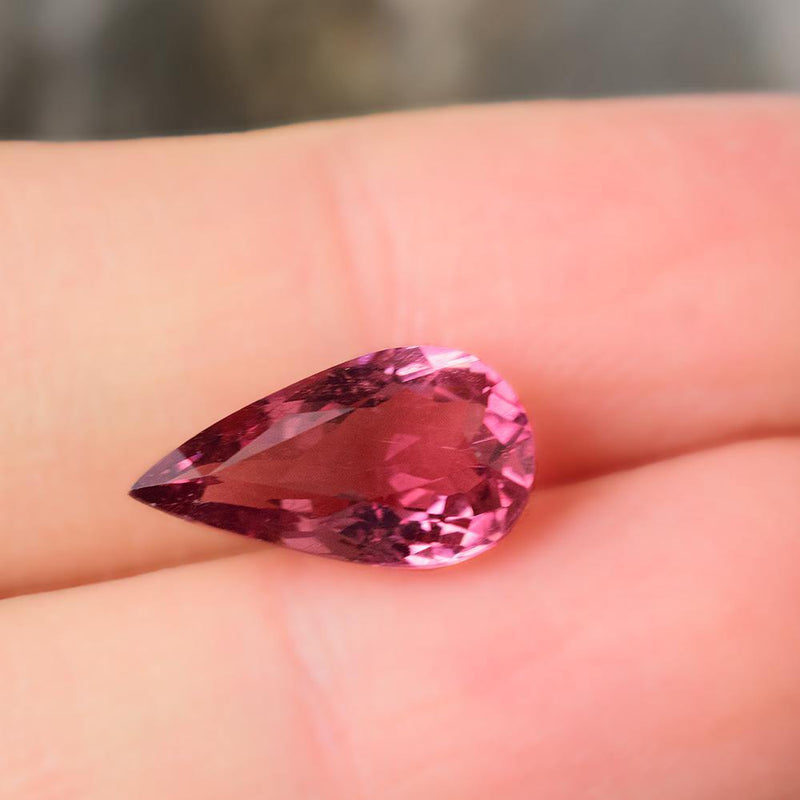
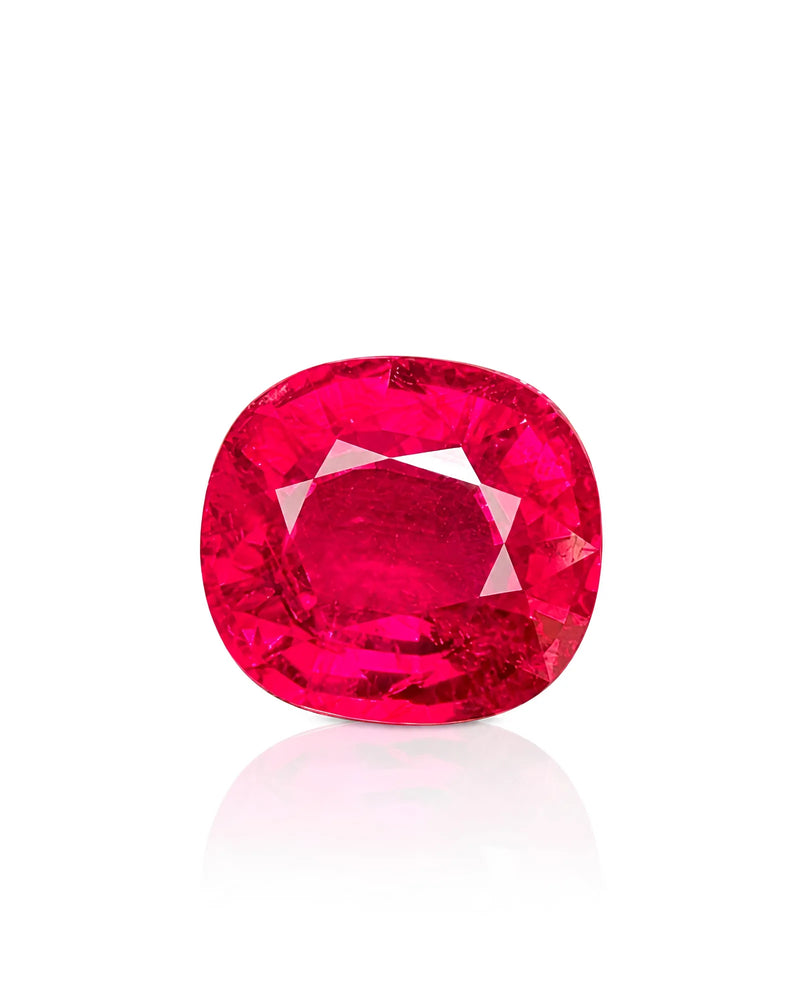
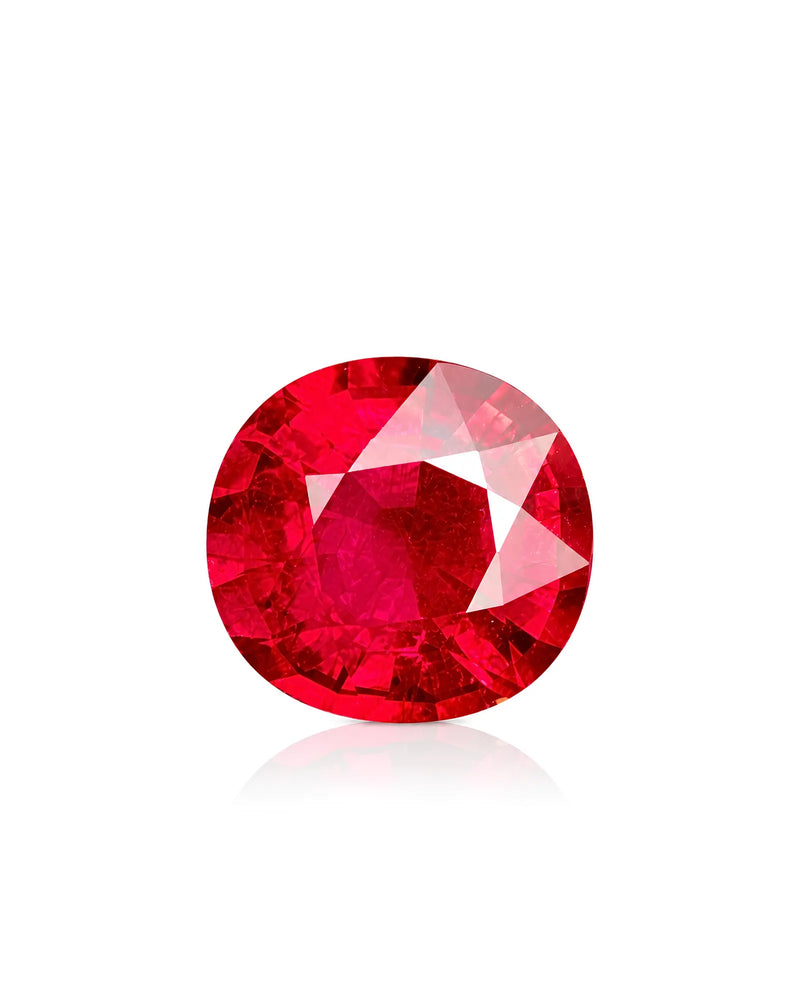
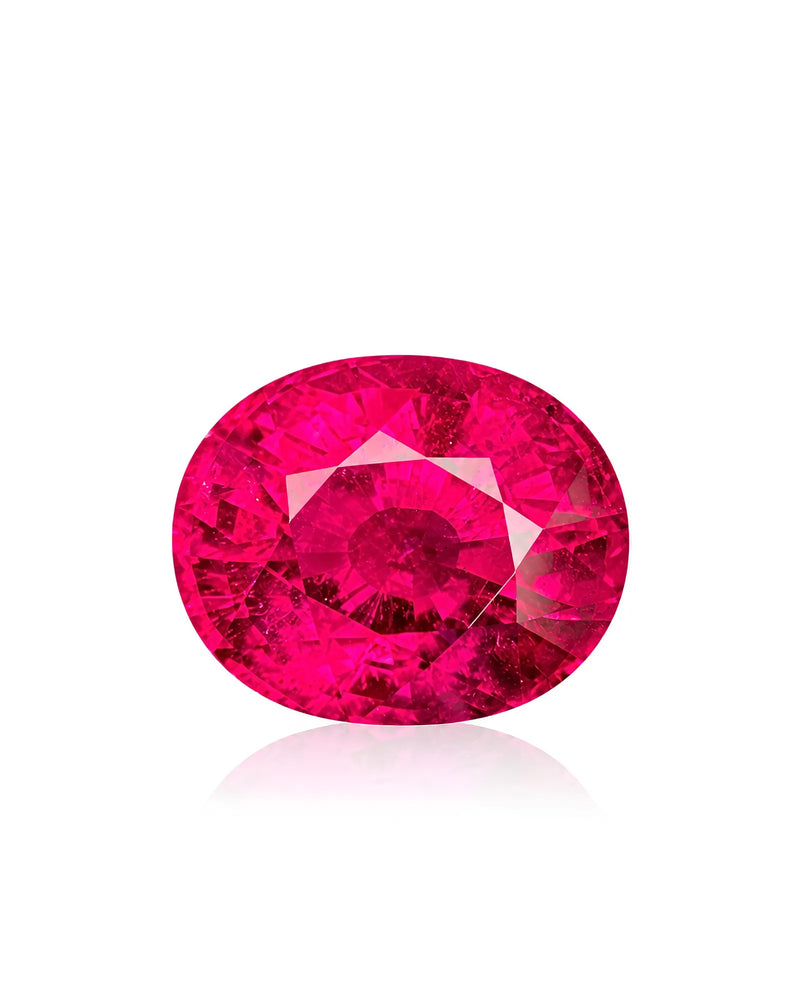
Rubellite is the red to pinkish-red variety of tourmaline — an elbaite coloured by manganese, and the only tourmaline the trade allows to carry a name borrowed from ruby.
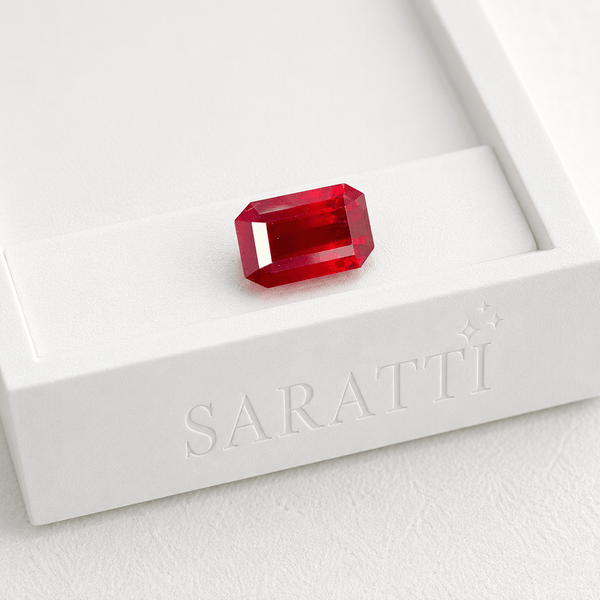
The name is not casual. It comes from the Latin rubellus, reddish, and it was applied historically to stones so convincingly red that they were mistaken for ruby for centuries. They are not related. Ruby is corundum at 9 on the Mohs scale; rubellite is tourmaline at 7 to 7.5, a different mineral with different optics and a fraction of the price. What they share is a colour that carries across a room.
There is a working definition worth knowing before you buy, because it separates rubellite from ordinary pink tourmaline and it is where a good deal of loose language happens.
The Candlelight Test
The distinction most of the trade uses is this: a true rubellite holds its red under incandescent light. Ordinary pink tourmaline shifts toward brown or grey when it comes off daylight; rubellite stays red, and in some material even improves.
This behaviour is caused by manganese and the absence of iron. Iron-bearing pink tourmaline goes muddy under warm light. Manganese-coloured material with little iron does not, and it is that stability which makes rubellite worth a premium over pink tourmaline of similar face-up colour in the showroom.
It is also, practically, the one test you can perform yourself. Take the stone out of daylight and put it under a lamp. If the red survives, you are looking at rubellite. If it goes brownish, you are looking at pink tourmaline being described optimistically.
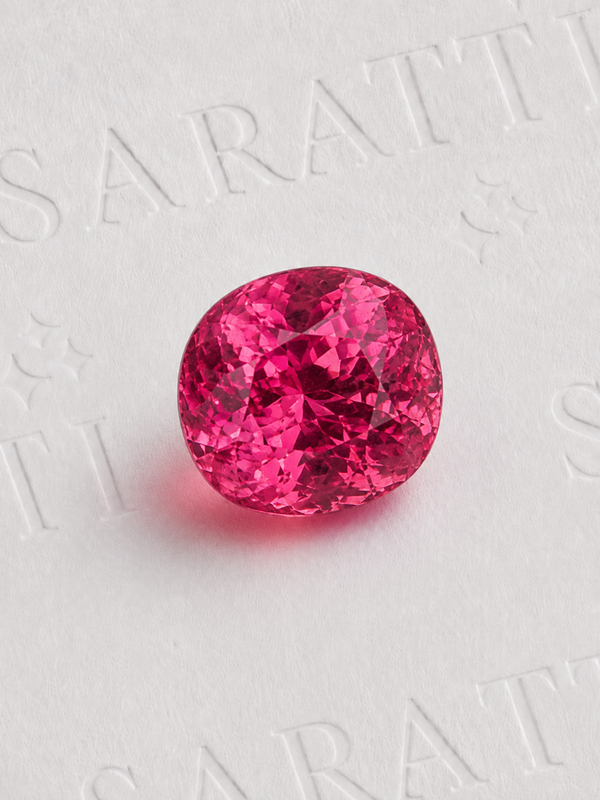
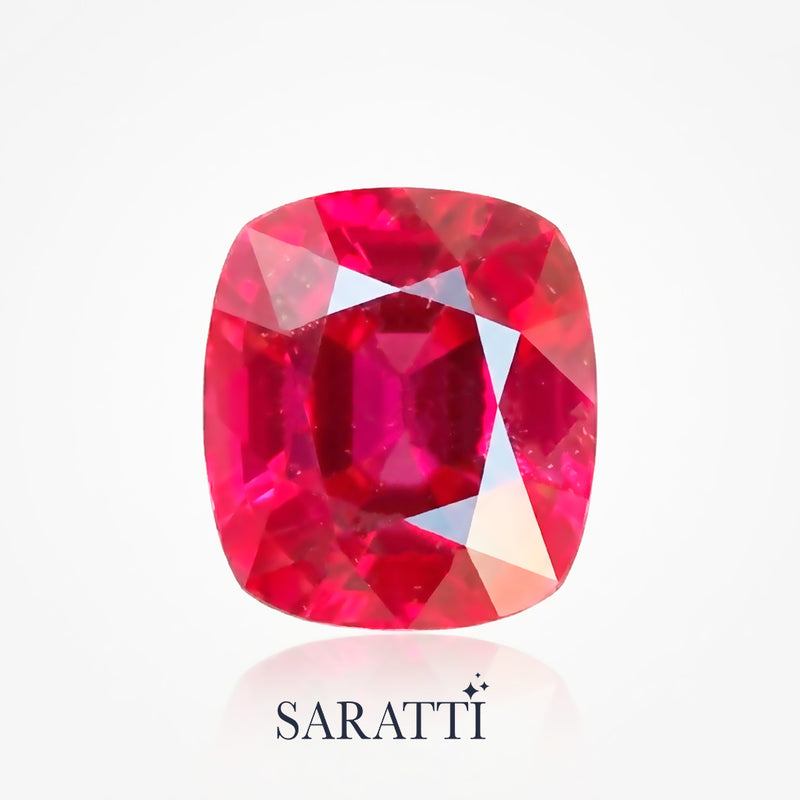
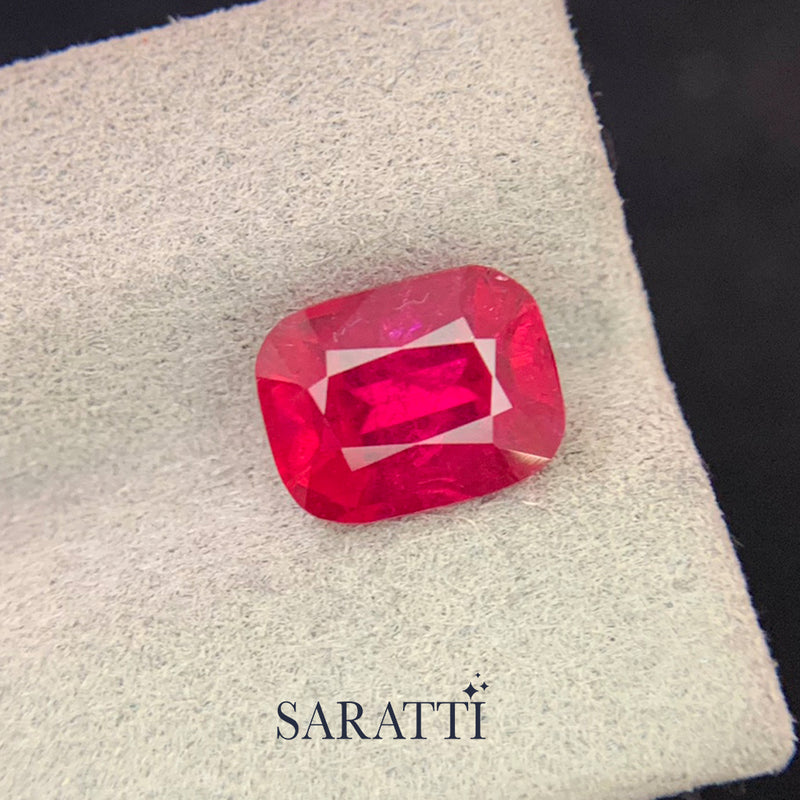
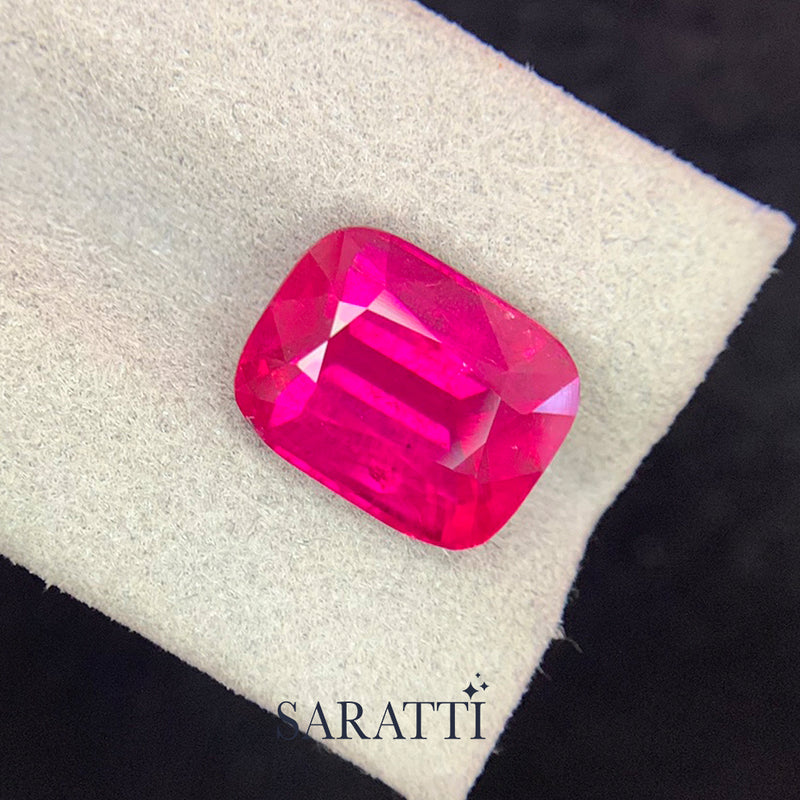
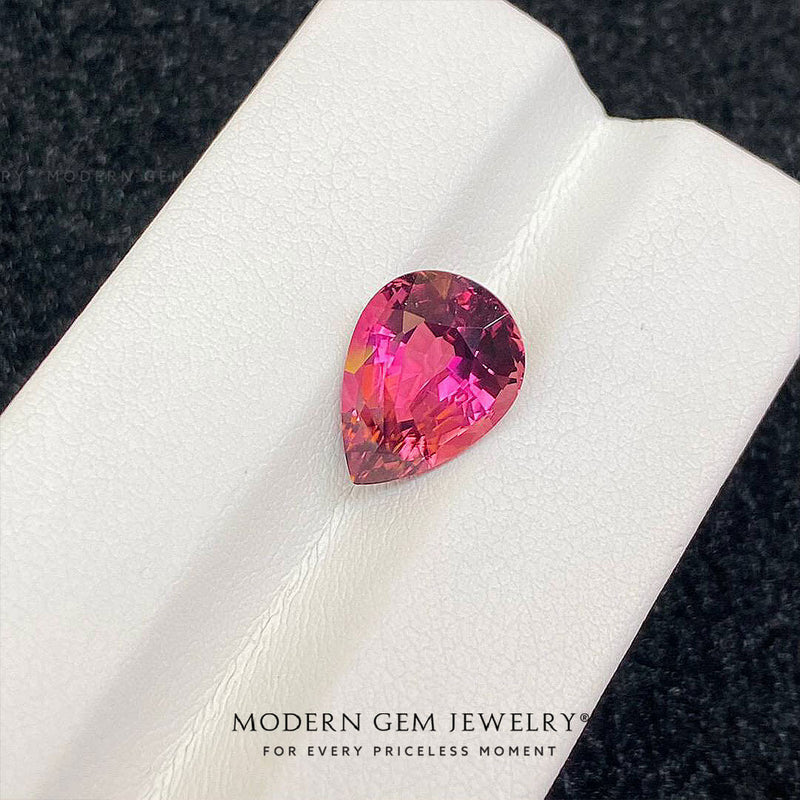
The finest colour is a vivid, slightly purplish red with strong saturation and a medium to medium-dark tone. Push toward orange and it loses its character; let the tone go too dark and it closes up.
Inclusions Are the Nature of the Stone
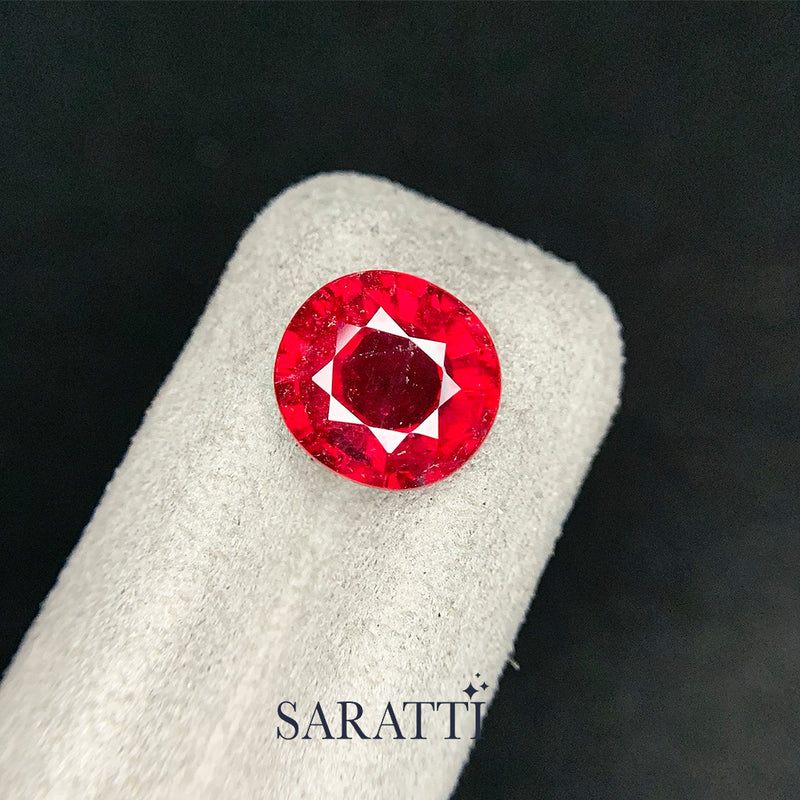
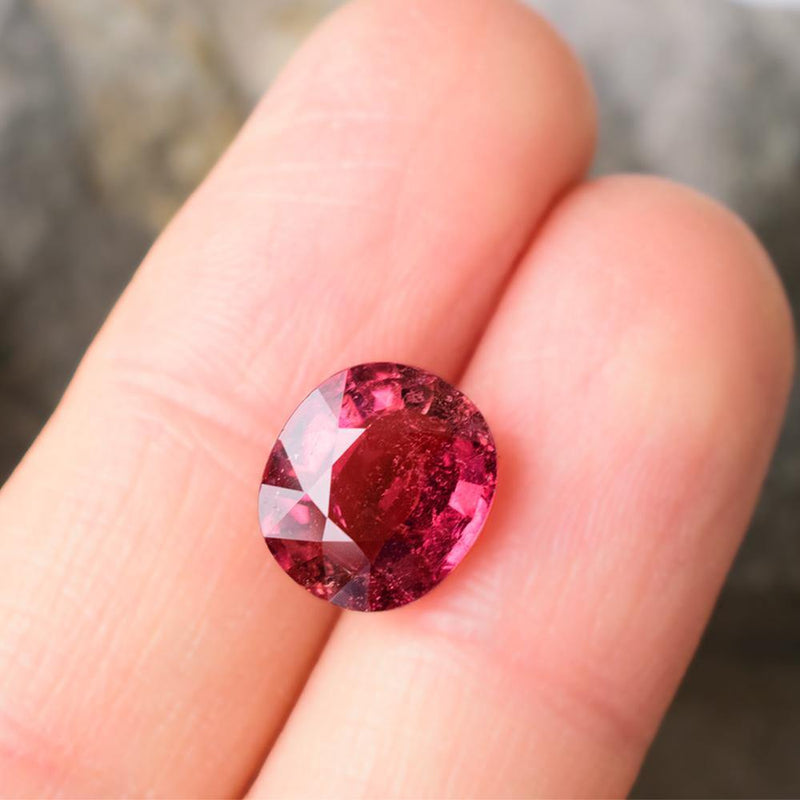
Rubellite is included, and unusually so even by tourmaline standards. An eye-clean rubellite of any real size is a genuinely uncommon object rather than a normal expectation.
The reason is chemical. The manganese that produces the red also disrupts the crystal as it grows, so rubellite forms with more internal fracturing, more liquid-filled healed fissures, and more needle inclusions than green or blue tourmaline from the same pegmatite. This is not a defect of poor material — it is what rubellite does.
The market prices accordingly. A vivid, saturated rubellite with visible inclusions will command more than a clean stone of ordinary pinkish colour at the same weight, because the colour is the scarce thing. What still matters is durability: a fracture reaching the surface near a corner or a girdle is a structural concern regardless of how good the red is, and it governs how the stone should be set and cleaned. We assess that before a stone is offered, and it is set out in how SARATTI grades gemstones.
Treatment
Some rubellite is heated to improve or lighten colour, and some is irradiated to deepen it. Both are permanent, and both are accepted in the trade. A good deal of rubellite reaches the market untreated.
The treatment that matters more is clarity enhancement. Because the material is so often fractured, resin filling appears on some rubellite, and it changes both the value and how the stone must be handled — a filled stone should never see an ultrasonic or steam cleaner, and solvents can damage it.
Where a treatment is known, we state it on the listing. Where a report exists, it is shown, and where none exists we say so rather than implying certification the stone does not carry.
Where It Comes From
Brazil, principally Minas Gerais, has been the historic source and still produces the material most associated with the name.
Mozambique and Nigeria are significant modern sources, with Mozambican rubellite often available in larger sizes. Madagascar produces both elbaite and liddicoatite rubellite. Afghanistan and Pakistan yield fine pinks and reds from the Nuristan pegmatites, sometimes in exceptionally clean crystals. The United States — Maine and southern California — was historically important, and San Diego County material supplied the Chinese imperial court in the nineteenth century.
Origin carries less weight in rubellite than in ruby or sapphire. Colour, clarity and size are what determine price.
Cut and Size
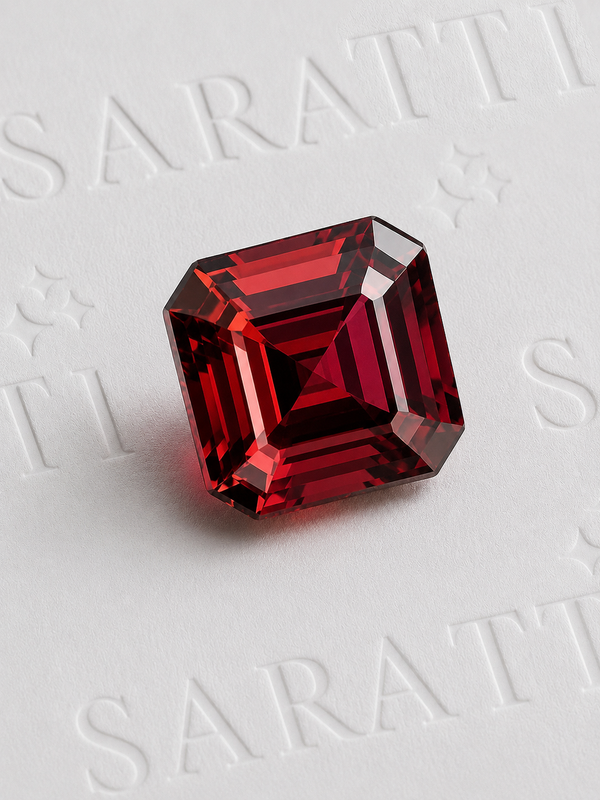
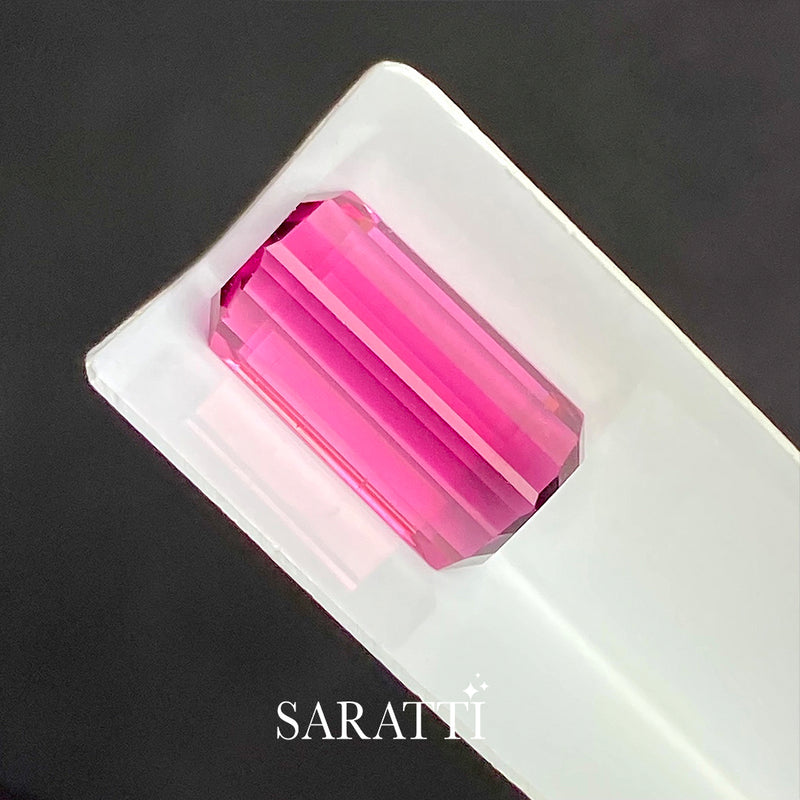
Rubellite is strongly pleochroic, showing a much darker, sometimes nearly opaque colour down the length of the crystal. The cutter orients the table across the crystal to face up the better red, which is why so much rubellite appears as elongated ovals, cushions and emerald cuts — the shape follows the crystal, and the orientation follows the colour.
Darker material is cut shallow to let light through; paler material is cut deep to build saturation. Face-up spread therefore varies considerably for the same carat weight, and millimetre dimensions are more informative than weight alone.
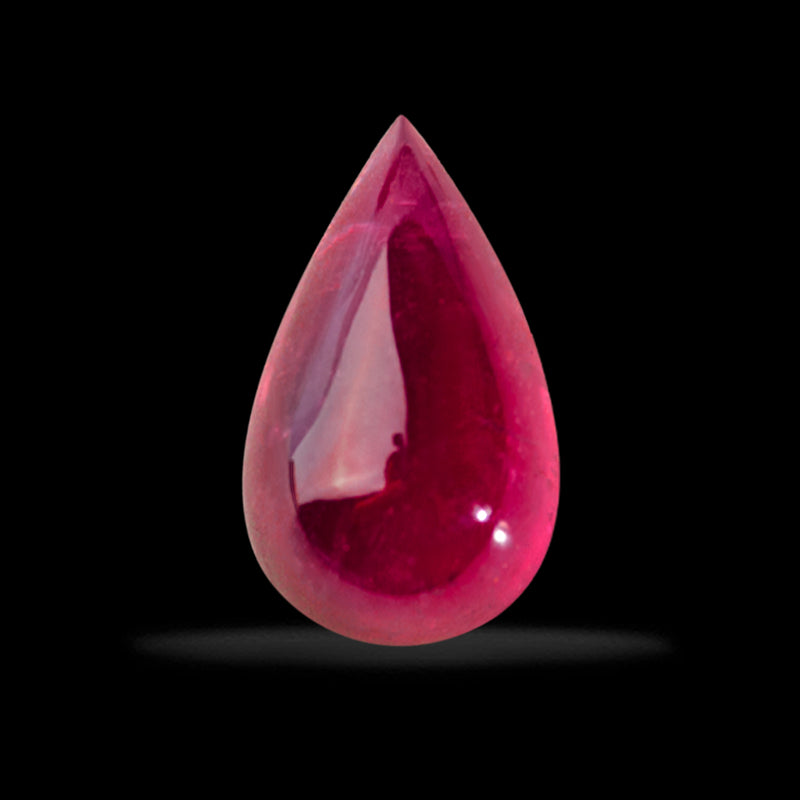
Because tourmaline grows in large crystals, rubellite is available in sizes that would be extraordinary in ruby. Ten and twenty carat stones exist at prices that have no equivalent in corundum, which makes it a natural choice for a statement ring or a substantial pendant. Cabochons are used for heavily included material where the colour is still worth showing.
Rubellite and Ruby
The comparison is worth making directly, because buyers make it anyway.
Hardness. Ruby is 9 on the Mohs scale with no cleavage. Rubellite is 7 to 7.5 and typically fractured. Ruby will take daily wear indefinitely; rubellite wants a protective setting and some awareness.
Colour. Fine ruby is a purer, more saturated red, and it fluoresces — chromium makes it appear lit from within in daylight. Rubellite tends toward a pinkish or purplish red and does not glow in the same way.
Clarity. Both are typically included. Ruby's inclusions are often silk; rubellite's are more often fractures and liquid feathers.
Price. They are not in the same market. A fine rubellite costs a small fraction of a fine ruby of comparable size, and the gap widens sharply as size increases.
None of this makes rubellite a substitute. It is a stone with its own colour and its own scale advantages, bought by people who want a large, vivid red without corundum pricing — and it should be sold on those terms rather than as ruby's understudy.
How a Laboratory Separates It
Red and pink stones are the most confused group in the trade, and it is worth knowing how the confusion is resolved, because it explains what a report is actually doing.
The first test is optical. Tourmaline is doubly refractive and strongly so, which means facet edges seen through the table appear doubled under a loupe or microscope. Red spinel and garnet are singly refractive and show no doubling at all. Ruby and pink sapphire are doubly refractive but far more weakly, so the doubling is much harder to see. That single observation already divides the field.
The second is density. Tourmaline is a comparatively light material at a specific gravity of about 3.06. Spinel sits near 3.60, corundum near 4.00, and the garnets between 3.7 and 4.2. A rubellite therefore feels noticeably light for its size against a ruby of the same dimensions, and on a hydrostatic balance the separation is unambiguous.
The third is the spectroscope and, where needed, chemical analysis: chromium-coloured stones such as ruby show a characteristic red fluorescence and absorption pattern that manganese-coloured rubellite does not. None of this requires an expensive instrument, which is why identification is the cheapest part of a report and the part worth insisting on.
Cabochons, Cat's Eyes and Slices
Because so much rubellite is included, cutters have long treated the material creatively rather than discarding it.
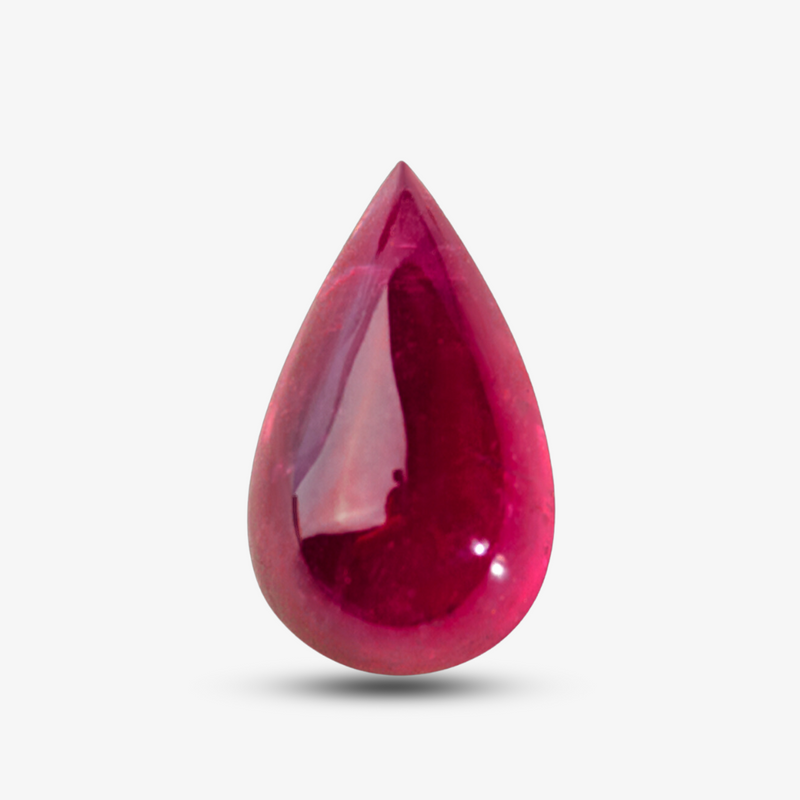
Cabochons are the commonest answer. Domed rather than faceted, a cabochon shows colour as a solid glowing body and hides the fracturing that would be distracting under facets. A fine rubellite cabochon of ten or twenty carats has a depth of red that a faceted stone of the same material could not achieve, and it is considerably more affordable.
Cat's eye rubellite occurs where the internal tubes are dense, fine and parallel. Cut as a cabochon with the tubes oriented correctly, the stone shows a single band of light across the dome. A good eye is sharp, centred and straight, and it opens and closes cleanly as the stone is rocked under a single light source.
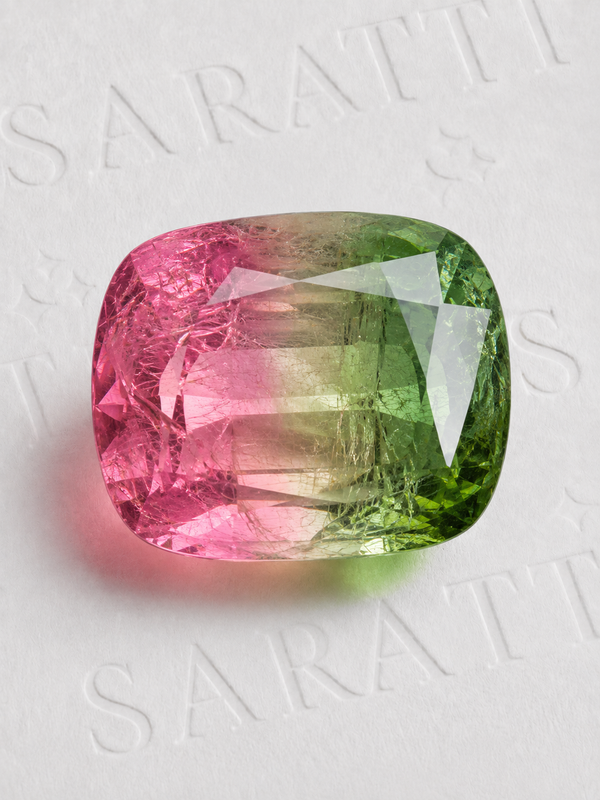
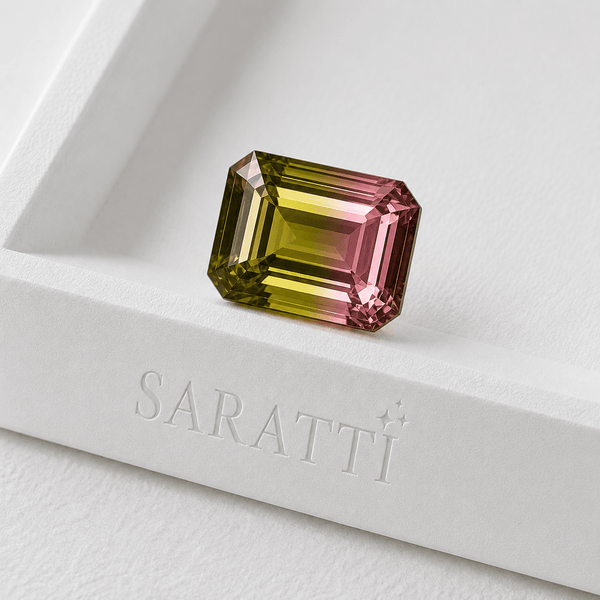
Crystal slices cut across the length of a crystal are collected in their own right, particularly where a pink core meets a green rim — the watermelon effect. These are display objects more than jewellery stones, but they are the clearest illustration of how tourmaline actually grows.
Wearing Rubellite
Clean by hand: warm water, mild soap, a soft brush. Never use an ultrasonic or steam cleaner on rubellite — the fracturing that is normal in this material makes it a real risk, and a resin-filled stone can be damaged outright.
For a ring worn every day, a bezel or a setting that protects the corners and girdle is worth specifying. Store the piece separately so harder stones cannot scratch it, and avoid sharp knocks.
Tourmaline is pyroelectric, so a rubellite develops a static charge when warmed and attracts dust more than its neighbours. Harmless, and easily explained once you know why it happens.
Certification
For a rubellite of consequence, a report is worth having for two reasons.
The first is identification: red and pink stones are frequently mislabelled, and a laboratory separates rubellite from ruby, red spinel, garnet and glass without difficulty. The second is treatment: clarity enhancement is not always visible and it materially affects both value and care.
A report from GIA, GUILD, AIGS, CGRL, GRS or GRC will confirm species and variety, record measurements and weight, and note treatment where detectable. Where you would like a stone reviewed by a particular laboratory, we can arrange it and the fee is passed on at cost.
Choosing a Rubellite
Rubellite is a tourmaline, so it shares October's birthstone month with opal and the eighth anniversary tradition. But most people arrive at it wanting one specific thing: a large red stone with real presence, without paying ruby prices.
If that is the case, the advice is short. Spend on saturation, because a vivid rubellite at five carats has more impact than a pale one at ten. Accept the inclusions as the nature of the material rather than a fault, but check where they sit, because position governs durability. Do the candlelight test, or ask us to do it and film it. And choose the setting with the stone rather than after it.
Every rubellite here is listed individually, with its own photography and its own details. Where a stone has been treated, we say so.
For the wider family this stone belongs to, see our tourmaline guide and the rest of our tourmaline collection. If colour is your starting point rather than species, the red and pink collections gather every stone in those ranges, and our note on natural red gemstones compares the options.
And if what you want is not listed — a particular red, a size, an untreated stone — only part of what we can reach is shown online. Describe it, and we will go and look.




 Engagement Rings
 Gemstone Rings
 Wedding Bands
 The SARATTI Difference
 Gemstone Type
 Shop By Color

 SARATTI
 SARATTI
 SARATTI