A Different Stone From the Topaz You Know
The word topaz does a great deal of work in the jewellery trade, and most of it is misleading.
Say topaz to almost anyone and they picture the bright swimming-pool blue seen in high-street windows at modest prices. That material is real topaz, but its colour is not. Blue topaz is irradiated — near-colourless topaz is bombarded and then heated, producing sky, Swiss and London blue in industrial quantities. It is stable, safe, entirely legitimate and abundant, which is why it is cheap.
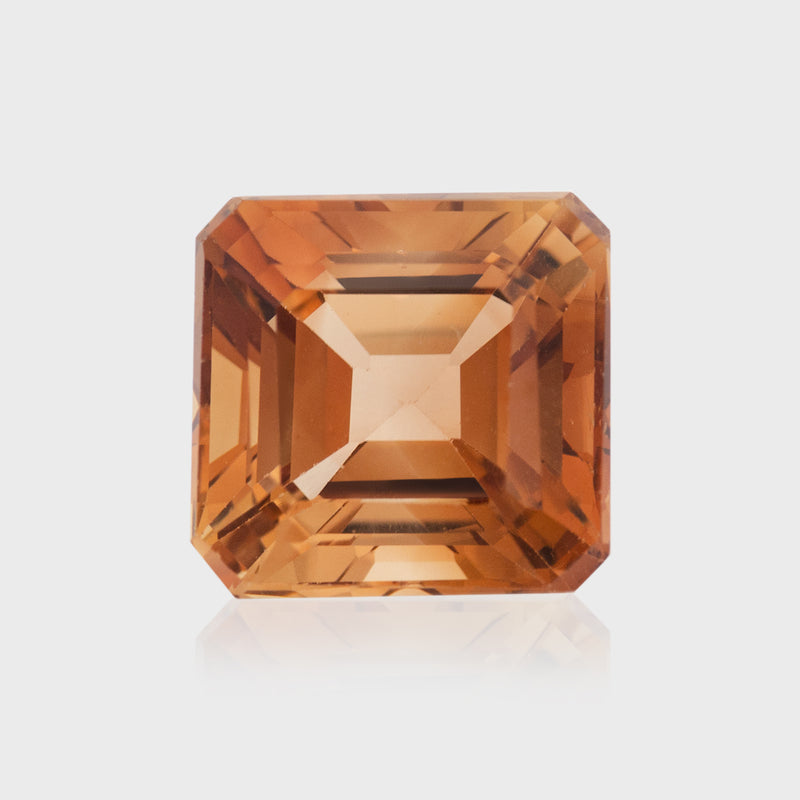
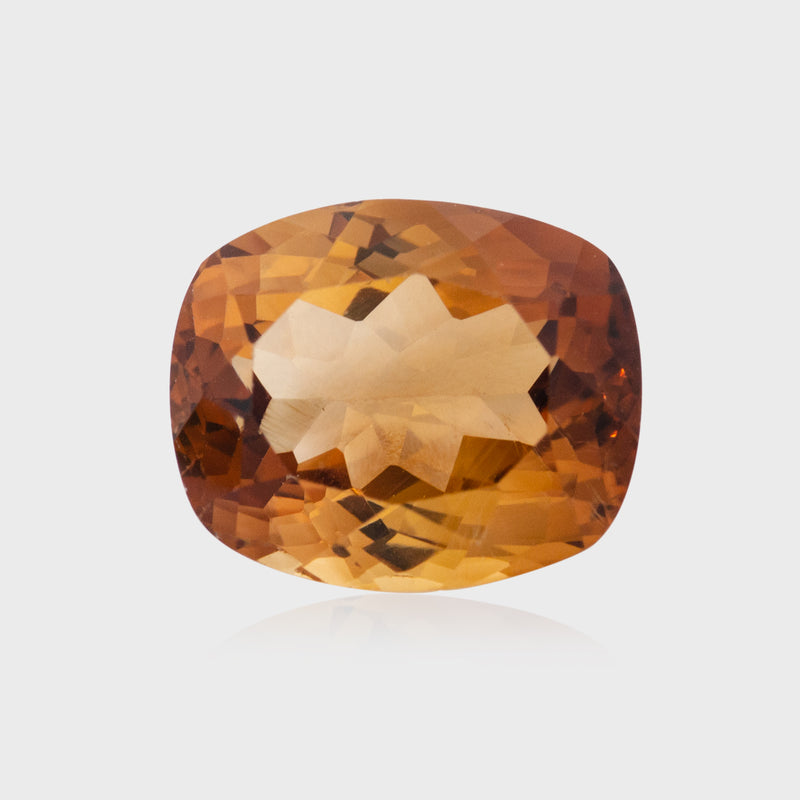
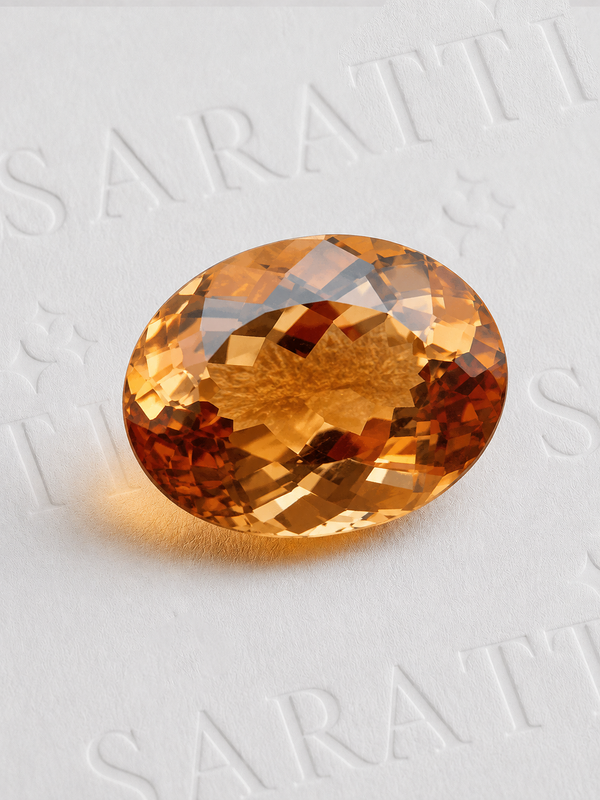
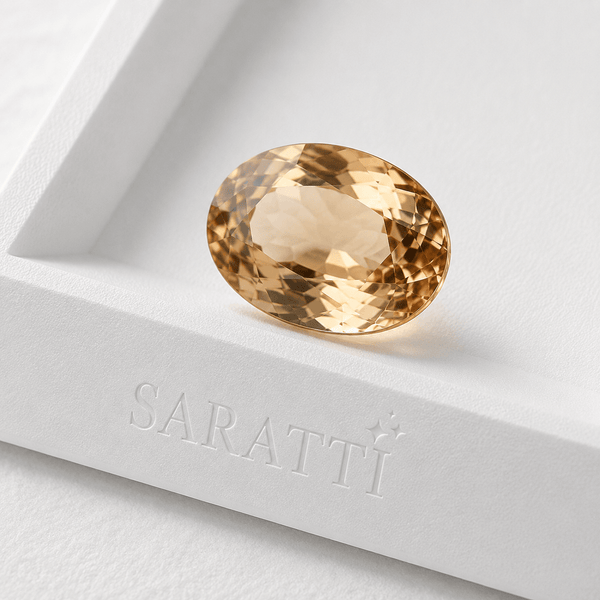
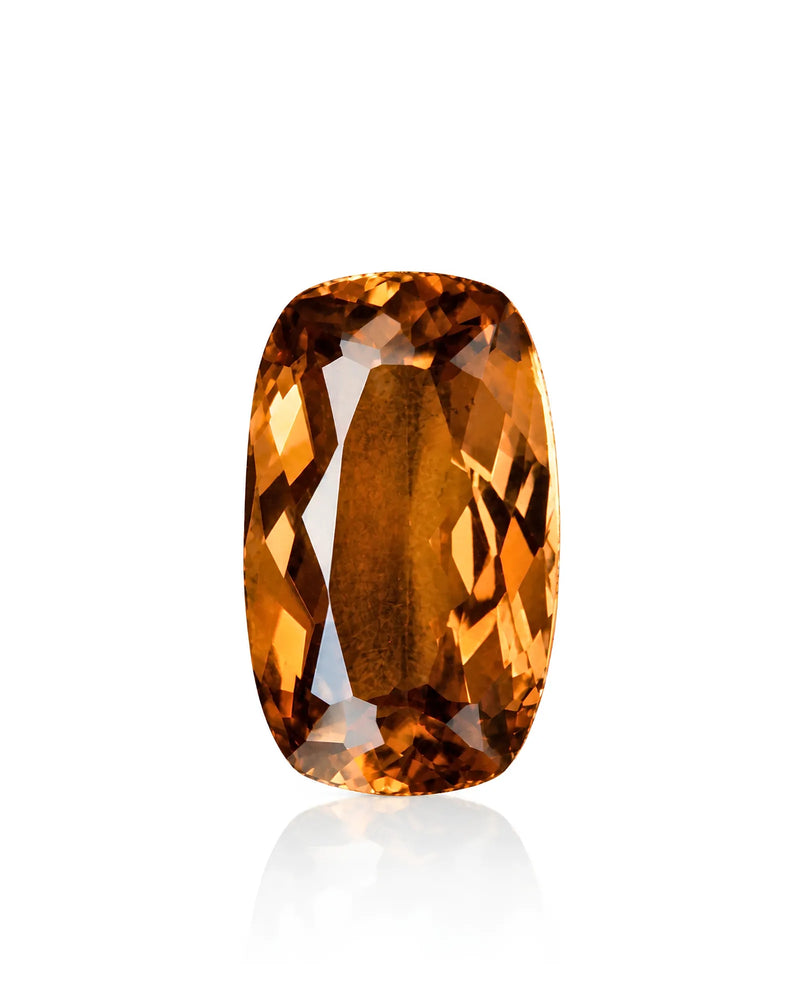
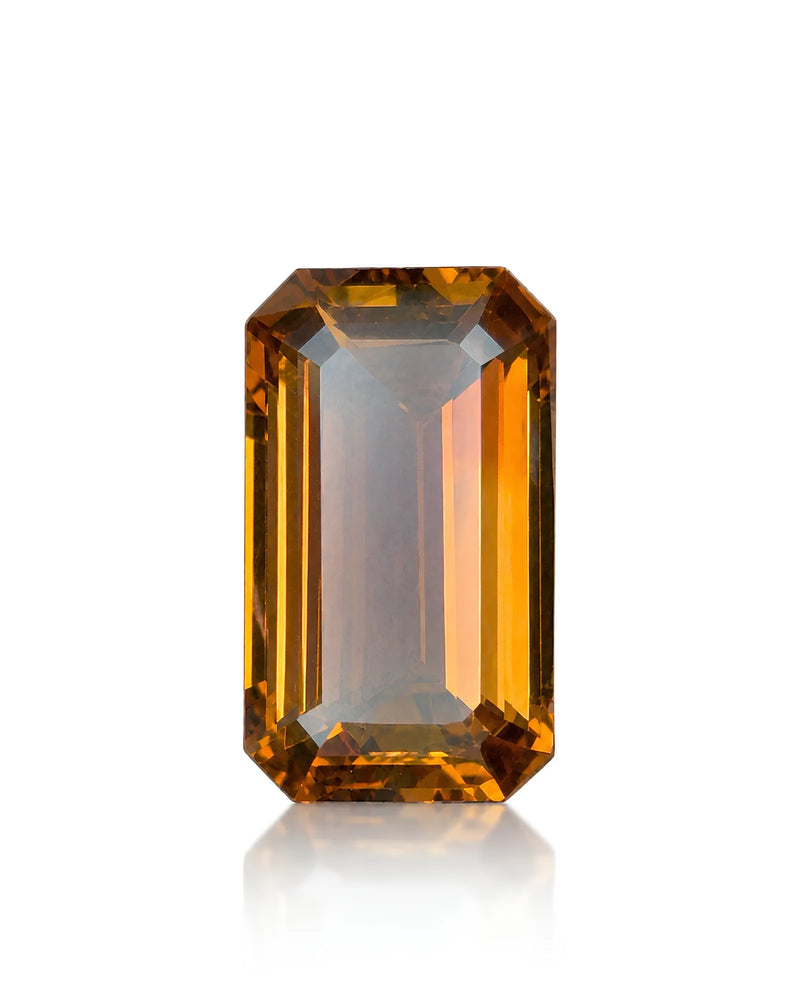
Imperial topaz is a different market entirely. It is the pinkish-orange to orange-red variety whose colour is natural — not induced, not irradiated, not a laboratory outcome. It is scarce, it is expensive by comparison with everything else that shares the name, and the fact that it shares the name with the cheapest coloured stone on the market is the single greatest source of confusion in this part of the trade.
If you are approaching the species generally, our topaz guide covers the whole family, and the natural topaz collection shows the range we hold. This page is about the imperial material specifically.
What Imperial Topaz Is
Topaz is an aluminium fluorine silicate. It occurs colourless, blue, yellow, brown, pink, orange and red, and it is a hard, brilliant, highly transparent material that takes an excellent polish.
Imperial topaz is not a separate mineral. It is a colour designation within the species, and — this is worth saying plainly — the boundaries of that designation are not fixed by any laboratory or regulatory body. Different dealers apply the term differently, and some apply it to material that would not be accepted as imperial by a careful buyer. There is no certificate in the world that states "imperial" as a graded quality. What a report can state is species, colour description, and whether treatment is detected. The judgement about whether a stone deserves the word is made by eye, against experience, and it is why the term needs interrogating every time it appears on a price ticket.
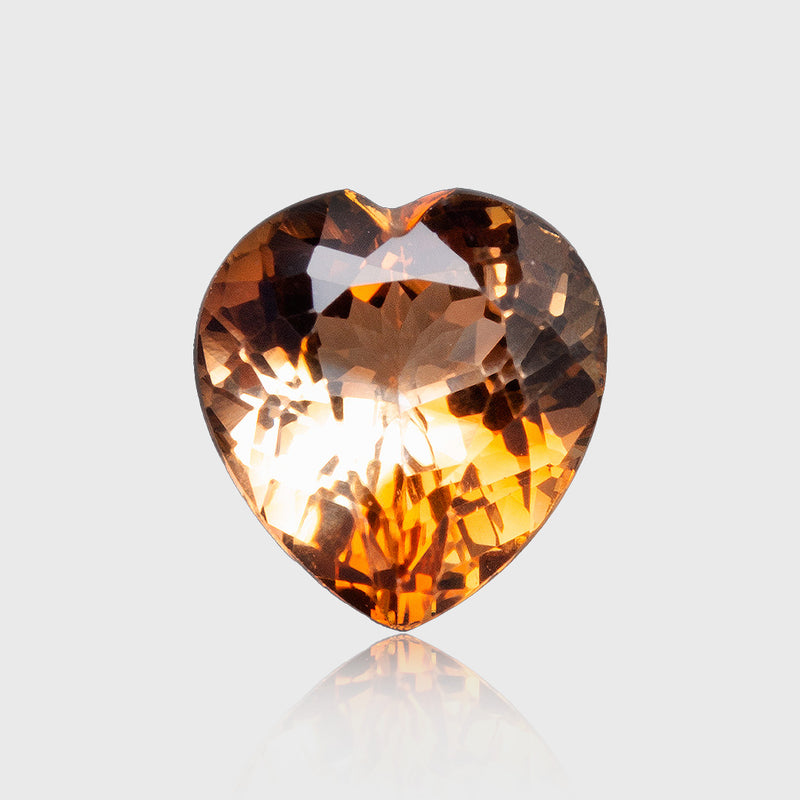
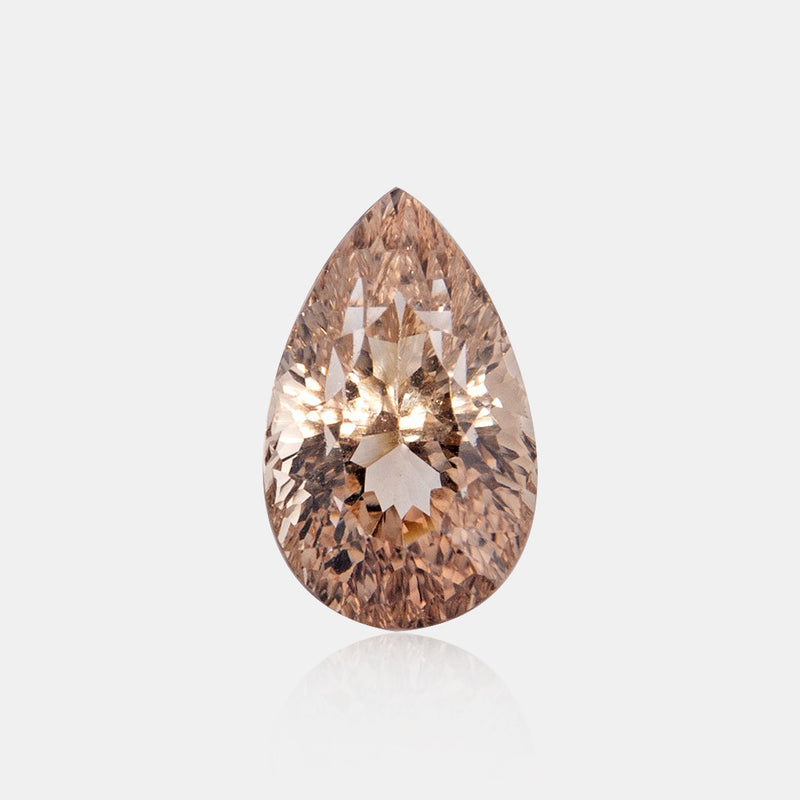
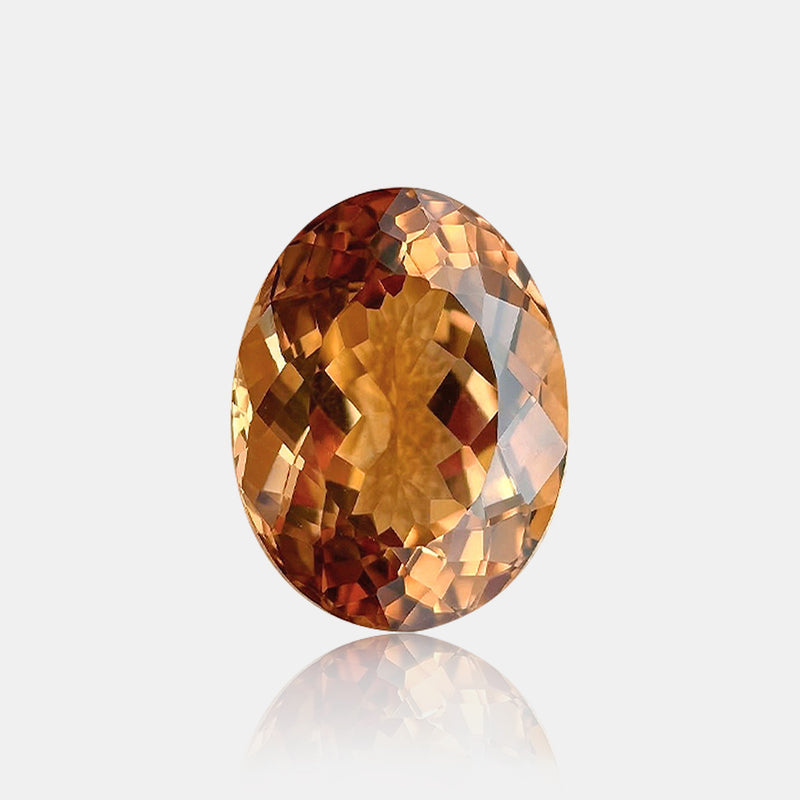
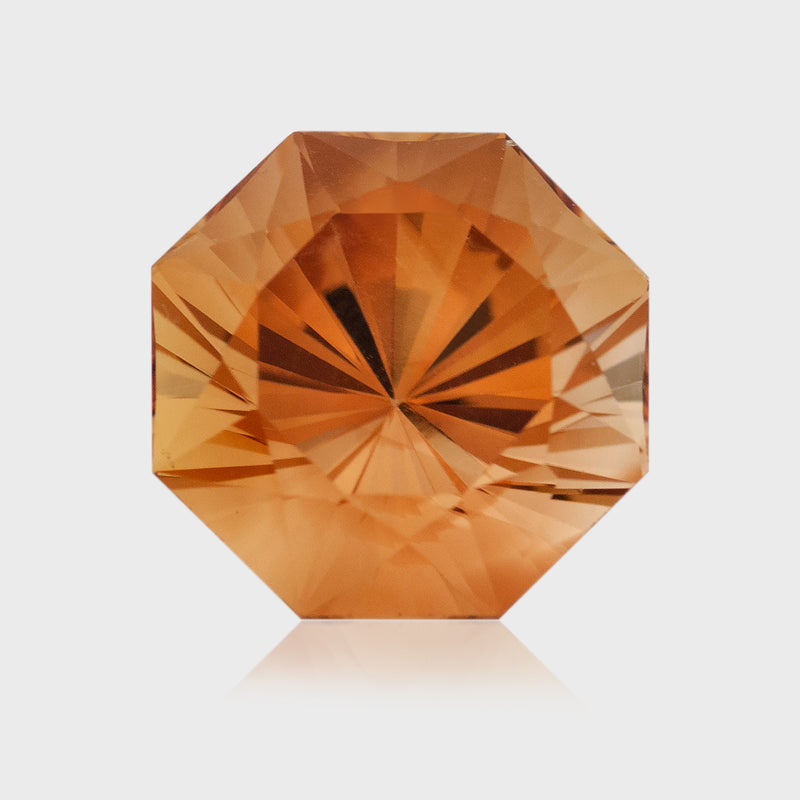
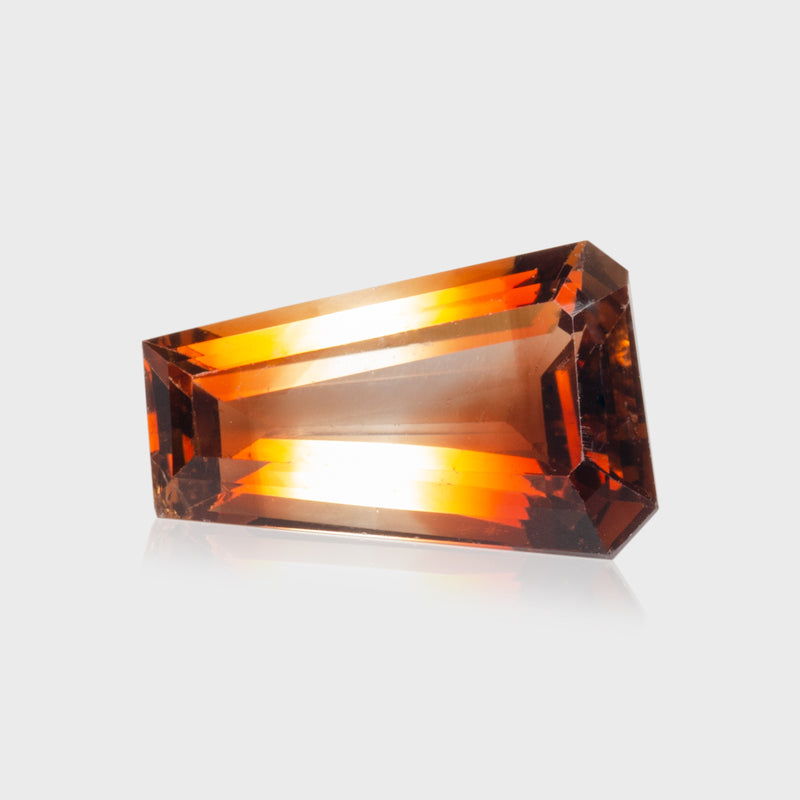
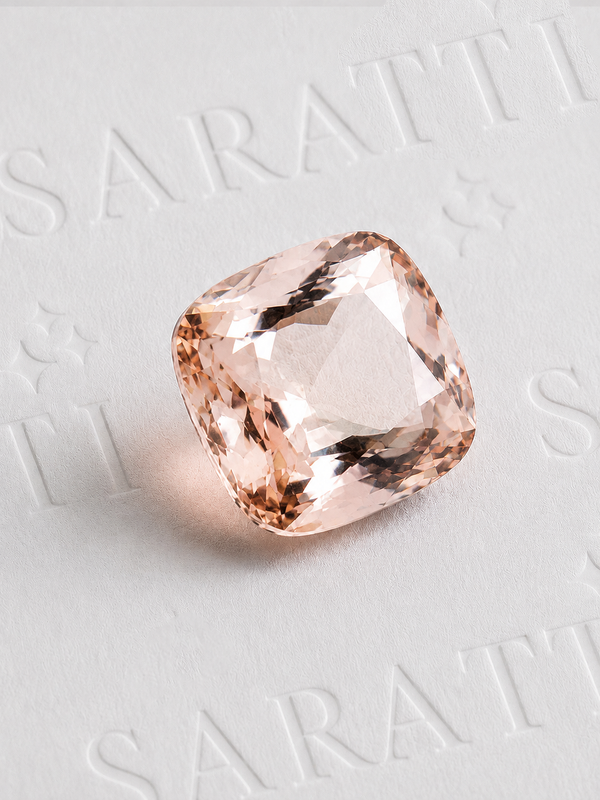
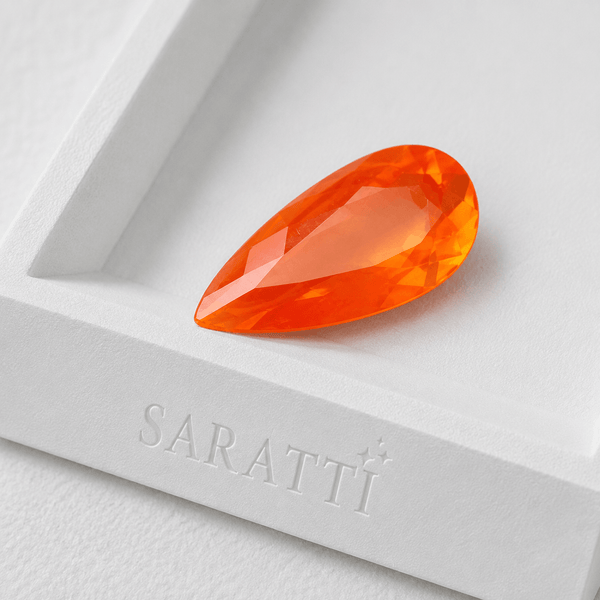
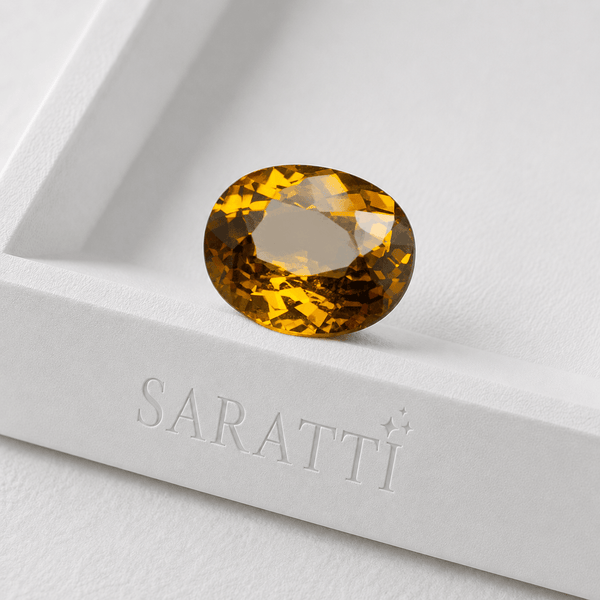
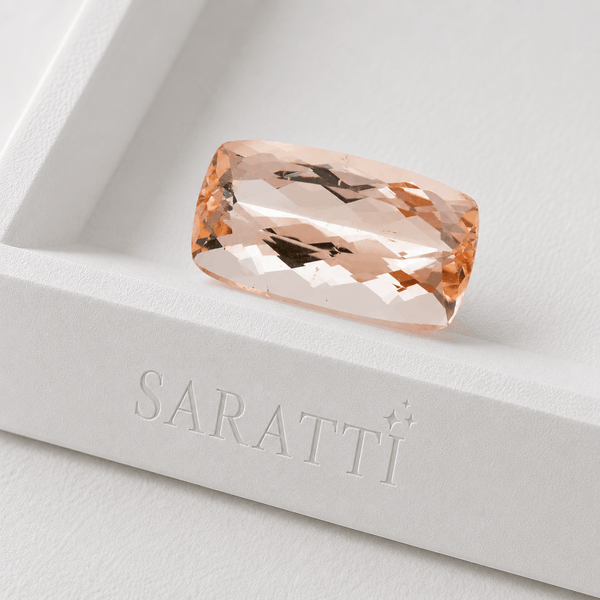
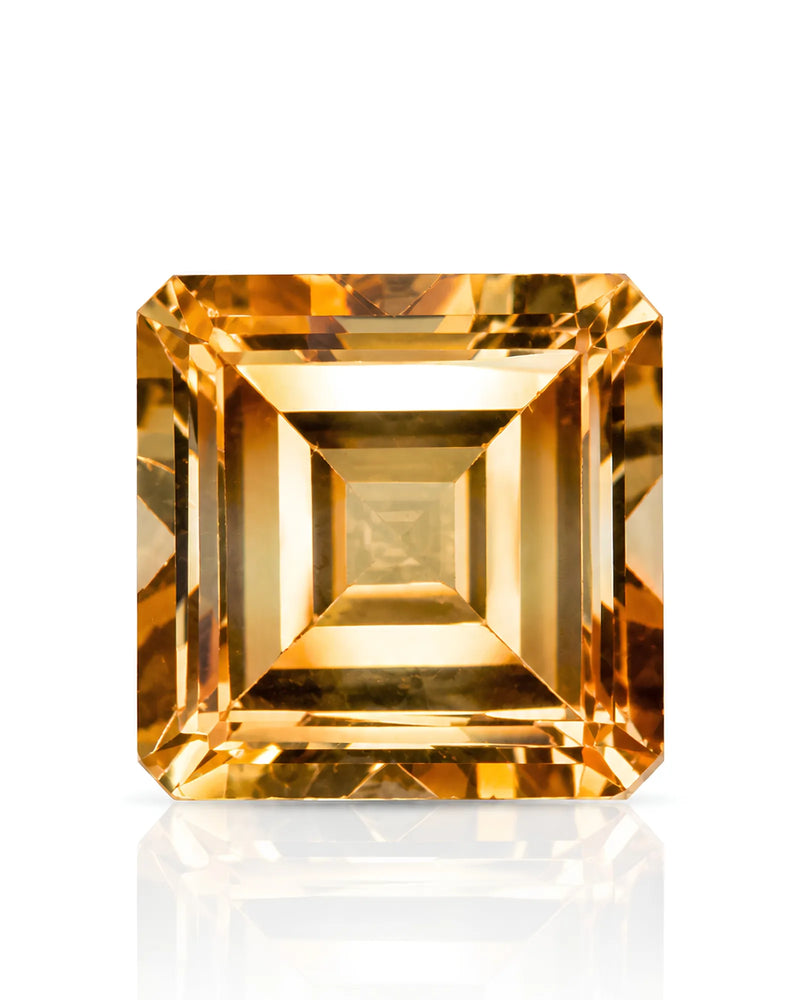
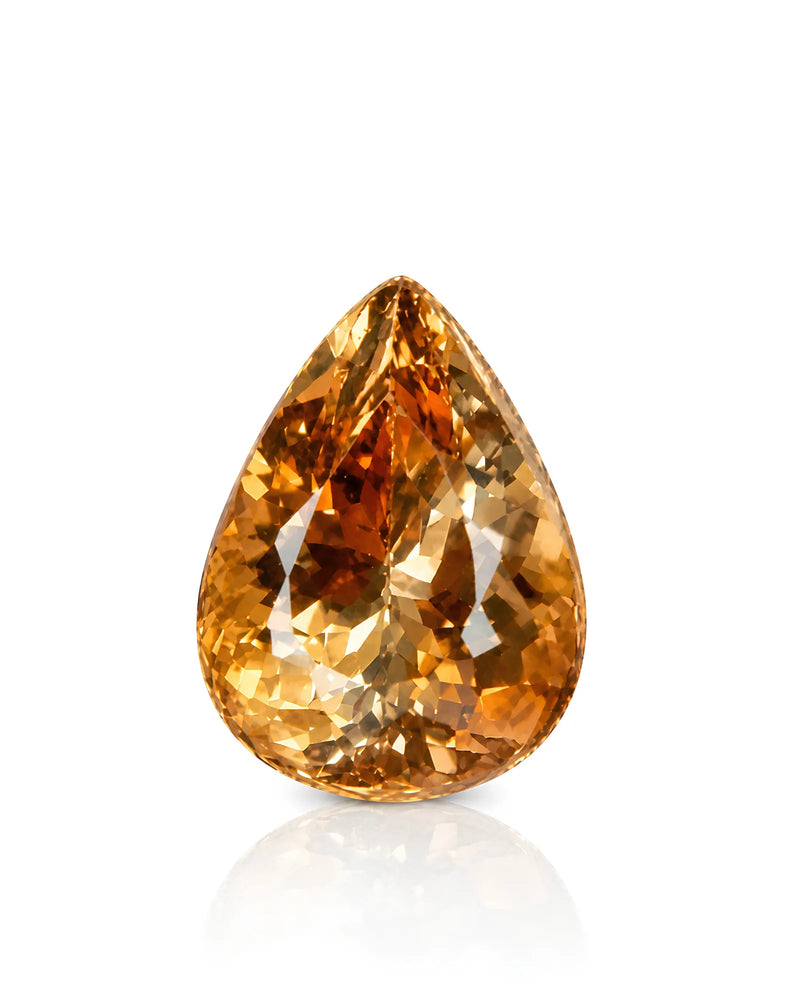
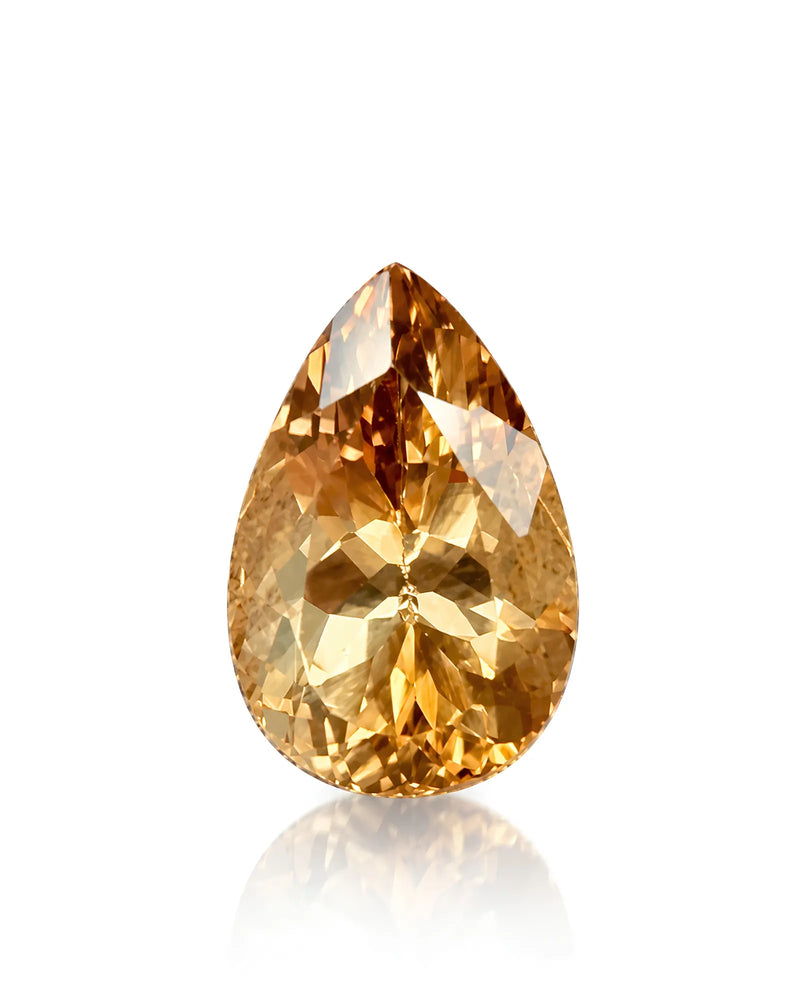
The colour that earns it runs from a warm golden orange, through peach and salmon, to a reddish orange, and at the top end to a distinctly pink-orange. Our note on how to identify natural imperial topaz sets out the visual tests in detail.
Ouro Preto, and the Origin That Matters
The historic and still dominant source is Ouro Preto in Minas Gerais, Brazil, where the material has been mined for roughly two centuries. The deposits there produce the pinkish-orange colour with a consistency found nowhere else, and the great majority of fine imperial topaz on the market has come from that district.
This is one of the few gemstones where origin and colour are so closely linked that the two conversations tend to merge. Even so, the usual principle holds: origin is a modifier on value, not a substitute for quality. A weak, brownish, poorly cut Ouro Preto stone is a weak stone. A well-saturated pinkish-orange topaz from elsewhere is the better purchase, and where an origin is claimed it should rest on a laboratory opinion rather than on a dealer's assertion.
Other localities — elsewhere in Brazil, in Pakistan, in Russia — have produced orange and sherry-coloured topaz, but nothing has displaced Ouro Preto as the reference.
Where the Name Comes From
The name is generally attributed to nineteenth-century Russia. The Ural Mountains produced pink topaz, the deposits were under imperial ownership, and pink stones were reserved for the imperial family. The word attached itself to the colour and outlived the arrangement that produced it.
It is a piece of nomenclature that has been useful to marketing ever since, which is precisely why it now gets applied loosely. When you see "imperial" on a topaz that is neither pinkish nor scarce nor expensive, the word is doing promotional work rather than descriptive work.
Grading the Colour: Where the Pink Is
The whole hierarchy of imperial topaz rests on one variable.
Finest material shows a distinct pink component. A pinkish-orange, a salmon that leans rose, a reddish orange with pink under it — these are the colours that command the top prices and they are genuinely uncommon.
Pure orange is more common and worth less. This is the sentence most often left out of a sales conversation. A clean, bright, saturated pure orange topaz is an attractive stone and perfectly worth owning, but it should not be priced as though it were the pink-modified material. The gap between the two is wide, and it is invisible to a buyer who has only seen one stone at a time.
Below that sit the yellows and the brownish oranges — frequently offered as imperial, frequently not deserving of it. Brown is the modifier to watch. A brownish cast dulls the stone and drops its value sharply, and it can be difficult to see under warm shop lighting, which flatters orange stones more than any other colour. Judge imperial topaz in daylight before judging it under a lamp.
If colour rather than species is your starting point, the orange gemstone collection sets imperial topaz alongside spessartite garnet, orange sapphire and citrine, which is the most useful way to calibrate what you are looking at.
Heat Treatment, and Why Disclosure Is Not Optional Here
Some imperial topaz is heated to bring out the pink. The treatment works by removing a yellow component, leaving a pinker residual colour, and it can transform an ordinary yellowish-orange stone into something that reads as fine material.
This must be disclosed, and it matters more here than it does in most stones. The entire premium on imperial topaz rests on the proposition that its colour is natural — that is the argument that separates it from blue topaz and justifies the price difference. A heated stone sold silently as an untreated one is not a small omission; it undermines the only claim the category has.
Heat in topaz is not detectable in the way heat in sapphire often is. Laboratories will frequently report treatment as indeterminate, which places more weight than usual on the honesty of the chain of supply.
Where a treatment is known, we state it on the listing. Where a report exists it is shown; where none exists, we say so. Our full standard is set out in how SARATTI grades gemstones.
There is also treated material sold outright as "imperial" that is nothing of the sort — coated topaz, and irradiated or heated stock of ordinary origin dressed up with the name. It is far cheaper than the real thing and is sometimes priced as though it were not.
Citrine, and How to Tell the Difference
The most common confusion in practice is with citrine, and it runs in the expensive direction: citrine offered as topaz.
Citrine is quartz. It is softer — 7 on Mohs against topaz's 8 — it is abundant, most of it is heated amethyst, and it is far cheaper by a very large margin. A good citrine and a middling imperial topaz can look similar across a counter, particularly in the golden-orange range.
They are straightforward to separate with instruments. Refractive index distinguishes them immediately: topaz reads around 1.61 to 1.64, citrine around 1.54 to 1.55. Specific gravity does the same job by a different route: topaz sits around 3.5, citrine around 2.65, and the difference in heft is noticeable in the hand once you have felt both. A gemmologist will separate them in under a minute.
The practical advice is that any orange stone described as topaz at a price that seems generous should be tested, not admired. For the wider background on the species, our guide to topaz covers the varieties and the treatments together.
Hardness Is Not Toughness
Topaz is 8 on the Mohs scale. That is genuinely hard — harder than emerald, quartz, tourmaline and garnet, and bettered only by corundum, chrysoberyl and diamond among stones in ordinary use. It resists scratching very well.
It also has perfect basal cleavage. A single plane, running across the crystal, along which the stone will split cleanly if it is struck correctly.
These are two different properties and they are constantly conflated. Hardness describes resistance to scratching. Toughness describes resistance to breaking. Topaz scores high on the first and poorly on the second, and a buyer who hears "8 on Mohs" and concludes the stone is robust has drawn the wrong inference.
In practice this means an imperial topaz will keep its polish and its facet edges for a lifetime, and will nonetheless chip or split if it takes a sharp knock on the girdle. Cutters orient the table away from the cleavage plane to reduce the risk, and settings should protect the girdle. It is a perfectly wearable ring stone with sensible mounting and sensible habits, but it is not a stone to wear while moving furniture.
No ultrasonic. No steam. Both introduce vibration or thermal shock that can open a cleavage plane. Warm water, mild soap, a soft brush, and store the stone separately from harder gems.
Clarity and Size
Imperial topaz is a Type I gemstone, and the expectation is eye-clean. Included material exists and should be priced as the lesser goods it is, rather than presented as characteristic of the variety. Topaz's high transparency shows inclusions readily, so there is little hiding.
Size is where the scarcity bites. Fine imperial topaz is rare above a few carats. Two- and three-carat stones of good pinkish-orange colour are already uncommon; above five carats, with strong colour and clean material, prices rise steeply and stones appear infrequently. Buyers accustomed to blue topaz, which is available in almost any size for almost nothing, are routinely surprised by this.
Because the rough is often elongated, cushions, ovals, pears and emerald cuts dominate. A well-cut stone should show even colour face-up with no washed-out window through the table.
Certification and Choosing a Stone
For an imperial topaz of any consequence, ask for a report. A laboratory — GIA, GUILD, AIGS, CGRL, GRS or GRC — will confirm the stone is natural topaz rather than citrine or a synthetic, describe the colour, record weight and measurements, and note treatment where it is detectable. Where a client would like a stone reviewed by a different laboratory, we can arrange it and the fee is passed on at cost.
Topaz is the November birthstone, shared with citrine, which is set out with the rest of the calendar in our note on birthstones. That shared listing is another reason the two stones are so often conflated.
Buy imperial topaz for the pink in the orange. That is the whole proposition: a natural colour, in a hard and brilliant material, from a source that has been producing it for two hundred years and produces less of it every decade. Pay for saturation and for the pink modifier before you pay for weight, and be sceptical of any stone where the word imperial is the most impressive thing on offer.
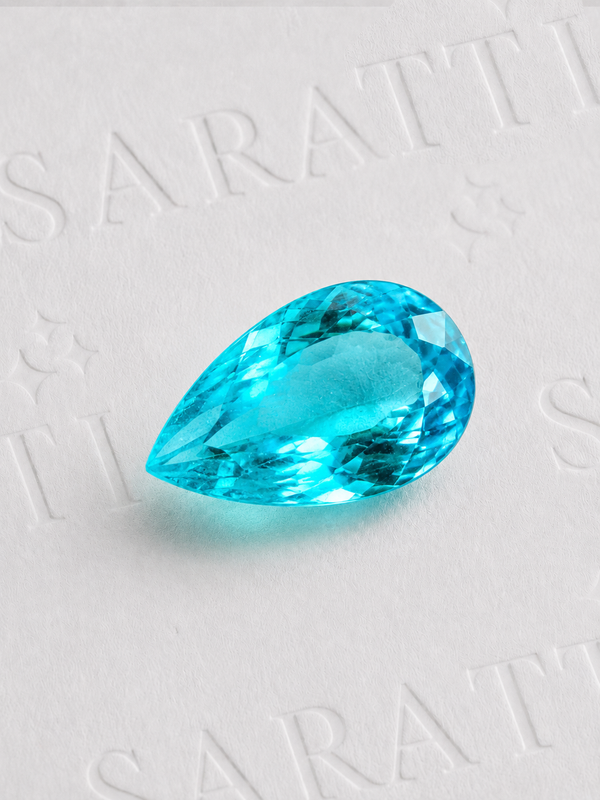
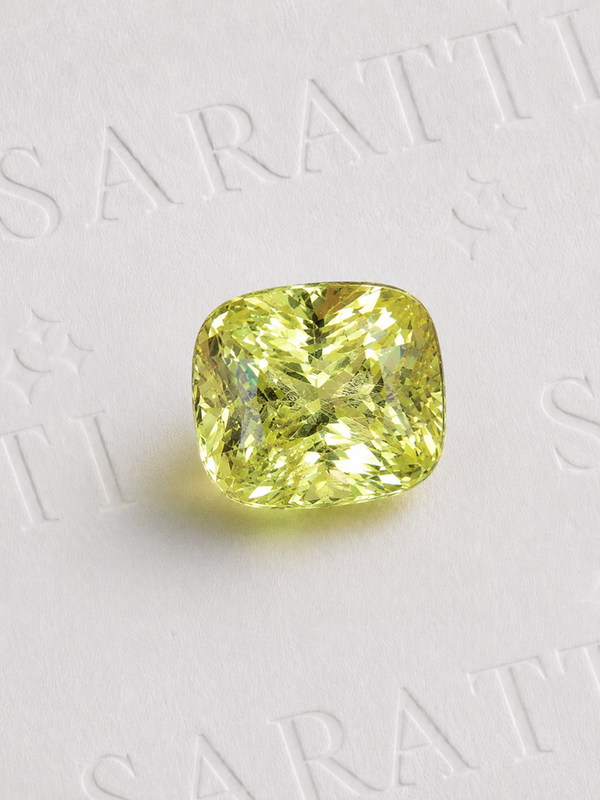
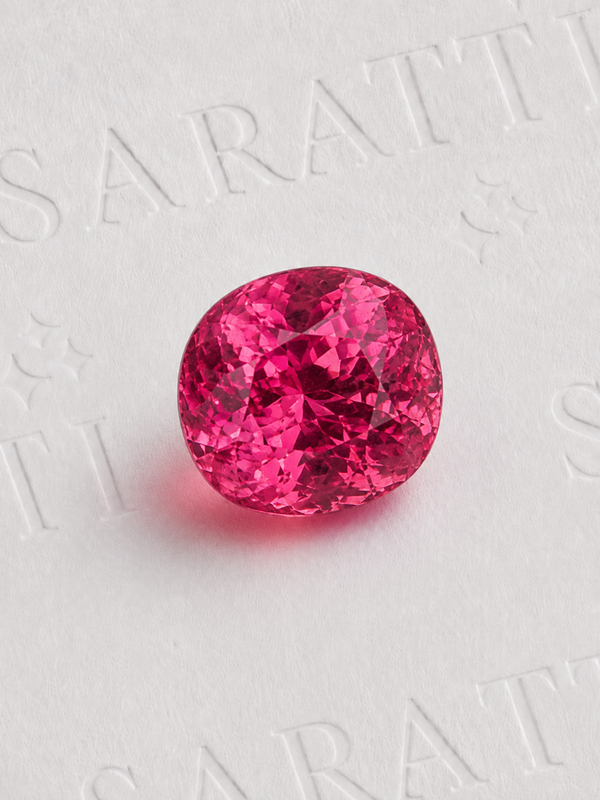
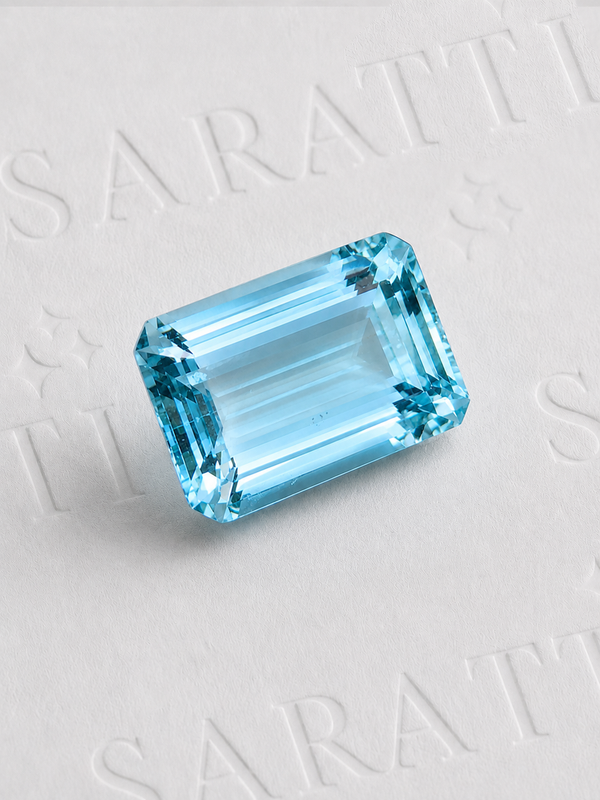
Every stone here is listed individually, with its own photography and its own details.
And if what you are looking for is not shown — a particular tone, a size, a cut — only part of what we can reach is listed online. Describe it, and we will go and look.




 Engagement Rings
 Gemstone Rings
 Wedding Bands
 The SARATTI Difference
 Gemstone Type
 Shop By Color

 SARATTI
 SARATTI
 SARATTI
 SARATTI
 SARATTI