


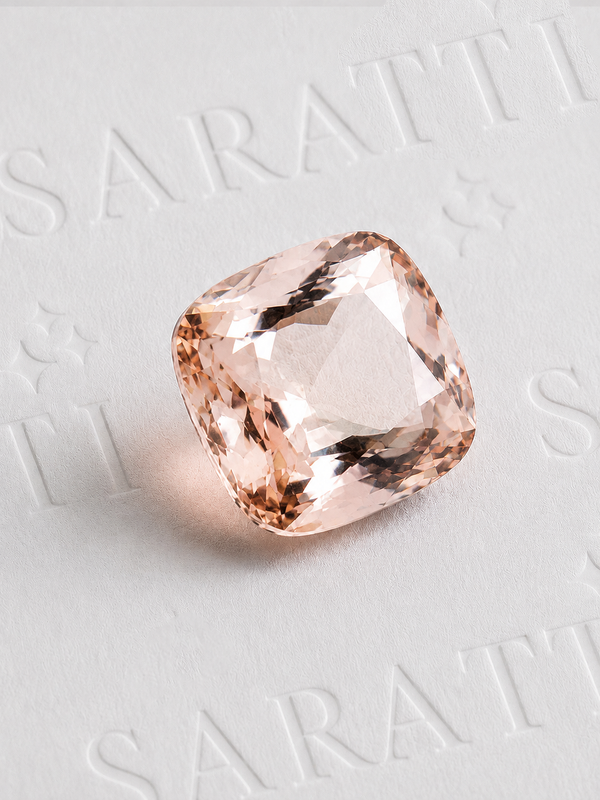
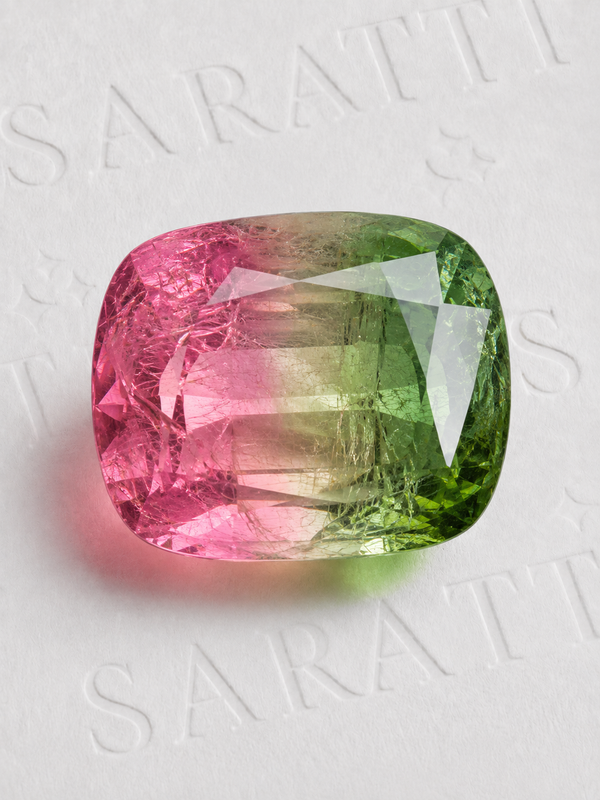
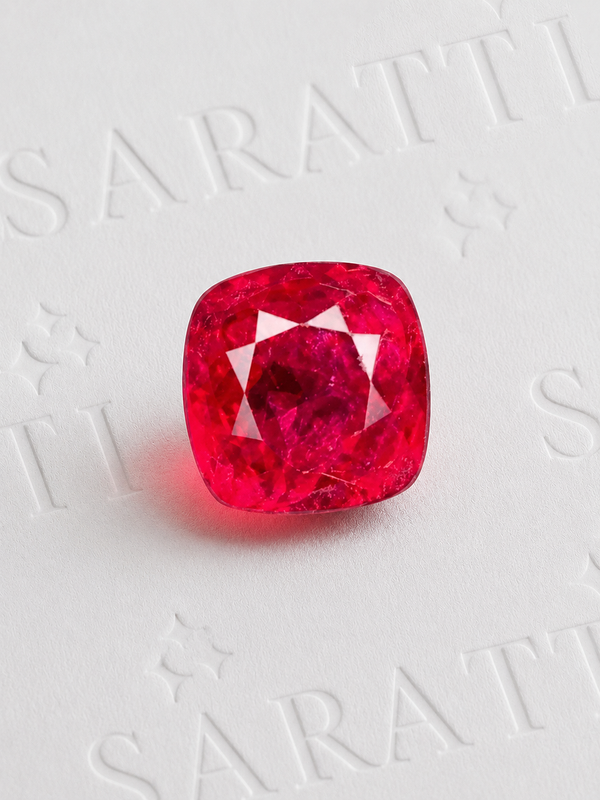
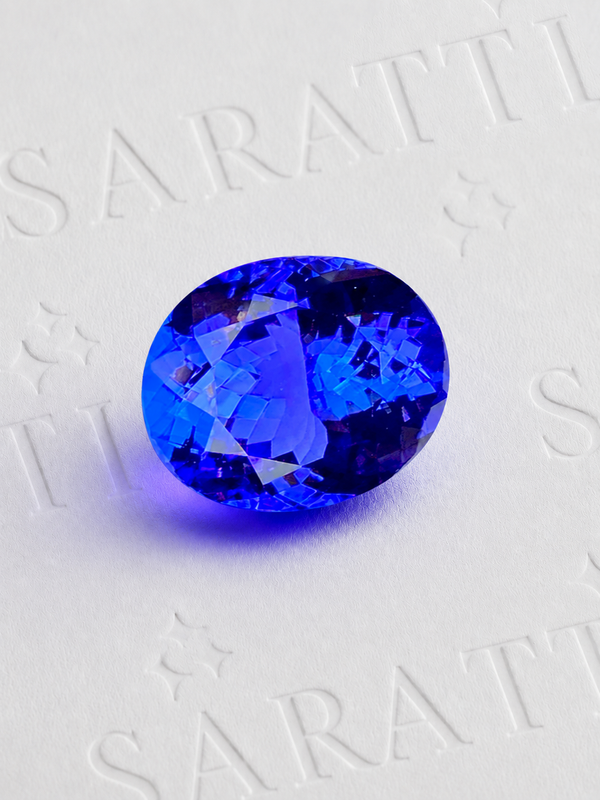
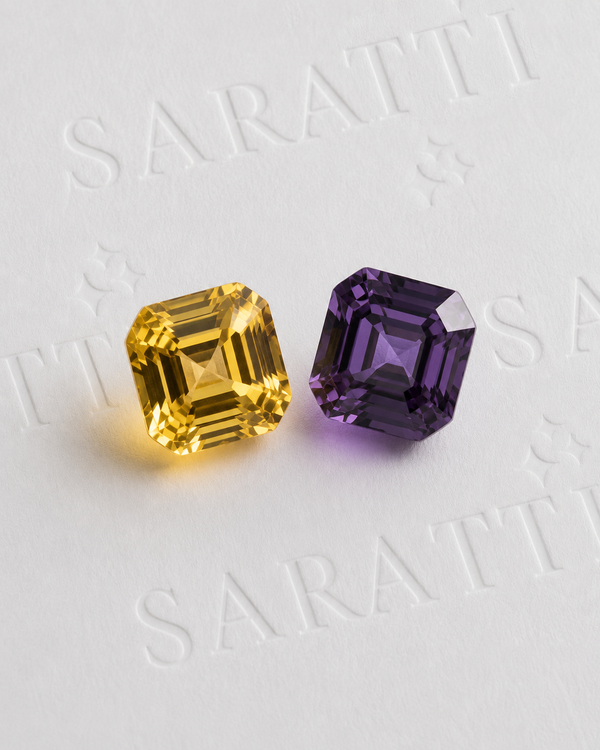
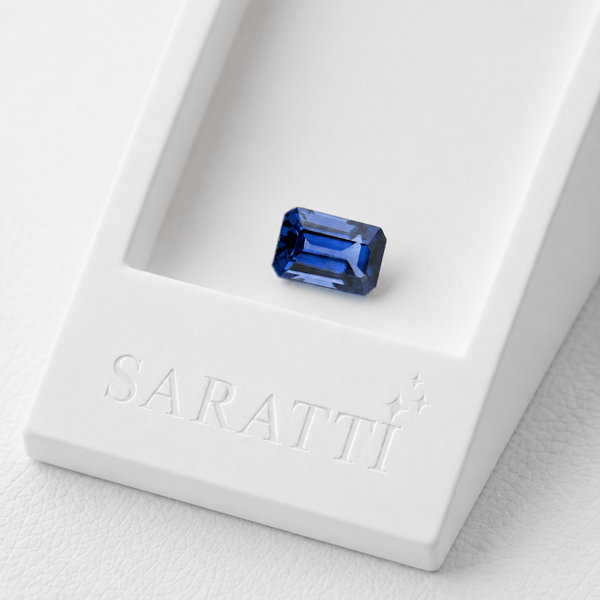
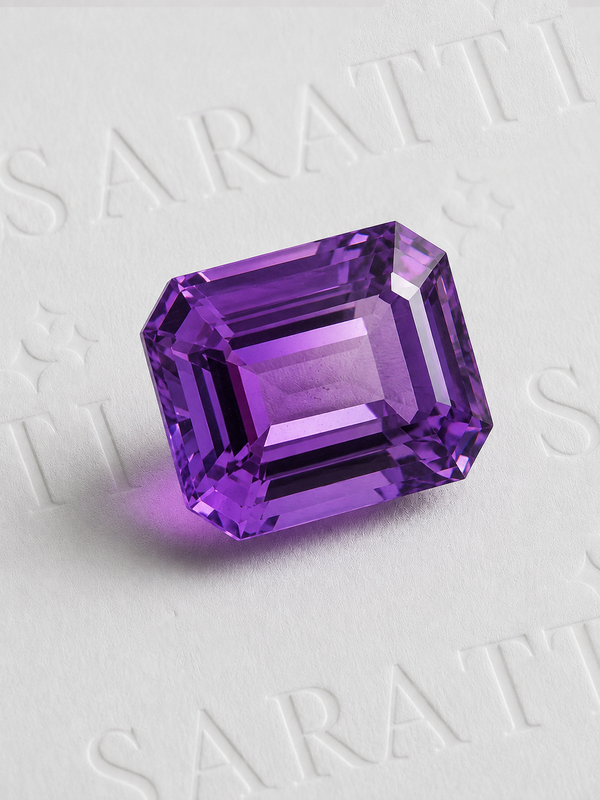

Some blue stones are made to dazzle.
Aquamarine is made to calm.
Its beauty is softer than a flash of brilliance. It carries the blue of clear water, pale sky, and morning light. It does not feel loud on the hand. It feels personal, peaceful, and deeply romantic.
That is why aquamarine engagement rings feel so special in modern bridal jewelry. They bring color without drama. They offer meaning without heaviness. For brides who love soft blue stones, aquamarine feels like a ring chosen from feeling, not habit.

But aquamarine is not only beautiful because it is blue. Its story begins deep inside the earth, continues through ancient sea legends, and reaches into modern bridal design. Its color, clarity, origin, durability, cut, setting, and care all shape how the ring looks, feels, and lasts.
In this guide, we will explore everything that matters before choosing an aquamarine engagement ring. You will learn how aquamarine forms, what makes a fine stone beautiful, how to understand pale blue, seafoam, and Santa Maria blue, which settings and metals suit the gem best, how it compares with sapphire, diamond, blue topaz, and morganite, and how to care for it over time.
We will also look at who aquamarine is truly for, when it may not be the right choice, how to pair it with a wedding band, and which SARATTI aquamarine designs best express soft blue bridal beauty. By the end, the stone should feel clearer, not only as a gemstone, but as a meaningful choice for a ring with calm, color, and soul.
Why Aquamarine Engagement Rings Feel So Romantic
Aquamarine has a gentle kind of romance. It does not enter the room with fire or drama. It draws the eye slowly, through soft blue color, clear light, and a feeling of calm that is easy to love.
On the hand, aquamarine feels fresh and open. Its color can remind you of clear water, pale sky, or a quiet morning by the sea. This gives the ring a peaceful mood, which feels very different from the sharper brilliance of a traditional diamond ring.

That softness is part of its beauty. Aquamarine brings color without feeling heavy. It gives an engagement ring personality without making it feel too bold. For a bride who loves quiet elegance, the stone can feel deeply natural.
There is also meaning in the blue. Aquamarine has long been linked with calmness, protection, clear feeling, and safe passage. Those ideas fit beautifully into a ring that marks the beginning of a shared life.
Aquamarine can also feel like a lasting version of “something blue.” Instead of being hidden in a small detail, the blue becomes the center of the ring. It turns a bridal tradition into something more personal and visible.
This is why aquamarine feels so romantic. It is not only pretty. It carries softness, story, color, and meaning. For brides who love soft blue stones, it offers a ring that feels peaceful, intimate, and quietly unforgettable.
The Name Aquamarine Comes From the Sea
The name aquamarine is already a poem. It comes from the Latin idea of seawater, which perfectly matches the stone’s clear blue beauty. The name fits because the stone looks like water touched by light. Some aquamarines are pale and airy. Others carry a deeper blue, closer to the color of open sea.
This makes the gemstone easy to understand before any expert explanation. The meaning is visible. The color says what the name means. For an engagement ring, that matters. The stone does not only decorate the hand. It gives the ring a feeling of calm, distance, depth, and quiet devotion.
Aquamarine History and Mythology
The name "aquamarine" comes from two Latin words: "aqua" and "marina." Together, they mean water of the sea. This name was given because aquamarine often looks like clear blue seawater.
For many years, aquamarine was linked to sailors and ocean travel. Sailors believed the stone could protect them at sea. They also believed it could help calm rough water and bring them home safely. This is why aquamarine became known as a stone of safe journeys. It was not only valued for its beauty. It also carried a feeling of protection, hope, and calm.

Aquamarine was also connected to love and marriage. In old gem stories, people believed it could bring peace between couples. This made it a meaningful stone for romantic jewelry.
Today, aquamarine still carries that soft meaning. For an engagement ring, it can stand for a love that feels calm, clear, and steady. It is a blue gemstone with history, beauty, and a peaceful story behind it.
What Is Aquamarine?
Aquamarine is the blue to green-blue variety of the mineral beryl. Shockingly, it's the same mineral family as Emerald. While emeralds are known for their rich green depth, aquamarine is admired for its clarity, freshness, and soft blue beauty.
Most fine aquamarines have a clean, transparent appearance. This clarity allows light to move through the stone easily, giving aquamarine its bright, watery brilliance.

The finest aquamarines are usually valued for their color, transparency, cut, and overall presence. Some stones appear pale and delicate, while others show a richer blue known in the trade as Santa Maria blue.
Aquamarine is also the birthstone for March. This makes it a meaningful choice for March-born brides, anniversary gifts, or anyone drawn to blue gemstones with a calm, elegant character.
Where Does Aquamarine Come From?
Aquamarine is found in many parts of the world. Important sources include Brazil, Madagascar, Nigeria, Mozambique, Pakistan, Afghanistan, and the United States.
Brazil is one of the most famous sources. It has produced aquamarine for a long time and is known for large, beautiful crystals. Some Brazilian aquamarines show a rich blue color.
Pakistan and Afghanistan are also known for fine aquamarine. These stones can have good clarity and a bright blue to blue-green color. Many come from mountain regions where beryl crystals form deep in the earth.
African sources, such as Nigeria, Mozambique, and Madagascar, also produce aquamarine. These stones can vary from pale blue to stronger blue tones. Some are clean and bright, while others have a softer natural look.
But origin is not everything. A famous source can still produce an average stone. A less famous source can produce a beautiful one. When choosing aquamarine, look first at the stone itself. The most important things are color, clarity, cut, and beauty. A fine aquamarine should look fresh, clear, and full of light.
How Aquamarine Forms
Aquamarine begins far below the surface, long before it becomes the soft blue center of a ring. It forms as a variety of beryl, a mineral made from beryllium, aluminum, silicon, and oxygen. In simple words, beryl is the crystal family that gives us both aquamarine and emerald.
Most aquamarine grows in rocks called pegmatites. These rocks form during the final stages of magma cooling underground. At this stage, the rock is rich in water and rare elements, which gives crystals more space and time to grow.
That slow growth matters. When the conditions are right, aquamarine can form as large, clean crystals. This is one reason the gemstone often appears in elegant center stones, such as emerald cuts, ovals, pears, and Asscher cuts.
The blue color comes from traces of iron inside the beryl crystal. Small changes in that iron can shift the stone’s color from pale blue to greenish blue or deeper blue. This is why two aquamarines can come from the same mineral family but feel very different on the hand.
Open spaces inside the rock also help the crystal grow with fewer interruptions. When the crystal grows cleanly, the finished gemstone can have the clear, watery look aquamarine is loved for. That clarity is one of the reasons it feels so graceful in engagement rings.
So, aquamarine may look light and effortless, but its story is slow and complex. It is shaped by heat, minerals, pressure, space, and time. By the time it reaches a ring, it has already carried a quiet journey from the earth into soft blue light.
Aquamarine Characteristics
Aquamarine looks gentle at first. That is part of its charm. But behind the soft blue color, the stone has real structure and strength. It belongs to the beryl family, the same mineral family as emerald. This gives aquamarine a firm natural base. What makes it different from emerald is its cleaner look, lighter mood, and blue to greenish-blue color.
Color is the first thing the eye notices. Aquamarine can be pale blue, seafoam blue, greenish blue, or deeper blue. Stronger blue stones are often more valued, but a soft blue aquamarine can feel especially beautiful in an engagement ring when the stone is bright and clean.
Clarity is one of aquamarine’s greatest strengths. Many cut aquamarines look clean to the eye. This means the stone often has that clear, watery glow people love. If the stone looks cloudy, dull, or sleepy, it may lose the freshness that makes aquamarine special.
Aquamarine also has a glass-like shine. Gemologists call this vitreous luster. In simple words, it means the surface can reflect light with a clean, polished glow. It does not sparkle like diamond. Its light feels cooler, softer, and more fluid.

Its hardness also matters for engagement rings. Aquamarine ranks 7.5 to 8 on the Mohs scale. That makes it suitable for fine jewelry, but it still needs care. It should be protected from hard knocks, rough surfaces, and careless daily impact.
Aquamarine can form in large crystals too. This is why it often appears in elegant center stones, such as emerald cuts, ovals, pears, cushions, and Asscher cuts. A good cut helps the stone hold light. A poor cut can make even a beautiful blue stone look flat.
These characteristics explain why aquamarine feels so graceful in bridal jewelry. It is clear, luminous, wearable, and calm. It gives an engagement ring color without heaviness, and softness without weakness.
The Beauty of Soft Blue Aquamarine
Soft blue aquamarine has a beauty that feels gentle at first, then slowly stays with you. It is not a stone that tries to impress through intensity alone. Its charm comes from light, clarity, and the way blue seems to rest quietly inside the crystal.
This is why soft blue aquamarine feels so natural in engagement rings. The color is romantic but not heavy. It brings a sense of calm to the hand. It feels refined, fresh, and personal without becoming too bold.
A soft blue aquamarine should still have life. Pale does not mean weak. A beautiful stone should show visible blue, clean transparency, and a soft glow when it moves in the light. If the color disappears completely, the stone may feel too washed out for a center gem.

Clarity also matters in this softer color range. Because pale aquamarine is more open to the eye, cloudiness can be easier to notice. A clean stone lets the blue feel pure and watery. A cloudy stone can make the ring feel dull, even if the shape is beautiful.
The setting can make soft blue even more graceful. White gold and platinum keep the color cool and luminous. Yellow gold adds warmth and contrast. Rose gold gives the blue a tender, romantic softness.
That is the quiet power of soft blue aquamarine. It does not need to be the deepest blue to feel special. When the color, clarity, cut, and setting work together, the stone becomes calm, bright, and unforgettable.
Aquamarine Color Guide: Pale Blue, Seafoam, and Santa Maria Blue
Color is the soul of aquamarine. It is the first thing the eye feels, even before the mind begins to judge the stone. Some aquamarines look like pale morning sky. Others carry a green-blue note, like shallow seawater over sand.
Pale blue aquamarine is the softest expression of the gem. It feels light, delicate, and graceful. This color can be beautiful in engagement rings because it gives the hand a calm, bridal glow. The key is visibility. A pale aquamarine should still look blue, not colorless.
Seafoam aquamarine has a gentle greenish-blue tone. It feels fresh, natural, and close to the sea. This shade can be especially lovely for brides who want a ring with an organic, airy feeling. It brings color, but keeps the mood soft.
Santa Maria aquamarine is the more vivid side of the gemstone. The name first became known through richly colored aquamarines from Brazil, especially the Santa Maria region. Today, it is often used to describe aquamarines with a stronger, cleaner blue color, even when the stone comes from another source.
A true Santa Maria look should feel rich but still clear. It should not look dark, gray, or dull. The beauty is in the balance: stronger blue, good transparency, and a lively glow inside the stone.

For an engagement ring, the best color is not always the deepest blue. Pale blue can feel tender. Seafoam can feel poetic. Santa Maria blue can feel striking. The right aquamarine is the one whose color feels alive in the ring and true to the person who will wear it.
Aquamarine Color Types at a Glance
| Aquamarine Color | How It Feels | Best For |
|---|---|---|
| Pale Blue | Airy, delicate, soft | Brides who love quiet color and subtle romance |
| Seafoam Blue | Fresh, natural, ocean-like | Rings with organic, coastal, or nature-inspired style |
| Medium Blue | Clear, balanced, visible | Classic aquamarine engagement rings with stronger presence |
| Santa Maria Blue | Vivid, rich, expressive | Statement rings and designs where blue should lead |
This table is only a guide. Aquamarine should always be judged by the full stone, not color name alone. A soft blue stone with clean clarity and a graceful cut can feel more beautiful than a deeper stone with poor life.
Hue, Tone, and Saturation
Aquamarine color is easier to understand when you break it into three simple parts: hue, tone, and saturation. These words may sound technical, but they are only ways to describe what the eye already sees.
Hue means the main color of the stone. In aquamarine, the hue can be blue, slightly greenish blue, or green-blue. A pure blue aquamarine feels clean and classic. A greenish-blue aquamarine feels more ocean-like, with a natural seafoam mood.
Tone means how light or dark the color appears. A pale aquamarine has a light tone, like soft sky. A deeper aquamarine has a stronger tone, closer to clear blue water. For engagement rings, the tone should be strong enough to show color, but not so dark that the stone loses its fresh glow.
Saturation means how rich or intense the color feels. A highly saturated aquamarine looks vivid and lively. A low-saturation stone may look gray, watery, or too faint. This is where many soft blue stones need careful attention.

A beautiful aquamarine does not need to be the deepest blue. But it should not disappear on the hand. Even a pale stone should have enough hue, tone, and saturation to feel alive.
This is why color should be judged as a whole. A soft blue aquamarine with clean color, gentle tone, and bright transparency can feel more elegant than a darker stone that looks dull. The best color is the one that holds light, shows blue clearly, and feels right inside the ring.
What Makes a Fine Aquamarine Beautiful?
A fine aquamarine does not depend on one feature alone. Its beauty comes from balance. Color, clarity, cut, size, and transparency all work together to create the feeling of the stone.
Color is the first thing the eye notices. Aquamarine can be pale blue, seafoam blue, greenish blue, or deeper blue. Richer blue stones are often more valued. Still, a soft blue aquamarine can be deeply beautiful when the color is clear and alive.
Clarity is one of aquamarine’s strongest qualities. A fine stone should look clean to the eye. It should not feel cloudy, sleepy, or dull. The best aquamarines often have that clear, water-like look that makes the gem so graceful.
Cut is where the stone begins to speak. Aquamarine is often light in color, so a poor cut can make it look flat. A good cut helps light move through the gem. It gives the blue more depth and keeps the center from looking empty.

Size can help aquamarine show more color. Larger stones often display blue more clearly than very small ones. But size should never come before beauty. A smaller aquamarine with better color and cut can feel more refined than a larger stone without life.
Treatment should also be understood. Many aquamarines are gently heated to reduce greenish tones and bring out a cleaner blue. This is common in fine jewelry. What matters is that the treatment is explained clearly.
A fine aquamarine should feel fresh, open, and luminous. It should show color without feeling heavy. It should glow softly, not fight for attention. In an engagement ring, the most beautiful aquamarine is the one that feels calm, clear, and alive from every angle.
Natural Aquamarine and Heat Treatment
Aquamarine is loved for its clear blue color, but many stones do not come from the earth in that exact shade. Some natural aquamarines first show a greenish or yellow-green tone. This is part of the gem’s natural chemistry.
Heat treatment is commonly used to soften those greenish tones and bring out a cleaner blue. In the aquamarine world, this is a normal and accepted practice. It does not make the stone synthetic, imitation, or less natural.
This is important to understand. A heated aquamarine can still be a natural aquamarine. The treatment simply helps reveal the blue color that many people associate with the gemstone.
For this reason, heat treatment should not be viewed the same way in aquamarine as it might be viewed in some rarer gemstone categories. With aquamarine, the focus should usually remain on beauty, color, clarity, cut, and how the stone feels in the final ring.
Untreated aquamarine with naturally fine blue color can be special. But many beautiful aquamarines in fine jewelry are heated. What matters most is that the stone looks bright, clean, and alive.
For an aquamarine engagement ring, the question is not only whether the stone has been heated. The right question is whether the aquamarine has the right color, clarity, shape, and presence for the design. A soft blue stone can still be natural, graceful, and deeply meaningful, even when heat treatment is part of its journey.
Natural Aquamarine vs Lookalike Blue Stones
Not every soft blue stone is aquamarine. Many gems can share a similar color at first glance. This is why color alone should never be the only proof of identity.
Natural aquamarine belongs to the beryl family. Its beauty is usually soft, clear, and watery. It often has a calm blue or greenish-blue tone, rather than a sharp or overly electric blue.

Blue topaz is one of the most common stones confused with aquamarine. It can look bright and clean, but it is a different gem. Blue topaz often has a stronger, more icy blue color, while aquamarine usually feels softer and more sea-like.

Blue sapphire is also different. Sapphire belongs to the corundum family and is much harder than aquamarine. Its blue is often deeper, richer, and more intense. Aquamarine feels lighter, clearer, and more open.

Blue zircon can show strong sparkle, sometimes more fire than aquamarine. But it is a separate gemstone with its own character and care needs. Glass, synthetic stones, and other imitations can also be made to look blue in photos.
This is why honest gemstone naming matters. A ring should clearly say what the stone is. Natural aquamarine, heated aquamarine, blue topaz, sapphire, zircon, and imitation stones should not be treated as the same thing.
For an aquamarine engagement ring, the beauty should be clear in two ways. The color should feel alive, and the identity should be explained with care. When the stone’s story is honest, the ring feels more meaningful.
Is Aquamarine Good for an Engagement Ring?
Aquamarine can be a beautiful engagement ring stone, but it should be chosen with care. Its blue feels soft and romantic, yet the ring still needs to be practical enough for real life.
The stone ranks 7.5 to 8 on the Mohs hardness scale. That gives aquamarine good strength for fine jewelry. Still, it is softer than diamond and sapphire, so it should be protected from hard knocks and rough wear.
This is why the setting matters so much. A secure design can help the stone stay safer over time. Strong prongs, a protective halo, a bezel setting, or a lower profile can all give aquamarine more support.
Aquamarine also has a clear, open beauty. That is part of its charm. But because many aquamarines are light in color, chips, scratches, or poor cutting can be easier to notice than on a darker stone.
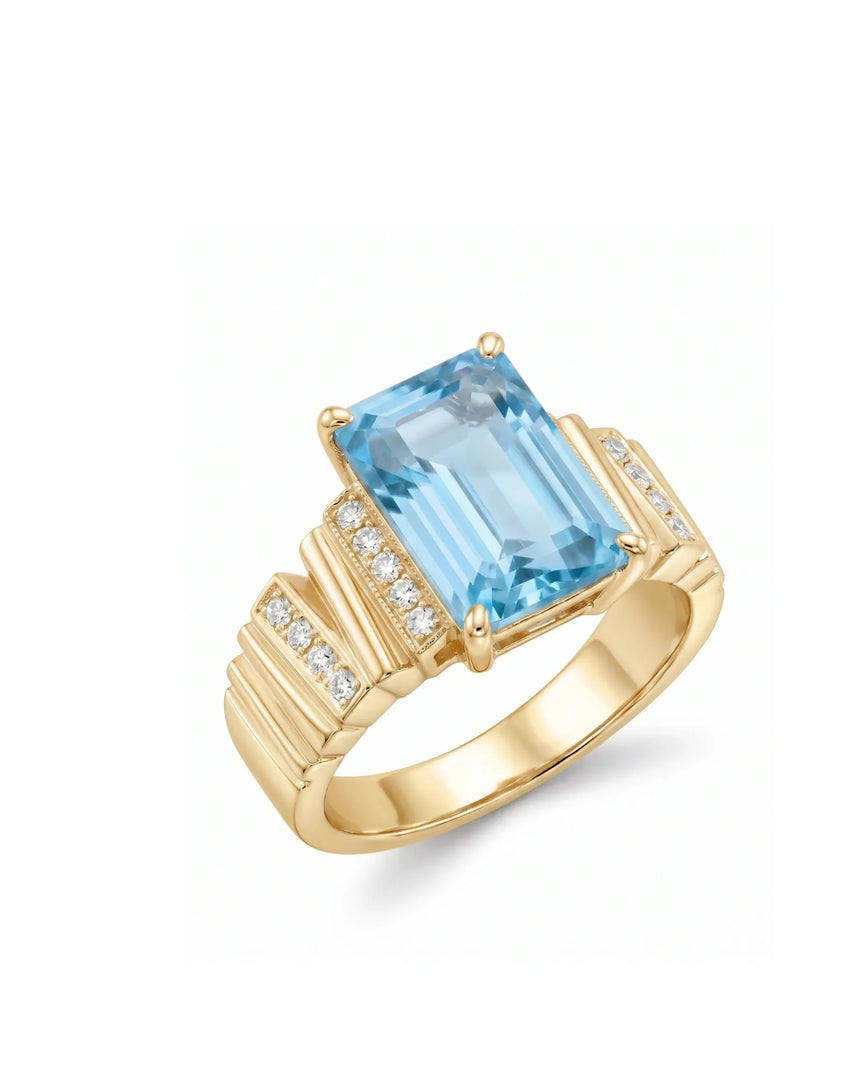
For a ring worn often, small habits make a difference. It is better to remove the ring before gym work, gardening, swimming, heavy lifting, or any task where the stone may hit a hard surface.
So yes, aquamarine can be good for an engagement ring. It is not the hardest bridal gemstone, but it offers something very special. Soft color, sea-born meaning, graceful clarity, and a calm beauty that feels deeply personal.
Read here to know more about Blue Gemstones: Types of Blue Gemstones: The Complete Guide
Who Is an Aquamarine Engagement Ring For?
An aquamarine engagement ring belongs to a bride who feels something when she sees soft blue. Not the loud blue of a statement stone. A gentler blue. The kind that feels peaceful, personal, and easy to wear.
It suits a person who loves elegance without too much drama. Aquamarine does not overpower the hand. It brings light, freshness, and a quiet sense of individuality to the ring.
There is also a natural connection to water and sky. For someone who loves the sea, open air, or calm color, aquamarine can feel deeply familiar. Its beauty does not need to be explained too much. The feeling is already there.

The stone can also hold personal meaning. Aquamarine is the March birthstone, and its soft blue color can become a lasting version of “something blue.” Instead of being hidden in a small bridal detail, the blue becomes the heart of the ring.
This is why aquamarine feels so right for brides who want a ring with softness, story, and quiet confidence. It is refined, but not expected. Romantic, but not heavy. Personal, but still timeless.
A diamond may speak through brilliance. Aquamarine speaks through calm. For the bride who understands that difference, the stone can feel like the most natural choice.
When Aquamarine May Not Be the Right Choice
Aquamarine is beautiful, but it is not the right stone for every lifestyle. A ring should not only match a feeling. It should also match the way it will be worn.
For someone who rarely removes rings during daily tasks, aquamarine may need extra thought. Gym work, gardening, swimming, heavy lifting, and rough hand activity can put the stone at risk. Aquamarine has good strength, but it is still softer than diamond and sapphire.
It may also not be the best choice for someone who wants a very hard, low-maintenance engagement ring. Aquamarine asks for care. The setting should be secure, and the ring should be checked from time to time.
The stone may also feel too subtle for someone who wants strong sparkle. Aquamarine has a clear, watery glow. It does not flash like diamond. Its beauty is softer, calmer, and more fluid.
Very pale aquamarine can also be a concern. A soft blue stone should still show blue on the hand. If the color disappears in most lighting, the ring may not have enough presence as a center stone.
This does not make aquamarine less special. It simply means the choice should be honest. For the right bride, aquamarine feels graceful and deeply personal. For a rougher lifestyle or a stronger sparkle preference, sapphire or diamond may be the better fit.
Best Aquamarine Shapes for Engagement Rings
Shape changes the whole mood of an aquamarine ring. The same blue stone can feel classic, romantic, modern, or sculptural depending on how it is cut. This matters even more with aquamarine, because its color is often soft and open.
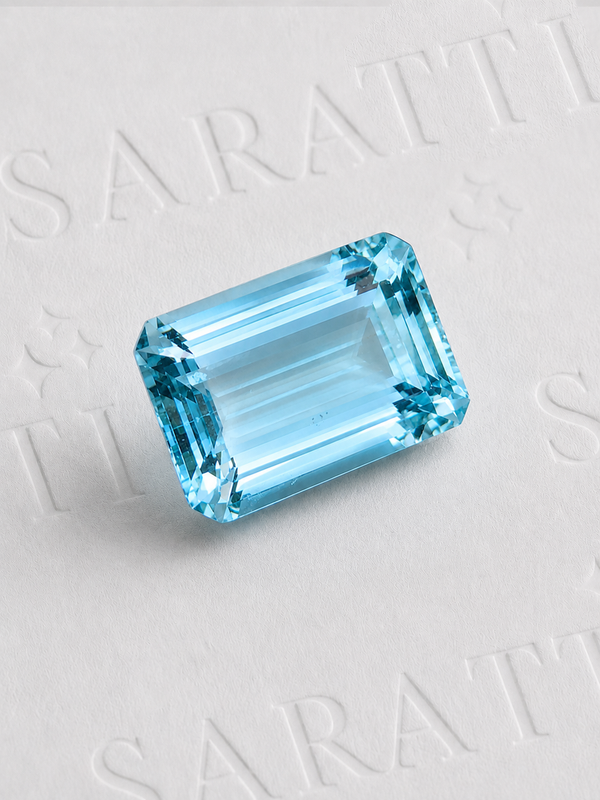
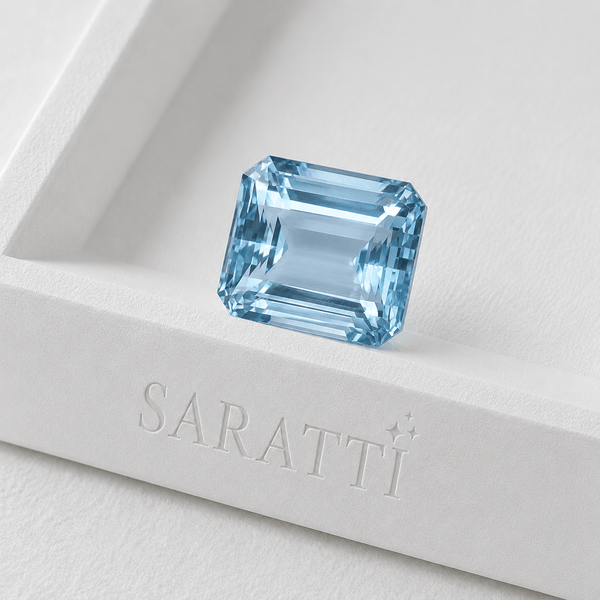
An emerald cut is one of the most elegant choices for aquamarine. Its long, straight facets suit the stone’s clear nature. Instead of sharp sparkle, it gives a calm, mirror-like glow. This shape feels refined, architectural, and quietly confident.

An oval aquamarine feels softer. It has gentle curves and a graceful length on the finger. This shape works beautifully for brides who want a ring that feels romantic, balanced, and easy to wear.
A pear-shaped aquamarine has a more fluid feeling. Its teardrop form echoes water, movement, and light. It can look delicate, feminine, and slightly unexpected without feeling too bold.

A cushion cut brings warmth to aquamarine. Its rounded corners soften the blue and give the ring a timeless mood. This shape is lovely when the design needs to feel romantic, gentle, and a little vintage-inspired.
An Asscher cut gives aquamarine more structure. Its square shape and step-cut facets create depth, almost like looking through clear water. It is a strong choice for someone who loves clean lines and quiet drama.

A round aquamarine feels classic and simple. It is balanced, familiar, and easy to pair with many settings. For a soft blue stone, the round shape can make the ring feel sweet, bright, and traditional in the best way.
The best shape is not only the one that looks beautiful in a photo. It should bring life to the stone. A well-cut aquamarine should hold light, show its blue clearly, and feel graceful from every angle.
Best Settings for Aquamarine Engagement Rings
The setting is where aquamarine becomes a ring, not just a stone. It decides how the blue is seen, how the hand feels, and how protected the gem will be over time. With aquamarine, beauty and care should always work together.
A solitaire setting keeps the focus on the center stone. This is a beautiful choice when the aquamarine has clean color, strong clarity, and a graceful shape. It feels simple, elegant, and timeless, especially in emerald cut, oval, or cushion designs.

A three-stone setting adds more meaning and balance. The aquamarine remains the heart of the ring, while side stones bring light around it. Emerald-cut diamonds, tapered baguettes, or round diamonds can make the blue feel more defined without taking away its calm beauty.

A halo setting can be helpful for softer blue aquamarines. Small diamonds around the center stone create contrast and make the blue easier to see. The halo can also give the stone a little extra edge protection, which is useful for a ring worn often.
A bezel setting is one of the most protective choices. Metal surrounds the aquamarine’s edge, giving the ring a smooth and secure outline. This setting can feel modern, clean, and refined, especially for someone who wants a calmer design with practical strength.

A prong setting shows more of the stone. It lets light enter from different angles and keeps the aquamarine open. But the prongs should be strong and well placed, especially around pointed shapes like pear cuts or corners like emerald and Asscher cuts.
A lower-profile setting can also be wise. Aquamarine is durable, but it should not sit too exposed if the ring will be worn often. A design that keeps the stone closer to the hand can feel more comfortable and more secure.
A split-shank setting gives the ring movement. The band opens as it reaches the center stone, adding lightness and detail. This can work beautifully with pear, oval, and cushion aquamarines, especially when the design wants a soft romantic mood.
The best setting is not only the prettiest one. It should suit the stone, the hand, and the way the ring will be worn. Aquamarine looks most beautiful when it feels held, balanced, and protected.
Best Metals for Soft Blue Aquamarine
Metal changes the mood of aquamarine before anything else around it. The same soft blue stone can feel icy, warm, romantic, or modern depending on the metal that holds it. This is why the metal should be chosen with the same care as the gemstone.
White gold gives aquamarine a clean and luminous feeling. It keeps the blue cool, bright, and bridal. For pale blue or seafoam aquamarine, white gold can make the stone feel fresh, airy, and elegant without adding too much contrast.
Platinum has a similar cool tone, but with a deeper sense of permanence. It feels refined, strong, and timeless. Platinum works especially well with aquamarine and diamonds because it lets the blue stay clear while giving the whole ring a quiet luxury presence.
Yellow gold creates a very different feeling. Its warmth sits beautifully against aquamarine’s cool blue. The contrast can make the stone feel richer and more expressive, especially when the aquamarine has a stronger blue or Santa Maria tone.
Rose gold gives aquamarine a softer romance. The warm pink tone can make the blue look more tender and personal. It is a beautiful choice for someone who wants the ring to feel delicate, feminine, and less traditional.
Two-tone designs can also work beautifully with aquamarine. A white metal band with yellow gold prongs, for example, can keep the ring bright while adding warmth around the stone. This kind of detail can make the design feel more custom and considered.
There is no single best metal for every aquamarine engagement ring. White gold and platinum feel cool and classic. Yellow gold feels warm and expressive. Rose gold feels romantic and soft. The right metal is the one that lets the blue speak in the way the ring is meant to feel.
Aquamarine and Diamonds
Aquamarine and diamonds work beautifully together because they bring different kinds of light. Aquamarine gives the ring its color, mood, and softness. Diamonds bring brightness around that blue, like sunlight touching water.
This pairing is especially lovely for engagement rings. A soft blue aquamarine can sometimes look delicate on its own, especially in pale tones. Diamonds help define the stone. They make the blue easier to see without changing its calm feeling.
Side diamonds can frame aquamarine in a graceful way. Emerald-cut diamonds give a clean, architectural look. Round diamonds feel softer and more classic. Tapered baguettes add quiet structure, especially beside emerald-cut or Asscher-cut aquamarines.
A diamond halo can also work well. It creates a bright outline around the center stone and can make a pale blue aquamarine feel more present on the hand. For a softer bridal look, the halo should feel fine and balanced, not too heavy.
Pavé diamonds along the band add shimmer without taking attention away from the center stone. This can be beautiful when the aquamarine is the emotional focus of the ring. The diamonds become the light around the story, not the story itself.
The most important thing is proportion. Aquamarine should still feel like the heart of the design. Diamonds should support the blue, sharpen its outline, and add brilliance in a gentle way.
When the balance is right, the ring feels complete. The aquamarine brings calm color. The diamonds bring clear light. Together, they create a bridal design that feels soft, luminous, and deeply refined
Aquamarine vs Sapphire, Diamond, Blue Topaz, and Morganite
Aquamarine has its own place in bridal jewelry. It should not be treated as a softer version of sapphire, a colored version of diamond, or a finer name for blue topaz. Each stone has its own beauty, strength, and mood.
Compared with sapphire, aquamarine feels lighter and more open. Blue sapphire is usually deeper in color and harder, ranking 9 on the Mohs scale. It feels classic, strong, and formal. Aquamarine ranks 7.5 to 8, so it needs more care, but it brings a softer sea-blue glow that sapphire does not always have.
Compared with diamond, aquamarine offers a very different kind of romance. Diamond is the hardest gemstone, ranking 10 on the Mohs scale. It is known for brilliance, fire, and long-standing bridal tradition. Aquamarine is not chosen for the same sharp sparkle. It is chosen for color, calm, clarity, and a more personal feeling.
Blue topaz can look similar at first glance, especially in photos. But it is a different gemstone. Blue topaz is often treated to create strong blue color, while aquamarine belongs to the beryl family and has a more natural watery character. Aquamarine usually feels softer, more refined, and more connected to sea-blue elegance.
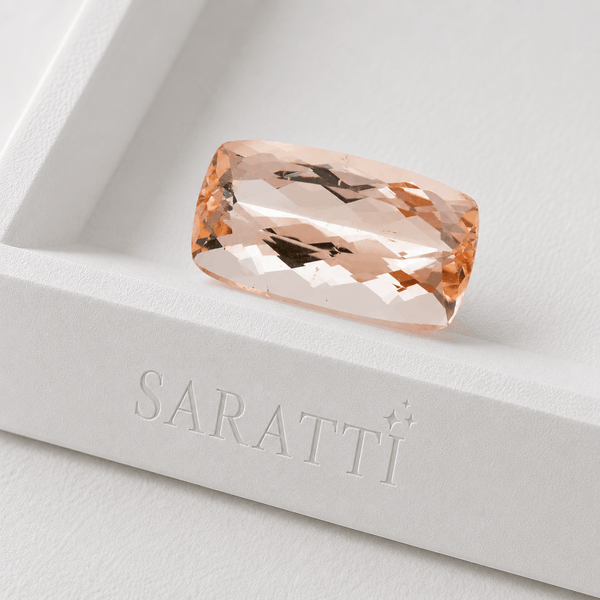
Morganite is closer to aquamarine in mineral family. Both are varieties of beryl. But the feeling is completely different. Morganite belongs to the world of pink, peach, and warmth. Aquamarine belongs to water, sky, and cool blue light.
This is why comparison should not only be about hardness or price. It should also be about feeling. Sapphire feels strong. Diamond feels brilliant. Blue topaz feels bright. Morganite feels warm. Aquamarine feels calm, luminous, and quietly personal.
For a bride who loves soft blue stones, that difference matters. Aquamarine may not be the hardest or flashiest choice, but it offers a beauty that is difficult to replace. It brings a ring a sense of peace, openness, and gentle color that feels deeply its own.
To know more about colored gemstones, visit: How to Choose the Perfect Colored Gemstone for Engagement Rings: A Buyer’s Guide
How Aquamarine Looks in Real Life
Aquamarine can look different from one moment to another. That is part of its charm. In bright daylight, the stone may look fresh, open, and more clearly blue. Indoors, the same stone may feel softer and more delicate.
This matters because aquamarine is often a lighter gemstone. A pale blue stone can look vivid in one photo, then quieter in another setting. That does not mean the stone is less beautiful. It means the color is sensitive to light, metal, and surroundings.
White gold and platinum usually keep aquamarine cool and crisp. They make the blue feel clean and bridal. Yellow gold adds warmth and contrast, which can make the blue appear richer. Rose gold softens the stone and gives it a more romantic feeling.
The size and cut also change how aquamarine appears. Larger stones can show color more clearly because there is more depth for the blue to gather. A well-cut stone will hold light across the center. A poor cut may make the gem look pale or empty.
Skin tone can also influence the feeling of the ring. On some hands, pale aquamarine looks icy and bright. On others, it feels warmer, softer, or more seafoam. This is why the whole ring should be considered together, not only the loose stone.
A beautiful aquamarine should still show its blue in real life. It does not need to be dark. It does not need to be dramatic. But it should have presence, clarity, and a soft glow that stays visible on the hand.
Soft Blue vs Vivid Blue Aquamarine
Soft blue and vivid blue aquamarine can both be beautiful. They simply tell different stories. One feels quiet and airy. The other feels stronger, clearer, and more present on the hand.
Soft blue aquamarine has a gentle bridal feeling. It looks light, fresh, and calm. This shade is beautiful for brides who love subtle color, soft romance, and a ring that feels elegant without being dramatic.

Vivid blue aquamarine has more intensity. It can feel closer to deep seawater than pale sky. This color often gives the ring stronger presence, especially when the stone is well cut and clean.
In gem value, stronger blue is usually more prized. A vivid blue aquamarine can be rarer and more desirable when the color is rich, even, and lively. But value is not the only thing that matters in an engagement ring.
Soft blue can sometimes feel more personal. It may look more delicate with diamonds, more graceful in white gold, and more romantic in vintage or floral settings. It gives the ring a quiet beauty that does not need to compete.
The important question is not only which blue is deeper. It is which blue feels right. A soft blue aquamarine should still show color. A vivid blue aquamarine should still feel clear and bright, not dark or dull.
For a bride who loves calm elegance, soft blue may feel perfect. For someone who wants the aquamarine to lead with stronger color, vivid blue or Santa Maria blue may be the better match. Both can be beautiful when the stone has life, clarity, and a setting that lets the color breathe.
Aquamarine Origin and Why It Matters
Origin matters because it adds depth to the story. But beauty comes from the gemstone itself. In an engagement ring, the best aquamarine is not only the one with a known source. It is the one whose color, light, and feeling belong to the design.
How to Choose an Aquamarine Engagement Ring
Choosing an aquamarine engagement ring should begin with feeling, but it should not end there. The stone may first catch the heart with its blue color. After that, the eye should look carefully at quality, setting, and wearability.
Start with the color. Decide whether the ring should feel pale blue, seafoam blue, medium blue, or vivid Santa Maria blue. A soft blue aquamarine can feel graceful and bridal, but it should still show visible color on the hand.
Then look at clarity. Aquamarine is loved for its clean, water-like appearance. A beautiful stone should feel open and bright. If it looks cloudy, gray, or sleepy, it may lose the freshness that makes aquamarine special.
Cut is just as important. A good cut helps light move through the stone and keeps the center from looking empty. This matters even more with pale aquamarine, because poor cutting can make the color look weaker.
Next, think about the setting. An aquamarine engagement ring should be beautiful, but it should also feel secure. Strong prongs, a halo, a bezel, or a thoughtful low-profile design can help protect the stone during regular wear.
The metal should support the color. White gold and platinum make aquamarine feel cool and luminous. Yellow gold adds warmth and contrast. Rose gold gives the blue a softer, more romantic mood.
It also helps to think about the wedding band early. Some settings allow a straight band to sit neatly beside the ring. Others may need a curved or contoured band. This small detail can change the comfort and beauty of the bridal set.
Finally, ask about the stone’s story. Is the aquamarine natural? Has it been heated? Is the color stable? Is the stone clearly identified? A meaningful ring should feel clear in both beauty and information.
The right aquamarine engagement ring is not only the one with the strongest blue or the largest stone. It is the one where color, clarity, cut, setting, and feeling all come together. When those details feel balanced, the ring becomes more than beautiful. It becomes personal.
Common Mistakes to Avoid
Even a beautiful aquamarine can lose its magic when the wrong details are overlooked. The stone asks for a little care in the beginning. Not only after the ring is made, but before it is chosen.
One common mistake is choosing aquamarine only by size. A large stone may look impressive in photos, but size alone does not create beauty. If the color is weak, the cut is flat, or the center looks empty, the ring may not feel refined on the hand.
Another mistake is choosing a stone that looks too pale in every light. Soft blue aquamarine can be beautiful, but it should still look blue. If the color disappears indoors, outdoors, and against the skin, the stone may not have enough presence for an engagement ring.
The setting should not be ignored either. Aquamarine has good strength, but it is softer than diamond and sapphire. A very exposed setting may look delicate, but it can leave the stone more open to knocks. Strong prongs, a halo, a bezel, or a thoughtful low-profile design can make a real difference.
It is also important not to confuse aquamarine with other blue stones. Blue topaz, blue zircon, sapphire, glass, and synthetic stones can look similar in photos. A meaningful ring should clearly identify the gemstone and explain whether it is natural, treated, or imitated.
Heat treatment should not be misunderstood. Many aquamarines are heated to reduce greenish tones and create a cleaner blue. This is common in fine jewelry. The mistake is not choosing a heated stone. The mistake is choosing one without clear disclosure.
A final mistake is forgetting the full bridal set. The engagement ring should be considered with the wedding band from the beginning. A beautiful aquamarine ring may need a straight, curved, or contoured band to sit comfortably and look complete.
The best choice is the one that feels beautiful and informed. Aquamarine should not be chosen in a rush. When color, clarity, cut, setting, care, and honesty all come together, the ring feels calm, graceful, and truly personal.
Wedding Band Pairing for Aquamarine Engagement Rings
A wedding band should feel like it belongs beside the aquamarine ring. It should not look added at the end. The two pieces should sit together with ease, balance, and a shared mood.
The first detail to check is the setting height. If the aquamarine sits high enough, a straight wedding band may rest neatly beside it. This creates a clean and classic bridal stack, especially with solitaire, three-stone, or raised prong settings.
A plain gold or platinum band can be beautiful when the aquamarine ring already has diamonds or a strong center stone. It lets the blue remain the focus. The look feels quiet, refined, and timeless.

A diamond wedding band adds more light. Small diamonds can echo the sparkle of side stones, halos, or pavé details in the engagement ring. The key is balance. The band should brighten the aquamarine, not compete with it.
A curved band may be needed when the center stone sits low or the setting has a wider basket. The curve follows the shape of the engagement ring and helps the two rings sit closer together. This can make the bridal set feel more intentional.
A contoured band gives an even more custom feeling. It can frame an oval, pear, emerald-cut, or cushion aquamarine with a soft outline. This is especially lovely when the ring has a distinctive shape or sculptural setting.
Metal choice also matters. Matching metals create a seamless look. Mixed metals can feel more personal and modern. A white gold aquamarine ring with a yellow gold band, for example, can add warmth while keeping the blue stone fresh.
The best wedding band is not only the one that looks beautiful alone. It should complete the aquamarine ring. When the height, shape, metal, and sparkle feel balanced, the two rings become one quiet story on the hand.
Best SARATTI Aquamarine Jewelry for Soft Blue Bridal Style
Once the color, setting, and meaning are understood, the ring becomes easier to imagine. SARATTI’s aquamarine designs show how soft blue can move from quiet elegance to sculptural statement.
Aquamarine Engagement Ring with Diamonds | 8 carats
This design has a composed, architectural presence. It features an 8-carat emerald-cut aquamarine with emerald-cut diamond side stones. SARATTI describes the ring with vivid blue depth, clean geometry, and refined three-stone balance.
Aquamarine Ring White Gold Diamonds Split Shank
This design has a softer bridal mood. The 0.8-carat pear-shaped aquamarine is held by a split-shank band with round diamonds, creating movement and light around the blue stone.
Bezel Set Aquamarine Engagement Ring
This ring is ideal for clean, modern taste. The emerald-cut aquamarine sits inside a sleek bezel frame, giving the stone a protected outline and a calm architectural look.
Asscher Cut Aquamarine Prong Set Yellow Gold Ring
This ring feels more sculptural. It centers on a 5.0-carat Asscher-cut aquamarine with a light blue presence, double claw prongs, and a warm gold setting.
Blue Stone Santa Maria Aquamarine Ring
This design brings a stronger blue mood. The pear-shaped Santa Maria aquamarine sits in yellow gold, with a sculptural curve that gives the ring movement and modern presence.
Azure Bloom Aquamarine and Diamond Ring
This piece feels poetic and nature-led. SARATTI presents it as a high-jewelry aquamarine and diamond design with a romantic, floral feeling.
How to Care for an Aquamarine Engagement Ring
Aquamarine care should feel gentle, not complicated. The stone has good strength, but it still needs attention. A ring worn close to the heart should also be protected by small daily habits.
The safest way to clean aquamarine is with warm water, mild soap, and a soft brush. Let the ring soak for a short time, then clean around the stone and setting with light pressure. Rinse it well and dry it with a soft, lint-free cloth.
Avoid harsh chemicals. Chlorine, bleach, strong cleaners, and some beauty products can affect the metal or weaken the setting over time. It is better to remove the ring before swimming, cleaning, applying heavy lotions, or using perfumes.
Aquamarine should also be protected from hard knocks. Remove the ring before gym work, gardening, lifting, sports, or any task where the stone may hit a hard surface. This matters because aquamarine is durable, but it is not as hard as diamond or sapphire.
Heat should be treated with care too. Strong heat or sudden temperature change is not ideal for aquamarine. The stone’s beauty is calm and clear, but it should not be exposed to harsh conditions.
Storage is another simple habit. Keep the ring in a soft pouch, lined jewelry box, or separate compartment. This helps prevent harder stones, such as diamonds or sapphires, from scratching the aquamarine.
The setting should be checked from time to time. Prongs can loosen with wear, especially on a ring worn often. A quick professional inspection can help keep the stone secure and the ring ready for many years of meaning.
Aquamarine does not ask for difficult care. It asks for awareness. With gentle cleaning, careful wear, and proper storage, a soft blue engagement ring can keep its fresh glow beautifully.
Why Aquamarine Belongs in Modern Bridal Jewelry
Modern bridal jewelry has become more personal. Many brides are no longer looking for a ring that only follows tradition. They want a piece that feels connected to their own taste, story, and way of seeing beauty.
Aquamarine belongs naturally in this shift. It offers color, but in a gentle way. Its blue feels fresh, refined, and emotional without becoming too bold. It gives the ring individuality while still keeping a soft bridal mood.
The stone also speaks to quiet luxury. It does not need heavy sparkle to feel special. Its beauty comes from clarity, light, and the calm feeling of blue. This makes aquamarine ideal for brides who want elegance with a more personal voice.

Aquamarine also works beautifully with modern design. It can feel clean in a bezel setting, romantic in a halo, timeless in a three-stone ring, or sculptural in yellow gold. Its soft color allows the design to shape the mood.
There is also meaning behind the stone. Aquamarine carries the story of water, protection, calm, and clear feeling. In modern bridal jewelry, those meanings feel deeply relevant. A ring is not only chosen for how it looks. It is also chosen for what it quietly says.
That is why aquamarine feels so right today. It brings together beauty, symbolism, individuality, and wearability. For brides who love soft blue stones, it offers a ring that feels modern, meaningful, and quietly unforgettable.
Conclusion
Aquamarine engagement rings carry a beauty that feels calm, clear, and deeply personal. Their soft blue color connects the ring to water, sky, and quiet feeling. Behind that beauty is a real gemstone story, shaped by beryl crystal, natural color, origin, clarity, cut, and thoughtful design.
A fine aquamarine ring should be chosen with both heart and knowledge. Color should feel alive. Clarity should look open. The setting should protect the stone. The metal should support the blue. When these details come together, aquamarine becomes more than a soft blue gemstone. It becomes a ring with meaning, grace, and a story that feels truly its own.
For brides who love soft blue stones, Saratti aquamarine offers something rare in bridal jewelry. It is gentle without feeling weak. Romantic without feeling heavy. Different without losing elegance. It is a quiet kind of beauty, but one that stays with you.


