


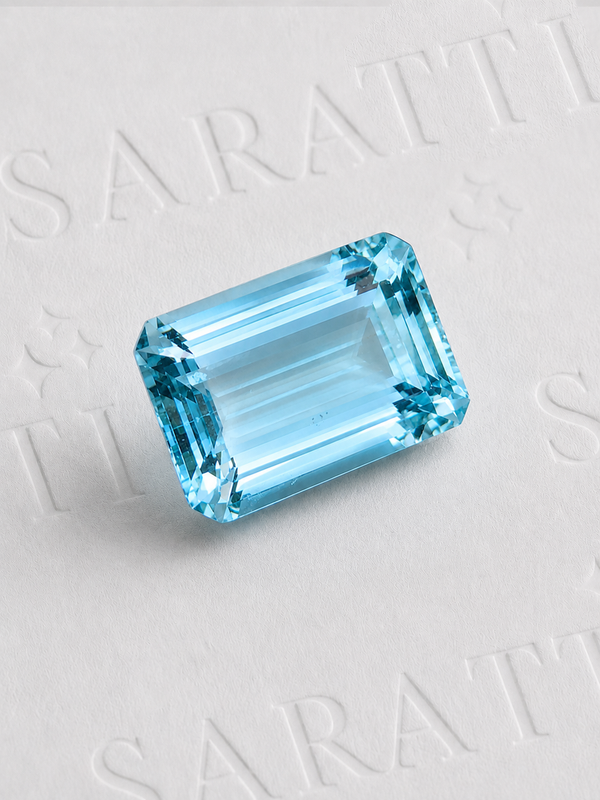
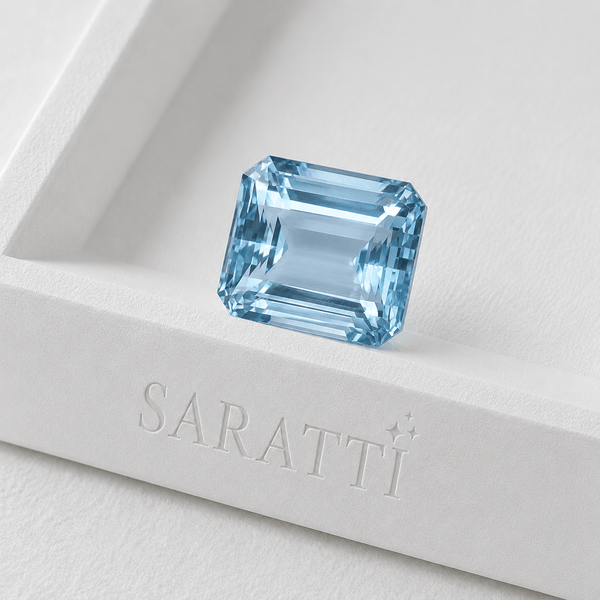



A Guide to Aquamarine Engagement Rings for Brides Who Love Soft Blue Stones
Some blue stones are made to dazzle.Aquamarine is made to calm. Its beauty is softer than a flash of brilliance. It carries the blue of clear water, pale sky, and...

 Engagement Rings
 Gemstone Rings
 Wedding Bands
 The SARATTI Difference
 Gemstone Type
 Shop By Color
Every stone held by the house, listed one at a time.
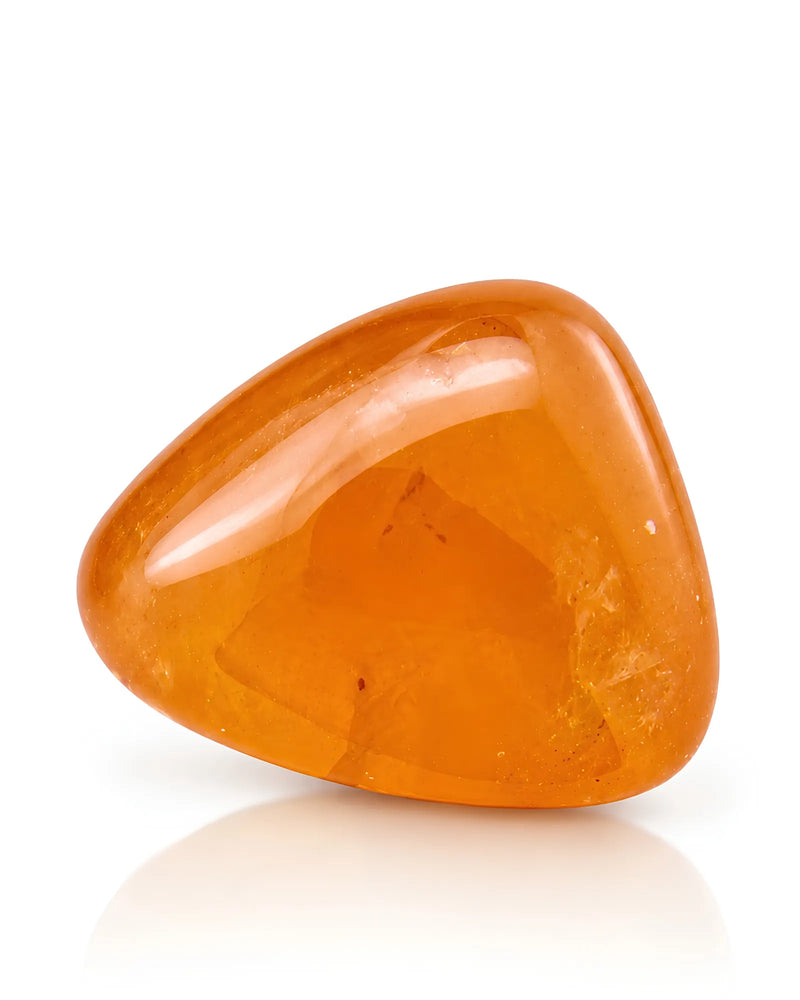
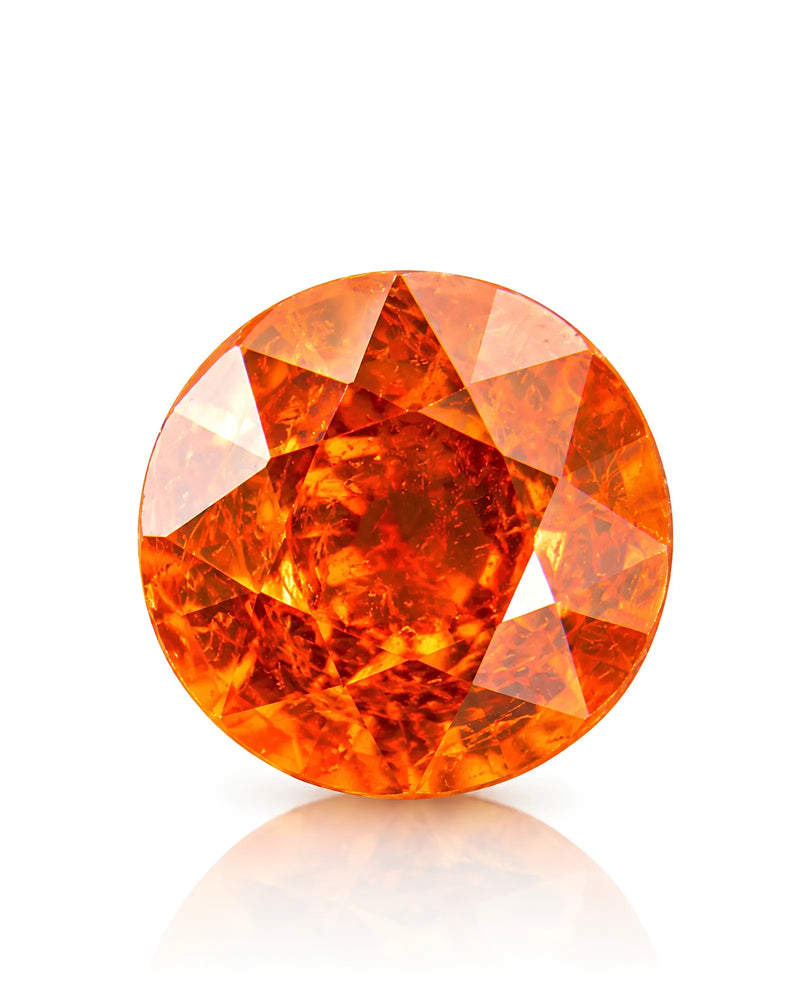
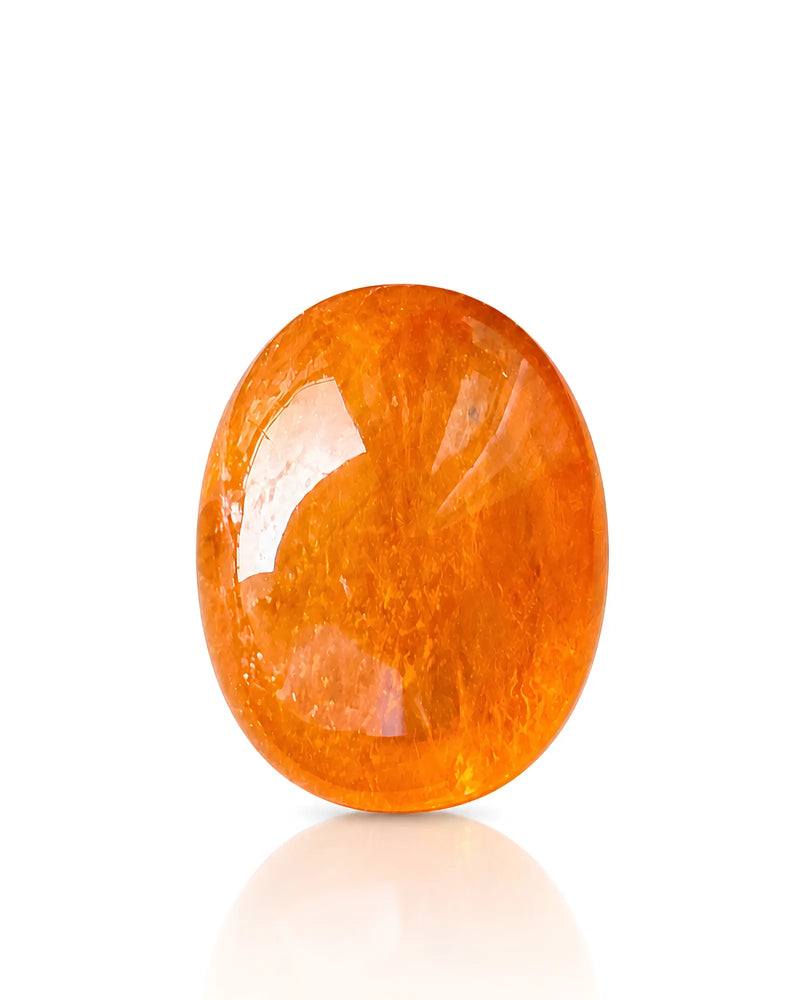
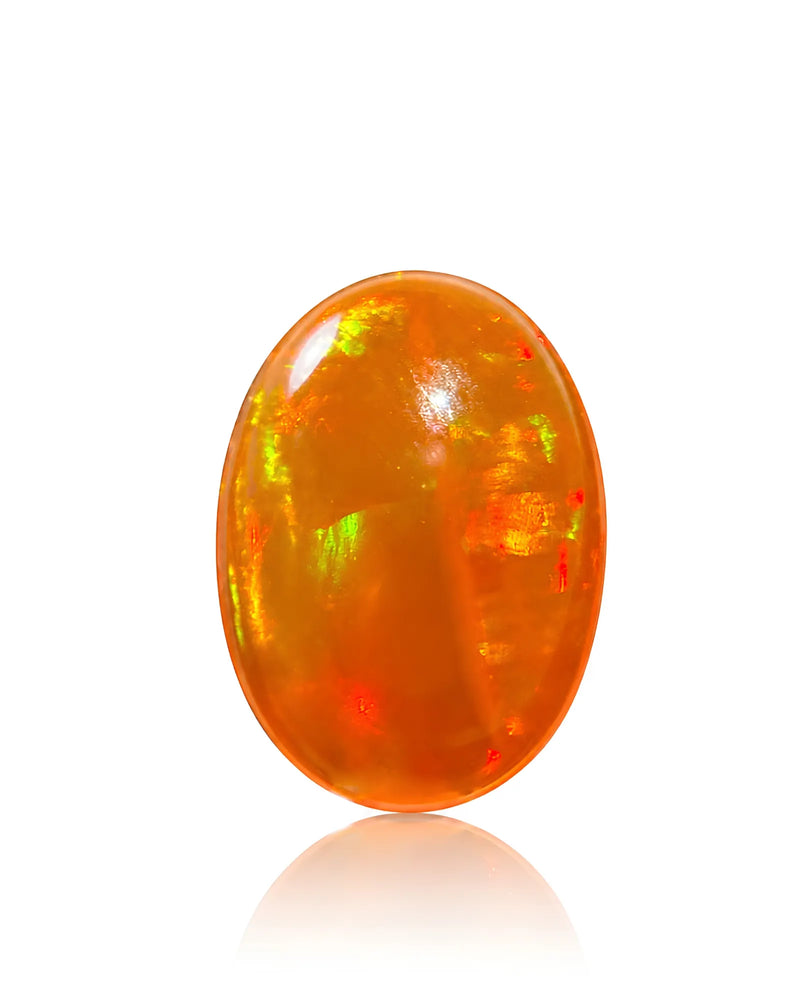
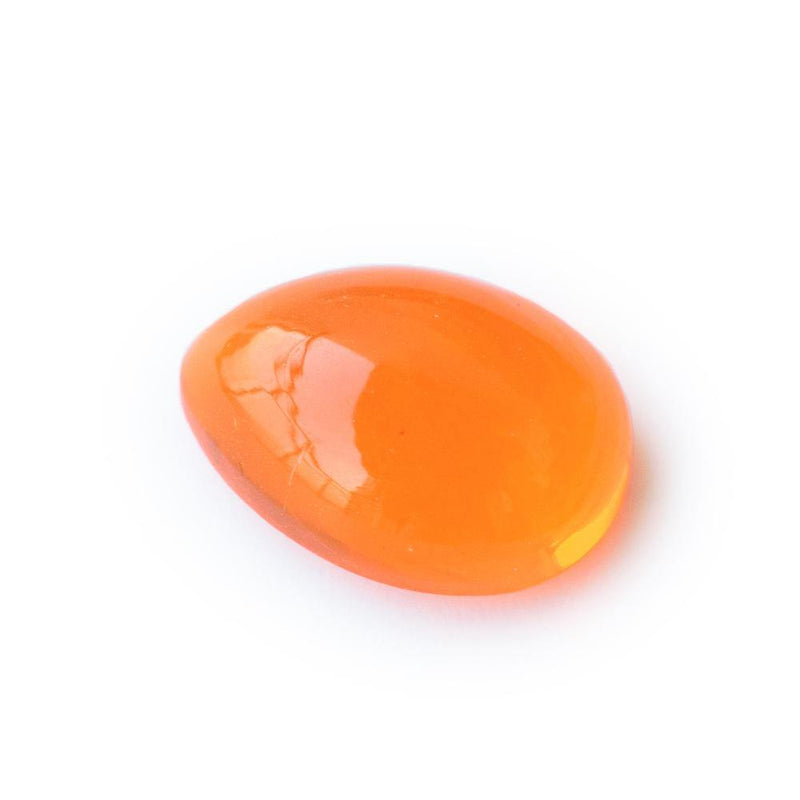
Warm tones and natural energy.
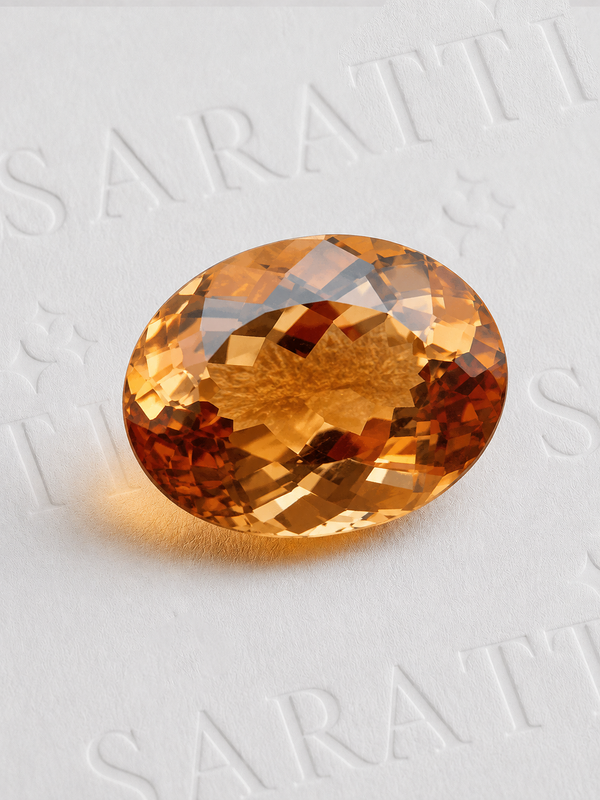
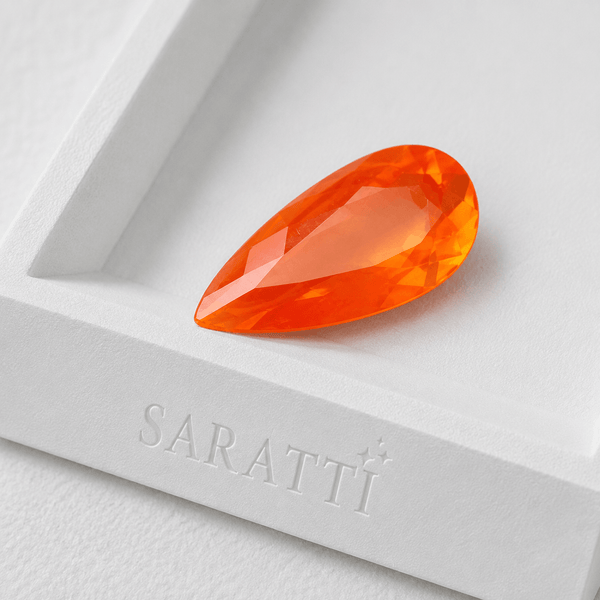
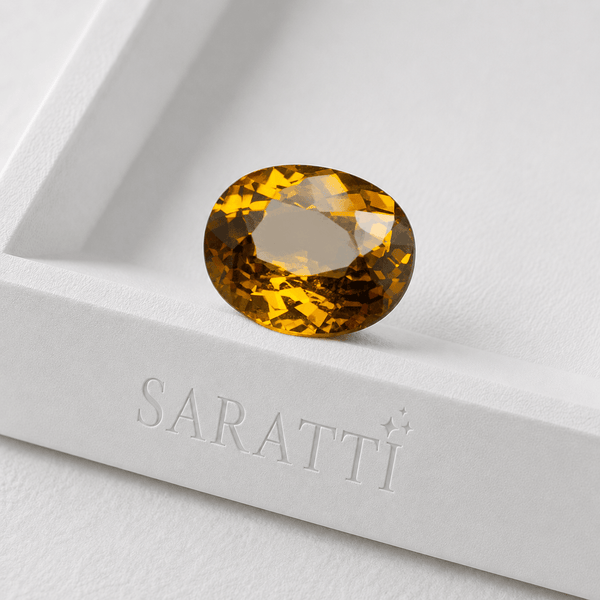
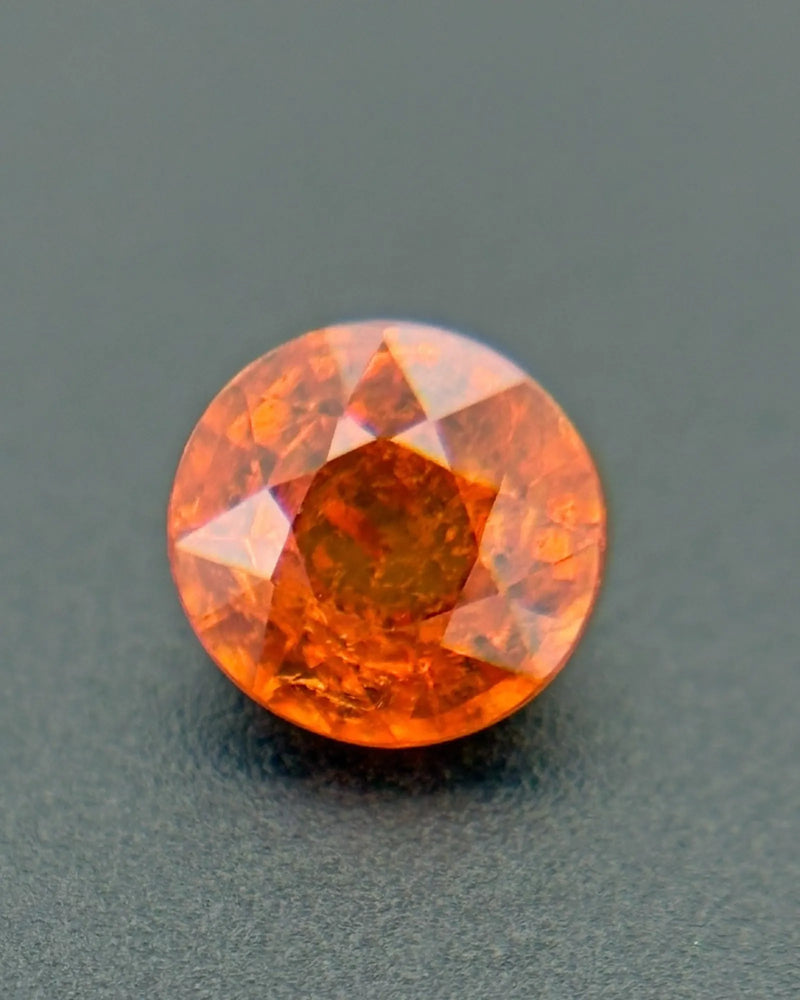
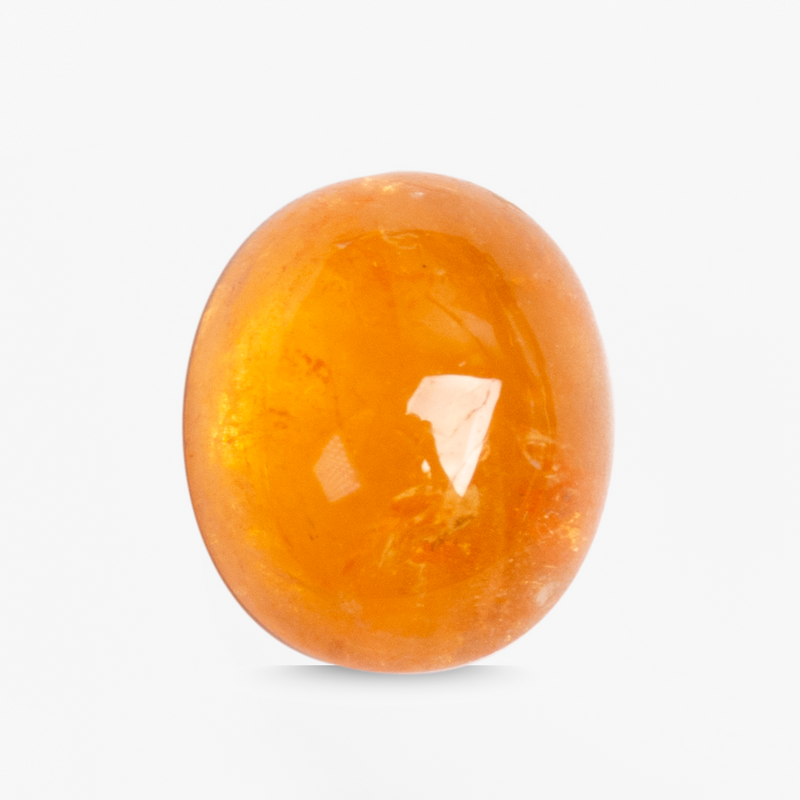
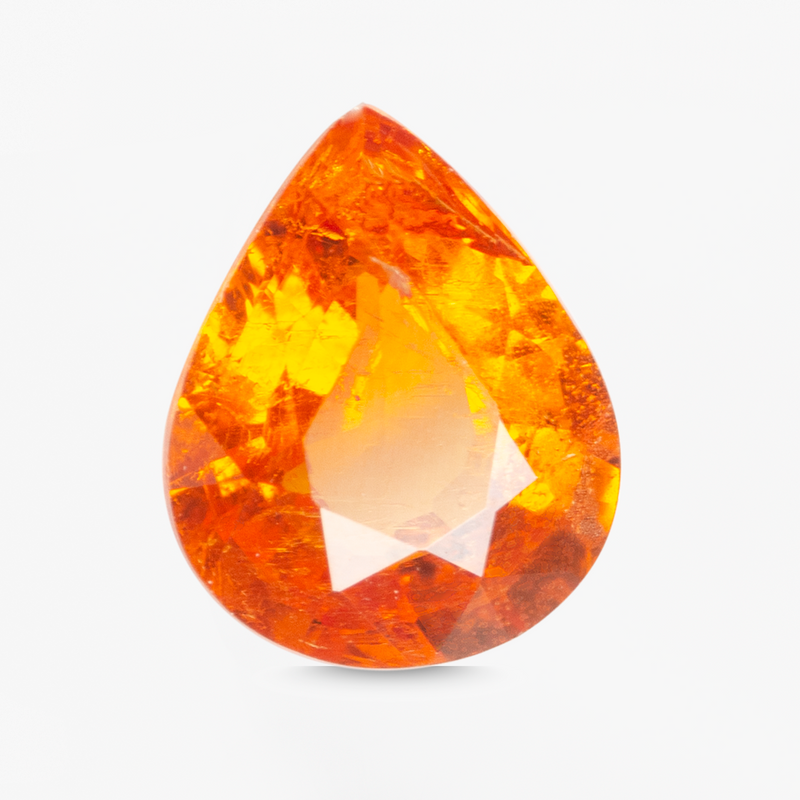
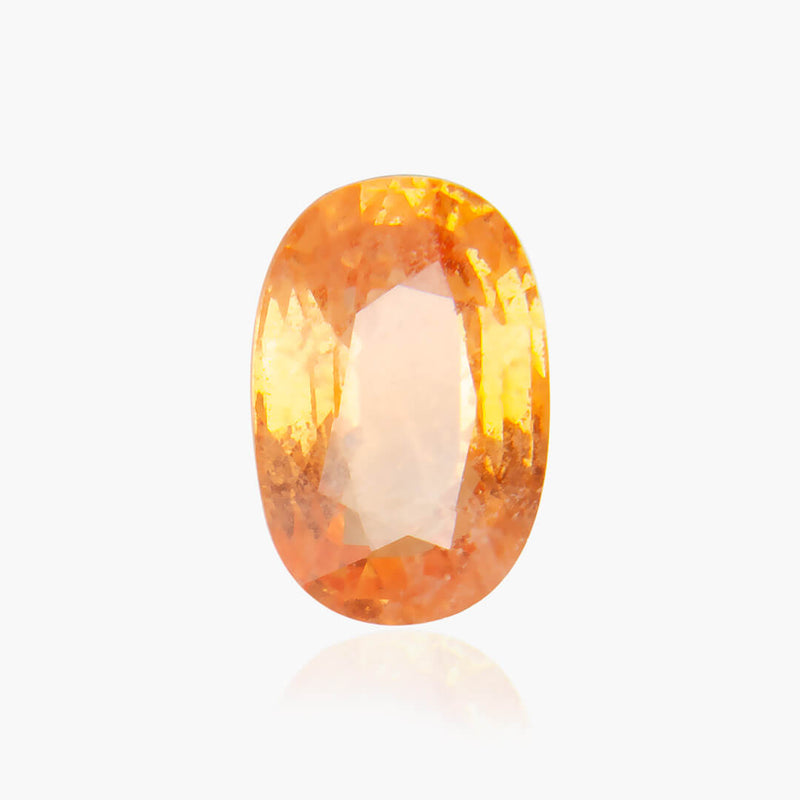
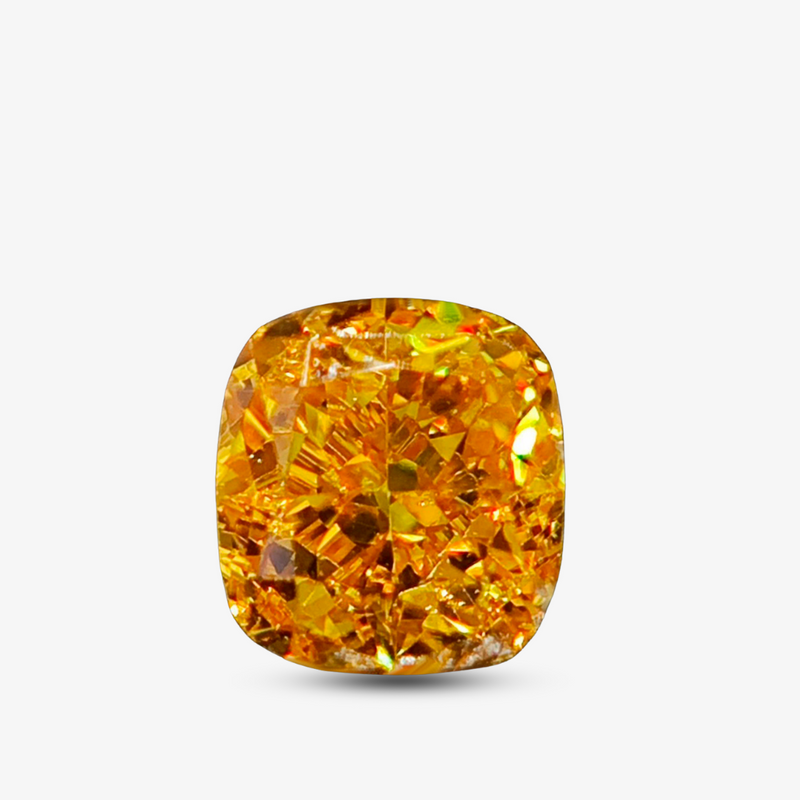
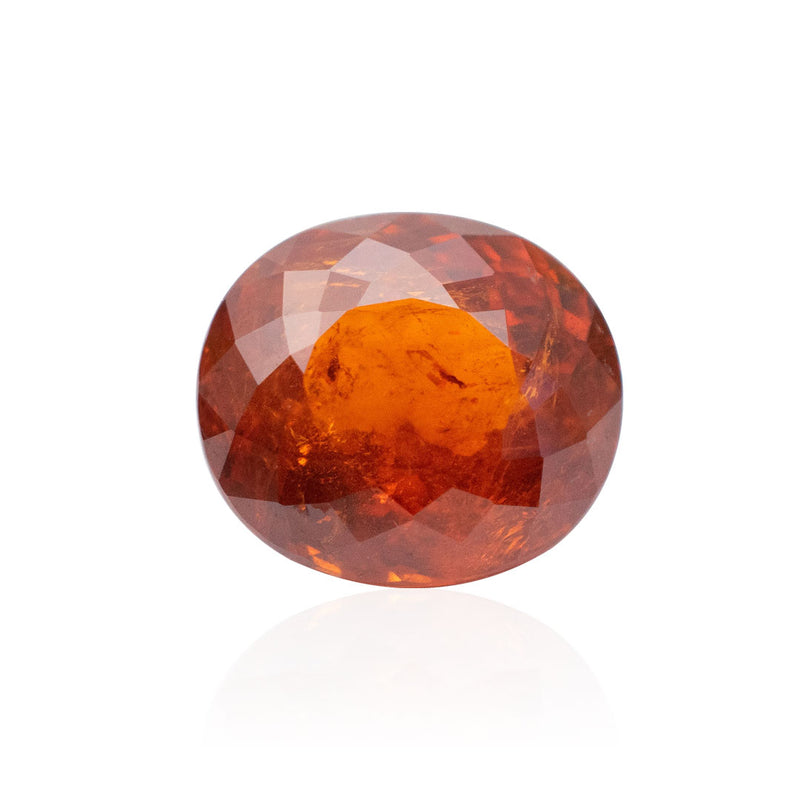
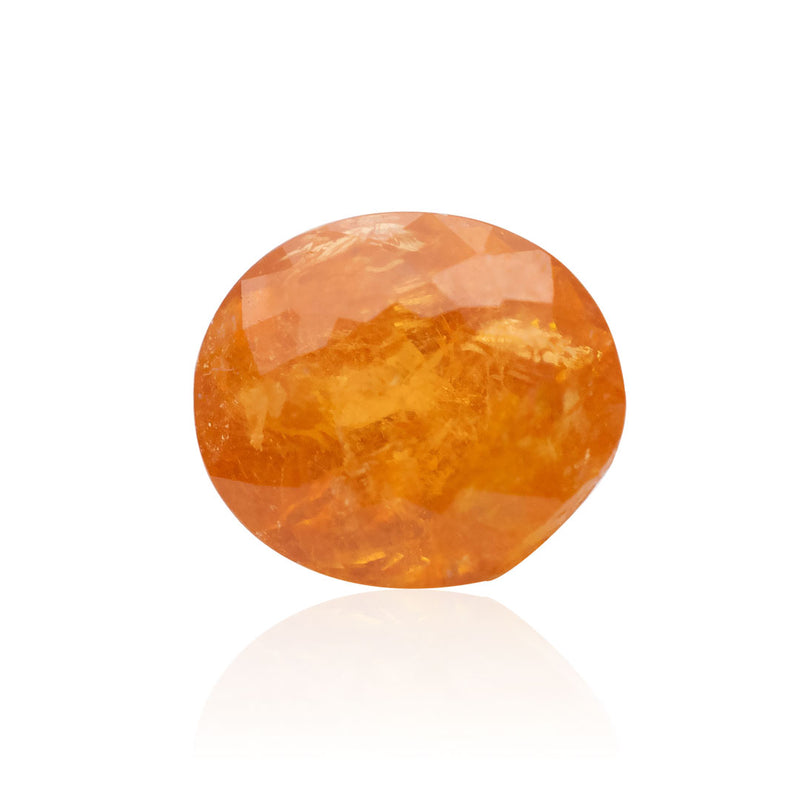
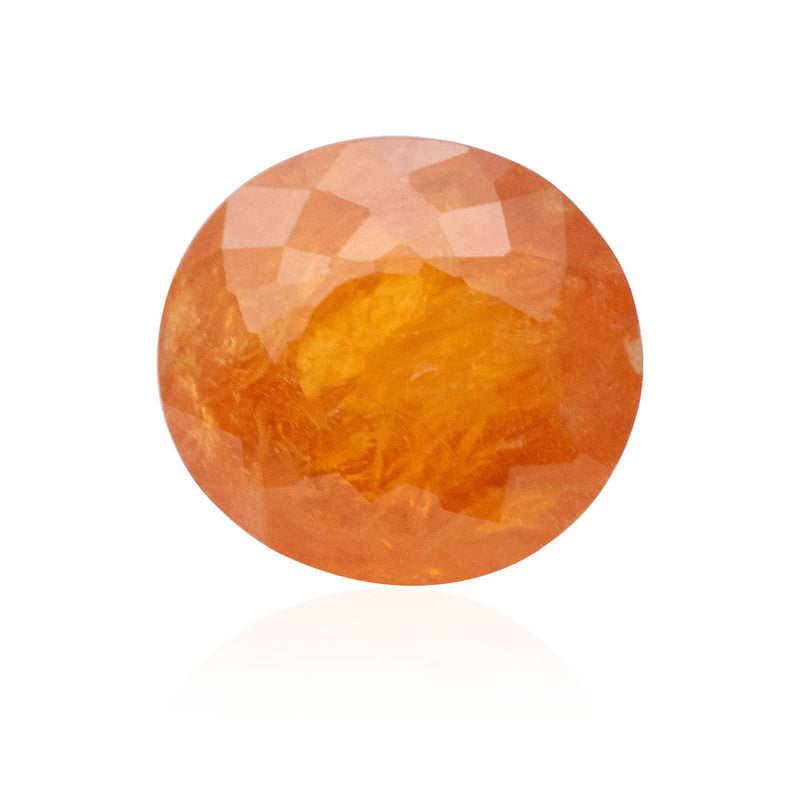
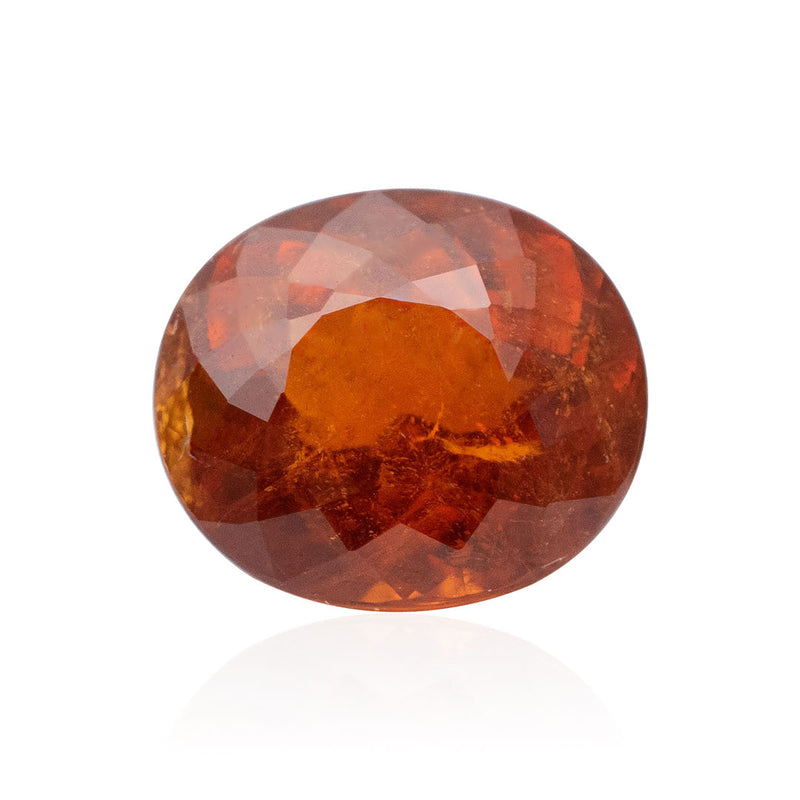
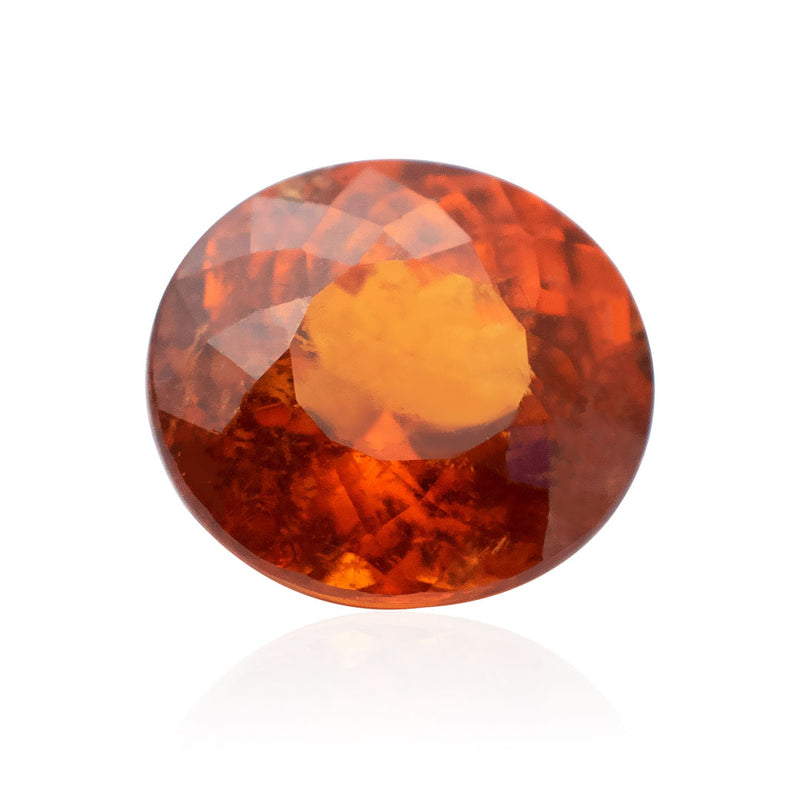
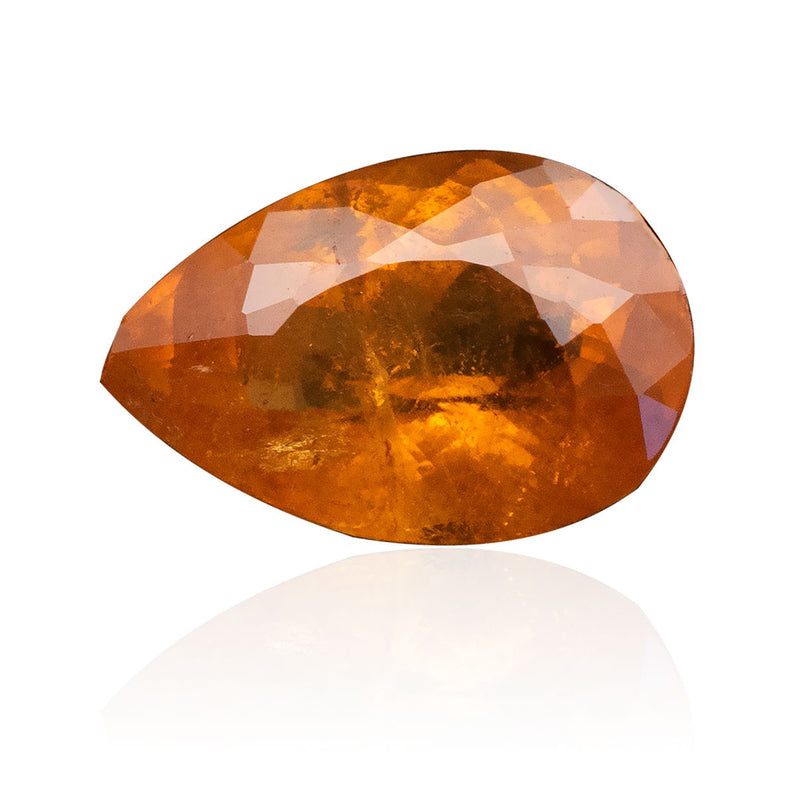
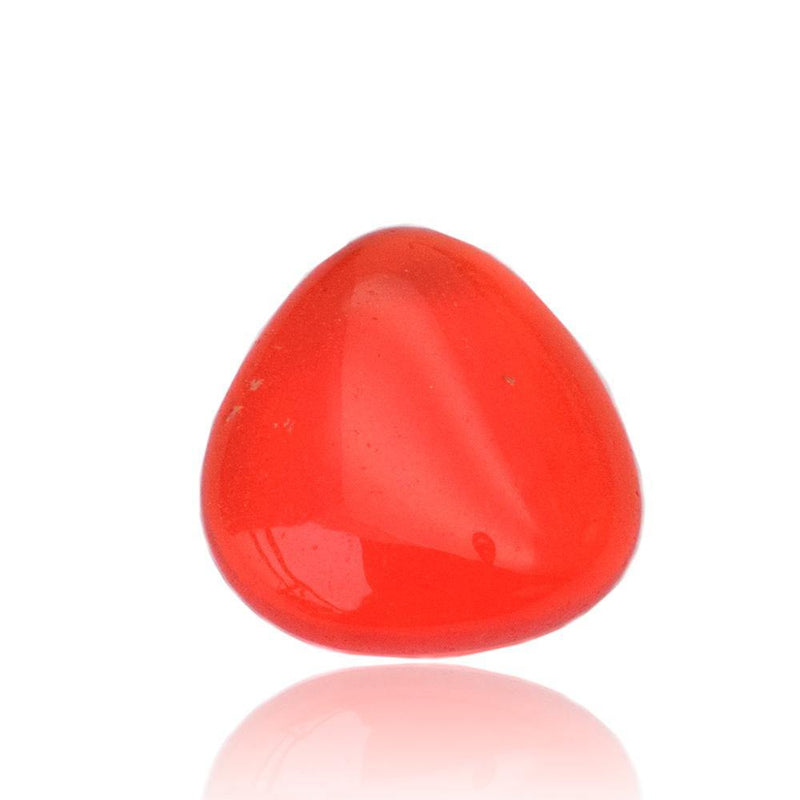
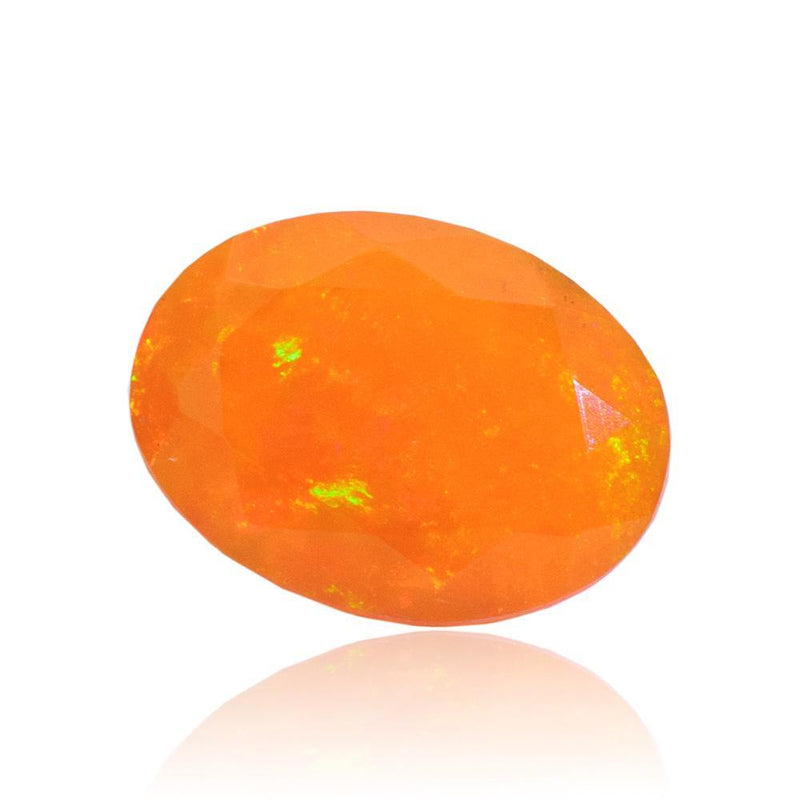
The Orange Gemstones collection brings together rare natural stones in soft amber to deep orange shades. From orange diamonds and garnets to other fine orange gemstones, each stone is chosen for its color balance and visual character.
A fresh choice for custom rings, pendants, and fine jewelry that feels expressive without being loud.

 SARATTI
 SARATTI
 SARATTI
 SARATTI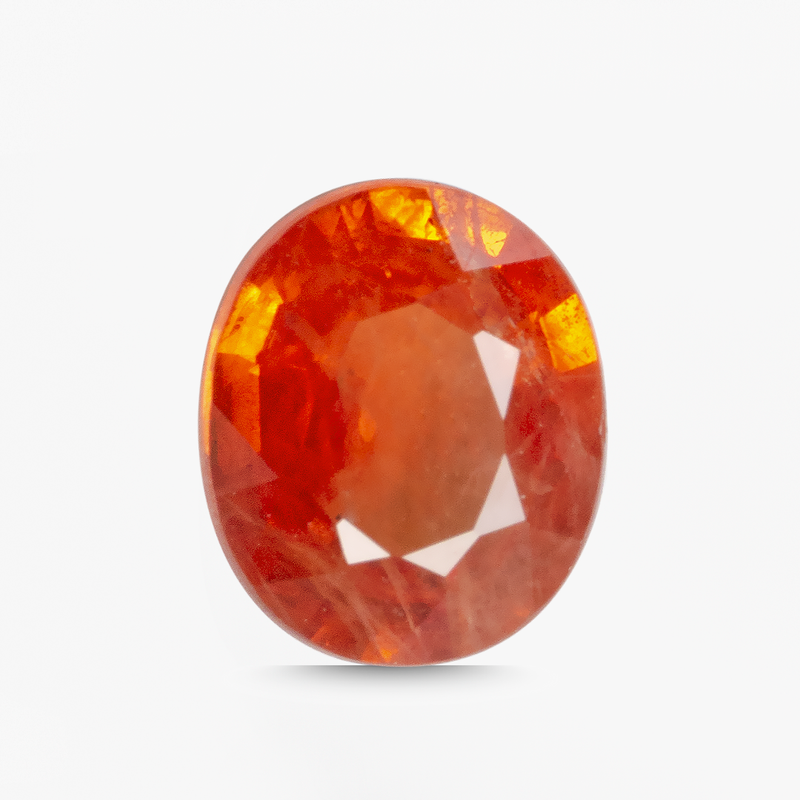
 SARATTI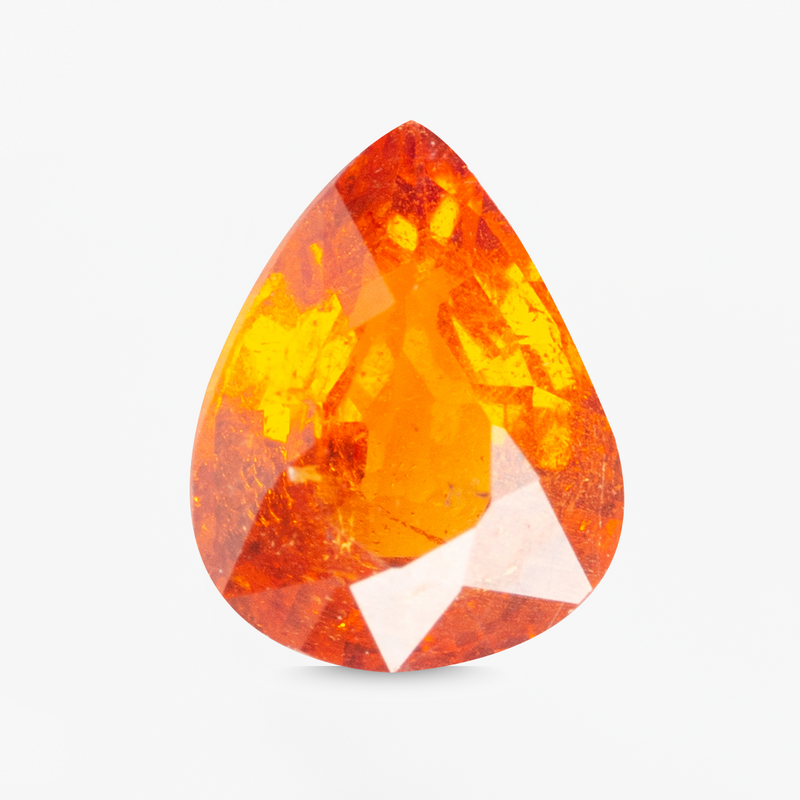
 GIA
GIA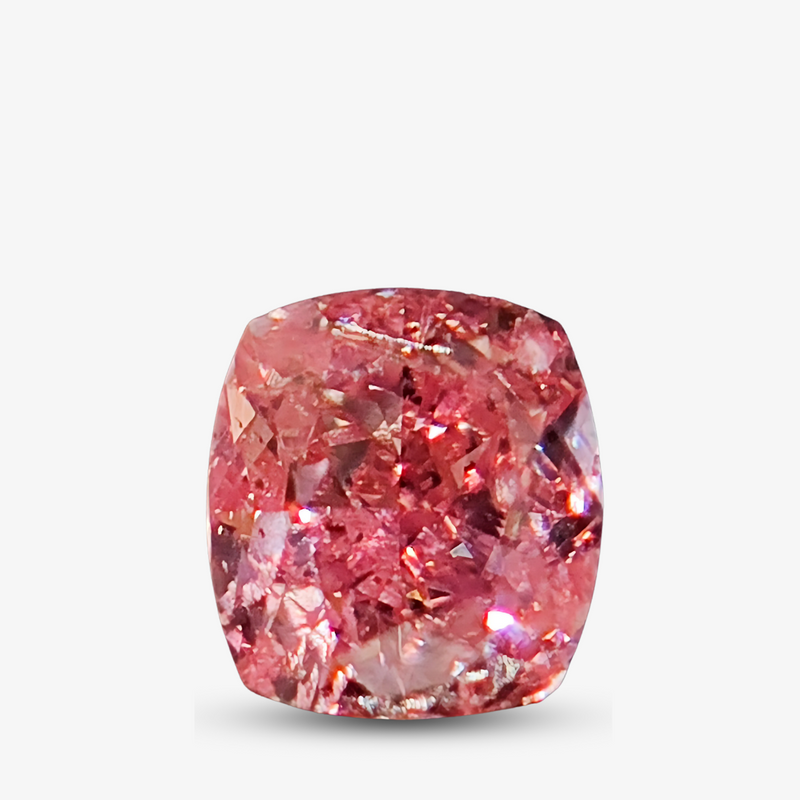 GIA
GIA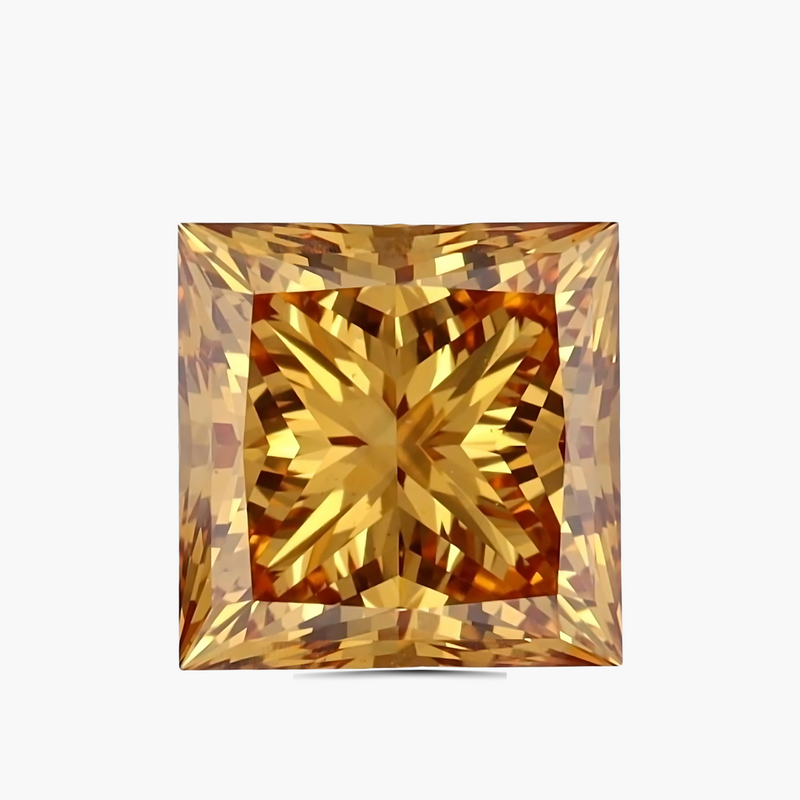
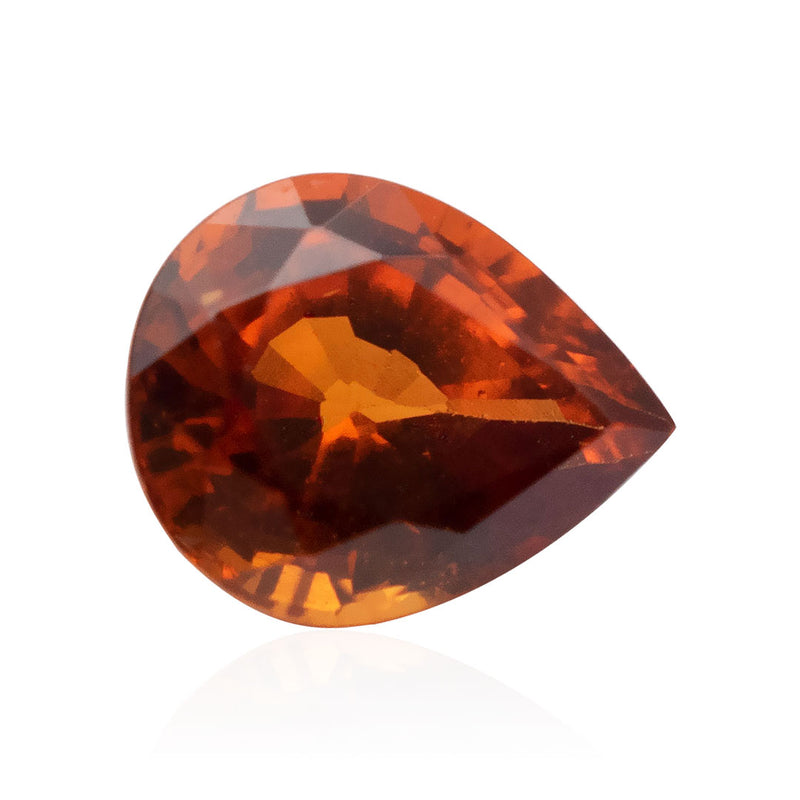
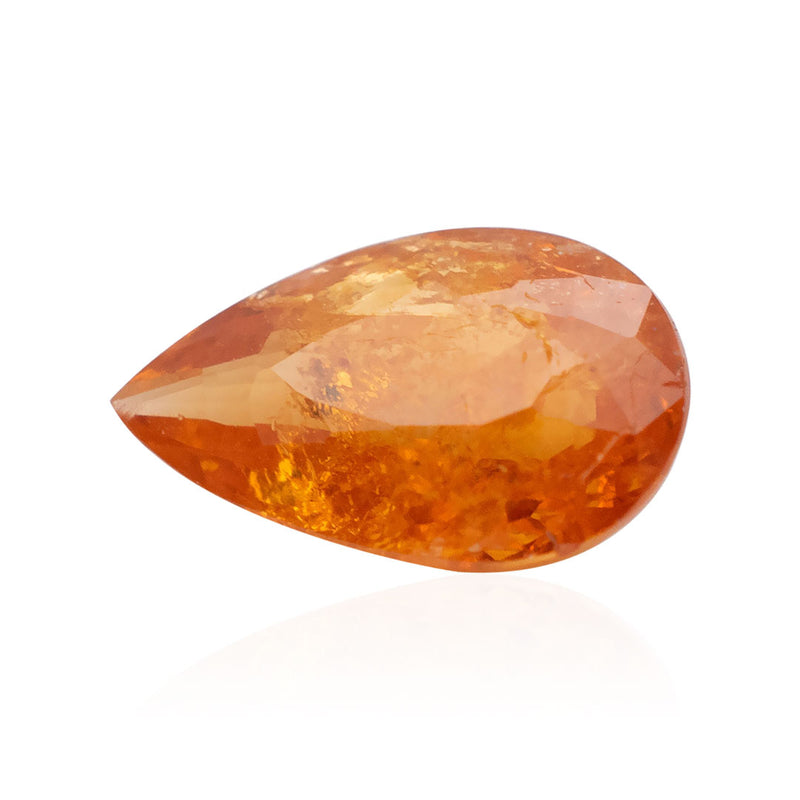
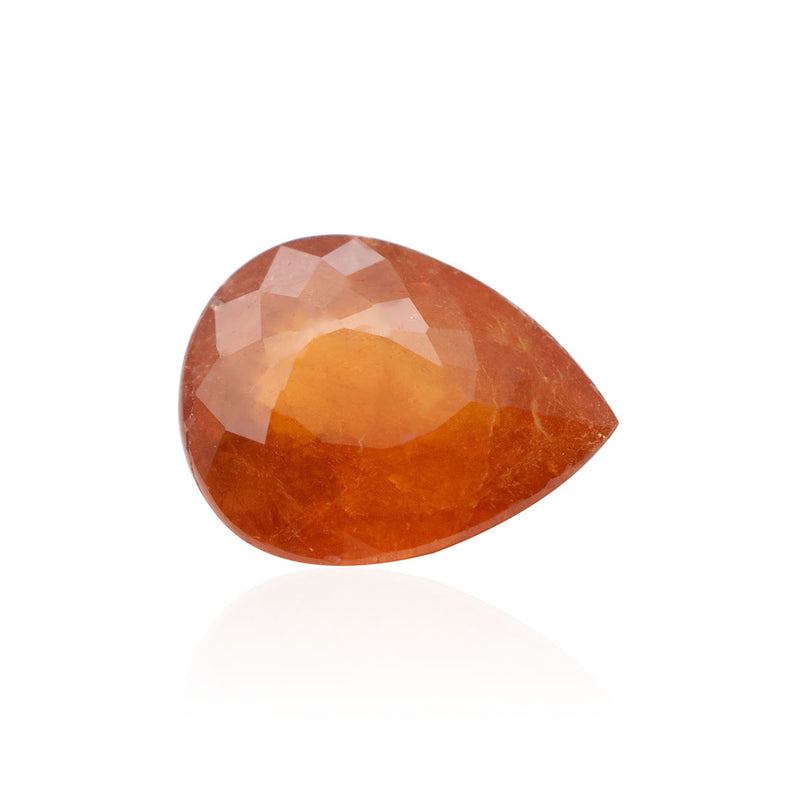
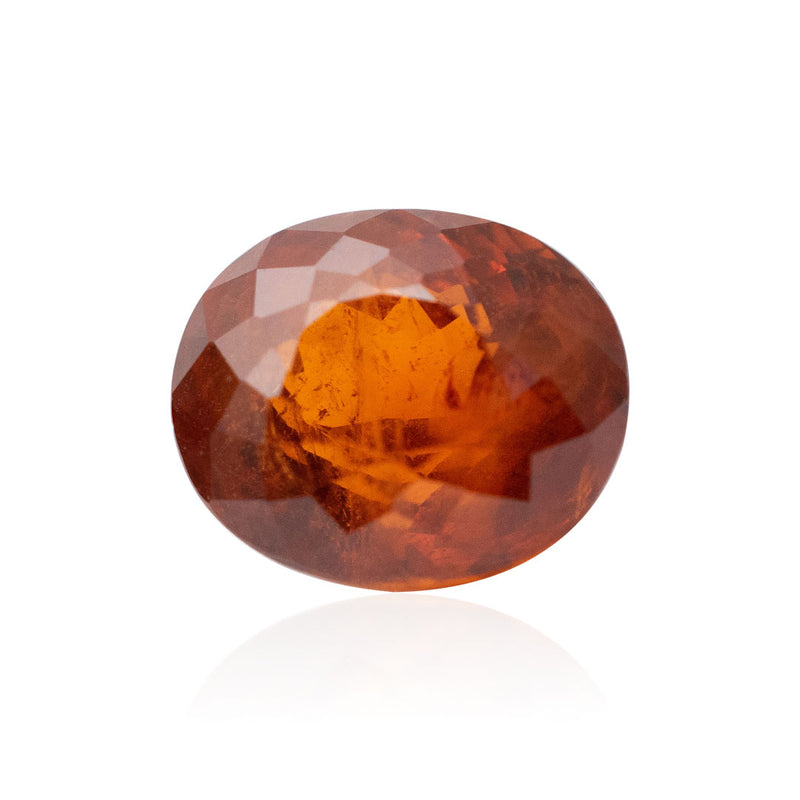
Our online collection is only part of what is available. Many more gemstones are held privately, including stones that may never appear on the website.
Tell us what you are looking for — or simply send us a photograph of something you love.
Our gemologists will personally select stones from the wider SARATTI collection for you to consider.
Not sure exactly what you want? Send us a photograph, a color you love, or simply ask.
No question is too small.
No request is too specific.
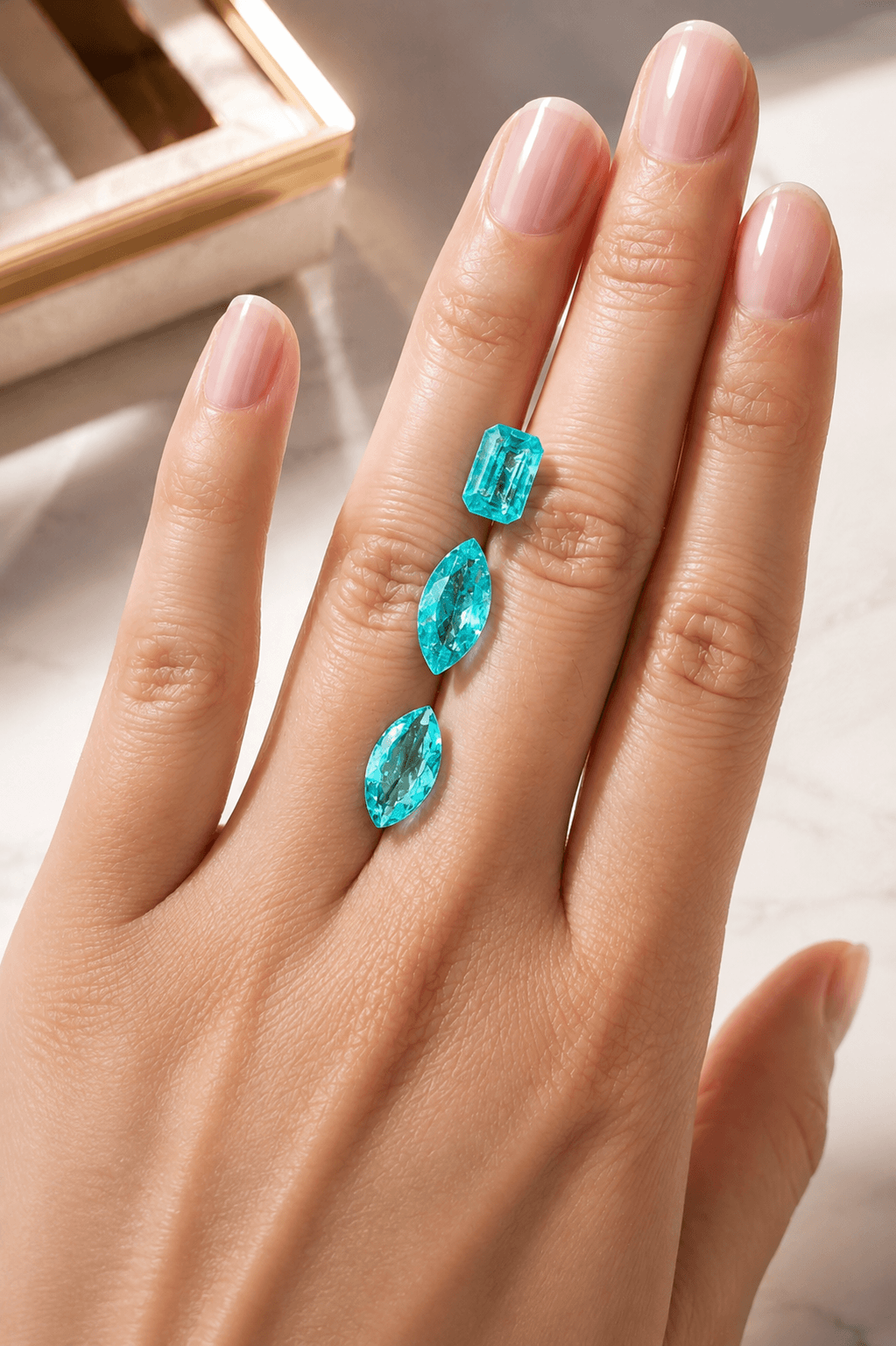
Chosen loose, certified where applicable, and shipped insured. Yours to keep, collect, or set later.
Browse Loose Stones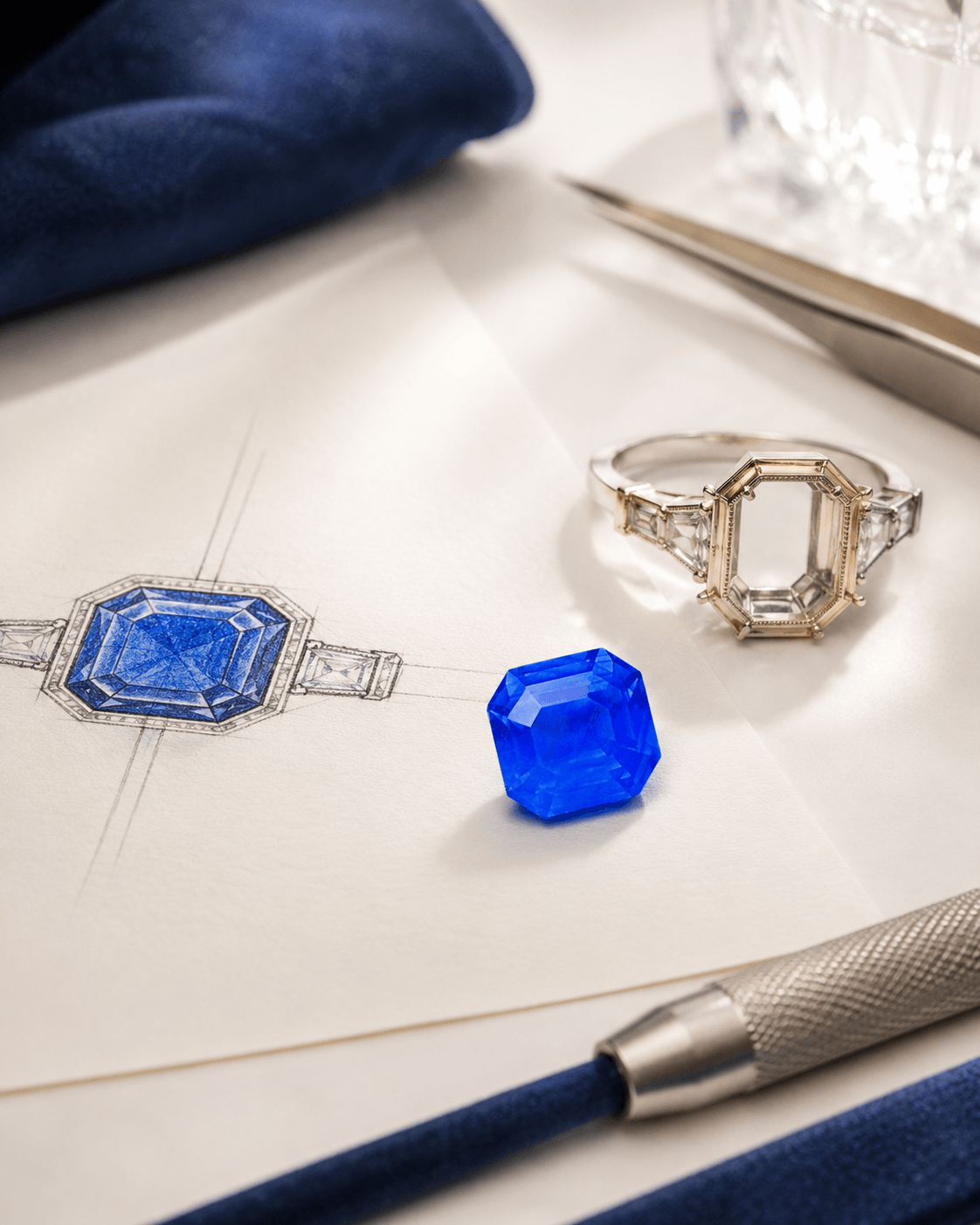
A setting designed around the gemstone and no other. Thoughtfully made, and reviewed with you before anything begins.
Begin a Commission
Some blue stones are made to dazzle.Aquamarine is made to calm. Its beauty is softer than a flash of brilliance. It carries the blue of clear water, pale sky, and...

Choosing an emerald engagement ring is a deeply personal decision. It is not only about choosing a beautiful green gemstone, but also about understanding how emeralds behave, how they are...

Blue gemstones can look similar at first glance, but they do not belong to the same value category. That is exactly why Paraiba Tourmaline and Aquamarine are compared so often....

Blue gemstones often look similar at first. That is why Paraiba Tourmaline and Aquamarine are compared so often. Both can appear fresh, elegant, and full of light. Both also sit...

Fine jewelry becomes more meaningful when it feels personal. Not just beautiful, but intentional. The kind of piece that reflects mood, emotion, and identity rather than simply adding sparkle. That...

A tennis bracelet does not need a loud design to feel unforgettable. It sits close to the wrist. It moves softly. It catches light in one clean line. That is the beauty...

At first glance, it is easy to understand why aquamarine and Paraiba tourmaline are often compared. Both are blue gemstones. Both feel luminous. Both belong to that part of the...

What if a diamond could hold the blue of the ocean, the warmth of sunlight, or the soft blush of a rose? That is the world of fancy colored diamonds. They are...
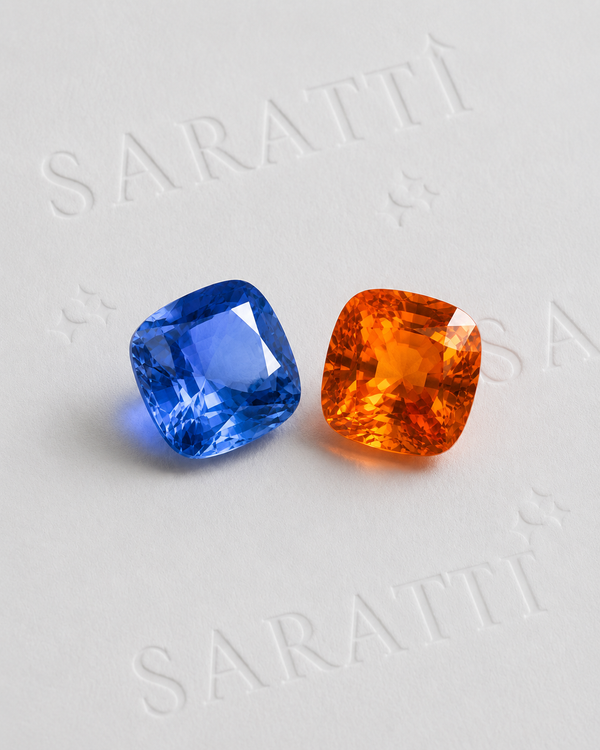
The orange band is narrow, and only a handful of species reach it with real saturation. Spessartine garnet, coloured by manganese, is the purest and brightest. Corundum gives orange sapphire and the pink-orange padparadscha. Imperial topaz from Ouro Preto runs golden-orange to pinkish-orange. Mexican fire opal, hessonite garnet, orange zircon and Madeira citrine complete the group. Most other minerals that appear orange are in fact yellow or brownish-red at the edge of the hue.
Mandarin garnet is a trade name, not a separate species. It describes spessartine, the manganese-aluminium garnet, in its purest orange, with no brown modifier. The name came from material found in the Kunene region of north-western Namibia in the early 1990s, which was unlike any spessartine seen before. That deposit is largely worked out, and most mandarin-quality material now comes from Nigeria and from Loliondo in northern Tanzania.
Padparadscha, from the Sinhalese for lotus blossom, is sapphire in a delicate pink-orange blend, light to medium in tone. The definition is aesthetic rather than measurable, so laboratories disagree on where the boundary sits, and one report may say padparadscha where another says pink-orange sapphire. The price difference is large. A report also rules out beryllium diffusion, a treatment that produces this exact colour and is undetectable without trace element analysis.
It depends entirely on the species. Spessartine and hessonite garnet are essentially never treated. Orange zircon is nearly always heated from brownish rough, and almost all citrine on the market is heat-treated amethyst, both permanent and accepted. Orange and padparadscha sapphire are usually heated and sometimes beryllium diffused. Imperial topaz should be untreated, though heated and surface-coated material is common. Fire opal is occasionally impregnated to stabilise it.
Usually not. Spessartine forms in a manganese-rich environment that leaves it typically included, and the characteristic inclusion is a wavy, feather-like veiling the trade calls shredded. It is normal at every price level. Eye-clean stones above two or three carats are genuinely uncommon and priced well above included material. Buying spessartine means buying colour and brilliance, and judging clarity against what the species actually produces rather than against a diamond scale.
Orange sapphire and padparadscha, at Mohs 9, are the only ones that need no qualification. Imperial topaz is hard at 8 but has perfect basal cleavage, so it should be bezel-set and kept from sharp knocks. Citrine at 7 and spessartine, which has no cleavage, are sound in settings that shield the girdle. Zircon abrades at the facet edges, and fire opal, at 5.5 to 6.5 and liable to craze, belongs in earrings and pendants.
Fine padparadscha sits well clear of everything else, competing with good sapphire and ruby per carat. Fine mandarin garnet comes next, then imperial topaz, then fire opal showing play-of-colour, then orange sapphire and zircon. Ordinary spessartine and hessonite are moderate, and Madeira citrine is the most affordable by a wide margin. Because few species reach saturated orange at all, the best examples cost more than their modest fame suggests.