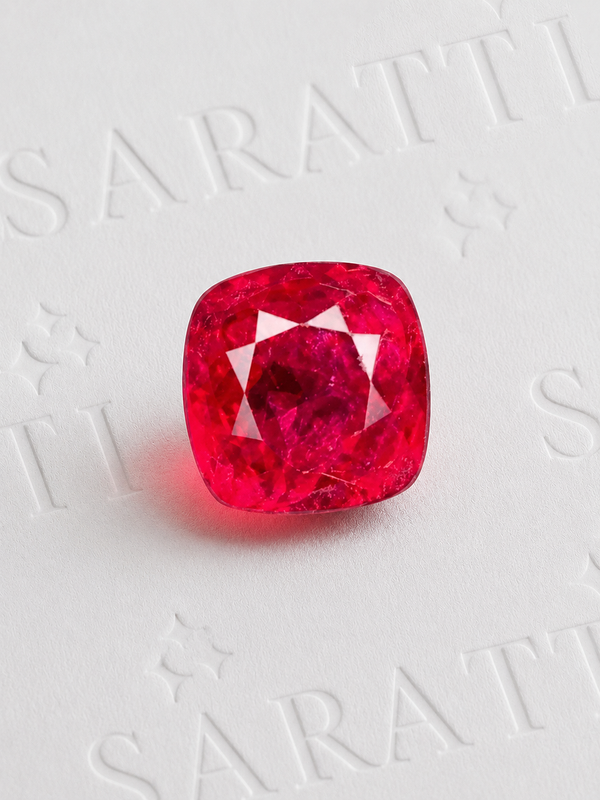
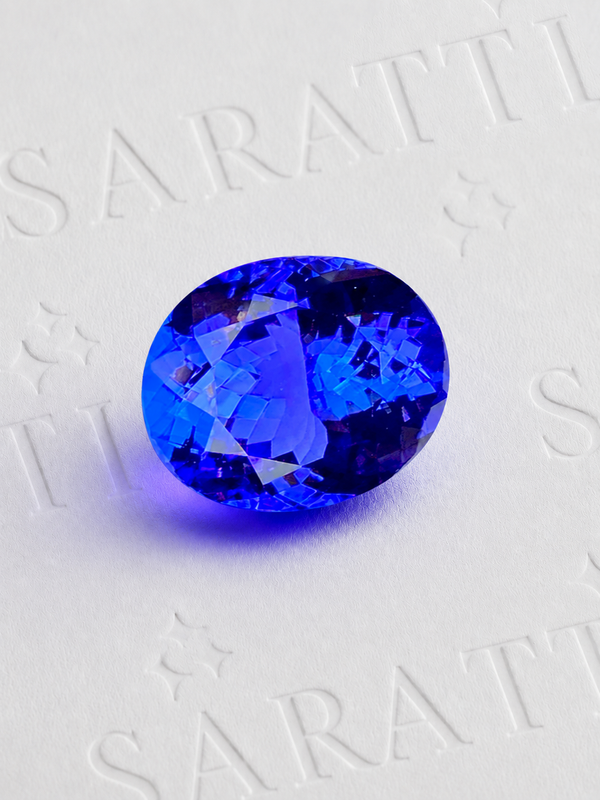
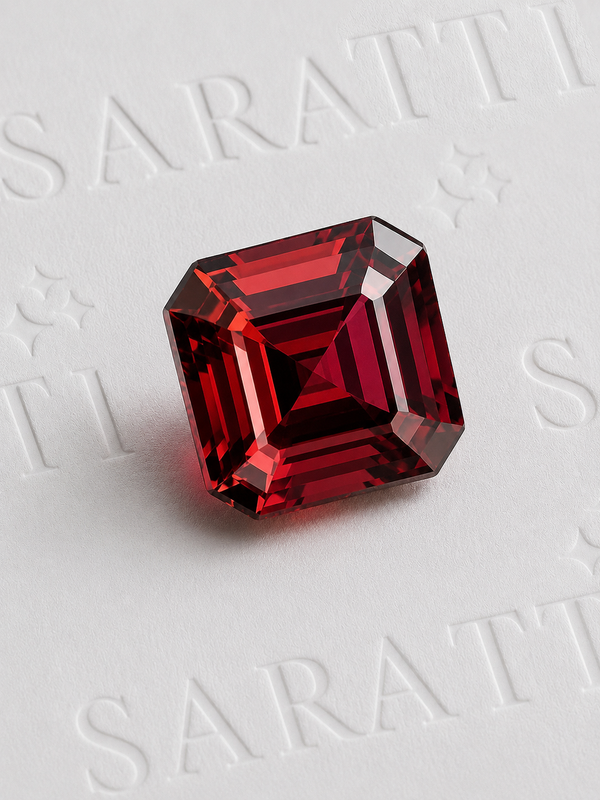
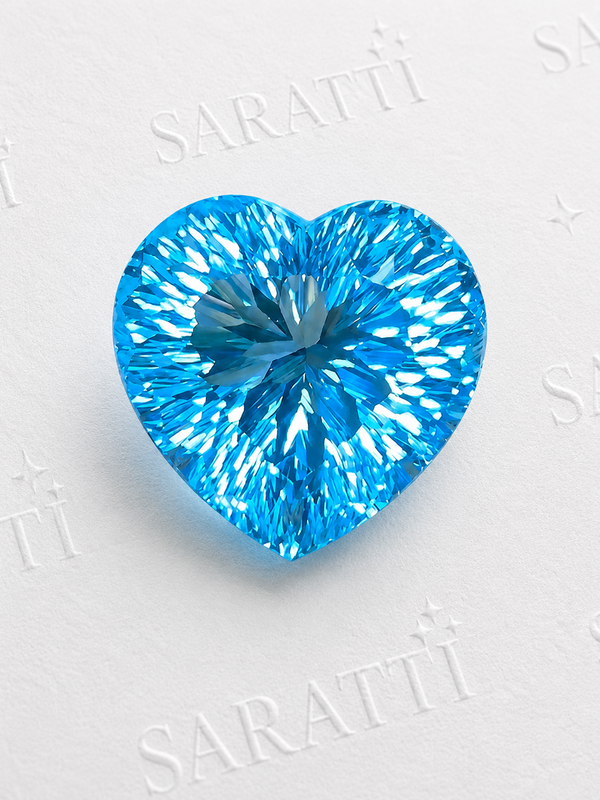
Designed with you. Completed without compromise.

Complimentary Insured Worldwide Delivery

Oval Shape Gemstones

Every stone held by the house, listed one at a time.

Welcome to the Oval Gemstone collection. A comprehensive collection featuring a wonderful array of gemstones. From the vibrant Ruby to the Sapphire, emerald, and more. Shop gemstones cut and polished in this stunning shape(Oval). The oval cut displays a unique sparkle as the shape has an elongated look. Gemstones cut in this shape offer a unique way of capturing light, making them a famous choice for people seeking a unique jewelry piece. Find and explore our Oval gemstones collection today. If you can't find what you are looking for, please don't hesitate to contact our online support team today.

Oval Shape Gemstones
Filter
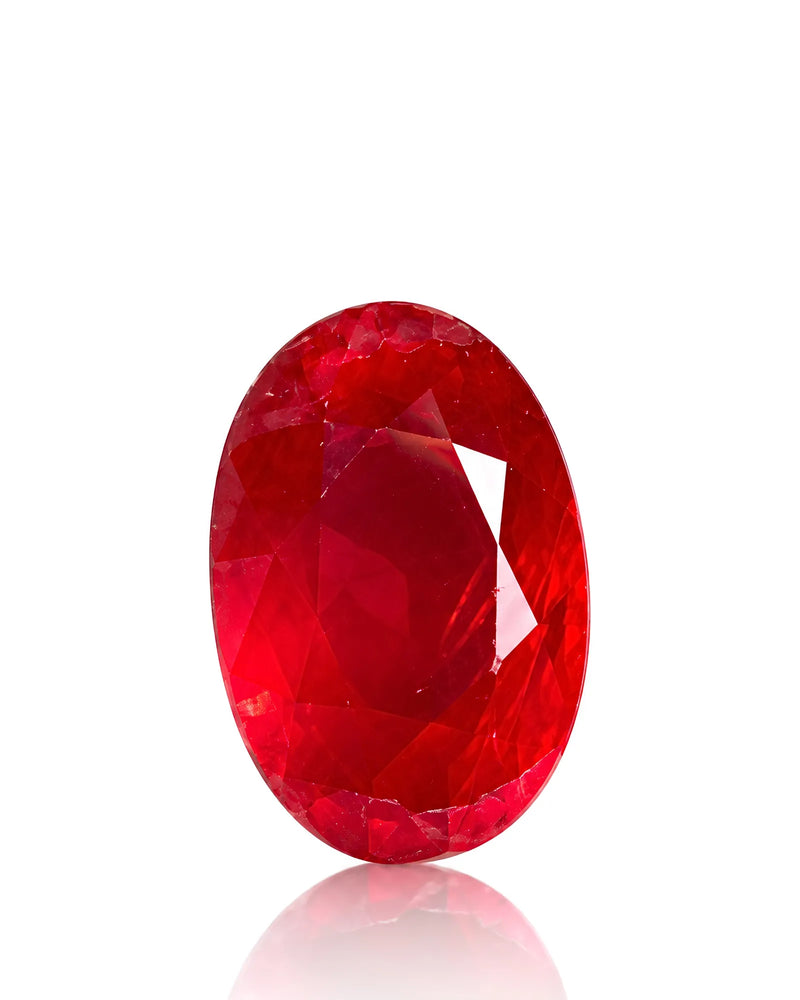
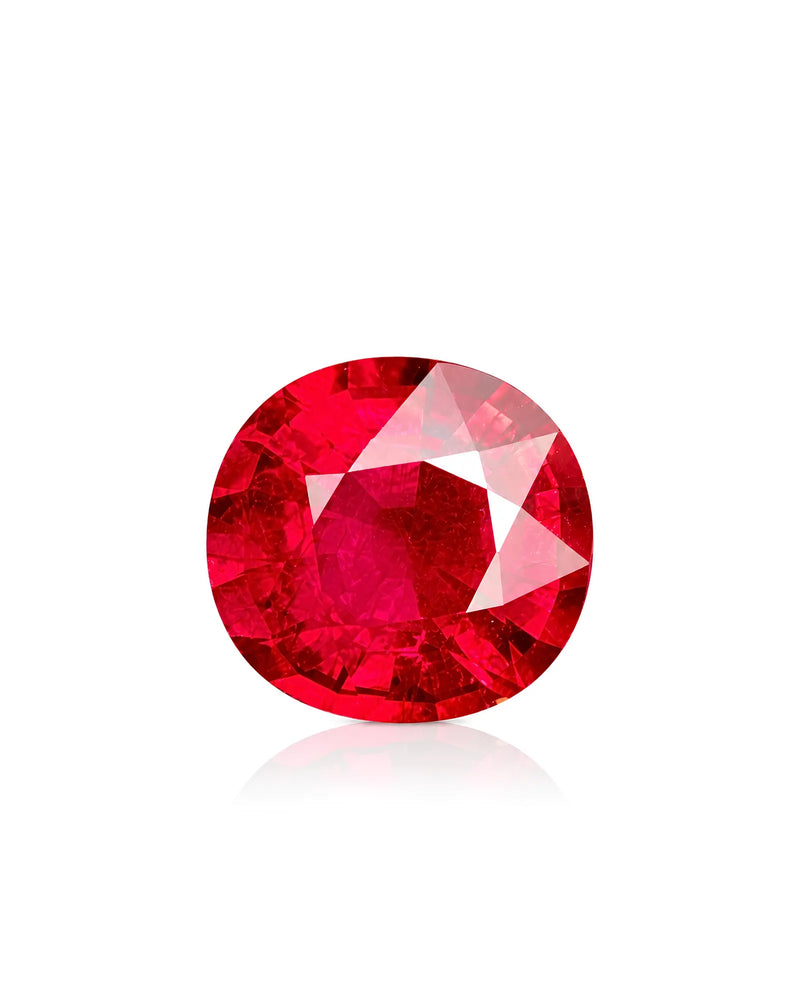
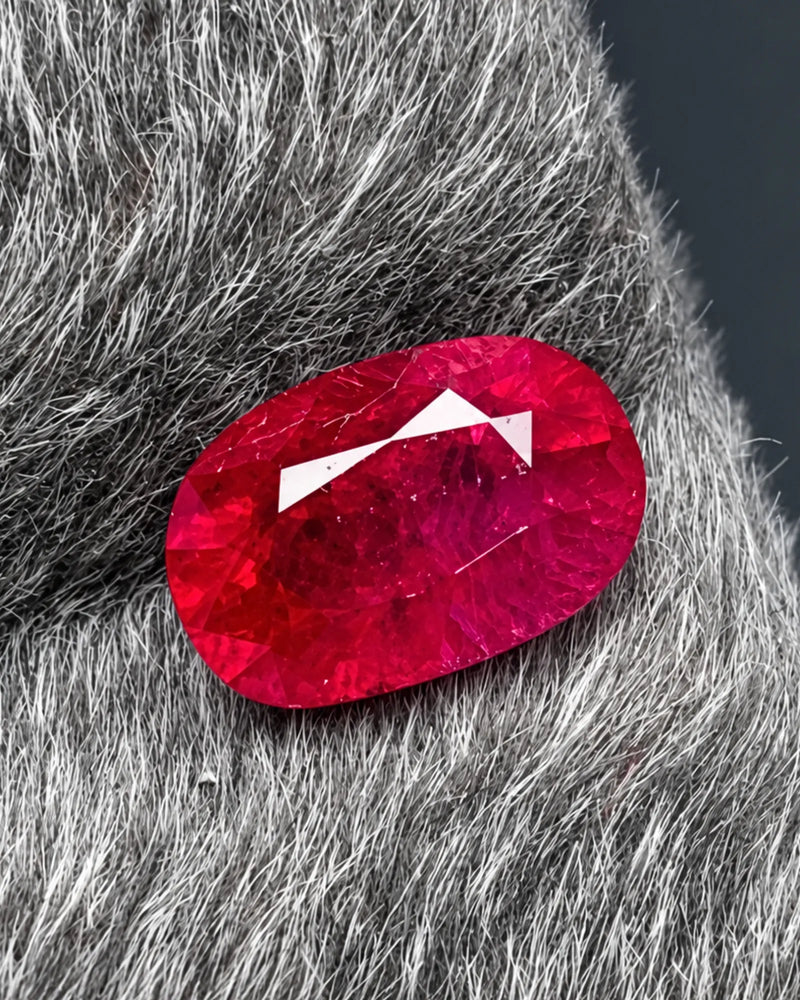
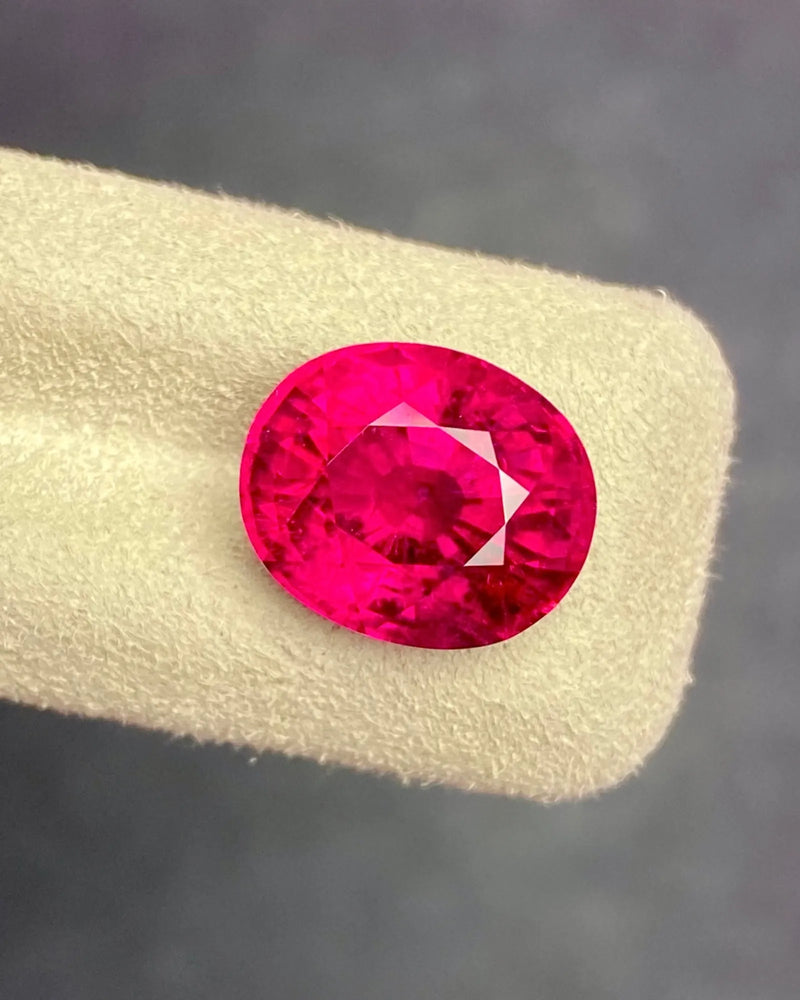
1.32 CTS Natural red Ruby shown in an oval main view with visible faceting and crystal character | SARATTINew AIGSCertified
1.32 ct
Unheated Natural Pigeon's Blood Ruby
Oval
$3,960
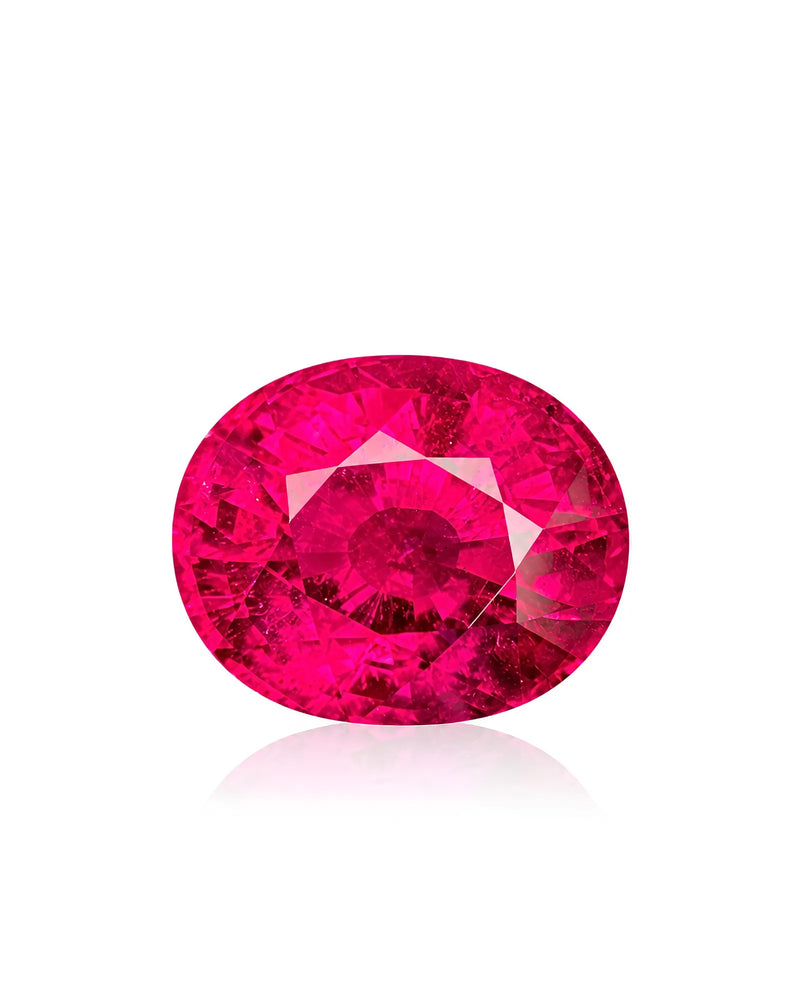
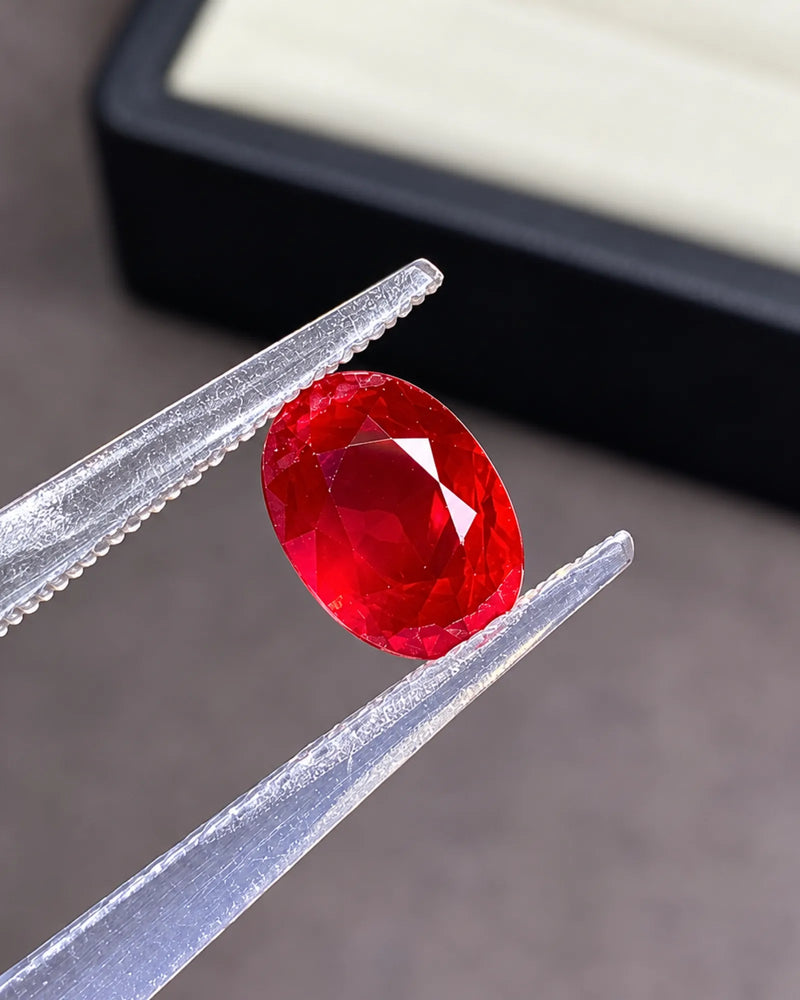
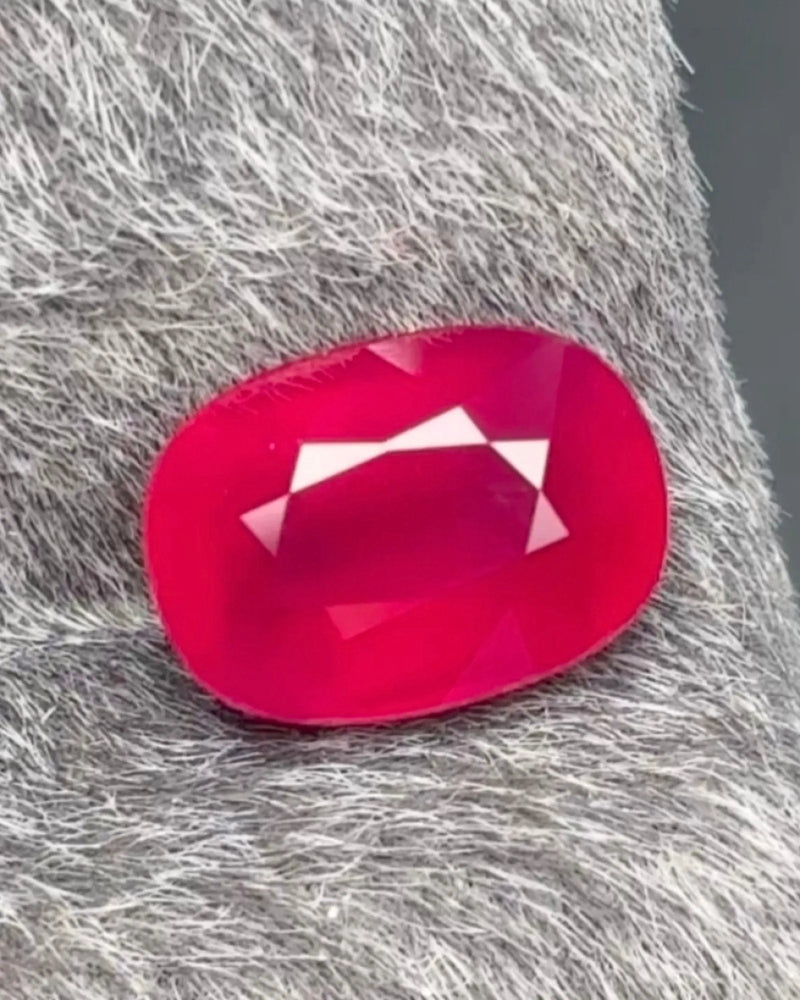
1.37 CTS Natural Mozambique Ruby with rich red colour in an elegant oval main view | SARATTINew GRSCertified
1.37 ct
Unheated Natural Mozambique Red Ruby
Oval
$7,960
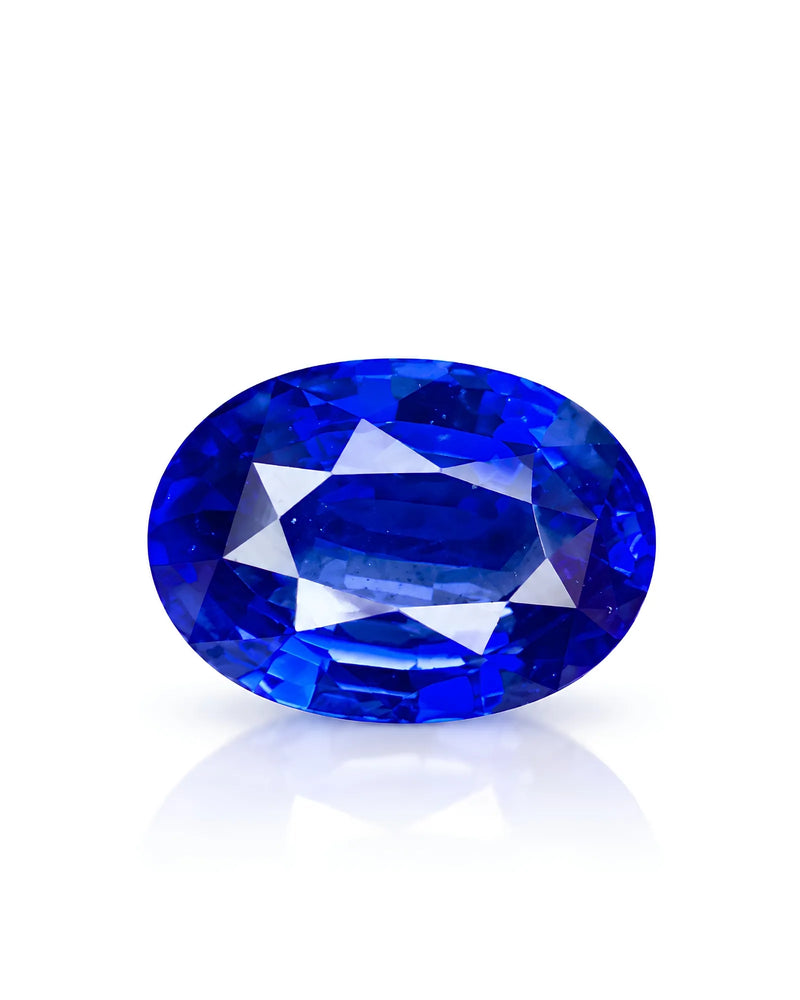
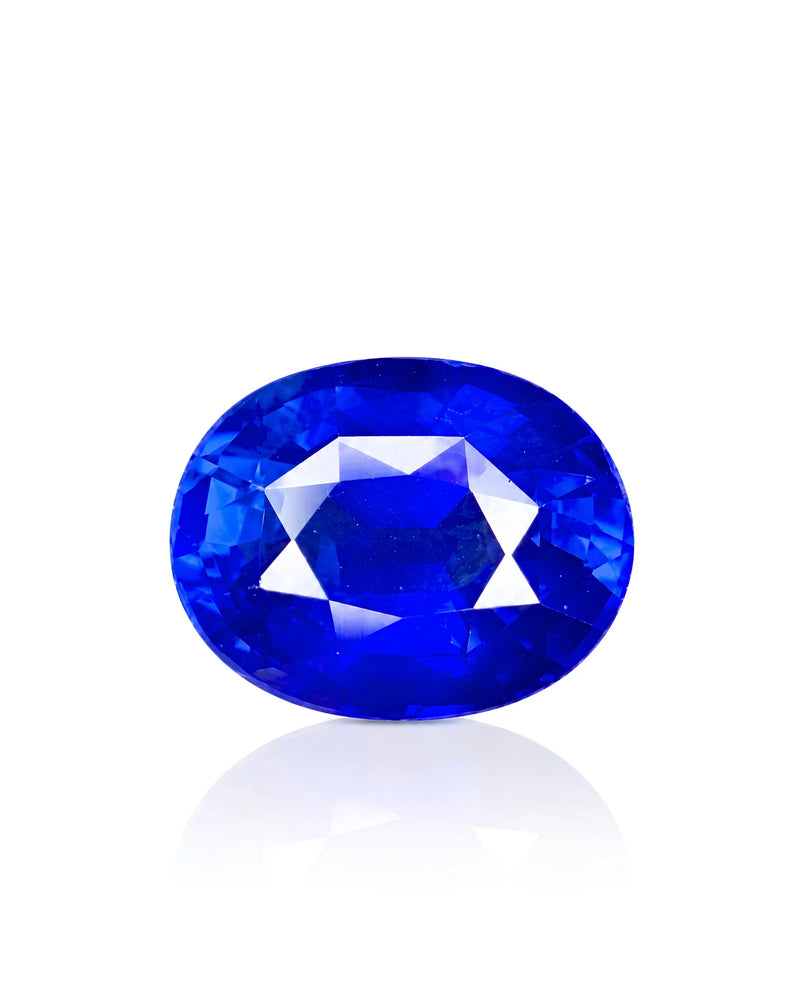
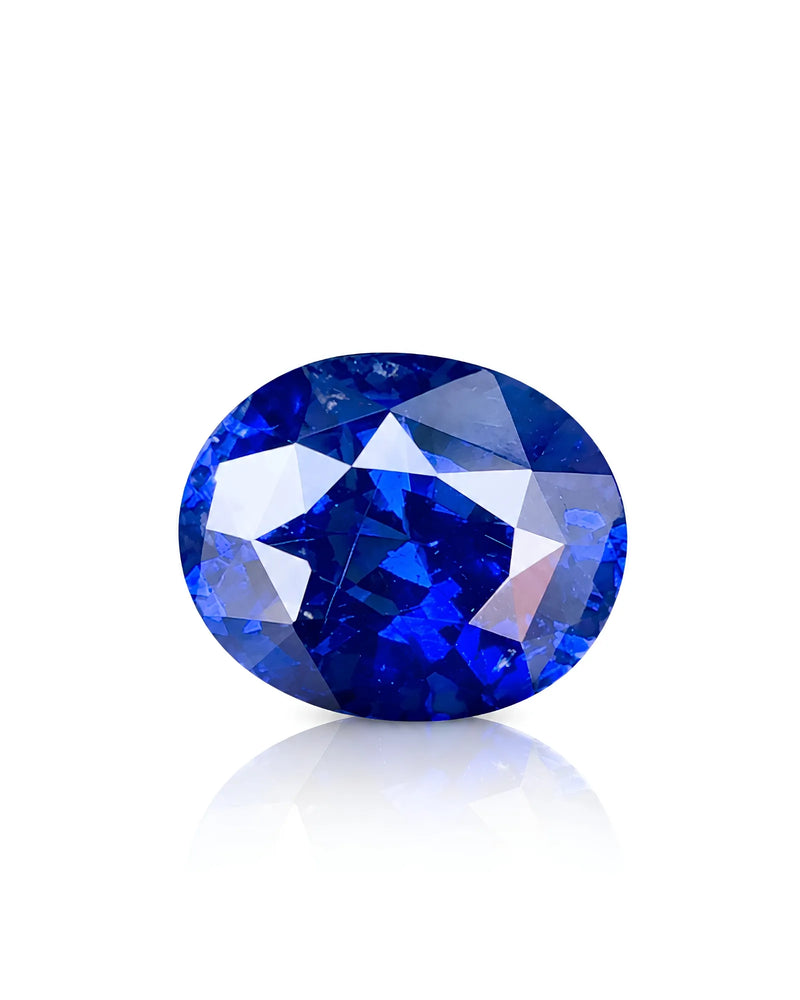
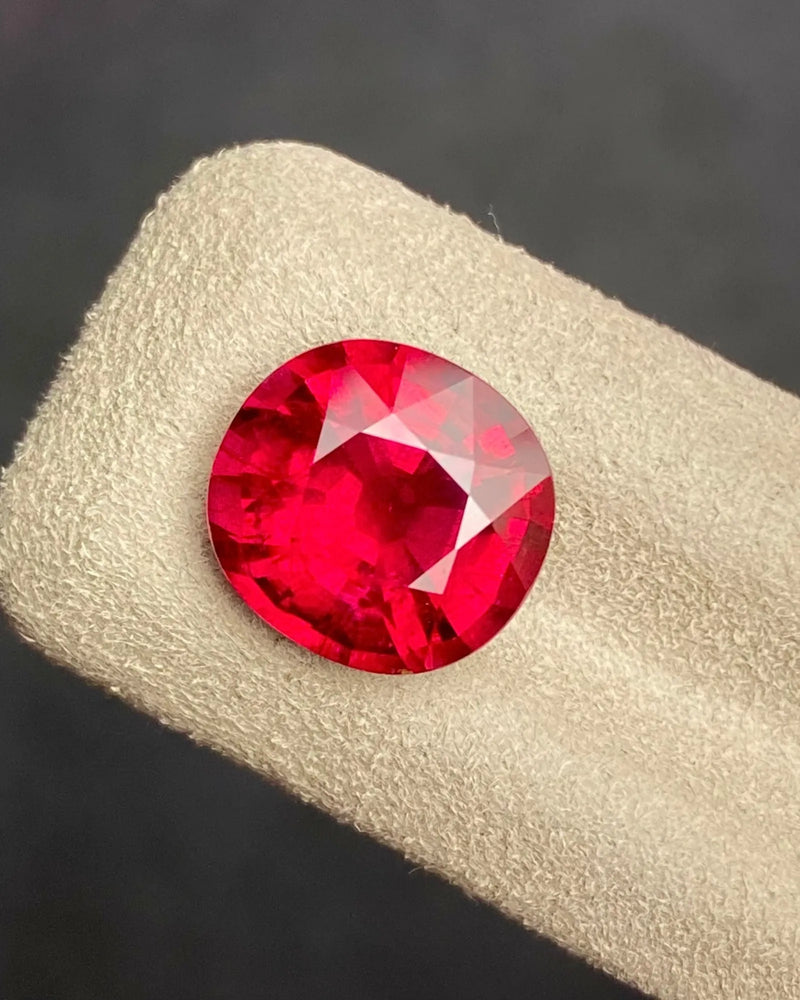
2.05ct Natural Royal Blue Sapphire Oval loose gemstone front view | SARATTI GUILDCertified
2.05 ct
Natural Royal Blue Sapphire
Oval
$7,250
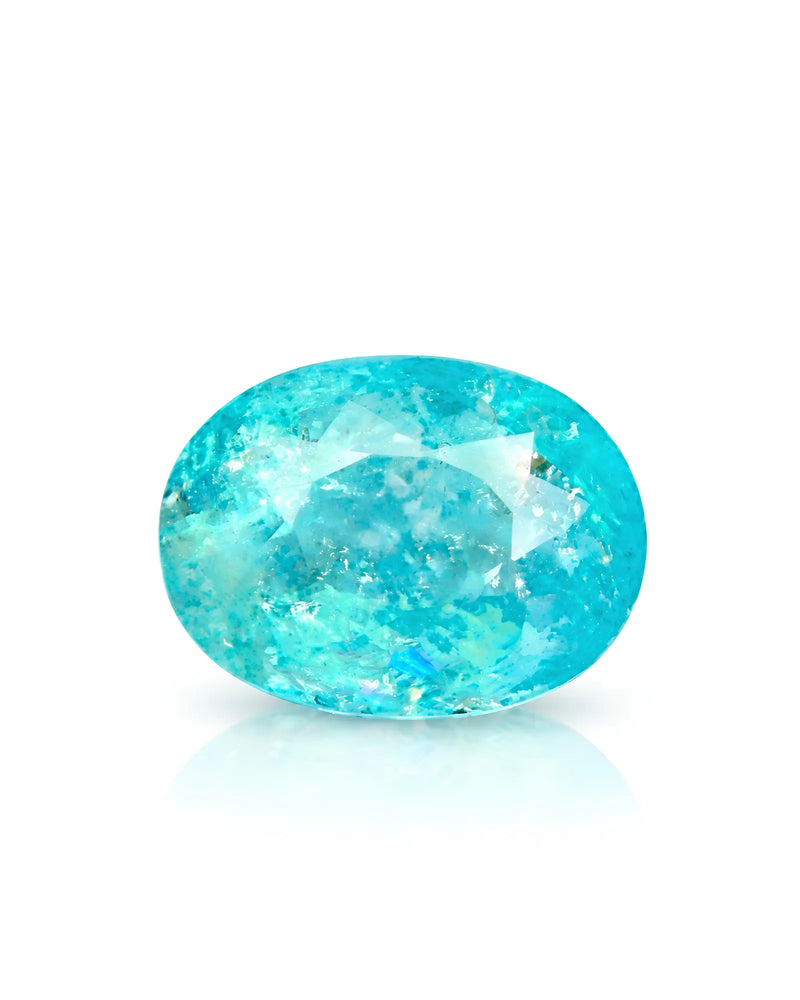
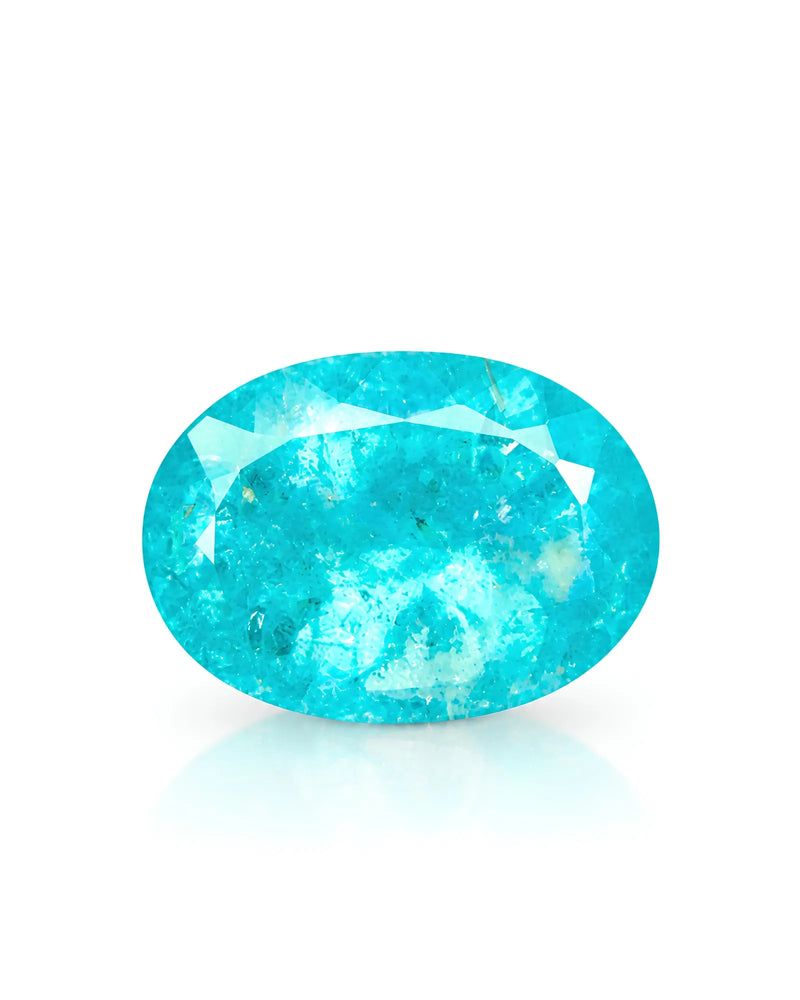
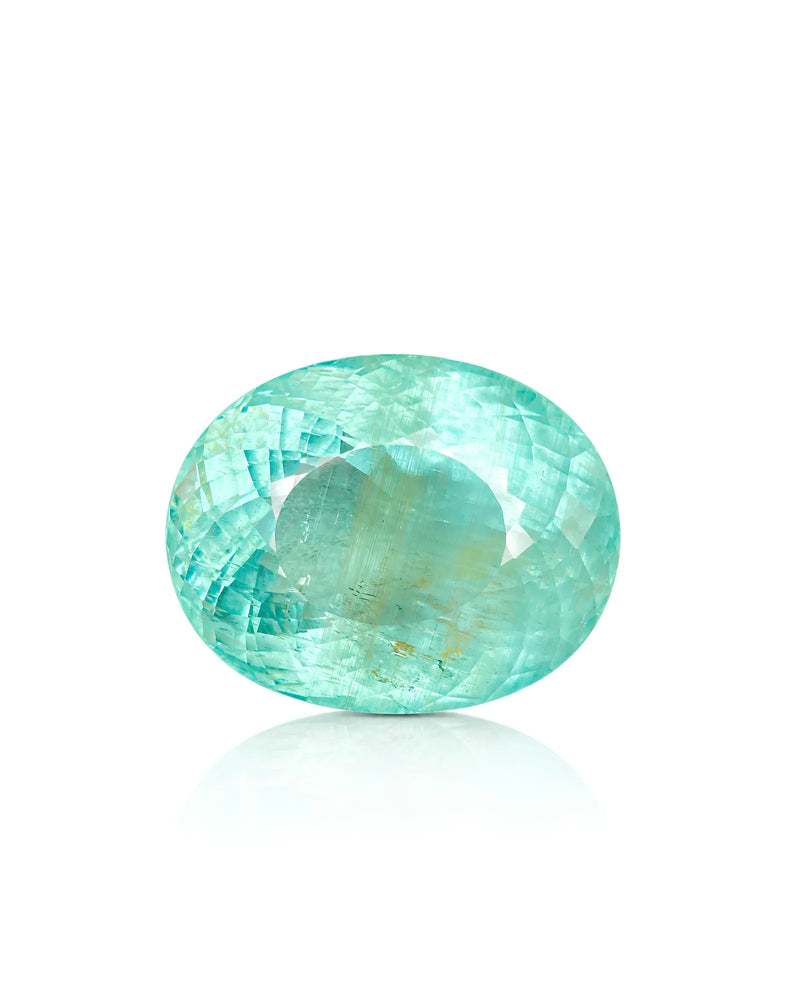
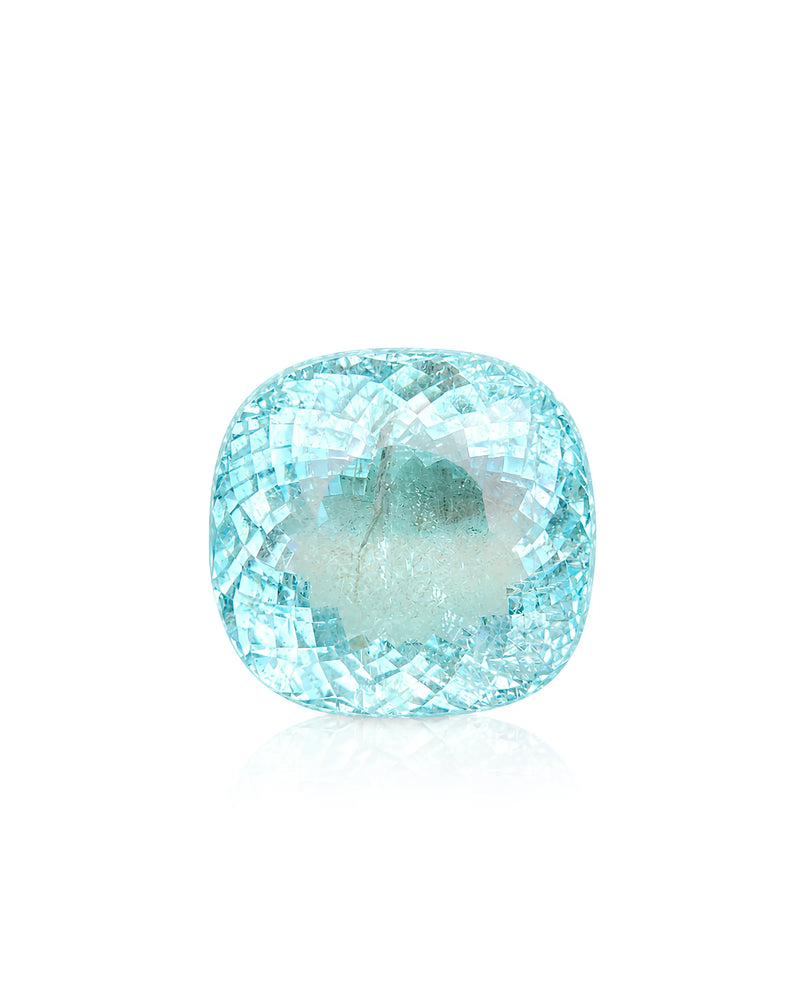
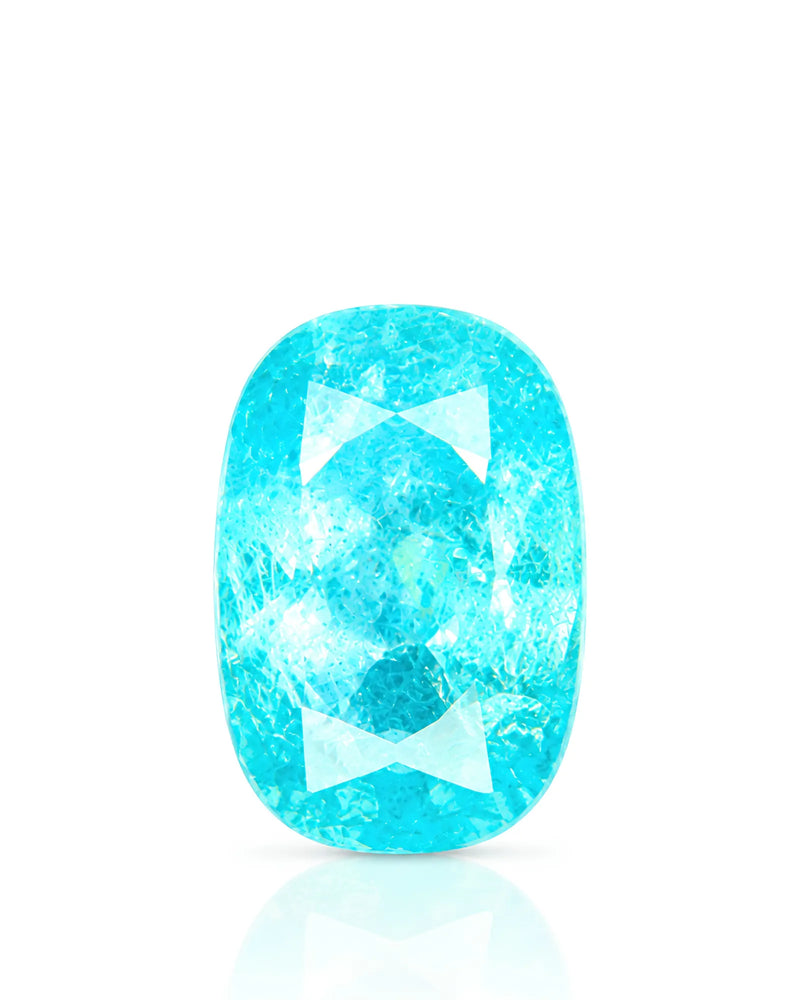
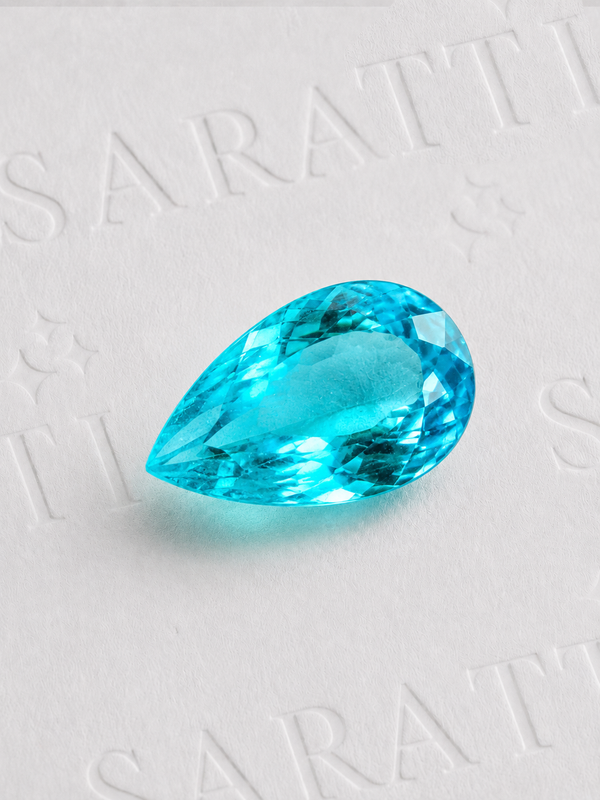
5.09 carats Natural Neon Blue Paraiba Tourmaline oval loose gemstone front view | SARATTI AIGSCertified
5.09 ct
Natural Neon Blue Paraiba Tourmaline
Oval
$6,500
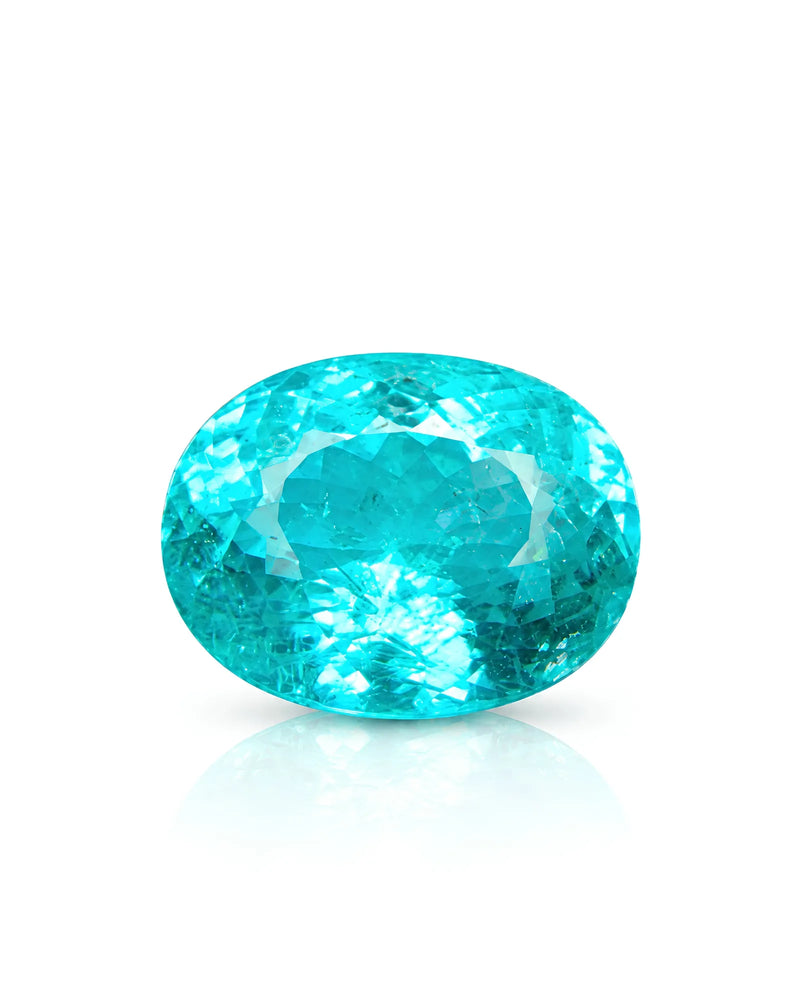
4.67 carats Natural Brazilian Neon Greenish Blue Paraiba Tourmaline oval loose gemstone front view | SARATTI GIACertified
4.67 ct
Natural Brazilian Neon Greenish Blue Paraiba Tourmaline
Oval
$78,500
1.52 carats Natural Brazilian Greenish Blue Paraiba Tourmaline oval loose gemstone front view | SARATTI GIACertified
1.52 ct
Natural Brazilian Greenish Blue Paraiba Tourmaline
Oval
$61,450
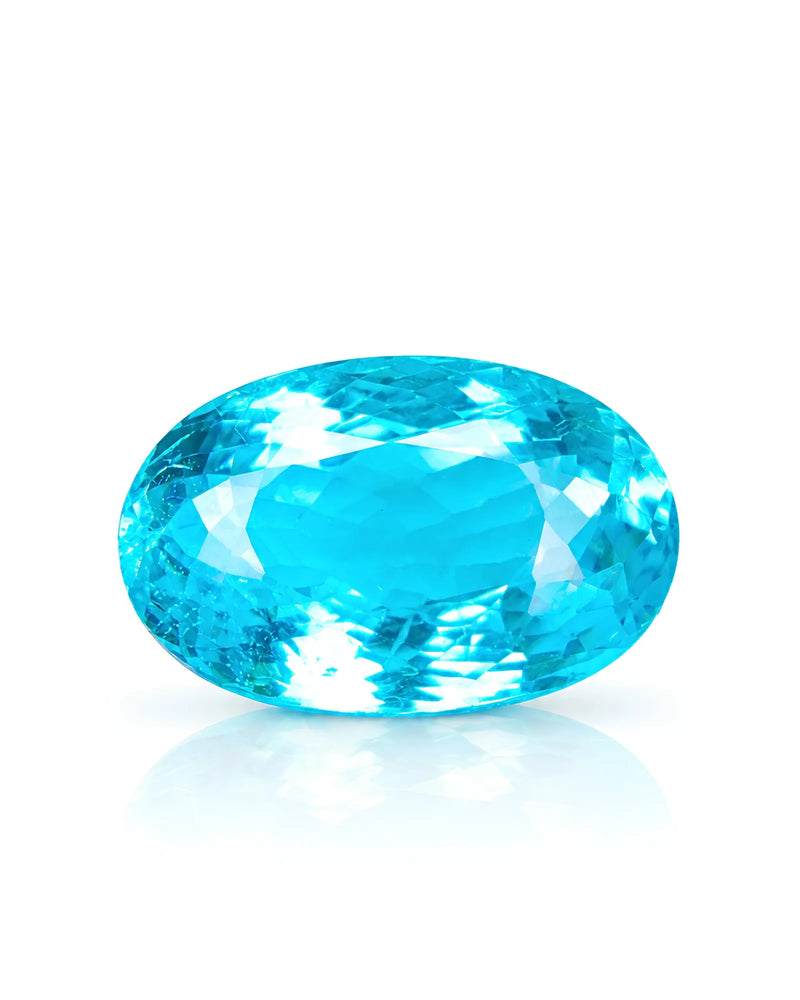
14.71 carats Natural Paraiba Tourmaline oval gemstone showing neon blue colour character | SARATTI AIGSCertified
14.71 ct
Natural Neon Blue Paraiba Tourmaline
Oval
$76,750
2.95 carats Natural Mozambique Neon Greenish Blue Paraiba Tourmaline oval loose gemstone front view | SARATTI AIGSCertified
2.95 ct
Natural Mozambique Neon Greenish Blue Paraiba Tourmaline
Oval
$48,500
2.07 carats Natural Neon Blue Paraiba Tourmaline oval loose gemstone front view | SARATTI SARATTICertified
2.07 ct
Natural Neon Blue Paraiba Tourmaline
Oval
$39,100
2.68 carats Natural Neon Blue Tourmaline oval loose gemstone front view | SARATTI SARATTICertified
2.68 ct
Natural Neon Blue Paraiba Tourmaline
Oval
$57,150
3.06 carat Natural Brazilian Neon Blue Tourmaline oval faceted loose gemstone front view | SARATTI SARATTICertified
3.06 ct
Natural Brazilian Neon Blue Paraiba Tourmaline
Oval
$23,600
2.75 carat Natural Mozambican Neon Blue Tourmaline oval faceted loose gemstone front view | SARATTI AIGSCertified
2.75 ct
Natural Mozambican Neon Blue Paraiba Tourmaline
Oval
$23,350
3.92 carat Natural Neon Greenish Blue Tourmaline oval faceted loose gemstone front view | SARATTI AIGSCertified
3.92 ct
Natural Neon Greenish Blue Tourmaline
Oval
$11,550
2.56ct Natural Neon Greenish Blue Tourmaline oval gemstone main view | SARATTI AIGSCertified
2.56 ct
Natural Neon Greenish Blue Paraiba Tourmaline
Oval
$10,800
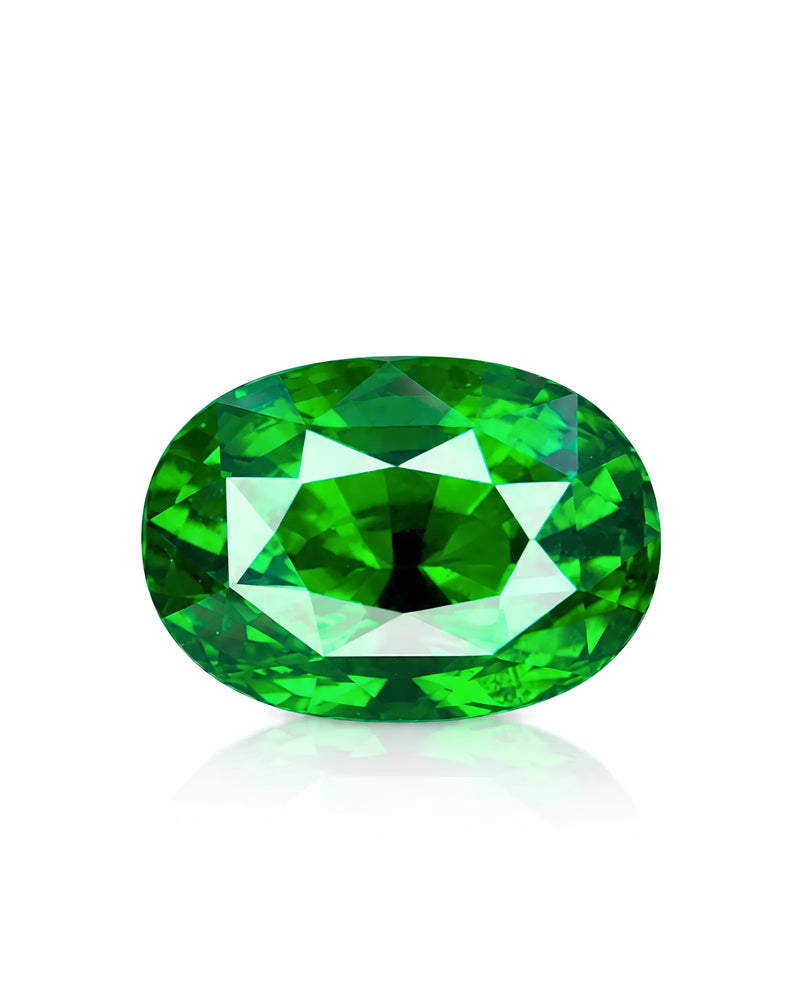
2.06 ct Natural Tsavorite Garnet oval loose gemstone main view in vivid green | SARATTI GUILDCertified
2.06 ct
Natural Kijani Green Tsavorite Garnet
Oval · Minor Clarity Enhancement
$4,925
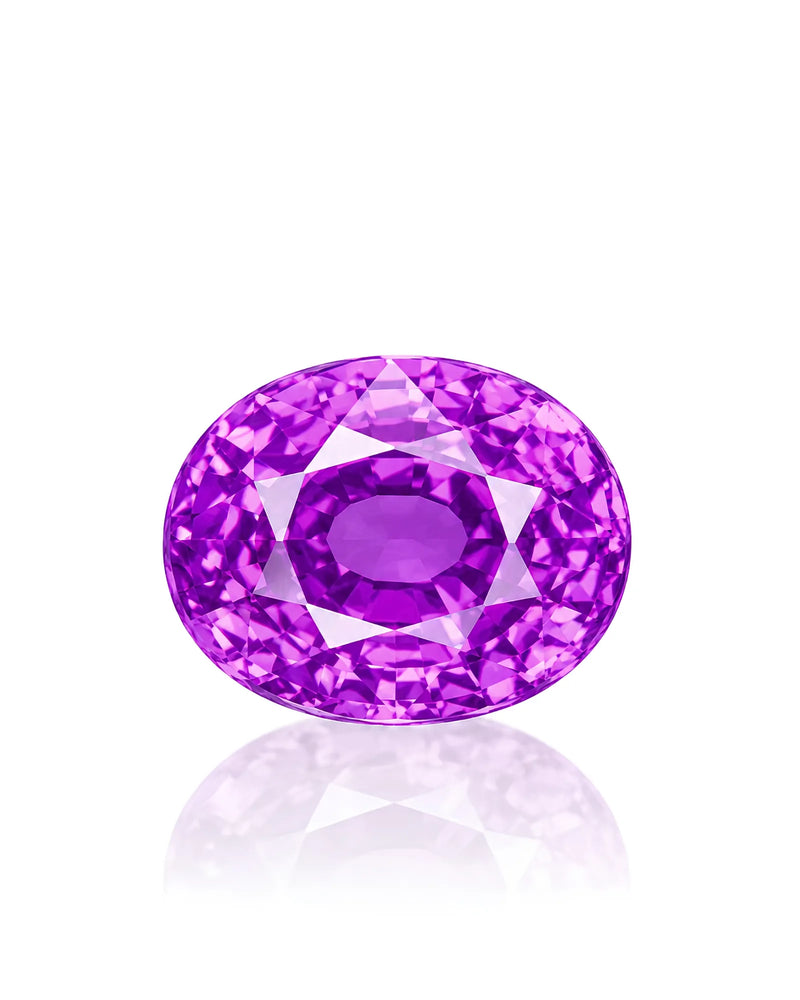
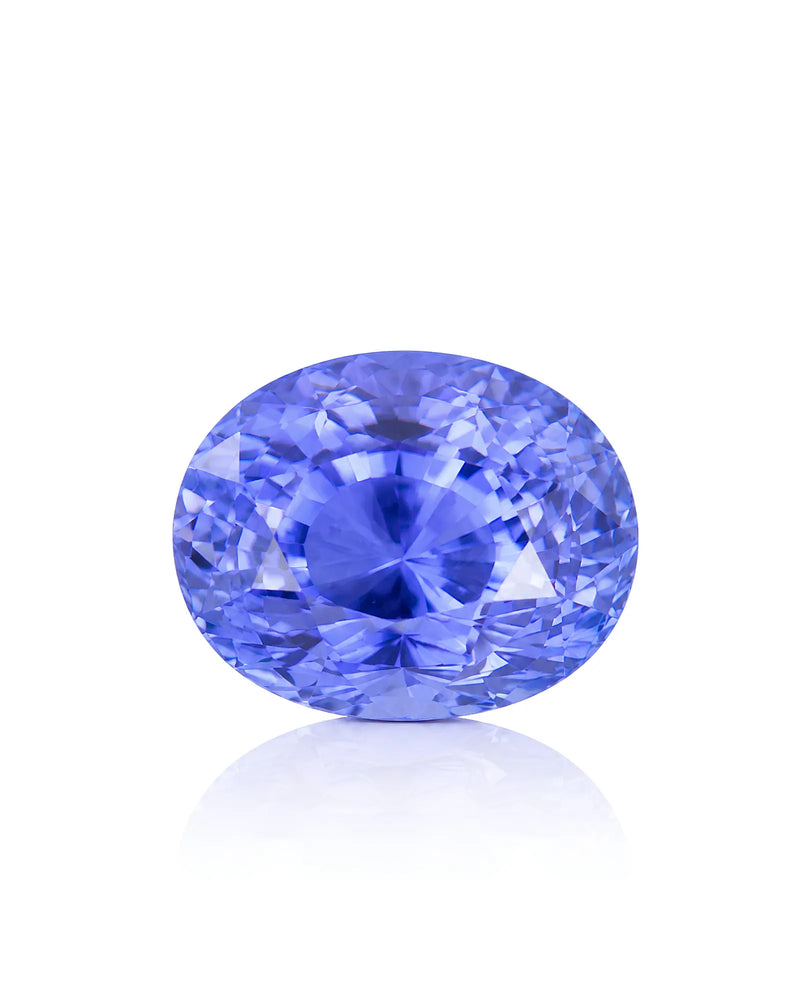
3.01ct Natural Lavender Sapphire Oval main view loose gemstone | SARATTI SARATTICertified
3.01 ct
Natural Lavender Sapphire
Oval
$10,650
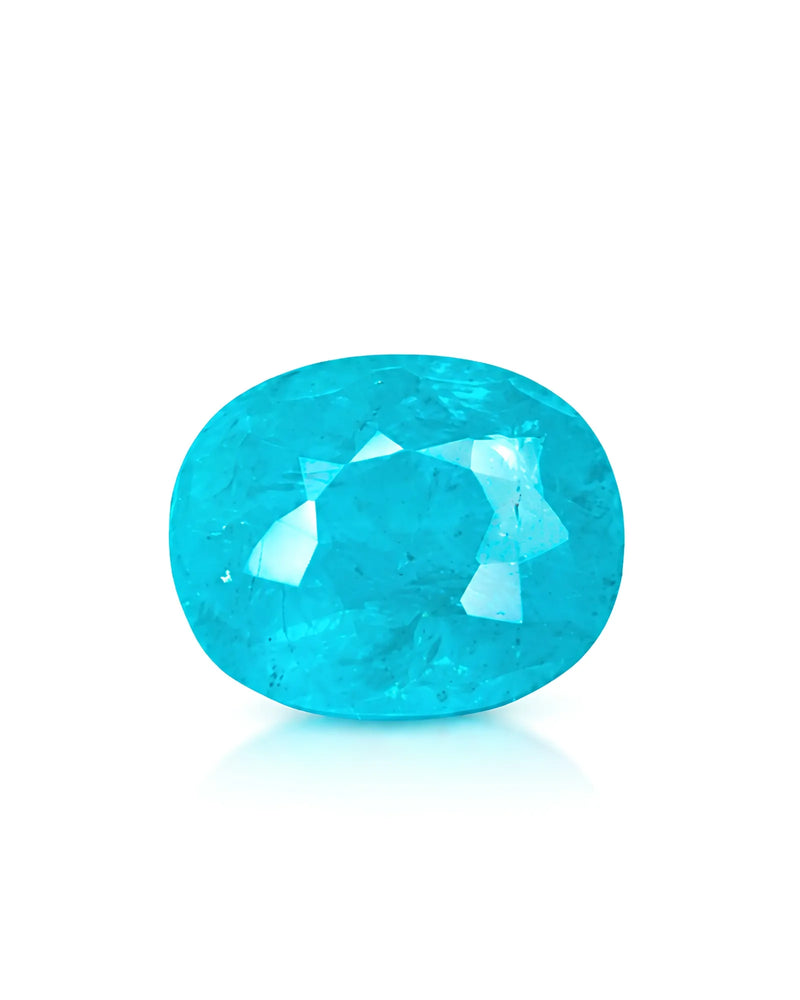
1.21 carat Natural Brazilian Paraiba Tourmaline oval main view | SARATTI AIGSCertified
1.21 ct
Natural Brazilian Neon Blue Paraiba Tourmaline
Oval
$11,450
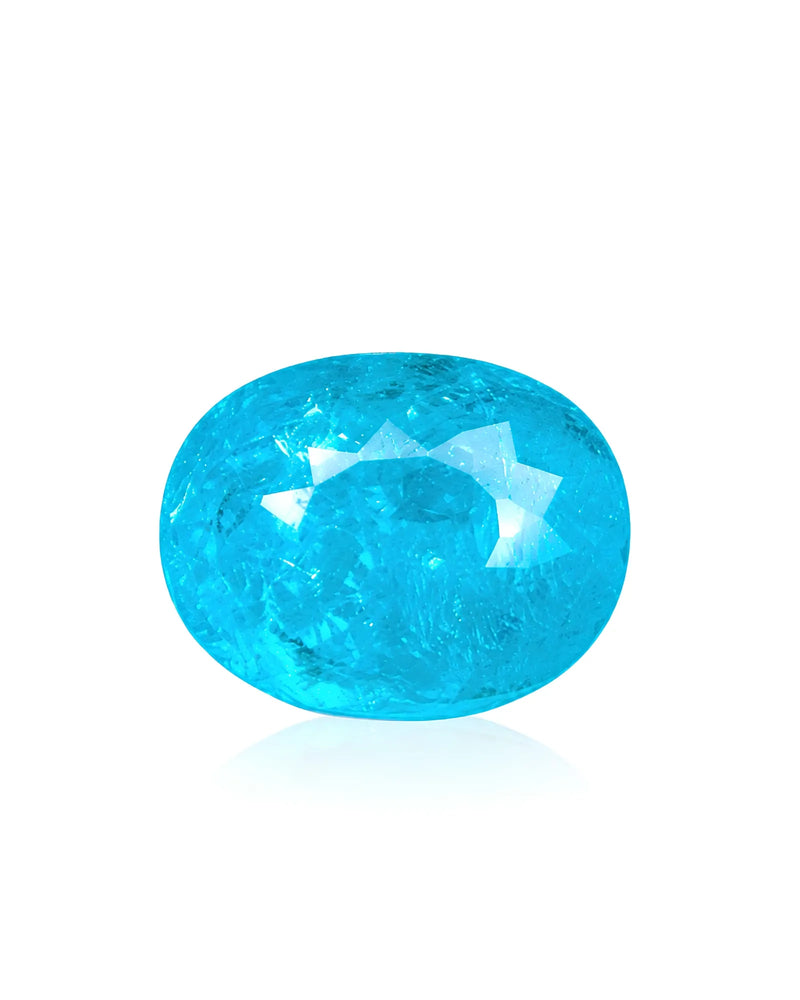
1.81 carat Natural Brazilian Paraiba Tourmaline oval main view | SARATTI AIGSCertified
1.81 ct
Natural Brazilian Neon Blue Paraiba Tourmaline
Oval
$15,500
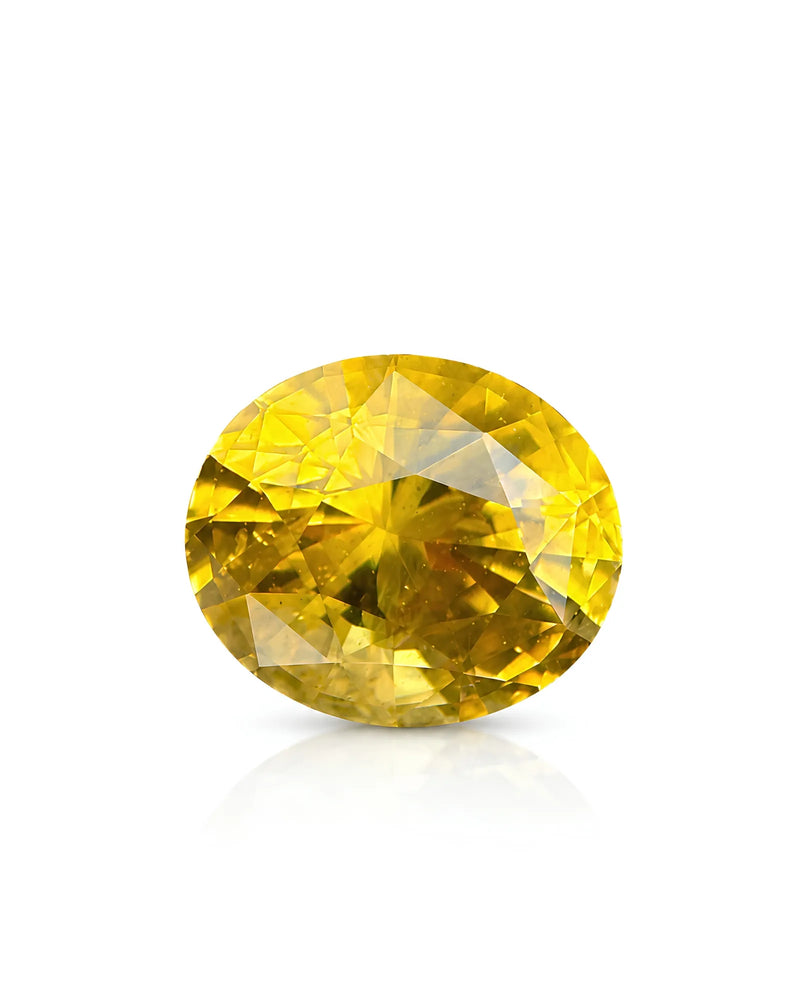
0.90ct Natural Sri Lankan Ceylon Yellow Sapphire Oval main view loose gemstone | SARATTI SARATTICertified
0.90 ct
Natural Sri Lankan Yellow Sapphire
Oval
$850
4.03ct Unheated Natural Cornflower Blue Sapphire oval main view | SARATTI GUILDCertified
4.03 ct
Unheated Natural Cornflower Blue Sapphire
Oval
$17,200
3.60ct Natural Royal Blue Sapphire oval main view loose gemstone | SARATTI GUILDCertified
3.60 ct
Natural Royal Blue Sapphire
Oval
$15,900
100.31 ct Natural Green Beryl | Oval Brilliant/Step Cut CGRLCertified
100.31 ct
Natural Green Beryl
Oval · Untreated
$24,750
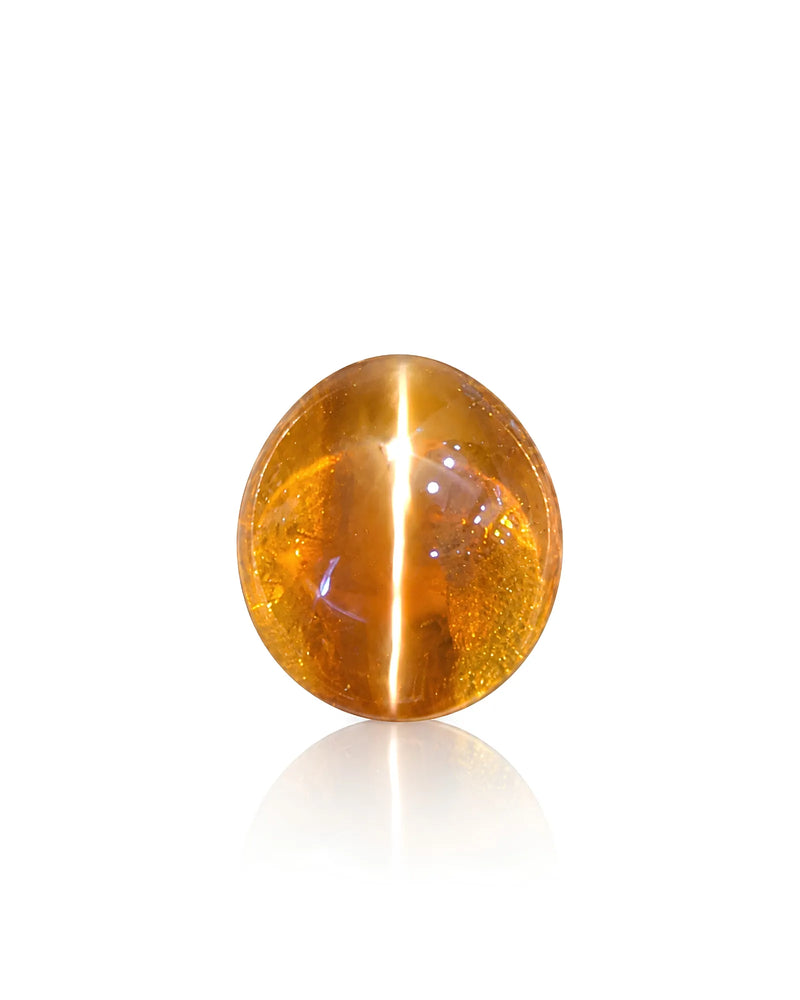
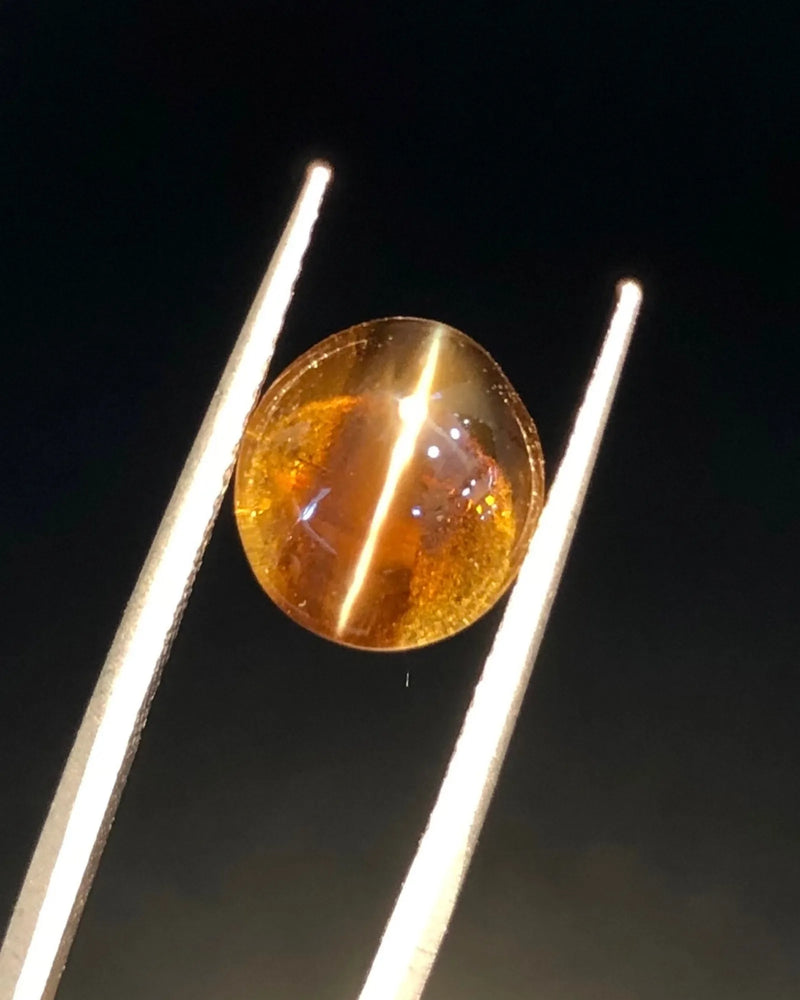
5.00 carat natural Brown Cat's-Eye Chrysoberyl oval cabochon held in tweezers with a bright chatoyant band under directional light GUILDCertified
5.00 ct
Natural Brown Cat's Eye Chrysoberyl
Oval · Untreated
$11,550
7.37 carat natural Honey Color Cat's-Eye Chrysoberyl oval cabochon showing a bright chatoyant band on the hand GUILDCertified
7.37 ct
Natural Honey Color Cat's Eye Chrysoberyl
Oval · Untreated
$22,450
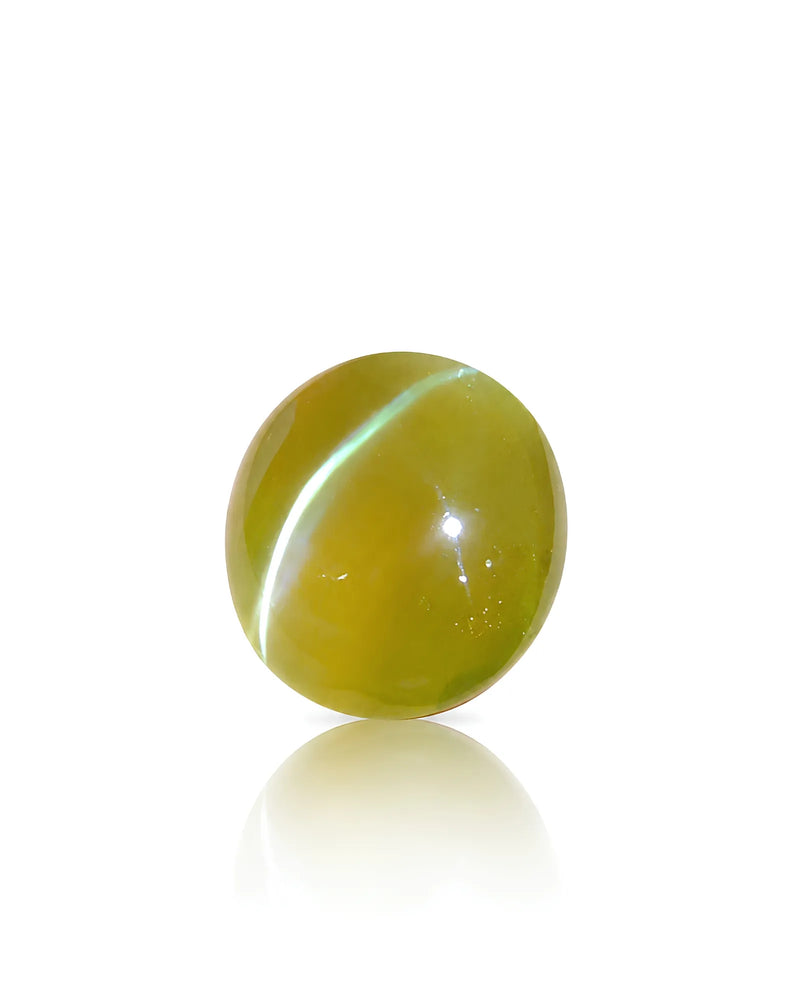
2.23 carat natural Yellowish Green Cat's-Eye Chrysoberyl oval cabochon showing a bright chatoyant band on the hand CGRLCertifiedSold Out
2.23 ct
Natural Yellowish Green Cat's Eye Chrysoberyl
Oval · Untreated
$3,400
1.28 carat natural Yellowish Green Cat's-Eye Chrysoberyl oval cabochon showing a bright chatoyant band on fingertipsSold Out
1.28 ct
Natural Yellowish Green Cat's Eye Chrysoberyl
Oval · Untreated
$2,150
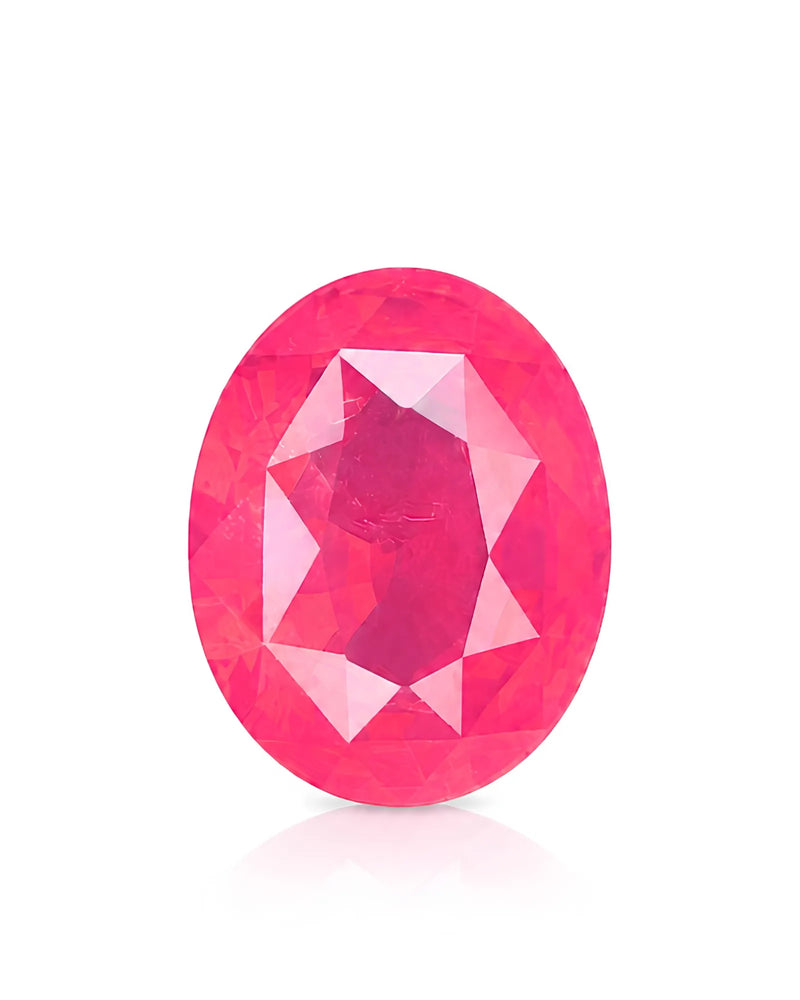
5.24ct Natural Rubellite Tourmaline oval showing concentrated pinkish red face-up colour | SARATTI SARATTICertified
5.24 ct
Natural Pinkish Red Rubellite Tourmaline
Oval
$4,175
8.45ct Natural Rubellite Tourmaline oval with pinkish red colour and modified brilliant faceting | SARATTI SARATTICertified
8.45 ct
Natural Pinkish Red Rubellite Tourmaline
Oval
$8,700
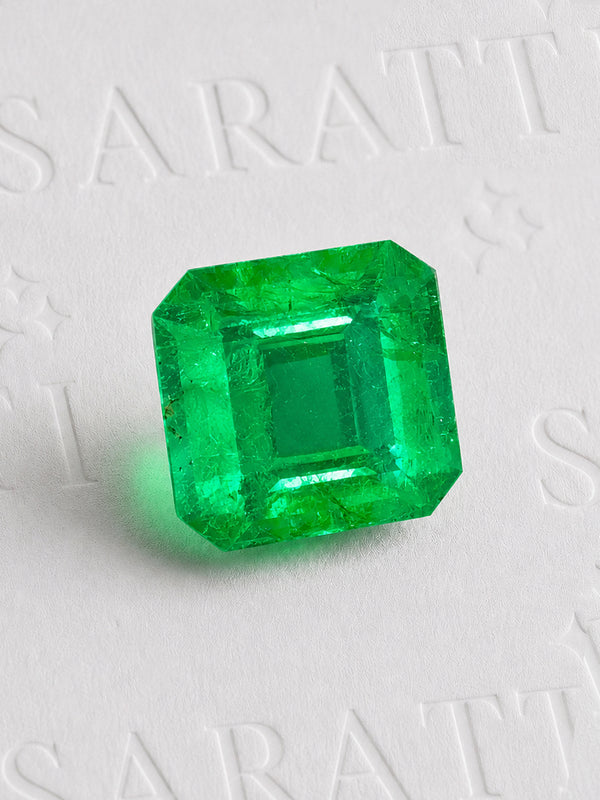
10.45ct Natural Green Emerald Oval with Brilliant/Step faceting shown in the main face-up view | SARATTI CGRLCertified
10.45 ct
Natural Nigerian Divine Mint Emerald
Oval
$7,250
1.81ct Natural Royal Blue Sapphire Oval main view | SARATTI AIGSCertified
1.81 ct
Natural Royal Blue Sapphire
Oval
$5,300
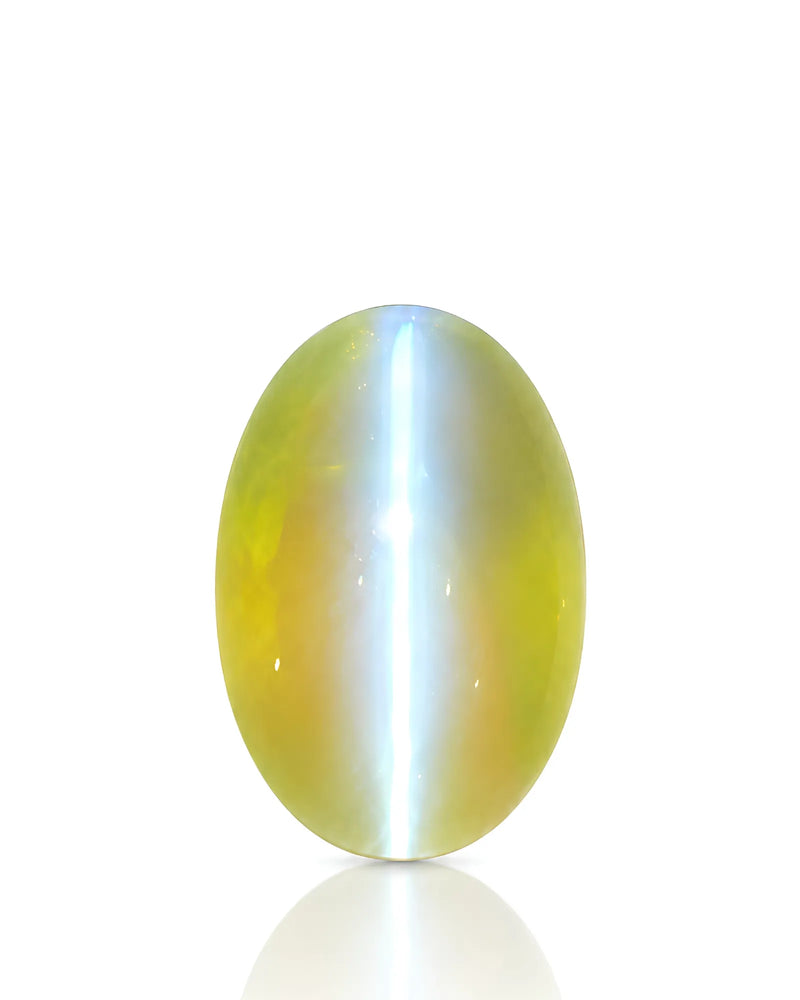
2.00 carat Natural vivid brownish yellow Cat's Eye Chrysoberyl oval cabochon loose gemstone | SARATTI GUILDCertified
2.00 ct
Natural Honey Color Cat's Eye Chrysoberyl
Oval
$3,000
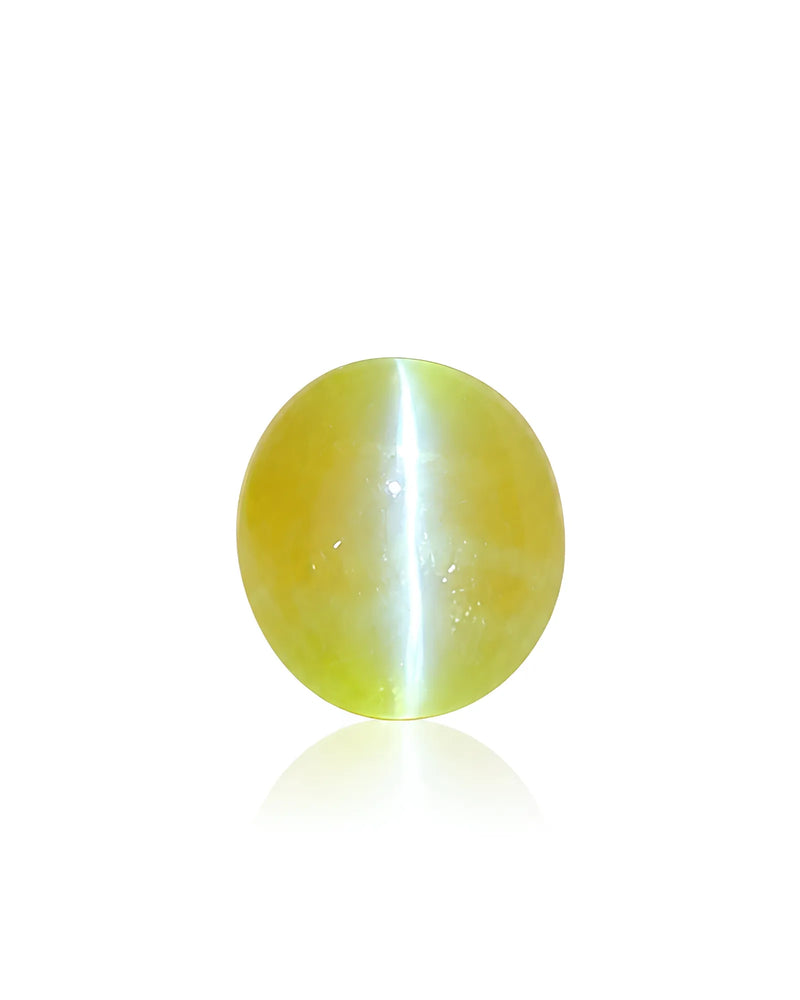
2.02 carat Natural vivid yellow Cat's Eye Chrysoberyl oval cabochon loose gemstone | SARATTI GUILDCertified
2.02 ct
Natural Honey Color Cat's Eye Chrysoberyl
Oval
$6,100
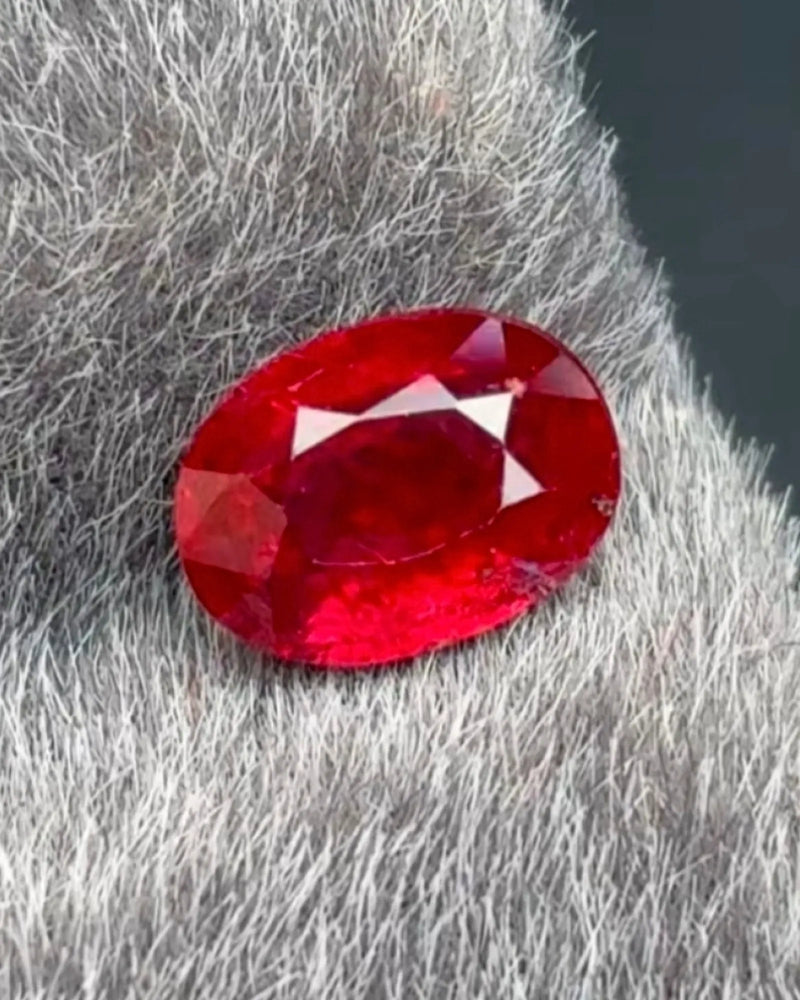
AIGS report for 1.55 CTS Natural Ruby documenting Pigeon Blood colour grade and no heat treatment | SARATTI AIGSCertified
1.55 ct
Unheated Natural Pigeon's Blood Ruby
Oval
$6,450
Guild report for 0.76 CTS Natural Ruby documenting Pigeon's Blood colour, no thermal enhancement and strong fluorescence | SARATTI GUILDCertified
0.76 ct
Unheated Natural Pigeon's Blood Ruby
Oval
$3,250
1.82ct Natural Neon Bluish Green Tourmaline oval main view | SARATTI AIGSCertified
1.82 ct
Natural Neon Bluish Green Paraiba Tourmaline
Oval
$4,875
2.29ct Natural Neon Blue Tourmaline oval gemstone | SARATTI AIGSCertified
2.29 ct
Natural Neon Blue Paraiba Tourmaline
Oval
$5,200
0.38ct Natural Paraiba Tourmaline oval main view | SARATTI GUILDCertified
0.38 ct
Natural Neon Greenish Blue Paraiba Tourmaline
Oval
$2,225
2.43ct Natural Brazilian Santa Maria Aquamarine oval front view | SARATTI CGRLCertified
2.43 ct
Natural Brazilian Vivid Blue Santa Maria Aquamarine
Oval
$3,750
3.33 carats Natural Neon Blue Paraiba Tourmaline | Oval Cut AIGSCertified
3.33 ct
Natural Neon Blue Paraiba Tourmaline
Oval
$12,500
1.59ct Natural Neon Blue Tourmaline oval main view | SARATTI AIGSCertified
1.59 ct
Natural Neon Blue Paraiba Tourmaline
Oval
$2,980
8.06ct Unheated Natural Burmese Intense Blue Sapphire oval main view | SARATTI GUILDCertified
8.06 ct
Unheated Natural Burmese Intense Blue Sapphire
Oval
$22,850
2.67ct Natural Exceptional Santa Maria Aquamarine oval front view | SARATTI CGRLCertified
2.67 ct
Natural Exceptional Santa Maria Aquamarine
Oval
$2,850
2.22ct Natural Exceptional Santa Maria Aquamarine oval front view | SARATTI CGRLCertified
2.22 ct
Natural Exceptional Santa Maria Aquamarine
Oval
$2,999
4.77ct Natural Ethiopian White Opal faceted oval front view | SARATTI SARATTICertified
4.77 ct
Natural Ethiopian White Opal
Oval
$399
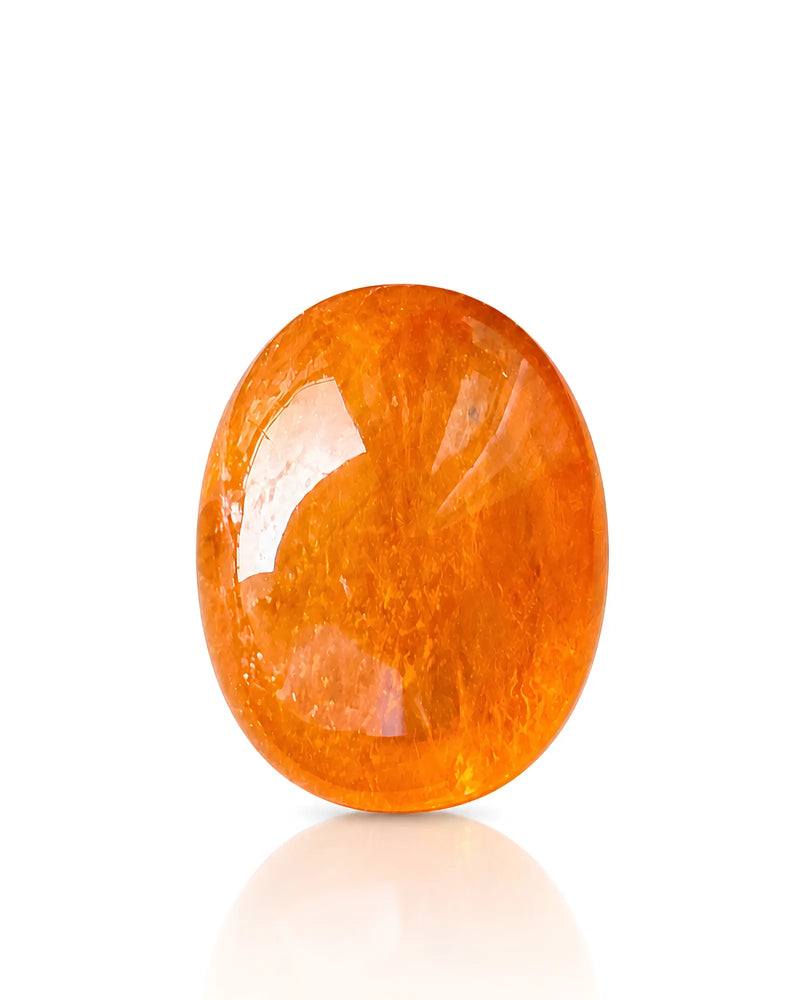
9.98ct Natural Namibian Fanta Orange Spessartine Garnet front view | SARATTI SARATTICertified
9.98 ct
Natural Namibian Fanta Orange Spessartine Garnet
Cabochon
$1,399
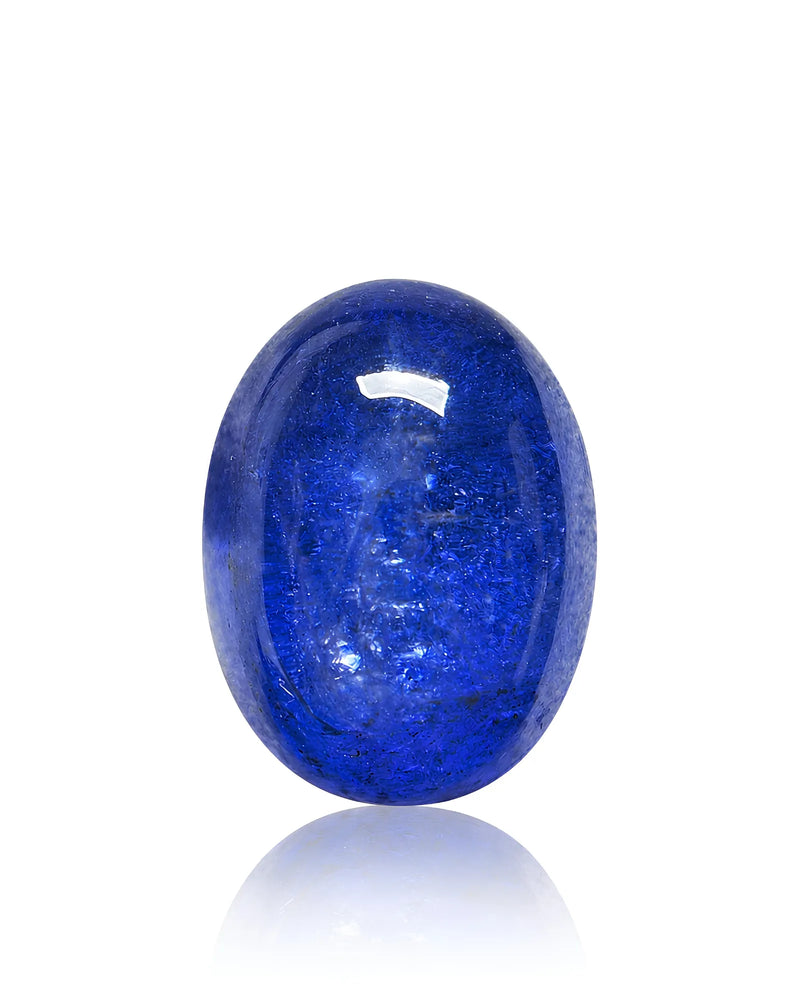
8.56 carats Natural Blue-purple Tanzanite oval cabochon main view | SARATTI SARATTICertified
8.56 ct
Natural Blue-purple Tanzanite
Oval
$890
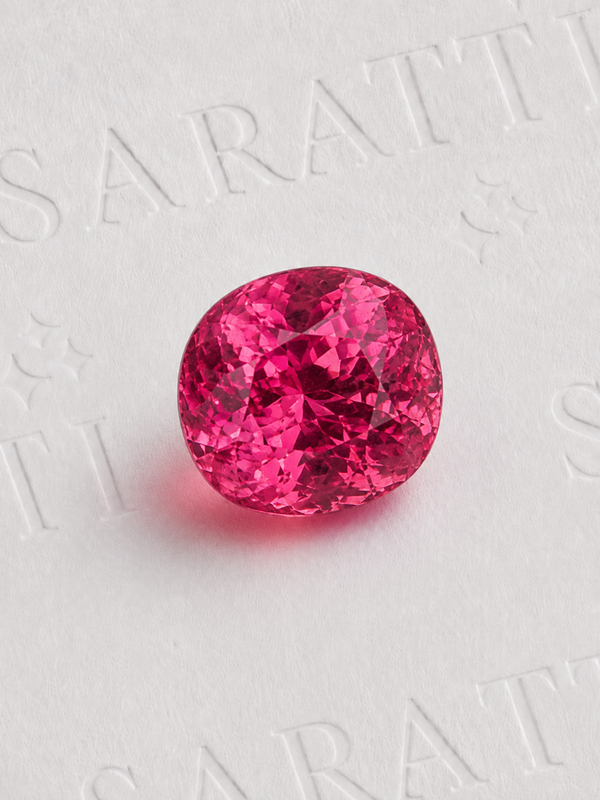
2.54ct Natural Tanzanian Vivid Orangy Pink Spinel oval front view | SARATTI SARATTICertified
2.54 ct
Natural Tanzanian Vivid Orangy Pink Spinel
Oval
$6,499
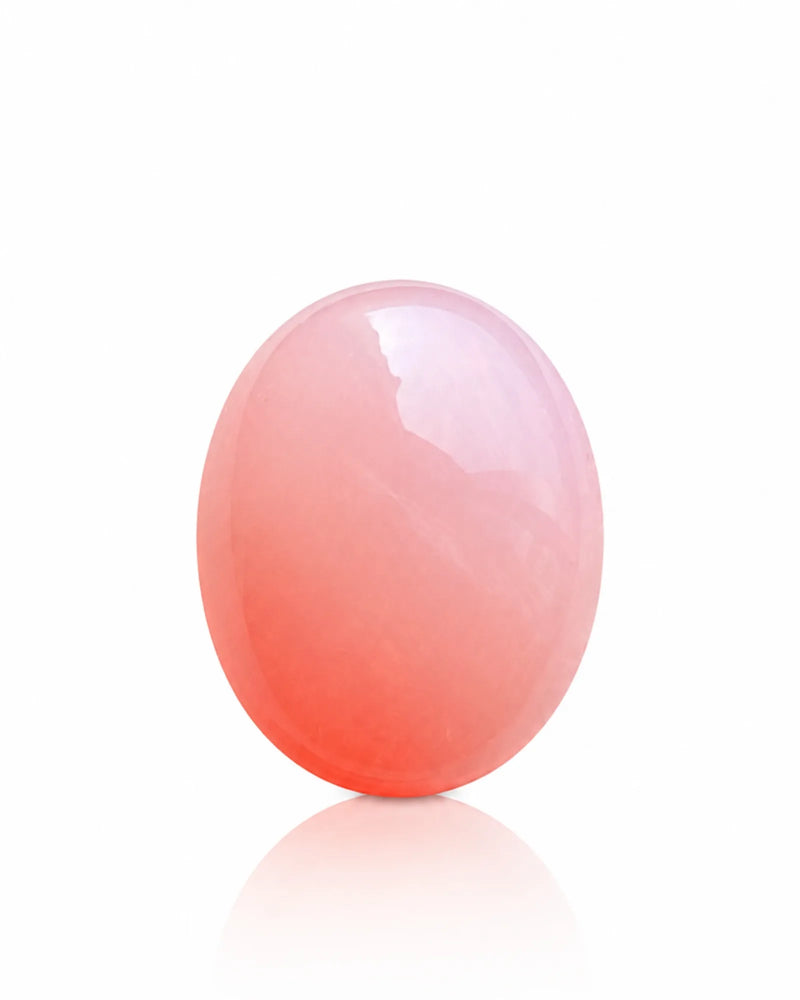
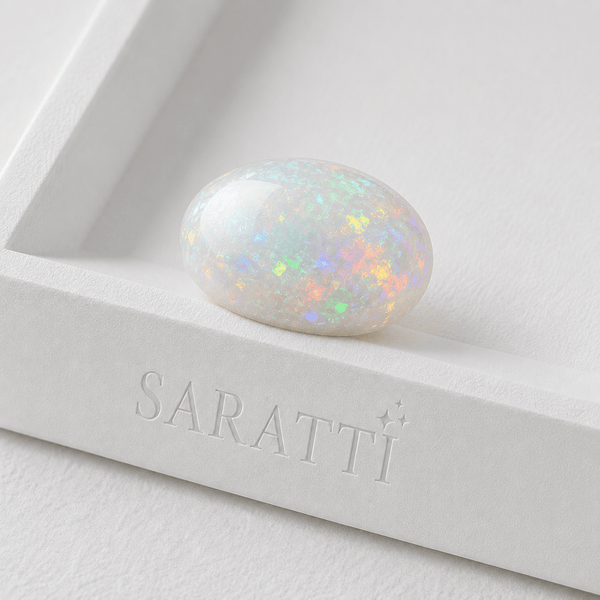
Natural Pink Opal with blush pink and coral-pink tones | SARATTI SARATTICertified
2.1 ct
Natural Pink Opal
Oval
$385
123…6→
✦ ✦ ✦
THE PRIVATE COLLECTION

Not every stone we hold is online.

Our online collection is only part of what is available. Many more gemstones are held privately, including stones that may never appear on the website. Tell us what you are looking for — or simply send us a photograph of something you love.

Our gemologists will personally select stones from the wider SARATTI collection for you to consider. Not sure exactly what you want? Send us a photograph, a color you love, or simply ask.

No question is too small.
No request is too specific.
WHATSAPP A GEMOLOGIST
How ratio, spread and bow-tie decide the stone

Oval Shape Gemstones

What an Oval Cut Is

An oval is an elliptical modified brilliant — a stone whose outline is a smooth closed curve with no corners, faceted on the same principles as a round brilliant but stretched along one axis.

The facet arrangement descends directly from the round: a table, a crown of bezel, star and upper girdle facets, then a pavilion of main facets and lower girdle halves meeting at a culet or, in coloured stone, a short keel. A standard oval carries fifty-six or fifty-eight facets, the round brilliant's complement redistributed around an ellipse. The word modified is doing exact work. An oval is not a separate cutting family in the way a step cut is, where rectangular facets run in tiers parallel to the girdle. It is the round brilliant's geometry adapted to a longer outline, and everything good and bad about it follows from that adaptation.

The modern oval brilliant is credited to Lazare Kaplan, who refined and popularised it in 1957. What he established were facet angles and proportions that made an elongated brilliant behave optically like a round one rather than a compromised one. Our oval collection is the largest single shape holding we keep, which reflects demand rather than any accident of supply.

Why an Oval Looks Larger

An oval of a given carat weight generally presents a larger face than a round of the same weight. This is true, it has a straightforward explanation, and it is also routinely overstated.

Much of a brilliant's volume sits in the pavilion, below the girdle, invisible once the stone is set. What the eye registers is face-up spread — the outline seen looking down at the stone, measured in millimetres. Elongating that outline increases its area relative to the volume beneath it, because the ellipse gains length faster than the pavilion gains depth. Against a round of equal weight, a well-proportioned oval typically shows something near ten per cent more face-up area, and the elongation exaggerates the impression further, because a long shape reads as bigger on a finger than a compact one of identical area.

The honest qualification is that this holds only when the oval is well cut. A badly proportioned oval can be very deep, usually to retain weight from the rough, and a deep oval spreads no better than a round, sometimes worse.

So compare millimetre dimensions, never carats. Two two-carat ovals can differ by more than a millimetre in length, and the carat weight tells you nothing about which is which. The same discipline applies against a round.

Length-to-Width Ratio

The length-to-width ratio is the stone's length divided by its width, and it is the most useful number on this page. A stone measuring 9.00 by 7.00 millimetres has a ratio of 1.29. One measuring 10.50 by 7.00 has a ratio of 1.50. Both are ovals; they do not look remotely alike.

Most buyers settle between roughly 1.30 and 1.50, and that range is where the shape is generally held to be at its best — long enough to read clearly as an oval, compact enough to hold light evenly across the middle. Within the band the choice is personal.

At 1.20 the outline is close to round. It reads as full and generous and sits well on a small hand, but it can look heavy, and it spreads less than a longer stone of the same weight, forfeiting part of the reason for choosing an oval at all.

At 1.60 the stone is markedly elongated and elegant, closer in feeling to a marquise than to a round. The costs are real: very long ovals can look fragile even when they are not, they are harder to match in a pair, and they are more prone to the bow-tie described below, because the pavilion facets towards the ends must be steeper.

There is no correct ratio, and anyone who tells you there is one is describing their inventory rather than advising you. What must not happen is that the ratio goes unchecked. It is not encoded in the carat weight, and it is easily misjudged from a photograph that has been cropped or scaled. Take the two measurements and divide.

The Bow-Tie

The bow-tie is the defect specific to elongated brilliants.

It appears as a dark band across the width of the stone at its centre, pinched in the middle and spreading towards the long sides — the shape a bow-tie makes. The cause is not a flaw in the material. It is the wearer. In an elongated brilliant the pavilion facets across the central portion collect light from a fairly narrow band of directions, and in normal viewing the observer's own head and shoulders sit precisely in that band. The facets have nothing to return, so they go dark. The longer the stone and the steeper the pavilion, the wider the obstruction and the more pronounced the effect.

Almost every oval has some bow-tie. So does almost every pear, marquise and elongated cushion — it is a property of the geometry, not a failure of workmanship, and a stone advertised as having none has usually been photographed rather than examined. The question is never whether one is present but how severe it is: a faint softening that opens and closes as the stone moves, or a black bar that stays put and eats a third of the face. The first arguably adds contrast; the second is a dark stripe you will notice for as long as you own the stone.

It can only be judged in person, or in an honest unedited video with the stone in motion under ordinary light. It does not appear in a retouched photograph. We film stones rather than rely on stills for that reason, and the same argument is set out in our buyer's guide to pear-shaped gemstones, where the problem is more acute still.

Windowing and Extinction

Two other faults are often confused with a bow-tie.

Windowing is a transparent area, usually central, where you see straight through the stone to whatever lies behind it. It occurs when the pavilion is too shallow for the material's refractive index, so light entering the crown passes out of the bottom instead of returning to the eye. A window is a cutting decision made to retain weight from flat rough, and unlike a bow-tie it is a plain fault with nothing to be said for it. Hold the stone over printed text and see whether you can read through the middle.

Extinction is the opposite failure — areas that stay dark however the stone is moved, because the facets there are angled too steeply and light is trapped and absorbed rather than returned. A bow-tie is a localised shadow that shifts and breathes as the stone tilts; extinction is static blackness in fixed zones.

Which Gemstones Suit an Oval

Some material cuts better as an ellipse, and the reasons are worth stating.

The first is orientation. Strongly pleochroic stones show different colours along different crystal directions, and the cutter cannot choose the outline freely: the table must face the best colour, and the rest is negotiated around that. Tanzanite is trichroic, showing blue, violet and burgundy along three axes; kunzite and iolite are similarly constrained. When the best colour direction runs along the crystal's length, as it does in the flat elongated rough these species yield, an ellipse keeps the colour and loses the least weight. Much of the finest tanzanite is oval for that reason.

The second is durability. An oval has no corners, and corners are where brittle stones chip. Emerald is brittle because its internal fractures are planes of weakness; opal is soft and intolerant of knocks. A cut with four sharp points concentrates every impact at those points, which is why the emerald cut evolved its cropped corners. An oval removes corners altogether, which for fragile material is a real advantage.

The third is colour depth. Pale material builds colour along the path light travels through it, and a brilliant-cut oval of good depth gives light a longer journey than a shallow stone of the same face-up size. This is why morganite and aquamarine are so often cut as generous ovals: a pale beryl cut flat to maximise spread reads washed out however large it is.

The fourth is simply the shape of the rough. Water-worn pebbles, elongated crystals and flattened seams all yield more finished weight as an ellipse than as a round, which is why ovals are common across sapphire and ruby.

Setting an Oval

The oval's practical advantage over most fancy shapes is that it has nothing vulnerable to protect. A pear has a point, a marquise has two, an emerald cut has corners that must be shielded. An oval is a continuous curve, and a jeweller setting one is never working around a weak spot.

The choice between four claws and six is the main decision. Four leave more of the stone visible and give a cleaner line, and they are sound on a compact oval nearer 1.30. Six suit an elongated outline better, because the extra claws sit along the long sides where an unsupported span would otherwise flex under pressure, and because six points of contact hold the stone's axis true if one claw is knocked.

Wherever the claws sit, the ends are the point of contact that matters. They are the part that meets a doorframe first, so at least one claw should engage each end rather than gripping the sides alone. A bezel does this comprehensively and is safest for brittle material, at the cost of hiding a rim of the stone.

Orientation is a design decision with no technical answer. North-south — the length running along the finger — is traditional and lengthens the hand. East-west, set across the finger, reads wider and sits flatter against adjacent bands. It is worth settling before commissioning a setting rather than after.

Judging an Oval Before You Buy

Start with the millimetre dimensions, which should be stated for every stone. Divide length by width and satisfy yourself about the ratio. Then consider depth: if the face-up dimensions seem small for the weight, the weight is in the pavilion, and you are paying for material nobody will ever see.

Watch the stone moving under ordinary light and judge the bow-tie for severity, not presence. Check for a window by looking for anything visible through the centre, and for extinction by noting whether dark zones stay dark as the stone tilts.

Then examine symmetry, which is where cheap ovals give themselves away. The two ends should be identical in curvature and equally rounded; one blunter than the other is a fault that is impossible to unsee once noticed. Look also at whether the outline is a true continuous ellipse or slightly shouldered — flattened where the curve should be steadily turning, which happens when a cutter is chasing weight.

The standard we apply to all of this is set out in how SARATTI grades gemstones.

Choosing an Oval

An oval is the shape to choose when you want the light behaviour of a round brilliant with more presence for the weight, and when you would rather not manage the vulnerable points and corners other fancy shapes bring. It suits nearly every species, it flatters nearly every hand, and it forgives setting decisions that would trouble a pear.

What it asks in return is that you check two things nobody puts in a headline: the ratio, and the bow-tie. Neither is visible in a carat weight, and neither can be recovered afterwards.

Every stone here is listed individually, with its own measurements, so the ratio can be worked out before you commit to anything. Only part of what we can reach is listed online, and if what you want is not listed — a particular ratio, a particular length, a species we do not currently show in this shape — describe it, and we will go and look.

A Modified Brilliant An oval is the round brilliant's facet arrangement stretched along one axis, fifty-six or fifty-eight facets around an ellipse. Its optics, and its faults, follow directly from that adaptation.
Ratio Over Carats Length divided by width decides how a stone looks, and it is not encoded in the weight. A 1.20 reads nearly round; a 1.60 is long and dramatic. Both are two carats.
Every Oval Has One The bow-tie is inherent to elongated brilliants, caused by the wearer's own head obstructing light. Judge severity, not presence, and judge it in motion. A retouched photograph will never show it.
No Corners to Protect A continuous curve gives a setter no weak point to shield, which makes the oval the safest fancy shape for brittle material such as emerald and opal. Six claws suit elongated stones.

Frequently Asked Questions About Oval Gemstones

Usually, and the reason is geometry rather than illusion. Much of a brilliant's weight sits in the pavilion, below the girdle, where nobody sees it. Elongating the outline lays that weight across a longer surface, so a well-proportioned oval shows roughly ten per cent more face-up area than a round of equal carat. The effect is real but modest, and a deep oval cut to retain weight can spread no better than a round. Compare millimetre dimensions, not carats.

The ratio is length divided by width, and most buyers prefer somewhere between about 1.30 and 1.50. Below 1.25 a stone reads close to round and can look heavy. Above 1.55 it becomes markedly elongated, elegant but harder to match in a pair and more prone to a bow-tie. There is no correct answer, only a preference, but the ratio must be checked because it is invisible in the carat weight and easily misjudged from a photograph.

A bow-tie is a dark band across the centre of an elongated brilliant, pinched in the middle. It is not a flaw in the material: the pavilion facets there need light from a narrow range of directions, and the viewer's own head blocks it, so those facets return nothing. Almost every oval has some, so the question is severity rather than presence. It can only be judged in person or in an honest unedited video with the stone moving.

A bow-tie shifts and breathes as the stone tilts, because it depends on where the viewer is standing. Windowing is a see-through area in the centre, caused by a pavilion cut too shallow for the material, so light passes out of the bottom instead of returning; hold the stone over print and try to read through it. Extinction is static blackness in fixed zones where facets are too steep and light is trapped rather than returned.

Three kinds. Strongly pleochroic material such as tanzanite, kunzite and iolite, where the cutter must face the best colour direction and an ellipse costs least weight in doing so. Brittle material such as emerald and opal, where having no corners removes the places a stone chips. And pale material such as morganite and aquamarine, where an oval's depth gives light a longer path and builds colour. Elongated rough of any species also yields more finished weight as an ellipse.

Usually less per carat for comparable quality. A round wastes more of the rough, so cutters charge for that loss, while an ellipse follows the shape of most crystals and pebbles more closely. Combined with the greater face-up spread, an oval generally gives more visible stone per pound spent. The saving is not automatic: a fine oval with good symmetry, a clean outline and a slight bow-tie is priced well above a deep, shouldered one of the same weight.

Five things. The millimetre dimensions, which tell you what you will actually see. The ratio, worked out by dividing length by width. Bow-tie severity, judged with the stone in motion rather than from a still photograph. The symmetry of the two ends, which should match in curvature, since one blunter than the other cannot be unseen. And whether the outline is a true ellipse or slightly shouldered where the curve should be turning steadily.