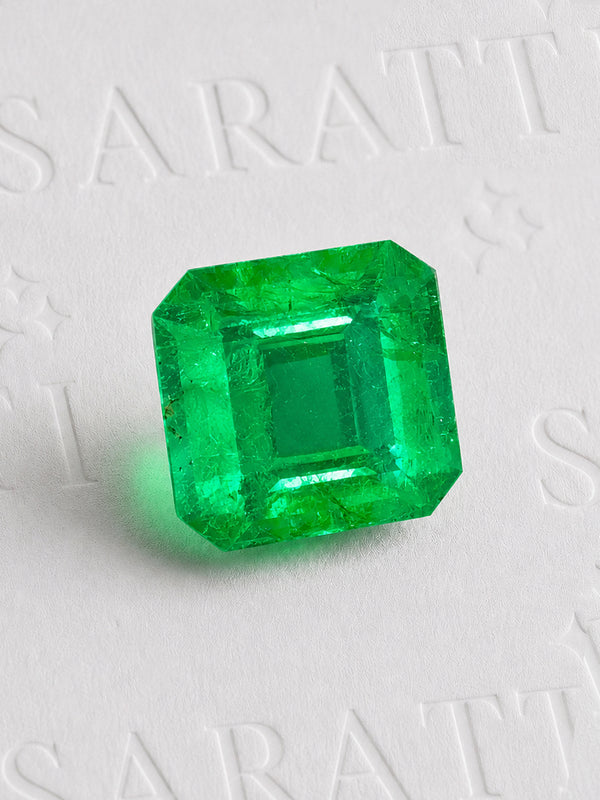
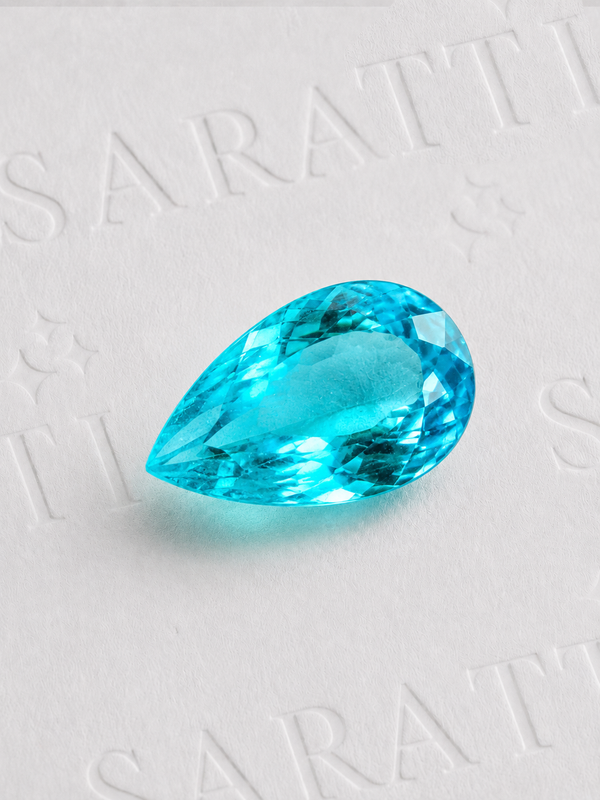
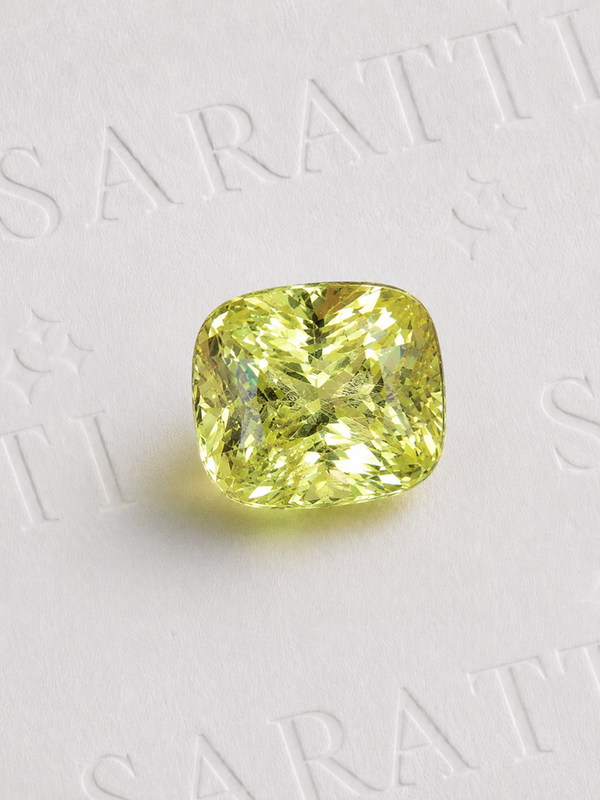
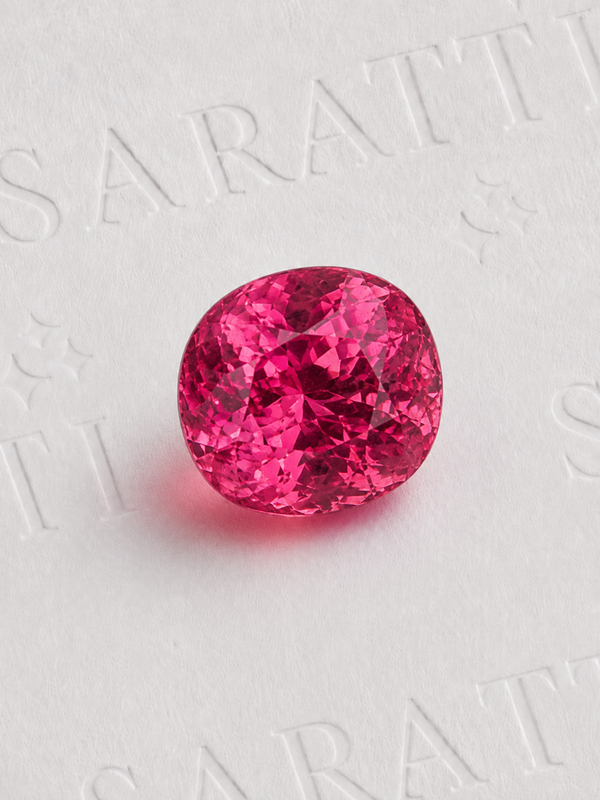
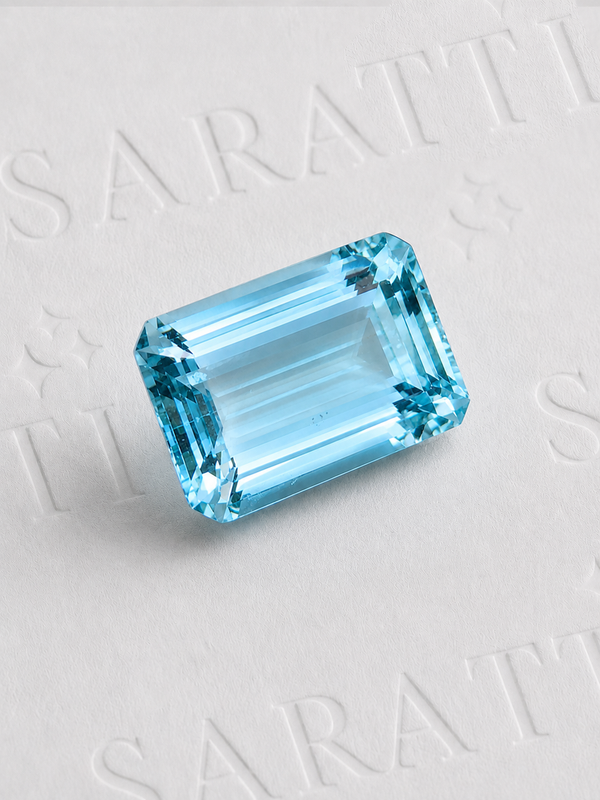
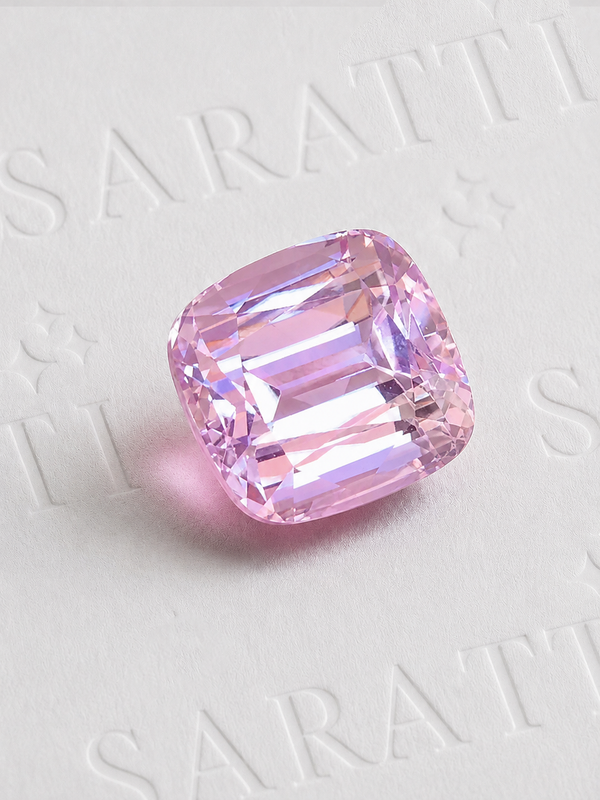
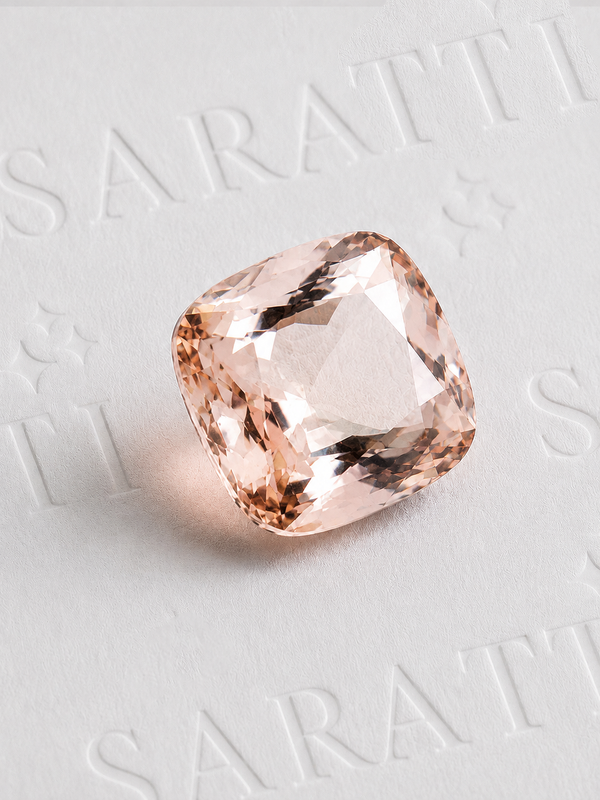
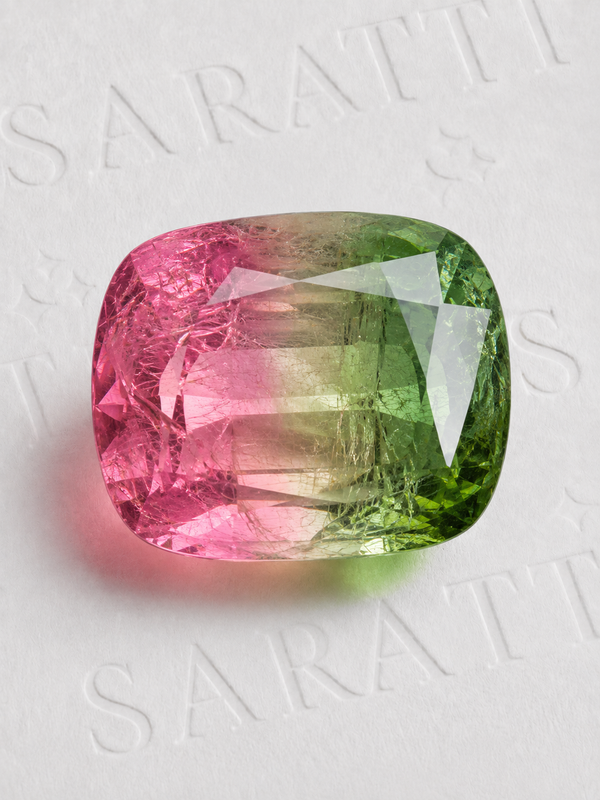
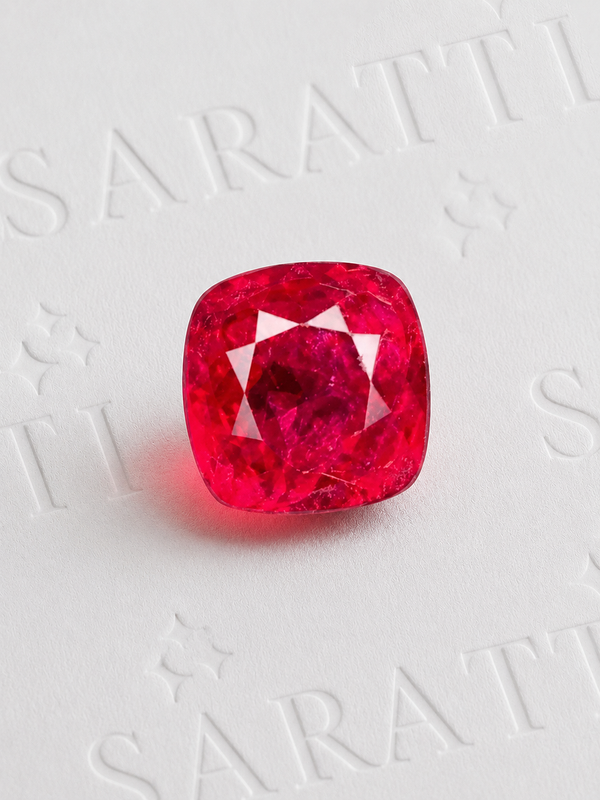
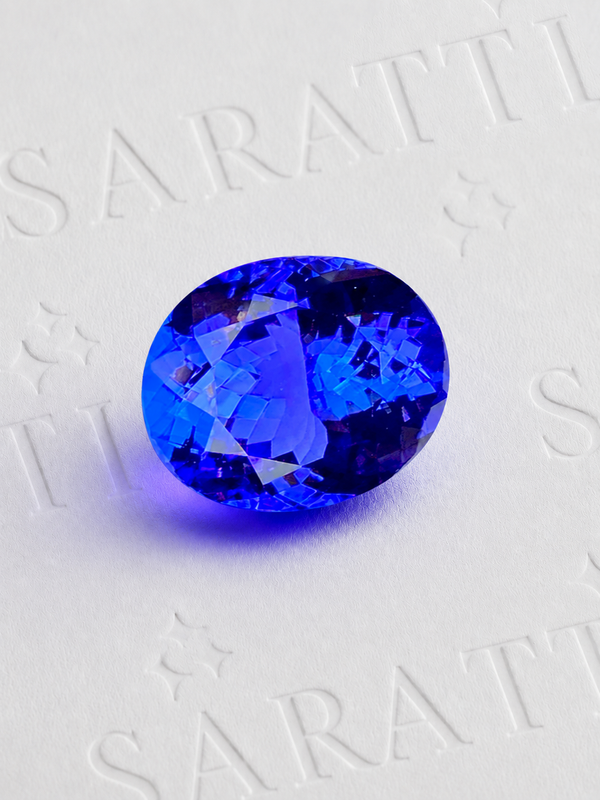
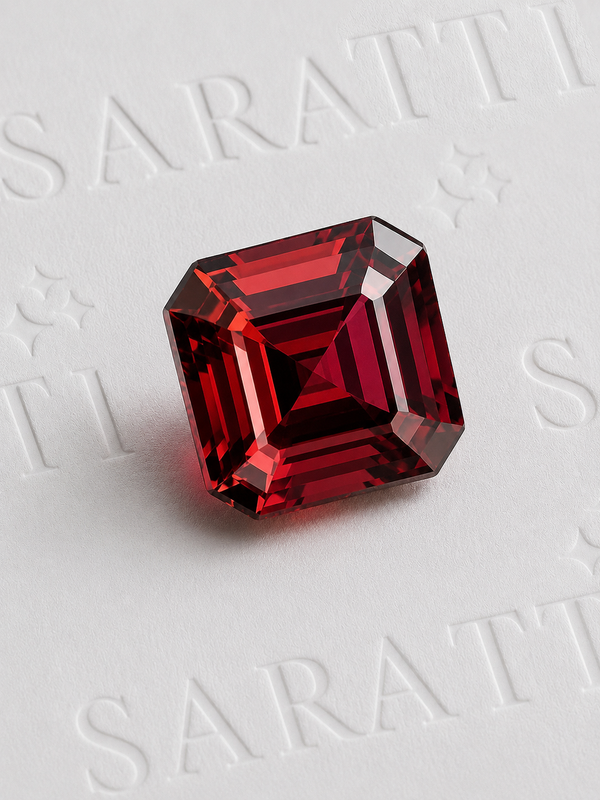
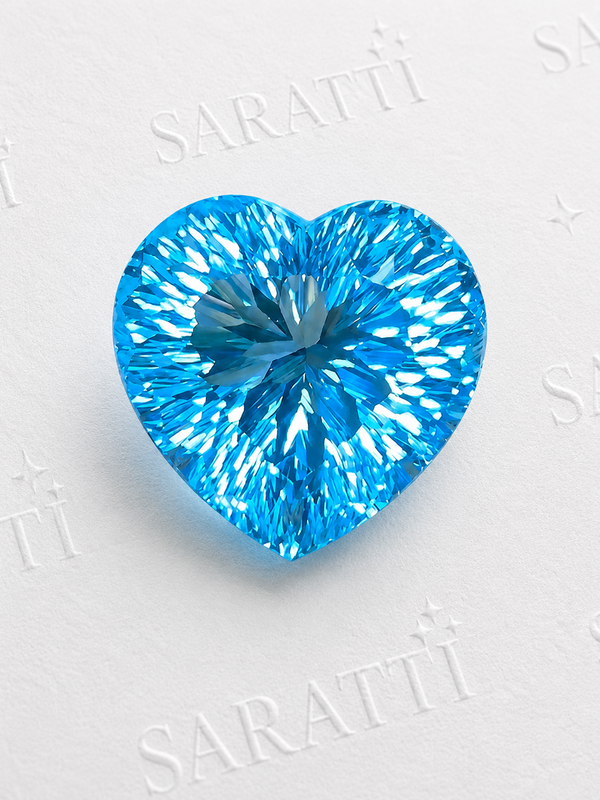
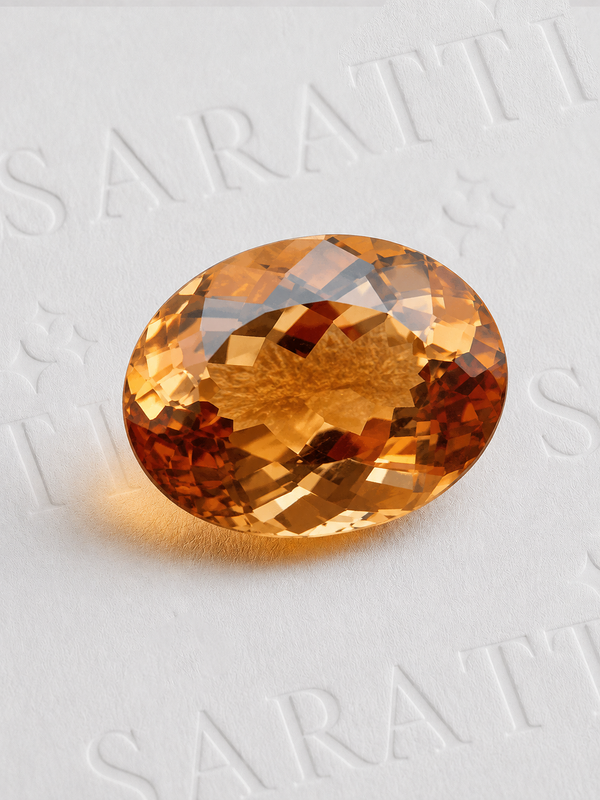
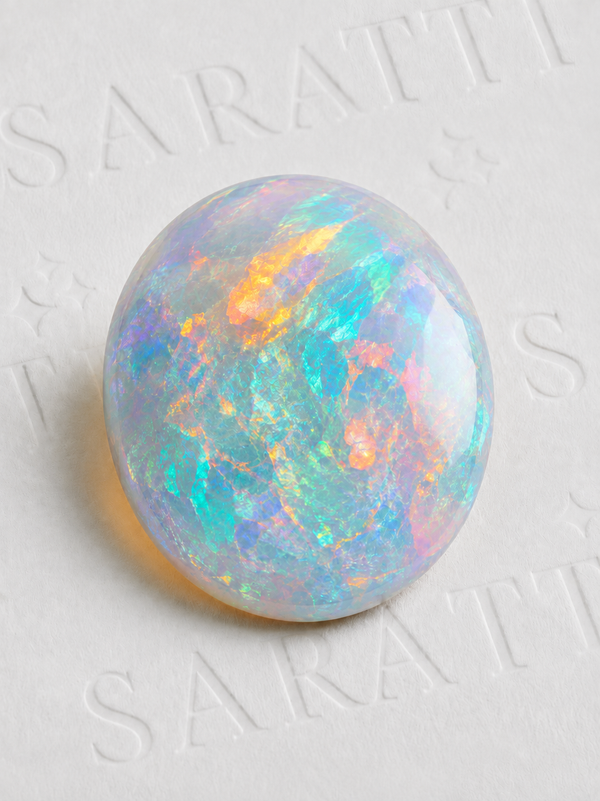
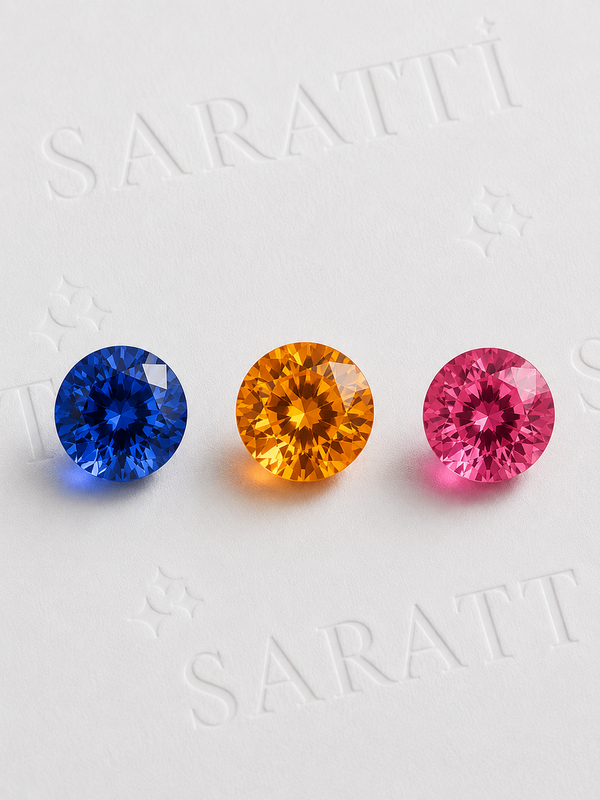
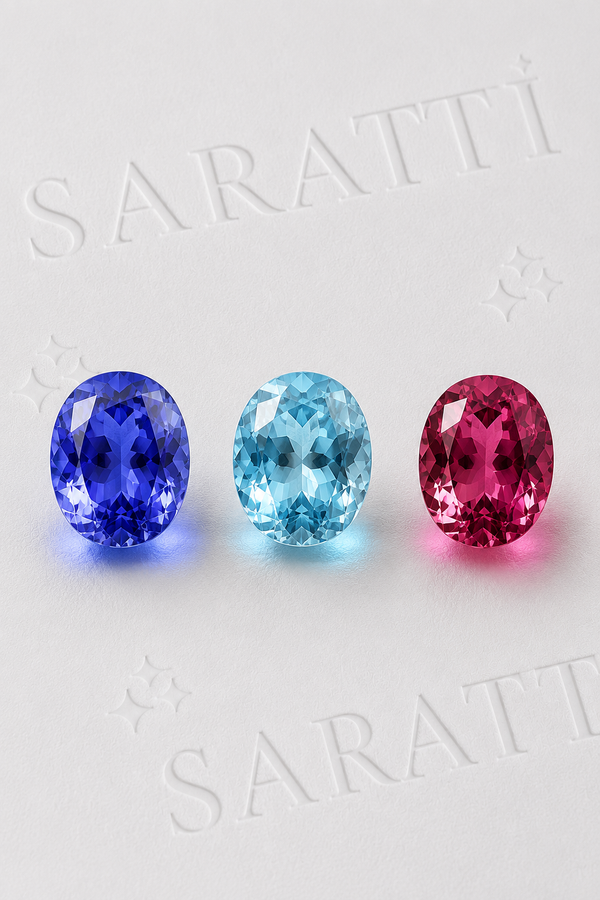
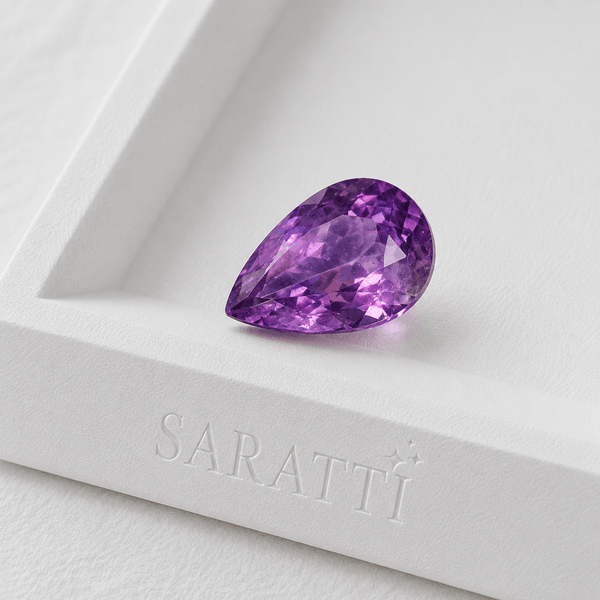
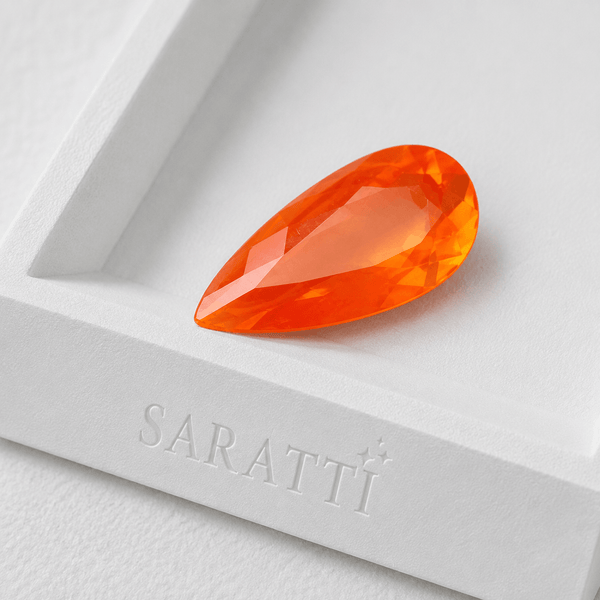
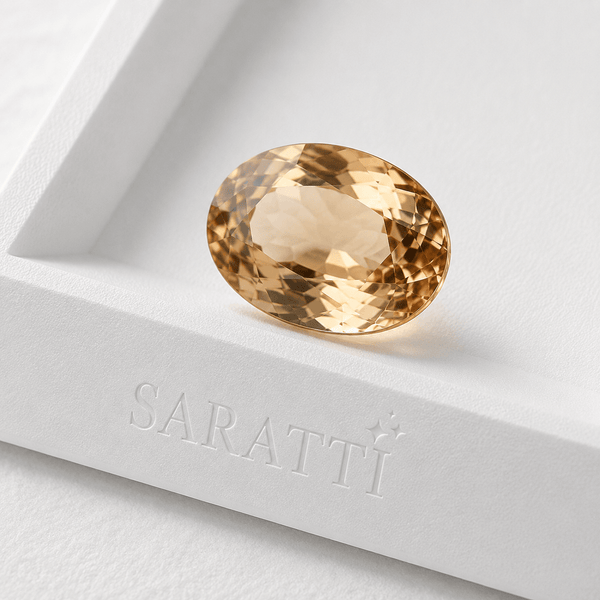
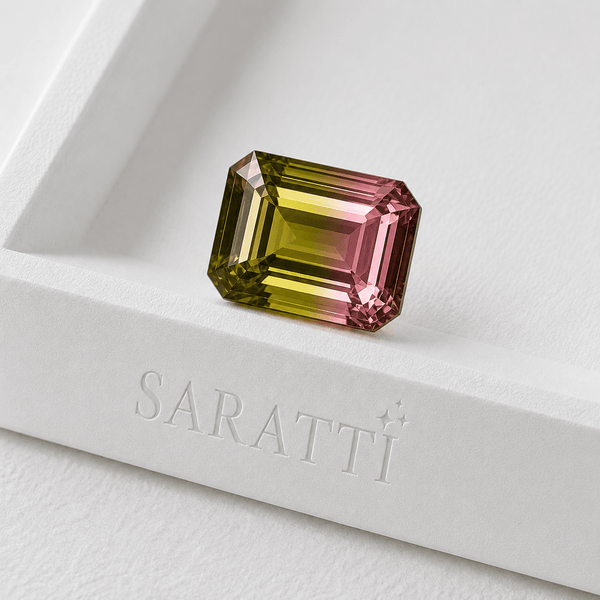
Designed with you. Completed without compromise.

Complimentary Insured Worldwide Delivery

Further Review on Request — SARATTI

SARATTI TRUST & GEMSTONE STANDARD

How SARATTI Grades Gemstones & Diamonds

Every stone is read before it is offered — by identity, colour, cut, clarity, treatment, origin notes, report details, and the way it may live in a finished jewel.

This is the house standard behind SARATTI loose gemstones, diamonds, and bespoke commissions.

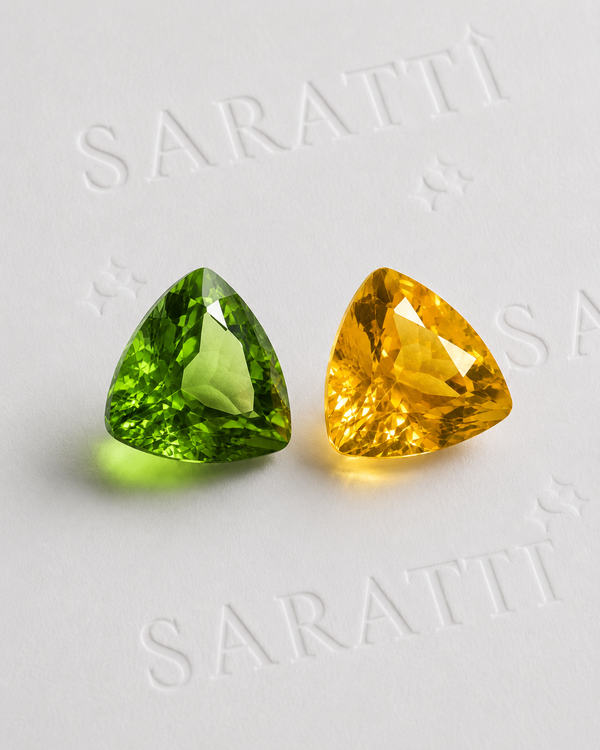
Loose gemstones reviewed before SARATTI selection | SARATTI

The First Reading

A SARATTI review begins with identity. We look at the gemstone family, variety, shape, weight, measurements, visible character, and any document already attached to the stone.

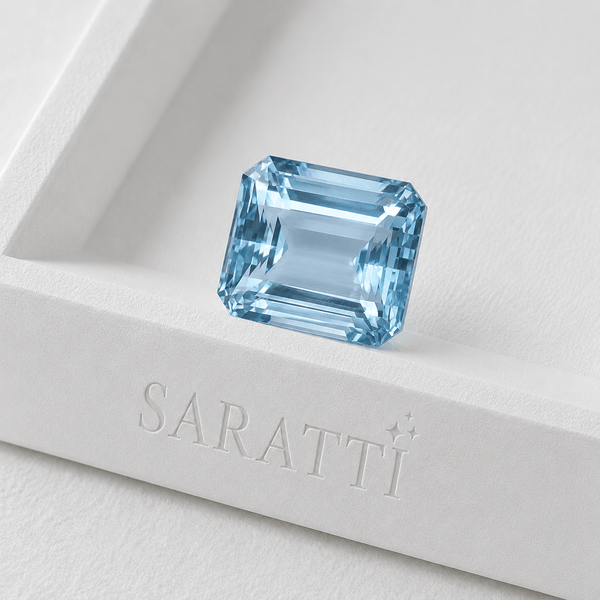
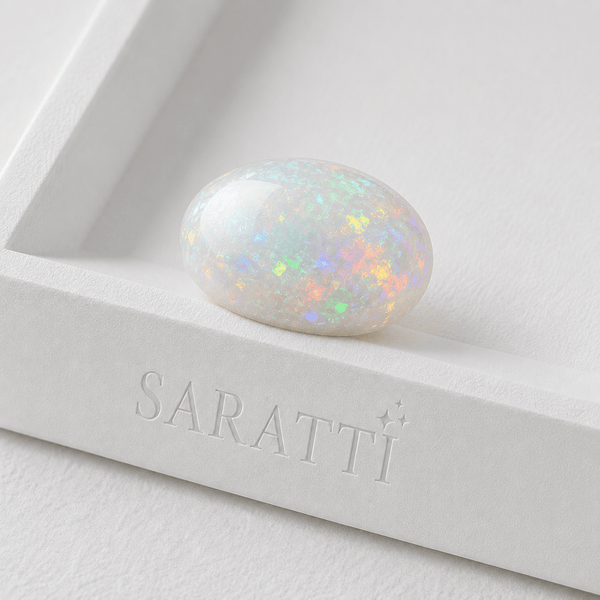
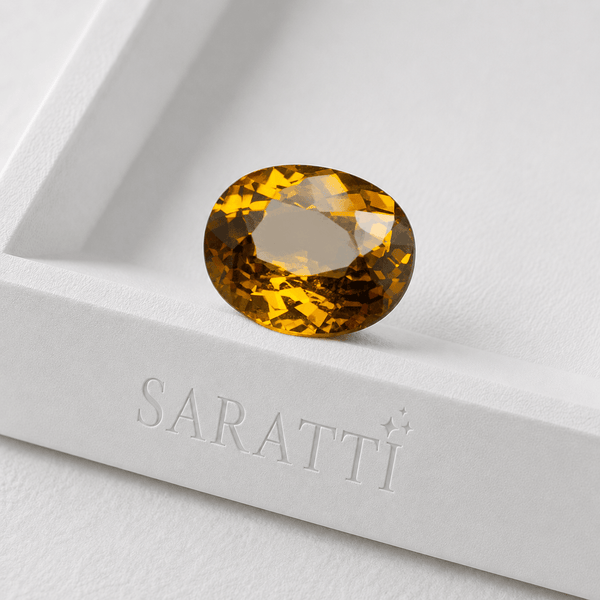
The same discipline applies whether the stone is a sapphire, ruby, emerald, Paraiba tourmaline, aquamarine, tanzanite, spinel, tourmaline, topaz, garnet, opal, diamond, or another coloured stone.

Gemstone certificate and report review showing external laboratory documentation | SARATTI

External Laboratory Reports

Some SARATTI stones carry independent laboratory reports from respected institutions such as GIA, GUILD, AIGS, CGRL, GRS, GRC, and Gübelin.

Where a report is available, it becomes part of the stone's record. SARATTI reviews the report alongside the stone itself, because documentation should support the eye — not replace it.

SARATTI in-house gemstone review before a stone is offered | SARATTI

SARATTI In-House Documentation

Not every loose gemstone is externally certified. Some stones are presented with SARATTI in-house assessment or a SARATTI certificate of authenticity.

This is a house document, not an independent laboratory report. SARATTI is not a gemstone laboratory; our role is to select, review, document, explain, and present each stone responsibly.

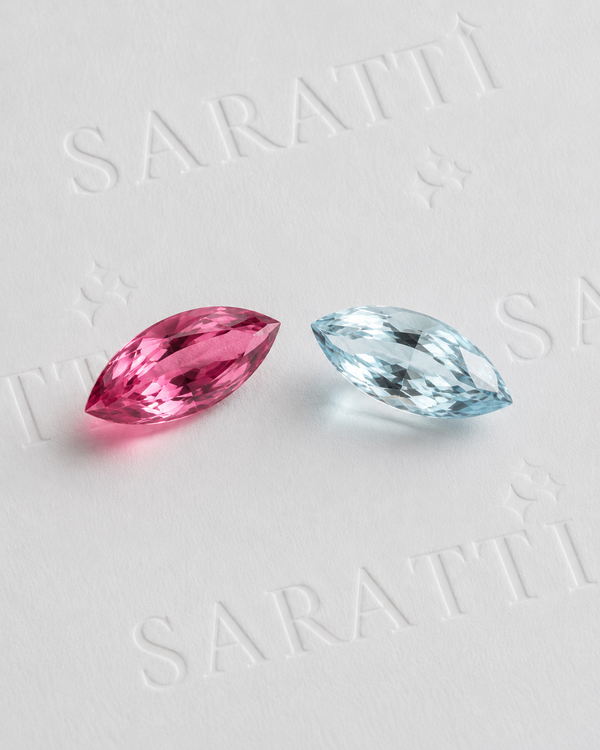
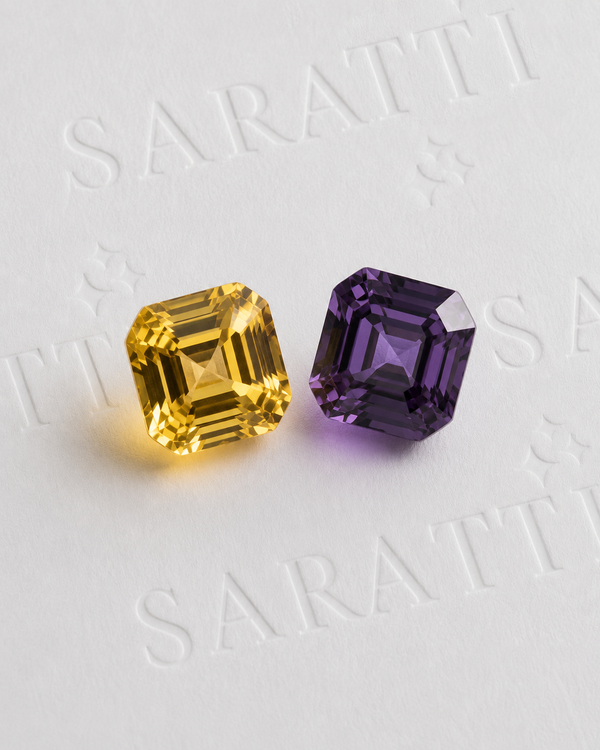
Coloured gemstones selected for colour cut clarity and visible character | SARATTI

Colour, Cut & Clarity

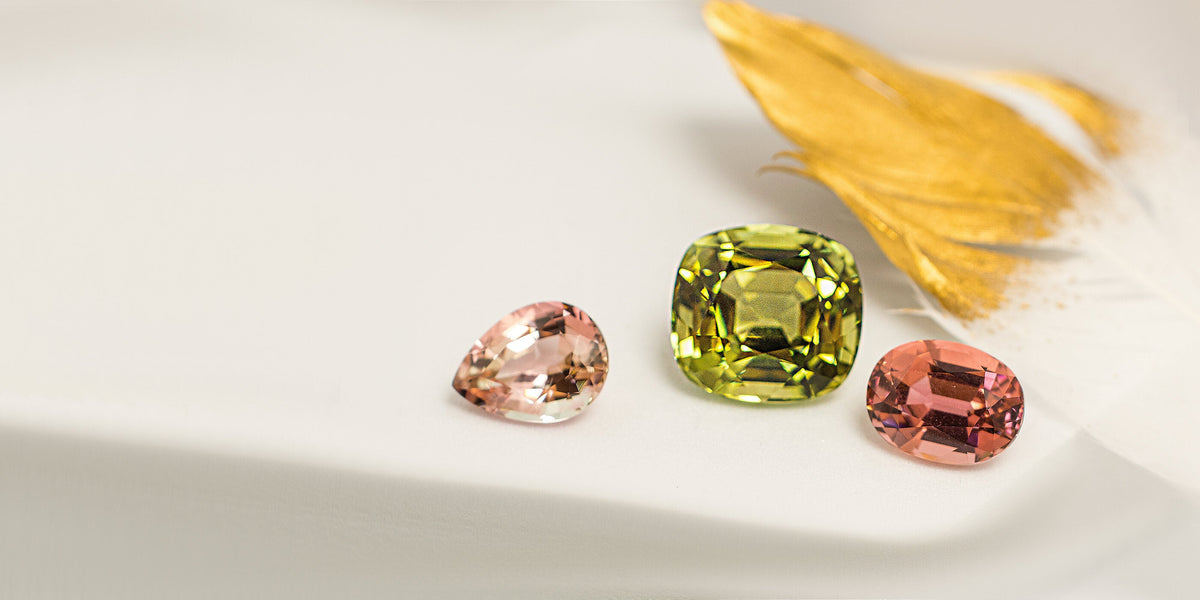
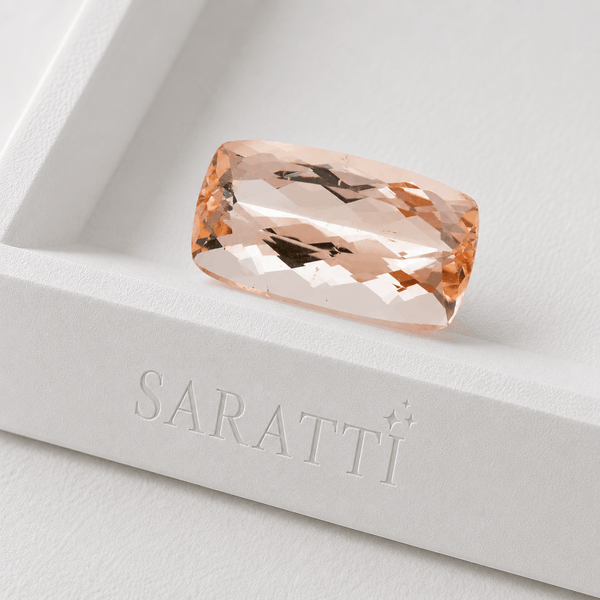
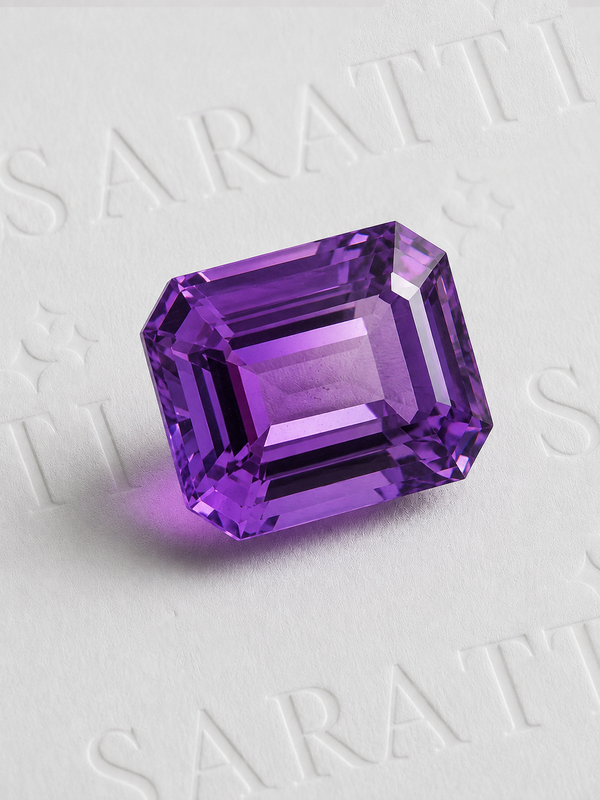
For coloured gemstones, colour is usually the first conversation. We consider hue, tone, saturation, undertone, zoning, and how the stone responds in different light.

Cut is read through outline, table, depth, symmetry, windowing, extinction, brilliance, and face-up spread. Clarity is judged by gemstone type, because an emerald, aquamarine, sapphire, opal, and diamond cannot be understood by one identical standard.

Natural gemstone treatment disclosure before purchase | SARATTI

Treatment & Disclosure

Many natural gemstones are treated in accepted ways. Sapphires and rubies may be heated. Aquamarines are commonly heated in the trade to refine colour. Emeralds may show oil or resin treatment, while no-oil emeralds remain significantly less common.

Where treatment is known or supported by documentation, SARATTI aims to state it clearly. A treatment note should help the client understand the stone, not feel uncertain about it.

Loose gemstones reviewed for origin only where a report supports locality | SARATTI

Origin, Only When Supported

Geographic origin can matter, especially for fine rubies, sapphires, emeralds, Paraiba tourmalines, and other locality-sensitive stones. But origin should never be guessed.

SARATTI states origin only when it is supported by a laboratory report or reliable documentation. A gemstone without origin stated is not automatically false or lesser; many genuine stones are traded without a formal locality statement.

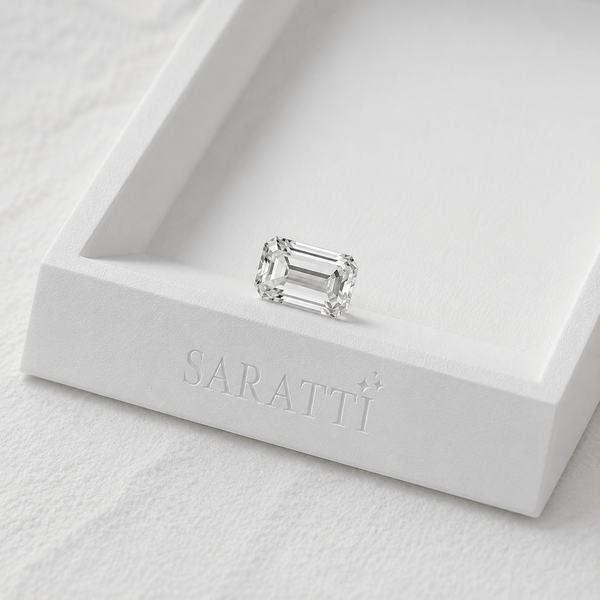
Diamond review with cut colour clarity carat and report details | SARATTI

Diamonds & the 4Cs

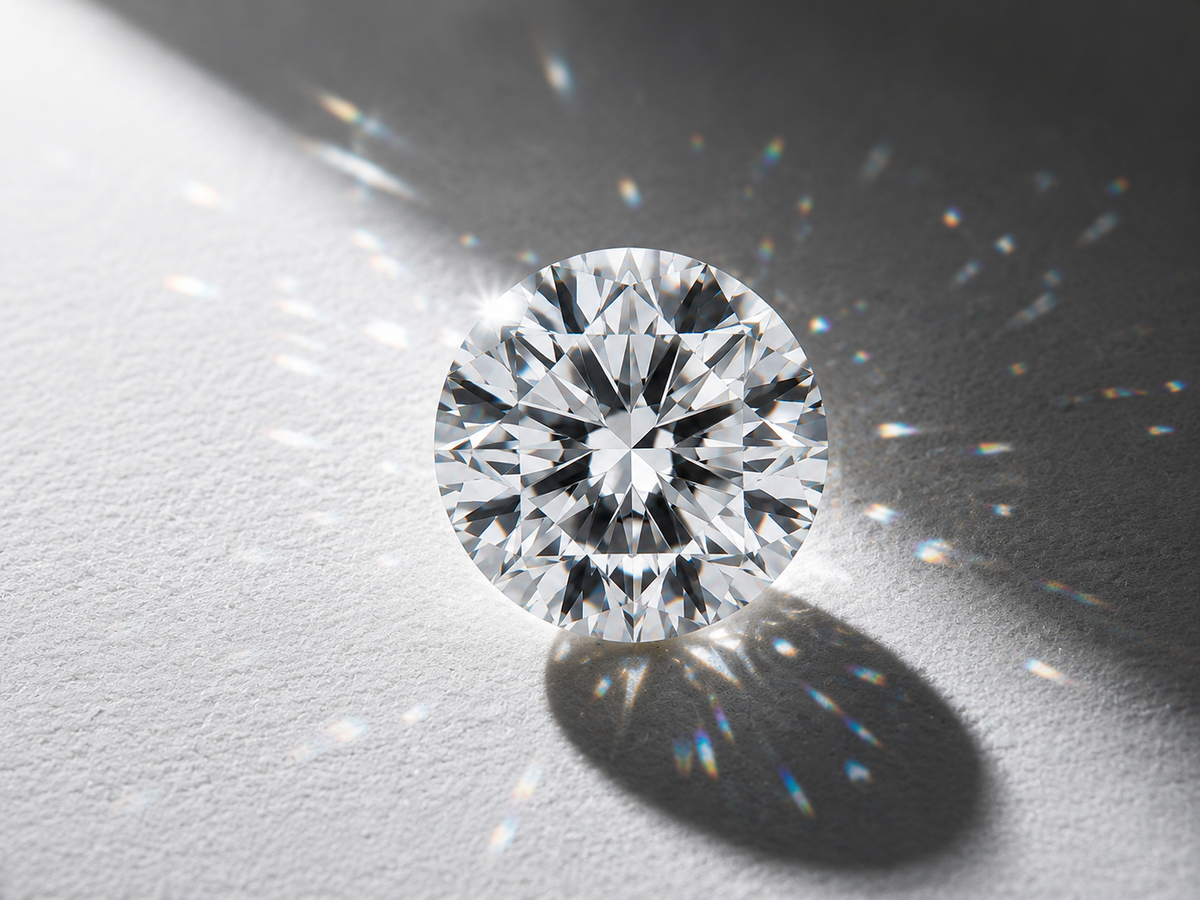
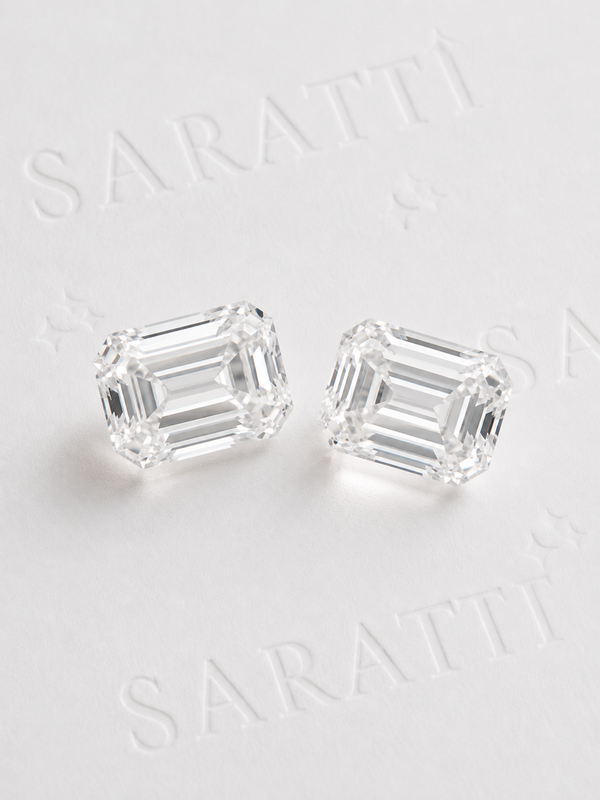
Diamonds follow their own language: cut, colour, clarity, and carat weight. SARATTI also considers polish, symmetry, fluorescence, proportions, report details, and whether the diamond is natural or lab-grown.

A diamond report gives the technical foundation. The final review still asks how the diamond looks, how it performs, and whether it serves the jewel it may become.

Explore Diamond Guides
Additional gemstone certification or recertification review before purchase | SARATTI

Further Review on Request

Where appropriate, a client may request further certification, recertification, or additional laboratory review before purchase. This is most useful for high-value stones, origin-sensitive stones, or gemstones where treatment details require formal confirmation.

The expected cost and timing are confirmed before proceeding. For a faster private review, share the stone with SARATTI and we will guide the next step with care.

Speak With SARATTI

SARATTI STANDARD

Choose With Calm

A gemstone should not be secured in uncertainty. Share the stone privately with SARATTI and we will review its report details, treatment notes, colour, proportions, and suitability before you decide.

Grading Questions

Frequently Asked Questions

Clear answers on reports, SARATTI documentation, treatment, origin, and the way diamonds and coloured gemstones are reviewed.

Are all SARATTI loose gemstones externally certified?

No. Some SARATTI loose gemstones carry independent laboratory reports, while others are presented with SARATTI in-house assessment or a SARATTI certificate of authenticity. The available documentation should be read on the individual stone listing.

Is SARATTI a gemstone laboratory?

No. SARATTI is not an external gemstone laboratory. Independent laboratories provide formal reports where available. SARATTI selects, reviews, documents, explains, and guides each stone responsibly.

Which laboratories may appear on SARATTI listings?

SARATTI listings may include reports from laboratories such as GIA, GUILD, AIGS, CGRL, GRS, GRC, and Gübelin where those reports are available for the stone.

What is a SARATTI Certificate of Authenticity?

A SARATTI Certificate of Authenticity is an in-house document. It may record stone identity, weight, measurements, shape, visible details, and the house assessment available to us. It is not the same as an independent laboratory report.

If a stone already has a laboratory report, does SARATTI issue another certificate?

When a stone already carries a proper independent laboratory report, that report remains the primary document. SARATTI does not need to duplicate independent certification unless a client specifically requests an additional review.

Can I request further certification before purchase?

Yes, where appropriate. Additional certification, recertification, or further laboratory review may be requested before purchase. The expected cost and timing are confirmed before proceeding.

Are treated gemstones still natural?

Yes. A gemstone may still be natural even when treated, provided the material itself is natural and the treatment is represented clearly. Treatment is common in coloured gemstones and should be understood, not hidden.

Are sapphires, rubies, and aquamarines usually heated?

Heating is common and widely accepted for many sapphires, rubies, and aquamarines. The important point is disclosure: when treatment is known or supported by a report, SARATTI aims to present that information clearly.

What does emerald oil treatment mean?

Emeralds often contain natural fissures, so oil or resin may be used to improve appearance. Reports may describe treatment levels such as insignificant oil, minor oil, or no oil. A no-oil emerald is generally the less common category.

Does a gemstone need origin stated to be genuine?

No. Origin is a locality statement, not proof that a gemstone is genuine. Many genuine gemstones do not carry origin on their reports. SARATTI states origin only where it is supported by a report or reliable documentation.

How does SARATTI review diamonds?

Diamonds are reviewed through cut, colour, clarity, carat weight, polish, symmetry, fluorescence, proportions, report details, and whether the diamond is natural or lab-grown. For deeper education, SARATTI's Diamond Guides explain each part of the 4Cs.

Can SARATTI review a stone with me before I decide?

Yes. Share the gemstone privately with SARATTI and we can review its colour, cut, clarity, treatment notes, report details, origin information where available, and suitability for a future ring, necklace, pendant, bracelet, or pair of earrings.