


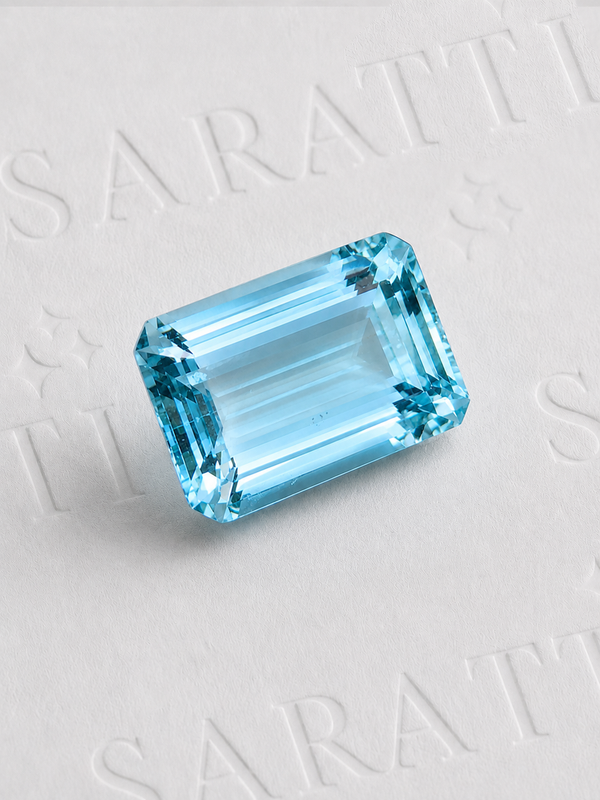
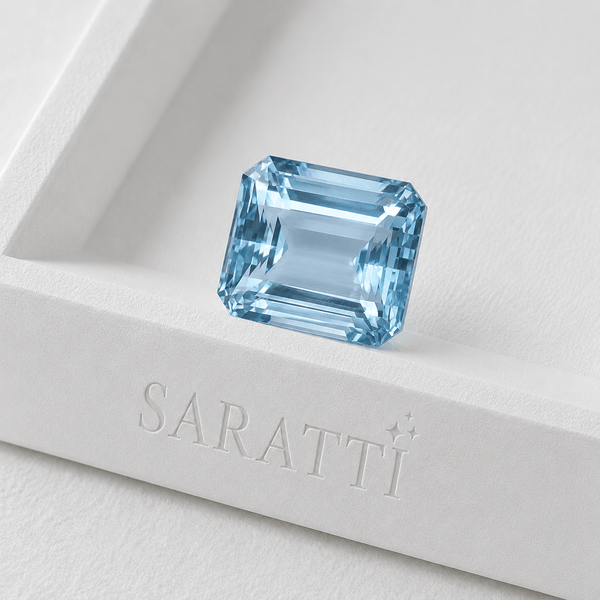


A Guide to Aquamarine Engagement Rings for Brides Who Love Soft Blue Stones
Some blue stones are made to dazzle.Aquamarine is made to calm. Its beauty is softer than a flash of brilliance. It carries the blue of clear water, pale sky, and...

 Engagement Rings
 Gemstone Rings
 Wedding Bands
 The SARATTI Difference
 Gemstone Type
 Shop By Color
Every stone held by the house, listed one at a time.
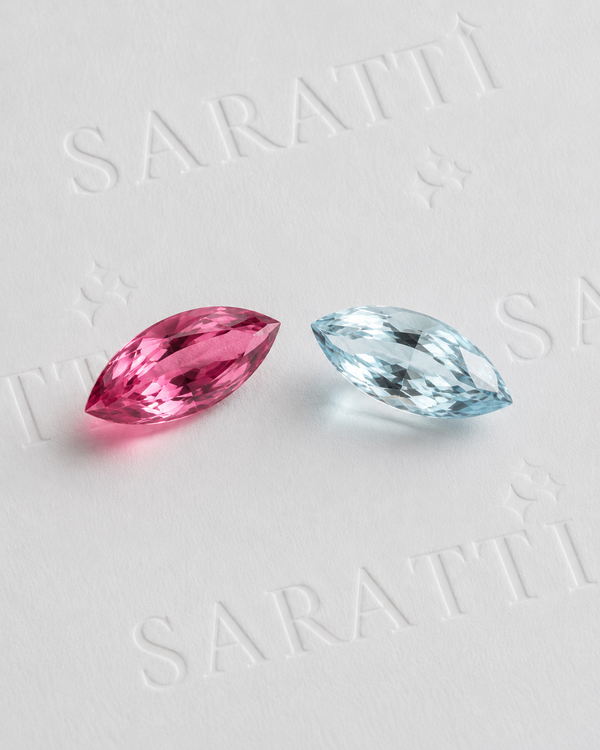
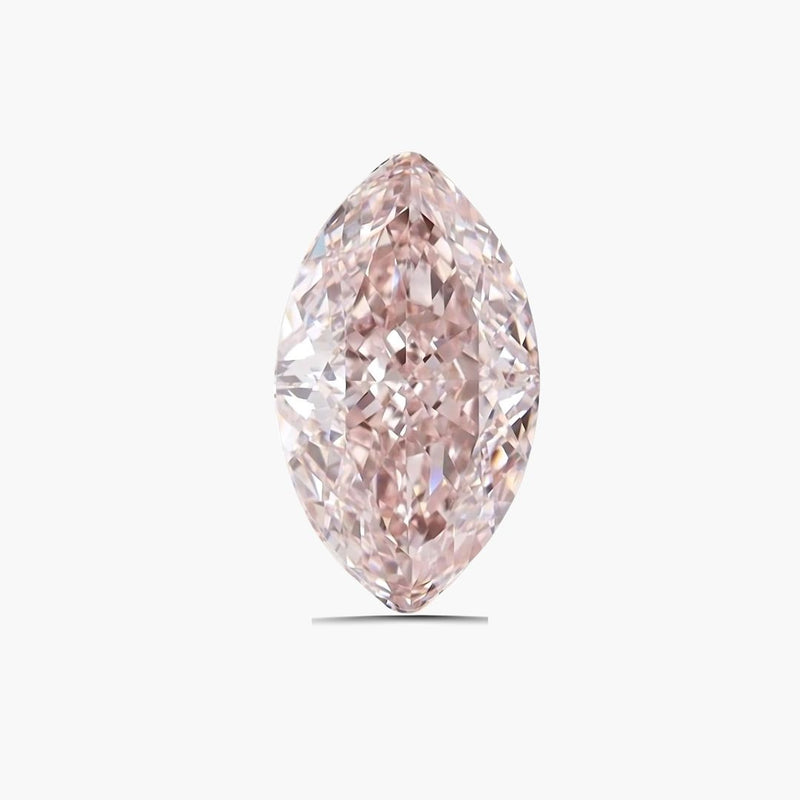
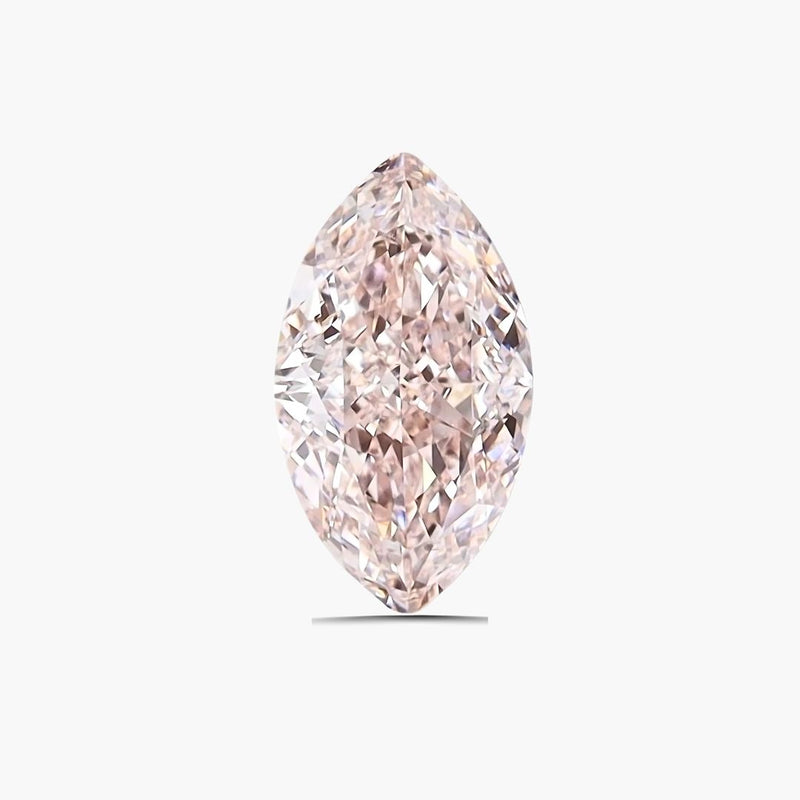
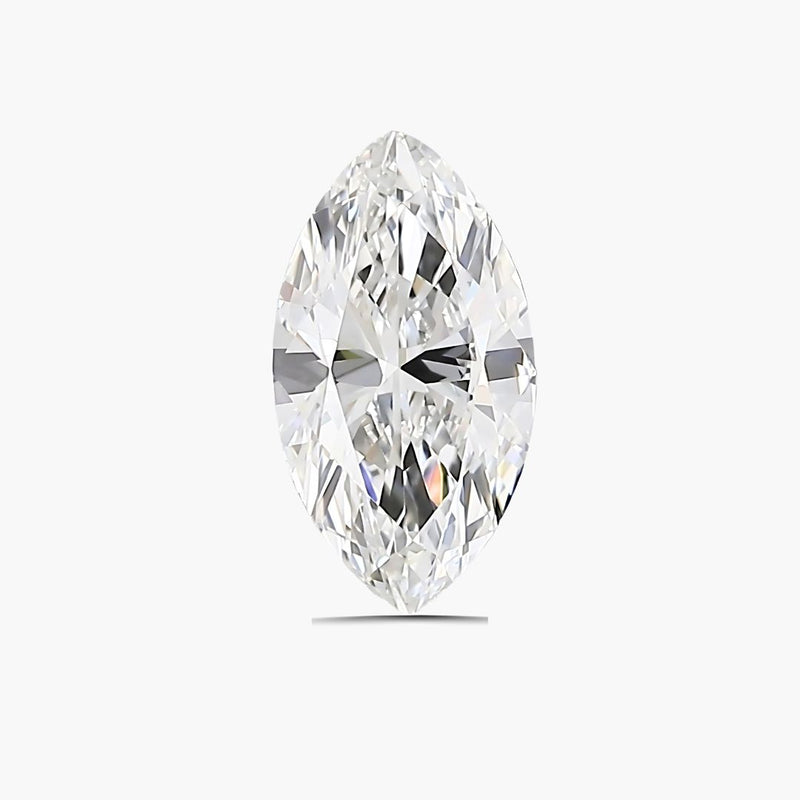
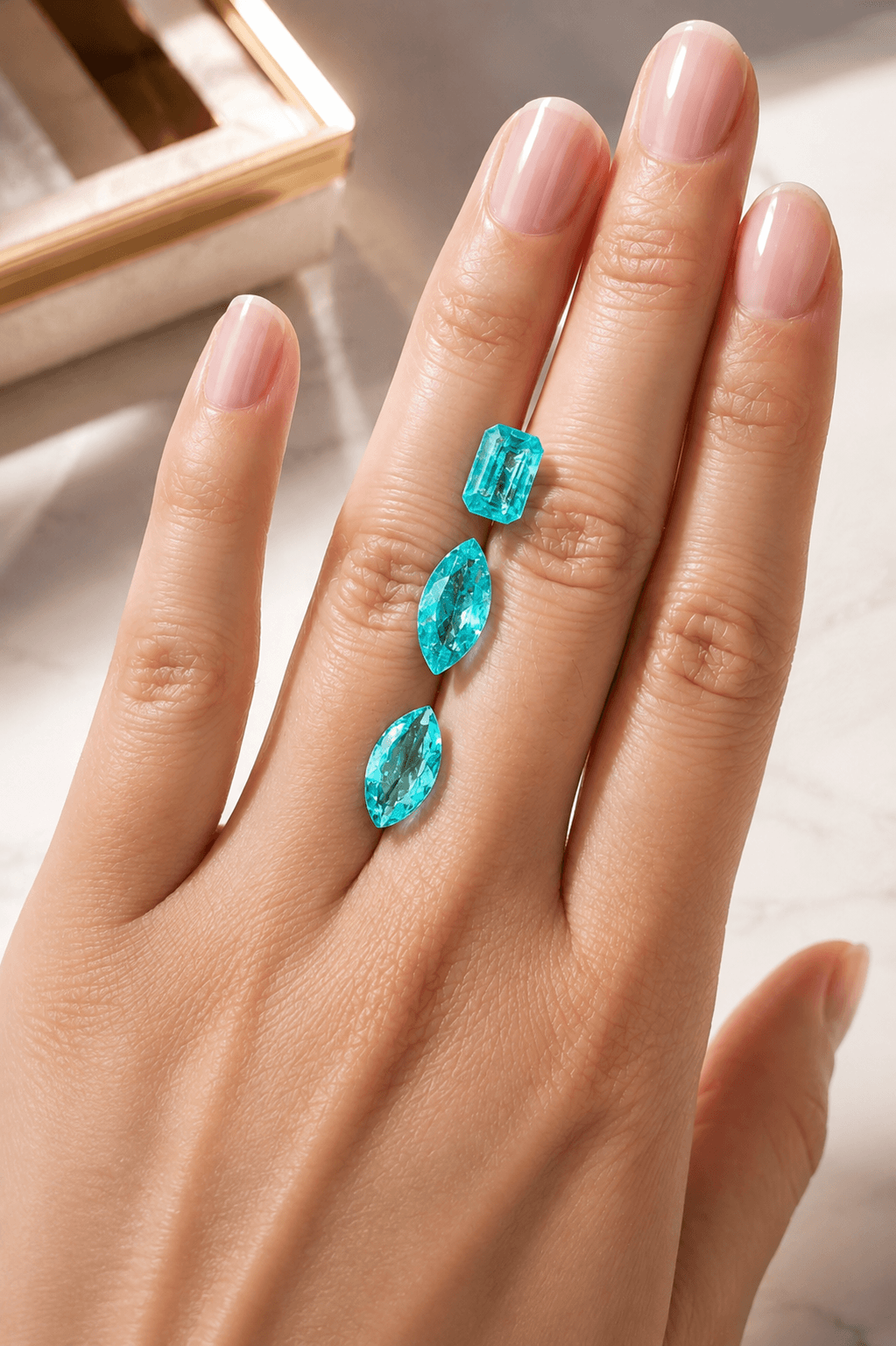
Are you looking for a unique and elegant touch for your jewelry collection? Marquise cut gemstones could be the perfect choice. These gemstones have a distinct, elongated shape that resembles a boat. Their pointy ends and curved sides create a striking appearance. Marquise cut gemstone stand out in any piece of jewelry. Marquise cut gems are not only beautiful but also make fingers look slender when set in rings. They come in various colors, offering options for every taste. Ideal for those who love a blend of classic and modern styles. These gemstones add an air of sophistication to any outfit. If you have a custom design in mind. Feel free to request a complimentary quote or chat with our online support team for assistance.

 GUILD
GUILD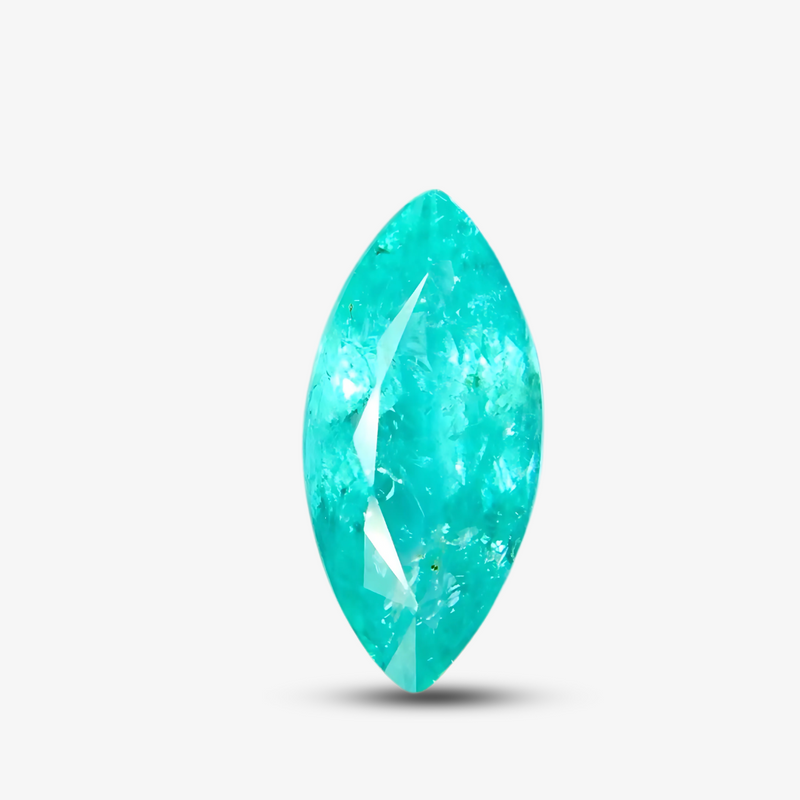
 GIA
GIA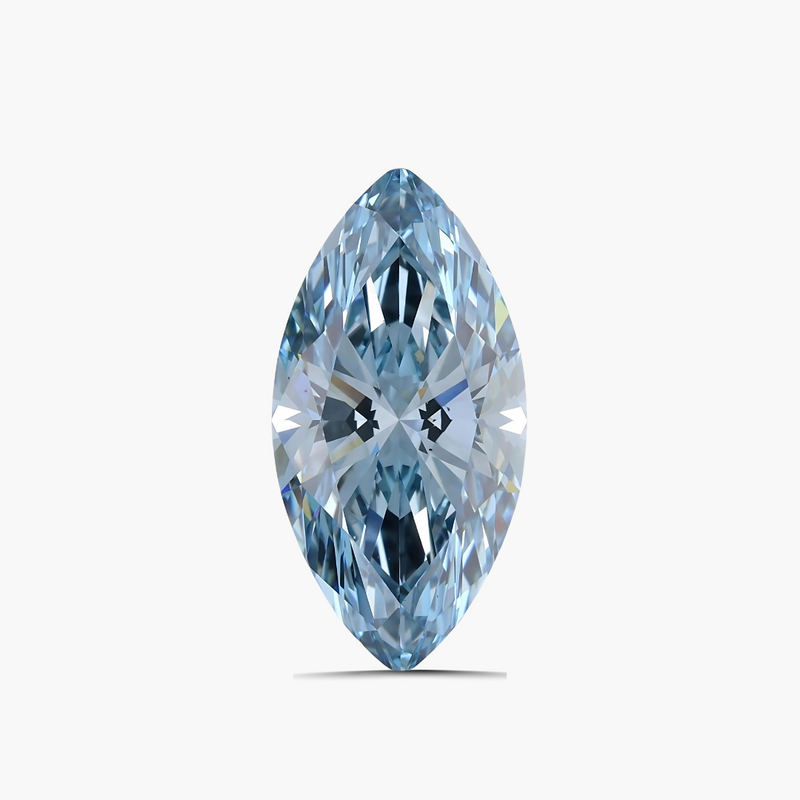
 GIA
GIA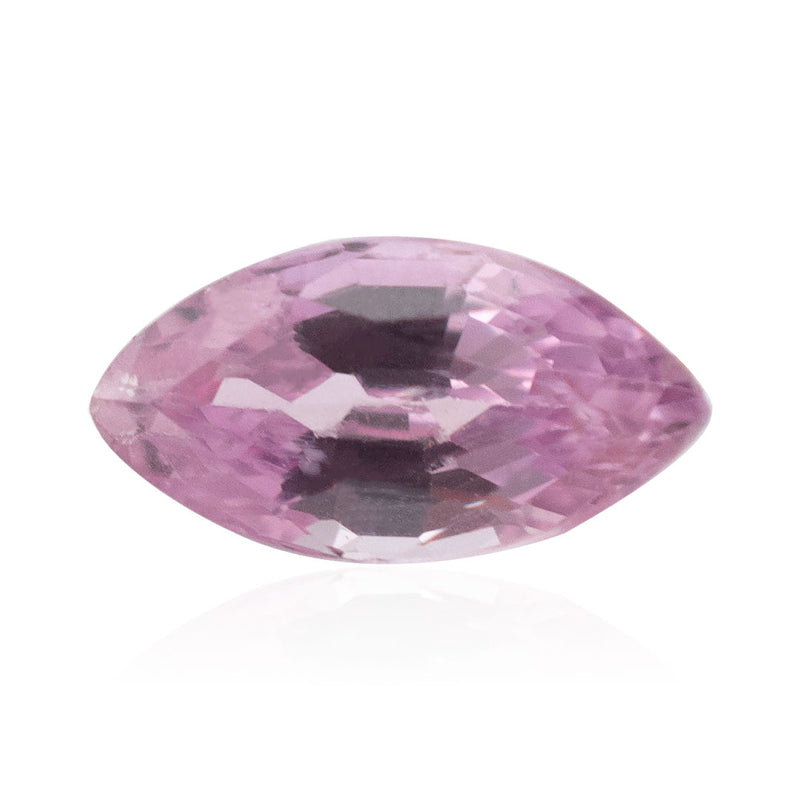
Our online collection is only part of what is available. Many more gemstones are held privately, including stones that may never appear on the website.
Tell us what you are looking for — or simply send us a photograph of something you love.
Our gemologists will personally select stones from the wider SARATTI collection for you to consider.
Not sure exactly what you want? Send us a photograph, a color you love, or simply ask.
No question is too small.
No request is too specific.
Chosen loose, certified where applicable, and shipped insured. Yours to keep, collect, or set later.
Browse Loose Stones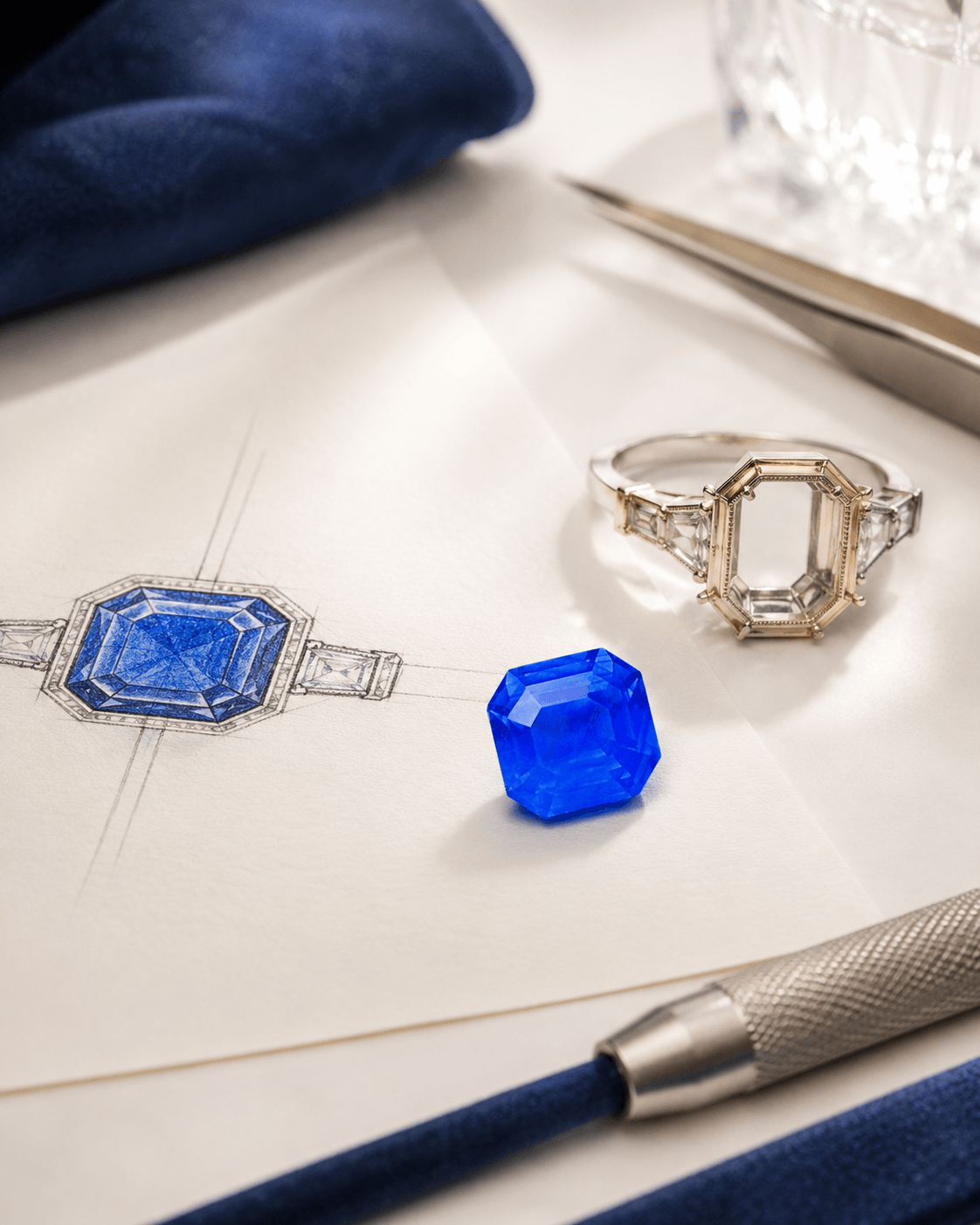
A setting designed around the gemstone and no other. Thoughtfully made, and reviewed with you before anything begins.
Begin a Commission
Some blue stones are made to dazzle.Aquamarine is made to calm. Its beauty is softer than a flash of brilliance. It carries the blue of clear water, pale sky, and...

Choosing an emerald engagement ring is a deeply personal decision. It is not only about choosing a beautiful green gemstone, but also about understanding how emeralds behave, how they are...

Blue gemstones can look similar at first glance, but they do not belong to the same value category. That is exactly why Paraiba Tourmaline and Aquamarine are compared so often....

Blue gemstones often look similar at first. That is why Paraiba Tourmaline and Aquamarine are compared so often. Both can appear fresh, elegant, and full of light. Both also sit...

Fine jewelry becomes more meaningful when it feels personal. Not just beautiful, but intentional. The kind of piece that reflects mood, emotion, and identity rather than simply adding sparkle. That...

A tennis bracelet does not need a loud design to feel unforgettable. It sits close to the wrist. It moves softly. It catches light in one clean line. That is the beauty...

At first glance, it is easy to understand why aquamarine and Paraiba tourmaline are often compared. Both are blue gemstones. Both feel luminous. Both belong to that part of the...

What if a diamond could hold the blue of the ocean, the warmth of sunlight, or the soft blush of a rose? That is the world of fancy colored diamonds. They are...
Yes, and it is the shape's principal advantage. Carat is weight, not size, and weight held in the pavilion below the girdle does nothing for apparent size. A marquise is long, narrow and comparatively shallow, so more of its weight sits in the visible outline. Face-up it presents the largest area per carat of the common shapes, reading noticeably larger than a round and larger than an oval or cushion of identical weight.
The practical range runs from about 1.75 to 2.25, with 2.00 as the classic proportion. Below roughly 1.80 the stone reads as a fat oval with points added, losing the sweep that makes the shape worth having. Above about 2.20 it becomes dramatic and slender, but the points grow thinner and the bow-tie usually worsens. Carat weight reveals none of this, so work the ratio out from the measurements before committing.
The outline tapers to nothing at each end, so both points are thin, shallow and unsupported by any curvature that would spread a knock. A marquise therefore carries twice the vulnerability of a pear. The protection is a V-claw at each point, a claw shaped to a V that wraps and covers the tip rather than sitting beside it. This is not a preference but a requirement, and a bezel is safer still.
A bow-tie is a dark band across the width of an elongated stone at its widest point. Facets across the middle need light from a narrow band of high angles, and the wearer's own head blocks exactly those angles, so the observer's darkness is returned instead. Almost every marquise shows some. Severity is the real question: a slight one that moves and breaks up as the stone tilts is normal, a wide static bar is a cutting fault.
Check four things. Both points must sit on the long axis rather than offset to one side, and must be equal to each other in length and sharpness. The two halves must mirror across both axes. The widest part of the outline must fall at the centre of the length, not a third of the way along. And the shoulders must match in curvature. A marquise reveals asymmetry faster than any shape except the heart.
The shape follows elongated rough, so it suits species that grow in long prisms: tourmaline, aquamarine and beryl generally, and kunzite. Sapphire and ruby take it safely because they are hard and lack cleavage. Brittle and cleavage-prone material is a poor choice given two exposed points, which rules against emerald, tanzanite, topaz and opal. Strongly pleochroic species can work well, since the long axis often follows the crystal's own axis, but orientation must be checked.
Take the measurements and calculate the ratio yourself. Inspect both points under magnification for existing abrasion or a tip cut blunt to hide damage. Look face-up in even daylight for windowing through the belly and extinction at the ends, and watch how the bow-tie behaves as the stone moves. Confirm symmetry across both axes. Photographs are routinely retouched, so insist on unedited video, and plan the setting alongside the stone.