


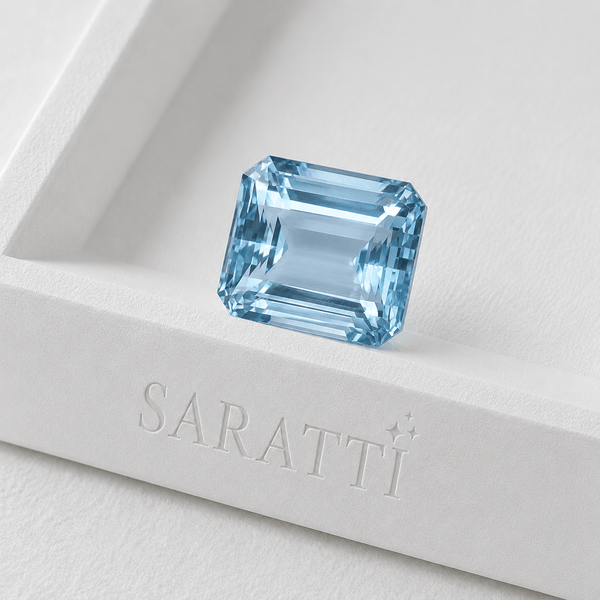










A Guide to Aquamarine Engagement Rings for Brides Who Love Soft Blue Stones
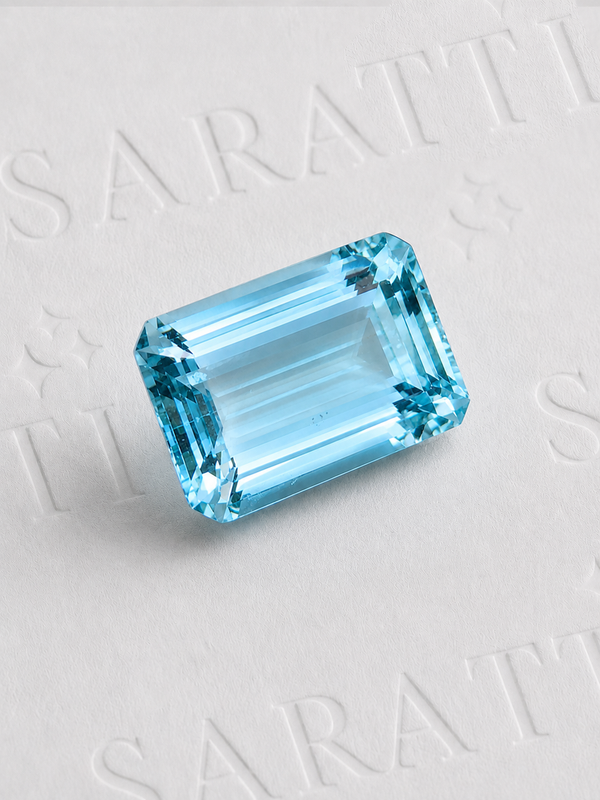
Some blue stones are made to dazzle.Aquamarine is made to calm. Its beauty is softer than a flash of brilliance. It carries the blue of clear water, pale sky, and...

 Engagement Rings
 Gemstone Rings
 Wedding Bands
 The SARATTI Difference
 Gemstone Type
 Shop By Color
Every stone held by the house, listed one at a time.
Soft edges and timeless charm.
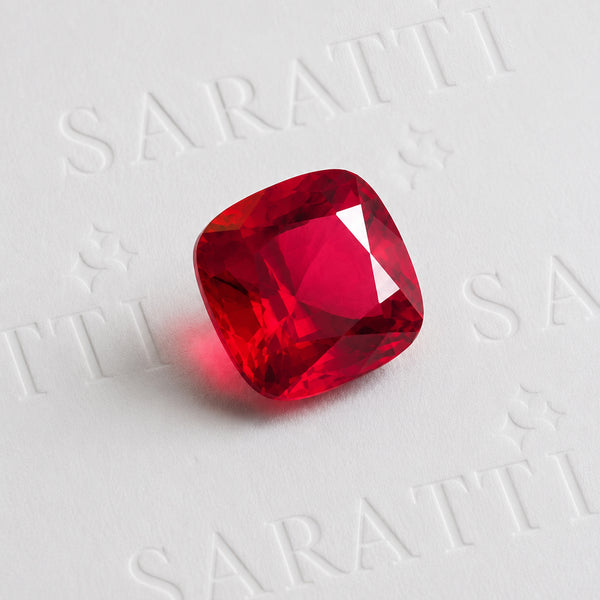
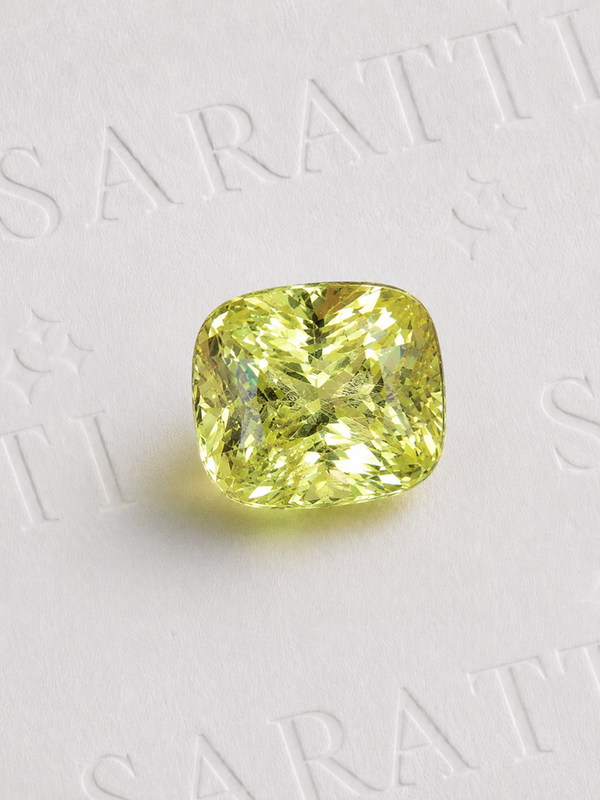
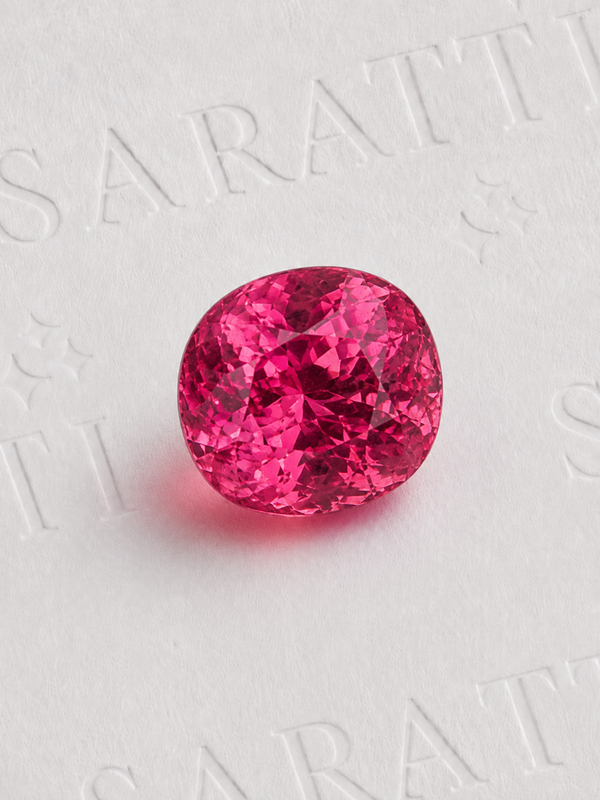
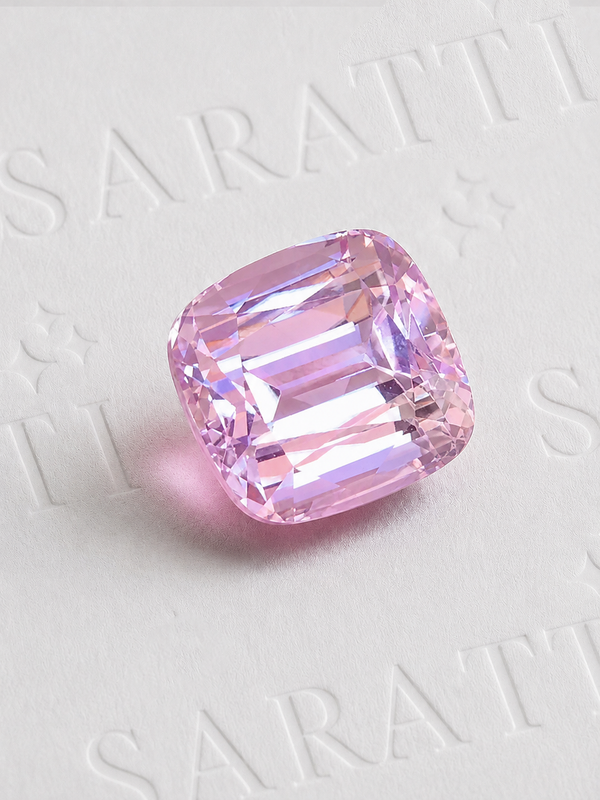
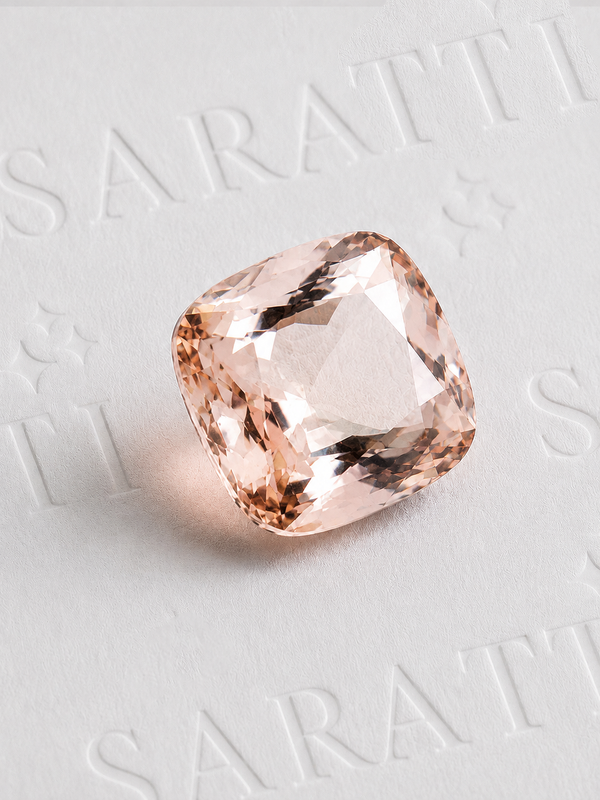
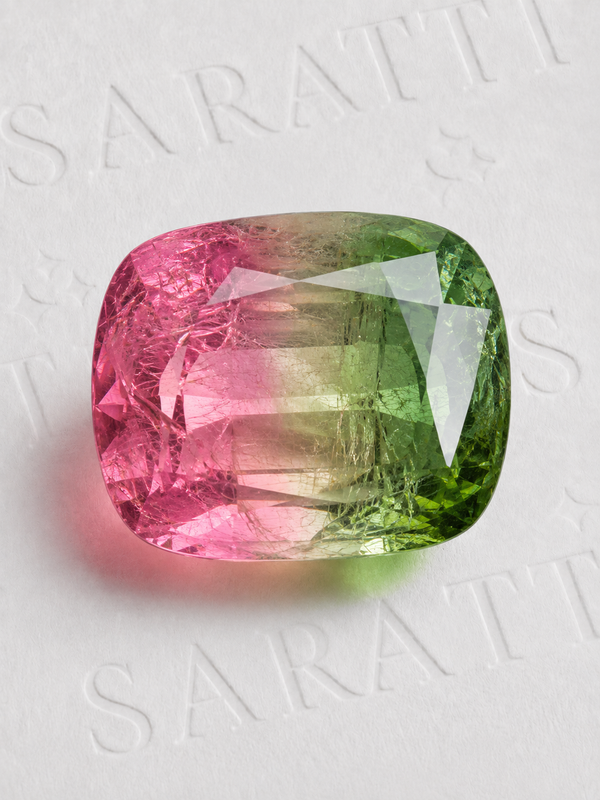
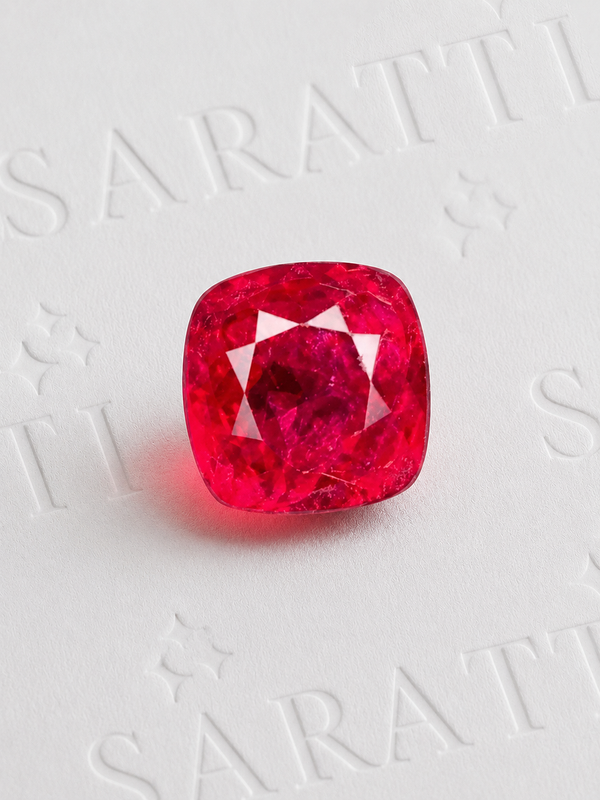
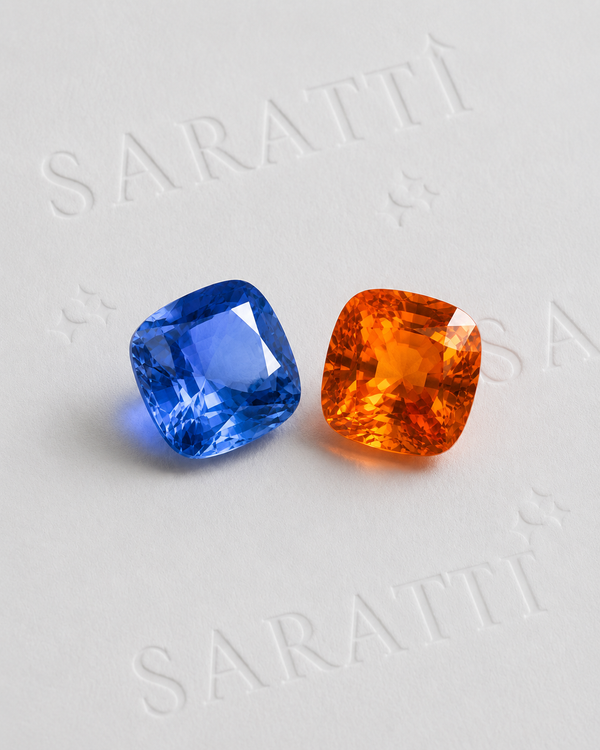
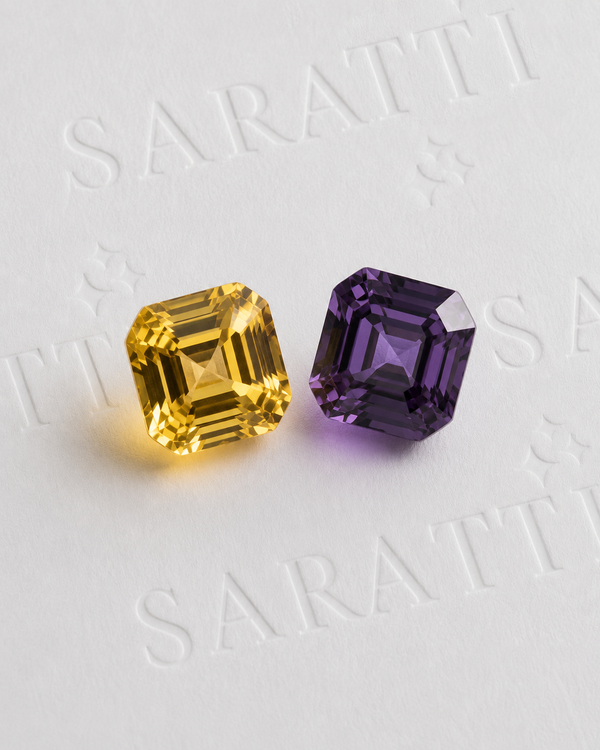
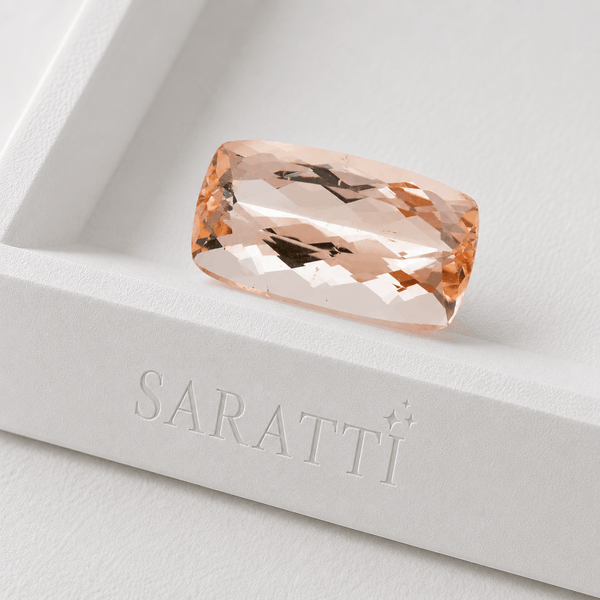
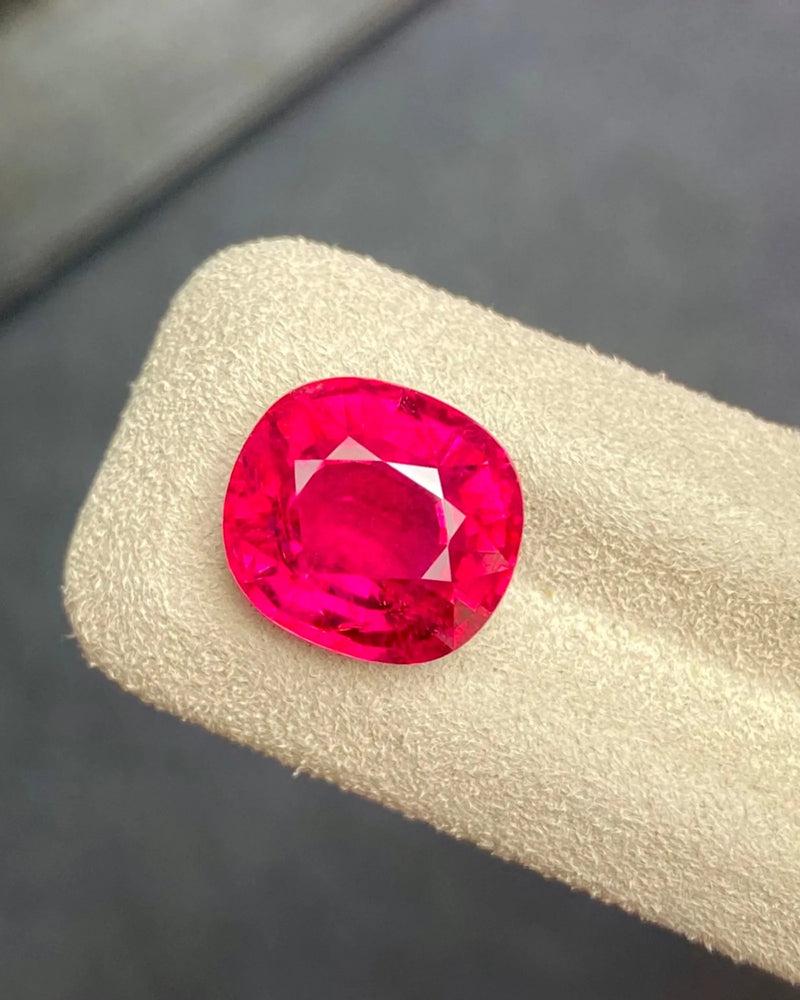
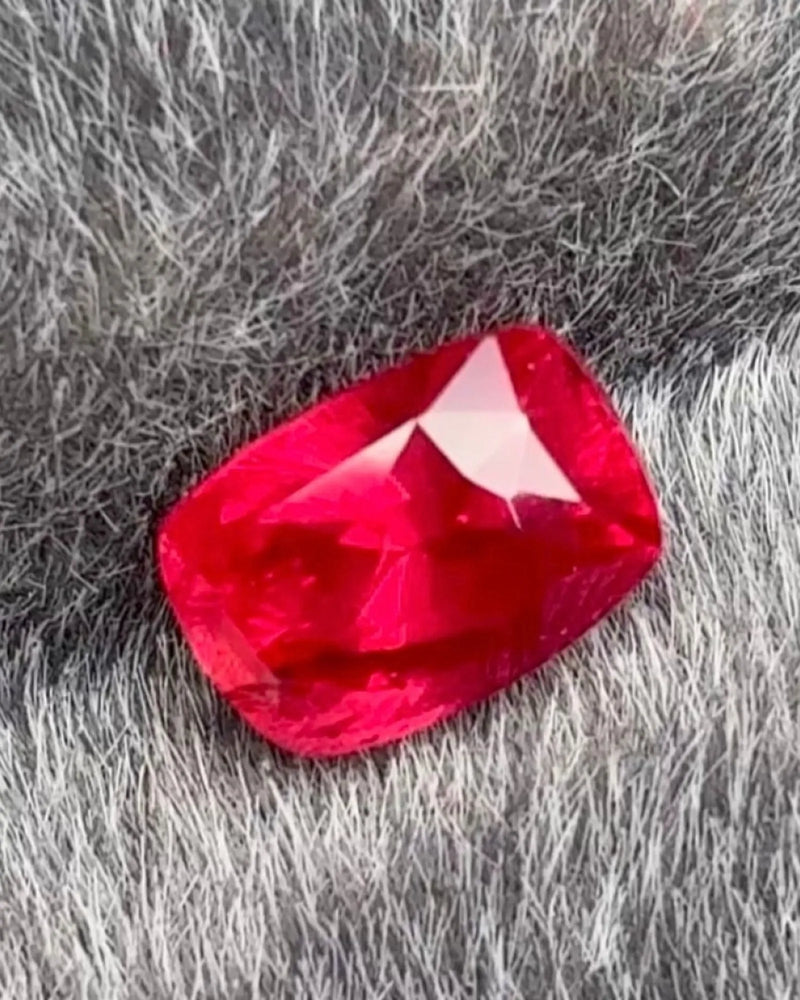
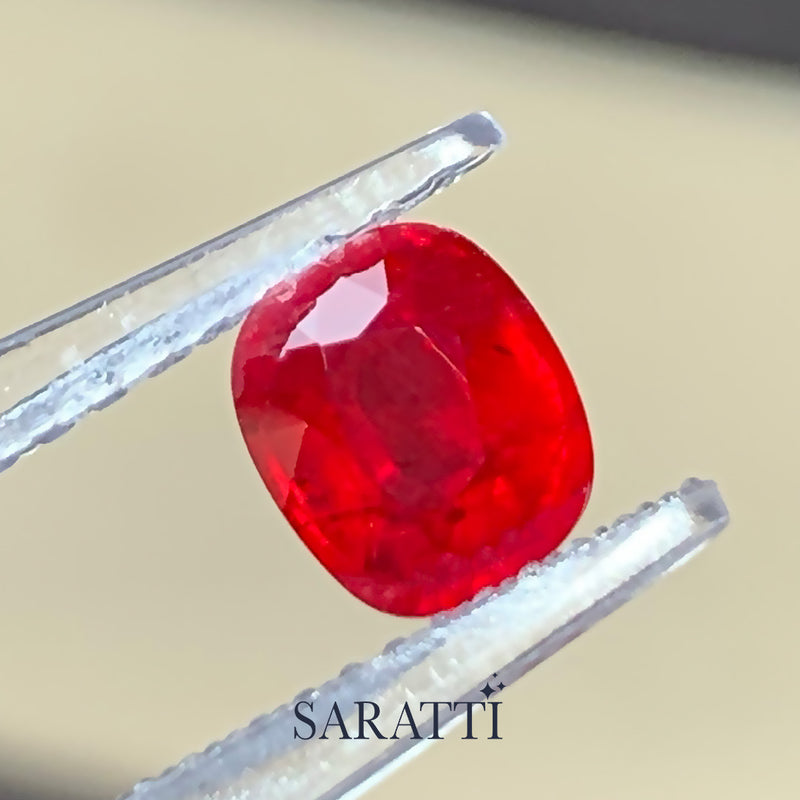
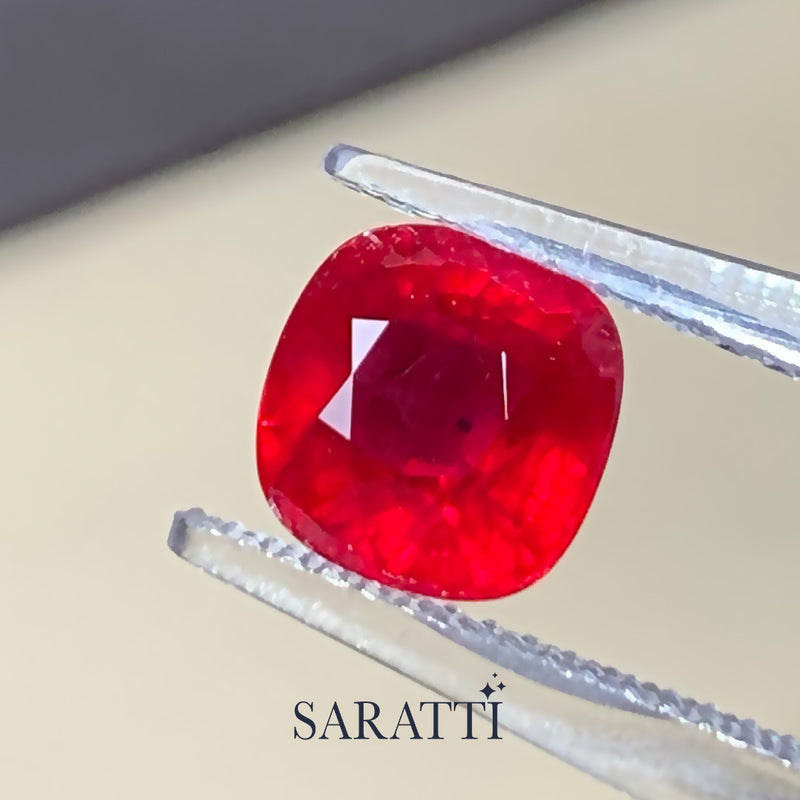
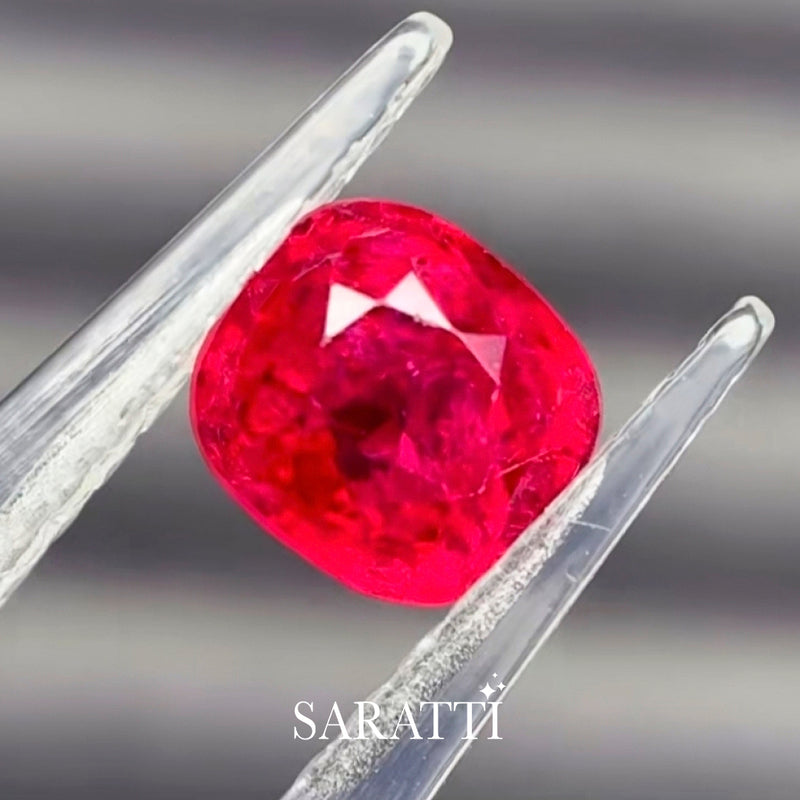
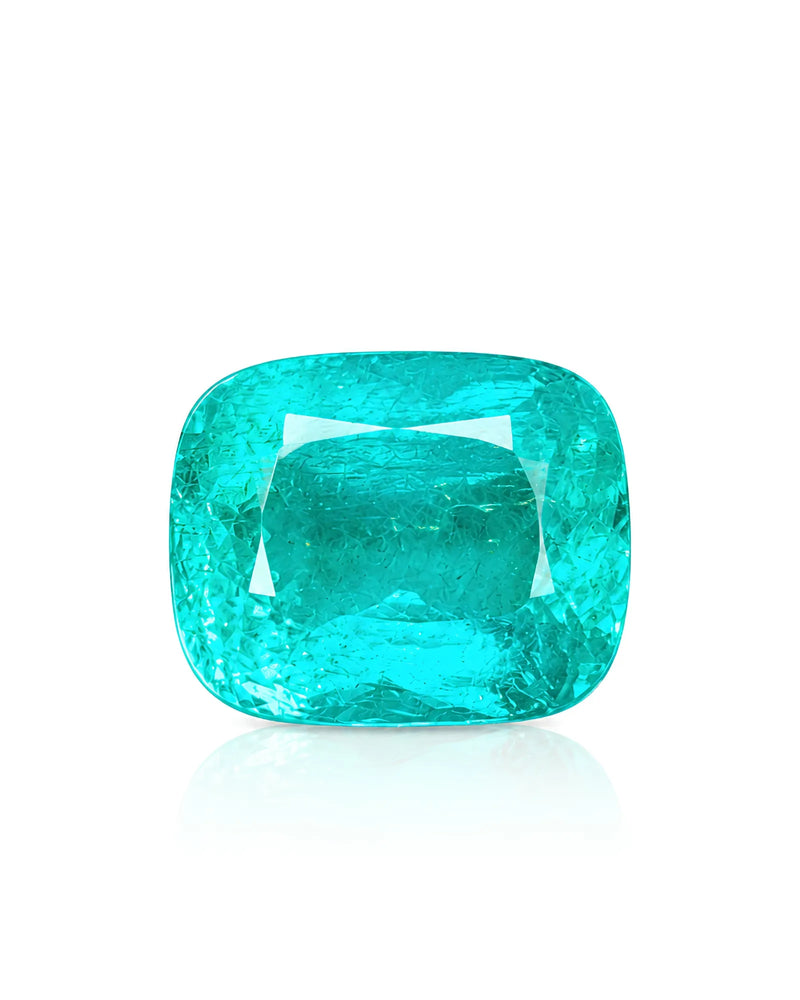
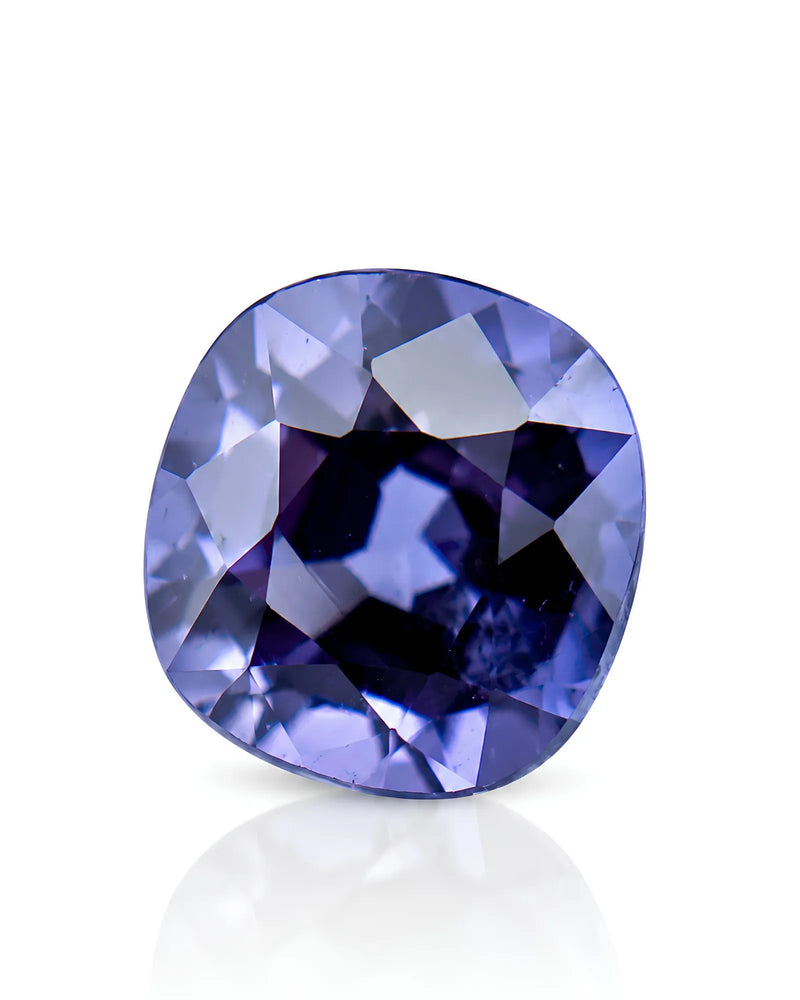
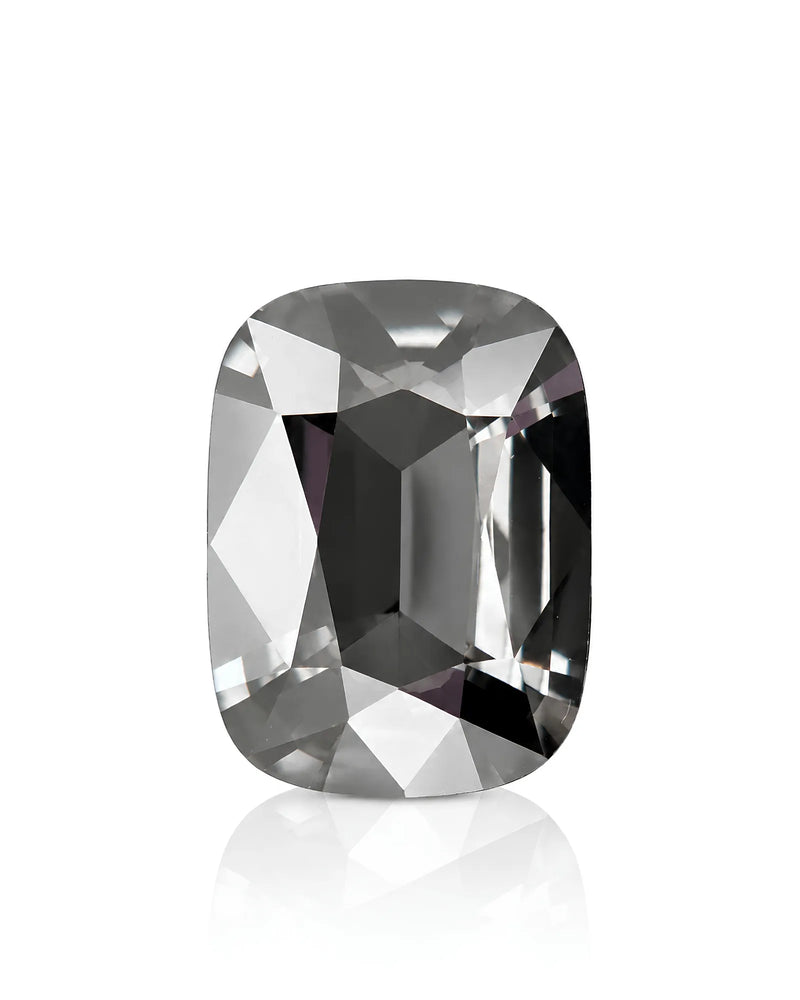
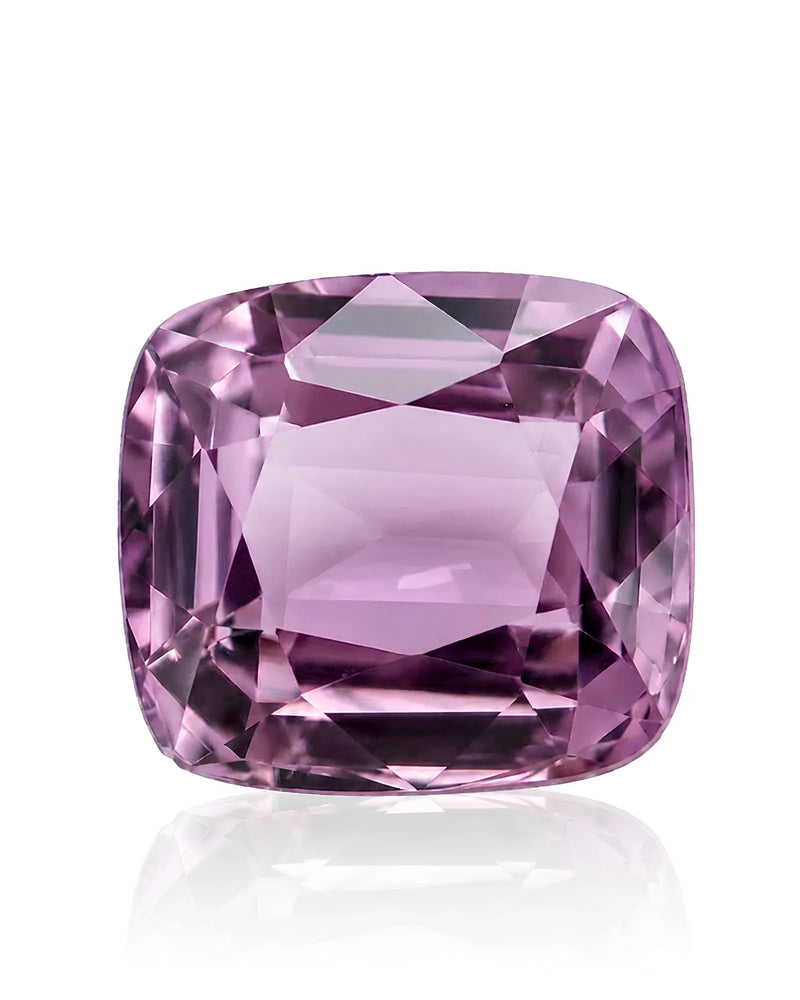
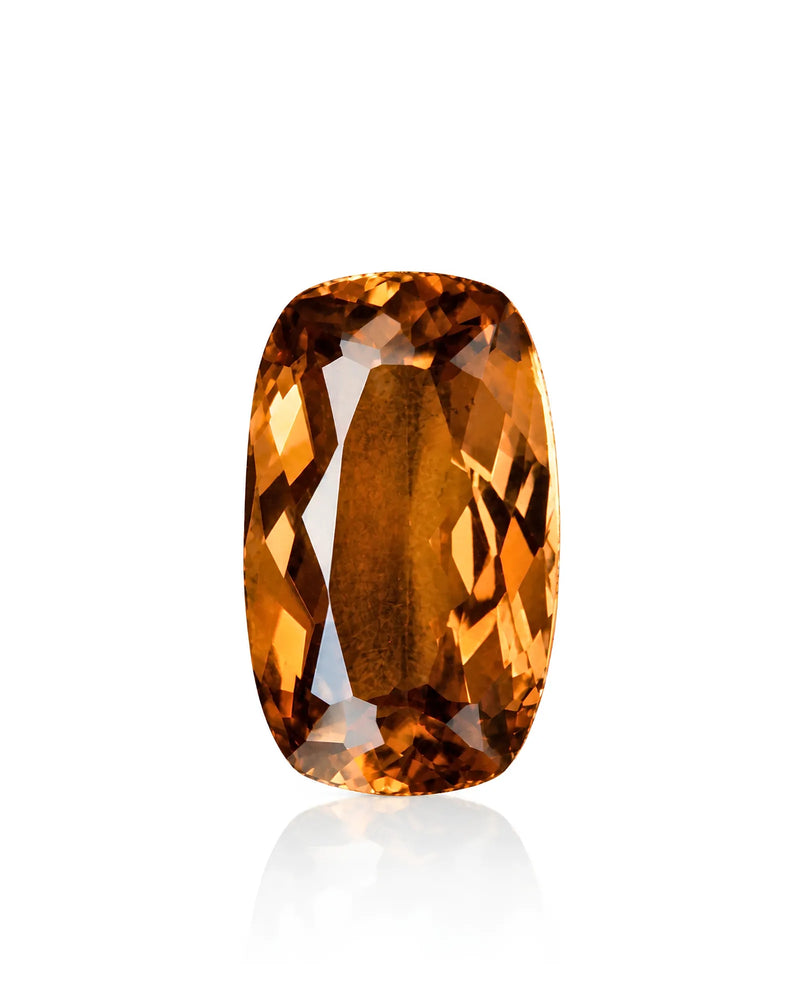
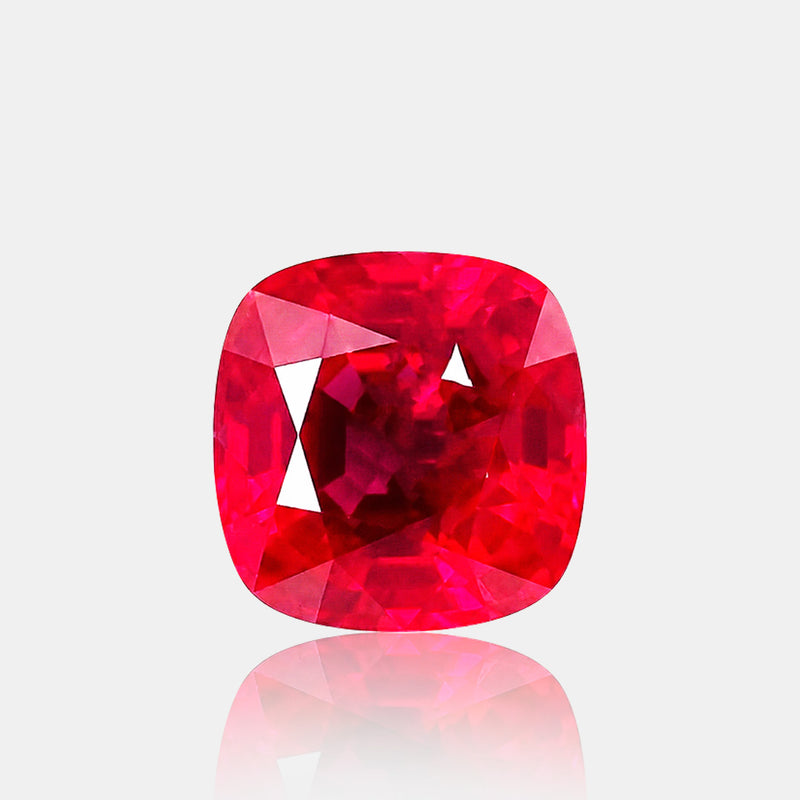
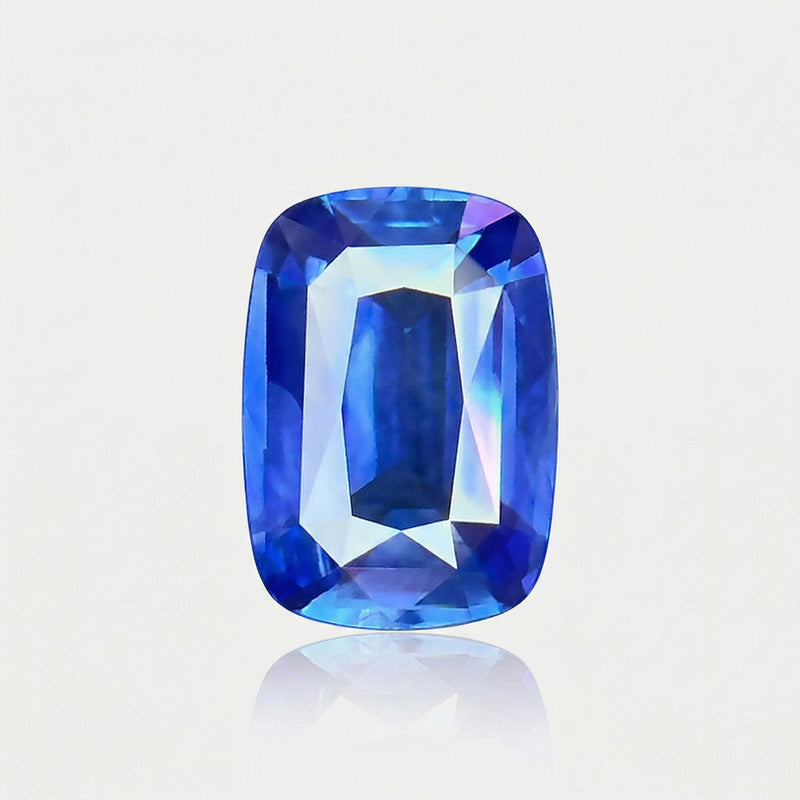
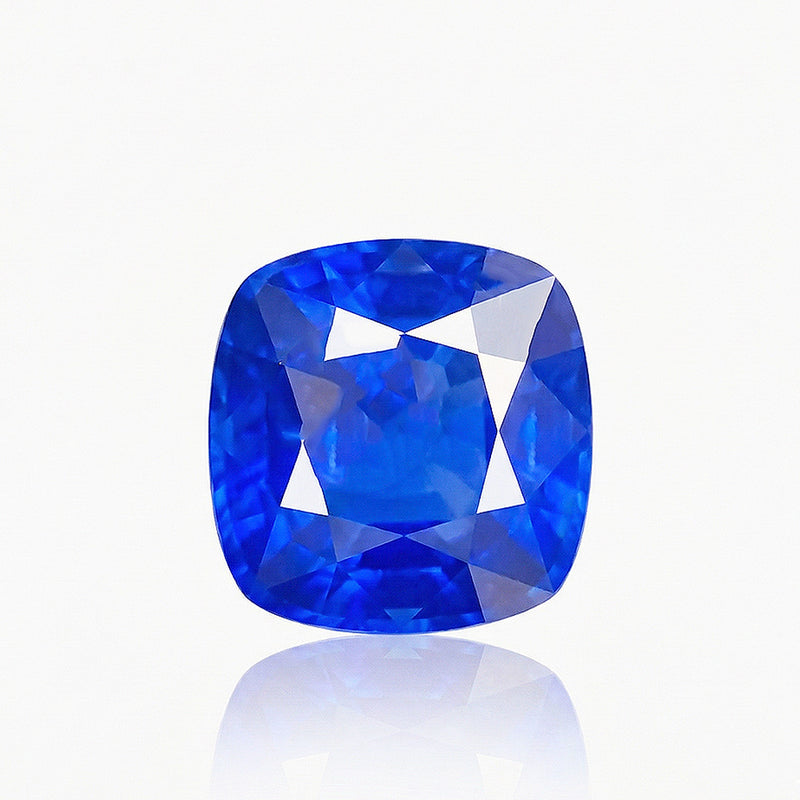
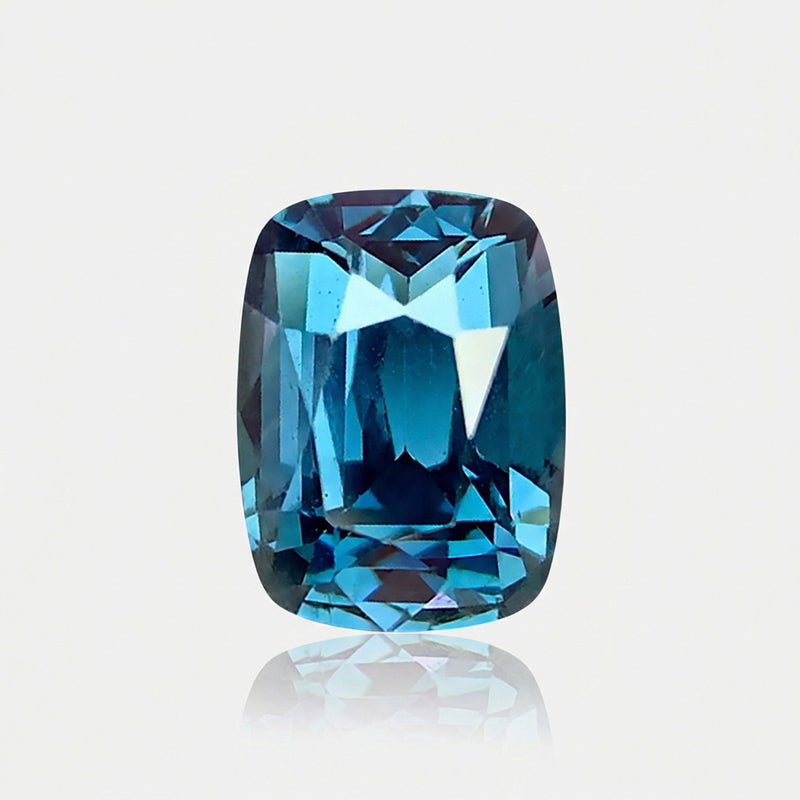
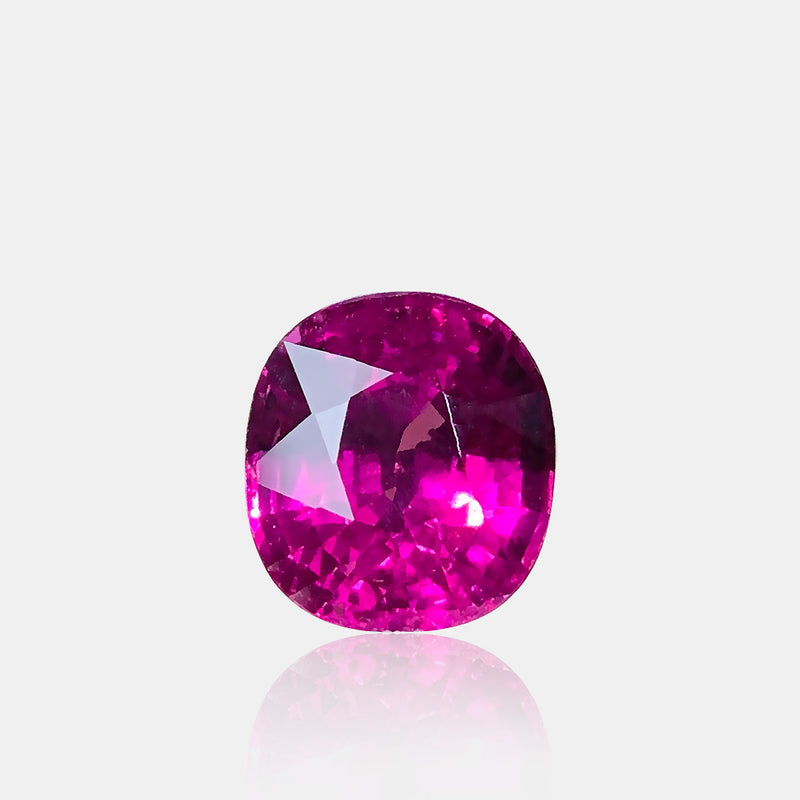
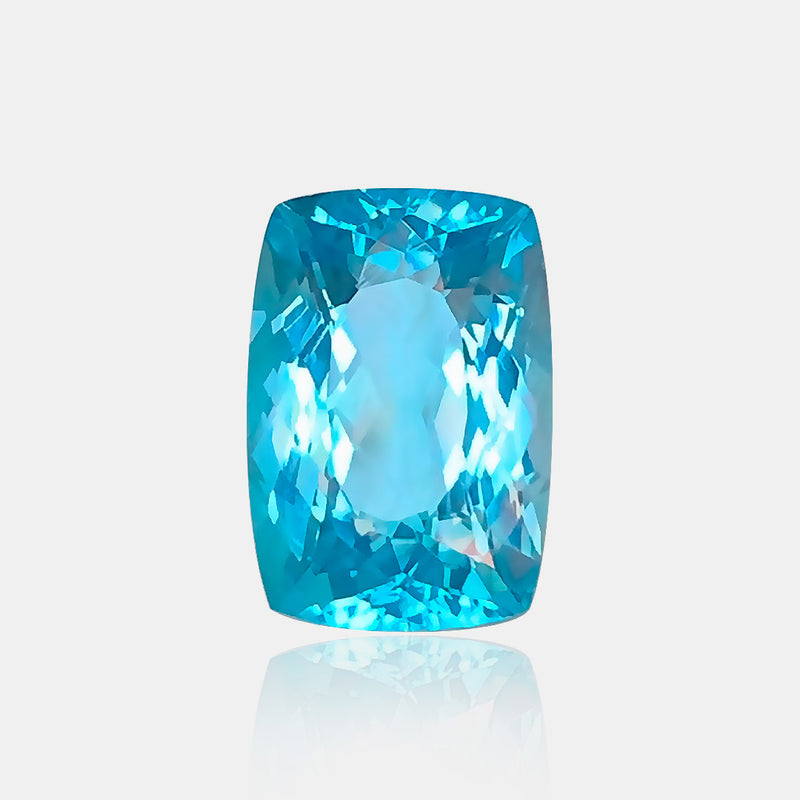
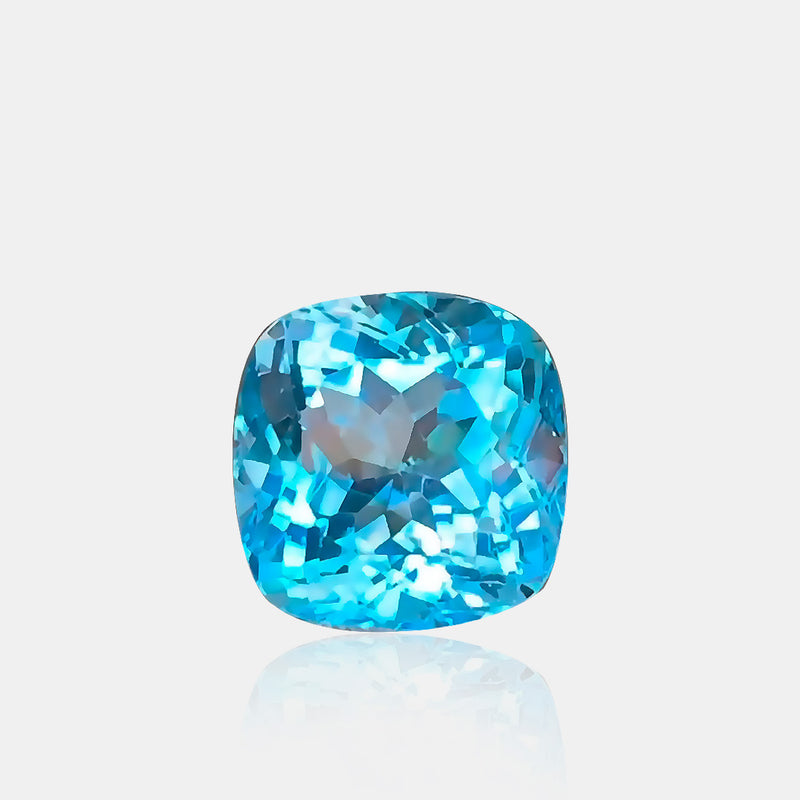
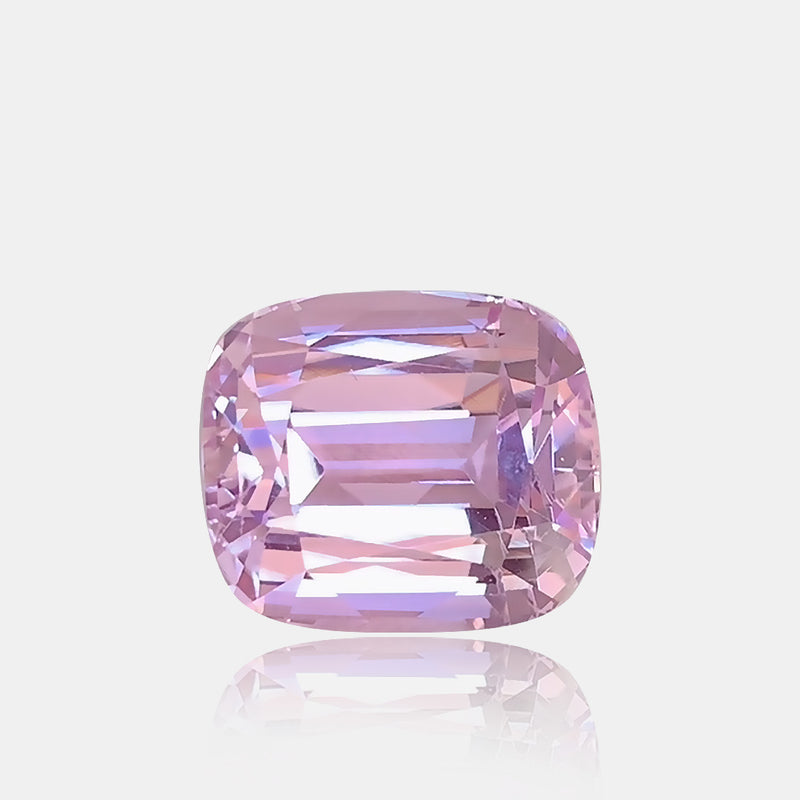
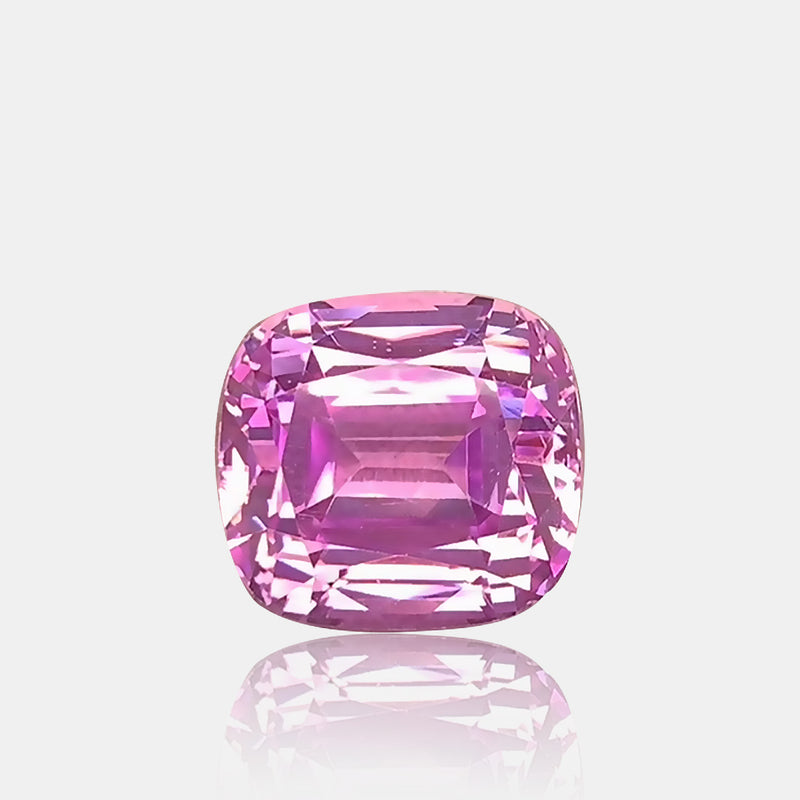
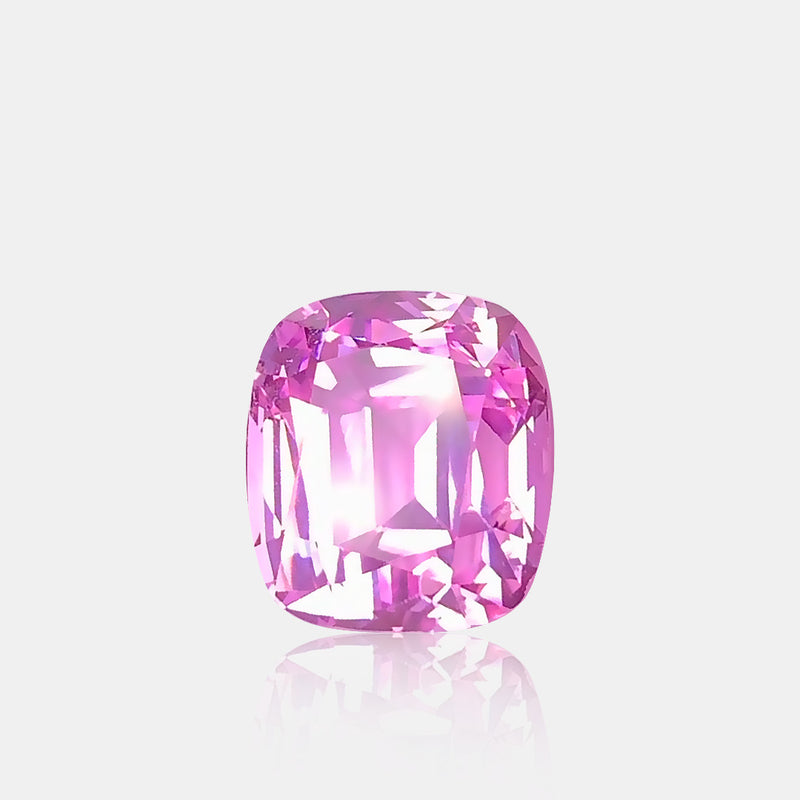
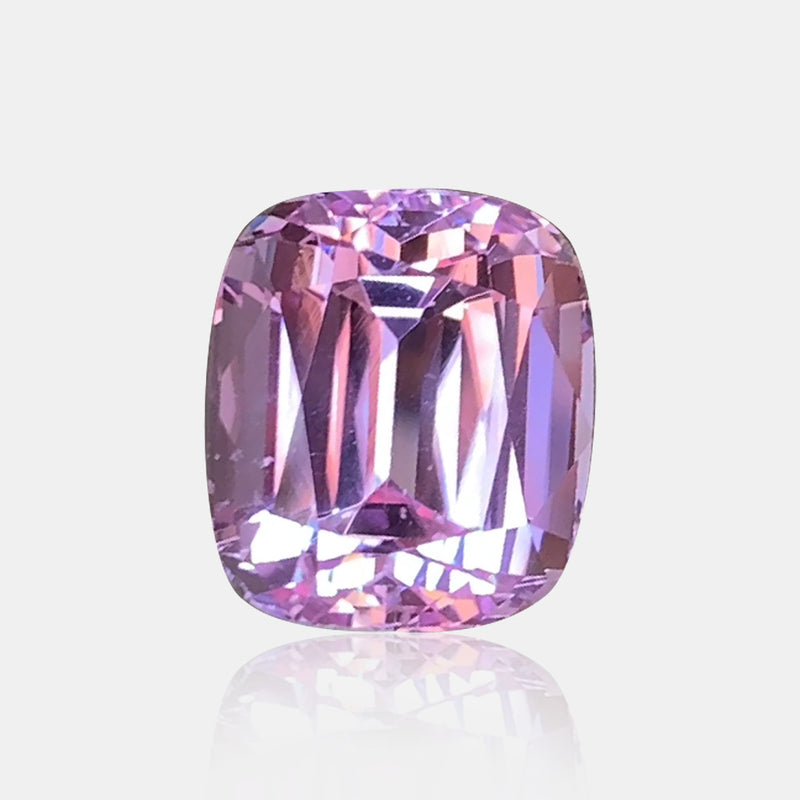
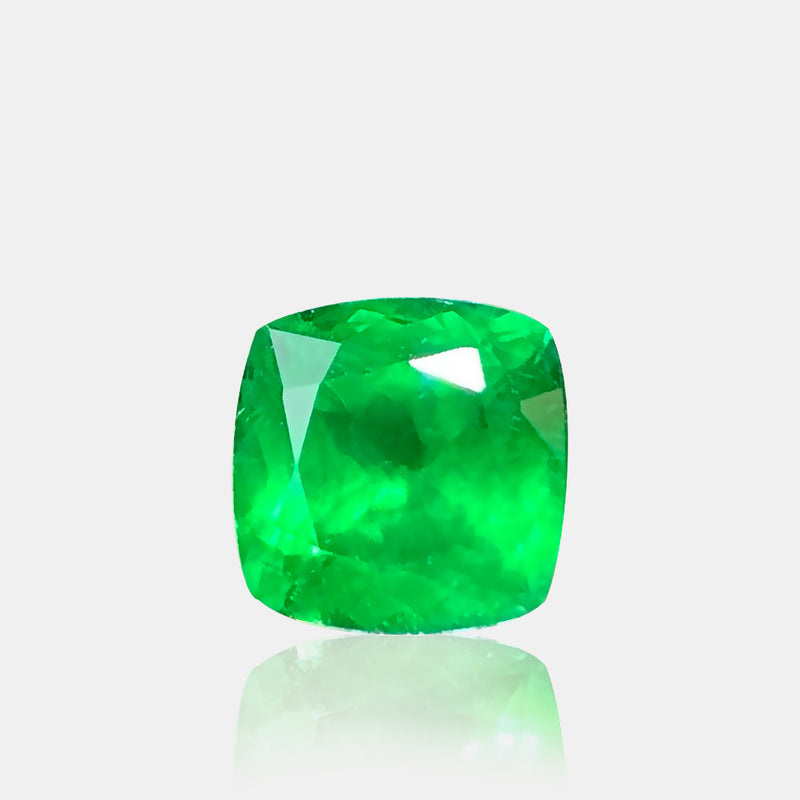
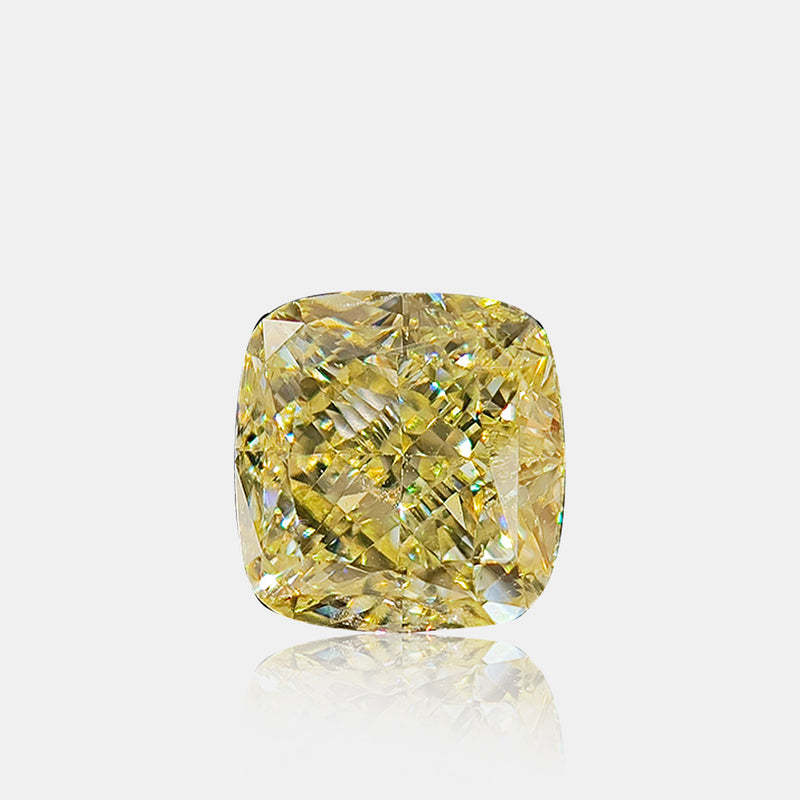
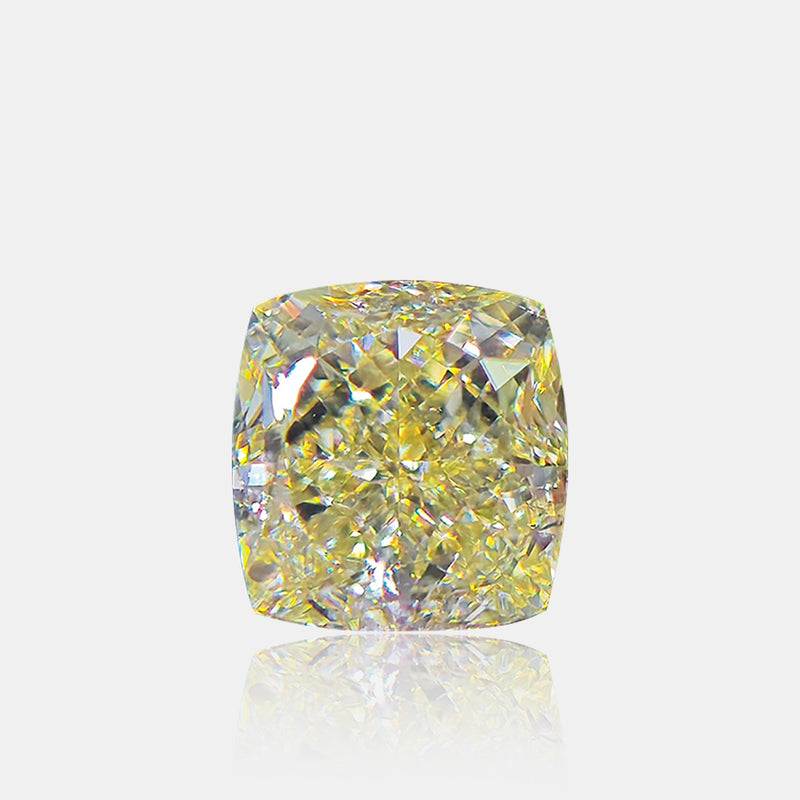
The Cushion Cut Gemstones collection features natural gemstones shaped with gently rounded corners and balanced proportions. Known for their classic appeal and subtle depth, cushion cuts offer a look that feels both warm and enduring.
A graceful choice for custom rings, pendants, and fine jewelry designed to feel personal, refined, and lasting.

 New
GUILD
New
GUILD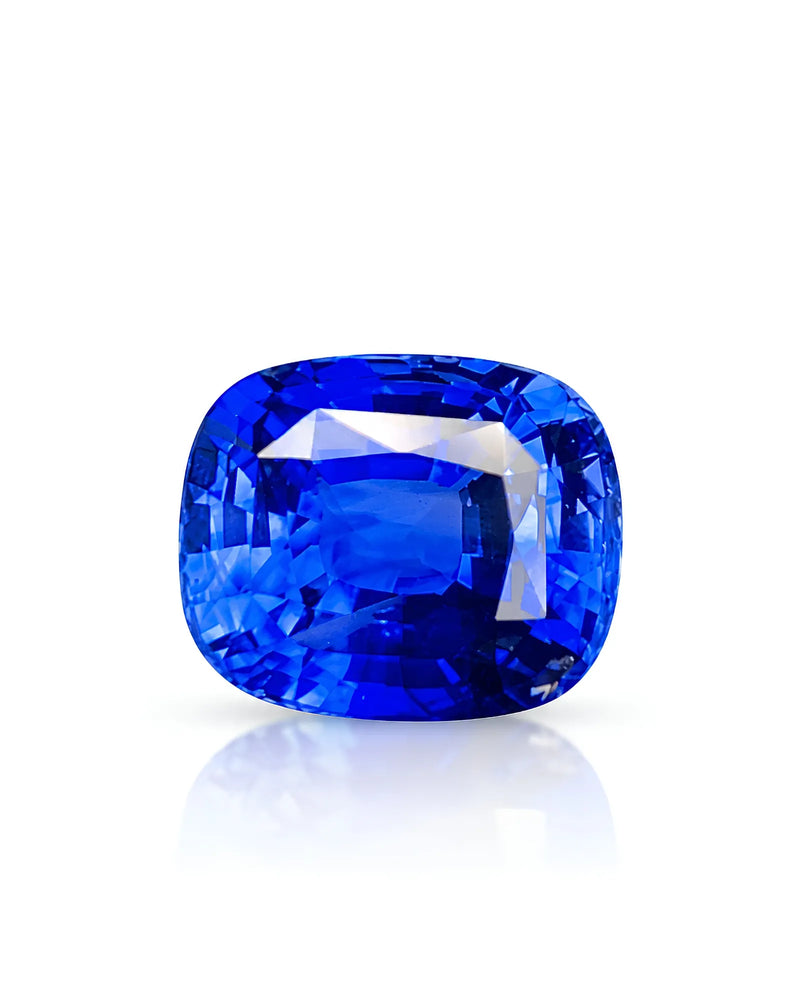 GUILD
GUILD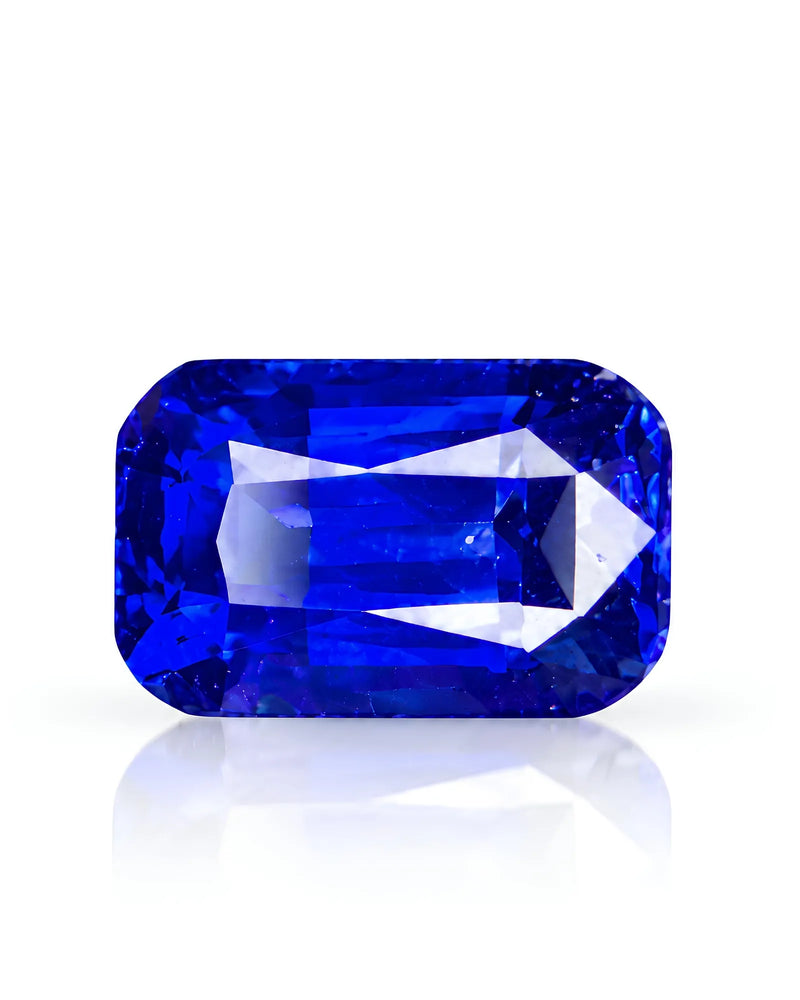 GUILD
GUILD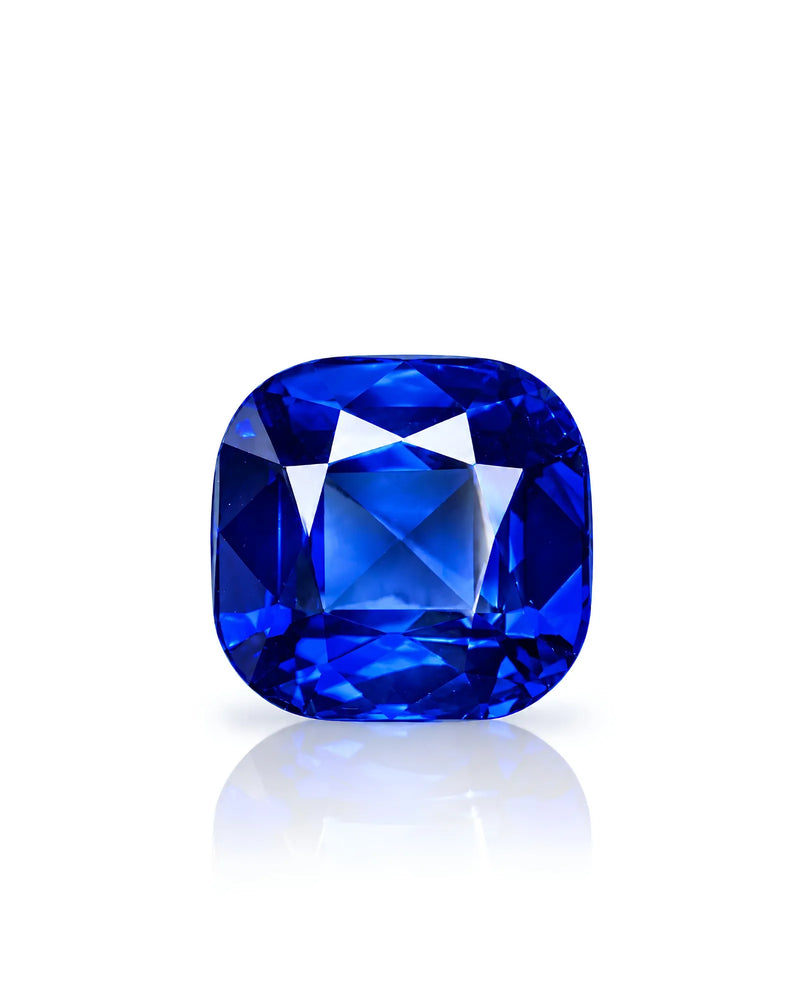 GRS
GRS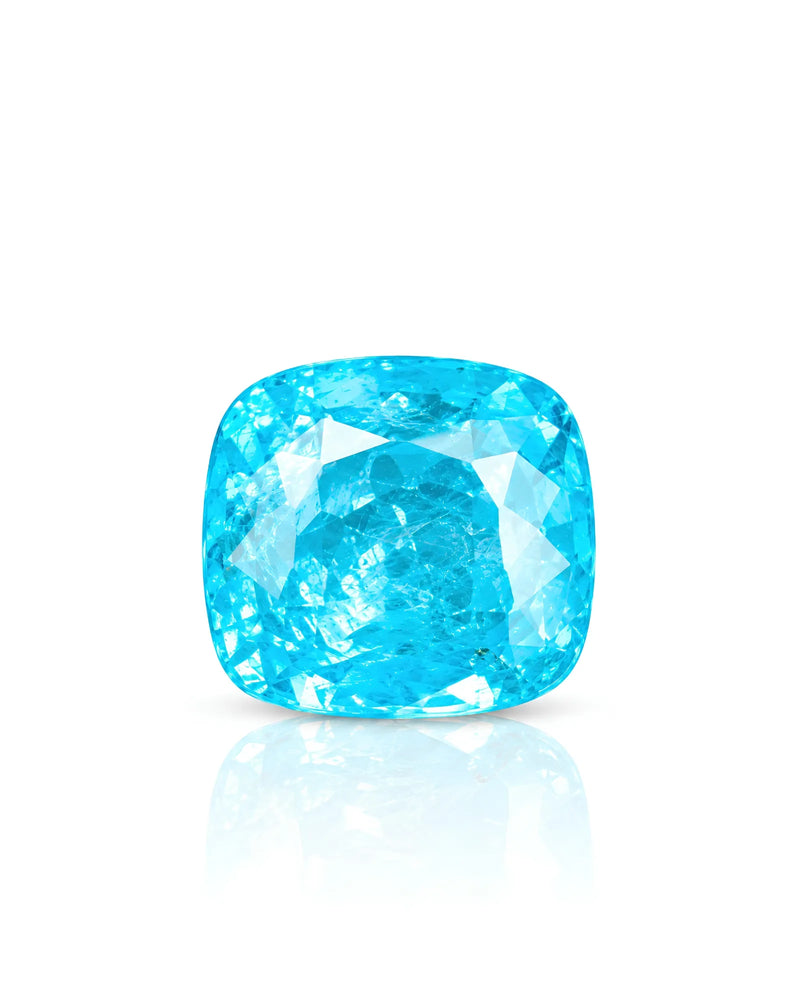 AIGS
AIGS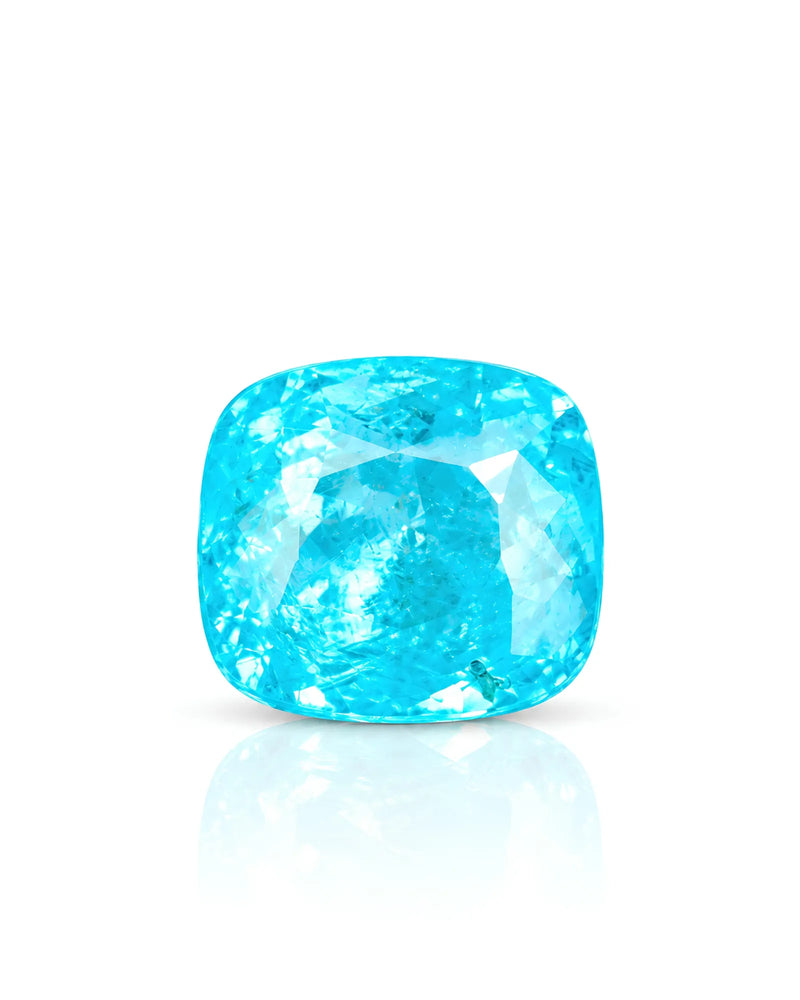 AIGS
AIGS AIGS
AIGS SARATTI
 SARATTI
 SARATTI
 GUILD
GUILD GUILD
GUILD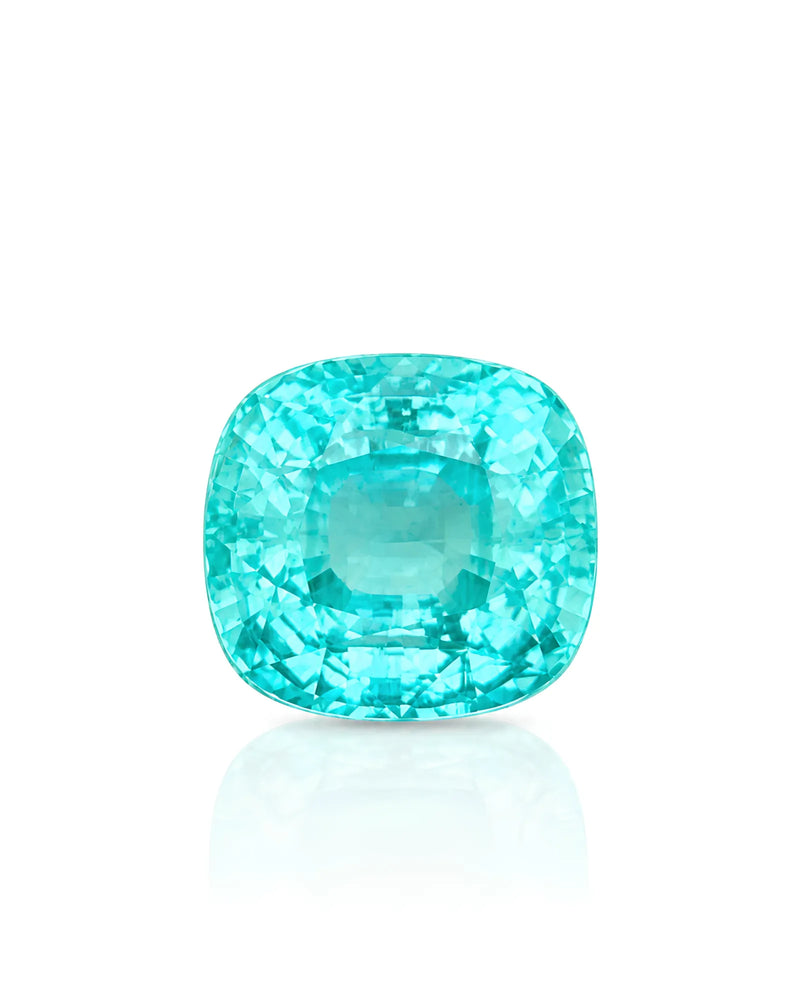 GUILD
GUILD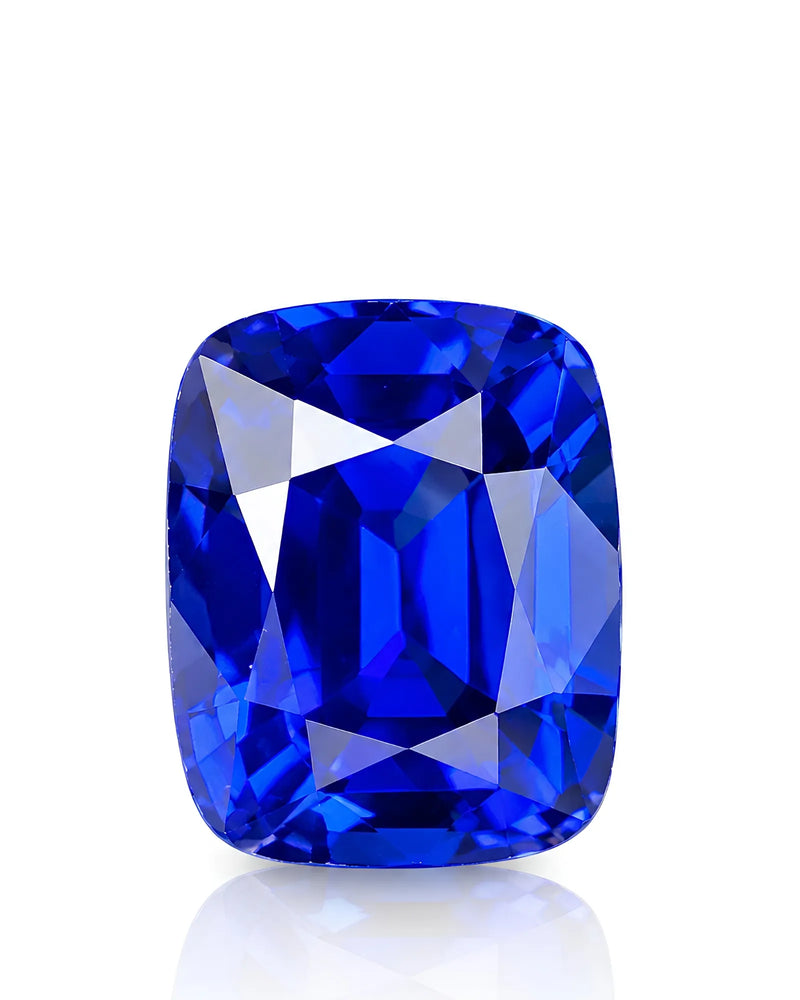 GUILD
GUILD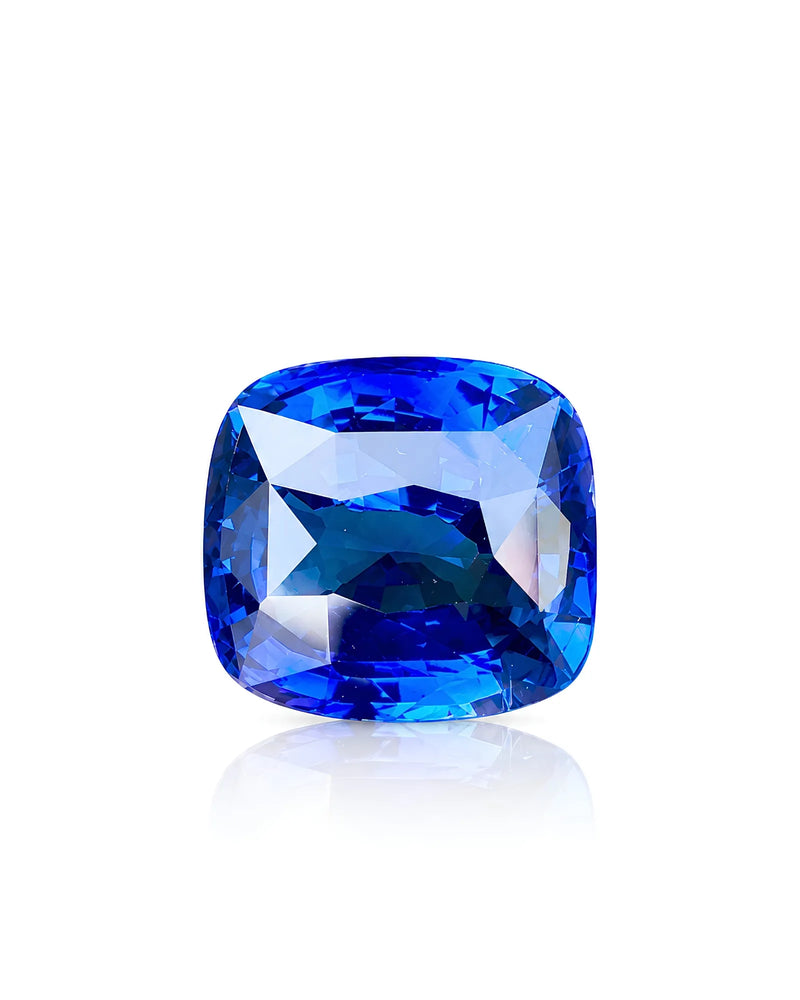 AIGS
AIGS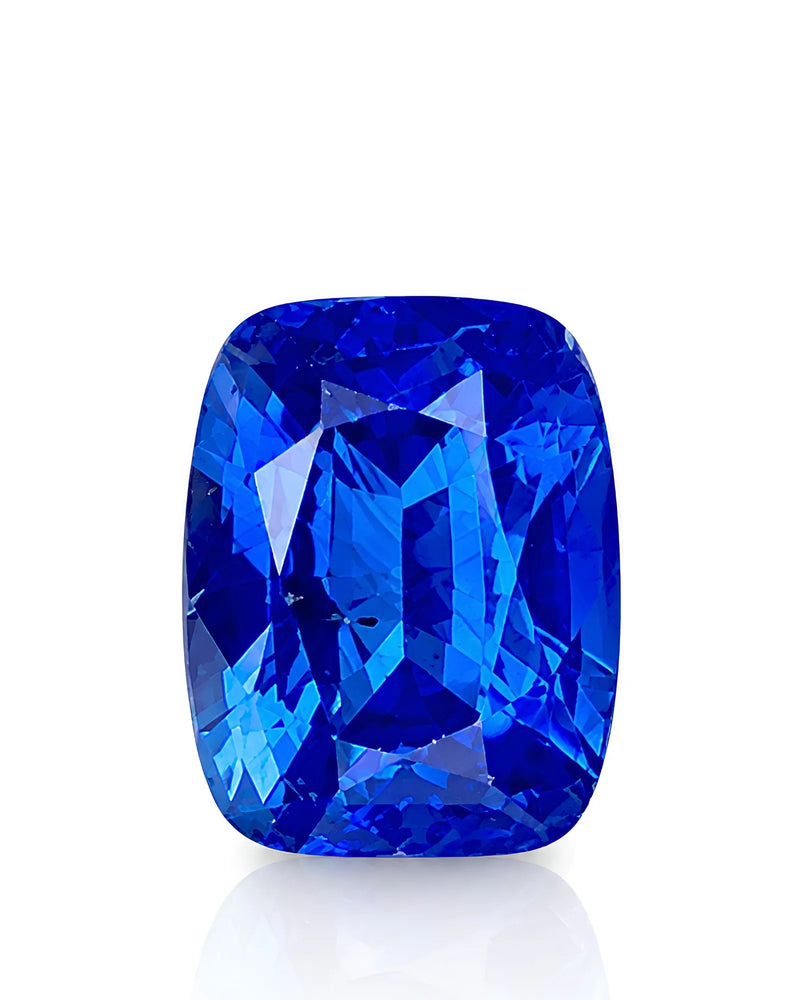 AIGS
AIGS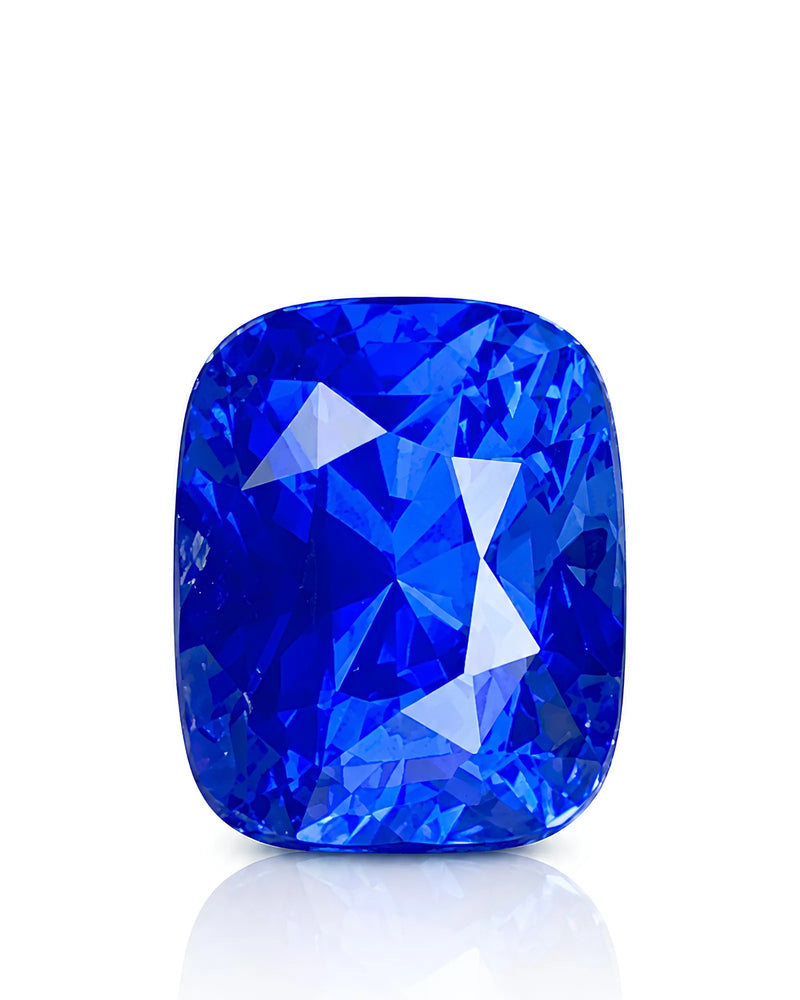 AIGS
AIGS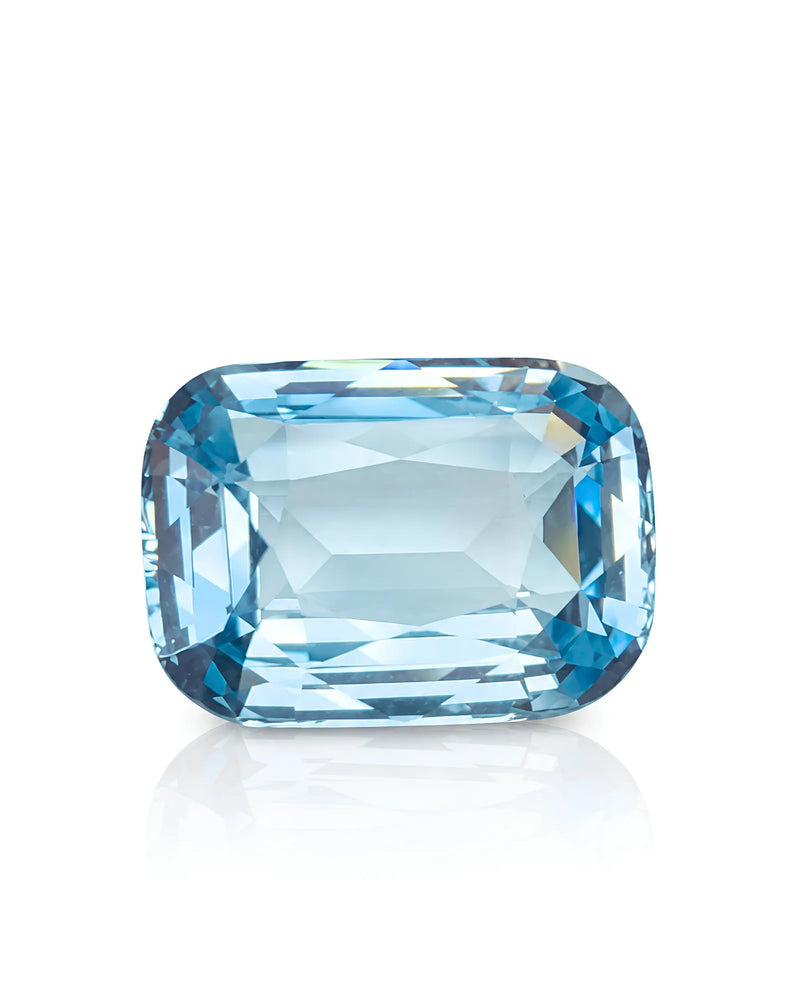 CGRL
CGRL AIGS
AIGS GUILD
GUILD GUILD
GUILD GUILD
GUILD GUILD
GUILD GUILD
GUILD GUILD
GUILD GUILD
GUILD GUILD
GUILD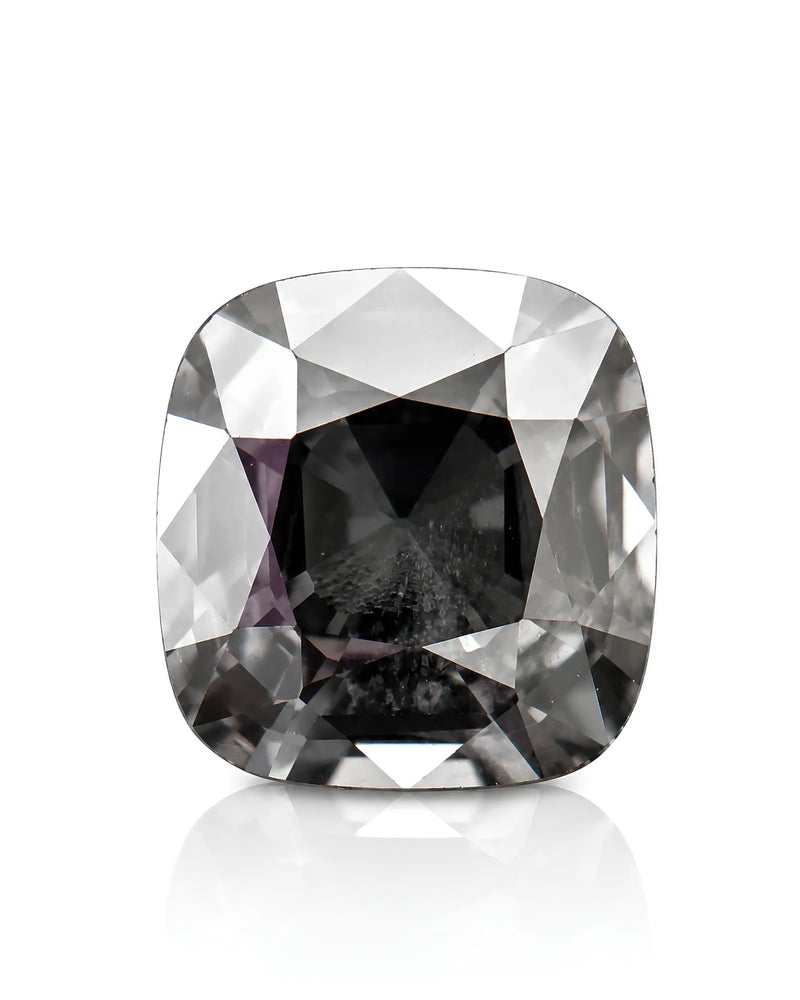 SARATTI
 SARATTI
 SARATTI
 SARATTI
 SARATTI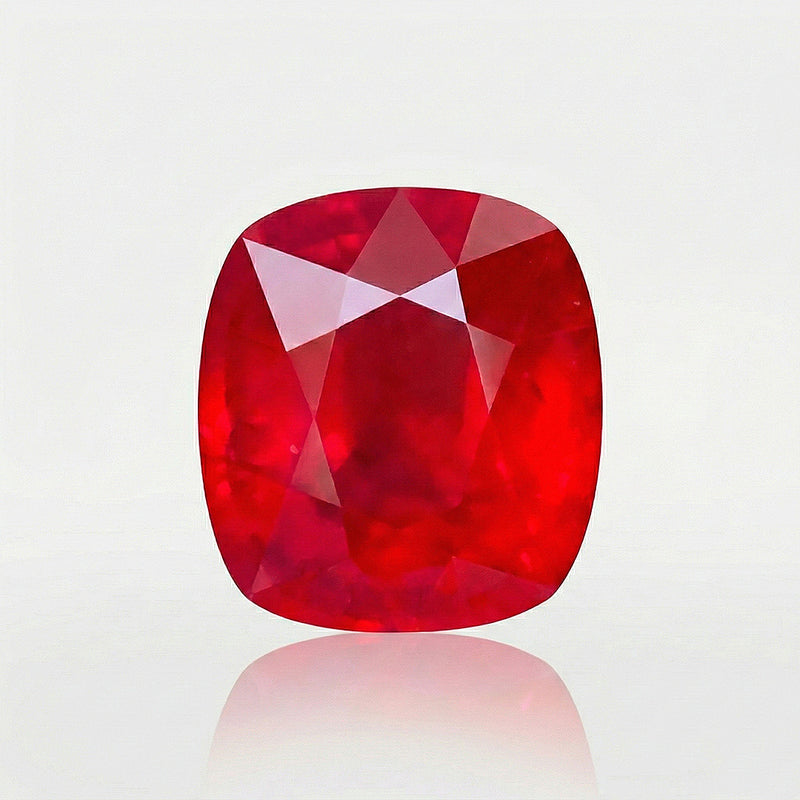
 GIA
GIA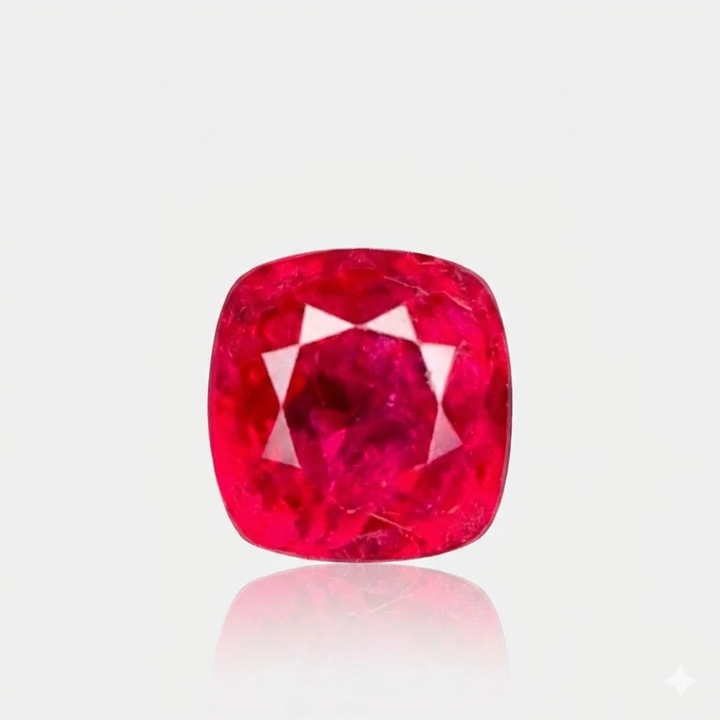
Our online collection is only part of what is available. Many more gemstones are held privately, including stones that may never appear on the website.
Tell us what you are looking for — or simply send us a photograph of something you love.
Our gemologists will personally select stones from the wider SARATTI collection for you to consider.
Not sure exactly what you want? Send us a photograph, a color you love, or simply ask.
No question is too small.
No request is too specific.
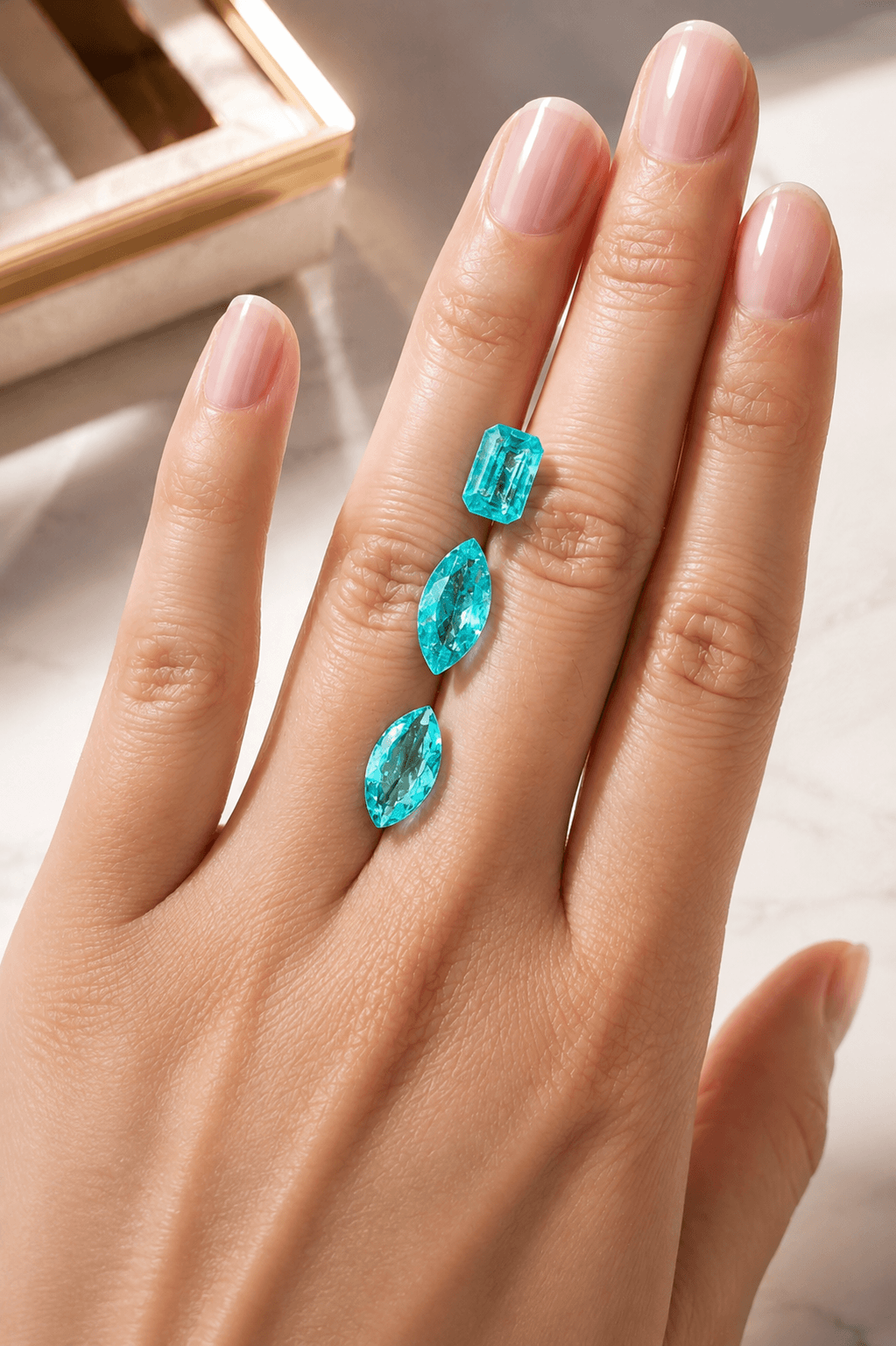
Chosen loose, certified where applicable, and shipped insured. Yours to keep, collect, or set later.
Browse Loose Stones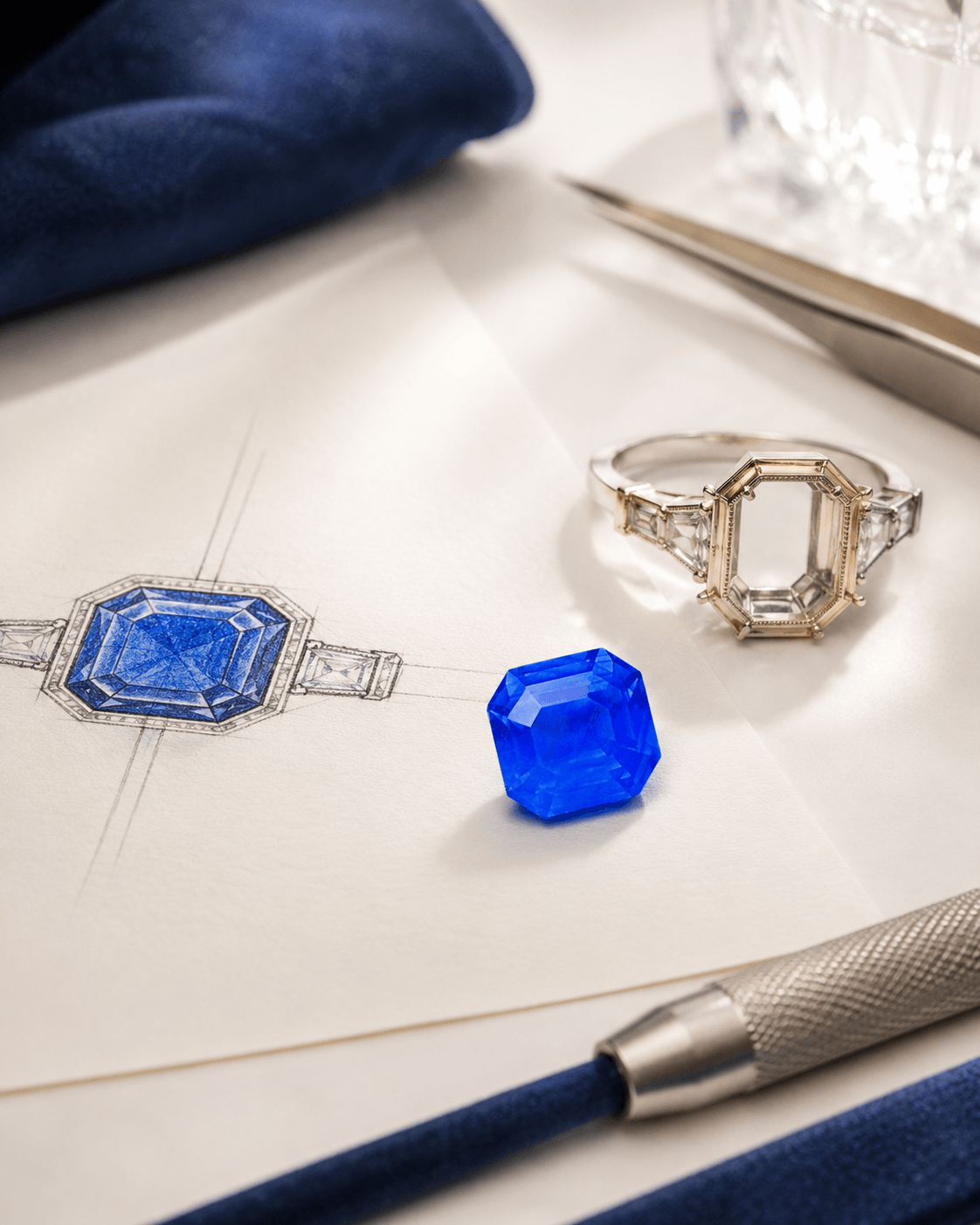
A setting designed around the gemstone and no other. Thoughtfully made, and reviewed with you before anything begins.
Begin a Commission
Some blue stones are made to dazzle.Aquamarine is made to calm. Its beauty is softer than a flash of brilliance. It carries the blue of clear water, pale sky, and...

Choosing an emerald engagement ring is a deeply personal decision. It is not only about choosing a beautiful green gemstone, but also about understanding how emeralds behave, how they are...

Blue gemstones can look similar at first glance, but they do not belong to the same value category. That is exactly why Paraiba Tourmaline and Aquamarine are compared so often....

Blue gemstones often look similar at first. That is why Paraiba Tourmaline and Aquamarine are compared so often. Both can appear fresh, elegant, and full of light. Both also sit...

Fine jewelry becomes more meaningful when it feels personal. Not just beautiful, but intentional. The kind of piece that reflects mood, emotion, and identity rather than simply adding sparkle. That...

A tennis bracelet does not need a loud design to feel unforgettable. It sits close to the wrist. It moves softly. It catches light in one clean line. That is the beauty...

At first glance, it is easy to understand why aquamarine and Paraiba tourmaline are often compared. Both are blue gemstones. Both feel luminous. Both belong to that part of the...

What if a diamond could hold the blue of the ocean, the warmth of sunlight, or the soft blush of a rose? That is the world of fancy colored diamonds. They are...
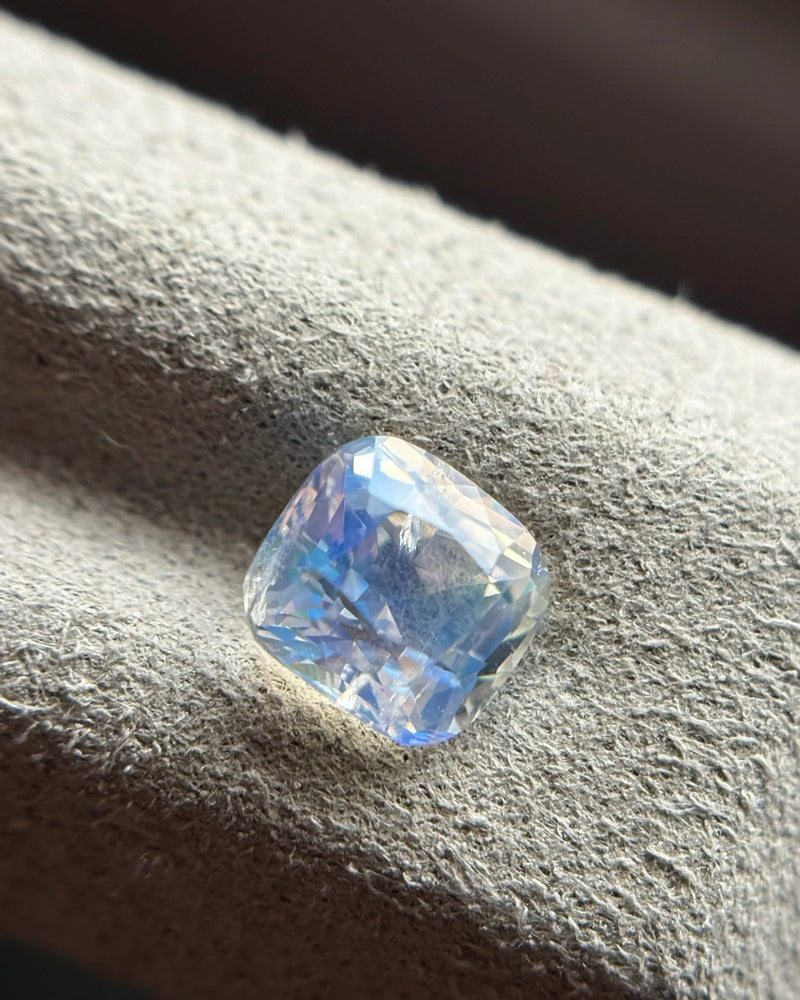
A cushion is a square or rectangular outline with rounded corners and gently curved sides, named for its resemblance to a pillow. That describes the outline only. Facet count, table size, crown height and pavilion depth all vary enormously, so cushion is best understood as a family of cuts rather than one specification. Two stones listed identically as cushions can look entirely different in the hand, which is why the outline alone tells you very little.
The antique or old-mine style keeps nineteenth-century proportions: a small table, high crown, deep pavilion and large open facets, often with a visible culet. It returns light in broad, slow flashes. The modern cushion brilliant has a larger table, lower crown and many smaller facets, producing finer and faster scintillation. Neither is superior, but they behave very differently, and listings rarely state which one a stone is. Ask before buying.
They are trade terms for how a cushion is facetted. Chunky cushions have fewer, larger facets and return light as distinct blocks you can see working individually. Crushed ice cushions have many small, often split facets that scatter light into a fine granular glitter, like sun on broken ice. Crushed ice conceals inclusions more effectively; chunky shows body colour more cleanly, because there are broader areas of undisturbed colour.
Colour depends on how far light travels inside a stone. A shallow, highly brilliant cut returns light quickly and gives it little chance to pick up colour, while a cushion is deeper with broader facets and a longer internal path, so more body colour reaches the eye. Saturated material reads richer as a result. This is why fine ruby, sapphire and spinel are so often cushion cut, and why it is close to the default for coloured rough.
It is among the safer outlines. A sharp corner concentrates stress at the most exposed part of the stone, which is why square and princess outlines chip at the corners. A cushion's rounded corners have no point for stress to gather at, so force spreads along a curve instead. For brittle material, or species with cleavage such as tanzanite, that geometry matters more than a point of Mohs hardness. A bezel adds further protection.
Square cushions run roughly 1.00 to 1.05 and read compact and substantial. Between 1.05 and 1.15 the stone looks neither square nor rectangular, which is the least resolved territory. From about 1.15 it reads deliberately rectangular, and 1.20 to 1.30 gives an elongated cushion that lengthens the finger while keeping corner strength an oval lacks. No ratio is correct in the abstract, but it should be intentional rather than accidental.
Establish which family it belongs to, antique or modern, chunky or crushed ice. Get millimetre dimensions and depth, not just carat weight, because face-up spread varies more on cushions than on almost any other shape. Check for windowing by trying to read printed text through the centre, and for extinction under ordinary indoor light rather than a jeweller's lamp. Then check symmetry of the outline and that all four corners match.