


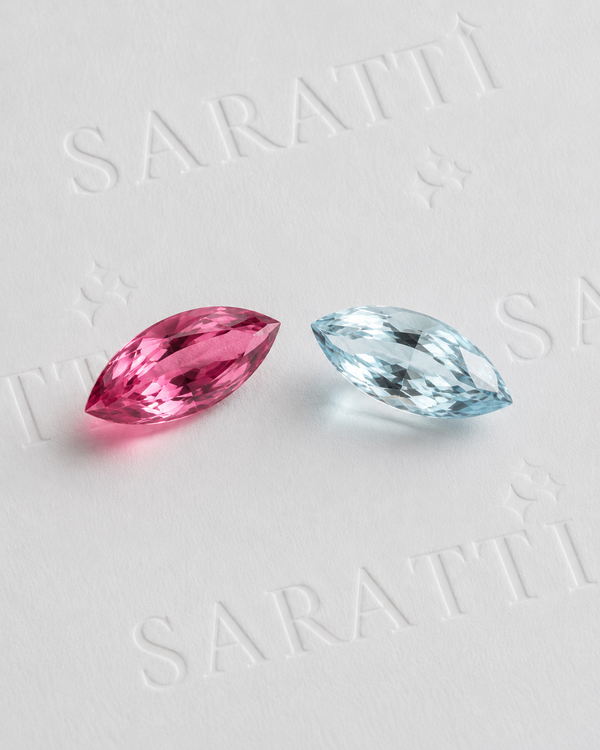

Blue gemstones can look similar at first glance, but they do not belong to the same value category. That is exactly why Paraiba Tourmaline and Aquamarine are compared so often. Both are beautiful. Both can feel luxurious. But when the conversation turns to rarity, prestige, and long-term importance, the difference becomes very clear.

If you are trying to make the right purchase, the short answer is simple: Paraiba Tourmaline is far more valuable than Aquamarine in the fine gemstone market. The reason is not beauty alone. It is rarity, scarcity, market demand, and the fact that fine Paraiba Tourmaline is much harder to replace. At Saratti, that distinction matters because understanding value means understanding what truly drives price.
The Direct Answer
In the luxury gemstone conversation, Paraiba Tourmaline is far more valuable than Aquamarine. Aquamarine can be elegant, refined, and highly desirable. But it is more available, easier to source in larger sizes, and priced in a more accessible range. Paraiba Tourmaline sits in a different category because the finest stones combine neon color, extremely limited supply, and strong collector prestige.

That is why the market treats them differently. Aquamarine is admired for beauty. Paraiba Tourmaline is admired for beauty and rarity. Once rarity enters the equation at that level, value rises much faster.
This does not mean every Paraiba Tourmaline automatically outranks every Aquamarine in every quality level. But when you compare the best of each category, Paraiba Tourmaline rises much higher because the strongest stones bring together color, scarcity, prestige, and market pressure all at once.
Read the uncut blog: Paraiba vs Aquamarine: What Makes These Blue Gemstones So Different?
A Short History of Paraiba Tourmaline
Paraiba Tourmaline became famous because it did not look like ordinary blue gemstones. Its discovery in Brazil created immediate excitement because the color was vivid, glowing, and unlike the softer blues seen in Aquamarine and many other gemstones.
Later discoveries in Mozambique and Nigeria added important supply, but the stone remained rare. The finest examples continued to command extraordinary attention because the combination of color and scarcity was still very difficult to match.
That history matters because prestige affects pricing. Paraiba Tourmaline is not simply sold as a blue gem. It is sold as one of the rarest and most recognizable luxury colored gemstones in the world. That reputation still shapes how the market values it today.
What Makes a Gemstone Valuable?
Gemstone pricing depends on a few core factors. Some add value gradually. Others change everything. The most important factors are:
- rarity
- beauty and color quality
- durability for jewelry wear
- clarity
- cut
- size
- prestige and market demand
- treatment disclosure
- certification and authenticity
A truly valuable gemstone is usually rare, visually distinctive, durable enough for jewelry, and desirable enough that people actively seek it out over more common alternatives.
This is exactly why Paraiba Tourmaline and Aquamarine separate so clearly in value. Aquamarine performs well in beauty, clarity, and wearability. Paraiba Tourmaline performs much more strongly in rarity, visual impact, and prestige. That combination places it in a much higher value bracket.
Why Paraiba Tourmaline Commands Higher Prices
Paraiba Tourmaline’s greatest strength is rarity. Fine stones are difficult to find. Fine stones in larger sizes are even harder to find. When strong saturation, attractive transparency, and lively cutting come together in one gem, the market responds very aggressively.
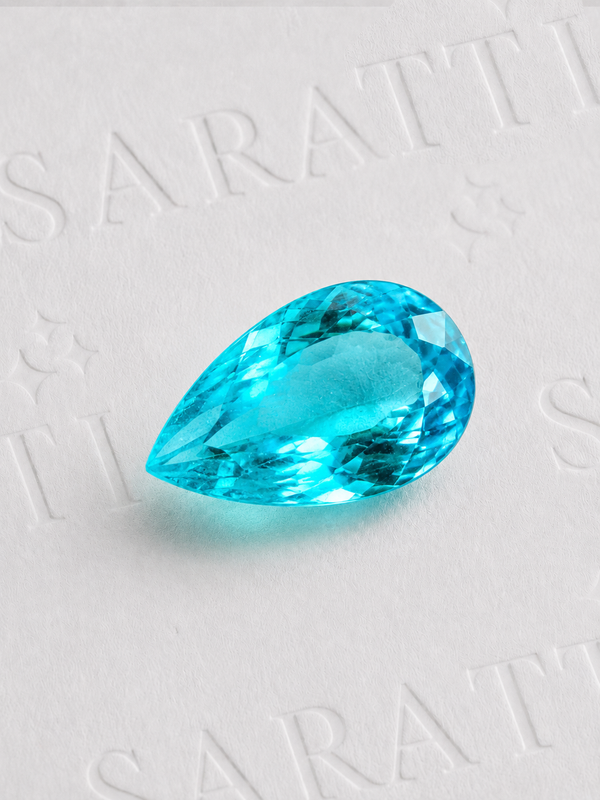
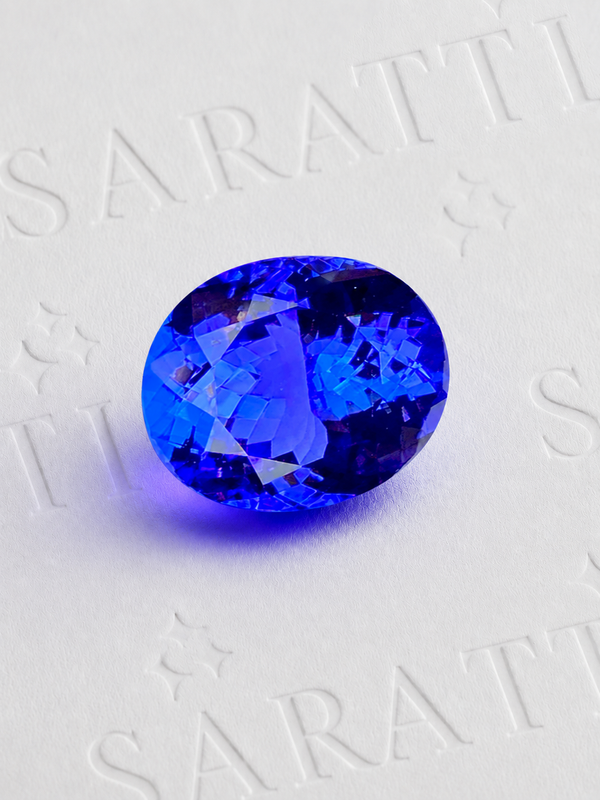
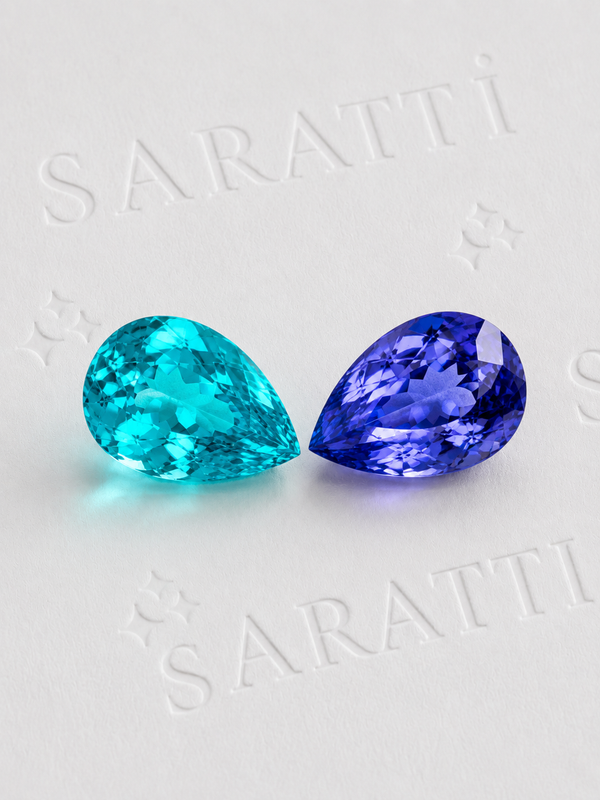
The second reason is color. The finest stones are admired for their Neon Blue Paraiba look. This is not just a pretty blue. It is an electric blue to blue-green glow that feels lit from within. That kind of visual effect is rare enough on its own. When it appears in a gemstone that is already scarce, the price climbs sharply.

The third reason is prestige. Paraiba Tourmaline carries collector attention in a way Aquamarine usually does not. It feels exceptional, not just elegant. That emotional and market-driven pull is a major reason it sits so much higher in value.
Origin can also add a premium. Brazilian Paraiba Tourmaline is especially prized, while Mozambique and Nigeria are also important sources. This is one of the reasons certification matters more with Paraiba than with Aquamarine.
The Most Valuable Paraiba Tourmaline Quality
The most valuable Paraiba Tourmalines are usually vivid Neon Blue Paraiba or blue-green stones with strong saturation, lively transparency, and an unmistakable glowing presence.

The finest examples often come with strong documentation, especially when origin matters. The most celebrated stones are those that show powerful color, beautiful life, and a face-up appearance that feels intensely alive even before you know the price.
This is also where many people get confused. Not every stone sold as Paraiba sits at the top of the market. A weaker stone with lower transparency or sleepy color does not become elite just because of its name. The most valuable Paraiba Tourmalines earn that status through true visual quality and genuine rarity.
What Gives Aquamarine Its Value?
Aquamarine is valuable for different reasons. It is not usually extreme rarity that drives its price. It is elegance, clean appearance, refined blue color, and size.
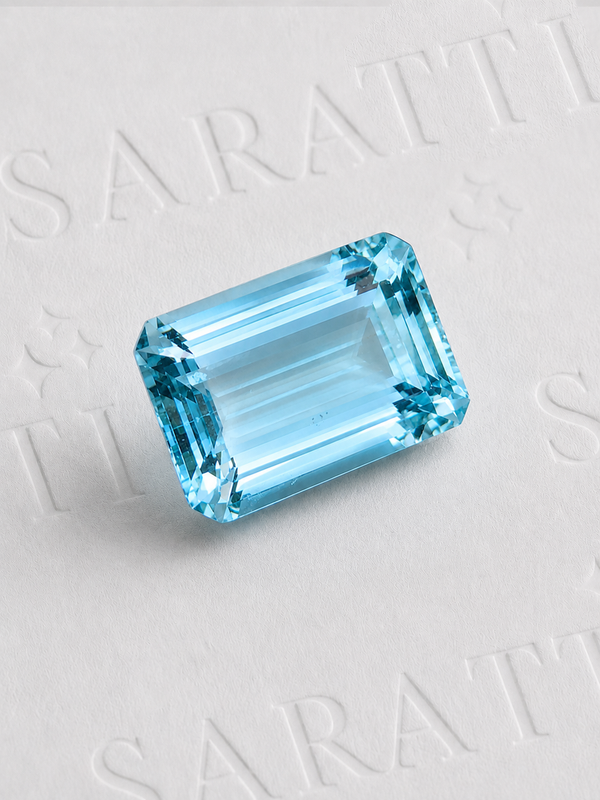
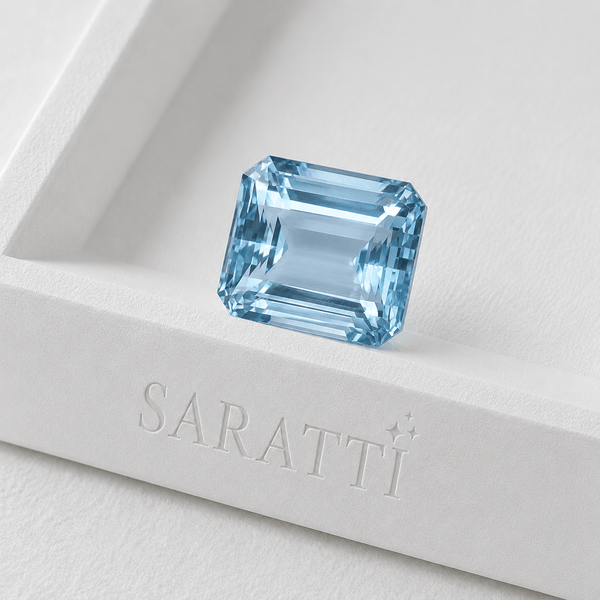
The best Aquamarines show a rich blue to slightly greenish-blue color with excellent clarity. Mostly called the Santa Maria Aquamarine. Unlike Paraiba, which can tolerate inclusions if the color is extraordinary, Aquamarine is usually expected to look clean and transparent. That polished, glassy appearance is a large part of its appeal.
Cut also matters a great deal. A well-cut Aquamarine can look brighter, more graceful, and more expensive than a poorly cut one. Because Aquamarine is often appreciated for transparency and balance, cutting has a major effect on how luxurious the stone feels.
Another important part of Aquamarine’s value story is size. Larger stones are much easier to find than larger fine Paraibas. That makes Aquamarine attractive for anyone who wants impressive presence without stepping into a rarity-driven price tier.
For readers exploring fine blue gemstones through Saratti, Aquamarine often stands out as the more refined and approachable choice. It may not carry the same scarcity premium, but it still offers real beauty and real value.
The Most Valuable Aquamarine Quality
The most valuable Aquamarines are usually stones with a deep, rich blue to slightly greenish-blue tone, excellent clarity, strong transparency, and elegant cutting.
In trade language, the finest color is often described as Santa Maria blue. This term is used as a premium color benchmark. It refers to a richer and more desirable Aquamarine blue than the lighter tones often seen in the wider market.

Even so, the value logic is still different from Paraiba Tourmaline. A top Aquamarine becomes valuable because of beauty, color, and clarity. A top Paraiba becomes valuable because of beauty, color, clarity, rarity, and strong prestige all at once. That is why the ceiling remains much higher for Paraiba.
Paraiba vs Aquamarine: Value Factors at a Glance
| Factor | Paraiba Tourmaline | Aquamarine |
|---|---|---|
| Gemstone Family | Tourmaline | Beryl |
| Most Valuable Color Type | Neon Blue Paraiba | Santa Maria blue Aquamarine |
| Main Value Driver | Rarity and glowing color | Color, clarity, and elegance |
| Rarity Level | Extremely rare | More widely available |
| Clarity Expectation | Inclusions may be accepted if color is strong | Eye-clean appearance is usually expected |
| Size Availability | Fine larger stones are very rare | Larger stones are more common |
| Origin Influence | Often important, especially for Brazilian stones | Usually less important |
| Durability | Good for jewelry with care | Slightly better for regular wear |
| Price Ceiling | Much higher | Lower than fine Paraiba |
| Overall Position | Prestige, intensity, rarity | Transparency, refinement, versatility |
Color and Visual Impact
Color is one of the biggest reasons these stones are compared, but they do not express blue in the same way.
Paraiba Tourmaline is admired for its neon glow. Fine stones can show electric blue to blue-green color with remarkable intensity. This is why the term Neon Blue Paraiba has such strong appeal. The gemstone does not only look blue. It looks energized.

Aquamarine feels calmer. It is more transparent, more watery, and often more serene in appearance. In finer stones, the color can deepen into a rich Santa Maria blue, but even then the beauty feels refined rather than electric.
This difference matters because unusual visual identity is part of what creates high value. Paraiba Tourmaline does not only look beautiful. It looks rare. Aquamarine looks elegant and polished, but it does not usually create the same sense of rarity.
Origin and Source Comparison
Origin plays a larger role in Paraiba Tourmaline than it does in Aquamarine. Paraiba Tourmaline is strongly associated with Brazil, and Brazilian stones often carry the highest prestige. Mozambique and Nigeria are also important sources, but Brazilian origin can push value higher when the stone is already fine.
Aquamarine is different. It comes from multiple sources, and while origin can still matter in some cases, it does not usually control value in the same way. With Aquamarine, the market tends to focus more on color, clarity, and cut than on country name alone.
This is one of the most important distinctions to understand before making a purchase. Origin is often part of Paraiba’s value story. It is usually not the main story for Aquamarine.
Clarity, Cut, and Presentation
Aquamarine often wins on clarity. Many stones look very clean to the eye and show a transparent, polished appearance that feels crisp in jewelry. This is one reason Aquamarine works so beautifully in larger pieces and open designs.
Paraiba Tourmaline is different. Inclusions may appear more often, but the market is usually more forgiving because the color is doing so much of the work. With Paraiba, the glow can matter more than flawless cleanliness.

This creates a clear trade-off. Aquamarine may appear clearer and more glassy. Paraiba may appear more alive and more memorable. One is admired for freshness and transparency. The other is admired for intensity and personality.
Cut matters for both. A strong cut helps Aquamarine look brighter and more elegant. In Paraiba Tourmaline, cut supports the glow and helps the stone show its best face-up color.
Carat Weight and Size Behavior
Size behaves very differently in these two gemstones. With Paraiba Tourmaline, value rises dramatically as size increases because larger fine stones are extremely difficult to find. Even a small fine Paraiba can be highly valuable. A larger one can become extraordinary.
With Aquamarine, large stones are much easier to find. That means size can still add beauty and value, but it does not create the same rarity premium. A large Aquamarine may look impressive, yet still be worth less than a much smaller fine Paraiba.
This is one of the clearest reasons Paraiba outranks Aquamarine in value. In gemstones, bigger is not always more important. Size only matters when it appears together with rarity and quality.
Treatments, Durability, and Daily Wear
Both gemstones can be used in jewelry, but they bring different strengths. Aquamarine is often the easier choice for daily wear. It has slightly better hardness, and its more accessible price point makes it feel more comfortable for regular enjoyment. It is a strong choice if you want a blue gemstone that feels wearable and elegant.

Paraiba Tourmaline is also wearable, but it is often approached more carefully. Part of that is practical, and part of it is emotional. When a gemstone is rare and expensive, people naturally become more protective of it.

Treatments also matter. Aquamarine is commonly heat-treated to refine its blue color. Paraiba Tourmaline may also be heat treated. This does not make either gem undesirable, but it does make disclosure important. Helping you make a confident purchase means making sure treatment, rarity, and price all align honestly.
Certification, Authenticity, and Lab Reports
Certification is useful for both gemstones, but it becomes especially important for Paraiba Tourmaline.
With Aquamarine, a report can help confirm identity and treatment details. With Paraiba, certification often matters much more because origin can affect price significantly, and origin should never be assumed from appearance alone.
A proper lab report helps support the premium being asked. It strengthens trust. It also helps you understand whether the stone is being priced for what it truly is, not just for how it is being presented.

At Saratti, this is one of the most important parts of responsible gemstone guidance. A premium stone should come with premium clarity, not only in beauty, but in documentation.
This does not make either gem undesirable, but it does make disclosure important but are all accepted in the trade. As these methods of treatement are all permenant .
Paraiba tourmaline is overwhelmingly heat-treated (up to 95% of stones) to enhance its signature neon blue-to-green colors, often transforming purple tones into desirable cyan shades. This heating is widely accepted, stable, and does not lower the value. Additionally, fissure filling with resin or oil is used to improve clarity
Investment and Long-Term Value
Paraiba Tourmaline is usually the stronger rarity-driven gemstone. Its scarcity, prestige, and limited supply make it more likely to hold attention in long-term value conversations. This is why it appeals so strongly to collectors and serious colored-stone enthusiasts.
Aquamarine is different. It is better understood as a beauty-and-value gemstone. A fine Aquamarine can absolutely be important and expensive, but it is usually not purchased under the same scarcity logic as Paraiba.

That does not make Aquamarine less meaningful. It simply makes it different. Paraiba often appeals when rarity matters most. Aquamarine often appeals when beauty, clarity, and balanced value matter more.
Which Gemstone Makes More Sense for You?
If you want rarity, prestige, and the strongest collector appeal, Paraiba Tourmaline is the stronger choice. It is more exclusive, more intense in presence, and much harder to replace.
If you want elegance, clarity, and a refined gemstone that feels easier to purchase with confidence, Aquamarine may make more sense. It offers beautiful blue color and timeless wearability without the same scarcity-driven pricing pressure.
If you want the most unforgettable visual effect, Paraiba usually wins. If you want a cleaner, more graceful, and more classic blue look, Aquamarine often feels more natural.
At Saratti, the real goal is not to tell you that one stone is universally better in every emotional sense. The goal is to help you understand that they serve very different priorities.
Final Verdict
If the question is purely about market value, Paraiba Tourmaline wins decisively. It is rarer, more unusual in appearance, more prestige-driven, and much harder to replace. That is why it is consistently more precious and more expensive than Aquamarine in the luxury gemstone conversation.
Aquamarine remains beautiful, elegant, and highly wearable. It offers clarity, refinement, and a more approachable path into fine blue gemstones. But when rarity is the driving force behind value, Paraiba Tourmaline stands above it.
That is the clearest way to understand the difference. Aquamarine is refined luxury. Paraiba Tourmaline is rarity-driven luxury. And if you are making a serious purchase, that distinction is everything.


