


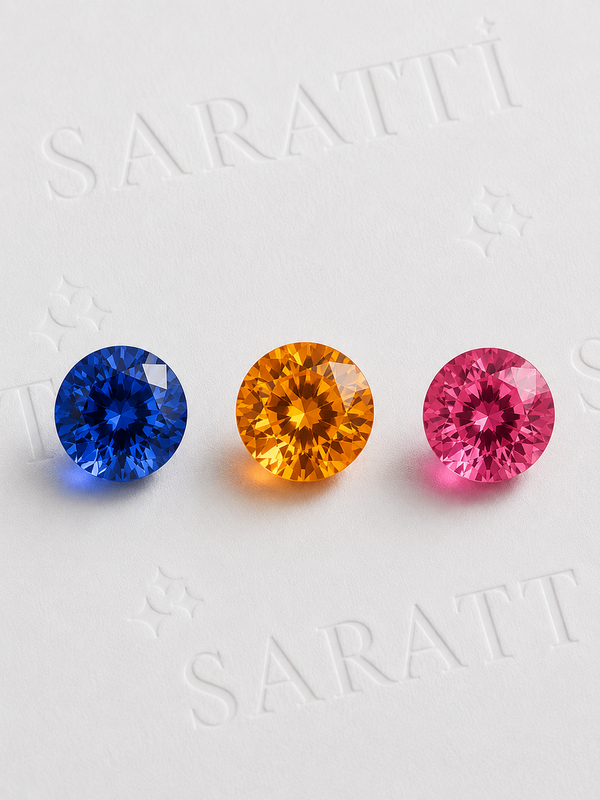
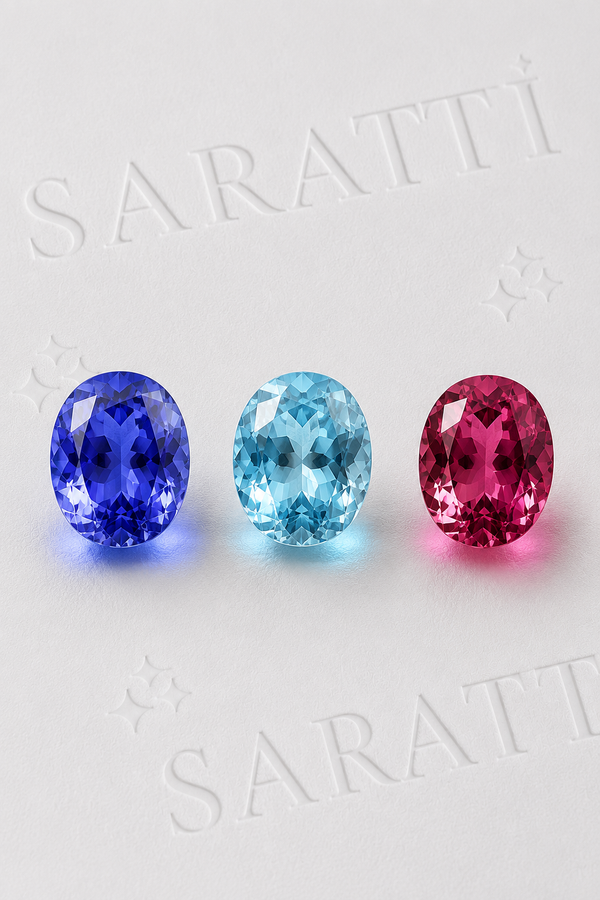
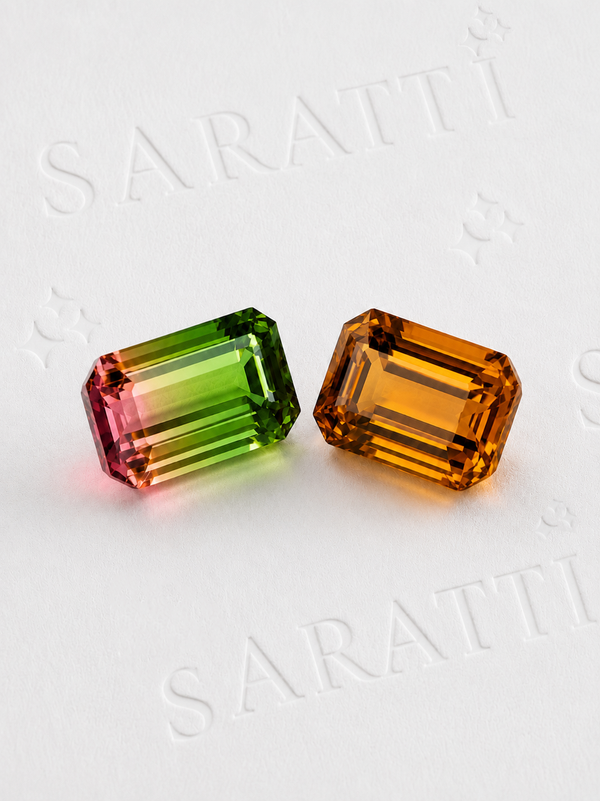
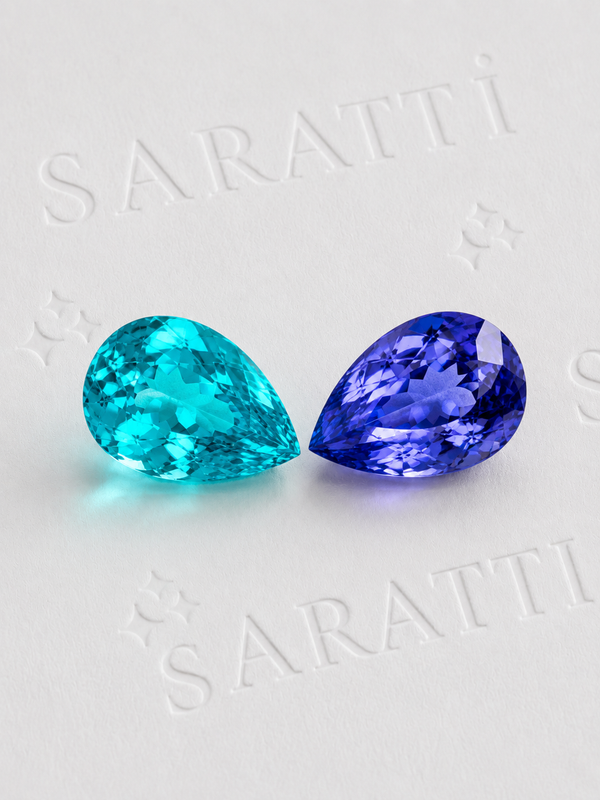

Diamonds have been admired for centuries. They are known for their beauty, strength, and rarity. At the same time, diamonds are often misunderstood. Many people feel unsure when choosing one. There are grades, numbers, and technical terms.
It is easy to feel lost. This guide is here to slow things down. It explains diamonds clearly and simply, so you can understand what truly matters before making any decision.
This is the starting point of the Uncut Diamond Gemstone Guide.
Key Takeaways
- Diamonds are formed from carbon under extreme heat and pressure
- Diamond quality is measured using four key factors
- Not all diamonds sparkle the same, even at the same size
- Certificates help explain a diamond’s true quality
- A good diamond is about balance, not perfection

What Is a Diamond?
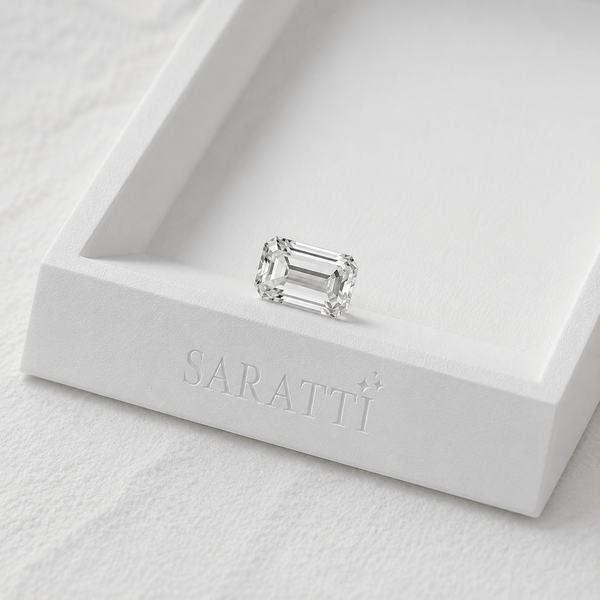
A diamond is a crystal made from carbon. Deep inside the Earth, carbon is exposed to intense heat and pressure. Over a very long period of time, this carbon slowly hardens and forms a diamond. This natural process can take millions, and sometimes billions, of years. Because of this, natural diamonds are rare and difficult to find.
Why Diamonds Are Used in Jewelry
Diamonds are chosen for jewelry for more than just their appearance. They are the hardest natural material found on Earth. This means they resist scratches better than any other gemstone. They also hold their shape over time. Even with daily wear, diamonds keep their structure and shine. This strength makes diamonds especially suitable for rings, which are worn and handled often.
How Diamond Quality Is Measured


At first glance, many diamonds look similar. In reality, small differences can change how a diamond looks and performs. To compare diamonds fairly, experts use four main factors, known as the 4Cs.
Cut affects how light enters and leaves the diamond.
A well-cut diamond reflects light back to the eye and appears brighter.
Color describes how clear or tinted a diamond appears.
Less color usually gives a cleaner and more luminous look.
Clarity refers to natural features inside the diamond.
Most diamonds have them, and many cannot be seen without magnification.
Carat measures the diamond’s weight, not its size.
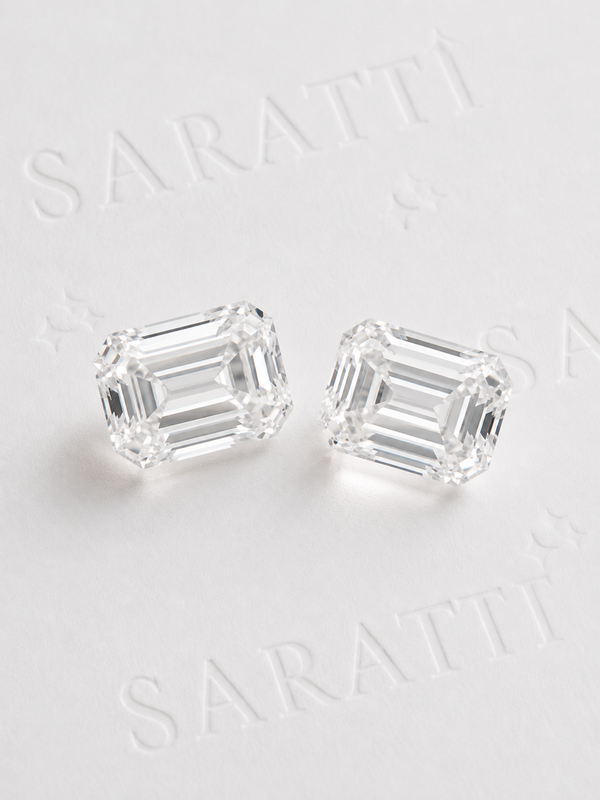
Two diamonds of the same carat can look very different depending on cut and shape.
The most beautiful diamonds balance all four factors rather than focusing on just one.
Different Types of Diamonds
When shopping, you may encounter different kinds of diamonds. Some diamonds are formed naturally in the Earth. Others are grown in laboratories using advanced technology. Some natural diamonds are treated to improve their color or clarity. Each type can be a valid option when it is clearly explained and properly disclosed. Understanding the difference allows you to choose with confidence.
Why Diamond Certificates Matter
Most diamonds cannot be fully judged by sight alone. A diamond certificate is an independent report that records key details about the stone. It lists the cut, color, clarity, and carat weight. It also clearly states whether the diamond is natural, lab-grown, or treated. Certificates provide transparency and help buyers compare diamonds accurately.
Diamonds in Real Jewelry
A diamond’s appearance is influenced by more than its grade. Its shape, setting style, and metal all play a role. The same diamond can look larger, brighter, or softer depending on how it is set. A well-chosen diamond should suit the design and how it will be worn in daily life.
Common Diamond Misunderstandings
Many people believe that bigger always means better. Others assume the highest grades are the only safe choice. In reality, diamonds are personal. The right diamond is one that fits your lifestyle, your taste, and your expectations — not just a checklist.
A Clear Closing Thought
Understanding diamonds removes pressure. It replaces confusion with confidence. When you know how diamonds are formed, measured, and used, choosing one becomes far simpler.


