What an Emerald Is
Emerald is the green variety of beryl, coloured by chromium and sometimes vanadium. Aquamarine and morganite are the same mineral wearing different colours; emerald is the one the world built a mythology around.
It has been mined for at least four thousand years. Cleopatra's mines in the Egyptian desert were worked from around 1500 BC. When the Spanish reached South America in the sixteenth century they found emeralds in Colombian hands finer than anything in Europe, and the stones that flowed back across the Atlantic changed what the European aristocracy understood green to mean. Emerald has never really lost that association — it is the stone of Muzo and of the Mughal courts, and it remains, with ruby and sapphire, one of the three coloured gemstones the entire trade is organised around.
At 7.5 to 8 on the Mohs scale emerald is hard. But hardness is not the whole of durability, and emerald is the clearest example in gemmology of why those two things must be separated. That distinction runs through everything below.
Colour Is the Price
In emerald, colour carries the value more decisively than in almost any other stone.
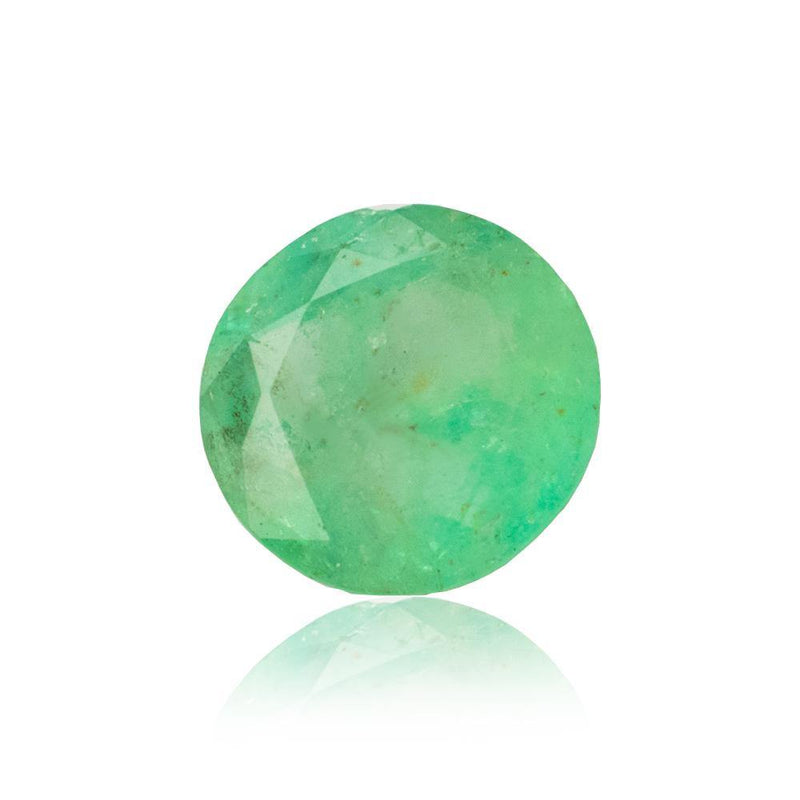
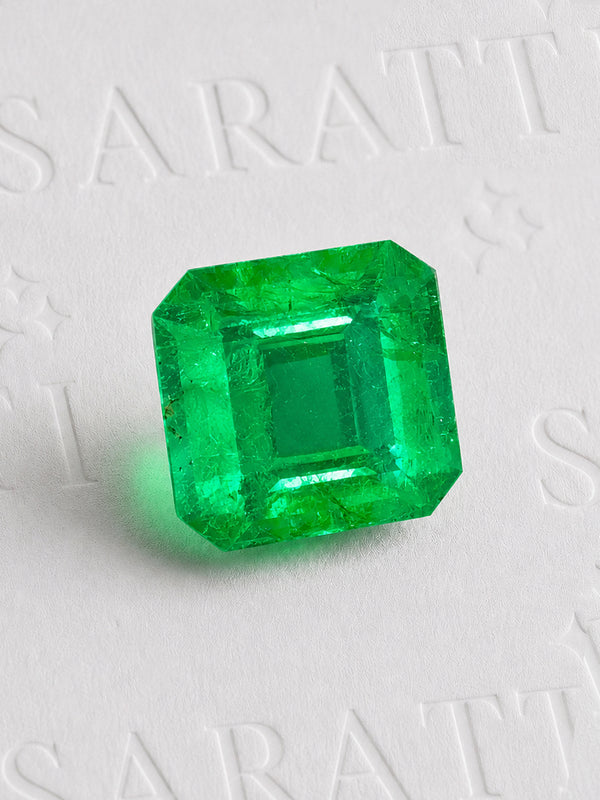
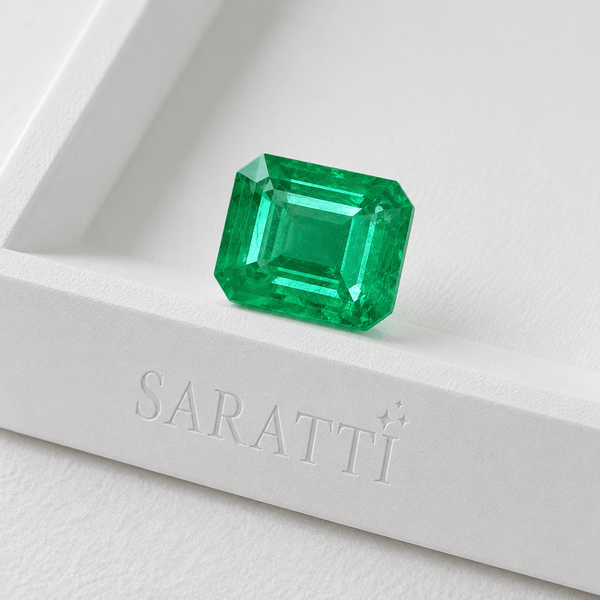
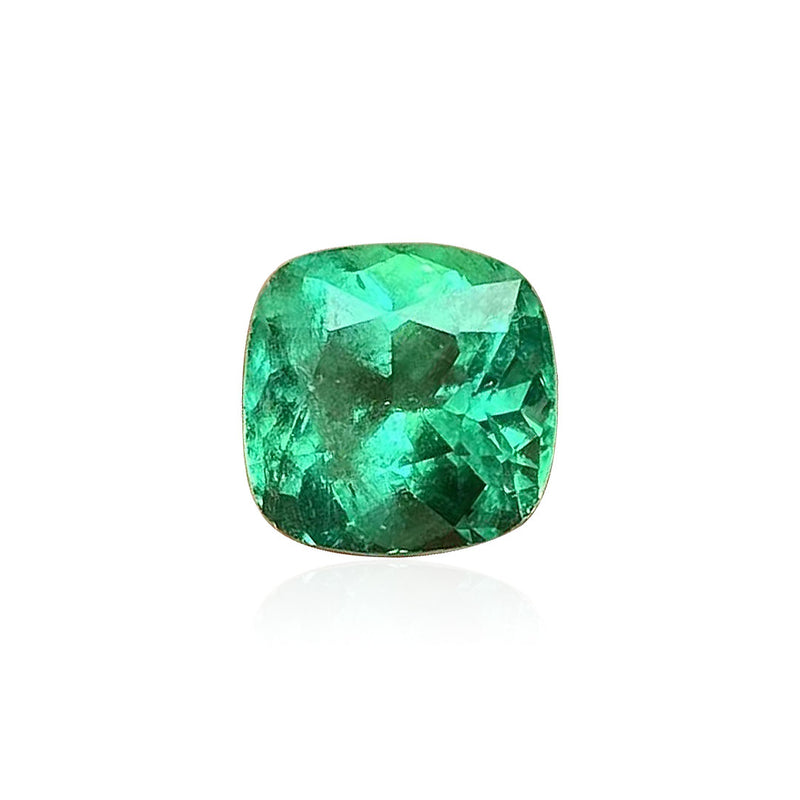
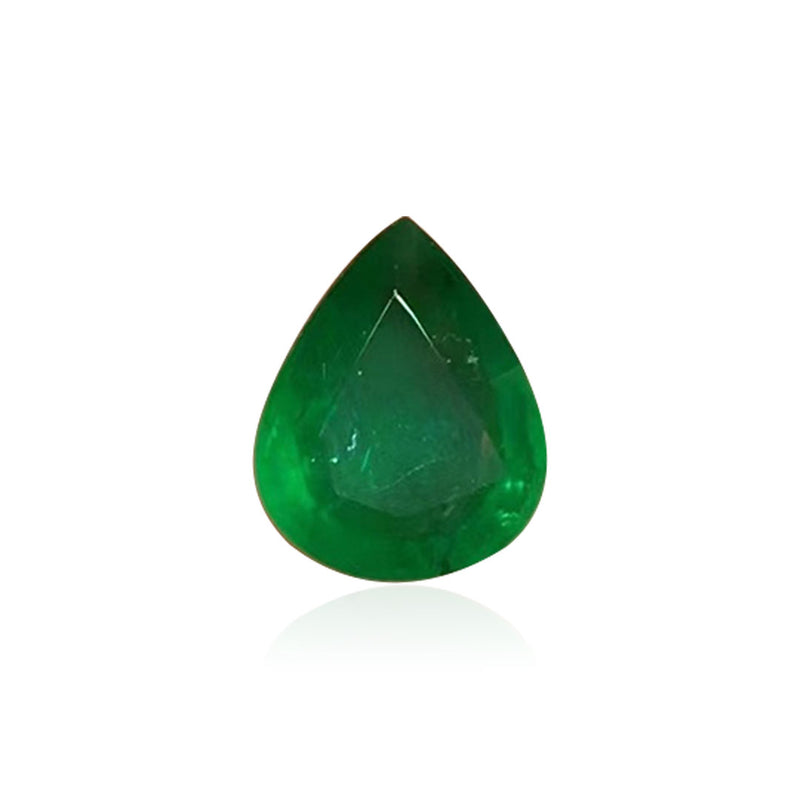
The finest emerald is a pure, vivid green to slightly bluish green, medium to medium-dark in tone, with strong saturation. Push toward yellow and it starts to read as green beryl rather than emerald. Let the tone go too light or the saturation go weak and the same thing happens — and where the boundary sits between a pale emerald and a green beryl is a real disagreement between laboratories and markets, exactly as it is between ruby and pink sapphire.
Chromium does something else worth knowing. Like ruby, chromium-coloured emerald can fluoresce, which is part of why fine material seems to glow rather than simply sit there being green. Iron content suppresses this, and material with more iron reads flatter and greyer even where the hue is technically similar.
Emerald is also cut deep more often than not, because depth builds colour. This is why an emerald frequently looks smaller face-up than its carat weight suggests, and why comparing millimetre dimensions rather than weight matters here more than usual.
If green is your starting point rather than the species, our green gemstones collection and the types of green gemstones guide gather the alternatives — tsavorite, chrome tourmaline, demantoid and the rest.
The Jardin
Emerald is a Type III gemstone. It is expected to be included, and an eye-clean emerald of any size is a genuinely rare object rather than a normal one.
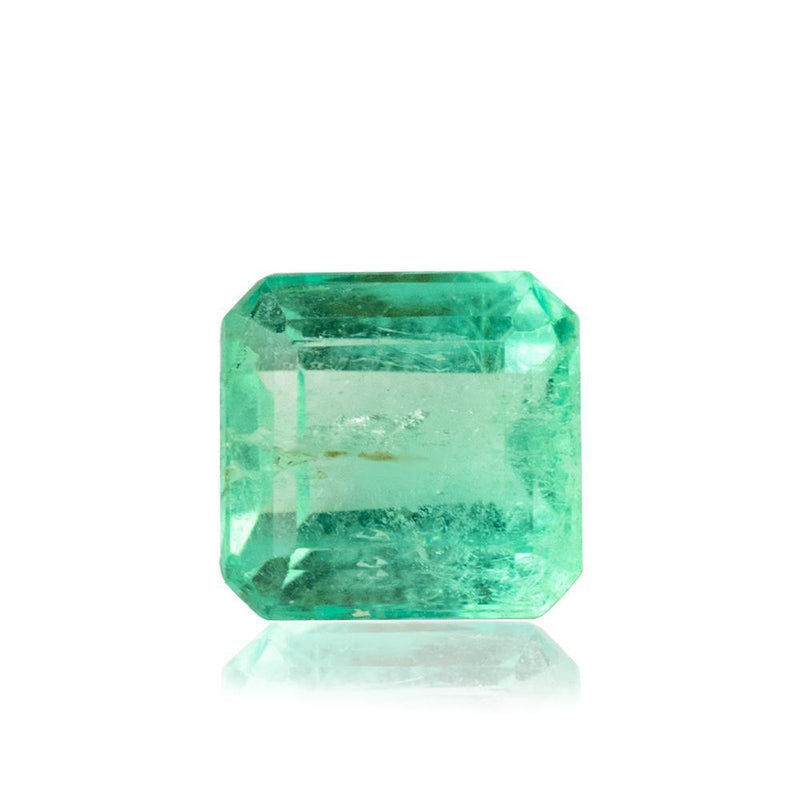
The trade calls the internal landscape the jardin — French for garden — and the name is not a euphemism invented to sell flawed stones. The inclusions in emerald are frequently beautiful under magnification: fine fissures, three-phase inclusions containing liquid, gas and a salt crystal, mineral guests, and growth features that record how the crystal formed. Those three-phase inclusions are also diagnostic. A gemmologist uses them to distinguish natural emerald from synthetic, and in some cases to indicate origin.
So the working rule for emerald is the opposite of the one for diamond. Do not ask whether there are inclusions — there are. Ask three things instead: does the stone still read as transparent and lively, is the colour strong enough to carry it, and does any fracture reach the surface in a way that threatens the stone.
That third question is the one that matters for how the piece will live, and it leads directly to the next section.
Trapiche Emerald
One emerald in many thousands grows into a shape that looks designed.
A trapiche emerald has a hexagonal core with six arms radiating from it, dividing the stone into six green sectors separated by dark spokes. The spokes are not fractures. They are concentrations of carbon, albite and other material that were pushed aside as the crystal grew rapidly along six preferred directions, and the pattern records the growth history exactly. The name comes from the toothed wheel used to crush sugar cane in Colombia, which the cross-section resembles.
The material comes chiefly from the western Colombian belt around Muzo, Peñas Blancas and Coscuez, and it is cut as slices or cabochons rather than faceted, because the whole point is the pattern seen through the table. Transparency is usually modest and the green is rarely as fine as in faceted material, so a trapiche is not bought on colour. It is bought because it is a legible record of how an emerald forms, and because no two are the same. Prices for good examples with sharp, even spokes have risen sharply as collectors have taken an interest.
Oil, Resin, and Being Told the Truth
Almost all emeralds are clarity-enhanced, and they have been for centuries. Surface-reaching fissures are filled with a substance of similar refractive index — traditionally cedarwood oil, now often a polymer resin — which makes the fissures far less visible and the stone appear cleaner and more transparent.
This is accepted practice, not a scandal. An unenhanced emerald of good colour and size is extraordinarily rare and priced accordingly. What matters is degree, and laboratories grade it:
None — no enhancement detected. Rare, and commands a substantial premium. Minor — a small amount. Highly desirable. Moderate — common, entirely acceptable, and where most good commercial emerald sits. Significant — the stone relied heavily on treatment, and should be priced as such.
A moderate stone is not a bad stone. But the difference between minor and significant can be a large multiple of price on two emeralds that look similar in a photograph, which is why the report matters and why the degree should be stated. Where a laboratory has graded it, we show it. Our full standard is in how SARATTI grades gemstones.
Two consequences follow, and both are practical rather than theoretical. Oil can dry out or leach over years, and a stone may need re-oiling by a competent gemmologist — this is normal maintenance, not damage. And enhancement is why an emerald must never see an ultrasonic or steam cleaner, which can strip the filling and leave the fissures suddenly, visibly open.
Origin
Colombia is the benchmark. Muzo, Chivor and Coscuez produce a warm, slightly bluish pure green with relatively low iron, and Colombian material commands a premium that is genuine rather than merely romantic. Muzo is associated with the deepest, warmest green; Chivor with a slightly bluer, lighter tone.
Zambia — chiefly Kagem — has become the most important source by volume and produces superb material: often cleaner than Colombian, slightly bluer and darker because of higher iron, and frequently better value. A fine Zambian emerald outperforms a mediocre Colombian one on everything you can see.
Brazil produces large quantities across a wide quality range. Afghanistan yields fine material from the Panjshir valley. Ethiopia emerged recently as a source of good vivid stones. Russia and Zimbabwe contribute smaller quantities of note.
The position is the one we take on every stone: origin modifies value, it does not replace quality. Where a Colombian origin is claimed and priced, ask for a report from a laboratory qualified to determine it.
The Route the Stones Took
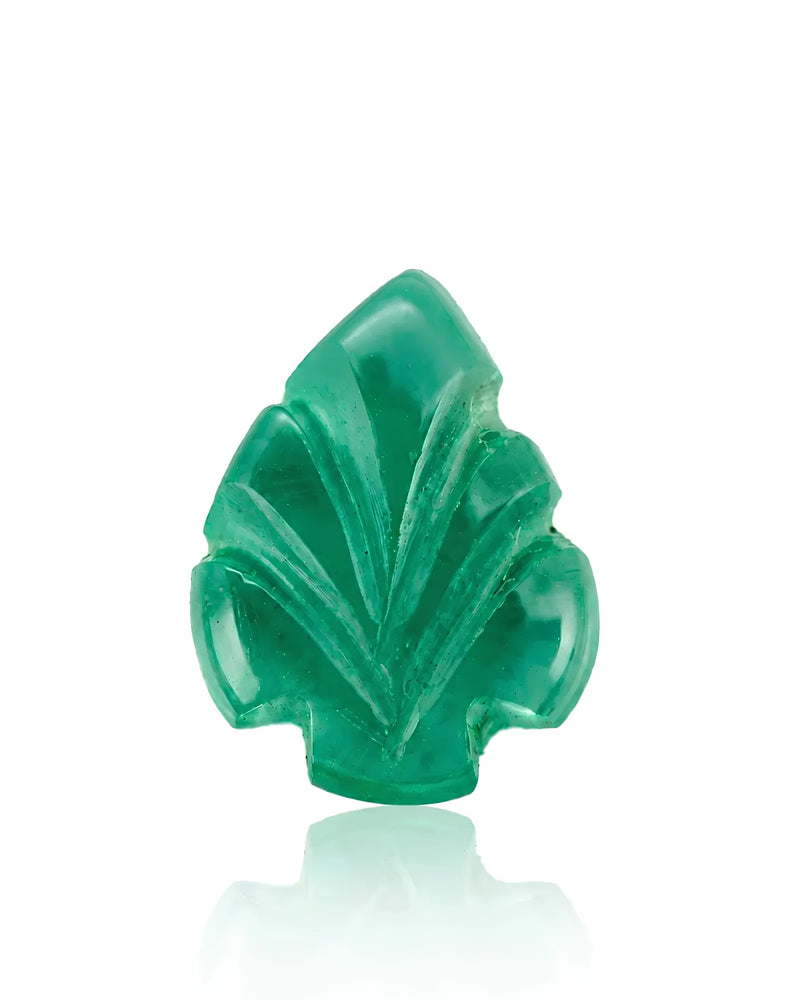
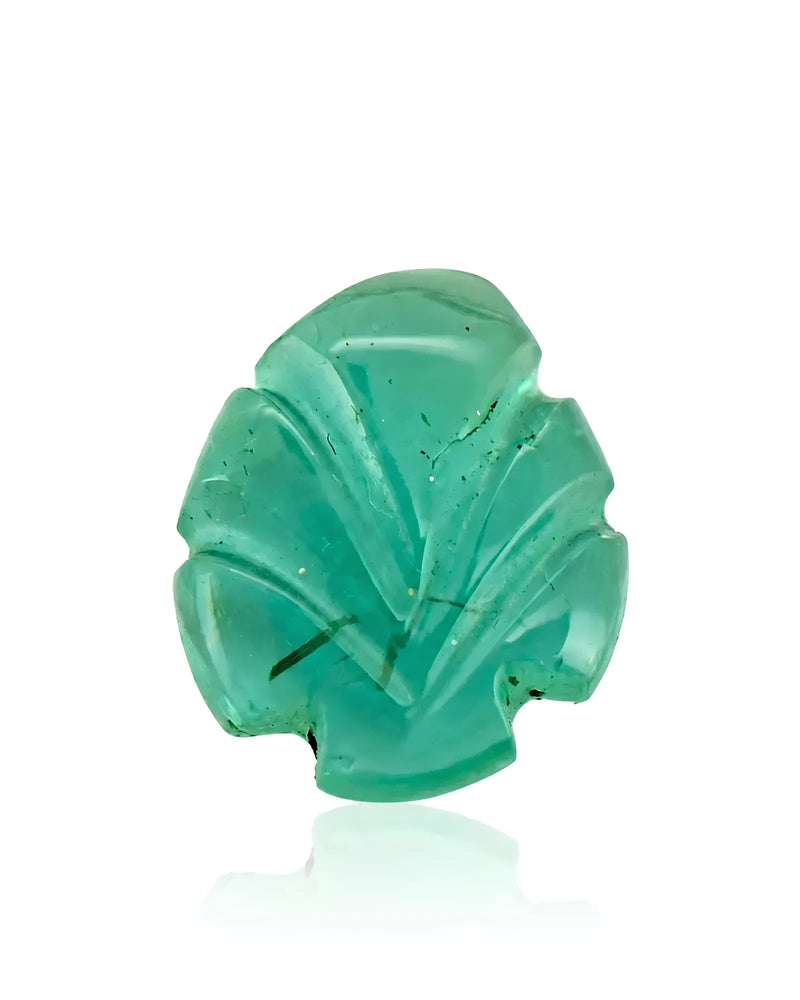
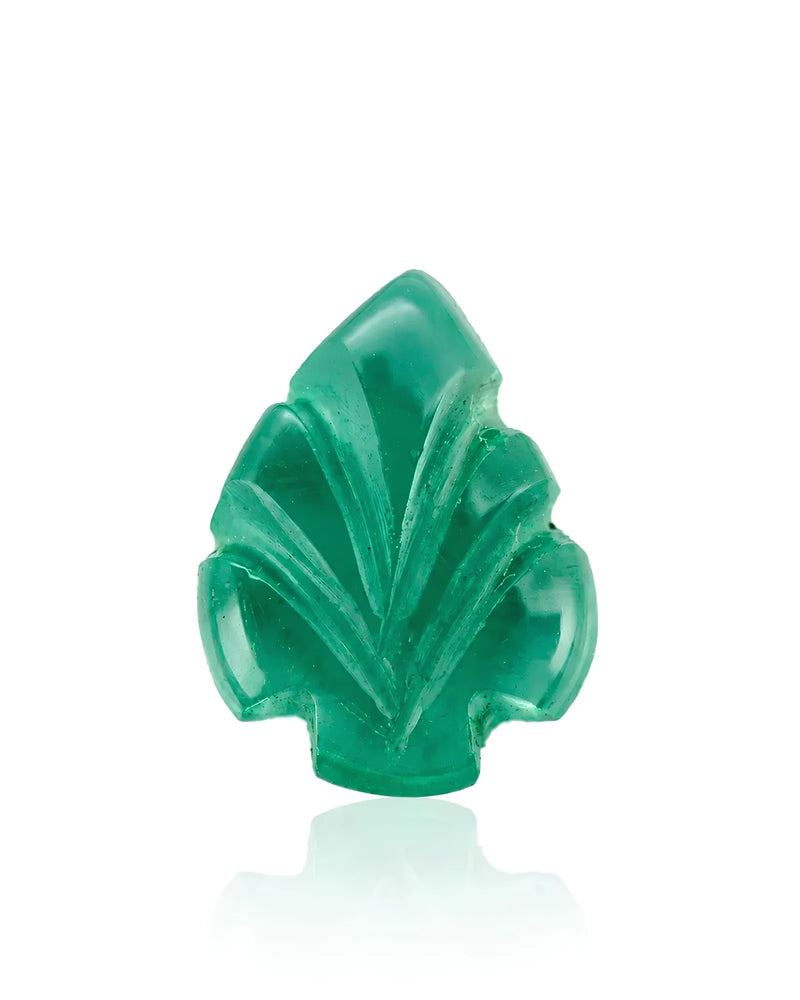
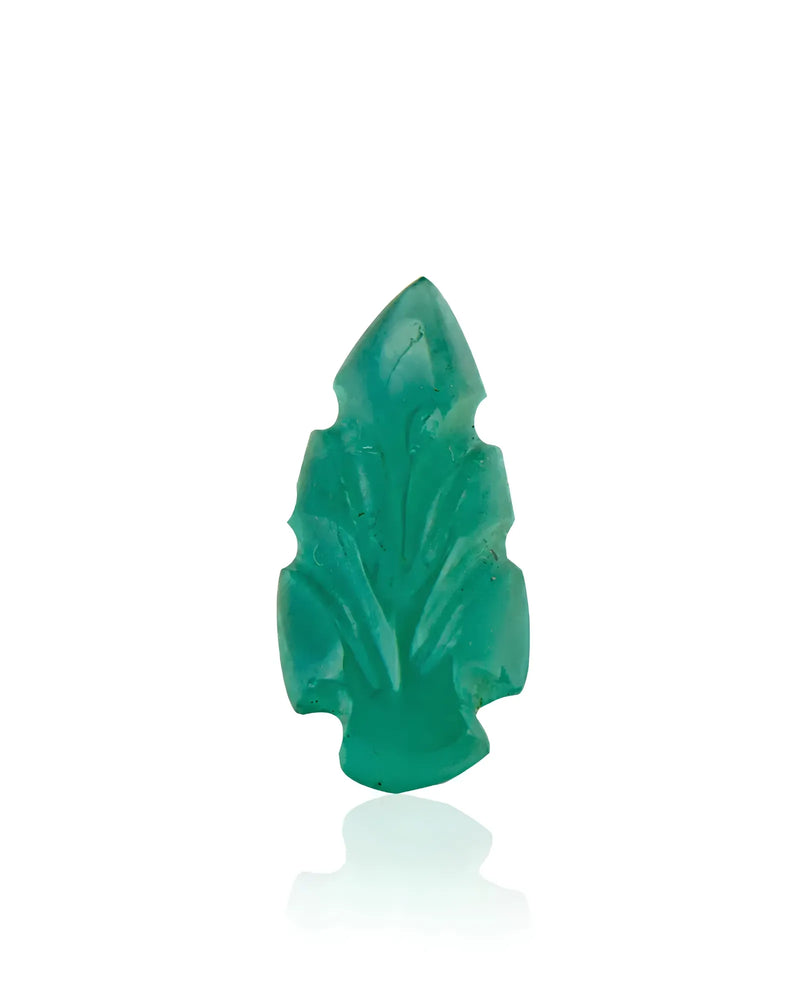
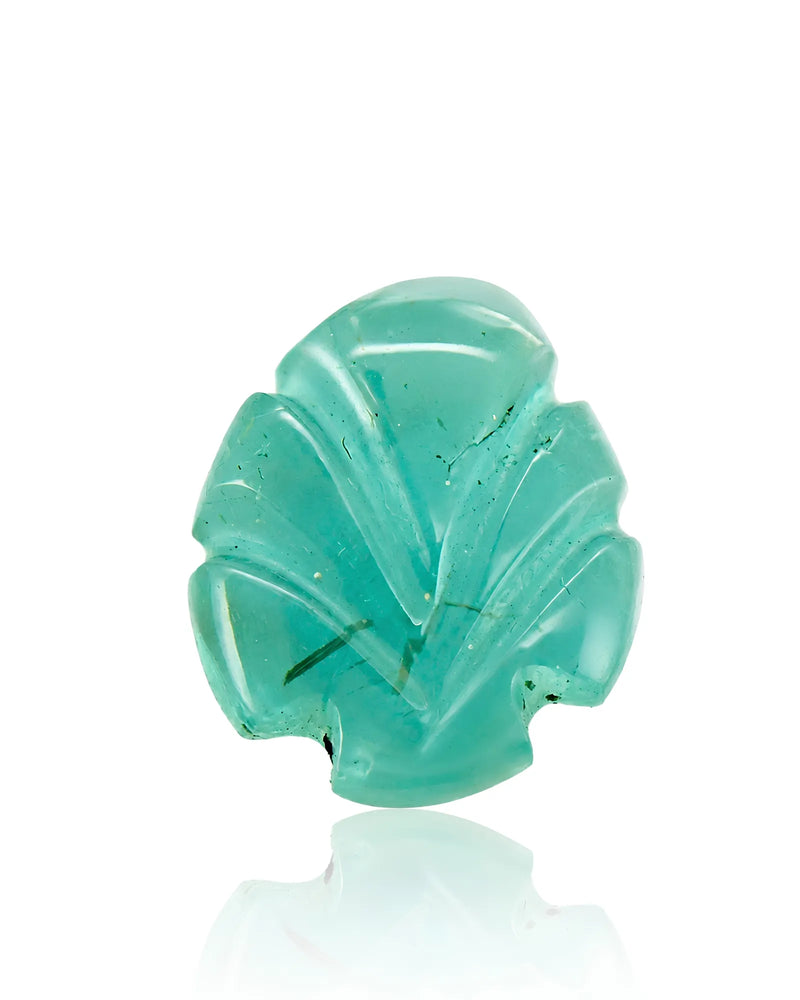
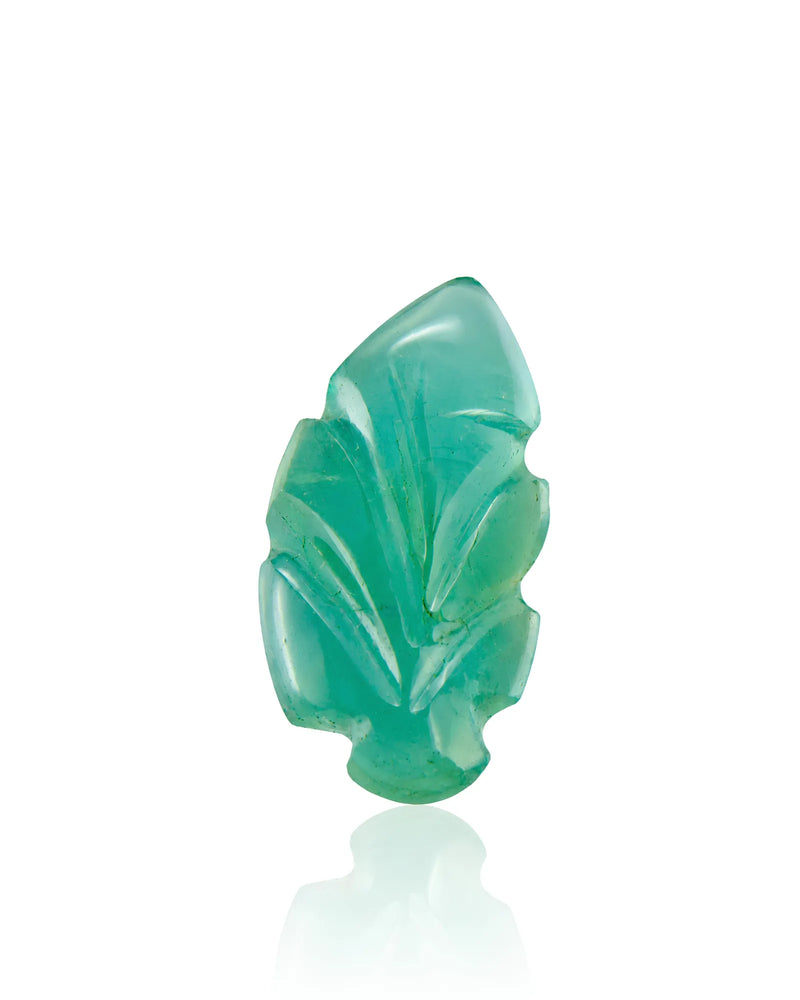
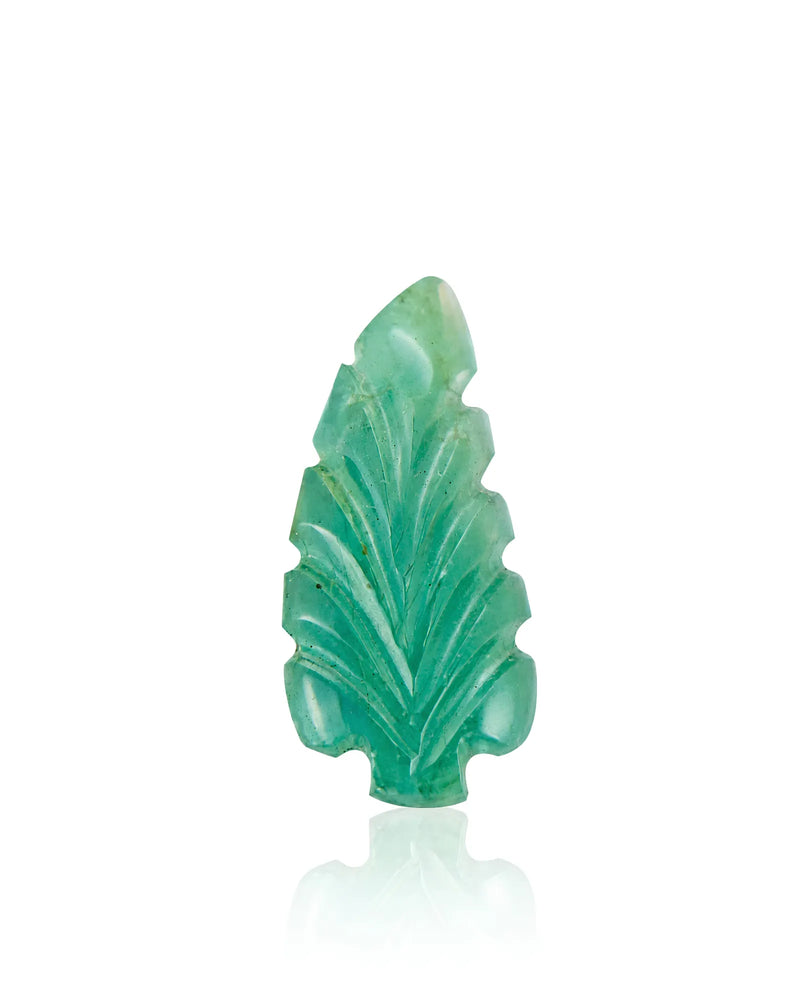
Colombian emerald did not simply travel to Spain. Once the Muzo workings were taken from the people who had mined them, a great deal of the production crossed the Pacific on the Manila galleons and was traded on into India, where the Mughal court prized it above almost anything else and had the larger stones carved with prayers and flowers rather than faceted. The engraved Mughal emeralds that appear at auction are Colombian stones that reached Asia in the sixteenth and seventeenth centuries and never went back. It is worth knowing when a dealer describes an old emerald as Indian: India has never been a source of the stone, only its greatest historic destination.
The Emerald Cut, and Why It Exists
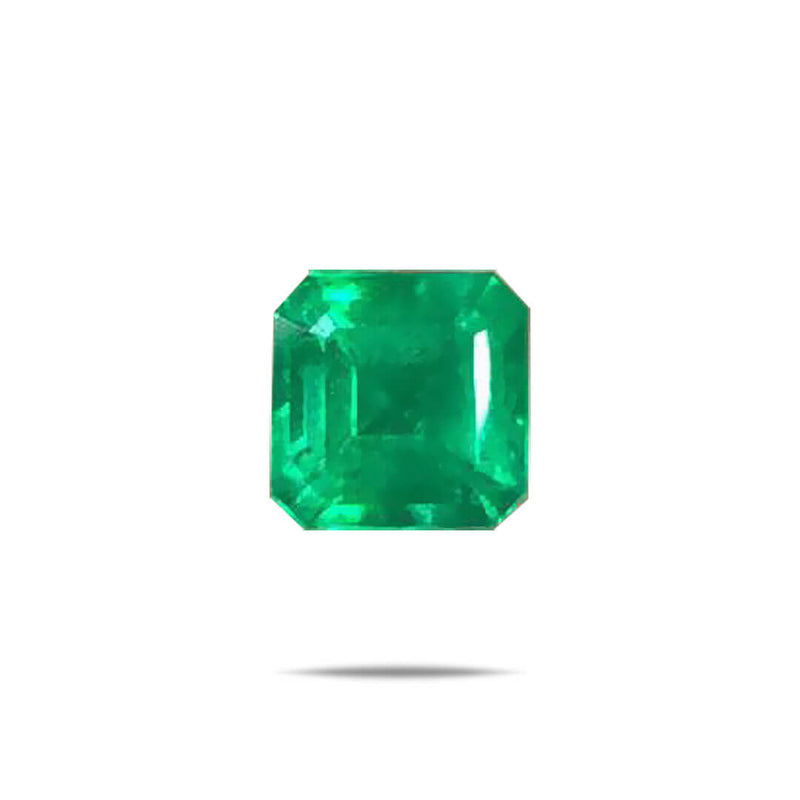
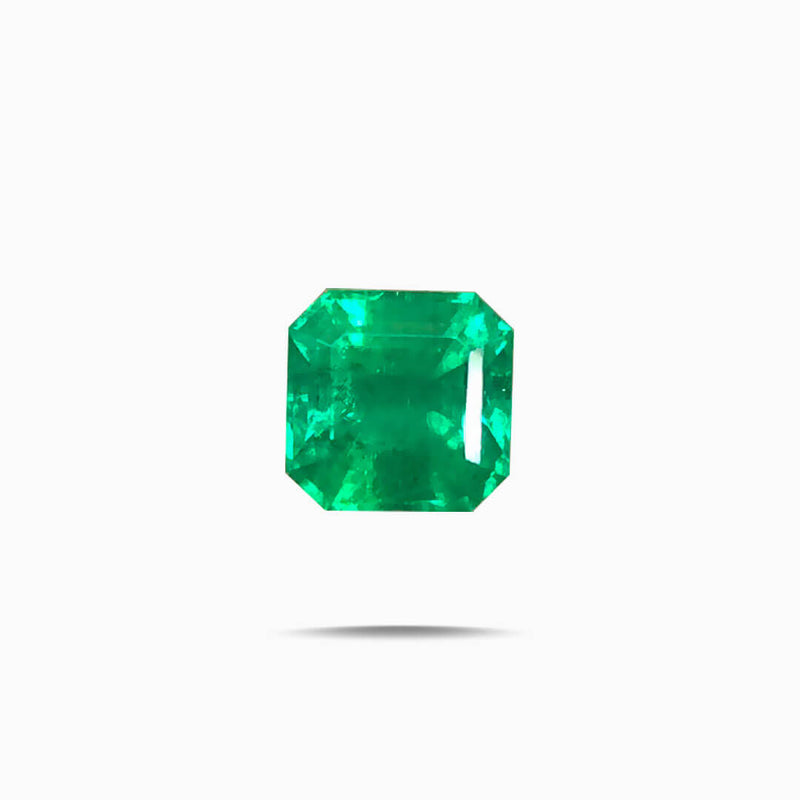
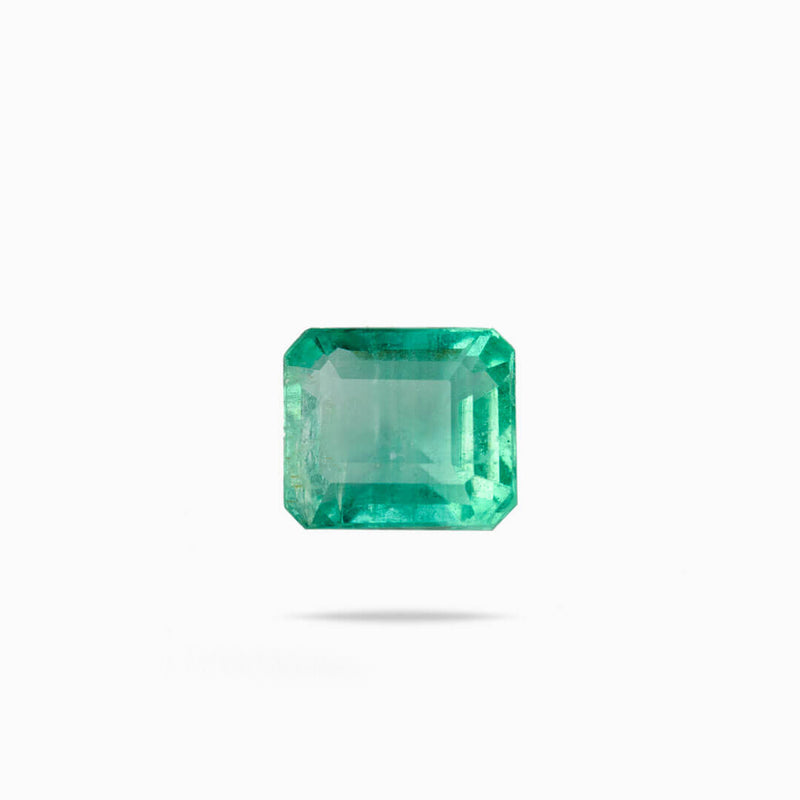
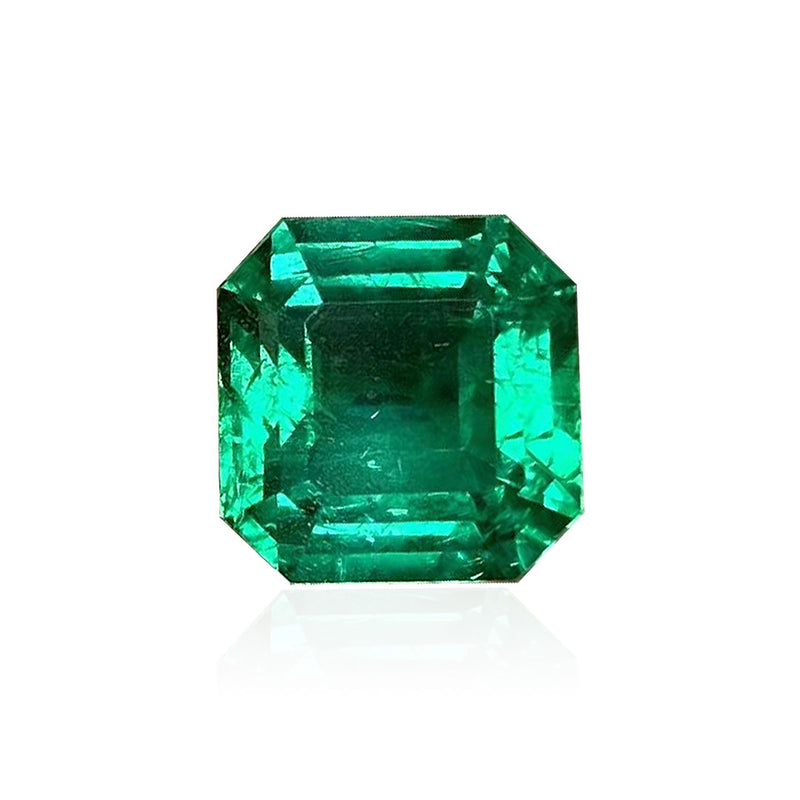
The rectangular step cut with cropped corners is called the emerald cut because it was developed for this stone, and it was developed for a reason.
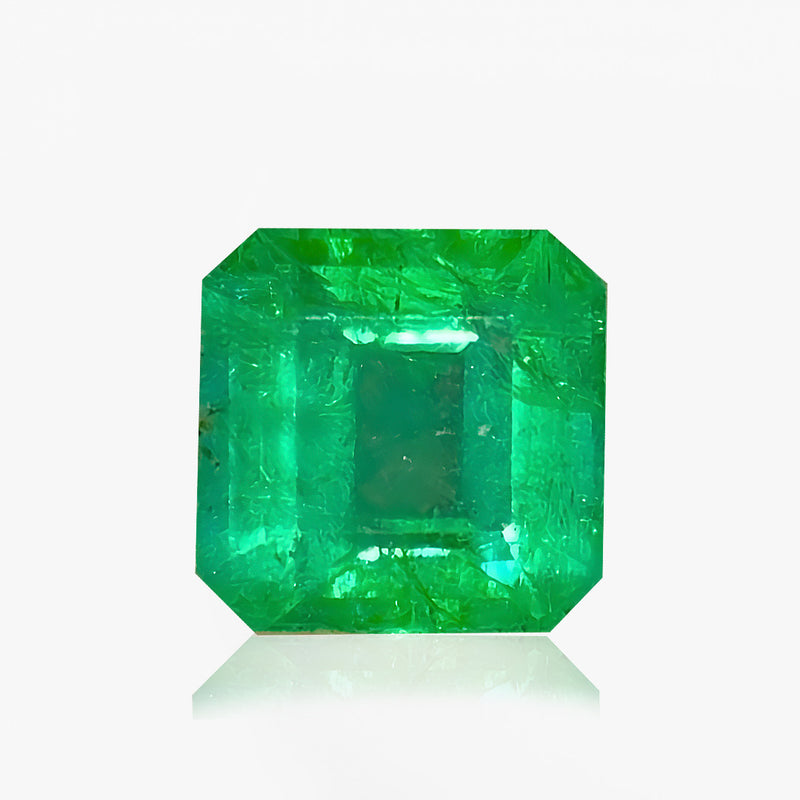
Emerald is brittle. Not soft — brittle. Its inclusions and fissures make it prone to chipping under a sharp knock, and the sharp corner of a rectangle or a square is exactly where that damage starts. Cropping the corners removes the vulnerable point and gives a setting somewhere secure to hold. The broad open facets of a step cut also happen to display colour beautifully, which is what an emerald is bought for, and they demand good clarity because there is nowhere for a large inclusion to hide.
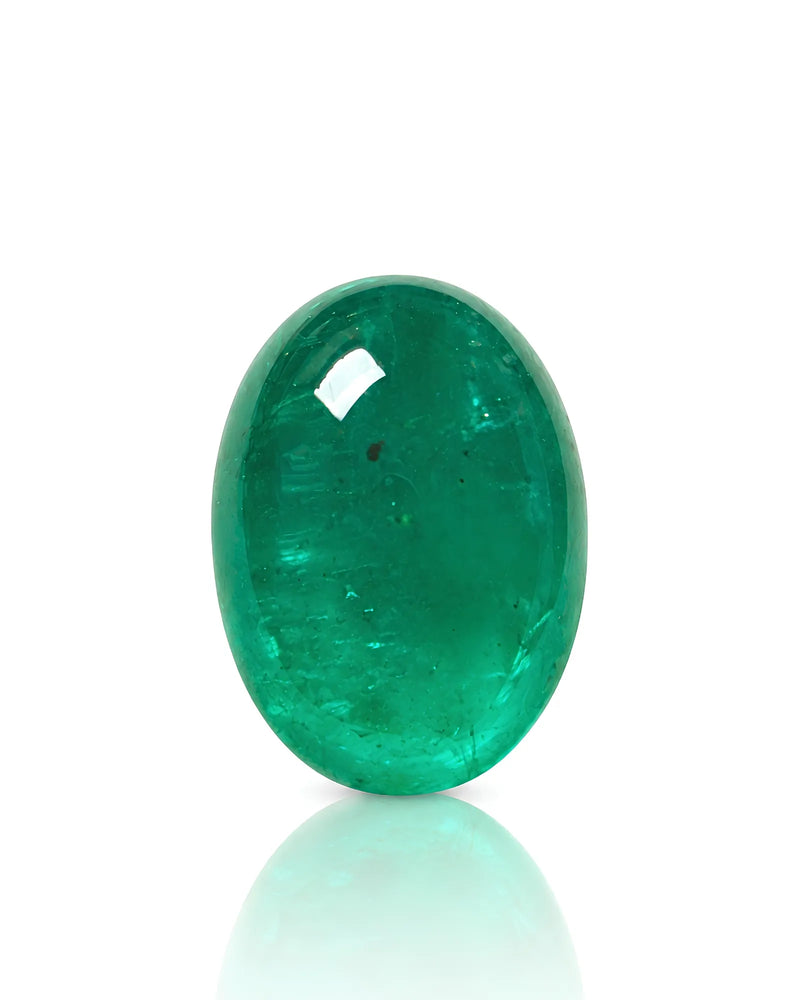
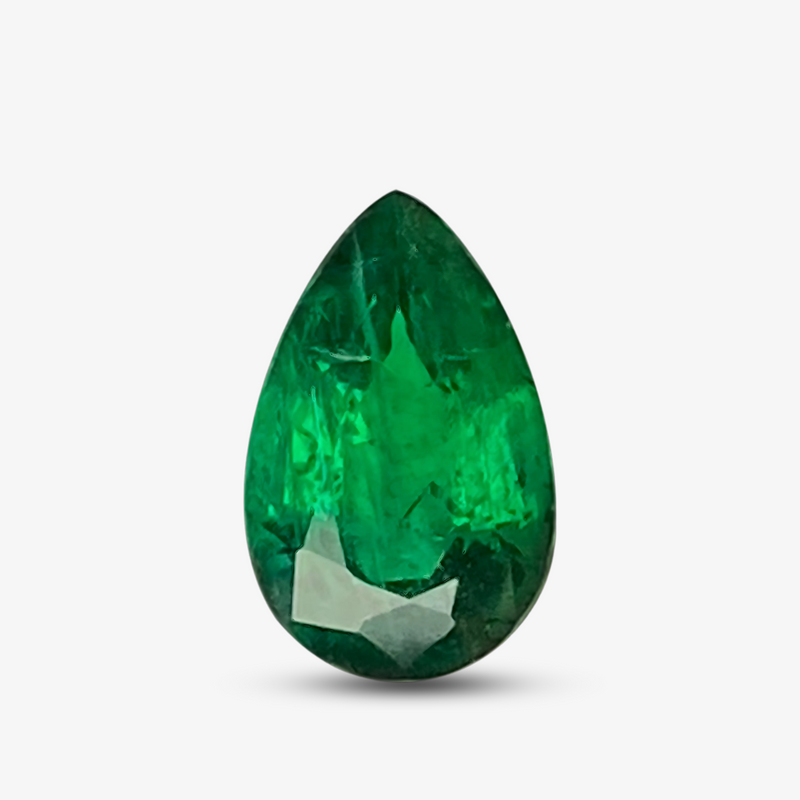
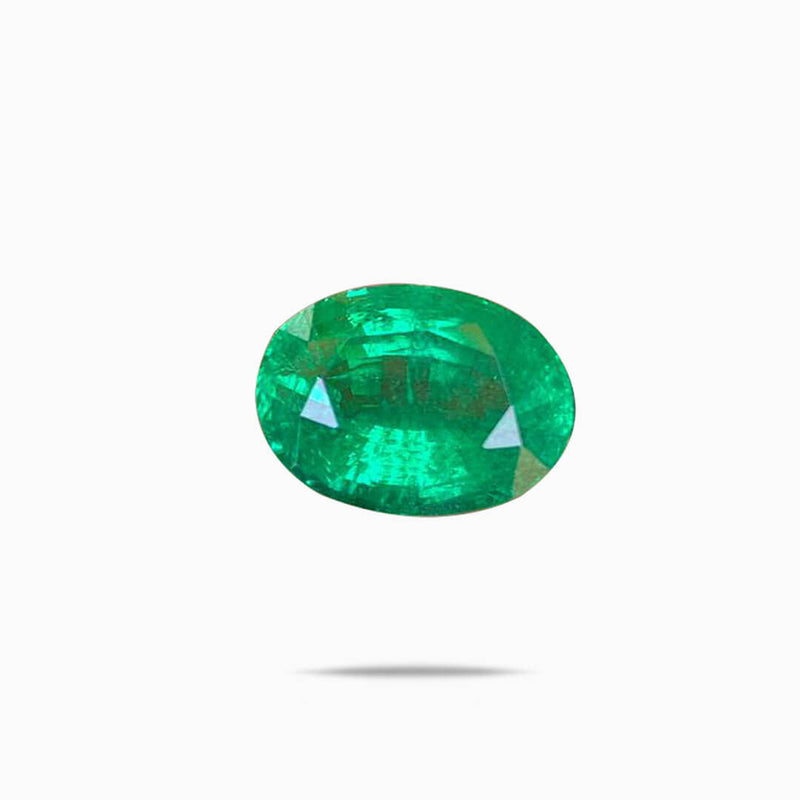
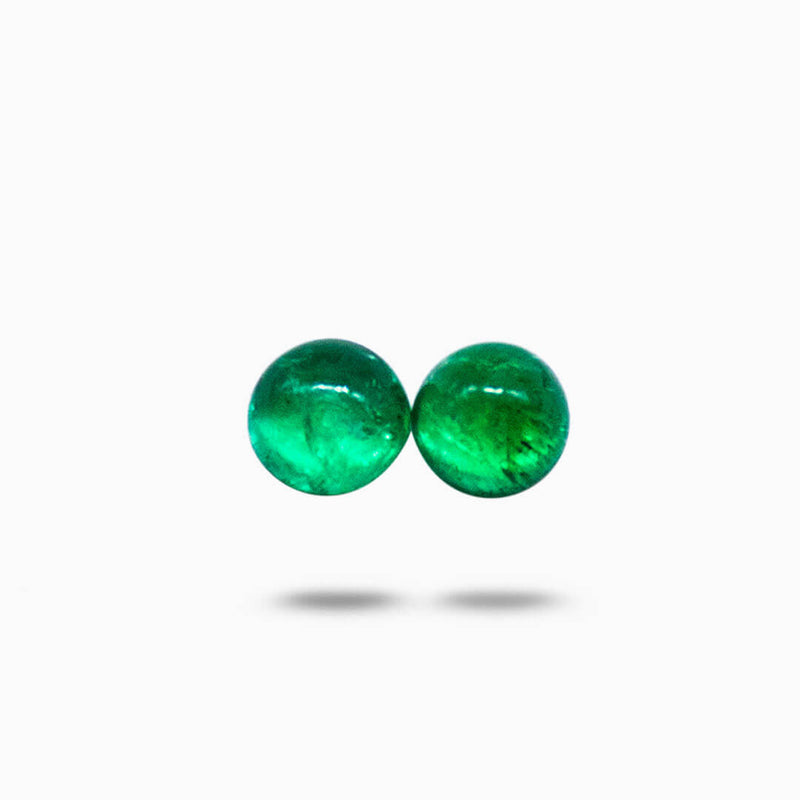
Ovals, cushions and pears are all common too, and cabochons are used for heavily included material where the colour is still fine. Our guide on identifying a high-quality emerald cut applies here directly.
Wearing an Emerald
This is where honesty serves you better than enthusiasm. Emerald can absolutely be worn — the Mughal emperors did, and so does most of the world — but it needs a different relationship from sapphire.
For a ring worn every day, choose a protective setting: bezel or half-bezel, or claws that cover the corners. Take it off for sport, gardening, and anything involving impact. Clean it with warm water, mild soap and a soft brush, never ultrasonically and never with steam. Avoid solvents, and keep it away from prolonged heat, which can dry the oil.
Handled that way an emerald lasts generations, which the historical record demonstrates. Handled like a sapphire, it will eventually chip. If you are considering one as an engagement ring, our note on what to know before you buy an emerald engagement ring covers colour, setting and care together.
Certification
For emerald an independent report is close to essential, and for two reasons rather than one.
The first is identification. Synthetic emerald has been produced commercially since the 1930s and is very good. The second is treatment. The degree of clarity enhancement is the single largest swing factor on price after colour, and it cannot be assessed reliably by eye.
A report from GIA, GUILD, AIGS, CGRL, GRS or GRC should confirm natural origin, state the degree of enhancement, record measurements and weight, and where relevant give an opinion on geographic origin. Where you would like a stone reviewed by a particular laboratory, we can arrange it and the fee is passed on at cost.
Choosing an Emerald
Emerald is the May birthstone and the traditional gift for a twentieth and thirty-fifth anniversary. It is also, more than most stones, bought on a reaction — people know within a few seconds whether a particular green is theirs.
The practical advice is short. Spend on colour first; it is what you will see across a room and what holds value. Accept the jardin as the nature of the stone rather than a fault to be minimised. Ask for the enhancement grade and treat it as part of the price rather than a footnote. And choose the setting with the stone rather than after it.
Every emerald here is listed individually, with its own photography and details. Where a stone has been enhanced, we say so. Where a report exists, it is shown; where none exists, we say that too rather than implying certification the stone does not carry.
For more on the species, see our emerald guide and the history behind the emerald gemstone.
And if what you want is not on these pages — a particular green, a Colombian origin, minor oil within a budget — only part of what we can reach is listed online. Describe it, and we will go and look.




 Engagement Rings
 Gemstone Rings
 Wedding Bands
 The SARATTI Difference
 Gemstone Type
 Shop By Color

 CGRL
CGRL CGRL
CGRL GUILD
GUILD GUILD
GUILD GUILD
GUILD GUILD
GUILD GUILD
GUILD GUILD
GUILD GUILD
GUILD GUILD
GUILD GUILD
GUILD GUILD
GUILD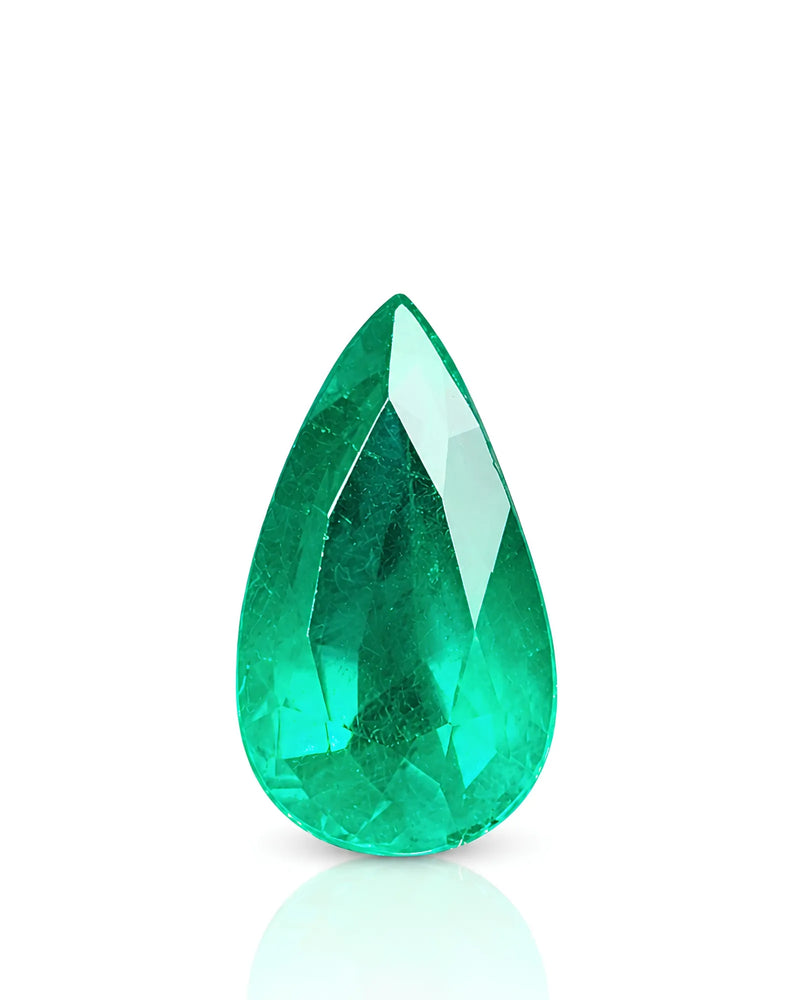 GUILD
GUILD GUILD
GUILD SARATTI
 SARATTI
 SARATTI
 SARATTI
 SARATTI
 SARATTI
 SARATTI
 SARATTI
 SARATTI
 SARATTI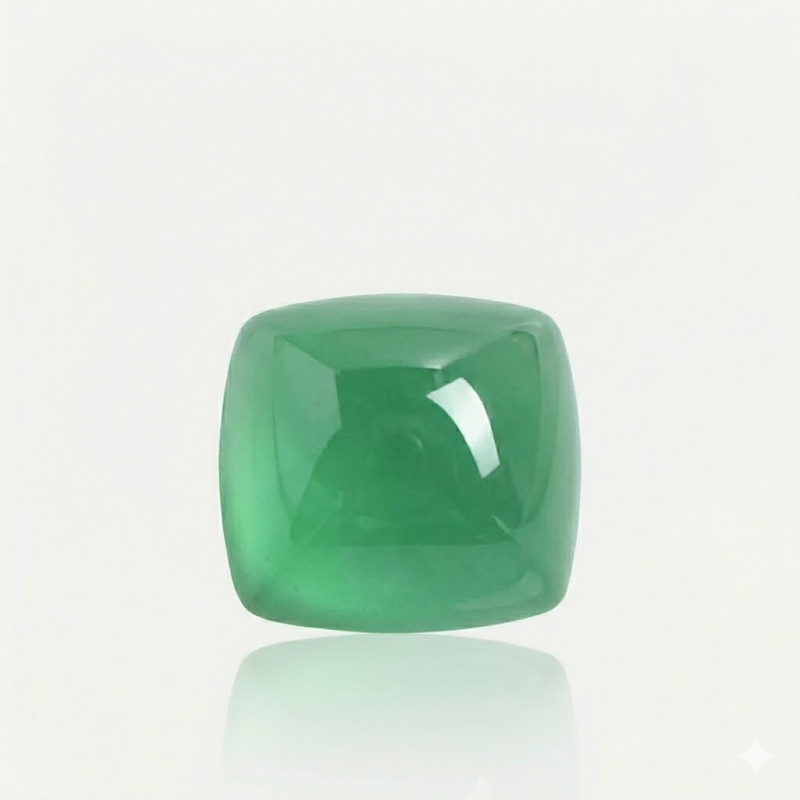
 GUILD
GUILD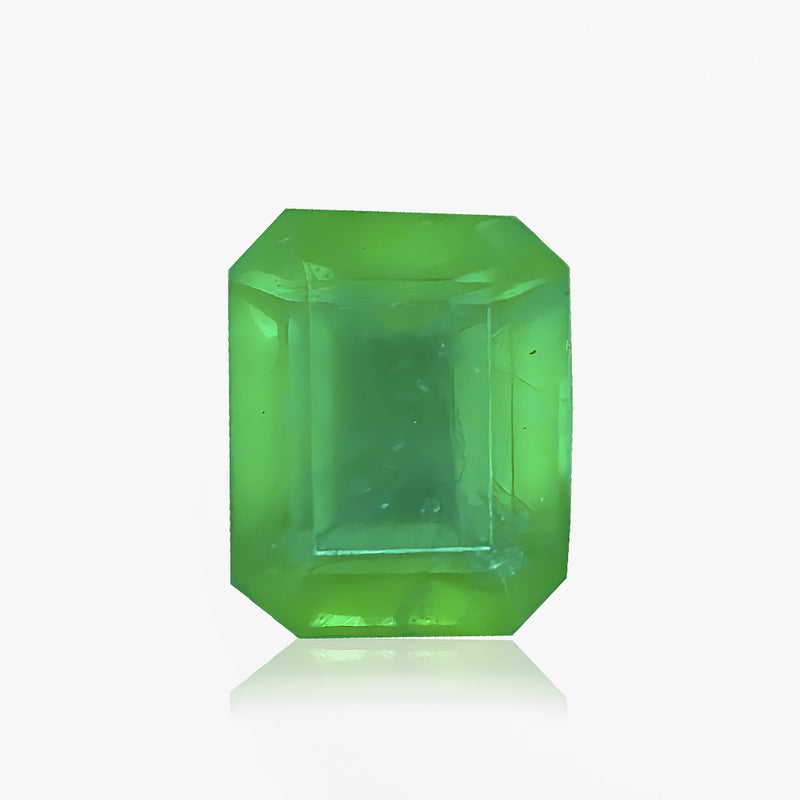 GUILD
GUILD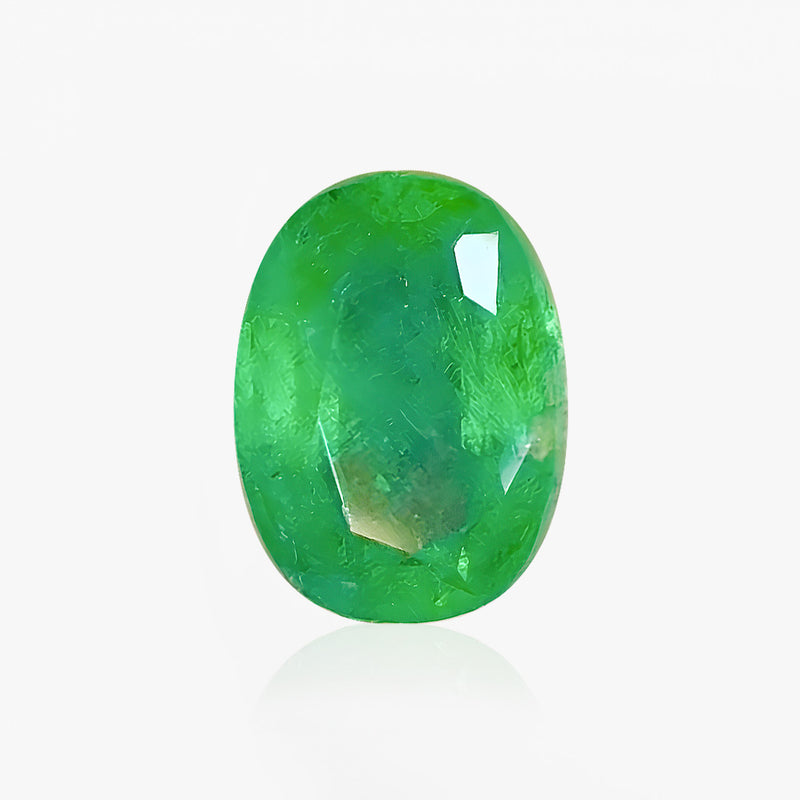 GUILD
GUILD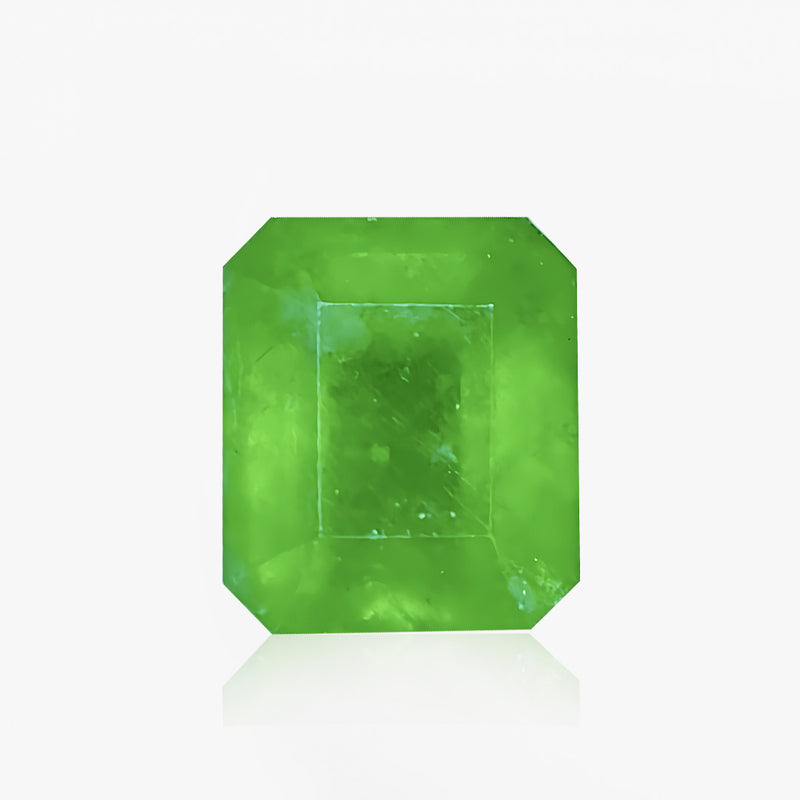 GUILD
GUILD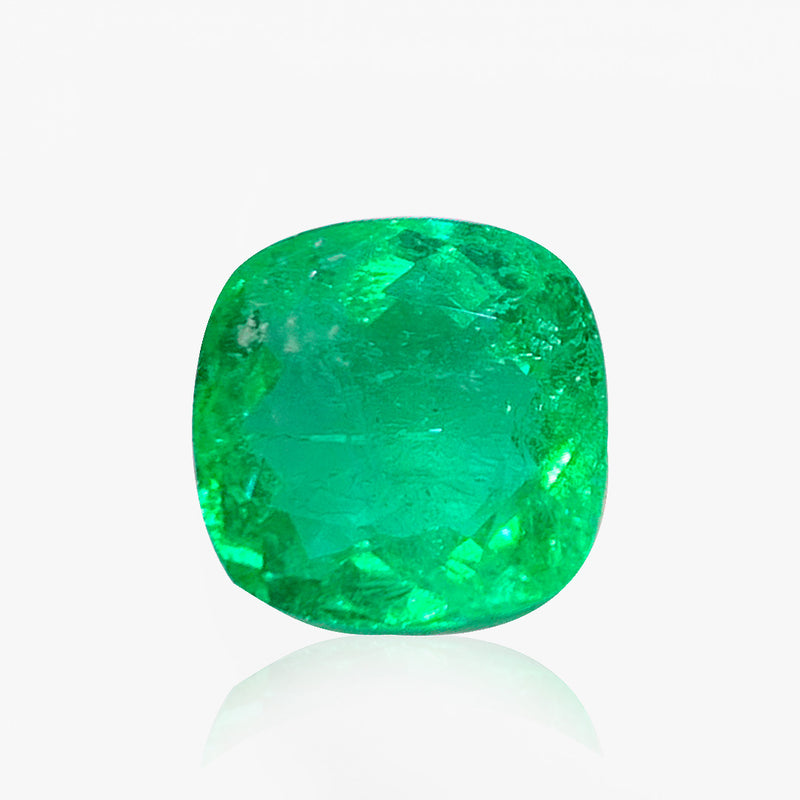 AIGS
AIGS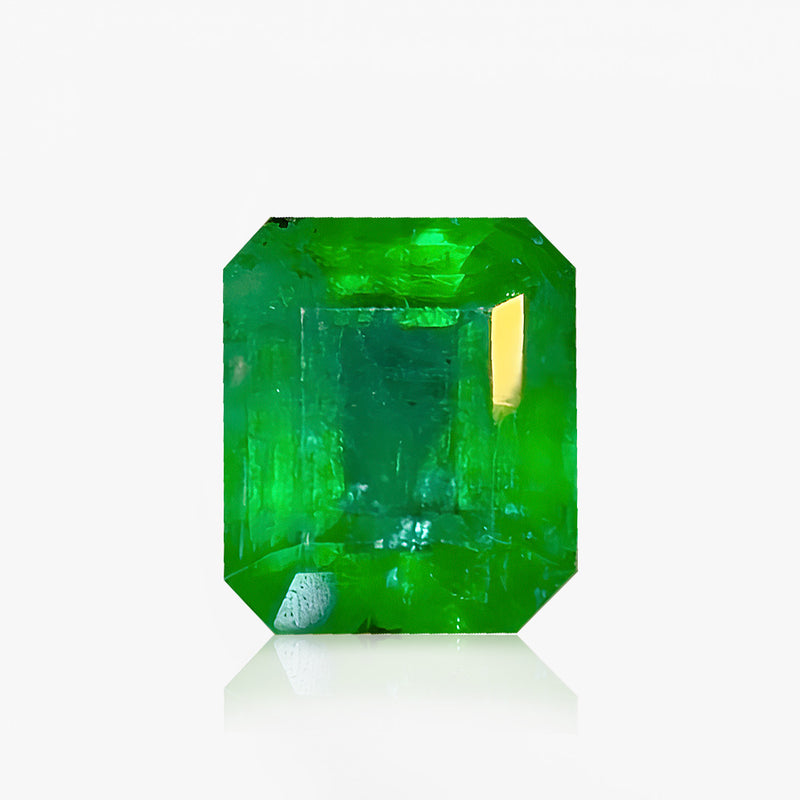 GUILD
GUILD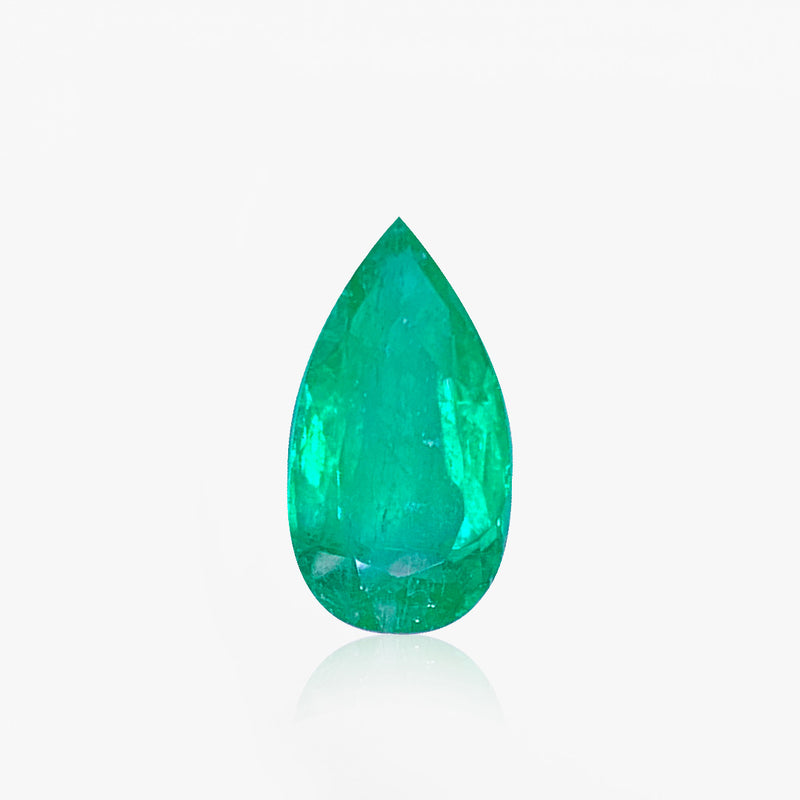
 GUILD
GUILD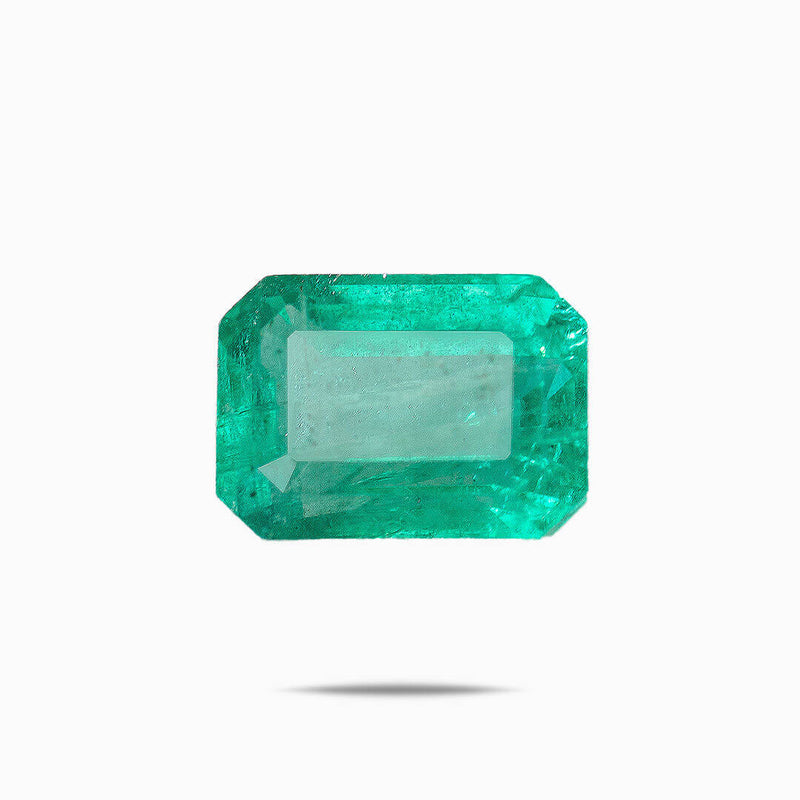
 GUILD
GUILD
 GUILD
GUILD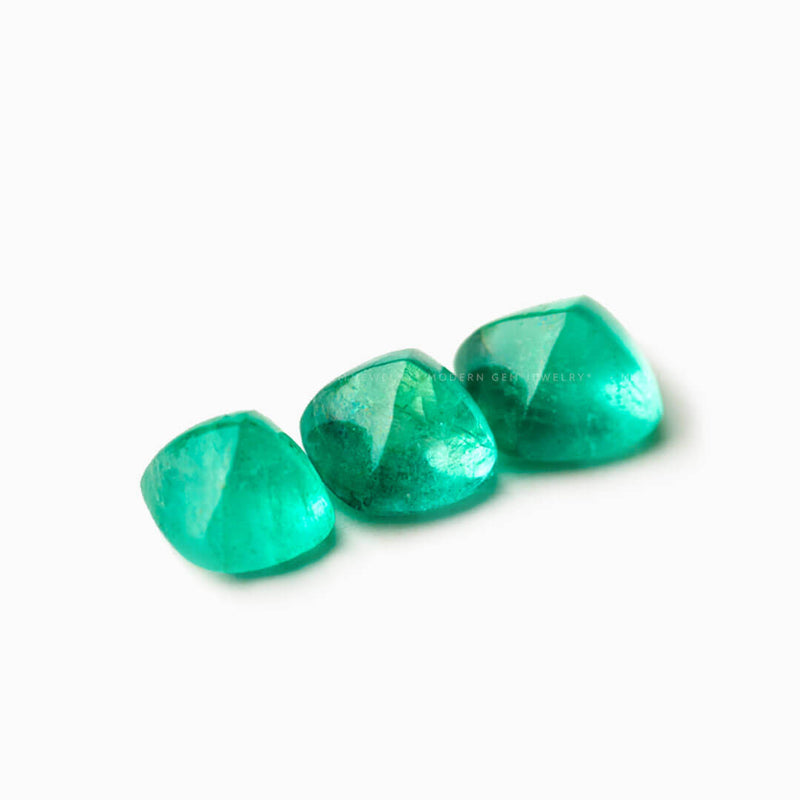
 GUILD
GUILD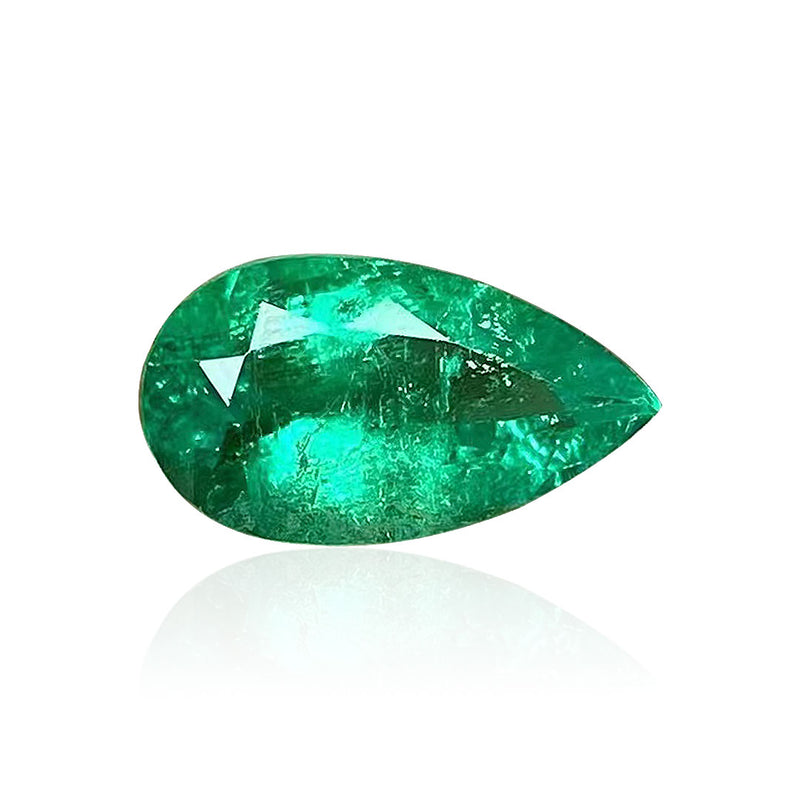
 GUILD
GUILD