



Diamond Guides
Explore SARATTI Bridal Guides

What Is Diamond Clarity?
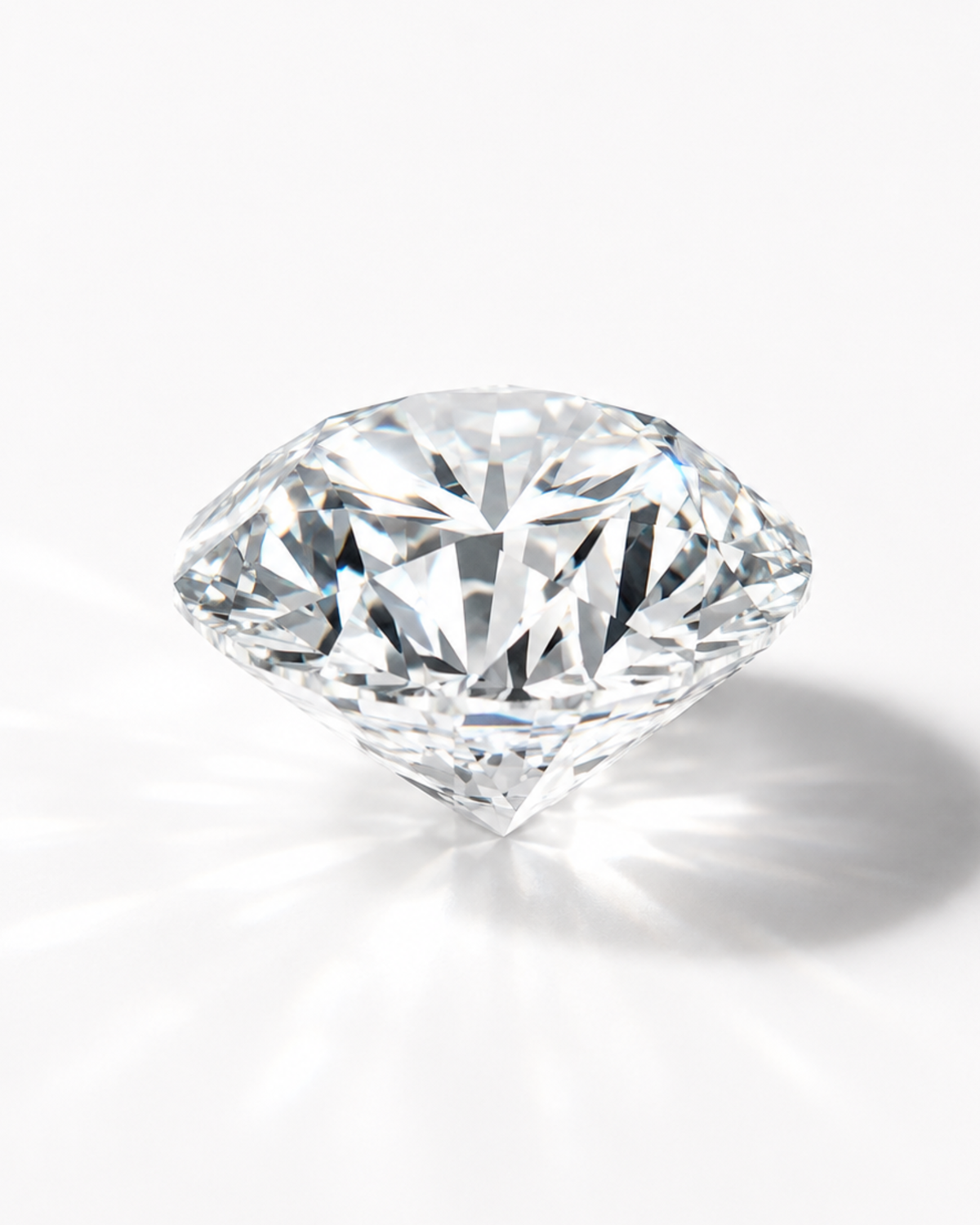
Diamond clarity refers to the presence or absence of internal characteristics, called inclusions, and surface characteristics, called blemishes. These details are evaluated under 10× magnification, and they help determine the clarity grade of a diamond.
A clarity grade is important, but it does not tell the full story. A small inclusion near the edge of a diamond may be less visible than one placed directly under the table. For SARATTI, clarity is read with position, proportion, cut, shape, and final setting in mind.

The Diamond Clarity Scale
The internationally used clarity scale includes 11 grades, from Flawless to Included. The grade depends on the size, number, position, nature, and visibility of clarity characteristics under magnification.

Clarity and Durability
Inclusions are internal features within the diamond. Blemishes are surface features. They can appear as crystals, feathers, clouds, needles, pinpoints, naturals, or surface marks. Not all clarity characteristics are equal; some are small and discreet, while others may affect transparency, brilliance, or structural confidence.
SARATTI considers whether a clarity characteristic is visible, where it is positioned, and how it interacts with the diamond’s shape and setting.

How Shape Reveals Clarity
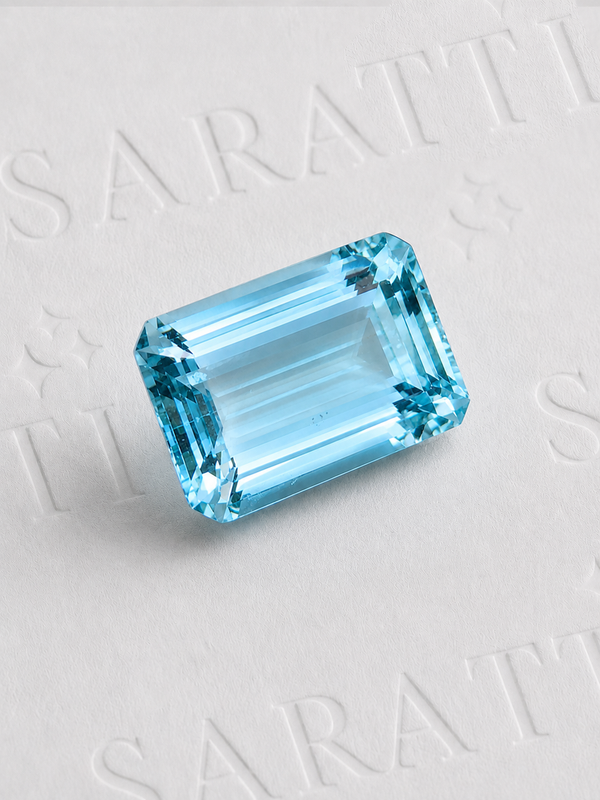
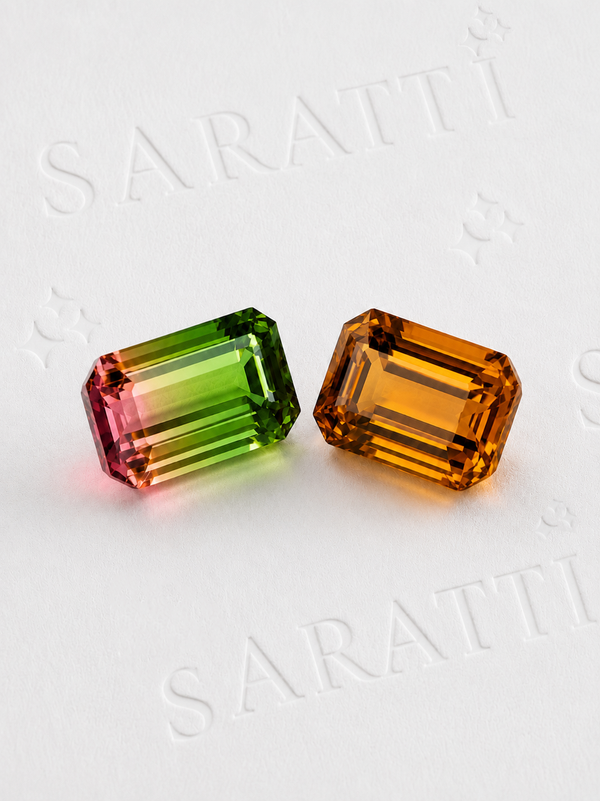
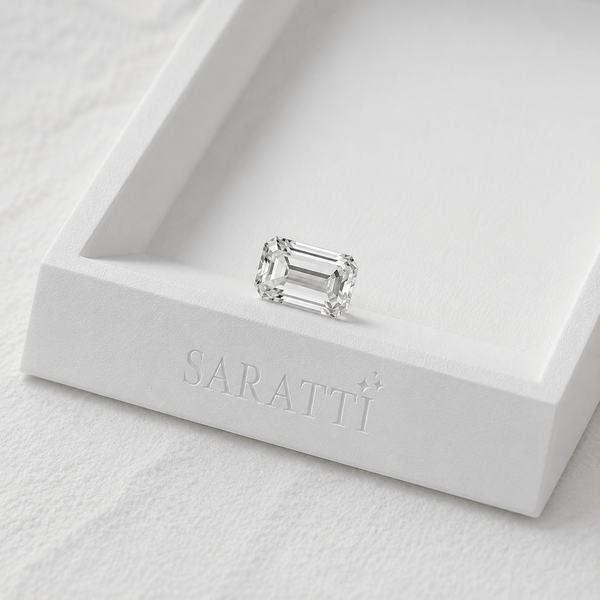
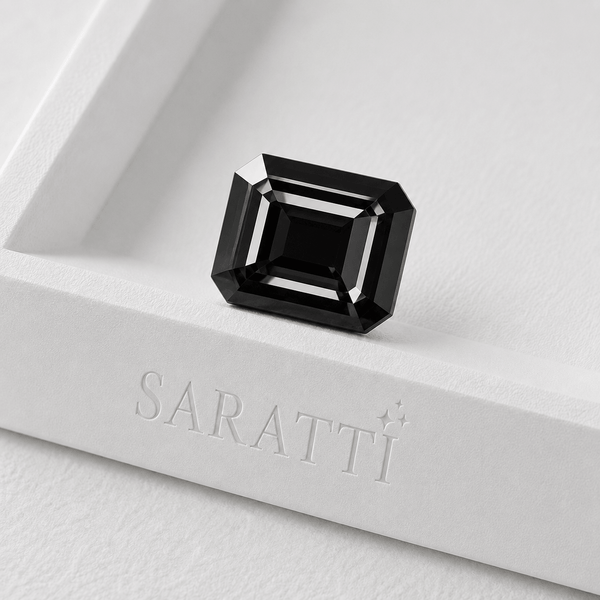
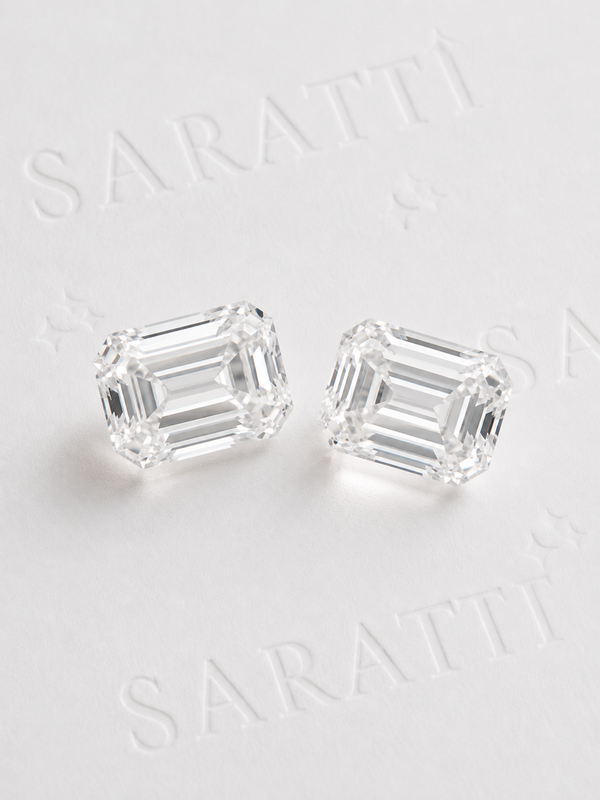
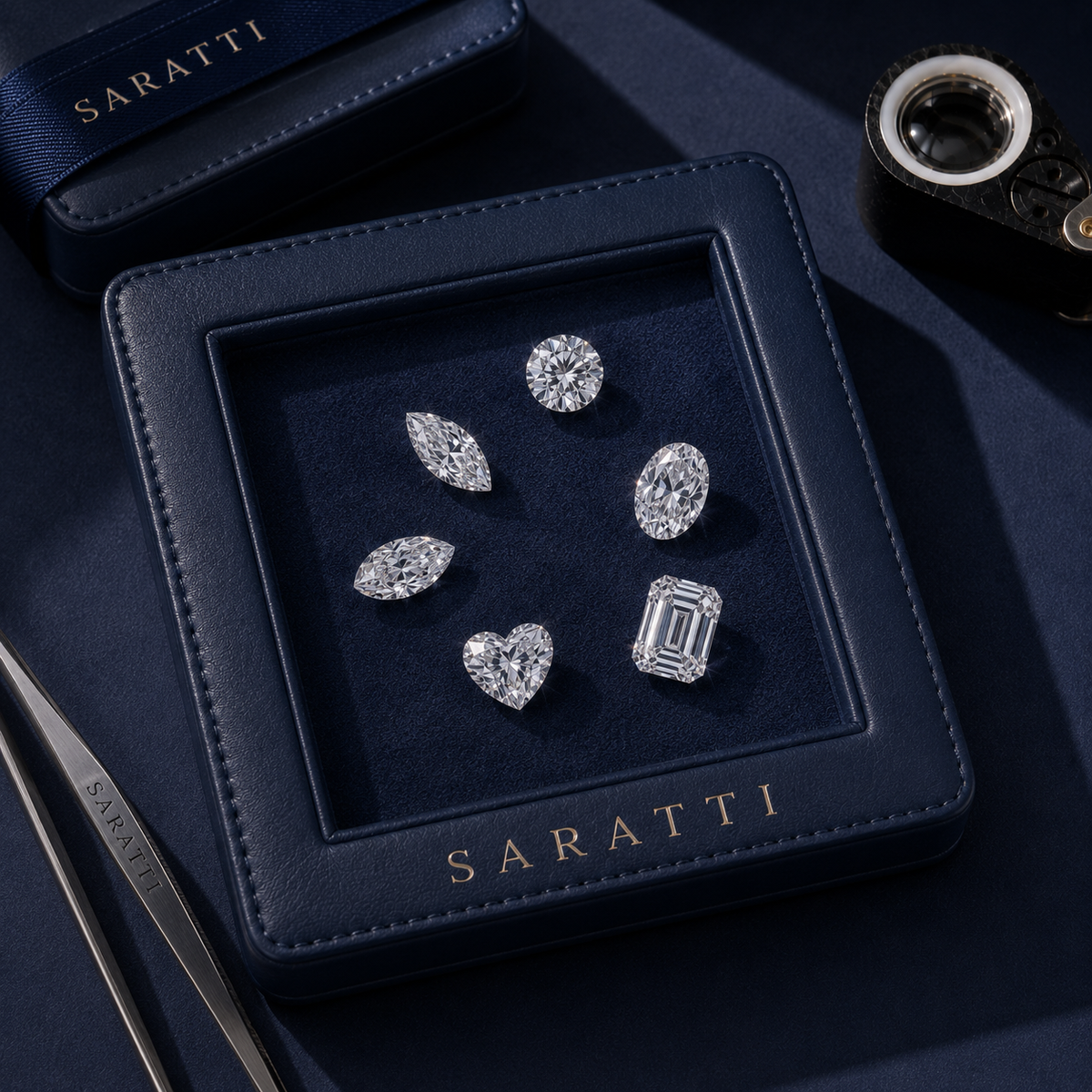
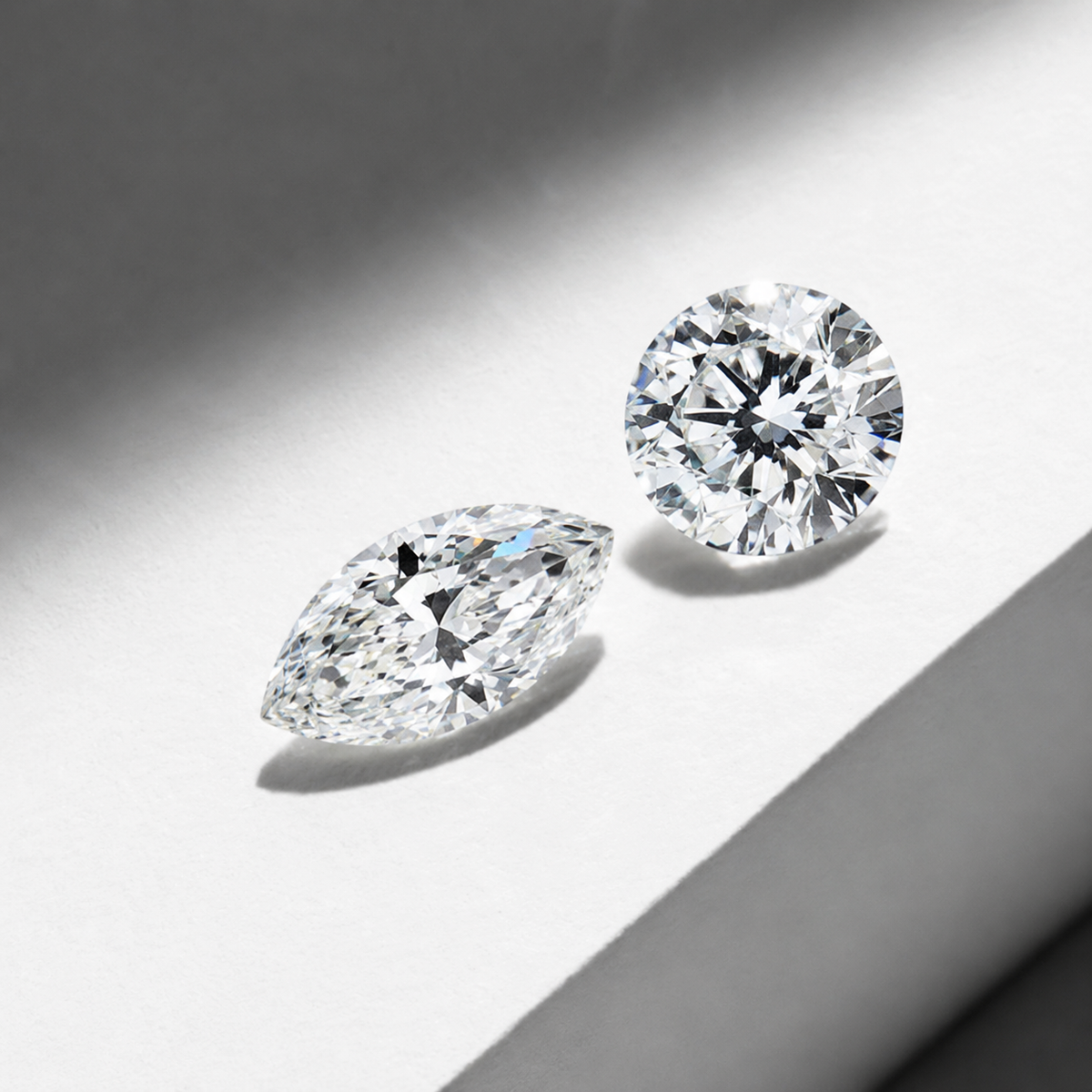
Diamond shape affects how clarity characteristics are seen. Step cuts, such as emerald and Asscher cuts, have open facets that can make inclusions more visible. Brilliant cuts, such as round, oval, cushion, and radiant diamonds, often return more light and may soften the visibility of small inclusions.
This is why SARATTI reviews clarity in relation to shape. A clarity grade that works beautifully in one cut may not be suitable for another.

Clarity and Durability
Some inclusions affect appearance only. Others may influence durability if they are large, open, or placed near vulnerable areas such as corners, girdles, or points. Inclusions are assessed by nature, position, size, relief, and number when determining clarity.
At SARATTI, clarity is considered not only for how the diamond looks, but for how confidently it can be set and worn.
Natural and Lab-Grown Diamond Clarity
Both natural and lab-grown diamonds are assessed for clarity. The difference is origin, not the need for evaluation. Natural diamonds form within the earth, while lab-grown diamonds are created in a controlled environment. Each should be clearly identified, graded accurately, and considered for inclusions, blemishes, cut, shape, and final setting.
For SARATTI, clarity begins with transparency. Whether natural or lab-grown, the diamond must be selected with intention and understood before it becomes part of a jewel.

Choosing the Right Clarity
The highest clarity grade is not always the most appropriate choice. A diamond should be selected for the way it looks, performs, and fits the final design. A clean, well-cut diamond with balanced proportions may be more beautiful than a higher-clarity stone chosen by grade alone.
SARATTI considers clarity alongside cut, colour, carat weight, shape, metal, and setting — so the final piece feels considered from every angle.
SARATTI DIAMOND GUIDES
Begin With the Right Diamond
A SARATTI specialist can guide you through diamond colour, shape, cut, certification, and setting before the final piece is considered.
The House of SARATTI
Featured

Bespoke by SARATTI
A private path from selected stone to finished jewel.

Engagement & Bridal
Where Love never ends, explore, engagement rings, wedding bands and more.
Diamond Questions
Frequently Asked Questions
Guidance from diamond choice to certification, created to help you choose with clarity and confidence.
What does diamond clarity mean?
Diamond clarity refers to inclusions inside a diamond and blemishes on its surface. These characteristics are assessed under magnification to determine the clarity grade.
What is the diamond clarity scale?
The clarity scale runs from Flawless to Included, with 11 grades: FL, IF, VVS1, VVS2, VS1, VS2, SI1, SI2, I1, I2, and I3.
Is a flawless diamond always the best choice?
Flawless diamonds are extremely rare, but the best choice depends on the full stone — cut, colour, carat weight, shape, clarity, and final setting.
What does eye-clean mean?
Eye-clean means the diamond’s inclusions are not easily visible without magnification. Many VS diamonds and some carefully selected SI diamonds may appear eye-clean.
Are inclusions always bad?
No. Some inclusions are small, discreet, and do not affect beauty or wear. Others may affect transparency, brilliance, or durability and should be assessed carefully.
Which diamond shapes show inclusions more easily?
Emerald cuts and Asscher cuts can show inclusions more clearly because of their open facets. Brilliant cuts may hide small inclusions more easily through light return.
Does clarity matter in lab-grown diamonds?
Yes. Lab-grown diamonds can also have clarity characteristics and should be assessed for clarity, cut, colour, carat weight, and setting suitability.
What clarity grade should I choose?
Choose a clarity grade that appears clean to the eye and supports the final design. SARATTI considers clarity together with cut, shape, light, and setting — not by grade alone.