



Diamond Guides
Explore SARATTI Bridal Guides

A Guide to Diamond Colour
Diamond colour is one of the quietest details in a stone, yet it can completely shape the way a diamond is seen. Some diamonds are chosen for their crisp, colourless presence. Others are selected for warmth, softness, or the rare intensity of natural colour.
At SARATTI, colour is never judged by grade alone. It is considered through the diamond’s cut, shape, setting, metal, and the final piece it is meant to become.

What Is Diamond Colour?
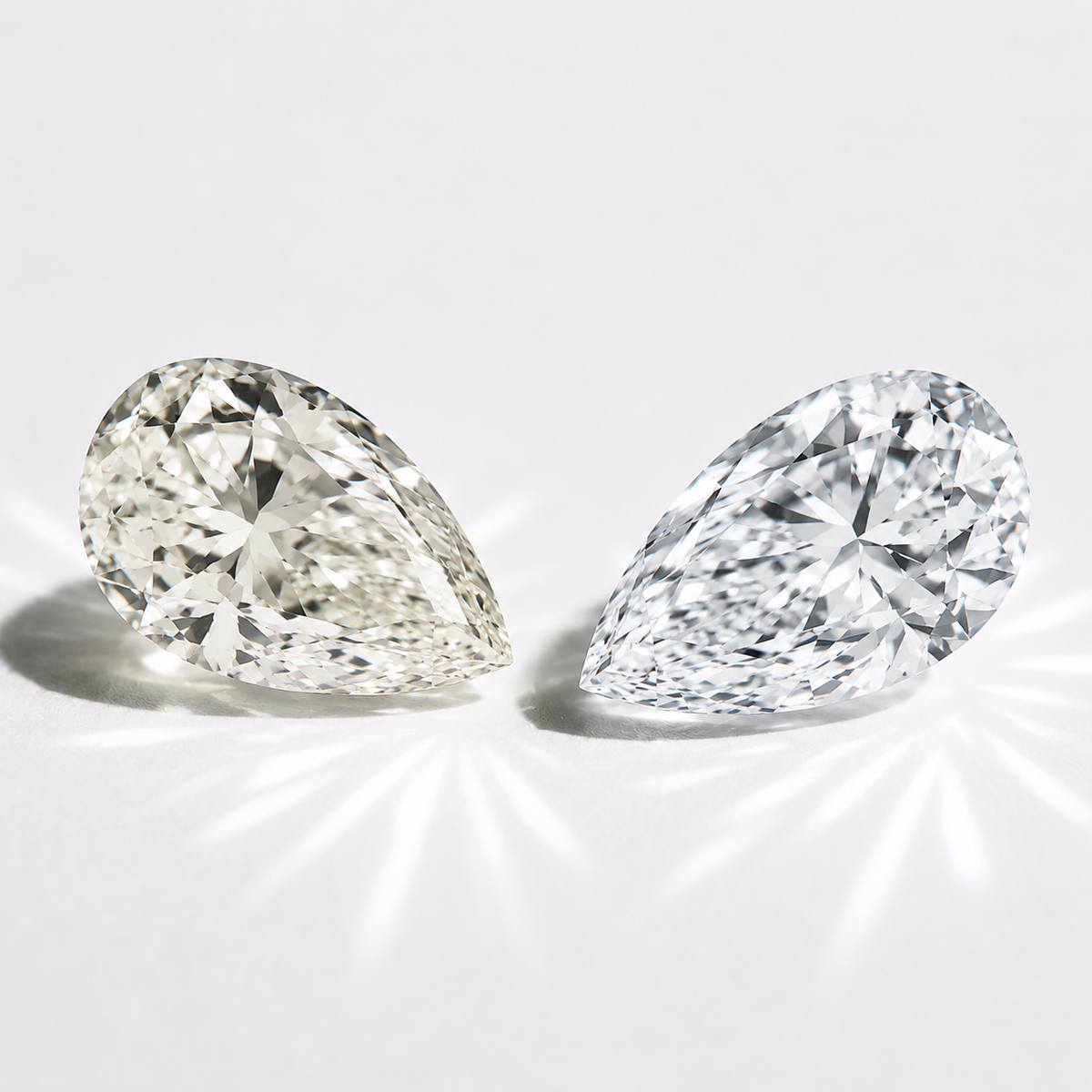
Diamond colour refers to the natural tone visible within a diamond. In white diamonds, the less colour present, the rarer the grade. The scale begins with colourless diamonds and moves gradually toward stones with visible warmth.
Yet colour should never be read in isolation. A diamond’s appearance depends on how it returns light, how its shape holds tone, and how it sits within the setting.

The Diamond Colour Scale
White diamonds are graded from D to Z. Grades D, E, and F are considered colourless. G to J are near-colourless and can appear beautifully bright when well cut. Lower grades may show more warmth, which can be intentional in the right setting.
For SARATTI, the question is not only “what grade is it?” but “how does this diamond live in the final jewel?”

Colourless Diamonds
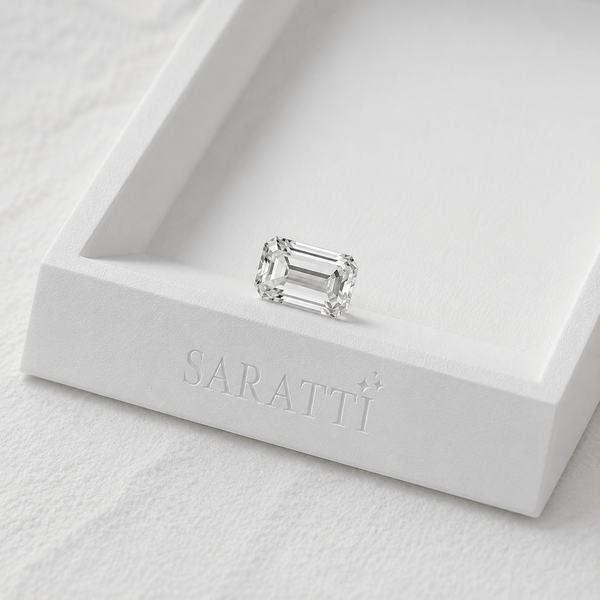
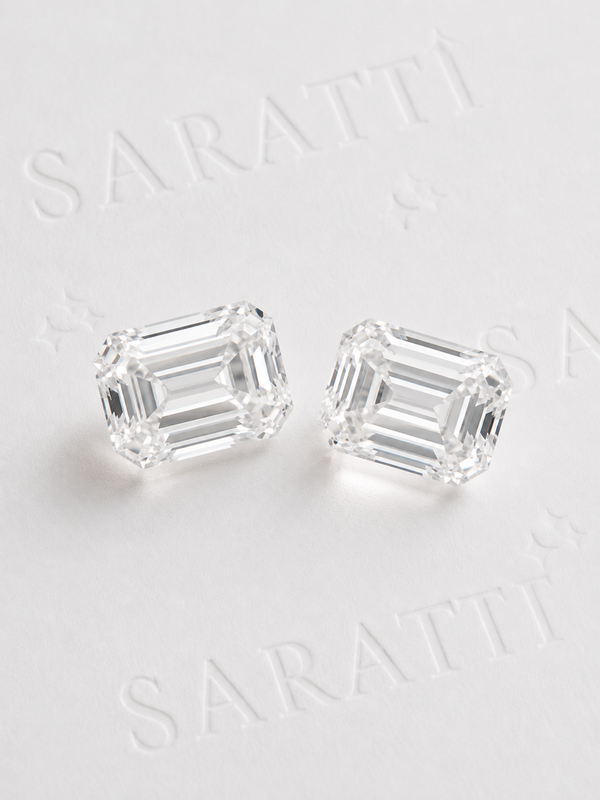
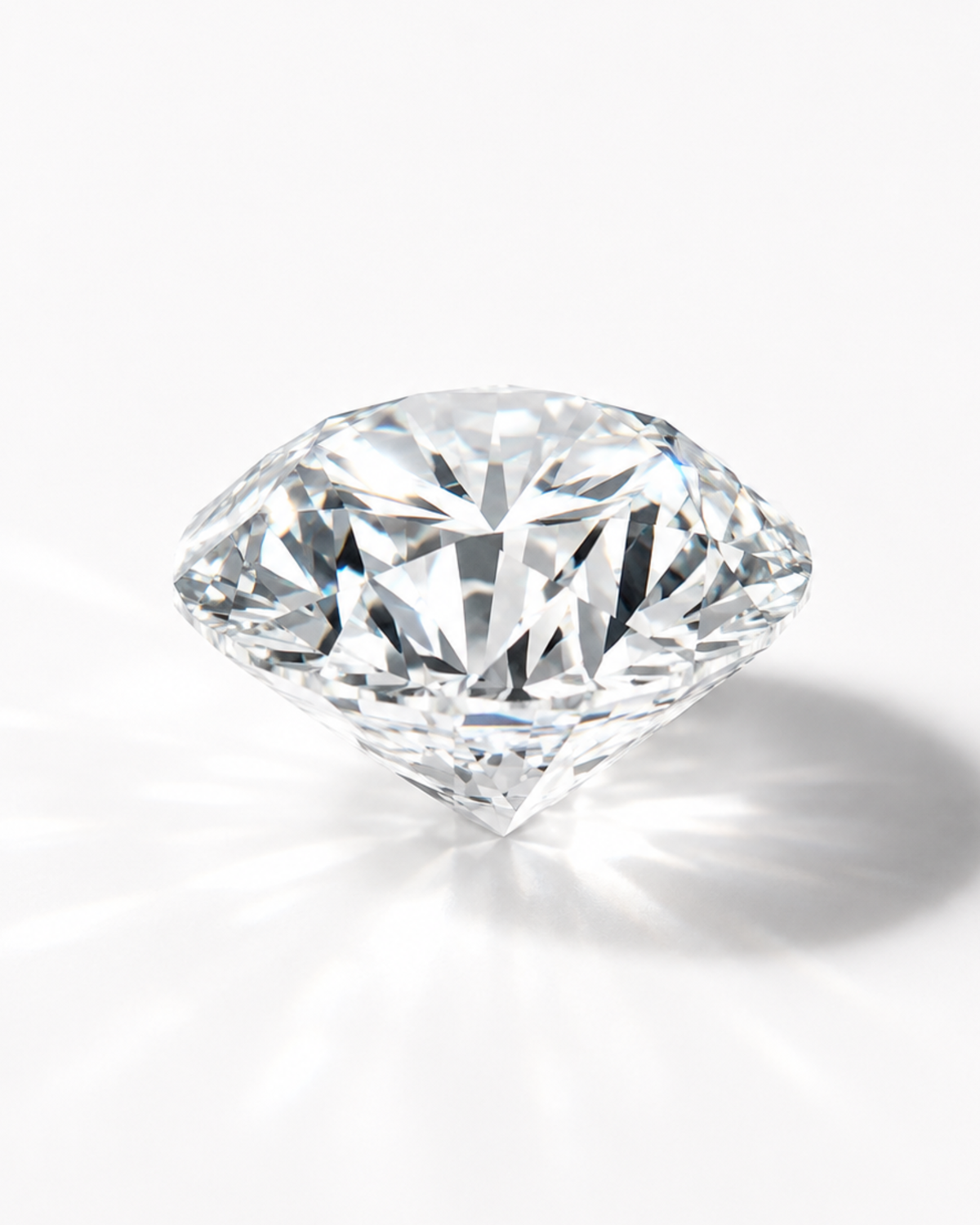
Colourless diamonds are valued for their pure, crisp appearance. They carry a cool brightness that pairs beautifully with platinum, white gold, and refined architectural settings.
These stones are chosen when clarity of tone, brilliance, and a clean white presence are essential to the design.

Near-Colourless Diamonds
Near-colourless diamonds can offer exceptional beauty and presence. When cut well, they often appear bright to the eye while allowing more flexibility in carat weight, shape, or setting direction.
A near-colourless diamond can be a considered choice when balance matters more than grade alone.

Warmth, When Chosen With Intention
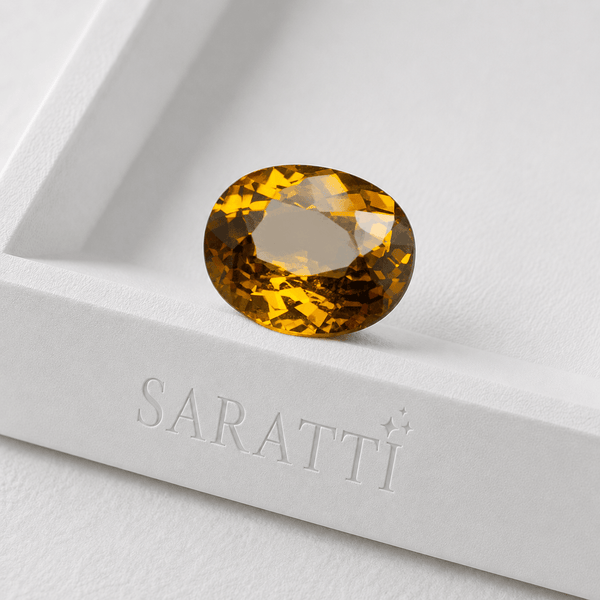
A warmer diamond is not always a compromise. In yellow gold, vintage-inspired settings, or softer design directions, warmth can bring depth, character, and quiet romance to the piece.
The right warmth should feel deliberate — part of the jewel’s language, not an accident.

Fancy Coloured Diamonds
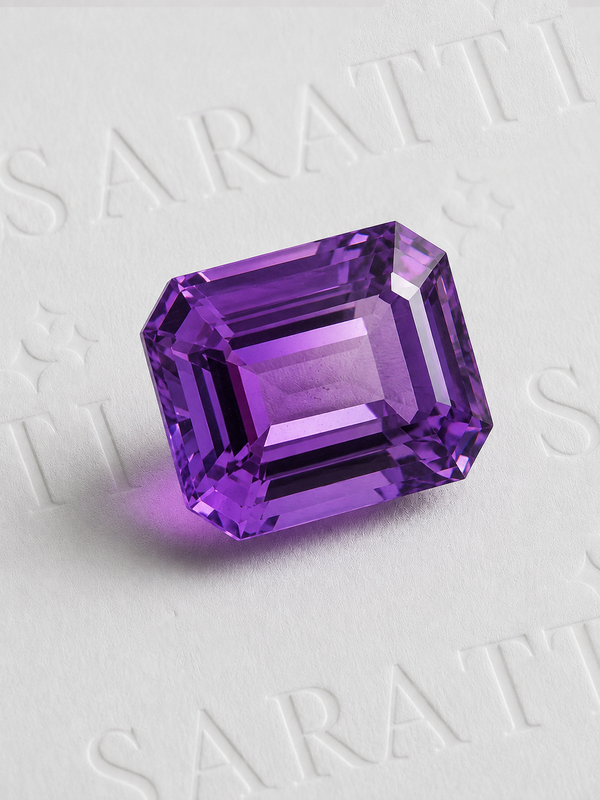
Fancy coloured diamonds are valued differently. Here, colour is not something to minimise — it is the centre of the stone’s beauty.
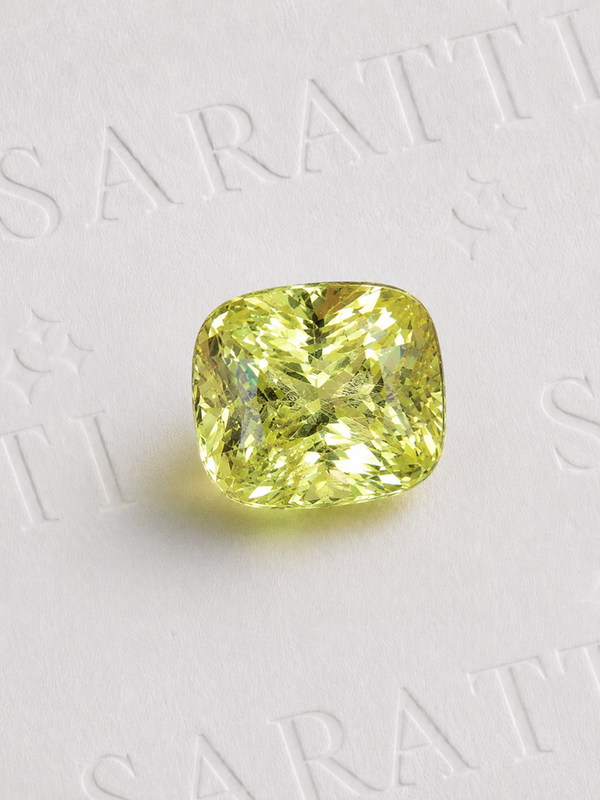
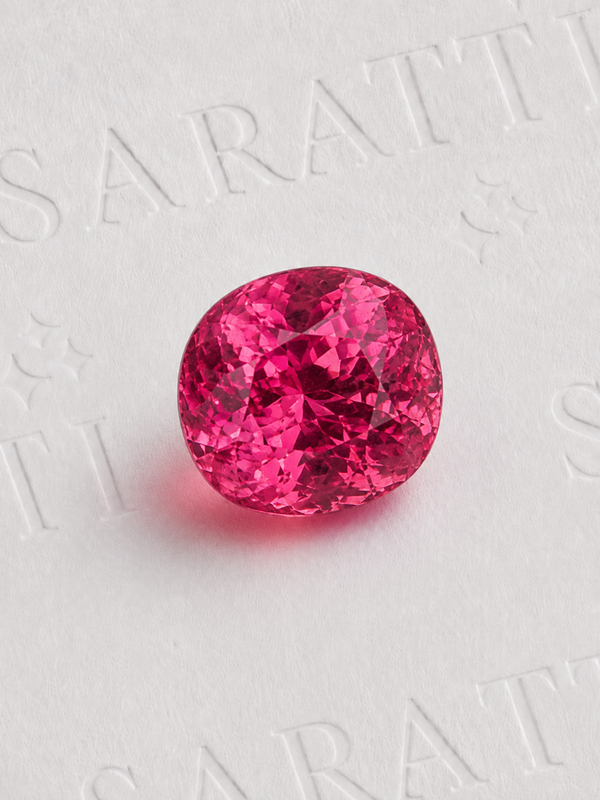
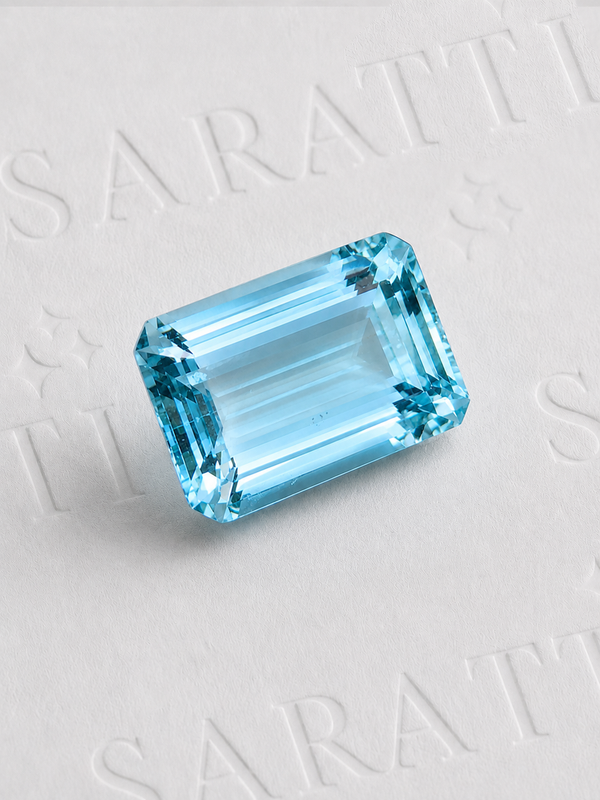
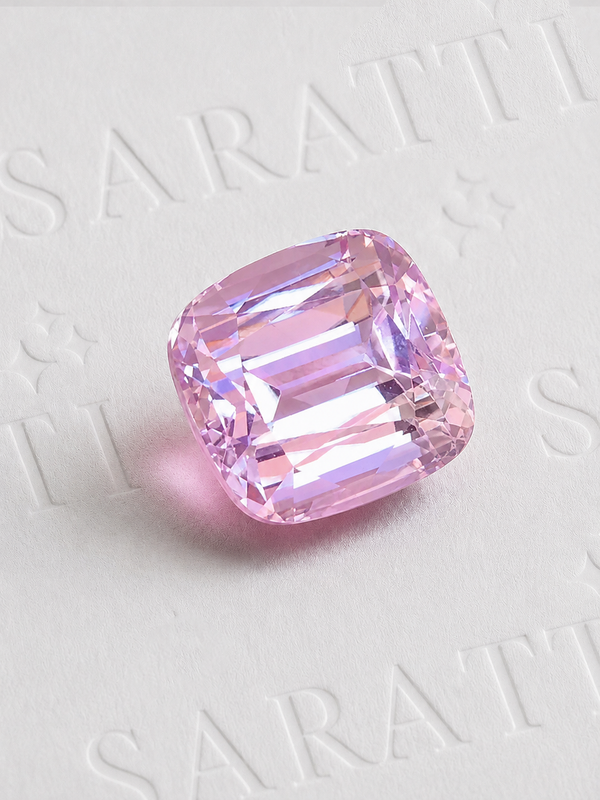
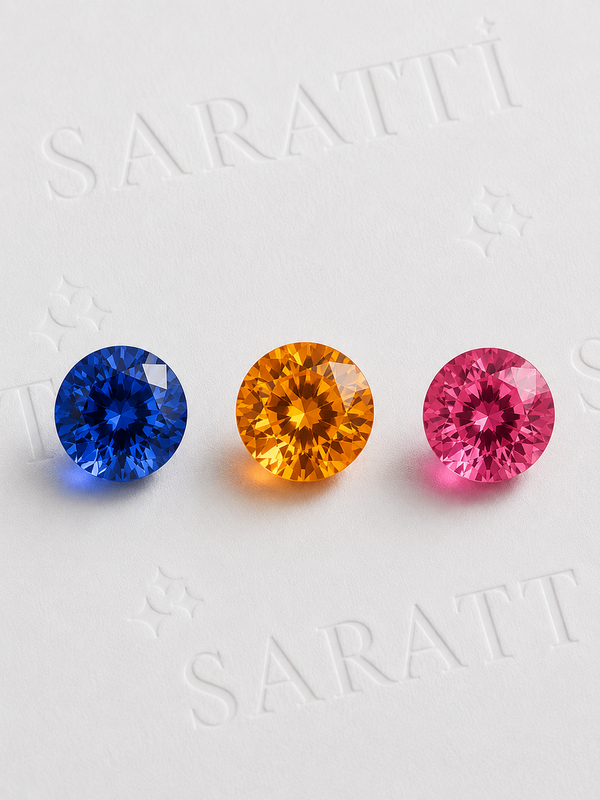
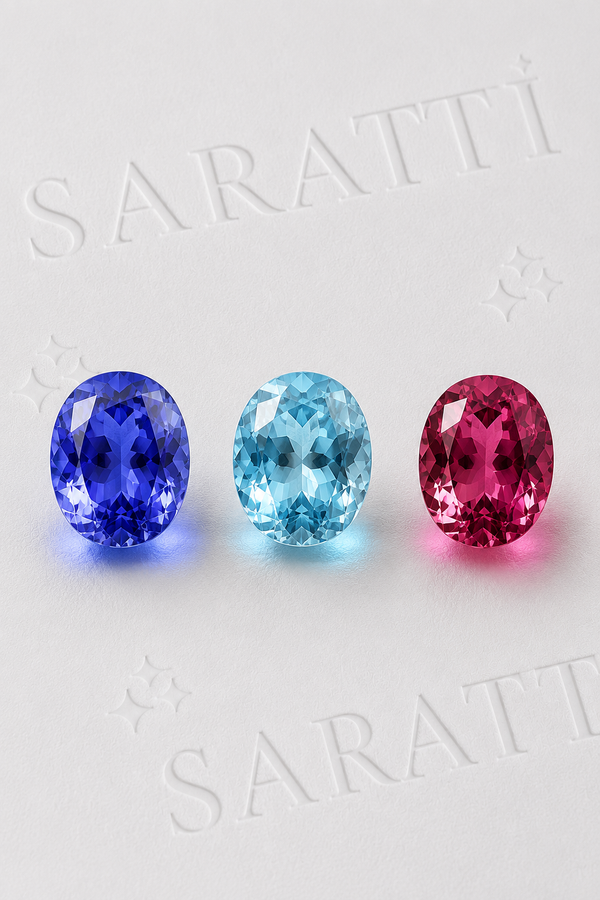
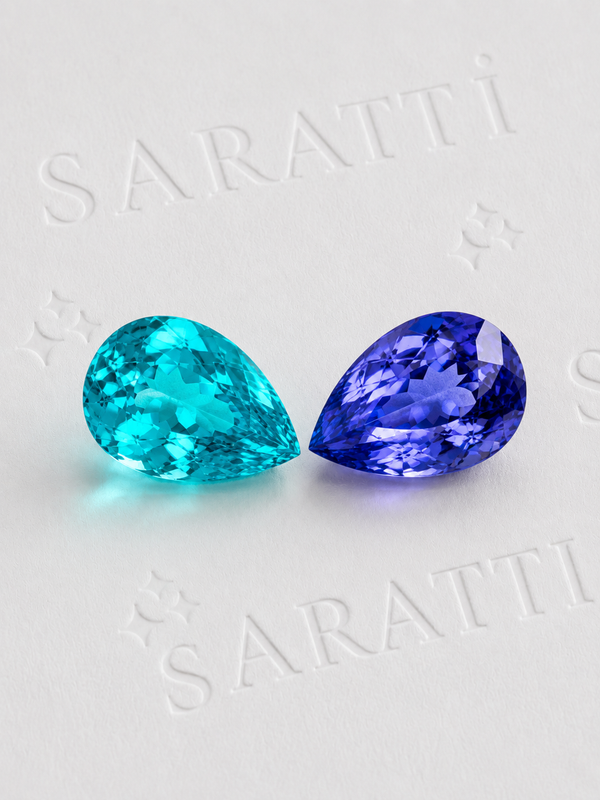
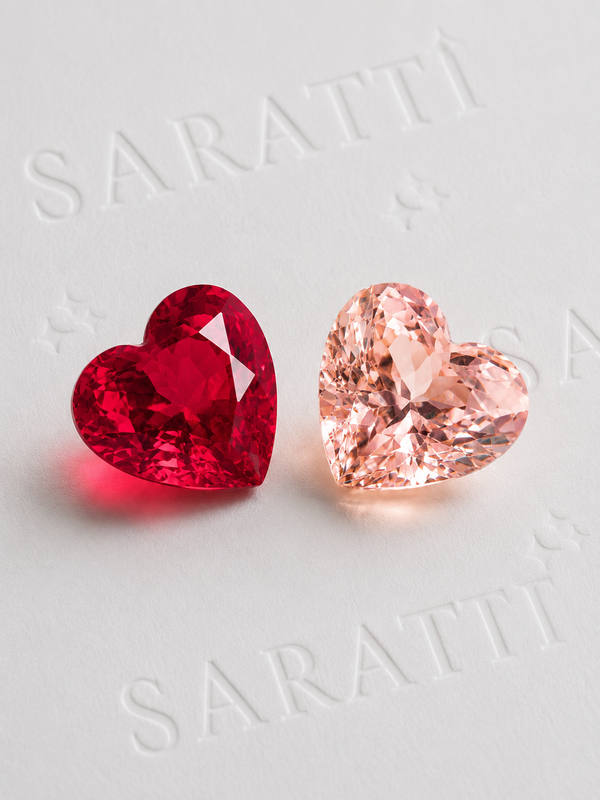
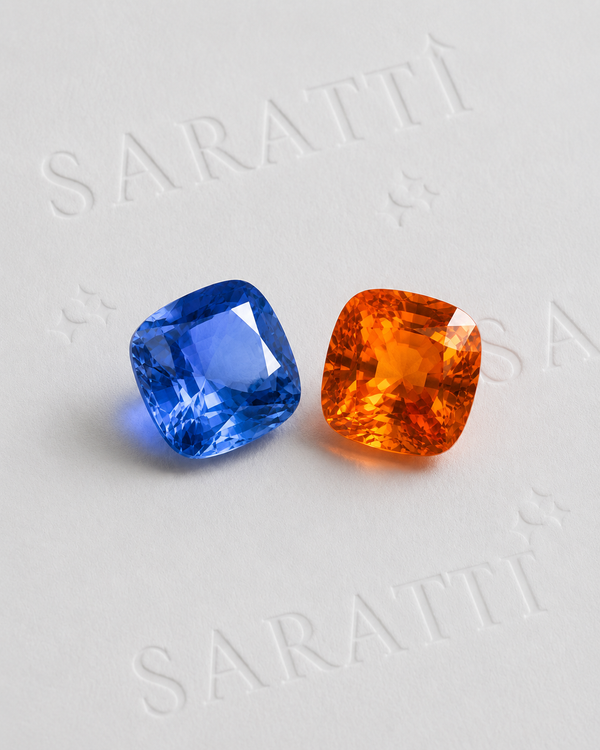
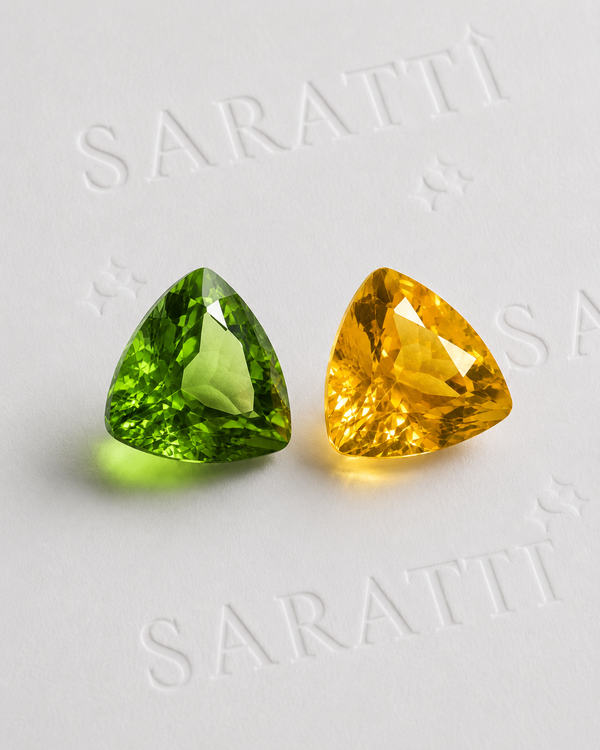
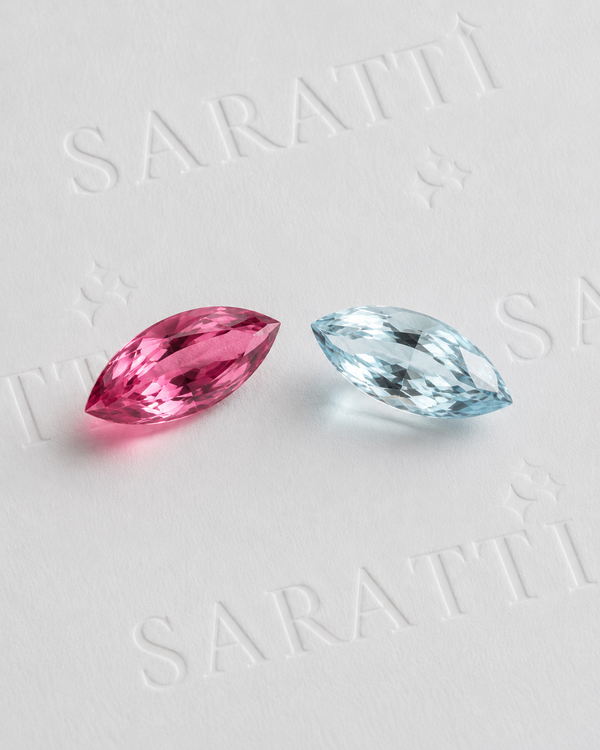
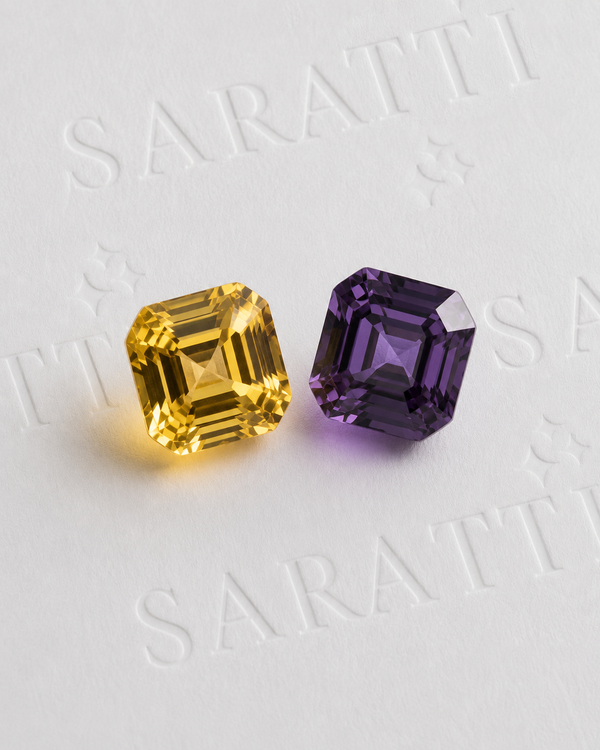
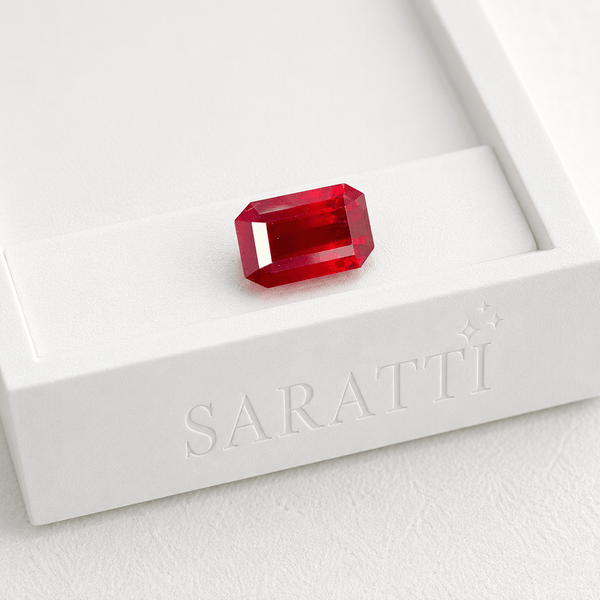
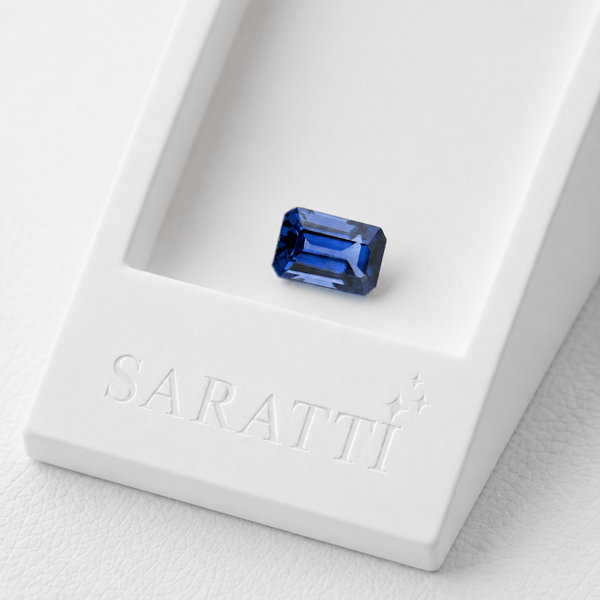
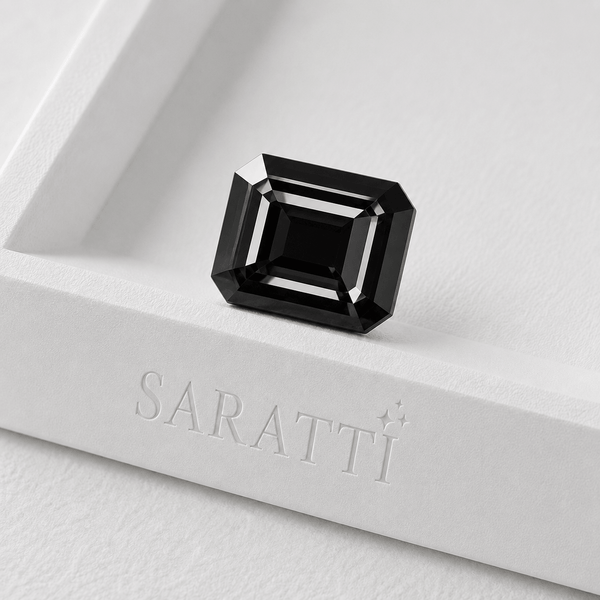
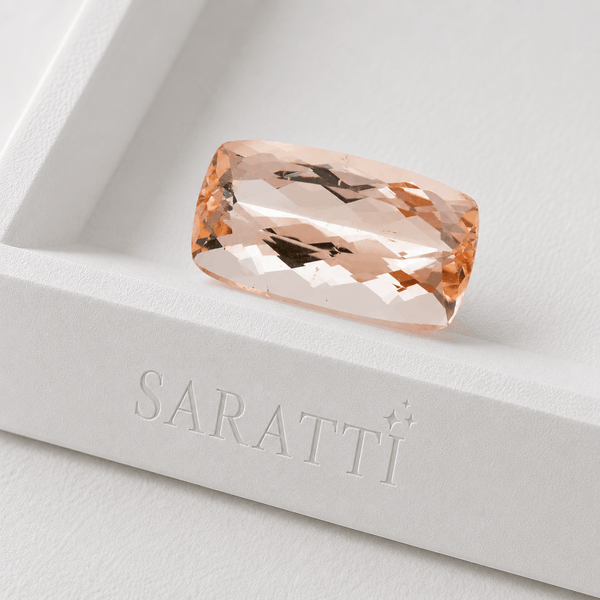
Yellow, pink, blue, green, and champagne diamonds are selected for hue, tone, saturation, and presence. In these stones, colour becomes the design’s strongest voice.

Choosing the Right Colour
The right diamond colour depends on the stone, the setting, and the person who will wear it. A higher grade is not always the most beautiful choice. The most considered diamond is the one that feels balanced in the final piece.
SARATTI guides diamond colour through proportion, light, metal, shape, and intention.
SARATTI DIAMOND GUIDES
Begin With the Right Diamond
A SARATTI specialist can guide you through diamond colour, shape, cut, certification, and setting before the final piece is considered.
The House of SARATTI
Featured
Bespoke by SARATTI
A private path from selected stone to finished jewel.
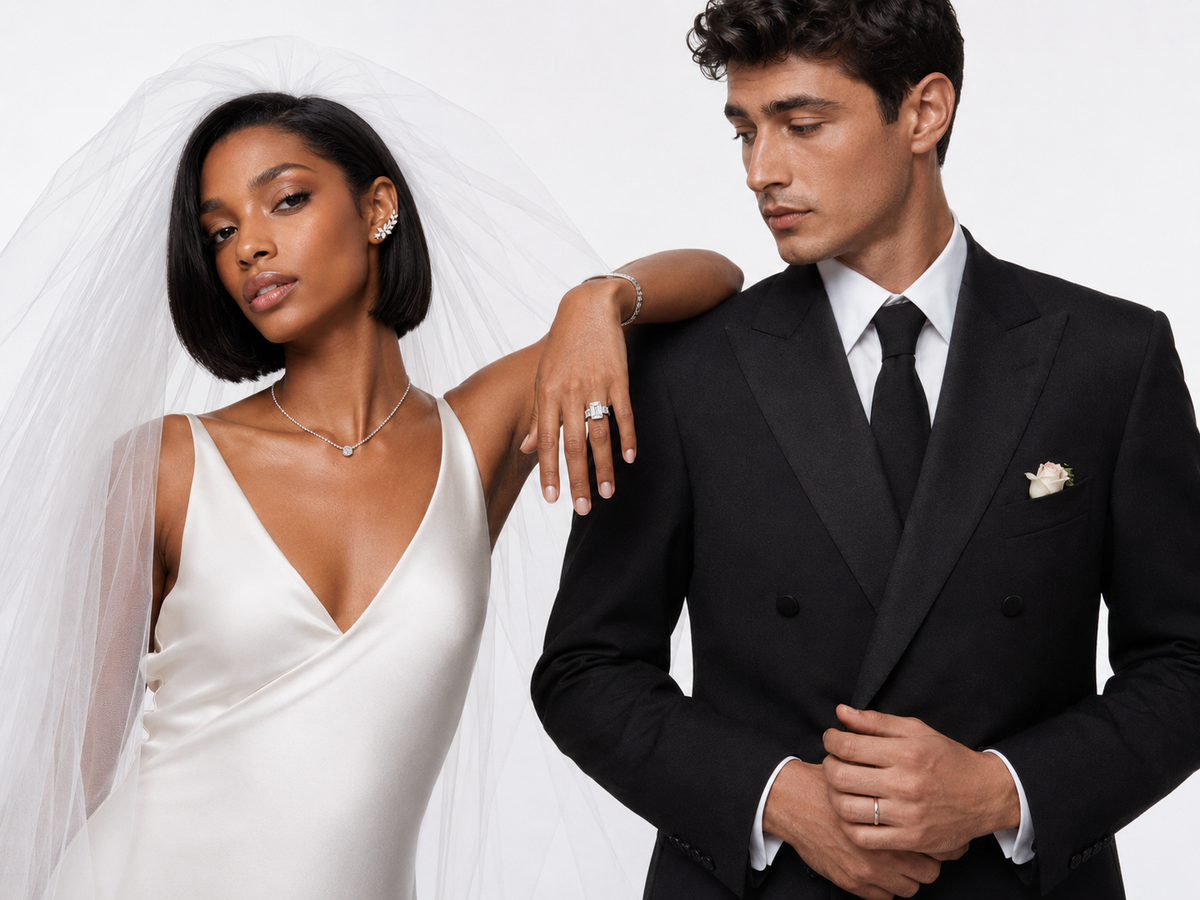
Engagement & Bridal
Where Love never ends, explore, engagement rings, wedding bands and more.
Diamond Questions
Frequently Asked Questions
Guidance from diamond choice to certification, created to help you choose with clarity and confidence.
What does diamond colour mean?
Diamond colour refers to the natural tone visible within a diamond. In white diamonds, less visible colour usually means a rarer colour grade. In fancy coloured diamonds, the strength and beauty of the colour become the focus.
Does diamond colour apply to both natural and lab-grown diamonds?
Yes. Both natural and lab-grown diamonds can show colour differences and should be considered through colour grade, cut, shape, clarity, carat weight, and setting.
What is the difference between natural and lab-grown diamonds?
The difference is origin. Natural diamonds are formed within the earth. Lab-grown diamonds are created in a controlled environment. Both should always be clearly identified before selection.
Are lab-grown diamonds graded for colour?
Yes. Lab-grown diamonds can be assessed for colour in a similar way to natural diamonds. Colour still affects how the diamond appears in the finished jewel.
Is a natural diamond better than a lab-grown diamond?
It depends on what the client values. Some choose natural diamonds for rarity and origin. Others choose lab-grown diamonds for a different material path. SARATTI’s role is to guide the choice with transparency.
What is the diamond colour scale?
White diamonds are graded from D to Z. D, E, and F are colourless. G to J are near-colourless. Lower grades show increasing warmth.
Is a D colour diamond always the best choice?
Not always. D colour is highly rare, but the best diamond depends on cut, shape, carat weight, clarity, setting metal, and the final design.
Are near-colourless diamonds beautiful?
Yes. Near-colourless diamonds can appear bright and elegant, especially when well cut and thoughtfully set.
Can a warm diamond be a good choice?
Yes. Warmth can be beautiful when chosen intentionally, especially in yellow gold, vintage-inspired settings, or softer design directions.
Do fancy coloured diamonds follow the same colour rules?
No. White diamonds are valued by the absence of colour. Fancy coloured diamonds are valued for the presence, intensity, tone, and beauty of colour.
Does diamond shape affect colour?
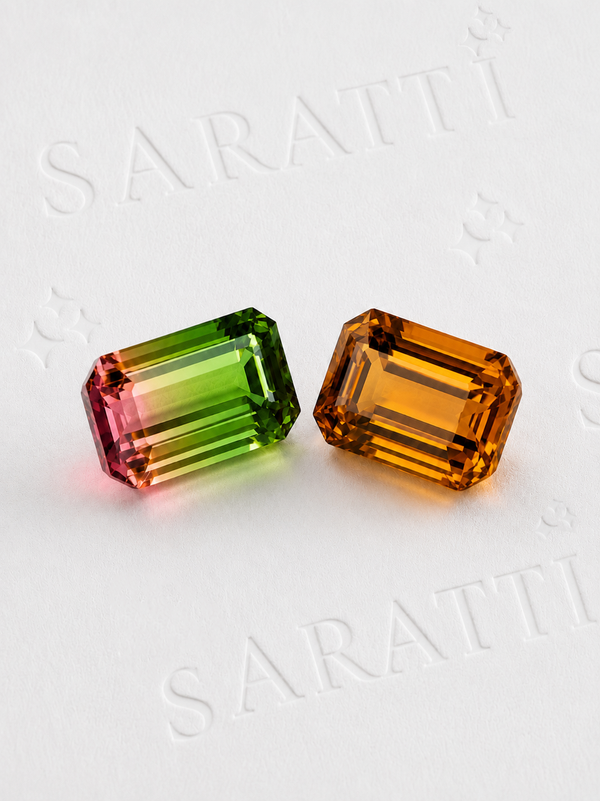
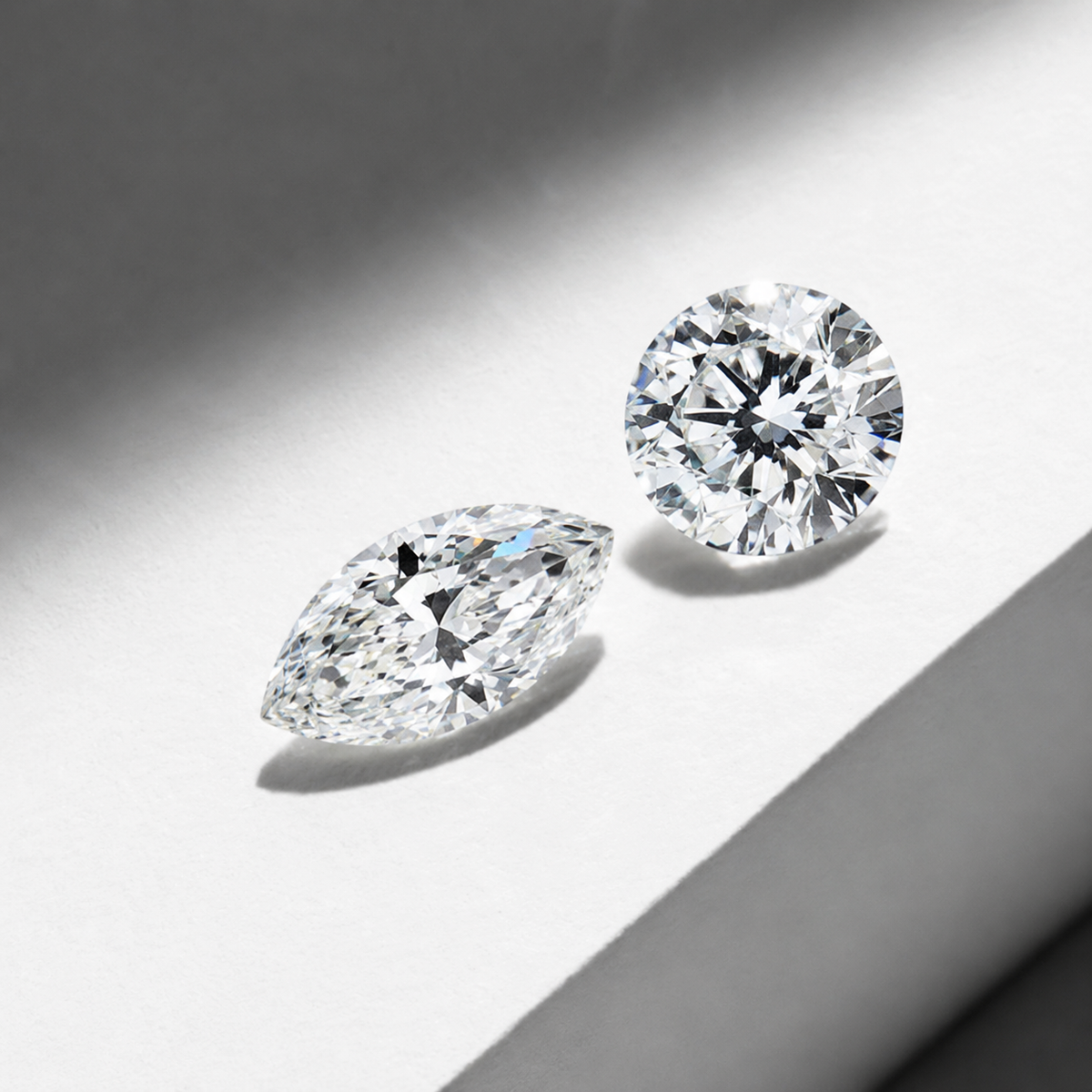
Yes. Brilliant cuts can soften subtle warmth through light return. Step cuts, such as emerald and Asscher cuts, may reveal colour more clearly because of their open facets.
How does SARATTI guide diamond colour selection?
SARATTI considers colour alongside origin, cut, shape, clarity, carat weight, metal, and setting. The goal is to choose a diamond that feels balanced, honest, and intentional in the final jewel.