


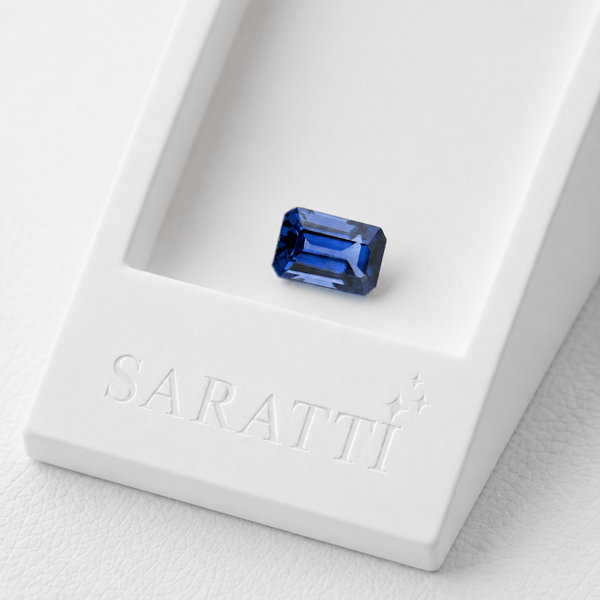

Blue gemstones often look similar at first. That is why Paraiba Tourmaline and Aquamarine are compared so often. Both can appear fresh, elegant, and full of light. Both also sit comfortably in fine jewelry. But once you look closer, the differences become very clear.
These two gemstones are not equal in rarity, glow, value, or even the kind of beauty they offer. One is famous for an electric neon character that feels almost unreal. The other is loved for its calm sea-blue elegance and clean, timeless appeal. For a buyer, that difference matters.

This guide compares Paraiba Tourmaline and Aquamarine in the areas that actually shape a decision. At Saratti, we will look at color, origin, rarity, price, clarity, treatments, durability, and which gemstone may suit you better in real life.
What Is Paraiba Tourmaline?
Paraiba Tourmaline is one of the most exciting colored gemstones in the jewelry world. It belongs to the tourmaline family, but it stands apart because of its copper-bearing composition. That copper is what gives the gem its famous vivid glow.
The stone first became known after discoveries in Brazil, especially in the state of Paraíba, which is where its name comes from. Later, similar copper-bearing material was also found in places such as Mozambique and Nigeria. Even so, Paraiba Tourmaline has remained rare and highly desired.

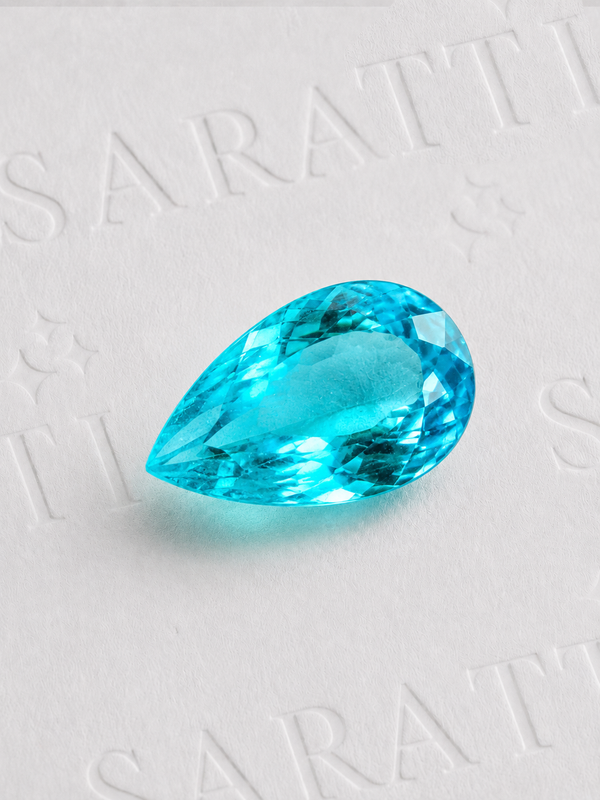
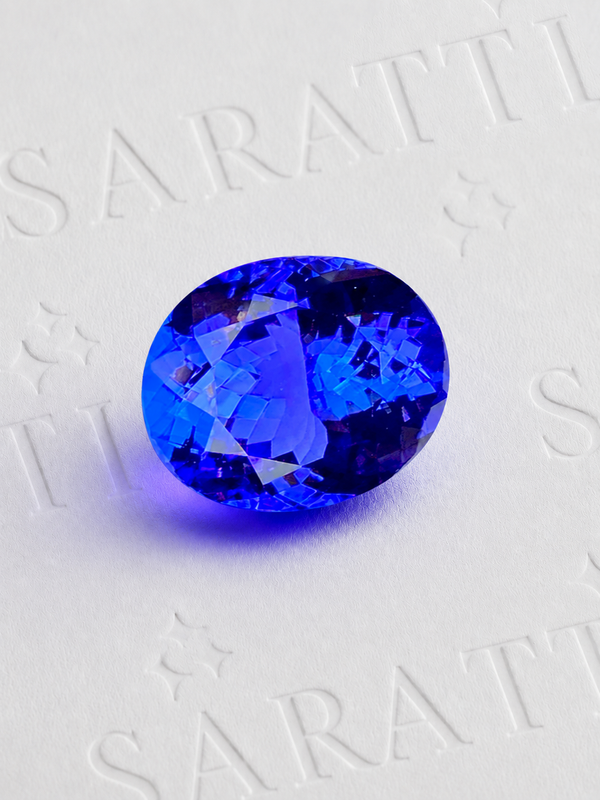
What makes it so special is not simply that it is blue. It is the quality of the blue. Fine Paraiba Tourmaline can show a bright neon effect that feels alive inside the stone. Many gems are beautiful. Very few seem to glow in this way.
That is also why it is considered so rare. It is already difficult to find copper-bearing material. It is even harder to find stones with strong saturation, attractive clarity, and a lively face-up appearance. When those qualities come together, the gem enters a much more exclusive category. For buyers exploring fine blue gemstones through Saratti, Aquamarine often stands out for its calm elegance and more approachable luxury.
What Is Aquamarine?
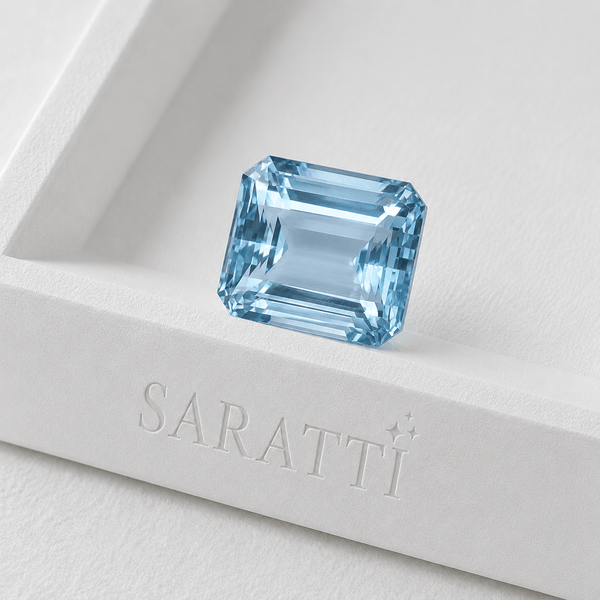
Aquamarine is the blue variety of beryl, the same gemstone family that includes emerald. It is one of the best-known blue gems in jewelry and has remained popular for generations because of its serene and polished appearance.
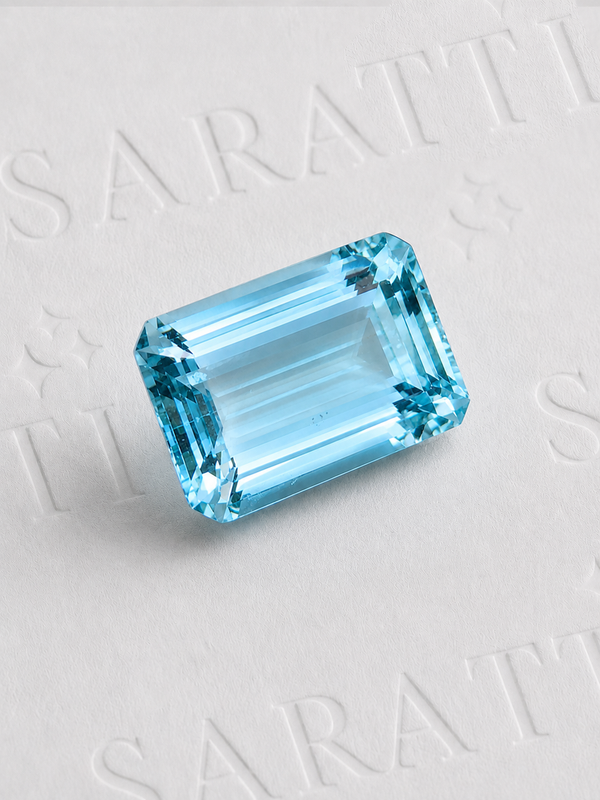
Its name fits it perfectly. Aquamarine often carries a cool ocean-like tone that feels airy and elegant. Instead of the vivid neon energy seen in Paraiba Tourmaline, Aquamarine usually offers a cleaner and calmer kind of beauty.

Another reason buyers love it is accessibility. Aquamarine is easier to find in the market, including in larger sizes. It is also often available in clean-looking stones, which makes it very attractive for rings, pendants, and earrings where transparency matters.
Aquamarine stays popular because it feels timeless. It is refined without being flashy. It is luxurious without always being unreachable. For many buyers, that balance is exactly what makes it so appealing.
Paraiba Tourmaline vs Aquamarine: Key Differences at a Glance
The first difference is identity. Paraiba Tourmaline is a tourmaline. Aquamarine is a beryl. That means they are different gemstones, not two versions of the same thing.
The second difference is color behavior. Paraiba Tourmaline is known for a vivid blue to blue-green glow that feels electric. Aquamarine is usually softer, cleaner, and more transparent.
The third difference is rarity. Paraiba Tourmaline is dramatically rarer than Aquamarine. Fine stones are limited, which pushes demand and prestige higher. Aquamarine is more available and easier to source in a broader range of sizes and qualities.
The fourth difference is value. Paraiba Tourmaline often sits in a much higher price category because buyers are paying for rarity as well as beauty. Aquamarine is generally more accessible and more practical for people who want a fine blue gemstone without entering a collector-level price range.
The fifth difference is overall wearability. Both can be used in jewelry, but Aquamarine usually feels easier for frequent wear because of its hardness and broader availability. Paraiba Tourmaline is wearable too, but because it is more valuable and more scarce, buyers often approach it with greater care.
Paraiba Tourmaline vs Aquamarine: Key Differences at a Glance.
| Feature | Paraiba Tourmaline | Aquamarine |
|---|---|---|
| Gemstone Family | Tourmaline | Beryl |
| Color | Neon blue to blue-green | Soft blue to sea-blue |
| Visual Effect | Electric glow, vivid presence | Calm, clear, elegant look |
| Rarity | Extremely rare | More widely available |
| Origin | Brazil, Mozambique, Nigeria | Brazil and other global sources |
| Value | Very high due to rarity and demand | More accessible and budget-friendly |
| Clarity | May show inclusions | Often cleaner-looking |
| Durability | Good for jewelry with care | Slightly better for regular wear |
| Hardness | 7 to 7.5 | 7.5 to 8 |
| Treatments | May be treated | Often heat treated |
| Best For | Collectors, luxury buyers, statement pieces | Everyday elegance, classic fine jewelry |
| Overall Appeal | Rare, vibrant, prestigious | Timeless, refined, wearable |
Color Comparison
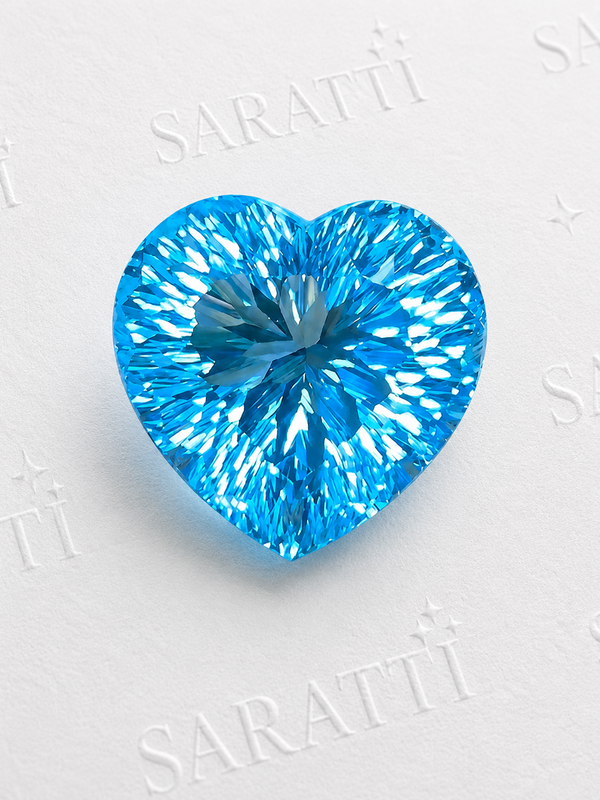
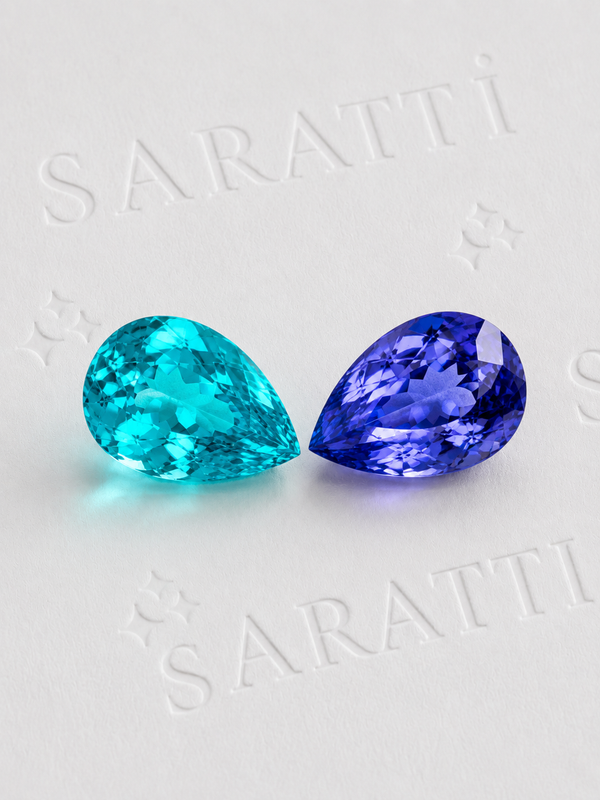
Color is the heart of this comparison. Paraiba Tourmaline is known for its neon appearance, and the finest stones are often admired as Neon Blue Paraiba because of their vivid, glowing intensity. Fine examples can show a bright blue, green-blue, or turquoise-like tone with a luminous inner energy. It is not just the hue that stands out. It is the intensity. Even a smaller Paraiba can attract immediate attention if the color is strong enough.

Aquamarine creates a different emotional response. Its color is often lighter, more watery, and more transparent. It feels cool and gentle. In finer stones, the blue can deepen into the richer Santa Maria blue range, but the overall effect is usually more serene than electric.

This is why people confuse them at first, yet separate them quickly once they see both side by side. They may both belong to the blue family, but they do not express blue in the same way. Neon Blue Paraiba feels vivid and high-energy. Santa Maria blue Aquamarine feels calm, graceful, and refined.
So which gemstone looks more vivid? Paraiba Tourmaline, clearly. Which one looks softer and more classic? Aquamarine. The better choice depends on what kind of beauty you respond to.
Origin and Sources
Origin plays a more important role with Paraiba Tourmaline than it usually does with Aquamarine. Paraiba Tourmaline first gained fame through Brazil, and Brazilian material still carries a powerful reputation in the market. Later sources such as Mozambique and Nigeria also produced important copper-bearing stones, but Brazilian origin still holds special prestige for many collectors and high-end buyers.
Aquamarine is sourced from several locations, with Brazil being one of the most famous. It is not usually marketed with the same origin drama as Paraiba Tourmaline. Buyers tend to focus more on the stone’s color, clarity, and size than on the country name alone.
Does origin affect value? Yes, especially for Paraiba Tourmaline. With Aquamarine, origin can matter, but it does not usually dominate the conversation in the same way. With Paraiba, origin can strongly influence desirability and price.
Rarity and Value
This is where the gap between the two gemstones becomes impossible to ignore.
Paraiba Tourmaline is rare in a true market sense. Fine material is limited. Stones with vivid color, strong glow, pleasing clarity, and good size are even more limited. That is why the gem carries such a high-status reputation. Buyers are not only paying for beauty. They are paying for scarcity.
Aquamarine is much more available. That does not make it common in a negative sense. It simply means it can be enjoyed by a wider range of buyers. Clean stones are easier to find. Larger stones are easier to find. Attractive jewelry-quality gems exist at many different price levels.

This difference shapes value in two ways. First, Paraiba Tourmaline usually commands much higher prices because supply is limited and demand remains strong. Second, Aquamarine often gives buyers more room to prioritize size, clarity, or design without crossing into extreme rarity-driven pricing.
If prestige and scarcity matter deeply to you, Paraiba Tourmaline stands much higher. If beauty and balanced value matter more, Aquamarine can be the more satisfying choice.
Price Comparison
Paraiba Tourmaline is usually far more expensive than Aquamarine. That is the simple answer. But the reason is worth understanding.
A fine Paraiba Tourmaline brings together several premium factors at once. It is rare. It has a distinctive copper-bearing composition. Its color can look intensely alive. It also appeals strongly to collectors. When all of those qualities meet in one stone, the market responds with very high prices.
Aquamarine is more affordable because it is more available. Buyers are still rewarded for fine color, strong clarity, and impressive size, but they are not usually paying for the same level of scarcity. This makes Aquamarine much more approachable for people who want a natural blue gemstone with elegant beauty.
Which stone gives better value depends on the buyer. If your idea of value is rarity, exclusivity, and collector appeal, Paraiba Tourmaline can justify its price. If your idea of value is beauty, wearability, and a more comfortable budget, Aquamarine often makes more sense.
Clarity and Overall Appearance
Aquamarine often wins on clarity. Many stones appear clean to the eye and show a transparent, polished look that feels very crisp in jewelry. This is one reason Aquamarine works so beautifully in larger pieces and in designs where open light return is important.
Paraiba Tourmaline is different. It may show inclusions more often, and buyers usually accept that more easily because the color is doing so much of the work. With Paraiba, the glow can matter more than flawless cleanliness.

This creates an interesting trade-off. Aquamarine may appear clearer and more glassy. Paraiba may appear more alive and more memorable. One invites admiration through freshness and transparency. The other does it through intensity and personality.
A buyer who wants a very clean-looking gemstone may lean toward Aquamarine. A buyer who wants an unforgettable visual effect may find Paraiba Tourmaline impossible to resist.
Treatments and Enhancements
This section matters because many buyers overlook it. Aquamarine is often heat treated to improve or refine its color. This is common in the trade and widely accepted, but it is still something buyers should know. The stone remains real and natural, yet the final color may have been enhanced through heating.
Paraiba Tourmaline may also be treated. Because the gem can command very high prices, treatment disclosure becomes especially important. Buyers should never assume that a vivid appearance means untreated rarity without asking questions.
This does not mean treated stones are bad purchases. It simply means informed buying is always better than blind buying. When you are comparing two gemstones that can both be enhanced, disclosure matters. Certification matters. Clear communication matters.

The higher the price, the more important paperwork becomes. This is particularly true for Paraiba Tourmaline, where origin and treatment can significantly affect value and buyer confidence.
Read uncut blog:
Paraiba Tourmaline Price Per Carat Guide: Value, Origin, Color, and Market Prices
What to Look for When Buying a Natural Aquamarine Ring
Durability and Everyday Wear
Both gemstones can be worn in jewelry, but they do not carry the same day-to-day comfort level. Aquamarine is usually the easier choice for regular wear. It has slightly better hardness, and because it is more available, buyers often feel more comfortable wearing it often. It works well in rings, pendants, and earrings, especially when the setting offers sensible protection.
Paraiba Tourmaline is also wearable, but it is often treated more carefully. Part of that is practical, and part of it is emotional. When a gemstone is rare and expensive, owners naturally become more protective of it.
For daily jewelry, Aquamarine has the slight edge. For special pieces or collector-driven designs, Paraiba Tourmaline feels more natural. That does not mean one is strong and the other is weak. It simply means they inspire different kinds of ownership.
Best Jewelry Styles for Each Gemstone
Paraiba Tourmaline shines best when the design allows the stone to lead. It works beautifully in statement rings, luxury pendants, halo settings, and pieces that celebrate color intensity. It is not usually chosen for quiet background beauty. It is chosen because it makes an impression.

Aquamarine is more versatile. It works well in timeless rings, drop earrings, everyday pendants, and larger elegant pieces where clarity and lightness matter. Because larger clean stones are easier to find, Aquamarine can also create a graceful look without feeling overly heavy or dramatic.

If your style is bold, expressive, and collector-minded, Paraiba Tourmaline fits beautifully. If your style is classic, graceful, and easy to wear across many occasions, Aquamarine may suit you more naturally.
How to Tell Paraiba Tourmaline and Aquamarine Apart
The easiest clue is color intensity. Paraiba Tourmaline usually looks more saturated and more luminous. Aquamarine usually looks clearer and gentler.
The second clue is visual mood. Paraiba often feels electric and energized. Aquamarine feels watery and calm. Even when both stones appear blue-green, the personality is very different.
The third clue is price. If a gemstone is being presented as Paraiba Tourmaline, the rarity and value should match that claim. Buyers should be very cautious when the story and the price do not feel aligned.
The final clue is documentation. Especially with Paraiba Tourmaline, lab confirmation matters. Certification helps protect the buyer and gives important clarity about identity, treatments, and in some cases origin.
Paraiba Tourmaline vs Aquamarine: Which One Should You Choose?
Choose Paraiba Tourmaline if you want rarity, prestige, and a gemstone with strong collector appeal. It is the better choice for buyers who want something visibly special and hard to replace. It suits those who love vivid color and do not mind paying for scarcity.

Choose Aquamarine if you want elegance, clarity, and a gemstone that feels easier to wear and easier to buy with confidence. It is the better choice for buyers who want beauty without entering an ultra-rare market tier.

Choose Paraiba Tourmaline if the emotional thrill of owning something exceptional matters most. Choose Aquamarine if you want a beautiful blue gemstone that feels timeless, polished, and more practical for everyday enjoyment. Neither choice is wrong. They simply answer different desires.
At Saratti, Paraiba Tourmaline is better suited to collectors and buyers seeking exceptional rarity, while Aquamarine speaks to those who want timeless beauty with greater versatility.
Final Thoughts
Paraiba Tourmaline and Aquamarine may share a color family, but they do not offer the same experience. Paraiba Tourmaline is vivid, rare, and unforgettable. Aquamarine is calm, polished, and beautifully timeless.
That is why the better gemstone is not simply the more expensive one. It is the one that fits your priorities best. If you want a piece that feels exceptional and rare, Paraiba Tourmaline is hard to rival. If you want a blue gemstone that feels elegant, wearable, and naturally refined, Aquamarine is a wonderful choice.
For buyers building a meaningful jewelry collection, clarity matters just as much as beauty. That is where a thoughtful brand perspective becomes important. At Saratti, the goal should never be to push the rarer stone just because it is rarer. It should be to help each buyer understand what kind of beauty truly belongs to them.


