Designed with you. Completed without compromise.

Complimentary Insured Worldwide Delivery

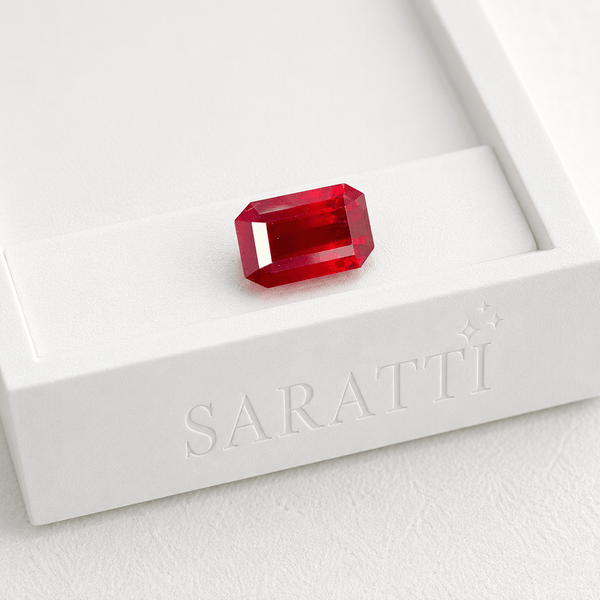
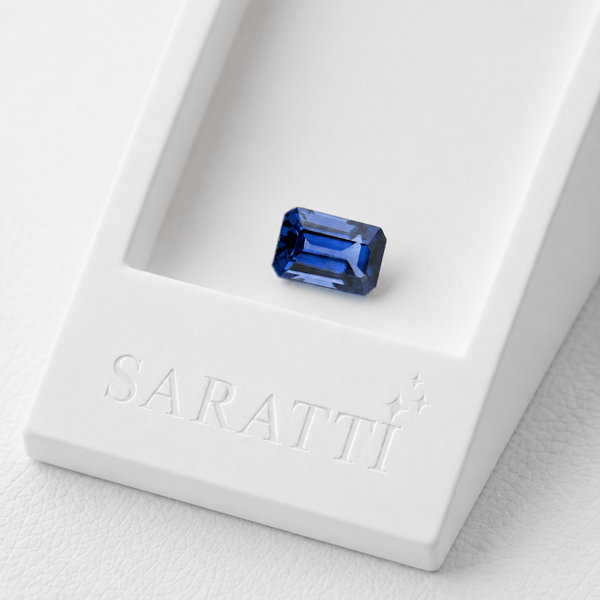
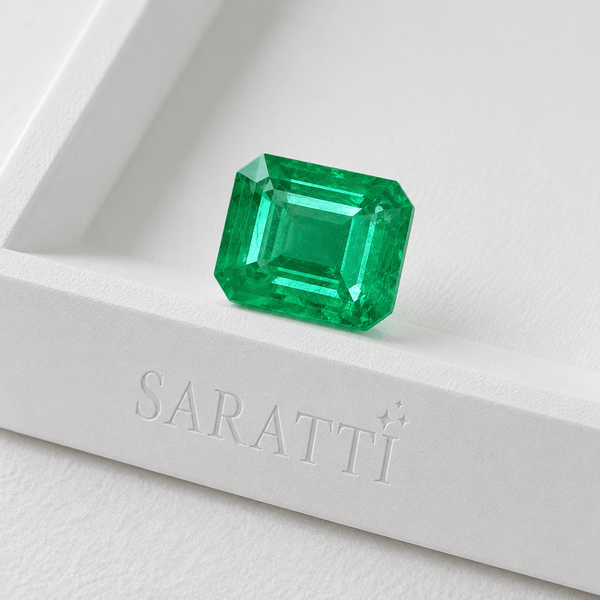
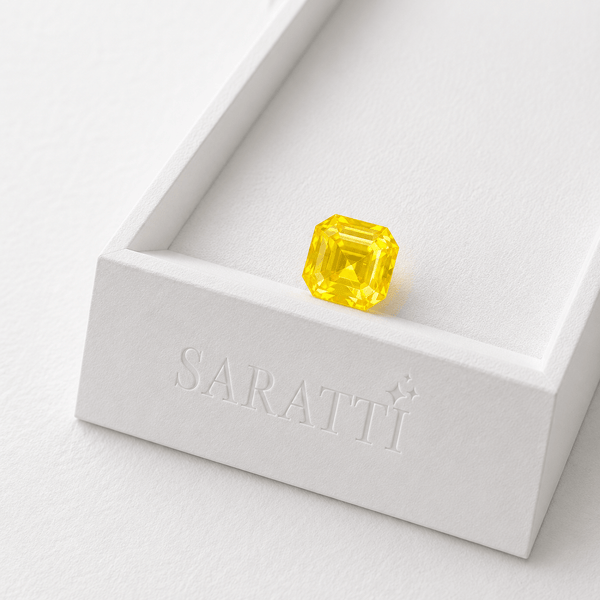
Cushion Cut Gemstones

Every stone held by the house, listed one at a time.

Soft edges and timeless charm.

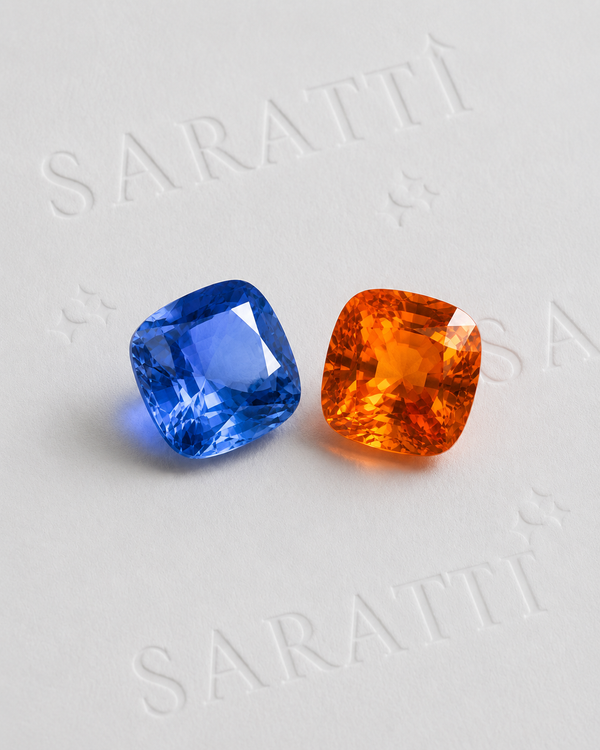
The Cushion Cut Gemstones collection features natural gemstones shaped with gently rounded corners and balanced proportions. Known for their classic appeal and subtle depth, cushion cuts offer a look that feels both warm and enduring.

A graceful choice for custom rings, pendants, and fine jewelry designed to feel personal, refined, and lasting.

Cushion Cut Gemstones
Filter
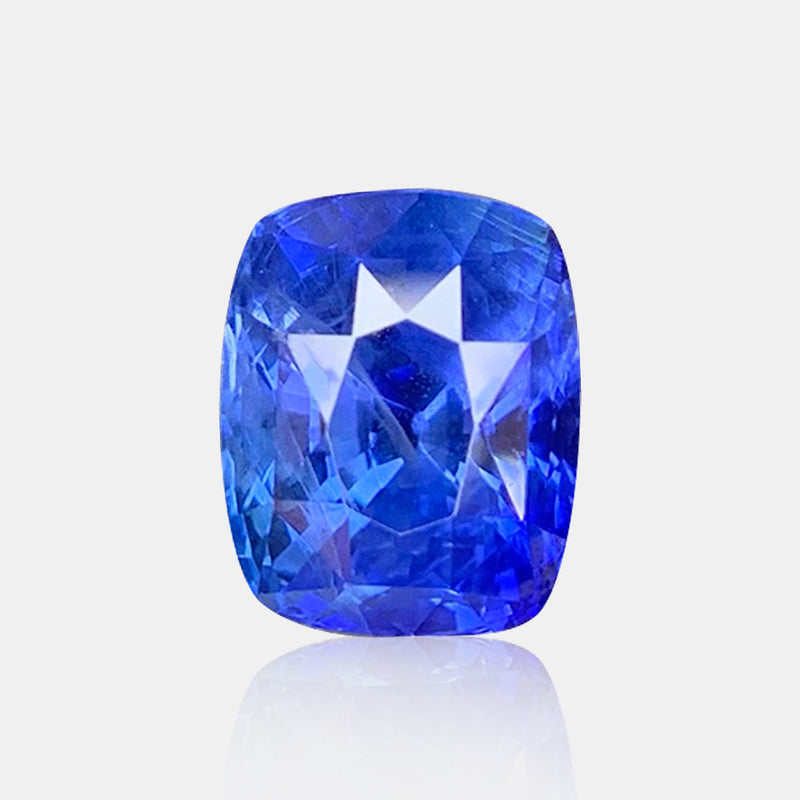
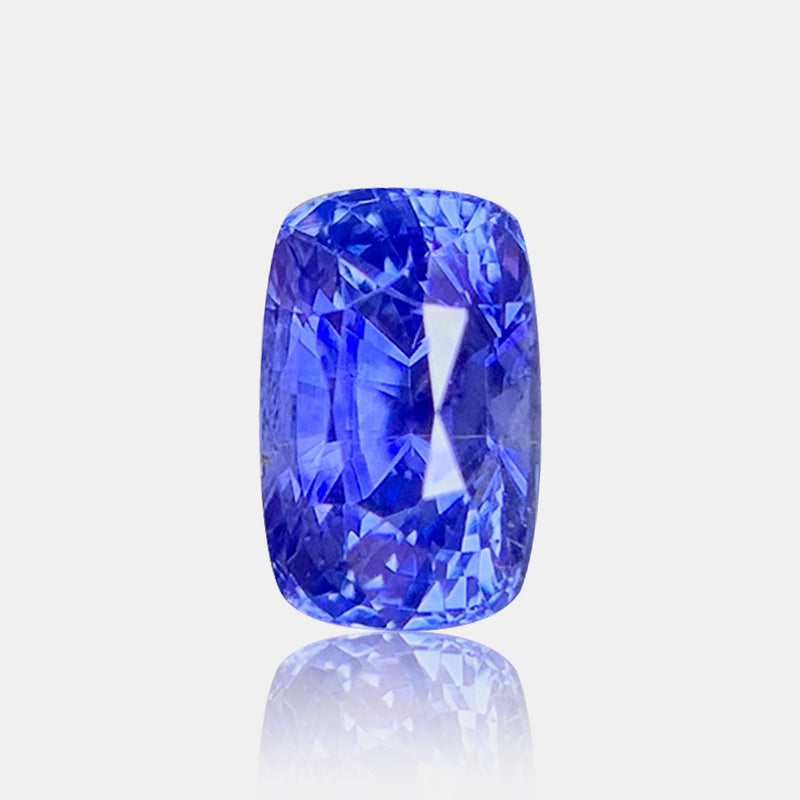
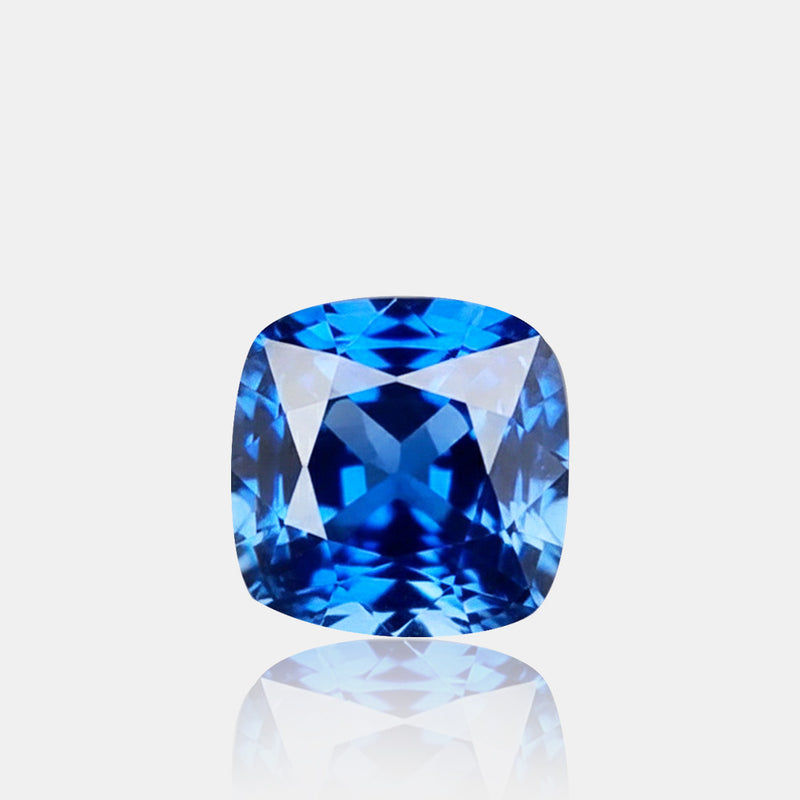
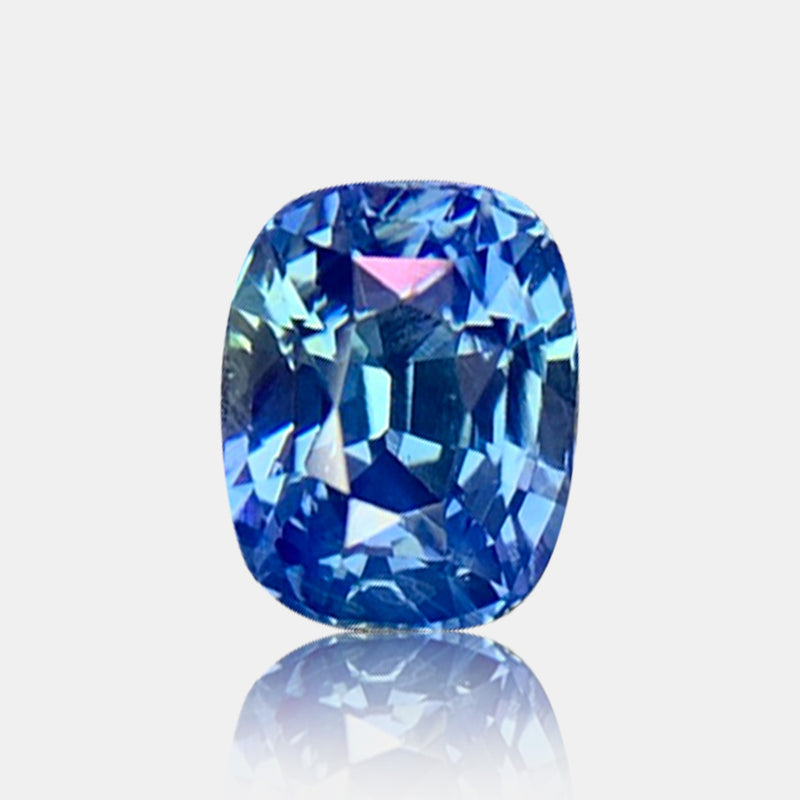
2.04 carat Unheated Natural blue sapphire cushion cut loose gemstone | SARATTI
2.04 ct
Unheated Natural Blue Sapphire
Cushion
$2,099
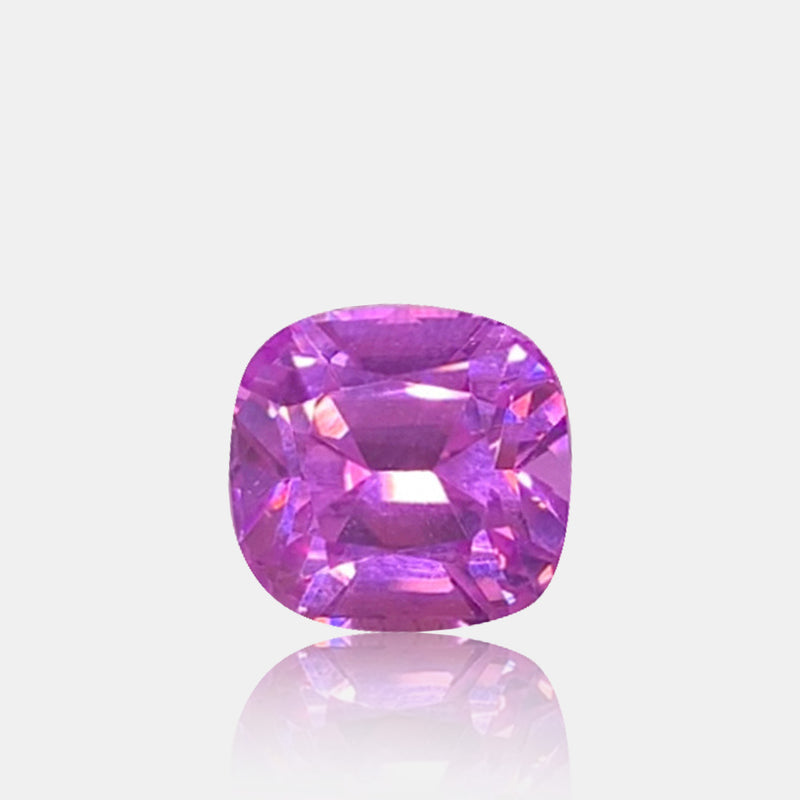
11.13ct Natural Cushion Kunzite | SARATTI
11.13 ct
Natural Kunzite Gemstone
Cushion
$819
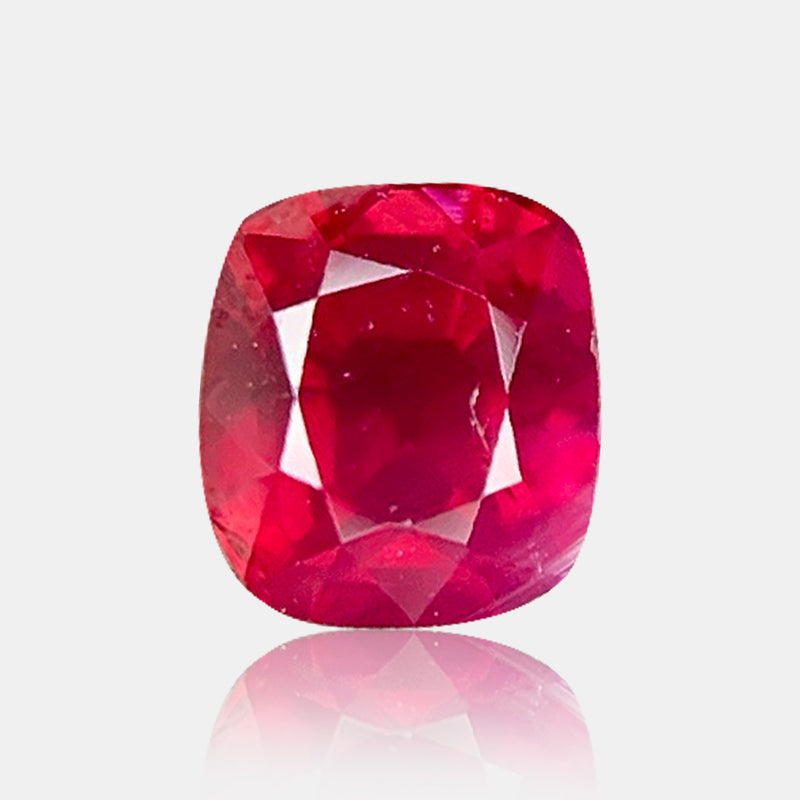
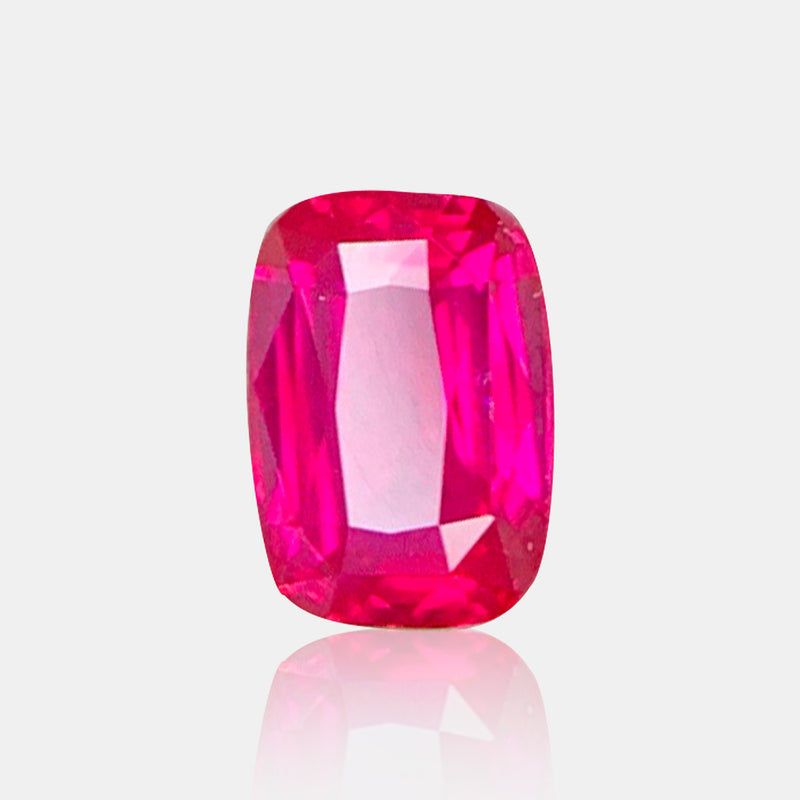
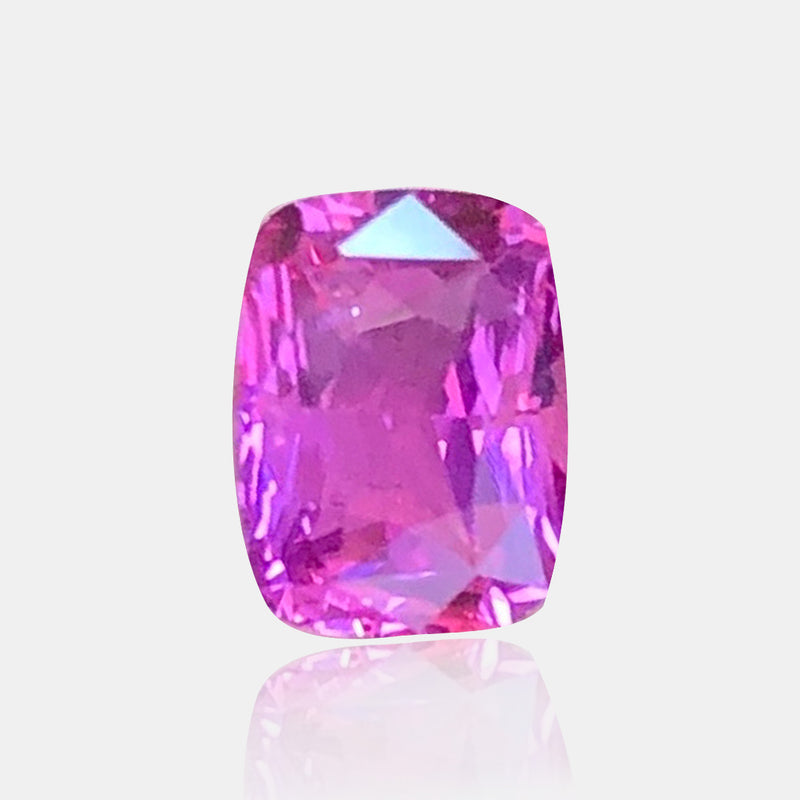
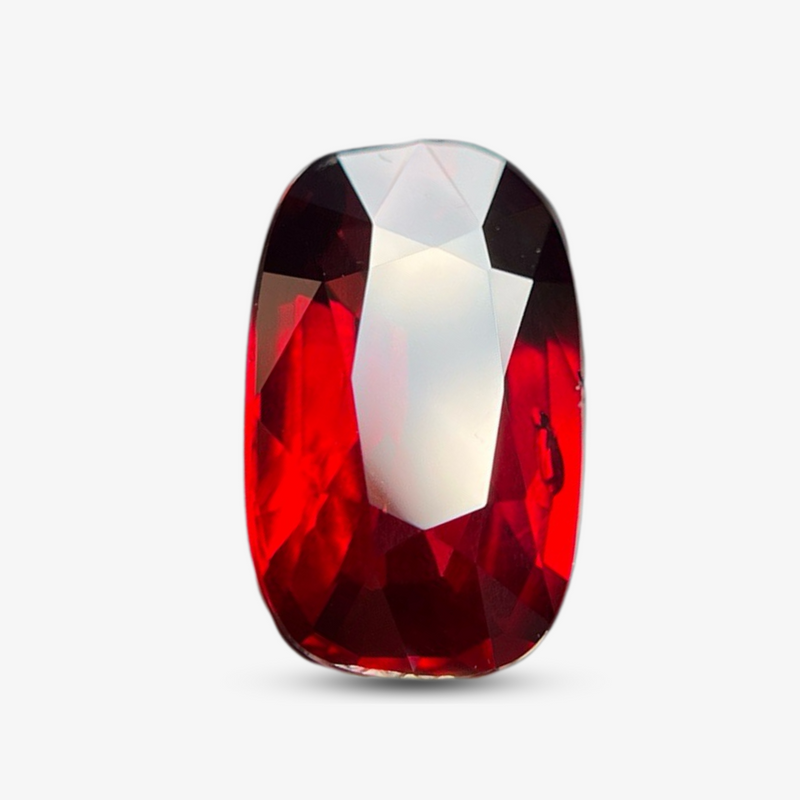
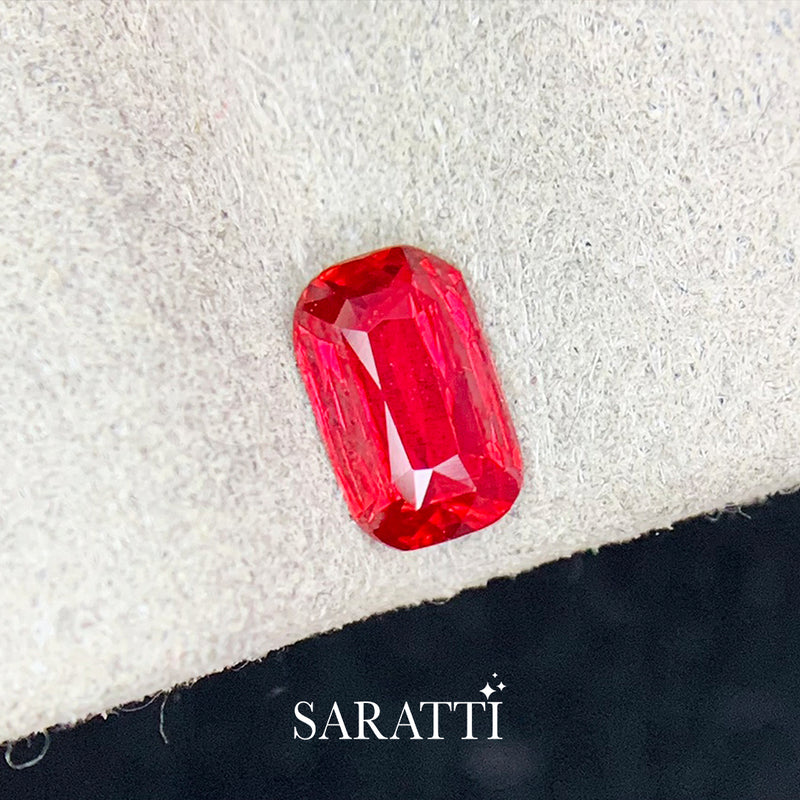
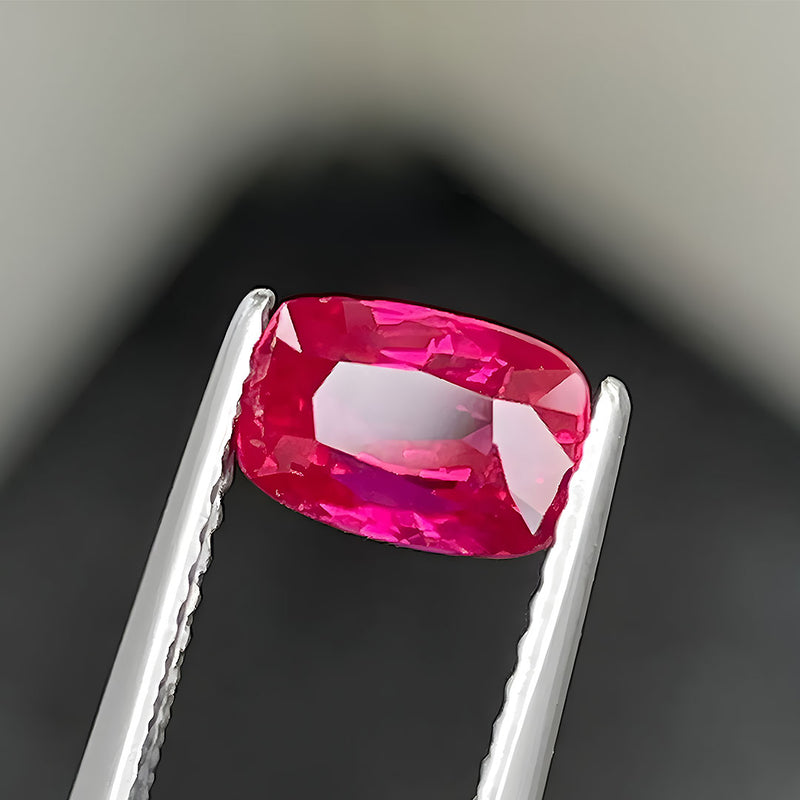
1.49 carat Unheated Natural ruby cushion rectangular loose gemstone | SARATTI
1.49 ct
Unheated Natural Ruby
Cushion
$2,415
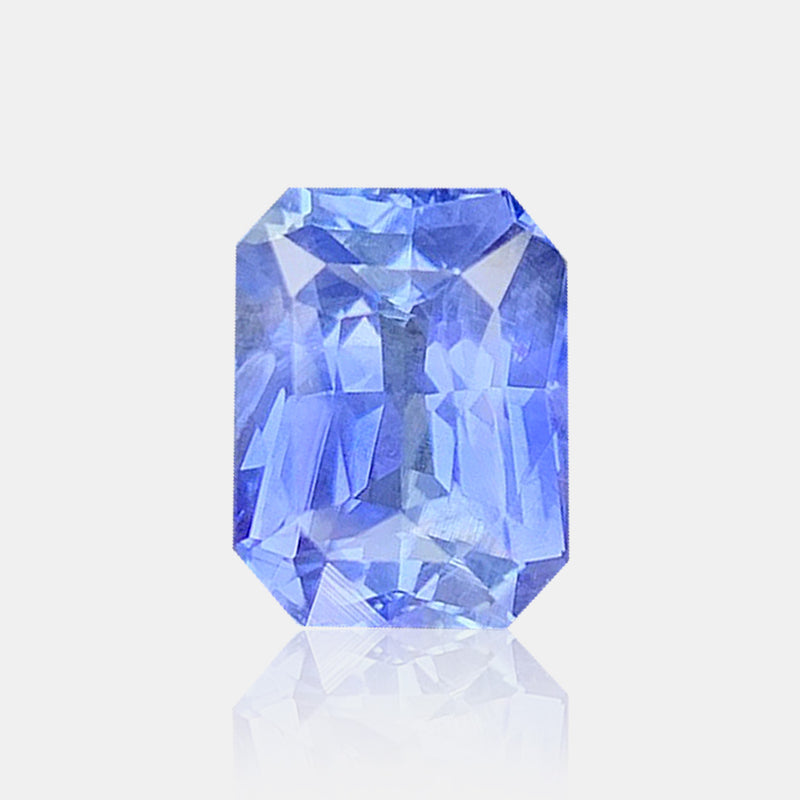
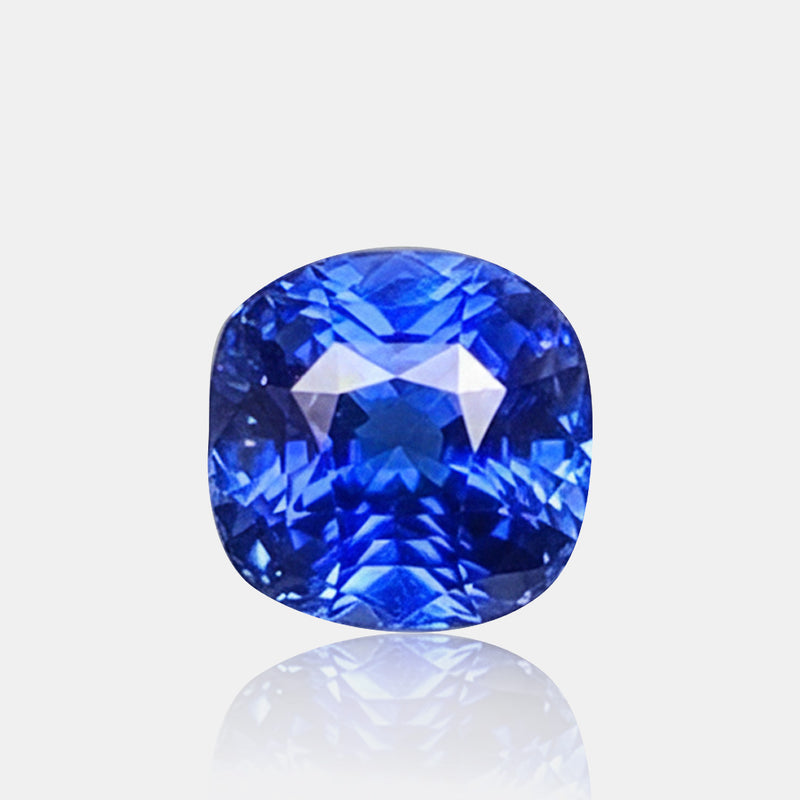
3.13 carat Natural Cornflower Blue sapphire cushion loose gemstone | SARATTI
3.13 ct
Natural Cornflower Blue Sapphire
Cushion
$2,834
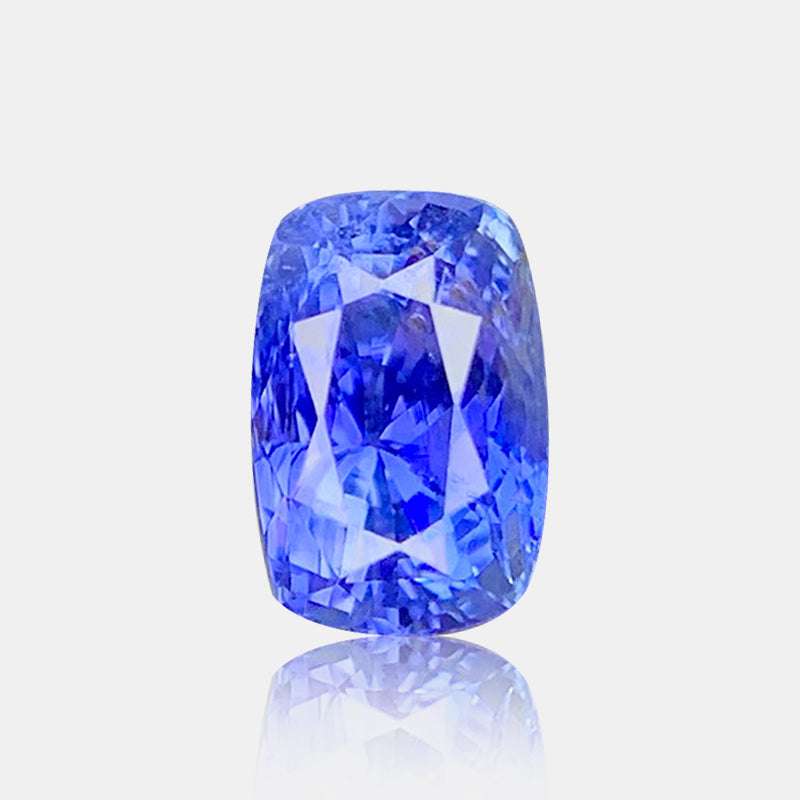
. 2.09 carat Unheated Natural Cornflower Blue sapphire cushion loose gemstone | SARATTI
2.09 ct
Unheated Natural Cornflower Blue Sapphire
Cushion
$1,889
1.53 carat Unheated Natural blue sapphire cushion brilliant mixed loose gemstone | SARATTI
1.53 ct
Unheated Natural Blue Sapphire
Cushion
$1,554
1.51 carat Unheated Natural Cornflower Blue sapphire cushion mixed cut loose gemstone | SARATTI
1.51 ct
Unheated Natural Cornflower Blue Sapphire
Cushion
$2,099
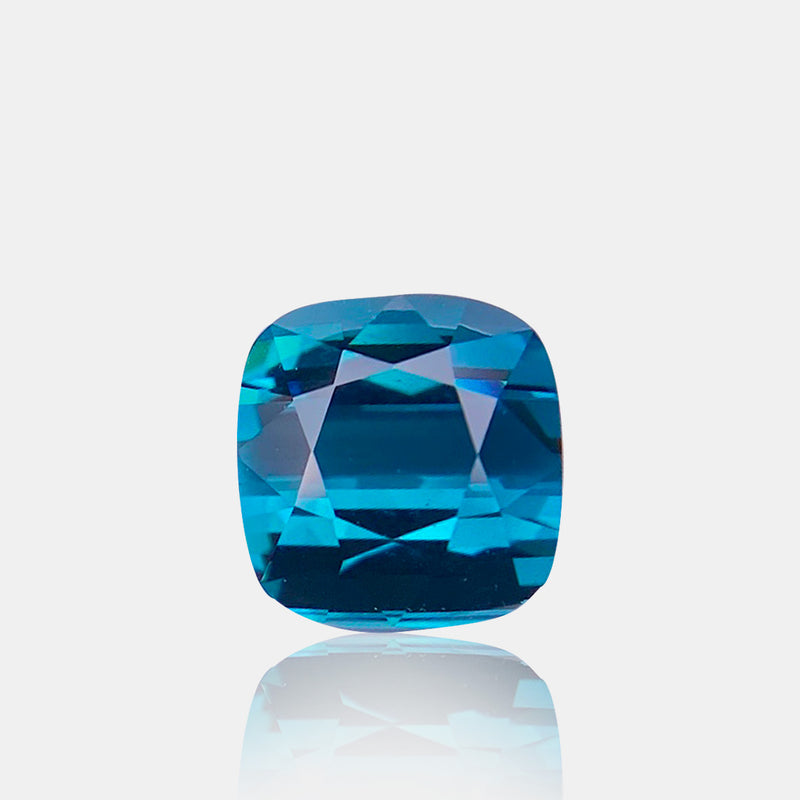
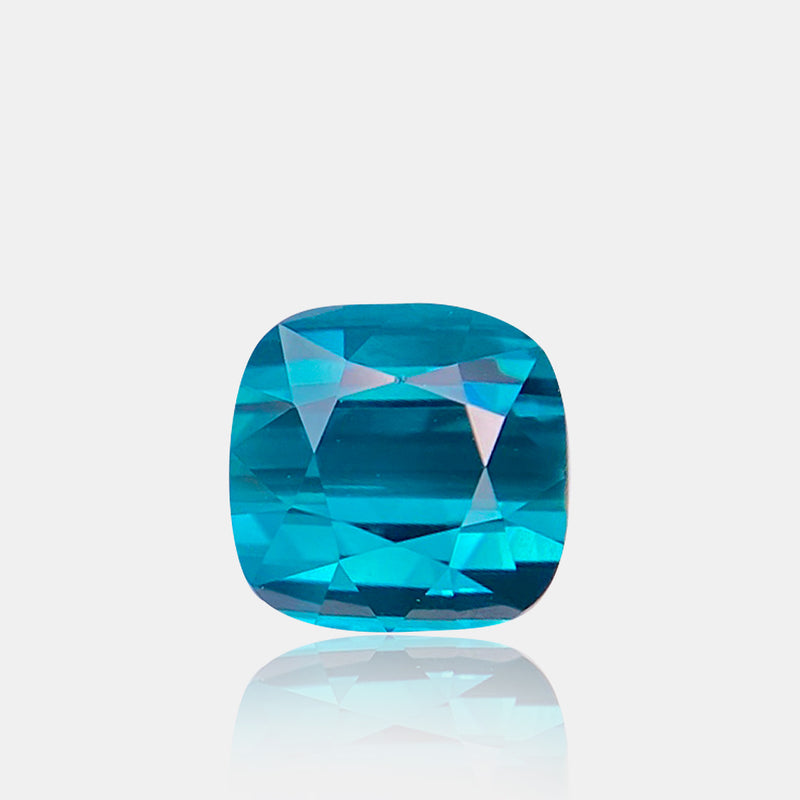
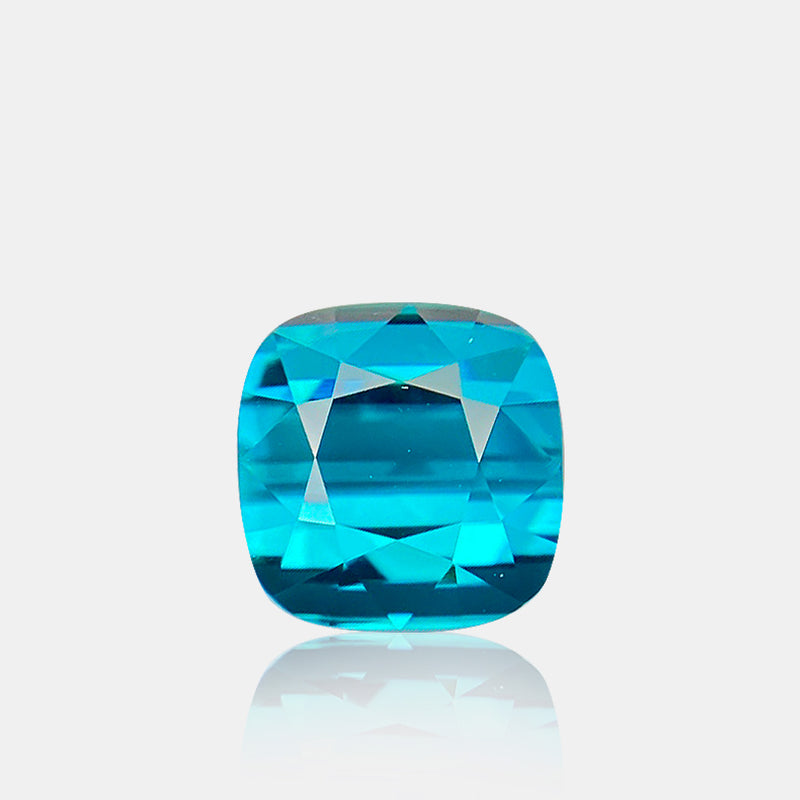
3.03ct Natural Blue Tourmaline Cushion Cut | SARATTI
3.03 ct
Natural Blue Tourmaline Gemstone
Cushion
$1,418
 3.56ct Natural Blue Tourmaline Cushion Cut | SARATTI
3.56 ct
Natural Blue Tourmaline Gemstone
Cushion
$1,701
3.44ct Natural Tourmaline Cushion Cut | SARATTI
3.44 ct
Natural Blue Tourmaline Gemstone
Cushion
$1,994
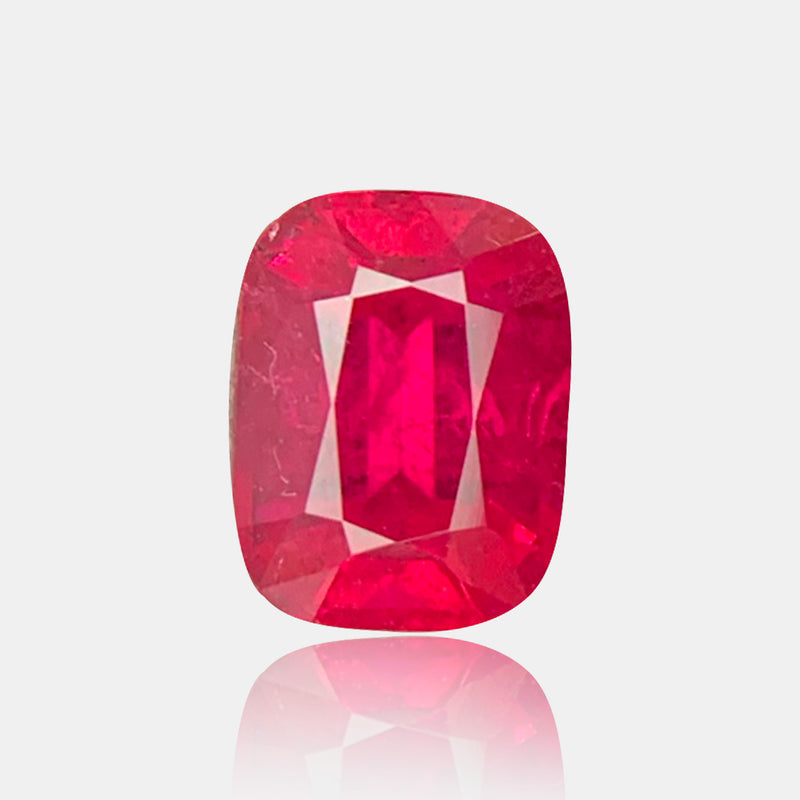
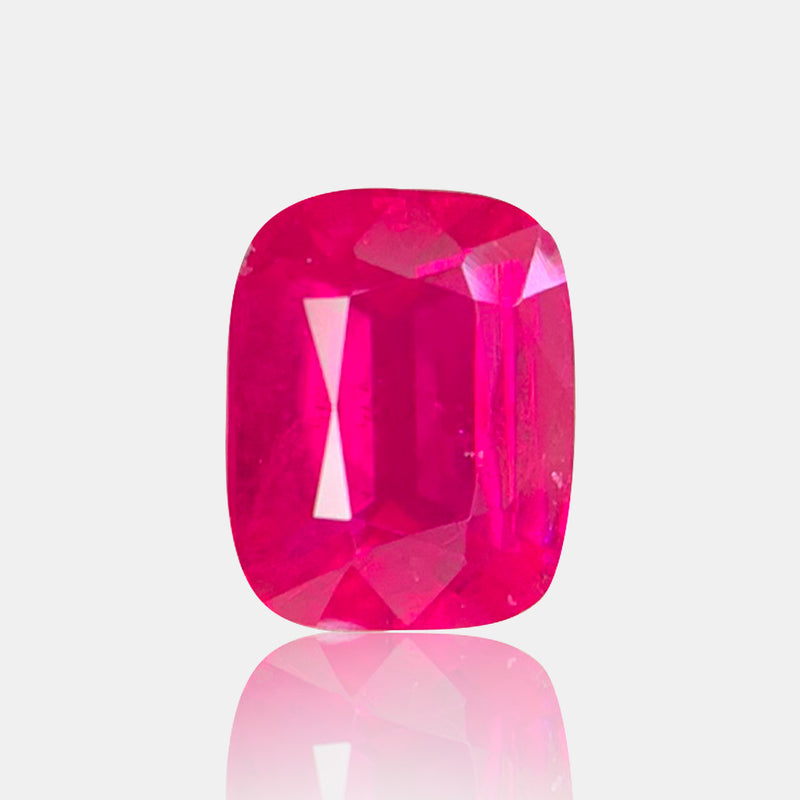
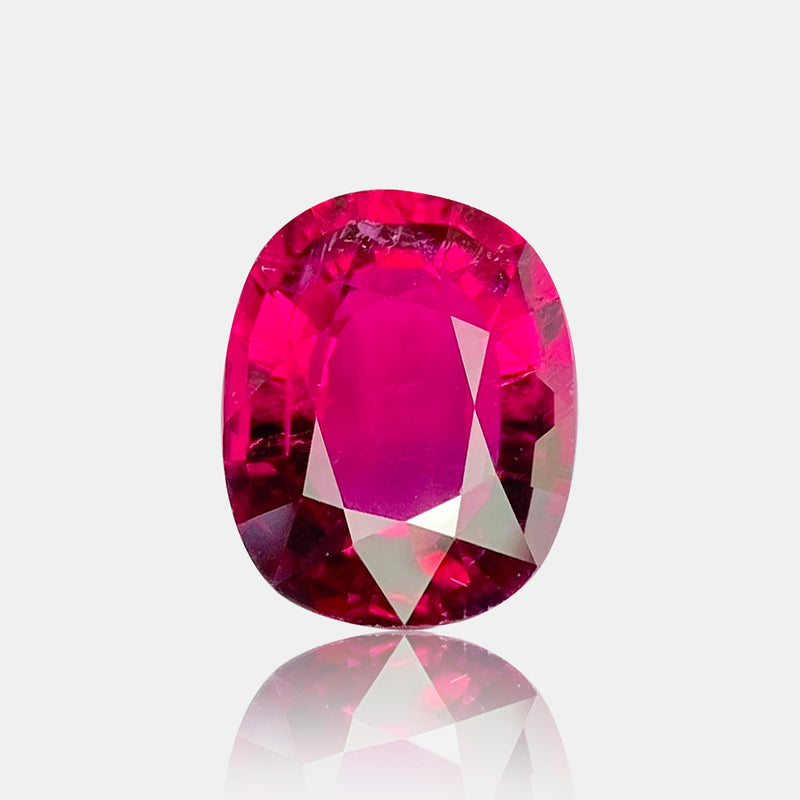
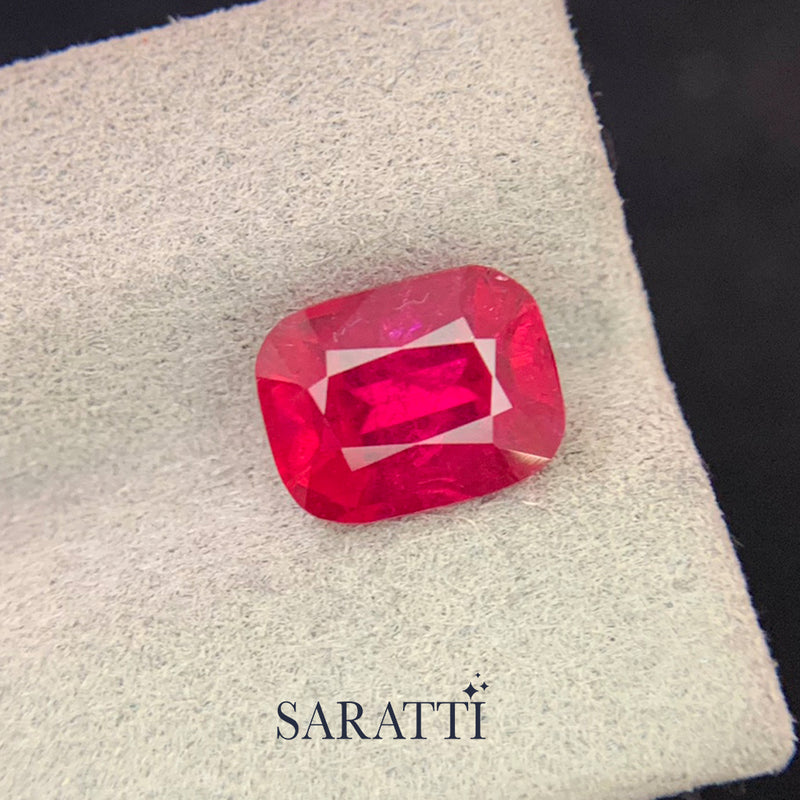
3.54ct Natural Rubellite Tourmaline Cushion Cut | SARATTI
3.54 ct
Natural Rubellite Tourmaline Gemstone
Cushion
$2,414
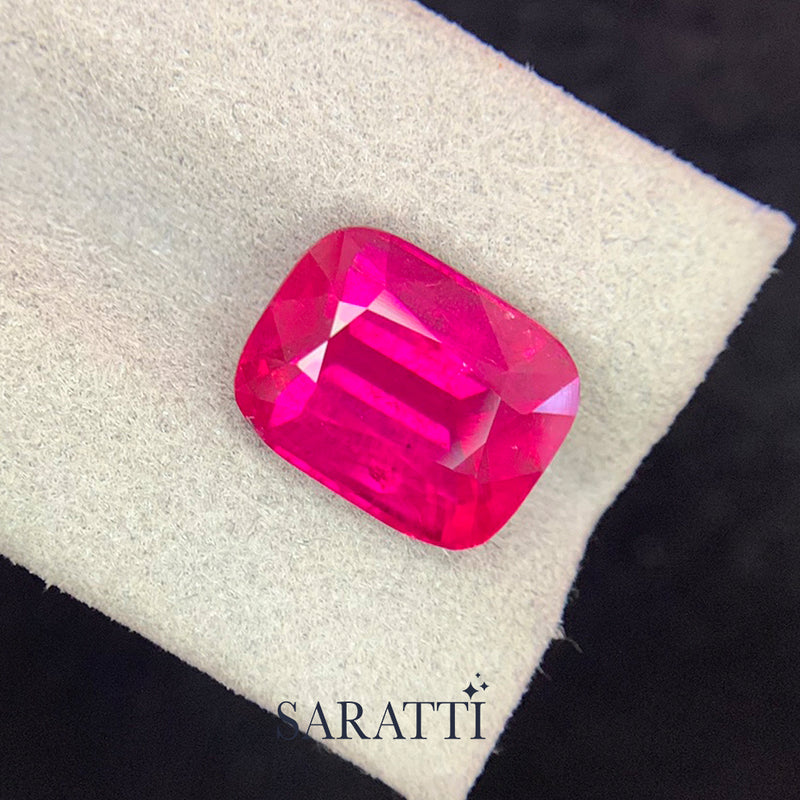
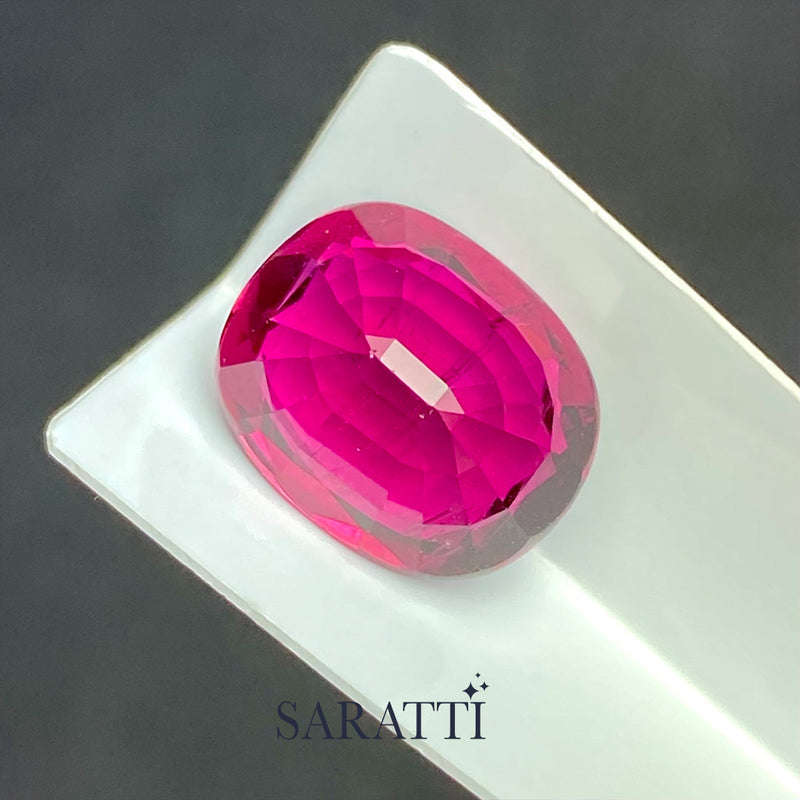
9.71ct Natural Rubellite Tourmaline Cushion Cut | SARATTI
9.71 ct
Natural Rubellite Tourmaline Gemstone
Cushion
$4,514
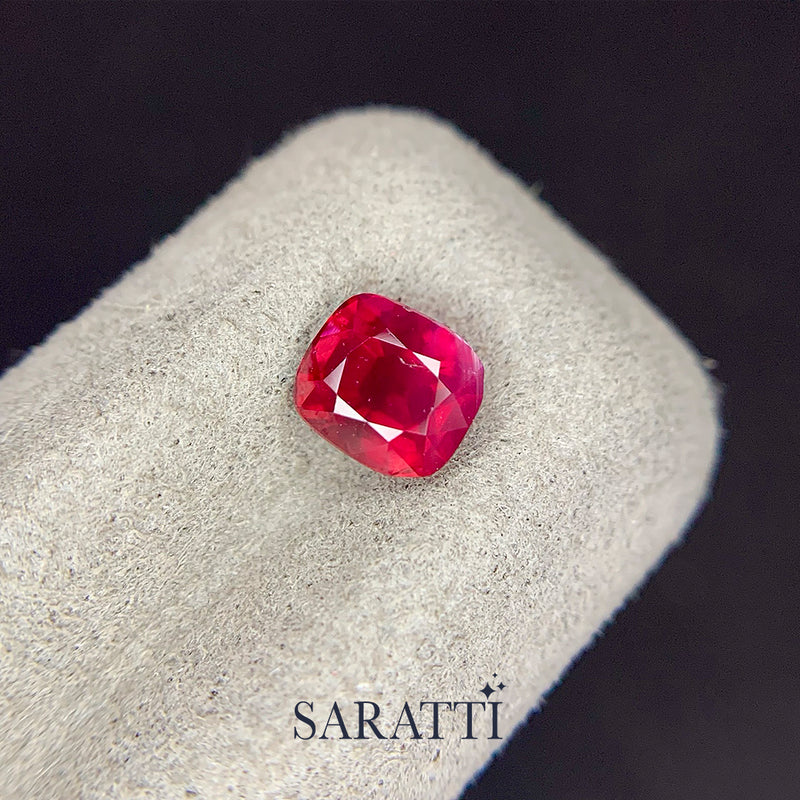
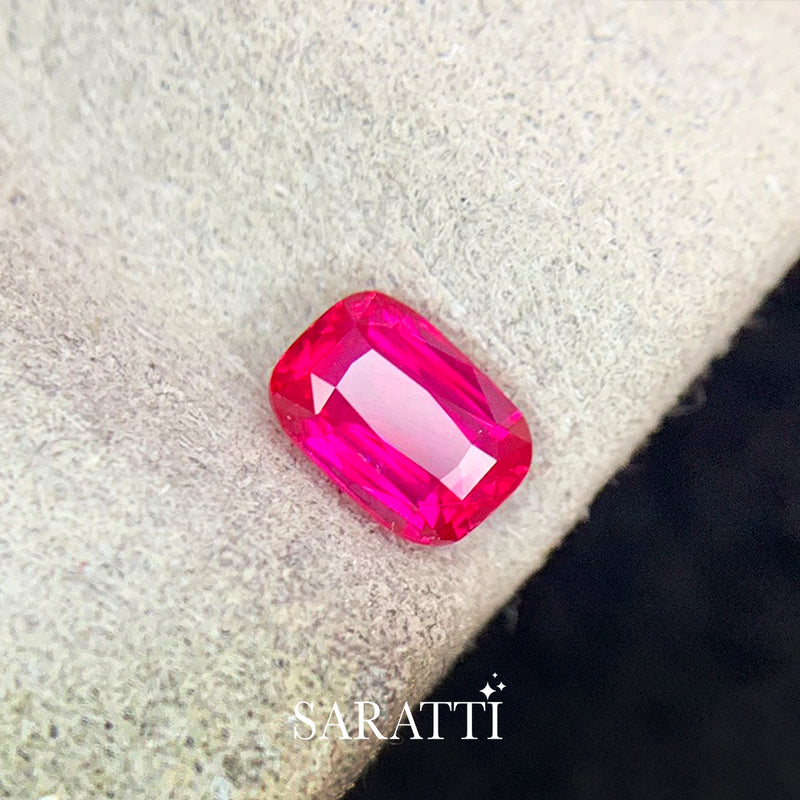
1.01ct Unheated Ruby Cushion Cut | SARATTI
1.01 ct
Natural Ruby Gemstone
Cushion
$3,464
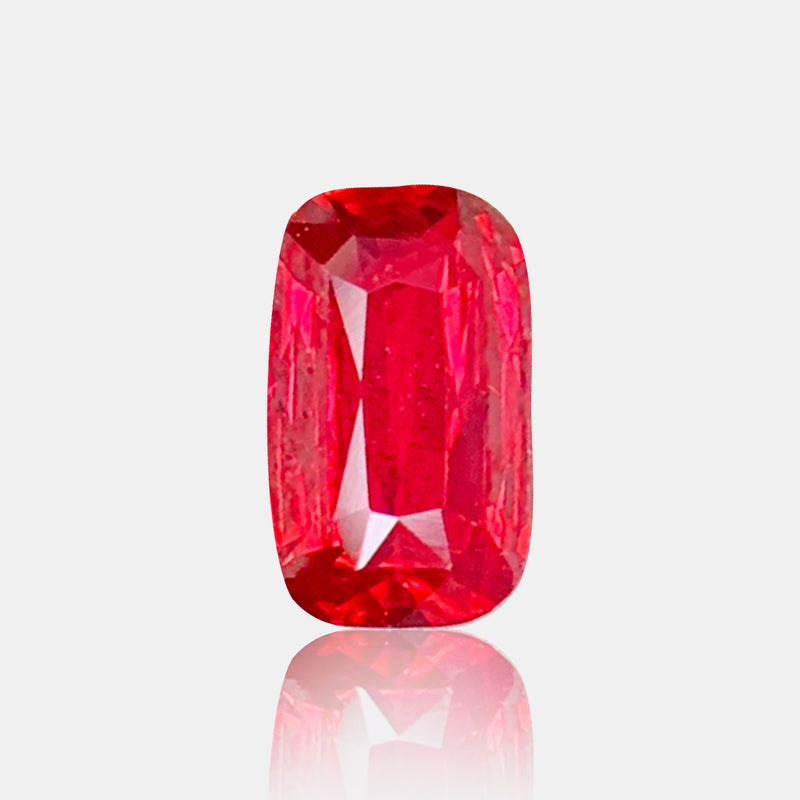
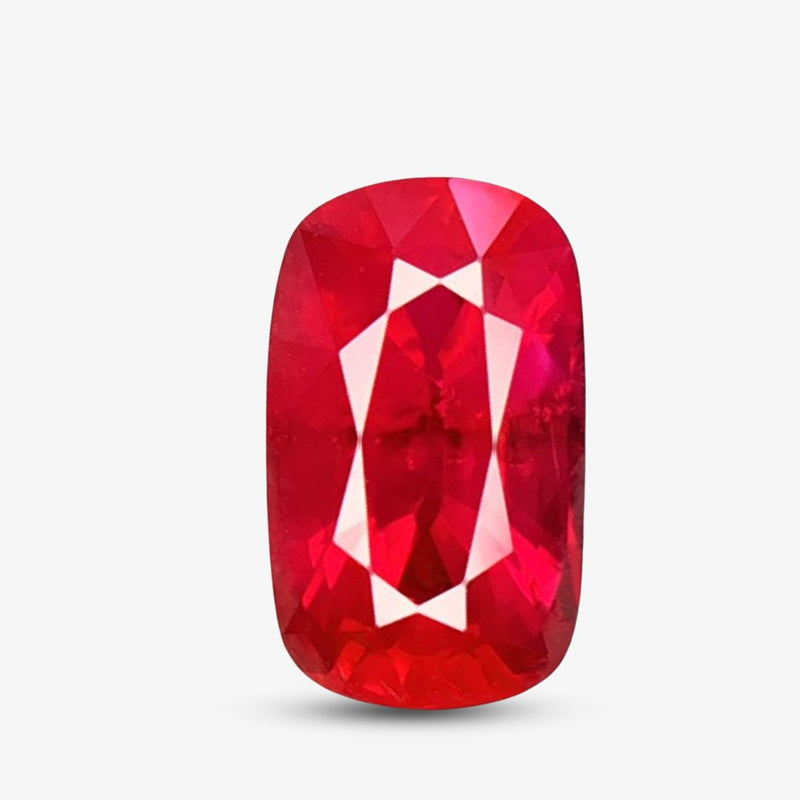
1.00ct UNHEATED Pigeon’s Blood Ruby Cushion Cut | SARATTI
1.00 ct
Unheated Pigeon Blood Red Natural Ruby Gemstone - Cushion Shape
Cushion · Unheated - Untreated
$3,884
5.65ct Natural Rubellite Tourmaline Cushion Cut | SARATTI
5.65 ct
Natural Rubellite Tourmaline Gemstone
Cushion
$3,339
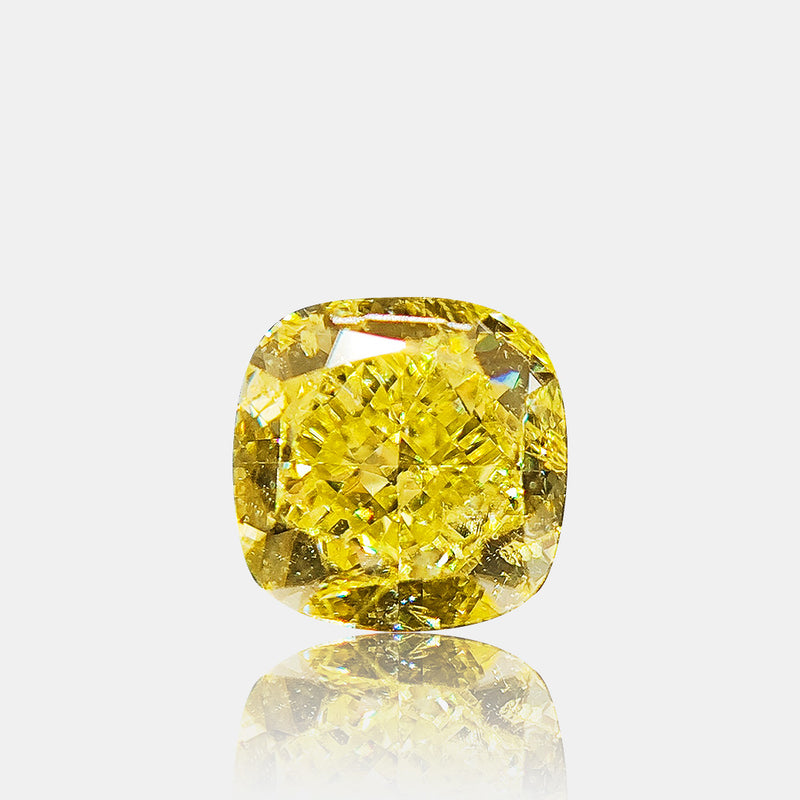
1.00ct Fancy Intense Yellow Cushion Diamond | SARATTI
1.00 ct
Natural Fancy Intense Yellow Diamond
Cushion
$3,849
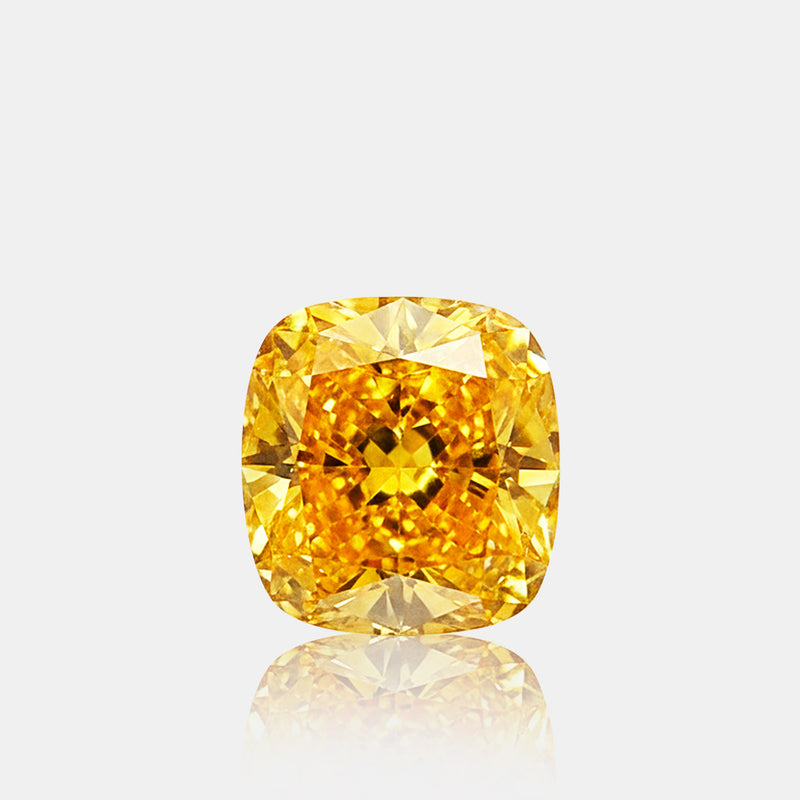
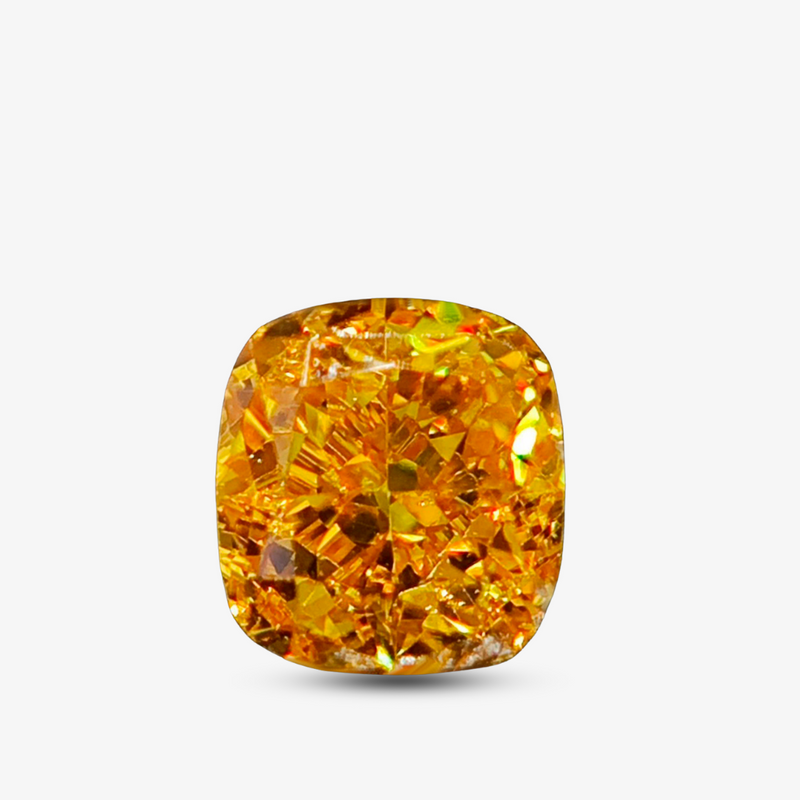
0.39ct Fancy Vivid Orange-Yellow Cushion Diamond | SARATTI
0.39 ct
Natural Fancy Vivid Orange-Yellow Diamond
Cushion
$2,615
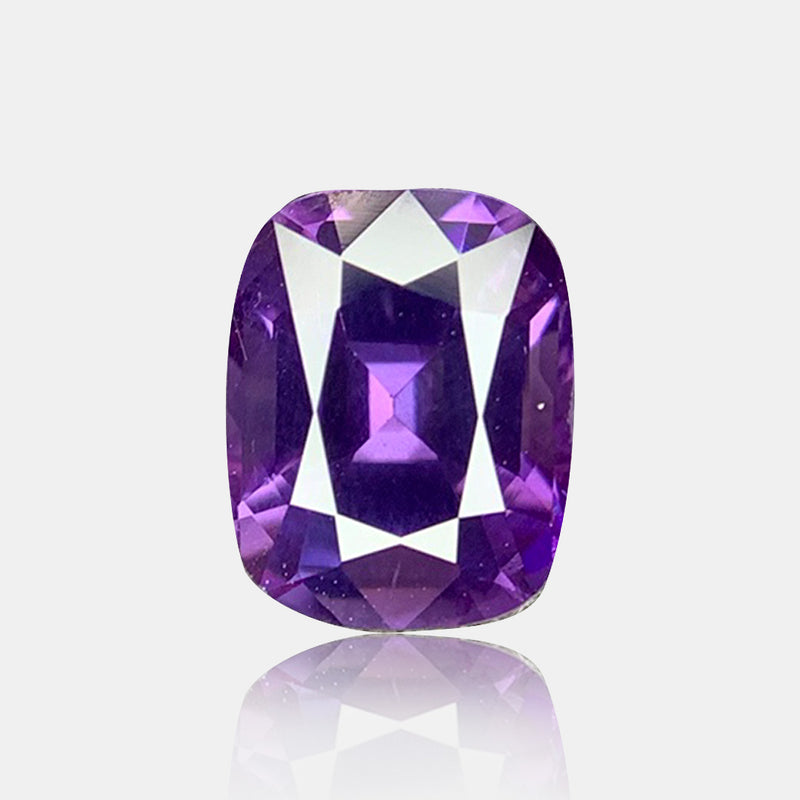
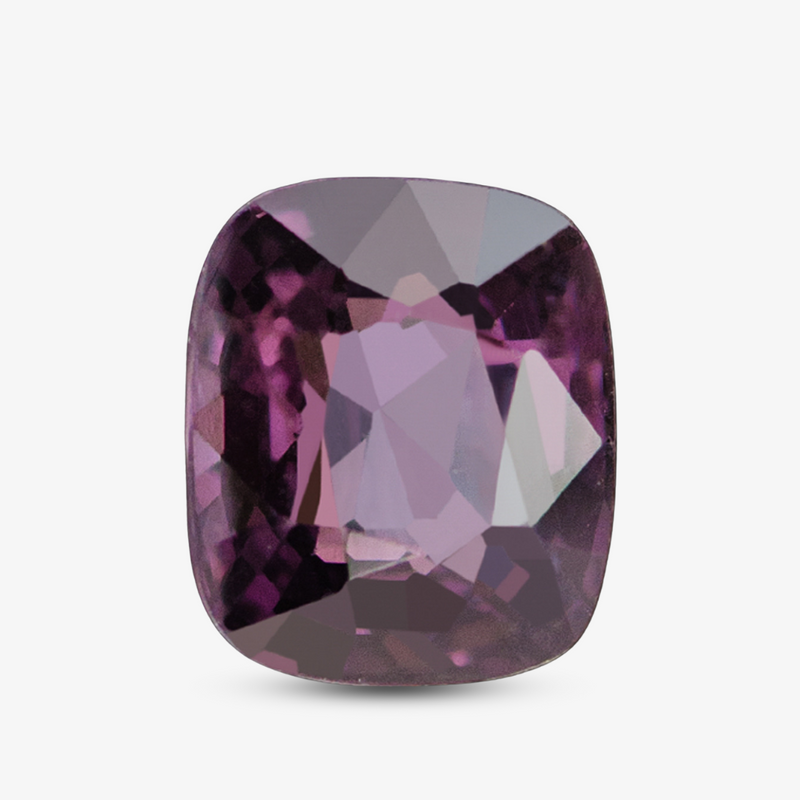
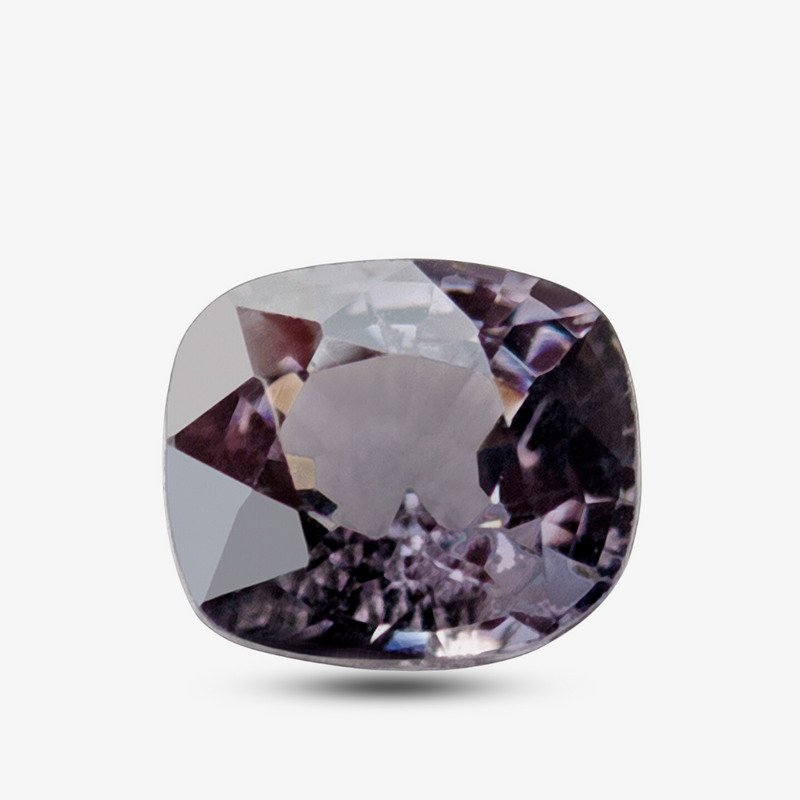
1.52ct Unheated Natural Purple Spinel Cushion Cut | SARATTI
1.52 ct
Unheated Natural Spinel Gemstone
Cushion
$944
1.08ct Unheated Natural Lavender Sapphire Cushion Cut | SARATTI
1.08 ct
Natural Sapphire Gemstone
Cushion
$1,554
2.12ct Unheated Natural Lavender Sapphire Cushion Cut | SARATTI
2.12 ct
Natural Sapphire Gemstone
Cushion
$2,775
• 2.07ct Natural Lavender Sapphire Cushion Cut | SARATTI
2.07 ct
Unheated Natural Sapphire Gemstone
Cushion
$3,989
1.28ct Natural Royal Blue Sapphire Cushion Cut | SARATTI
GRCCertified
1.28 ct
Cushion Cut Blue Sapphire
Cushion
$1,283
1.59ct Natural Royal Blue Sapphire Cushion Cut Gemstone | SARATTI
1.59 ct
Natural Royal Blue Sapphire Gemstone
Cushion
$1,439
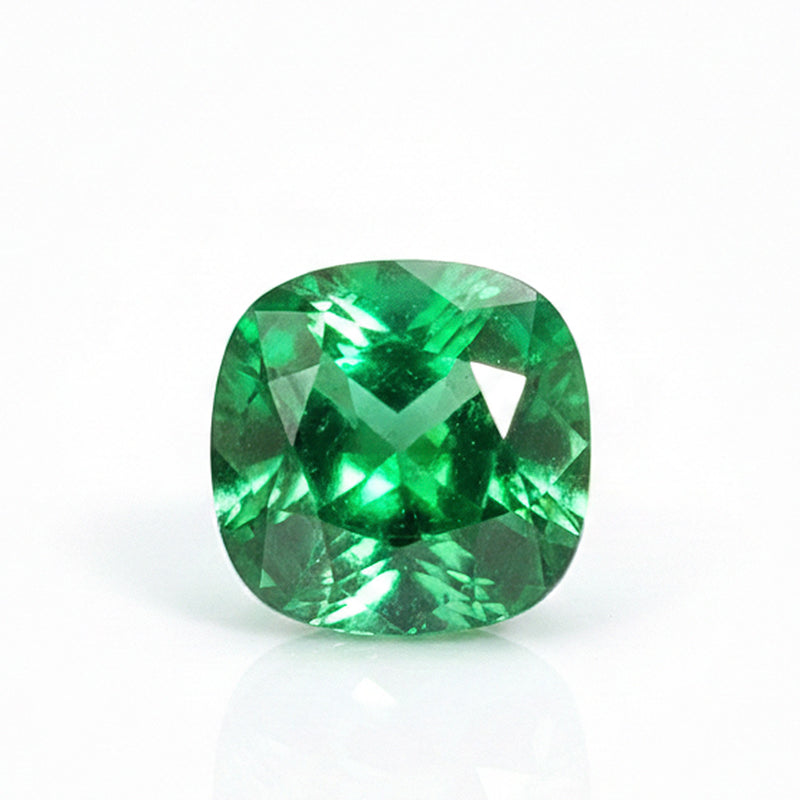
2.06ct Natural Tsavorite Cushion Cut Loose Gemstone | SARATTI
2.06 ct
Natural Tsavorite
Cushion · Minor Clarity Enhancement
$1,591
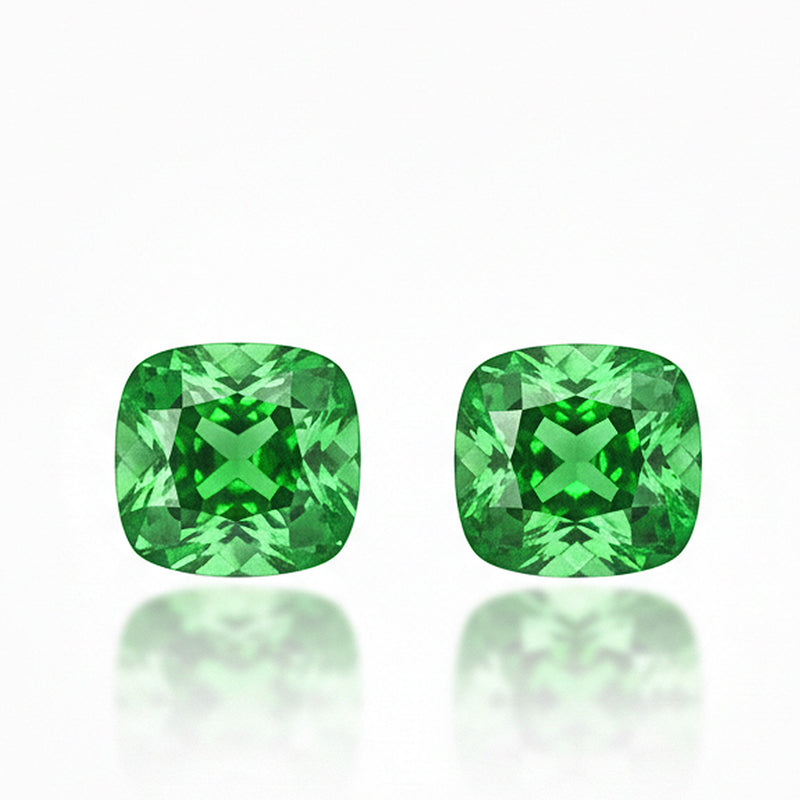
2.09ct Natural Tsavorite Cushion Matched Pair Loose Gemstones | SARATTI
2.09 ct
Natural Tsavorite Gemstone Matched Pair – Cushion Shape
Cushion · Minor Clarity Enhancement
$1,684
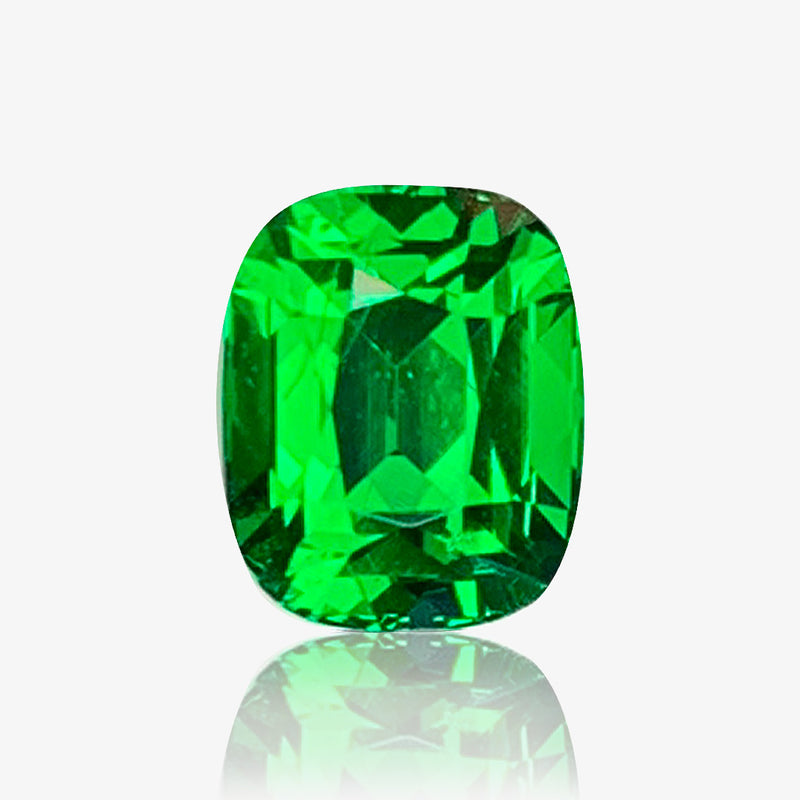
2.14 carat natural tsavorite gemstone cushion cut
2.14 ct
Natural Tsavorite Gemstone – Cushion Shape
Cushion · Minor Clarity Enhancement
$4,652
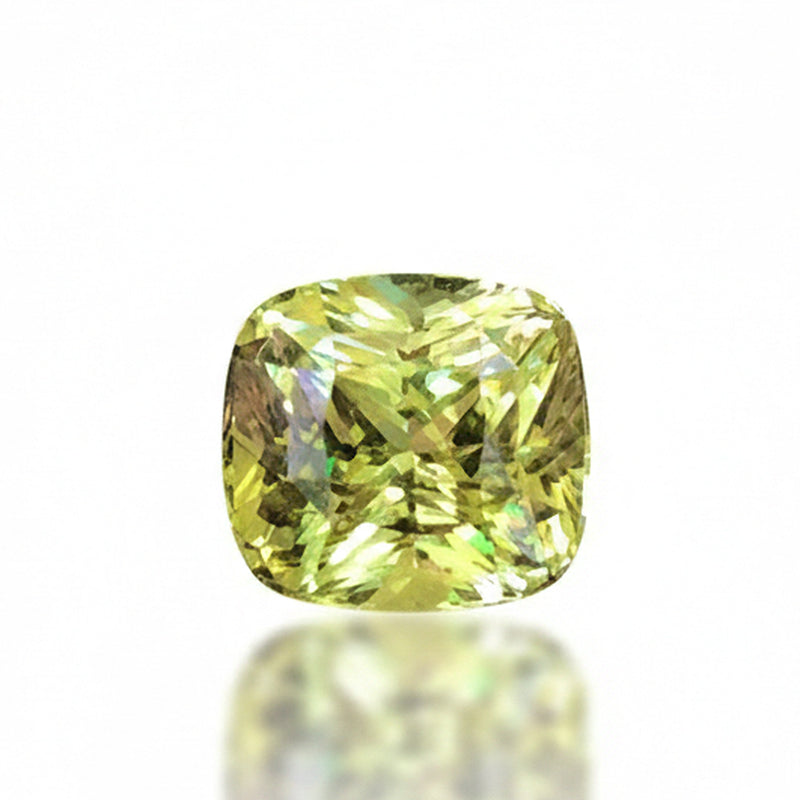
5.42ct Natural Chrysoberyl Cushion Cut Loose Gemstone | SARATTI
5.42 ct
Natural Chrysoberyl Gemstone – Cushion Cut
Cushion
$5,225
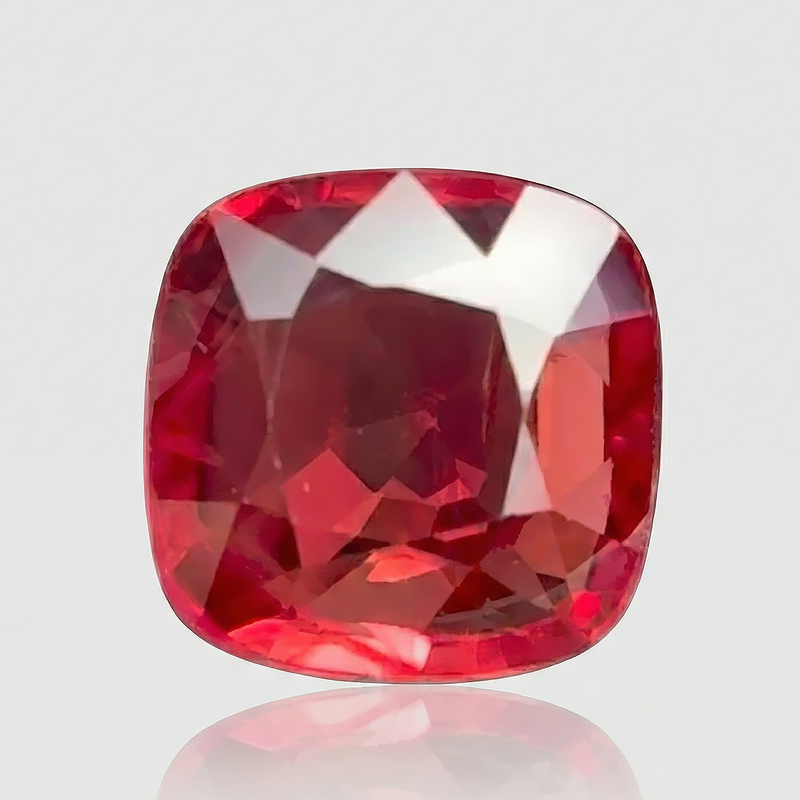
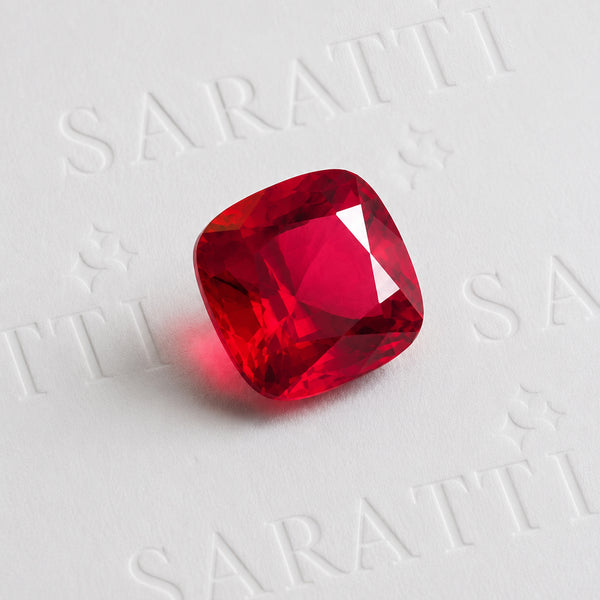
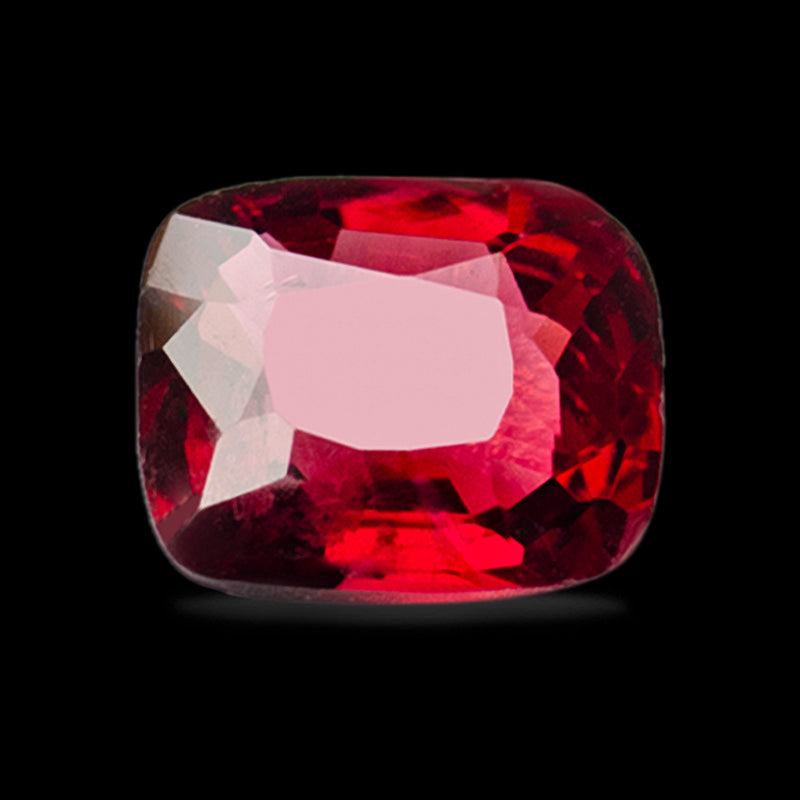
Square-cut red gemstone on a reflective surface with a light gray background
1.02 ct
Natural Ruby Stone
Cushion · Unheated - Untreated
$2,134
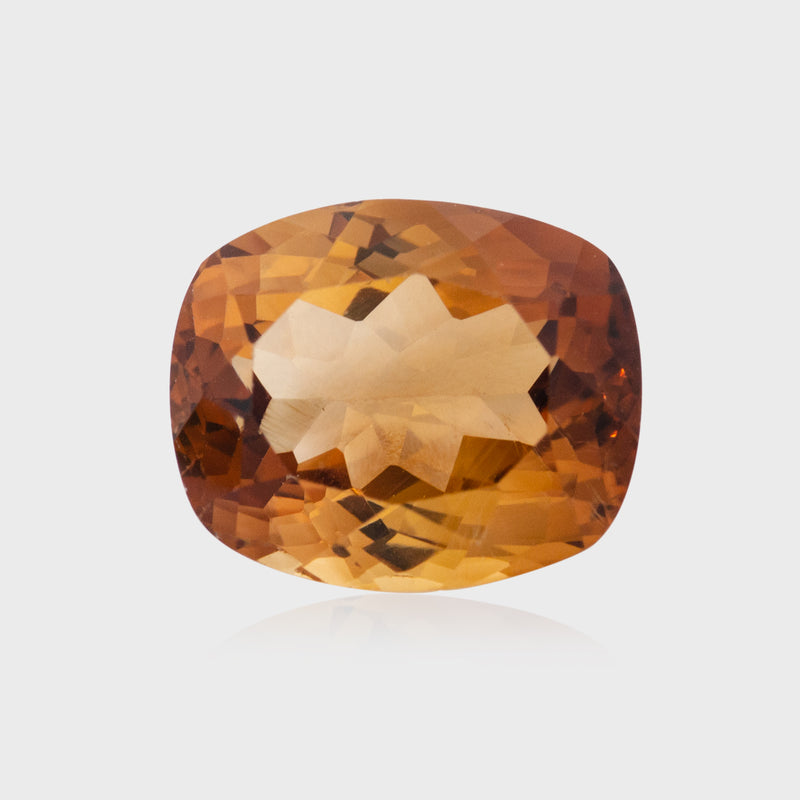
Cushion Cut Natural Imperial Topaz Stone in Champagne Color | SARATTI
11.45 ct
Natural Imperial Topaz Gemstone
Cushion
$1,122
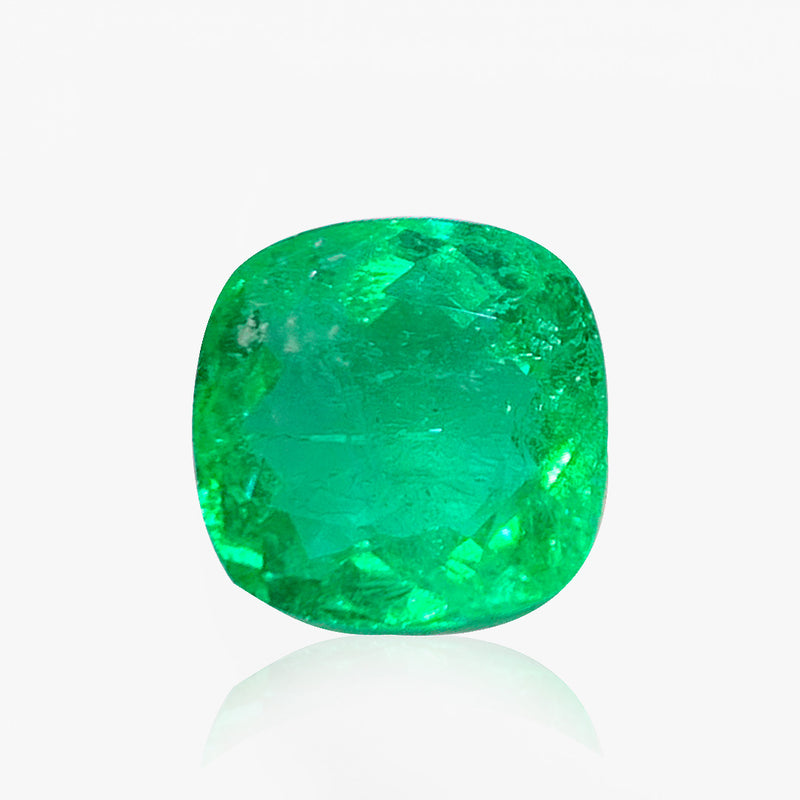
4.41ct Colombian Emerald Cushion Cut | SARATTI AIGSCertified
4.41ct ct
Vivid Green Colombian Emerald (Cushion Cut)
Cushion · Minor Clarity Enhancement
$6,910
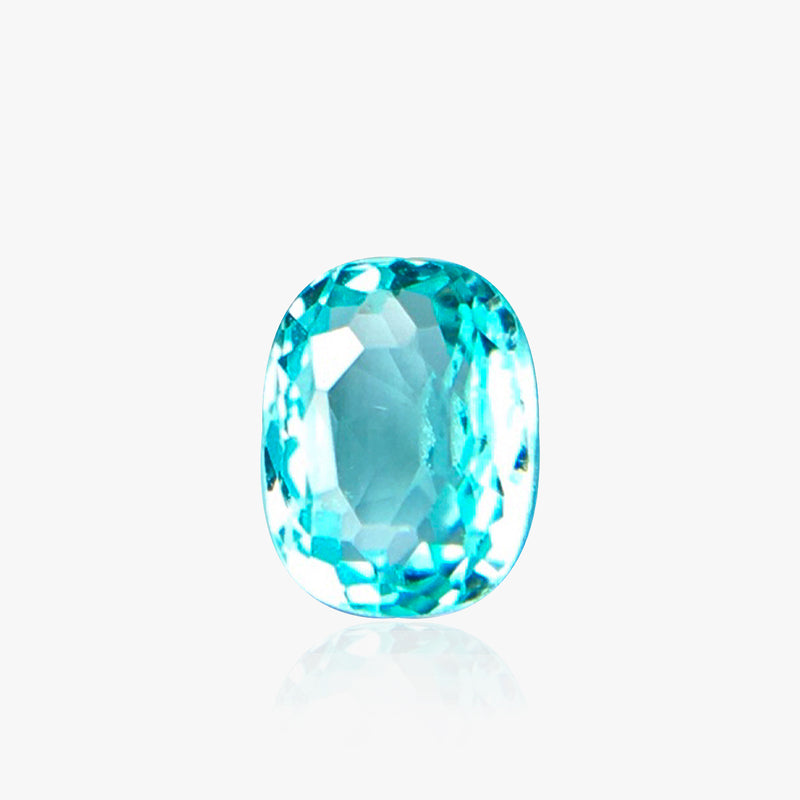
0.48ct Neon Blue Paraiba Tourmaline Cushion Cut | SARATTI
0.48 ct
Neon Blue Paraiba Tourmaline (Cushion Cut)
Cushion
$1,439
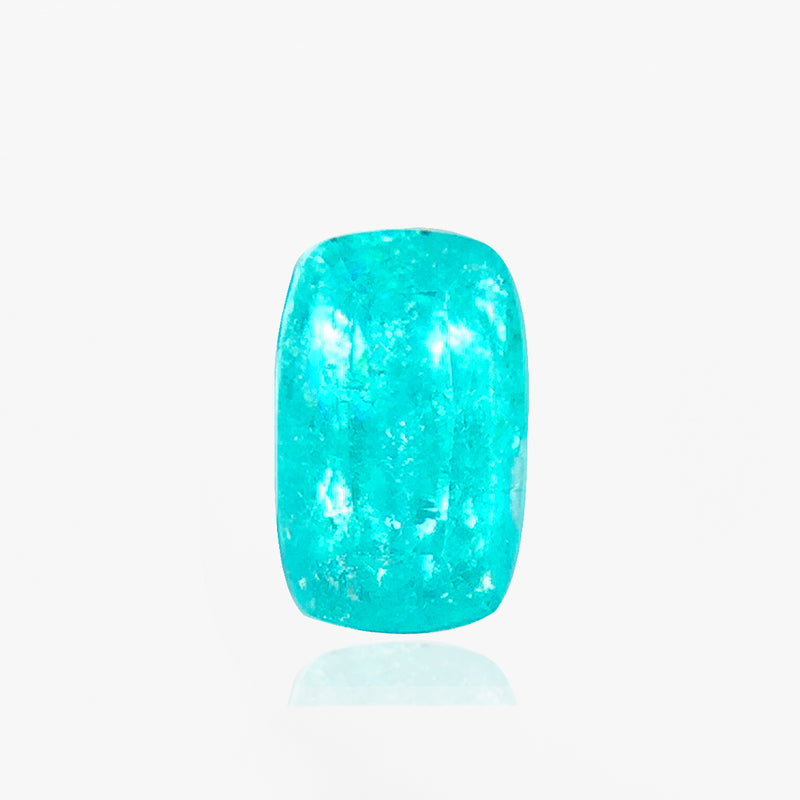
2.42ct Oval Paraiba Tourmaline Loose Gemstone | SARATTI
2.05ct ct
Neon Blue Paraiba-Type Tourmaline (Cushion Cut)
Cushion
$5,457
5.02-carat Cushion Cut Natural Ruby | Unheated | AIGS Certified AIGSCertified
5.02-carat ct
Cushion Cut Natural Ruby
Cushion
$112,350
Paraiba Tourmaline Gemstone 2.56 carats Oval Shape - SARATTI AIGSCertified
2.56-carat ct
Neon Greenish- Blue Cushion Paraiba Tourmaline
Cushion
$7,179
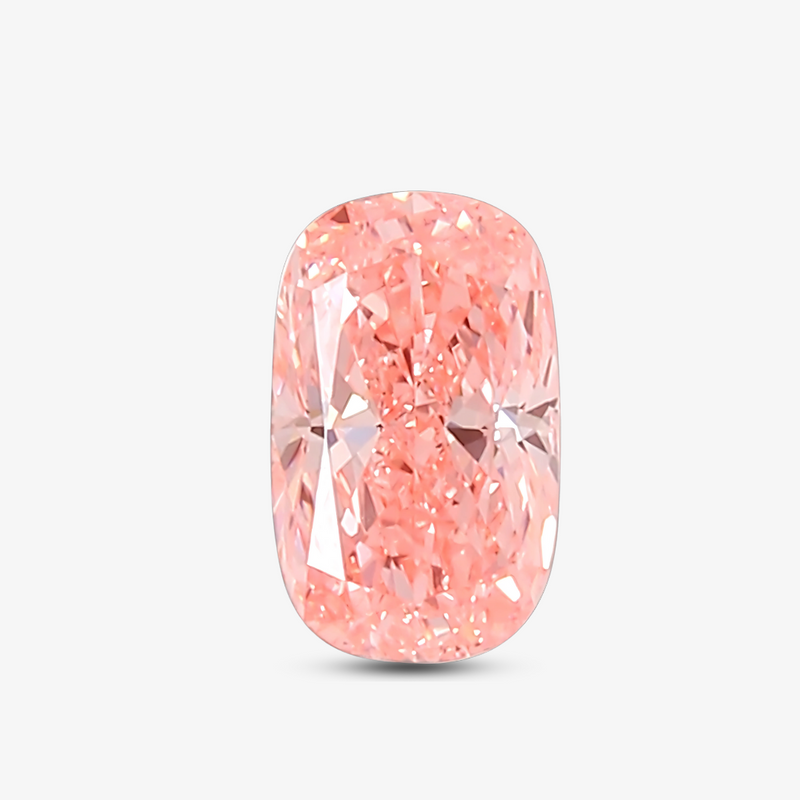
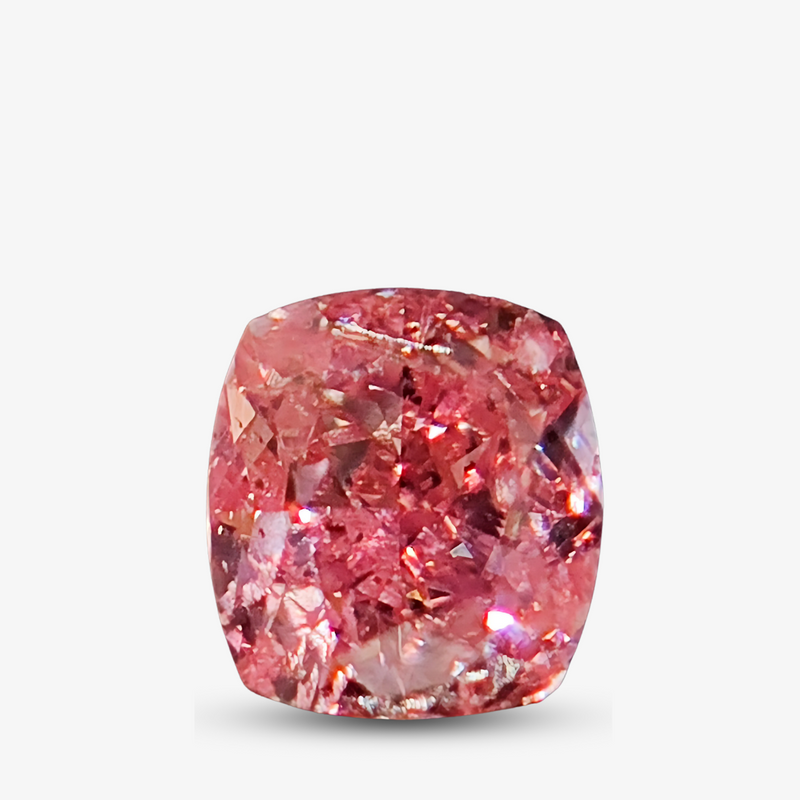
1.01-carat Fancy Vivid Pink Natural Diamond | VVS2 Clarity (Treated)
1.01-carat ct
Fancy Vivid Pink Natural Diamond
Cushion · Treated
$17,302
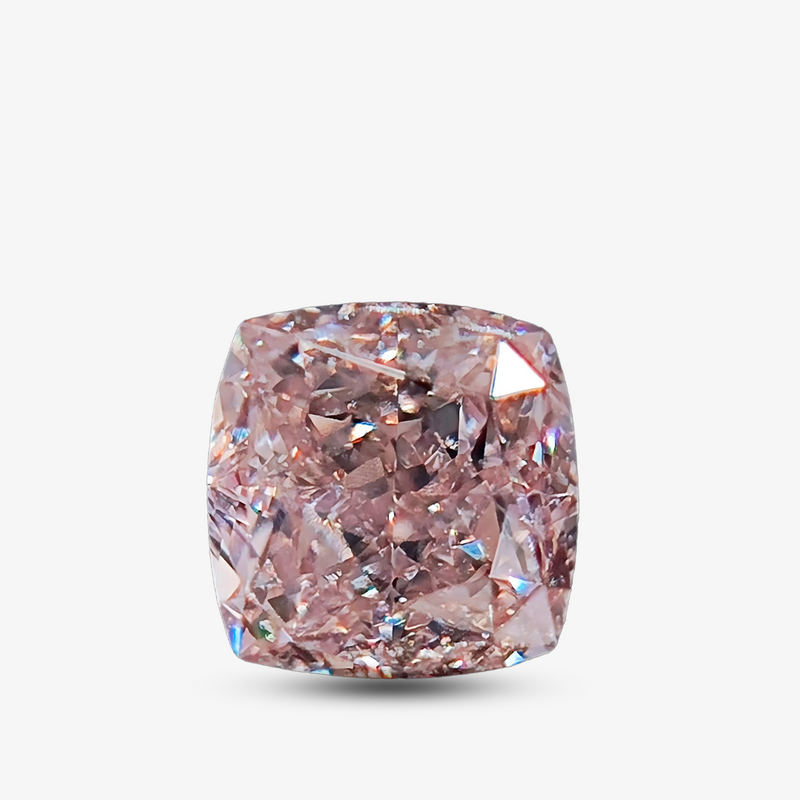
0.36-carat Cushion Cut Fancy Light Brownish-Pink Natural Diamond | GIA Certified GIACertified
0.36 ct
0.36-carat Cushion Cut Fancy Light Brownish-Pink Natural Diamond
Cushion
$3,369
0.39cts Fancy Orange Natural Diamond Gemstone | Saratti GIACertified
0.39 ct
0.39-carat Fancy Vivid Orange-Yellow Cushion Natural Diamond
Cushion
$4,023
0.25-carat Cushion Cut Orangy Pink Natural Diamond | Saratti GIACertified
0.25 ct
0.25-carat Cushion Intense Orange Pink Natural Diamond
Cushion
$8,650
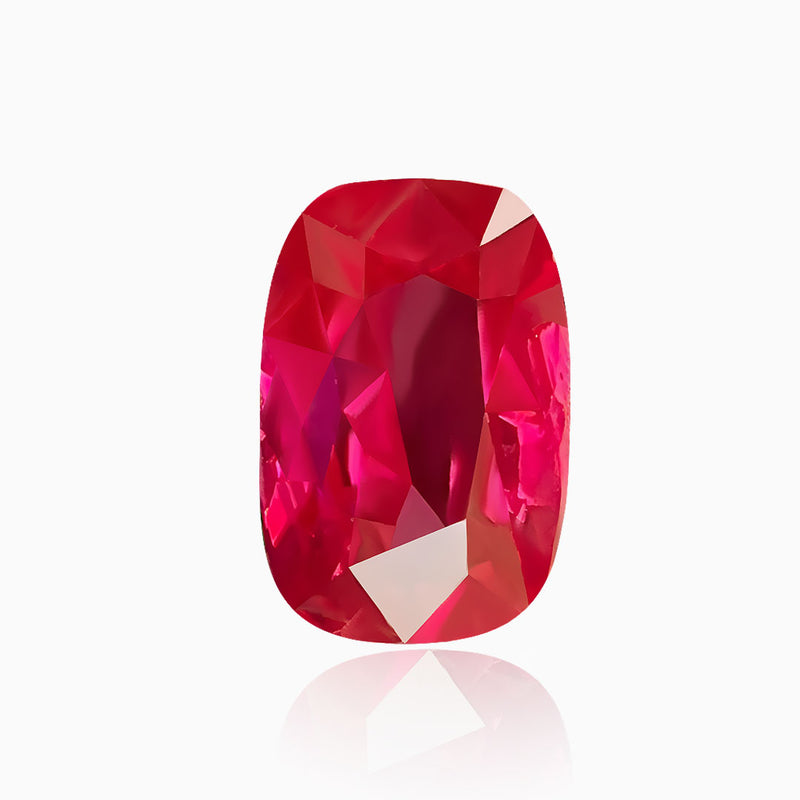
2.07 carats Elongated Cushion Cut Ruby Gem | Unheated | AIGS Certified AIGSCertified
2.07 ct
Elongated Cushion Cut Ruby Gem
Cushion · None
$20,448
1.81-carat Cushion Cut Natural Ruby Gemstone | Saratti Jewelry GRCCertified
1.81-carat ct
Cushion Cut Natural Ruby Gemstone
Cushion · Heated
$2,472
Pigeon-Blood-Red-Natural-Ruby-Gemstone-with-Certificate | Saratti Jewelry
1.52-carat ct
Pigeon Blood Red Unheated Natural Ruby Gemstone
Cushion · None
$8,067
1.01caratsPurplishSpinelGemstone_| Saratti
1.01 ct
Cushion Cut Purplish Natural Spinel
Cushion
$224
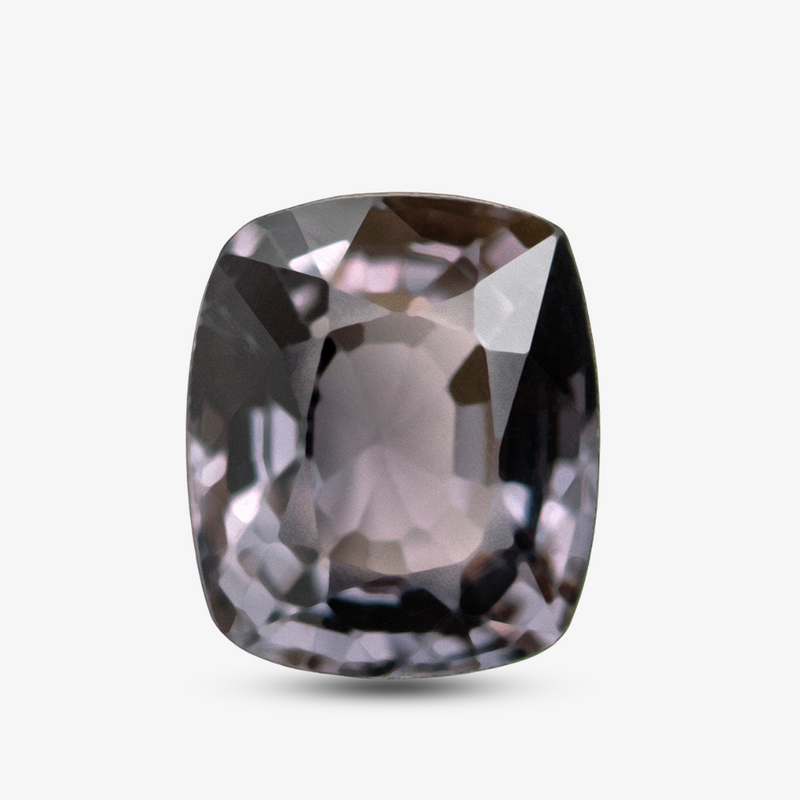
1.185-carat Natural Gray Spinel | Saratti
1.185 ct
Metalic Gray Spinel Gemstone
Cushion
$2,899
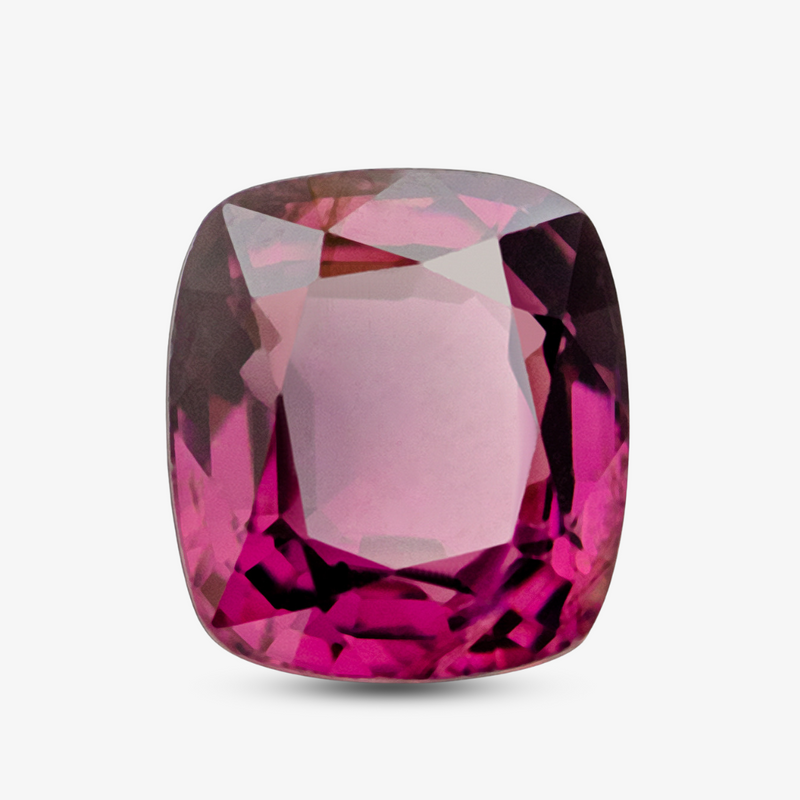
1.24 carats Purplish Pink Natural Spinel Gemstone | Saratti Jewelry
1.24 ct
Natural Purplish Pink Spinel
Cushion
$471
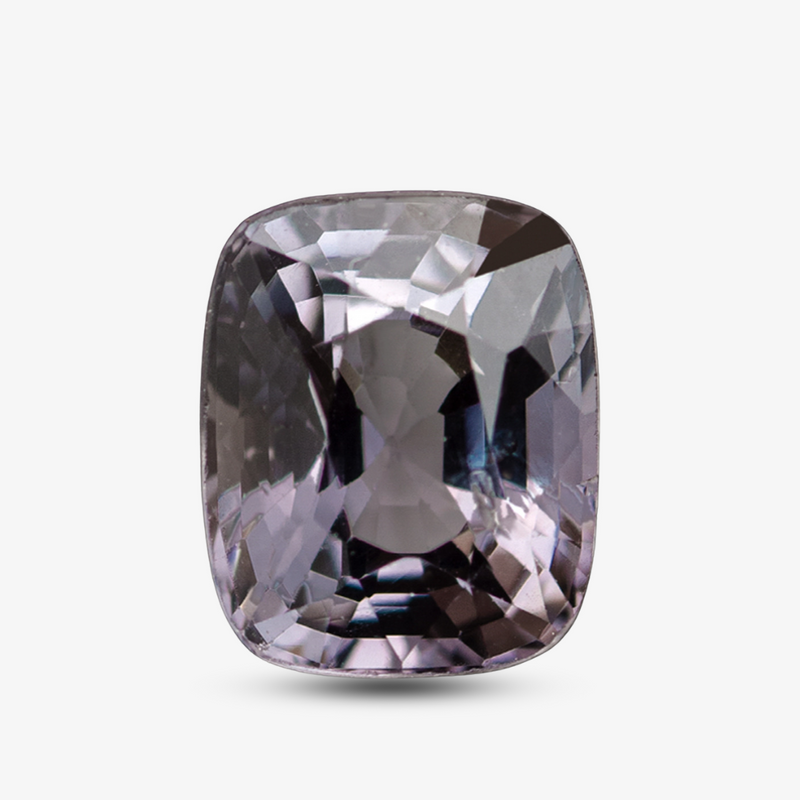
1.38-carat Natural Spinel Gemstone with Metallic Gray Color | Saratti
1.36 ct
Untreated Natural Metallic Gray Spinel
Cushion · Untreated
$448
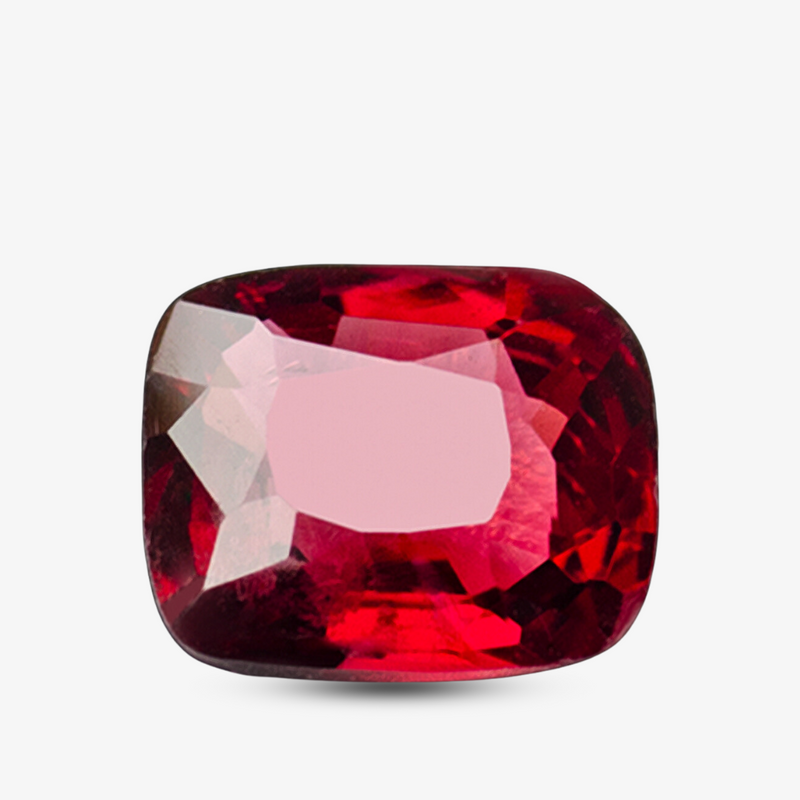
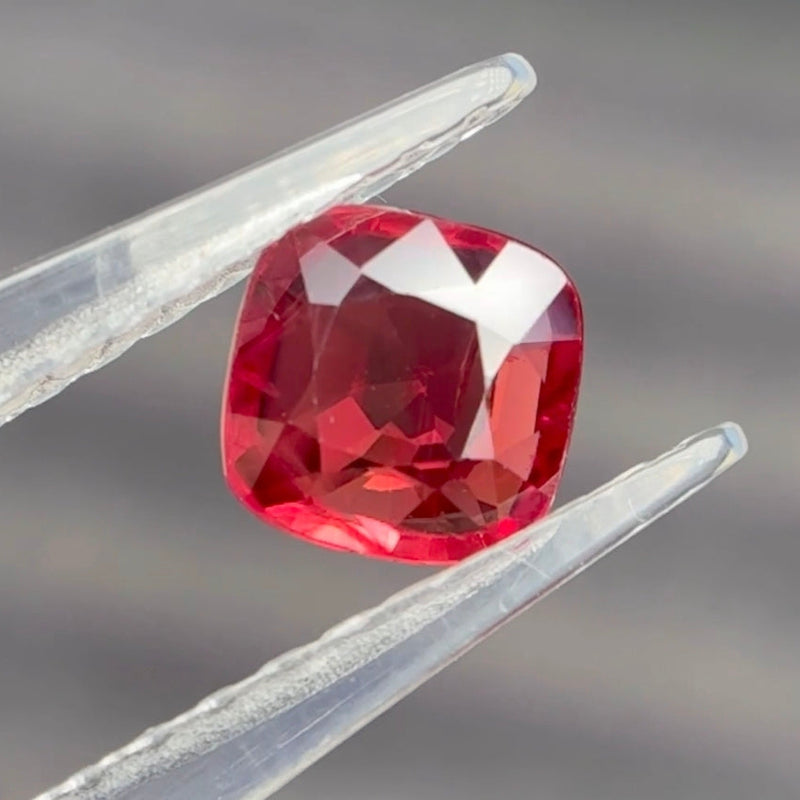
0.82 carats Red Cushion Shape Natural Spinel Gemstone _ Saratti
0.81 ct
Cushion Shape Red Spinel Gemstone
Cushion
$404
1.19_carats_Oval_Metallic_Gray_Natural_Spinel_Gemstone___Saratti
1.19 ct
Cushion Cut Oval Metalic Gray Spinel
Cushion
$404
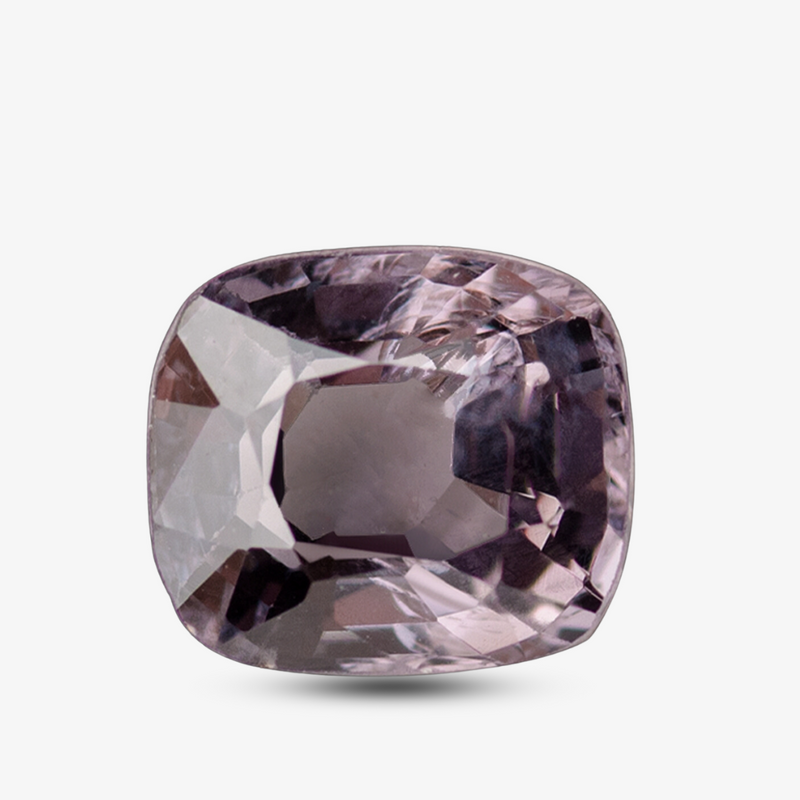
1.10-carat Metallic Gray Natural Spinel Gemstone | Saratti
1.10 ct
Metallic Gray Natural Spinel Gemstone
Cushion
$471
✦ ✦ ✦
THE PRIVATE COLLECTION

Not every stone we hold is online.

Our online collection is only part of what is available. Many more gemstones are held privately, including stones that may never appear on the website. Tell us what you are looking for — or simply send us a photograph of something you love.

Our gemologists will personally select stones from the wider SARATTI collection for you to consider. Not sure exactly what you want? Send us a photograph, a color you love, or simply ask.

No question is too small.
No request is too specific.
WHATSAPP A GEMOLOGIST
A family of cuts, not a single specification

Cushion Cut Gemstones

What a Cushion Cut Is

A cushion is a square or rectangular outline with rounded corners and gently curved sides, named for what it resembles — a pillow seen from above. That description covers the outline and almost nothing else, which is the first thing a buyer needs to understand.

The shape descends from the old mine cut, the dominant diamond cut of the eighteenth and nineteenth centuries. It was cut by hand, without the powered laps and optical modelling a modern cutter takes for granted, and it followed the octahedral shape of diamond rough rather than fighting it: a squarish stone with a small table, a high crown, a deep pavilion and a large flat culet, made to perform under candlelight, where broad slow returns of light read better than fine glitter. Electric light changed what people wanted, and the old mine cut was reworked into the modern cushion brilliant. Both are still cut, and both are still called cushions.

That is the difficulty. Cushion is a family of cuts, not a specification. Round brilliants are held to a tight set of proportions and facet counts; cushions are not. A cushion may have fifty-eight facets or a hundred, a small table or a wide one, a deep belly or a shallow one, corners barely rounded or so soft the stone approaches an oval. Two stones listed identically — cushion, 3.10 carats, fine blue — can look nothing alike in the hand. Everything in our cushion collection is a cushion; no two of them are the same cut.

Antique Versus Modern Cushion

This is the most useful distinction on this page, and the one least often stated on a listing.

The antique or old-mine style keeps the nineteenth-century architecture: a small table, a high crown, a deep pavilion and large open facets, often with a visible culet. Light travels a long way inside the stone and comes back in broad, slow, distinct flashes. The stone appears to breathe rather than sparkle. It also tends to look smaller for its weight, because the depth producing that effect is weight you cannot see face-up.

The modern cushion brilliant runs the other way. The table is larger, the crown lower, the facets smaller and more numerous, and the pavilion is arranged to break light into many small returns. The result is finer, faster scintillation — closer to a round brilliant, in a softer outline.

Neither is better. They are different instruments, and the choice is a matter of taste: some people find the modern cushion busy, and some find the antique sleepy. What matters is that a buyer who wants one and receives the other will be disappointed, and the listing rarely says which it is. Ask, before you buy, which family the stone belongs to.

Crushed Ice Versus Chunky

The trade has its own vocabulary for the same axis, and buyers meet these two words constantly without being told what they mean.

A chunky cushion has fewer, larger facets. Its light return arrives as discrete blocks — you can see the individual facets working, and the stone reads as a few bold reflections that move as a unit when you tilt it. A crushed ice cushion has many small facets, frequently split and offset, which scatter light into a fine granular field. It looks, accurately enough, like sunlight on broken ice.

Crushed ice hides inclusions better: a busy, glittering field gives the eye nowhere to settle, and needles or feathers that would be obvious in a chunky stone disappear into the noise. Chunky shows colour more cleanly, because broader areas of undisturbed body colour let a saturated stone read as one continuous colour rather than a mosaic. If you are buying for colour, chunky serves you better. If you are buying material that is never entirely clean, crushed ice is doing real work rather than disguising a fault.

Why It Suits Coloured Stones

This is the genuinely important argument, and it explains why the cushion is common in coloured stones and less so in diamond.

Colour in a transparent gemstone is a function of the path length light travels through it. A shallow, highly brilliant cut bounces light back quickly, which produces sparkle but gives it little time to pick up colour. A cushion is deeper, with broader facets and a longer internal path, so more body colour is returned to the eye. Saturated stones read richer, and the colour looks like it belongs to the whole stone rather than a few patches of it.

That is why so much fine ruby, sapphire and spinel is cushion cut, and why cushion is close to the default when coloured rough is planned and colour matters more than sparkle. A cutter looking at good corundum rough is not trying to maximise scintillation — that is a diamond problem. They are placing the deepest, most even colour face-up and keeping as much weight as the shape allows. The cushion does both. Much of what is worth looking at in the sapphire collection, the ruby collection and the spinel collection is cushion cut for that reason.

Rounded Corners Are a Durability Feature

The rounded corner is not only an aesthetic decision, and the argument is the one that produced the emerald cut.

A sharp corner is a stress concentrator. Any point where two straight edges meet carries a disproportionate share of any force applied to the stone, and it sits exposed at the edge of the setting where knocks land. A princess or a square outline puts four such points at the four most vulnerable positions. Round those corners and the stress has nowhere to concentrate; the load spreads along a curve instead of piling into a point.

For brittle material, or for species with cleavage, this matters more than a point of Mohs hardness. It is why the cushion suits tanzanite, included emerald, zircon with its vulnerable facet edges, and anything that will chip before it scratches. The same reasoning underlies the emerald cut, whose clipped corners solve the identical problem by a different geometry.

Length-to-Width Ratio

The length-to-width ratio is the long dimension divided by the short one, and on a cushion it changes the character of the stone more than buyers expect.

Square cushions sit at roughly 1.00 to 1.05. They read as compact and substantial, suit a wide finger, and carry weight well in a solitaire. Between 1.05 and 1.15 the eye registers the stone as not-quite-square, which is the least resolved territory and worth avoiding unless the stone is exceptional. From about 1.15 it reads deliberately rectangular; at 1.20 to 1.30 it is an elongated cushion that lengthens the finger as an oval does, while keeping the corner strength an oval lacks. Beyond 1.35 the shape demands a setting designed around it.

None of these is correct in the abstract. What is worth insisting on is that the ratio be intentional rather than accidental, and that you see the millimetres before deciding.

Windowing and Extinction

Two faults account for most disappointing cushions, at opposite ends of the same scale.

Windowing is a transparent, washed-out area in the centre where light passes straight through instead of being reflected back. It happens when the pavilion is too shallow: the angles fall below the critical angle for that material, and the facets stop acting as mirrors. Hold a suspect stone over printed text — if you can read through the middle, that area is window, and it is dead. Shallow cuts are common on cushions because cutting shallow saves weight from flat rough.

Extinction is the opposite fault: dark, lifeless patches, usually central, in a stone cut too deep. The light goes in, takes too long a path, and is absorbed rather than returned. Some extinction is normal and even desirable in a saturated stone — a ruby with no dark areas at all is usually a pale ruby — but a stone that goes black in the middle under ordinary light has been cut for weight.

There is a third thing to check, specific to this shape. Face-up spread is how large a stone appears from above for its weight, and the cushion varies in it more than almost any other cut, because depth percentages across the family range so widely. A deep antique cushion of 3 carats can look smaller than a well-spread modern cushion of 2.4. Millimetres matter more than carats here than almost anywhere, and any serious listing should give both. Ours do, on the standard set out in how SARATTI grades gemstones.

Which Gemstones Suit a Cushion

Four kinds of material argue for this shape, for different reasons.

Saturated corundum and spinel are the obvious case: the depth and broad facets return the colour people are paying for, and neither needs help with brilliance. Pale material is the less obvious case — where colour is weak, a deeper cushion builds it, and a pale sapphire will often face up better as a cushion than as a shallow, sparkly round. Included material is third: crushed-ice facetting is forgiving in a way no other common cut is, which is why so much beryl, Paraiba tourmaline and included ruby is finished this way. Brittle species are fourth, where the rounded corners earn their place whatever the optics are doing.

Setting a Cushion

Four claws at the corners is the standard, since the curve of a corner gives the claw something to seat against. Double claws — eight in pairs — spread the load and suit larger stones or softer material, at the cost of covering slightly more of the outline. A bezel follows the cushion's curves comfortably and gives the most protection available, which makes it the right answer for anything brittle or cleavage-prone, though it makes the stone read slightly smaller and slightly darker.

The halo deserves an honest note, because it became close to ubiquitous on cushions over the past two decades. It does one thing very well: a 1-carat cushion in a halo occupies the visual space of something near double the weight. What it does not do is improve the stone. It can flatter a sleepy antique cushion and it can equally overwhelm a fine one with competing sparkle. A cushion good enough to stand alone is usually better alone.

Judging a Cushion Before You Buy

Ask which family it belongs to — antique or modern, chunky or crushed ice — because the listing will not say and the answer determines how it behaves. Get the millimetre dimensions and the depth, not only the carat weight, and work out the ratio yourself.

Then look for the two faults. Check for a window by trying to read through the centre, and for extinction under ordinary indoor light rather than a jeweller's lamp, which flatters everything. Look at the corners: are all four the same, or has the cutter rounded one harder to remove a flaw? And check the outline for symmetry, since a lopsided cushion shows more than a lopsided oval.

Choosing a Cushion

Decide what you want the stone to do. If you want colour above all — a fine ruby, a rich sapphire, a red spinel — take a chunky cushion of moderate depth and accept a little extinction as the price of saturation. If you are buying material that will never be clean, crushed ice is working for you. If the stone is brittle or cleaved, the rounded corners are the reason you are here, and a bezel finishes the argument. If you want presence for your budget, buy the millimetres rather than the carats.

Every stone here is listed individually, with its own measurements, proportions and photographs, because in this shape more than any other the average tells you nothing.

Only part of what we can reach is listed online. If what you want is not listed — a particular ratio, an antique cut in a given species, a matched pair — describe it, and we will go and look.

A Family, Not a Cut Cushions have no fixed proportions or facet count. Table size, crown height, pavilion depth and corner radius all vary, so two stones described identically as cushions can look nothing alike.
Built for Colour Greater depth and broader facets give light a longer path through the stone, returning more body colour to the eye. Saturated ruby, sapphire and spinel read richer as cushions than as shallow cuts.
Rounded Corners Protect A curved corner has no sharp point for stress to concentrate at, so a cushion resists chipping far better than a princess or square outline. That matters most for brittle and cleavage-prone species.
Millimetres Over Carats Face-up spread varies more on cushions than almost any shape, because depth ranges so widely. A deep three-carat cushion can look smaller than a well-spread stone of 2.4 carats.

Frequently Asked Questions About Cushion Cut Gemstones

A cushion is a square or rectangular outline with rounded corners and gently curved sides, named for its resemblance to a pillow. That describes the outline only. Facet count, table size, crown height and pavilion depth all vary enormously, so cushion is best understood as a family of cuts rather than one specification. Two stones listed identically as cushions can look entirely different in the hand, which is why the outline alone tells you very little.

The antique or old-mine style keeps nineteenth-century proportions: a small table, high crown, deep pavilion and large open facets, often with a visible culet. It returns light in broad, slow flashes. The modern cushion brilliant has a larger table, lower crown and many smaller facets, producing finer and faster scintillation. Neither is superior, but they behave very differently, and listings rarely state which one a stone is. Ask before buying.

They are trade terms for how a cushion is facetted. Chunky cushions have fewer, larger facets and return light as distinct blocks you can see working individually. Crushed ice cushions have many small, often split facets that scatter light into a fine granular glitter, like sun on broken ice. Crushed ice conceals inclusions more effectively; chunky shows body colour more cleanly, because there are broader areas of undisturbed colour.

Colour depends on how far light travels inside a stone. A shallow, highly brilliant cut returns light quickly and gives it little chance to pick up colour, while a cushion is deeper with broader facets and a longer internal path, so more body colour reaches the eye. Saturated material reads richer as a result. This is why fine ruby, sapphire and spinel are so often cushion cut, and why it is close to the default for coloured rough.

It is among the safer outlines. A sharp corner concentrates stress at the most exposed part of the stone, which is why square and princess outlines chip at the corners. A cushion's rounded corners have no point for stress to gather at, so force spreads along a curve instead. For brittle material, or species with cleavage such as tanzanite, that geometry matters more than a point of Mohs hardness. A bezel adds further protection.

Square cushions run roughly 1.00 to 1.05 and read compact and substantial. Between 1.05 and 1.15 the stone looks neither square nor rectangular, which is the least resolved territory. From about 1.15 it reads deliberately rectangular, and 1.20 to 1.30 gives an elongated cushion that lengthens the finger while keeping corner strength an oval lacks. No ratio is correct in the abstract, but it should be intentional rather than accidental.

Establish which family it belongs to, antique or modern, chunky or crushed ice. Get millimetre dimensions and depth, not just carat weight, because face-up spread varies more on cushions than on almost any other shape. Check for windowing by trying to read printed text through the centre, and for extinction under ordinary indoor light rather than a jeweller's lamp. Then check symmetry of the outline and that all four corners match.