A tennis bracelet does not need a loud design to feel unforgettable. It sits close to the wrist. It moves softly. It catches light in one clean line. That is the beauty of it.
At first glance, it looks simple. Just a row of stones. Usually diamonds. Sometimes colored gemstones. But the more you look, the more you understand why this bracelet has lasted for decades. It feels elegant without feeling formal. It feels luxurious without asking for attention.

That is why so many people search the same question: what is a tennis bracelet?
The short answer is easy. A tennis bracelet is a flexible bracelet made with a continuous row of matched stones. Most often, those stones are diamonds. The longer answer is more interesting. Its shape, movement, balance, and history are what make it special. Even its name comes from a famous real-life moment in tennis history.
In this guide, we will cover the full picture. Not just the definition. Not just the origin story. But what actually makes a tennis bracelet unique, how it compares with other bracelets, what affects quality and price, how to choose the right one, and what details most shoppers do not realize matter until after they buy.
What Is a Tennis Bracelet?
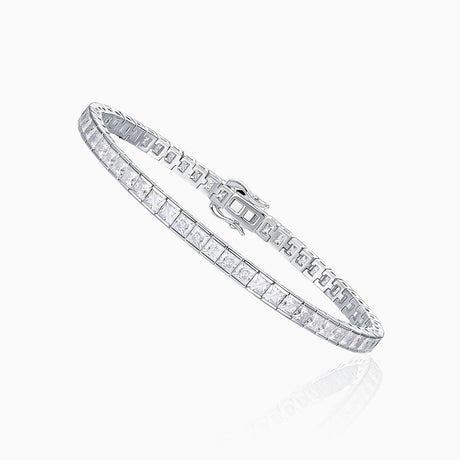
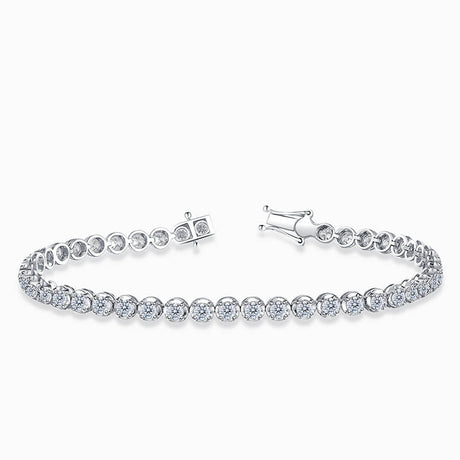
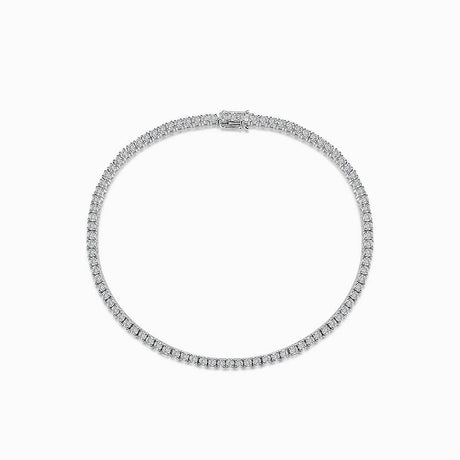
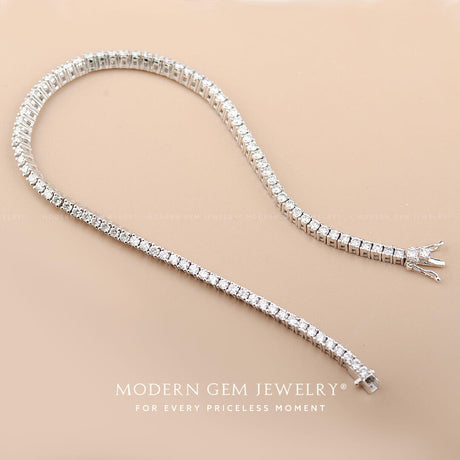
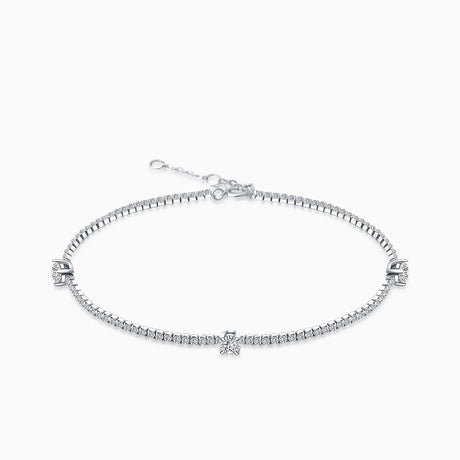
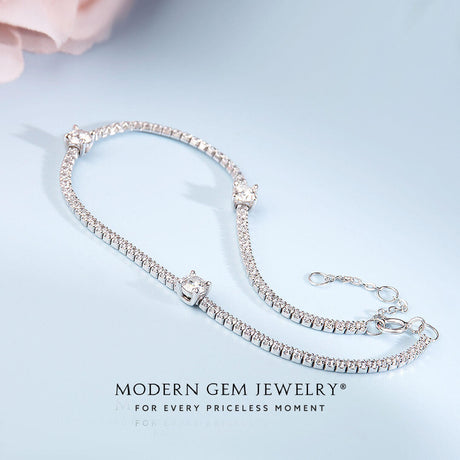
A tennis bracelet is a bracelet made from a row of individually set stones linked together in a flexible line. The stones are usually uniform in size and shape. That symmetry is part of the look. It gives the bracelet its calm, polished rhythm.
You may also hear terms like tennis bracelet meaning, tennis bracelet definition, line bracelet jewelry, continuous diamond bracelet, flexible diamond bracelet, and symmetrical gemstone bracelet.

These phrases point to the same basic idea. A tennis bracelet is not defined by a charm, a center stone, or a rigid shape. It is defined by continuity. One stone follows another. The eye moves across the whole bracelet without interruption.
Most people imagine a diamond tennis bracelet first. That is the classic version. But tennis bracelets can also be made with sapphires, emeralds, rubies, black diamonds, lab-grown diamonds, moissanite, or mixed gemstones. The design language stays the same. The bracelet is still about flow, balance, and repetition.
What Makes a Tennis Bracelet Unique?
A tennis bracelet is unique because it does many things at once. It sparkles like fine jewelry. It wears like an essential. It feels delicate, but it is built with structure. That combination is rare.
1. It has movement
A tennis bracelet is not stiff. It bends with the wrist. That flexibility is one of its defining traits. That movement changes everything. A rigid bracelet can feel decorative. A tennis bracelet feels alive on the body. It shifts as you move. It catches light from different angles. It feels more natural than formal.

2. It is built on symmetry
Many bracelets have one focal point. A medallion. A charm. A bold centerpiece. A tennis bracelet does not. Its beauty comes from repetition. Each stone supports the next. Each link is part of the whole. That is why the design feels so balanced. It does not pull your eye to one place. It lets the eye travel evenly across the wrist. That visual calm is a huge part of its appeal.

3. It looks refined without looking heavy
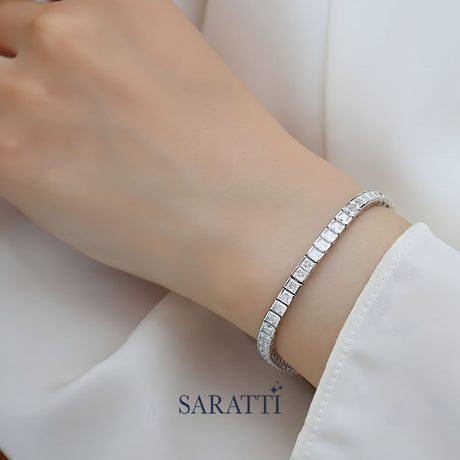
A tennis bracelet can feel luxurious even when it is slim. It does not need a thick profile to make an impression. Even a smaller stone version can feel elevated because the design is so clean. This is where it differs from louder jewelry. It does not rely on volume. It relies on order.

4. It works across styles
A tennis bracelet can feel bridal, classic, modern, minimalist, celebratory, or everyday, depending on how it is made. A slim bracelet with fine stones feels quiet and effortless. A larger carat version feels richer and more dramatic. A white gold setting feels cool and bright. A yellow gold setting feels warmer and more expressive. The design is consistent. The mood can change.

Why Is It Called a Tennis Bracelet?
The name comes from Chris Evert. Before the name became popular, this style was more commonly referred to as a diamond line bracelet. During the 1978 US Open, Chris Evert lost a diamond bracelet during a match and asked for play to stop while she looked for it. The story stayed with the public. Over time, the style became widely known as a tennis bracelet. That one moment changed the name. It also changed the feeling around the piece.

Suddenly, this was not only a formal diamond bracelet. It was something active. Wearable. Elegant, but not delicate in the untouchable sense. The story gave it cultural personality. That is why people still search for why it is called a tennis bracelet, the tennis bracelet origin story, the Chris Evert bracelet incident, the US Open tennis bracelet story, and the bracelet falling during a tennis match. The name stayed because it was memorable. But the style lasted because it was beautiful long before the story, and useful long after it.
Tennis Bracelet vs Other Bracelets
Not every bracelet with diamonds is a tennis bracelet. That distinction matters.
Tennis Bracelet vs Diamond Bracelet
A tennis bracelet is one type of diamond bracelet. Not every diamond bracelet is a tennis bracelet. So the difference is not diamonds or no diamonds. It is structure.
Tennis Bracelet vs Chain Bracelet
- Chain bracelet is defined by metal links. Stones may be added, but the chain itself is usually the main design language.
- Tennis bracelet is different. The stones are the visual line. The links are there to support that uninterrupted flow.
Tennis Bracelet vs Bangle
- A bangle is rigid. A tennis bracelet is flexible.
- A bangle holds its shape off the wrist. A tennis bracelet drapes. That alone changes the experience of wearing it.

Tennis Bracelet vs Cuff
A cuff is usually open-ended and more sculptural. A tennis bracelet is closed, fluid, and more symmetrical.
So if someone asks what makes a tennis bracelet unique, one of the clearest answers is this: It combines the sparkle of fine stones with the fluid comfort of a bracelet that actually moves.
Materials and Styles of Tennis Bracelets
The classic version is a diamond tennis bracelet. But today there are many variations.
Natural Diamond Bracelet
A natural diamond bracelet is the traditional choice. These diamonds formed naturally over geological time. Many buyers choose them for rarity, legacy, and heirloom appeal.

Lab-Grown Diamond Tennis Bracelet
A lab-grown diamond tennis bracelet is a modern option with strong visual appeal and better size value for many budgets. That means the decision is not about whether one is real and one is fake. It is about what matters more to you: natural rarity, price efficiency, larger look for the budget, or personal preference.

Gemstone Tennis Bracelets
Tennis bracelets are not only made with diamonds. They can also feature sapphires, rubies, emeralds, black spinel, or other stones. These styles can feel more personal. More colorful. Sometimes more directional.

Metal Options
- A white gold tennis bracelet feels bright and crisp. It suits the classic diamond look well.
- A yellow gold tennis bracelet feels warmer. It has more contrast. It can look richer and slightly more vintage in mood.
- A sterling silver tennis bracelet gives a similar silhouette at a lower entry point. It is often chosen for accessibility and shine.
- Platinum is another premium option. It offers weight, durability, and a naturally white finish.

Setting Styles Matter More Than Most People Think
Many articles mention settings quickly. Fewer explain what they change. They change both the look and the life of the bracelet.
Prong Setting Bracelet
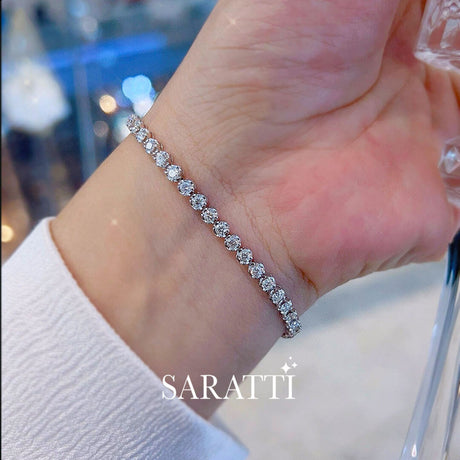
A prong setting bracelet holds each stone with small metal prongs. This lets more light reach the stone. So if you want sparkle first, prong settings are often appealing. They also give the bracelet a more open, classic fine-jewelry look.

Channel Setting Tennis Bracelet
A channel setting tennis bracelet places stones within a groove of metal. The look is smoother. More contained. Stones are less exposed at the edges. So if you want a lower-profile look or added security in day-to-day wear, channel-style construction can be attractive.

Which Is Better?
Neither is universally better.
Prong setting:
- Brighter look
- More visible stone
- More classic
Channel setting:
- Smoother profile
- More protected feel
- More streamlined
The right choice depends on your lifestyle and what you want to notice first: sparkle or structure.

How to Choose the Right Tennis Bracelet
This is where many buyers make the wrong assumption. They think the choice starts with price. It does not. It starts with how you want the bracelet to feel on your wrist and in your life.

1. Start With Fit
A tennis bracelet should not feel tight. It should not hang too far either. A good tennis bracelet fit feels fluid. It shifts a little. It does not twist constantly. It does not pinch. It does not slide halfway down the hand. This matters more than most people expect. A beautiful bracelet with the wrong fit will never feel elegant for long.

2. Think About Visual Weight
Stone size changes the personality of the bracelet. Small stones feel subtle. Even intimate. More like an everyday luxury bracelet. Larger stones feel bolder. More formal. More immediately noticeable.

This is one of the most overlooked decisions. Two tennis bracelets can be made from the same metal and same quality category, but feel completely different because of stone presence.
3. Choose the Right Metal Color
White gold looks sharp and bright. Yellow gold looks rich and warm. Sterling silver looks fresh and accessible. Do not choose this in isolation. Think about what you already wear. A tennis bracelet often becomes part of a routine. It should live well beside your rings, necklace, or watch.

4. Check the Clasp
This is where many articles stay too general. A tennis bracelet is built from many linked parts. That means the clasp matters a lot. A good, secure clasp bracelet should feel intentional, not like an afterthought.

Look for:
- Well-made box clasp
- Clear locking feel
- Secondary safety feature, where available
- Finish that feels aligned with the bracelet, not flimsy
This is especially important if you want daily wear.
5. Decide How You Will Actually Wear It
Will this be your daily bracelet? An evening bracelet? A gift for a milestone? A stack piece? A forever piece you rarely remove? The answer changes what you should buy.
For everyday wear, many people prefer:
- Moderate stone size
- Strong clasp security
- Comfortable flexibility
- Profile that does not feel too fragile
For occasion wear, you may lean toward:
- Higher carat impact
- More brilliance-focused setting
- More visual drama

How Much Does a Tennis Bracelet Cost?
A tennis bracelet can range from accessible to extremely expensive. Price depends on:
- Stone type
- Natural vs lab-grown
- Total carat weight
- Metal type
- Setting style
- Craftsmanship
- Brand position
- Overall matching and finish
Many shoppers focus only on carat weight. That is too narrow. Two bracelets with similar total carat weight can have very different prices if one has better-matched stones, a more precious metal, stronger craftsmanship, or natural rather than lab-grown diamonds. So a real tennis bracelet price guide should begin with priorities.
Ask yourself:
- Do I want natural rarity?
- Do I want the largest look for the budget?
- Do I care more about daily wear or visual impact?
- Do I want a future heirloom feel?
- Do I want quiet luxury or a statement piece?
The better your answers, the easier the bracelet becomes to choose.
Can You Wear a Tennis Bracelet Every Day?
Yes. Many people do. A tennis bracelet can absolutely live in your daily wardrobe. It looks beautiful with tailoring, denim, knits, occasionwear, and even a plain white shirt. That is why it remains one of the strongest examples of everyday luxury bracelet design. Still, daily wear works best when the bracelet has:
- Right fit
- Secure clasp
- Strong settings
- Thoughtful handling
Take it off for rough exercise, heavy lifting, or anything likely to hit or snag the bracelet. Inspect the clasp and stone settings from time to time. Fine jewelry lasts best when beauty and maintenance stay together.

How to Tell If a Tennis Bracelet Is Real
The question is common for a reason. A tennis bracelet can look convincing even when it is not made from the materials it claims. To assess real vs fake tennis bracelet concerns, look at several things together.
Hallmarks
Check for metal stamps such as 925 for sterling silver or gold purity marks where appropriate.
Stone Documentation
If the bracelet is sold as diamond, ask what kind of diamond it is. Natural or lab-grown? Is there any supporting grading or certification information?

Craftsmanship
A real fine-jewelry tennis bracelet usually shows better consistency:
- Even stone alignment
- Smooth articulation
- Neat settings
- More secure clasp
- Cleaner finishing underneath
Seller Credibility
This still matters. A trustworthy seller should be clear about stone type, metal type, and construction. Authenticity is rarely proven by one detail alone. It is the full picture that tells the truth.
How do you know if a tennis bracelet is real?
Check the metal hallmark, ask for stone details, inspect craftsmanship, and buy from a source that clearly states what the bracelet is made of.
Explore Tennis Bracelets
Each tennis bracelet is defined by balance, movement, and light. At SARATTI, every piece is chosen with close attention to symmetry, setting, and overall presence, so each bracelet feels refined on the wrist and timeless in design.
Final Thoughts
A tennis bracelet is easy to recognize. But harder to forget. It is a line of stones.
Yes. But it is also a movement. Balance. Precision. Restraint. That is what makes it special.
Its story gave it a name. Its design gave it staying power. From the Chris Evert moment to today’s natural, lab-grown, gemstone, white gold, yellow gold, and sterling silver versions, the bracelet has stayed relevant because it solves something beautifully. It brings sparkle into daily life without making the wearer feel overdone.
If you want the simplest answer to what is a tennis bracelet, it is this: It is one of the most graceful bracelets ever made. A continuous line of light. Designed to move with you.