What Champagne Actually Means
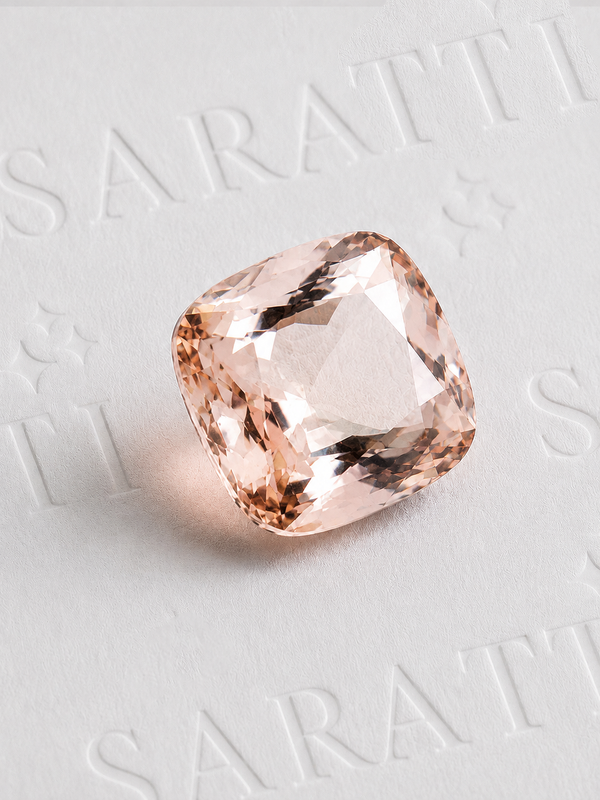
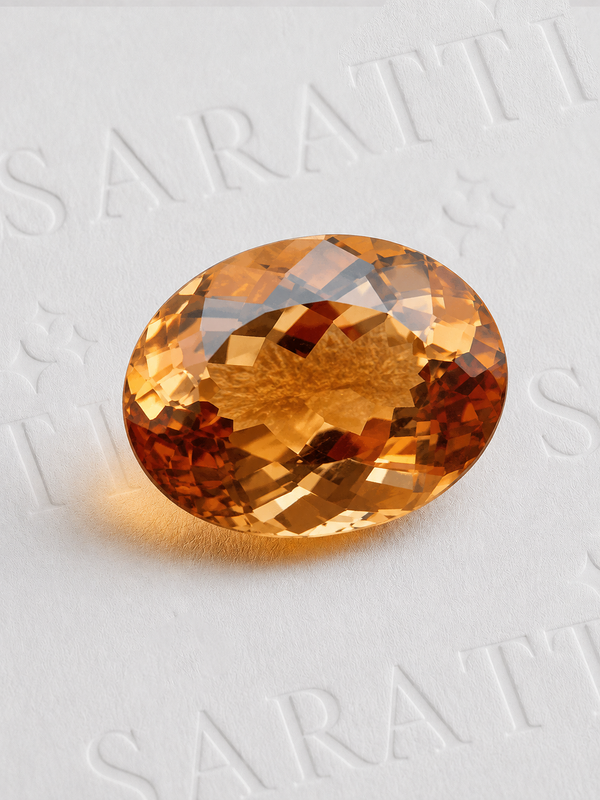
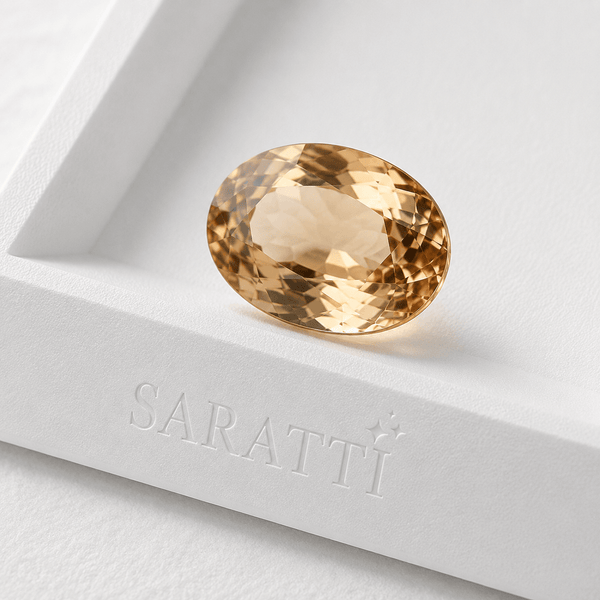
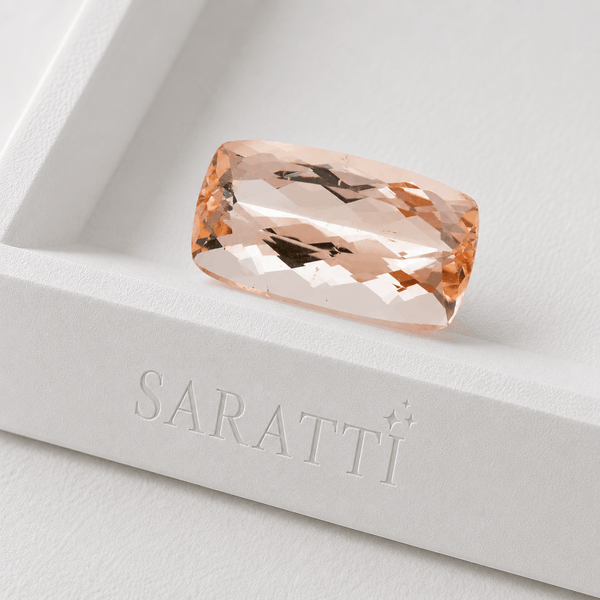
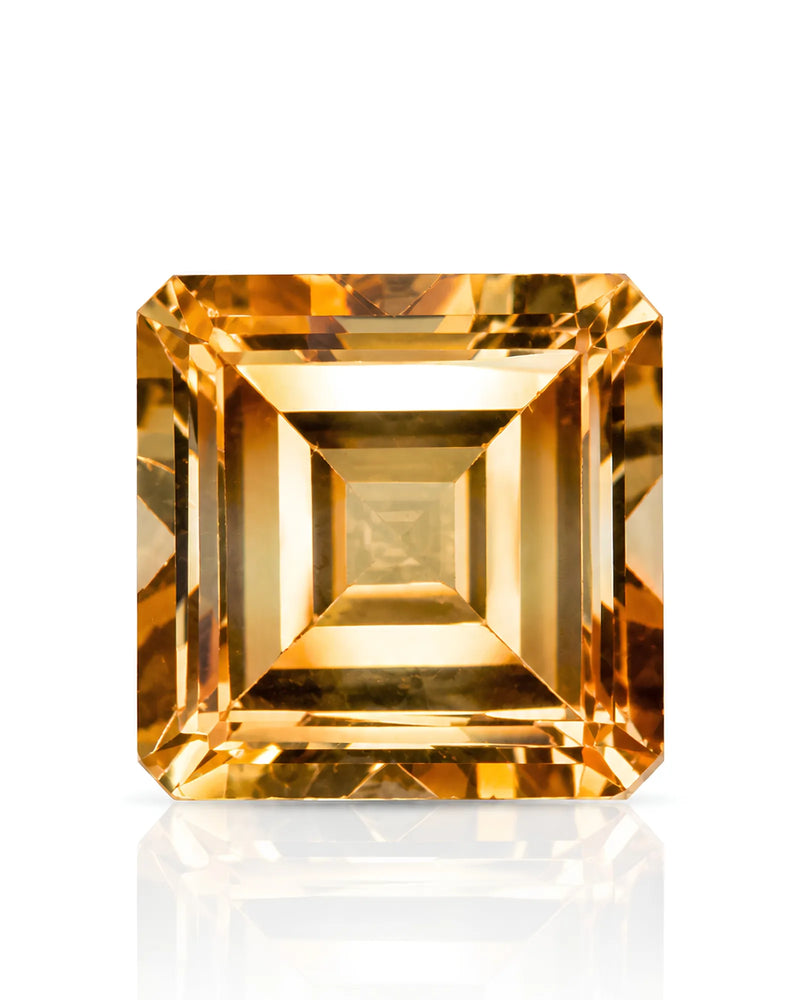
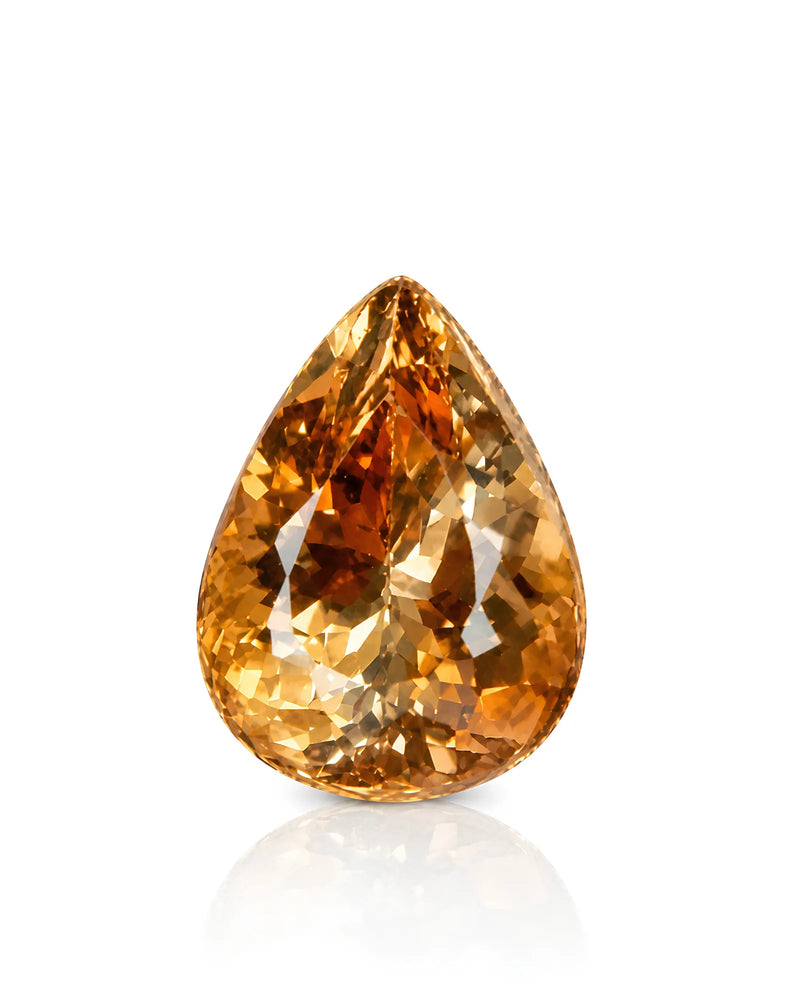
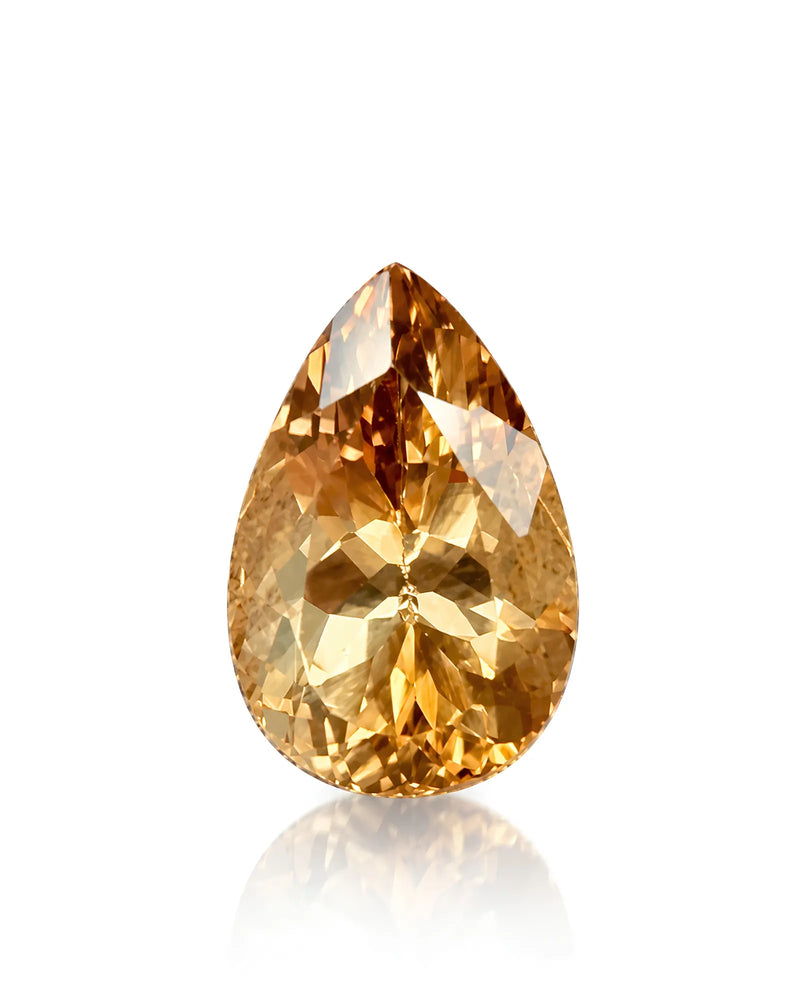
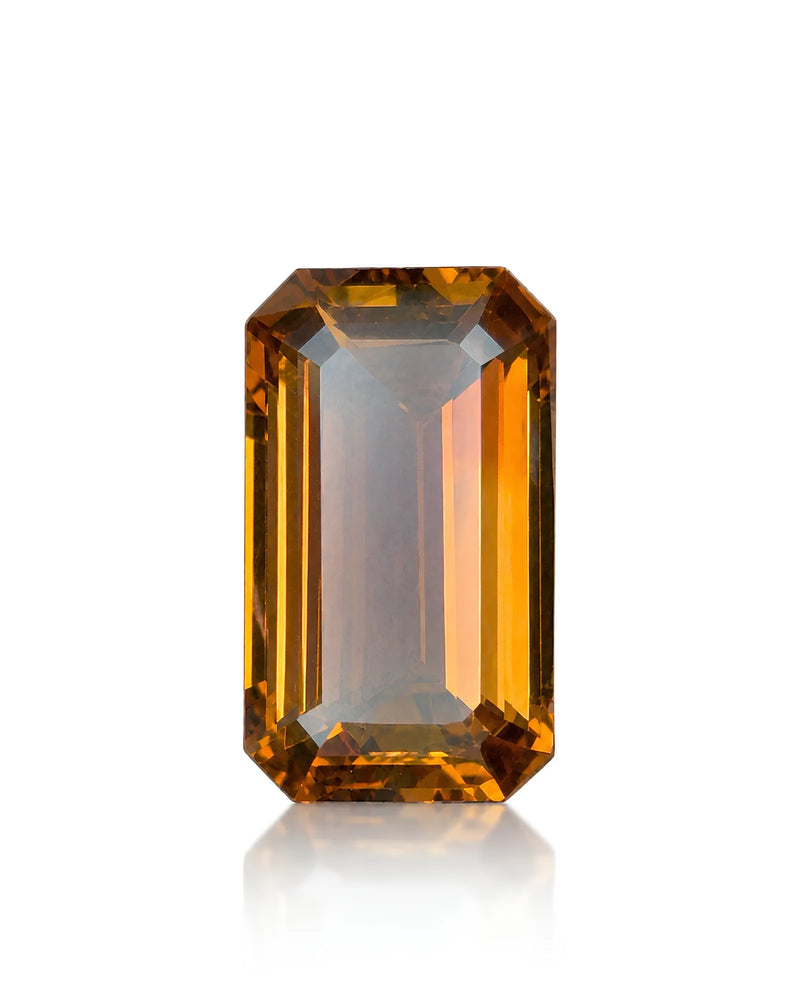
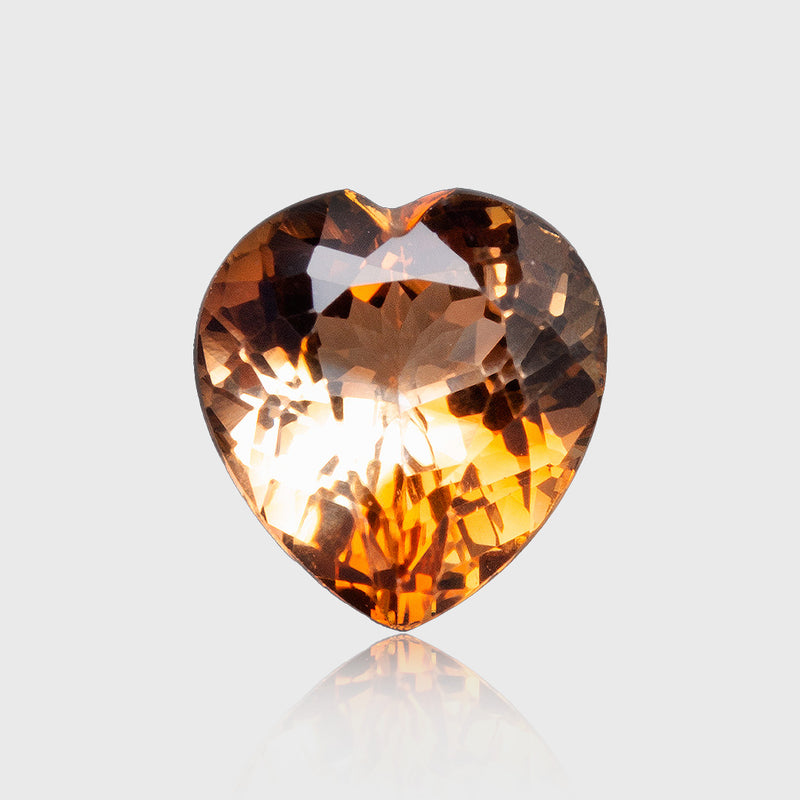
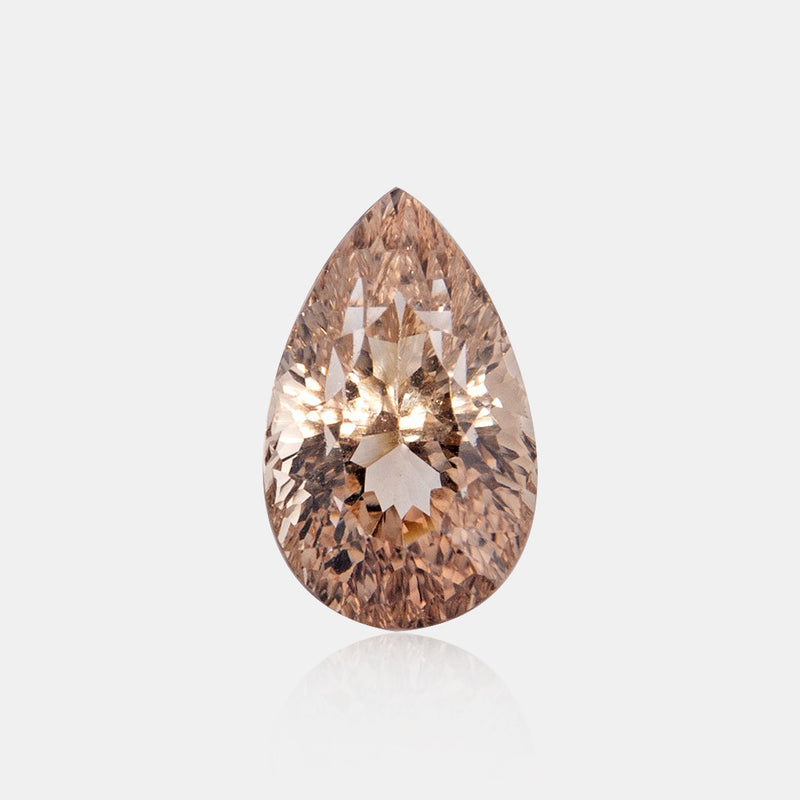
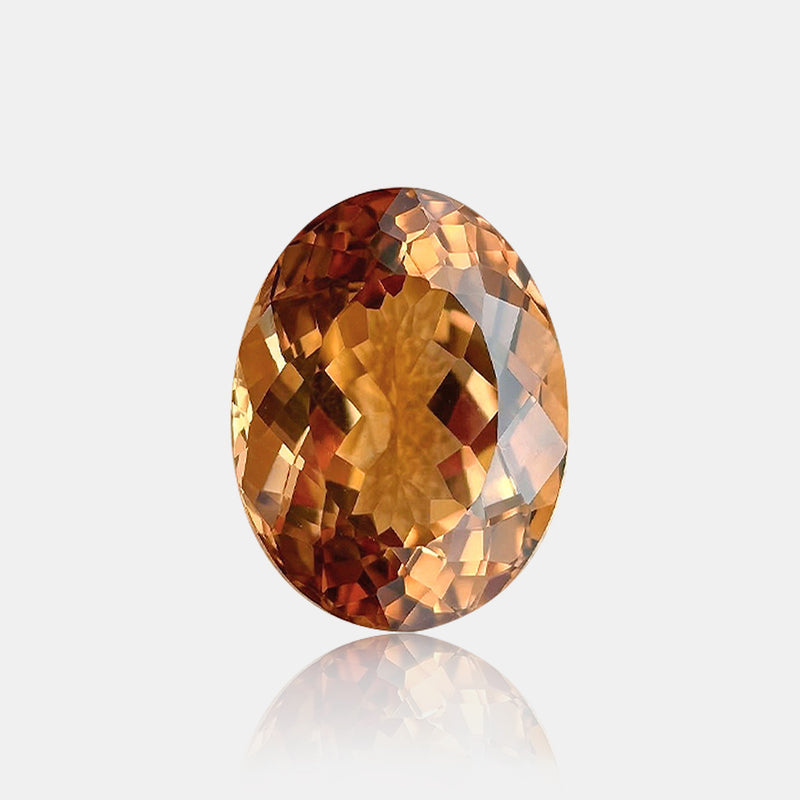
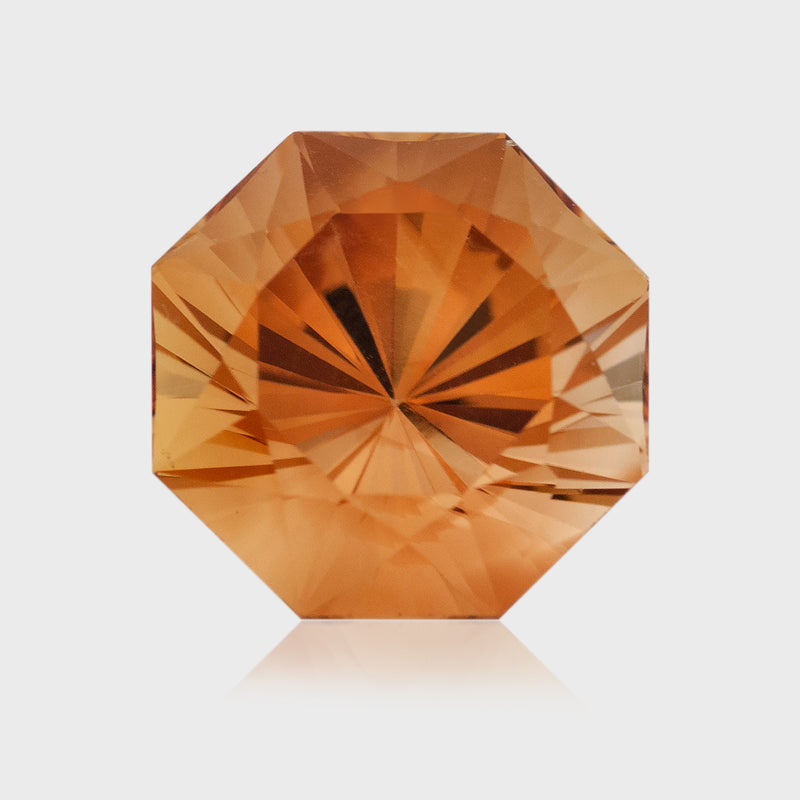
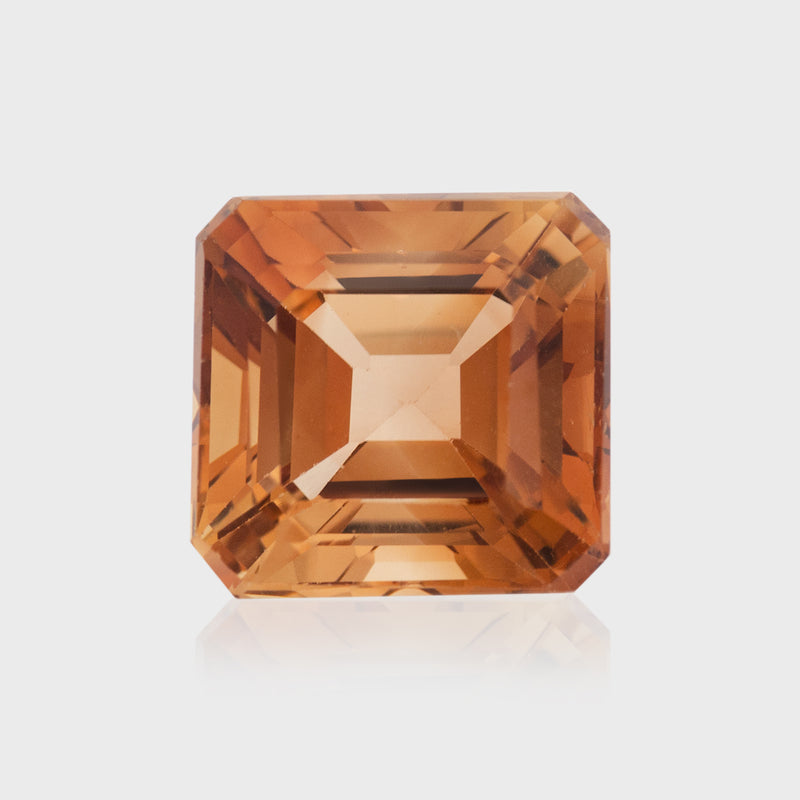
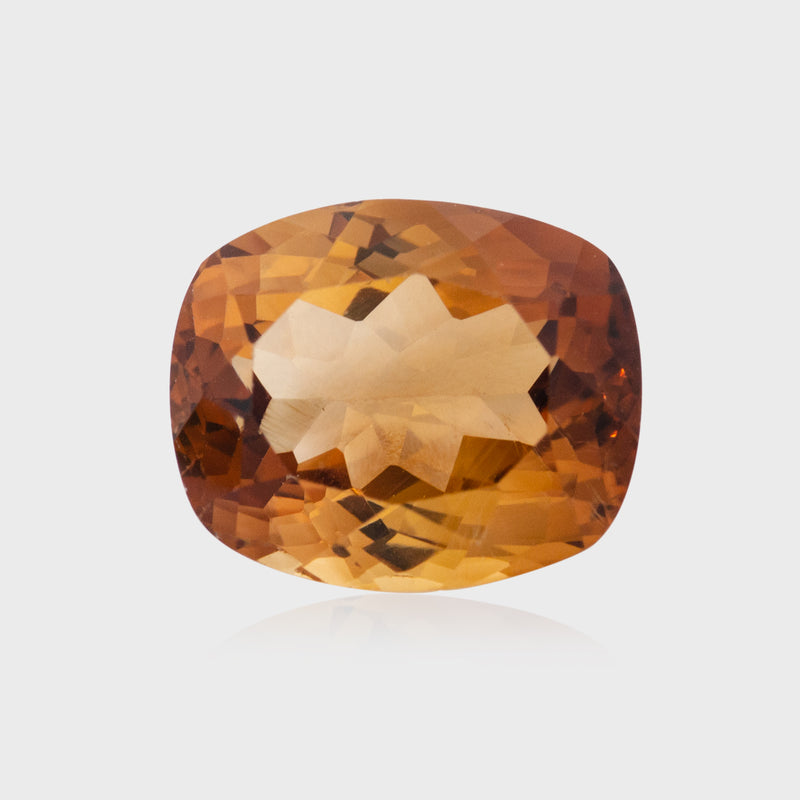
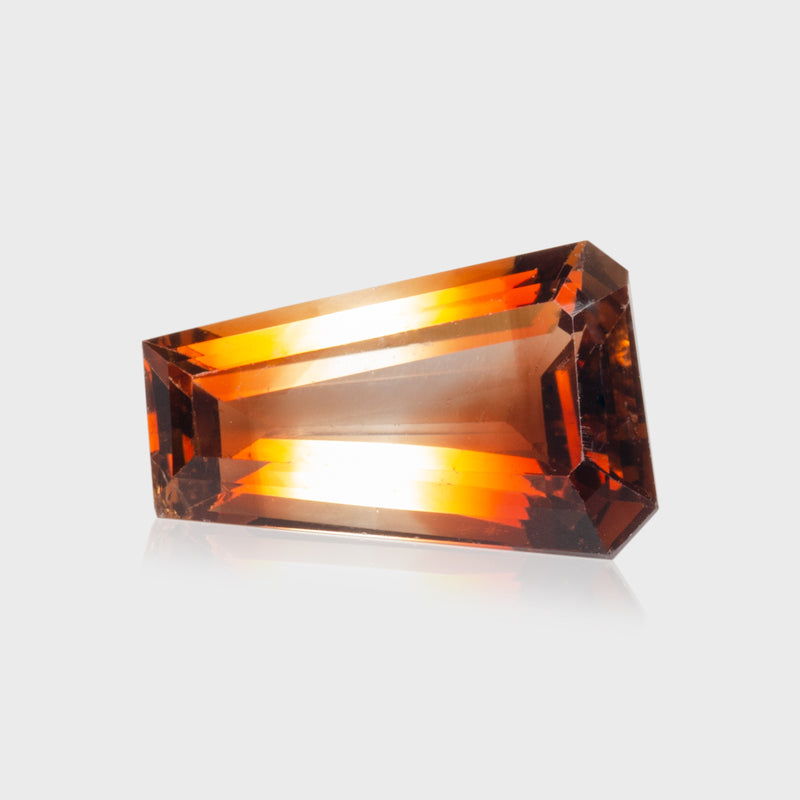
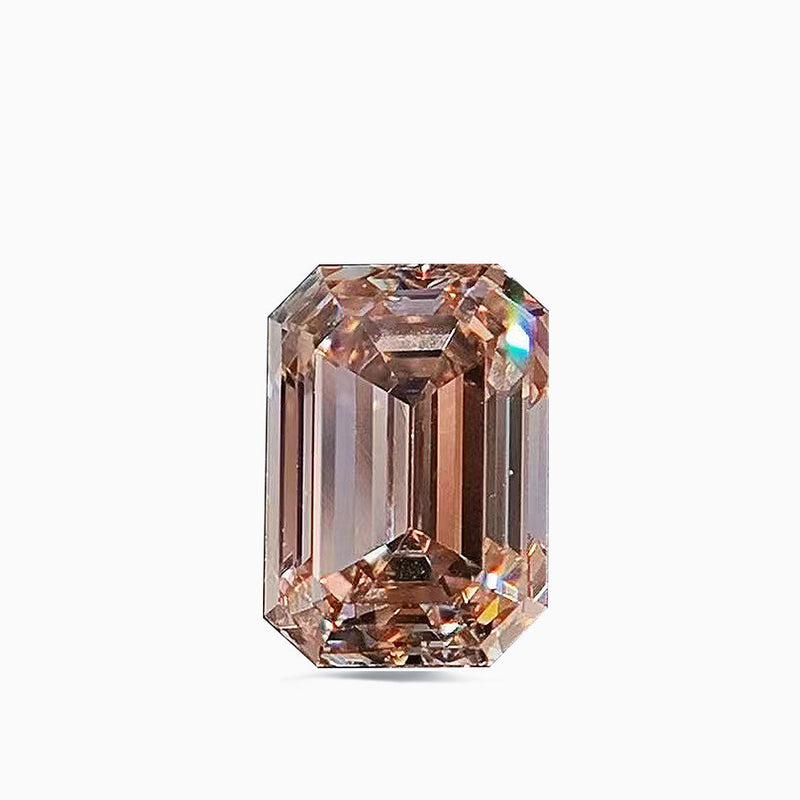
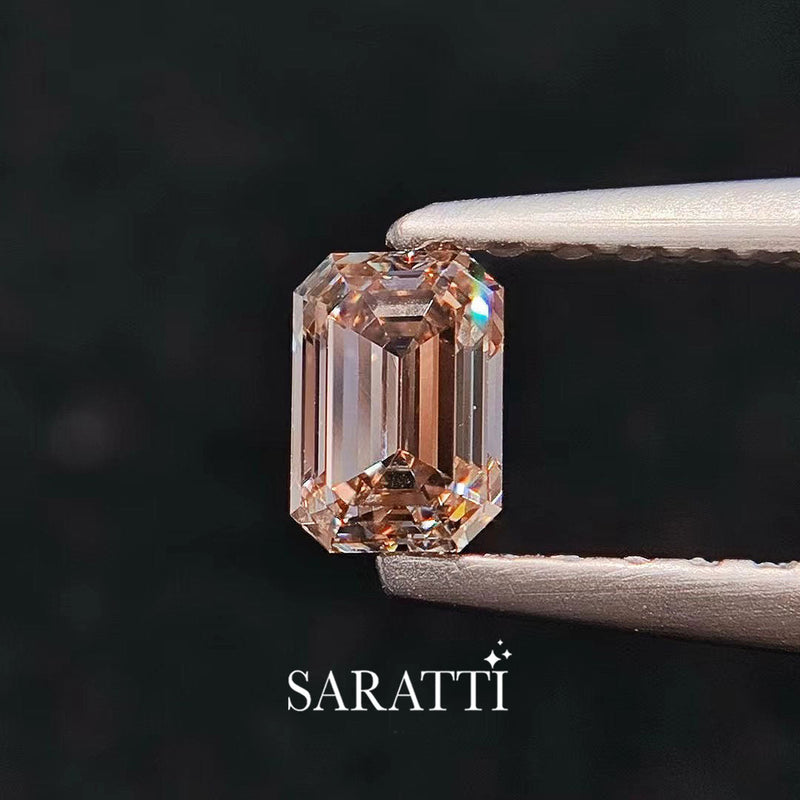
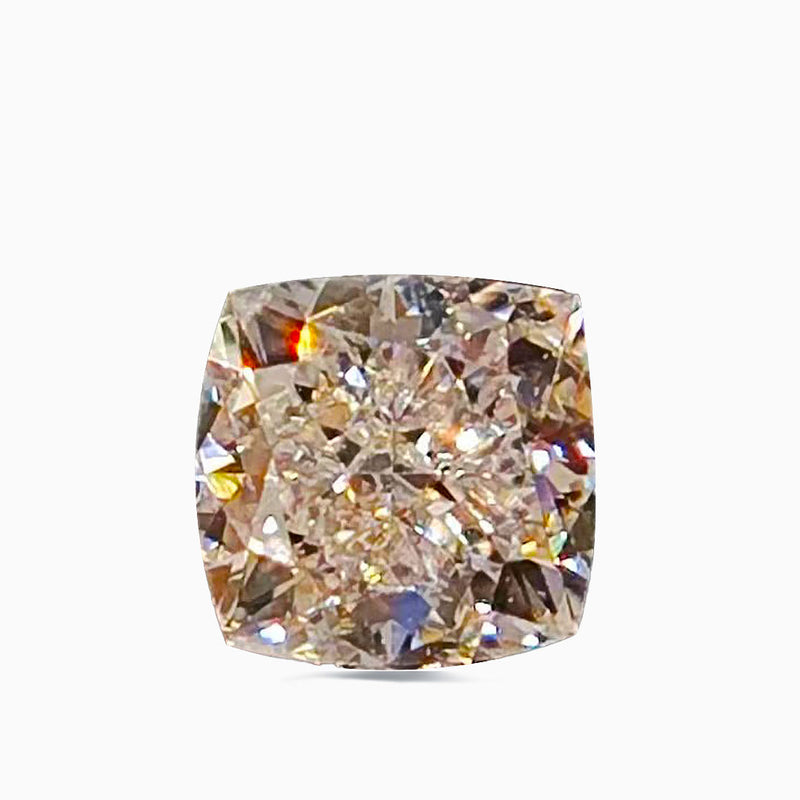
Champagne is not a gemmological term. No laboratory report will say it and no grading system defines it. It is a trade word for an appearance: a soft warm hue between light brown and pale gold, low in saturation, often with a faint pinkish cast, named after the wine.
The description has to be loose, because the colour turns up in species with nothing else in common. Diamond reaches it through nitrogen and structural strain, topaz through natural colour centres, quartz through irradiated aluminium, sapphire through iron, tourmaline and andalusite through magnesium and iron. The only thing they share is how they look on a hand.
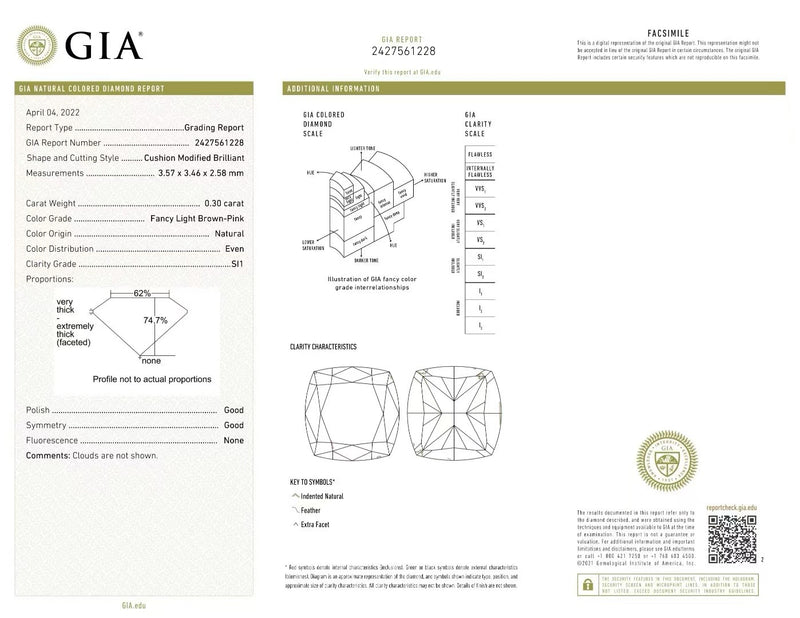
In diamond grading the position is more specific. Material of this colour sits in the brown range. On the D-to-Z scale brown is a defect, and once it is definite enough to be described positively it moves onto the fancy colour scale as Fancy Light Brown, Fancy Brown and so on. Every laboratory uses the word brown. "Champagne" exists because brown is difficult to sell and the trade found a better word. That is marketing, and pretending otherwise would be dishonest.
Being fair is the other half of the job, because the stones are attractive for reasons that survive the renaming. A low-saturation warm brown is a soft neutral: it flatters nearly every skin tone and sits against yellow gold and rose gold as though made for them, sharing their warmth rather than contrasting with it. It is also cheaper than the saturated colours either side — than a colourless diamond, a fine yellow sapphire, or a good orange gemstone of equal size. Our champagne collection draws on several species because the colour, not the mineral, is what is being chosen.
Champagne Diamond
Champagne diamond is brown diamond, and the brown has two causes. Nitrogen substituting for carbon gives the yellowish component. Plastic deformation — the crystal physically distorted deep in the earth — gives the brown itself, through glide planes that absorb light and often show under magnification as fine parallel graining. Unlike most gem colour, it is structural rather than chemical.
The Argyle mine in Western Australia produced most of the world's brown diamond for three decades, and marketed it on a scale of its own devising, C1 to C7: C1 to C2 light champagne, C3 to C4 medium, C5 to C6 cognac, C7 fancy cognac. It is a trade reference with no standing at GIA or any other laboratory, still quoted because it was for years the only vocabulary this material had.
Argyle closed in November 2020, and supply is now a by-product of other mines rather than a target in its own right. Prices have firmed modestly, and much of today's stock was cut before it shut. The material still sits well below colourless diamond of equal weight and clarity, often at a third to a half. At Mohs 10 it is the hardest material here, and the only stone in this article never treated to reach its colour — though brown diamond is the usual feedstock for HPHT-treated fancy colours, which must be disclosed.
Imperial and Sherry Topaz
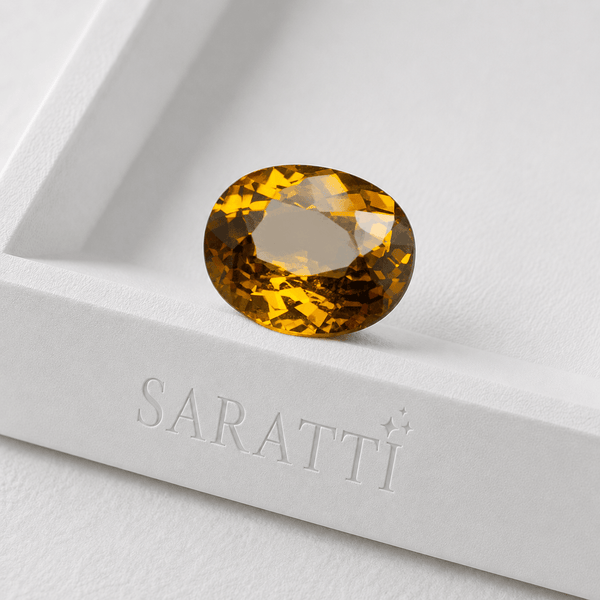
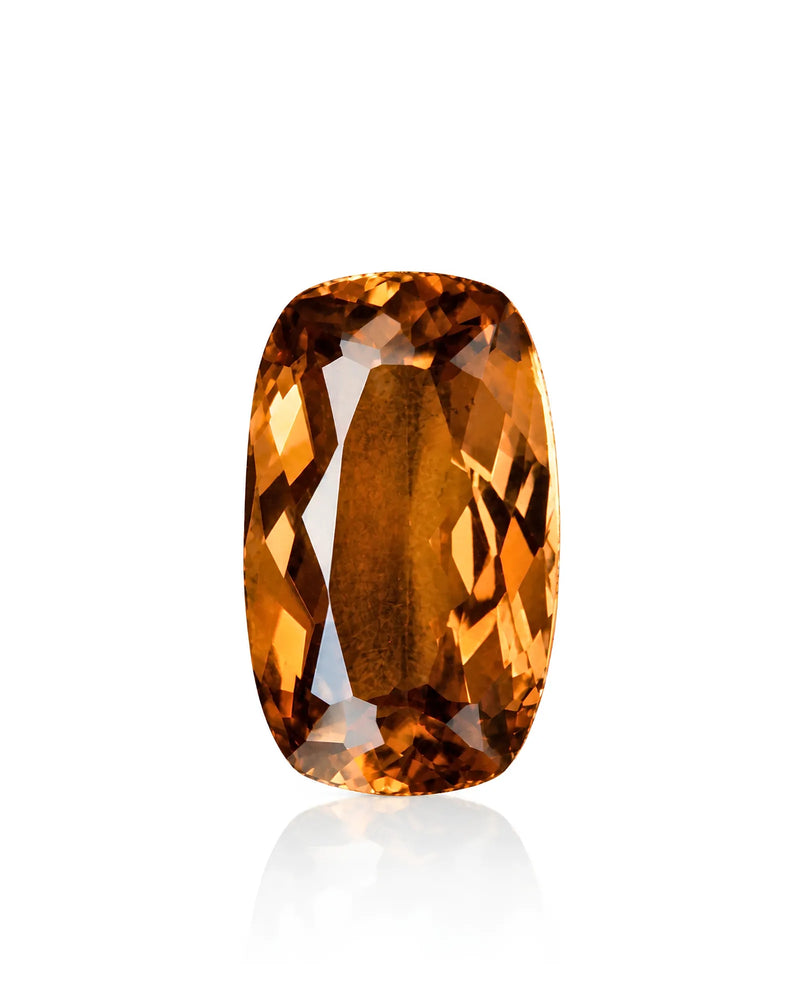
Topaz produces the most refined warm colours in this group. Material from Ouro Preto in Minas Gerais, Brazil — historically the only significant source of fine natural colour in the species — runs from pinkish orange through golden brown to deep sherry, and that golden-brown end is what a champagne buyer wants. Imperial topaz is the trade name for the finest of it, applied most strictly to the pinkish and reddish oranges; sherry topaz describes the warmer brown-golden material. The colour comes from natural colour centres and, in pinkish material, from chromium. It is untreated in genuine Ouro Preto stones, unusual in a warm colour, and the crystal is typically very clean. It is also, after diamond, the most expensive stone here, and good colour above five carats is uncommon.
The caution is structural. Topaz has perfect basal cleavage, a plane along which it parts cleanly under a knock regardless of its Mohs 8 hardness. Hardness resists scratching; cleavage is a different property, and it overrides the number. The imperial topaz collection and our note on how to identify natural imperial topaz cover it in detail.
Smoky Quartz and Citrine
This is the affordable, abundant, very large end of the range, and it should be described honestly. Smoky quartz is quartz coloured brown by aluminium impurities activated by natural radiation. In its lightest tones it is as close to a literal champagne colour as any stone gets, in sizes — twenty, fifty, a hundred carats — unthinkable elsewhere. The honest point is that most smoky quartz on the market has been irradiated, pale material darkened in a gamma cell. The colour is stable, but its depth is not geological.
Citrine at its browner end overlaps the same territory, and here too the treatment is well known: most citrine sold is heated amethyst, converted at around 470 degrees. Natural unheated citrine tends to be a paler, smoky lemon. Both are quartz at Mohs 7, inexpensive, and the sensible answer when a large warm stone is wanted at modest cost. They sit alongside the yellow gemstones a buyer will be comparing them against.
Golden and Brown-Yellow Sapphire
If durability is the first requirement, this is the answer. Golden sapphire and the brown-yellow corundum traded as honey or cognac sapphire are coloured principally by iron, and at Mohs 9 with no cleavage they are the hardest practical option after diamond. The colours run from light straw through honey to a golden brown, and these low-saturation tones cost far less than the vivid canary yellows the same species produces. Heat treatment is standard — most golden sapphire has been heated, permanently and undetectably. Beryllium diffusion is used on some corundum, a more significant matter a laboratory can identify and which must be disclosed. Sri Lanka, Madagascar and Australia are the main sources. The sapphire collection is where to start if the stone is for a ring worn daily for decades.
Brown-Golden Tourmaline and Andalusite
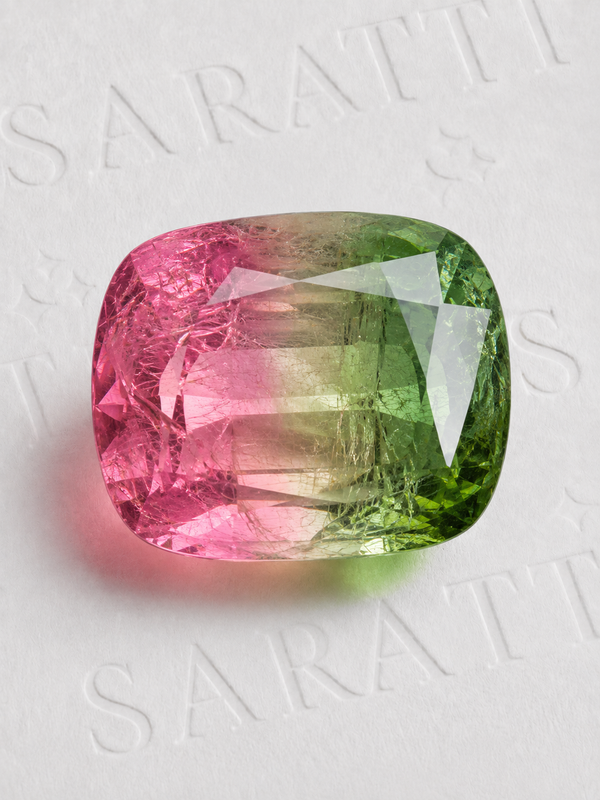
Dravite is the magnesium-rich species within the tourmaline group, and where tourmaline's warm browns come from. The colour runs from light golden brown to deep coffee, and the lighter material — sometimes traded as champagne tourmaline — is clean and remarkably inexpensive at Mohs 7 to 7.5. Most is untreated, though dark material is often heated to lighten it. The tourmaline collection shows the browns against the species' better-known colours.
Andalusite is the more interesting stone. It is strongly pleochroic, showing different colours along different crystal directions — typically a brownish green one way, a brownish red to orange another. In a well-cut stone both show at once, so it holds green and warm red-brown together, shifting as it moves. That is not a flaw to be cut away but the entire appeal, and it dictates the cut: the rough is oriented to display the mixture rather than isolate one colour. Andalusite is Mohs 7 to 7.5, essentially never treated, and inexpensive for how unusual it looks.
Zircon, Scapolite and the Others
Zircon earns its place on one property: dispersion of 0.039, close to diamond's 0.044, giving flashes of spectral colour nothing else here produces. Brown zircon is the material most blue zircon is heated from, and is often sold untreated in its own right. Its weakness is brittleness at the facet junctions: stones worn hard develop visibly abraded facet edges, dulling in a way that cannot be polished out.
Scapolite produces attractive honey and champagne yellows, often silky in texture, and is uncommon faceted. It is soft, at Mohs 5.5 to 6, with distinct cleavage, which makes it a collector's stone rather than a jewellery stone. Golden beryl and pale spessartine garnet drift into the same territory, both harder and dearer than quartz.
Comparing Them Directly: Budget, Durability, Treatment
On budget, most to least expensive per carat in fine quality: champagne diamond, then imperial and sherry topaz, then golden sapphire, then golden beryl and zircon, then dravite and andalusite, then smoky quartz and citrine, the cheapest by a wide margin.
On durability: diamond at 10, sapphire at 9, topaz at 8 but with cleavage that undermines the number, zircon at 7.5 but brittle at the edges, tourmaline and andalusite at 7 to 7.5, quartz at 7, scapolite last at 5.5 to 6.
On treatment: diamond and imperial topaz reach their colour naturally, andalusite and most dravite are untreated, golden sapphire is usually heated, smoky quartz irradiated, citrine heated amethyst.
Unusually, the orderings agree at the top: the most expensive stones are also the hardest and least treated. The trade-off is between budget and size — the cheap end of this colour buys far more stone, in a softer, treated species.
Treatment Across the Group
Stated plainly: most smoky quartz is irradiated and most citrine is heated amethyst. These are the two most commonly sold champagne-coloured stones, and neither is usually the colour it was found in. The treatments are stable and long accepted and the stones genuine quartz, but a buyer should know what they are paying for. Golden sapphire is usually heated, permanently and undetectably. Champagne diamond, natural imperial topaz, andalusite and most dravite tourmaline are untreated — though brown diamond is the usual feedstock for HPHT colour treatment, so a report matters more there than the price suggests.
Where a treatment is known, we state it on the listing, and the standard we apply is set out in how SARATTI grades gemstones.
Durability and Daily Wear
Hardness resists scratching. Toughness resists chipping, and cleavage overrides hardness entirely.
For a ring worn every day, champagne diamond and golden sapphire are unqualified choices. Topaz at 8 is hard but must be set to protect the cleavage plane. Tourmaline and andalusite at 7 to 7.5 are sound in a sensible setting. Smoky quartz and citrine at 7 acquire fine scratches over years on a hand, which matters little in a stone cheap to recut. Zircon abrades at the facet edges and belongs in earrings or pendants. Scapolite should not go in a ring.
Warm water, mild soap and a soft brush are safe for everything here. Ultrasonic and steam cleaning are unsuitable for zircon and scapolite, and irradiated smoky quartz should be kept out of prolonged sunlight.
Certification, and How to Choose
An independent report from GIA, GUILD, AIGS, CGRL, GRS or GRC will confirm species, record weight and measurements, and identify treatment where detectable. One point is specific to this colour: because "champagne" is not a laboratory term, no report will certify it. A report on a champagne diamond says brown, with a fancy colour grade; one on smoky quartz says quartz and, if detectable, notes irradiation. The colour name is the trade's, not the laboratory's, and cannot be verified on paper.
The practical consequence is that the colour must be judged by eye, against the metal it will be set in. A stone reading as a warm champagne against yellow gold can read flat grey-brown against platinum, and on white paper it tells you nothing about either. Ask to see it against the metal, in daylight and under a warm bulb, before deciding. Reports carry most weight on diamond, where fancy colour grading and the exclusion of HPHT treatment matter, and on imperial topaz, where natural colour is the premium. Where a report exists it is shown; where none exists, we say so, and recertification can be arranged at cost.
Decide what the stone is for. If it must last a lifetime on a hand, diamond or golden sapphire. If the colour must be natural and the crystal fine, imperial or sherry topaz. If it must be large on a fixed budget, smoky quartz or citrine. If you want something nobody else will be wearing, andalusite. And choose the metal first and the stone against it, because in this colour the pairing is the whole point.
Only part of what we can reach is listed online. Describe it, and we will go and look.