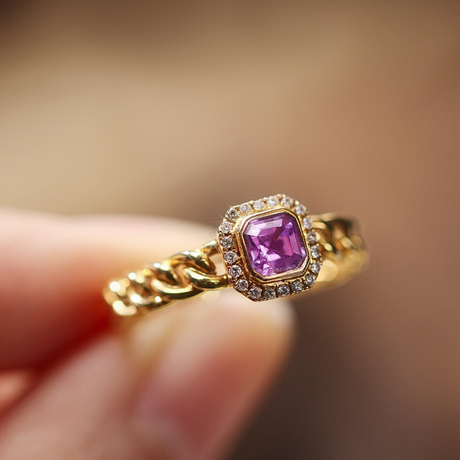
Natural Ruby, one the world's most adored gemstones. Often associated with its stunning, rich vivid color. Rubies have been admired and adored by royalty and collectors for centuries. The stone is chosen for some of the most meaningful pieces of jewelry ever created. But did you know rubies are not just defined by just one shade? Instead, it exists across a spectrum of colors. Some are bright and intense. Others are softer, more subtle. Some carry a deep, almost mysterious tone. These variations are not random. Each one plays a role in how the ruby is seen, valued, and ultimately chosen.

Understanding these differences is not just for experts. It is essential for anyone looking to purchase a ruby or design a piece of jewelry. Even small color changes can significantly affect classification, rarity, and price. This guide explains the Ruby color chart in full detail. You will learn how color is evaluated, how different shades are categorized, and how to choose a ruby with confidence.
What Is a Ruby?
Ruby belongs to the mineral family corundum, one of the hardest naturally occurring substances on earth. This same family also produces sapphires. Shocking right? In fact, the same mineral produces two distinct colors(Red - Ruby & Blue - Sapphire). The key difference between ruby and sapphire is color.
Natural Ruby forms when trace amounts of chromium are present within corundum. This element absorbs certain wavelengths of light and produces the red color that defines ruby. Without chromium, the stone would not appear red and would instead be classified as sapphire. However, not every red-toned corundum is automatically considered a ruby. For a gemstone to be classified as a ruby, red must be the dominant color. This may sound simple, but in practice, it can be quite complex. Many stones contain secondary hues such as pink, purple, or orange. If these secondary tones become too strong, the classification changes.
For example, if a stone appears more pink than red, it may be classified as a pink sapphire, even if it looks very similar to a ruby. This distinction is not just technical. It has a direct impact on value, rarity, and how the gemstone is perceived in the market.

Why Color Matters in Ruby
Among all quality factors, color has the greatest impact on a ruby’s value. While clarity, cut, and carat weight are important, they come after color. A ruby with exceptional color can command a higher price than a larger stone with weaker color. This is one of the defining characteristics of ruby as a gemstone.
Color affects how the stone interacts with light, how vibrant it appears, and how it is perceived at first glance. It also determines how rare the stone is. The most desirable rubies display a balance of:
- Strong, pure red hue
- Medium to medium-dark tone
- High saturation
When these three elements come together, the ruby appears vivid, balanced, and full of life. It catches the eye immediately, even without movement or strong lighting.
On the other hand, if one of these elements is off — for example, if the tone is too dark or the saturation is weak — the ruby may appear dull or lifeless, even if it is large in size. In simple terms, color is what gives ruby its presence. Without it, the stone loses much of its impact.

How Ruby Color Is Evaluated
Gemologists evaluate ruby color using three main components: hue, tone, and saturation. These three elements work together to define how a ruby looks and how it is graded.
Hue
Hue refers to the primary color of the ruby. In all cases, the dominant hue must be red. However, most rubies are not purely red. They often contain secondary hues, which influence their overall appearance.
These secondary hues may include:
- Pinkish red
- Purplish red
- Orangish red
The presence of these hues can either enhance or reduce the desirability of the ruby. For example, a slight purplish tone may add depth and richness, while too much orange can reduce the intensity of the red. The balance between the primary red and any secondary hues is what determines how the ruby is classified within the color chart.
Tone
Tone describes how light or dark the ruby appears.
- Light tone produces a softer, less intense color
- Medium tone creates balance and clarity
- Dark tone gives depth, but can reduce brilliance if too strong
The most valuable rubies typically fall within a medium to medium-dark tone. This range allows the color to appear rich and strong without becoming too dark. If a ruby is too light, it may lack presence. If it is too dark, it may appear dull or even blackish under certain lighting. Tone is therefore about balance. It controls how visible and lively the color appears.
Saturation
Saturation measures how vivid or pure the color appears.
- Low saturation results in a dull or washed-out look
- Medium saturation shows some color, but lacks intensity
- High saturation produces a rich, vibrant appearance
High saturation is one of the most important qualities in a fine ruby. It gives the stone its brightness and energy, making it stand out even at a distance. A ruby with strong saturation appears alive. A ruby with weak saturation appears flat.
Ruby Color Chart (Full Spectrum)

Ruby colors can be grouped into several main categories based on how hue, tone, and saturation interact.
These categories form the ruby color chart:
- Pigeon Blood Red
- Vivid Red
- Purplish Red
- Pinkish Red
- Orangish Red
- Dark Red
Each category represents a different expression of ruby, with its own visual character and market value.
Pigeon Blood Ruby
Pigeon blood ruby is widely considered the highest standard of ruby color. It is often used as a benchmark when comparing fine rubies. This term does not refer to a literal color, but rather a very specific combination of characteristics that produce an exceptional visual effect.
A true pigeon blood ruby displays a red that is both intense and balanced. It is not too dark, not too light, and not influenced by unwanted secondary hues. The color appears pure, strong, and highly saturated. One of its defining features is a subtle internal glow. This effect is often enhanced by natural fluorescence, which allows the ruby to maintain its brightness even in softer lighting conditions.
To qualify as pigeon blood, the ruby must meet strict criteria:
- A pure, vivid red hue
- Strong, even saturation
- Slight blue or purplish undertone (very subtle)
- No visible brown or orange tones
Due to its rarity and visual quality, pigeon blood ruby is among the most valuable gemstones in the world. Stones of this quality are limited, especially in larger sizes.
Vivid Red Ruby
Vivid red rubies are bright, lively, and immediately noticeable. They represent a high-quality category that is more accessible than pigeon blood, while still offering excellent visual appeal. These rubies display a strong red color with good saturation and balance. The color is clean and consistent, without significant interference from secondary hues. While they may not meet the strict definition of pigeon blood, they remain highly desirable.
These rubies are commonly used in fine jewelry, including engagement rings and statement pieces, where brightness and clarity of color are important. They are often chosen by those who want a strong red appearance without entering the highest rarity category.
Purplish Red Ruby
Purplish red rubies introduce a secondary purple hue into the red base color. This creates a slightly cooler appearance compared to pure red rubies. The purple undertone adds depth and complexity, giving the stone a more layered look. In well-balanced stones, the red remains dominant, and the purple enhances rather than overwhelms the color. These rubies can still be highly valuable, especially when saturation is strong, and the tone remains within an ideal range. Purplish red rubies are often appreciated by those looking for something slightly different, while still retaining the identity of ruby.
Pinkish Red Ruby
Pinkish red rubies sit at the boundary between ruby and sapphire. They contain a noticeable pink component, which softens the overall appearance of the stone. These rubies tend to have a lighter tone and a more delicate visual presence.
The classification of these stones can sometimes be debated. If the pink becomes too dominant, the gemstone may be categorized as a pink sapphire instead of a ruby. When the balance is maintained, and red remains dominant, pinkish red rubies can still be attractive and desirable, particularly for those who prefer a softer aesthetic.
Orangish Red Ruby
Orangish red rubies contain a visible orange undertone. This gives the stone a warmer appearance, but it also reduces the purity of the red color. As a result, these rubies are generally less desirable in the market. The presence of orange can weaken the intensity of the color, making it appear less rich compared to purer red stones. While still natural rubies, they are usually valued lower than those with cleaner red hues.
Dark Red Ruby
A deeper tone characterizes dark red rubies. These stones have a strong color concentration, which can create a sense of intensity and weight. In some cases, the color may appear burgundy or slightly brownish.
The challenge with dark rubies is maintaining brightness. If the tone becomes too dark, the stone may lose its ability to reflect light effectively, making it appear dull. When balanced correctly, dark red rubies can feel rich and powerful. However, excessive darkness generally reduces value.
Which Ruby Color Is Most Valuable?
The most valuable rubies combine three essential qualities:
- A pure red hue
- Medium to medium-dark tone
- Strong, vivid saturation
This combination produces a stone that appears both intense and balanced. Pigeon blood ruby represents this ideal at the highest level, which is why it commands premium prices.
Even small differences in color can have a significant impact on value. A slight shift in tone or a reduction in saturation can change how the stone is perceived and priced. Because of this, color is often the first and most important factor considered when evaluating a ruby.
How to Choose the Right Ruby Color
Choosing a ruby is not only about quality, but also about intention.
Different colors create different impressions.
- Pigeon blood ruby offers rarity and prestige
- Vivid red ruby provides balance and versatility
- Purplish or pinkish tones offer individuality
- Dark rubies create depth and intensity
The right choice depends on how the ruby will be used and the overall design of the piece. Some prefer brightness and clarity. Others prefer depth and subtlety. Understanding the color chart allows you to make a choice that aligns with your vision.
Explore Natural Ruby Gemstones
Each ruby offers a unique combination of hue, tone, and saturation. At SARATTI, stones are selected with careful attention to these details, ensuring that every ruby meets a high standard of quality and visual presence.
Conclusion
Ruby color is more complex than it first appears. What may look like a simple red stone is, in reality, the result of a precise balance between hue, tone, and saturation. Each variation creates a different expression, with its own level of rarity and value. By understanding how these elements work together, you can approach ruby selection with clarity and confidence. In Ruby, color is not just a feature. It is the defining factor.