What Makes a Gemstone Blue
Blue is the colour most people ask for first, and it is also the colour arrived at by the largest number of unrelated minerals. That is why choosing a blue stone is harder than choosing a sapphire.
Colour in a gemstone is usually the work of a trace element — an atom of something that does not belong in the crystal, sitting in a lattice that is otherwise colourless. In sapphire, blue comes from iron and titanium sitting side by side, exchanging charge. In Paraiba tourmaline it comes from copper. In aquamarine it comes from iron alone, in a different oxidation state and a different structure. In tanzanite it comes from vanadium, and only after heating. In the rarest spinel it comes from cobalt. In blue topaz it comes from nothing natural at all: the colour is produced by irradiation and heat applied to colourless rough.
Six routes to what the eye reads as one colour. They do not produce the same blue, they do not cost remotely the same, and they do not survive the same handling. A broader survey is set out in our complete guide to blue gemstones; what follows is the comparison a buyer actually needs.
Sapphire: The Benchmark
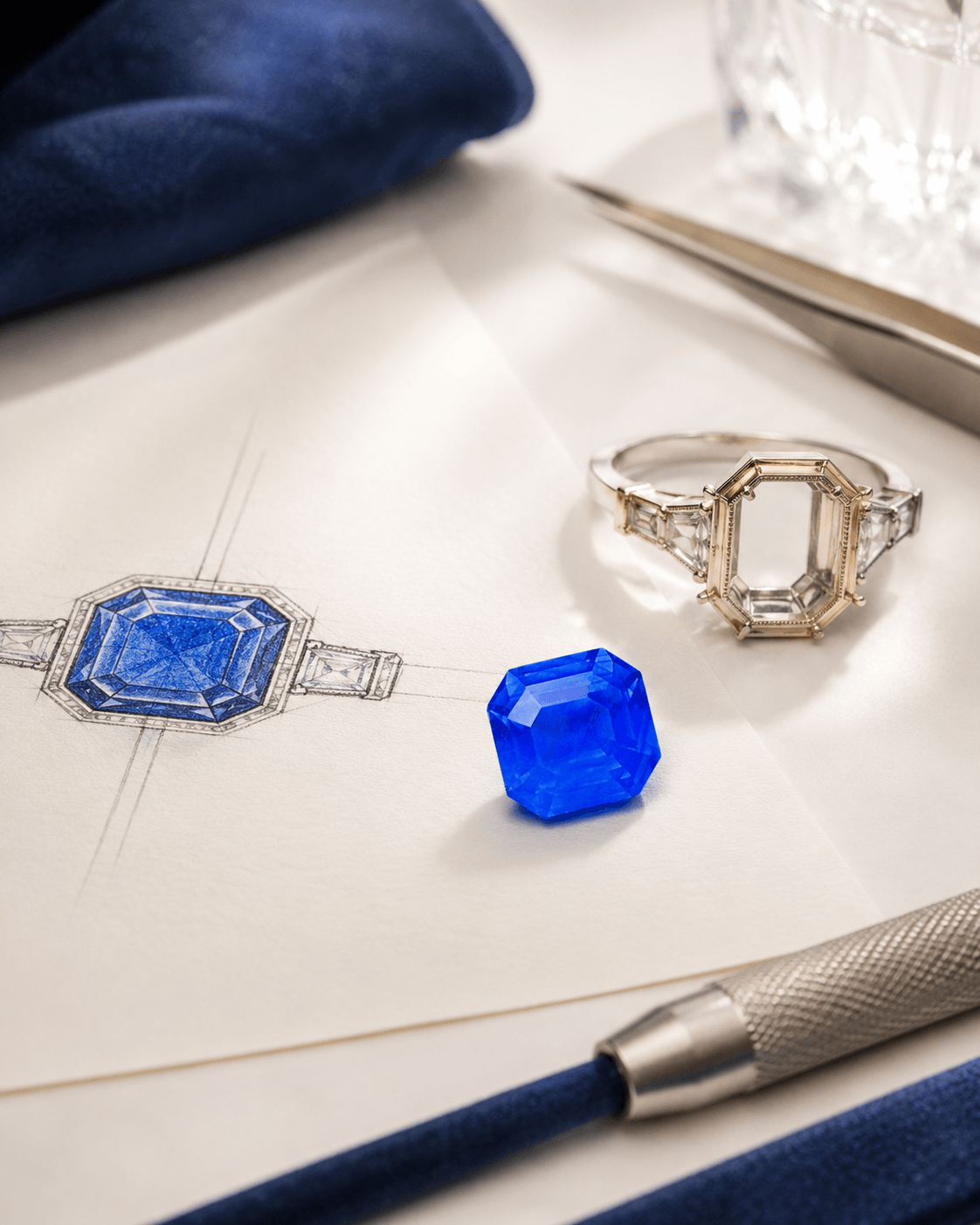
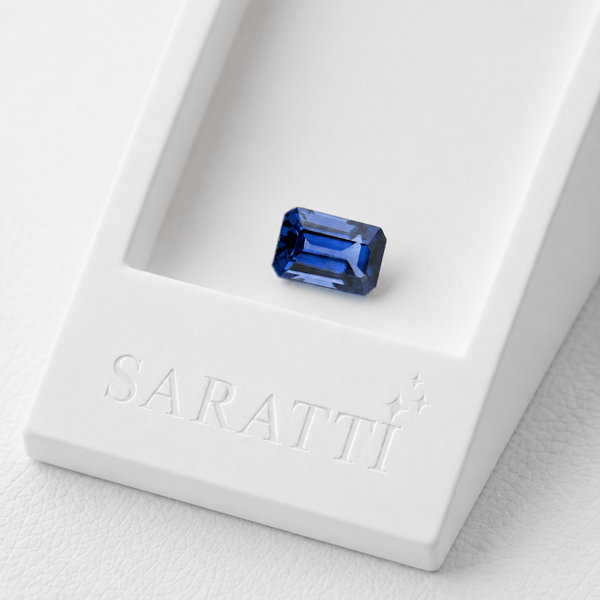
Sapphire is corundum, aluminium oxide, and at Mohs 9 it is the hardest gemstone in common use after diamond. Everything else in this article is measured against it.
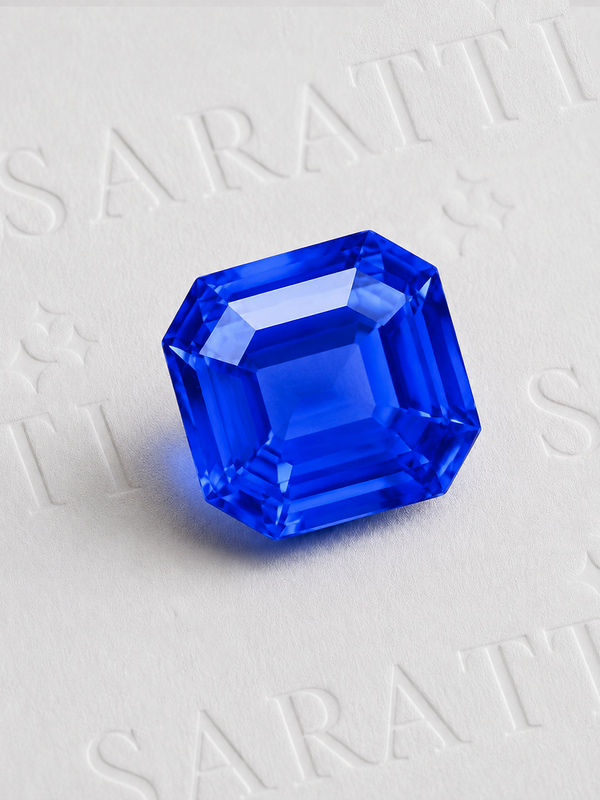
The colour runs from a pale watery sky through cornflower — a luminous, slightly greyish medium blue — to the deep velvety royal tones that carry the highest prices. The most valued stones sit in the medium to medium-dark range with strong saturation and no grey or brown modifier. Two sapphires of identical weight can differ in price tenfold on colour alone.
Sapphire also has the widest price range of any blue stone. Commercial material in small sizes is genuinely accessible; a fine unheated Kashmir or Burmese stone is among the most expensive coloured gems on earth. A budget of almost any size can be spent on sapphire, provided you accept the trade-offs at your end of it.
Most sapphire on the market has been heated. This is long established, permanent and accepted throughout the trade. Unheated material carries a premium and can only be confirmed by a laboratory. The sapphire collection is the place to start if durability is your first concern.
Paraiba Tourmaline: The Most Expensive Blue There Is
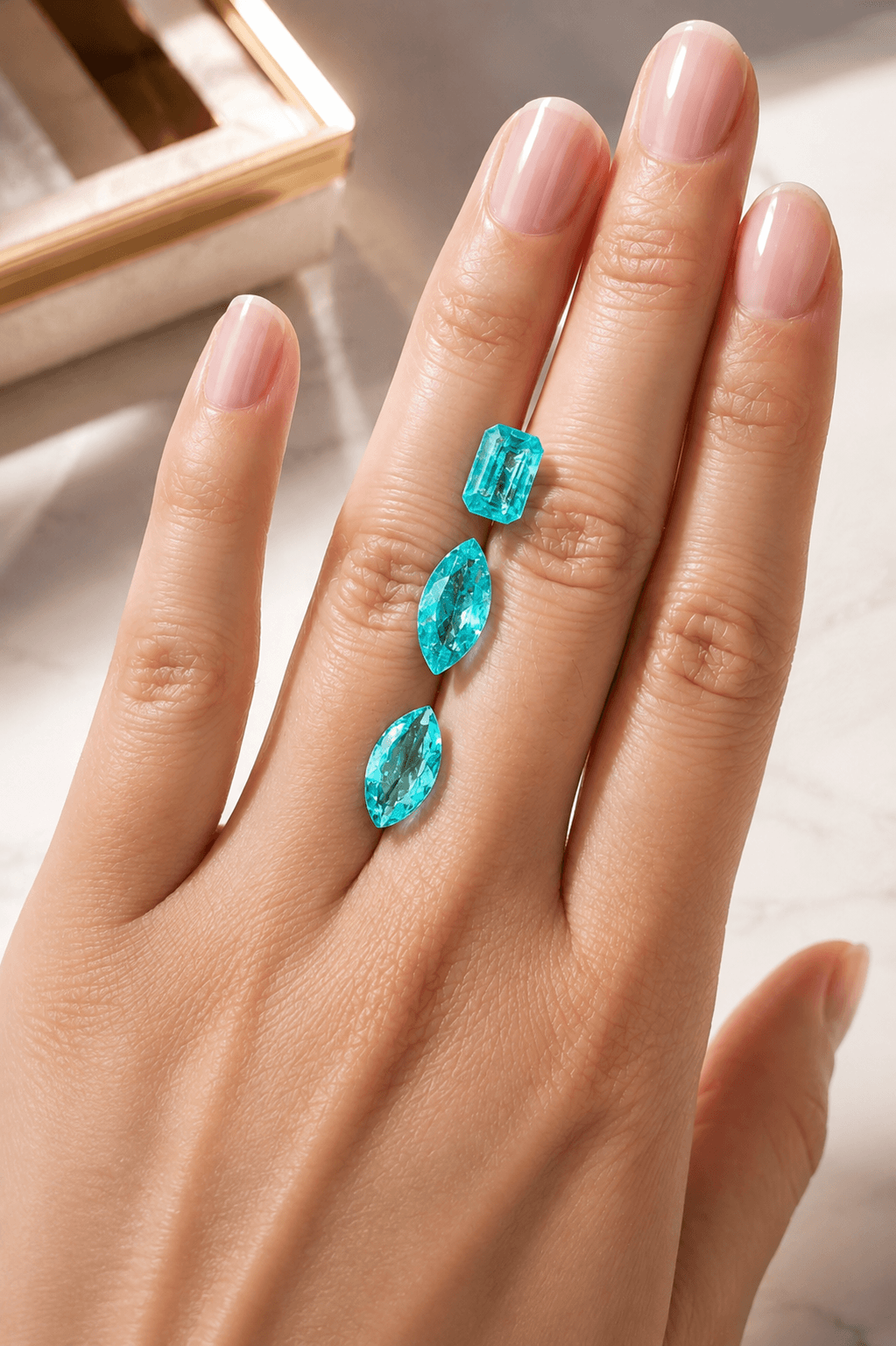
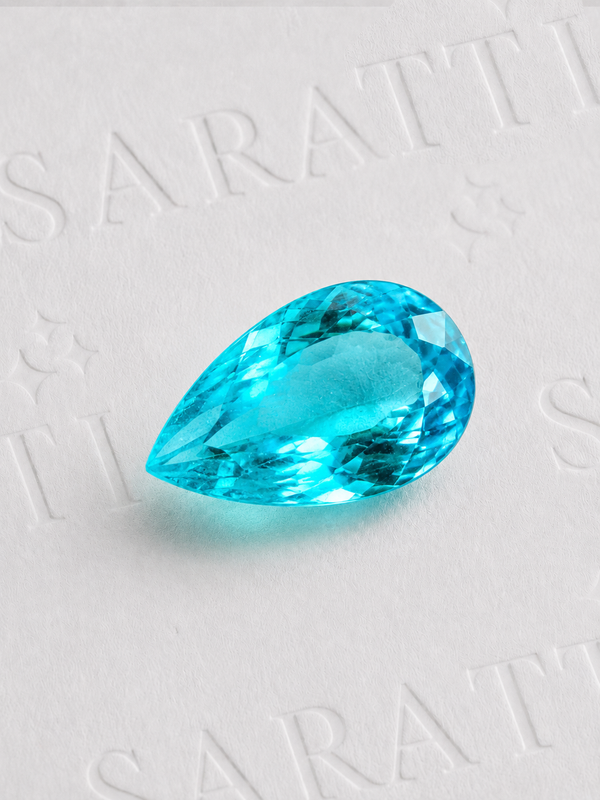
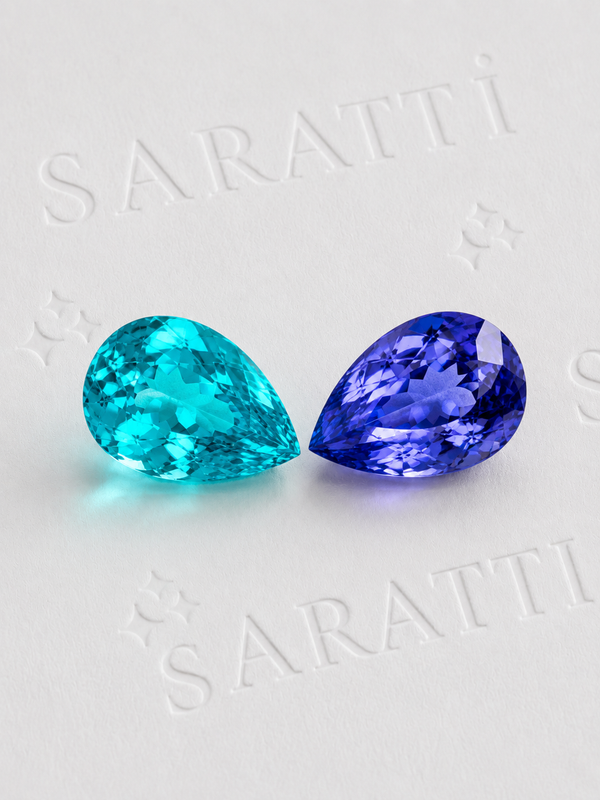
Paraiba is copper-bearing tourmaline, first found in the Brazilian state of that name in the late 1980s and later in Mozambique and Nigeria. Copper produces a blue-green unlike anything else — an electric, almost lit-from-within neon that reads as artificial to people seeing it for the first time.
It is, per carat, by far the most expensive stone here, above fine sapphire and, in the best Brazilian material, above most rubies. Sizes over two or three carats are rare, and Brazilian stones command a substantial premium over African ones of similar appearance.
Two honest qualifications. Paraiba is usually heated, which reduces residual purple and strengthens the blue. And it is usually included — eye-visible inclusions are normal at every price level. Buying Paraiba means buying colour and accepting the crystal it came in. At Mohs 7 to 7.5 it is also considerably softer than sapphire. The Paraiba collection shows the range of tone within the species.
Aquamarine: Gentle Colour, Clean Crystal, Large Sizes
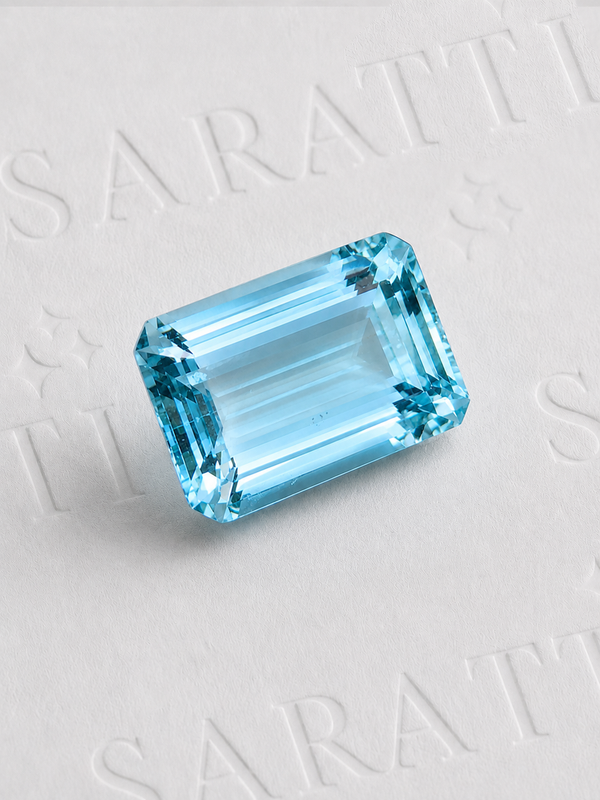
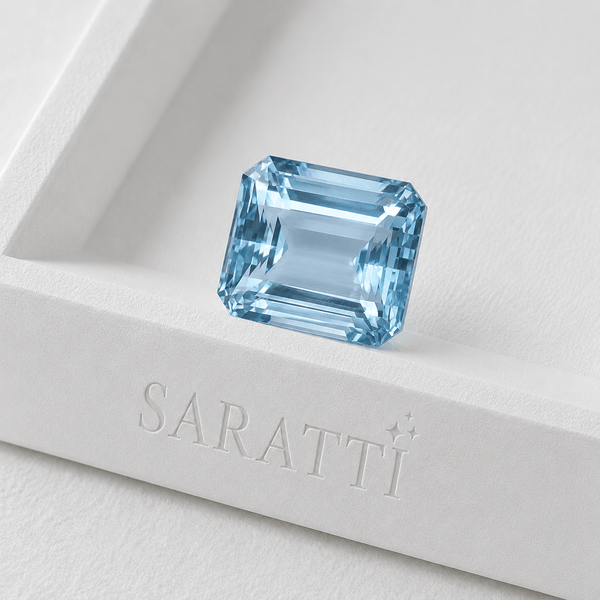
Aquamarine is beryl — the same species as emerald — coloured blue by iron. Its defining quality is restraint. Even the finest aquamarine is a light to medium blue, sometimes with a faint green cast, and anyone hoping for the saturation of a fine sapphire will be disappointed. Judged on its own terms it is one of the cleanest, most transparent stones available.
Aquamarine is a Type I gemstone, meaning material is routinely found free of eye-visible inclusions, and you should expect an eye-clean stone at any serious price. It also occurs in large crystals, so a twenty-carat aquamarine costs what a very small sapphire would.
Nearly all aquamarine is heated, at modest temperatures, to remove a greenish component and leave a purer blue. The treatment is stable and undetectable, and unheated greenish material is now sought by a few collectors precisely because it is unusual. At Mohs 7.5 to 8 aquamarine is durable enough for regular wear with reasonable care. The aquamarine collection is where most people comparing gentle blues begin.
Tanzanite: One Source, Three Colours
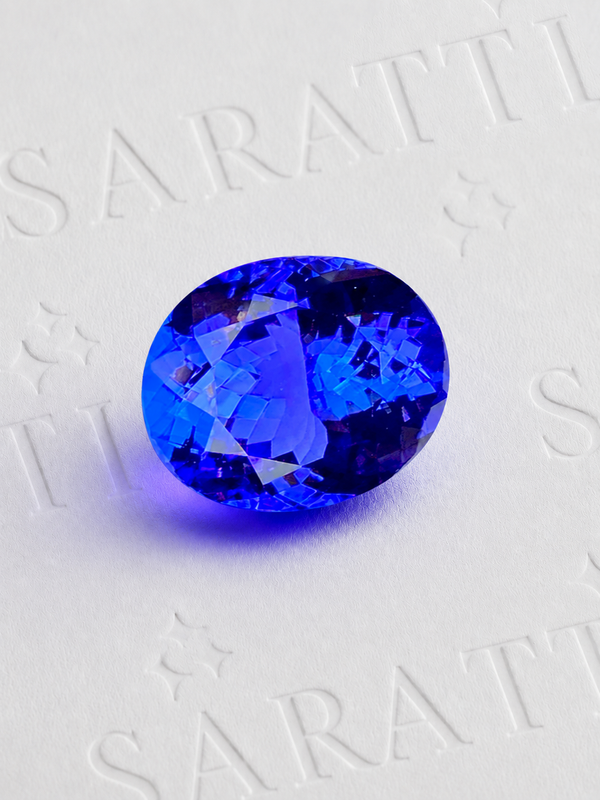
Tanzanite is blue-violet zoisite, coloured by vanadium, and it comes from a single small area near Merelani in northern Tanzania. Nowhere else on earth has produced it, which is why the stone is discussed as a finite resource in a way sapphire is not.
Tanzanite is trichroic, showing blue, violet and a burgundy tone along three different crystal directions. The cutter chooses which to face up, and stones cut for blue lose more weight than stones cut for violet, which is why deeper blue tanzanite costs more per carat. In larger sizes the colour deepens; small tanzanite often reads pale and greyish.
Effectively all tanzanite is heated. Rough emerges brownish, and heating to around 600 degrees produces the blue-violet the stone is known for. Untreated blue tanzanite barely exists.
The serious caveat is durability. Tanzanite is Mohs 6.5 to 7 and, more importantly, has distinct cleavage — a plane along which it will part cleanly under a sharp knock. It is a poor choice for a ring worn every day and an excellent one for earrings and pendants. The tanzanite collection is worth reading with that constraint in mind.
Cobalt Spinel: The Untreated Blue
Most blue spinel is coloured by iron and reads greyish or steely — pleasant, inexpensive, unremarkable. A small proportion, chiefly from Vietnam and Sri Lanka, is coloured by cobalt, and cobalt spinel is a different proposition: a pure, saturated blue with none of the grey, closer to fine sapphire than to ordinary spinel.
It is genuinely rare and priced accordingly — well above aquamarine or tanzanite, though below Paraiba. What makes it interesting is that spinel is essentially never treated. There is no established heat process that improves it and no reason for one. If you object to treatment on principle, cobalt spinel and untreated sapphire are the only two blues here that will satisfy you.
At Mohs 8, with no cleavage, spinel also wears well. The spinel collection covers the species across all its colours.
Blue Topaz, Blue Zircon and Lapis Lazuli
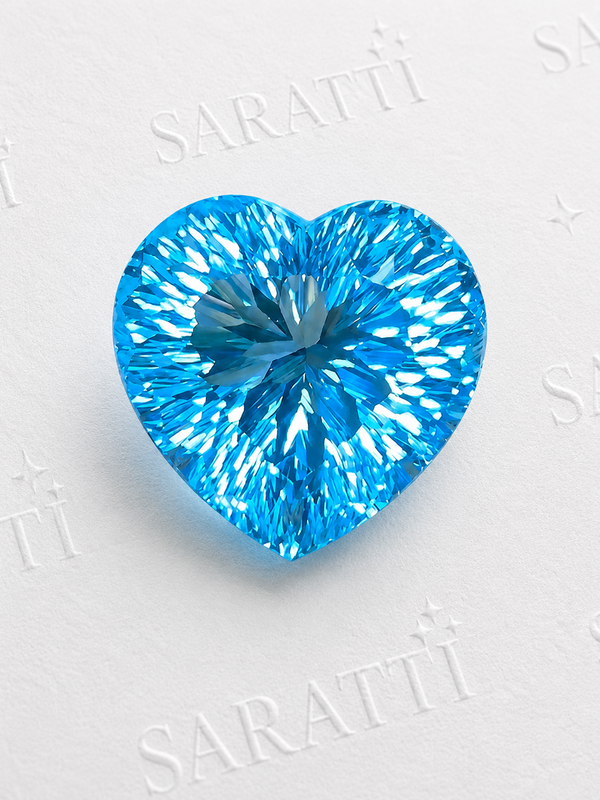
Blue topaz is the affordable blue, and its price is honest about why. Natural blue topaz exists but is pale and scarce; essentially all blue topaz sold is irradiated and heated colourless material, produced in quantity in shades marketed as sky, Swiss and London blue. The treatment is permanent and the stone is genuine topaz, but nothing about the colour is geological. It comes in very large sizes for very little, which is its appeal. At Mohs 8 topaz is hard, but it has perfect basal cleavage and will split under a direct blow.
Because topaz and aquamarine occupy similar territory visually and very different territory on price, the distinction is worth understanding properly — our note on aquamarine versus blue topaz sets it out. The topaz collection includes both blue and the rarer natural colours.
Two secondary blues deserve mention. Blue zircon is heat-treated brown zircon, with high dispersion and a glassy brilliance, but brittle at the facet edges. Lapis lazuli is an opaque rock rather than a single mineral, valued for its ultramarine colour and pyrite flecks, soft at around Mohs 5, and frequently dyed or waxed.
Comparing Them Directly: Budget, Durability, Treatment
Three questions decide this, and they rarely point at the same stone.
On budget, from most to least expensive per carat in fine quality: Paraiba, then top sapphire, then cobalt spinel, then tanzanite and better aquamarine, then ordinary blue spinel and zircon, then blue topaz, the most affordable of the group by a wide margin. Sapphire's range is so wide that it appears near the top and near the bottom of that list.
On durability, the order is close to reversed. Sapphire first, then spinel and topaz, then aquamarine, then Paraiba, then tanzanite last.
On treatment, only two stones here are routinely untreated: spinel and the minority of sapphire that has escaped the furnace. Everything else has been heated or irradiated as a matter of course.
If you want saturation and can wear a softer stone, Paraiba has no substitute. If you want an untreated blue, spinel. If you want size for a modest sum, topaz or aquamarine. If you want one stone that will do everything and outlast you, sapphire.
Treatment Across the Group
Stated plainly: aquamarine, tanzanite and blue topaz are treated almost without exception. Paraiba and sapphire are usually treated. Spinel is essentially never treated.
Treatment is not dishonesty. Heating a sapphire or an aquamarine is stable and permanent, and a heated stone is still a natural stone. What matters is that the buyer knows, and that the price reflects it — an unheated sapphire and a heated one of identical appearance are not the same commercial article.
Where a treatment is known, we state it on the listing. The full standard is set out in how SARATTI grades gemstones.
Durability and Daily Wear
Hardness is resistance to scratching. Toughness — resistance to chipping and breaking — is a separate property, and cleavage overrides hardness entirely.
Sapphire, at 9, is the only blue here that can be recommended for a ring worn daily without qualification. Spinel and topaz are both 8, but topaz's basal cleavage means a knock at the wrong angle can split it. Aquamarine at 7.5 to 8 is sound for regular wear. Paraiba at 7 to 7.5 is acceptable in a protective setting but will show wear on an exposed girdle over years. Tanzanite at 6.5 to 7 with cleavage should be kept for pieces that are not knocked.
Ultrasonic cleaning is unsuitable for tanzanite and for heavily included Paraiba. Warm water and a soft brush are safe for all of them.
Certification, and How to Choose
For any blue stone of consequence, an independent report from a recognised laboratory — GIA, GUILD, AIGS, CGRL, GRS or GRC — should confirm species, identify treatment where detectable, and record weight and measurements. Reports matter unequally here. A cobalt spinel should be confirmed as cobalt-bearing. An unheated sapphire is worth a premium only if a laboratory says it is unheated. Paraiba should be confirmed as copper-bearing, and Brazilian or African origin materially affects its value. Blue topaz rarely needs a report at all, because nothing about it is in doubt. Where a report exists it is shown; where none exists, we say so, and where a client wants a stone reviewed elsewhere, recertification can be arranged with the laboratory fee passed on at cost.
Begin with the constraint that will not move. Daily wear eliminates tanzanite and puts sapphire first. An objection to treatment leaves spinel and unheated sapphire. If size matters most and the budget is fixed, topaz and aquamarine give more stone than anything else here. If it is a particular blue you have in mind, name it, and let the species follow.
Only part of what we can reach is listed online. Describe it, and we will go and look.




 Engagement Rings
 Gemstone Rings
 Wedding Bands
 The SARATTI Difference
 Gemstone Type
 Shop By Color

 GUILD
GUILD GUILD
GUILD AIGS
AIGS AIGS
AIGS AIGS
AIGS GUILD
GUILD CGRL
CGRL CGRL
CGRL GRC
GRC GUILD
GUILD AIGS
AIGS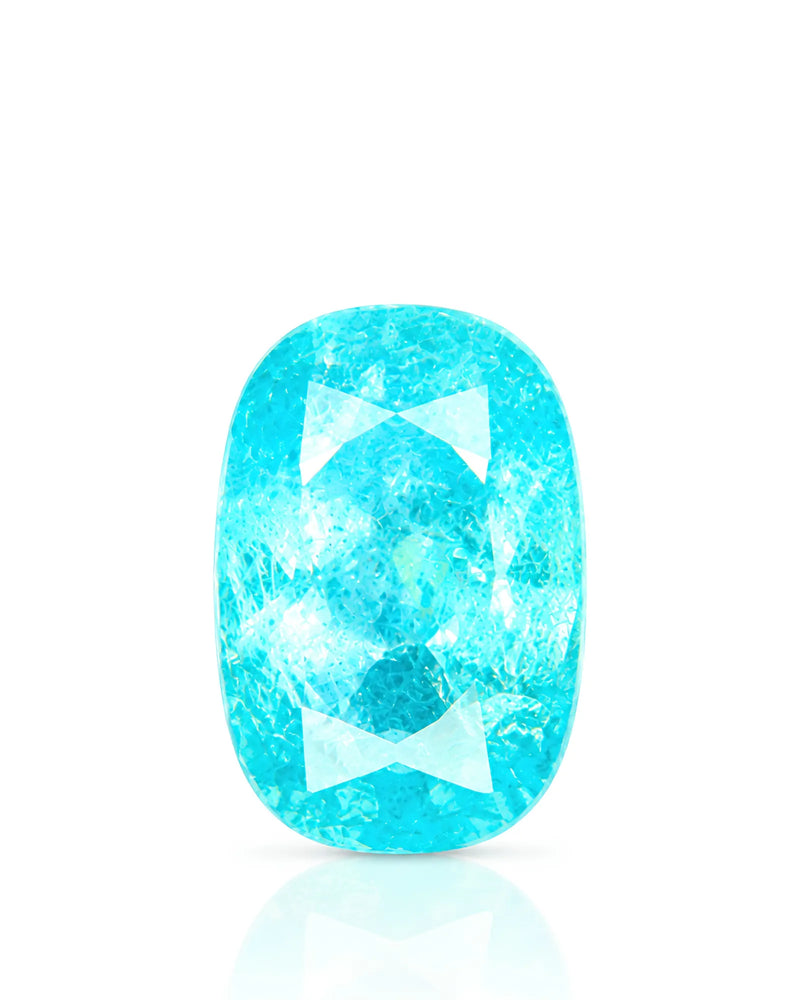 AIGS
AIGS AIGS
AIGS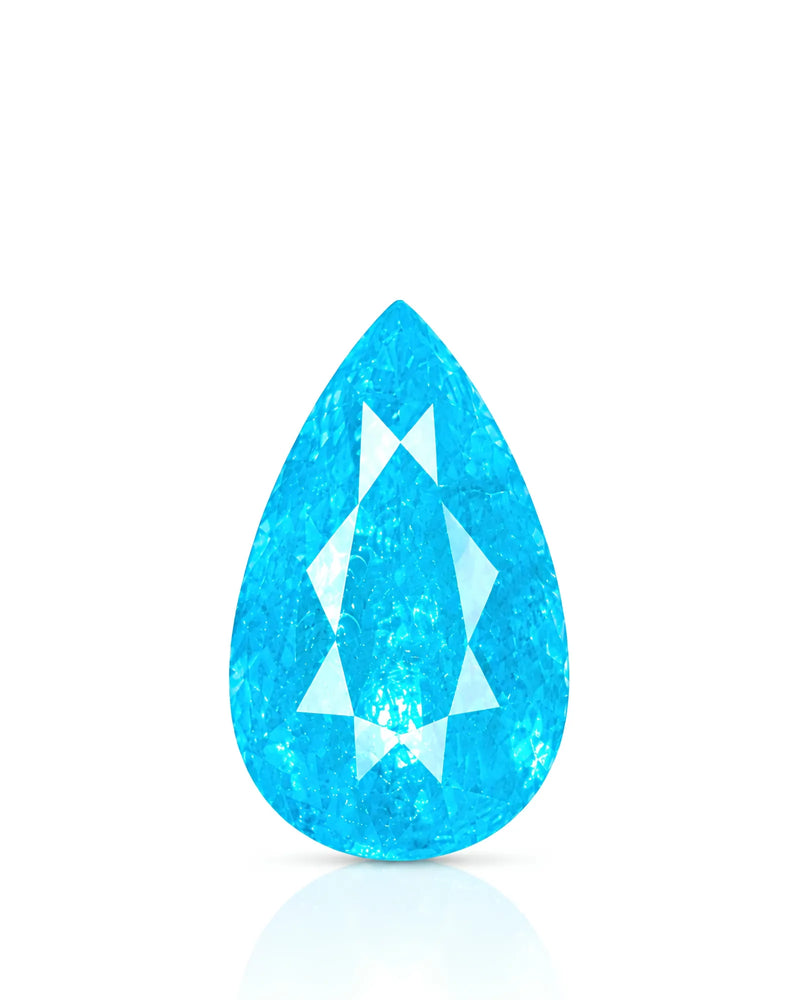 GIA
GIA CGRL
CGRL GUILD
GUILD AIGS
AIGS AIGS
AIGS GUILD
GUILD GUILD
GUILD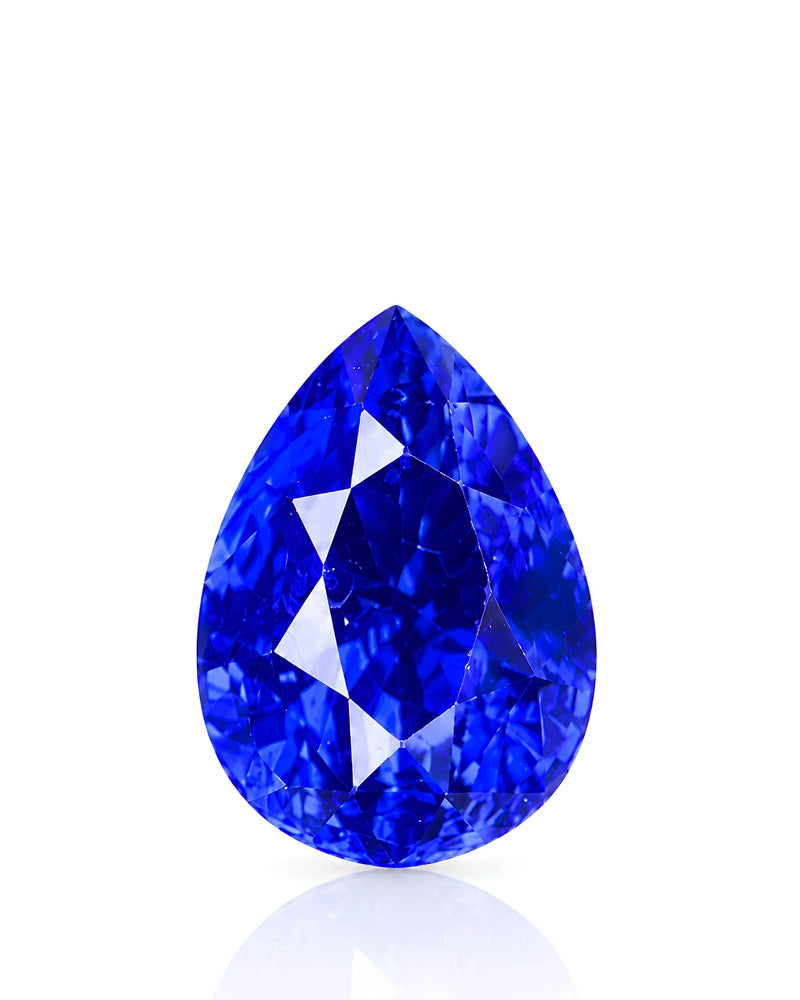 GRC
GRC GUILD
GUILD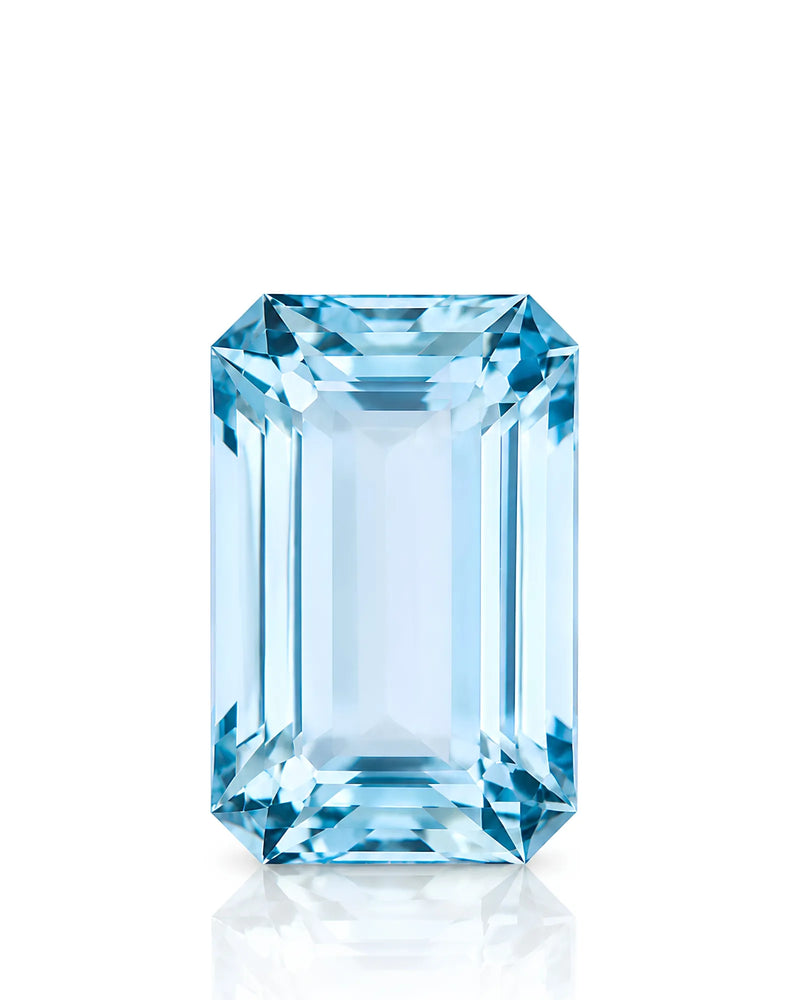 GUILD
GUILD CGRL
CGRL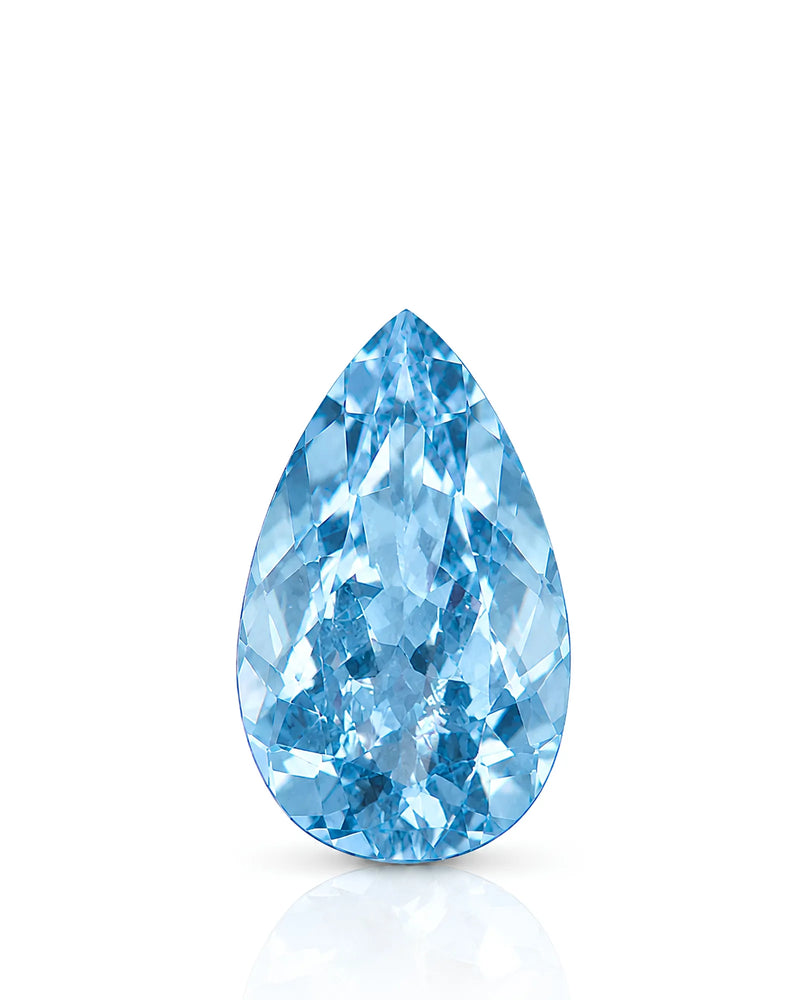 CGRL
CGRL CGRL
CGRL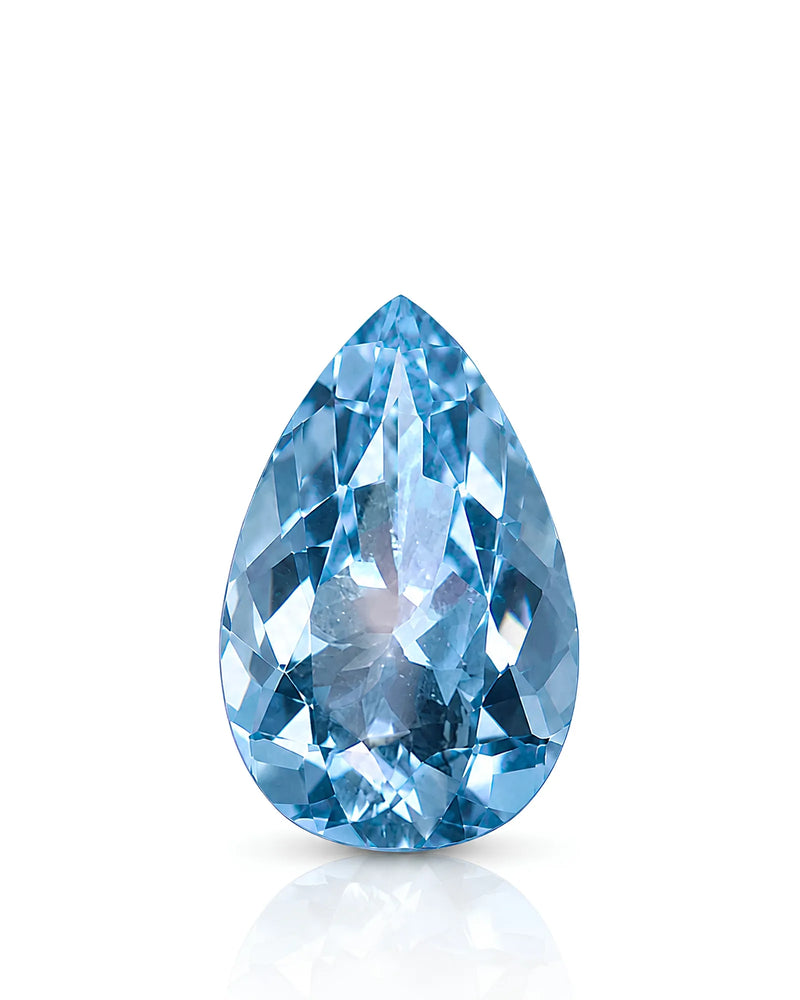 CGRL
CGRL CGRL
CGRL GUILD
GUILD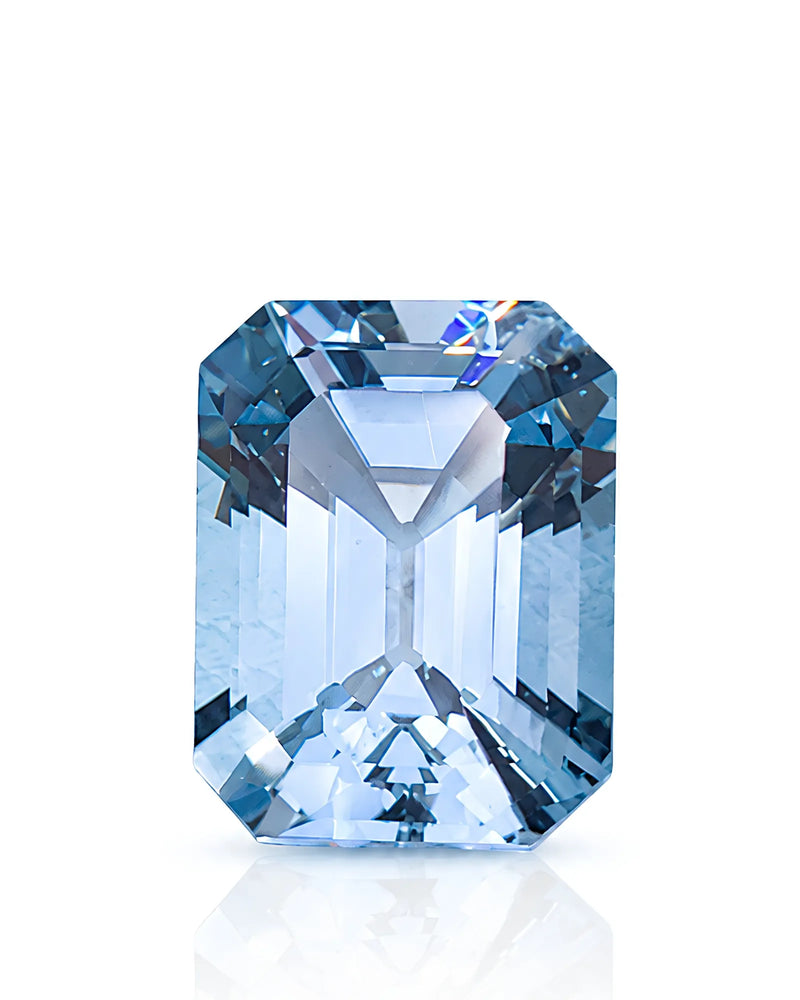 CGRL
CGRL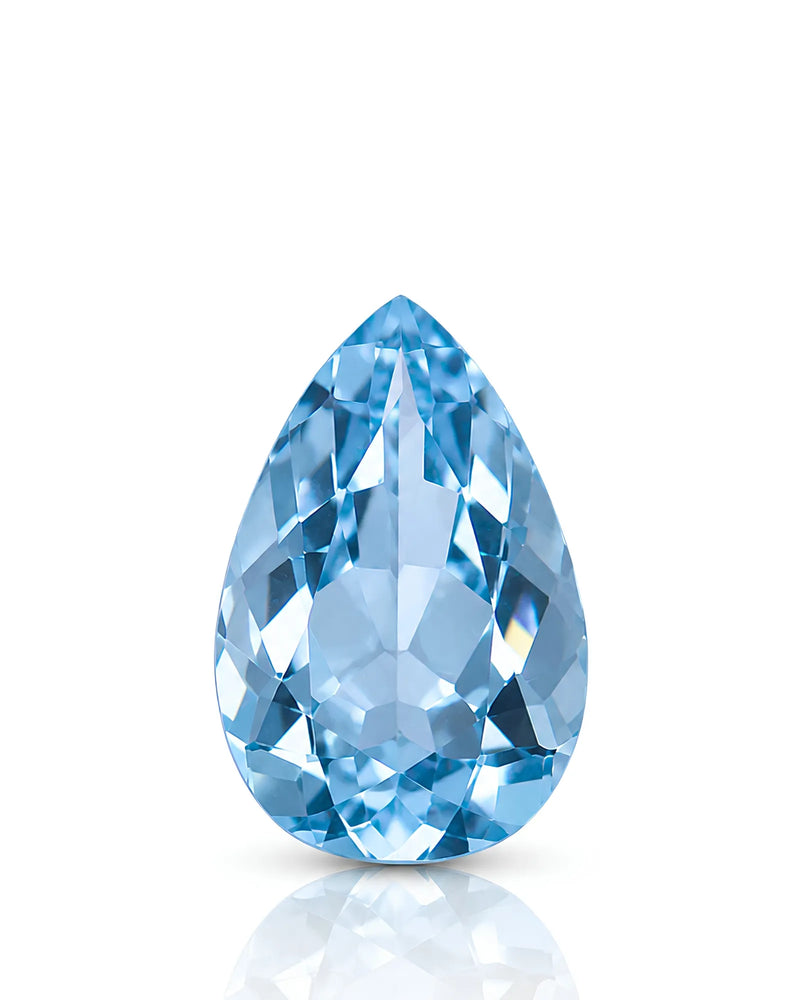 CGRL
CGRL CGRL
CGRL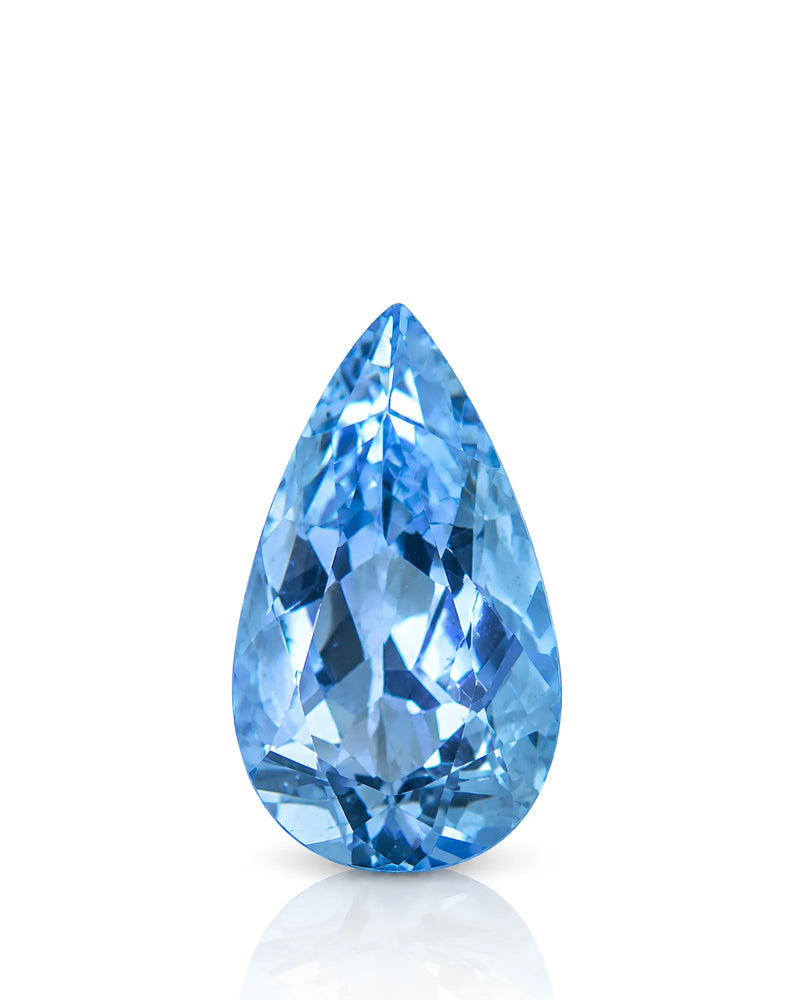 CGRL
CGRL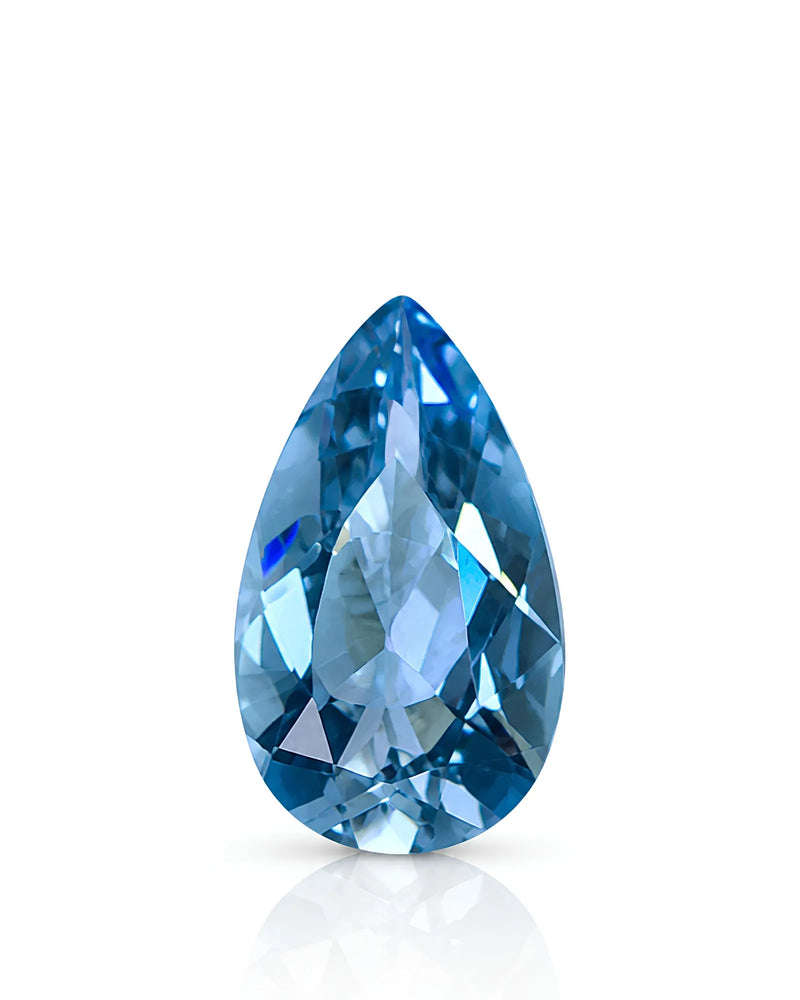 CGRL
CGRL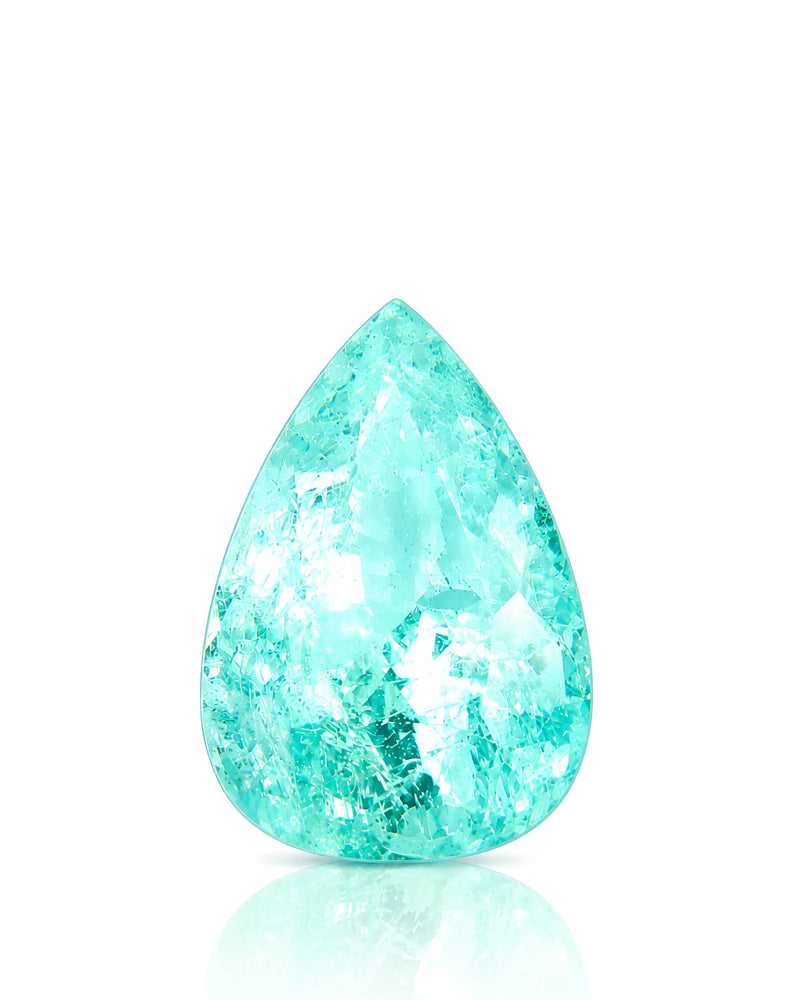 AIGS
AIGS AIGS
AIGS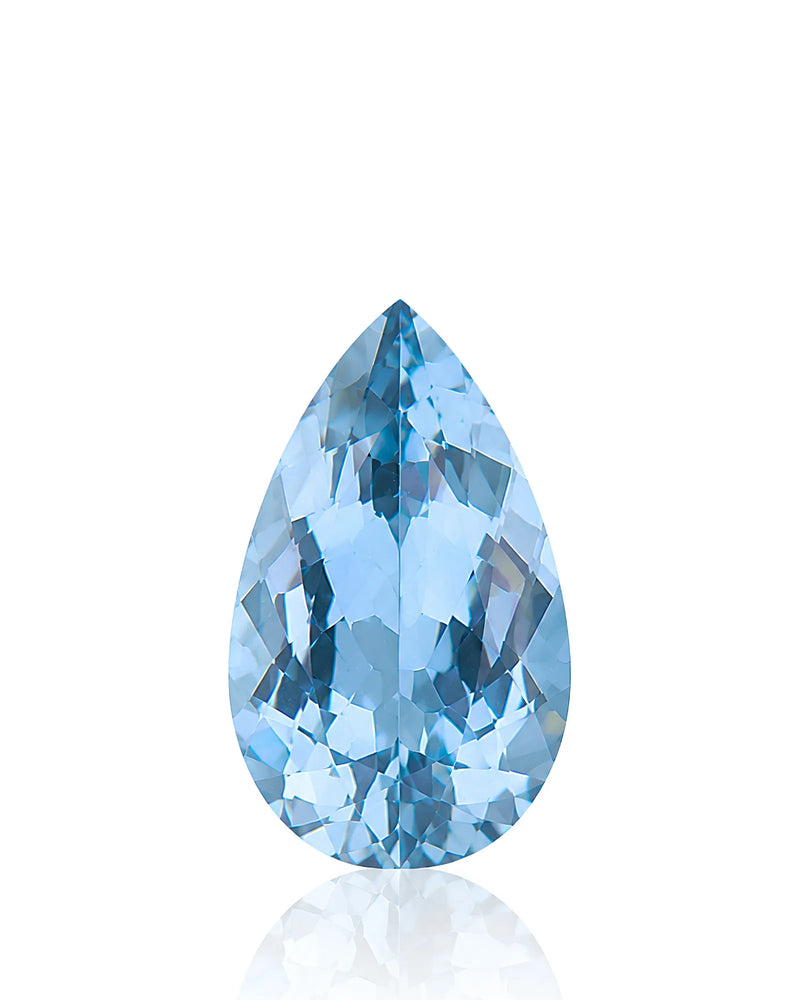 GUILD
GUILD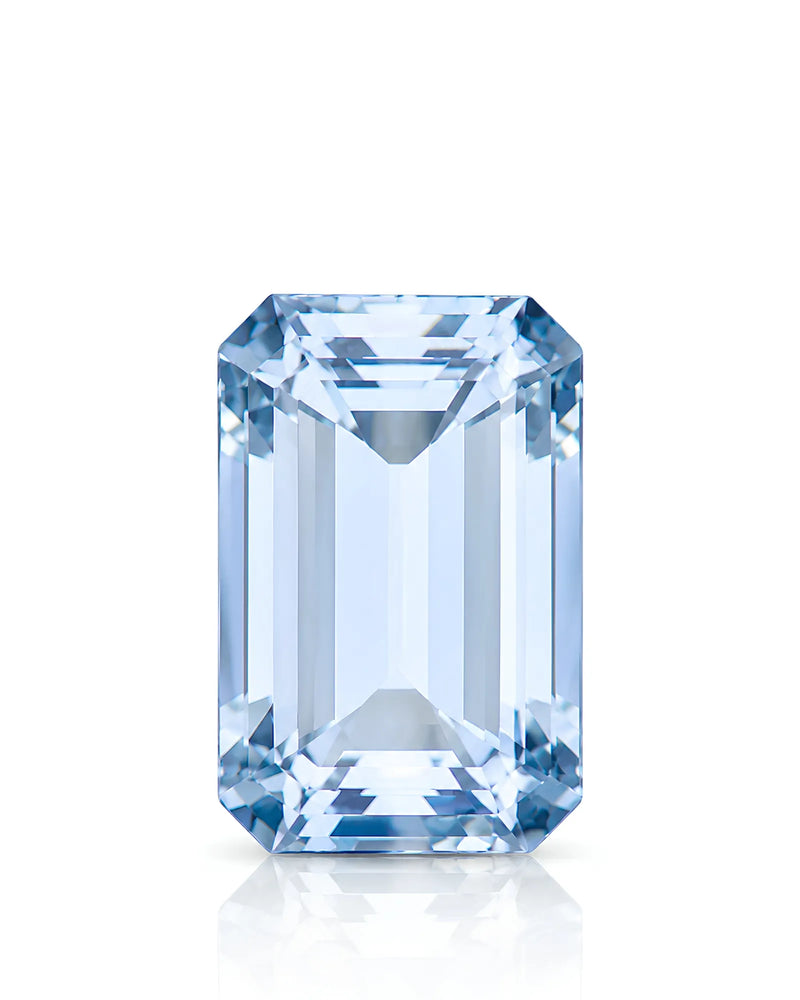 GUILD
GUILD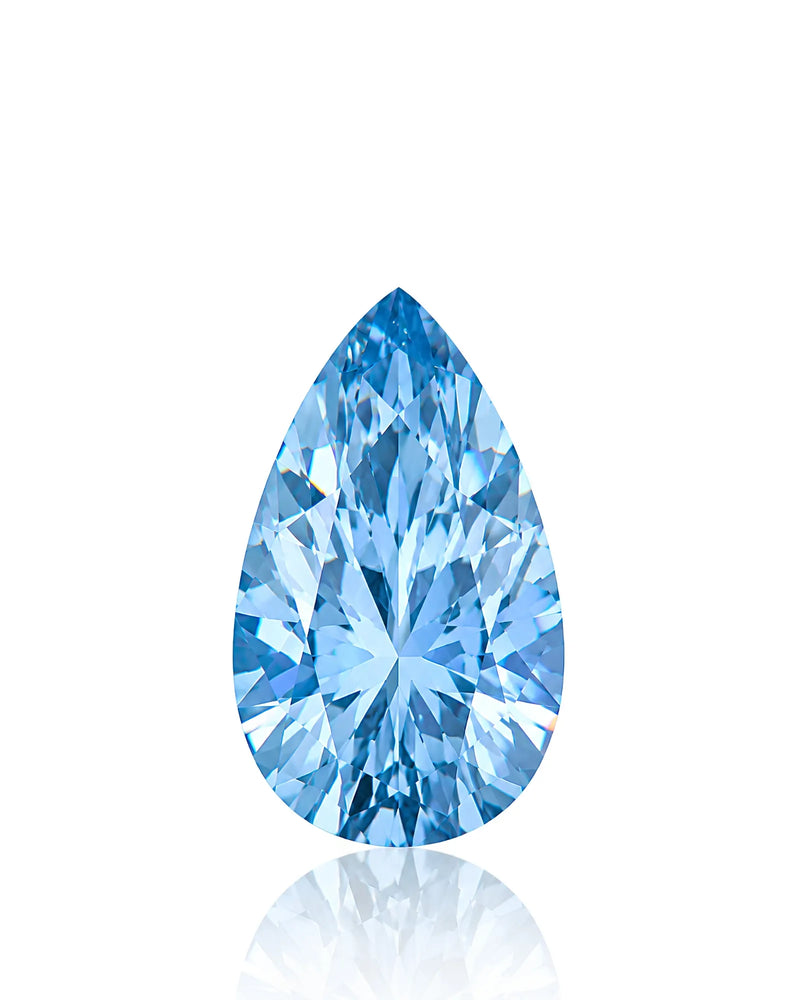 GUILD
GUILD GUILD
GUILD GUILD
GUILD GUILD
GUILD GUILD
GUILD GUILD
GUILD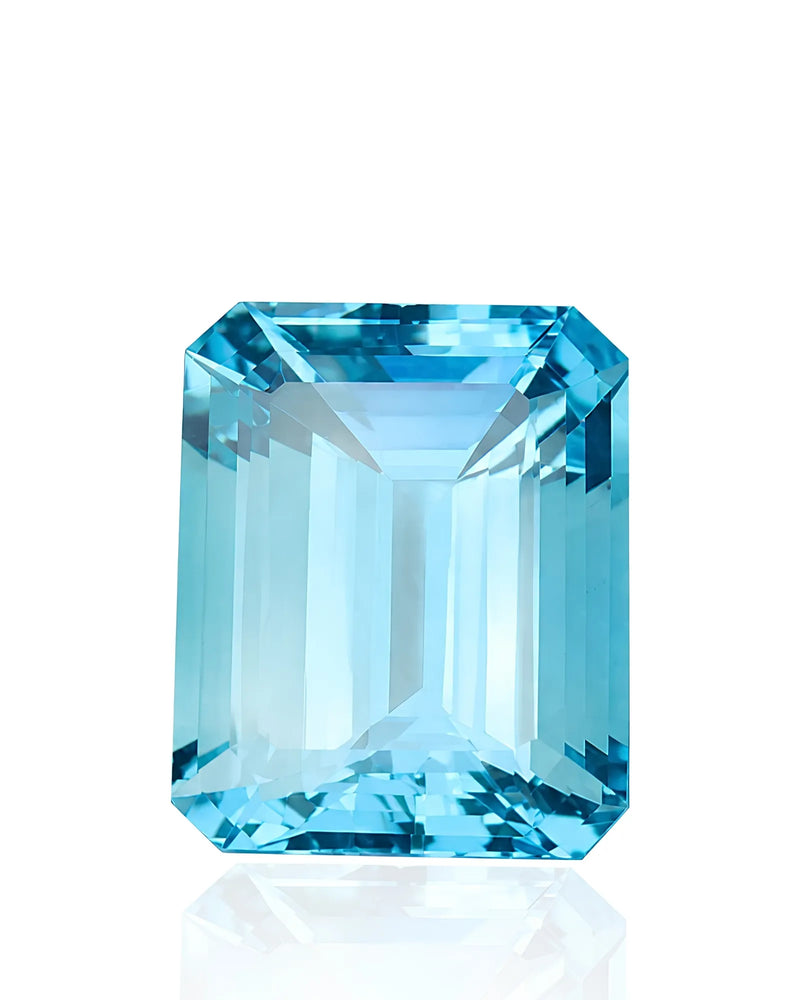 GUILD
GUILD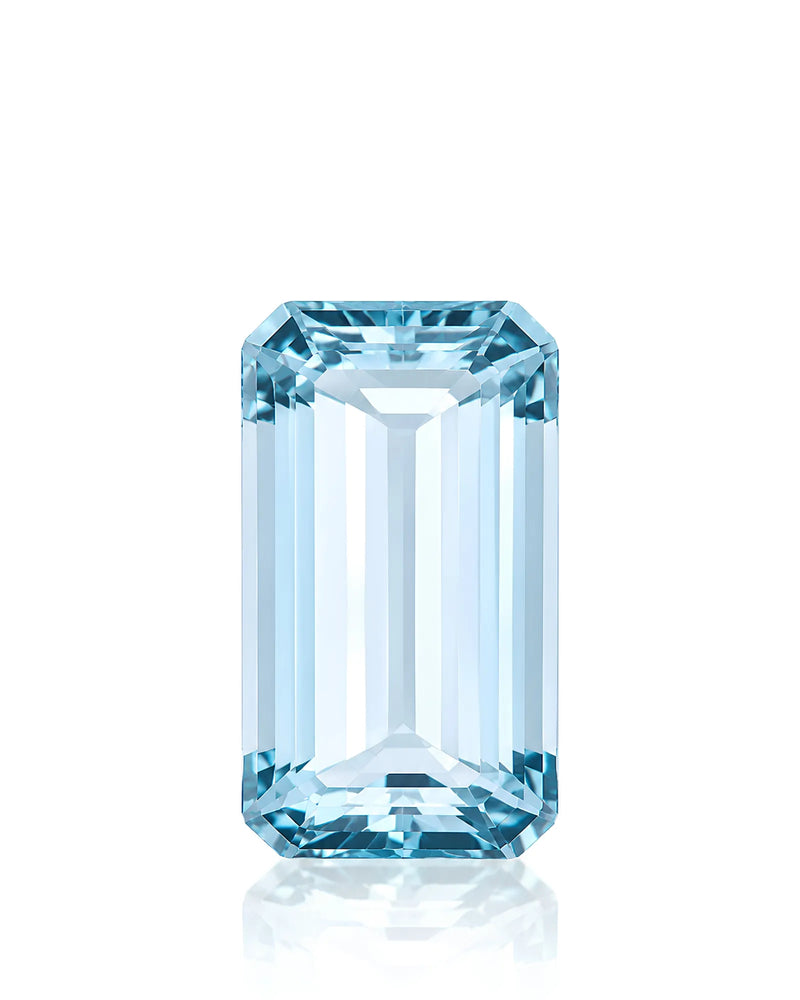 GUILD
GUILD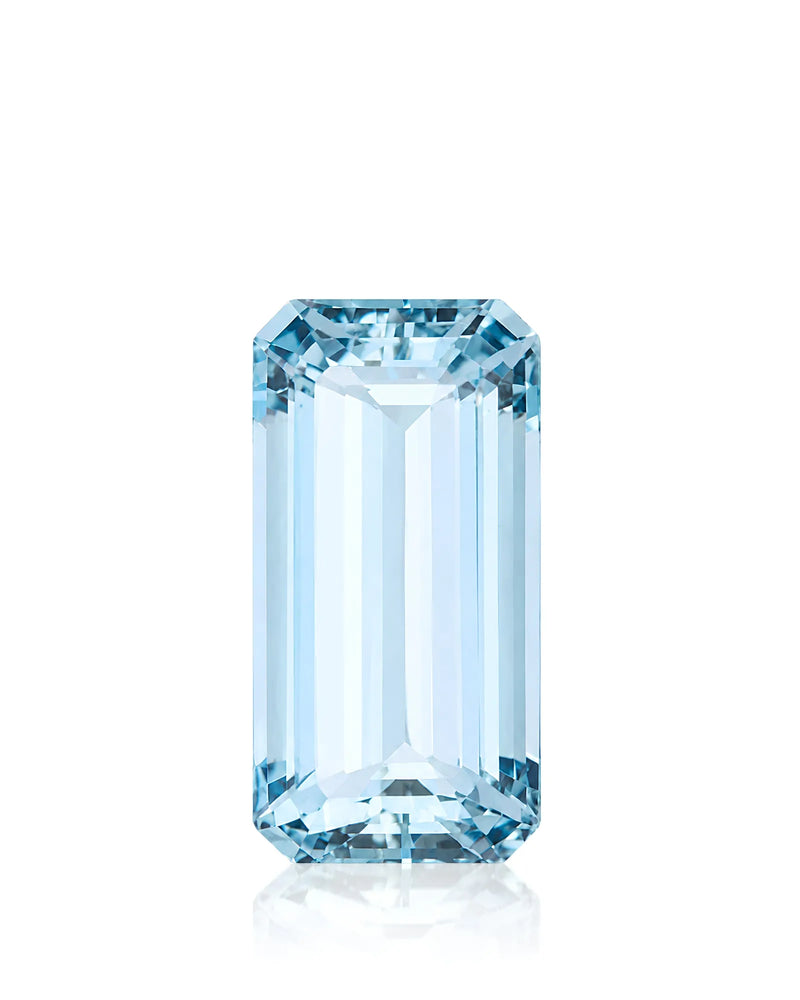 GUILD
GUILD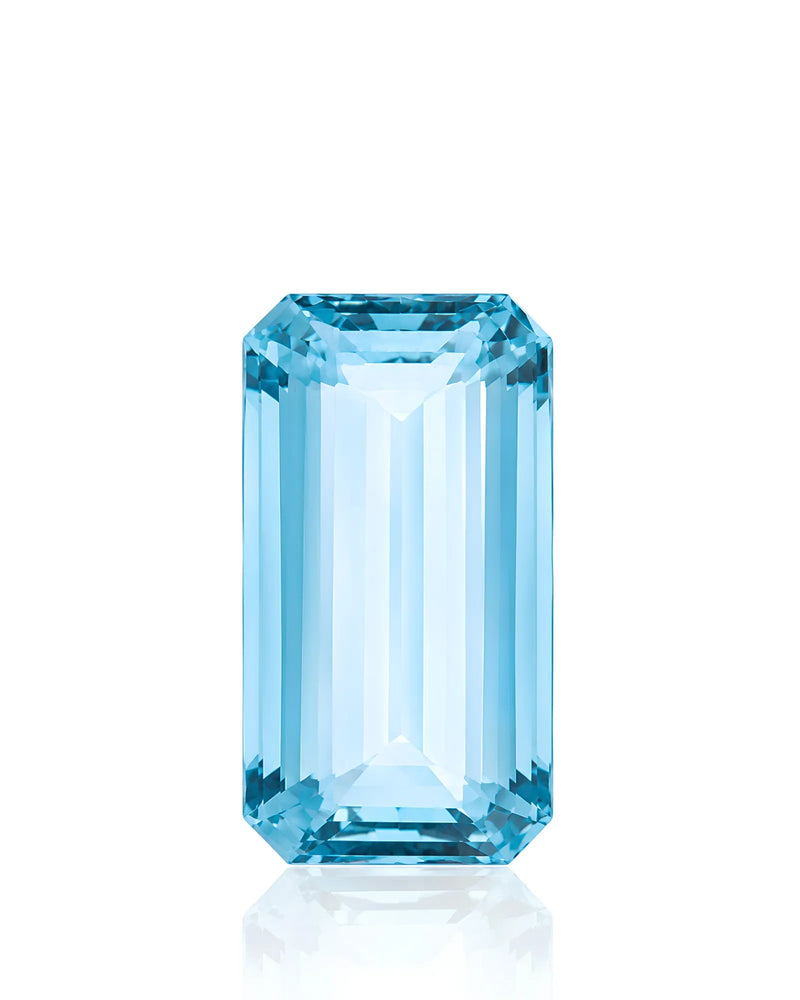 GUILD
GUILD