What Makes a Tourmaline a Paraiba
Copper. That is the whole answer, and it is worth stating plainly because almost everything else about this stone follows from it.
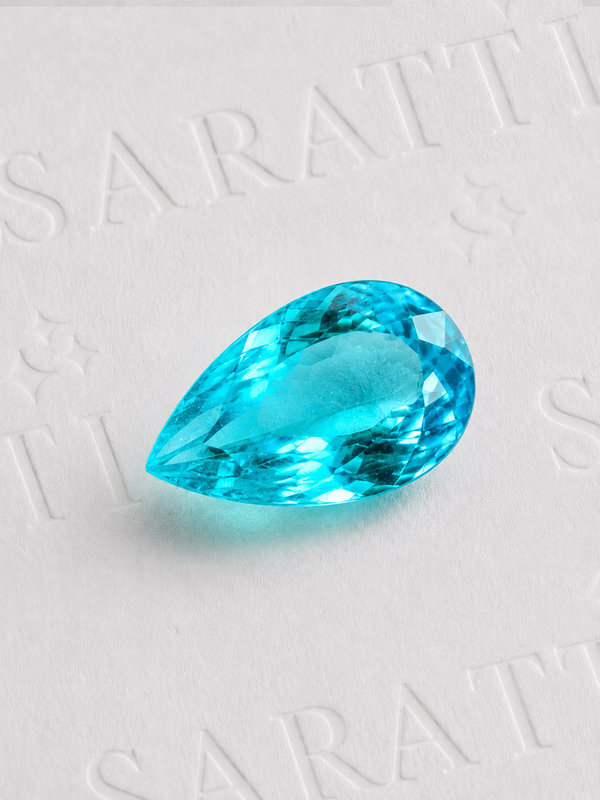
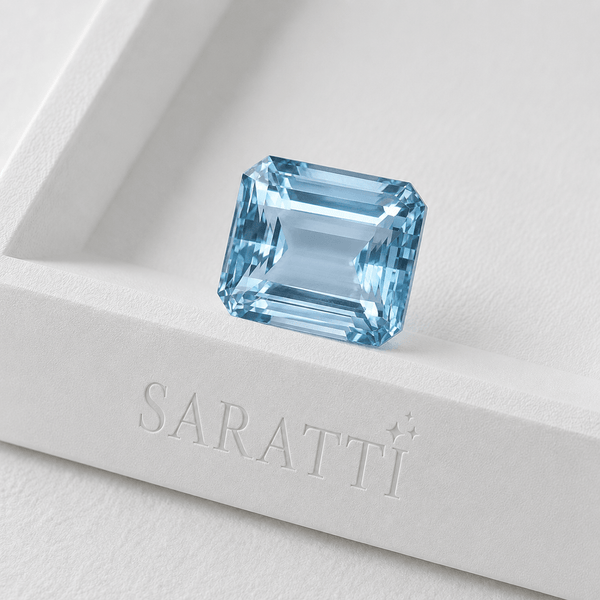
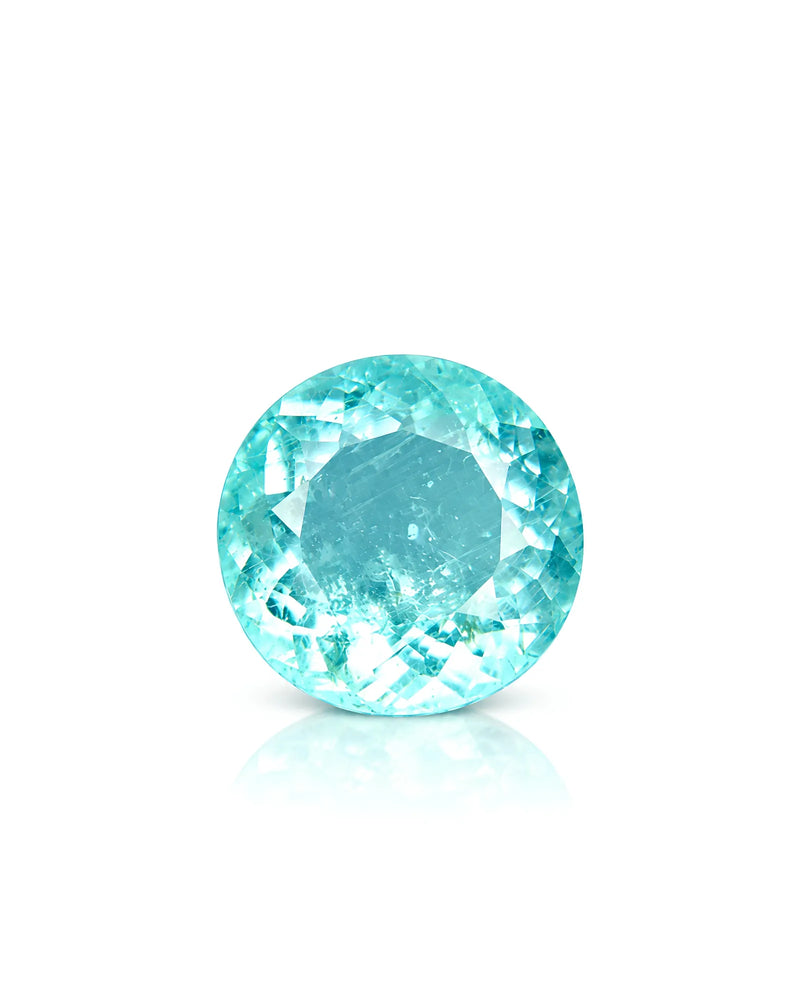
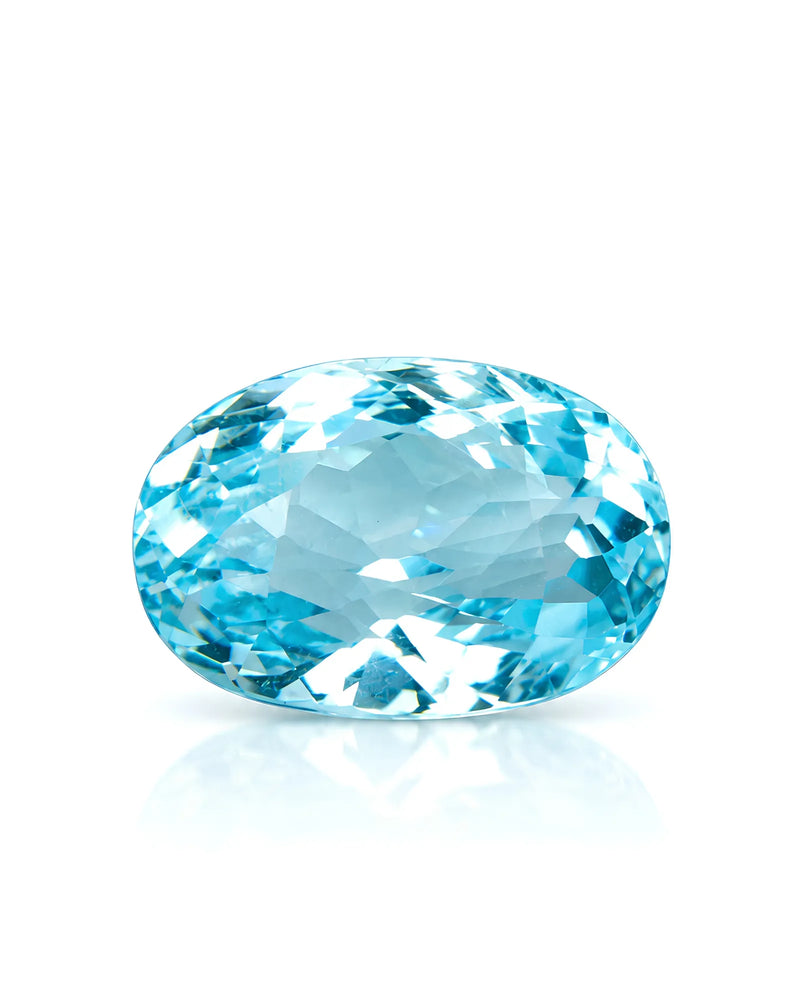
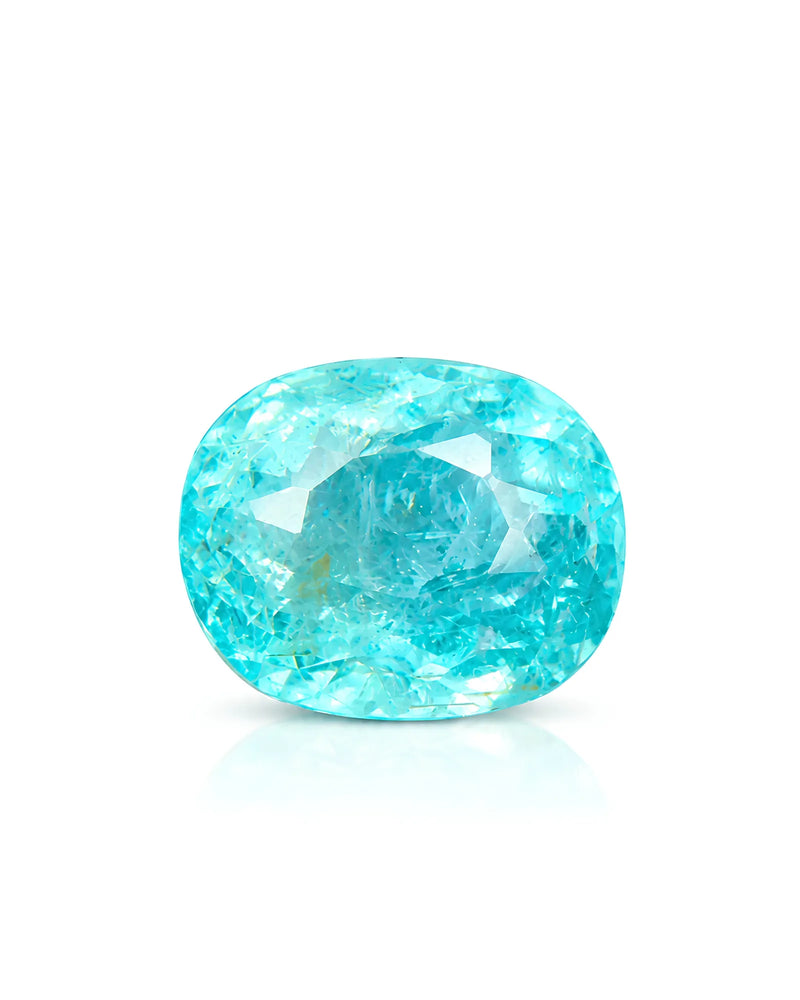
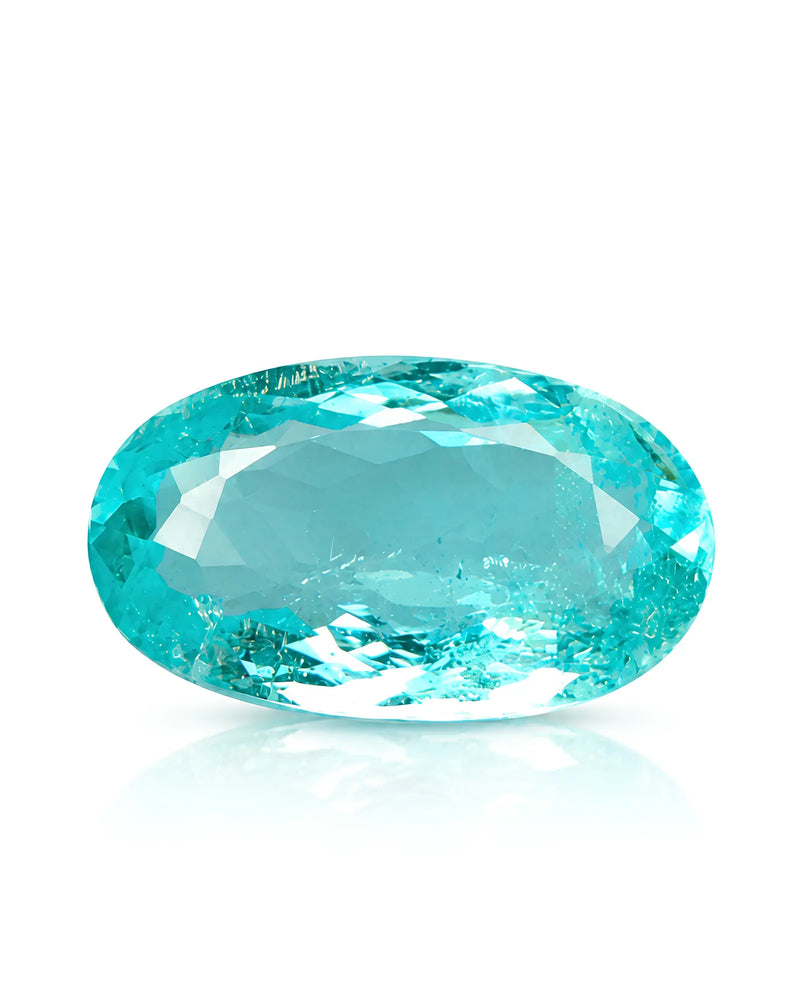
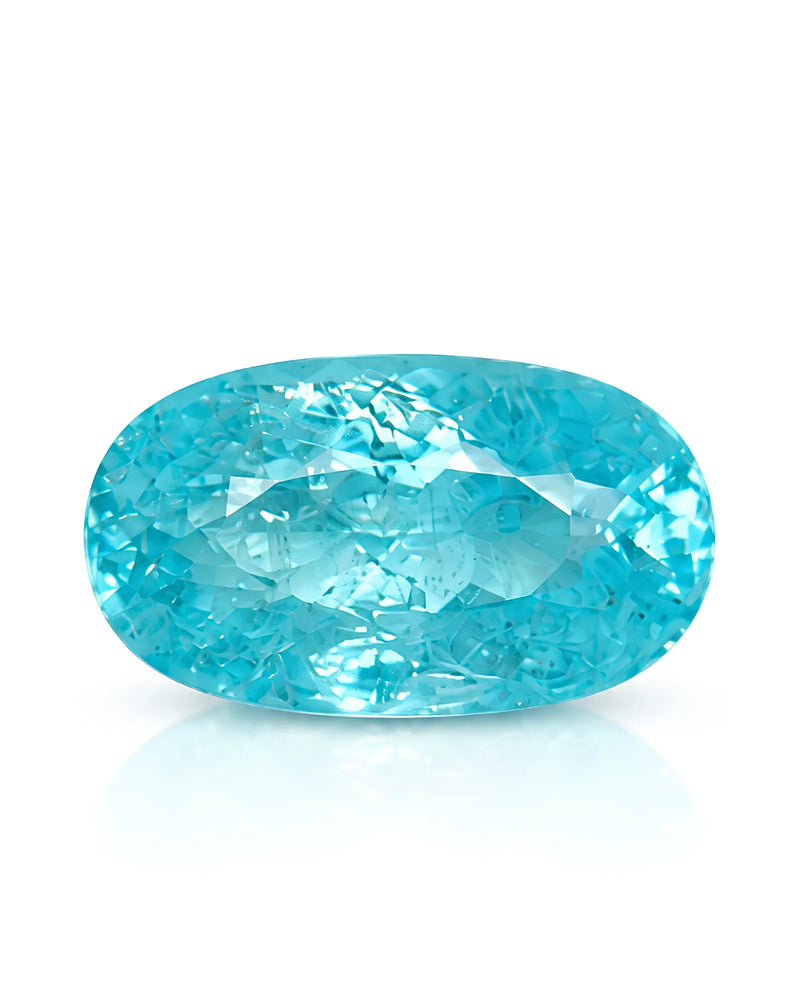
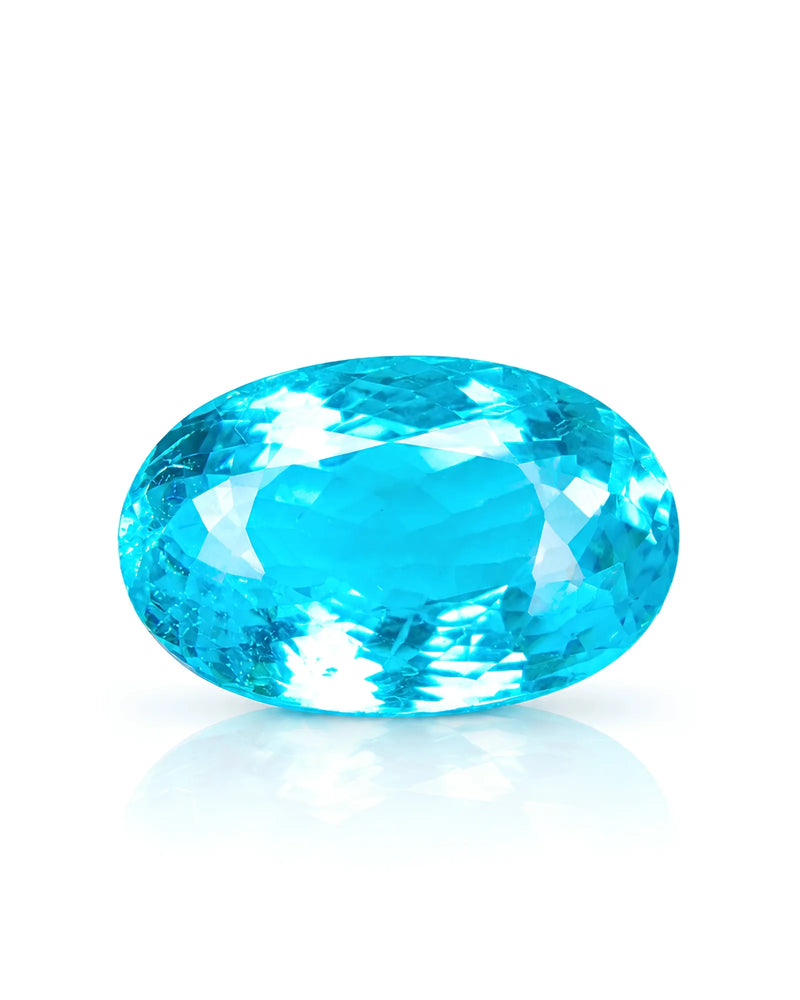
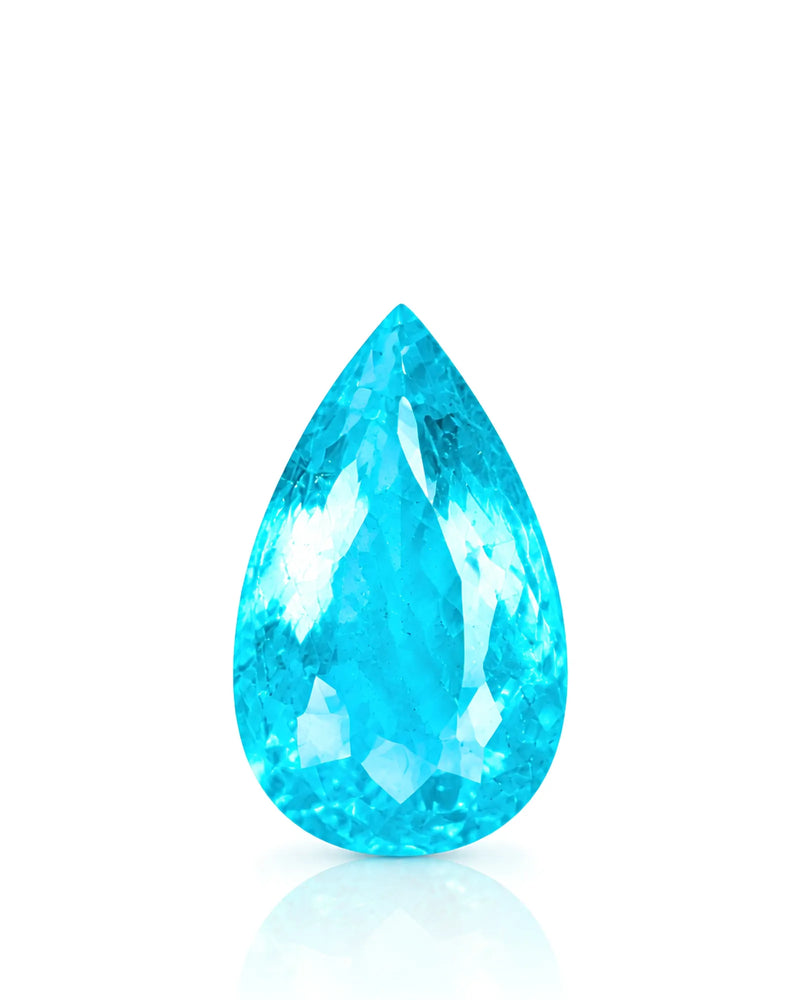
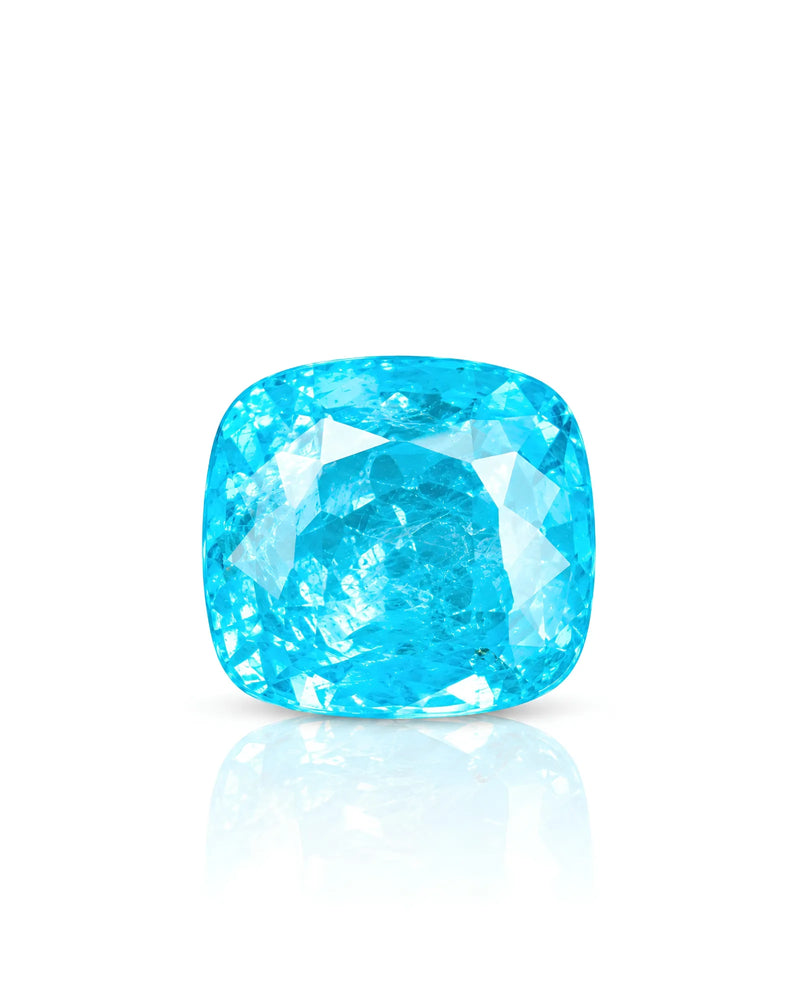
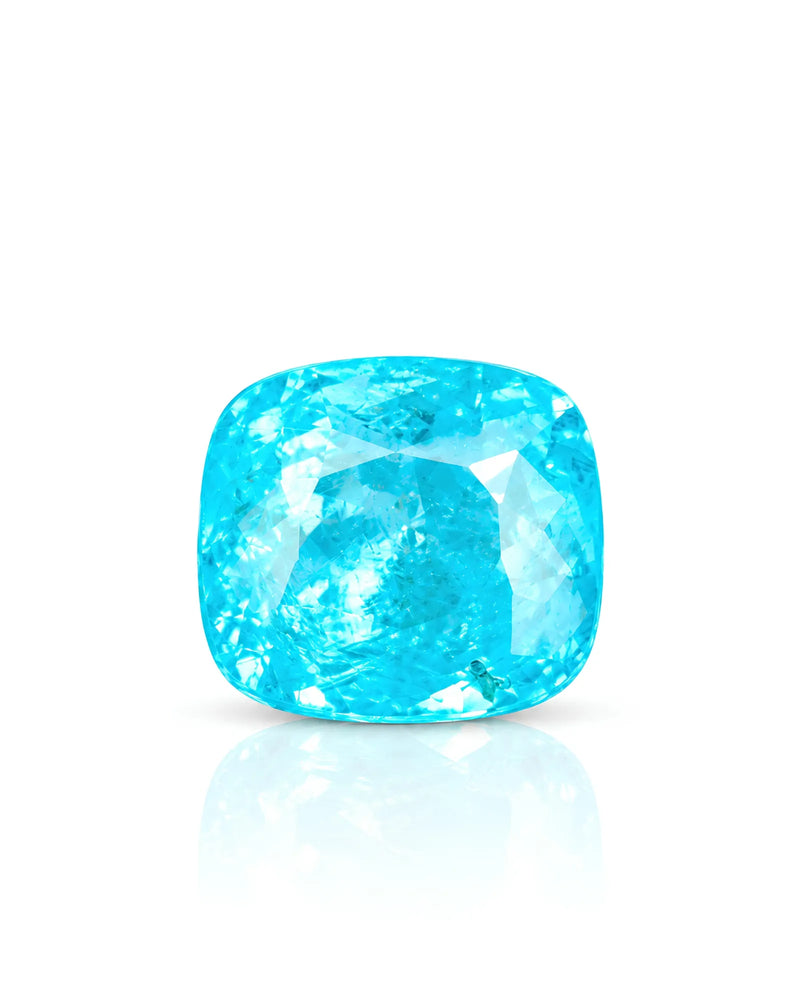
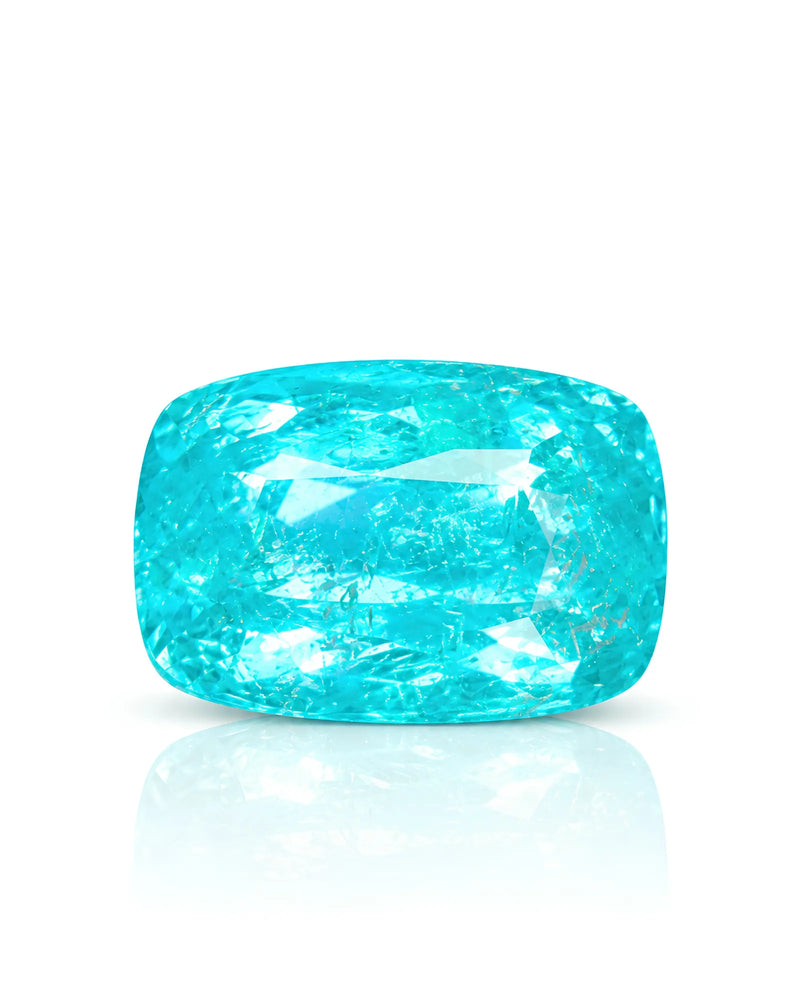
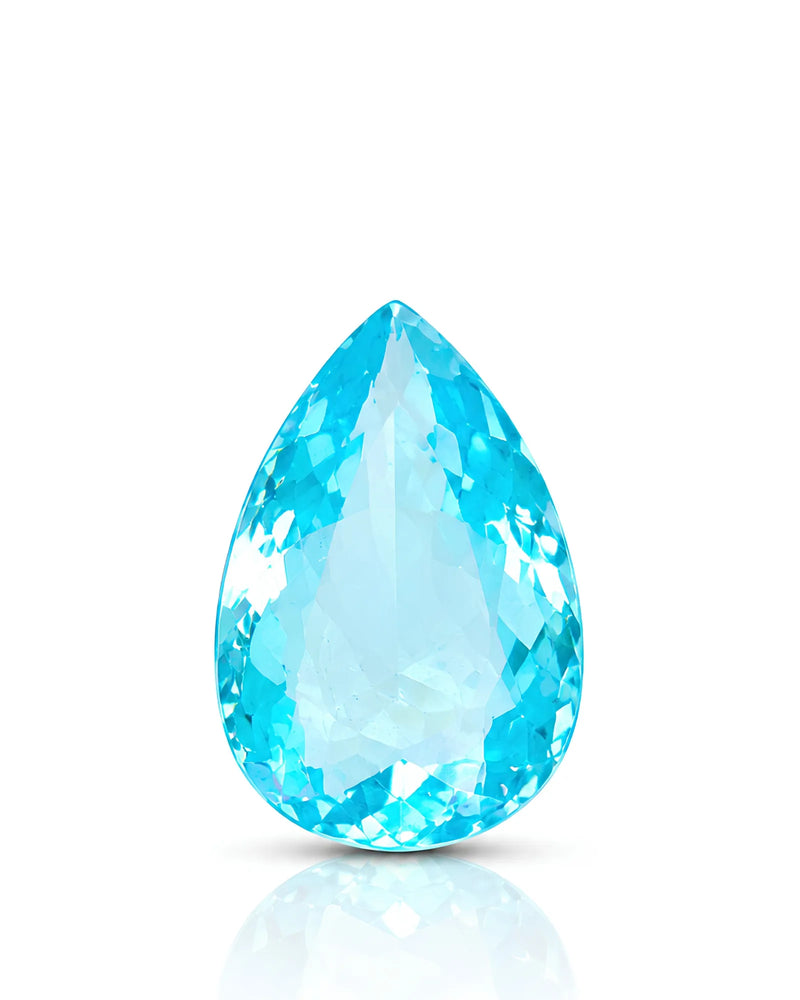
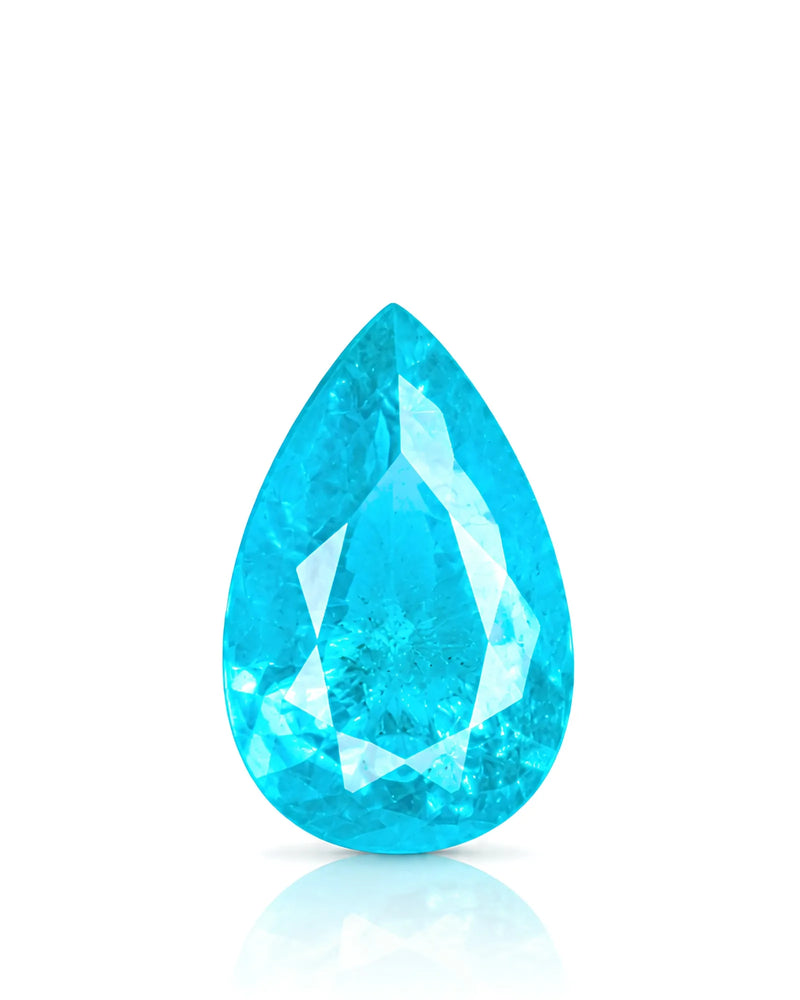
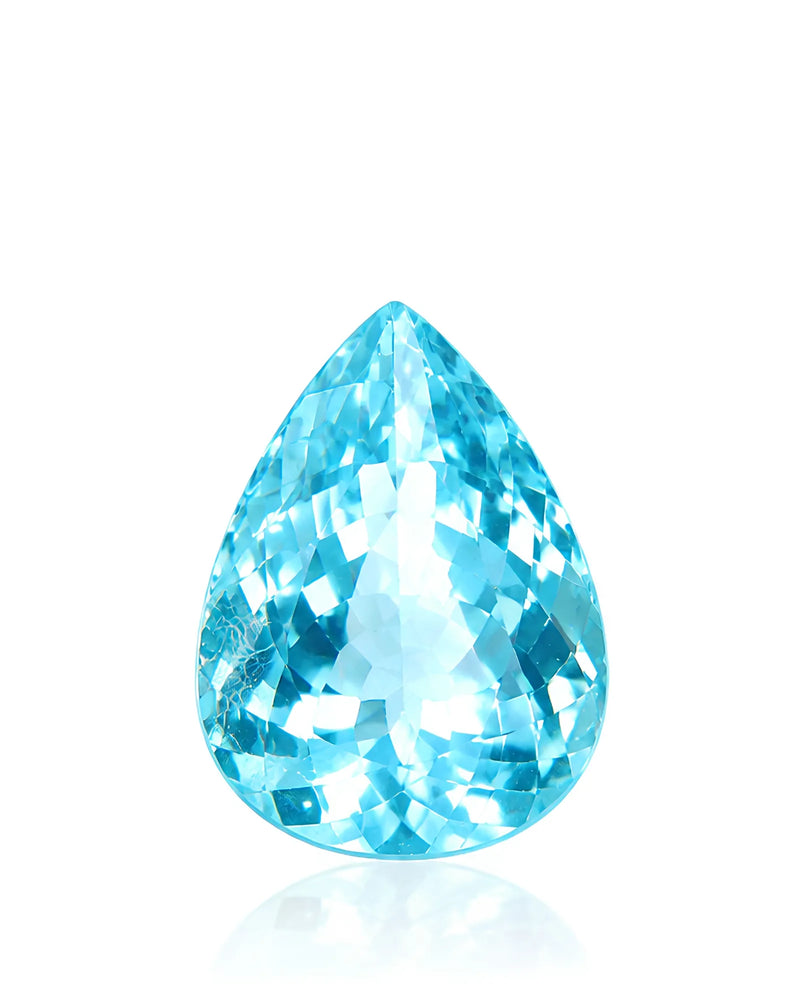
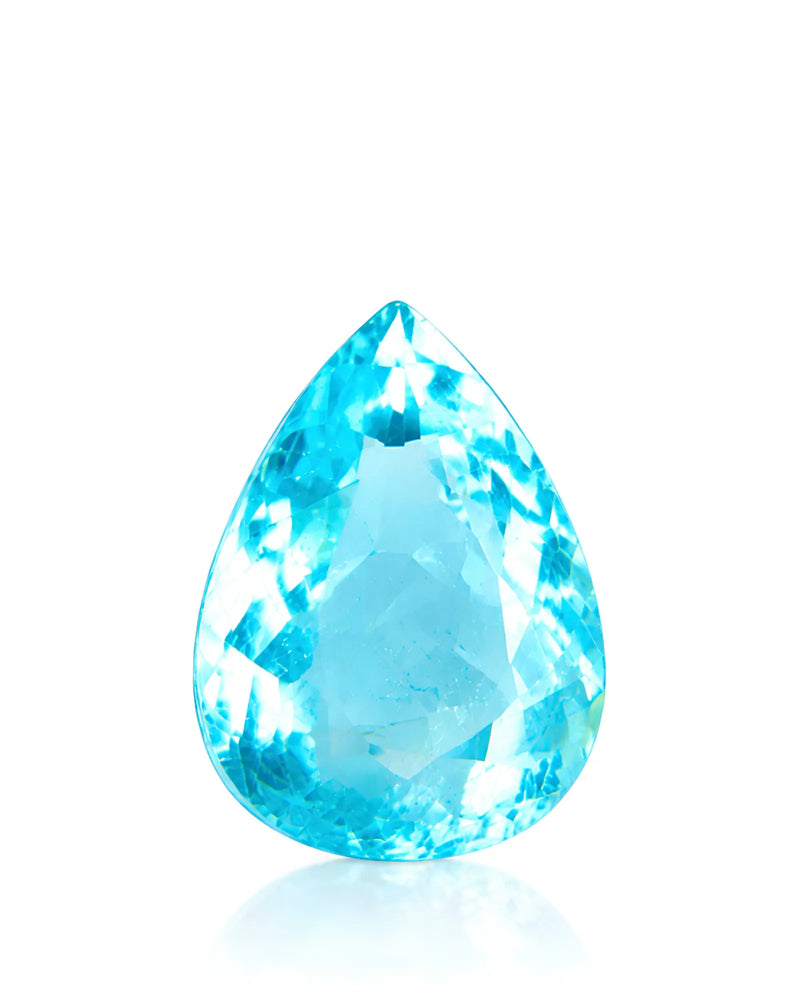
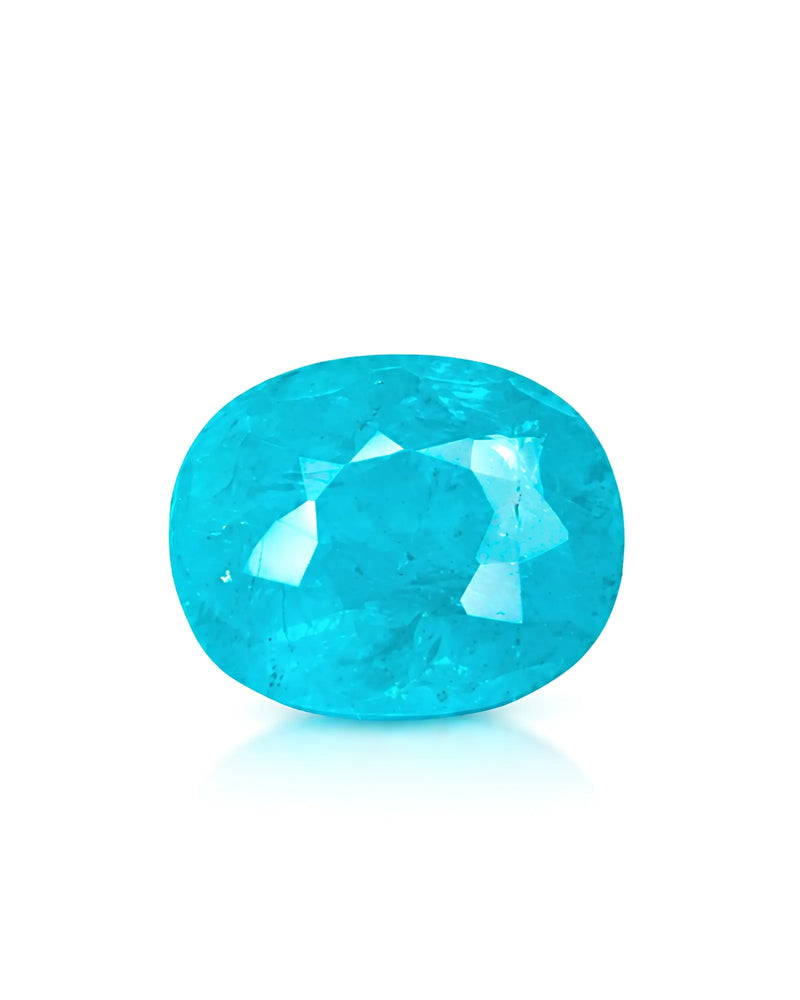
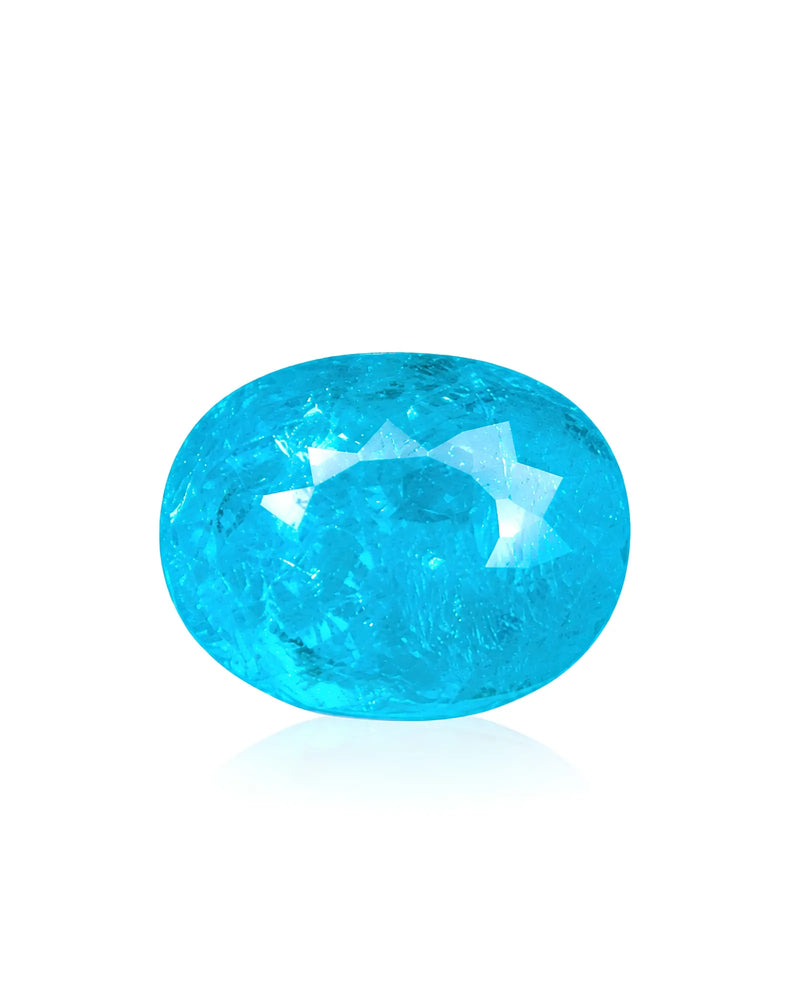
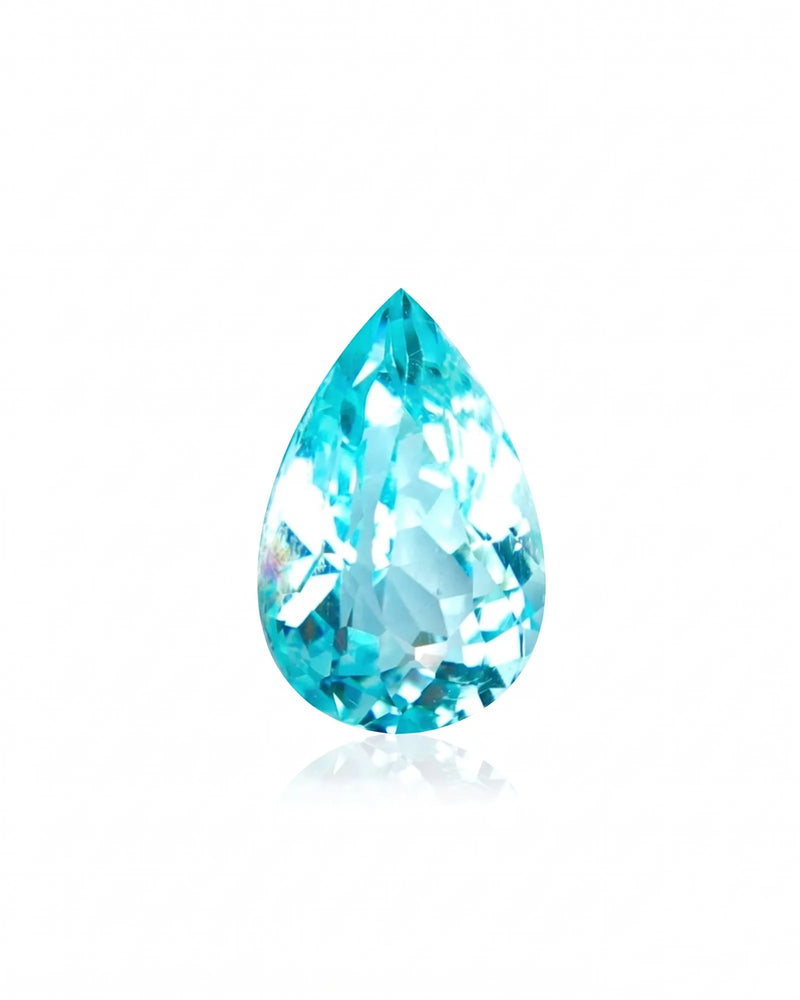
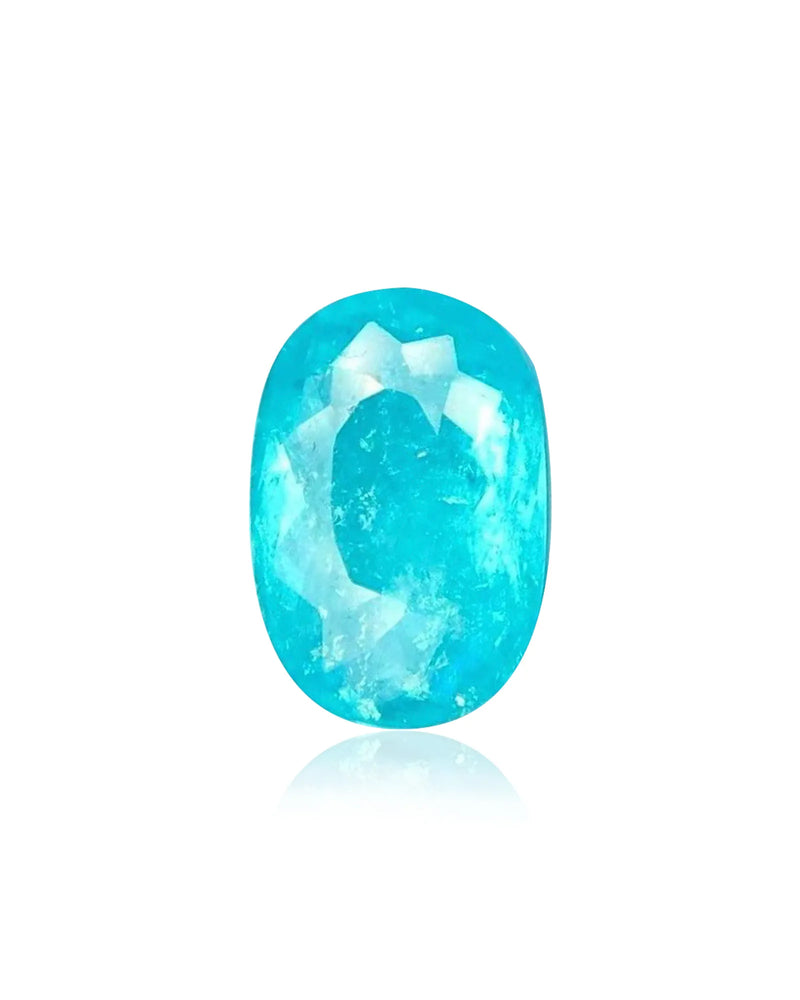
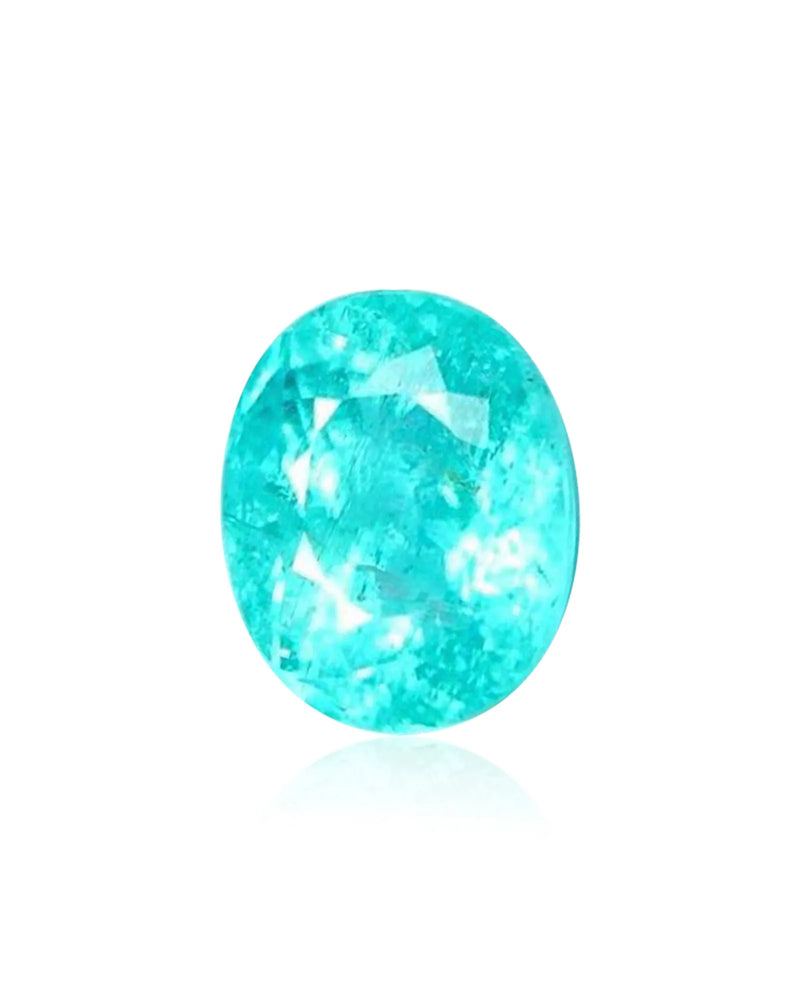
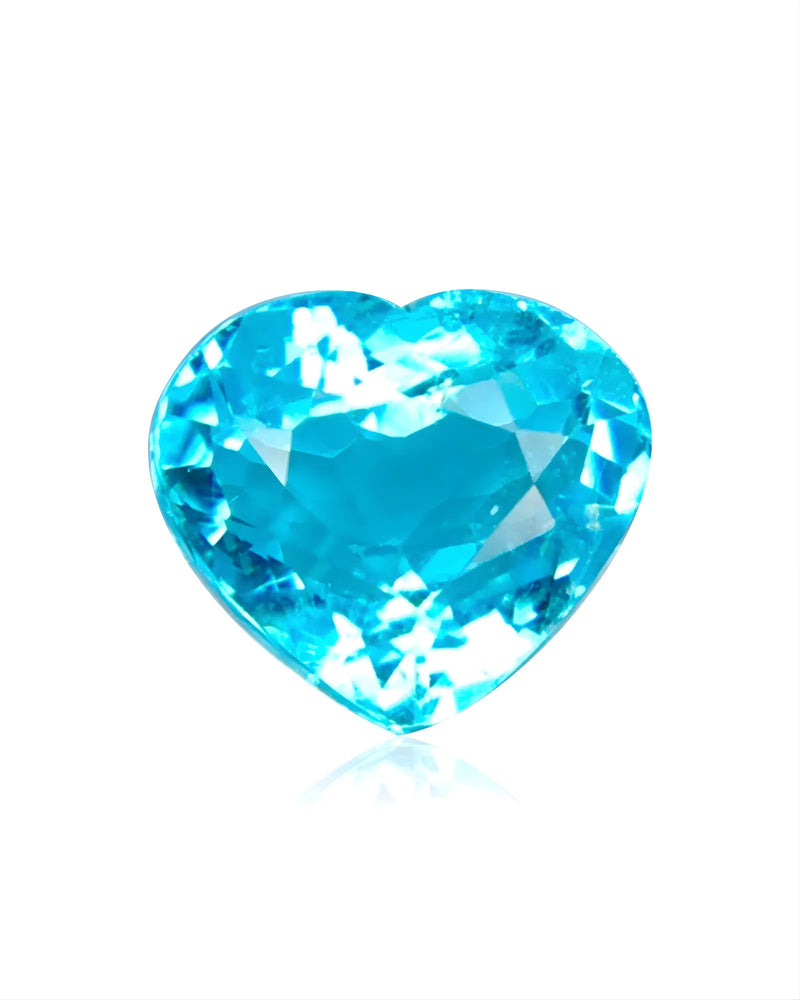
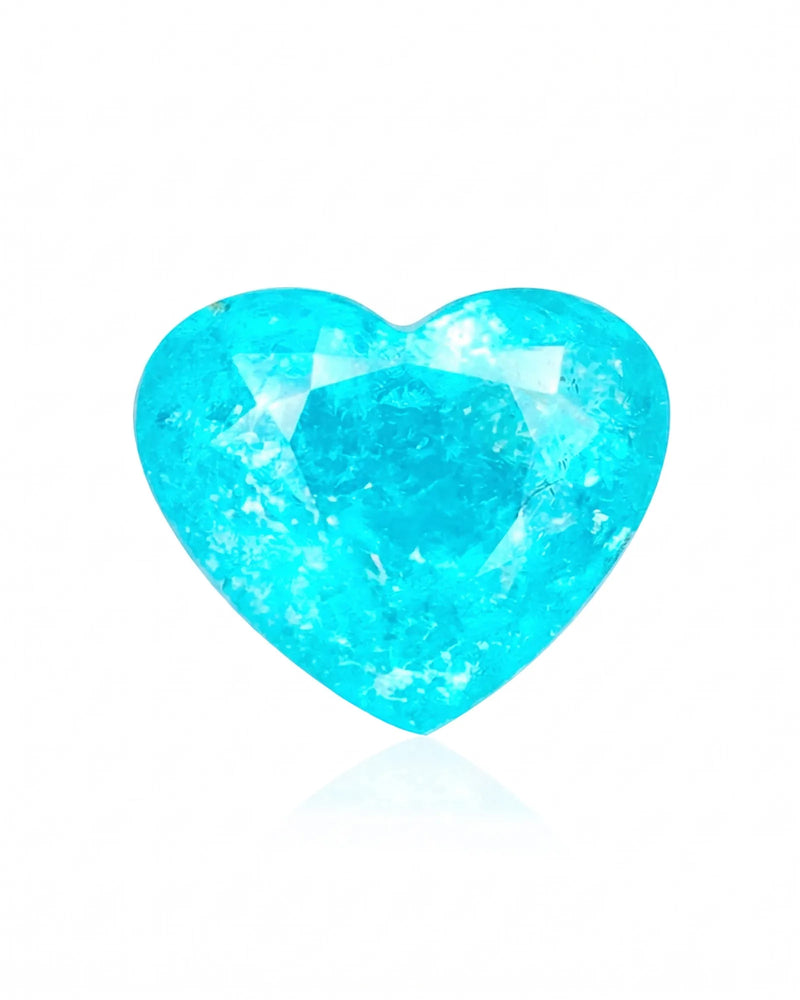
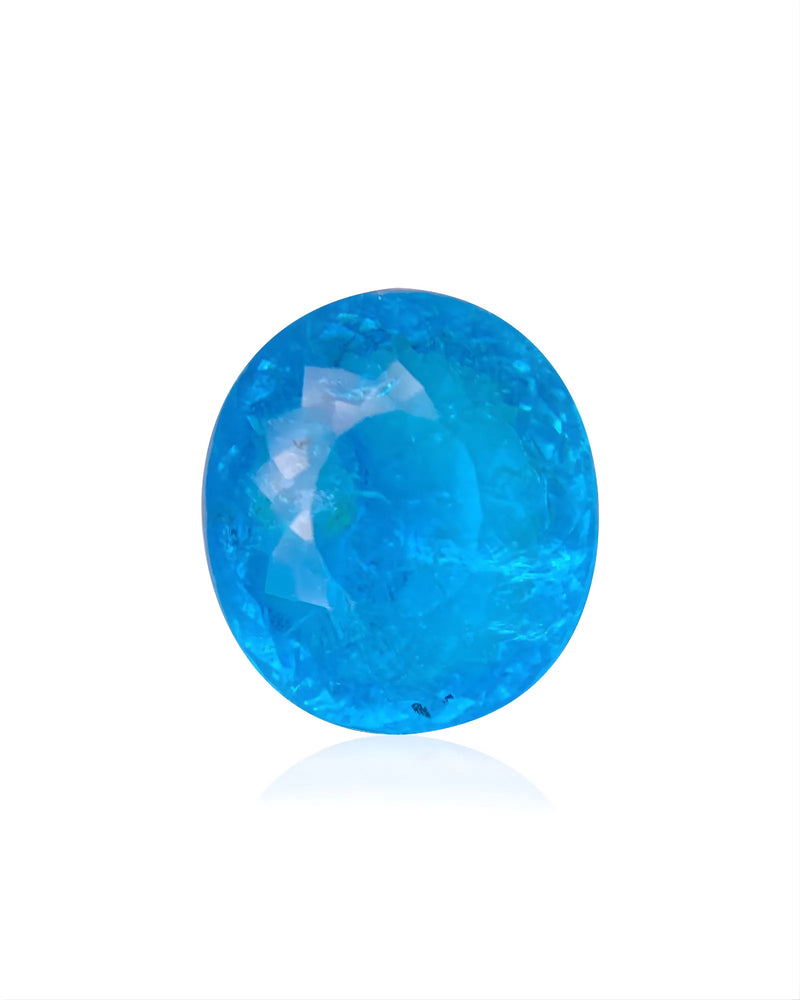
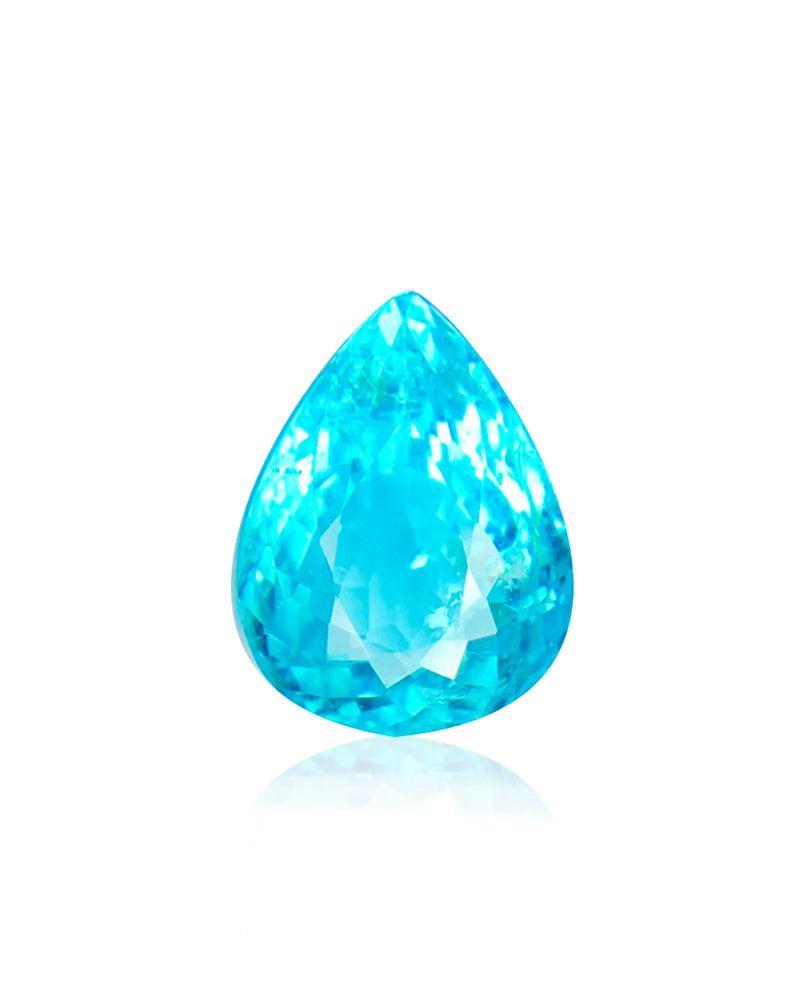
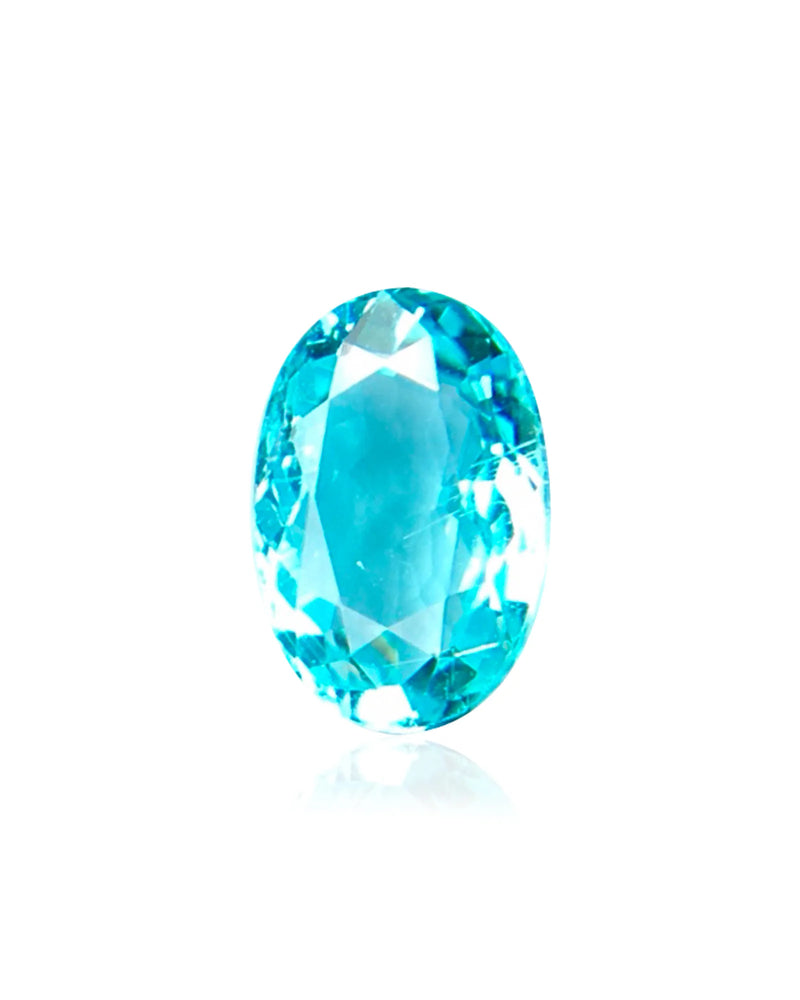
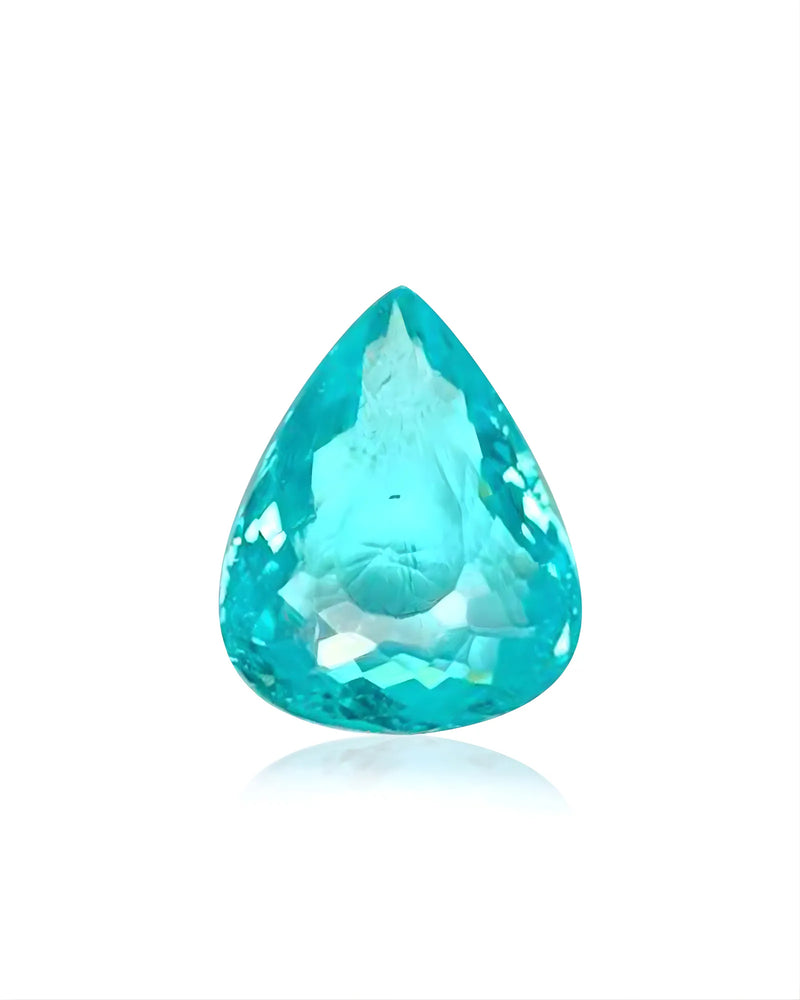
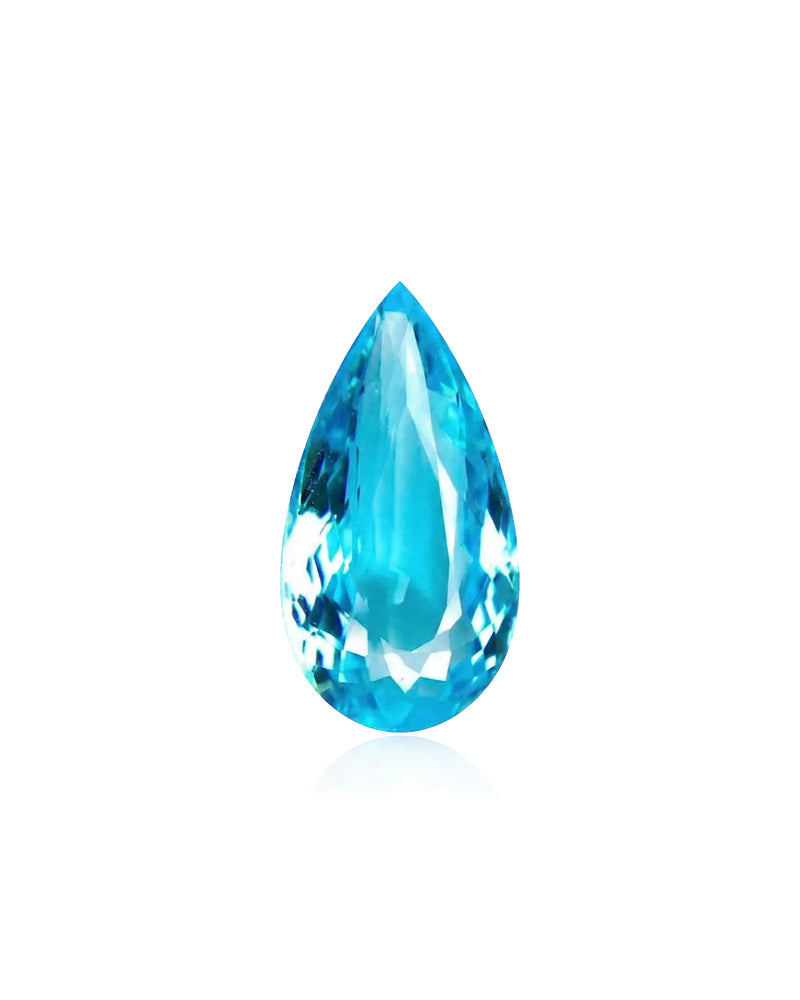
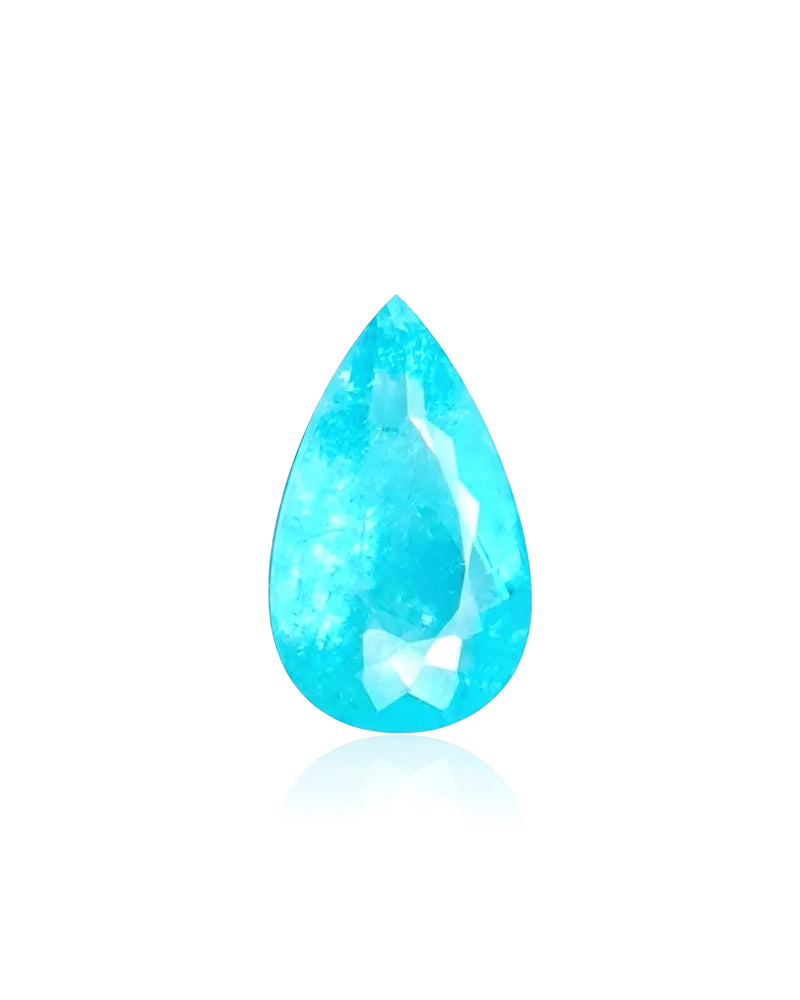
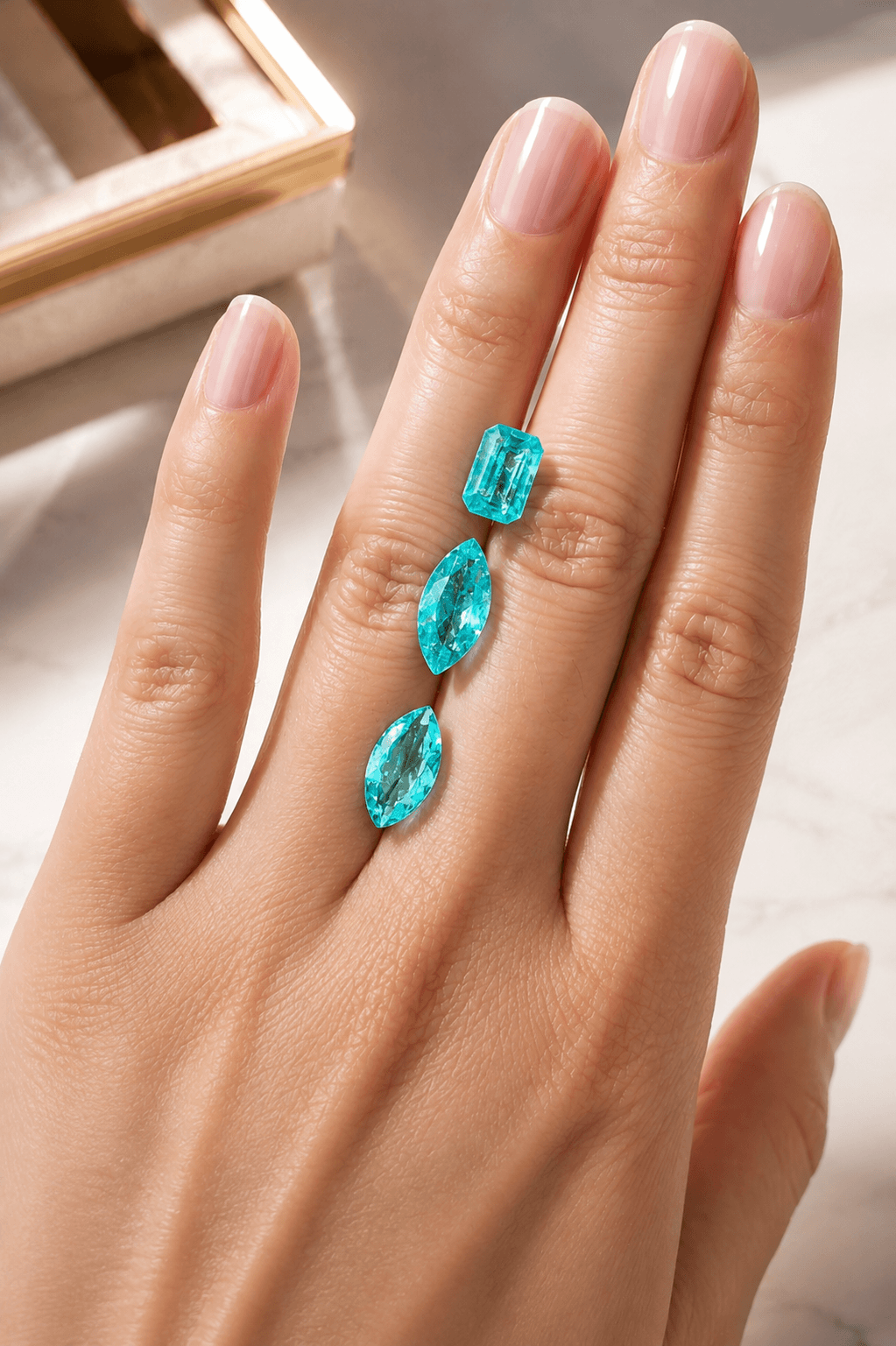
Paraiba tourmaline is copper-bearing elbaite — a tourmaline whose colour comes from copper and manganese rather than the iron, chromium or vanadium that colour every other member of the family. Copper produces something no other gemstone does: a blue to blue-green that appears to be lit from within, so intense that the trade simply calls it neon. Placed beside a fine aquamarine or an indicolite tourmaline, a Paraiba does not look like a better version of them. It looks like a different kind of thing.
The story begins in the late 1980s in the Brazilian state of Paraíba, where a prospector named Heitor Dimas Barbosa spent years digging through the hills at Mina da Batalha on the conviction that something extraordinary was underneath. He was right. The first stones reached the market in 1989 and prices moved within months from hundreds of dollars per carat into the thousands. It remains one of the shortest routes from discovery to legend in the history of the trade.
The Brazilian deposits were small and are now largely exhausted. What follows from that scarcity governs everything about how Paraiba is bought and sold.
The Colour, and the Words Used for It
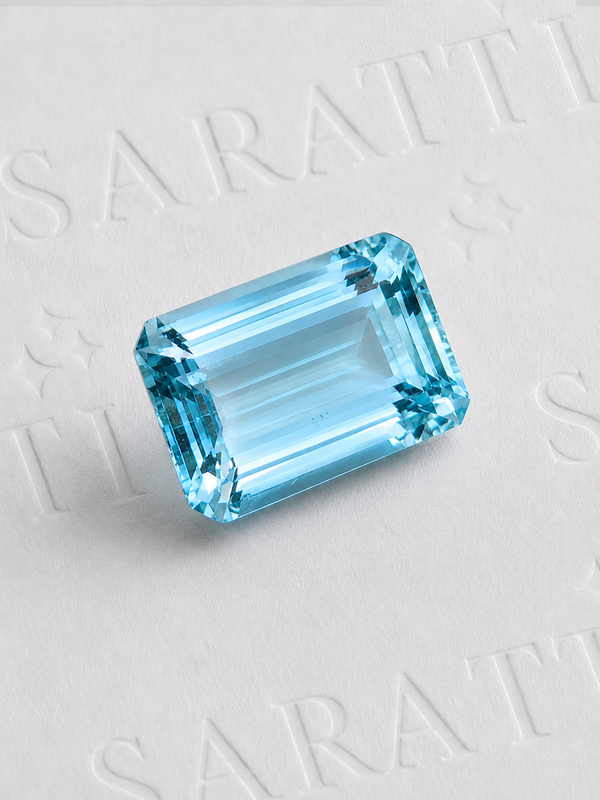
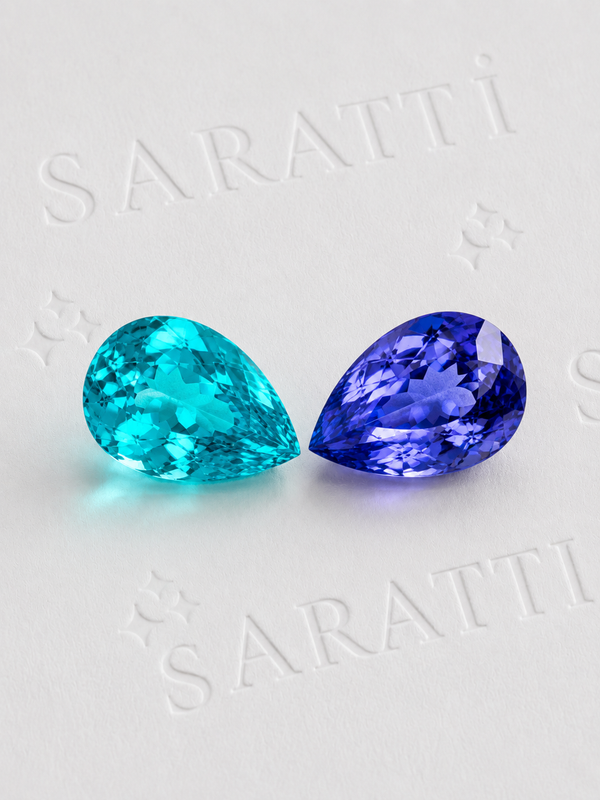
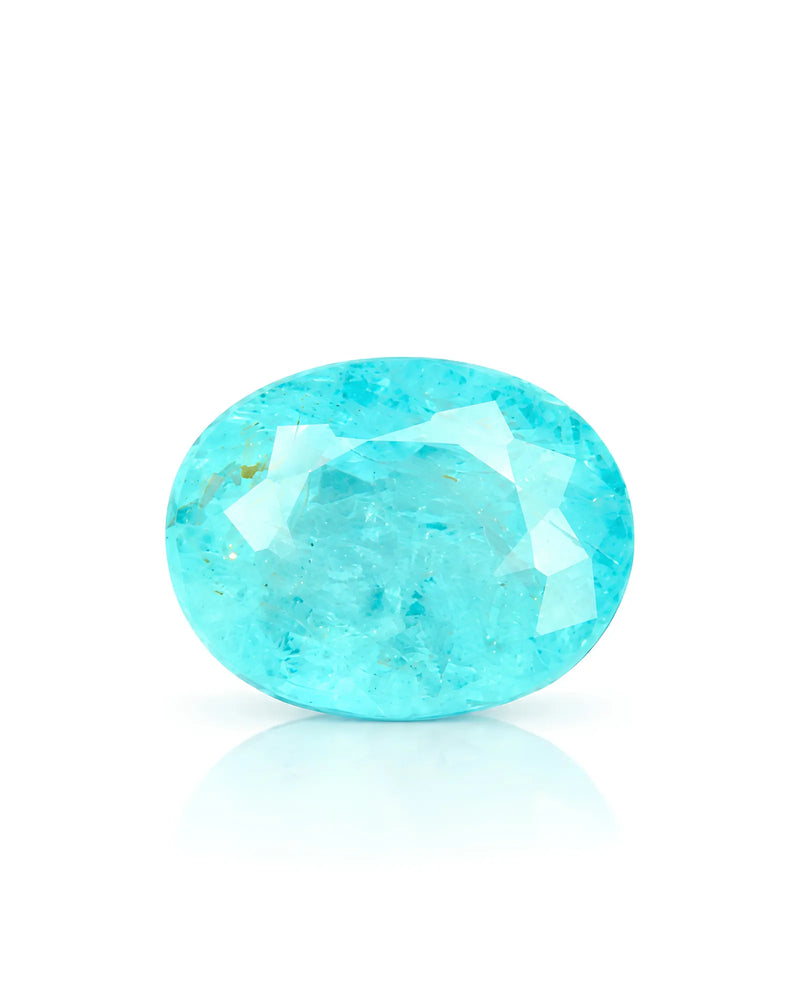
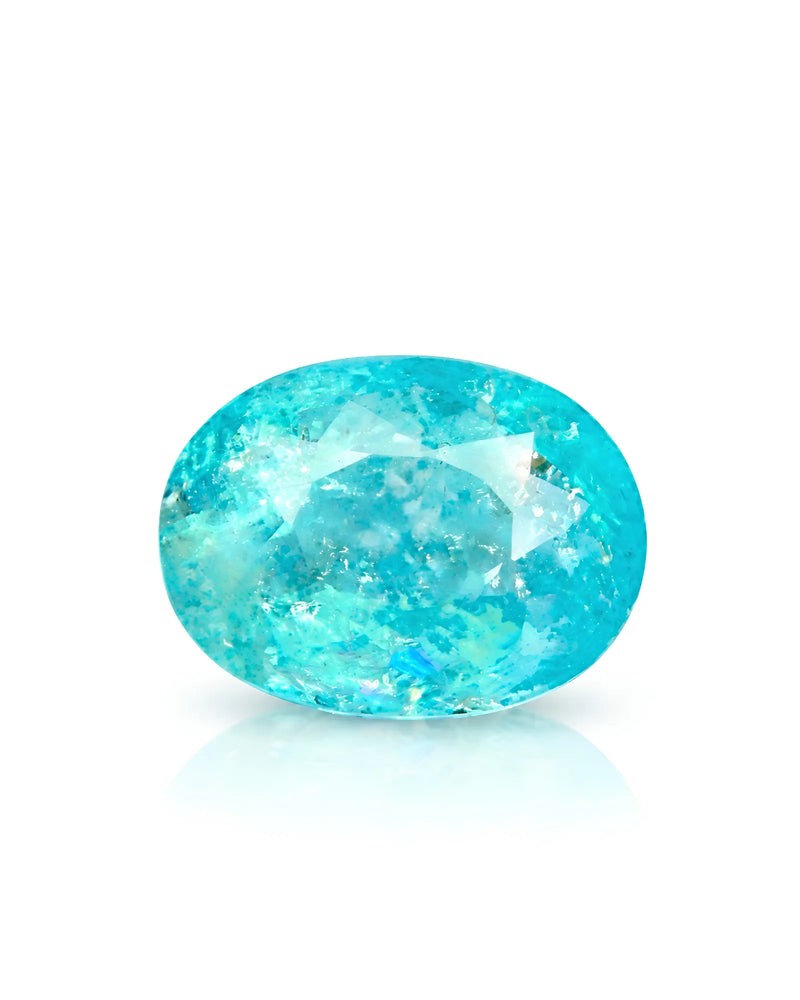
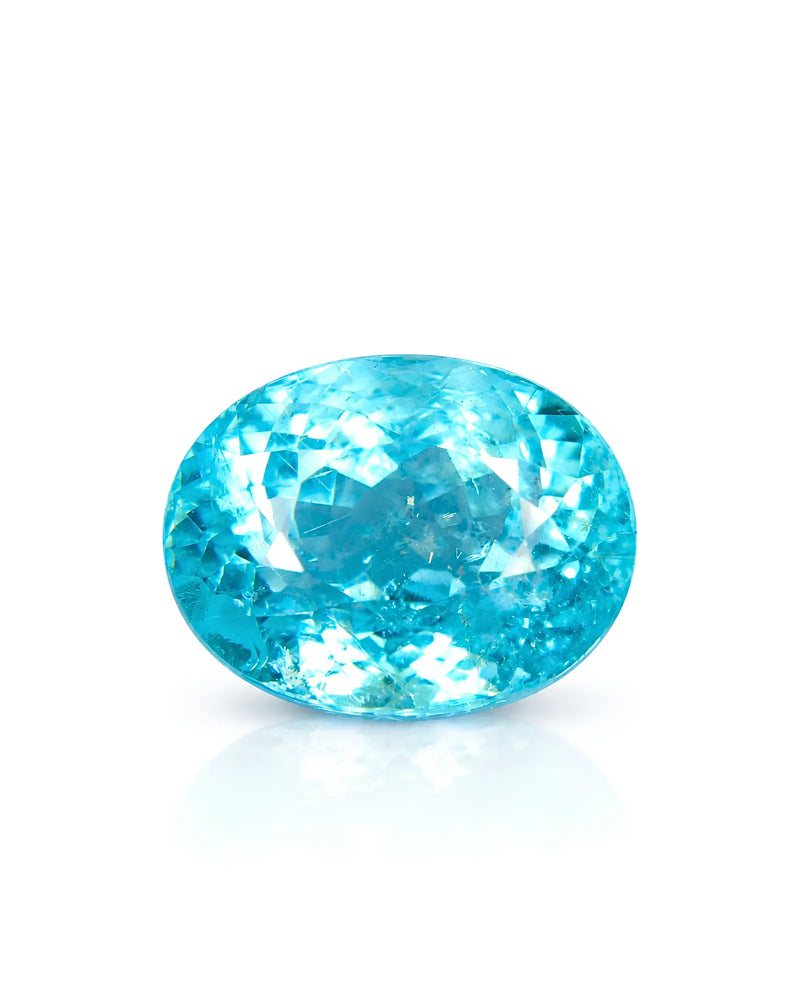
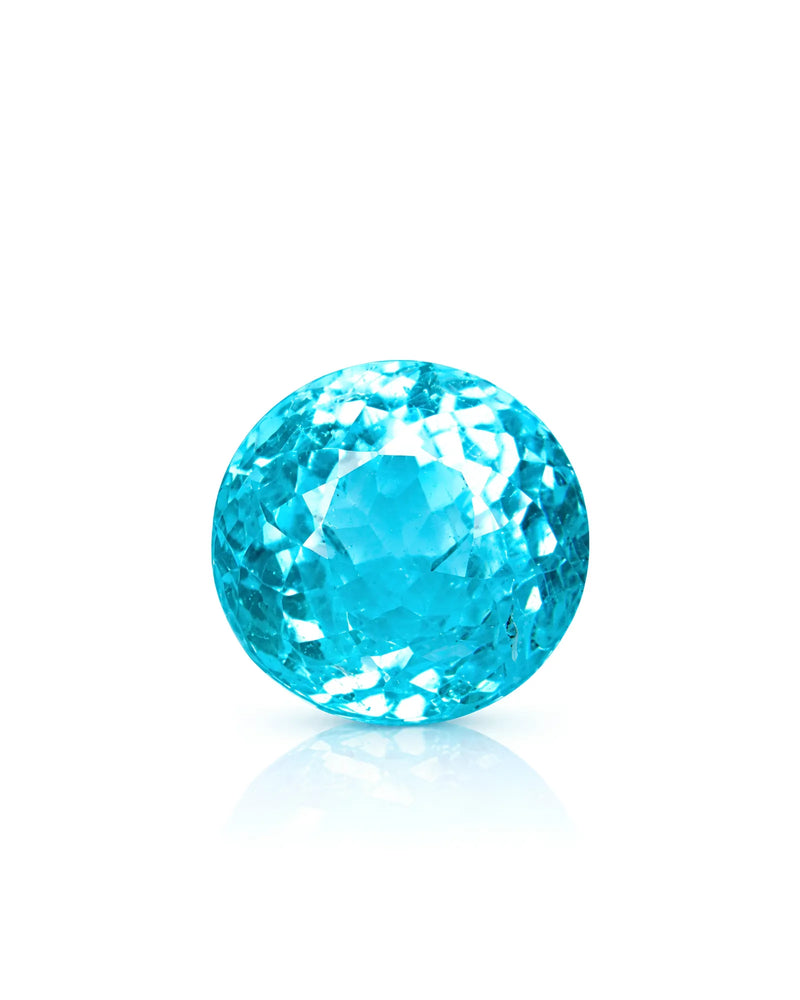
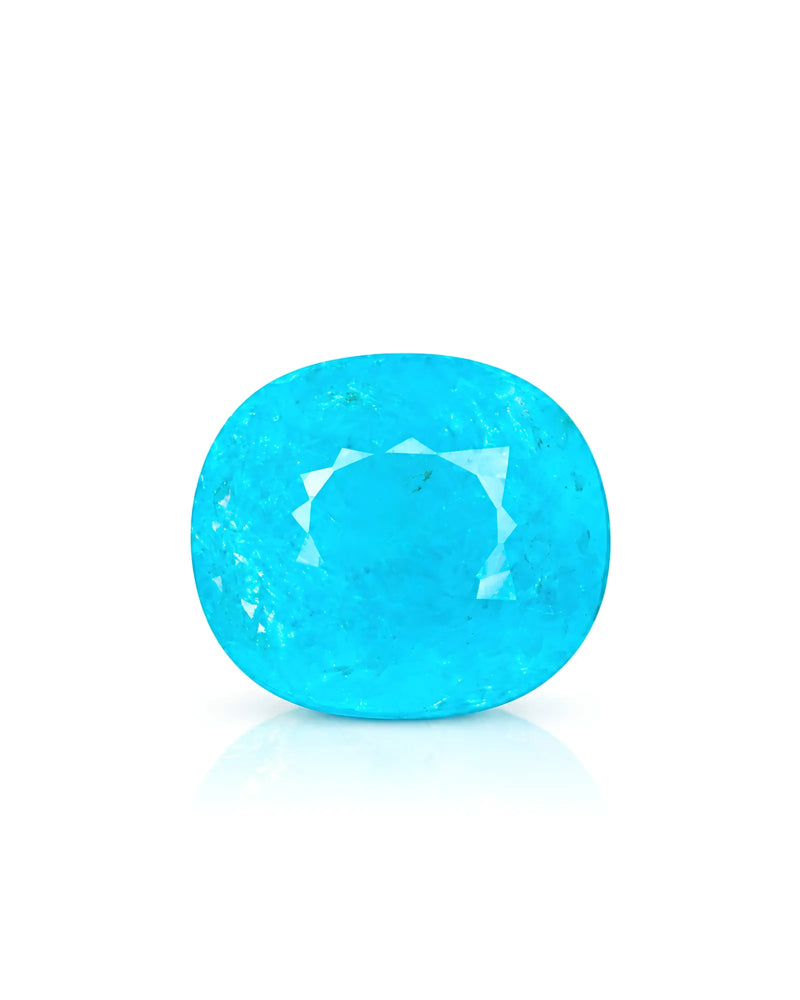
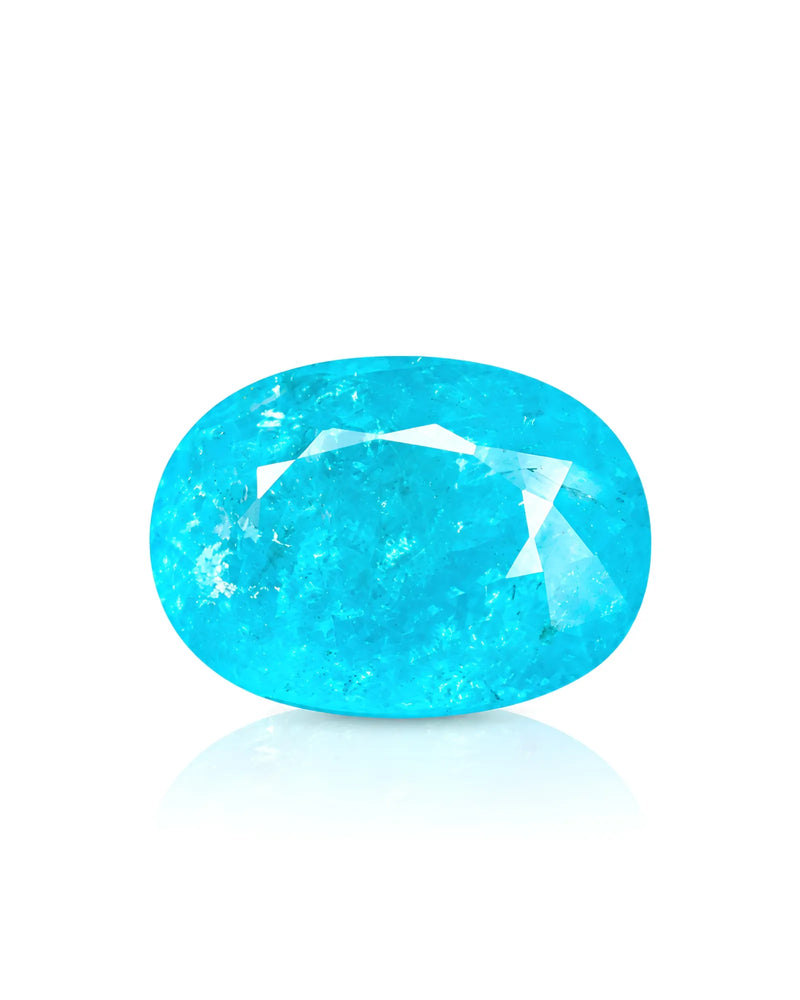
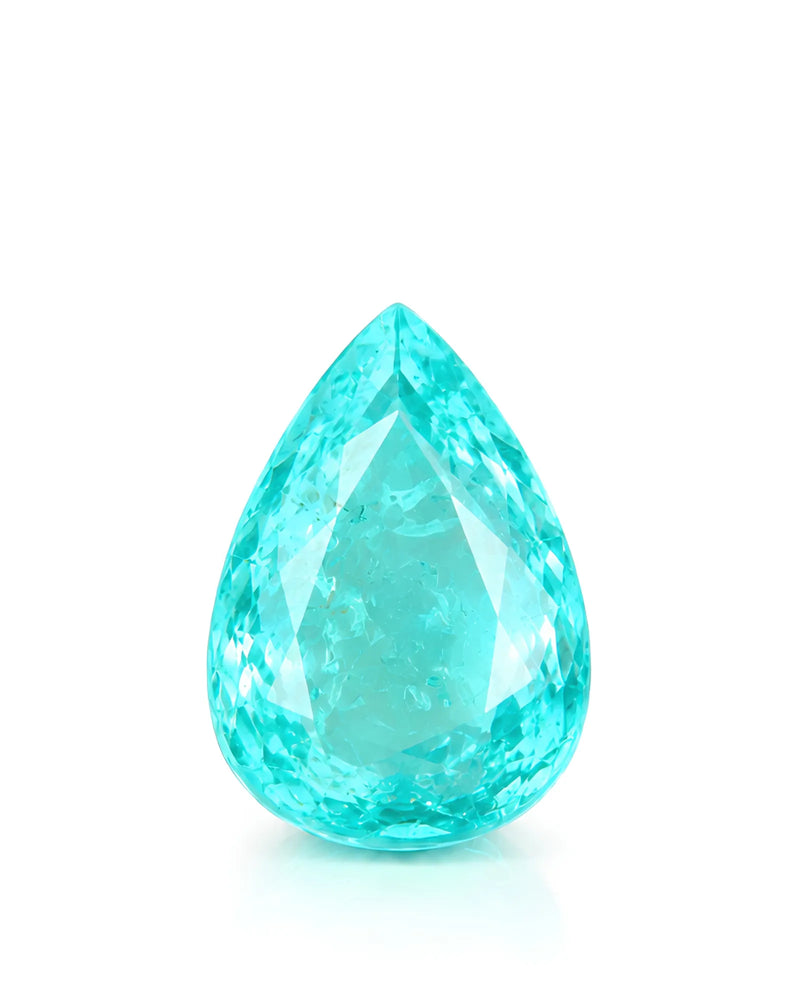
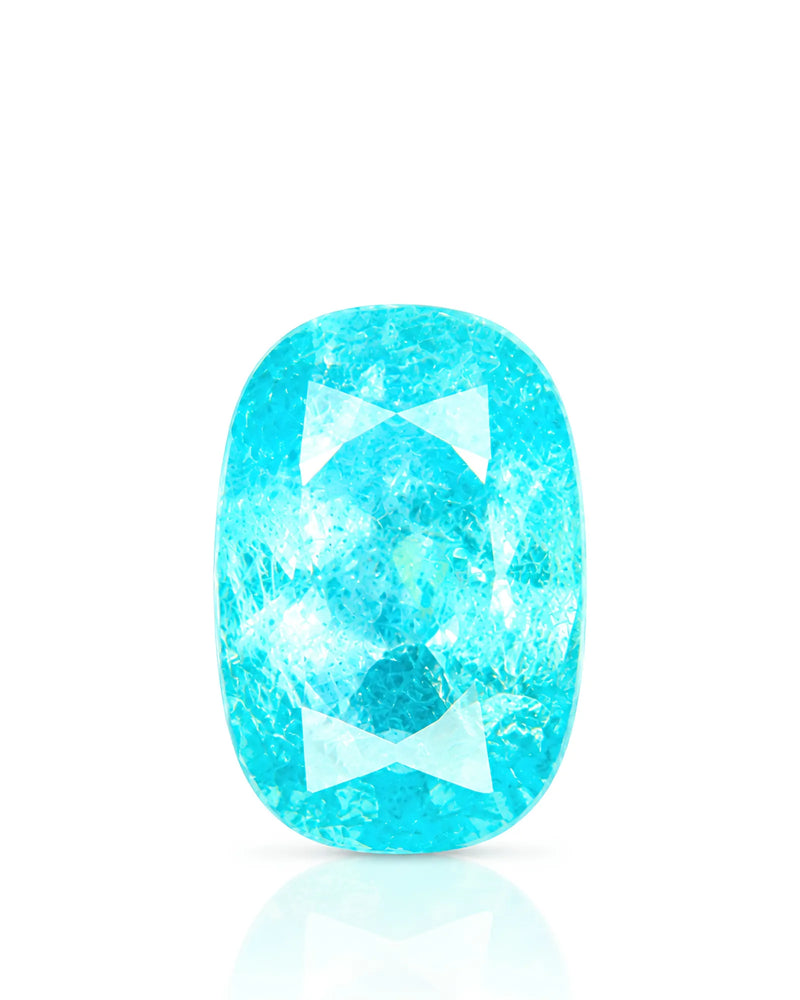
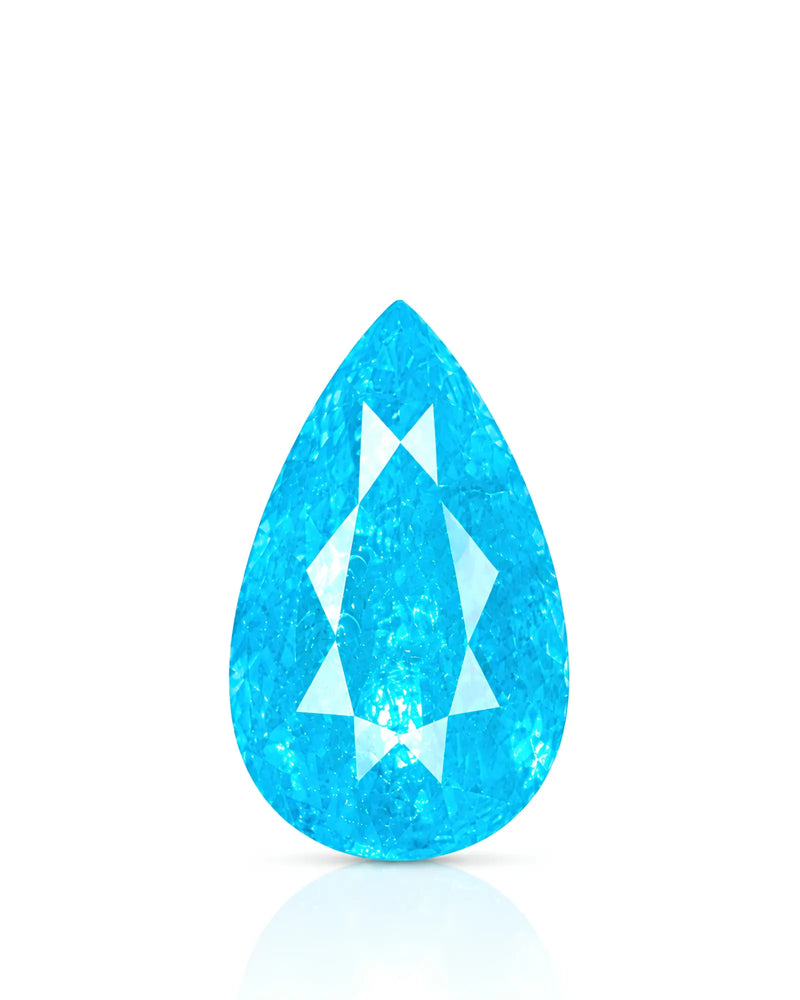
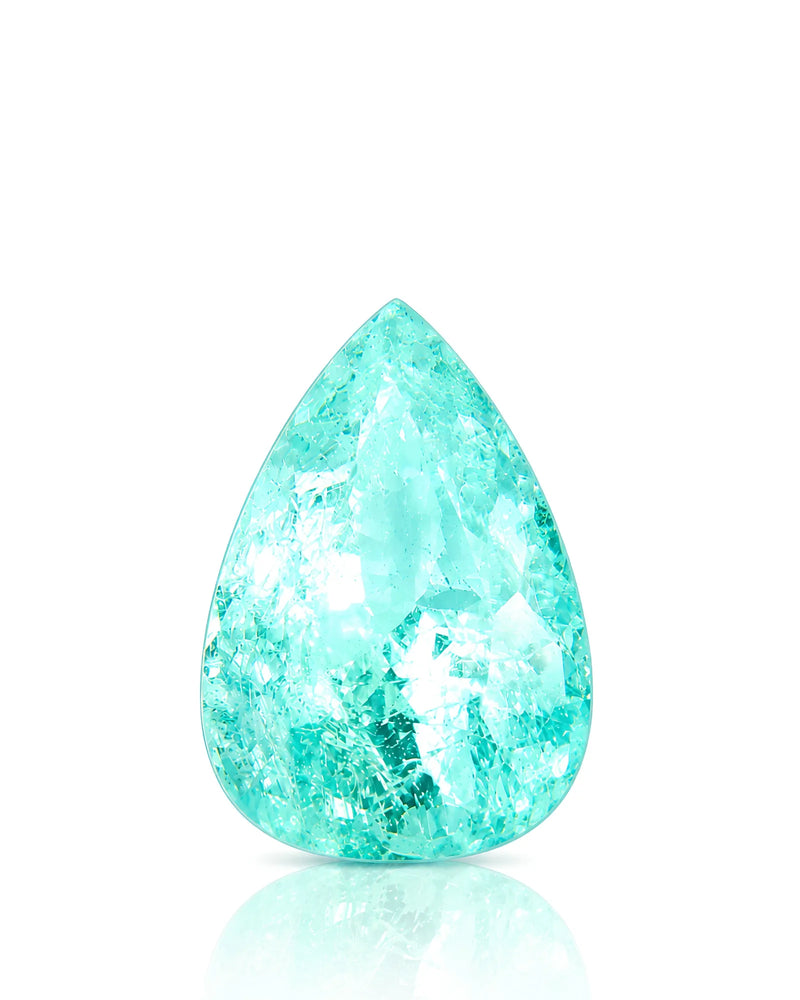
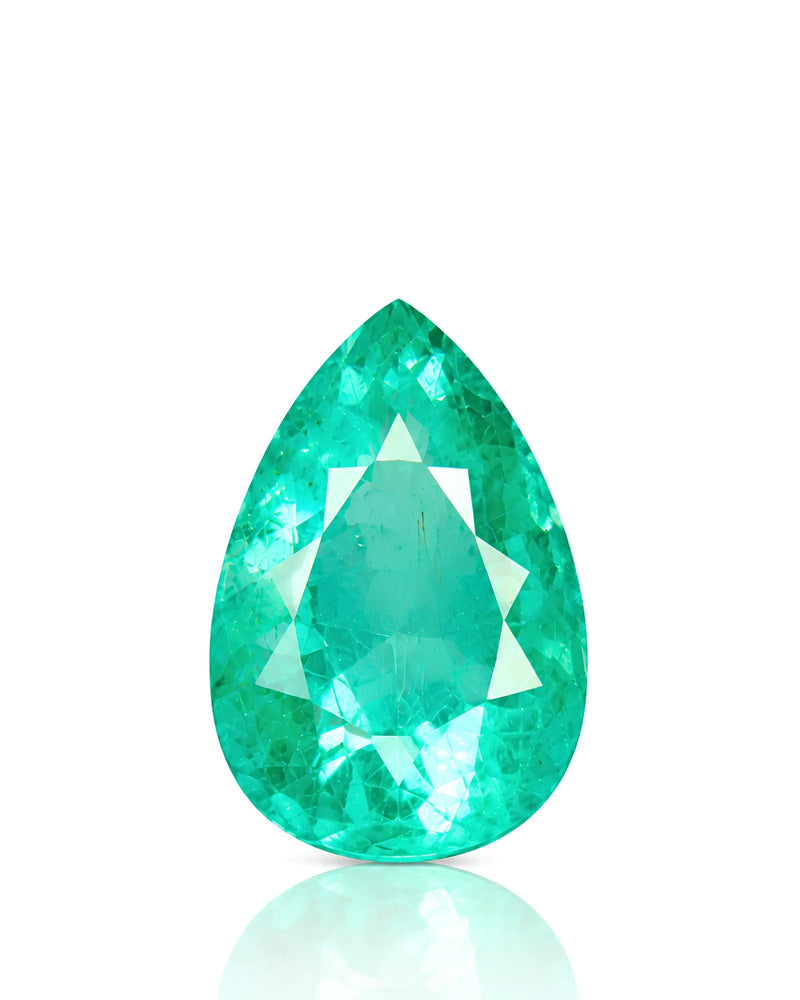
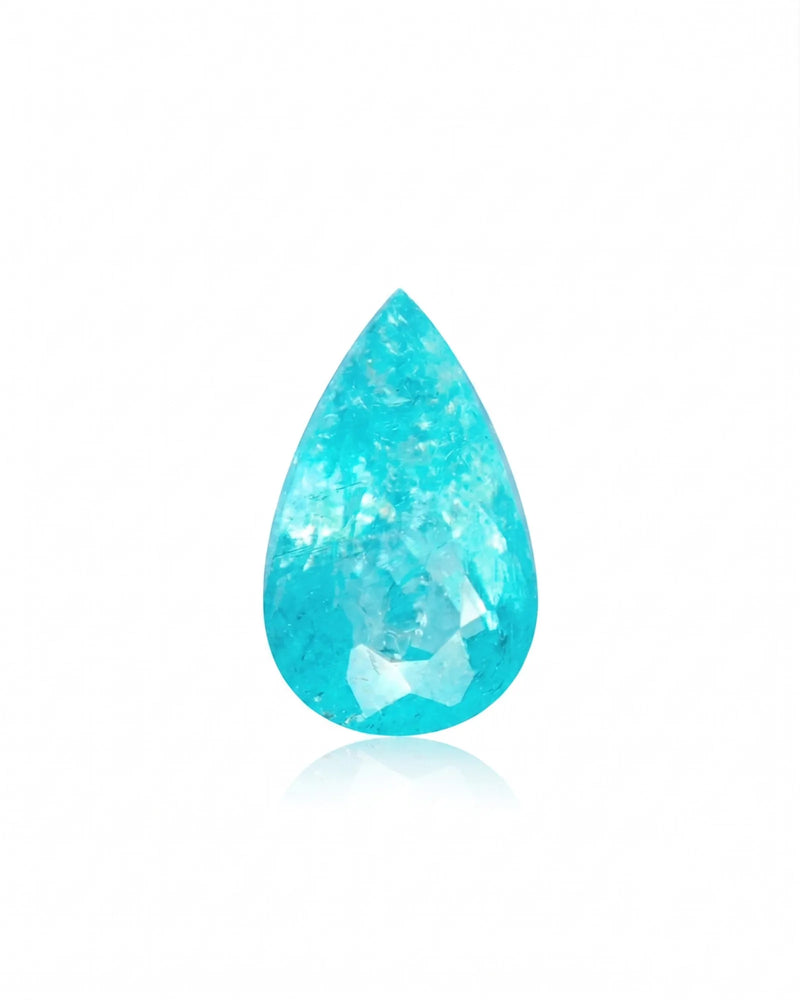
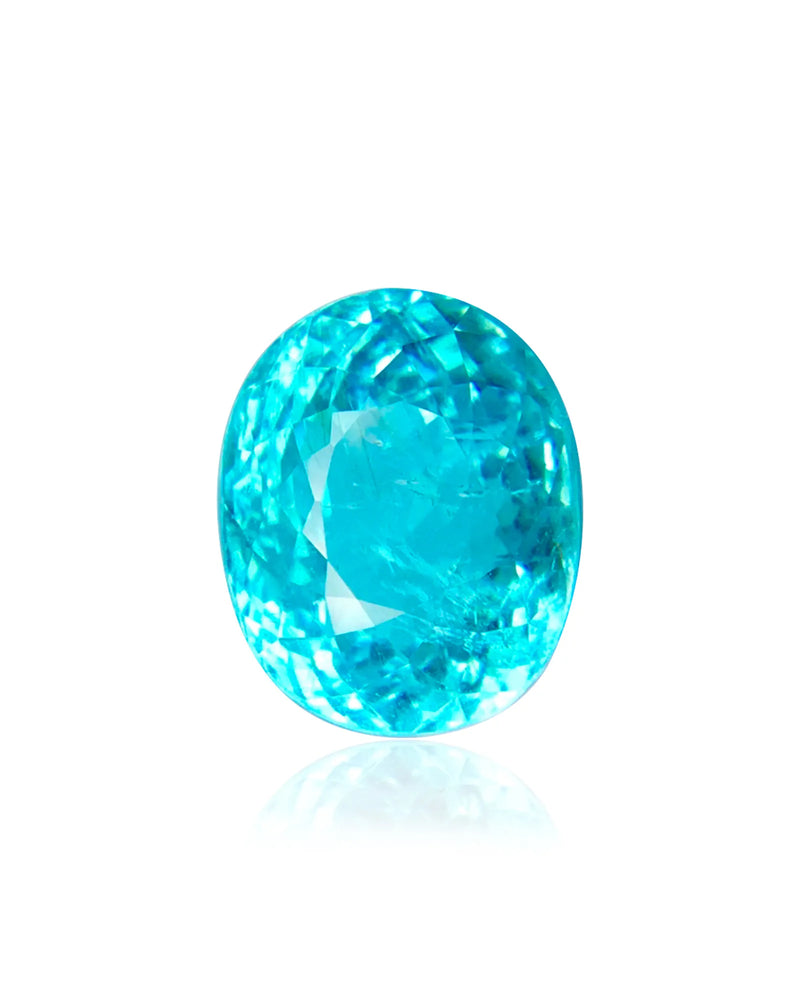
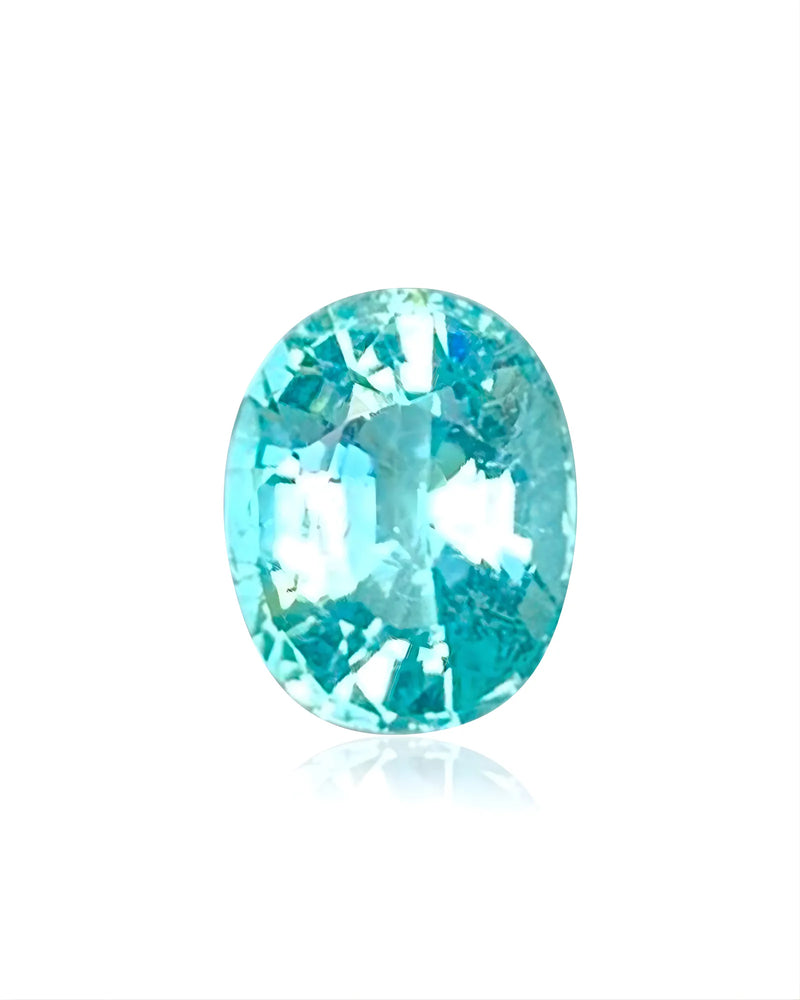
Paraiba runs from a vivid greenish blue through pure blue to a saturated blue-green, and the trade has produced a vocabulary for the range: neon blue, electric blue, Windex blue, swimming-pool blue, mint, turquoise. None of these is a formal grade. They are attempts to describe an effect that photographs badly and has to be seen.
At the top of the market the most sought-after colour is a strongly saturated pure neon blue with no grey and no excessive green. Vivid blue-green follows, then the mint and turquoise tones, which are more affordable and can be extremely beautiful in their own right. A stone that reads pale or greyish, whatever its origin, is not a fine Paraiba.
Copper also produces a distinctive glow — colour that appears to keep working in low light where most stones go quiet. It is the single characteristic that separates a real Paraiba from an imitation on sight, though sight alone should never be the basis of a purchase at these prices.
If you want to see how it compares with the stone it is most often confused with, our guides on Paraiba versus aquamarine and which of the two is more valuable set the two side by side.
Brazil, Mozambique and Nigeria
After the Brazilian discovery, copper-bearing tourmaline was found in Nigeria around 2001 and in Mozambique around 2005. This created a genuine controversy in the trade about whether the name Paraiba could apply to material from another continent.
The position that settled — reached through the international laboratory community — is that Paraiba is a variety name based on chemistry, not a geographic one. A copper-bearing elbaite of the right colour is a Paraiba tourmaline whether it came out of Brazil, Mozambique or Nigeria. Origin is then recorded separately on the report.
That matters commercially, because origin still moves the price substantially:
Brazilian material commands the highest premium. The deposits are effectively finished, the crystals were small, and the colour at its best has never been surpassed. Fine Brazilian Paraiba above two carats is a serious rarity.
Mozambican material is the backbone of today's market. It occurs in larger sizes and can be exceptional — cleaner than Brazilian material and, at the top end, competitive on colour. A fine Mozambican stone will comfortably outperform a mediocre Brazilian one, and much of the real value available today sits here.
Nigerian material tends toward the greener and greyer end and is generally the most affordable of the three.
Laboratories can distinguish origin through trace-element analysis, though not always with certainty. Where a stone is sold as Brazilian at a Brazilian price, insist on a report from a laboratory that will state it. The honest position is the same one we take on every species: origin is a modifier on value, not a substitute for quality. Colour, clarity, cut and size are what you actually see.
Clarity, and What to Accept
Paraiba is typically included. Copper-bearing tourmaline grows with fractures, needles and growth tubes, and eye-clean stones of any size are uncommon — considerably more so than in aquamarine or blue topaz.
This produces a genuine tension. In most gemstones a buyer is told to prioritise clarity. In Paraiba the colour is so much rarer than the clarity that the market prices it the other way round: a vivid neon stone with visible inclusions will command more than a clean stone of ordinary colour and the same weight. That is not a compromise being excused; it is an accurate reflection of what is scarce.
What still matters is durability. Fractures reaching the surface near a corner or a girdle are a structural concern regardless of colour, and they determine how a stone should be set and cleaned. We assess this before a stone is offered, and it is set out in how SARATTI grades gemstones.
Cat's Eye Paraiba, and How the Copper Is Proved
Where the growth tubes that make this material included are fine, dense and parallel, a cabochon cut across them shows a single band of light travelling over the dome. Cat's eye Paraiba is very rare, it is usually cut from rough too included to facet, and a good example is a collector's object rather than a compromise — a sharp eye over a neon body colour is a combination nothing else offers.
The copper itself cannot be judged by eye. Iron and manganese in ordinary tourmaline can produce a blue-green that photographs almost identically to a modest Paraiba. A laboratory therefore measures the chemistry directly, reading trace elements in parts per million by X-ray fluorescence or by laser ablation mass spectrometry. The same readings — copper, manganese and the accompanying trace elements in their particular ratios — are what support an origin opinion afterwards. That is why a Paraiba report costs more than an ordinary tourmaline report, and why the phrase copper-bearing on it is the line that carries the value.
Treatment
Heating is common and accepted. Gentle heat can remove a reddish or purplish component and open the copper blue, and the effect is permanent. A heated Paraiba is a natural Paraiba, and the great majority of fine material on the market has been treated this way.
Untreated stones of strong colour exist and carry a premium, but the difference is far less pronounced than the heated-versus-unheated gap in ruby or sapphire, because the treatment here is producing a colour the copper already permits rather than transforming the stone.
What must be disclosed, and is far more consequential, is anything else. Fracture filling with resin or glass appears occasionally on heavily included material and changes what you are buying entirely. Where a treatment is known, we state it on the listing.
There is also a straightforward substitution risk. Ordinary blue-green tourmaline, treated blue topaz, apatite and glass are all sold as Paraiba by people who should know better. None of them is copper-bearing, and a laboratory separates them without difficulty. At these prices, a report is not a refinement — it is the basic protection.
Cut, Size and the Price Curve
Paraiba rough is expensive and scarce, so cutters retain weight wherever the colour allows. Ovals, cushions and pears dominate. Stones are often cut a little deep to build saturation, particularly in paler material, which means face-up spread can be smaller than the carat weight suggests.
Size is where Paraiba departs from every other tourmaline. Most fine Brazilian stones are under one carat. Two carats is notable. Three is rare. Five carats of fine neon colour is an event, and prices at that level reach into the tens of thousands per carat — Paraiba is among the most expensive coloured gemstones on earth by weight, at the top comparable with fine ruby and Kashmir sapphire.
The price does not rise smoothly. It steps hard at each size threshold, and it steps again on colour intensity, which is why two stones of the same weight can differ by an order of magnitude. Our price per carat guide sets out the ranges in more detail, and the complete buying guide walks through what to check.
Wearing a Paraiba
Tourmaline sits at 7 to 7.5 on the Mohs scale. That is durable enough for a ring worn with normal care, but it is meaningfully softer than sapphire at 9, and included material is more vulnerable to a knock.
Practical guidance: a protective setting for a ring worn daily, no ultrasonic or steam cleaning on any stone with reaching fractures, and warm soapy water with a soft brush for everything else. Store it separately so harder stones cannot scratch it. Given what these stones cost, insurance based on a current valuation is worth having.
Paraiba is also pyroelectric and piezoelectric like all tourmaline — it develops a static charge when warmed or put under pressure, which is why a tourmaline left on a dressing table attracts dust more than its neighbours. It is a curiosity rather than a problem, but it explains the behaviour.
Certification
For Paraiba, an independent report is not optional at any price point that matters.
A report from a recognised laboratory — GIA, GUILD, AIGS, CGRL, GRS or GRC — should confirm that the stone is copper-bearing elbaite tourmaline, state treatment where detectable, record measurements and weight, and where the price depends on it, offer an opinion on geographic origin. The copper determination is the essential one: it is what separates a Paraiba from an ordinary blue-green tourmaline that may look similar in a photograph and be worth a fraction as much.
Where you would like a stone reviewed by a different laboratory, we can arrange it and the fee is passed on at cost.
Choosing a Paraiba
Buyers arrive at this stone from two directions. Some want the most intense neon blue their budget will reach and will accept inclusions and a smaller size to get it. Others want presence on the hand and will take a mint or turquoise tone at two or three carats rather than a one-carat electric blue. Both are sound, and they lead to very different stones.
If you are choosing for a ring, weigh the setting question early — the difference between a bezel and a claw setting matters more here than it would in sapphire. If you are collecting, Brazilian origin and a report that states it are what the market will ask for later.
For the wider family this stone belongs to, see our tourmaline guide and the rest of our tourmaline collection. If colour is your starting point rather than species, the blue gemstones collection gathers everything in that range.
Every stone here is listed individually, with its own photography and its own details. Where a Paraiba has been heated, we say so. Where a report exists, it is shown, and where one does not, we say that too.
And if the stone you have in mind is not on these pages — a particular blue, a size, a Brazilian origin within a budget — only part of what we can reach is listed online. Describe it, and we will go and look.