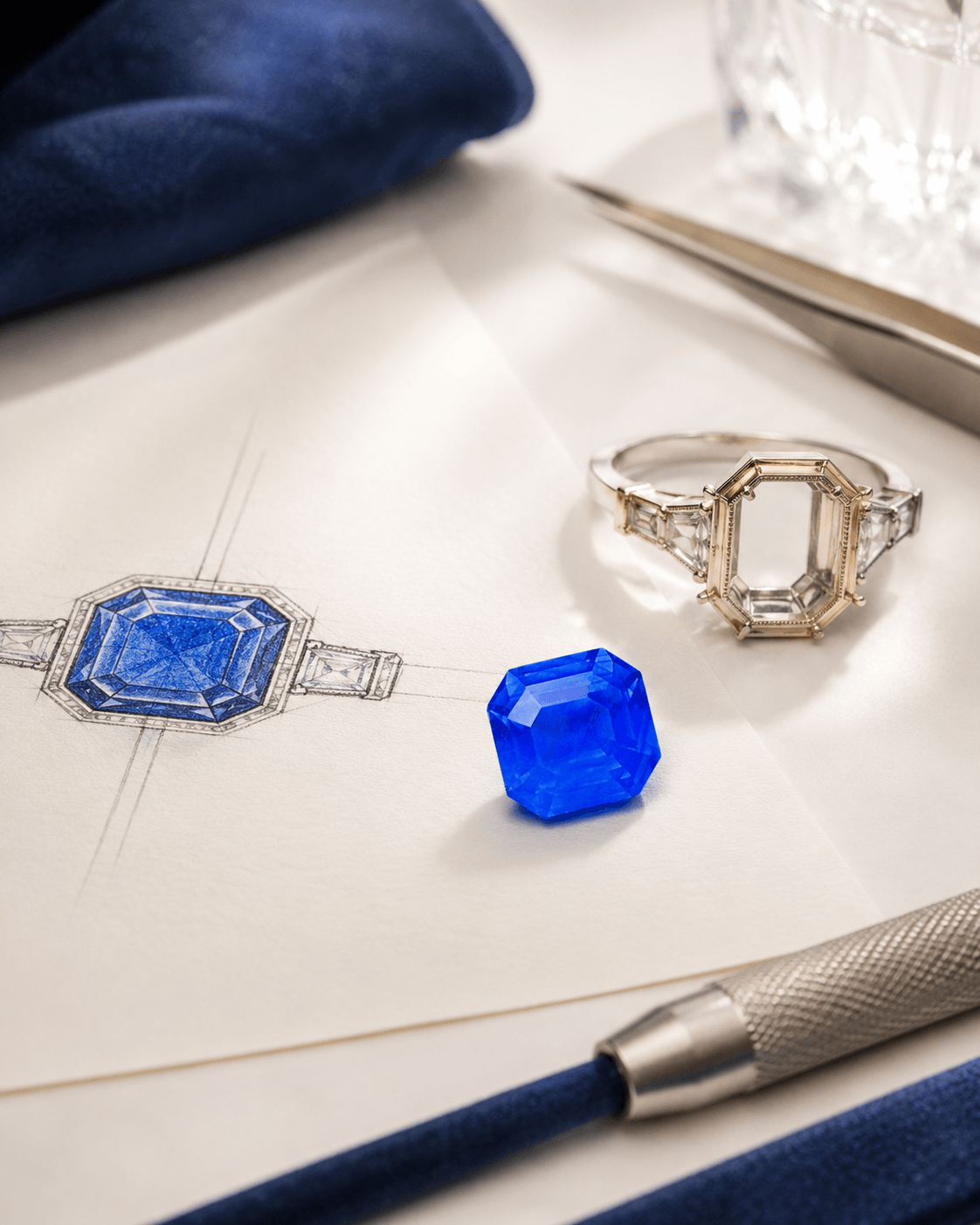
What a Sapphire Actually Is
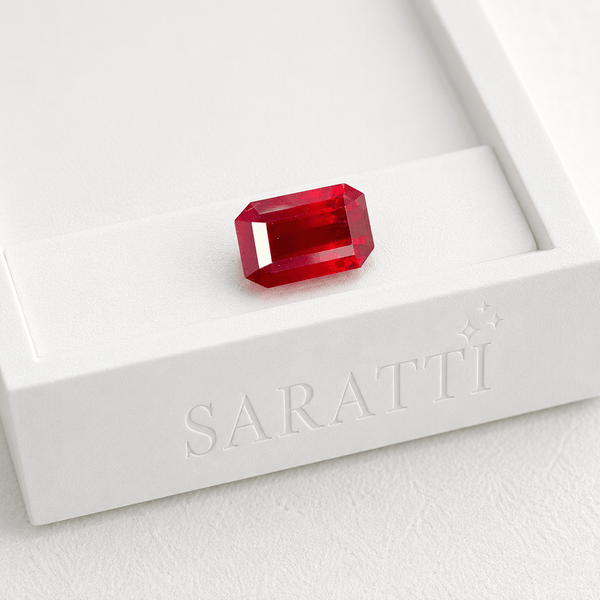
Sapphire is corundum — crystalline aluminium oxide, the same mineral species as ruby. The distinction between the two is only colour: red corundum is called ruby, and every other colour of corundum is called sapphire. That single fact explains a great deal about how sapphire behaves, how it is priced, and why it wears as well as it does.
At 9 on the Mohs scale, sapphire is the hardest gemstone in common use after diamond. It is a stone that tolerates daily life — a ring worn to work, a pendant worn to sleep, an heirloom handled by three generations. Very few coloured stones can be recommended without qualification for everyday wear. Sapphire is one of them.
The stone has carried meaning for as long as it has been mined. Medieval clergy wore blue sapphire because the colour recalled the heavens. It has been associated with clear judgement, with constancy, and with protection. SARATTI does not sell a gemstone on its folklore, but the folklore is worth knowing, because it is part of why a sapphire still reads as a serious stone rather than a fashionable one.
Every Colour But Red
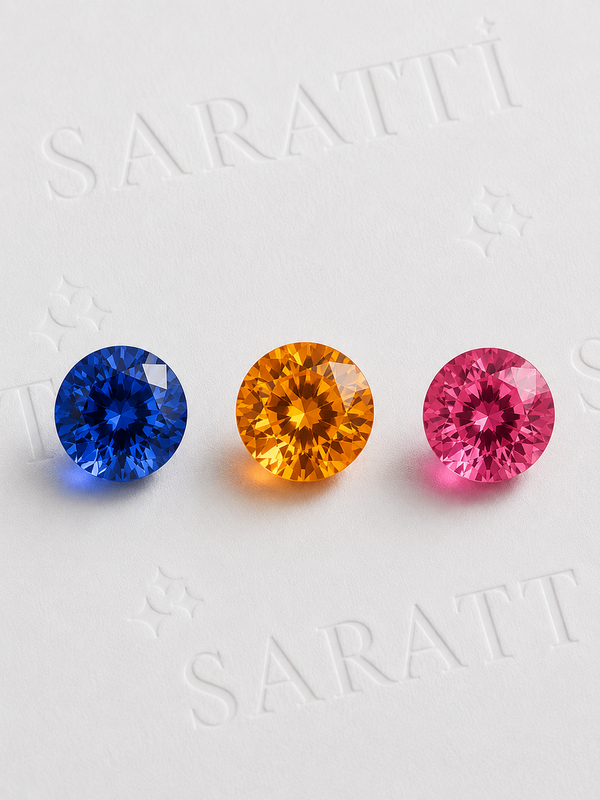
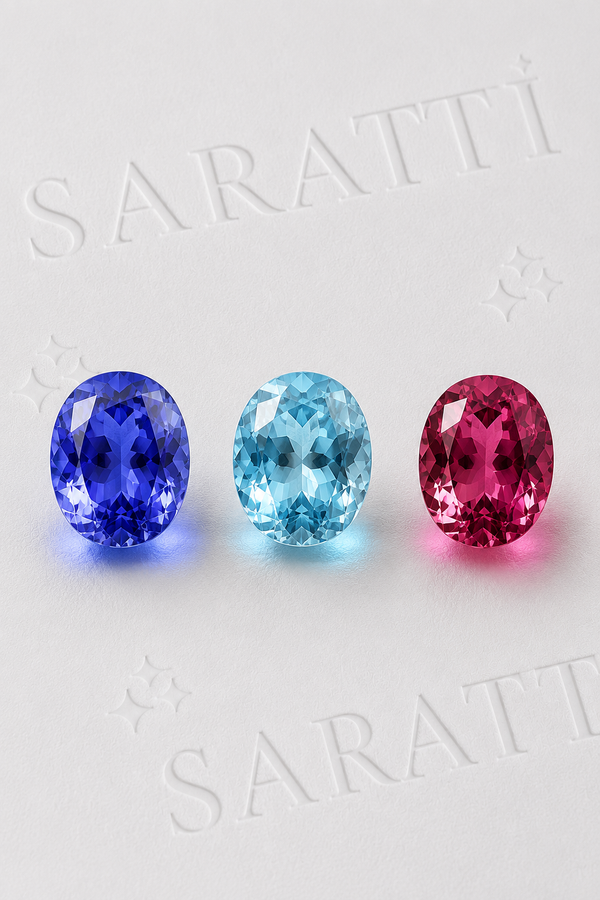
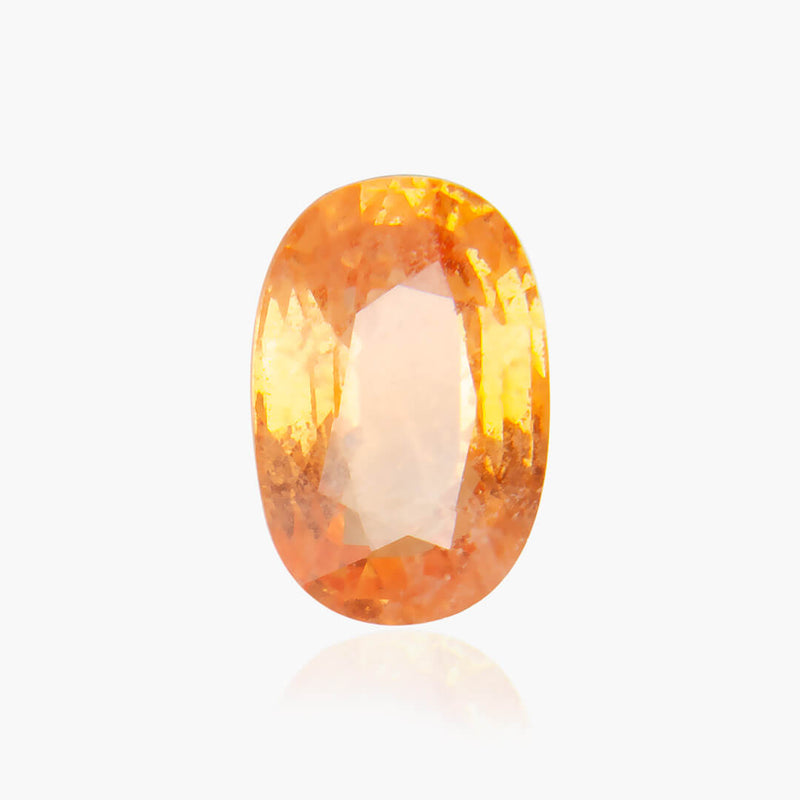
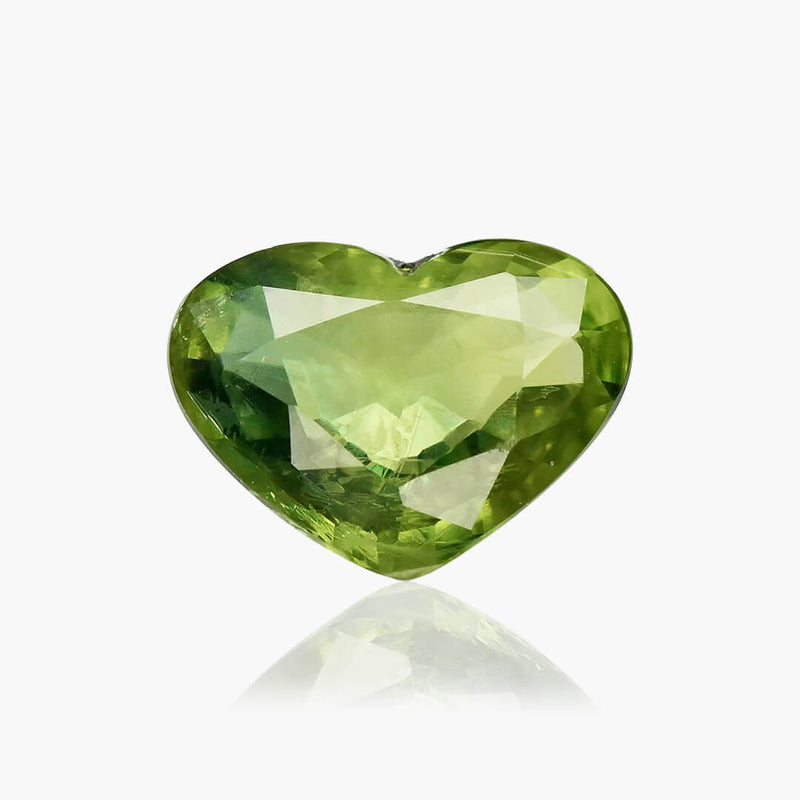
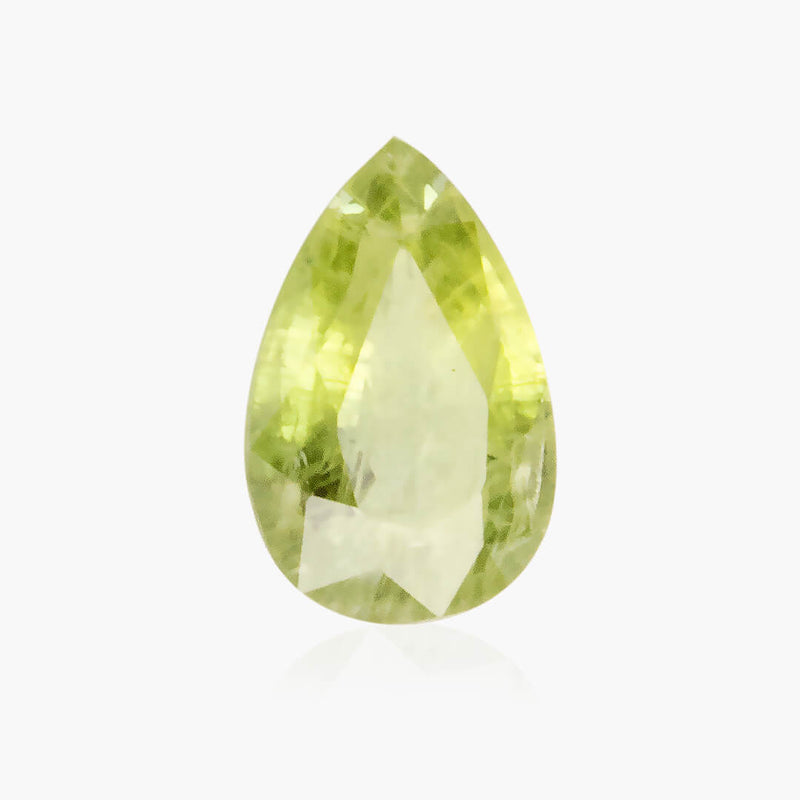
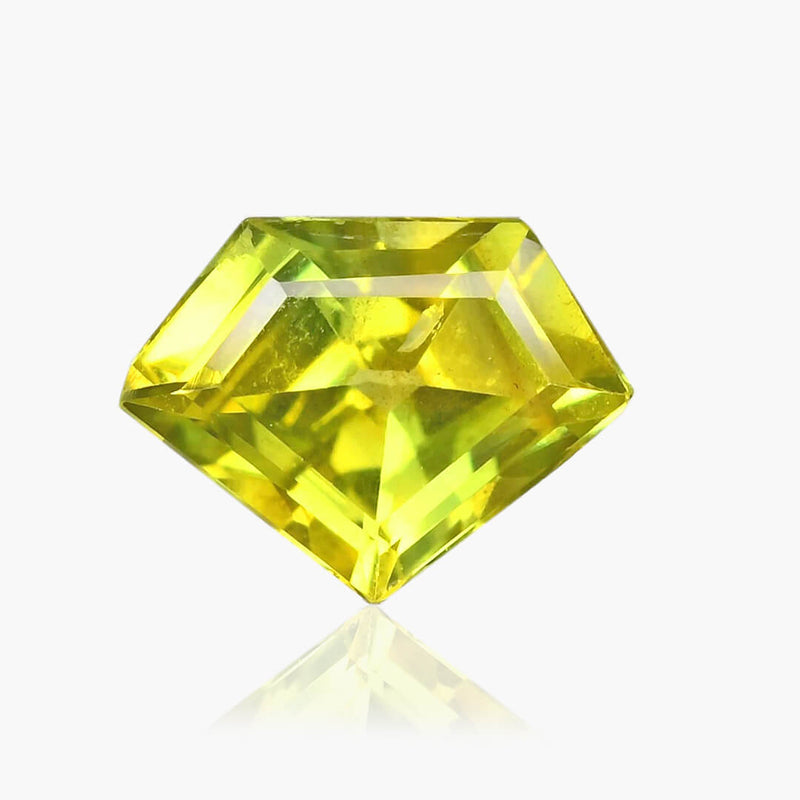
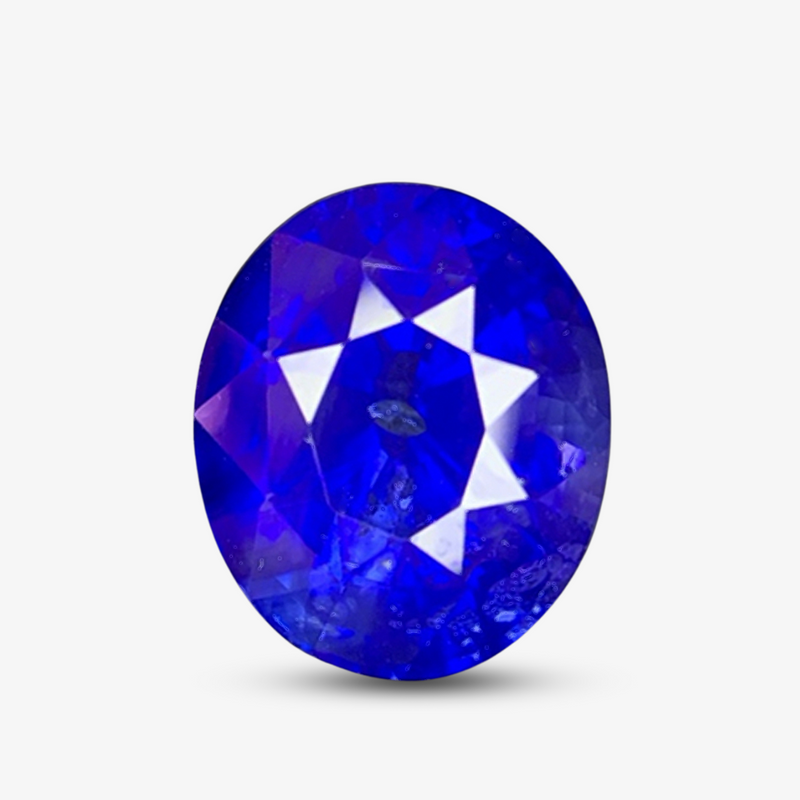
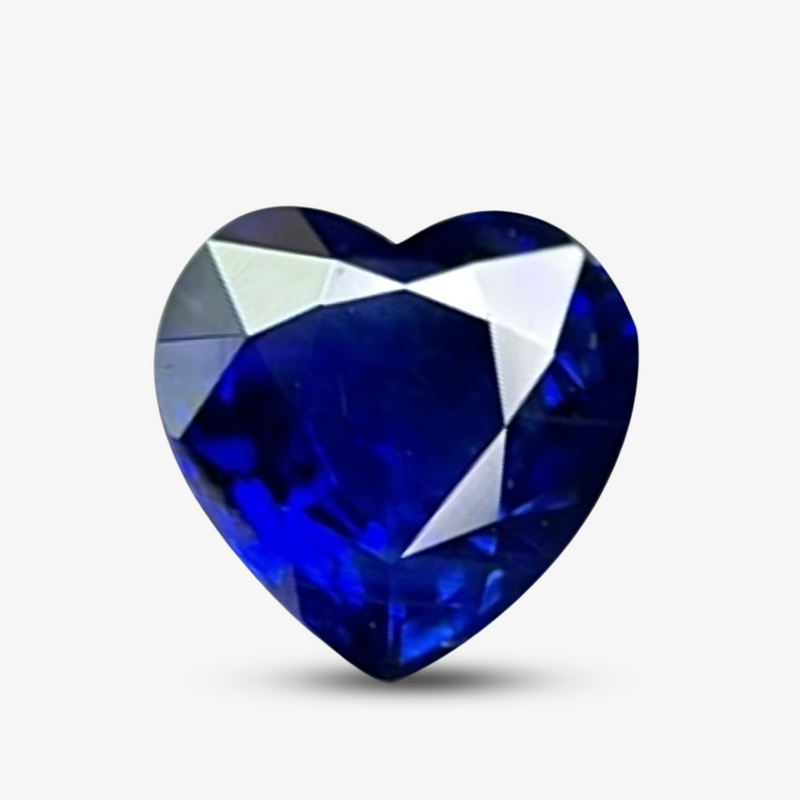
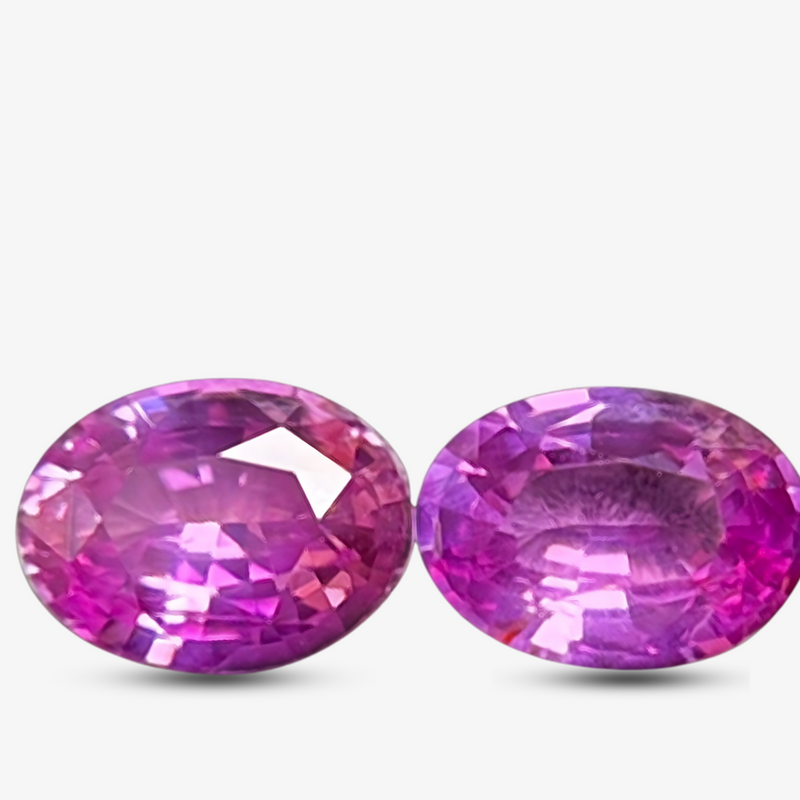
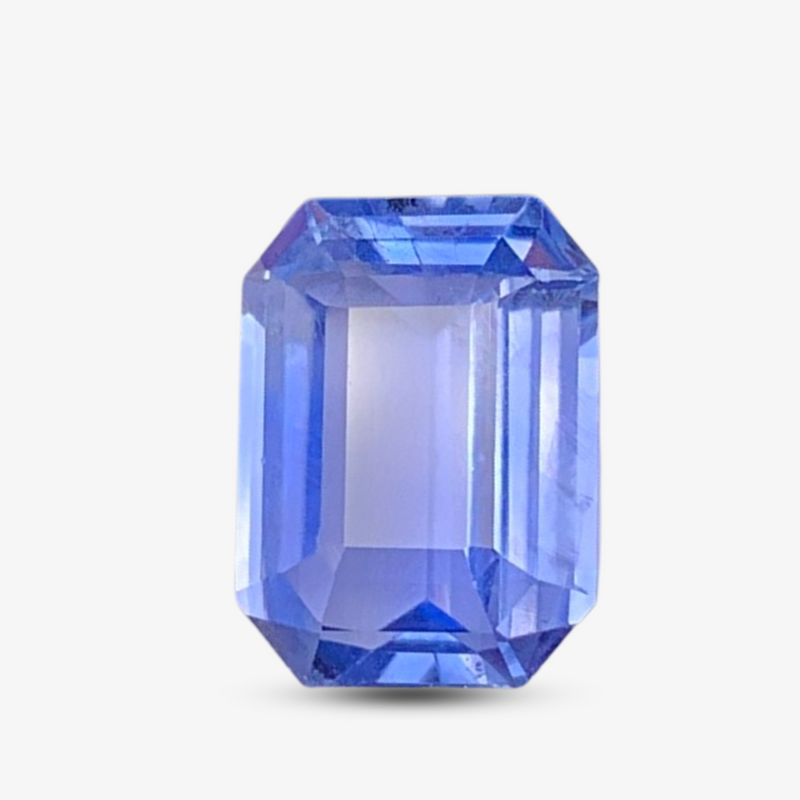
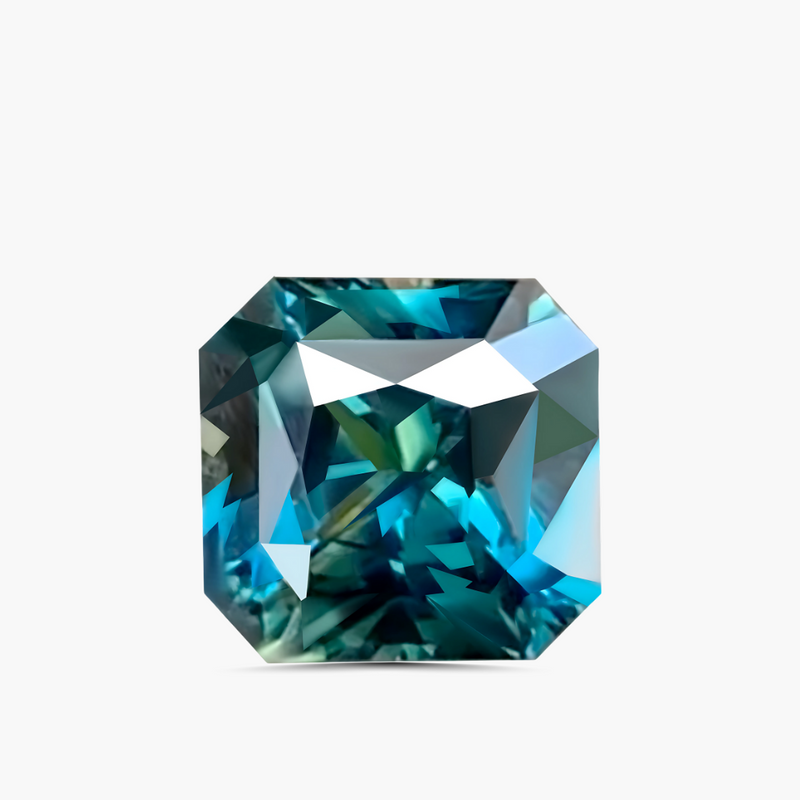
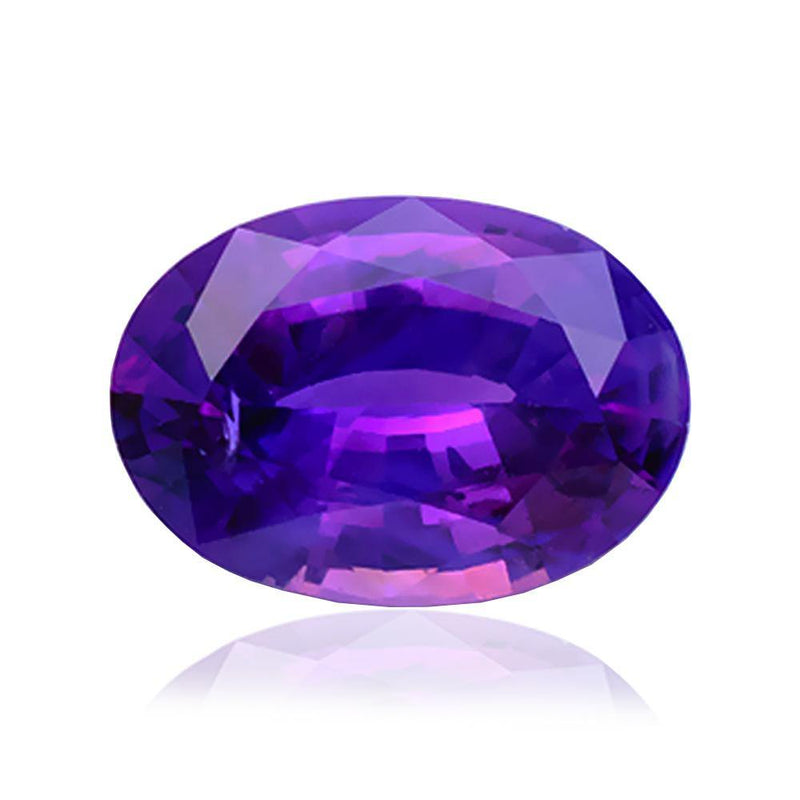
Most people picture blue when they hear sapphire, and blue is the most sought after. But sapphire occurs in every colour except red, and the full range is far wider than the reputation suggests.
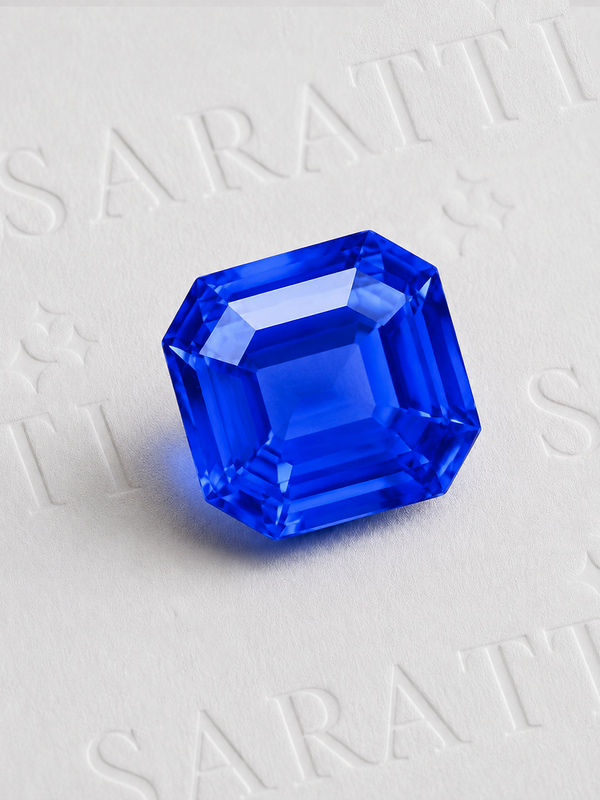
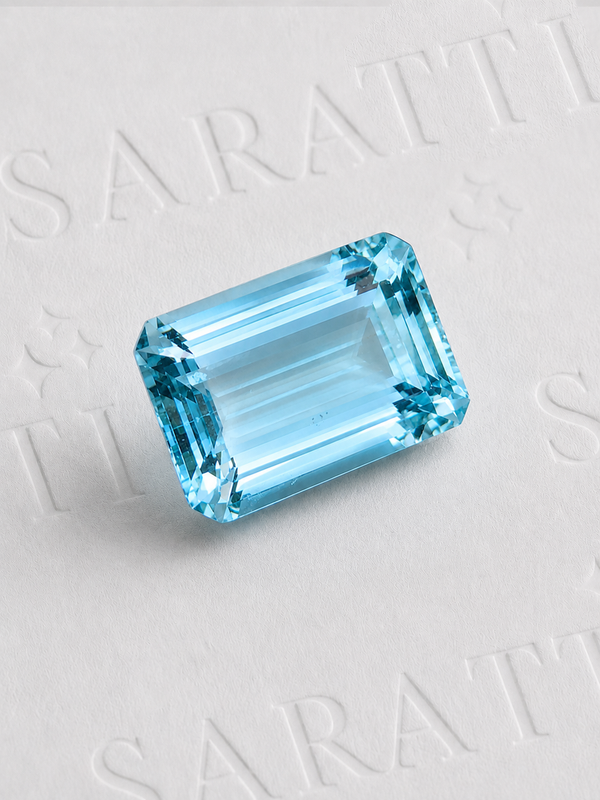
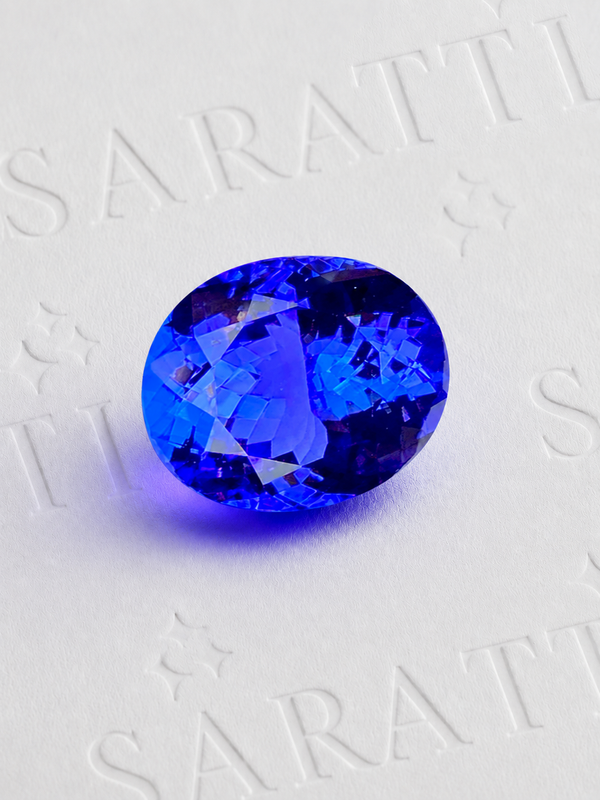
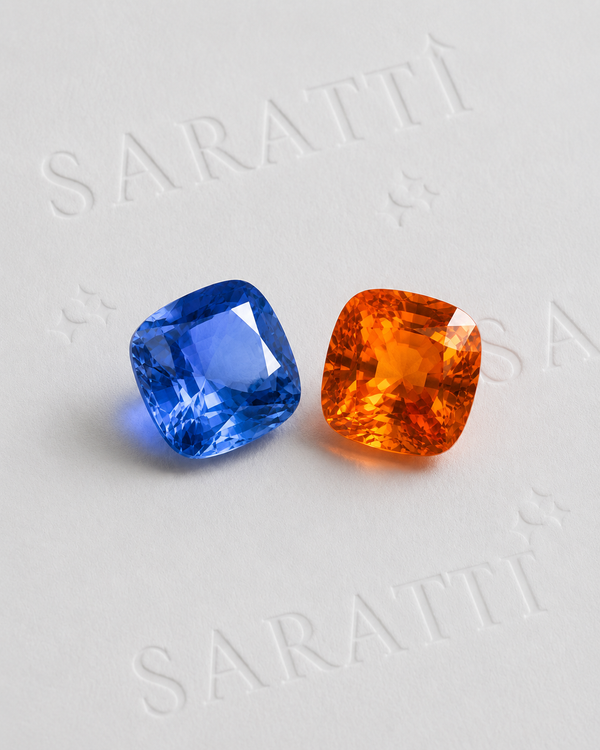
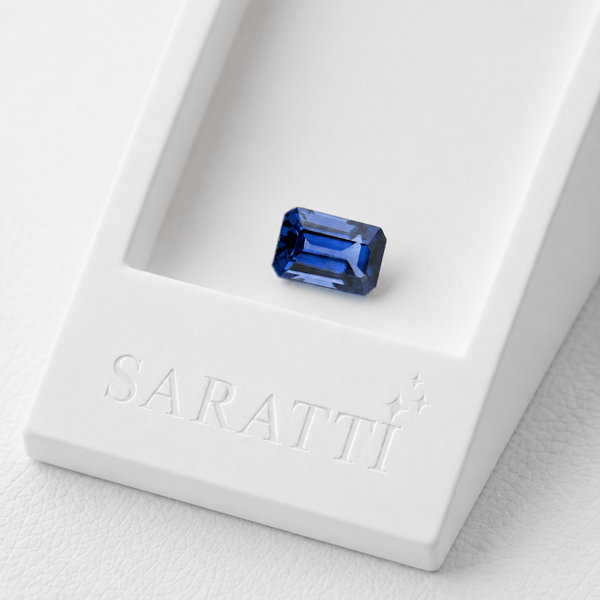
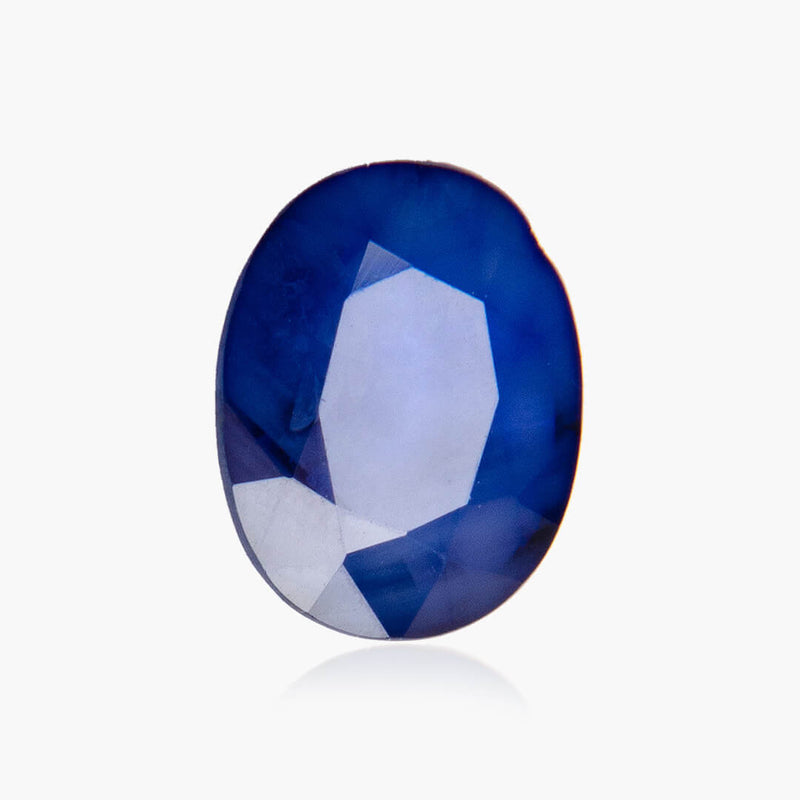
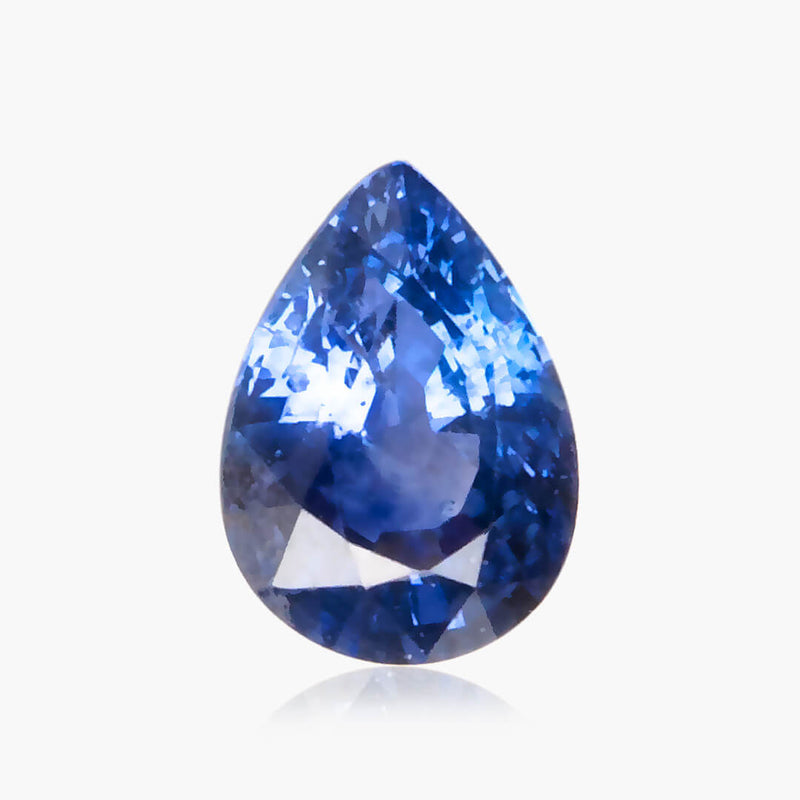
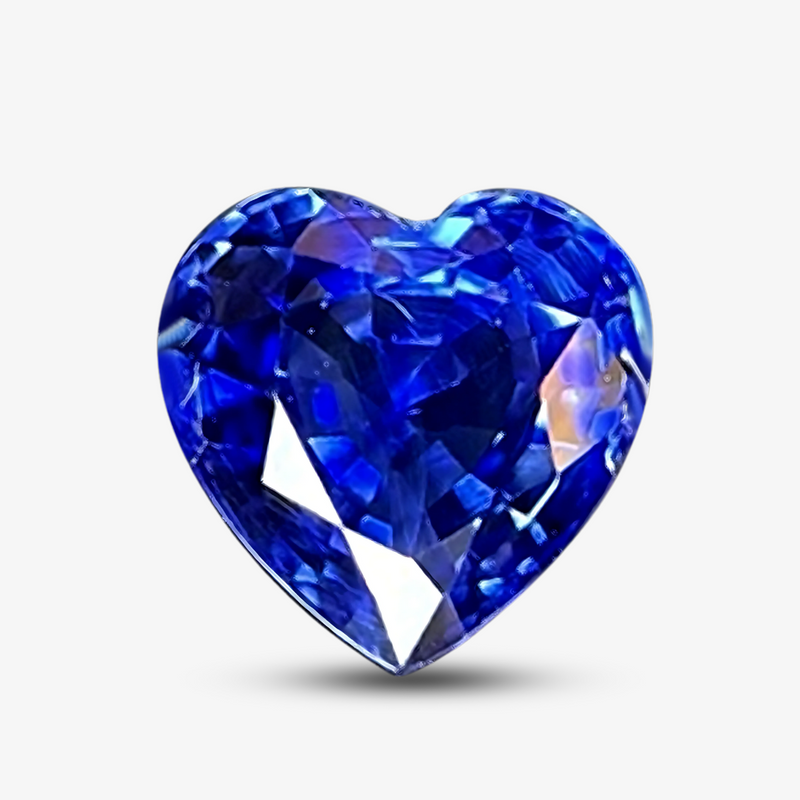
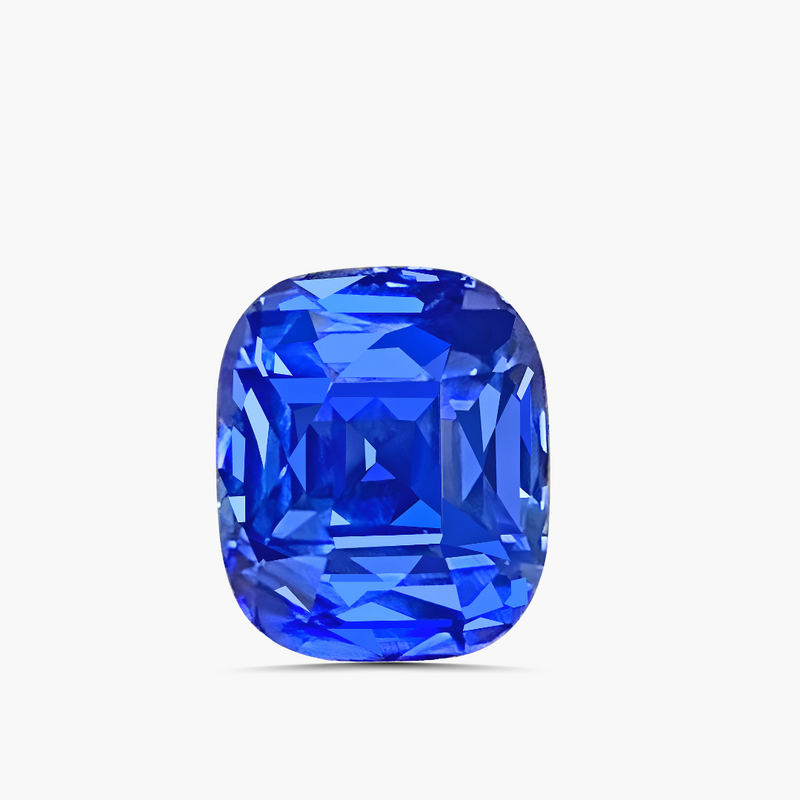
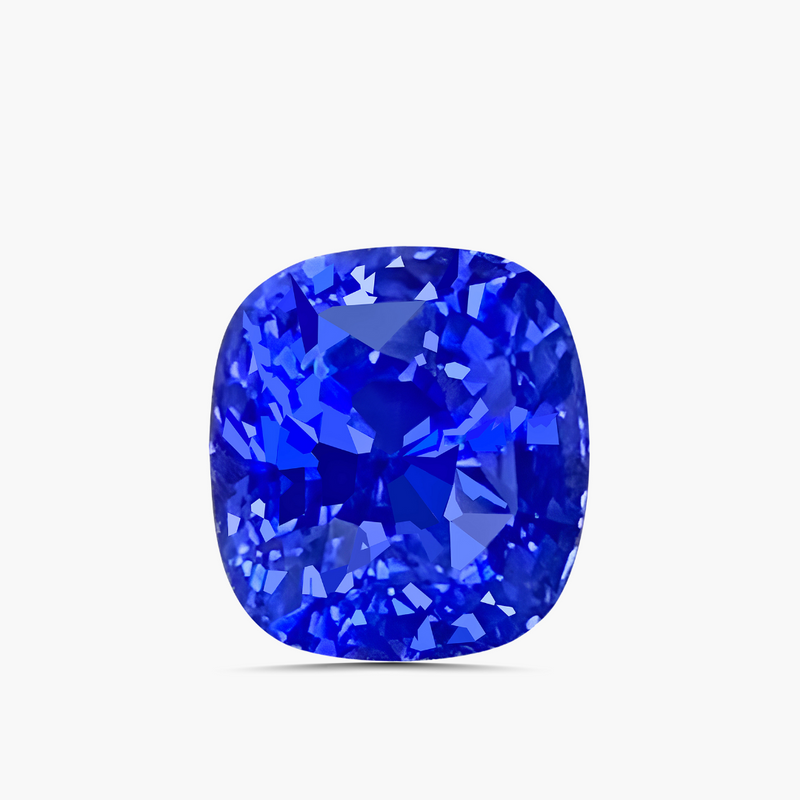
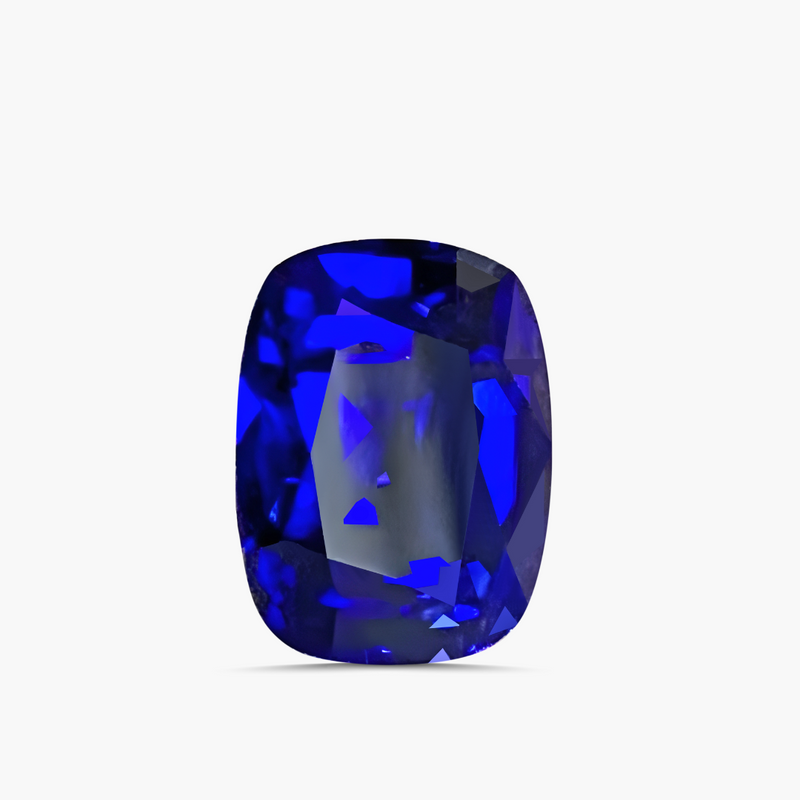
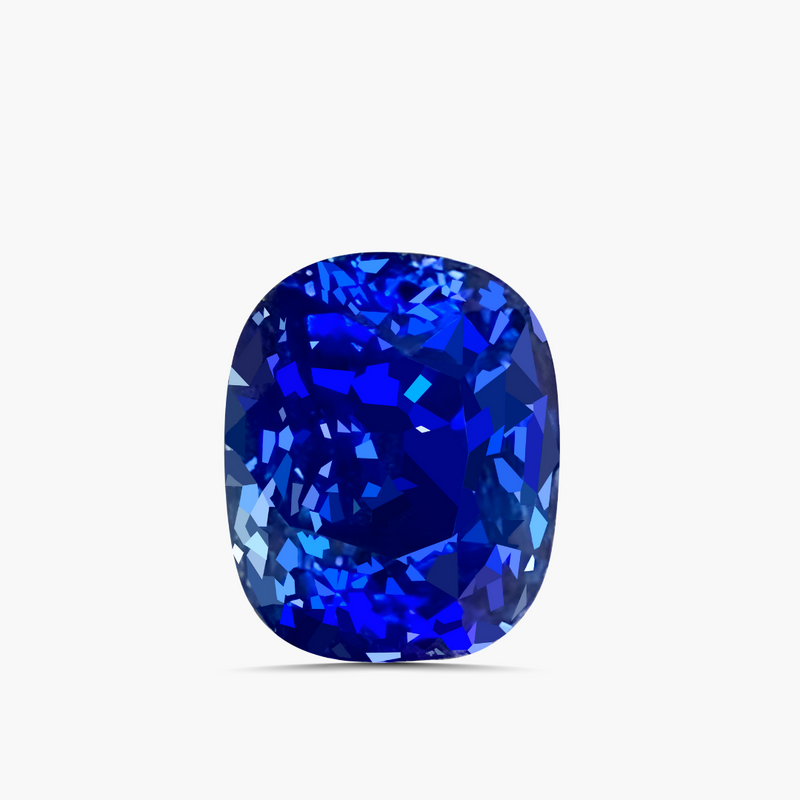
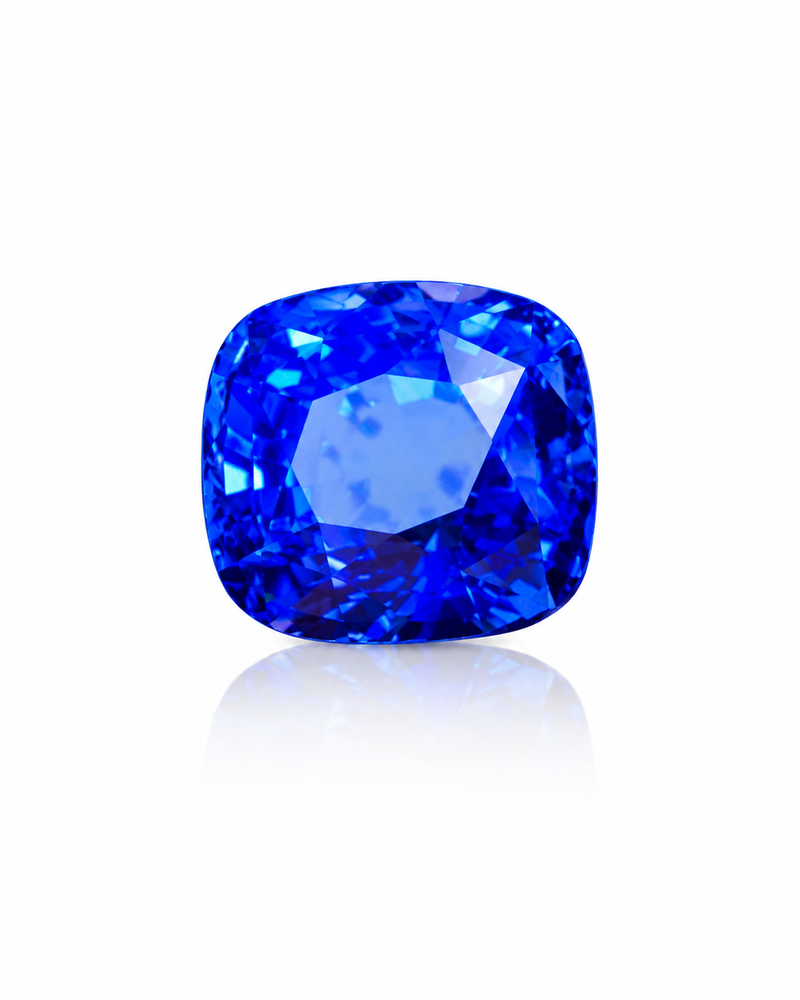
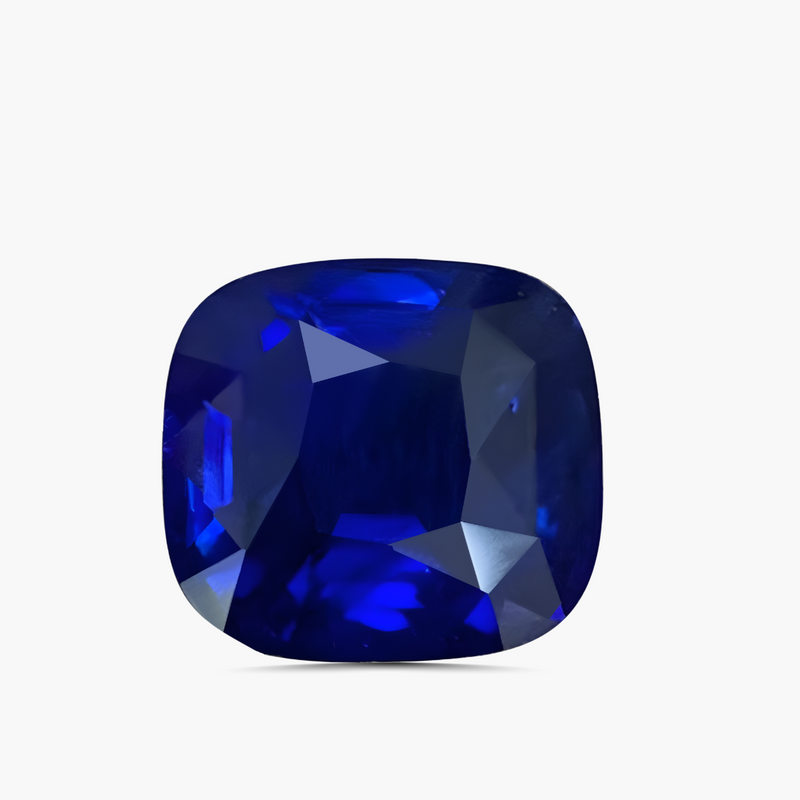
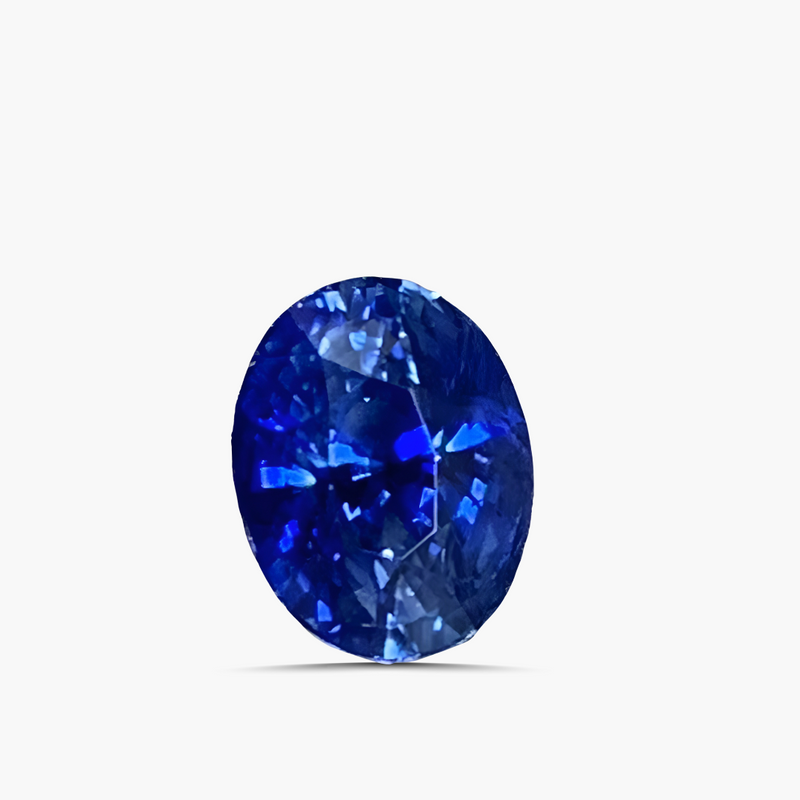
Blue runs from a pale, watery sky through cornflower, to the deep velvety royal tones that command the highest prices. Cornflower — a slightly greyish, luminous medium blue — is the tone most associated with Kashmir material and the one most often asked for by name. If you are learning to recognise it, our guide on how to spot the perfect cornflower blue sapphire sets out what to look for.
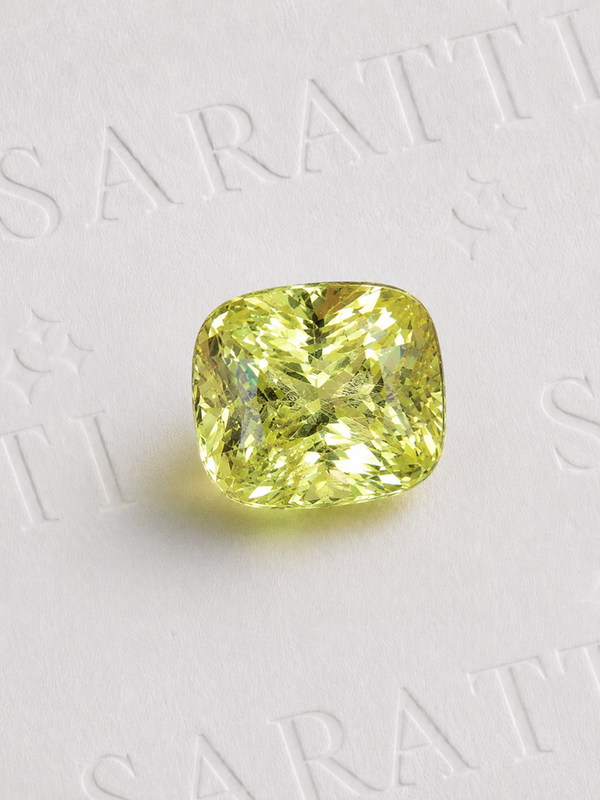
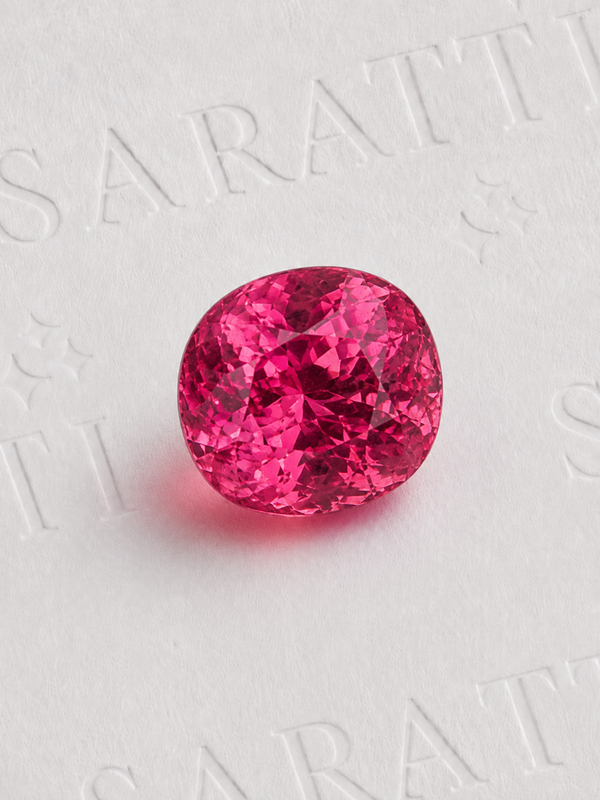
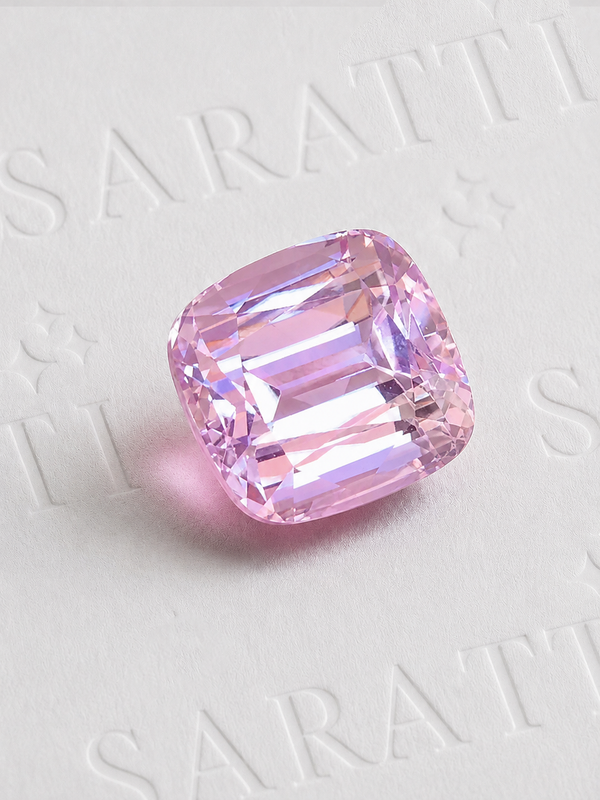
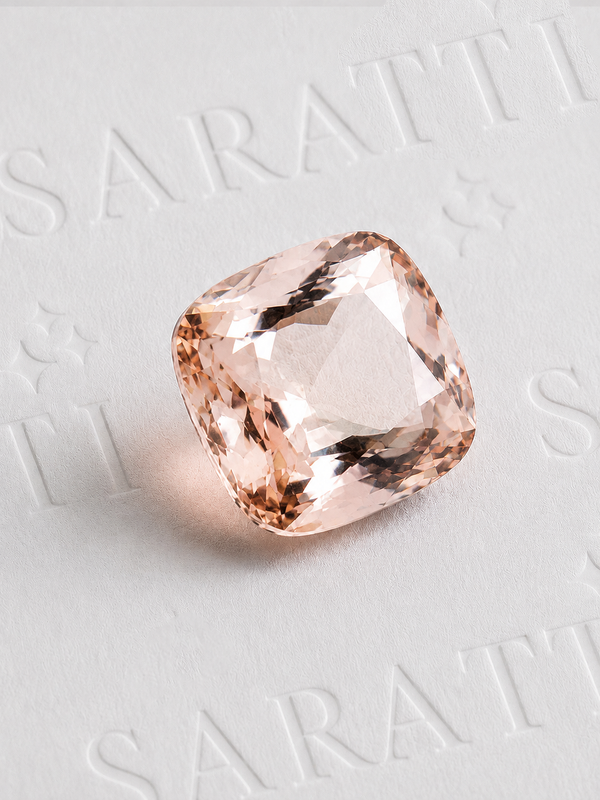
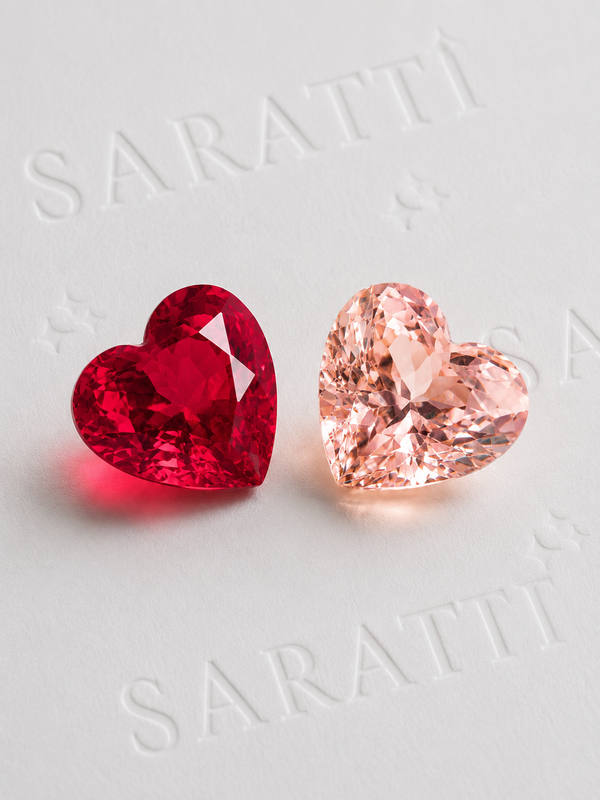
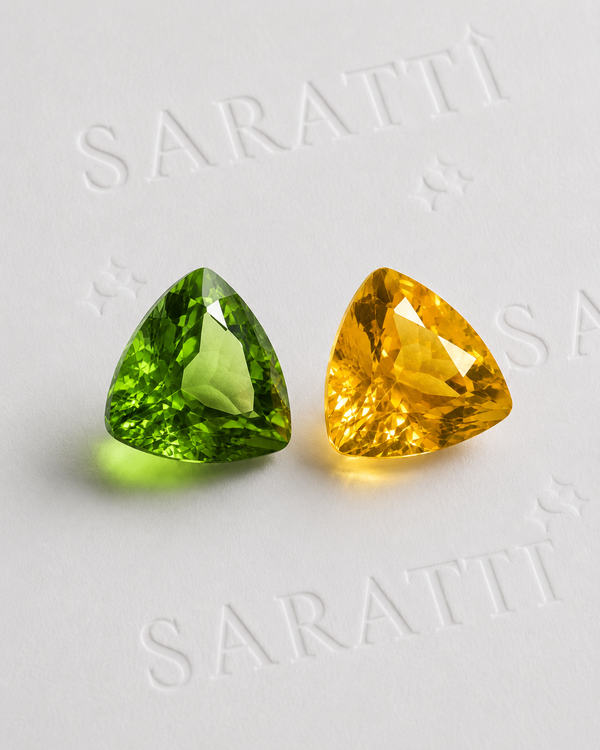
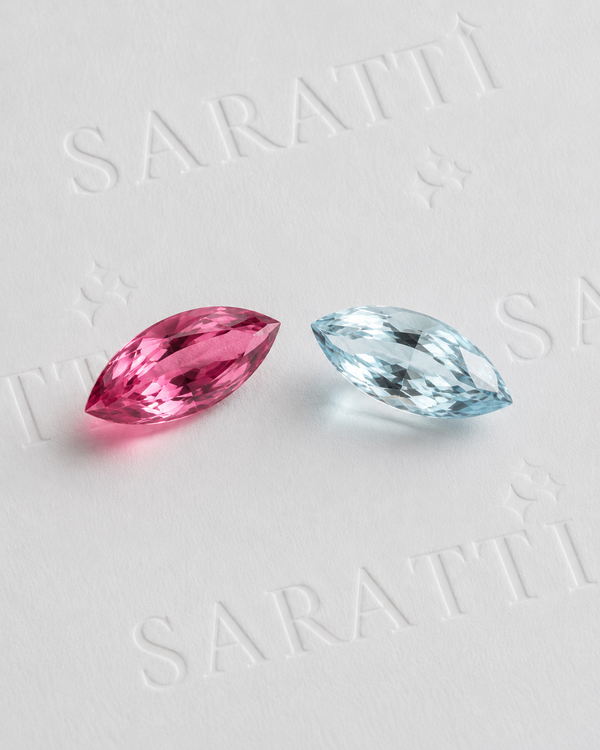
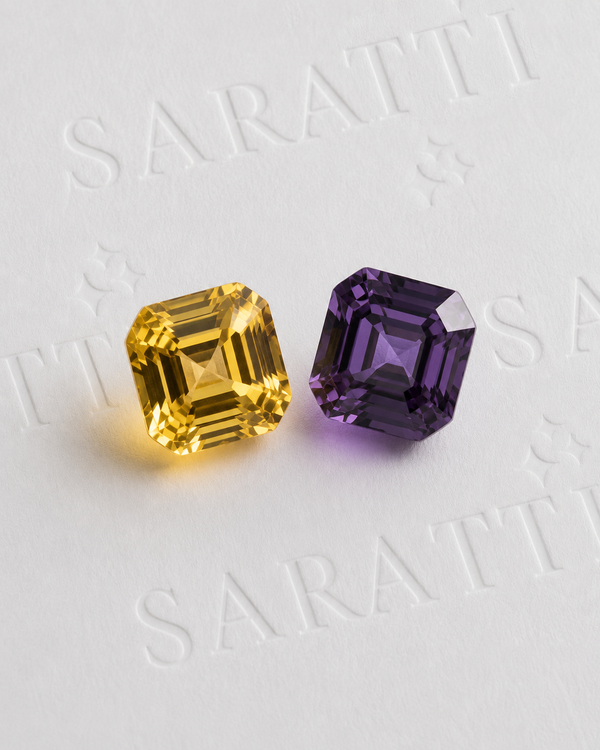
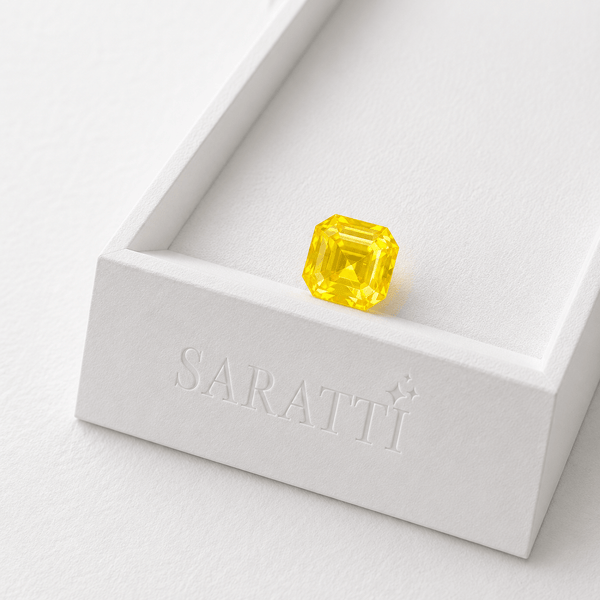
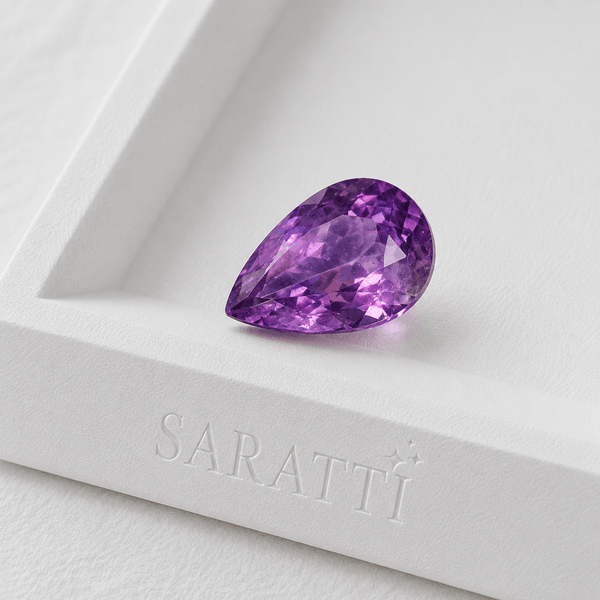
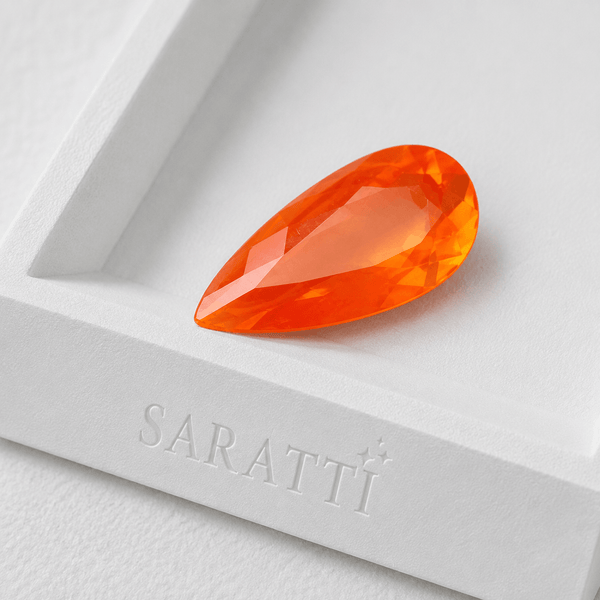
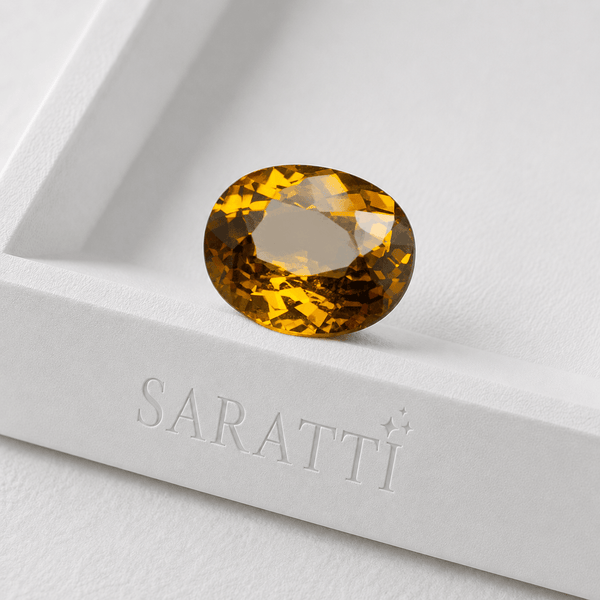
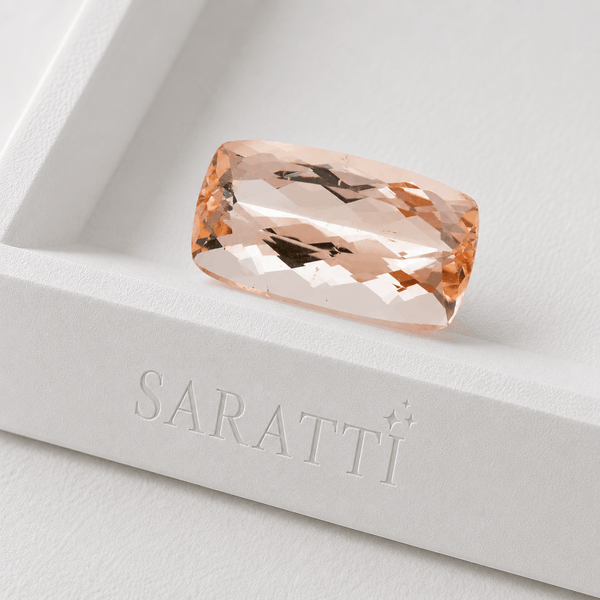
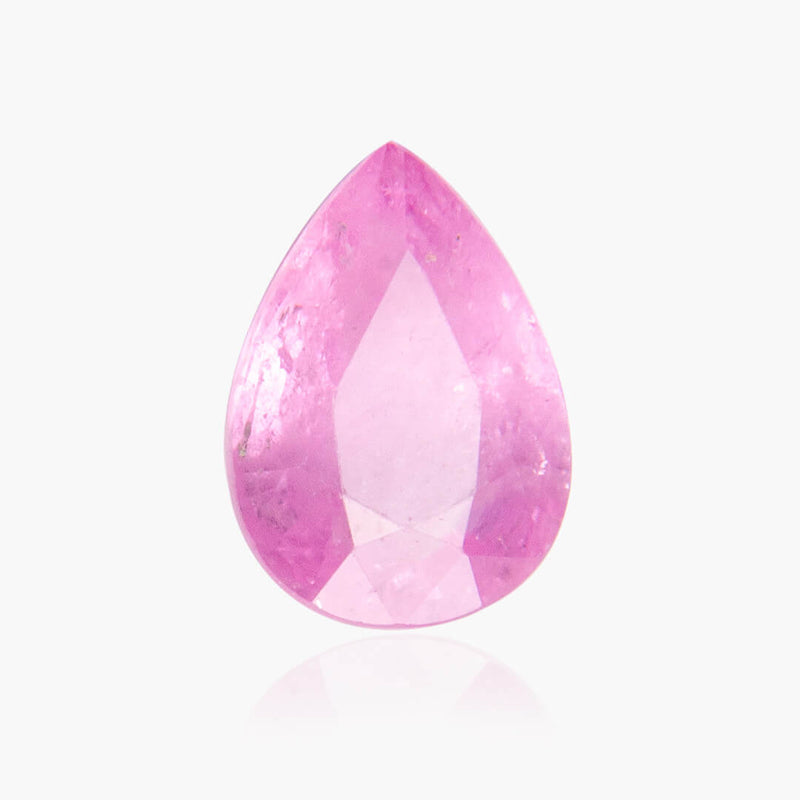
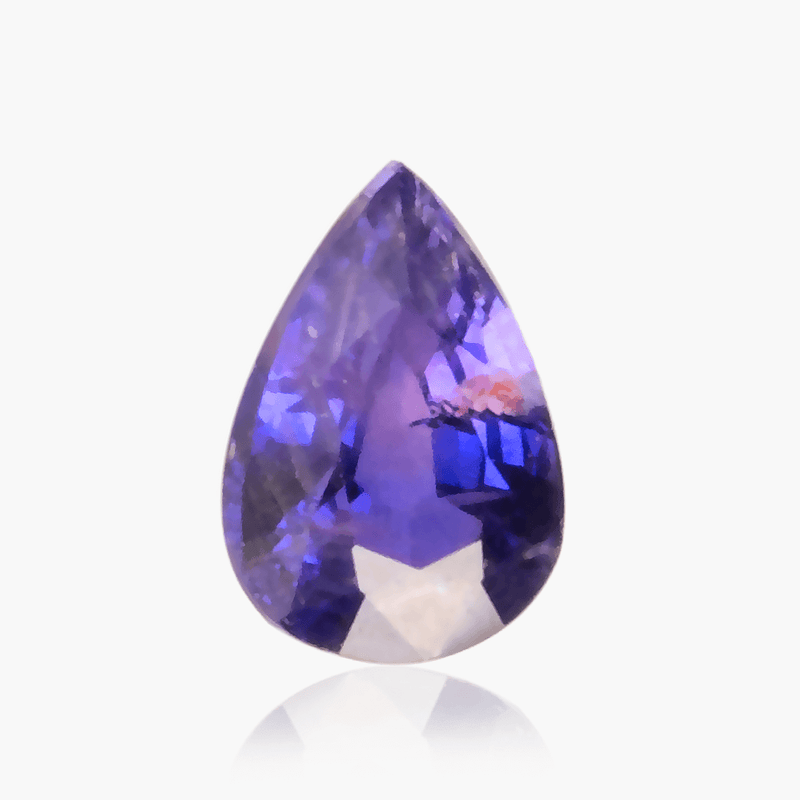
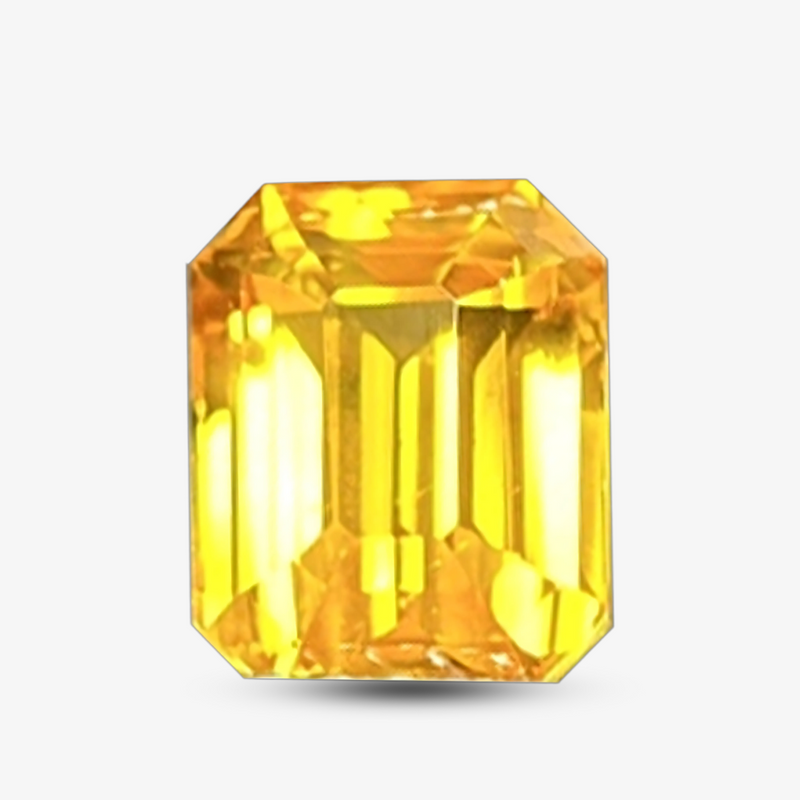
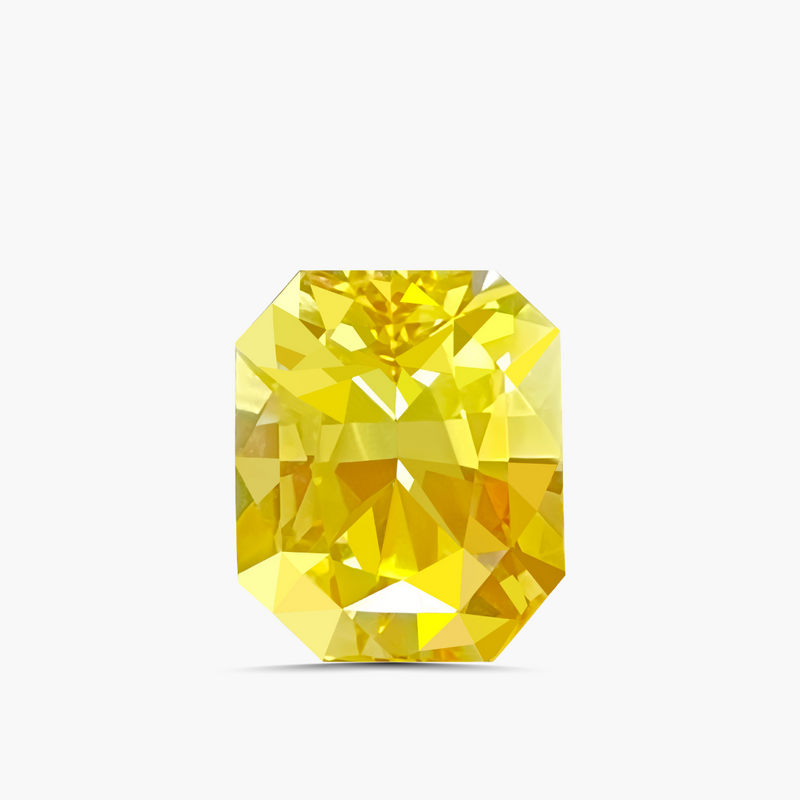
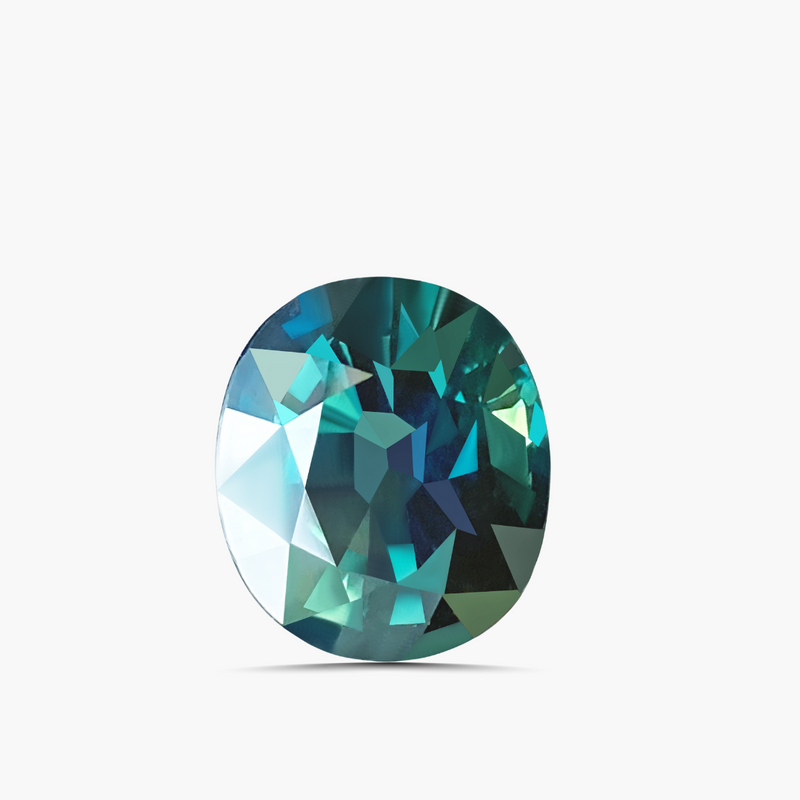
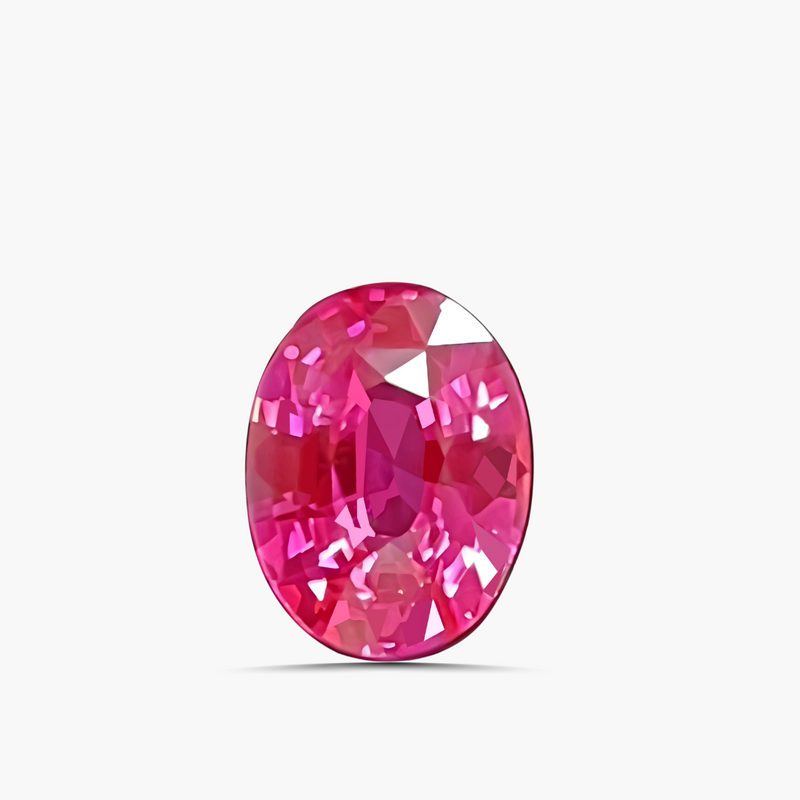
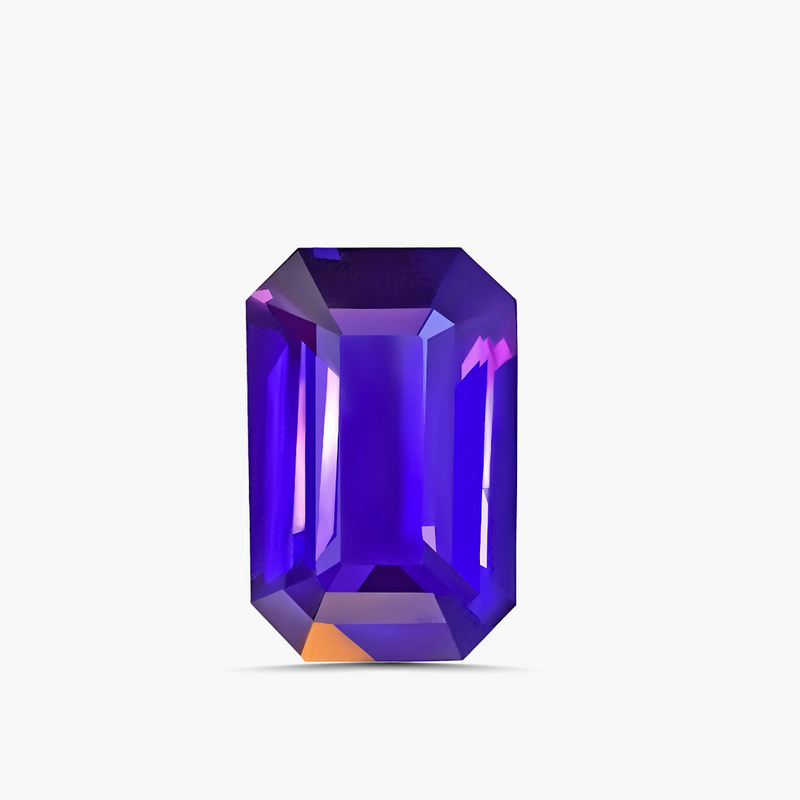
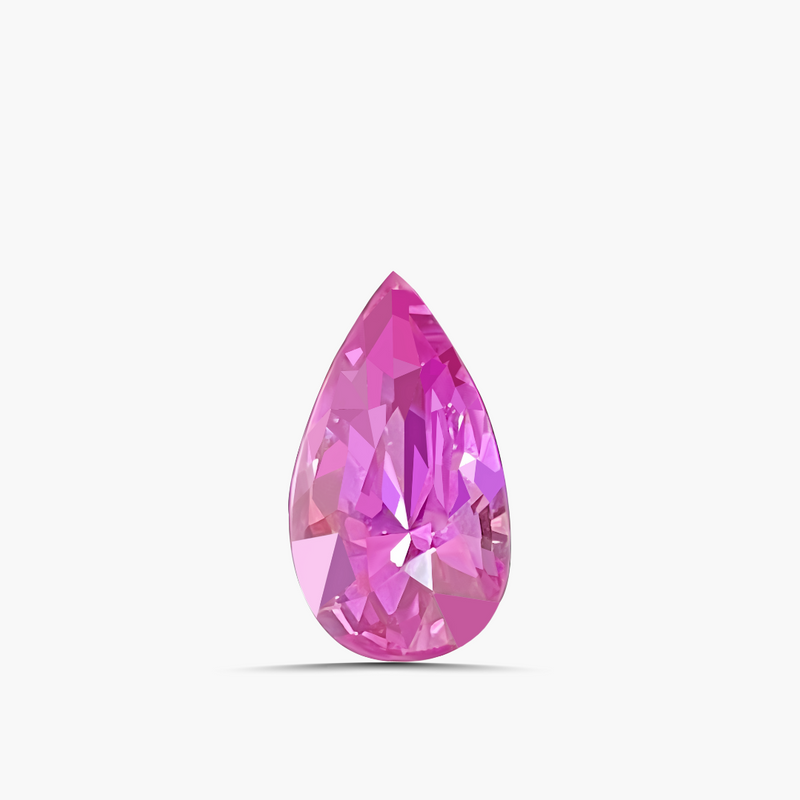
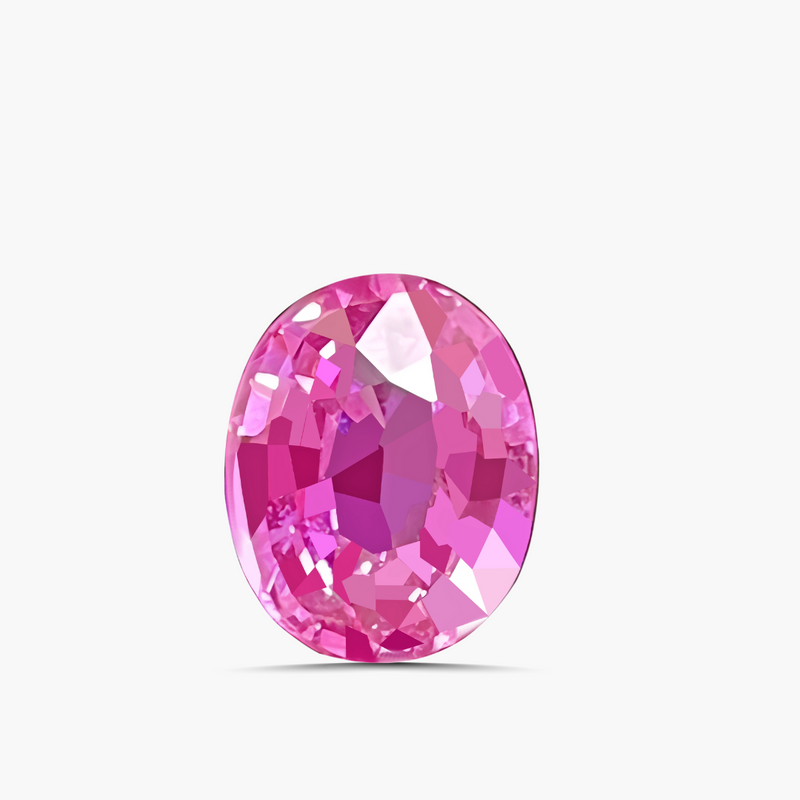
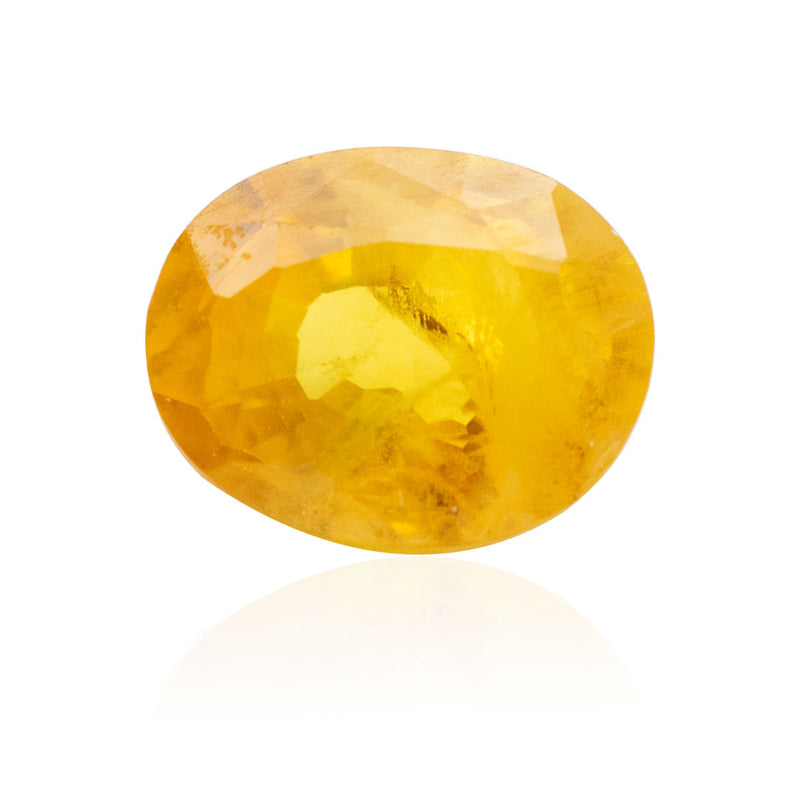
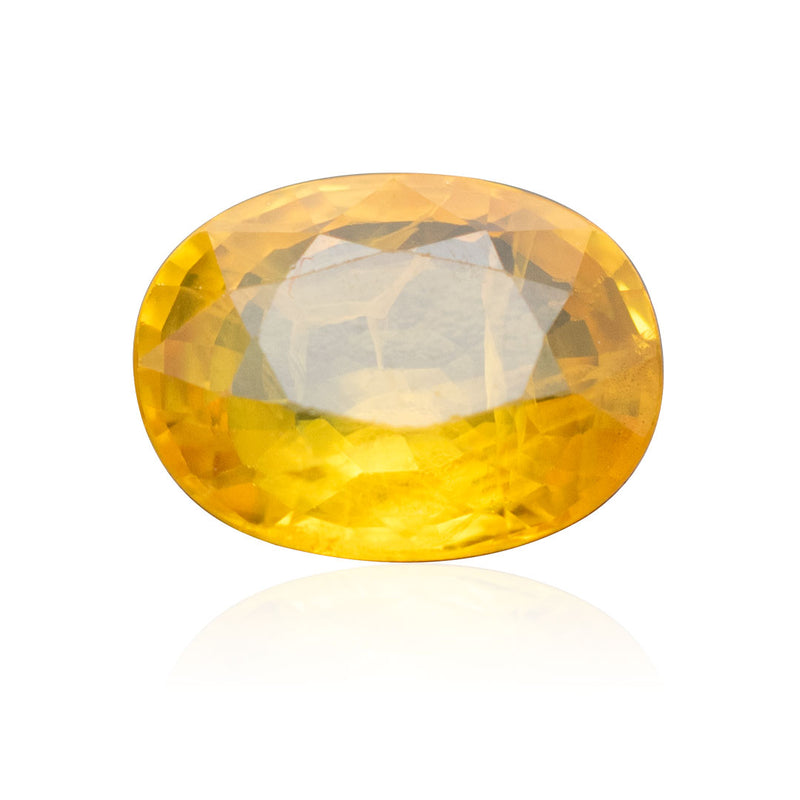
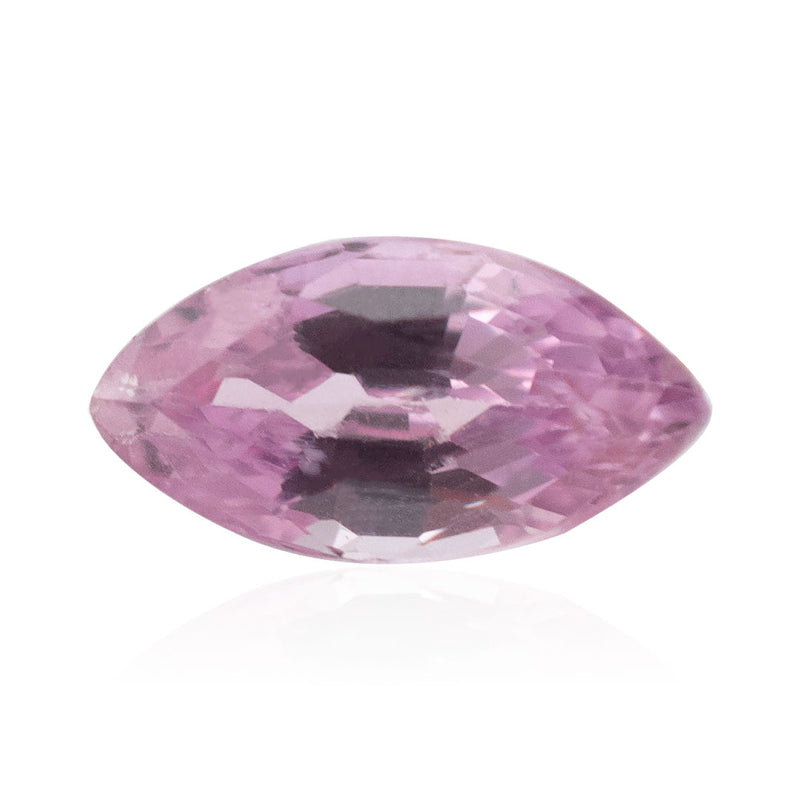
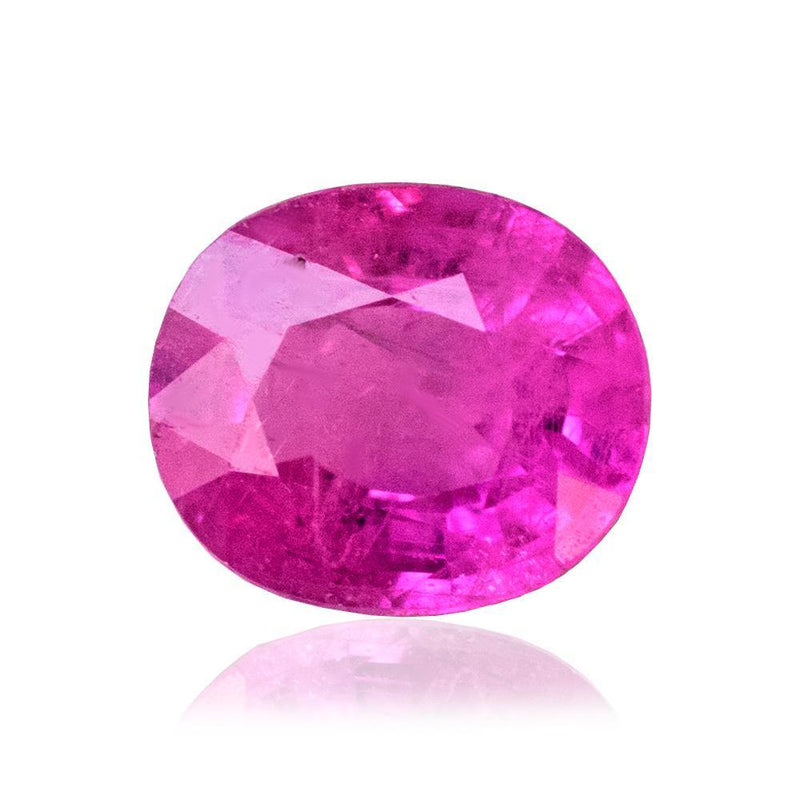
Beyond blue sit the fancy sapphires. Padparadscha — a delicate blend of pink and orange, named after the lotus blossom — is among the rarest and most collected of all. Pink sapphire ranges from the barely blush to a saturated hot pink that approaches ruby. Yellow runs from lemon to a rich golden. There are green sapphires, purple sapphires, and colourless stones sometimes called white sapphire. There are colour-change sapphires that read blue in daylight and purplish in incandescent light.
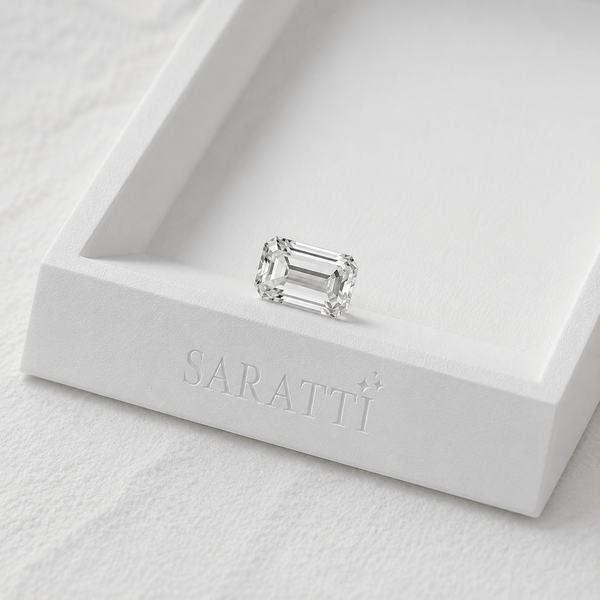
A word on white sapphire, because it is frequently misunderstood: it is not a diamond substitute in any meaningful sense. Colourless sapphire has a lower refractive index and disperses far less light, so it reads soft and glassy where a diamond reads bright. It is a beautiful stone judged on its own terms and a disappointing one judged against something it is not.
If colour is your starting point rather than species, our blue gemstone collection and the complete guide to blue gemstones are the better places to begin.
Reading Blue: Hue, Tone and Saturation
Colour in sapphire is not one measurement but three, and understanding the difference is the single most useful thing a buyer can learn.
Hue is the colour itself — where the stone sits between violet, blue and green. A pure blue is more valuable than one pulled noticeably toward green. A slight violet cast is generally accepted and sometimes prized.
Tone is how light or dark the stone is. Too light and the colour has no presence; too dark and the stone closes up, reading almost black in anything but direct light. The most valued blue sapphires sit in the medium to medium-dark range.
Saturation is the intensity of the colour, and it is what separates a good sapphire from an exceptional one. A stone can have perfect hue and ideal tone and still look flat if the saturation is weak. Strong, vivid saturation with no grey or brown modifier is what carries the price.
These three interact. A medium-dark blue with strong saturation and a faint violet secondary is worth many times a light, greyish blue of identical weight. Two sapphires of the same carat weight, cut and clarity can differ in price by a factor of ten on colour alone.
Colour should also be judged in more than one light. A stone photographed under a bright lamp will not look the same in a north-facing room. SARATTI assesses colour in daylight and in movement, and where a client is uncertain we will film a stone again under different conditions before anything is decided.
Origin, and What It Does and Does Not Mean
Certain origins carry significant premiums, and it is worth understanding why.
Kashmir is the most storied. The mines were productive for only a few decades in the late nineteenth century and have been effectively exhausted since. Kashmir material is associated with a velvety, slightly sleepy blue caused by fine rutile inclusions that scatter light. Genuine Kashmir stones with laboratory confirmation are rare and priced accordingly.
Burma (Myanmar) produces a rich royal blue with strong saturation, historically the benchmark for depth of colour.
Sri Lanka (Ceylon) is the largest source of fine blue sapphire today and produces a broad range, often lighter and brighter than Burmese material, with excellent transparency. Ceylon also yields much of the world's finest padparadscha.
Madagascar has become a major source of very good material, some of it closely resembling Ceylon stones. Thailand, Australia, Tanzania, Nigeria and Montana all contribute, each with characteristic tendencies.
Here is the part that matters: origin alone does not make a sapphire beautiful. A mediocre Kashmir stone is still a mediocre stone. Colour, clarity, cut and carat weight are the factors you actually see, and a superb Ceylon sapphire will outperform an indifferent Burmese one every time. Origin is a modifier on value, not a substitute for quality — and where origin is claimed, it should be supported by a report from a laboratory qualified to determine it.
Clarity and the Question of Silk
Sapphire is a Type II gemstone, which means inclusions are expected. Judging sapphire against a diamond clarity scale is a category error.
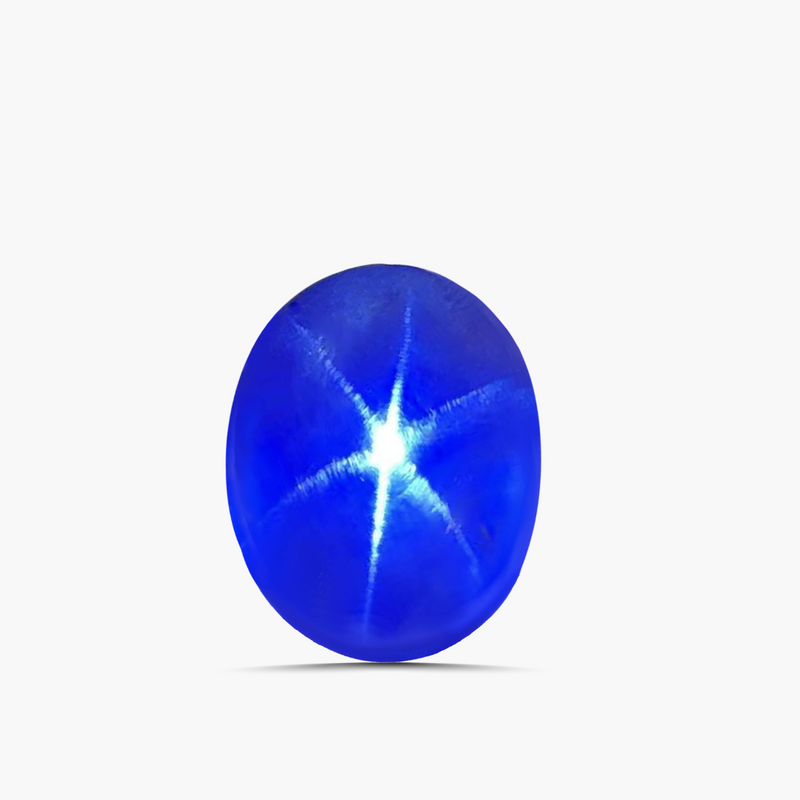
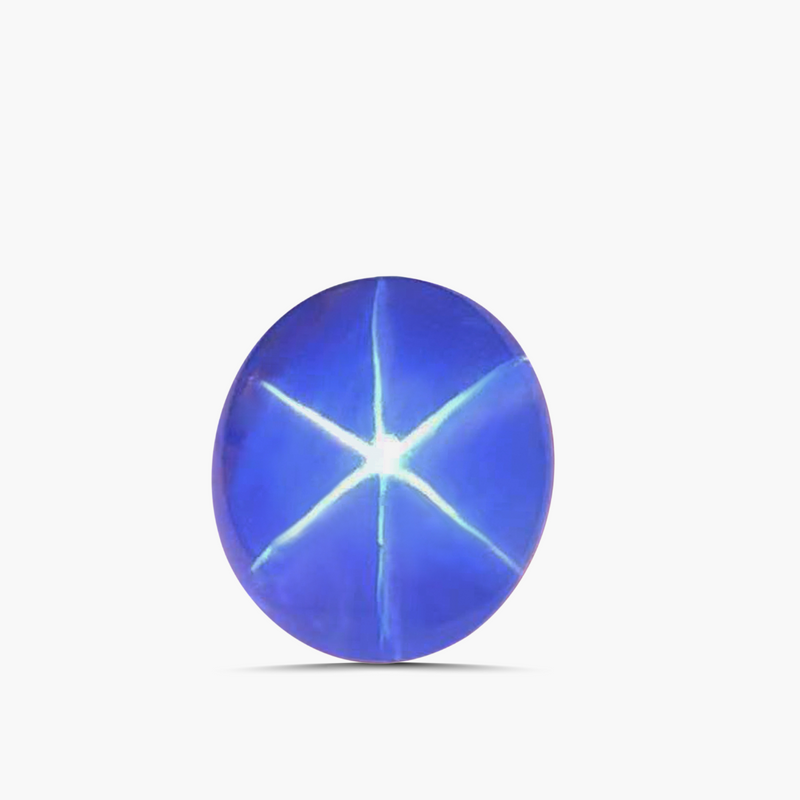
The most characteristic inclusion is silk — fine intersecting needles of rutile. In quantity, silk softens transparency and reduces value. In the right quantity and orientation it does something else entirely: it scatters light across the stone and produces the velvety quality that makes Kashmir material famous. In a cabochon, dense oriented silk produces asterism — the six-rayed star sapphire.
So inclusions in sapphire are not simply a defect to be minimised. They can be the source of the effect that makes the stone valuable. What matters is whether an inclusion affects transparency, brightness or durability. A crystal sitting invisibly under the crown of a vivid stone is of little consequence. A fracture reaching the surface near a corner is a structural concern, whatever the colour.
Eye-clean fine blue sapphires above a few carats are genuinely uncommon, and priced as such.
Heat, Treatment and Disclosure
Most sapphire on the market has been heated. This is long-established, stable, and accepted throughout the trade. Heating at high temperature can dissolve silk to improve transparency and can deepen or clarify colour. A heated sapphire is a natural sapphire, and heating is permanent.
Unheated sapphire is uncommon and carries a premium — often a substantial one at the fine end — because it means the colour you are looking at is entirely the work of geology. Unheated status can only be established by a competent laboratory, and where SARATTI states that a stone is unheated, a report supports it.
Other treatments require more care. Beryllium diffusion introduces an element that alters colour to a significant depth and must always be disclosed; it is a different proposition from straightforward heat. Fracture filling with glass improves apparent clarity but leaves the stone fragile and vulnerable to ordinary jewellery repair. Surface diffusion produces colour that is only skin-deep and can be polished away.
None of these is inherently dishonest. What would be dishonest is failing to say so. Where treatment is known, we state it on the listing. Where a stone carries a report, the report is shown. Our full standard is set out in how SARATTI grades gemstones.
Cut, and Why Sapphire Is Cut the Way It Is
Sapphire presents the cutter with two problems that diamond does not.
The first is colour zoning. Sapphire frequently grows in bands of uneven colour — a blue core in a paler crystal, or a straight band of stronger colour along one edge. The cutter must orient the stone so that the colour reads evenly face-up, which often means accepting a less efficient shape or losing weight.
The second is pleochroism. Corundum shows different colours along different crystal axes. Oriented one way a sapphire may face up violetish blue, and rotated it may face up greenish. The finest colour is placed face-up, and again this constrains the cut.
The result is that sapphires are cut for colour first and brilliance second. Ovals and cushions dominate because they retain weight and suit the shape of the rough. Deep pavilions are common — they concentrate colour, which is why a sapphire often looks smaller face-up than its carat weight suggests. Star sapphires are cut as cabochons, domed and oriented to centre the ray.
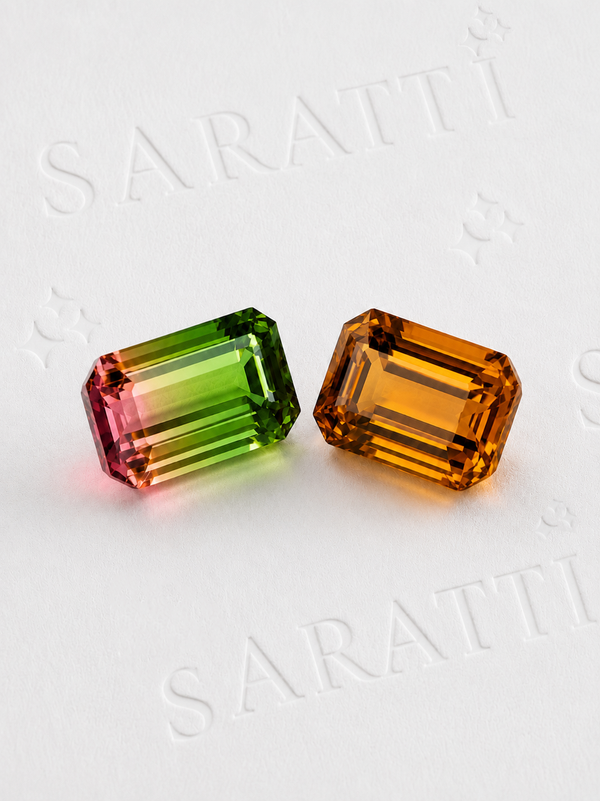
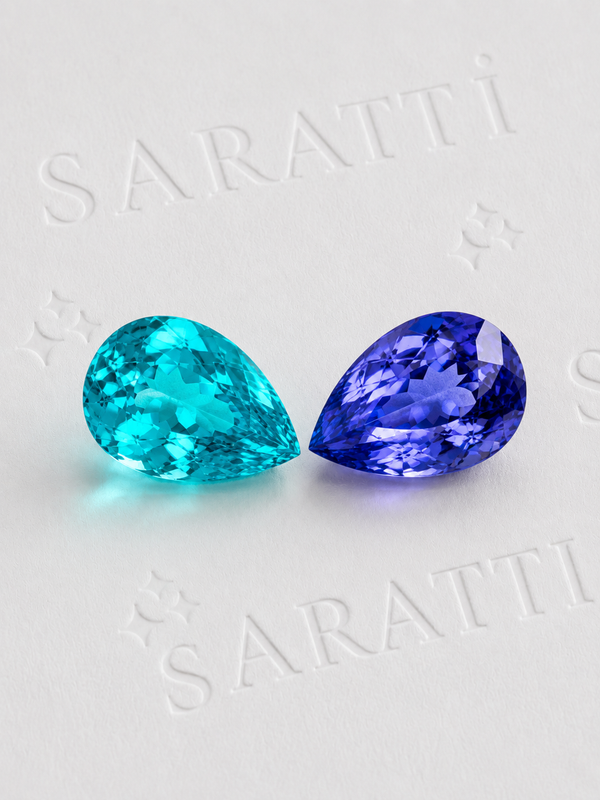
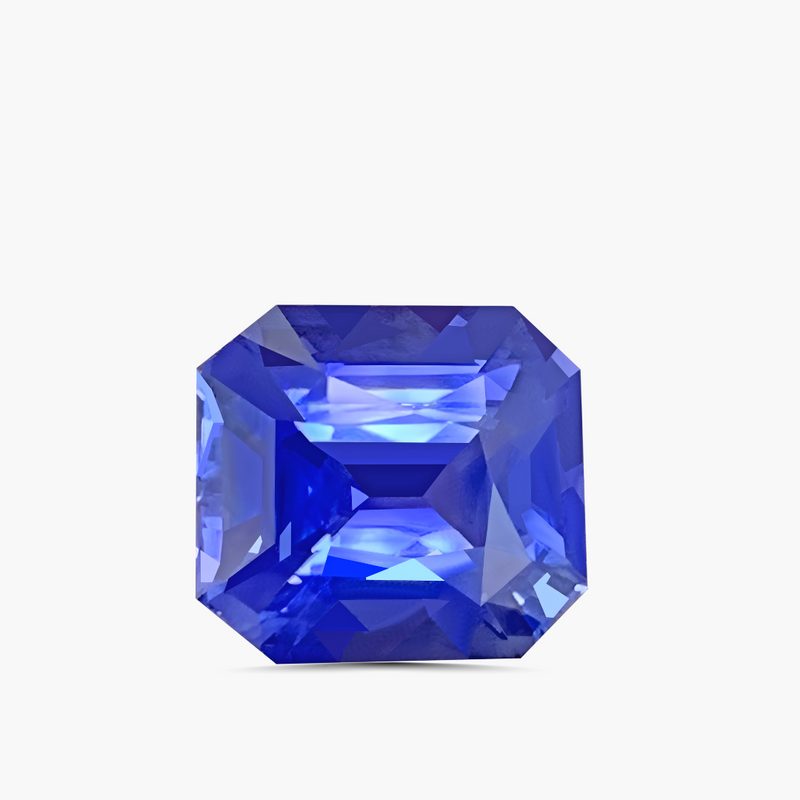
A well-cut sapphire should show even colour across the face with no obvious window at the centre and no dead extinction under the table. If the cut of a particular shape interests you, our pear shaped gemstone buyer's guide and the emerald cut identification guide both apply to sapphire as much as to any other stone.
Carat Weight and What It Does to Price
Sapphire is denser than diamond — a specific gravity of about 4.00 against diamond's 3.52 — which means a one-carat sapphire is physically smaller than a one-carat diamond. Comparing the two by weight alone is misleading; compare millimetre dimensions instead.
Most commercial blue sapphire weighs under five carats. Price per carat does not rise in a straight line with size: it steps. A fine two-carat stone costs considerably more than twice a comparable one-carat stone, and above five carats, with strong colour and good clarity, the increase becomes steep. Fine large sapphires are simply not found often.
This is also why a marginally smaller stone with better colour is almost always the better purchase. Weight is the easiest number to quote and the least useful one on its own.
Certification
For any sapphire of consequence, an independent report is not optional. A report from a recognised laboratory — GIA, GUILD, AIGS, CGRL, GRS or GRC — can confirm that the stone is natural corundum, identify treatment where detectable, record measurements and weight, and in some cases give an opinion on geographic origin.
Not every report says the same thing, and not every stone requires the same level of reporting. A modest stone need not carry an origin determination. A significant unheated Burmese sapphire absolutely should. Where a client wants a stone reviewed by a different laboratory, SARATTI can arrange it, and the laboratory fee is passed on at cost.
Choosing a Sapphire, and What Comes After
A sapphire may be bought to keep loose, to collect, to mark a September birthday — it is the September birthstone — or to become the centre of a ring that will be worn for fifty years. All are good reasons, and they point toward different stones.
If the stone is destined for an engagement ring, hardness and cut matter more than they would in a pendant, and our notes on sapphire engagement ring settings are a useful starting point. If it is for a collection, origin and unheated status carry more weight. If it is a gift and colour is the whole point, saturation is where the budget should go.
Every stone in this collection is listed individually, with its own photography and its own details. Where a sapphire has been treated, we say so. Where a report exists, it is shown. For a deeper account of the species, see our sapphire guide.
And if what you are looking for is not here — a particular tone, an origin, a size, an unheated stone within a certain budget — a good deal of what we can reach is not listed online. Describe it, and we will go and look.