What Makes a Gemstone Green
Green is produced in gemstones by a small number of elements, and the same element can be responsible in minerals that have nothing else in common.
Chromium is the most important. It turns beryl into emerald, makes tsavorite garnet the green it is, and gives chrome tourmaline its intensity. Vanadium does similar work and often accompanies it. Iron produces a quieter, more olive green: it is the colouring agent in peridot, where iron is not a trace element at all but part of the mineral's own formula, and in most ordinary green tourmaline. In demantoid garnet the green comes from chromium in a mineral whose optical properties are unlike beryl's.
So a chromium green and an iron green look different before you have compared anything else. Chromium greens are pure and slightly bluish, and they fluoresce; iron greens tend yellowish and read flatter. That distinction runs underneath what follows. Our survey of green gemstones covers the field more broadly; this article is about choosing between them.
Emerald: The Benchmark, and Its Conditions
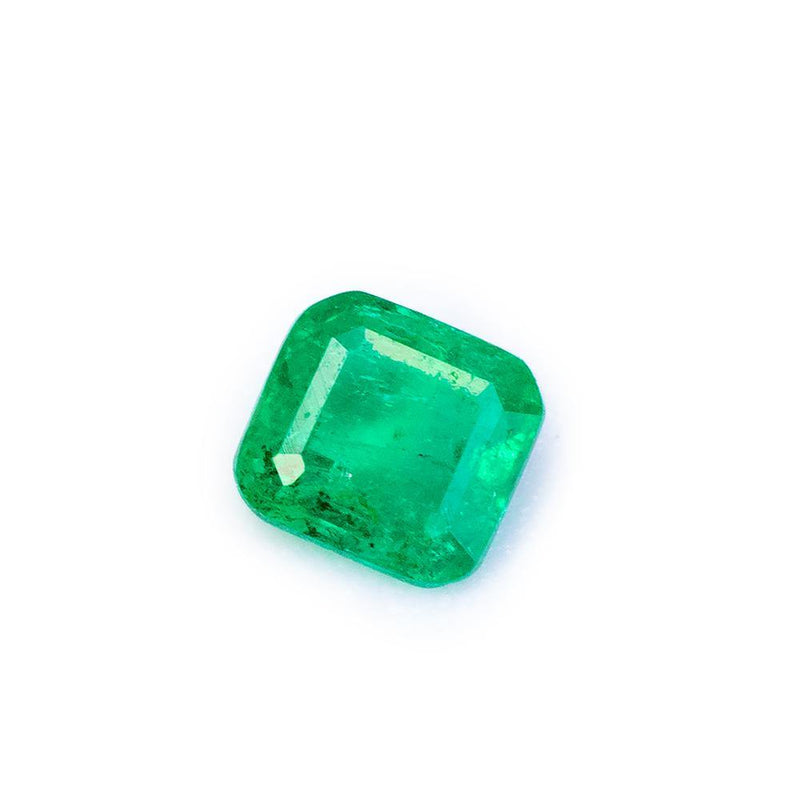
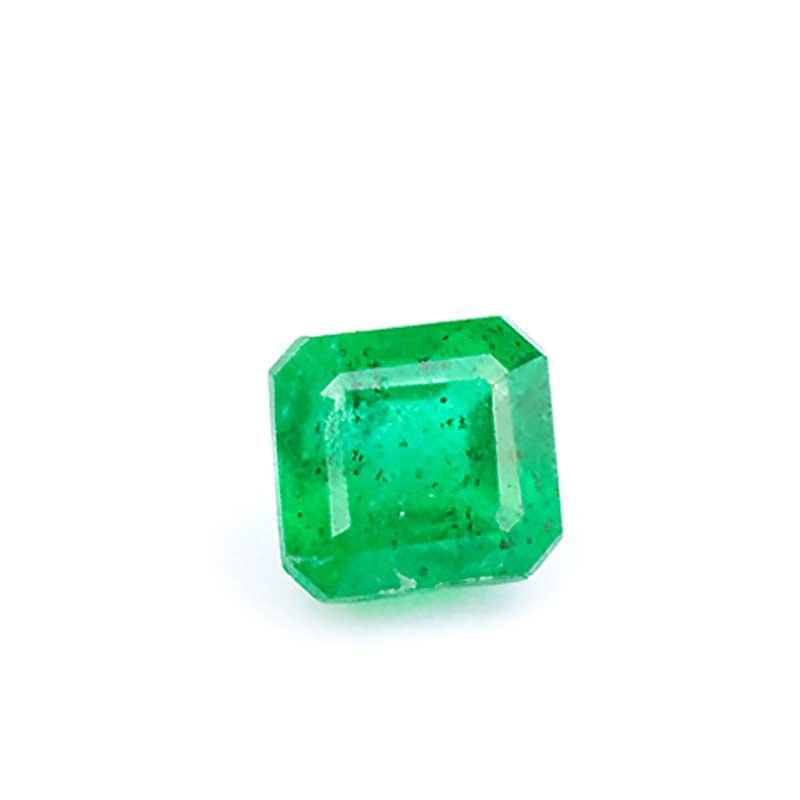
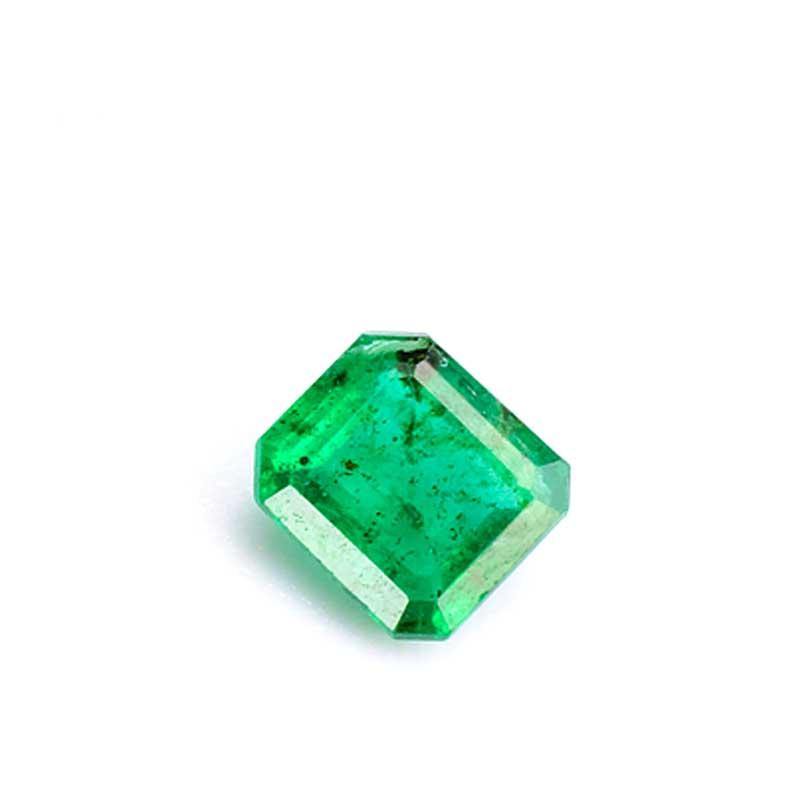
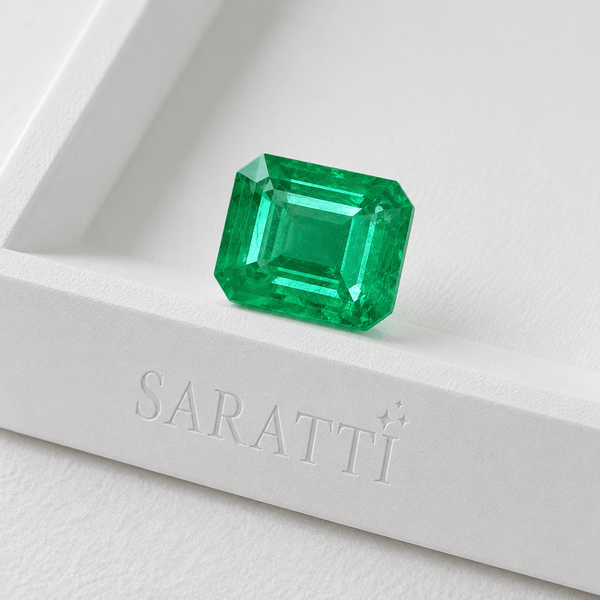
Emerald is beryl coloured by chromium, vanadium or both, and it is the stone every other green is measured against. It is also the most demanding.
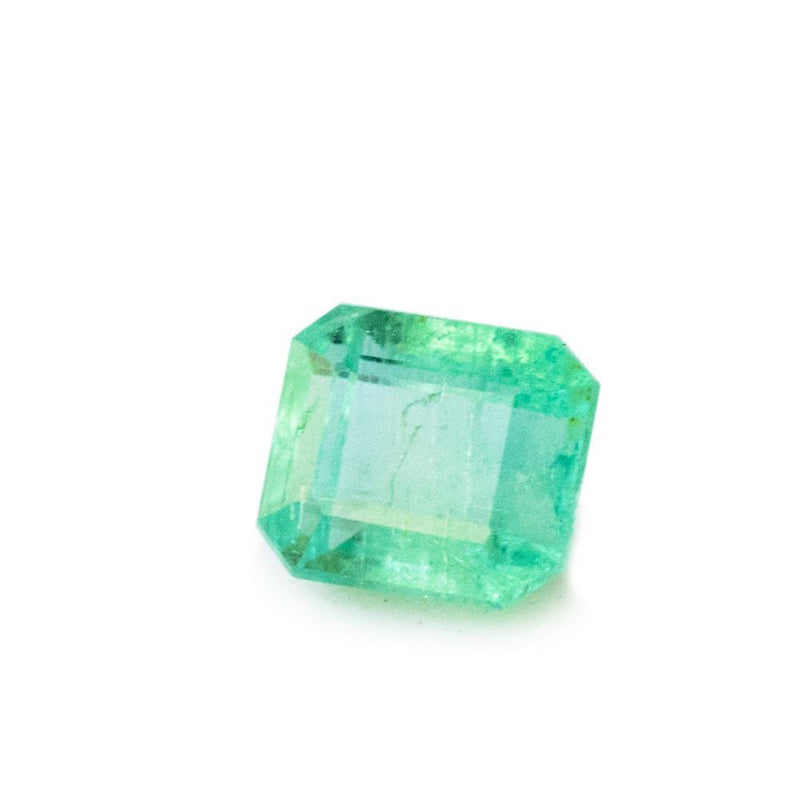
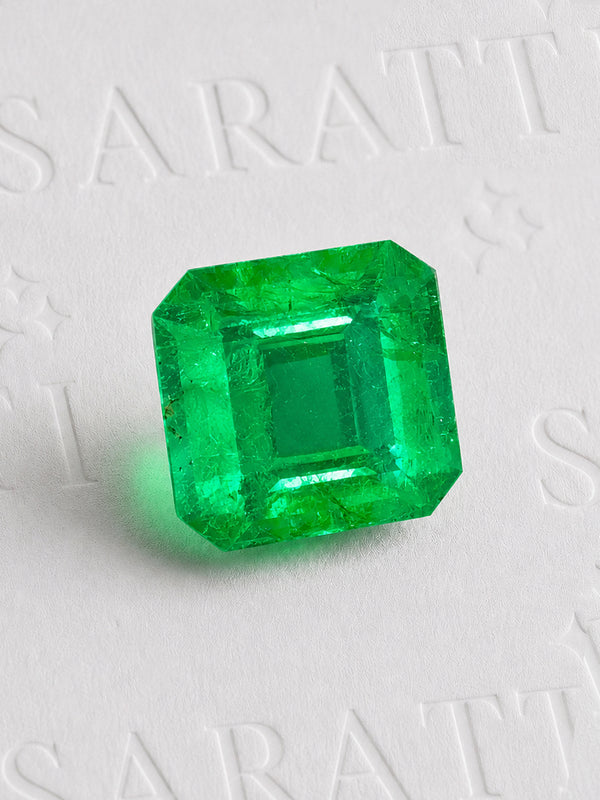
The colour at its best is a slightly bluish, deeply saturated green with no grey — a colour no other stone quite reproduces. What comes with it is a crystal that is almost never clean. Emerald is a Type III gemstone, which means inclusions are expected in all material, and the trade's term for them, jardin, exists because there was no point pretending otherwise. Judging an emerald against a diamond clarity scale is a category error; what matters is whether the inclusions interfere with transparency and colour, and whether any of them reach the surface.
They usually do, and that leads to the second condition. Emerald is nearly always oiled or resin-filled. Surface-reaching fractures are filled with cedarwood oil or a polymer resin to reduce their visibility. This is universal, accepted and disclosed by grade — minor, moderate or significant — and it is not permanent. Oil can dry out or be driven off by heat and ultrasonic cleaning, and a stone may need re-oiling in the course of a lifetime.
At Mohs 7.5 to 8 emerald is reasonably hard but genuinely brittle, because those internal fractures are planes of weakness. It wants a protective setting. It is also the most expensive green by a wide margin, and fine Colombian material in larger sizes competes with the best sapphires and rubies on price. Our emerald collection and the fuller account in learn about emerald both set out what to look for.
Tsavorite: The Comparison Nobody Makes Often Enough
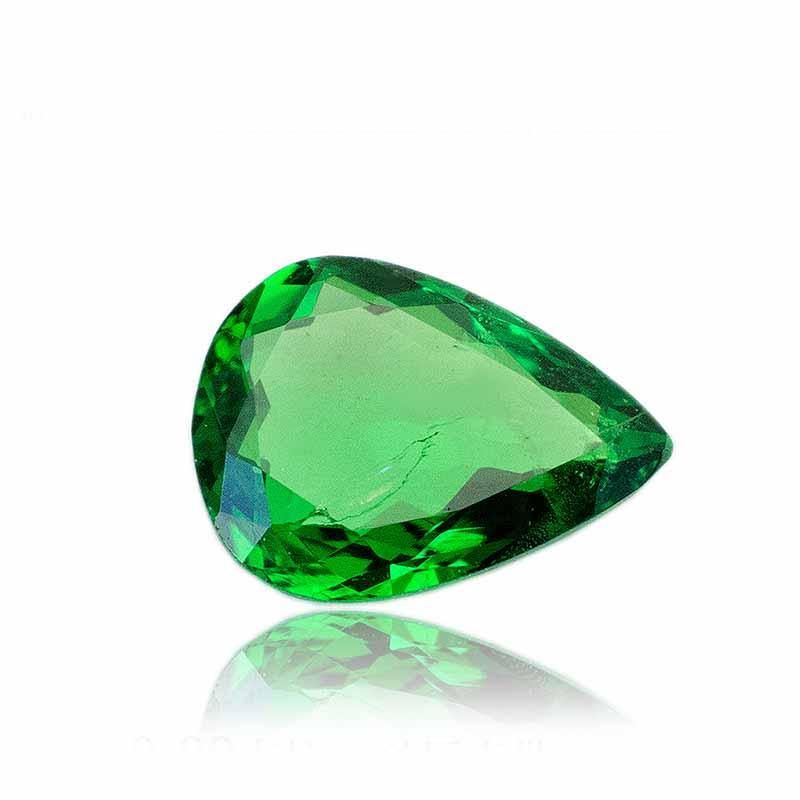
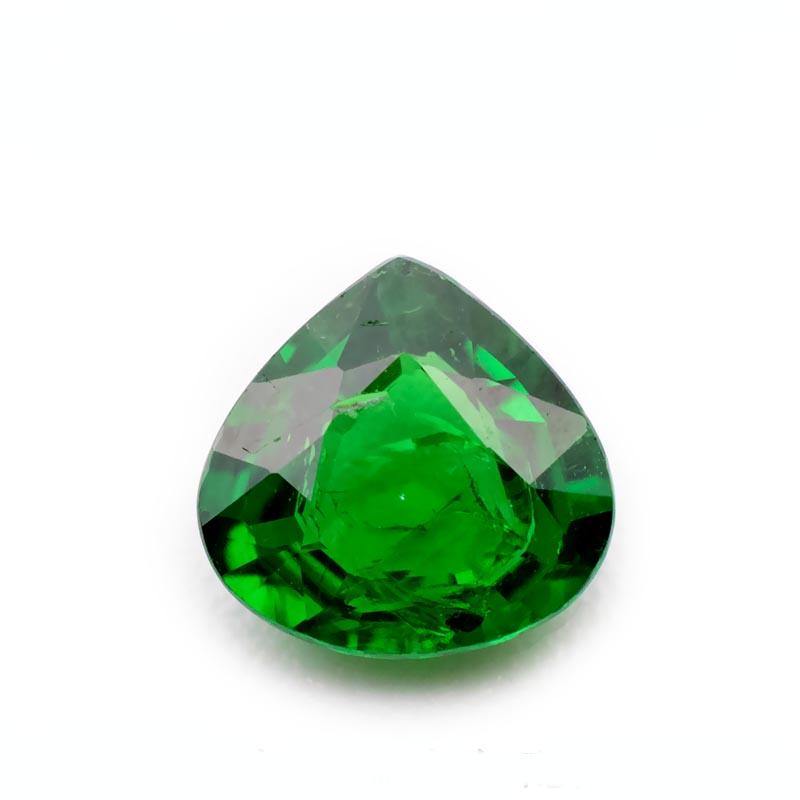
Tsavorite is green grossular garnet, coloured by vanadium and chromium, found in Kenya and Tanzania. It belongs immediately after emerald, because the honest comparison favours it on almost every measure a buyer would name.
Tsavorite is essentially never treated — there is no oiling, no filling, no heat, and no established process that would improve it. It is markedly cleaner than emerald, and eye-clean stones are the norm rather than the exception. It has a higher refractive index than beryl, so it is more brilliant, returning more light and reading livelier. And in comparable quality it costs less than emerald.
That is the headline, and it should be said plainly rather than buried: a fine tsavorite is cleaner, brighter and untreated, and it is cheaper than an emerald of similar quality.
There are two real qualifications. Tsavorite is rare above two carats — the rough simply does not occur in size — so anyone wanting a large green stone will be pushed back towards emerald. And per carat at the top of the market, fine tsavorite is priced alongside fine sapphire, which is not inexpensive. At Mohs 6.5 to 7.5 it is softer than emerald on paper but tougher in practice, because it lacks emerald's internal fractures. Tsavorite sits within our garnet collection, where the species range is easier to see side by side.
Demantoid: The Garnet That Disperses Like a Diamond
Demantoid is andradite garnet, and it is a collector's stone. Its dispersion — 0.057 — is higher than diamond's 0.044, which means it splits white light into spectral colours more strongly than diamond does. In a well-cut stone this produces flashes of orange and red inside a green body colour, an effect nothing else in this article reproduces.
Russian demantoid from the Urals is the historic material and carries a premium. It frequently contains radiating fibres of chrysotile known as horsetail inclusions, and unusually these are considered desirable — they confirm Russian origin and count as a feature rather than a fault. Namibian and Madagascan material is generally cleaner and less expensive.
The problem is hardness. Demantoid is around Mohs 6.5, soft enough that a ring stone will abrade visibly over years of daily wear. It is far better placed in earrings, a pendant, or a ring worn occasionally. Fine Russian demantoid above two carats is very expensive and rarely offered.
Chrome Tourmaline and Green Tourmaline
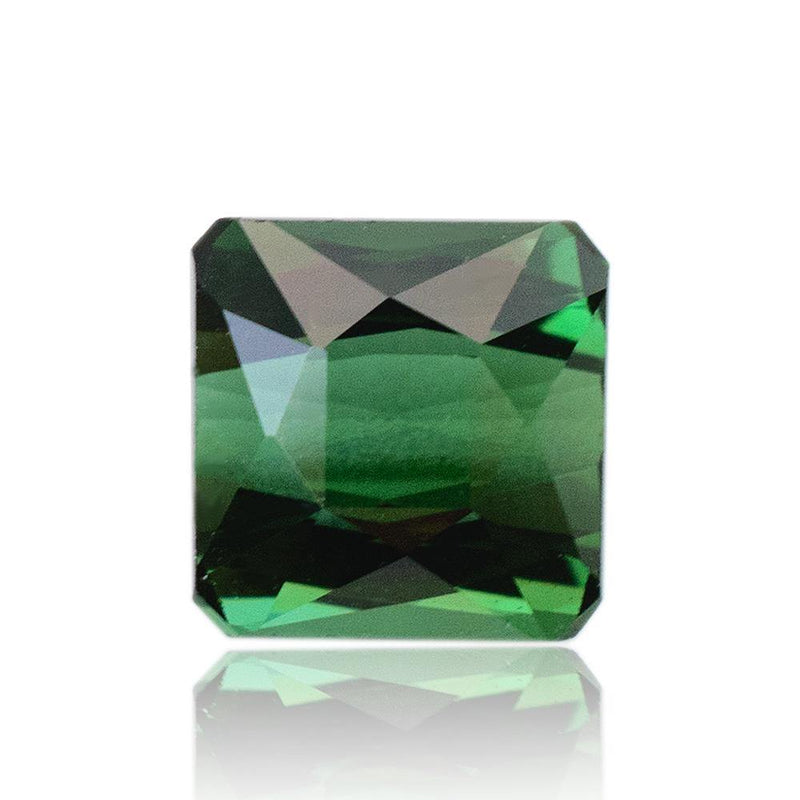
Chrome tourmaline comes principally from Tanzania and owes its colour to chromium and vanadium, the same elements at work in emerald. The result is a vivid, slightly bluish green that reads far closer to emerald than ordinary tourmaline does, in a stone that is usually clean and usually untreated. It sits well below emerald on price — not marginally, but substantially — and it is the most sensible substitution available to anyone who wants emerald colour without emerald's conditions. It is rare above three or four carats.
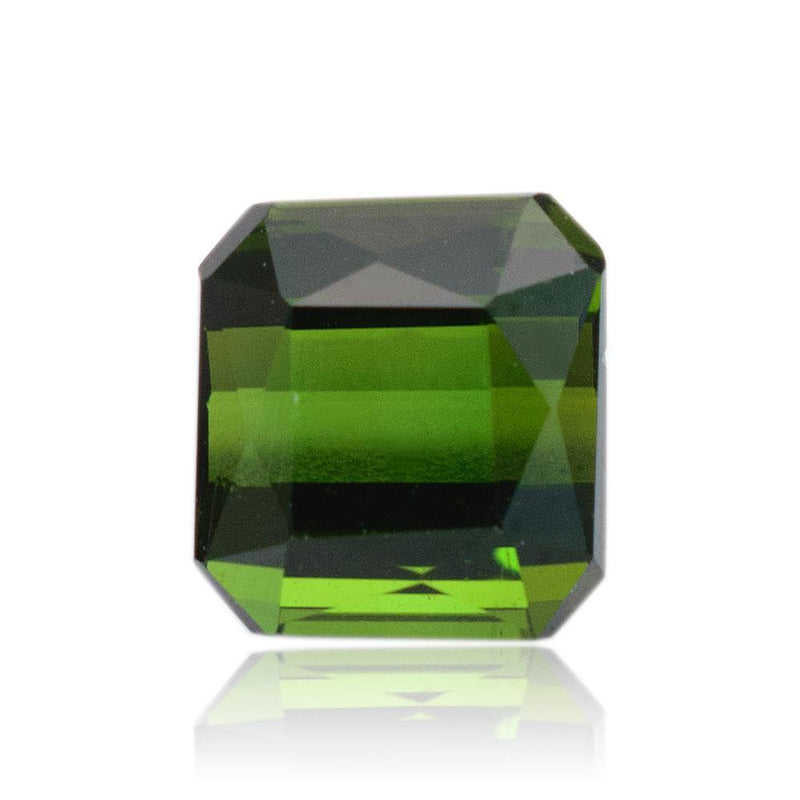
Green tourmaline, or verdelite, is the abundant iron-coloured material. It ranges from a yellowish spring green to dark bottle greens that need careful cutting to avoid closing up. It is plentiful, available in large sizes, and among the most affordable good green stones. Tourmaline is commonly heated to lighten dark material, which is stable and undetectable, and some is clarity-enhanced, which should be disclosed.
Both sit at Mohs 7 to 7.5, which is adequate for regular wear in a sensible setting. The tourmaline collection covers the full spread of green within the species.
Peridot, Green Sapphire and the Durable Others
Peridot is gem-quality olivine, and its green is unlike the others because iron is part of the mineral rather than a trace impurity — every peridot is green, and the colour cannot be much better or worse than its iron content dictates. It is a warm yellowish green, best in larger sizes where the colour has depth. It is never treated, and it is among the most affordable stones here. At Mohs 6.5 to 7 it is soft and somewhat brittle, and easily scratched in a ring worn daily.
Green sapphire is corundum, at Mohs 9 the hardest green available. It is uncommon, usually a slightly yellowish or olive green rather than the pure chromium green people picture, and it is usually heated. For anyone whose first requirement is a green stone that will survive fifty years on a hand, it is the correct answer, and the fact that it is less celebrated than emerald keeps its price moderate.
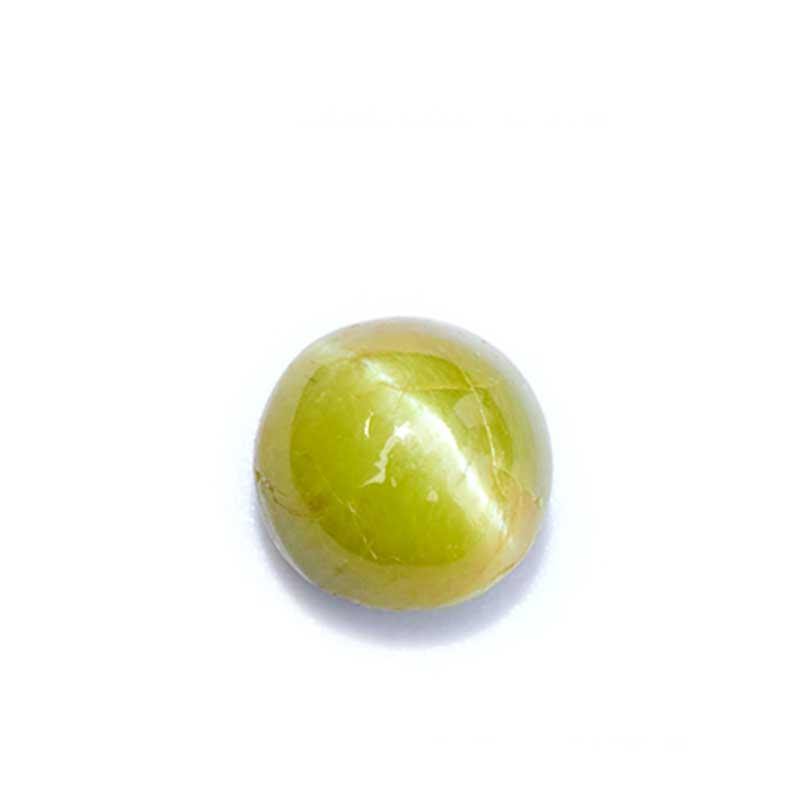
Green chrysoberyl is hard at Mohs 8.5, untreated, and usually yellowish green; the chromium-bearing colour-change variety is alexandrite, a different and far more expensive proposition. The chrysoberyl collection shows the range. Green zircon is brilliant and highly dispersive, but brittle at the facet edges and rarely seen.
Comparing Them Directly: Budget, Durability, Treatment
On budget, from most to least expensive per carat in fine quality: emerald, then fine tsavorite and Russian demantoid, then chrome tourmaline, then green sapphire and chrysoberyl, then ordinary green tourmaline, then peridot, which is the most affordable of the group.
On durability, the ranking is almost the reverse of prestige: green sapphire at 9, chrysoberyl at 8.5, then tourmaline at 7 to 7.5, then tsavorite, then emerald — hard but brittle — then peridot and demantoid at around 6.5.
On treatment, the split is stark. Emerald is nearly always treated, and its treatment is not permanent. Tsavorite, demantoid and peridot are essentially never treated. Tourmaline and green sapphire are often heated, permanently and undetectably.
Those three orderings disagree, which is the difficulty. The most admired colour is also the most treated, most fragile and most expensive. The stone that scores best on clarity, treatment and brilliance is limited in size. The stone that will survive anything is the one nobody asks for by name.
Treatment Across the Group
Stated plainly: emerald is oiled or resin-filled in the overwhelming majority of cases, and unenhanced emerald of good colour is genuinely rare and priced as such. This is not a scandal — it is a century-old trade practice — but it is the single most important thing to understand before buying green, because it is the only treatment on this list that can change over time.
Tourmaline is frequently heated and sometimes irradiated. Green sapphire is usually heated. Both treatments are permanent and stable.
Tsavorite, demantoid, peridot and chrysoberyl are, as a group, untreated. If treatment is what you object to, the green family offers you better options than most colours do.
Where a treatment is known, we state it on the listing, and the standard we apply is set out in how SARATTI grades gemstones.
Durability and Daily Wear
Hardness resists scratching; toughness resists breaking. Emerald illustrates why both matter — at 7.5 to 8 it is harder than tsavorite, and yet it is the stone most likely to be damaged, because its fractures make it brittle and its oil is vulnerable to heat and ultrasonic cleaning.
For a ring worn every day, green sapphire (9) and chrysoberyl (8.5) are unqualified choices. Tourmaline (7 to 7.5) and tsavorite (6.5 to 7.5) are sound in a setting that shields the girdle. Emerald (7.5 to 8) is workable in a bezel or protected setting, with the understanding that it will need care and may need re-oiling. Peridot (6.5 to 7) and demantoid (6.5) belong in earrings and pendants.
Never clean emerald ultrasonically or with steam. Warm water, mild soap and a soft brush are safe for everything on this list.
Certification, and How to Choose
An independent report from GIA, GUILD, AIGS, CGRL, GRS or GRC should confirm the species and identify treatment where detectable. These stones need reports unequally. An emerald of any consequence should carry one stating the degree of clarity enhancement, because minor and significant oiling are materially different articles at the same apparent quality. Tsavorite and demantoid benefit from a report chiefly to confirm the garnet variety, and demantoid origin affects value. Where a report exists it is shown; where none exists, we say so. Recertification with a different laboratory can be arranged, with the fee passed on at cost.
Decide which of three things you will not compromise on. If it is colour, and specifically emerald's bluish green, nothing substitutes for emerald and you should accept the oiling and the care. If it is clarity, brilliance and an untreated stone, tsavorite is the better purchase and the price difference runs in your favour. If it is size at a sensible cost, green tourmaline or peridot. If it is a stone that will be worn hard for decades, green sapphire.
Only part of what we can reach is listed online. Describe it, and we will go and look.




 Engagement Rings
 Gemstone Rings
 Wedding Bands
 The SARATTI Difference
 Gemstone Type
 Shop By Color