


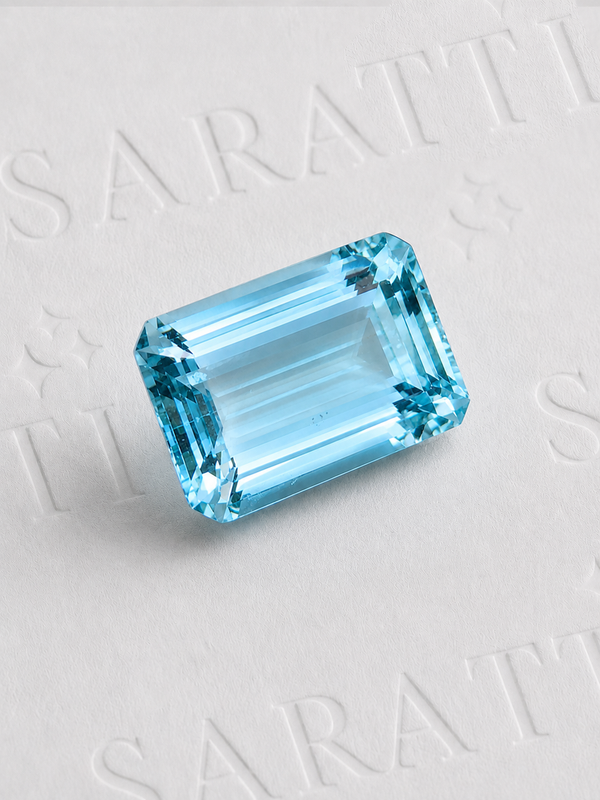
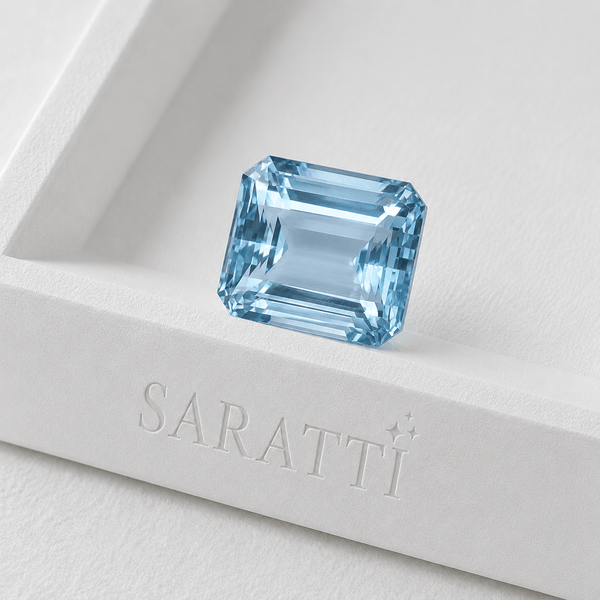











A Guide to Aquamarine Engagement Rings for Brides Who Love Soft Blue Stones
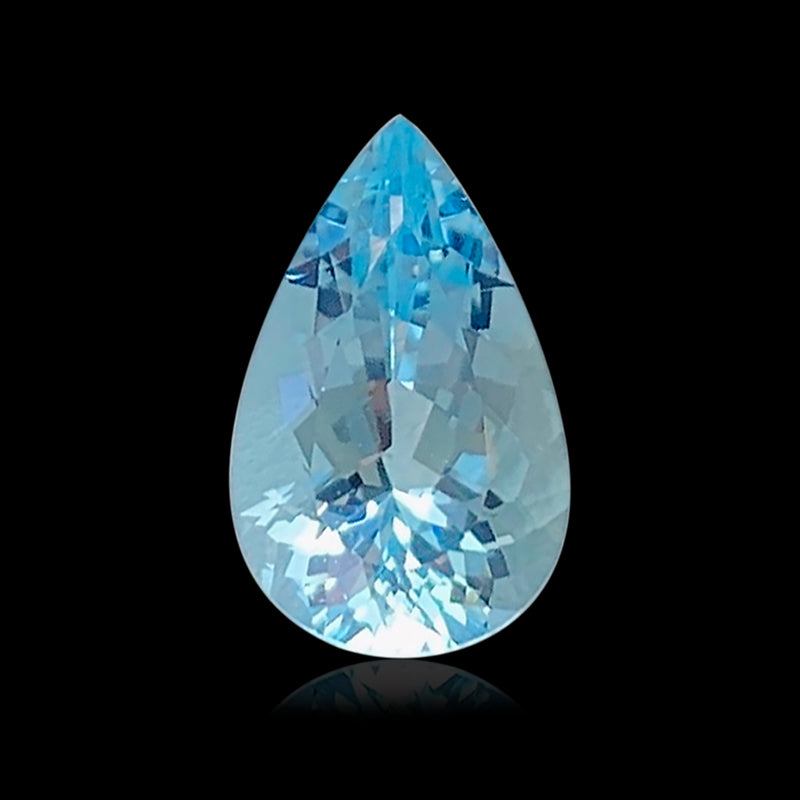
Some blue stones are made to dazzle.Aquamarine is made to calm. Its beauty is softer than a flash of brilliance. It carries the blue of clear water, pale sky, and...

 Engagement Rings
 Gemstone Rings
 Wedding Bands
 The SARATTI Difference
 Gemstone Type
 Shop By Color
Every stone held by the house, listed one at a time.
Discover SARATTI’s collection of loose gemstones, selected for colour, cut, proportion, and presence. From loose diamonds and natural rubies to sapphires, emeralds, and rare coloured gemstones, each stone is chosen with the intention of becoming something deeply personal.
Whether you are beginning a custom ring, necklace, bracelet, or pair of earrings, a loose gemstone offers the freedom to design around the stone itself. Choose the gem that speaks to you, then allow SARATTI to guide the setting, silhouette, and final piece with considered craftsmanship.
For collectors, designers, and those seeking something truly individual, our loose gemstone gallery brings together stones of distinctive character, shape, and beauty — ready to be kept, collected, or transformed into a bespoke SARATTI creation.
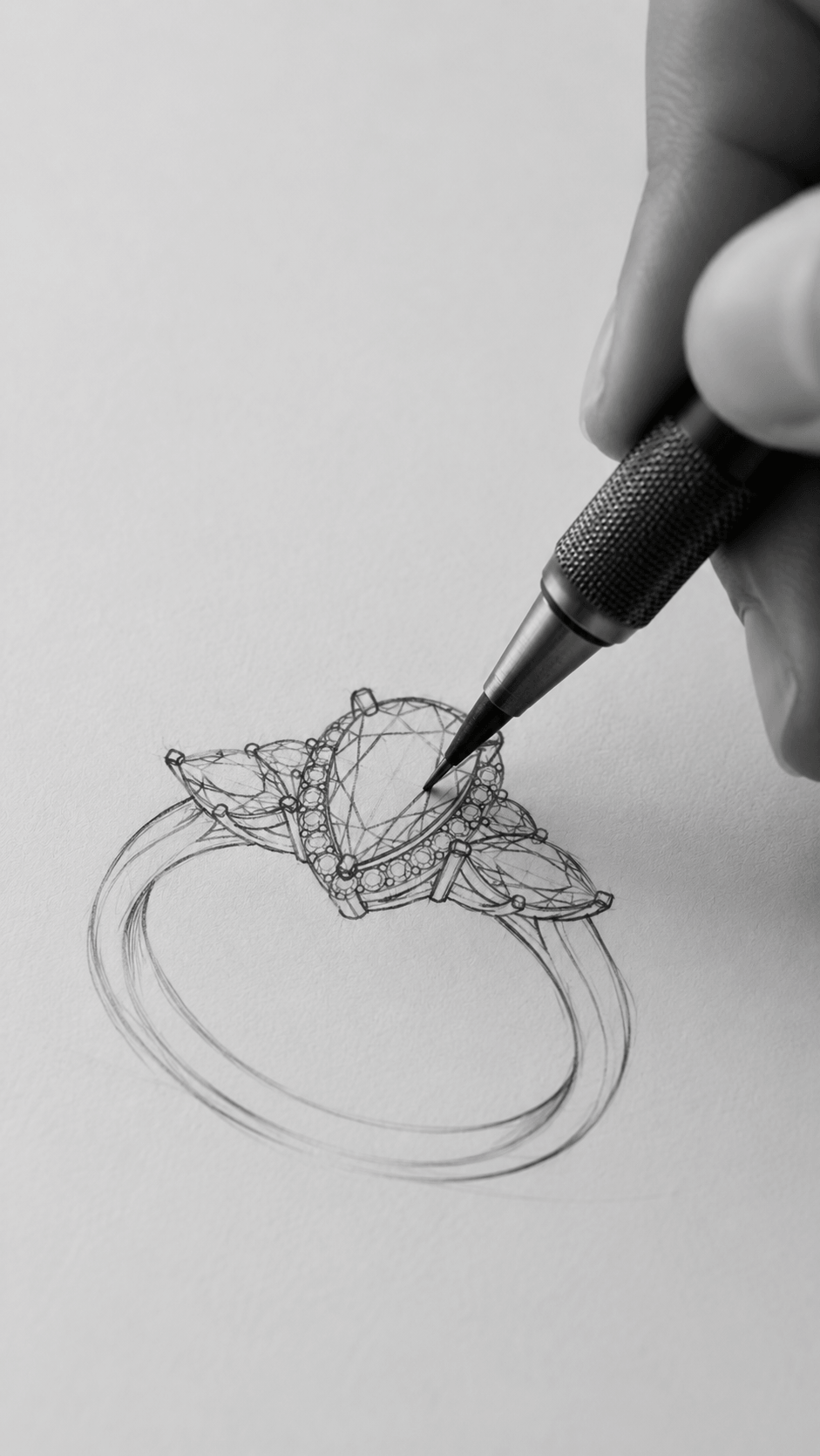
A sketch, an old jewel, an image, or an idea. Share it with us and we will guide the stone, metal, timeline, and cost.
 GUILD
GUILD
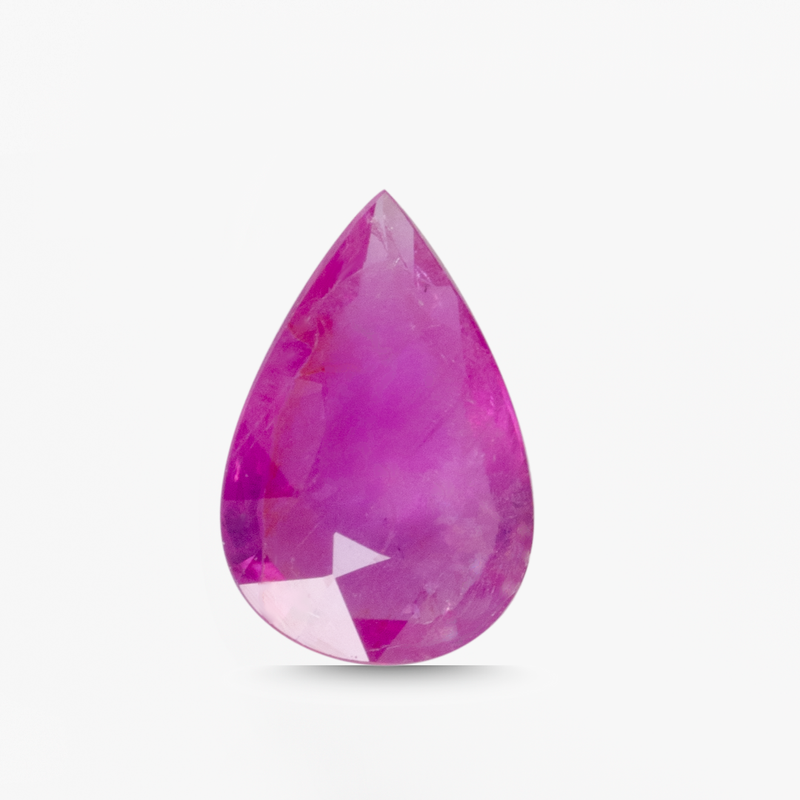
 Sold Out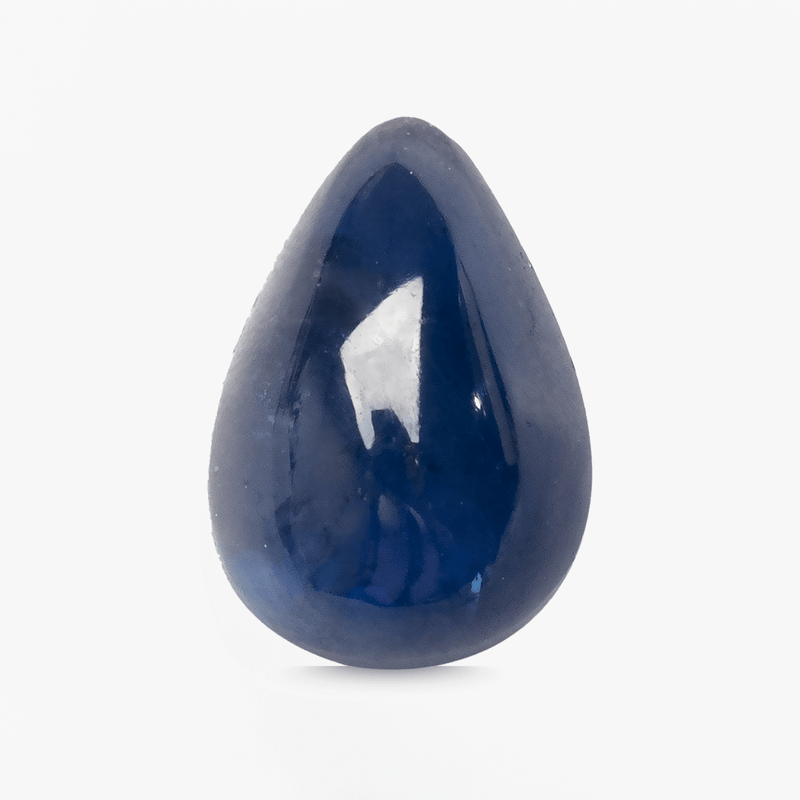
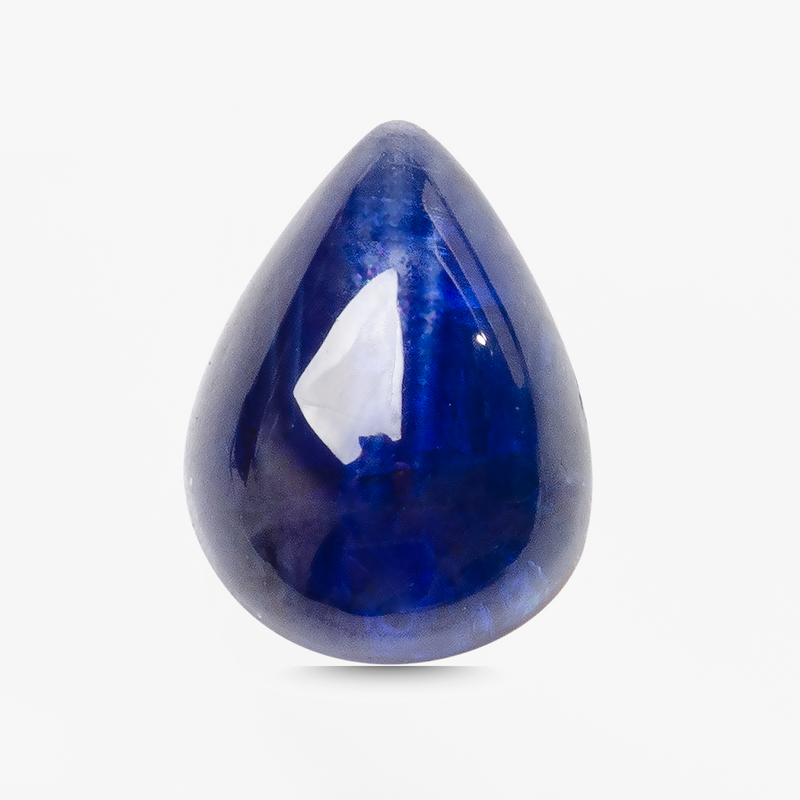
 Sold Out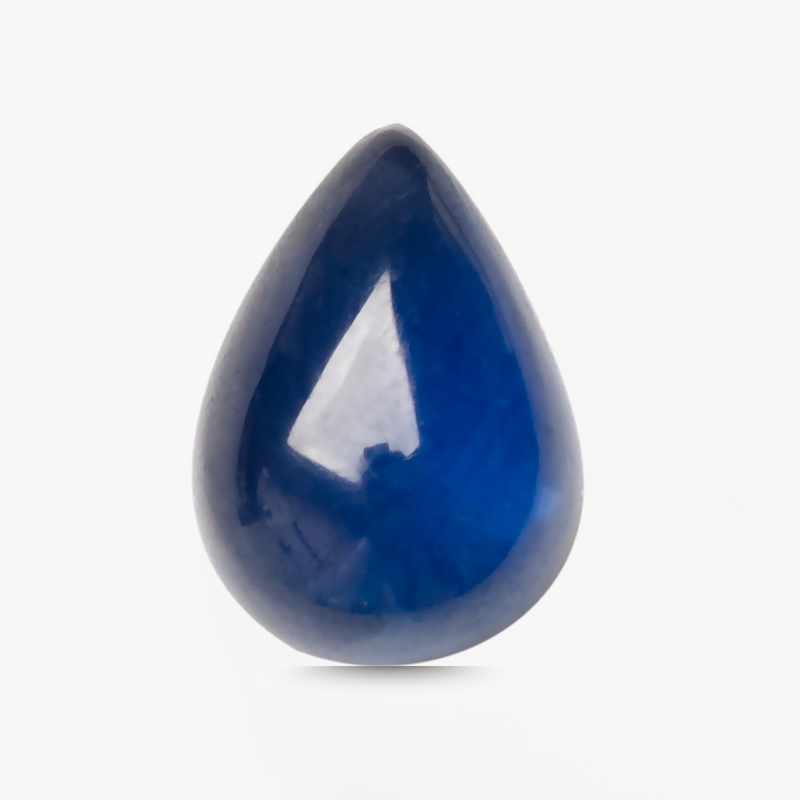
 SARATTI
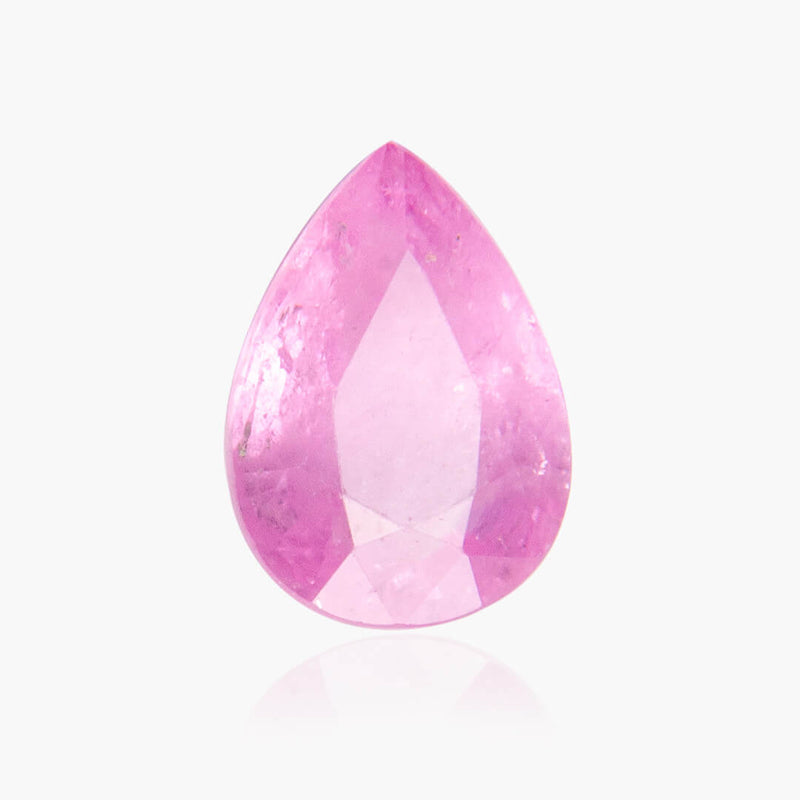
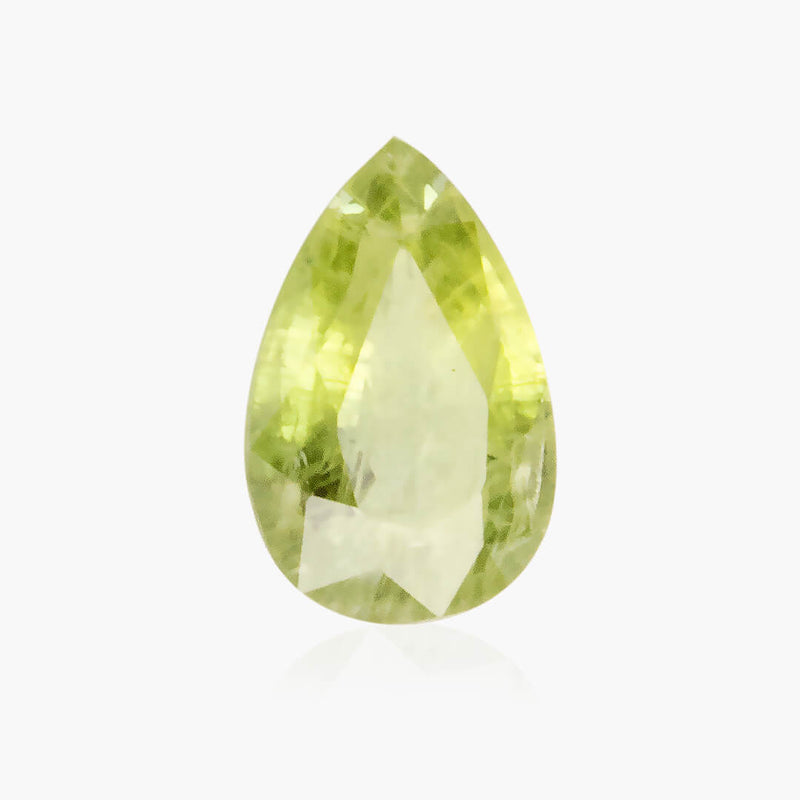
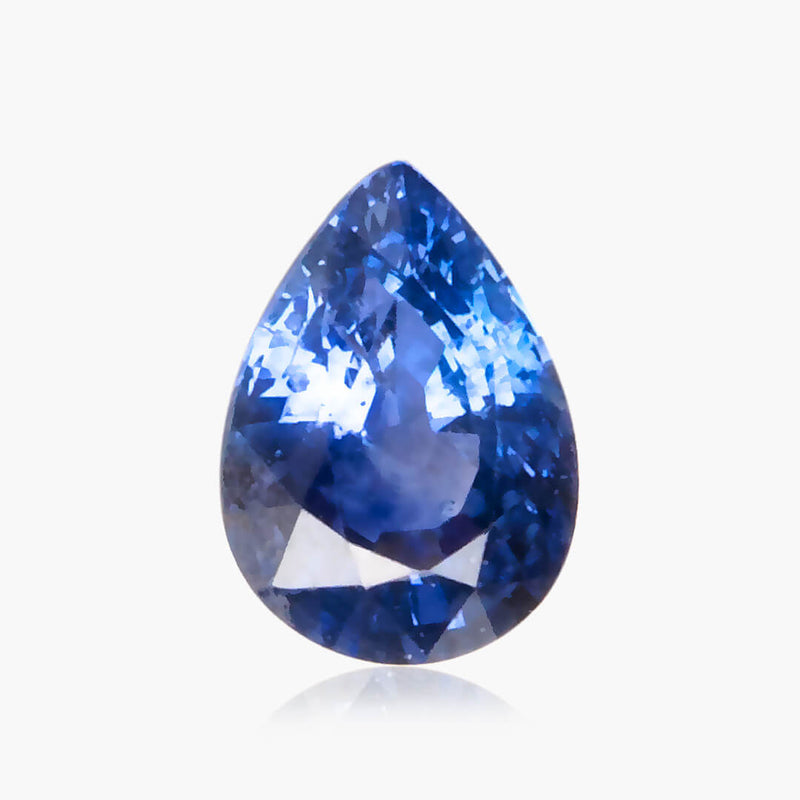
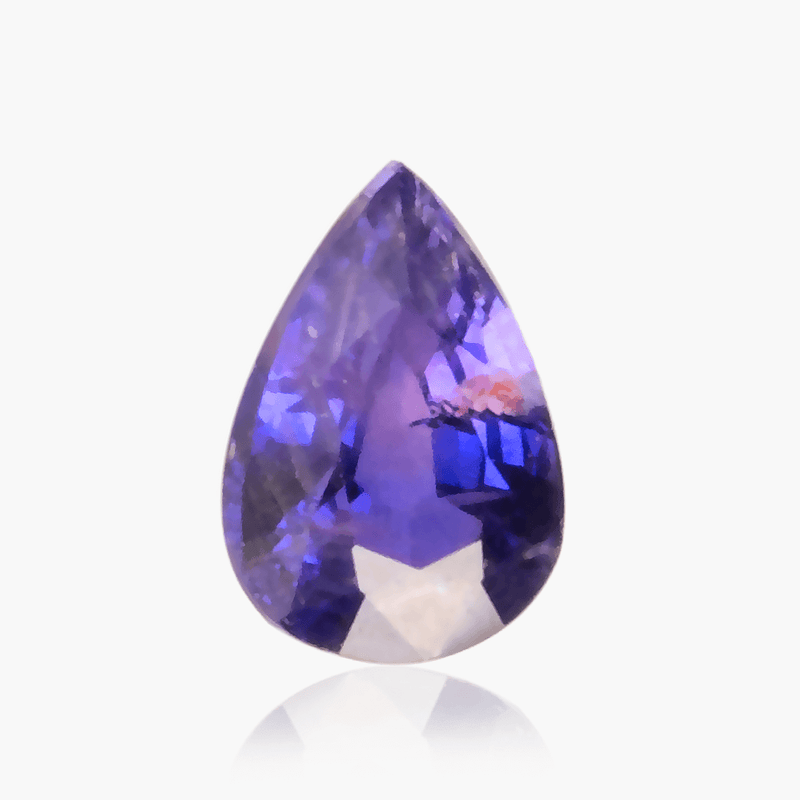
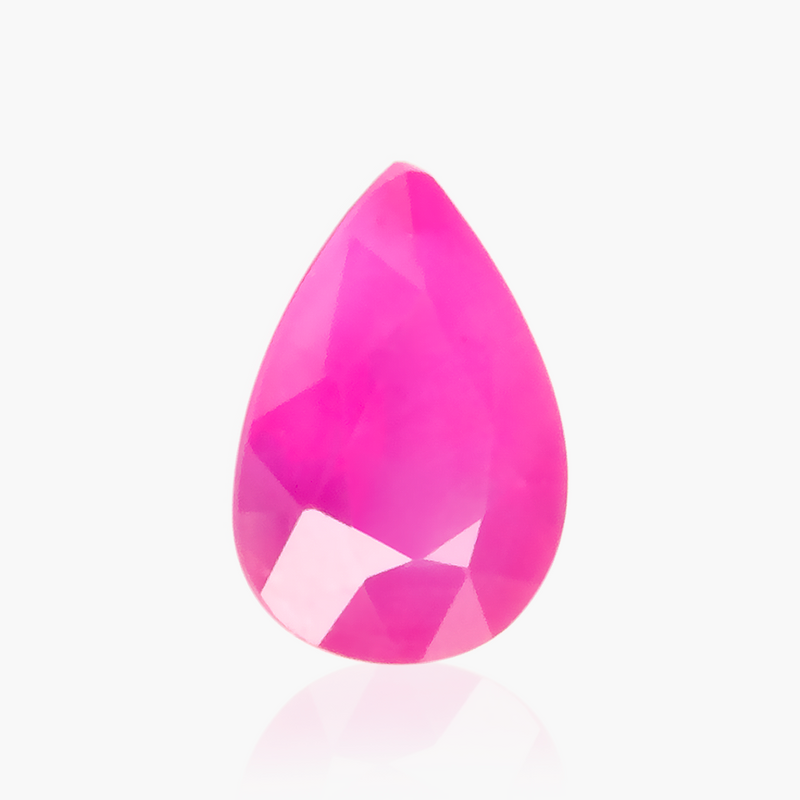
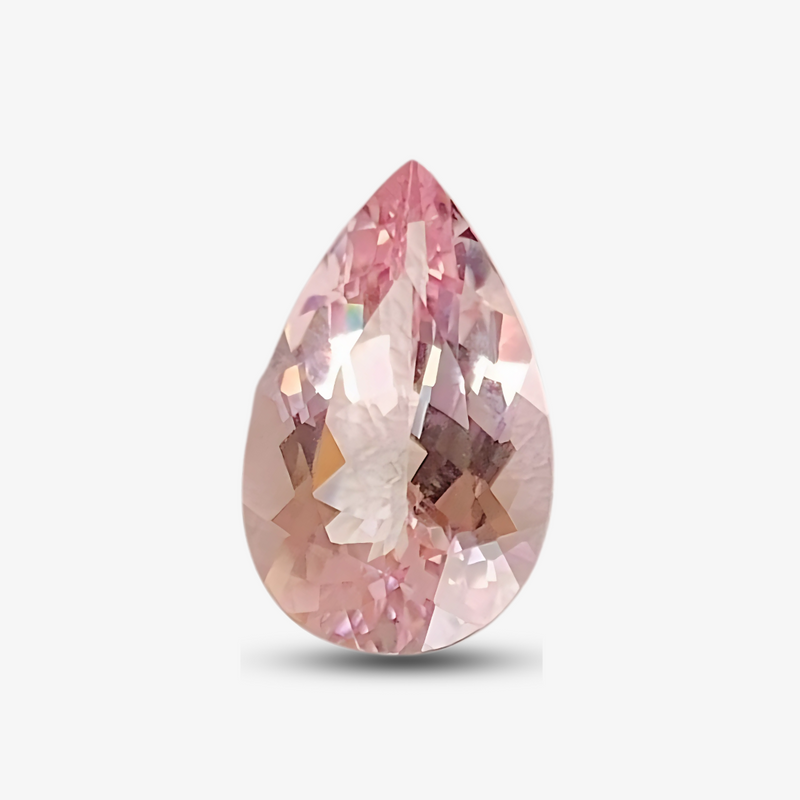
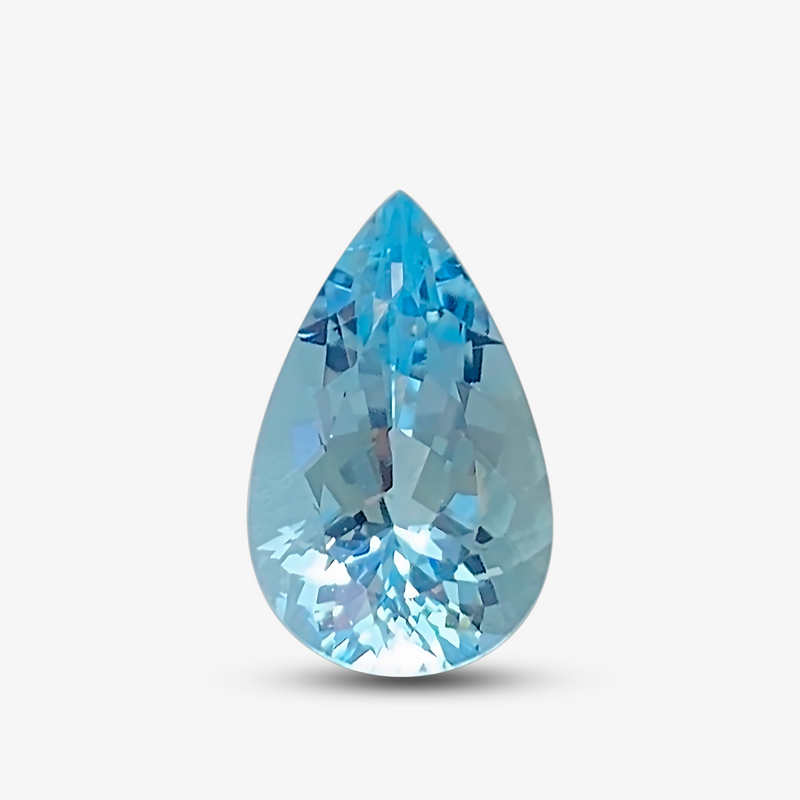
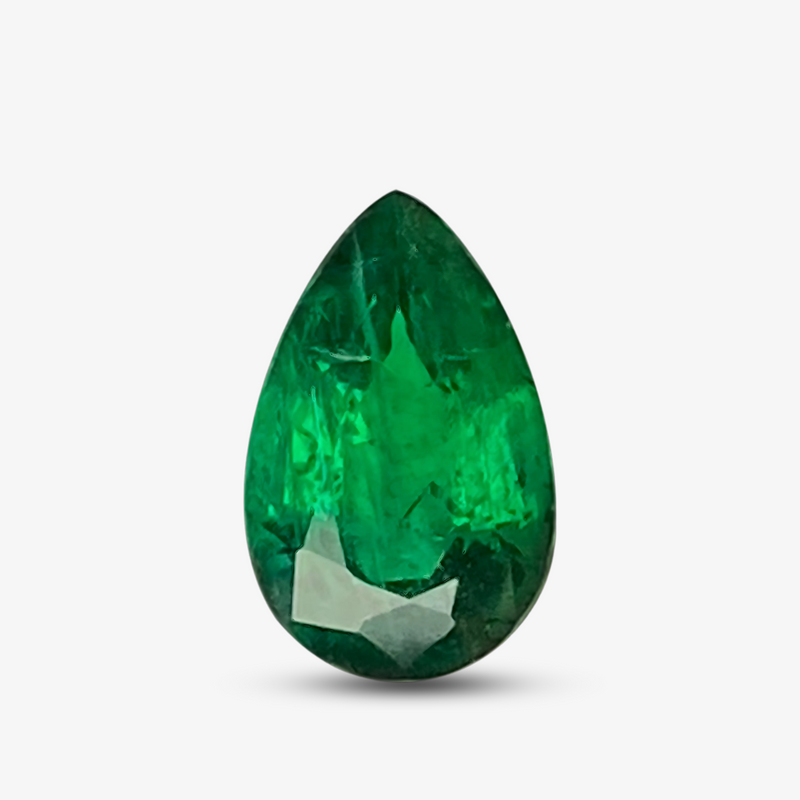 GUILD
GUILD AIGS
AIGS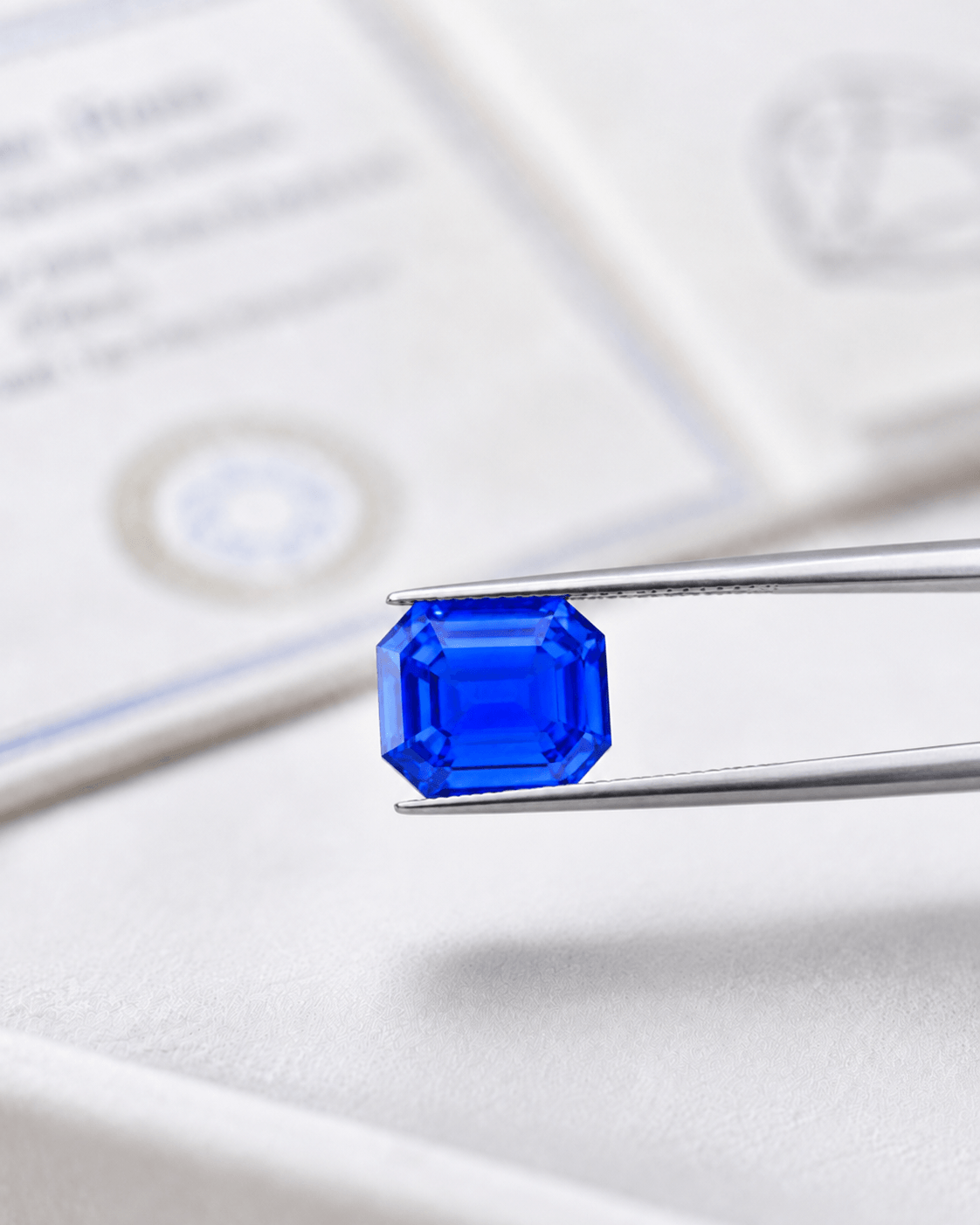
You searched, and it was not here. What you see is a tenth of what we hold — the rest uncut, unphotographed, or still with our cutters. Tell us what you are after. We will bring you options.
 GIA
GIA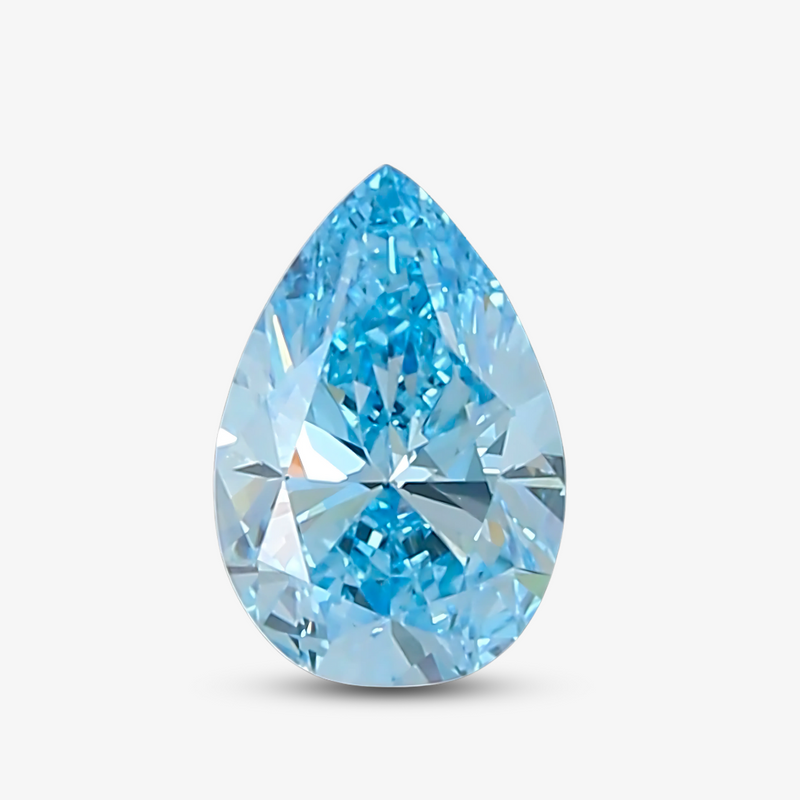 GIA
GIA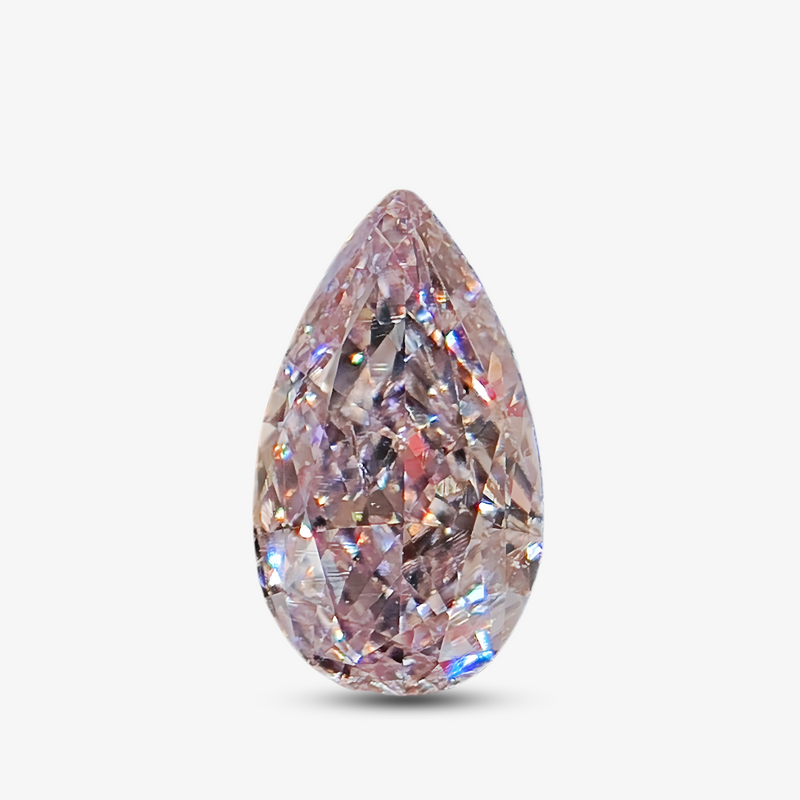 GIA
GIA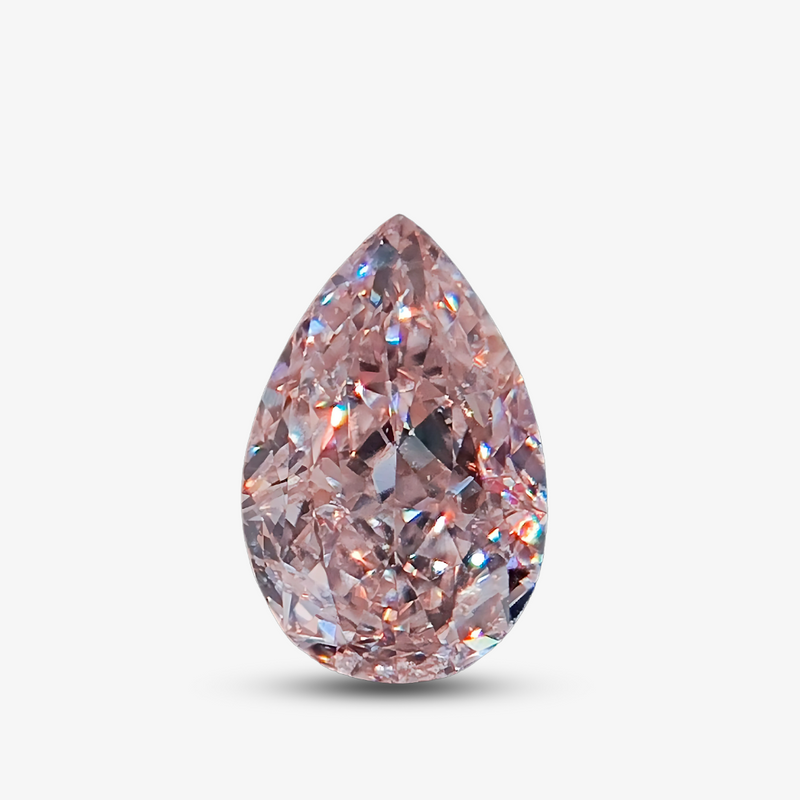 GIA
GIA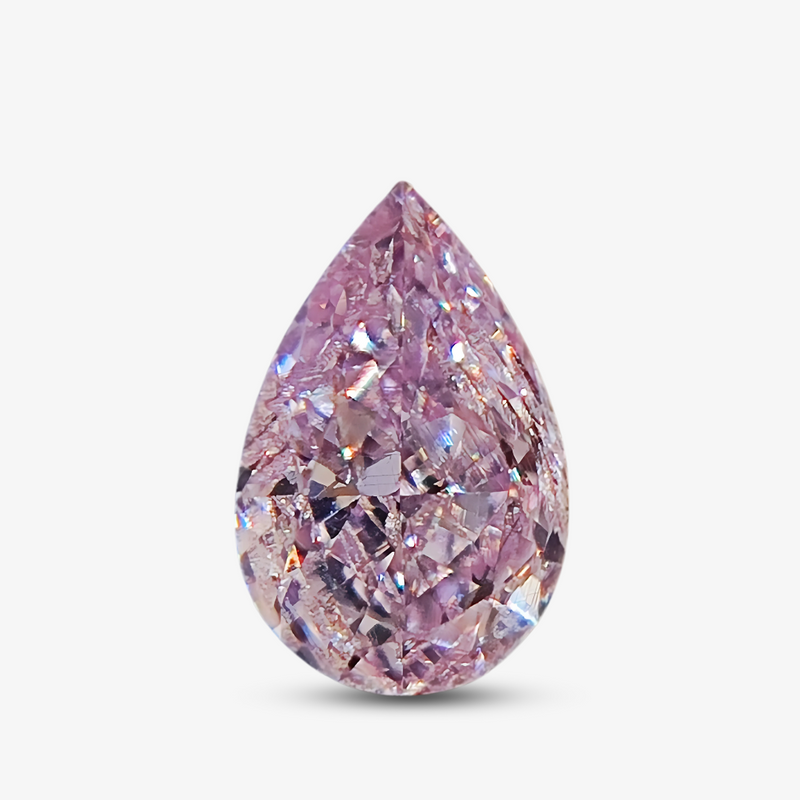 GIA
GIA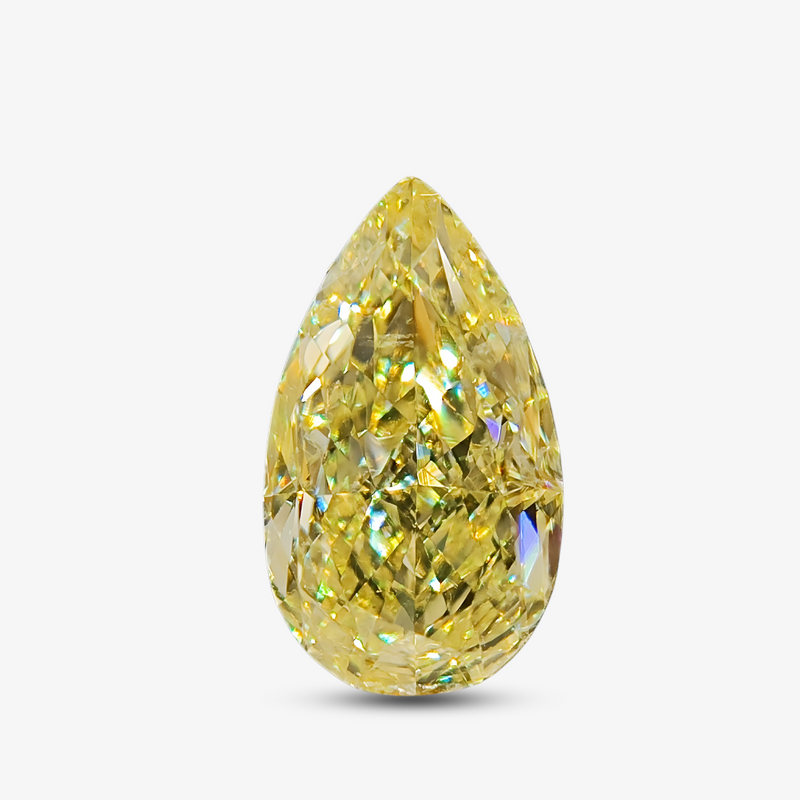 GIA
GIA GIA
GIA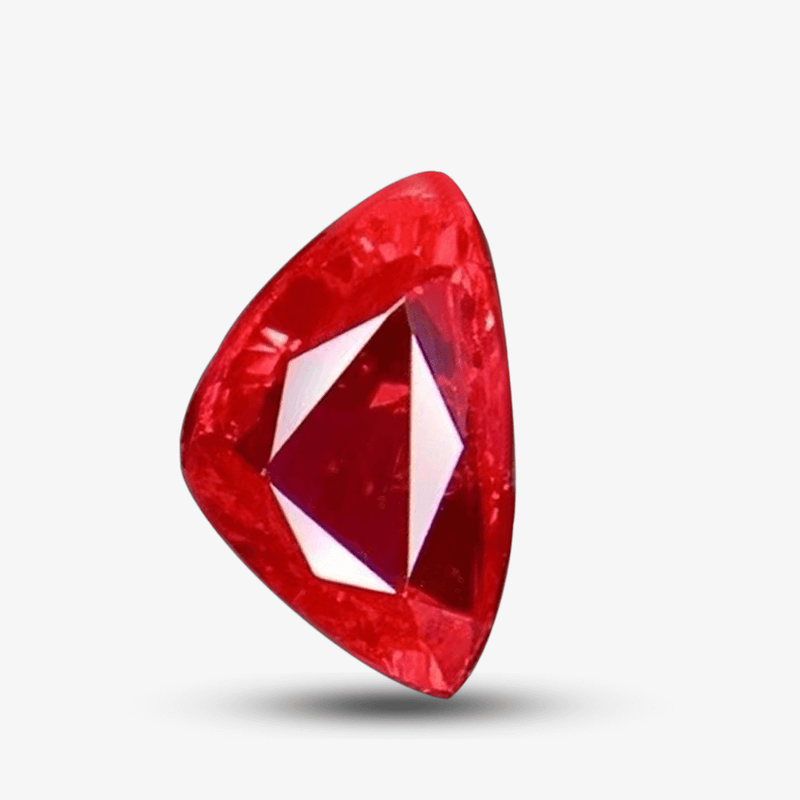
 CGRL
CGRL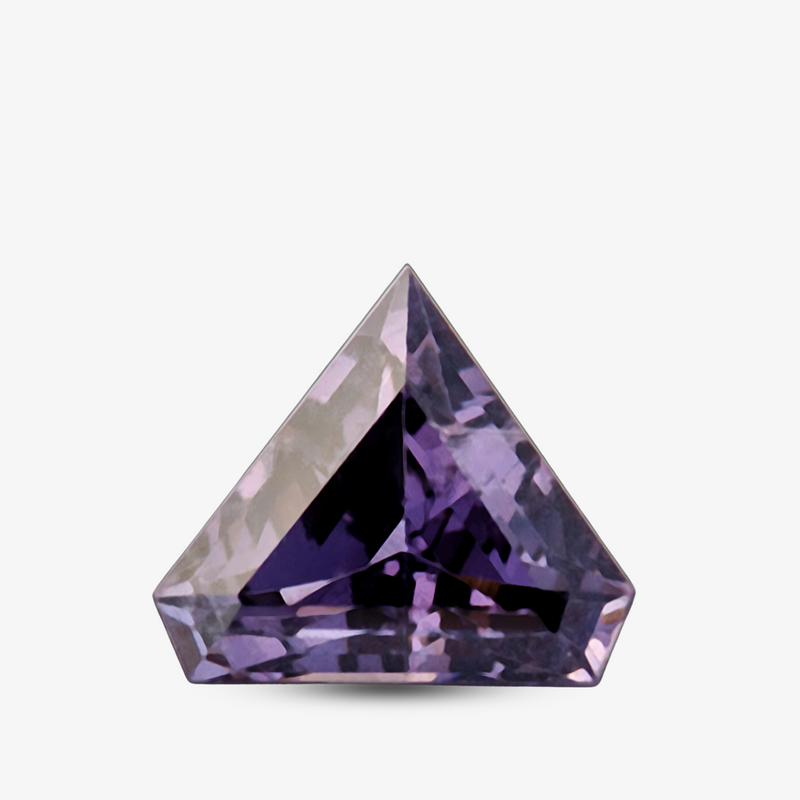
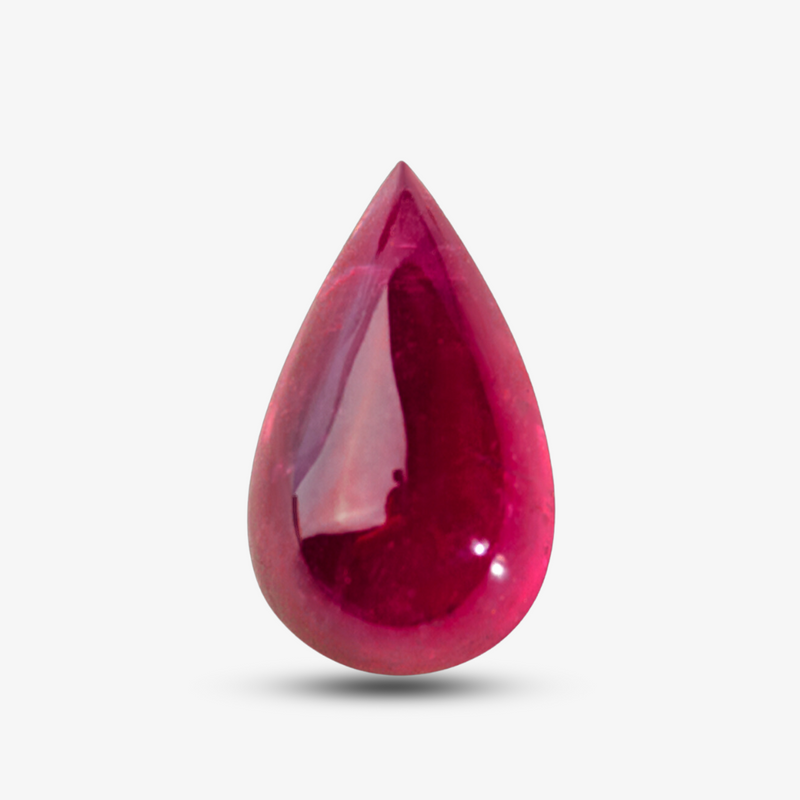
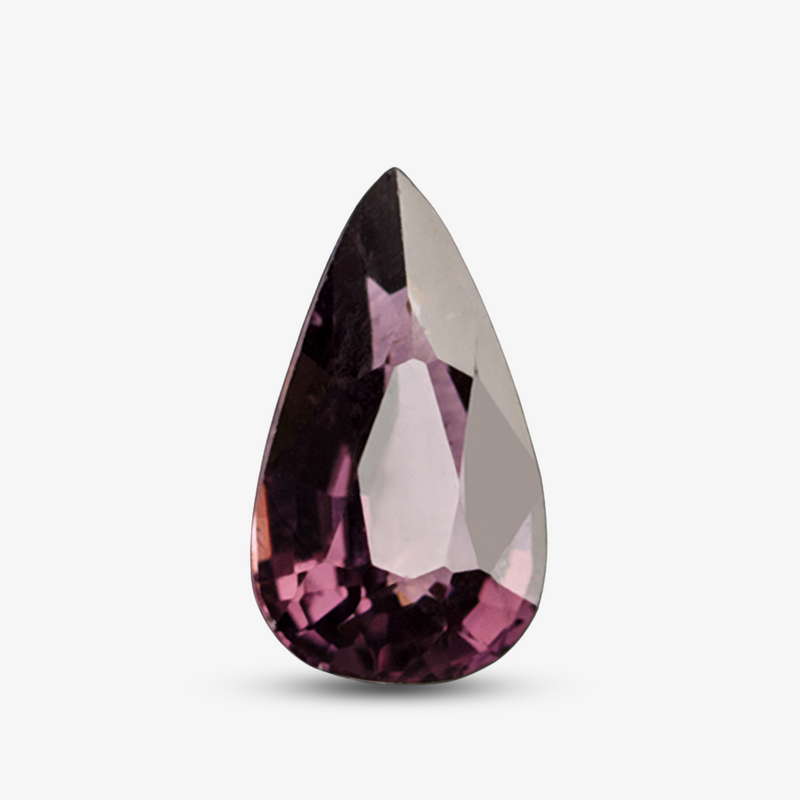
 Sold Out
 GRS
GRS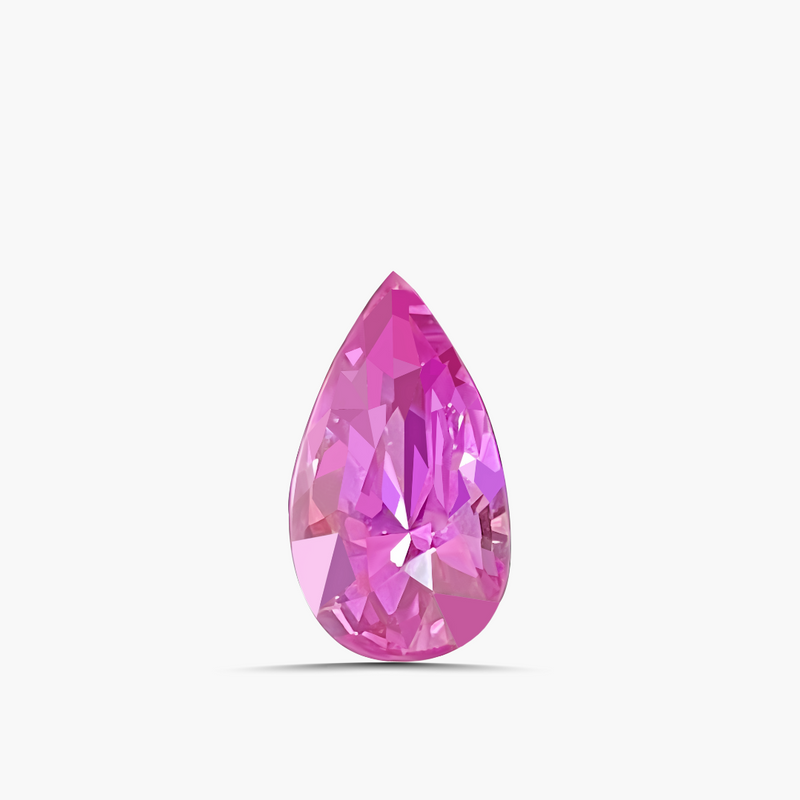 GUILD
GUILD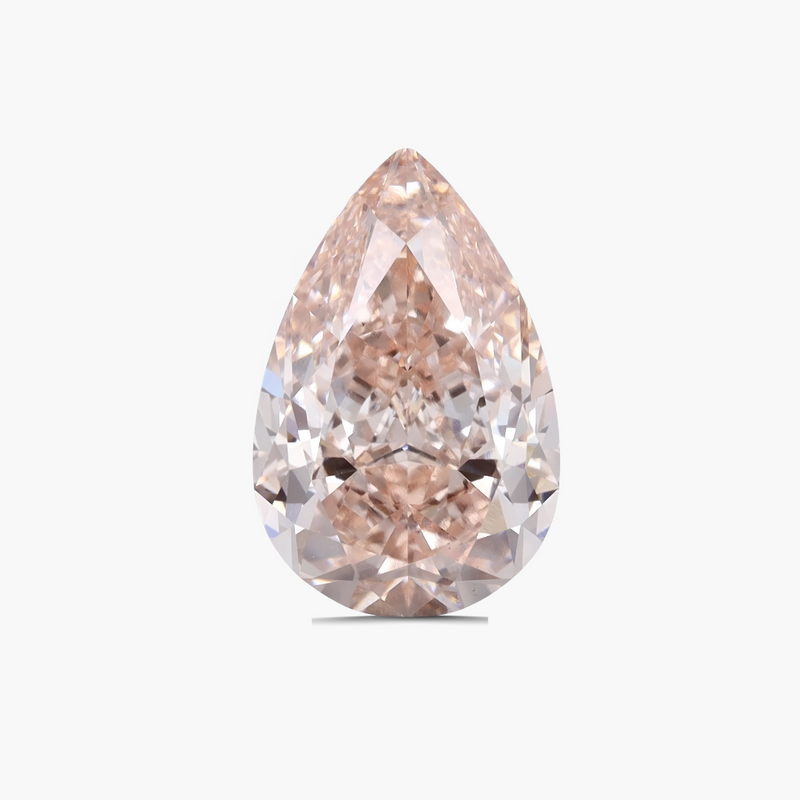
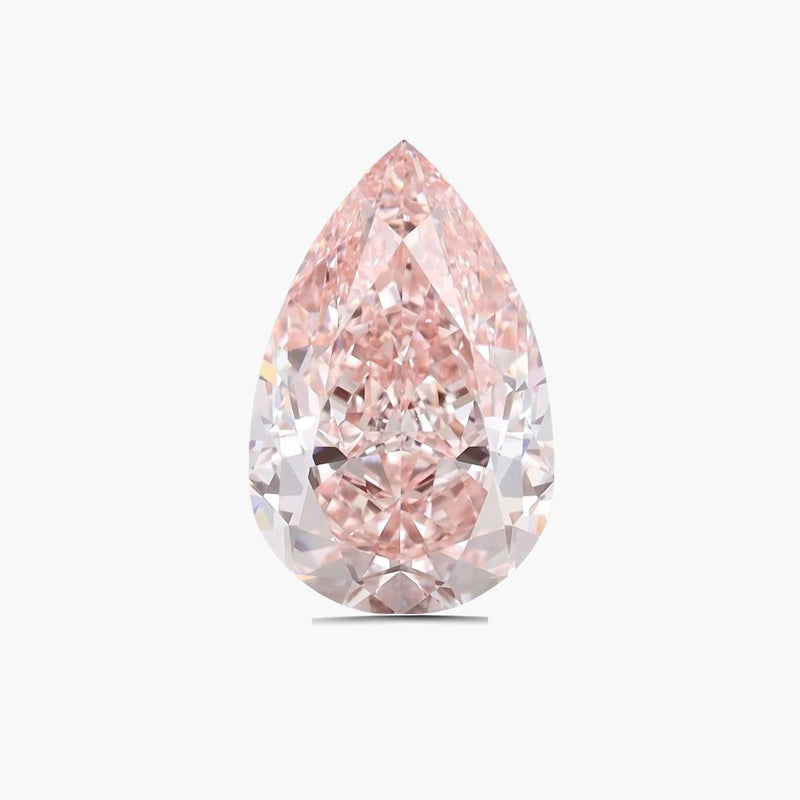
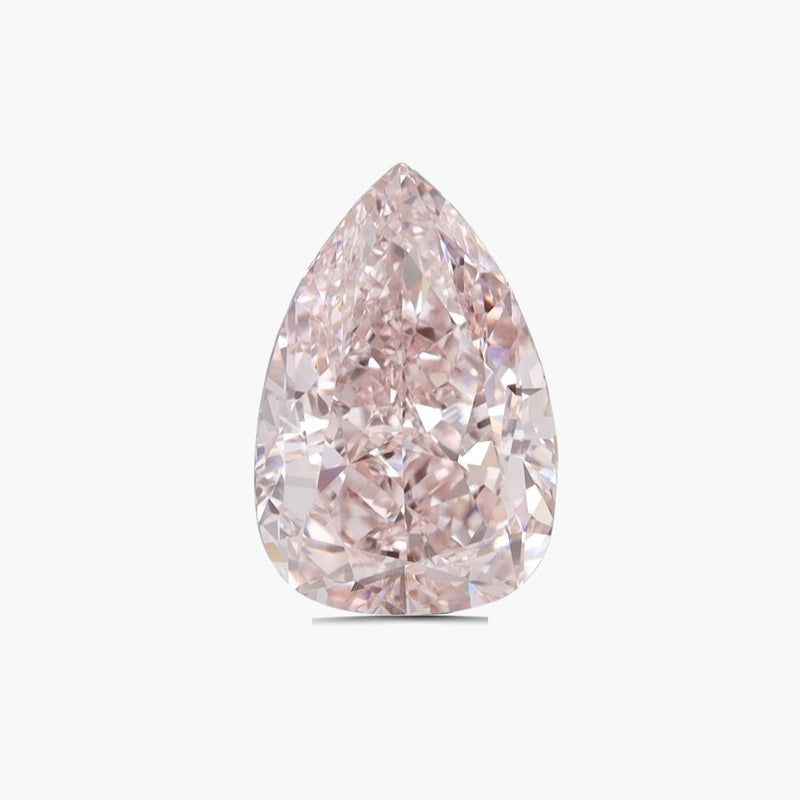
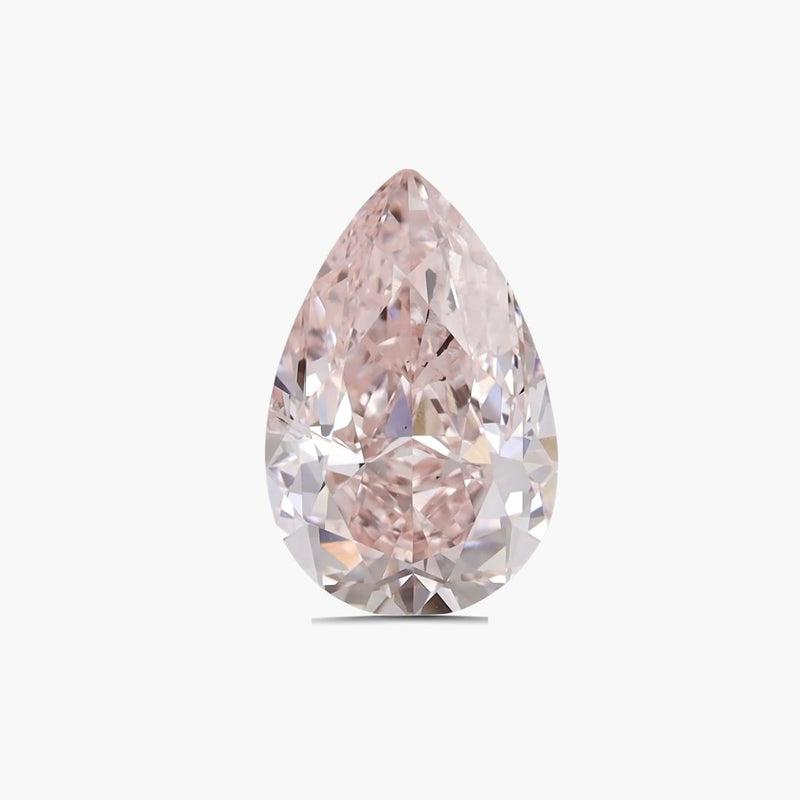
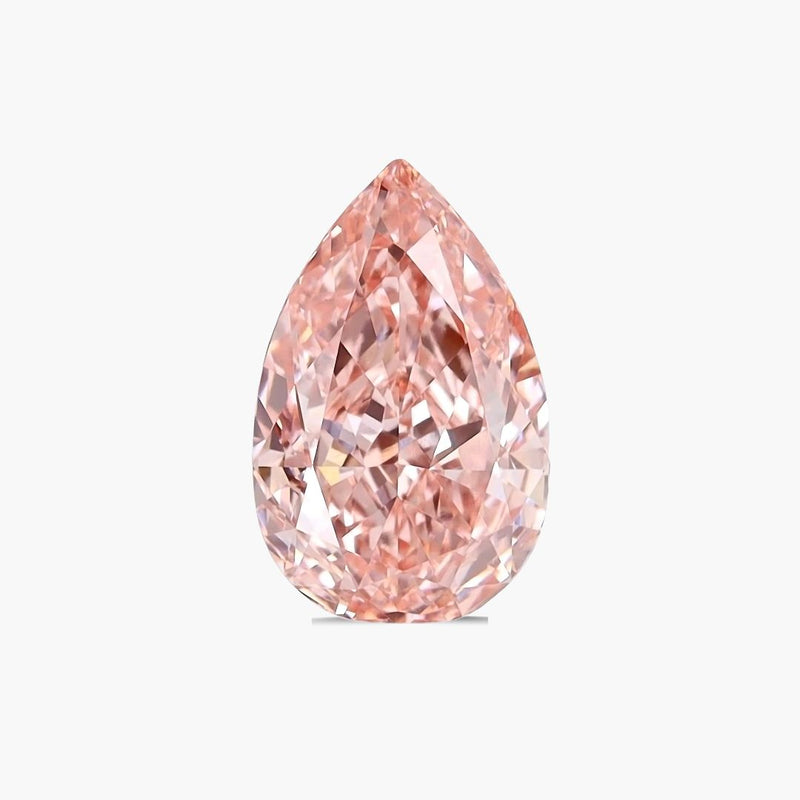
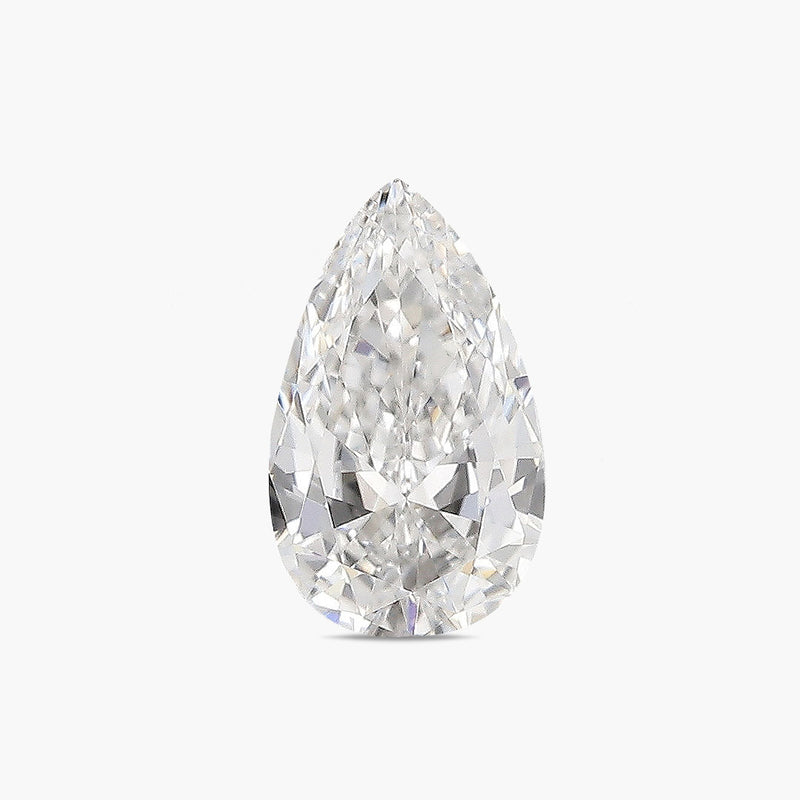 GIA
GIA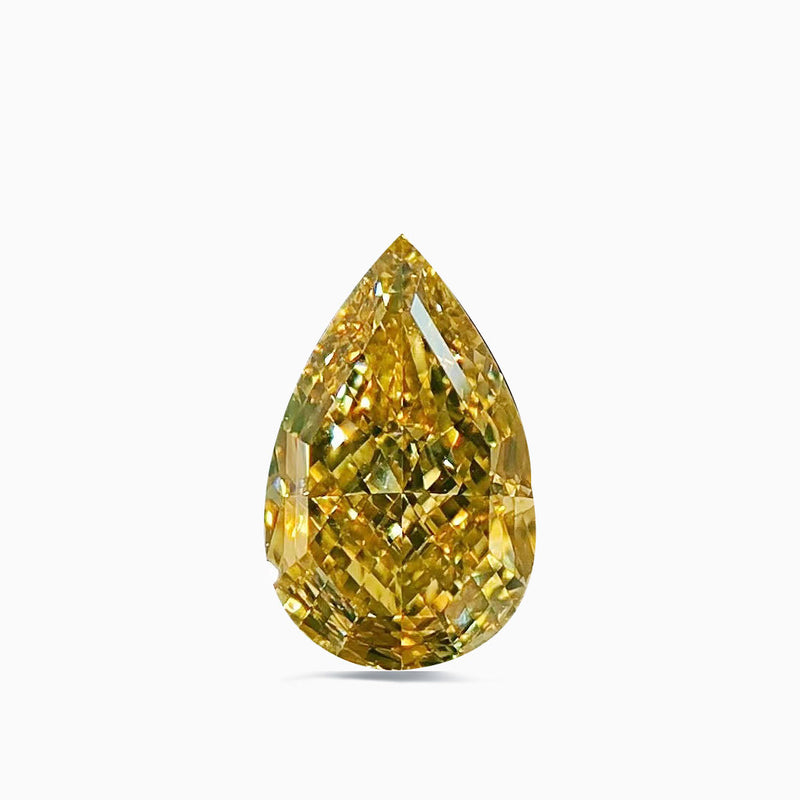 GIA
GIA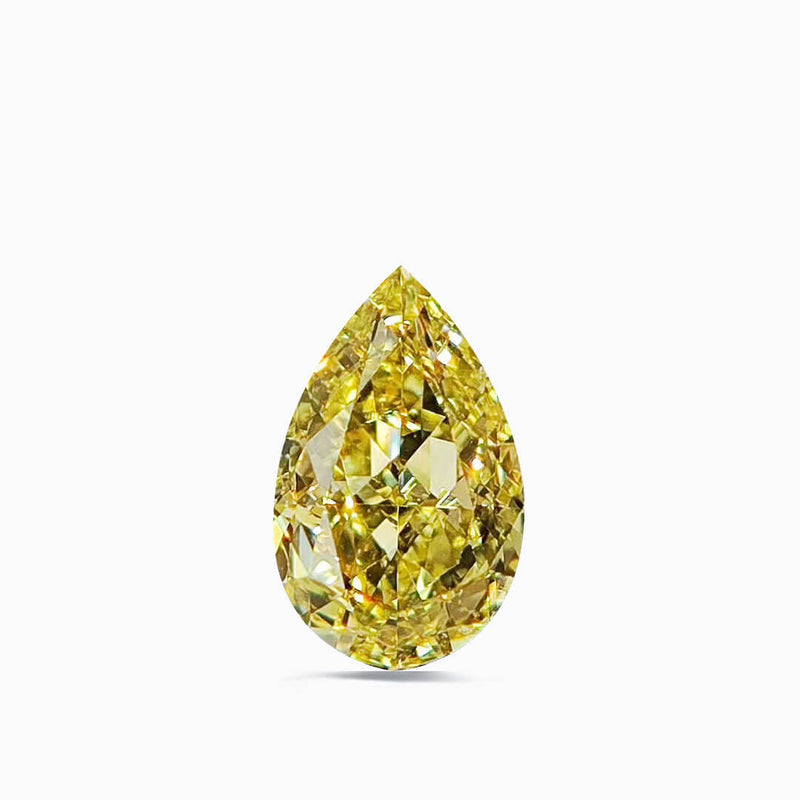 GIA
GIA Sold Out
Our online collection is only part of what is available. Many more gemstones are held privately, including stones that may never appear on the website.
Tell us what you are looking for — or simply send us a photograph of something you love.
Our gemologists will personally select stones from the wider SARATTI collection for you to consider.
Not sure exactly what you want? Send us a photograph, a color you love, or simply ask.
No question is too small.
No request is too specific.
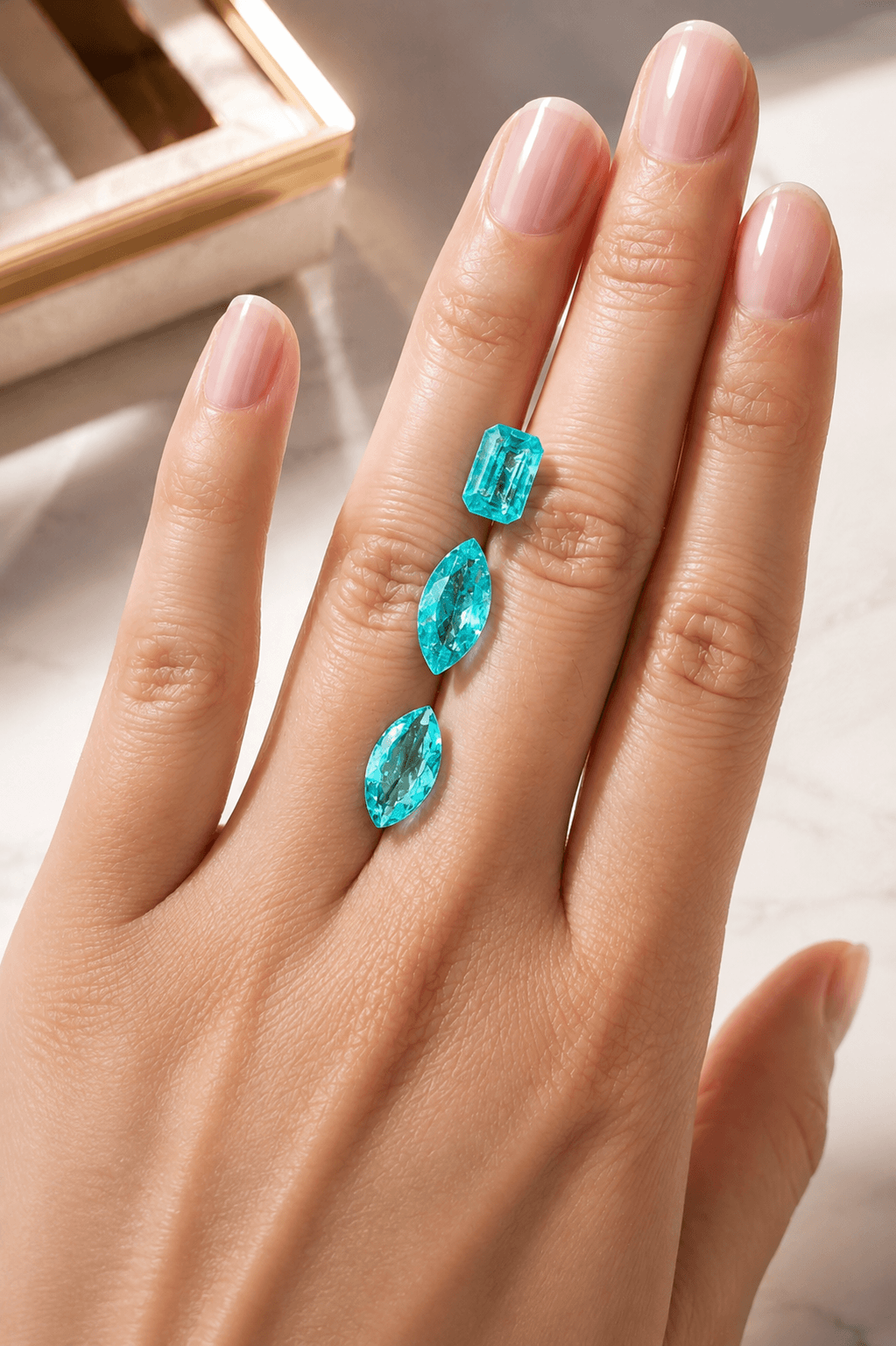
Chosen loose, certified where applicable, and shipped insured. Yours to keep, collect, or set later.
Browse Loose Stones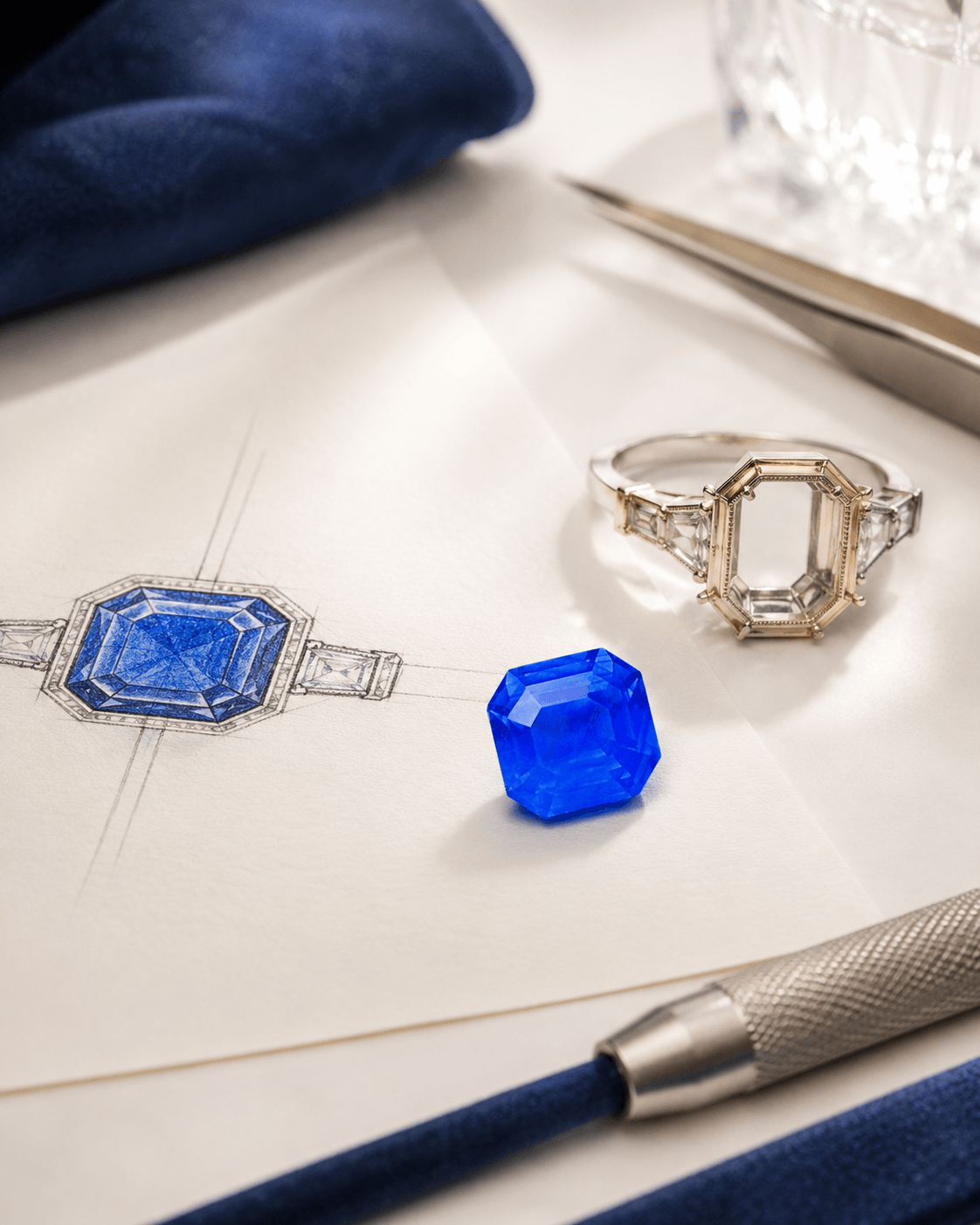
A setting designed around the gemstone and no other. Thoughtfully made, and reviewed with you before anything begins.
Begin a CommissionA loose gemstone is the beginning of a jewel before the metal is drawn around it. At SARATTI, the stone is never treated as a simple centrepiece or inventory item. It is studied first for colour, then for cut, clarity, proportion, treatment, origin, certificate details, and the way it responds to light. These details decide whether a gemstone should be kept loose, collected, certified further, or shaped into a ring, pendant, necklace, bracelet, or pair of earrings.
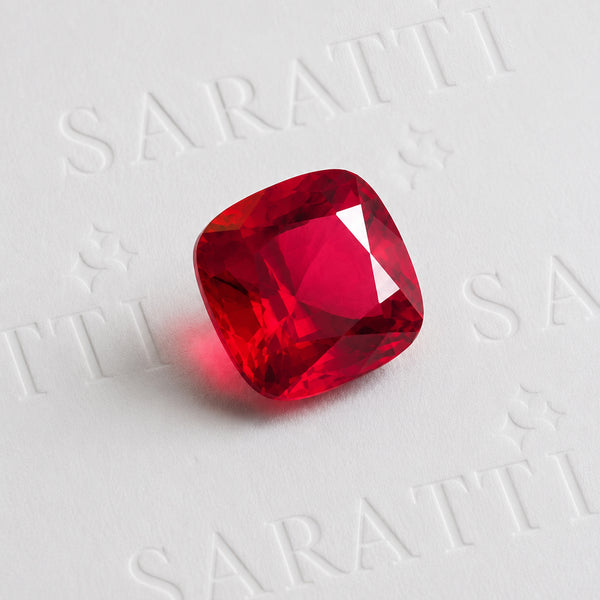
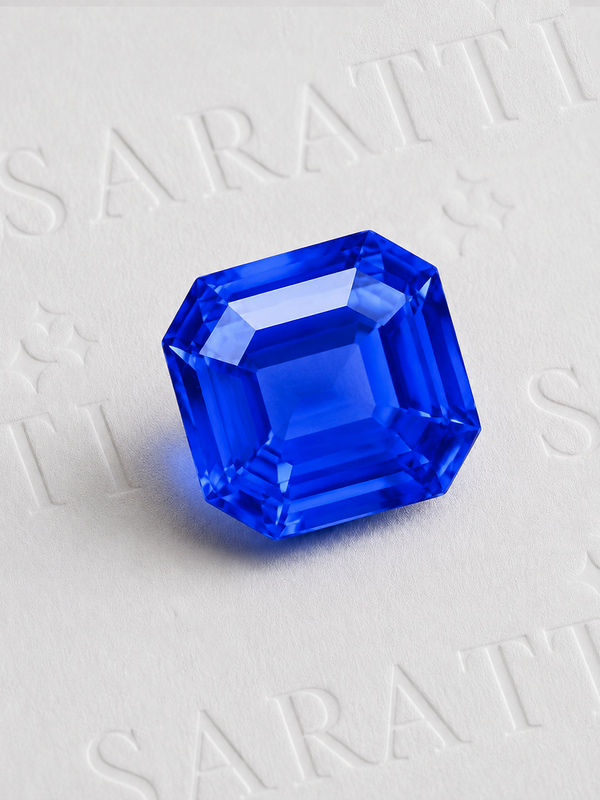
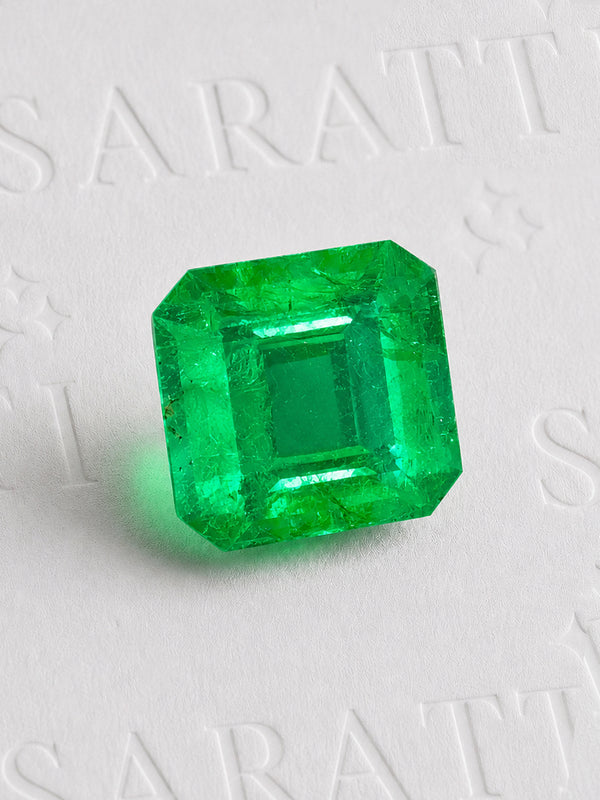
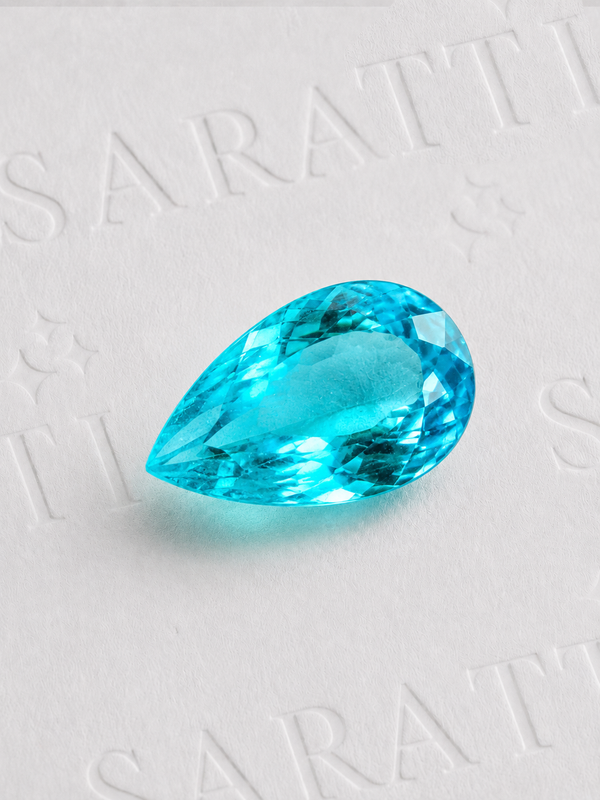
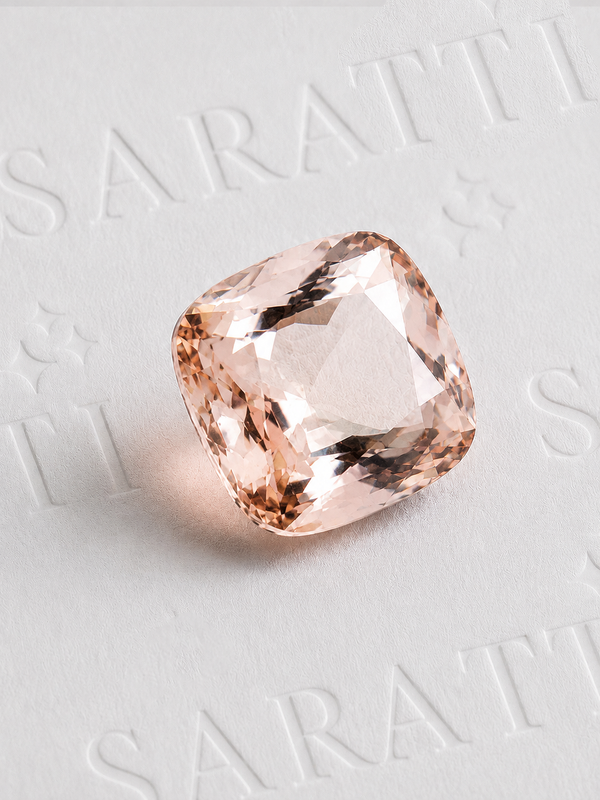
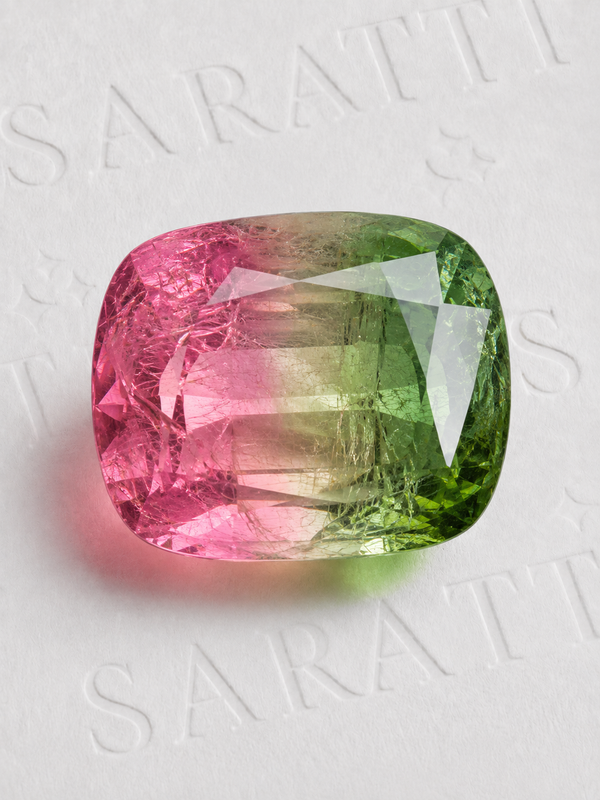
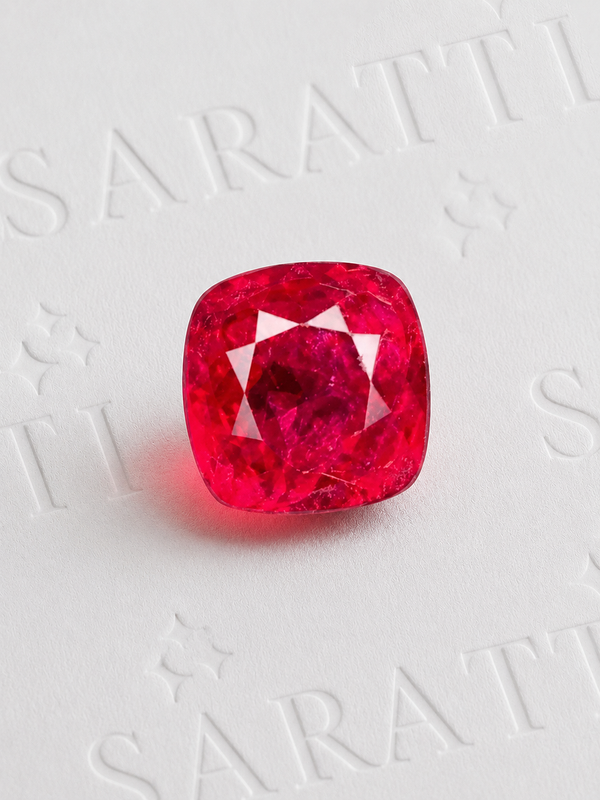
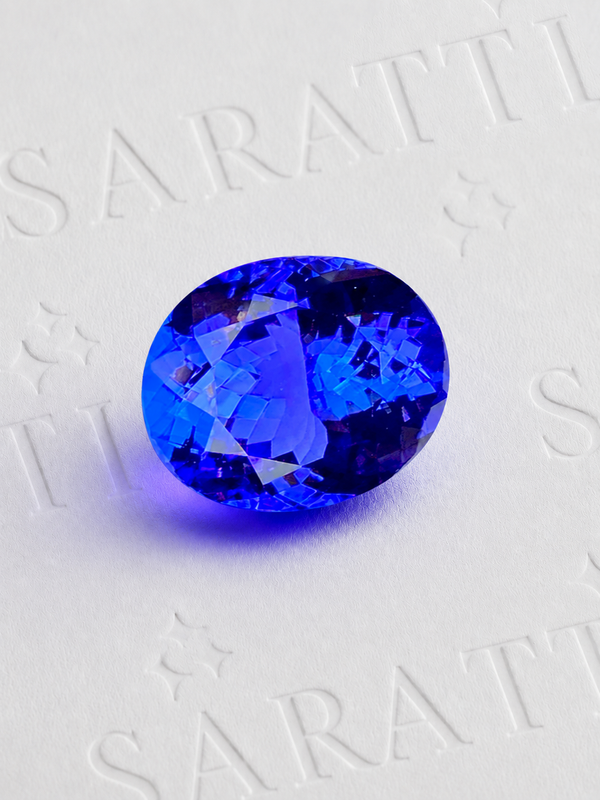
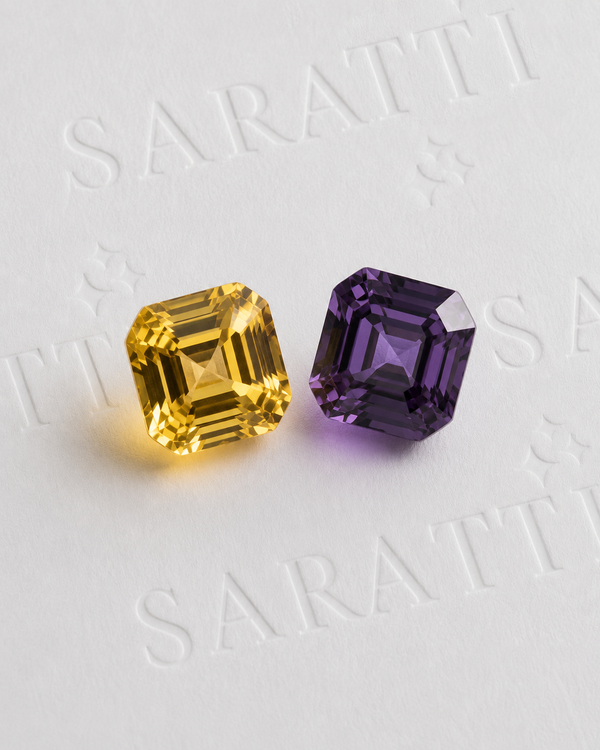
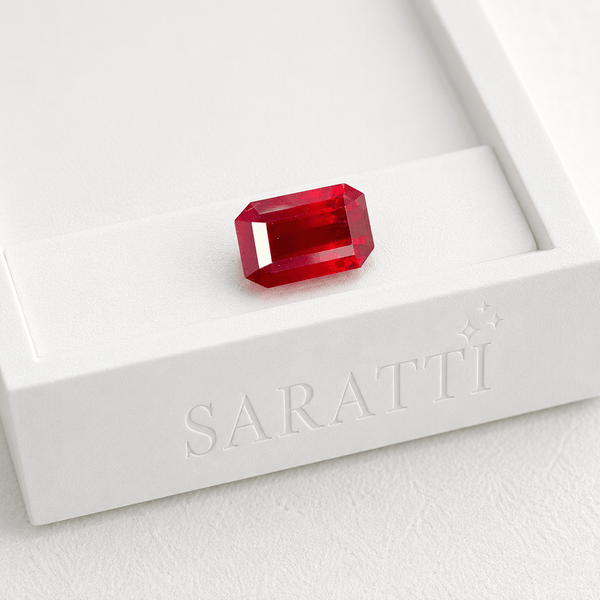
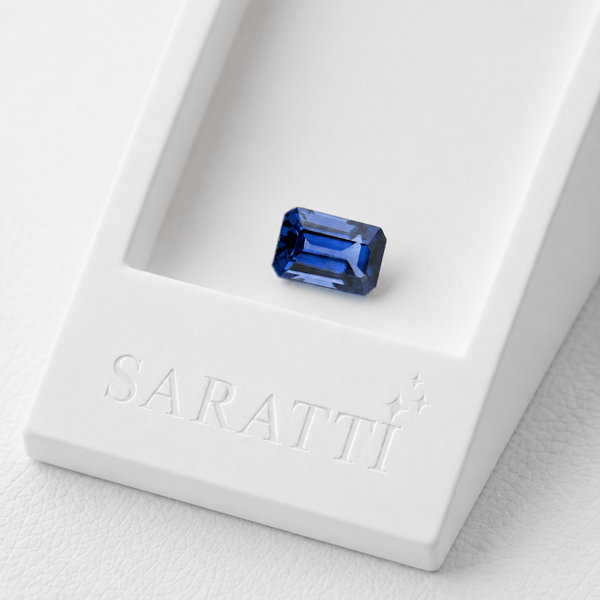
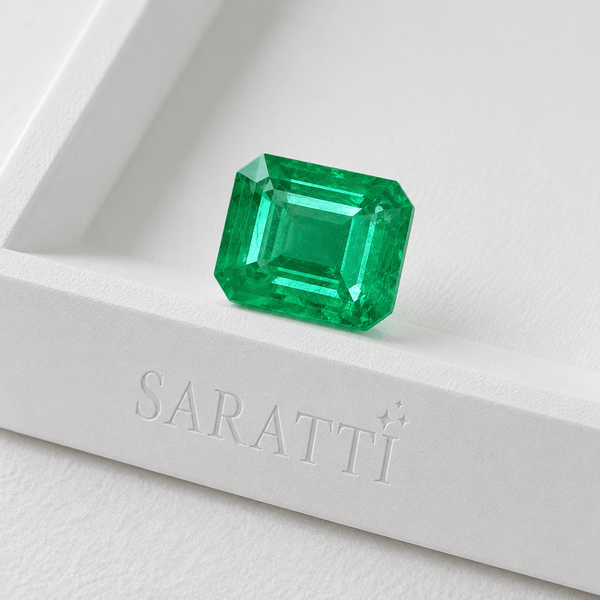
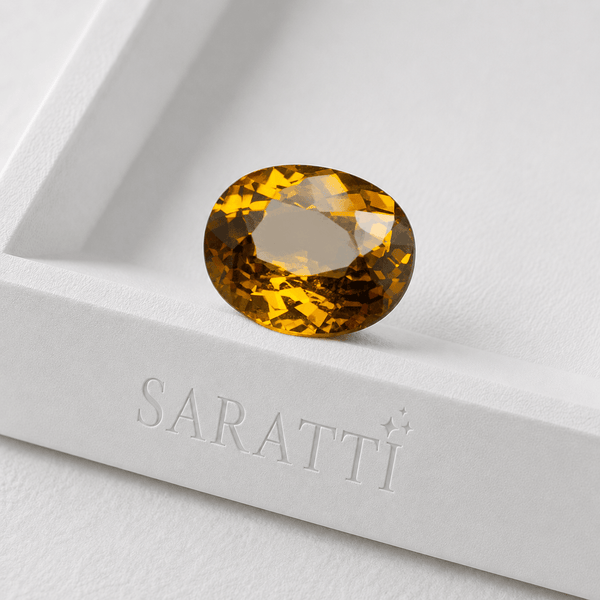
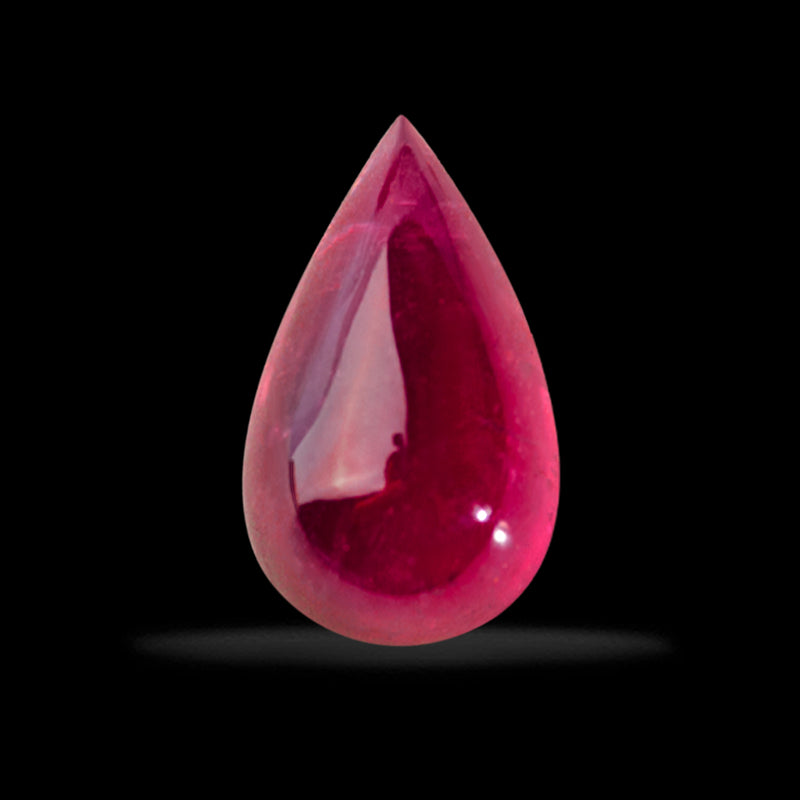
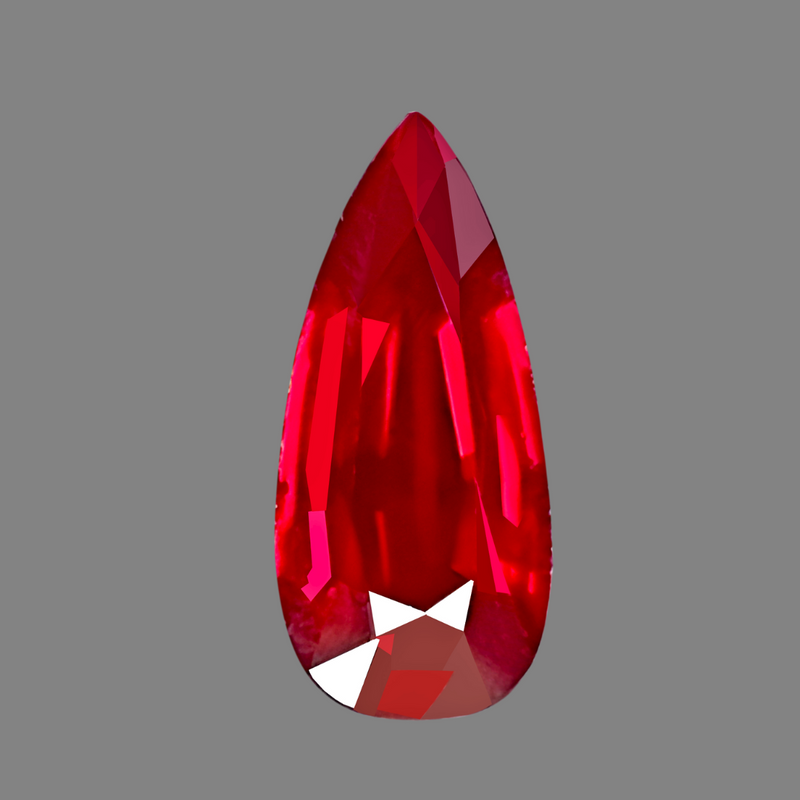
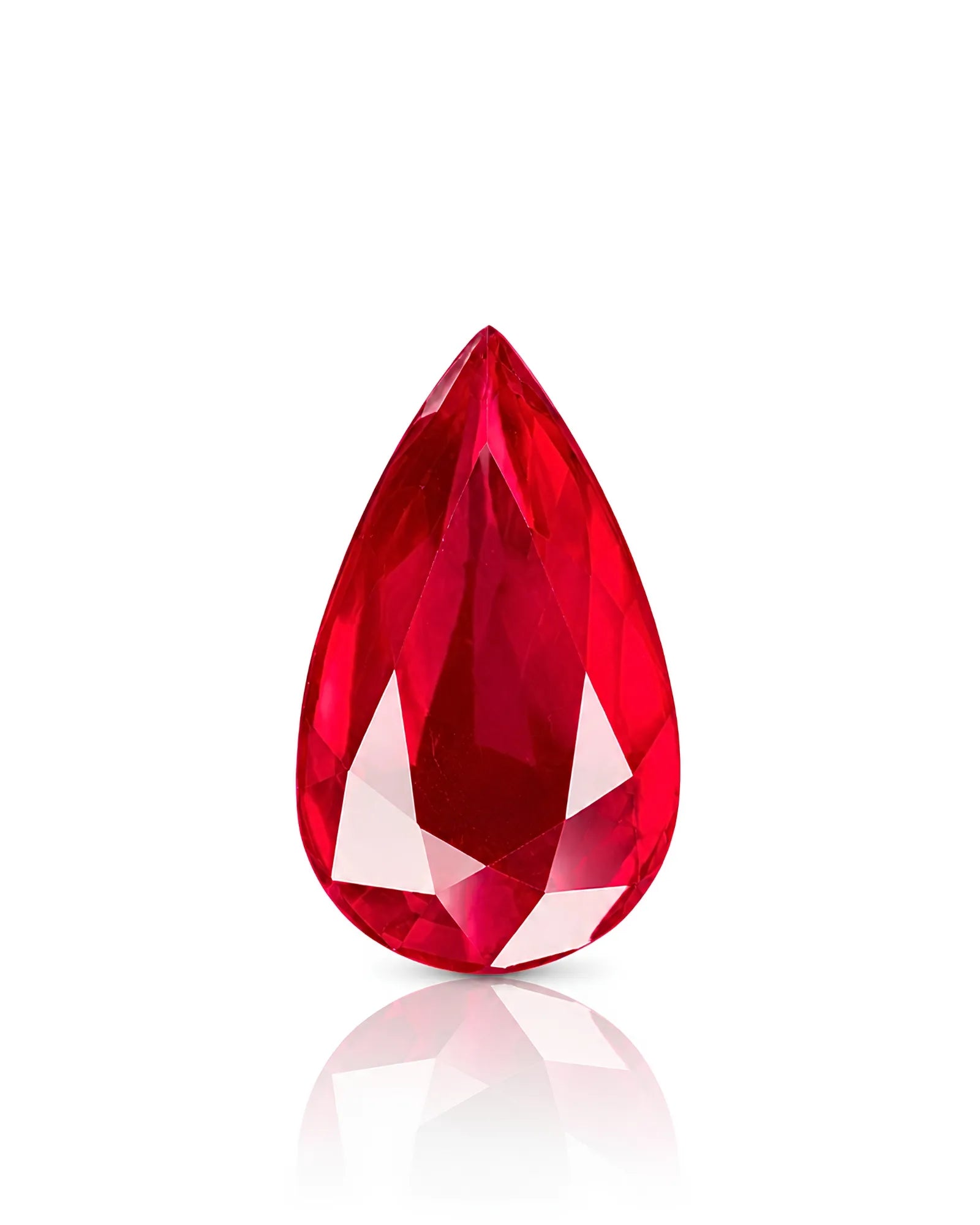
Natural gemstones do not follow one standard of beauty. A sapphire may be admired for velvety blue depth, a ruby for red saturation and internal glow, an emerald for its green life and natural jardin, and a Paraiba tourmaline for electric blue-green colour. Aquamarine is often chosen for calm clarity and oceanic light. Tanzanite is loved for blue-violet movement. Spinel can appear in red, pink, lavender, grey, purple, and vivid cobalt-like tones. Tourmaline ranges from soft pink and green to bi-colour and copper-bearing neon material. Topaz may be colourless, blue, golden, pink, or imperial in tone. Garnet includes far more than deep red, with tsavorite green, spessartine orange, rhodolite purple-red, and other varieties. Opal is read through play-of-colour, body tone, pattern, and stability. Diamonds, whether colourless or fancy coloured, have their own language of colour, clarity, cut, carat weight, fluorescence, and report.
Colour is the first conversation in coloured gemstones. Hue, tone, saturation, colour zoning, undertone, and light behaviour all affect how a stone is understood. A gemstone may look vivid in one photograph and softer in daylight. Another may appear quiet at first, then show depth when moved. SARATTI looks for colour with presence — not only intensity, but balance.
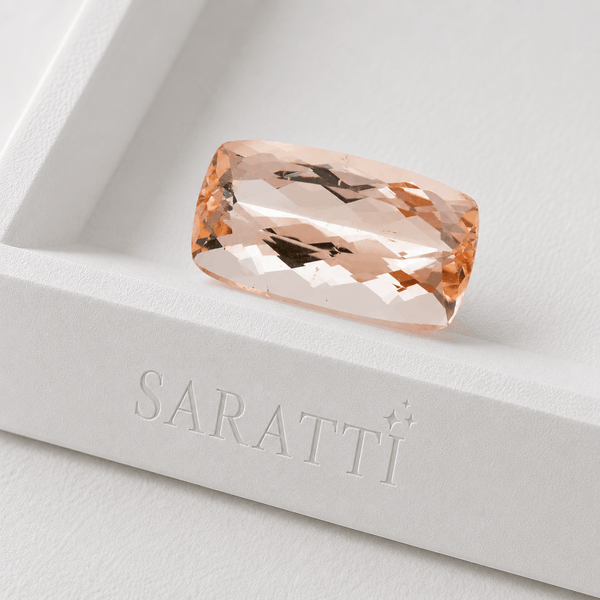
For blue gemstones, this may mean the calm strength of sapphire, the pale clarity of aquamarine, the violet movement of tanzanite, or the neon life of Paraiba tourmaline. For green gemstones, it may mean the garden-like character of emerald, the brightness of tsavorite, or the refined depth of green tourmaline. For red and pink gemstones, ruby, spinel, sapphire, tourmaline, garnet, and morganite each carry colour in a different way.
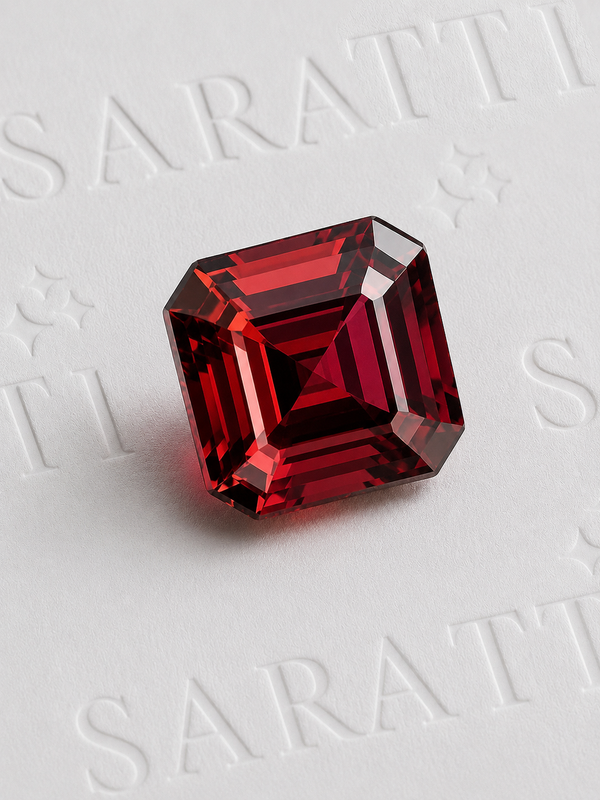
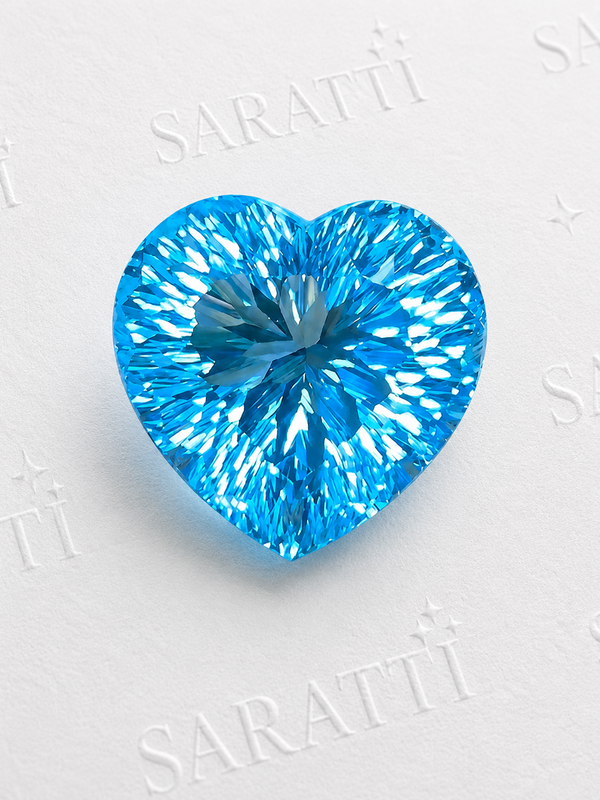
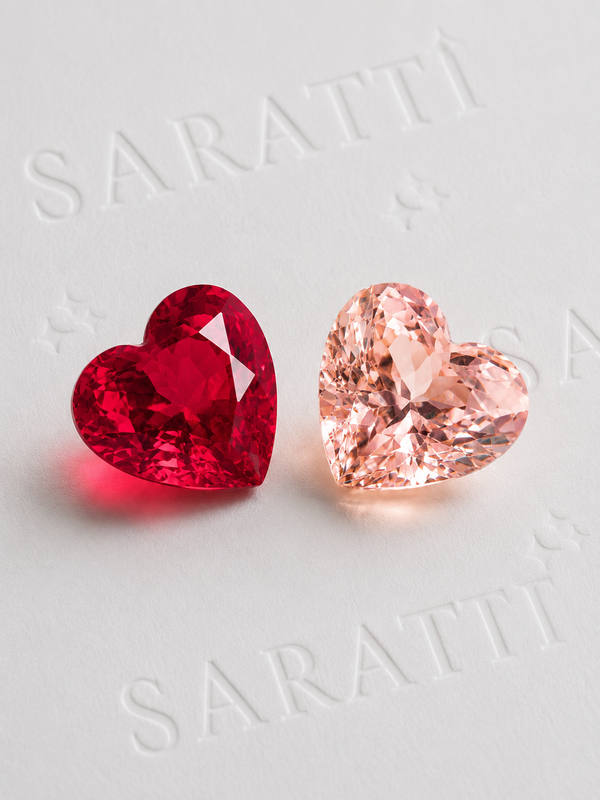
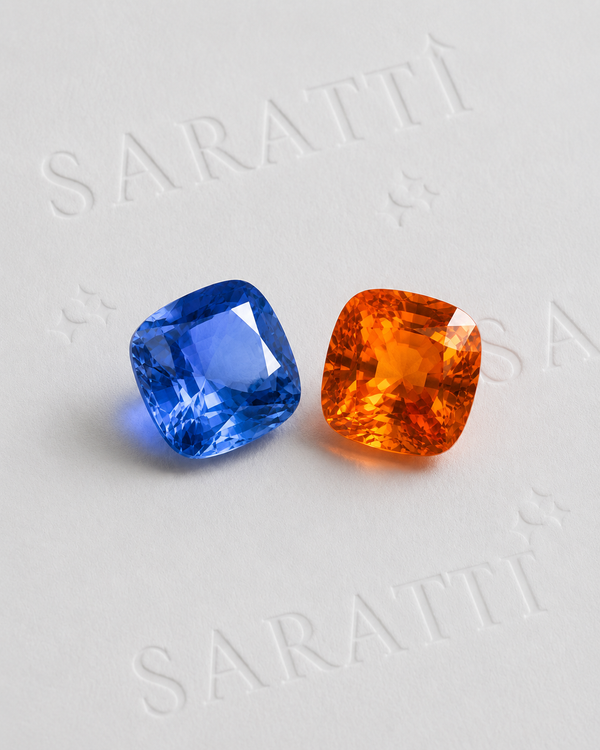
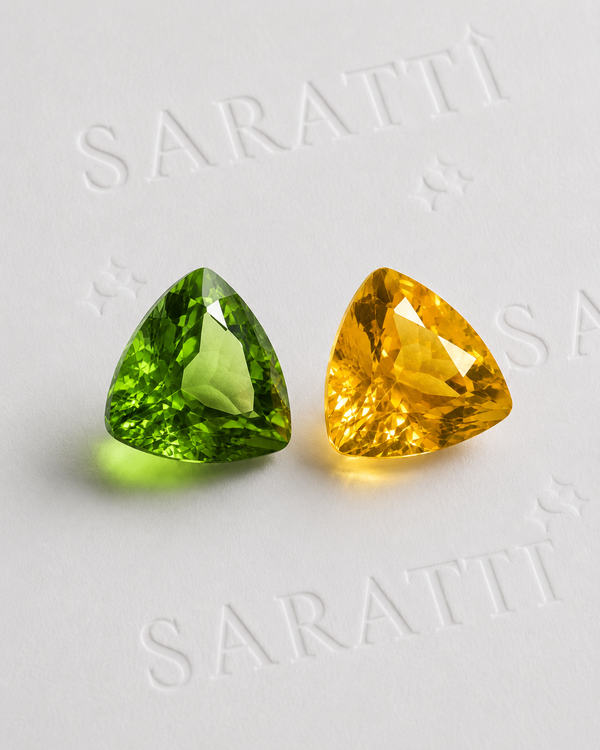
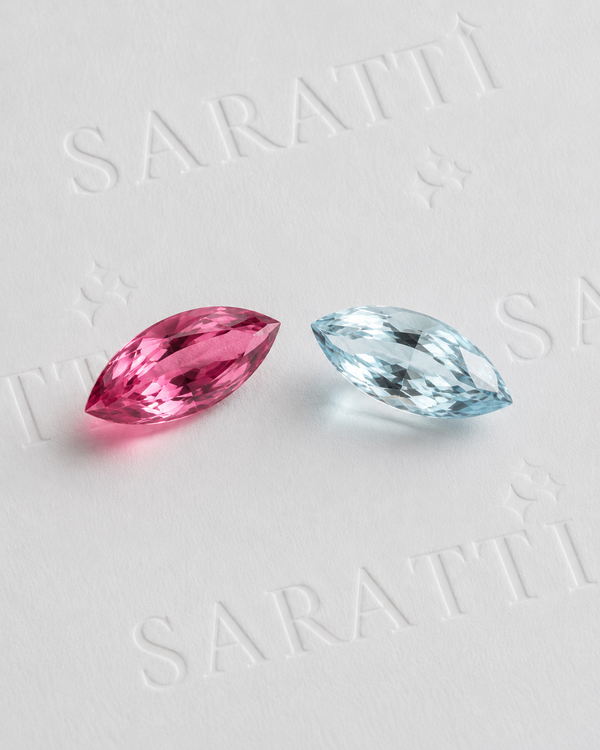
Cut is more than shape. Oval, cushion, emerald cut, pear, round, marquise, radiant, octagonal, trillion, heart, and cabochon gemstones all behave differently once set. A well-cut gemstone should carry light with intention. Depth, table size, symmetry, outline, windowing, extinction, brilliance, and face-up spread all affect how the stone appears on the hand or against the skin. Some gemstones are cut to protect colour. Some are cut to preserve weight. Some are cut to soften inclusions or improve brilliance. SARATTI considers how the cut will translate into the final jewel, not only how the gemstone looks while loose.
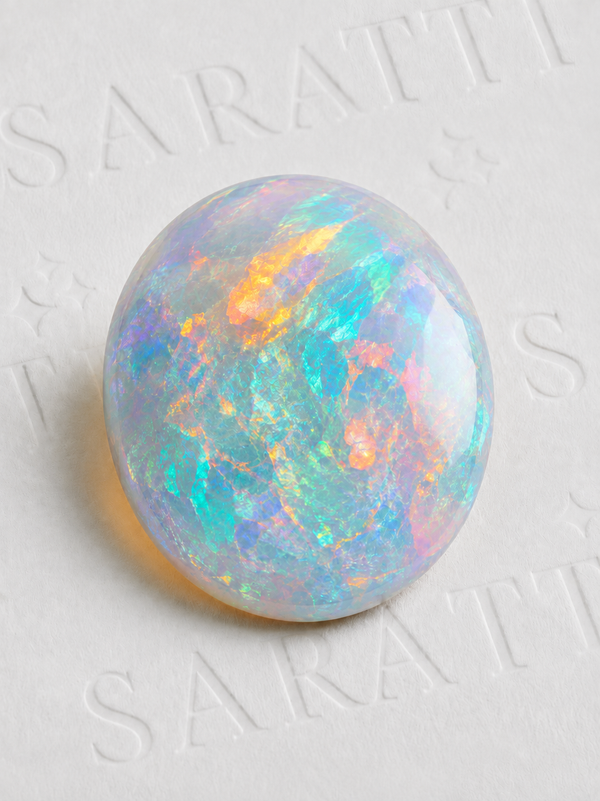
Clarity must be understood according to the gemstone. A diamond clarity scale cannot be applied blindly to emerald, ruby, sapphire, opal, tourmaline, or aquamarine. Emeralds are expected to show natural internal features, often described as jardin. Sapphires and rubies may show silk, crystals, fingerprints, zoning, or healed fissures. Aquamarines and tanzanites are often expected to appear cleaner to the eye. Opals are judged through body tone, play-of-colour, pattern, and stability rather than faceted brilliance. A natural inclusion is not always a flaw. Sometimes it is part of the stone’s identity. What matters is whether it affects beauty, durability, transparency, or value.
Treatment is one of the most important parts of gemstone knowledge. Many natural gemstones are treated in accepted ways. Sapphire and ruby may be heated. Emeralds are commonly treated with oil or resin to improve apparent clarity. Blue topaz is usually treated to achieve its colour. Some opals may be smoked or stabilised. Treatment does not automatically make a gemstone undesirable, but it must be understood because it affects value, care, and long-term confidence. Where treatment is known, SARATTI aims to state it clearly. Where a report is available, the report helps support the gemstone’s identity and important details.
Origin can also influence desirability, especially for certain gemstones. Burmese rubies, Colombian emeralds, Kashmir sapphires, Ceylon sapphires, Mozambique rubies, Zambian emeralds, Madagascar sapphires, Brazilian Paraiba tourmalines, and Tanzanian tanzanites each carry different market associations. Origin alone does not make a gemstone beautiful. Colour, cut, clarity, carat weight, treatment, and report must still be considered. A fine stone is never judged by one word only.
Certification gives structure to the conversation. Independent laboratories such as GIA, GUILD, AIGS, CGRL, GRS, and GRC may identify gemstone type, natural origin, treatment indications, measurements, weight, and sometimes geographic origin, depending on the stone and report type. Not every gemstone requires the same level of reporting, and not every report says the same thing. For important stones, SARATTI can help review the available documentation or arrange recertification where appropriate.
A loose gemstone may be chosen for collecting, gifting, investment interest, birthstone meaning, or bespoke jewelry. Some clients begin with a colour. Some begin with a birth month. Some begin with a design idea. Others begin with a certificate, an origin, or a stone they have been searching for privately. Once the gemstone is chosen, SARATTI can design around its structure — protecting delicate corners, balancing height, choosing the right metal colour, and shaping the final ring, pendant, necklace, bracelet, or earrings around the stone itself.
The best gemstone is not always the largest. It is the one whose colour, cut, clarity, treatment, report, and presence make sense together.
Some blue stones are made to dazzle.Aquamarine is made to calm. Its beauty is softer than a flash of brilliance. It carries the blue of clear water, pale sky, and...

Choosing an emerald engagement ring is a deeply personal decision. It is not only about choosing a beautiful green gemstone, but also about understanding how emeralds behave, how they are...

Blue gemstones can look similar at first glance, but they do not belong to the same value category. That is exactly why Paraiba Tourmaline and Aquamarine are compared so often....

Blue gemstones often look similar at first. That is why Paraiba Tourmaline and Aquamarine are compared so often. Both can appear fresh, elegant, and full of light. Both also sit...

Fine jewelry becomes more meaningful when it feels personal. Not just beautiful, but intentional. The kind of piece that reflects mood, emotion, and identity rather than simply adding sparkle. That...

A tennis bracelet does not need a loud design to feel unforgettable. It sits close to the wrist. It moves softly. It catches light in one clean line. That is the beauty...

At first glance, it is easy to understand why aquamarine and Paraiba tourmaline are often compared. Both are blue gemstones. Both feel luminous. Both belong to that part of the...

What if a diamond could hold the blue of the ocean, the warmth of sunlight, or the soft blush of a rose? That is the world of fancy colored diamonds. They are...
An unheated gemstone has not been treated with heat to improve its colour or clarity. In stones such as ruby and sapphire, this is uncommon and often more highly valued. Where a stone is unheated, we state it clearly.
We work with recognised laboratories including GIA, GUILD, AIGS, CGRL, GRS, and GRC. Where a stone carries a report, it is shown clearly on the listing.
Yes. If you would like a gemstone sent to a different laboratory for review, we can arrange this on your behalf. The external laboratory fee is paid at cost.
Yes. Every loose gemstone can remain loose, or be made into a finished jewel through our bespoke process. We can create rings, pendants, necklaces, bracelets, or earrings around the stone.
Every gemstone is shipped fully insured, together with its report where applicable. Complimentary insured shipping is included.
Only part of our sourcing world is shown online. If you have a specific gemstone in mind, tell us the size, colour, shape, origin, or budget, and we will source options privately for you.