Designed with you. Completed without compromise.

Complimentary Insured Worldwide Delivery

Pink Gemstones

Every stone held by the house, listed one at a time.

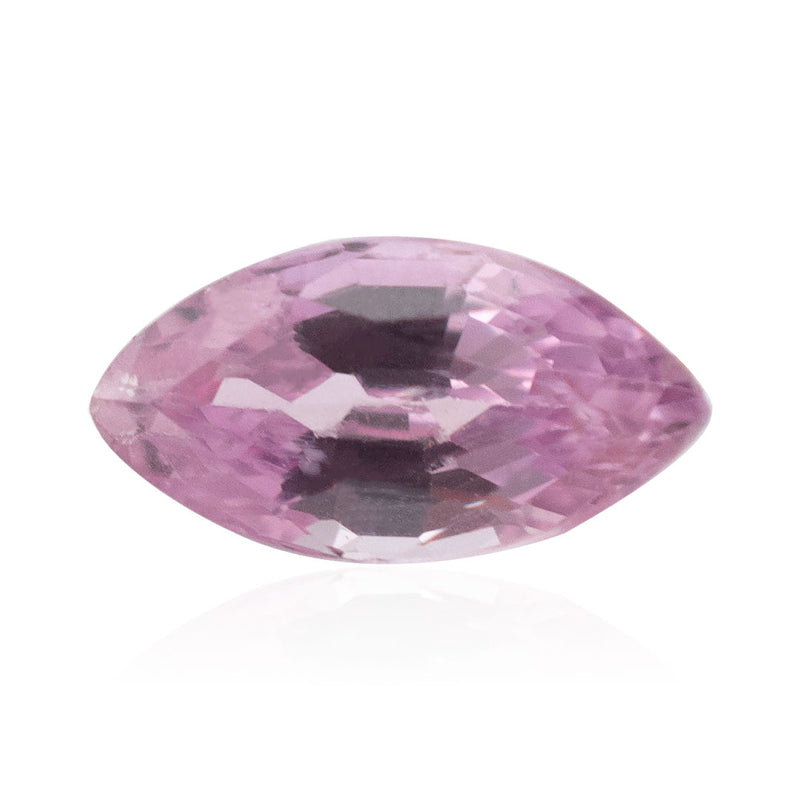
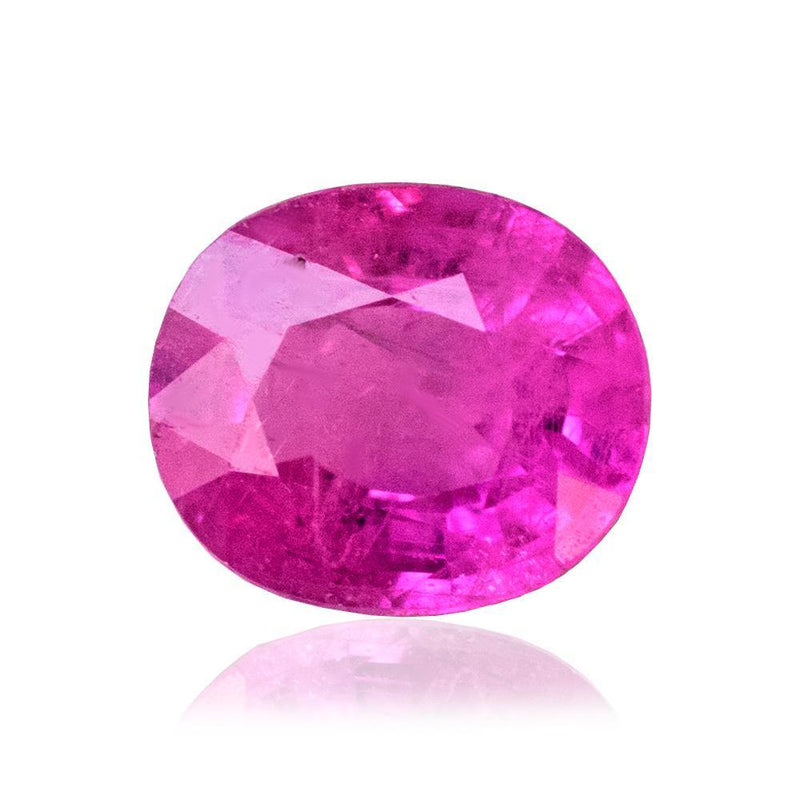
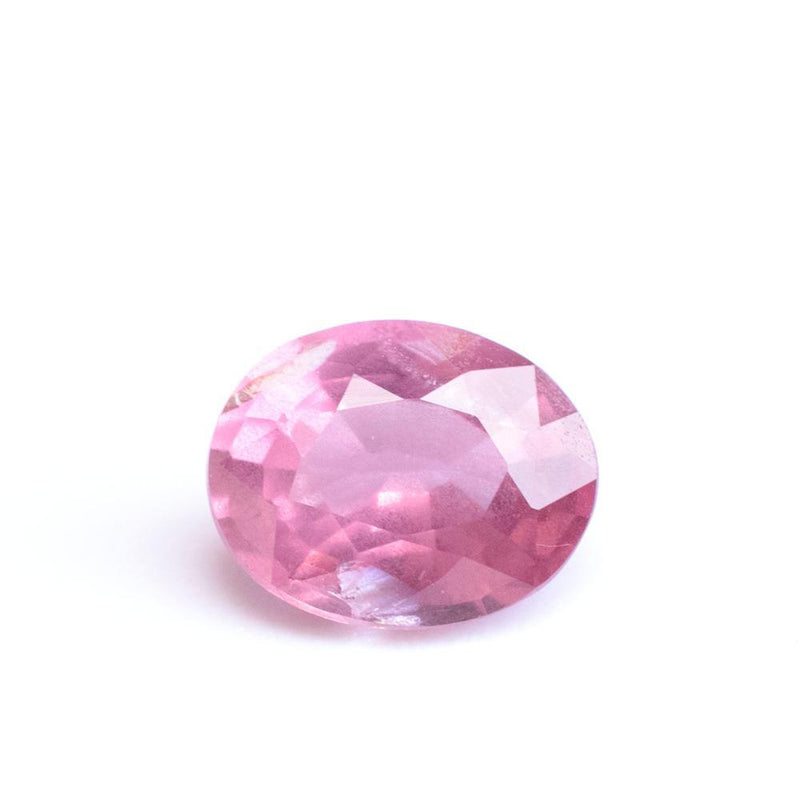
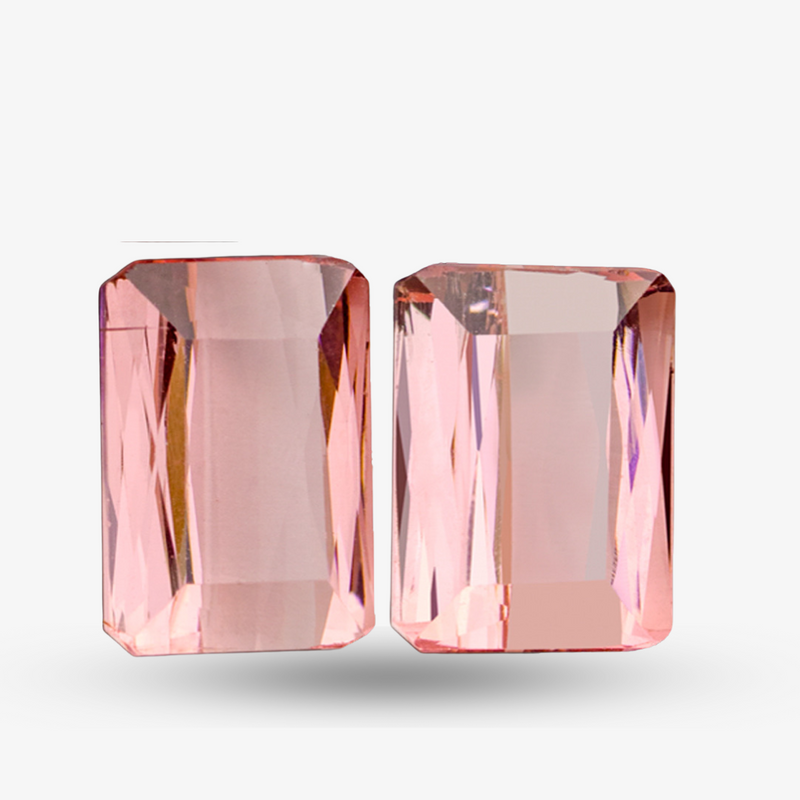
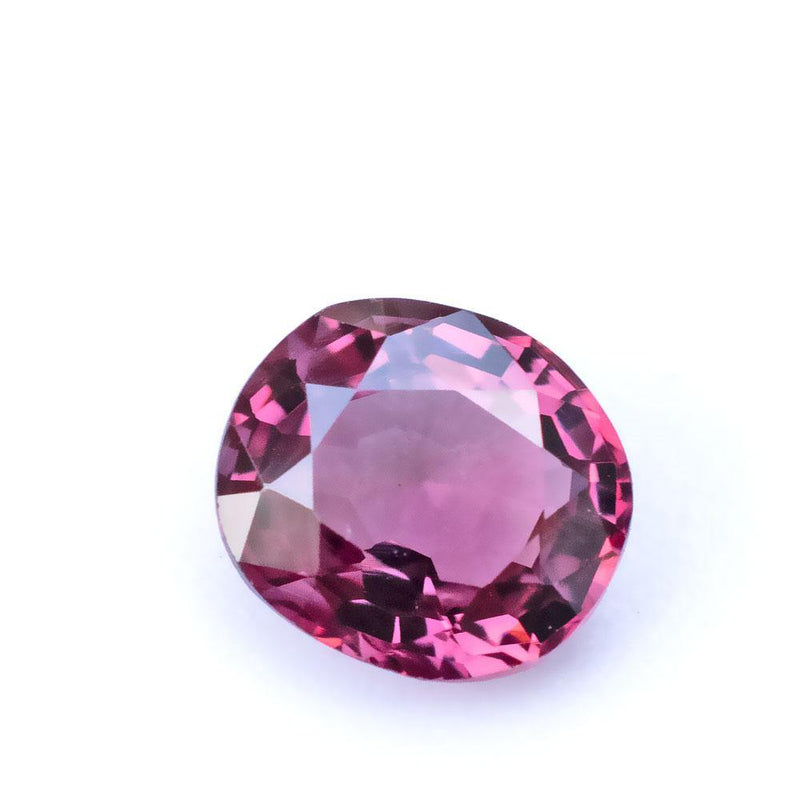
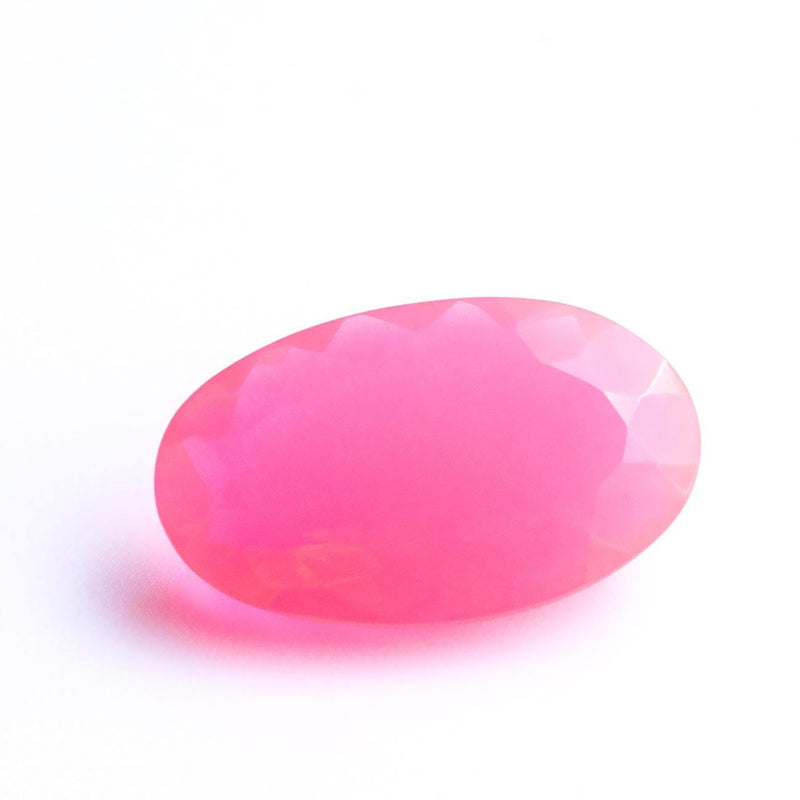
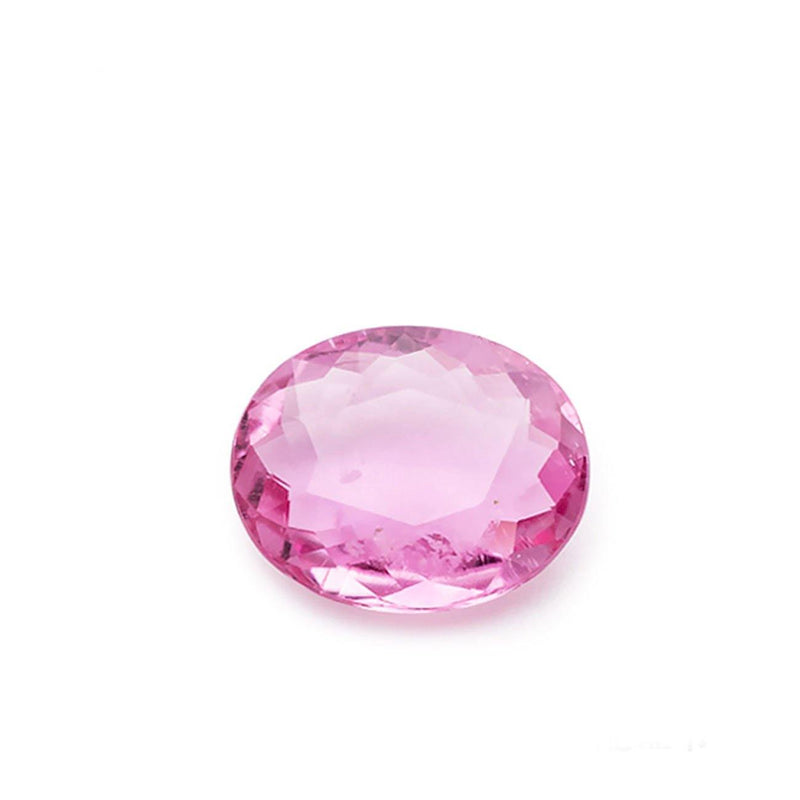
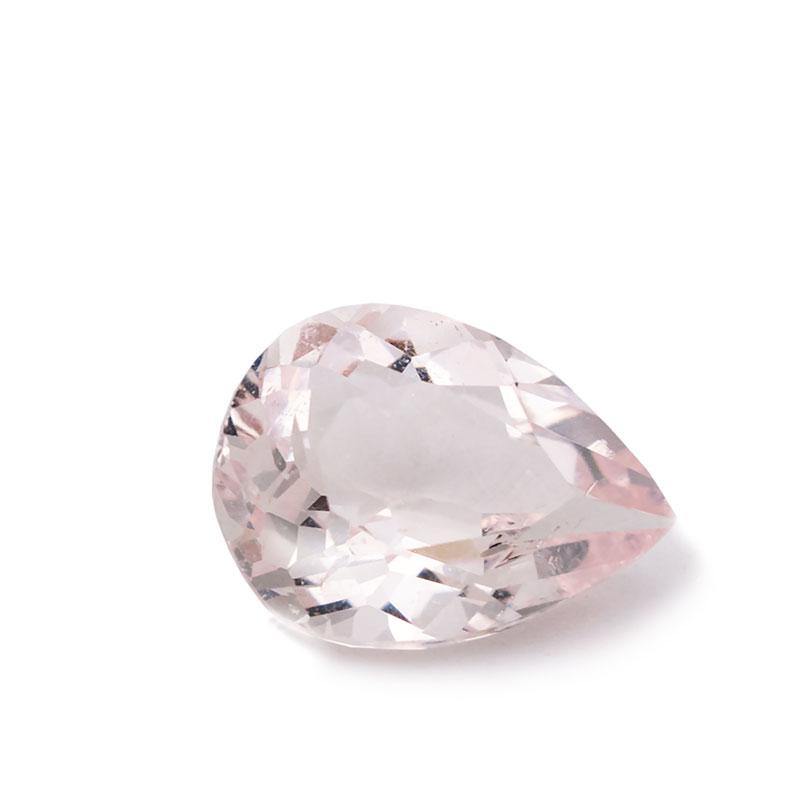
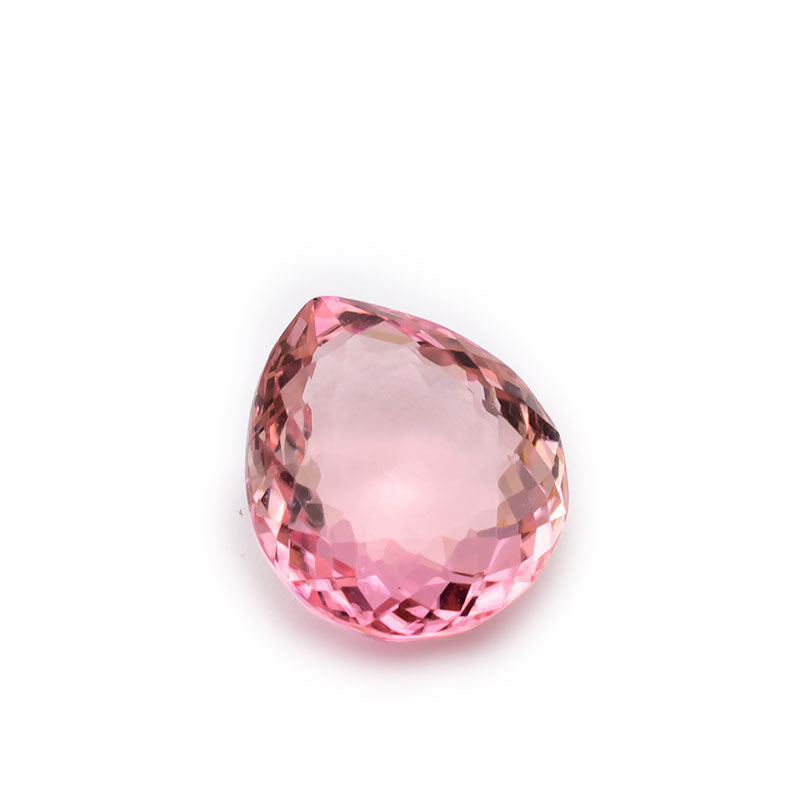
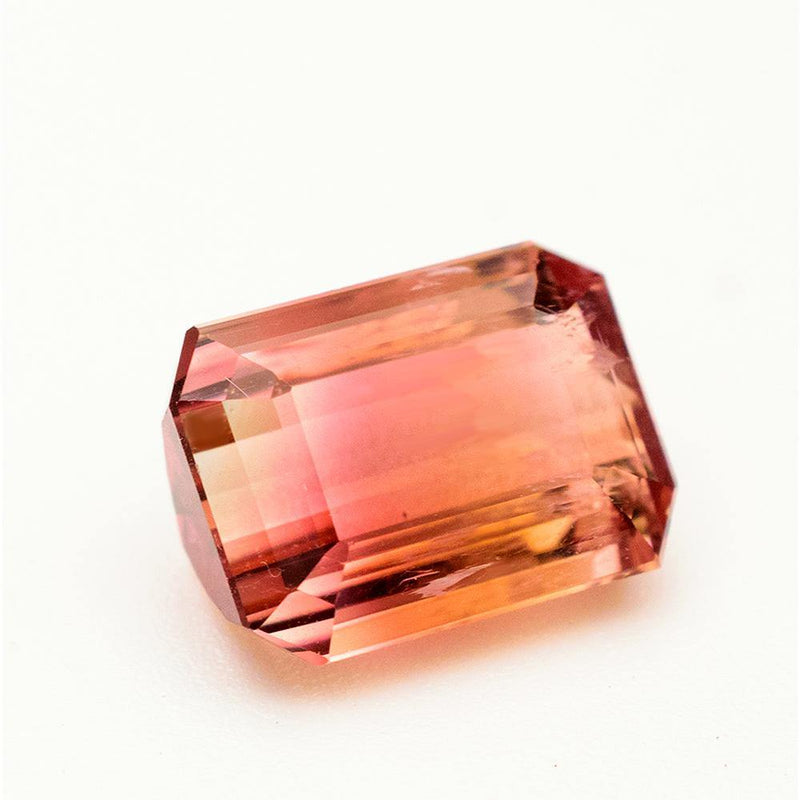
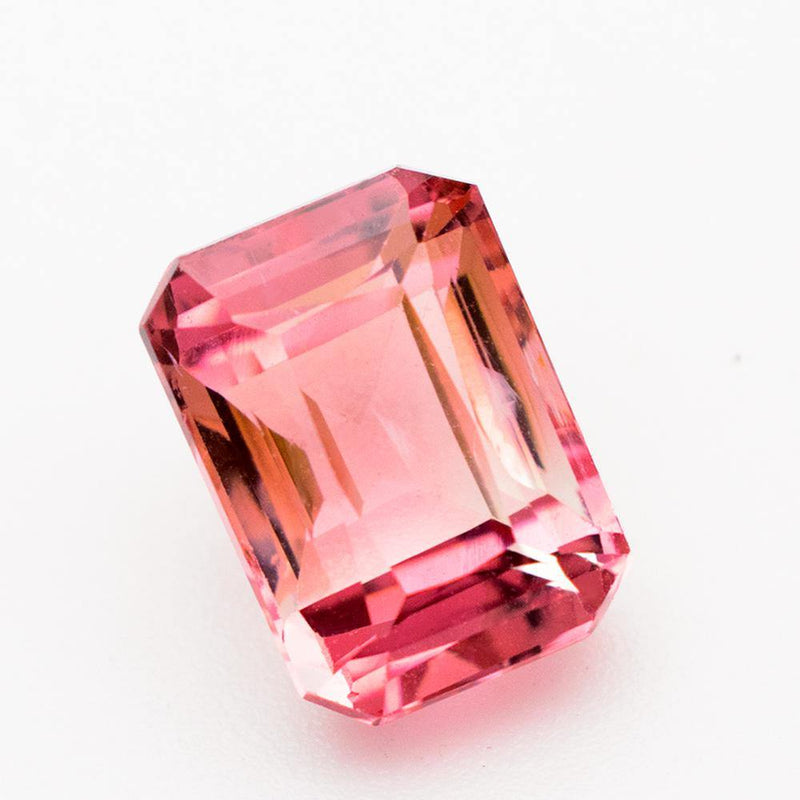
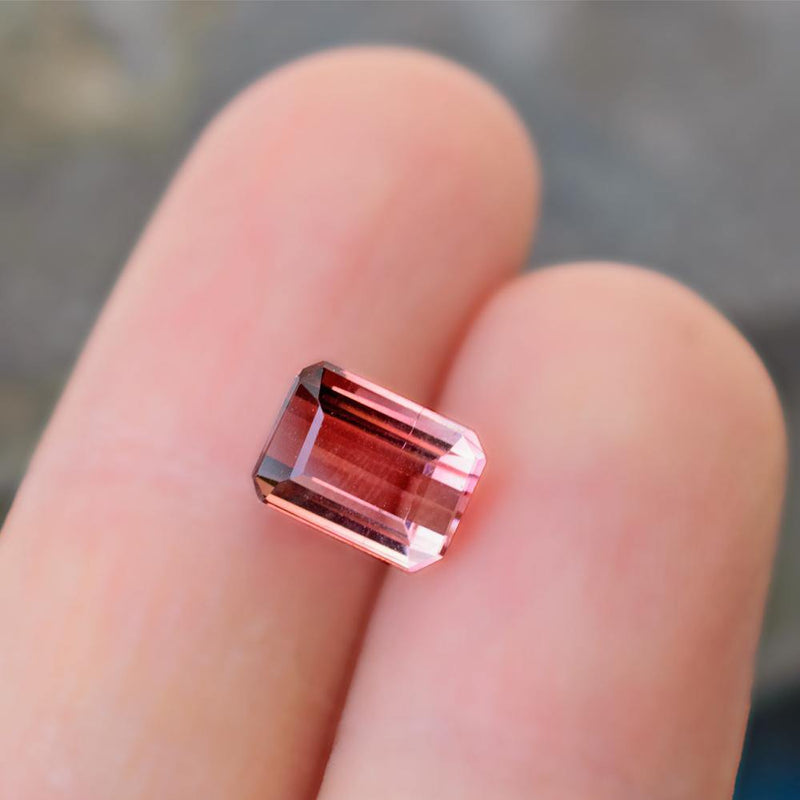
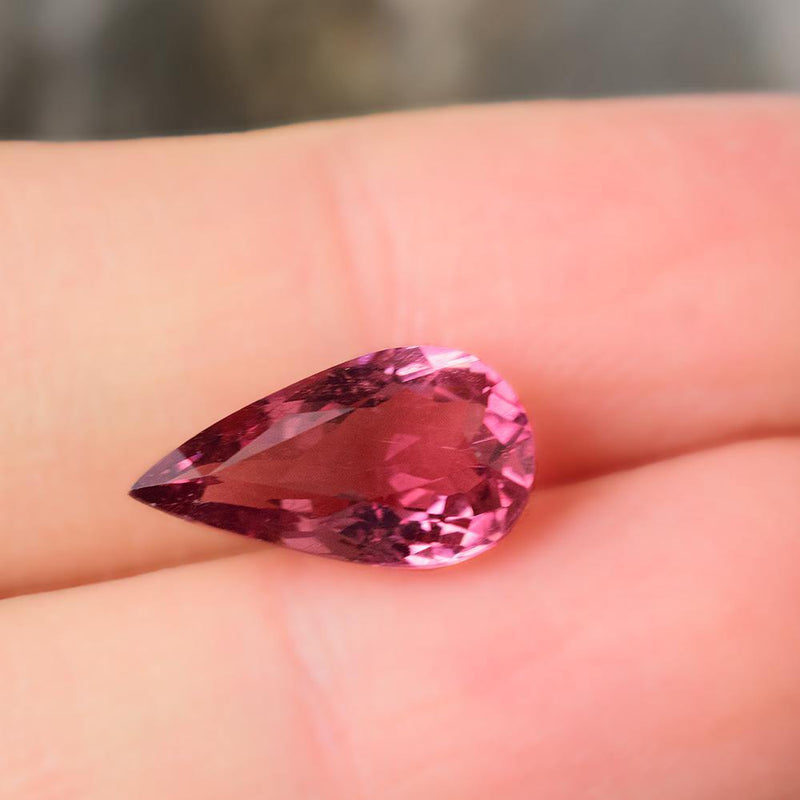
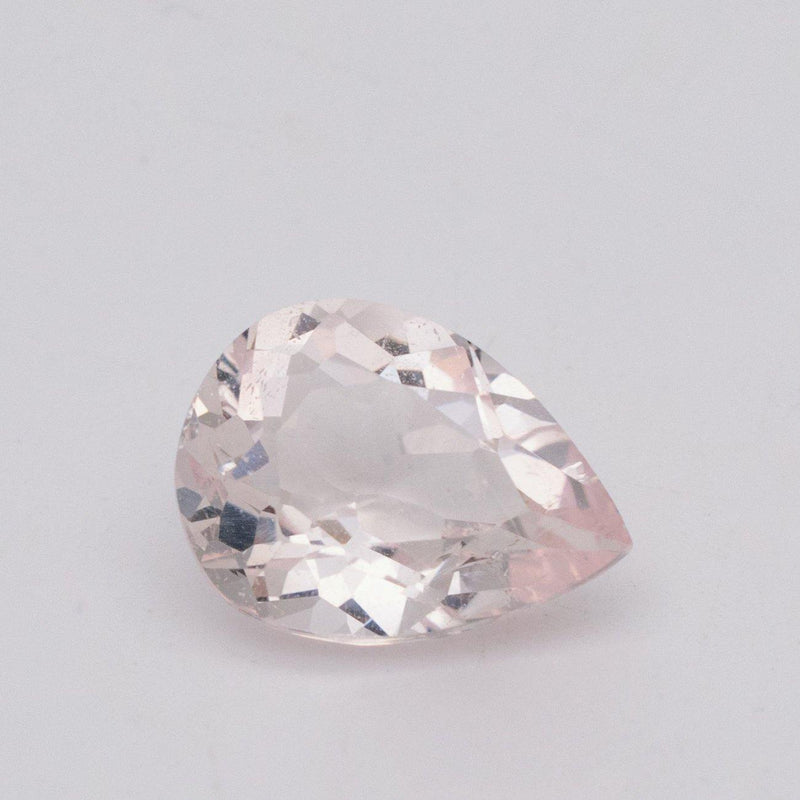
 Pink, a color that melts every female's heart. A color that reminds us of love, nurture, and compassion. Shop our extensive collection of pink gemstones. A collection with different gemstones in color that evoke comfort and hope. This collection features Pink Natural Diamonds, Pink Sapphires, Pink Morganites and more.

Some people think certain pink gems have healing powers. Others just love how they look. Whatever you like about pink gems, we have something for you. Look through our collection to find your perfect pink gem. Whether you want a light pink or a deep pink, a small gem or big. There is enough for everyone.
Find your favorite pink gemstone today and add a touch of love to your jewelry!

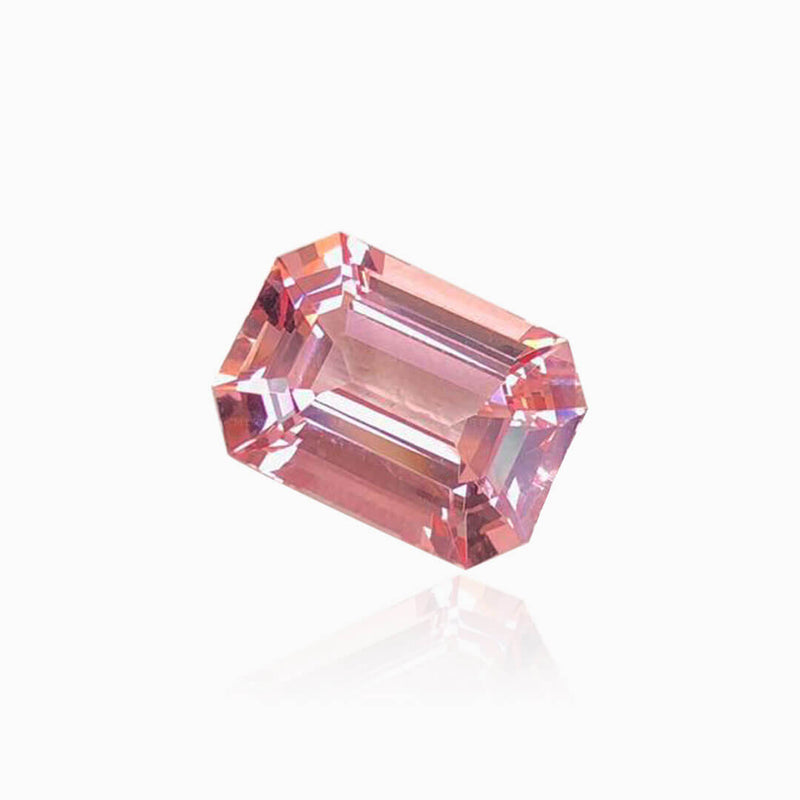
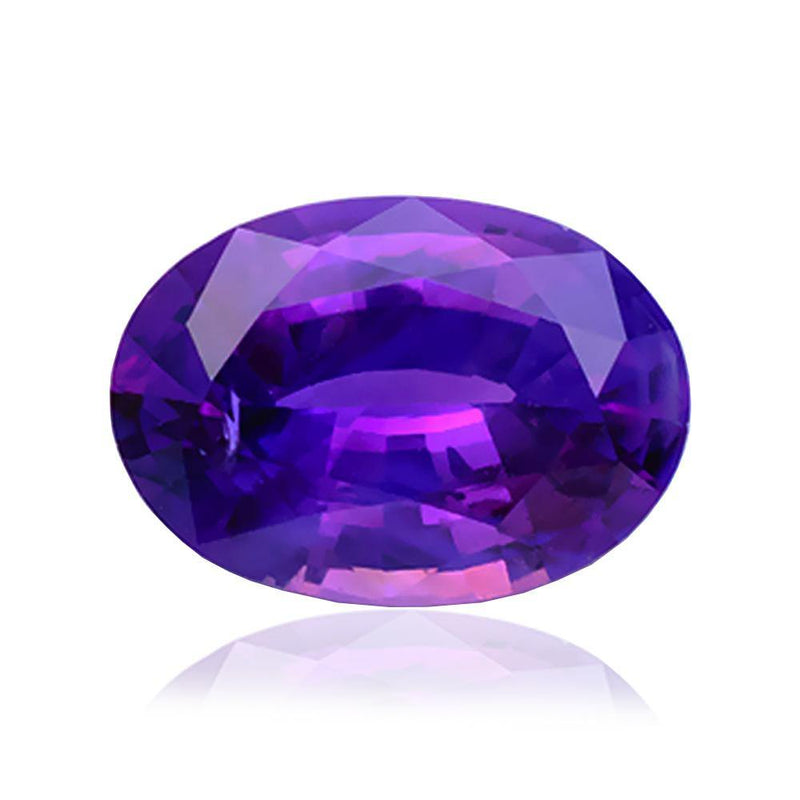
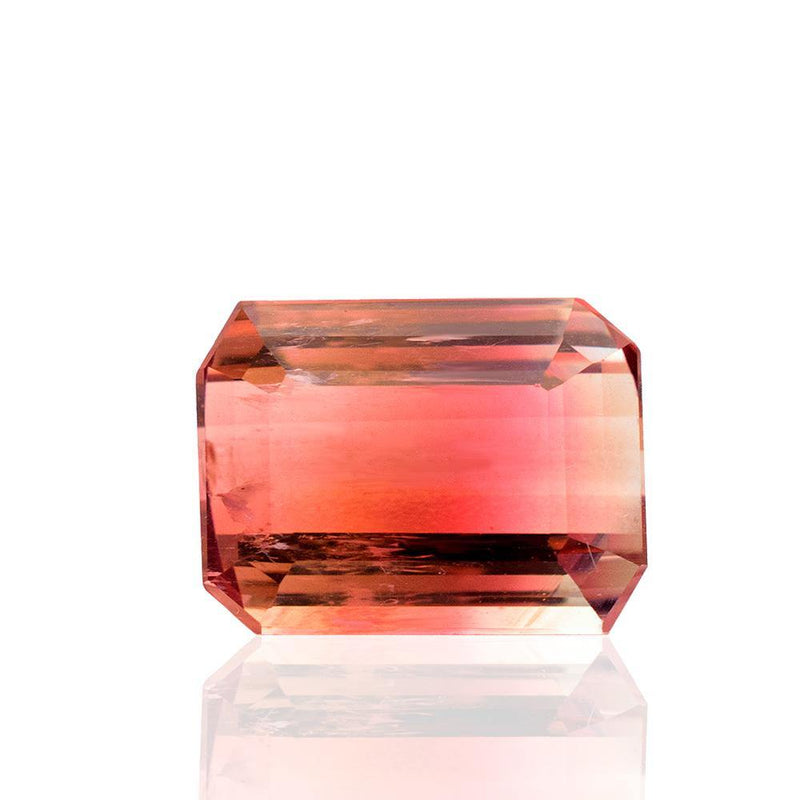
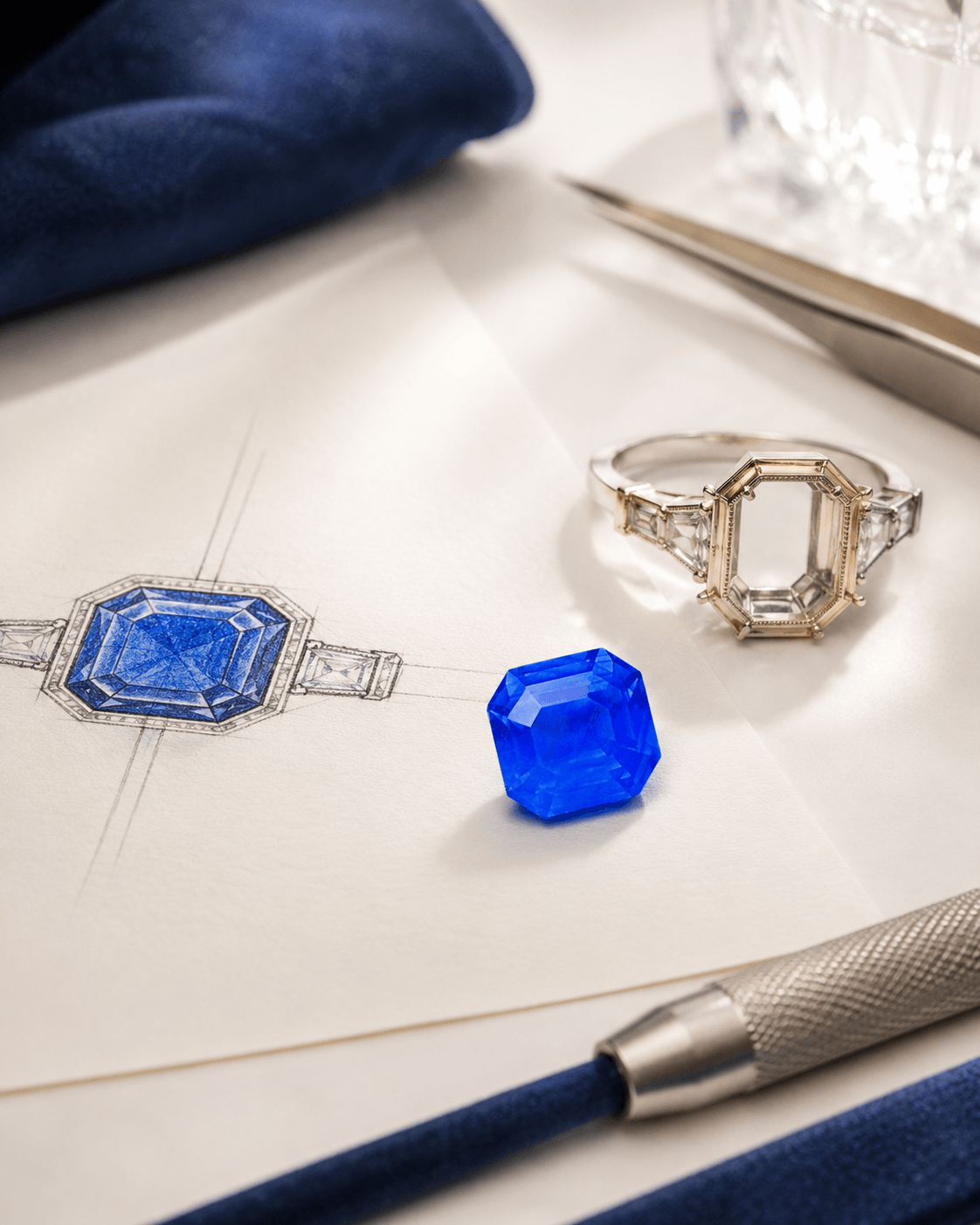
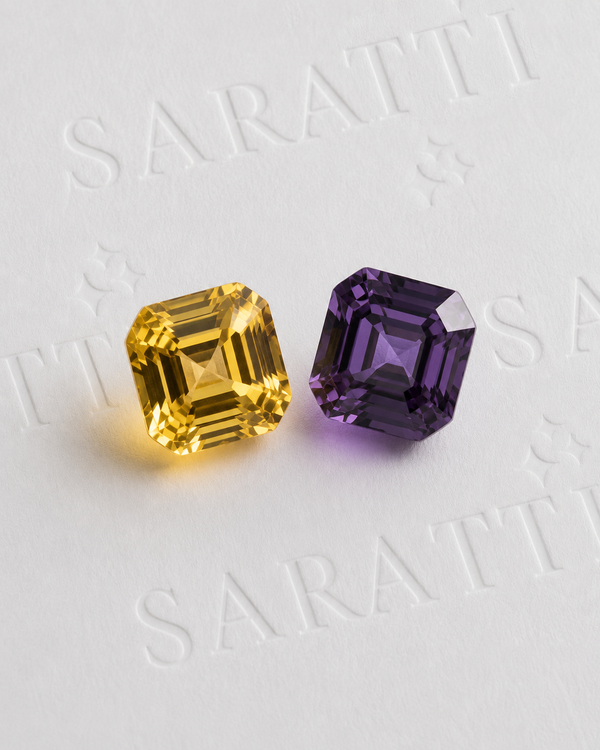
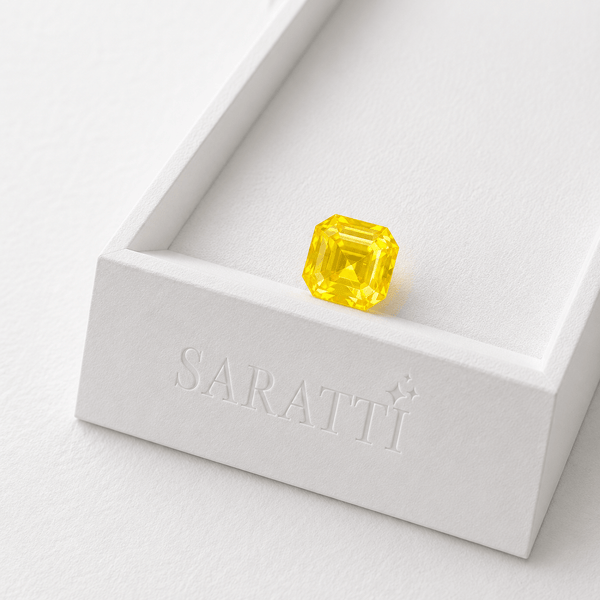
1.52ct Unheated Natural Lavender Sapphire Asscher main view loose gemstone | SARATTI
Filter
✦ ✦ ✦
THE PRIVATE COLLECTION

Not every stone we hold is online.

Our online collection is only part of what is available. Many more gemstones are held privately, including stones that may never appear on the website. Tell us what you are looking for — or simply send us a photograph of something you love.

Our gemologists will personally select stones from the wider SARATTI collection for you to consider. Not sure exactly what you want? Send us a photograph, a color you love, or simply ask.

No question is too small.
No request is too specific.
WHATSAPP A GEMOLOGIST
Sapphire, spinel, morganite, tourmaline and garnet compared

Pink Gemstones

What Makes a Gemstone Pink

Pink is not a colour in the way blue or green are. It is red at low saturation, diluted because the colouring element is scarce or the lattice cannot hold much of it — which is why pink stones cost less than their red equivalents, and why the boundary between the two is disputed.

Chromium is the aristocrat of pink. In corundum it makes pink sapphire, in spinel the pink collectors chase, and in greater quantity the same element in the same mineral makes ruby. Chromium also fluoresces, re-emitting red under the ultraviolet in daylight, so a chromium pink appears lit from within. Manganese does the work in beryl, where it makes morganite, and in tourmaline, where it makes everything from pale rose to rubellite; manganese pinks do not fluoresce. In garnet the colour comes from iron and manganese present as constituents of the mineral rather than trace impurities, and iron quenches fluorescence outright. In kunzite and most pink topaz the colour is not an element but a colour centre, a structural defect created by irradiation which holds the colour until something disturbs it.

That division shows itself at the counter. Under a warm bulb a chromium pink deepens while a manganese pink of identical hue flattens and drifts grey, and in sunlight only one of them glows. Our complete guide to pink gemstones surveys the field; what follows is the comparison a buyer needs.

Pink Sapphire

Pink sapphire is corundum coloured by chromium, and at Mohs 9 it is the hardest pink available and the benchmark for everything else here. The colour runs from pale ballet pink through hot bubblegum to a deep purplish pink stopping just short of red, the most valued material sitting in the medium tones with no grey.

The important thing about it is not its range but its boundary. Pink sapphire and ruby are the same mineral with the same colouring element, separated only by saturation. There is no chemical test and no line in nature, only a judgement about whether the red is strong enough to be called red — and laboratories disagree, GIA drawing that line more conservatively than several Asian laboratories, so the same stone submitted twice can return pink sapphire on one report and ruby on another. The commercial effect is severe: the word ruby is worth a large multiple of the price of the identical stone called pink sapphire, so anyone buying at the strong end of pink should know which laboratory issued the report. Our ruby colour chart shows where the shades sit against one another.

Adjacent to pink is padparadscha, the pinkish-orange sapphire named after the lotus blossom, rarer than either pink sapphire or most ruby. Most pink sapphire is heated, permanently and undetectably by eye, and unheated material earns its premium only when a laboratory confirms it. The sapphire collection is the place to begin if durability comes first.

Pink Spinel

Pink spinel is the connoisseur's pink, and the reason is simple. In a group where heating and irradiation are routine, spinel is essentially never treated: it arrives as geology made it.

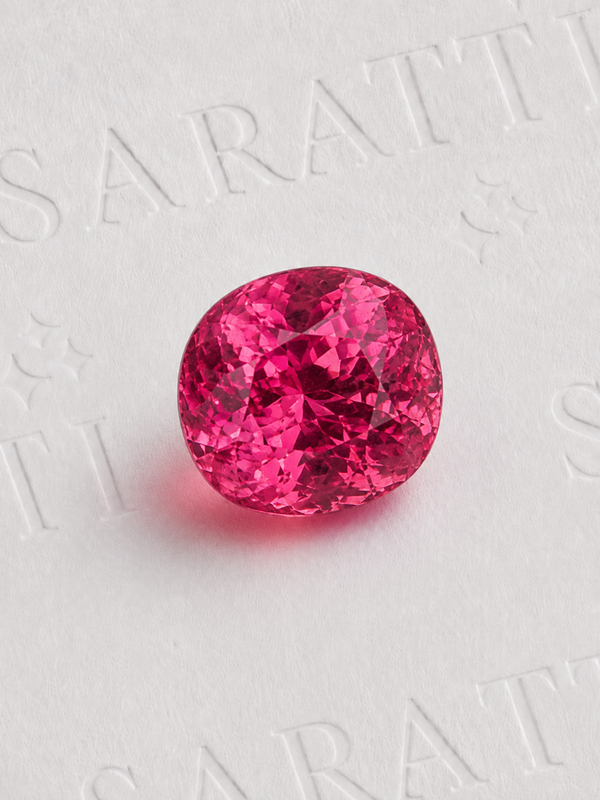
Its colour is chromium-driven, so it fluoresces and behaves like a sapphire pink rather than a tourmaline pink. Mahenge spinel from Tanzania, found in quantity in 2007, produces a hot, almost neon pink-red with no equivalent elsewhere and now approaches fine pink sapphire on price. Burmese material from the Mogok valley is the historic source, softer and slightly purplish.

Spinel is usually cleaner than corundum of comparable colour, and at Mohs 8 with no cleavage it wears as well as anything here except sapphire. The spinel collection shows how the pink runs into red.

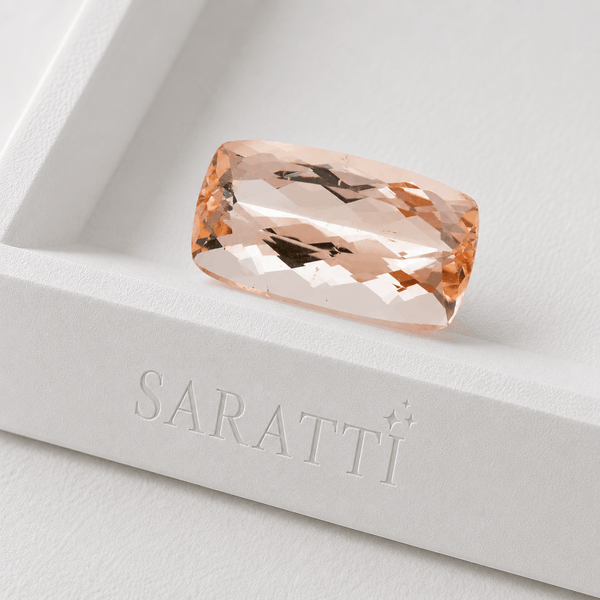
Morganite

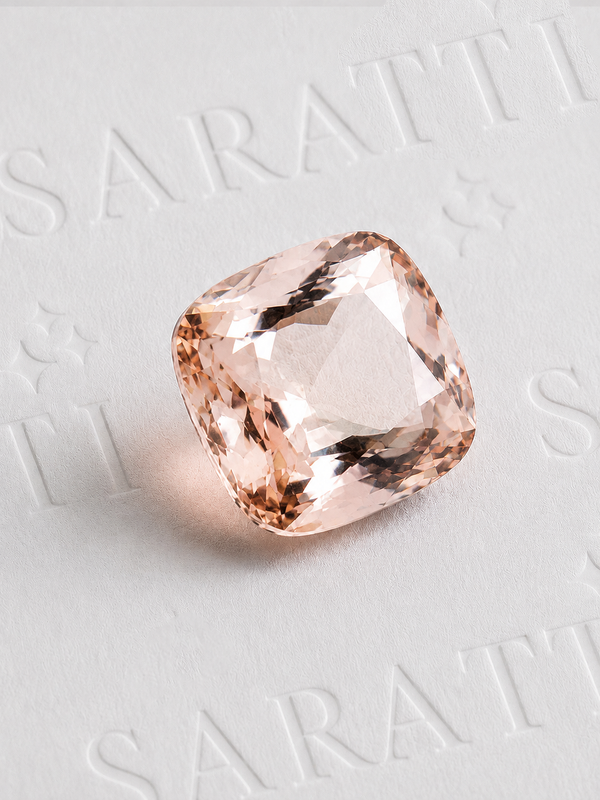
Morganite is pink beryl — the same species as emerald and aquamarine — coloured by manganese, and it is defined by what it cannot do. It is pale by nature. The manganese concentration is low, and no morganite reaches the saturation of a good pink sapphire or spinel — though judged on its own terms it is among the cleanest pinks available.

Because saturation is unavailable, size does the work instead. Colour deepens with the distance light travels through a stone, so a fifteen-carat morganite reads pinker than a two-carat stone from the same rough. Small morganite looks washed out; it becomes itself only above roughly eight to ten carats, and beryl occurs in large clean crystals, so size is affordable here as nowhere else.

Most morganite is heated at modest temperature to drive off a yellow-orange component and leave a cleaner pink. The treatment is permanent, undetectable and uncontroversial: unlike emerald's oiling, it changes nothing about durability or care. Morganite is also why rose gold and pink beryl became a pairing: the warm metal reflects into the pavilion and returns colour the stone does not itself possess, so a loose stone looks different once set. At Mohs 7.5 to 8 it is sound for regular wear. The morganite collection sets out what to look for.

Pink Tourmaline and Rubellite

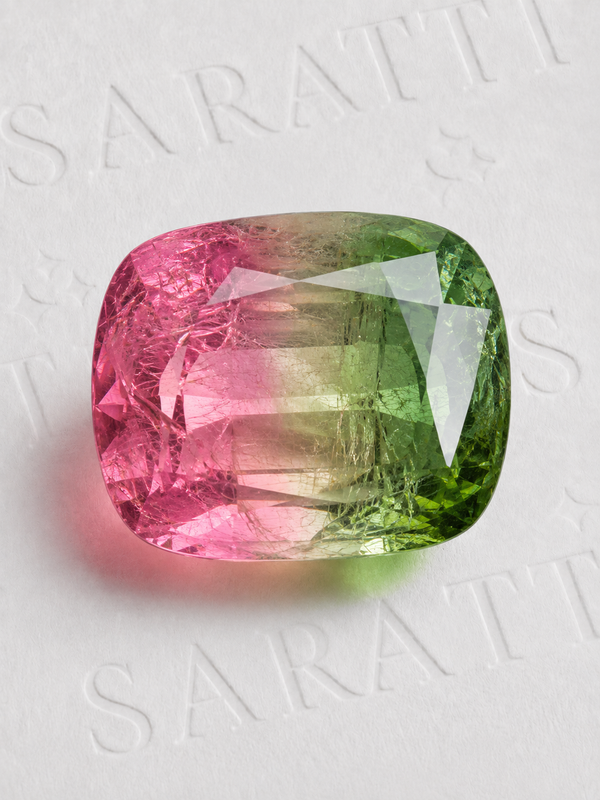
Pink tourmaline is manganese-coloured elbaite, spanning a wider range of pinks than any species here — pale rose, peach, hot magenta, and the purplish red the trade calls rubellite. That last distinction is not one of degree but a specific test.

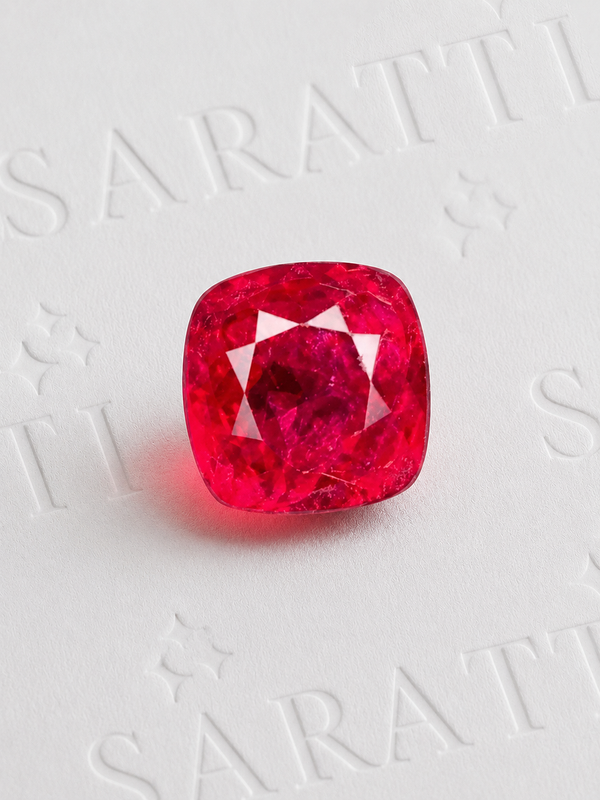
Rubellite is properly reserved for material that stays red under incandescent light. Ordinary pink and purplish tourmaline turns brownish or grey under a warm bulb; true rubellite does not. Anyone shown a strong pink tourmaline in daylight should ask to see it under lamplight before agreeing to the name or the price.

Clarity expectation for the saturated material is included, not clean: the growth environment that produces the colour also produces fractures and veiling, and eye-clean rubellite above a few carats is uncommon and priced as such. Much pink tourmaline is also irradiated to lift pale material to a stronger pink, a treatment that is permanent, undetectable by routine test, and common enough that it should be assumed rather than suspected. At Mohs 7 to 7.5 it suits regular wear, and it occurs in large crystals, so size costs little. The rubellite collection is worth comparing directly against spinel.

Pink Garnet: Rhodolite and Malaya

Rhodolite is the intermediate between pyrope and almandine, a purplish pink to raspberry stone far brighter than the deep reds people picture when they hear garnet. Malaya, from the Swahili malaia, outcast, is a pyrope-spessartine blend running pinkish-orange to peach — the nearest thing here to padparadscha at a fraction of the money.

Three things recommend them. Garnet is never treated — no heat, no irradiation, no filling, no dye in general use — which places it beside spinel as the only untreated pink here. It is bright, because its refractive index is high. And it is affordable: a clean five-carat rhodolite costs a fraction of a one-carat pink sapphire.

Garnet is also singly refractive: doubly refractive gems split light into two rays and soften the facet edges seen through the crown, and garnet does not, so it reads crisper. At Mohs 6.5 to 7.5 it is the softest of the durable pinks. The garnet collection covers the pink varieties alongside the red.

Kunzite and Pink Topaz

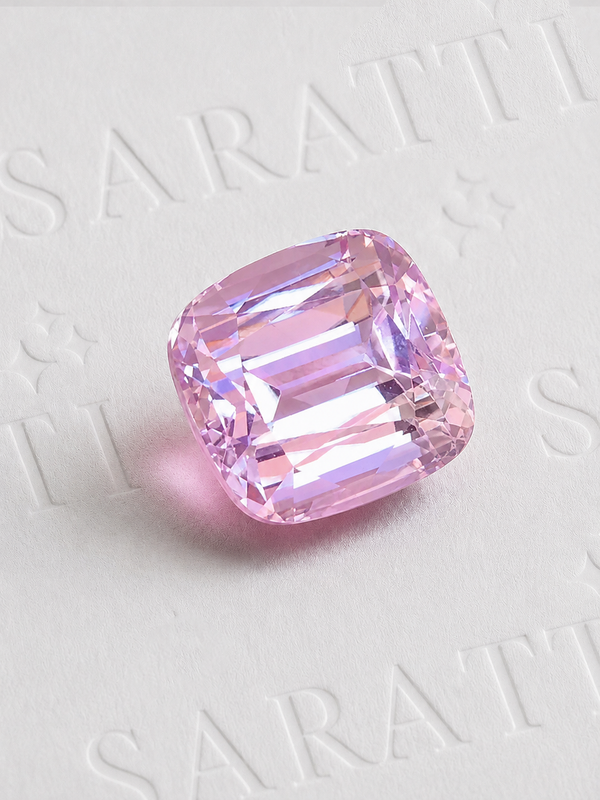
Kunzite is pink to lilac spodumene and the most seductive stone here — large, clean, inexpensive, in a pinkish violet nothing else reproduces. Its colour is a colour centre, and that colour fades. Strong sunlight or intense artificial light drains it, sometimes over years and sometimes faster, and once gone it does not return without re-irradiation. Much kunzite is irradiated to deepen it, and irradiated colour fades sooner. Treat it as an evening stone: excellent in earrings and pendants worn and stored in the dark, wrong for a ring worn daily. Perfect cleavage in two directions and Mohs 6.5 to 7 compound the case. Learn about kunzite covers wear and storage further.

Pink topaz carries a different problem. Topaz of genuinely natural pink colour — historically from Ouro Preto in Brazil, and from Pakistan — is rare and expensive, and it is not what most pink topaz in the market is. The great majority is irradiated, or treated colourless topaz, or heated from brownish-yellow Brazilian rough. It is genuine topaz either way, but the price gap is very large and only a report separates them. At Mohs 8 topaz is hard, though its perfect basal cleavage will split it under a direct blow.

Comparing Them Directly: Budget, Durability, Treatment

On budget, most to least expensive per carat in fine quality: padparadscha, then fine pink sapphire and Mahenge spinel, then ordinary spinel, then rubellite and natural-colour pink topaz, then pink tourmaline and morganite, then rhodolite and malaya, then kunzite and treated topaz, the most affordable by a wide margin.

On durability the order nearly reverses: pink sapphire at 9, spinel at 8, topaz at 8 but cleavable, morganite at 7.5 to 8, tourmaline at 7 to 7.5, garnet at 6.5 to 7.5, kunzite last.

On treatment the split is stark. Spinel and garnet are essentially never treated; pink sapphire is usually heated, morganite almost always, and tourmaline, kunzite and pink topaz are frequently irradiated.

These orderings largely agree, which is unusual. The anomaly is spinel — second on hardness, second on colour, first on treatment, third on price.

Treatment Across the Group

Stated plainly: irradiation is the characteristic treatment of pink, as heat is of blue. It produces most pink tourmaline of good colour, most kunzite and most pink topaz. Outside kunzite it is stable and permanent, and undetectable by routine test — which is why it should be assumed for those species unless a report says otherwise.

Heat is the other treatment and it is uncontentious: pink sapphire is usually heated and morganite almost always, both permanently.

Spinel and garnet are essentially never treated. Where a treatment is known we state it on the listing, and the standard is set out in how SARATTI grades gemstones.

Durability and Daily Wear

Hardness resists scratching; toughness resists chipping, and cleavage overrides hardness entirely.

Pink sapphire at 9 and spinel at 8, neither with cleavage, are the two pinks recommendable for a ring worn every day without qualification. Morganite at 7.5 to 8 is sound for regular wear, and tourmaline at 7 to 7.5 is adequate, though included rubellite should be set protectively. Topaz is hard, but its basal cleavage makes a knock at the wrong angle dangerous, and garnet scratches over years on a hand. Kunzite fails on three counts at once and belongs in occasional-wear pieces.

Ultrasonic and steam cleaning are unsuitable for kunzite, resin-filled tourmaline and any cleavable stone with surface-reaching fractures. Warm water, mild soap and a soft brush are safe for everything here.

Certification, and How to Choose

An independent report from GIA, GUILD, AIGS, CGRL, GRS or GRC should confirm species and identify treatment where detectable, and these stones need one very unequally. A pink sapphire near the red end needs it badly, because the pink-versus-ruby call is a laboratory judgement with a large price consequence. Pink topaz needs one to establish whether the colour is natural, and spinel to confirm it is spinel and not sapphire. Morganite, garnet and tourmaline rarely need one. Where one exists it is shown; where none exists, we say so, and recertification elsewhere can be arranged at cost.

Decide first which constraint will not move. If it is a ring worn every day for decades, pink sapphire and spinel are the answers and everything else is a compromise. If it is an untreated stone, spinel and garnet. If it is size at a sensible cost, morganite bought large, or a rubellite.

Every stone here is listed individually, with its own weight, measurements, treatment status and report where one exists. Only part of what we can reach is listed online, so if what you want is not listed, describe it, and we will go and look.

Two Kinds of Pink Chromium pinks in sapphire and spinel fluoresce and glow in sunlight. Manganese pinks in morganite and tourmaline do not, and flatten under warm indoor light. The difference is visible before any other comparison.
The Ruby Boundary Pink sapphire and ruby are one mineral divided by a saturation judgement that laboratories make differently. Which laboratory issued the report can change what the same stone is called, and what it is worth.
Irradiation, Not Heat Pink is the colour where irradiation is standard rather than heating. It accounts for most good pink tourmaline, kunzite and pink topaz, is permanent outside kunzite, and no routine test detects it.
Two Untreated Species Spinel and garnet receive no heat, irradiation, filling or dye in general use. In a colour where nearly everything else is enhanced, they are the pinks that arrive exactly as geology made them.

Frequently Asked Questions About Pink Gemstones

The main ones are pink sapphire, pink spinel, morganite, pink tourmaline and rubellite, rhodolite and malaya garnet, kunzite and pink topaz. Two chemistries are behind them: chromium colours sapphire and spinel and makes them fluoresce, so they appear lit from within, while manganese colours morganite and tourmaline and does not fluoresce. Garnet's pink comes from iron and manganese in the mineral itself, and kunzite and most pink topaz owe their colour to irradiation.

Nothing but saturation. Both are corundum coloured by chromium, and the boundary is a judgement about whether the red is strong enough to be called red, not a chemical or structural difference. Laboratories draw the line differently, GIA more conservatively than several Asian laboratories, so the same stone can be certified pink sapphire by one and ruby by another. The word matters commercially: ruby is worth a large multiple of the identical stone called pink sapphire.

Irradiation is the characteristic treatment of this colour. Most good pink tourmaline, most kunzite and most pink topaz have been irradiated, permanently and undetectably by any routine test, so it should be assumed unless a report says otherwise. Heat is the other treatment: pink sapphire is usually heated and morganite almost always, both stable and uncontroversial. Spinel and garnet are essentially never treated, which is why they suit buyers who object to treatment.

Pink sapphire at Mohs 9 and pink spinel at Mohs 8 are the only two that can be recommended for a ring worn every day without qualification, because neither has cleavage. Morganite at 7.5 to 8 is sound for regular wear. Tourmaline at 7 to 7.5 is adequate in a protective setting. Topaz is hard but cleaves. Garnet scratches over years on a hand, and kunzite is unsuitable for daily wear entirely.

Morganite is pale by nature: the manganese concentration in beryl is low and no morganite reaches the saturation of a fine pink sapphire. Colour deepens with the distance light travels through a stone, so size is the only way to make it read pink. Below about eight carats morganite tends to look washed out, and above ten it becomes itself. Beryl grows in large clean crystals, so the size that solves the problem is affordable.

Yes, and it should be bought with that understood. Kunzite's colour is a colour centre rather than a colouring element, and prolonged exposure to strong sunlight or intense artificial light drains it, sometimes over years and sometimes faster. Once gone it does not return without re-irradiation, and material irradiated to deepen it fades sooner. Treat kunzite as an evening stone, worn and stored in the dark, and never set it in a ring worn daily.

Compare per carat in fine quality, and expect a very wide spread. Padparadscha sits at the top, then fine pink sapphire and Mahenge spinel, then ordinary pink spinel, rubellite, pink tourmaline and morganite, then rhodolite and malaya garnet, with kunzite and treated pink topaz cheapest by a wide margin. Size behaves differently by species: tourmaline and morganite grow large cheaply, while sapphire and spinel step hard in price above one carat.