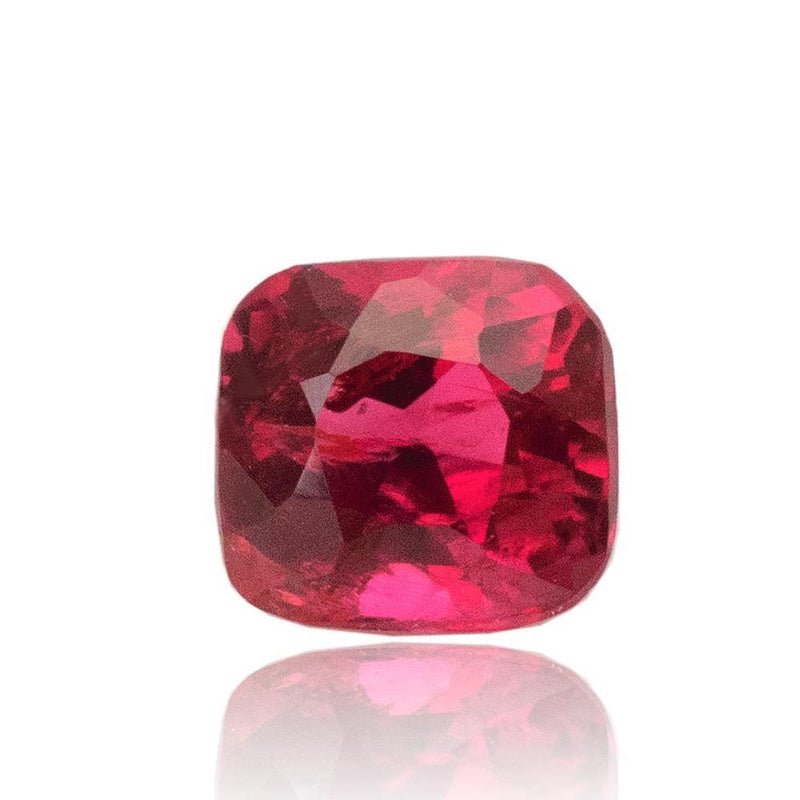
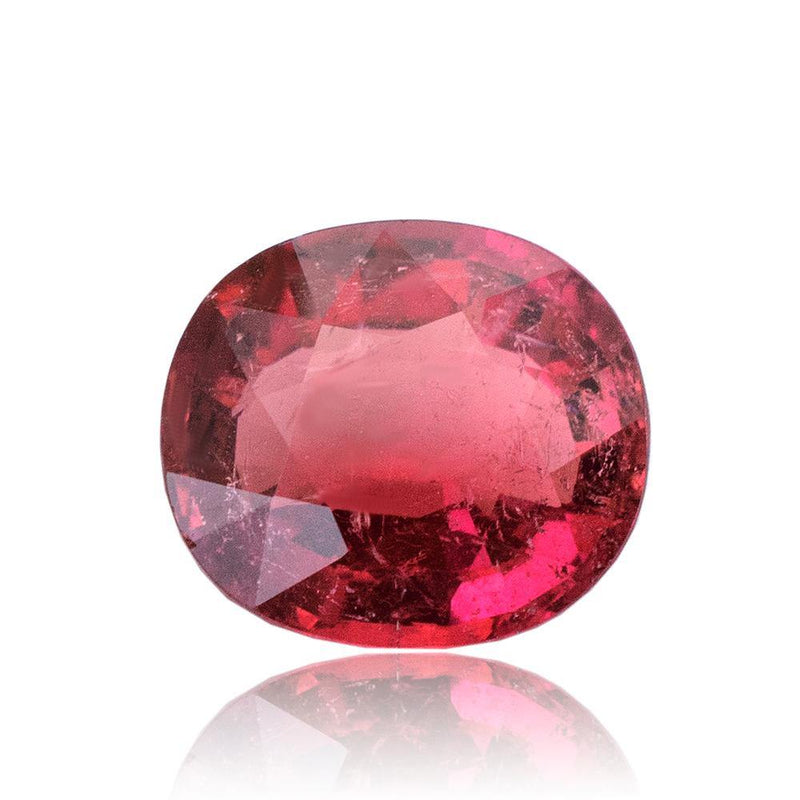
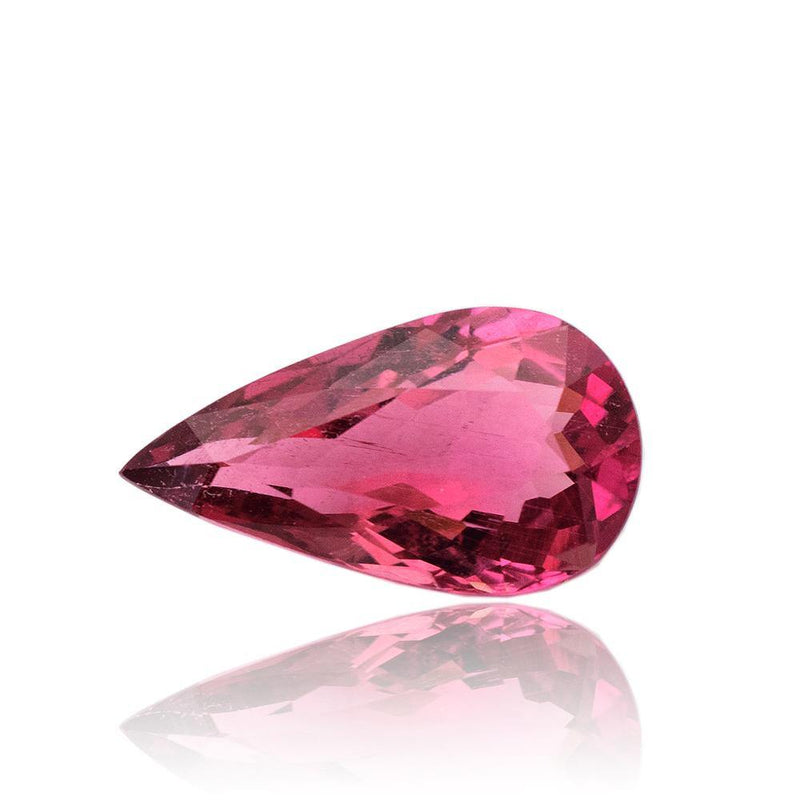
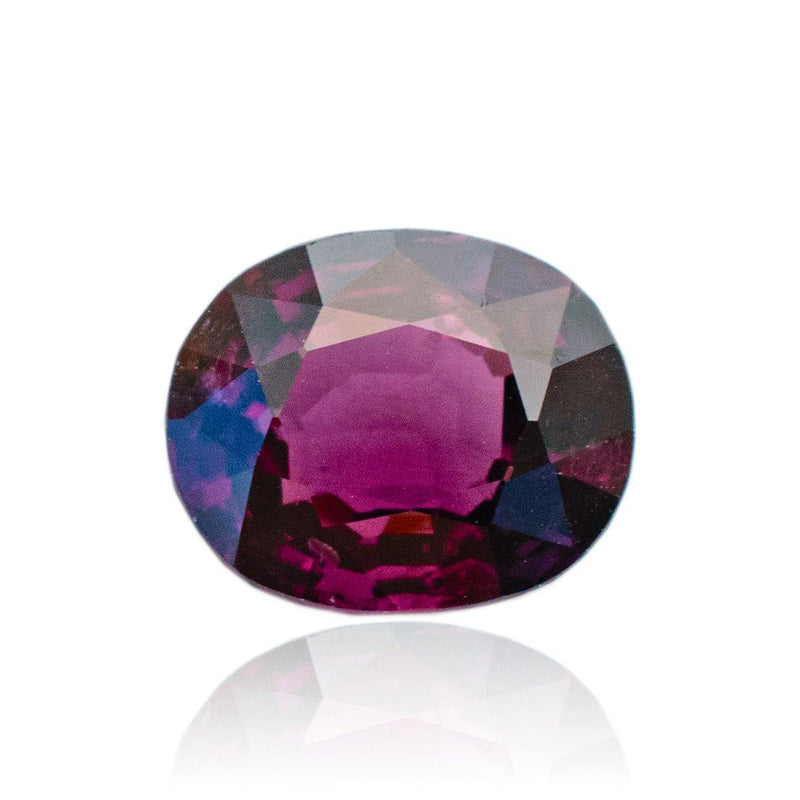
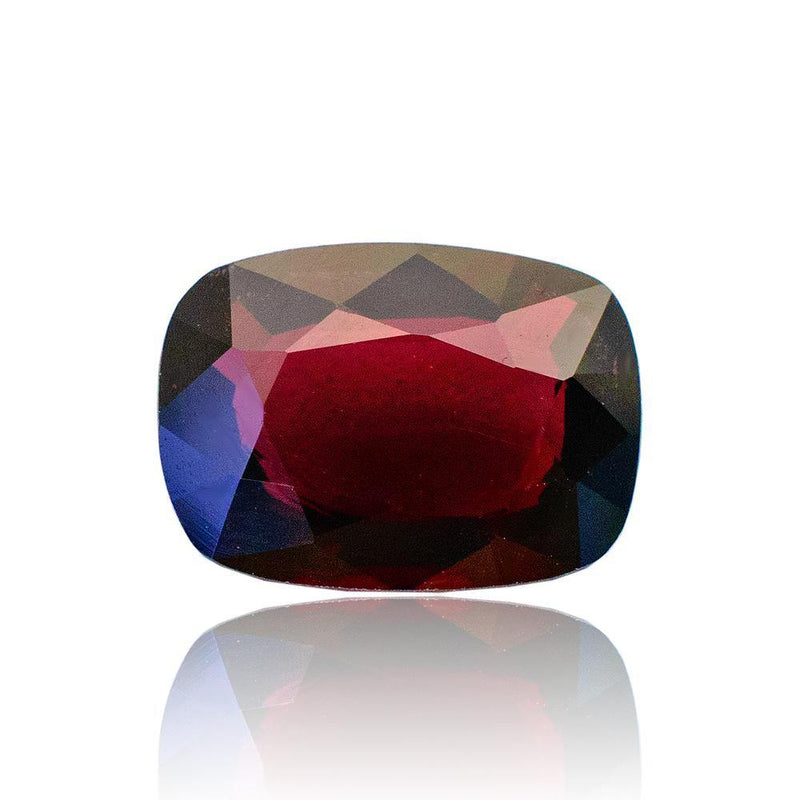
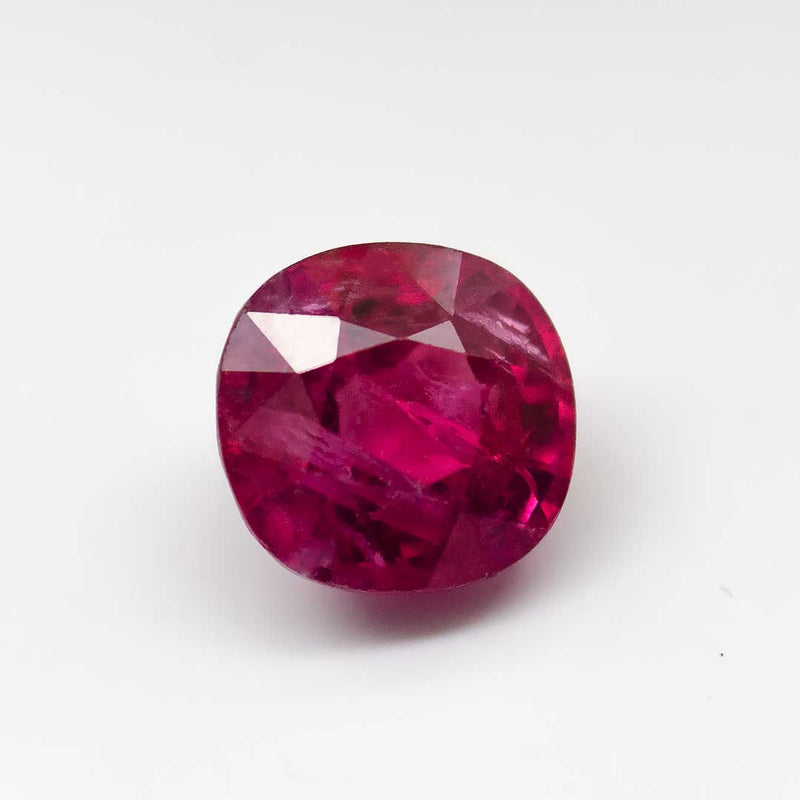
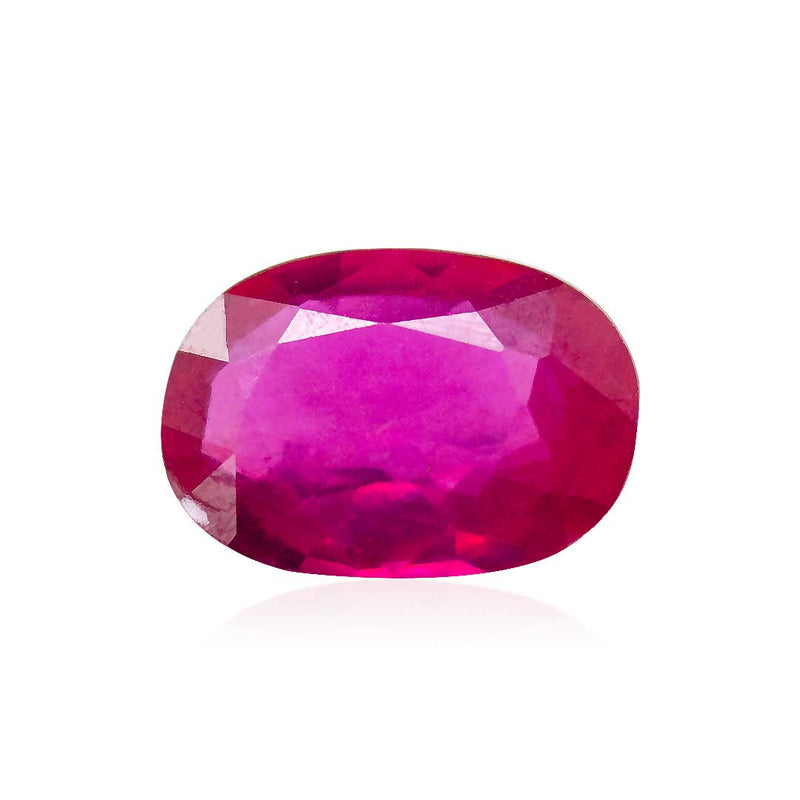
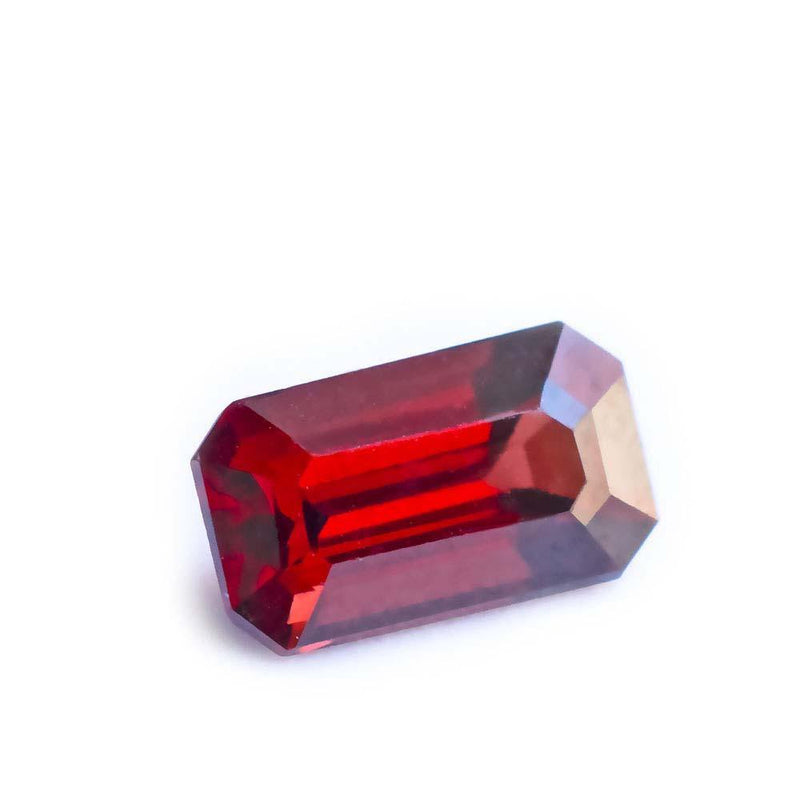
What Makes a Gemstone Red
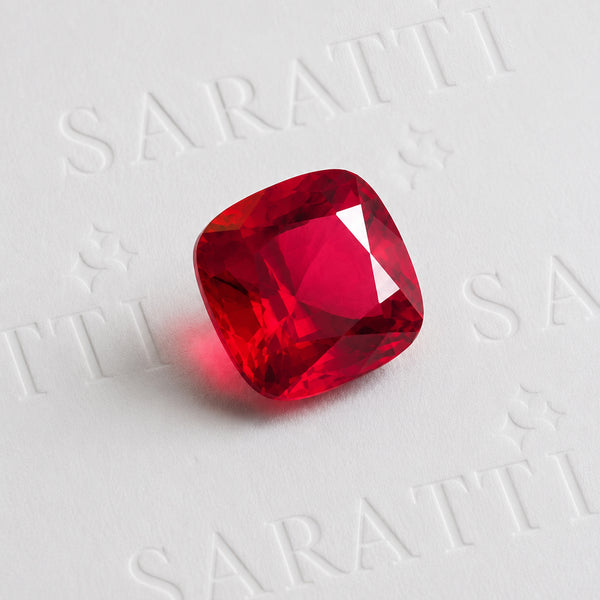
Red is the scarcest of the major gem colours, and the reason is chemical. Very few trace elements produce a saturated red in a transparent mineral, and the one that does it best is chromium.
Chromium is what makes ruby red, and also what makes red spinel red. In both it does more than absorb light: it fluoresces, re-emitting red under ultraviolet, including the ultraviolet present in daylight. That is why a fine ruby or red spinel appears lit from within rather than simply coloured — it gives back more red than it receives.
The other reds arrive differently. In rubellite tourmaline the colour comes from manganese. In garnet it is iron and manganese, present not as impurities but as constituents of the mineral itself — almandine is an iron garnet, pyrope a magnesium one — so their red is intrinsic rather than incidental. Iron does not fluoresce; it quenches fluorescence. That difference explains why garnet, however saturated, never has the internal glow of ruby.
Two families, then: the chromium reds that light up, and the iron and manganese reds that do not. Our survey of natural red gemstones covers the field; what follows is the comparison a buyer needs.
Ruby: The Benchmark, and Its Price Steps
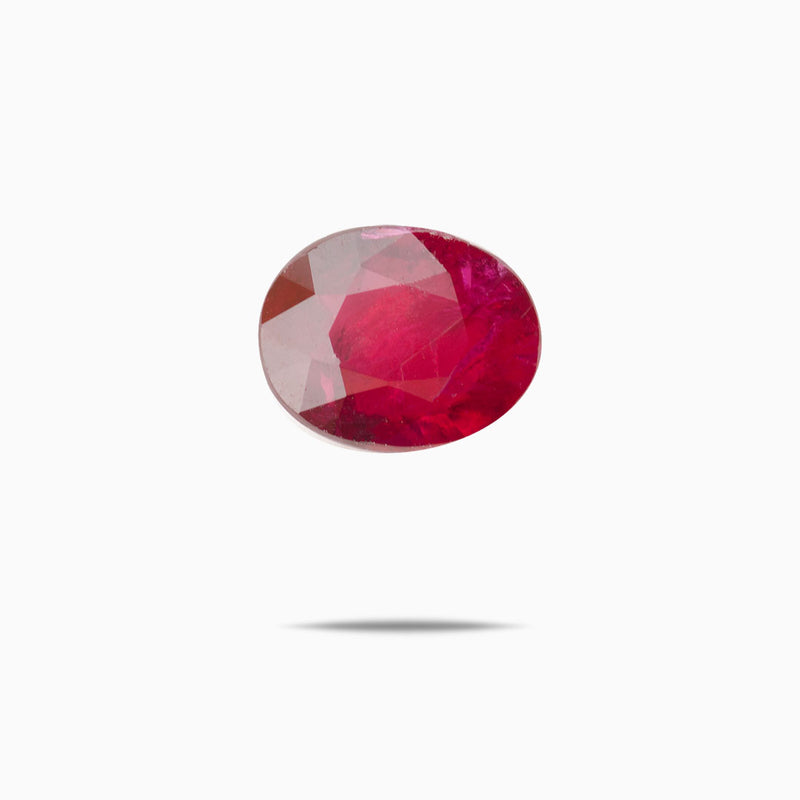
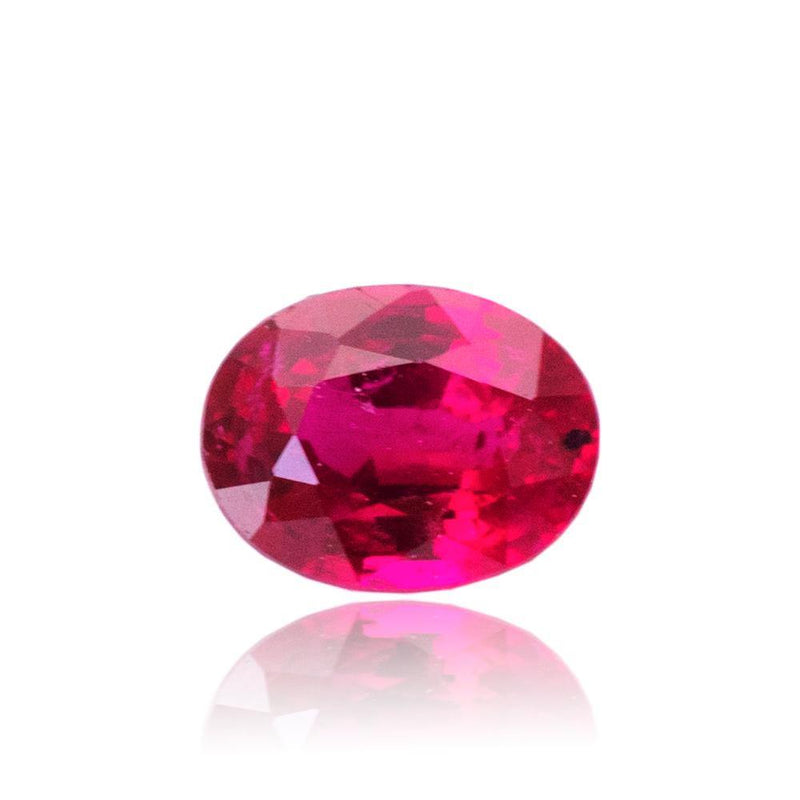
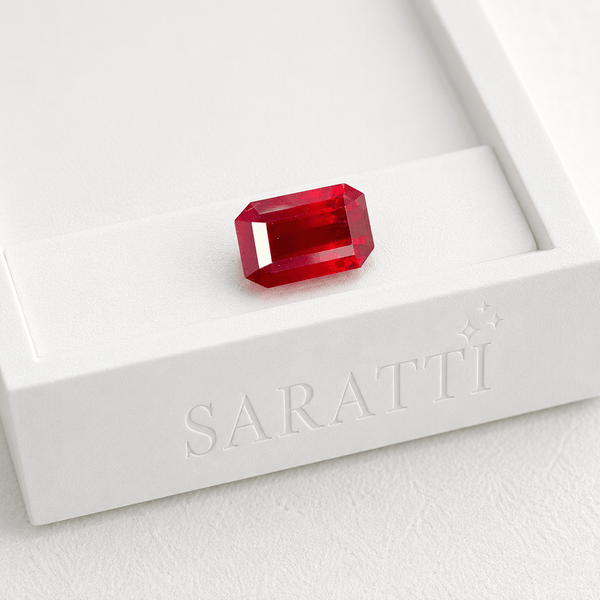
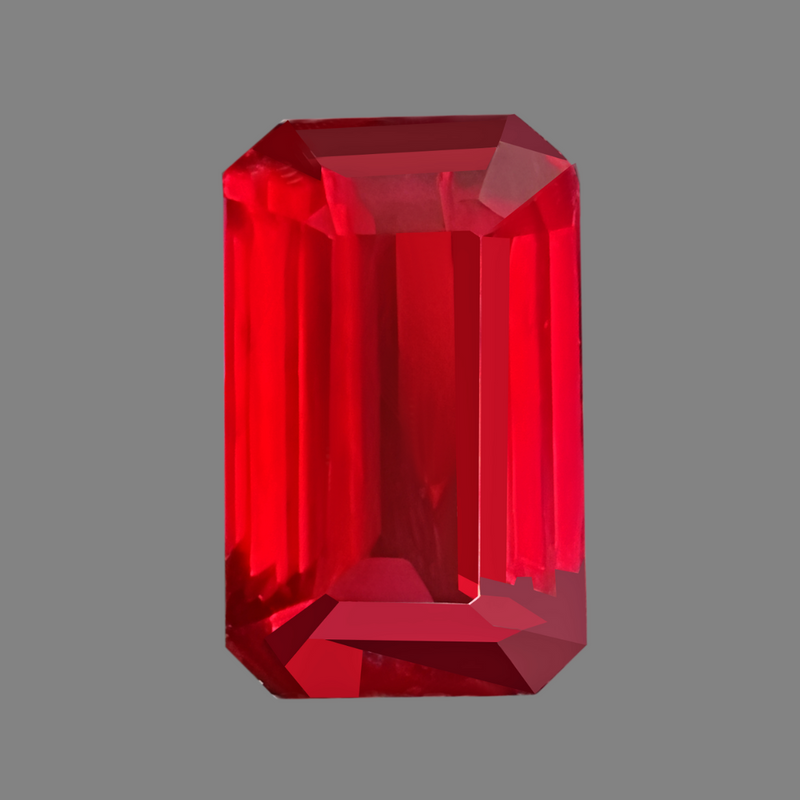
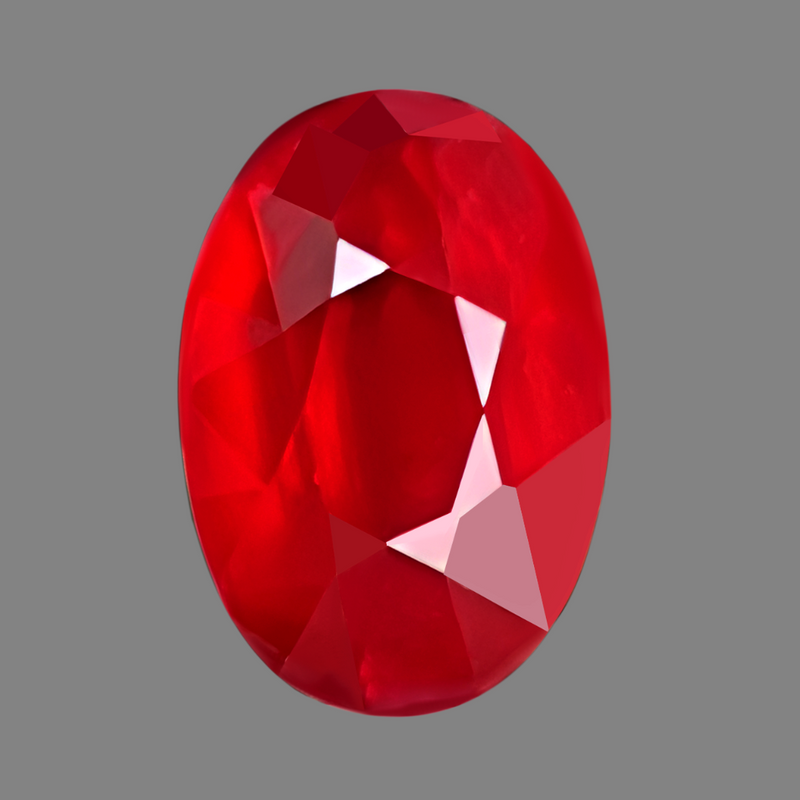
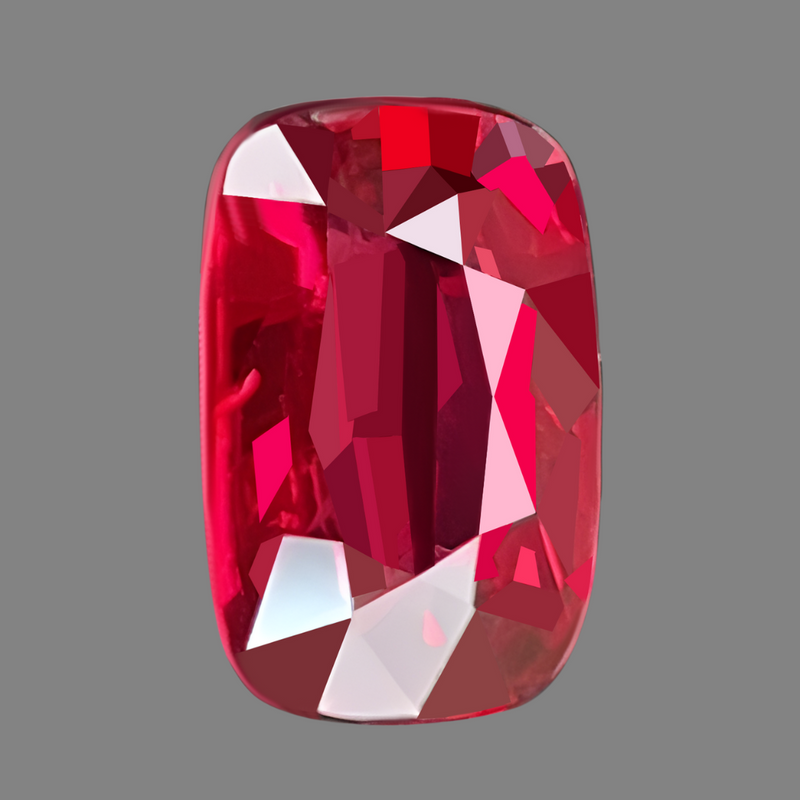
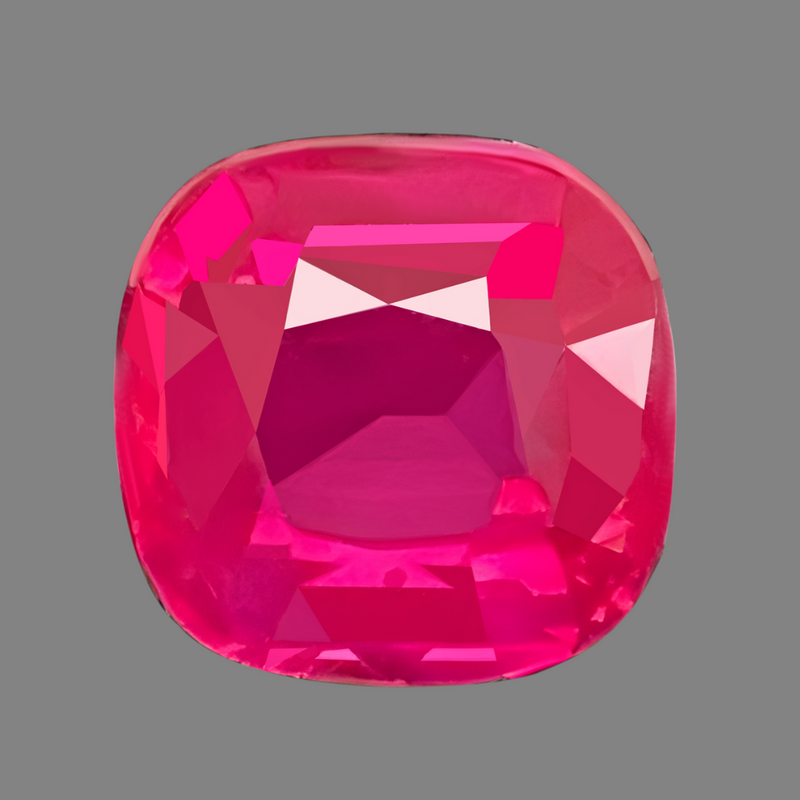
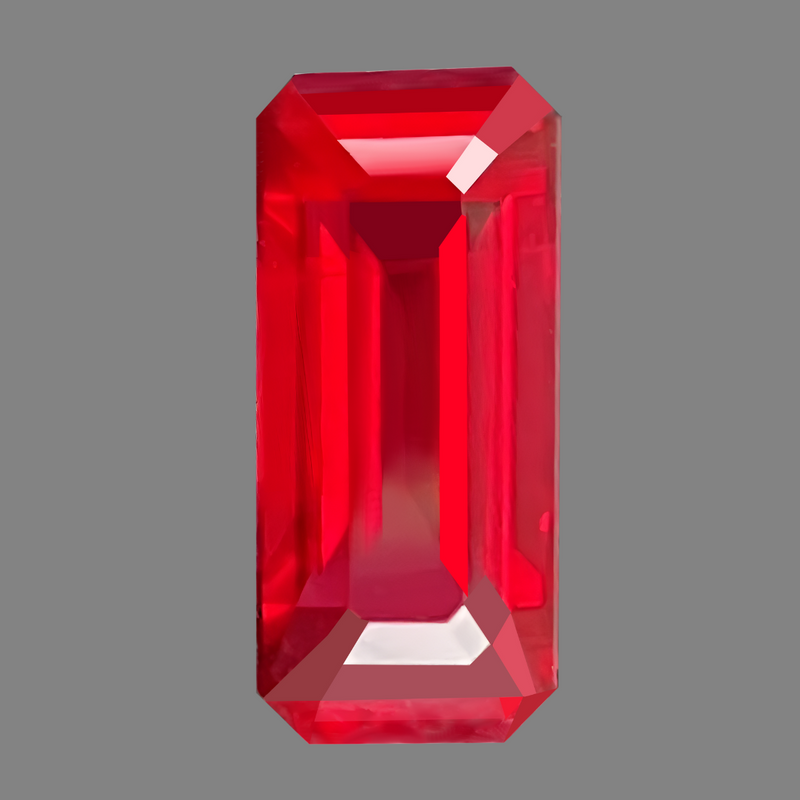
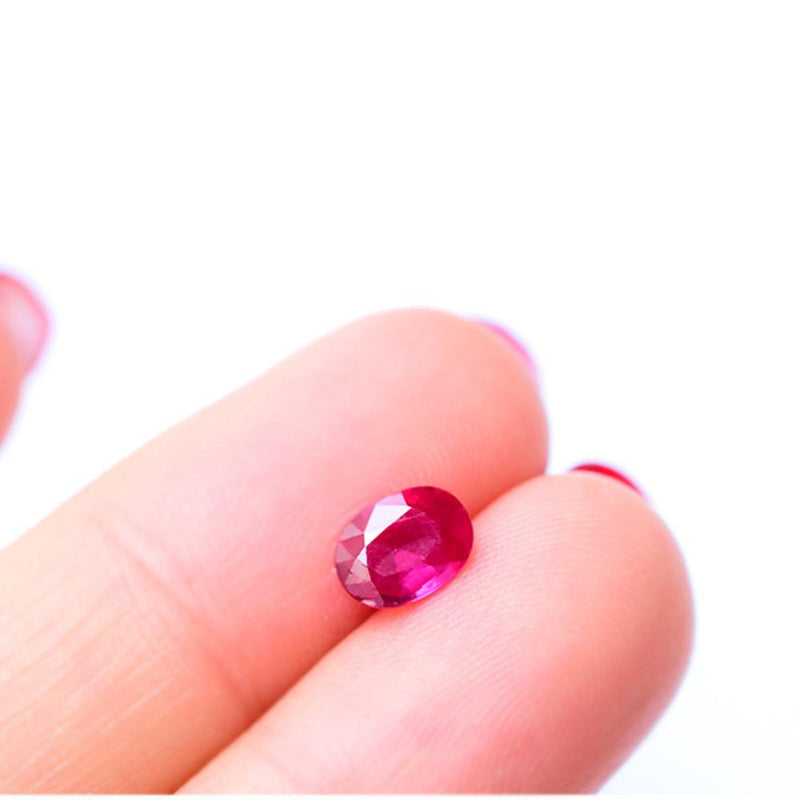
Ruby is corundum coloured by chromium — the same mineral as sapphire, distinguished only by being red. At Mohs 9 it is the hardest stone here and one of the hardest in use anywhere.
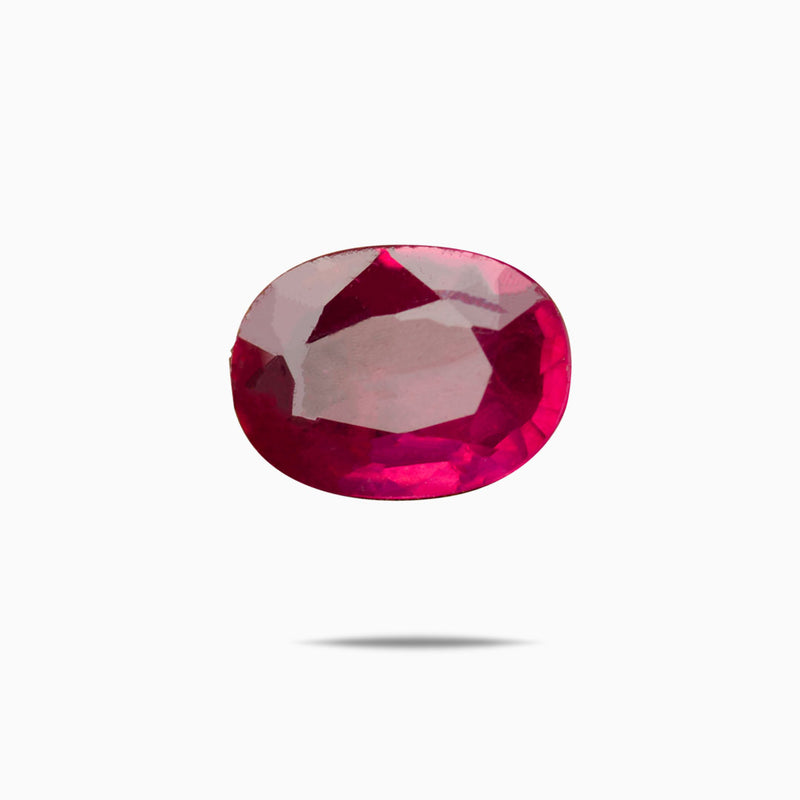
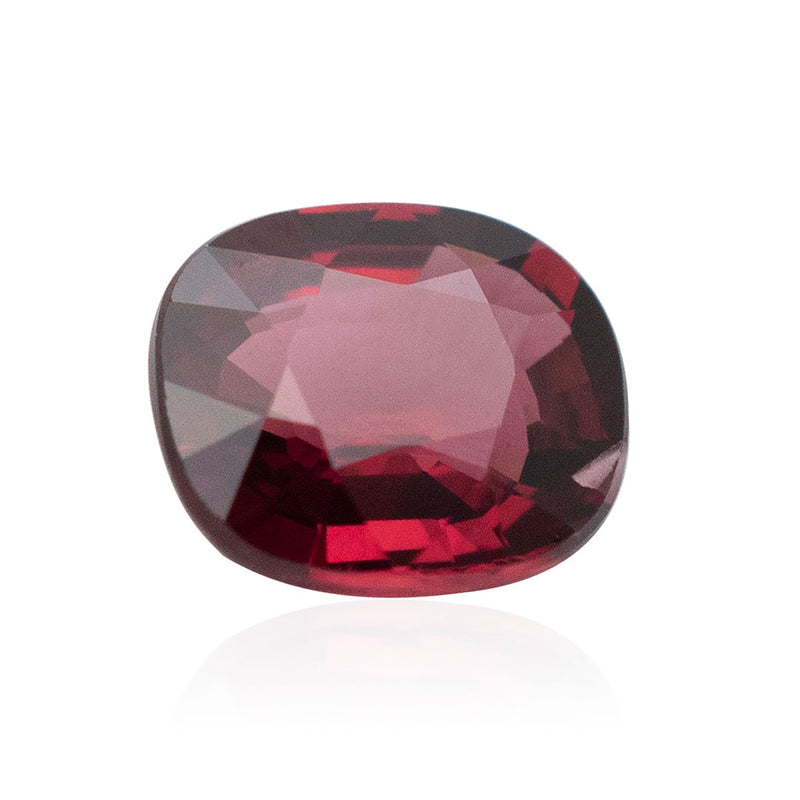
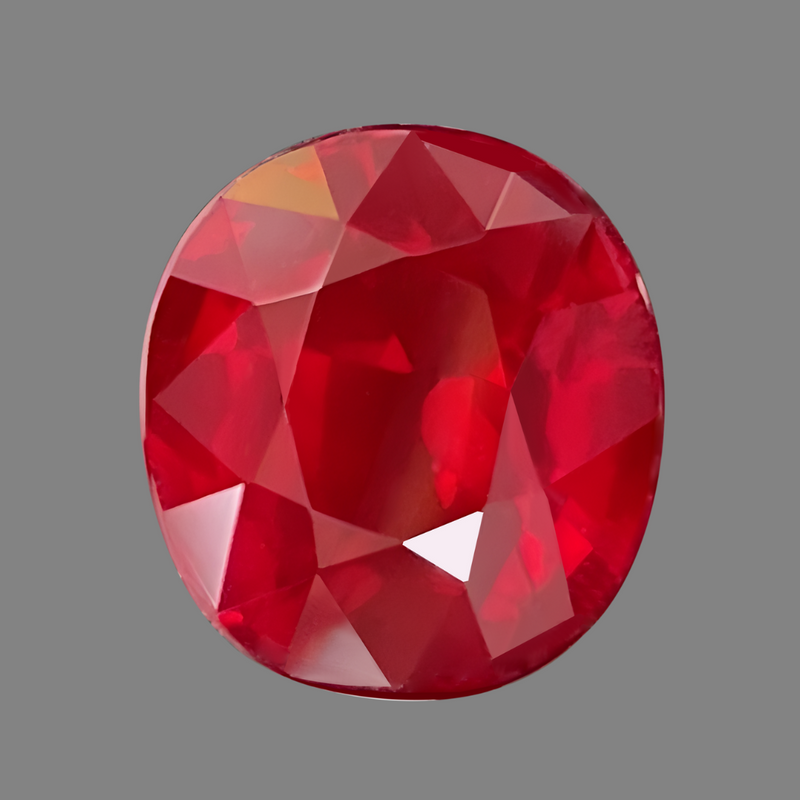
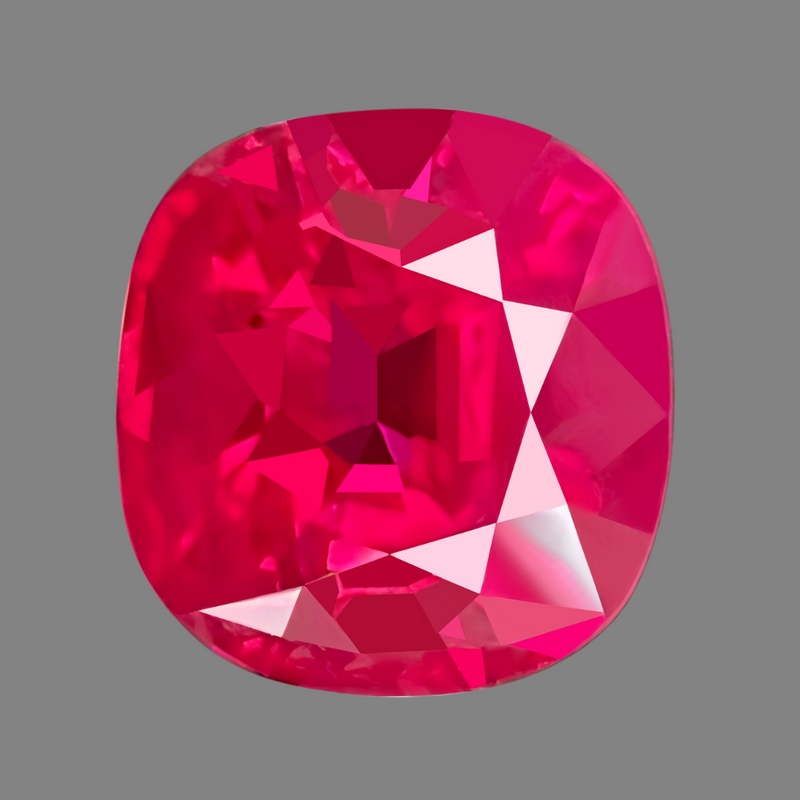
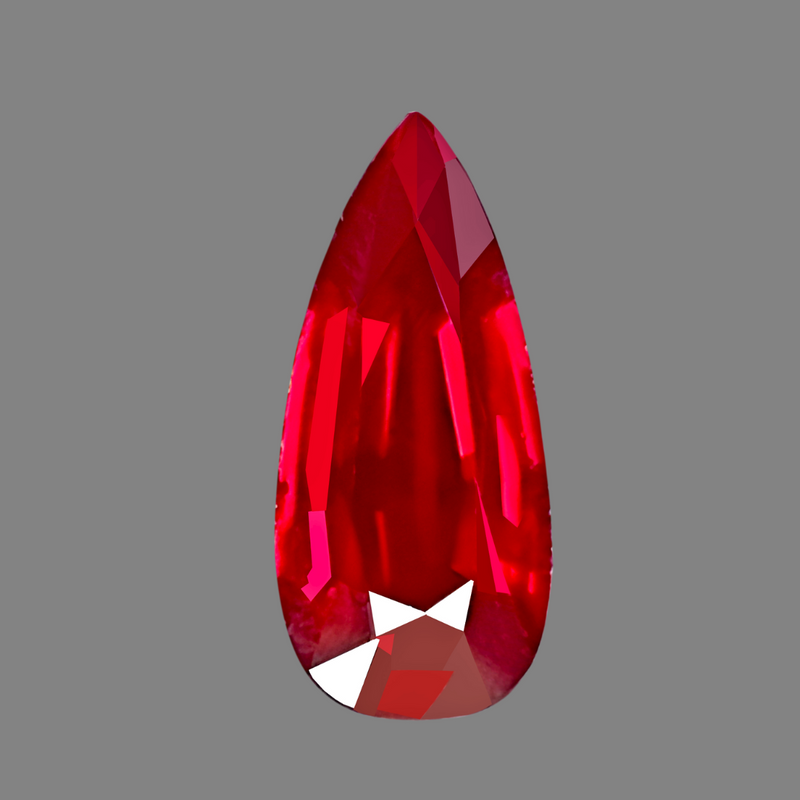
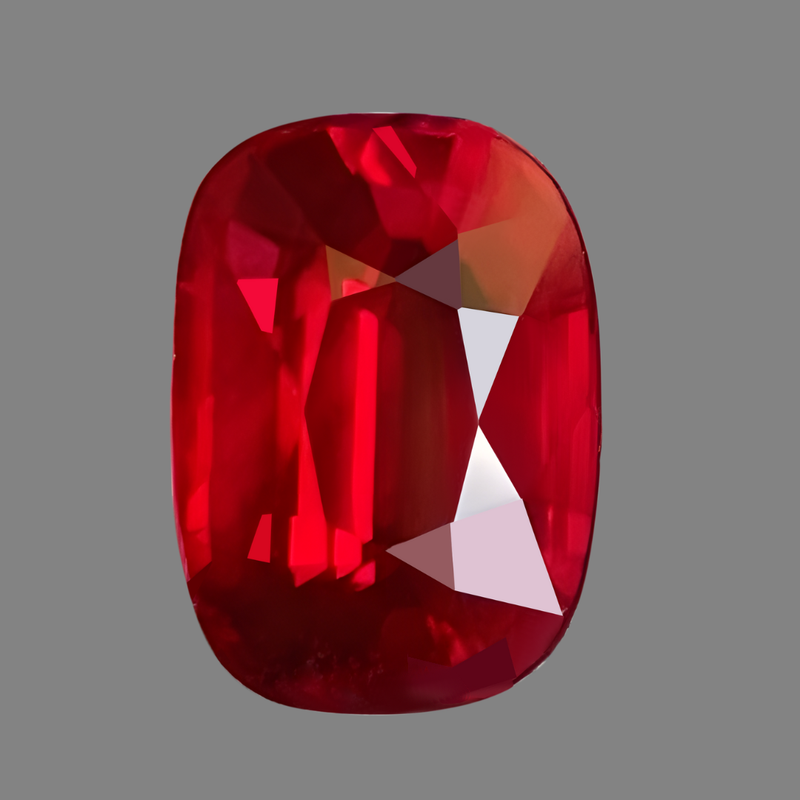
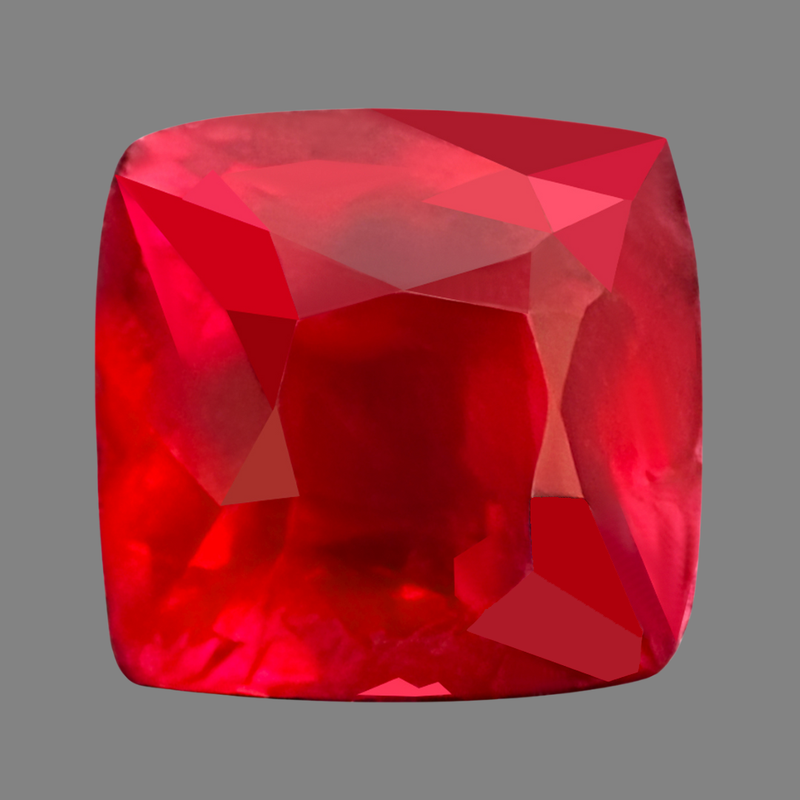
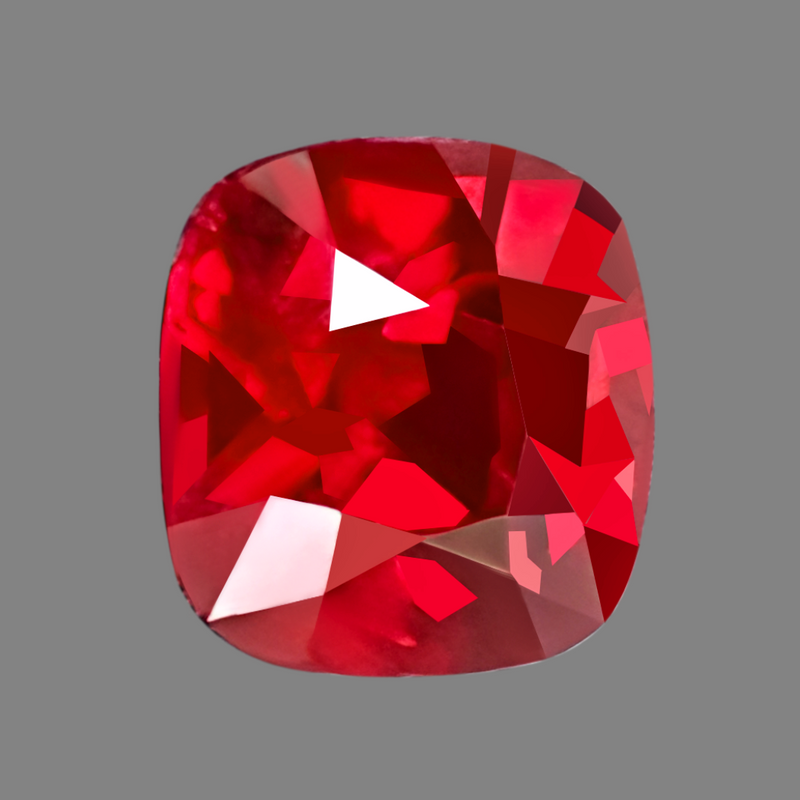
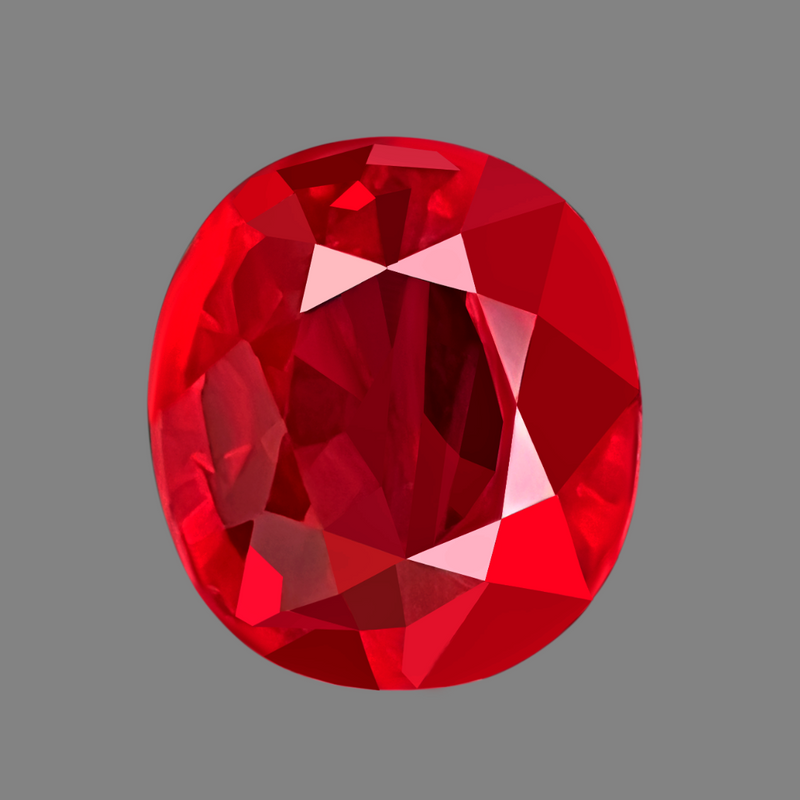
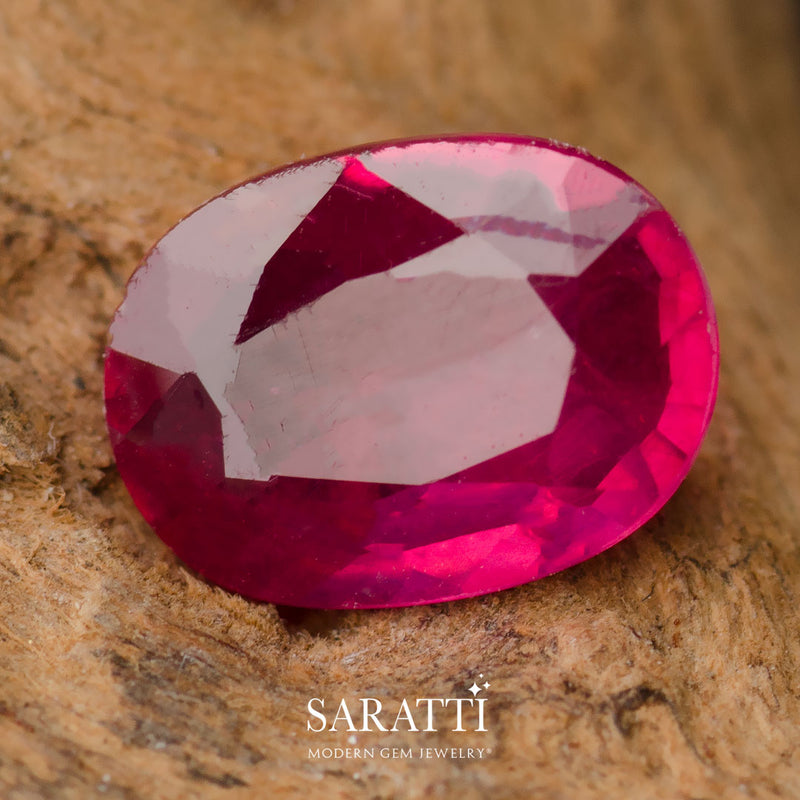
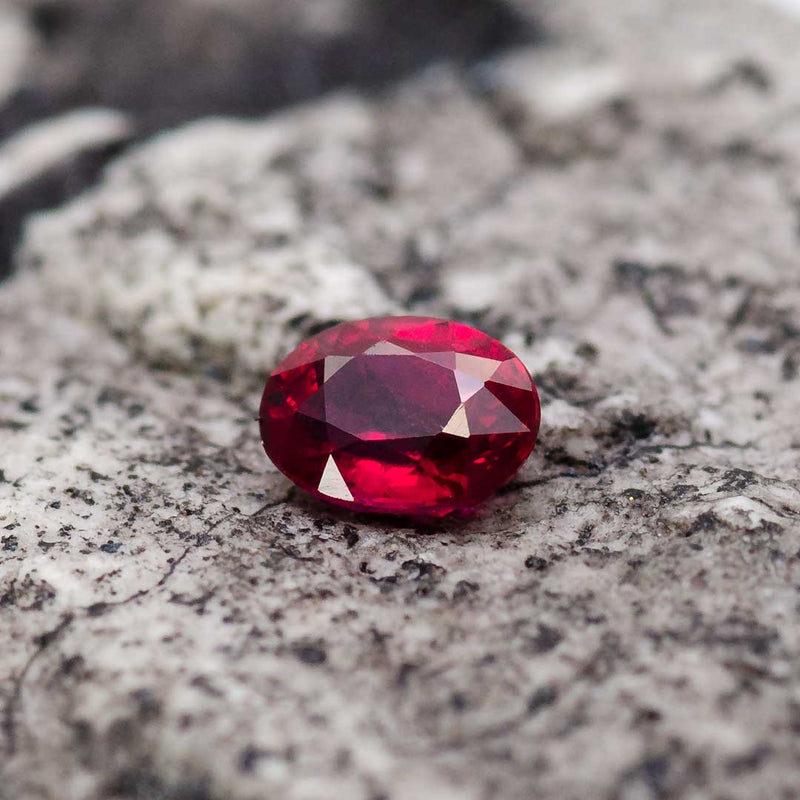
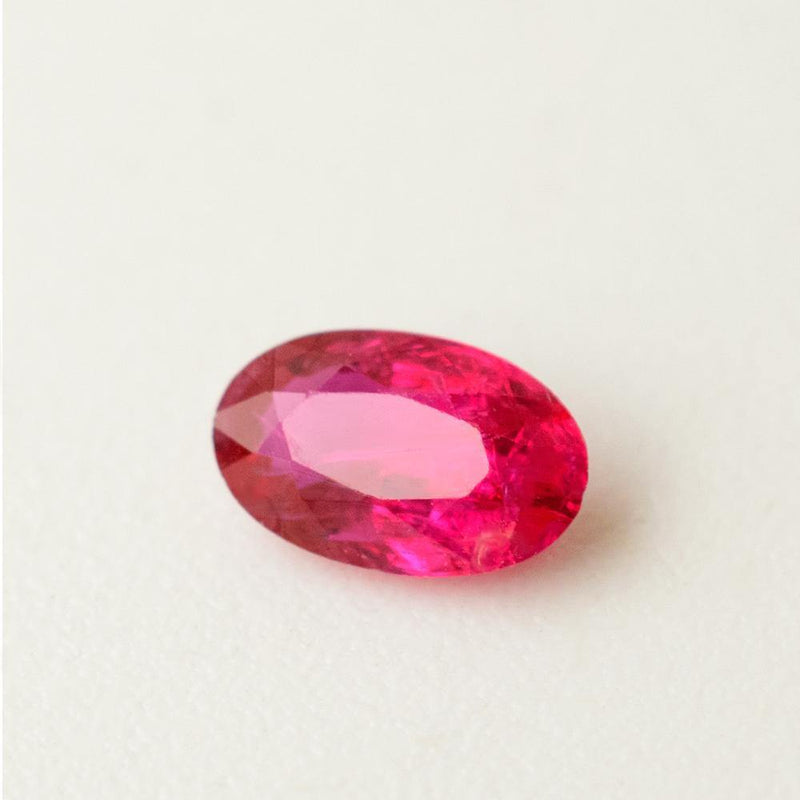
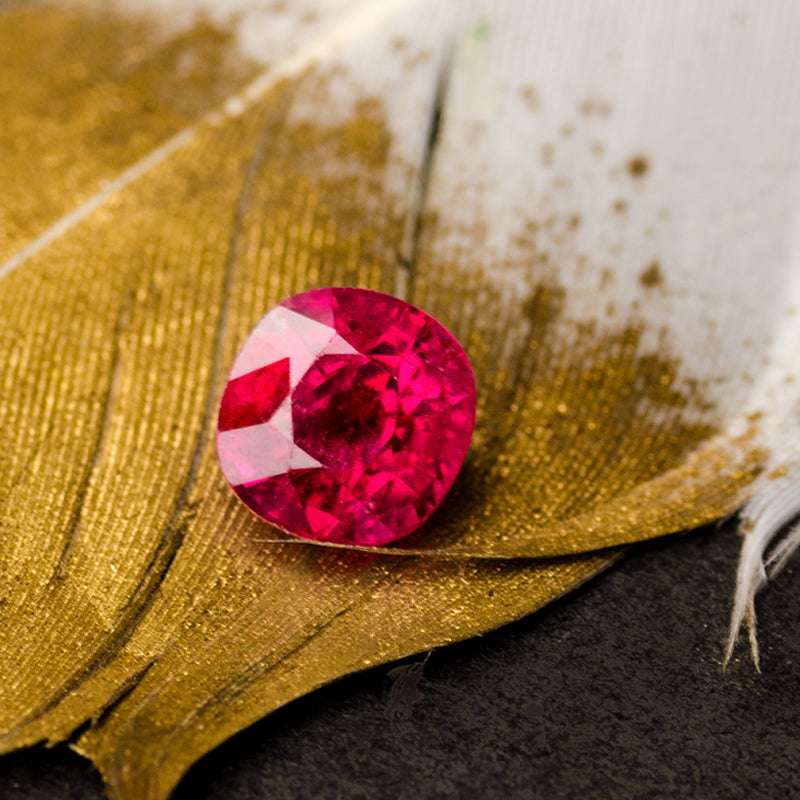
Fine ruby colour is a pure red, sometimes with a faint purplish cast, in a medium to medium-dark tone with strong saturation. The most sought material comes from Myanmar, and the trade term pigeon's blood describes a strong red with pronounced fluorescence. Mozambique now supplies much of the good material on the market, at excellent colour with sometimes less fluorescence.
Ruby is by a wide margin the most expensive red, and at the top of the market the most expensive coloured gemstone per carat of any colour. Price does not rise smoothly with size; it steps hard above one carat, and again above three and five. Stones above a few carats with good colour and clarity are rare.
Most ruby on the market is heated, which improves colour and dissolves silk to improve transparency. Heat is permanent and accepted. Unheated ruby with laboratory confirmation carries a substantial premium.
One warning matters more than any other in this colour. Lead-glass filled ruby is heavily fractured, low-grade corundum whose fissures are filled with molten high-lead glass to make it look transparent and red. It is sold cheaply and in quantity, often described simply as ruby. It is not durable: household chemicals, a jeweller's torch and even ultrasonic cleaning can damage it visibly, and it cannot be safely repaired. If a ruby's price seems out of proportion to its size and apparent clarity, this is almost always why. The ruby collection sets the standard the rest of this article is measured against.
Red Spinel: The Stone Mistaken for Ruby
For most of recorded history, red spinel was ruby. The Black Prince's Ruby in the Imperial State Crown and the Timur Ruby are both spinel, identified as such only once mineralogy could tell them apart. They were not fakes; nobody knew.
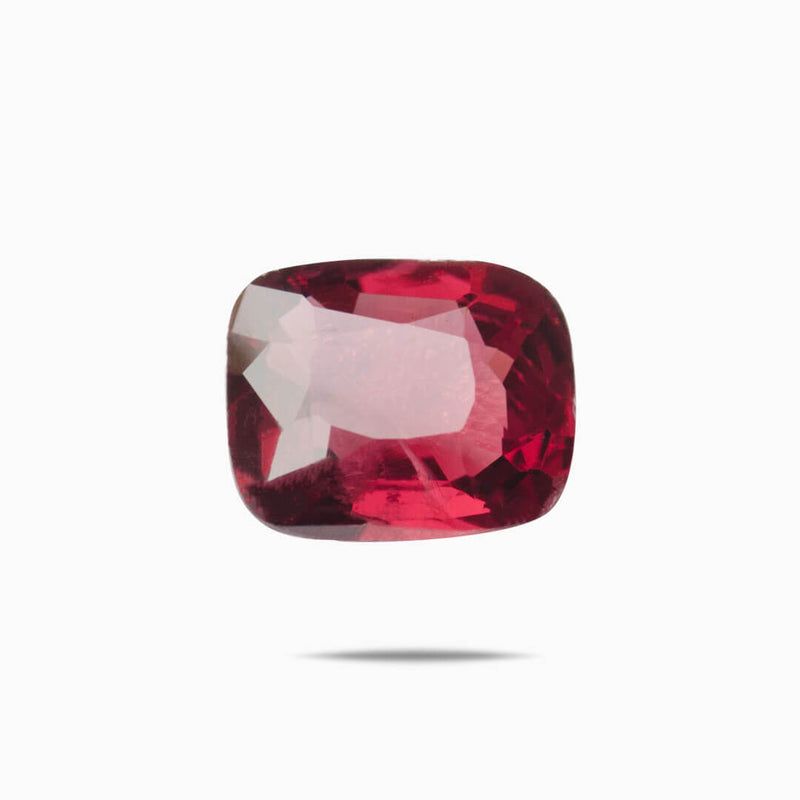
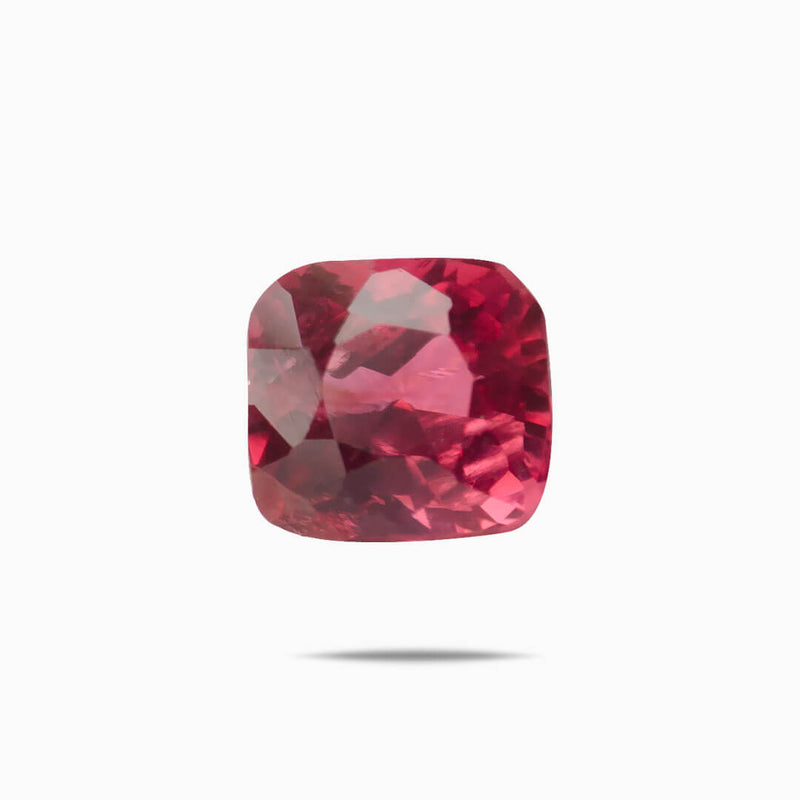
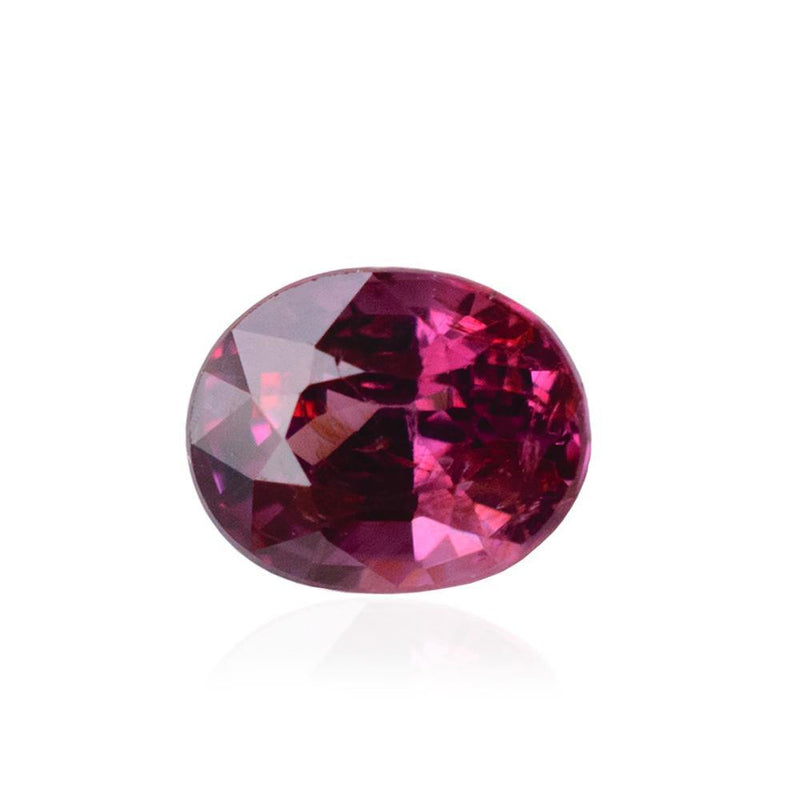
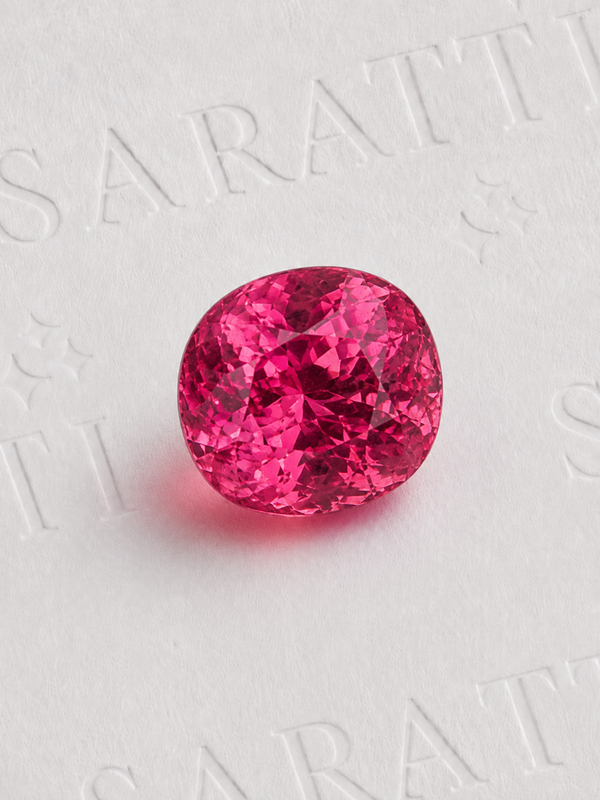
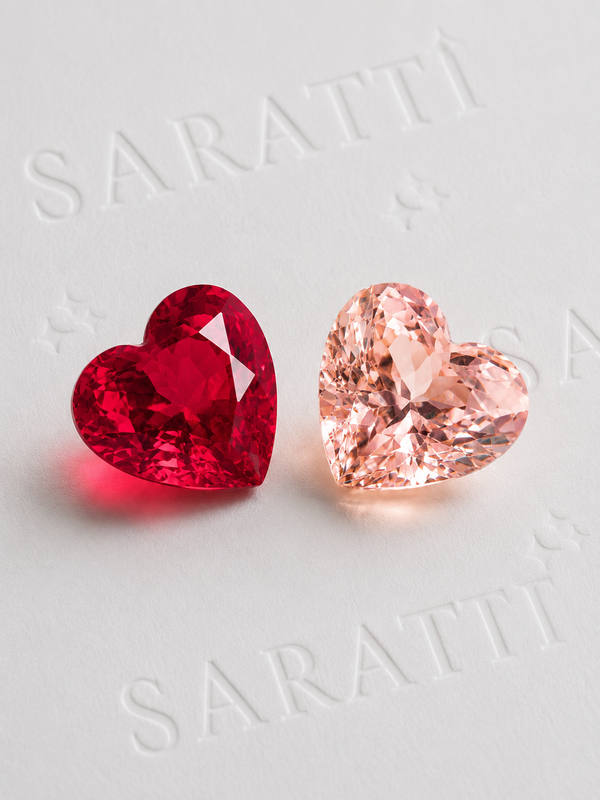
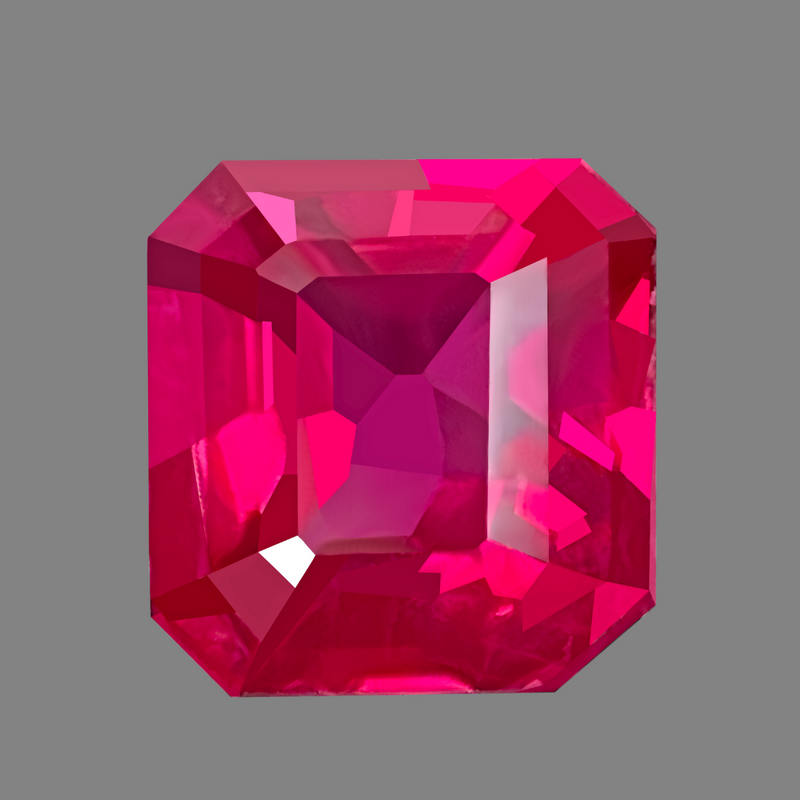
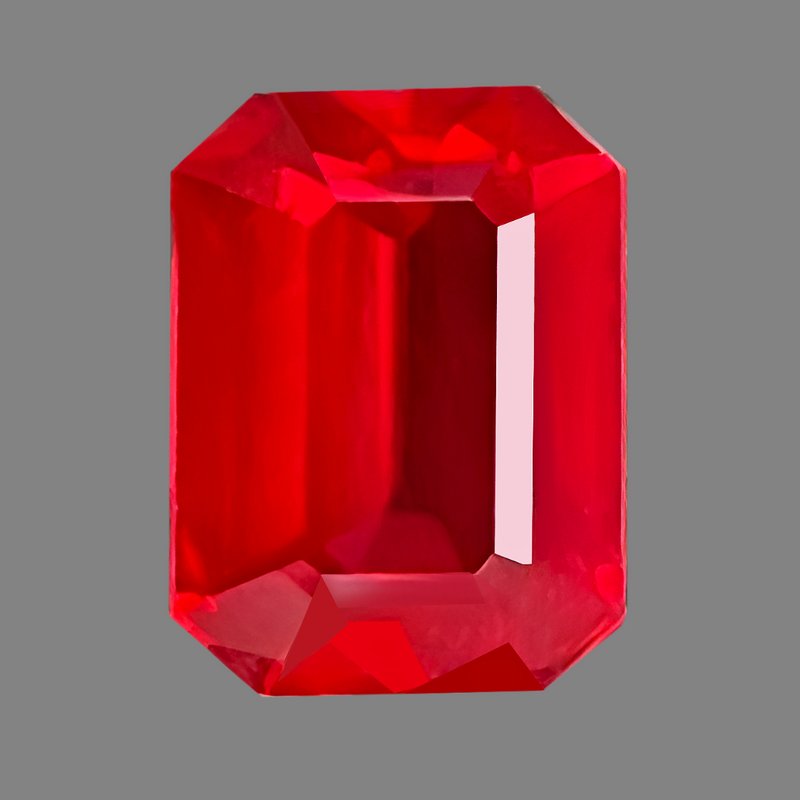
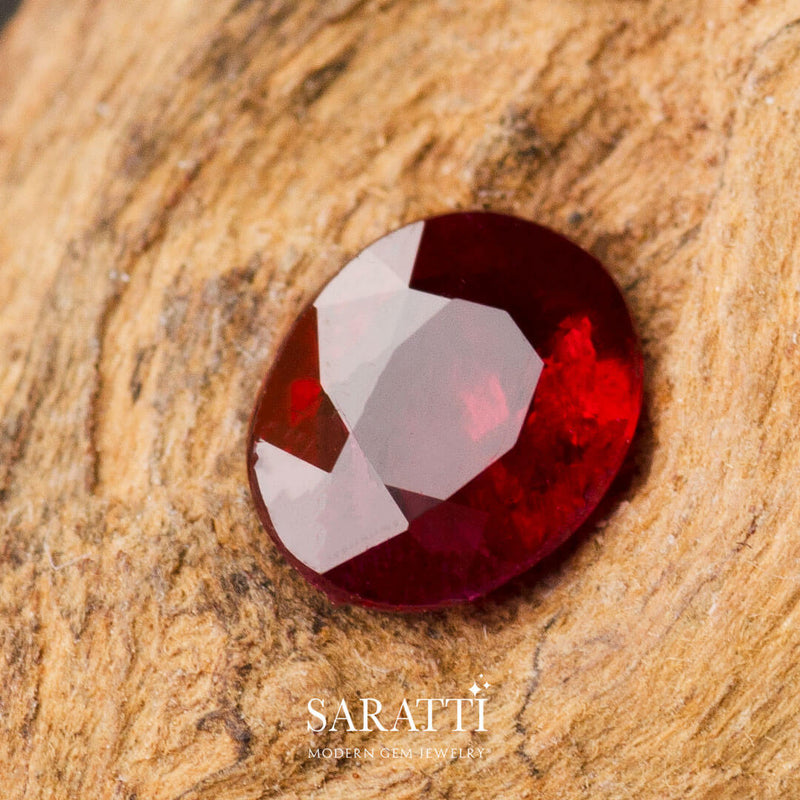
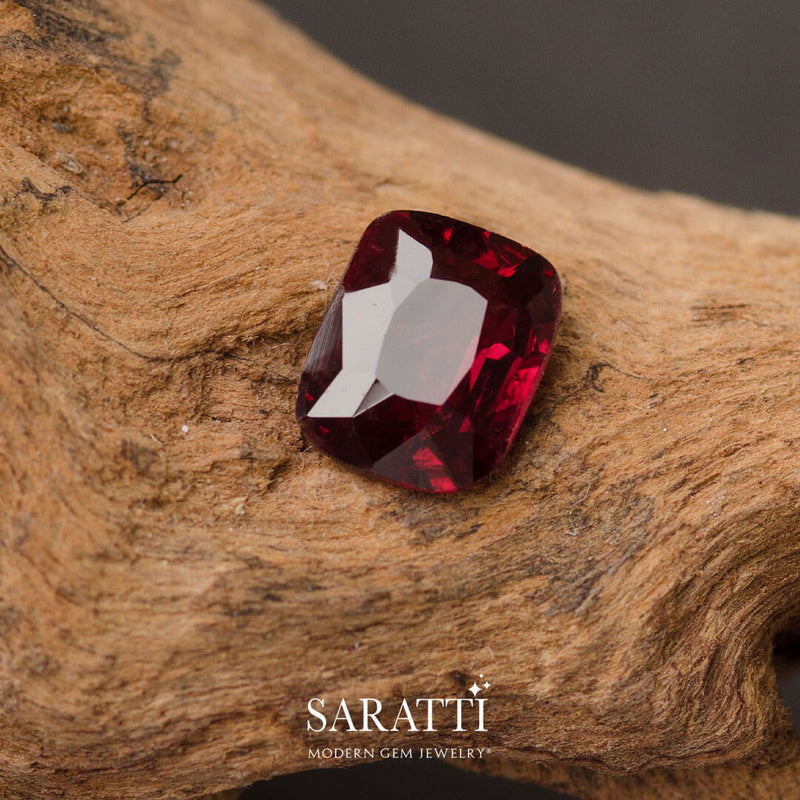
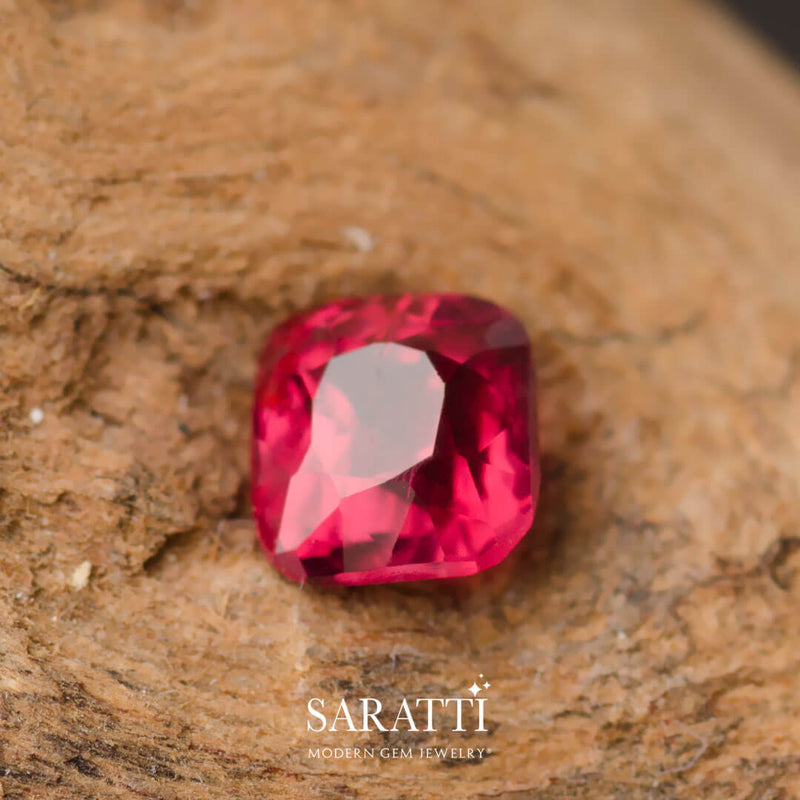
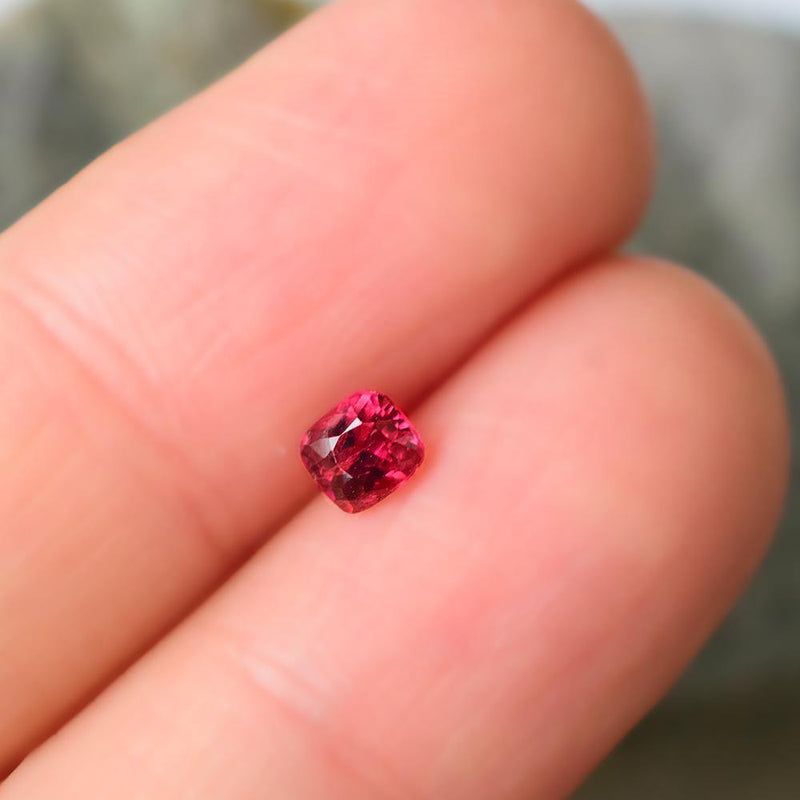
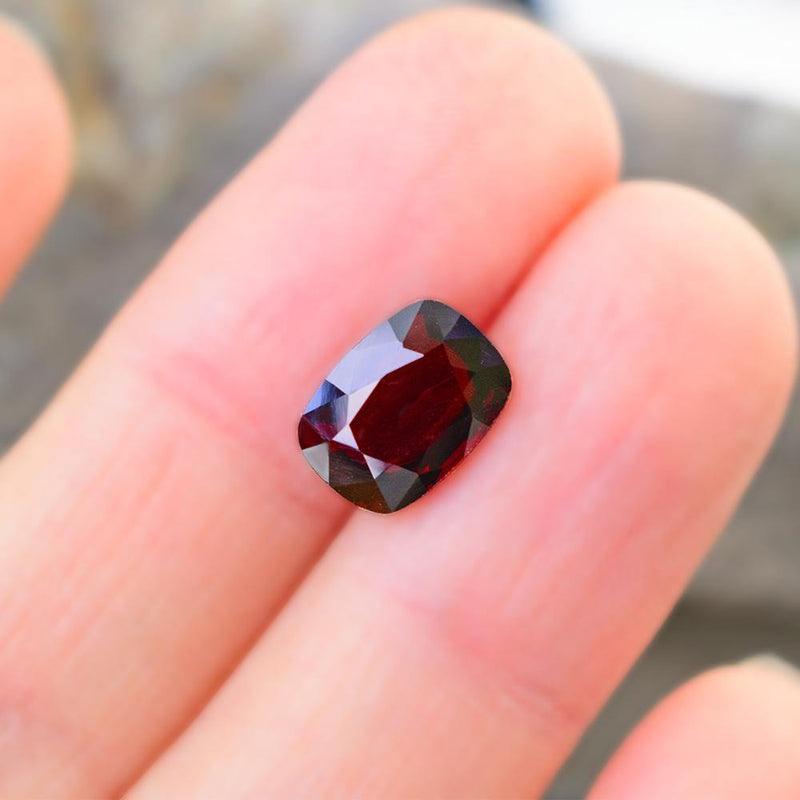
The mistake is understandable. A fine red spinel is chromium-coloured, fluorescent, and reads as a ruby-like red — slightly lighter and often a touch more orange than the finest Burmese ruby, but in the same family of colour, and to the eye alone frequently indistinguishable.
Three facts make spinel the most interesting stone here. It is essentially never treated — no established process improves it. It is often cleaner than ruby of comparable colour. And it costs a fraction of ruby's price for a comparable red.
That is the honest headline, and buyers deserve it before they decide: red spinel gives a comparable red, untreated, at a fraction of the cost. What it does not give is ruby's name, its resale market, or the very deepest tones, which remain a ruby preserve. At Mohs 8, with no cleavage, spinel also wears extremely well. The spinel collection shows how wide the red-to-pink range runs.
Rubellite: Red Tourmaline That Holds Its Colour
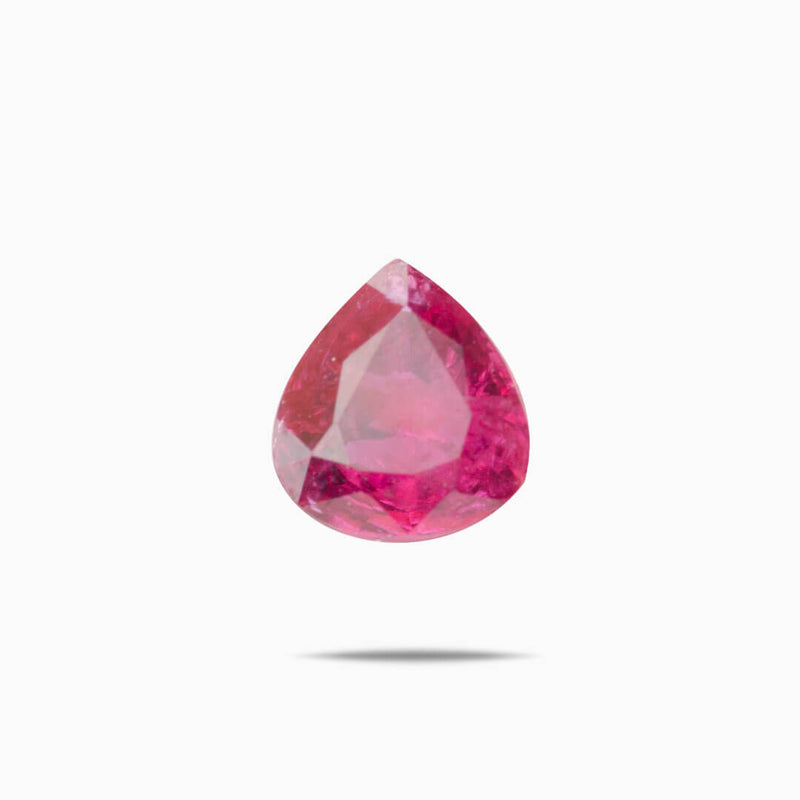
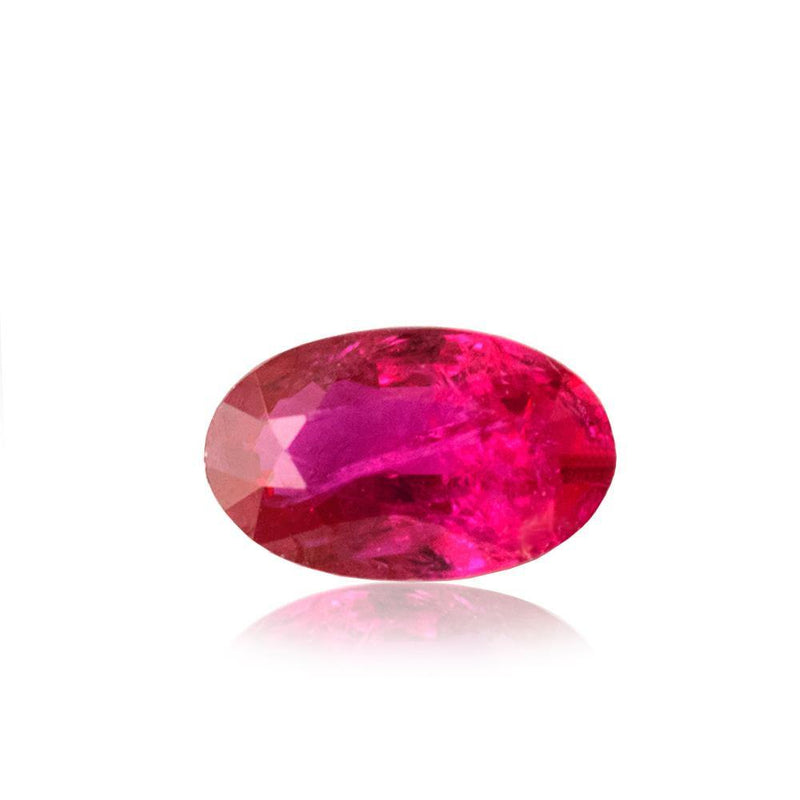
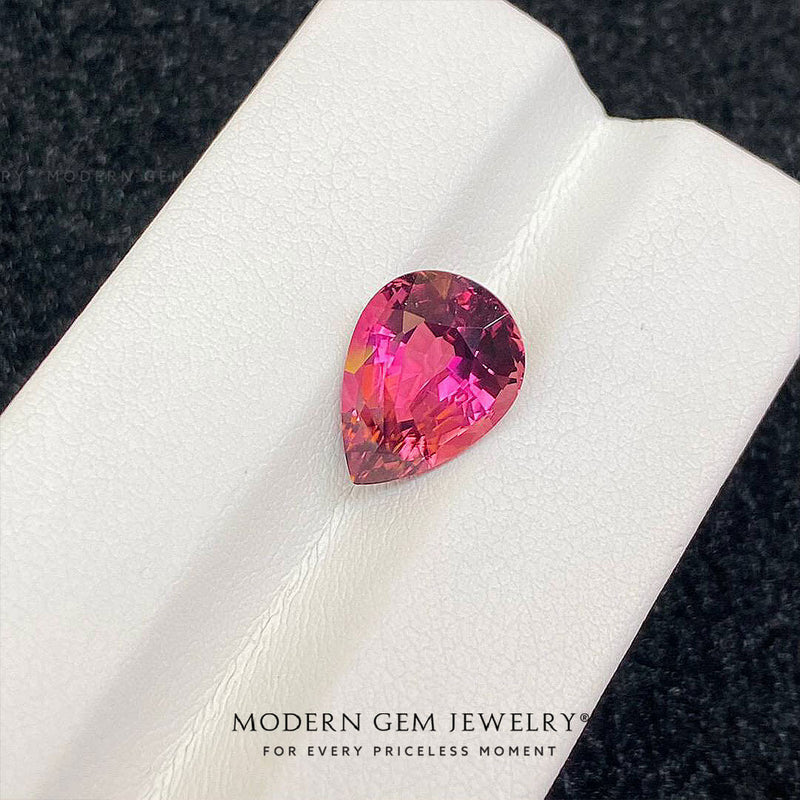
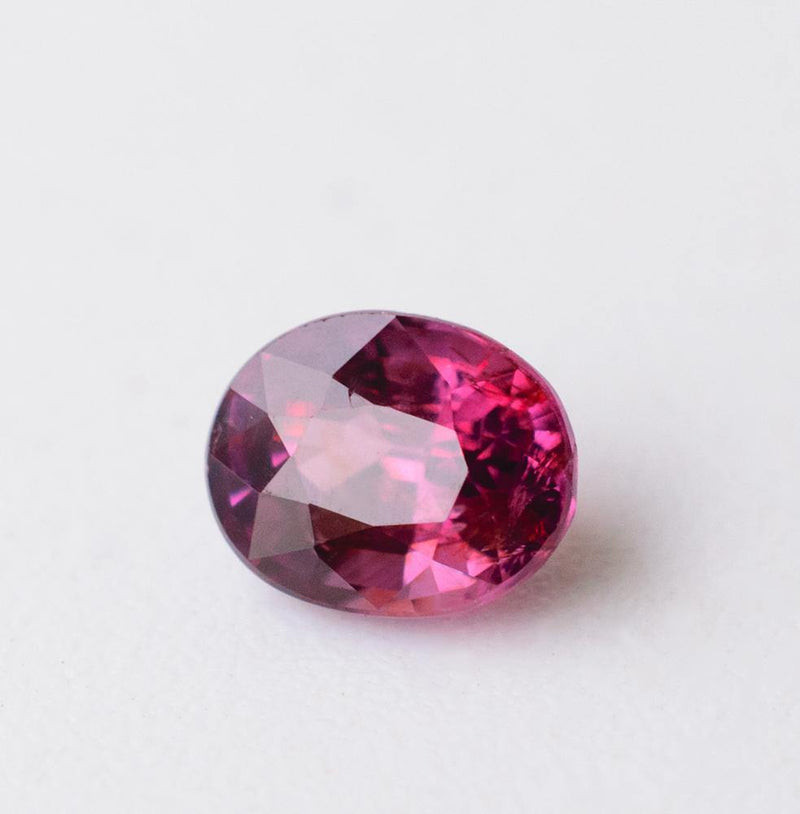
Rubellite is the red to pinkish-red variety of tourmaline, coloured by manganese, and the name is properly reserved for material that stays red rather than turning brownish under incandescent light. That test is the whole definition: pink and purplish tourmaline goes brown or grey under a warm bulb, and true rubellite does not. Anyone shown a red tourmaline in daylight should ask to see it again under lamplight.
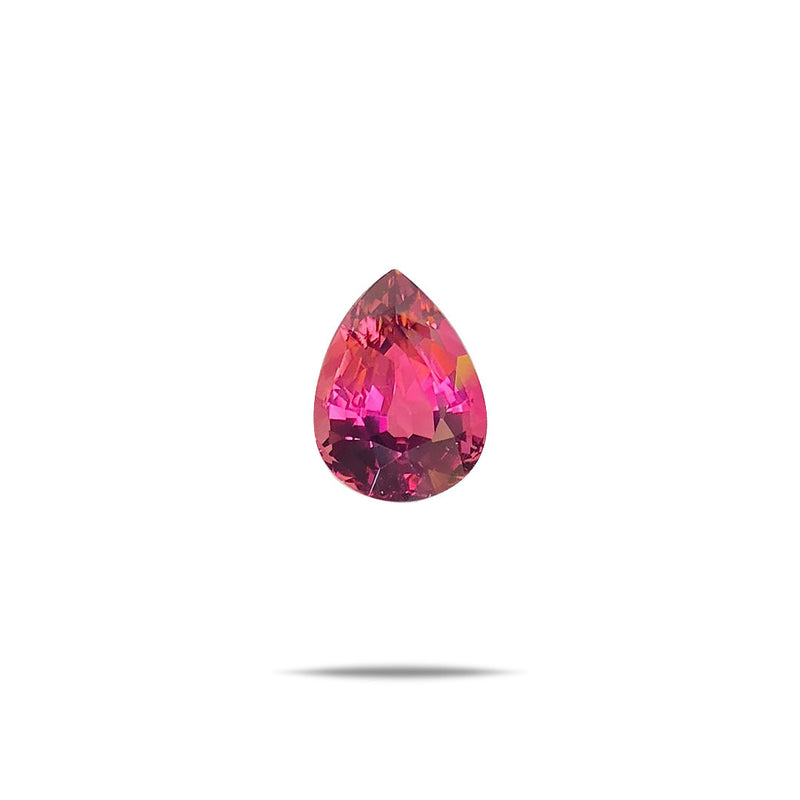
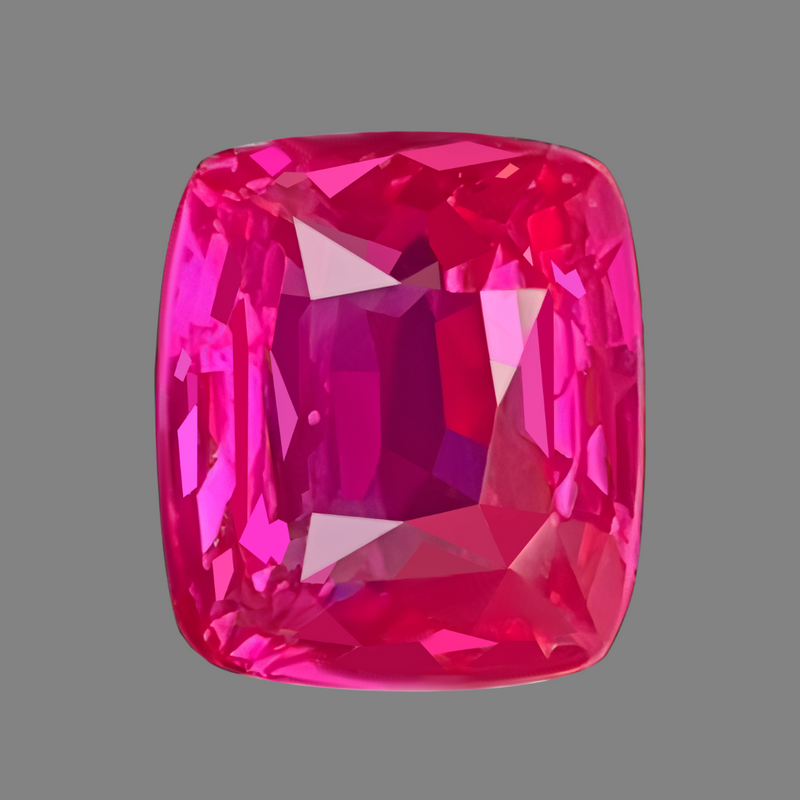
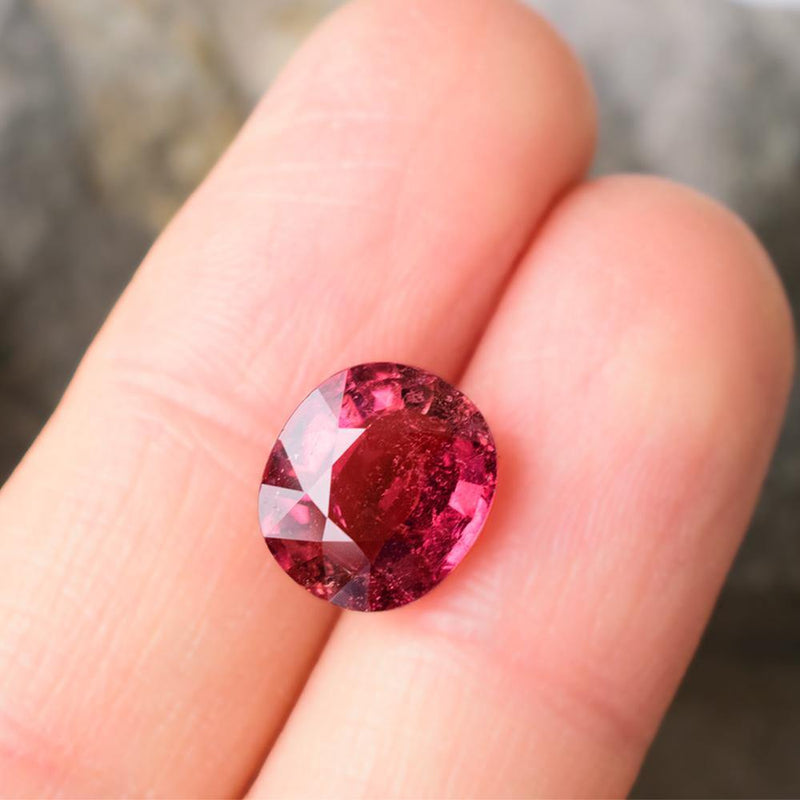
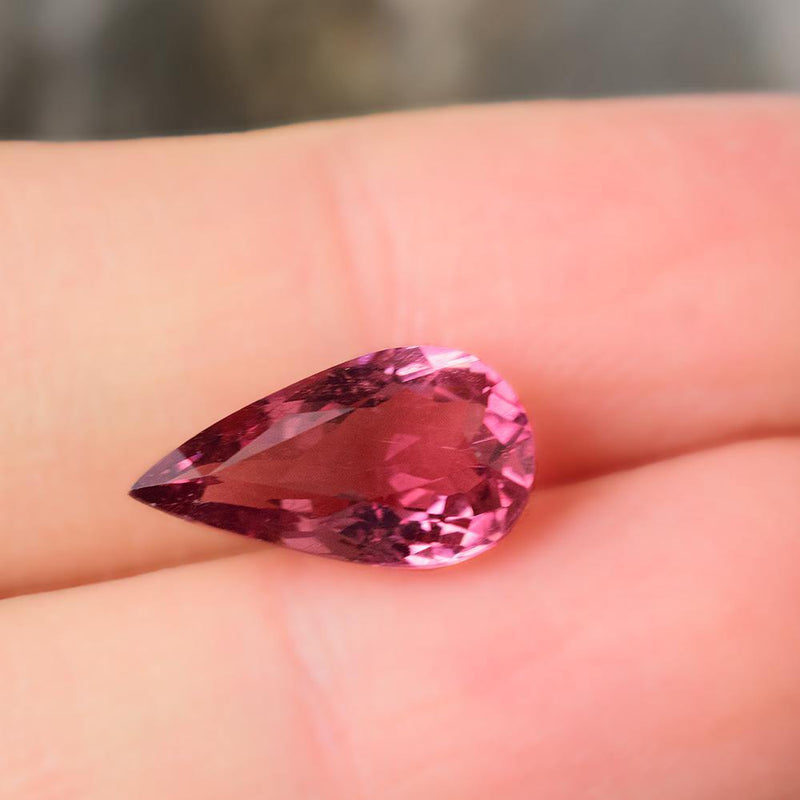
The colour is a raspberry to slightly purplish red, less pure than ruby and without fluorescence, but rich in its own right. Mozambique, Nigeria, Brazil and Madagascar are the main sources.
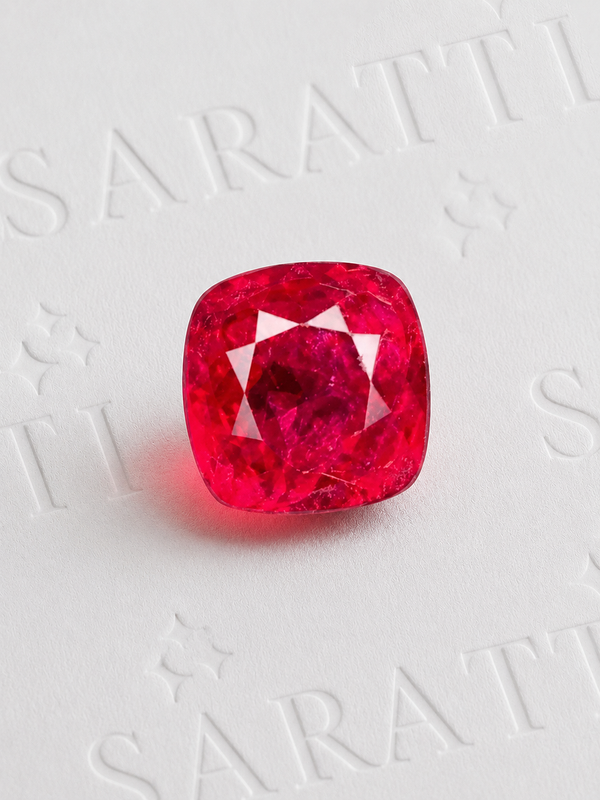
Rubellite is typically included. Its manganese-rich growth environment produces fractures and internal veiling as a matter of course, and eye-clean rubellite above a few carats is uncommon and expensive. Much of it is heated to lighten the tone, and some is clarity-enhanced with resin, which should always be disclosed.
Its advantage is size. Rubellite occurs in large crystals, so a ten-carat stone costs what a very small ruby would. At Mohs 7 to 7.5 it suits regular wear in a sensible setting. The rubellite collection is worth comparing directly against spinel.
Garnet: Almandine, Pyrope and Rhodolite
Garnet is not one mineral but a family, and its red members are the most affordable serious reds available.
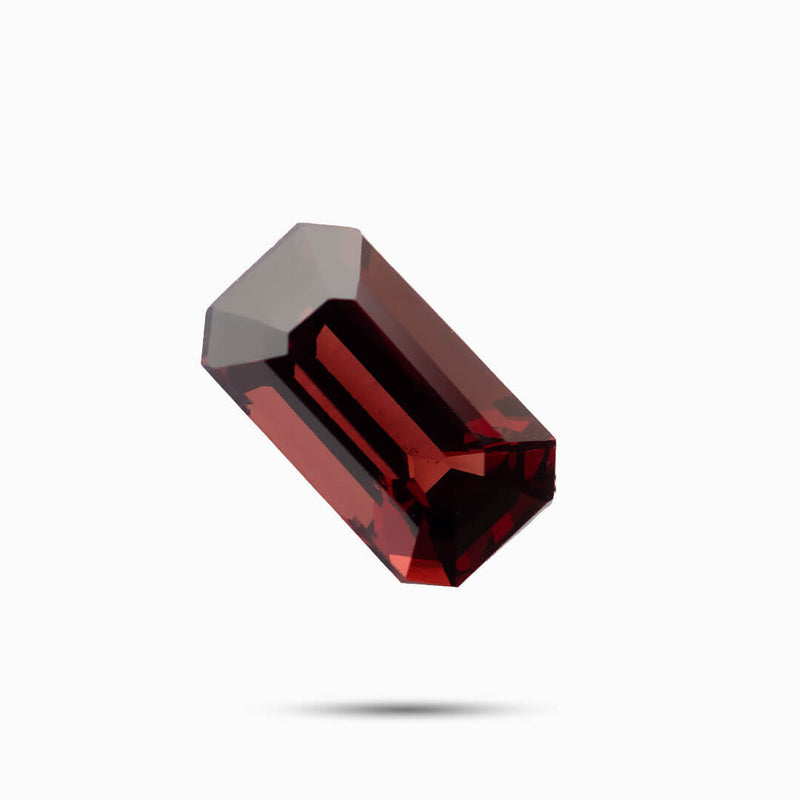
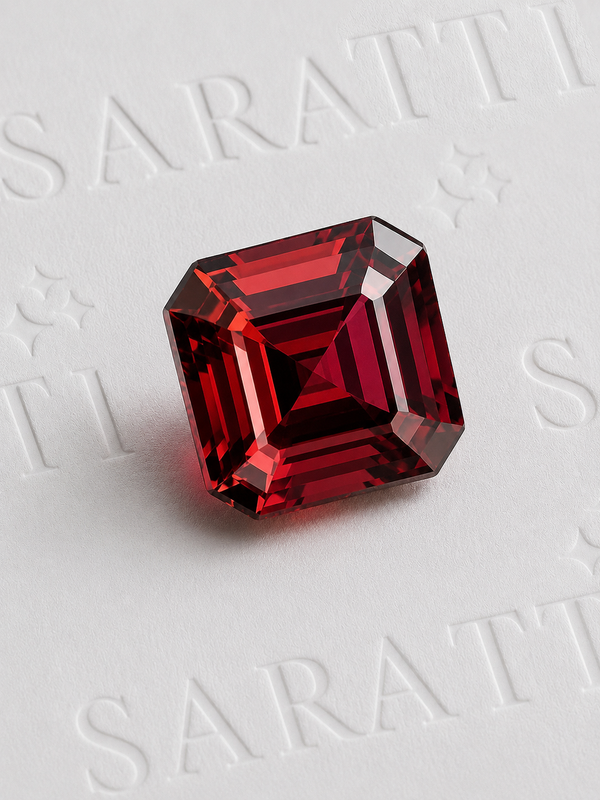
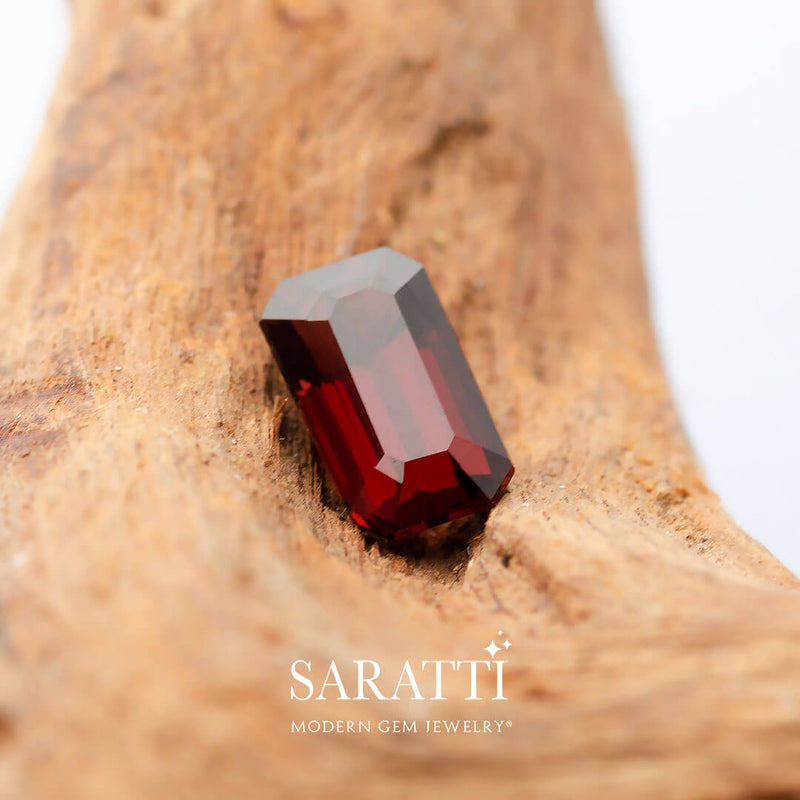
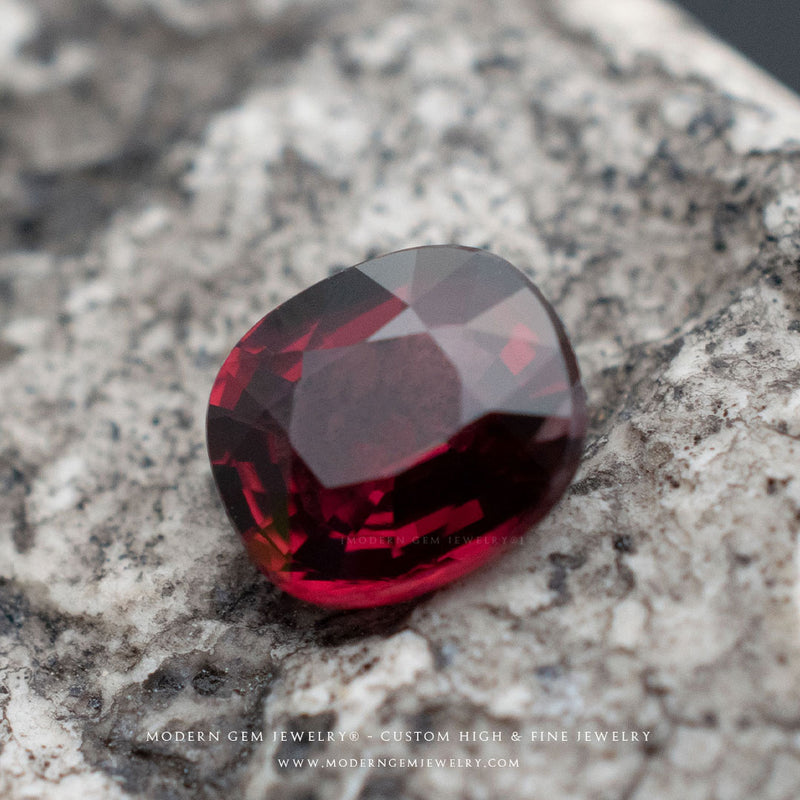
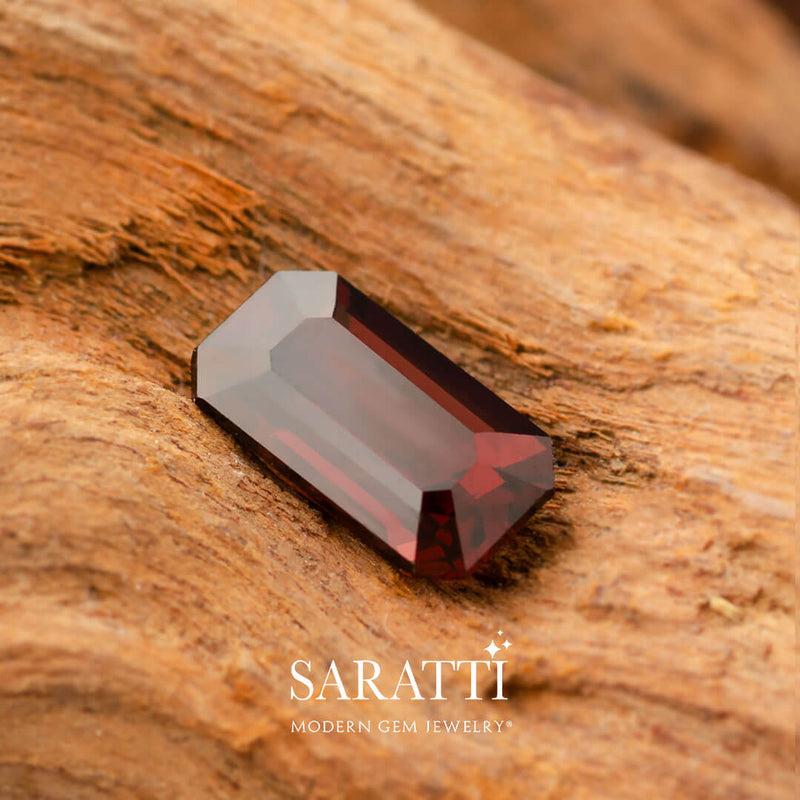
Almandine is the iron garnet, the deep red most people picture — often very deep, and this is its weakness. Above a few carats it tends to read dark, closing up under low light. Well-cut smaller stones show the colour properly; large ones frequently do not.
Pyrope is the magnesium garnet, lighter and brighter than almandine, and chrome pyrope can approach ruby in tone. Nearly all natural garnet is a blend of the two rather than a pure end member.
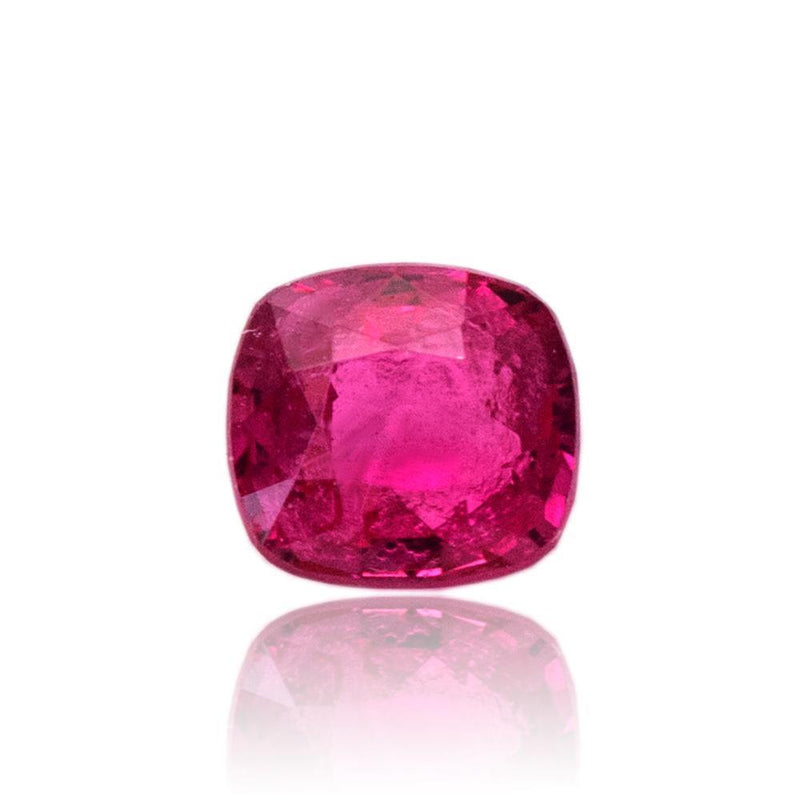
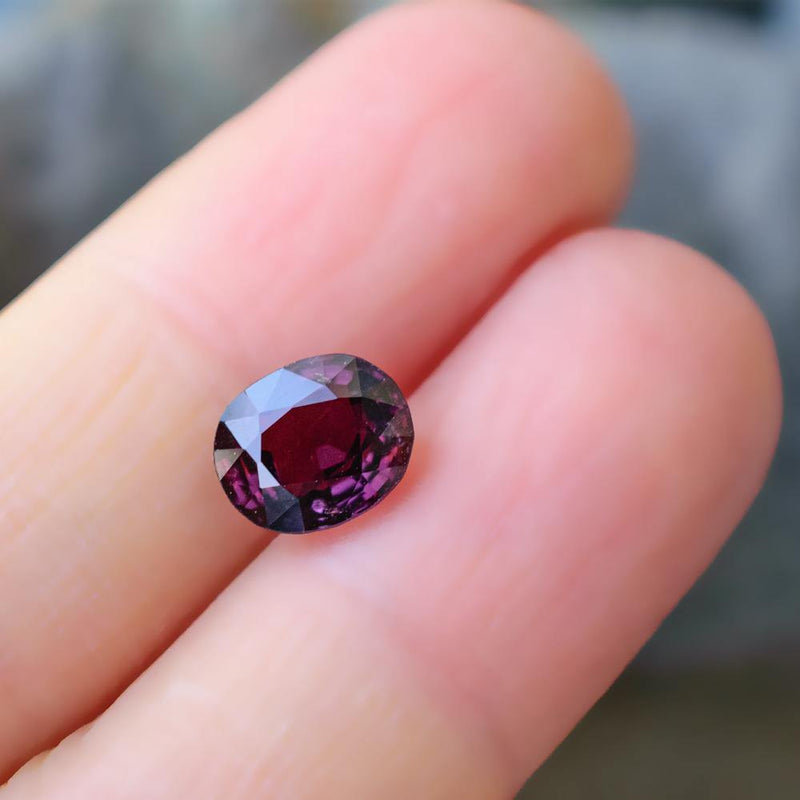
Rhodolite is the intermediate, a purplish red often called raspberry, and the best value in this colour by a clear margin — brighter and livelier than almandine, transparent, usually clean, and available in decent sizes for very little. If your objection to garnet is that it looks dark and heavy, rhodolite is the answer.
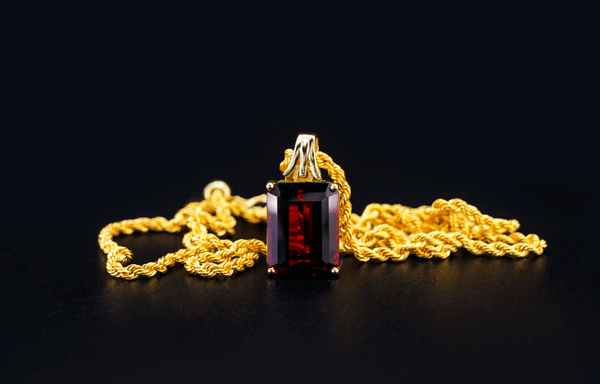
Garnet's most important characteristic is that it is never treated. There is no heat process, no filling, no dye in general use — a garnet is what geology made. It anchors any honest discussion of budget-friendly red gemstones. At Mohs 6.5 to 7.5 it is the softest of the main reds. The garnet collection covers all the red varieties.
Red Zircon and Fire Opal
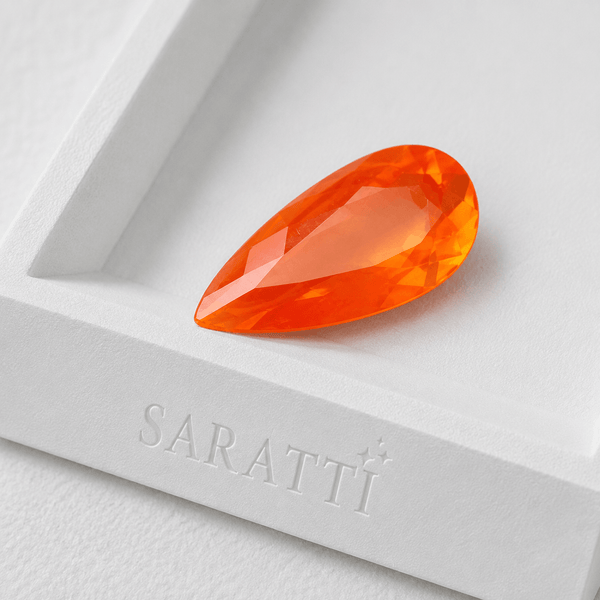
Two stones sit at the margins. Red zircon is a genuine red to orange-red, usually heat-treated from brown material, with high dispersion that makes it unusually brilliant; at around Mohs 7.5 it is hard enough, but brittle at the facet edges. Fire opal from Mexico is an orange-red opal, soft at about Mohs 5.5 to 6.5, with a water content that leaves it vulnerable to heat and dry air. Neither substitutes for the four stones above.
Comparing Them Directly: Budget, Durability, Treatment
On budget, most to least expensive per carat in fine quality: ruby, well clear of everything else, then red spinel, then rubellite, then rhodolite, then almandine and pyrope, the most affordable of the group.
On durability: ruby at 9, spinel at 8, red zircon and rubellite at 7 to 7.5, garnet at 6.5 to 7.5, fire opal last.
On treatment: ruby is usually heated and, at the low end, frequently glass-filled. Rubellite is often heated and sometimes resin-filled. Spinel and garnet are never treated in practice.
Unusually for a colour family, these orderings agree more than they disagree. Ruby wins on colour and hardness and loses badly on price and treatment. Spinel is second on every measure and first on treatment. Garnet is last on price and hardness, and untreated. There is no trap here — only a decision about how much of ruby's red you are paying for.
Treatment Across the Group
Stated plainly: ruby is heated in the overwhelming majority of cases, and much inexpensive ruby on the world market is lead-glass filled. Rubellite is often heated and sometimes resin-filled. Spinel and garnet are essentially never treated.
Heat is not the problem. Heating a ruby is permanent, stable and long accepted, and a heated ruby is a natural ruby. Glass filling is neither stable nor durable, and material sold without that disclosure is the commonest way a buyer is misled here.
Where a treatment is known, we state it on the listing, and the standard is set out in how SARATTI grades gemstones.
Durability and Daily Wear
Hardness resists scratching; toughness resists chipping. Ruby and spinel are strong on both counts and neither has cleavage, which makes them the two reds that can be recommended without qualification for a ring worn every day.
Rubellite at 7 to 7.5 is adequate, but its inclusions make it less tough than the number suggests, and included material should be set protectively. Garnet at 6.5 to 7.5 acquires fine surface scratches over years of daily wear on a hand; it suits earrings, pendants and rings worn occasionally. Red zircon chips at the facet junctions, and fire opal should be kept away from heat and dry air.
Ultrasonic and steam cleaning are unsuitable for glass-filled ruby, resin-filled rubellite and fire opal. Warm water, mild soap and a soft brush are safe for everything else.
Certification
For any red stone of consequence, an independent report from GIA, GUILD, AIGS, CGRL, GRS or GRC should confirm species and identify treatment where detectable. Reports carry different weight across this group.
A ruby needs one more than any other stone here, for two reasons: to distinguish natural corundum from synthetic and glass-filled material, and to state whether it is heated, since unheated status accounts for much of the price of fine ruby. Origin — Burmese, Mozambican, Thai — also affects value. Red spinel benefits from a report chiefly to confirm it is spinel rather than ruby or a synthetic, which matters precisely because the two were confused for centuries. Garnet rarely requires one.
Where a report exists it is shown; where none exists, we say so. Recertification with a different laboratory can be arranged, with the fee passed on at cost.
How to Choose
Start with what the stone is for and what you will not give up.
If it must be a ruby — for the name, for an engagement ring meant to last, for the deepest and most fluorescent red there is — buy the best colour you can and accept that heat is normal, that size steps the price hard, and that a report is not optional.
If what you want is the colour rather than the word, red spinel is the better purchase: comparable red, untreated, often cleaner, at a fraction of the price, in a stone hard enough to wear daily.
If you want a large red stone on a fixed budget, rubellite gives size and rhodolite gives brightness, and both spend better than a small, indifferent ruby. If treatment is your objection, spinel and garnet are the only two reds here that will satisfy it.
Only part of what we can reach is listed online. Describe it, and we will go and look.






 Engagement Rings
 Gemstone Rings
 Wedding Bands
 The SARATTI Difference
 Gemstone Type
 Shop By Color

 GIA
GIA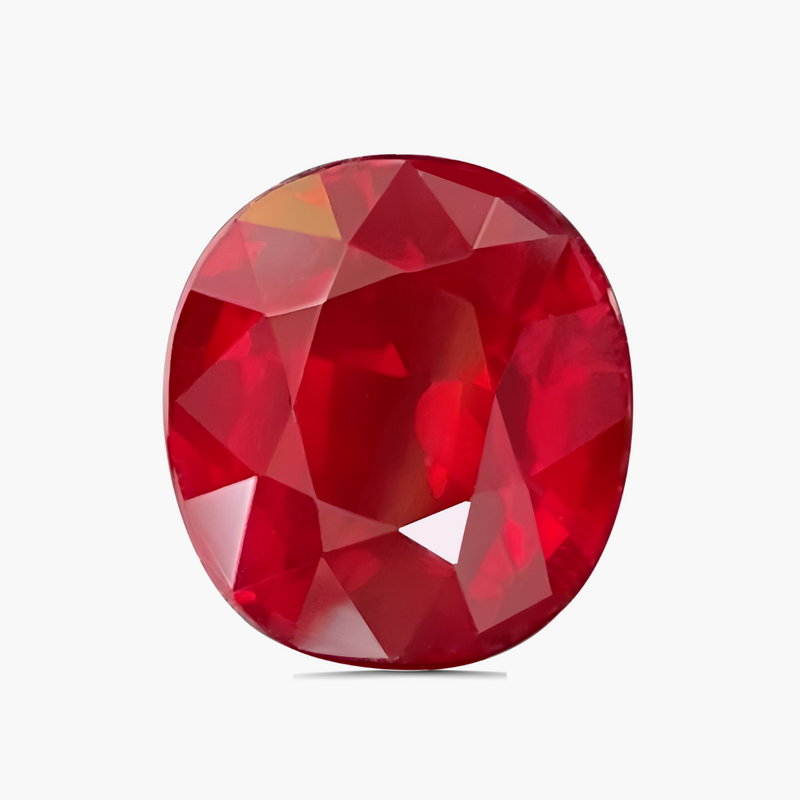 GUILD
GUILD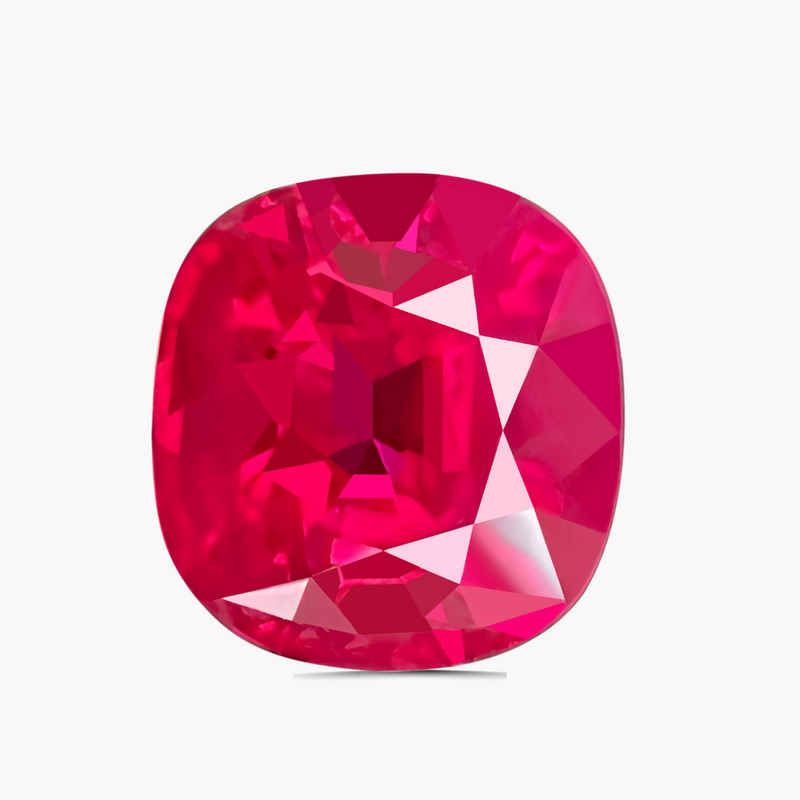 GRS
GRS GRS
GRS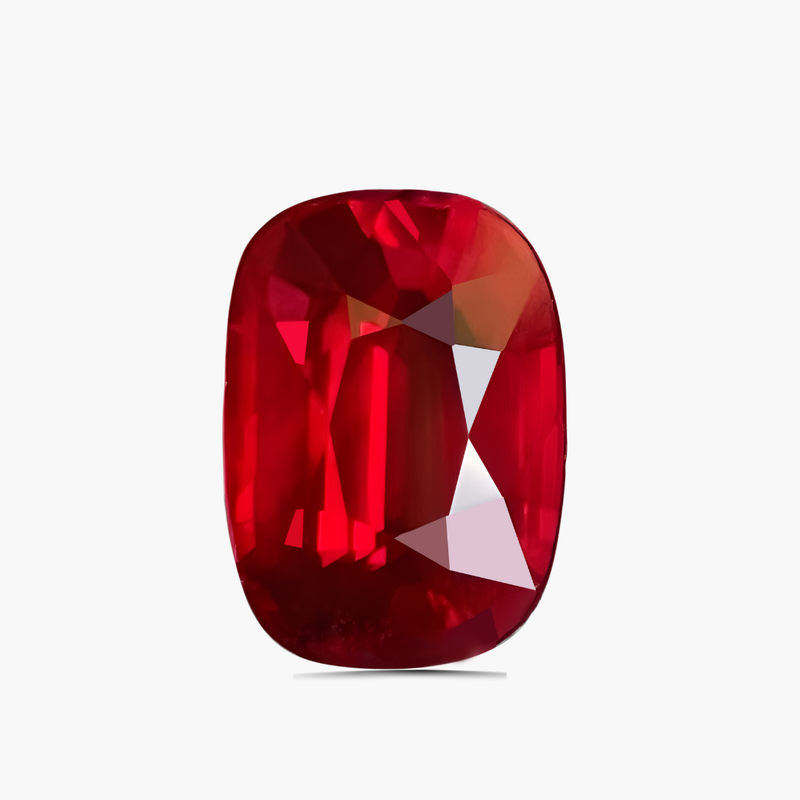 GRS
GRS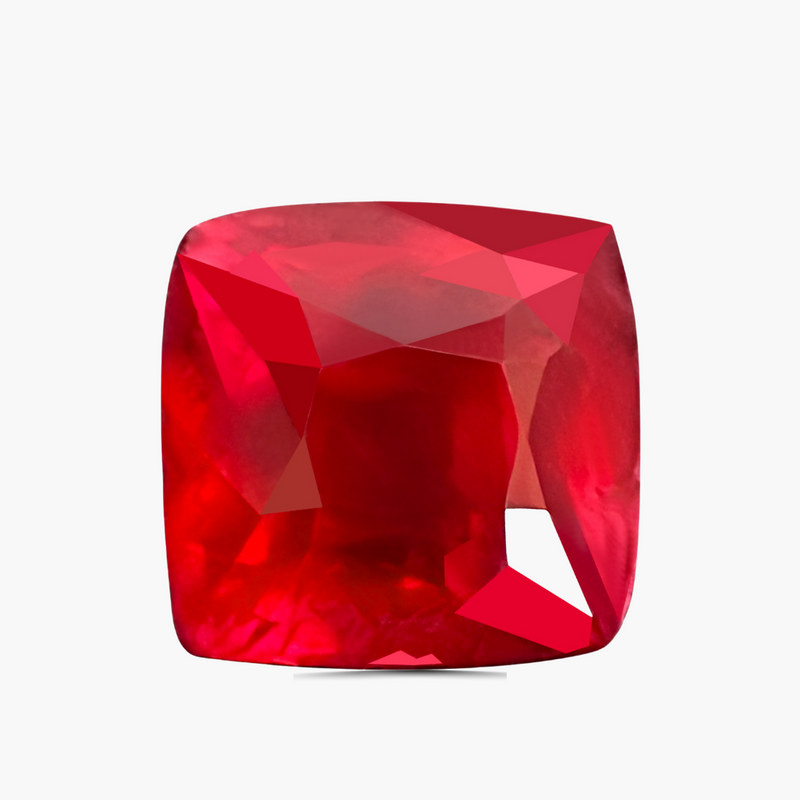 GRS
GRS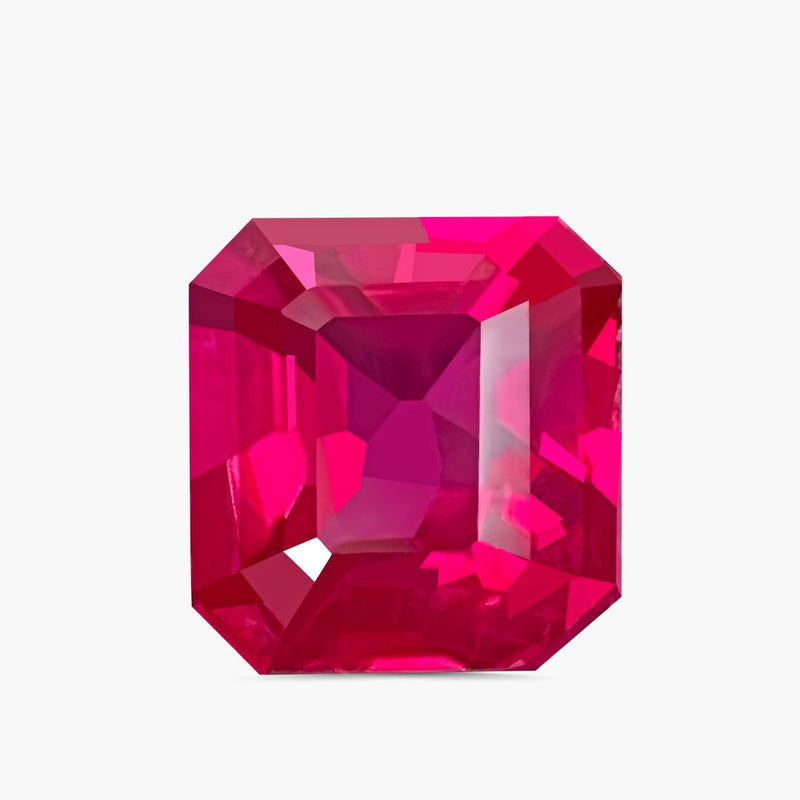 GUILD
GUILD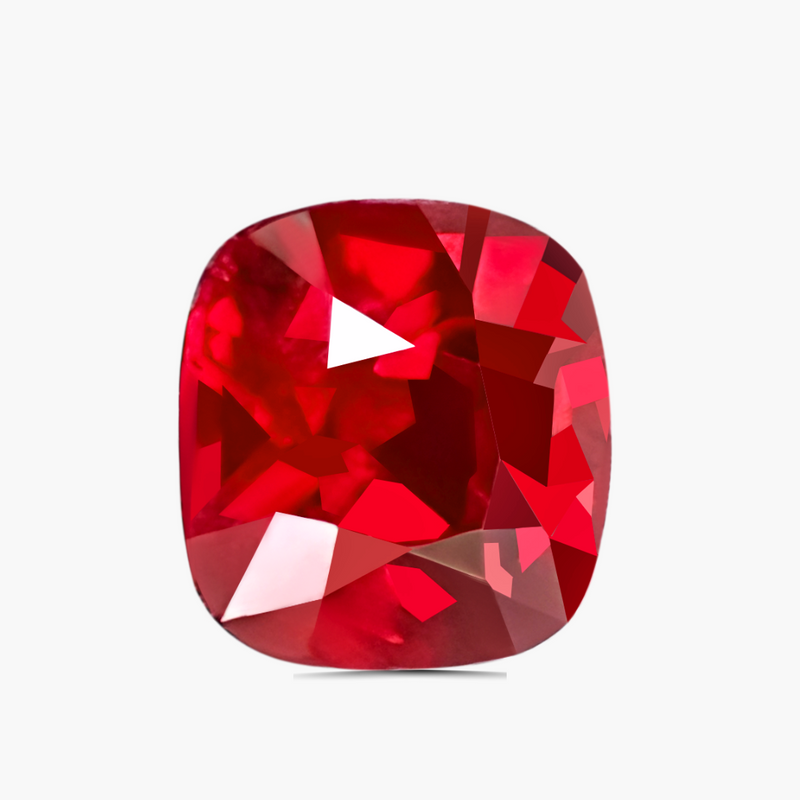 GRS
GRS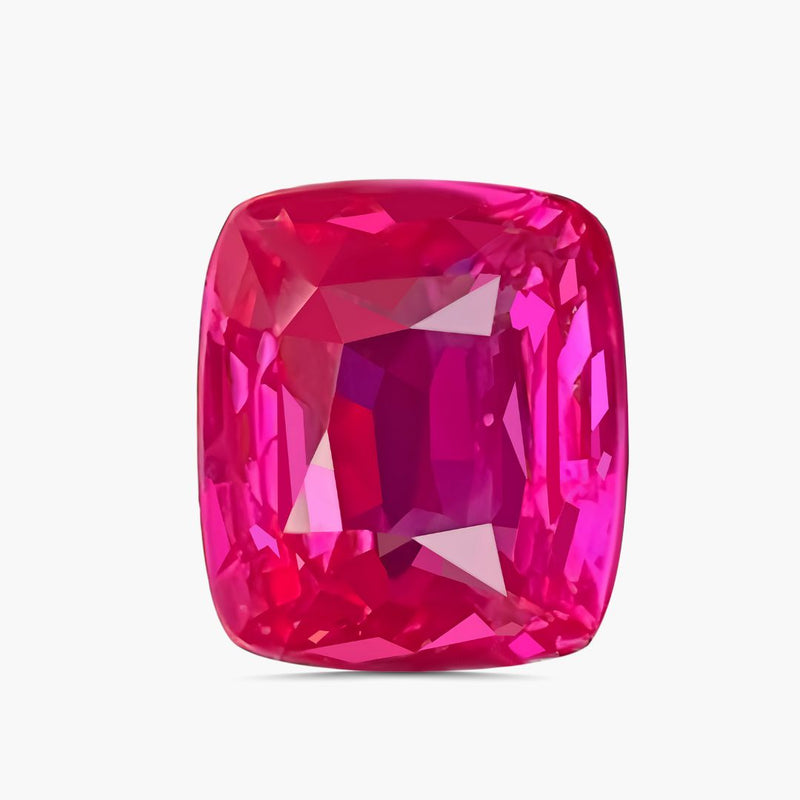 GUILD
GUILD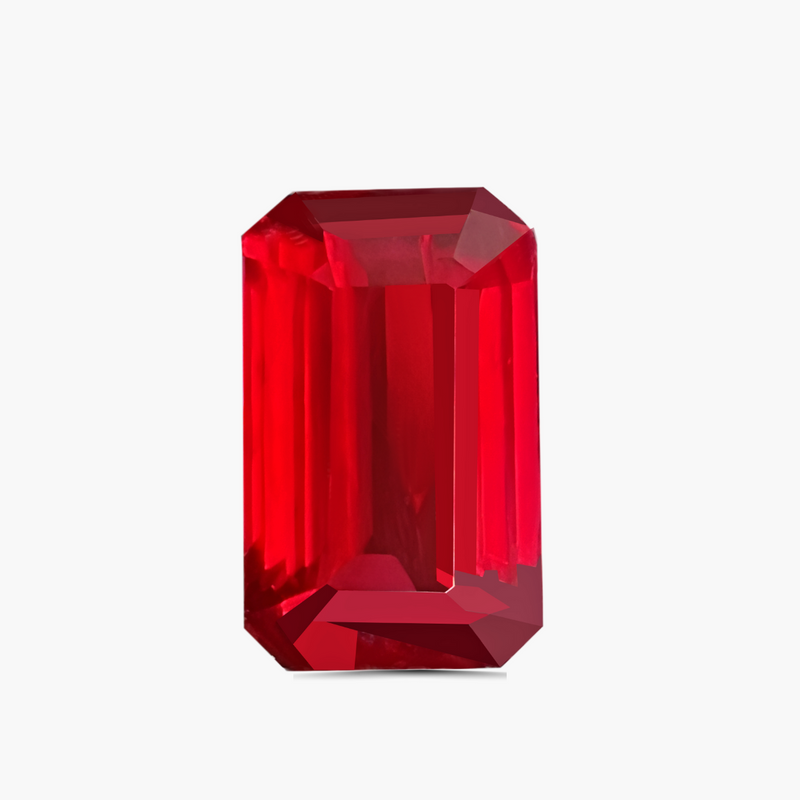 GRS
GRS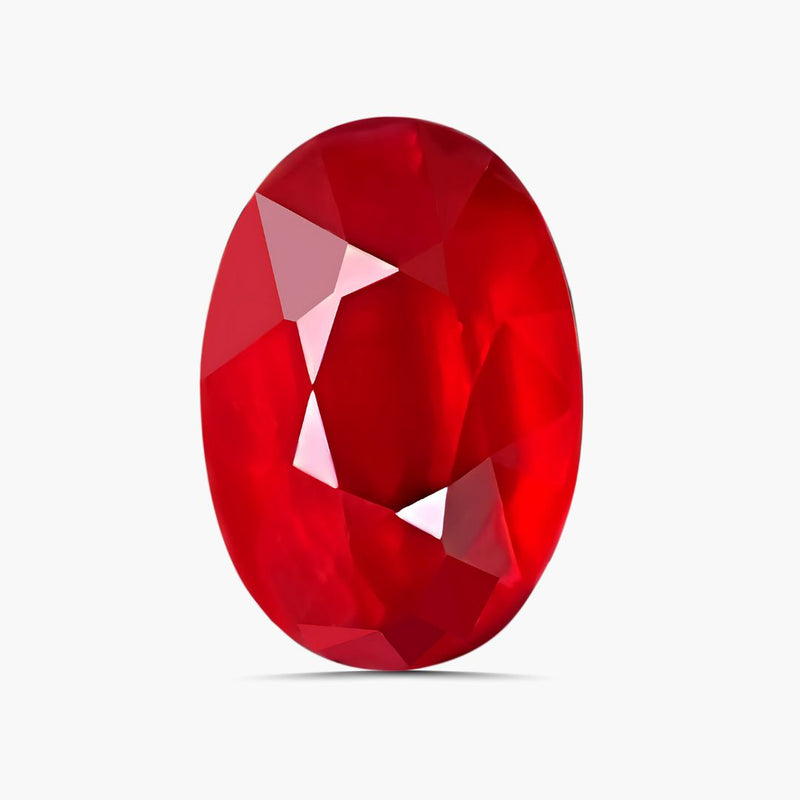 GRS
GRS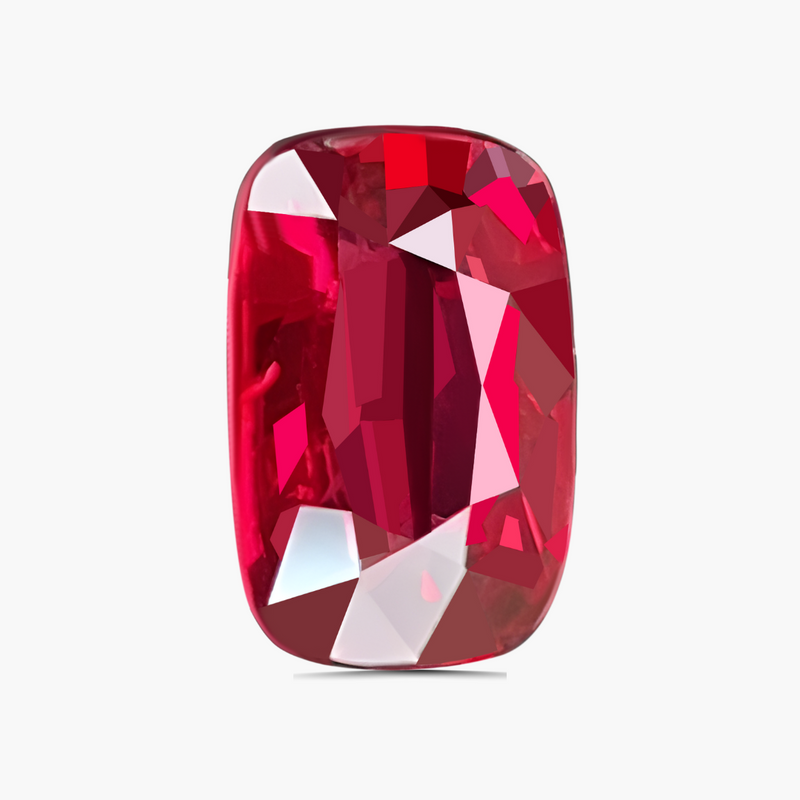 GRS
GRS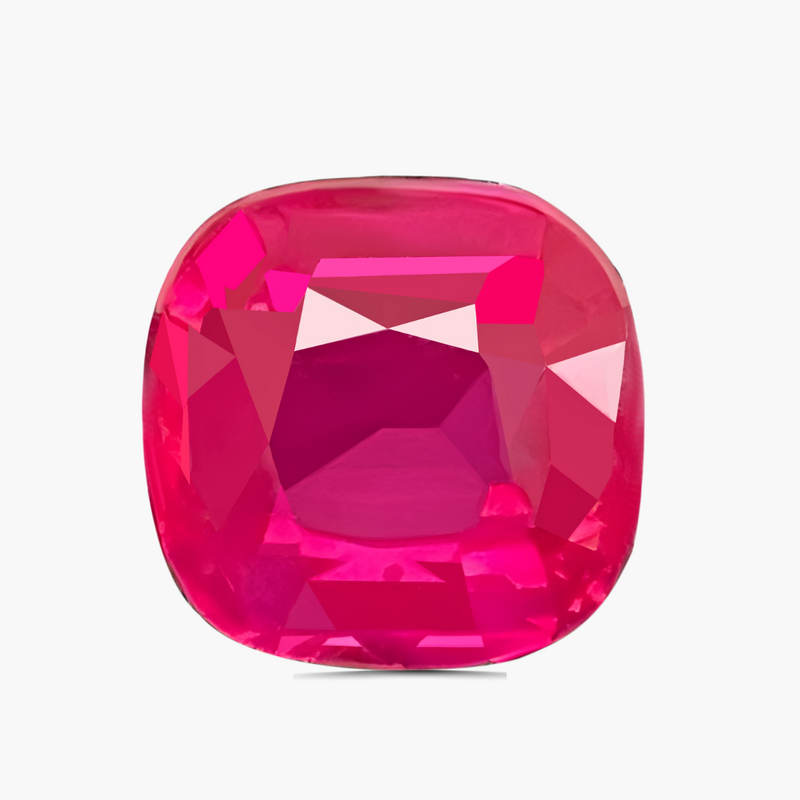 AIGS
AIGS GRS
GRS GRS
GRS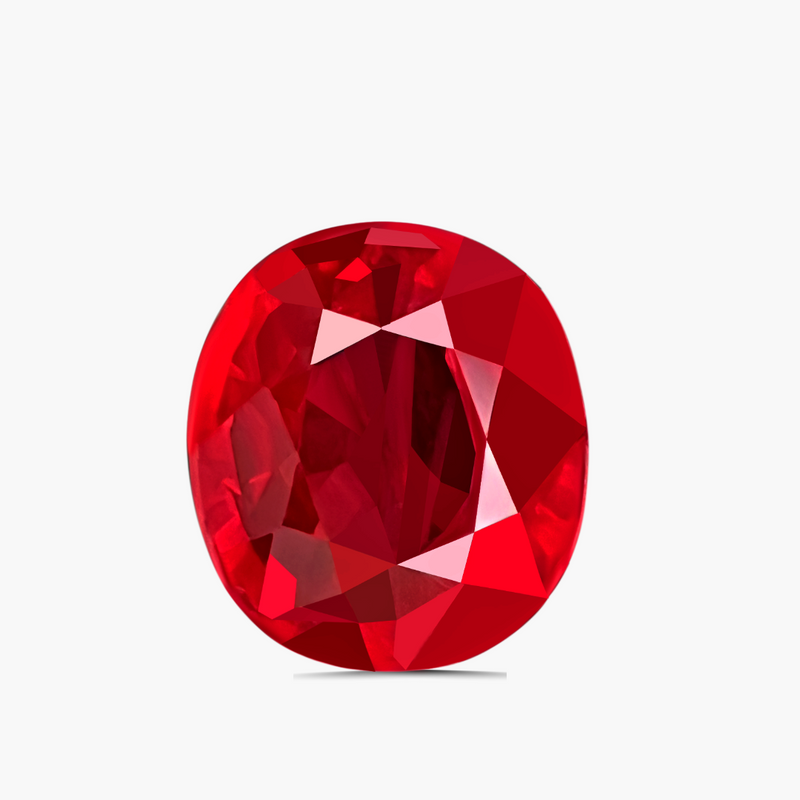 GRS
GRS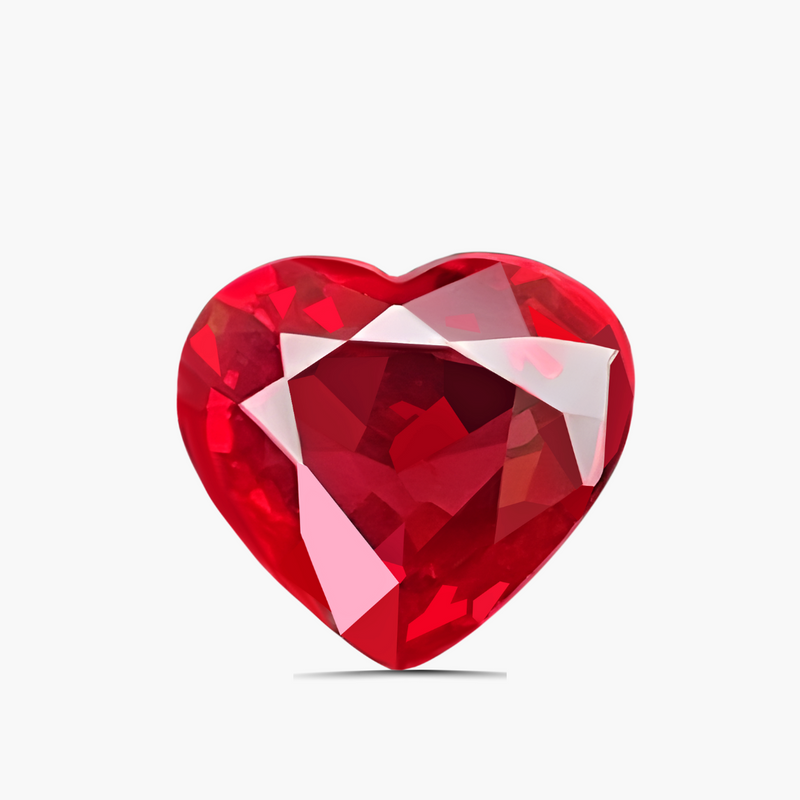 GRS
GRS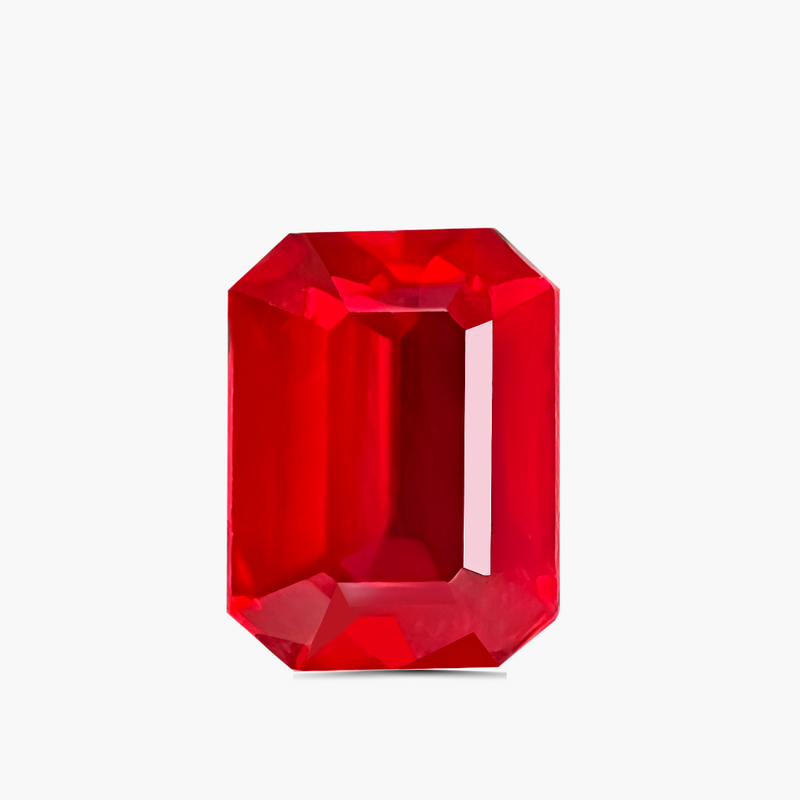 GRS
GRS