What a Ruby Actually Is
Ruby is corundum — crystalline aluminium oxide — coloured red by chromium. That is the entire definition, and it carries a consequence most buyers are never told: ruby and sapphire are the same mineral. Red corundum is ruby. Corundum of every other colour is sapphire. There is no third category and no separate stone.
Chromium is what makes ruby both beautiful and difficult. It produces the red, and it also causes the crystal to grow with strain and fracture, which is why large clean rubies are so much rarer than large clean sapphires from the same deposits. The same element that gives the stone its colour is the reason there is so little of it.
At 9 on the Mohs scale, ruby is the hardest gemstone in common use after diamond. It has no cleavage. For a stone worn every day — an engagement ring, a signet, something that will be knocked against doorframes for forty years — there are very few coloured gemstones that can be recommended as confidently.
Ruby has been the most valuable coloured gemstone in the world for most of recorded history, and per carat, fine unheated Burmese material still outprices almost everything else that comes out of the ground. The Sanskrit name for it was ratnaraj — king of gems.
Colour Is Almost the Whole Argument
In most gemstones colour is the first factor. In ruby it is very nearly the only one that moves the price at the top of the market.
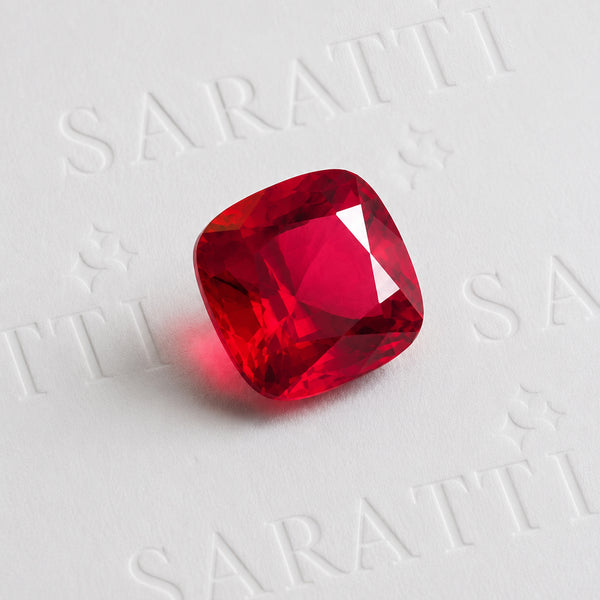
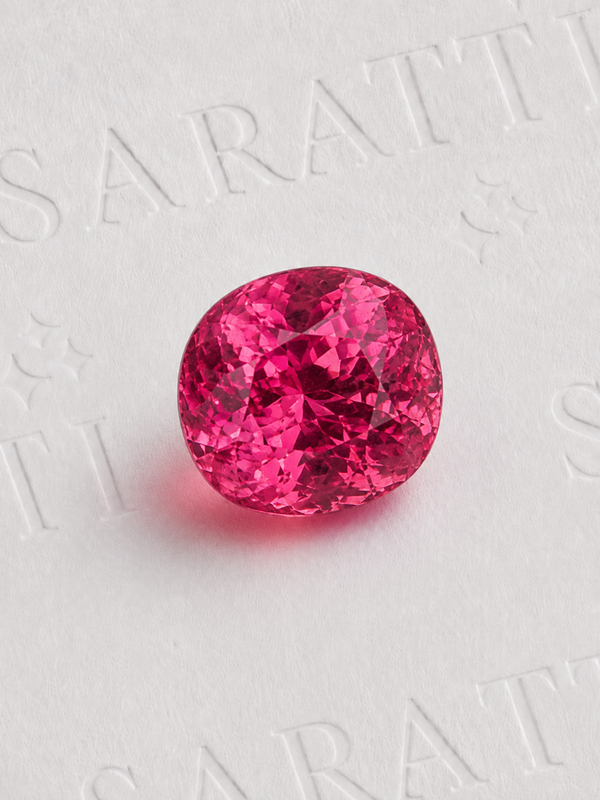
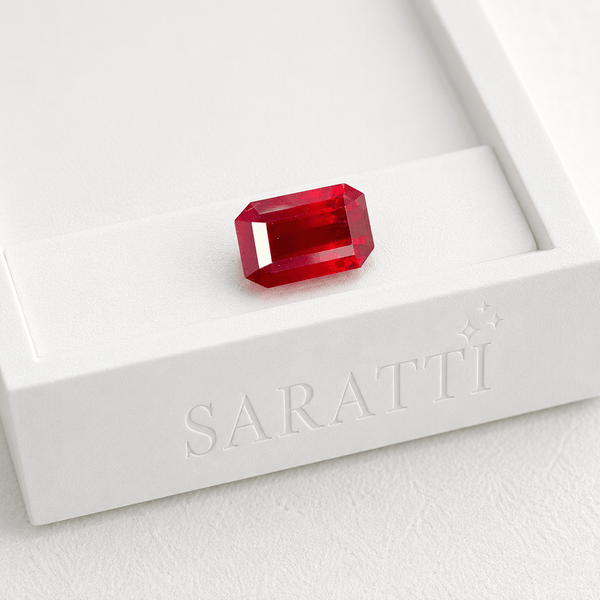
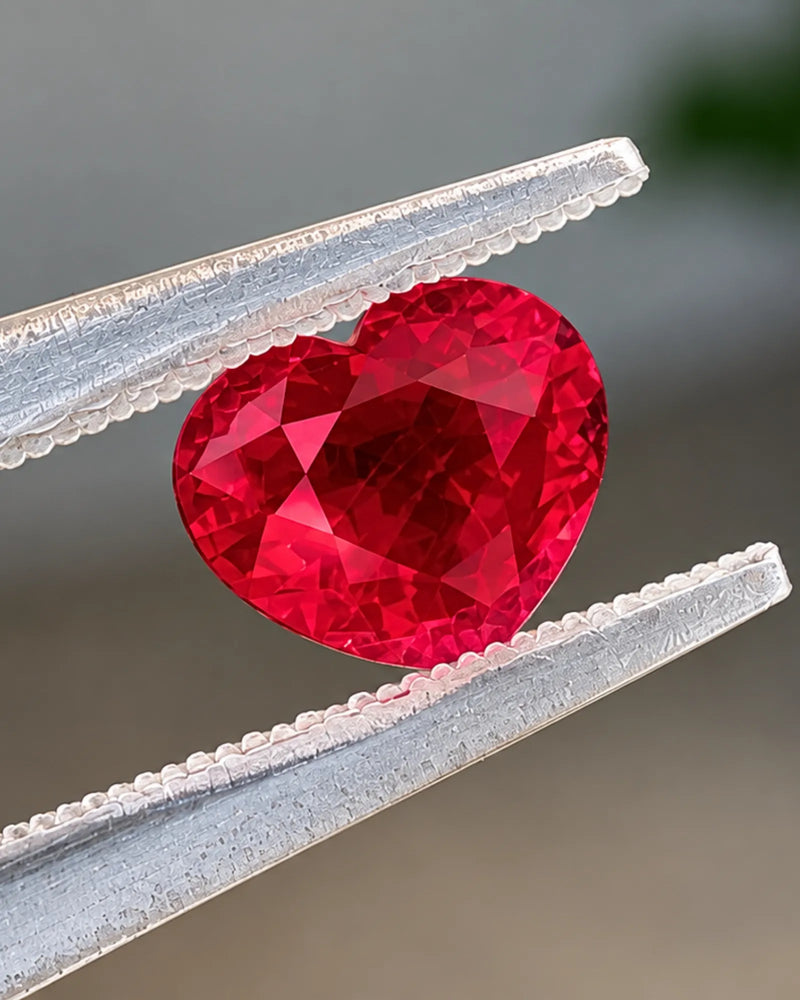
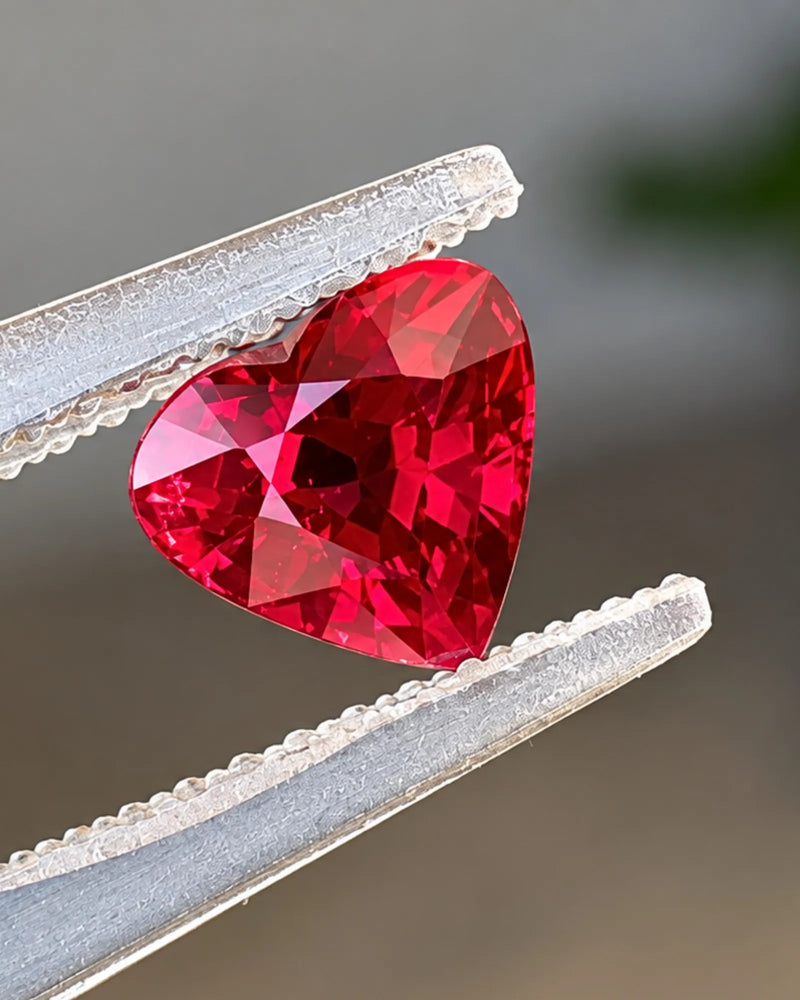
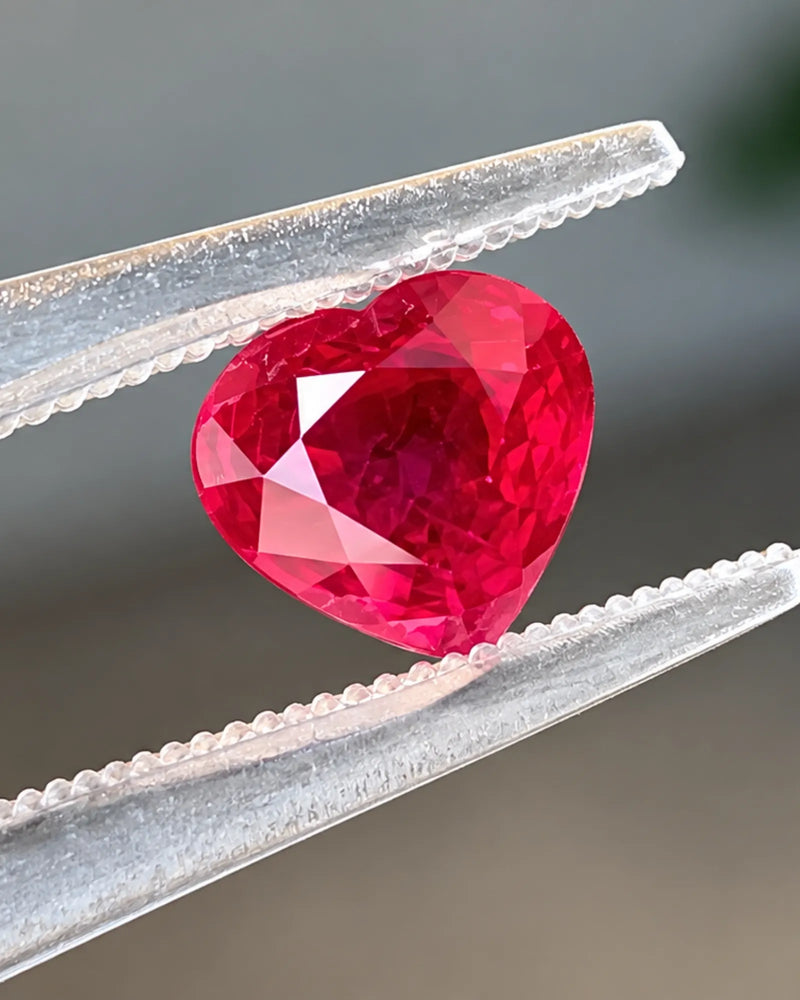
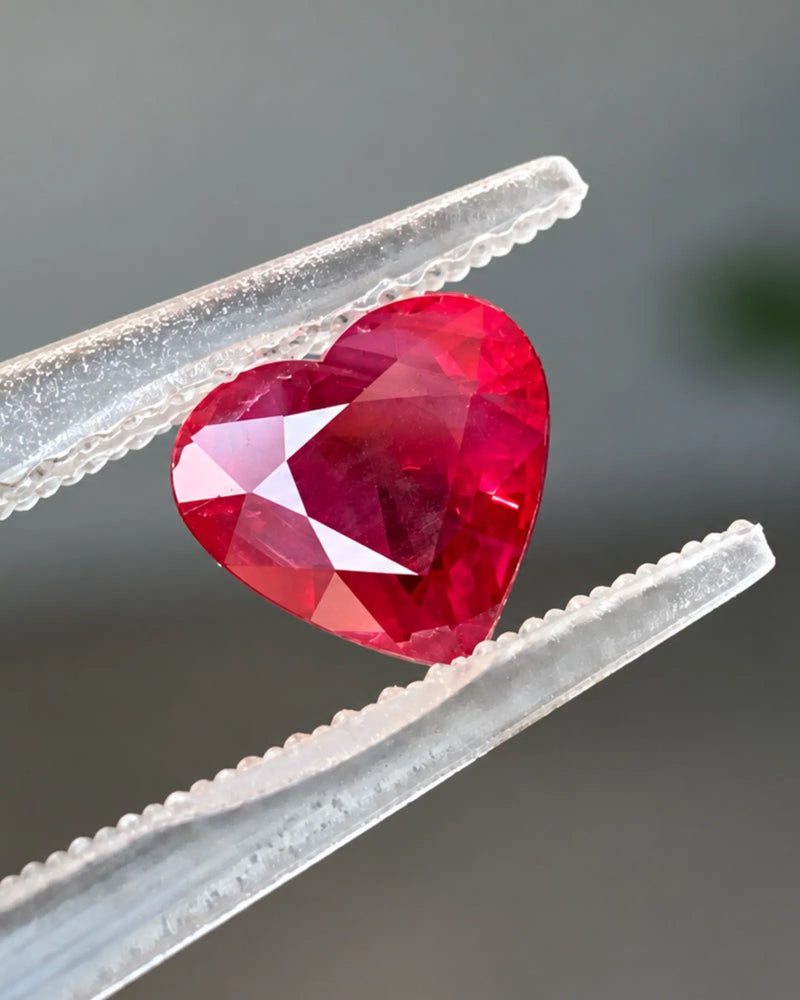
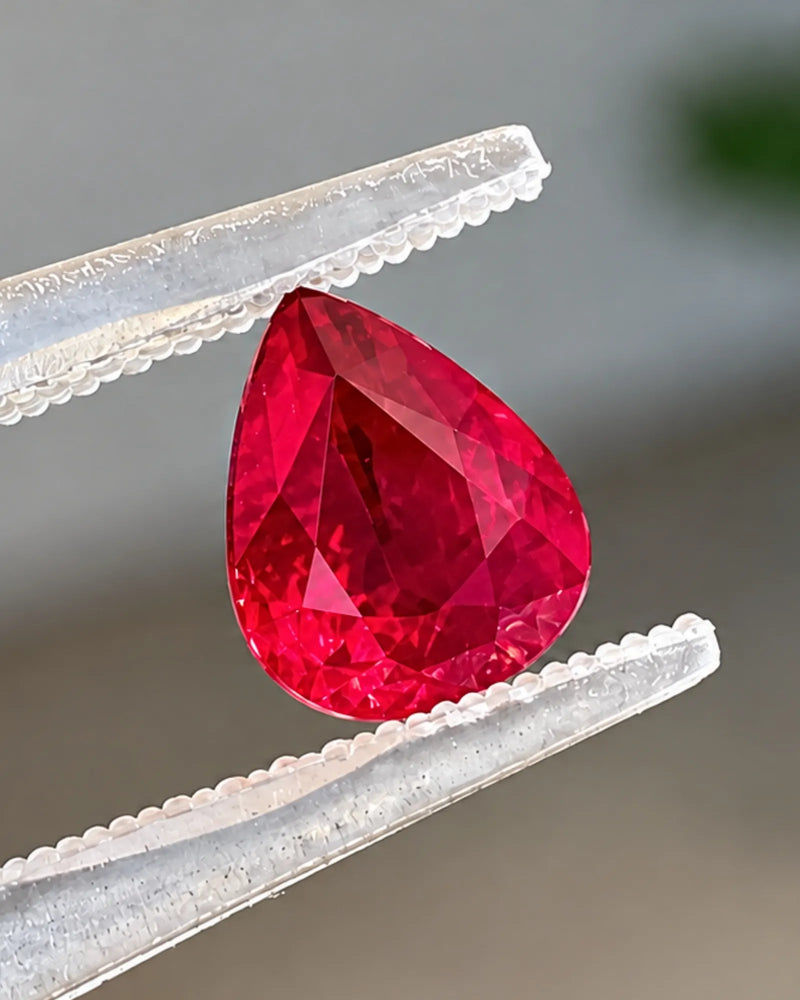
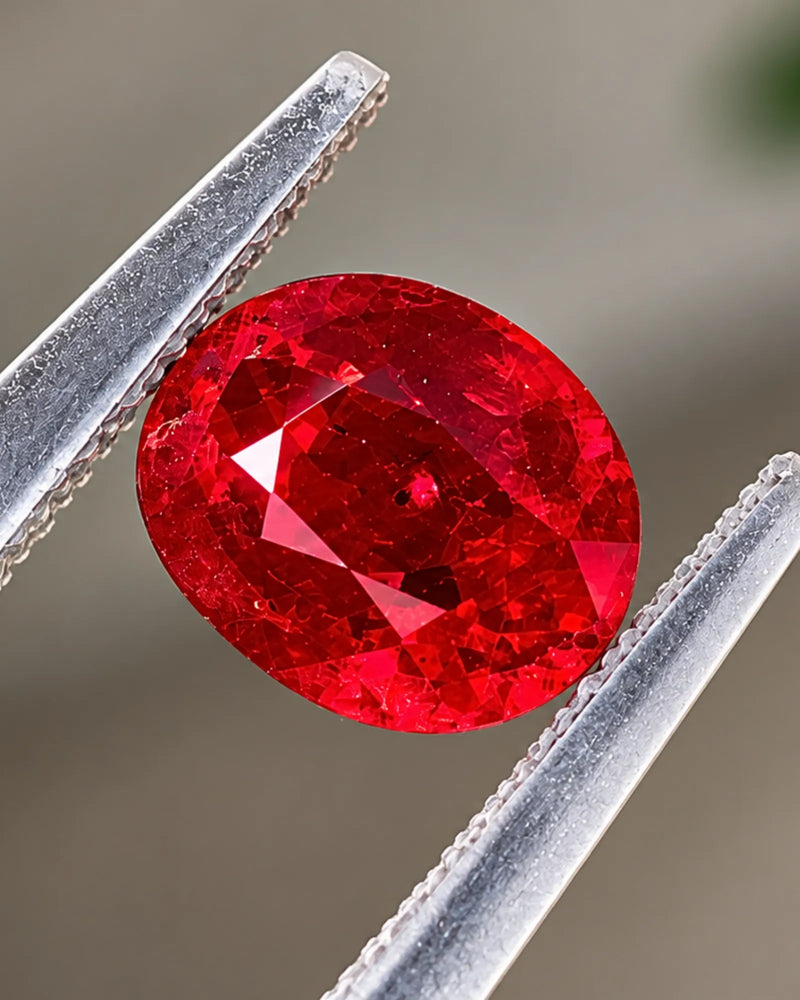
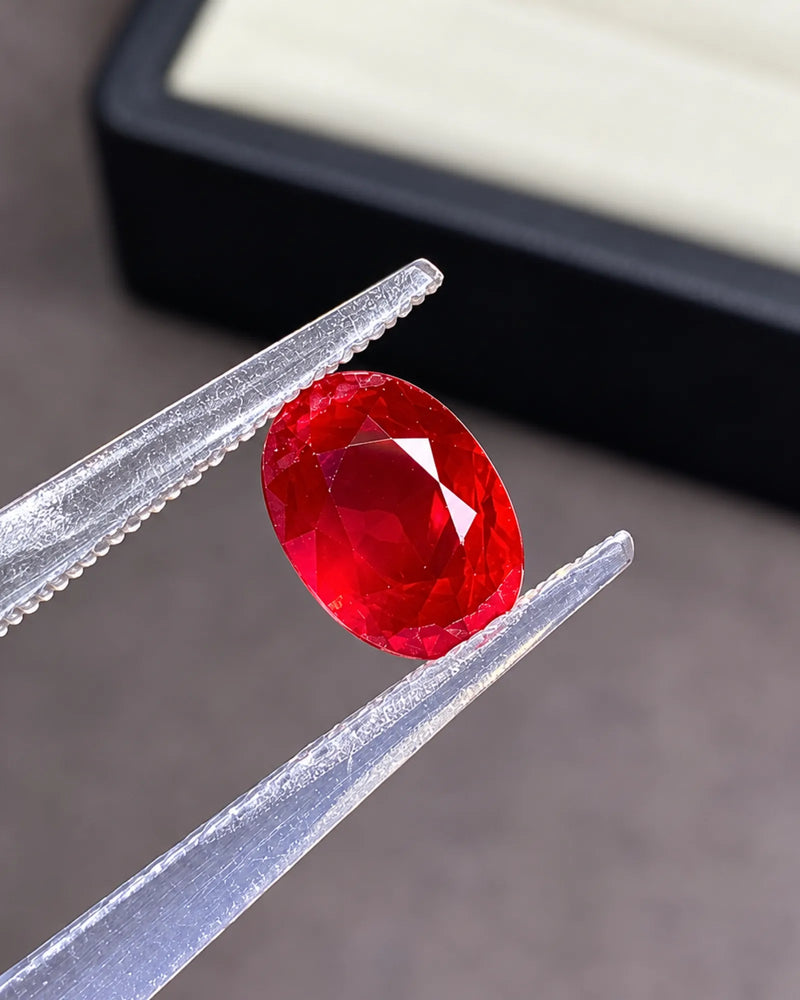
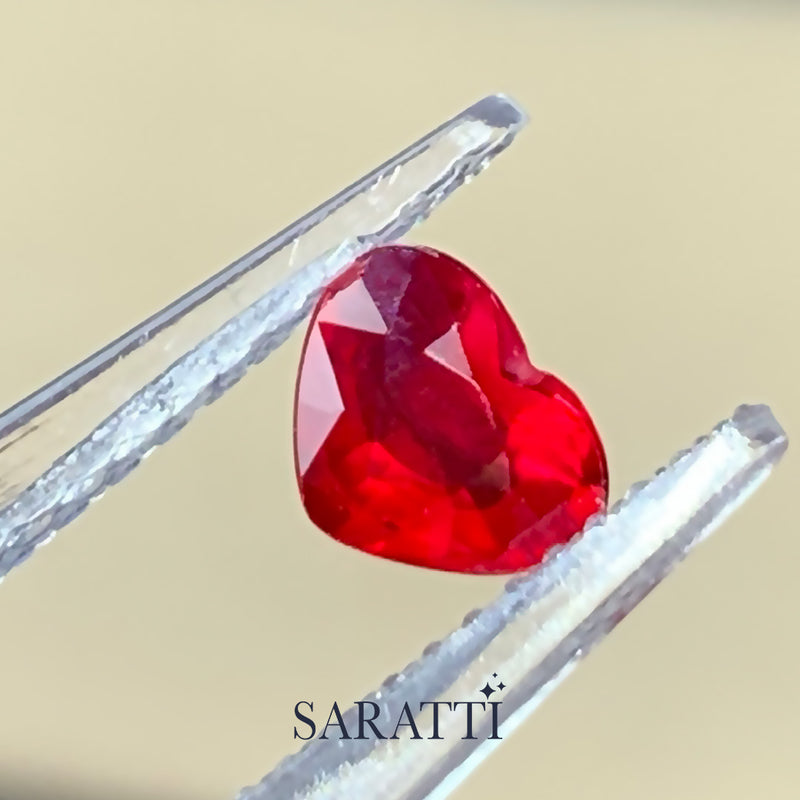
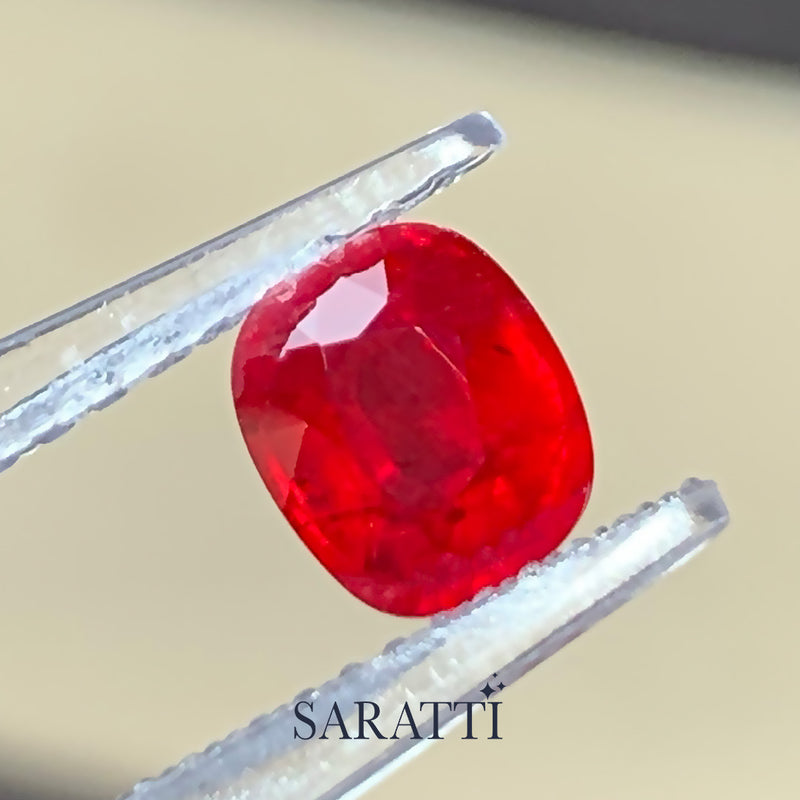
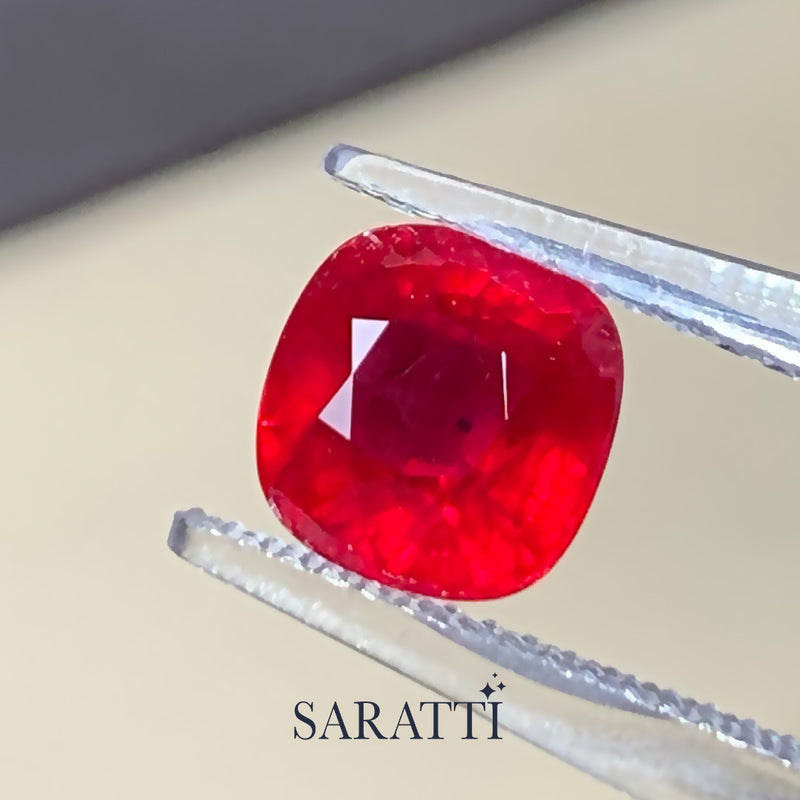
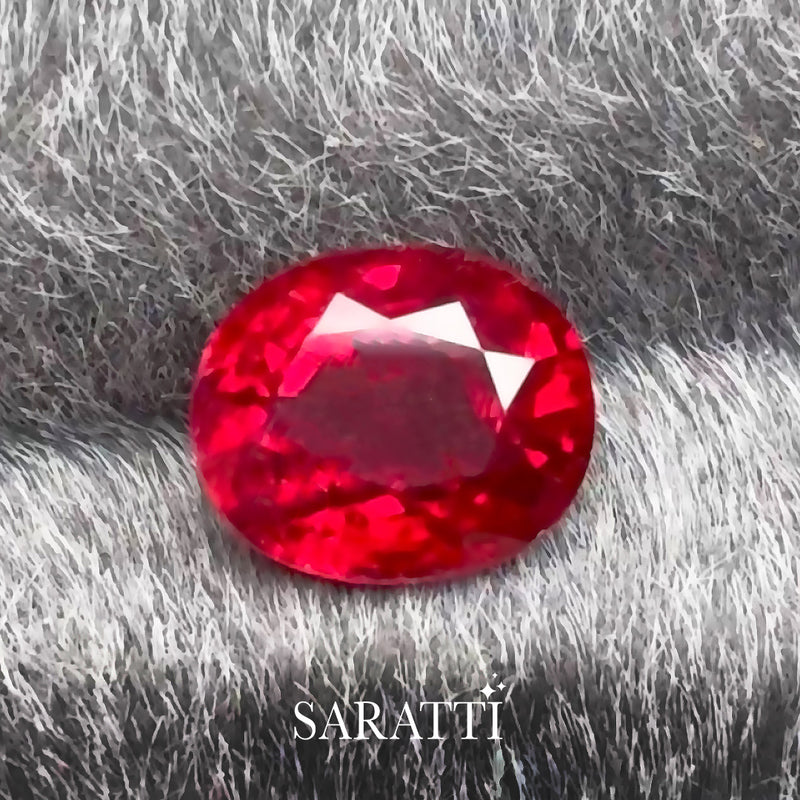
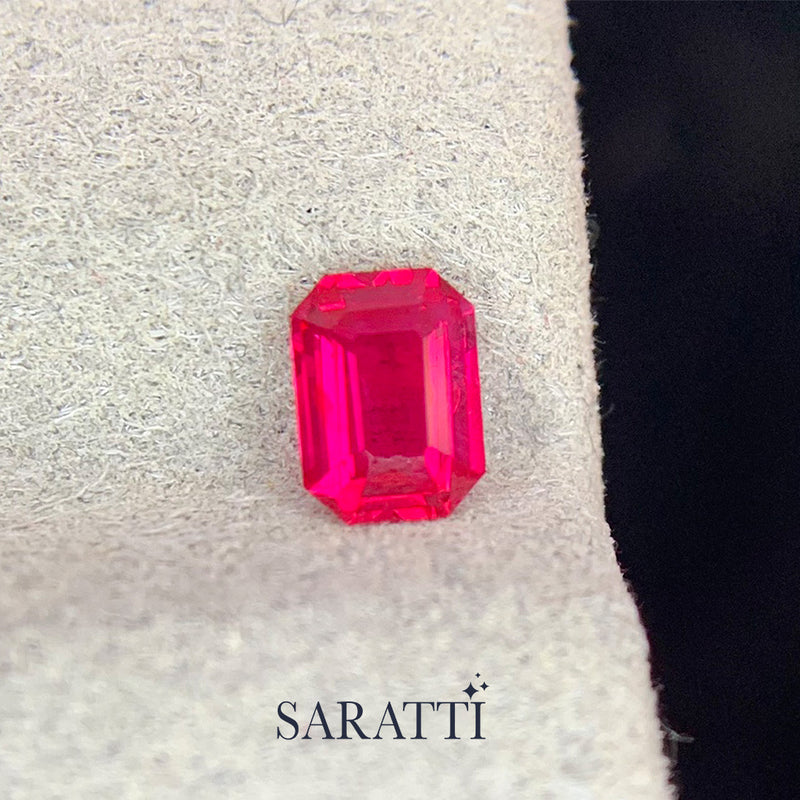
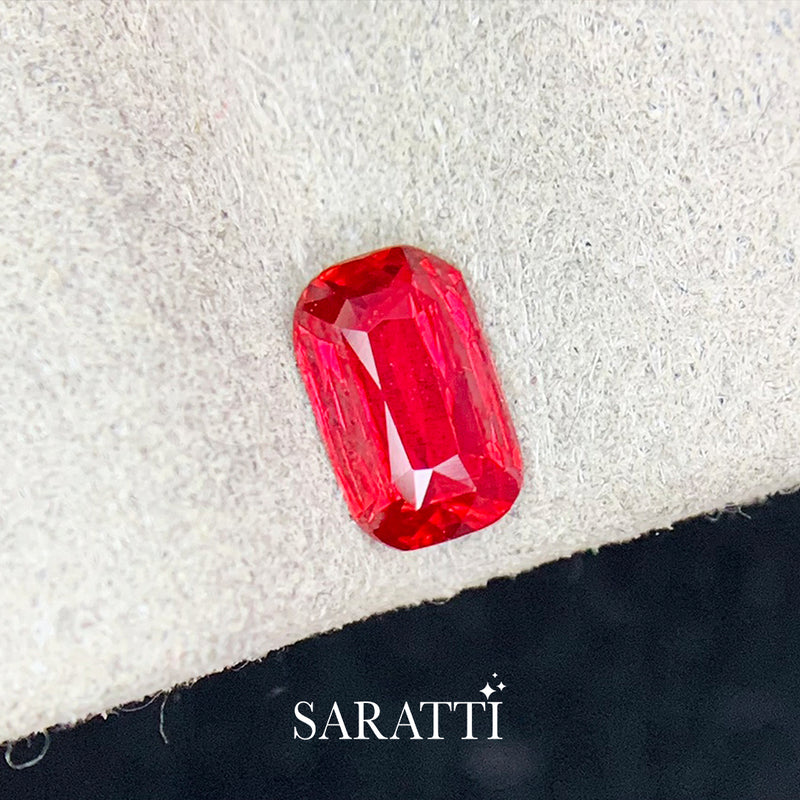
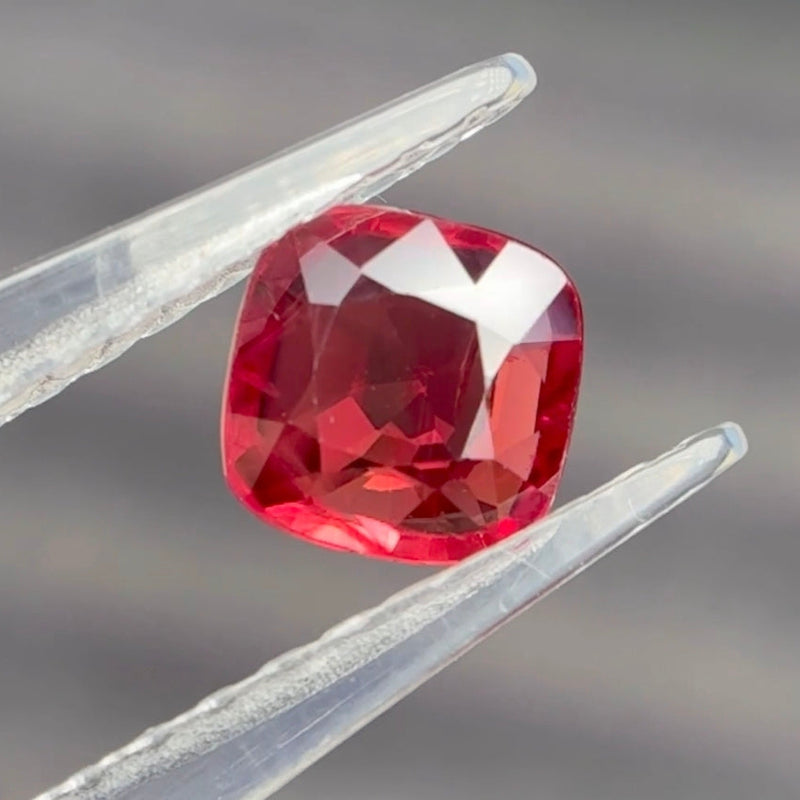
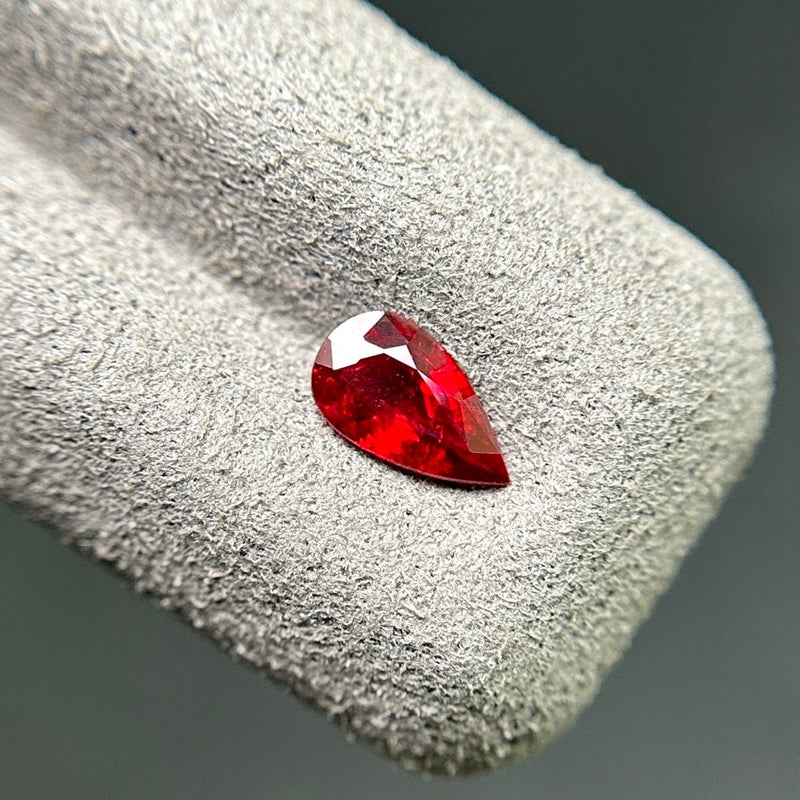
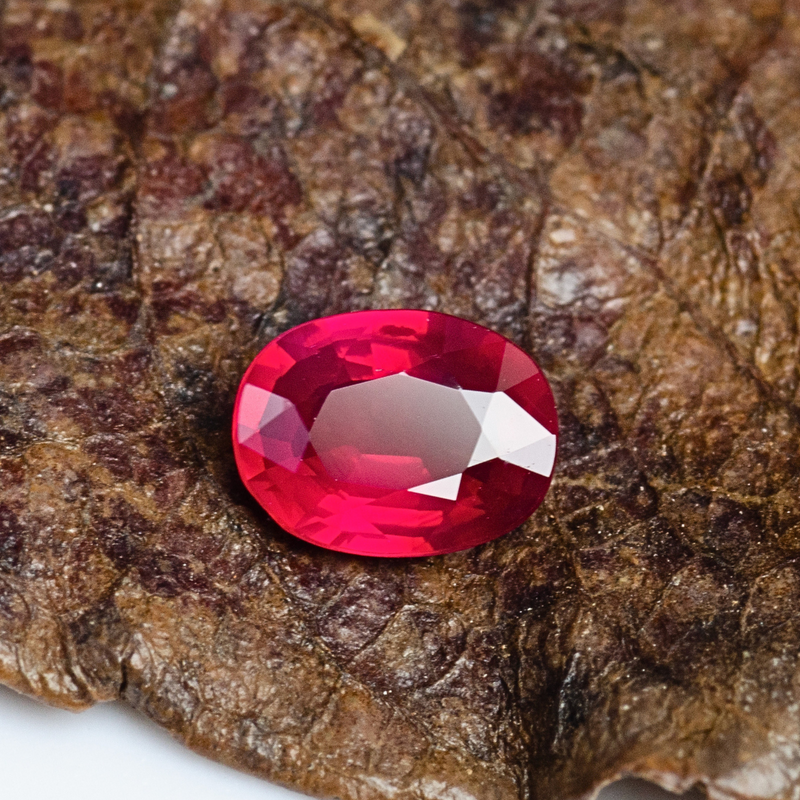
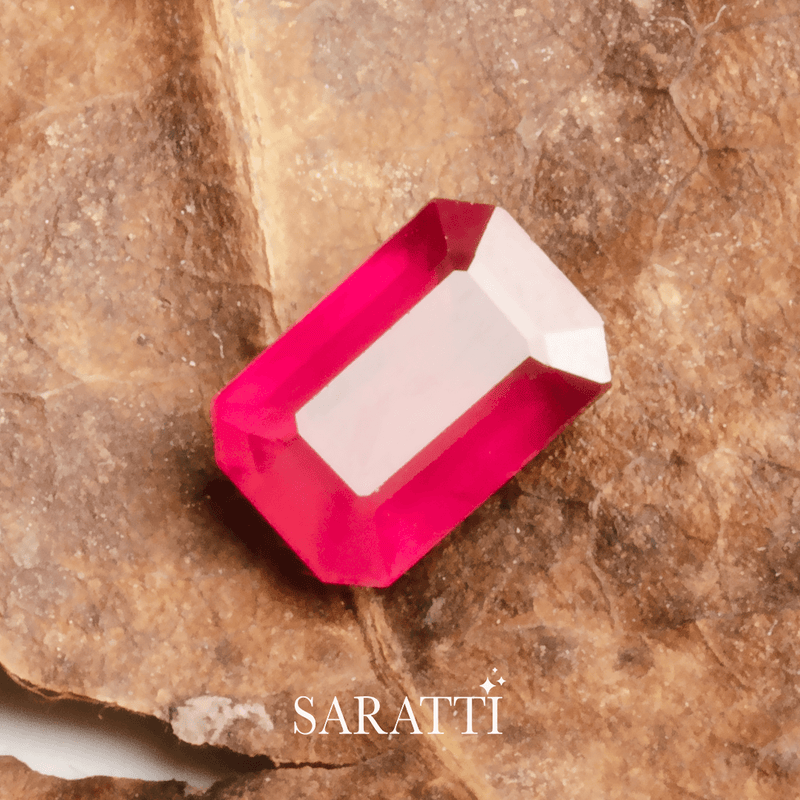
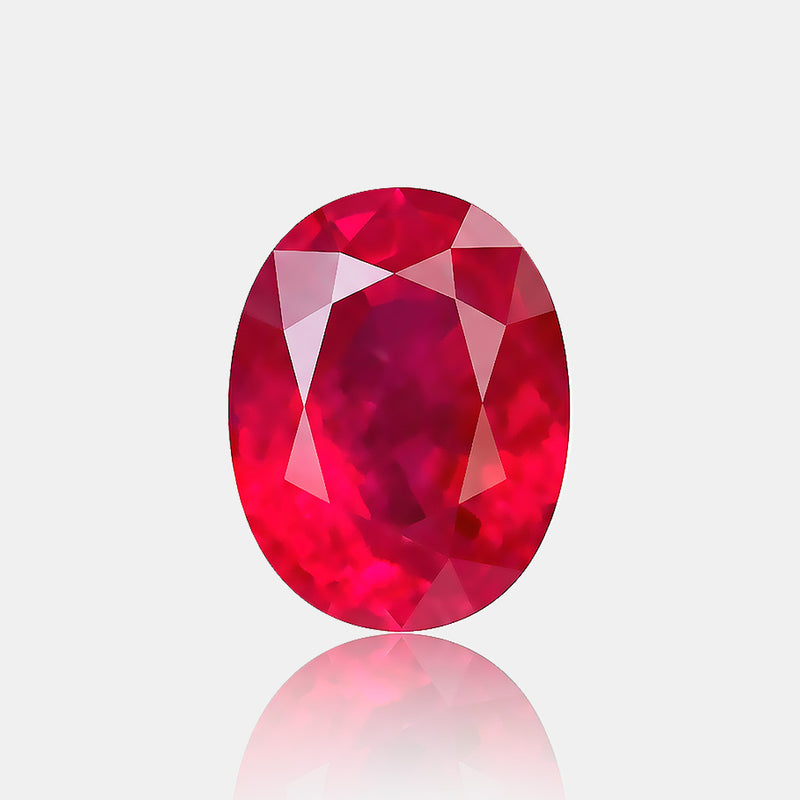
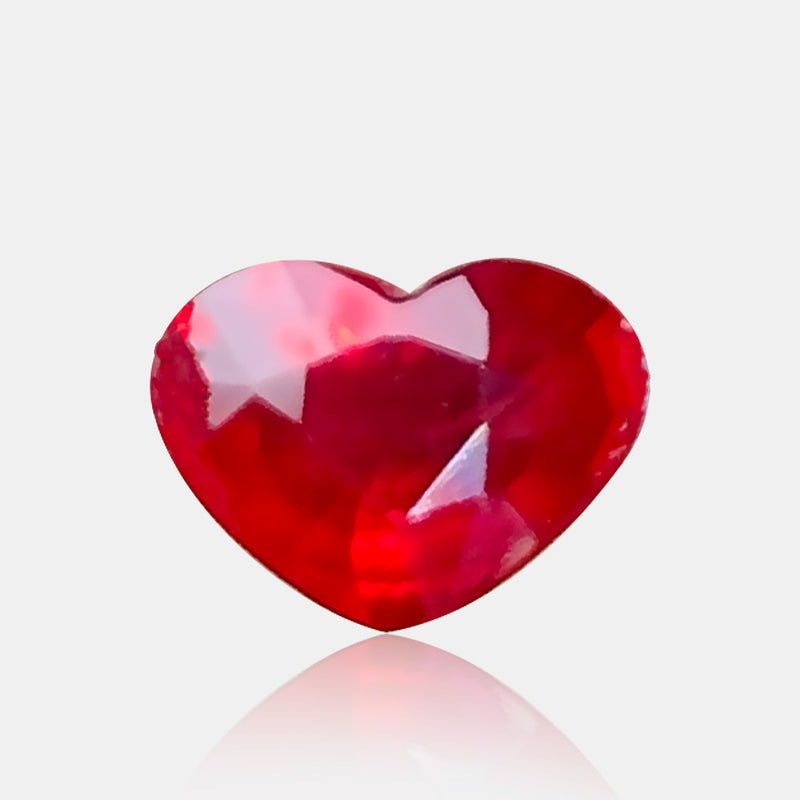
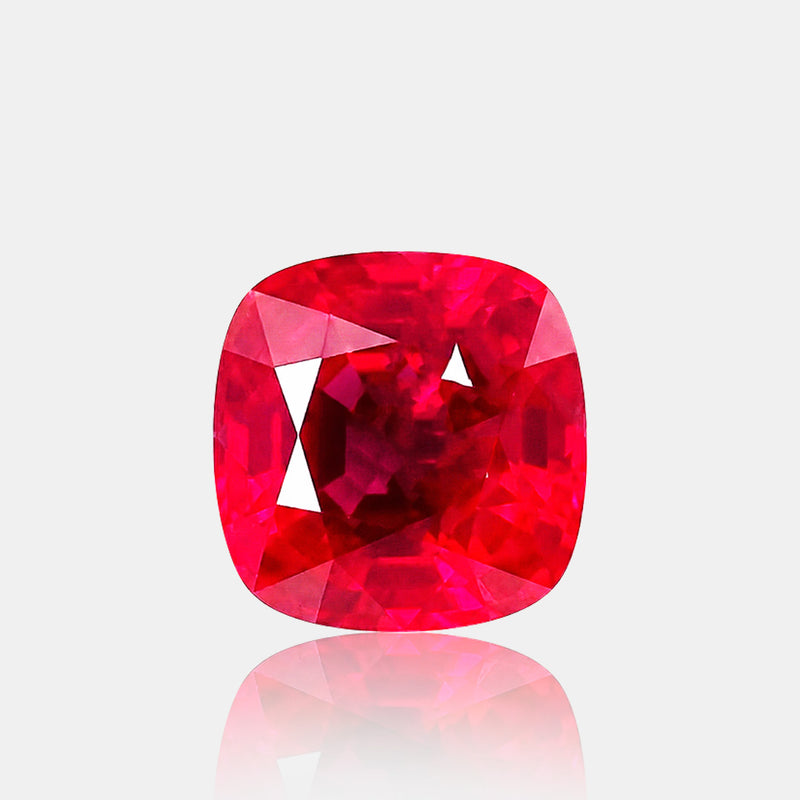
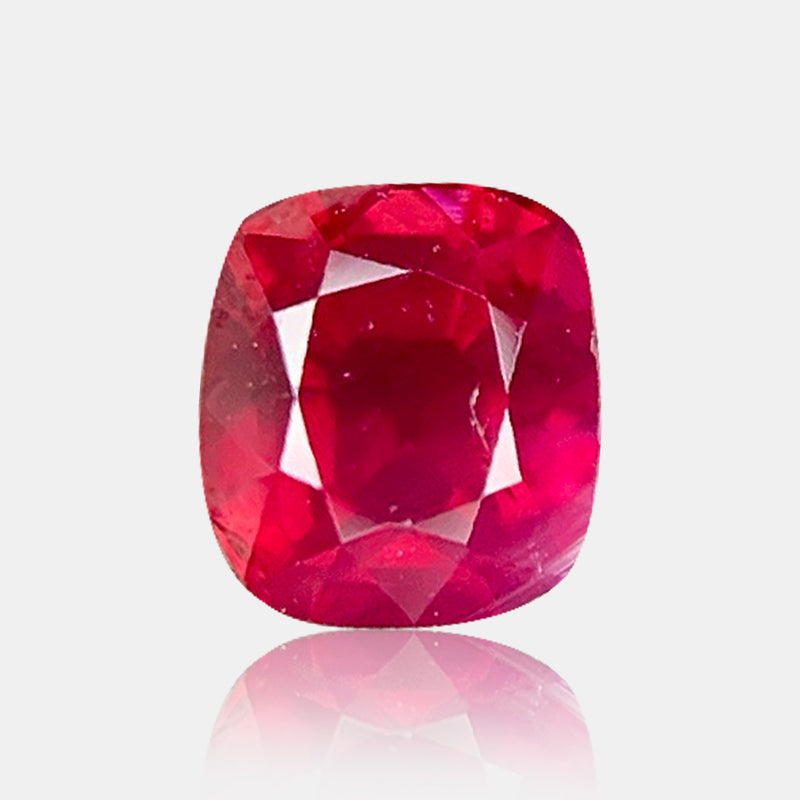
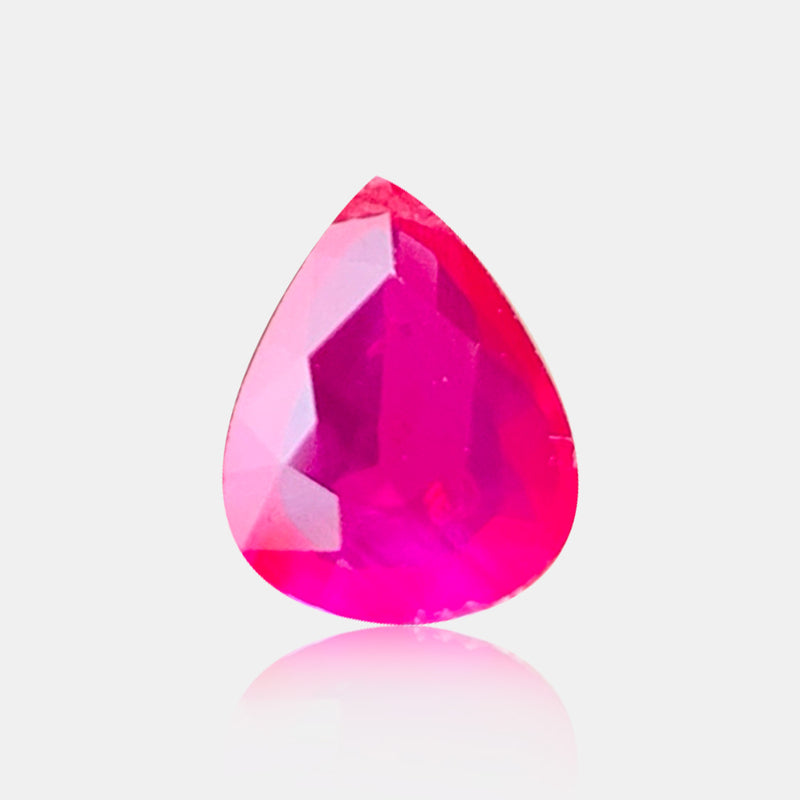
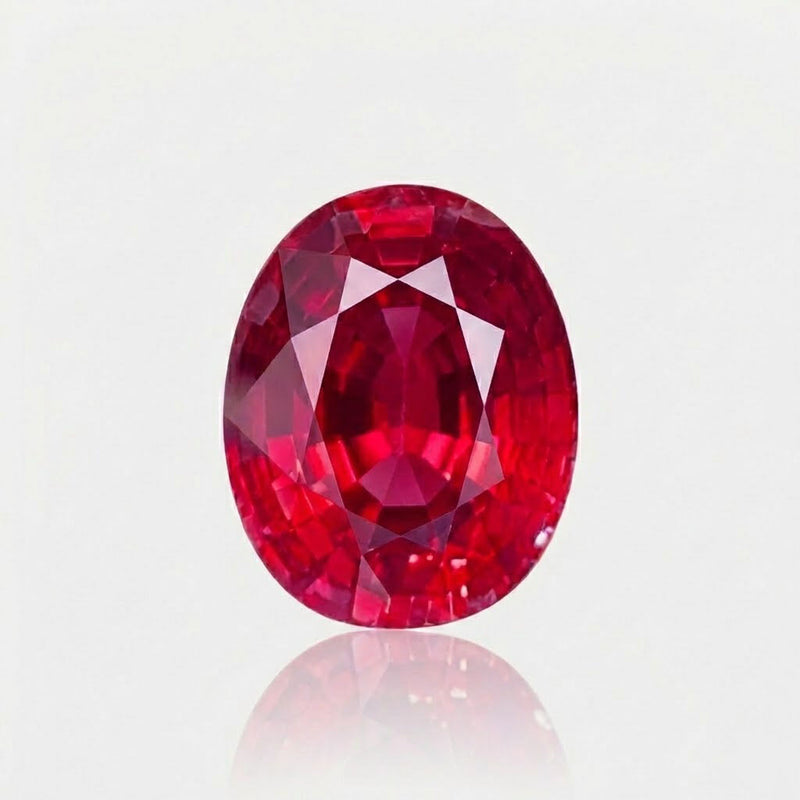
The finest ruby is a pure, vibrant red to slightly purplish red, with strong saturation and a medium to medium-dark tone. Push the hue toward orange and it reads as a fancy sapphire rather than a ruby. Push the tone too dark and the stone closes up and goes garnet-like. Let the saturation drop and it becomes pink sapphire — and where exactly that line falls is a genuine disagreement between laboratories and between markets. Stones that would be sold as ruby in Asia are sometimes graded pink sapphire in the West.
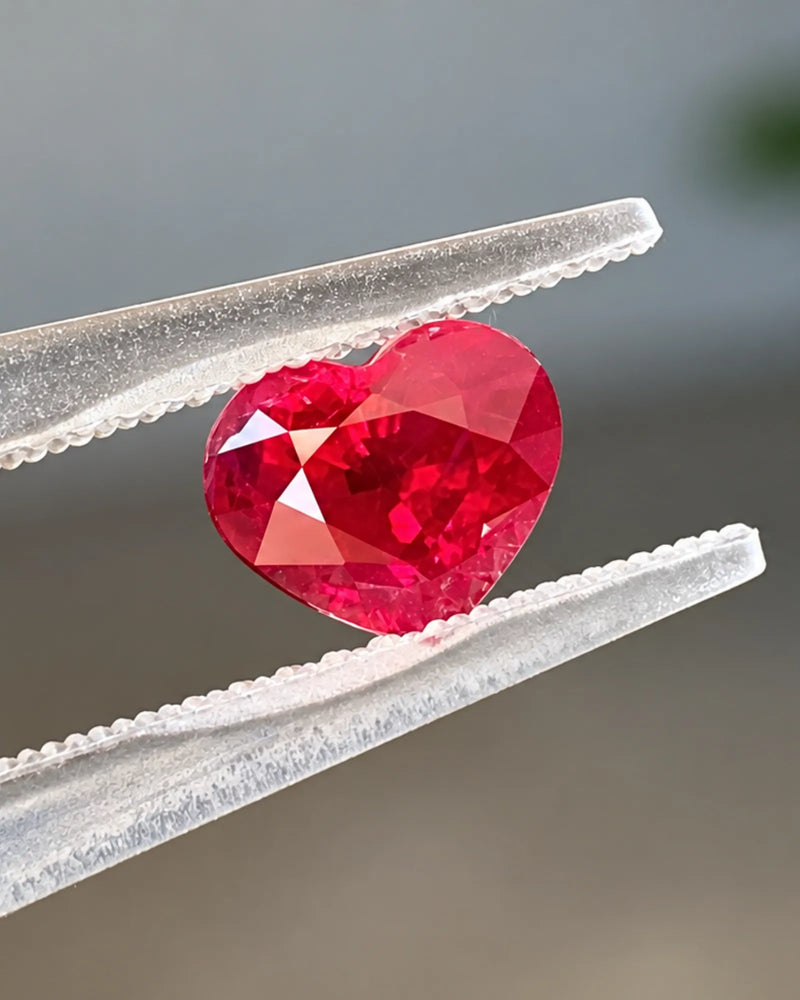
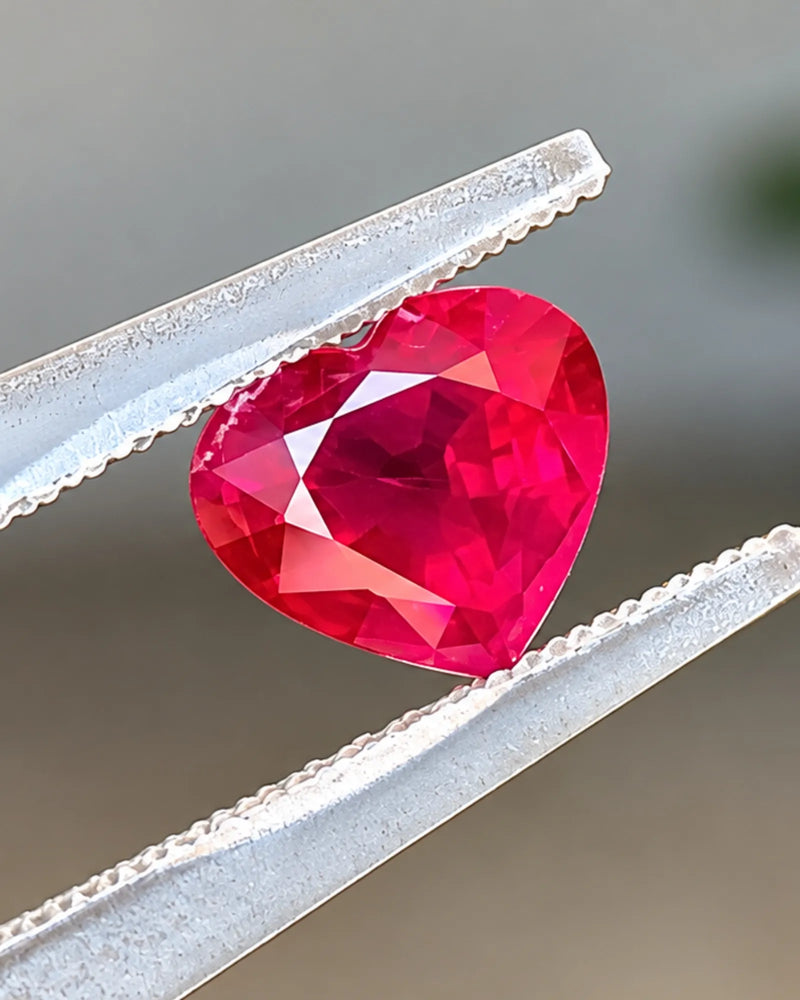
Pigeon's blood is the term you will encounter most often and understand least. It describes a vivid, pure red with a slight blue undertone and strong fluorescence, historically associated with the Mogok valley in Burma. It is a description, not a universal grade. Some laboratories will state it on a report; others refuse to. The definition is not identical between those that do. A stone described as pigeon's blood by a dealer, with no report behind the phrase, is telling you an opinion.
If you want to train your eye on the range, our ruby colour chart sets out every shade with examples, and the ultimate guide to natural ruby colour explains how hue, tone and saturation interact.
The Thing Nobody Mentions: Fluorescence
Ruby has a property that sets it apart from almost every other red stone, and it is rarely explained to buyers.
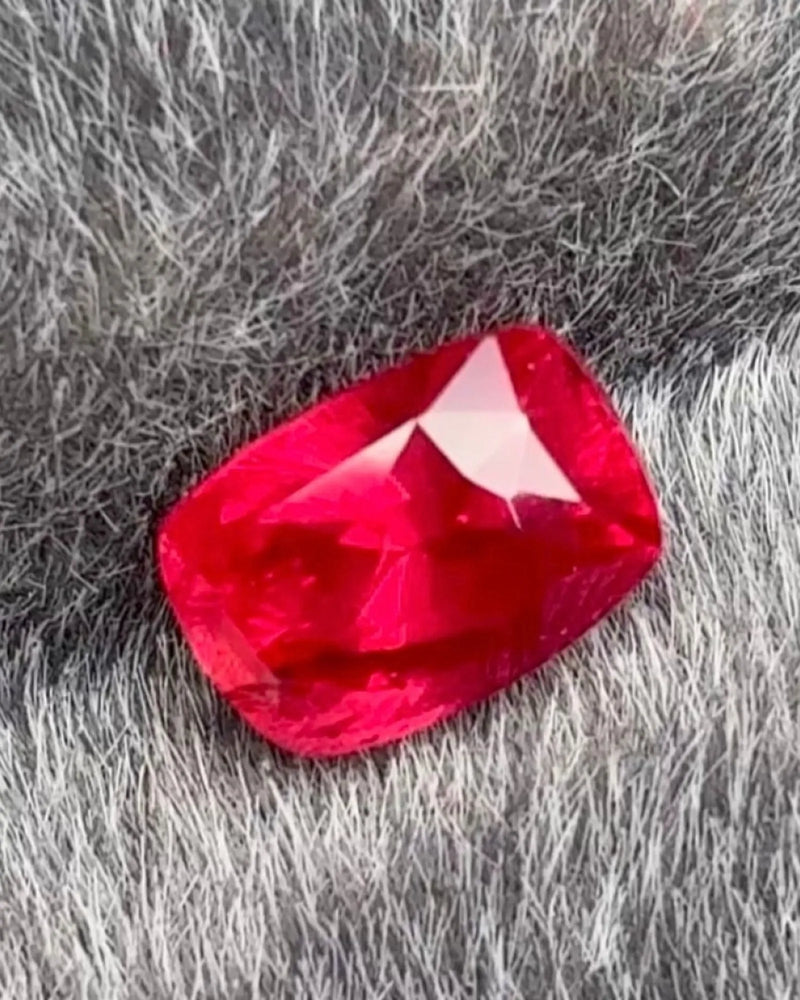
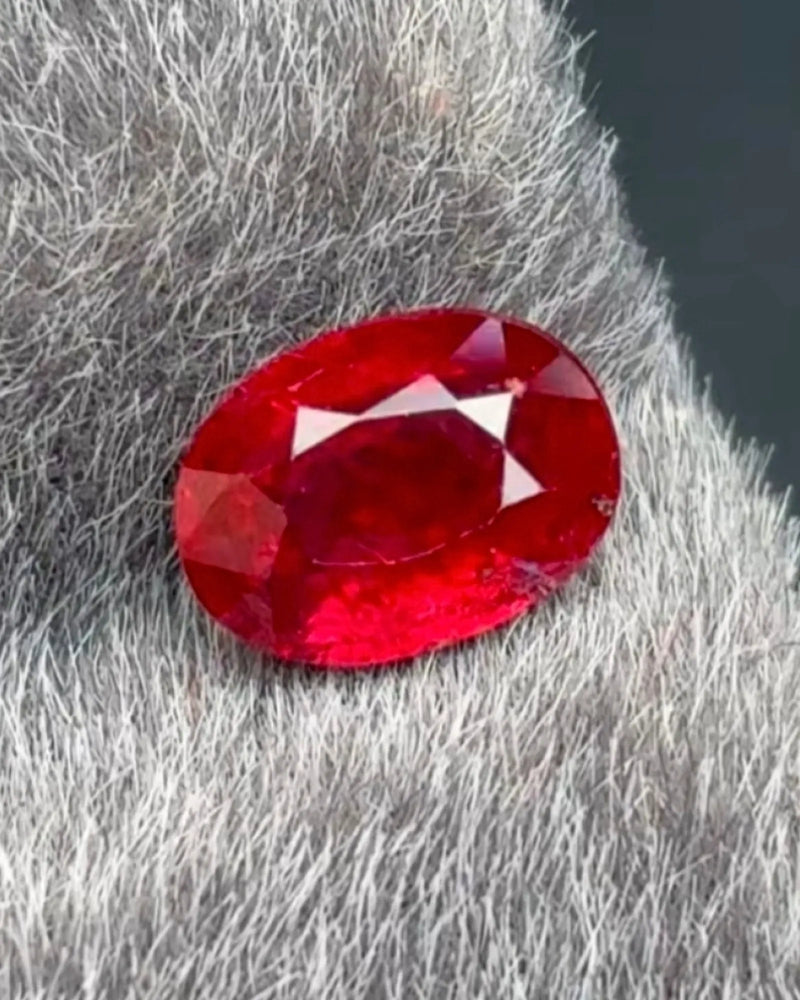
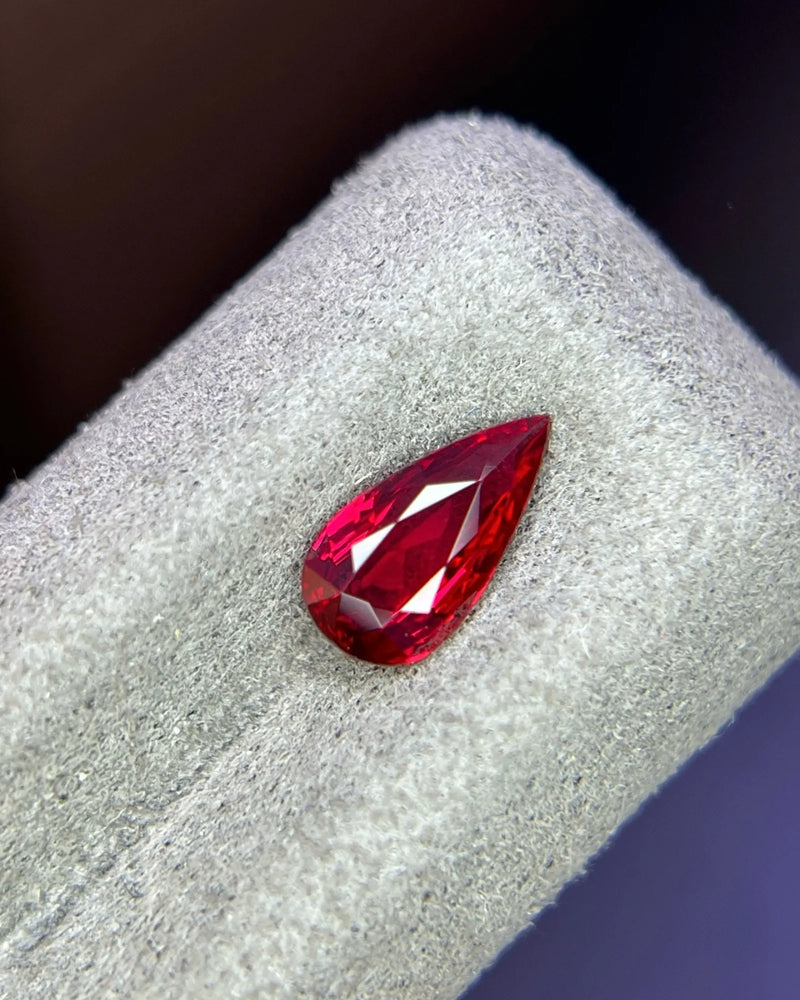
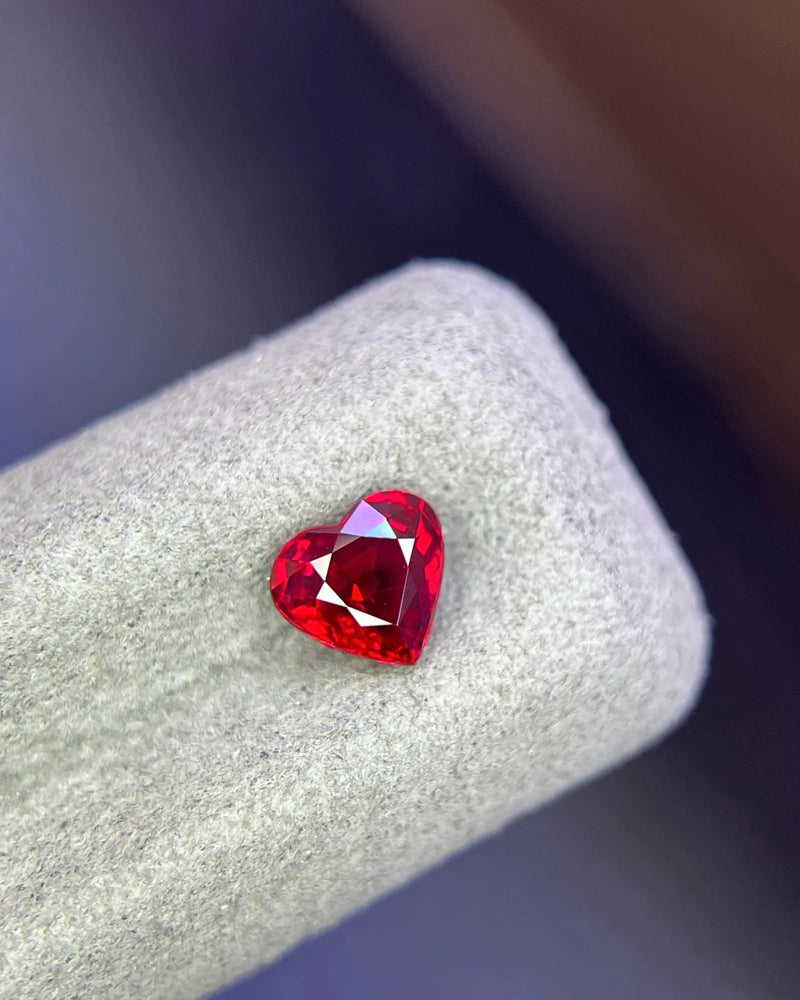
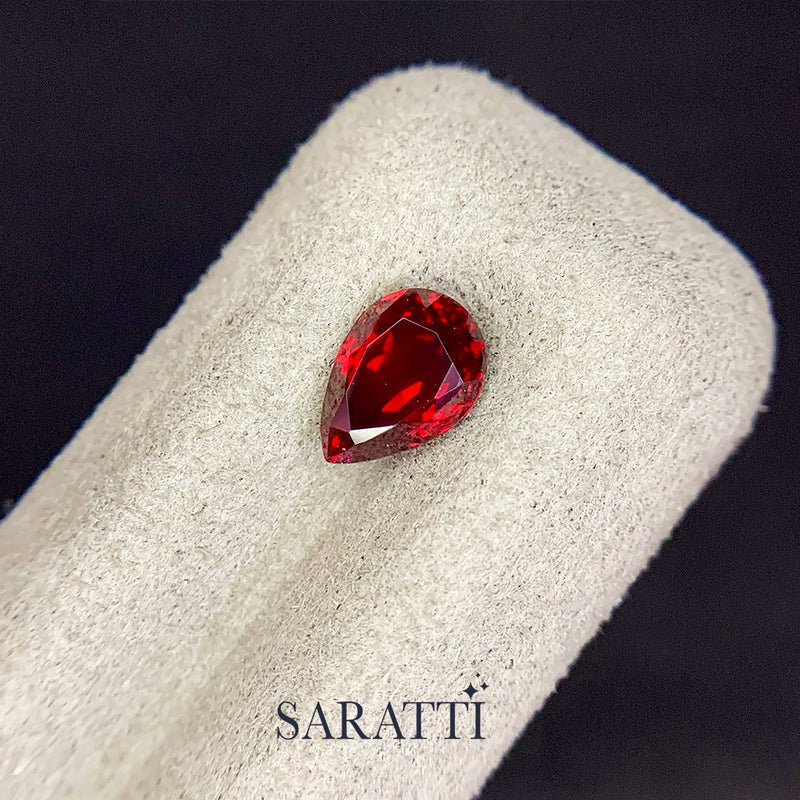
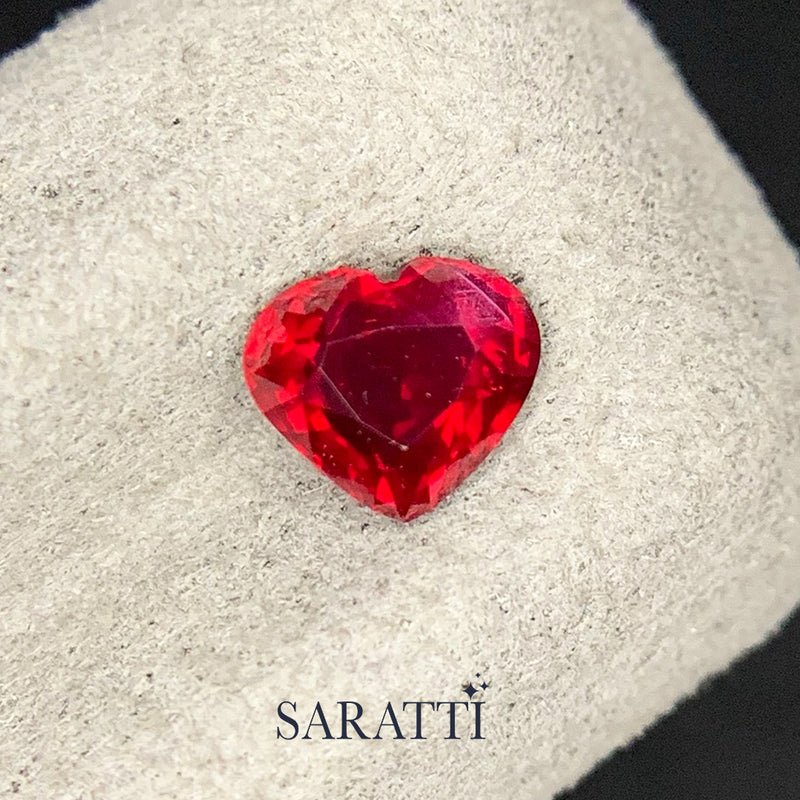
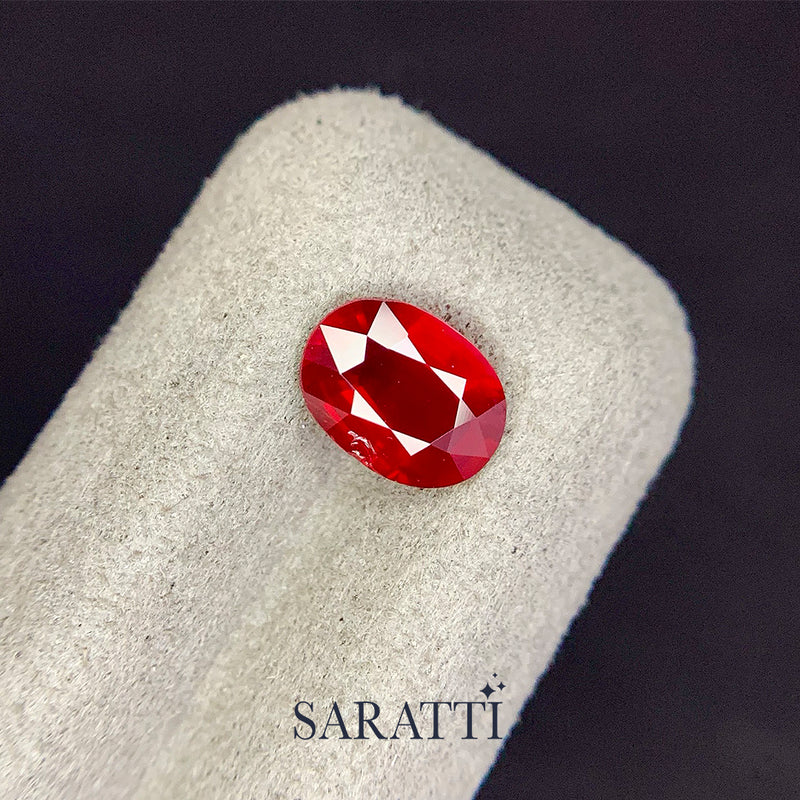
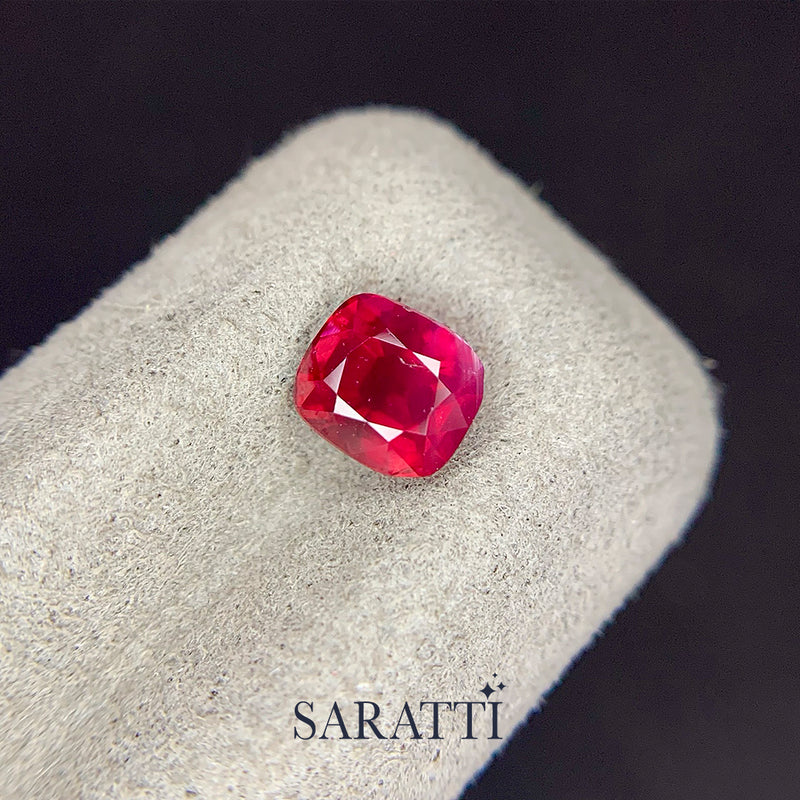
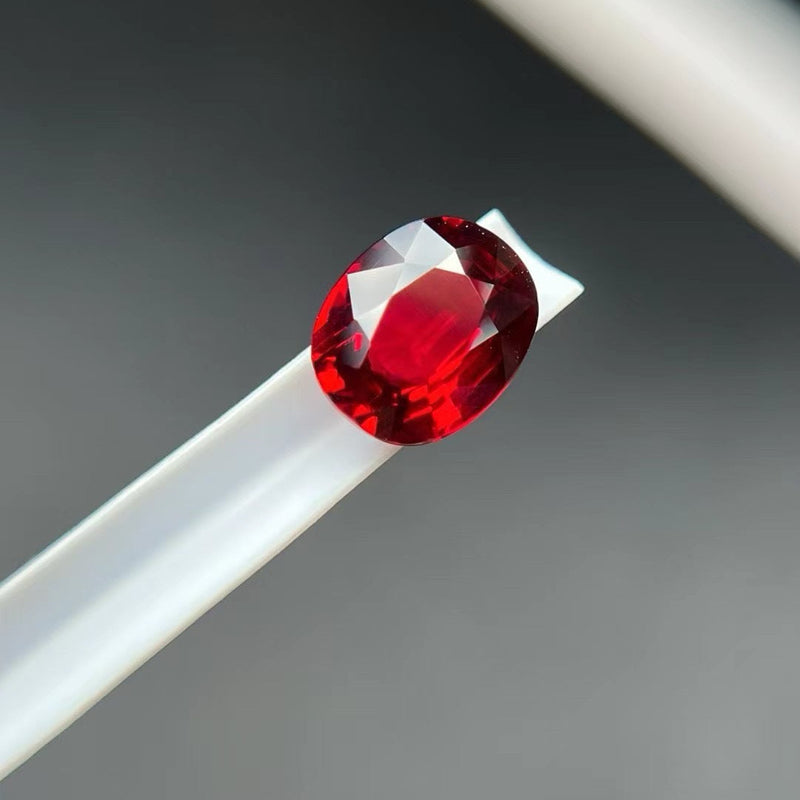
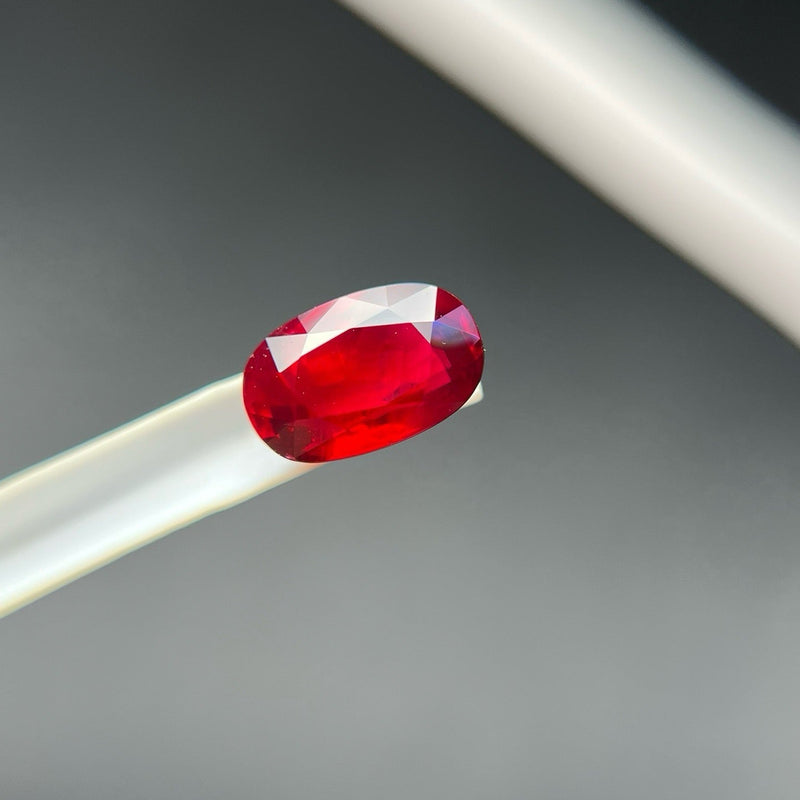
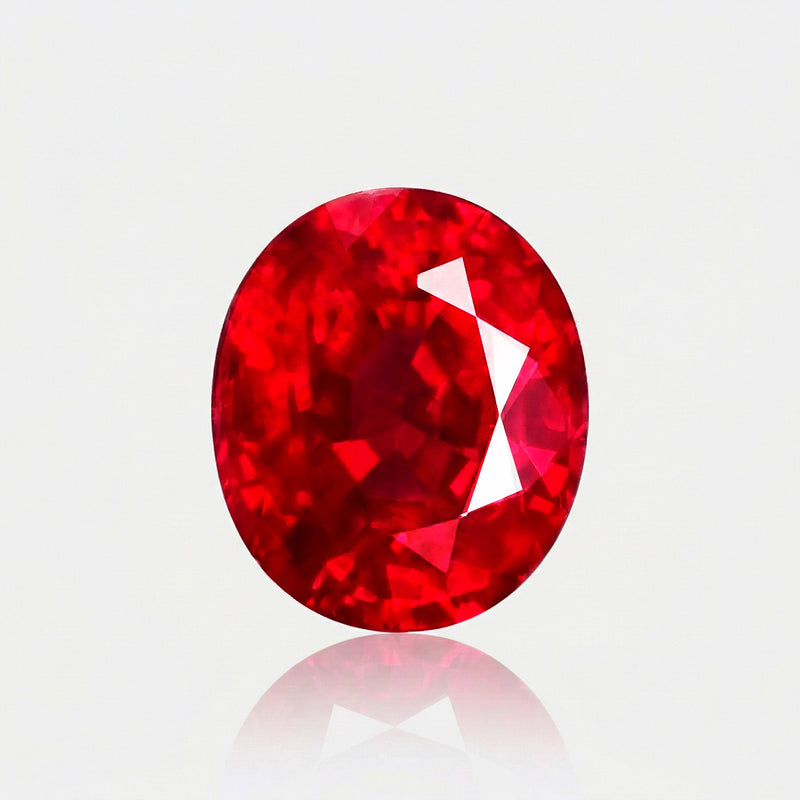
Chromium causes ruby to fluoresce red under ultraviolet light — and daylight contains ultraviolet. The practical effect is that a fine ruby appears to glow from inside, particularly in sunlight, as though it is lit rather than merely coloured. It is why a good ruby photographs so dramatically and why it holds its colour across a room.
Burmese material is typically strongly fluorescent. Thai and some other basalt-related rubies contain iron, which quenches fluorescence and leaves the stone looking darker and flatter even where the hue is technically similar. This is much of the reason Burmese rubies command their premium — not the passport, but what the geology did to the stone.
Origin, and What It Is Actually Worth
Burma (Myanmar), and specifically the Mogok valley, is the historic benchmark. Low iron content and strong fluorescence produce the glowing red the entire market is measured against. Mogok material of fine colour, unheated, sits at the very top of coloured stone pricing. The separate Mong Hsu deposit produces a great deal of ruby, most of it heated and much of it with a dark core requiring treatment.
Mozambique has, since around 2009, become the most important source in the world by volume and increasingly by quality. Good Mozambican ruby can be excellent — clean, well saturated, and available in sizes Burma no longer supplies. The best of it competes seriously with Burmese material at a considerably lower price, and it is where much of the value in today's market sits.
Thailand historically produced darker, iron-rich material with weaker fluorescence. Madagascar, Tanzania, Vietnam and Afghanistan all contribute, and Greenland has produced some notable stones.
The honest position: origin is a modifier on value, not a substitute for quality. A superb Mozambican ruby will outperform a mediocre Burmese one on every measure that you can actually see. Where origin is claimed and priced, it should be supported by a report from a laboratory qualified to determine it.
There is also a compliance dimension worth knowing about. Burmese ruby has been subject to import restrictions in some jurisdictions at various times. Provenance documentation matters for a stone of consequence, not only for its value.
Clarity, and Why Silk Is Not a Fault
Ruby is a Type III gemstone in the trade classification, meaning it is almost always included. Judging ruby against a diamond clarity scale is meaningless. An eye-clean ruby of any size is a genuinely rare object.
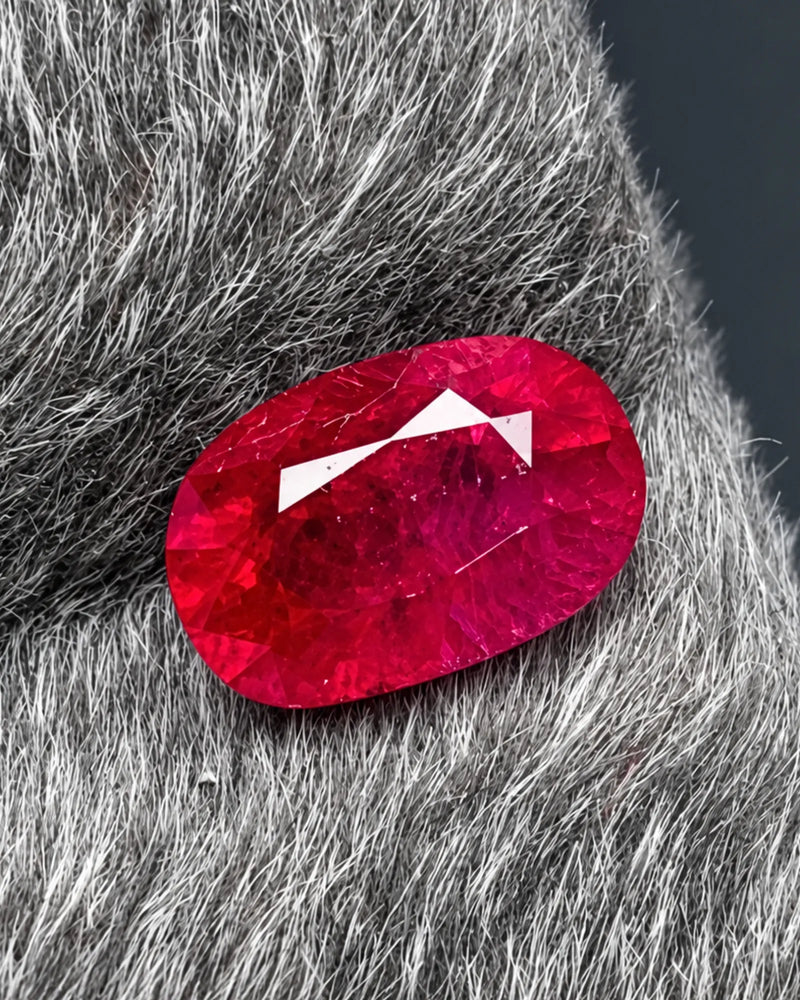
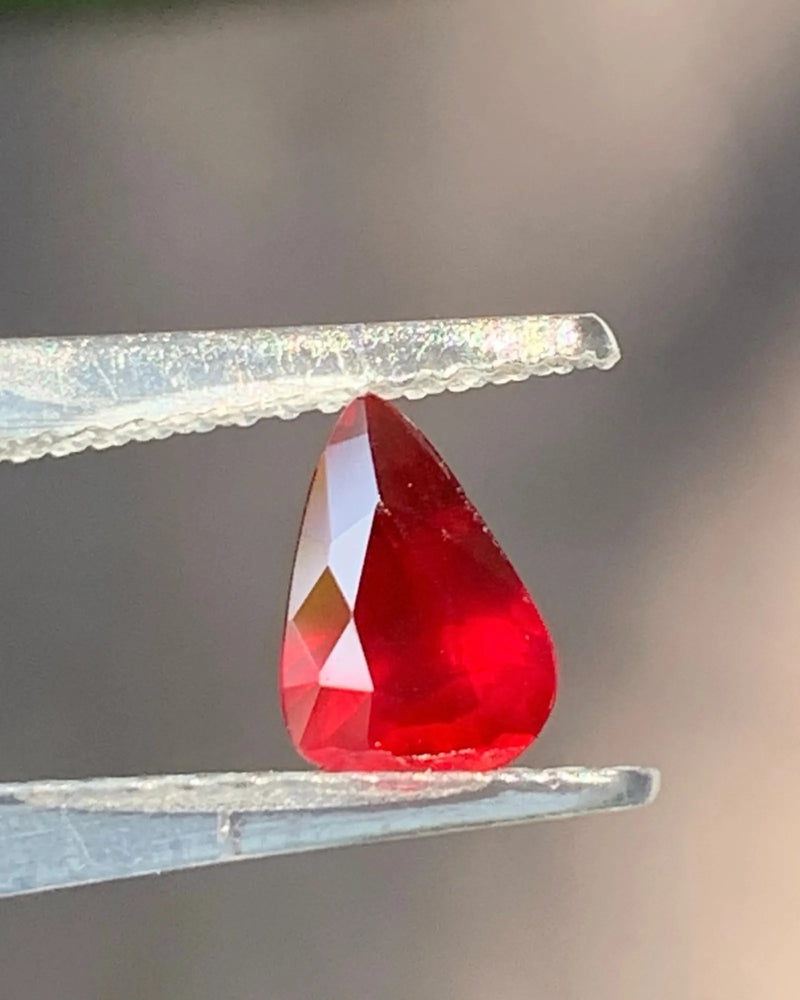
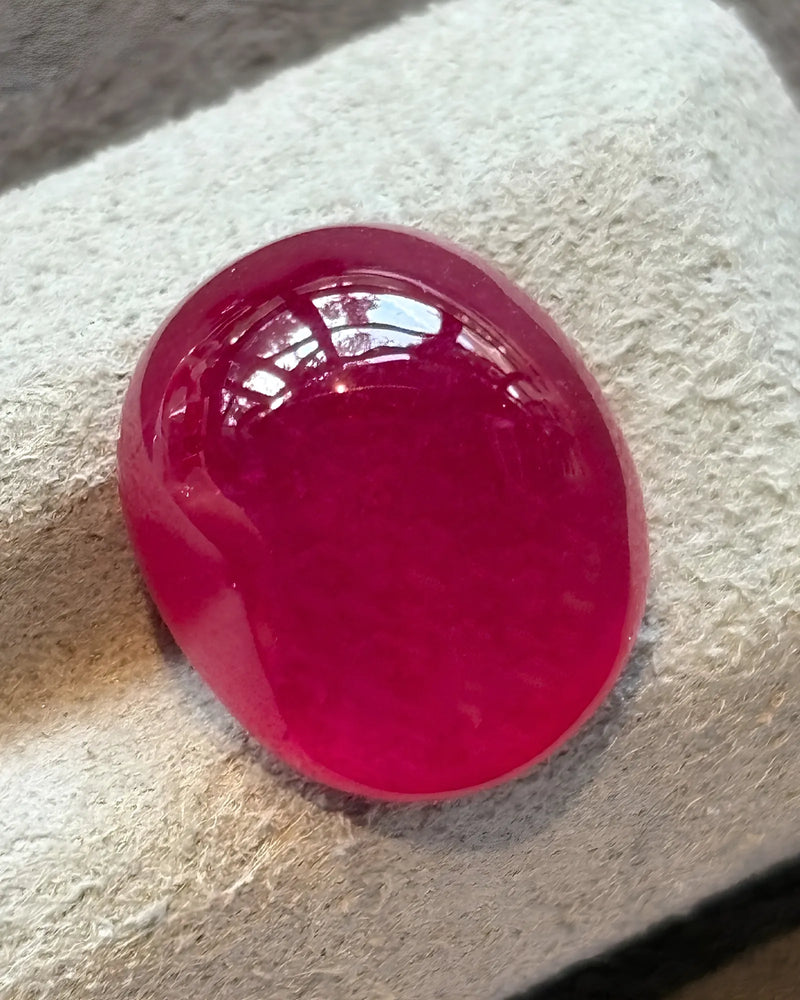
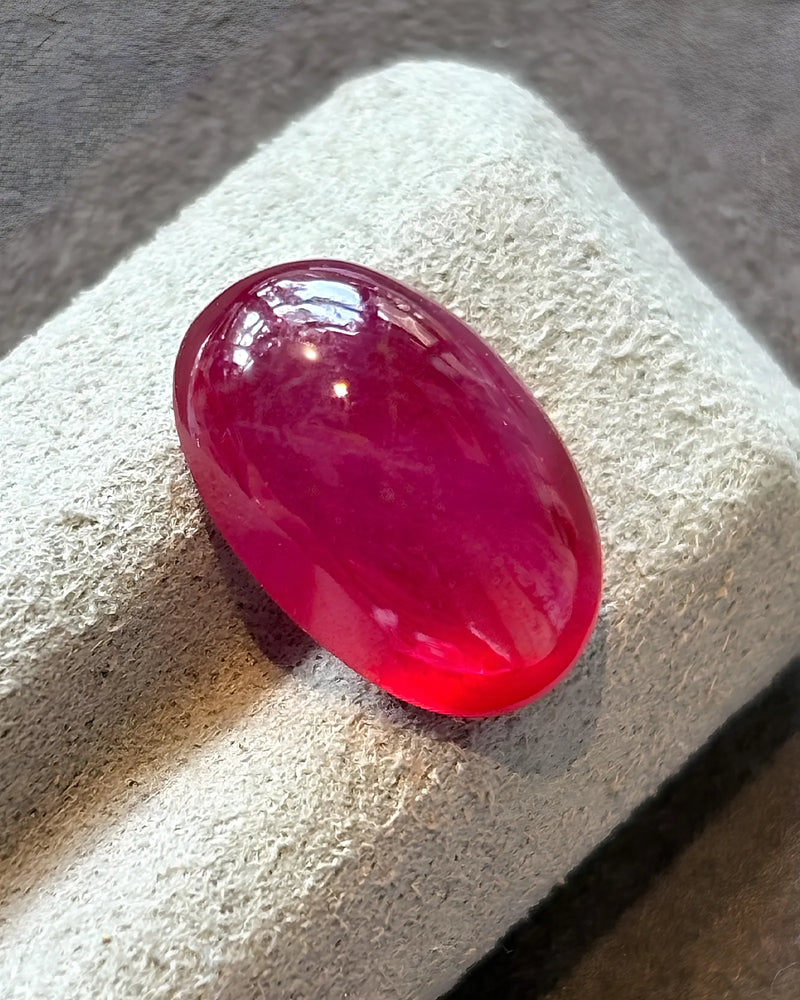
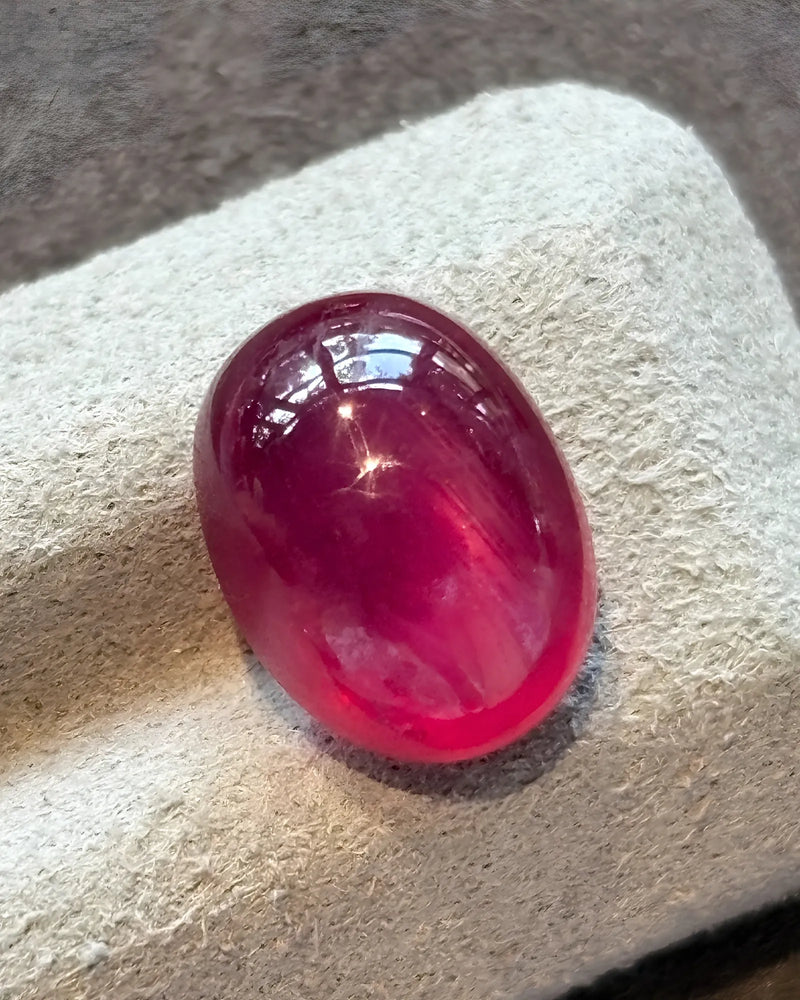
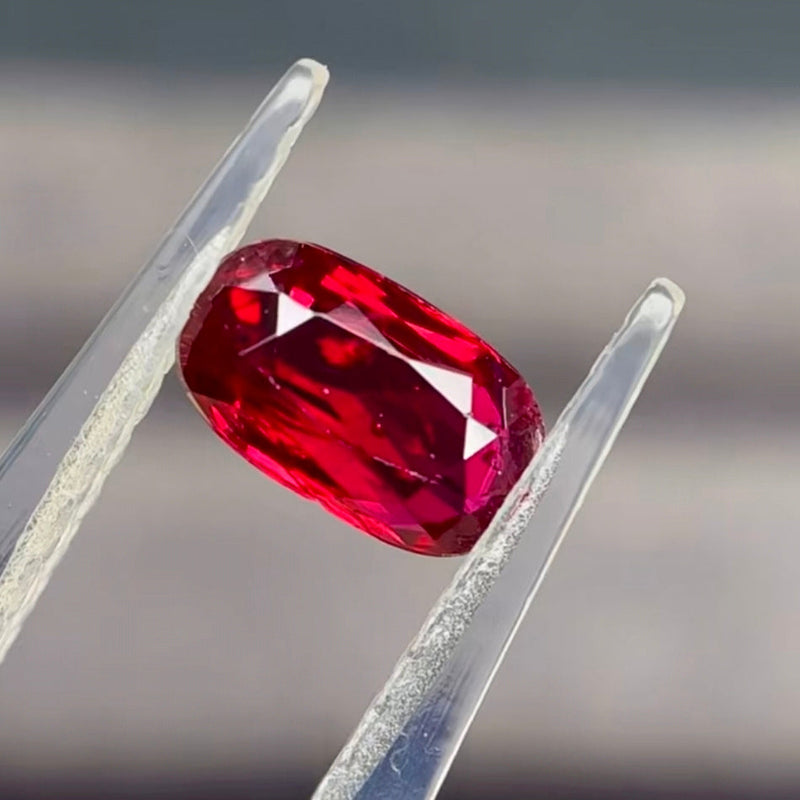
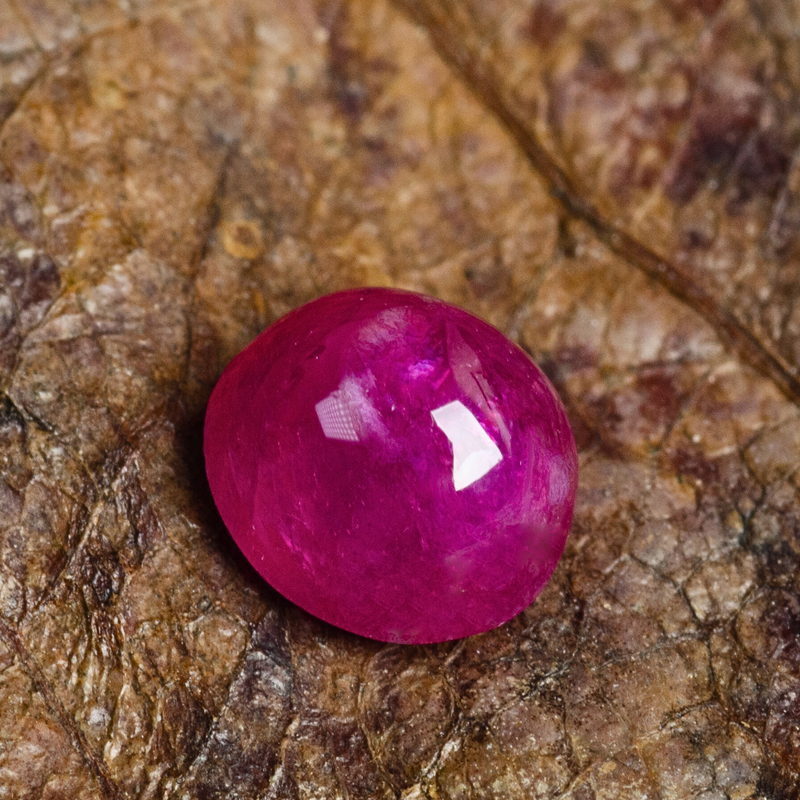
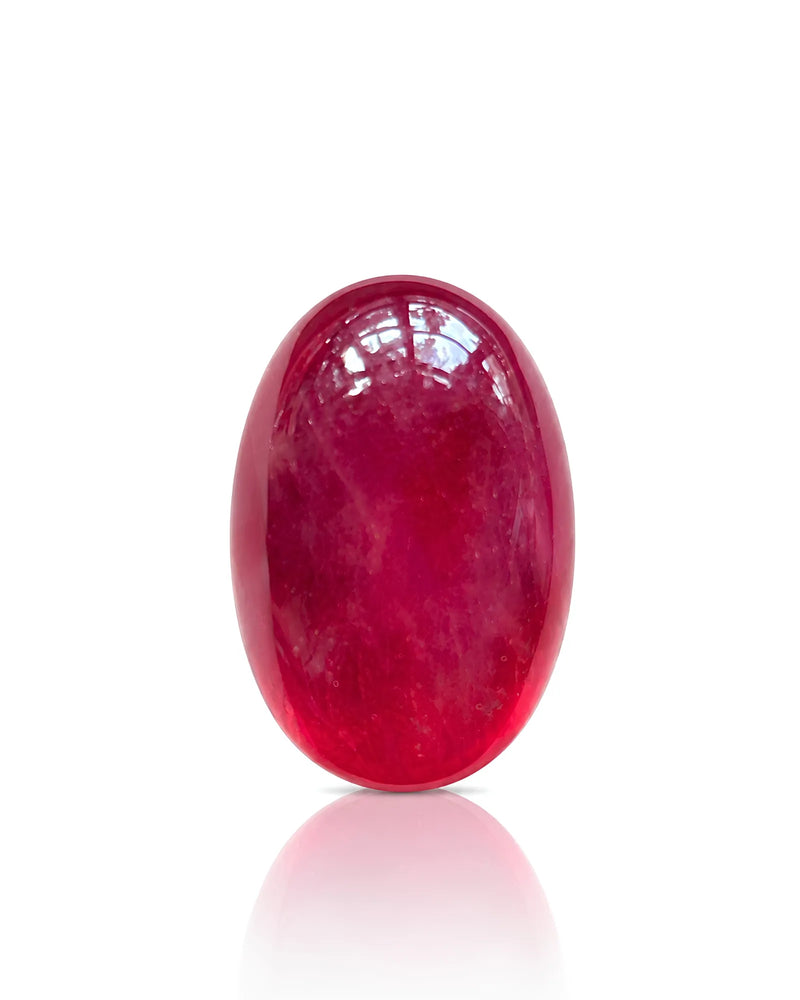
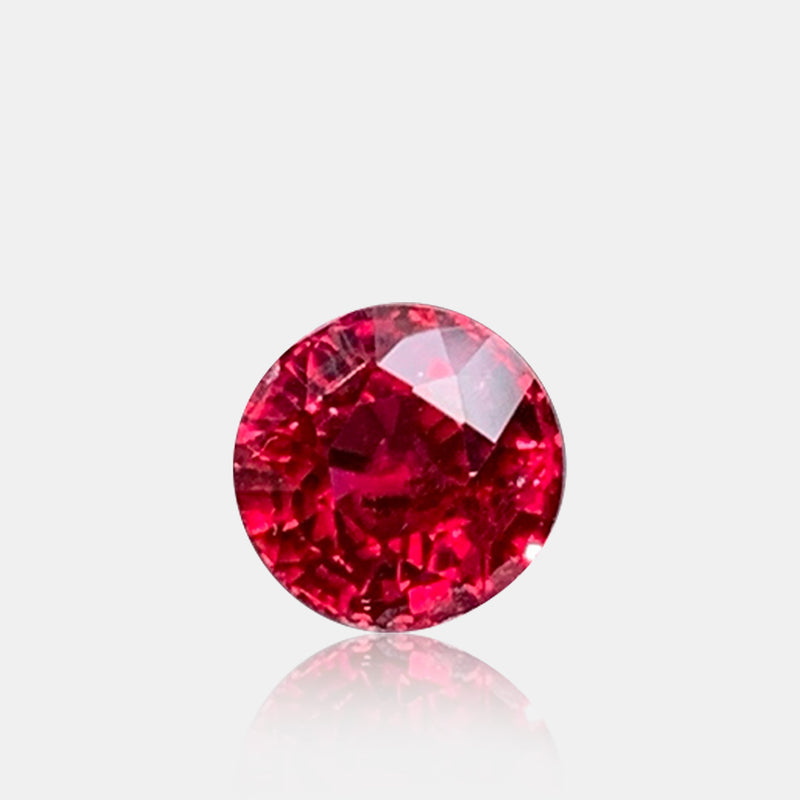
The characteristic inclusion is silk — fine intersecting needles of rutile. In excess it clouds the stone. In moderation it does something valuable: it scatters light across the interior, softening the colour and spreading it evenly rather than letting it pool. Some of the most admired Burmese rubies owe their velvety quality to precisely this. Dense oriented silk in a cabochon produces the star ruby.
Silk has a second use. Because heat treatment dissolves rutile, the presence of intact silk under magnification is one of the indications a gemmologist looks for when assessing whether a stone has been heated. Its absence is not proof of treatment, but its presence is meaningful.
What matters is whether an inclusion affects transparency, brightness or durability. A crystal sitting invisibly beneath the crown of a vivid stone is of no consequence. A fracture reaching the surface near a corner is a structural concern whatever the colour above it.
Heat, Filling, and the Line That Matters
Most ruby on the market has been heated. Heating at high temperature dissolves silk, improves transparency, and can remove a bluish or purplish component to leave a purer red. It is permanent, stable, long-established and accepted throughout the trade. A heated ruby is a natural ruby.
Unheated ruby is considerably rarer and carries a substantial premium at the fine end, because it means the colour is entirely the work of geology. Unheated status can only be established by a competent laboratory, and where SARATTI describes a ruby as unheated, a report supports it.
Then there is the treatment that requires a different conversation. Lead-glass filling — sometimes called composite or glass-filled ruby — takes heavily fractured, commercially worthless material and floods the fractures with high-lead-content glass. The result looks transparent and red and can be sold cheaply. It is not durable. Ordinary jeweller's pickle, a steam cleaner, even prolonged contact with lemon juice can damage the filling and leave the stone visibly ruined. These are not rubies in any sense that should command a gemstone price, and a great deal of what is sold online as inexpensive ruby is exactly this.
The distinction is easy to state and important to insist on. Heat is accepted. Glass filling is a manufactured product. Both must be disclosed, and our full standard is set out in how SARATTI grades gemstones.
Lab-created ruby is a separate matter again — chemically and physically identical to natural, grown in a factory, and perfectly legitimate when sold as what it is. Our comparison of lab-created and natural rubies sets out the differences. Everything in this collection is natural.
Cut, and the Compromises Behind It
Ruby rough presents the cutter with problems that do not arise in diamond.
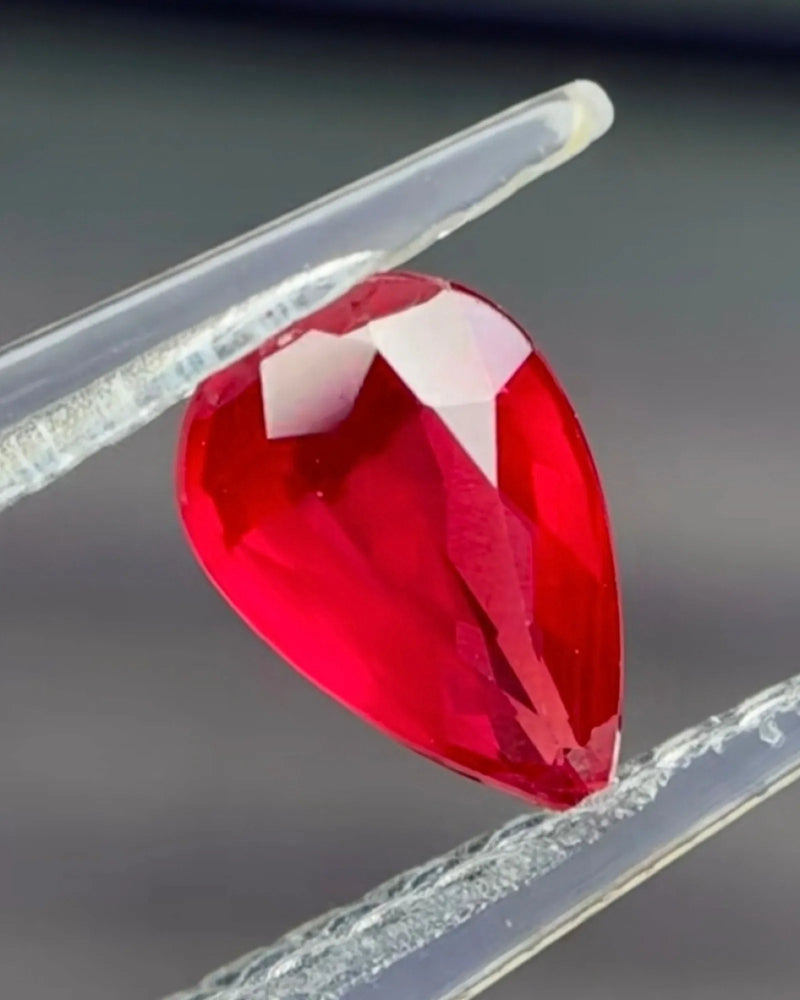
Corundum crystallises in a hexagonal, often tabular habit, which lends itself to ovals and cushions and resists rounds. The rough is expensive and scarce, so weight retention drives many decisions — which is why so many rubies are cut with deep pavilions and small tables, concentrating colour at the expense of face-up spread. A one-carat ruby frequently looks smaller than a one-carat sapphire of the same weight.
Ruby is also pleochroic, showing purplish red along one crystal axis and orangey red along another. The cutter must orient the stone so the better colour faces up, and that orientation may conflict with the shape that would retain the most weight. Colour zoning adds a third constraint.
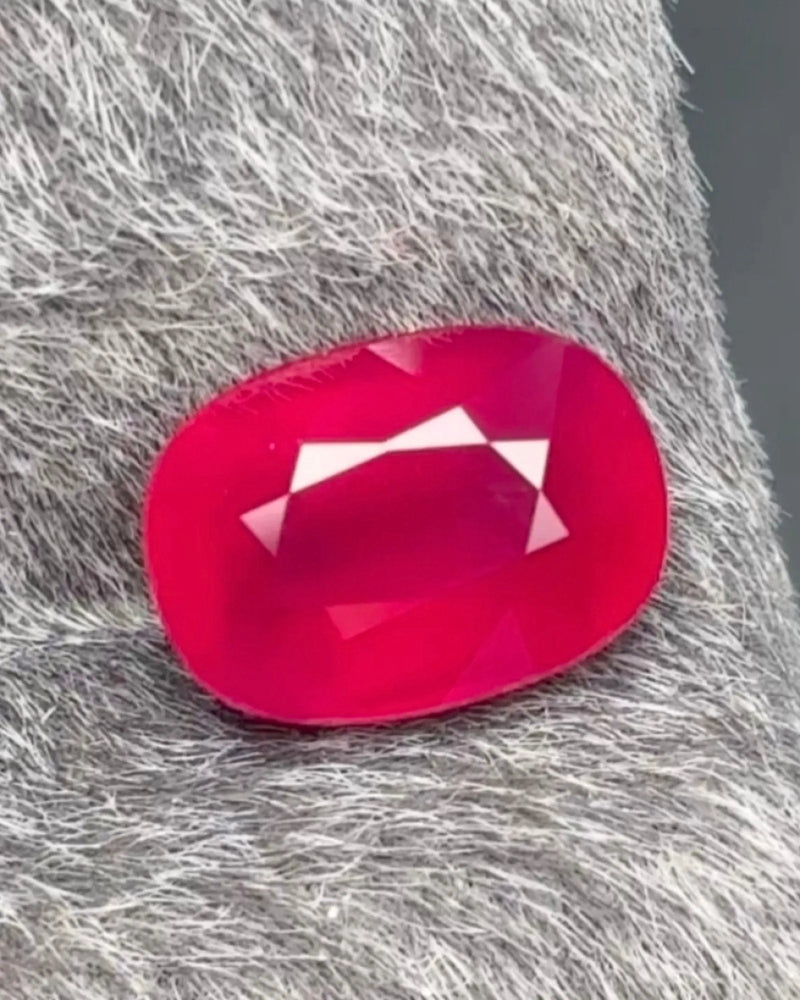
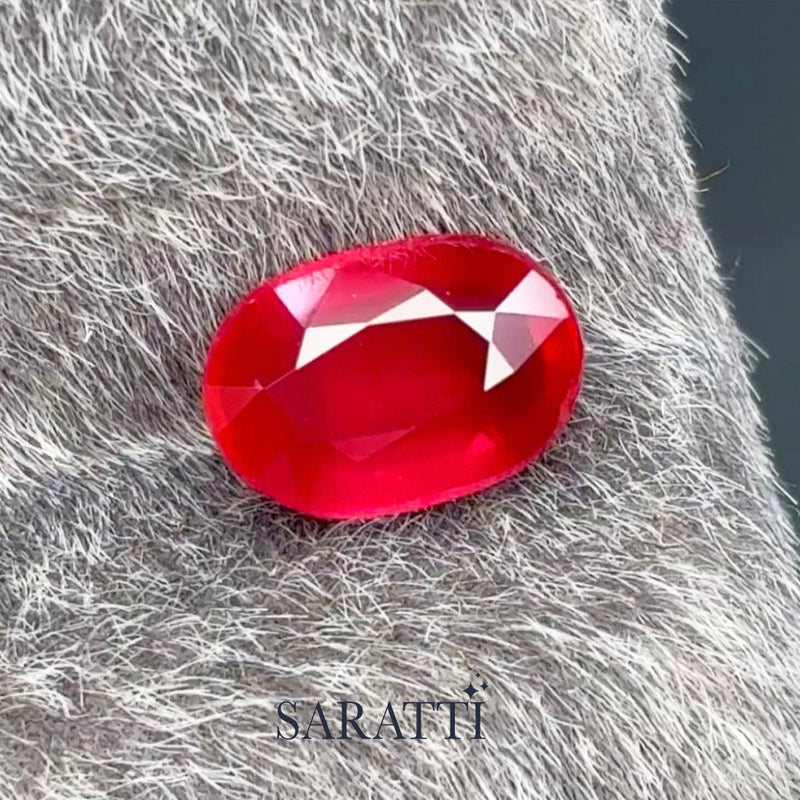
The result is that ruby is cut for colour first, weight second, and symmetry a distant third. Windowing — a pale patch at the centre where light passes straight through — is the most common fault, and it is worth checking for. Our note on why the cut of your ruby matters goes into the shape decisions in more detail.
Carat Weight and a Price Curve That Steps
Ruby is dense — a specific gravity around 4.00 against diamond's 3.52 — so a one-carat ruby is physically smaller than a one-carat diamond. Comparing them by weight alone misleads; compare millimetre dimensions.
Price per carat in ruby does not rise smoothly with size. It steps, and the steps are steep. Fine ruby above one carat is rare, above three carats it is unusual, and above five with good colour and clarity it is exceptional. A fine three-carat stone can cost many times three one-carat stones of identical quality — this is the single largest difference between how ruby and how diamond are priced.
The practical consequence: in ruby more than almost any other stone, a slightly smaller stone with better colour is the better purchase. The factors that affect price are set out further in our note on what affects the price of a ruby.
Certification
For any ruby of consequence, an independent report is not optional.
A report from a recognised laboratory — GIA, GUILD, AIGS, CGRL, GRS or GRC — can confirm the stone is natural corundum rather than synthetic or a substitute, identify heat treatment and detect glass filling, record measurements and weight, and in many cases offer an opinion on geographic origin. Given how much of the market is treated, and how much lead-glass material circulates, this is the mechanism by which a buyer can be confident at all.
Not every stone requires the same depth of reporting. A modest ruby need not carry an origin determination. A significant unheated Burmese stone absolutely should. Where you would like a stone reviewed by a different laboratory, we can arrange it and the fee is passed on at cost. Our ruby grades page explains how we describe quality internally.
Ruby, Red Spinel and the Confusion of Centuries
Several of the most famous rubies in history are not rubies. The Black Prince's Ruby in the British Imperial State Crown and the Timur Ruby are both red spinel, identified correctly only in the nineteenth century once the two minerals could be told apart.
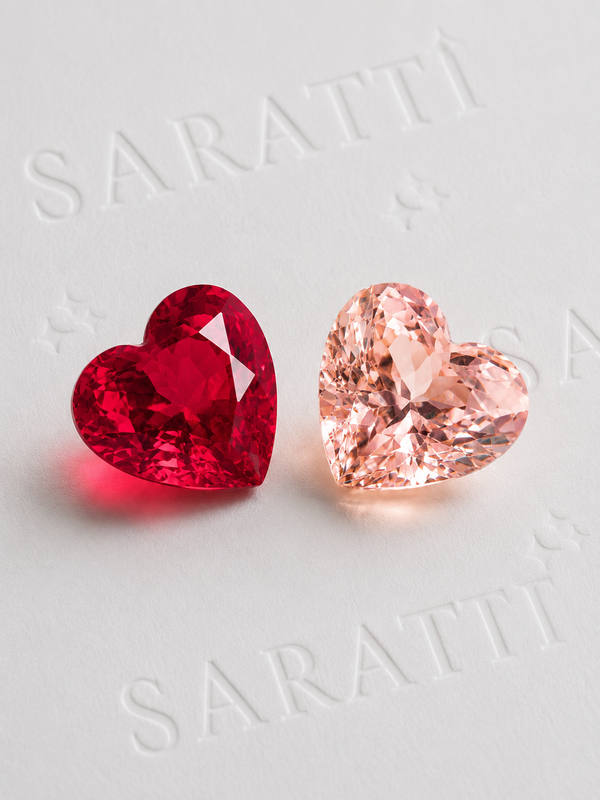
The confusion is understandable — they occur in the same deposits and can look extremely similar — and it is worth knowing for two reasons. First, fine red spinel is a magnificent stone in its own right, usually untreated, and a fraction of the price. Second, the separation between the two is a routine laboratory determination, which is another argument for buying a certified stone. You can see our red gemstones together if you would like to compare across species.
Choosing a Ruby, and What Comes After
Ruby is the July birthstone, the traditional gift for a fortieth anniversary, and by a long distance the most requested coloured stone for engagement rings after sapphire. Each of those uses points toward a different stone.
For a ring worn daily, hardness is on your side — ruby will take it. Spend the budget on colour and on a cut without a window. For a collection, unheated status and origin carry the weight, and a report becomes essential rather than advisable. For a gift where the red is the point, saturation is what people actually see across a room.
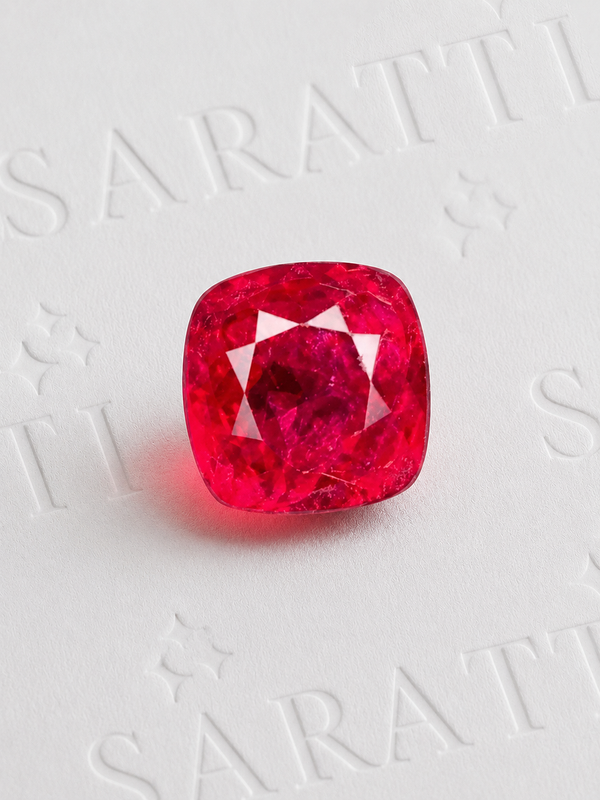
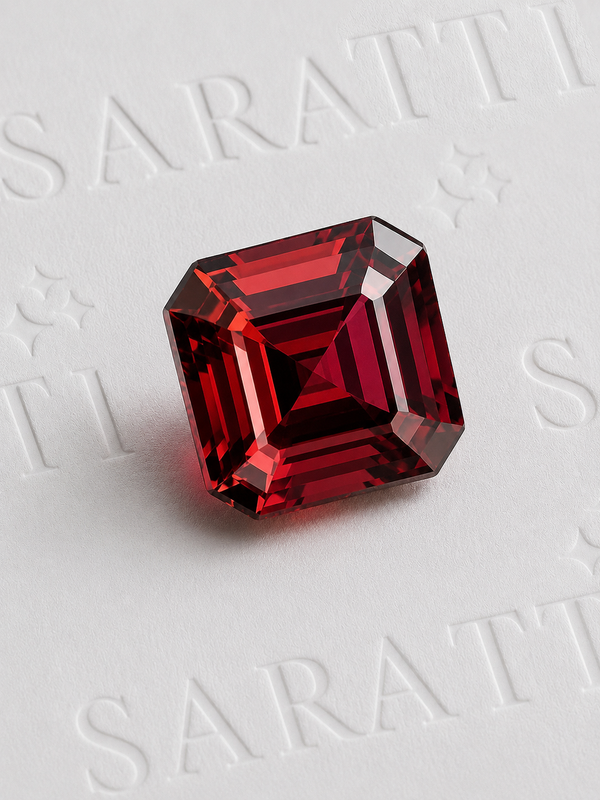
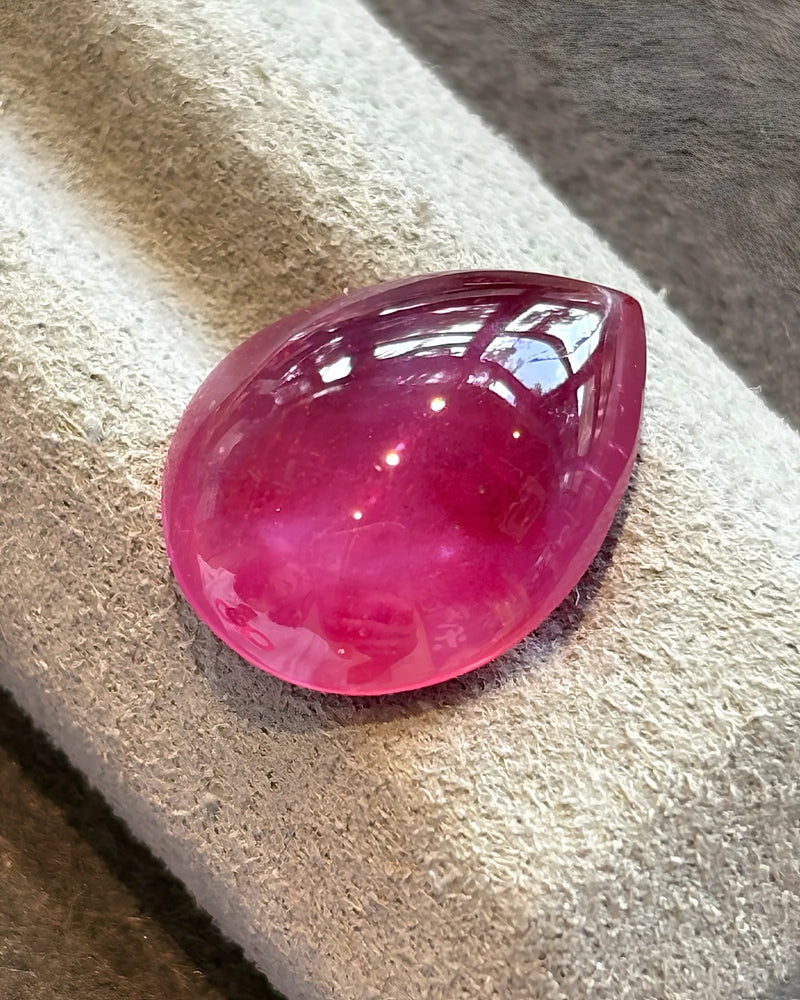
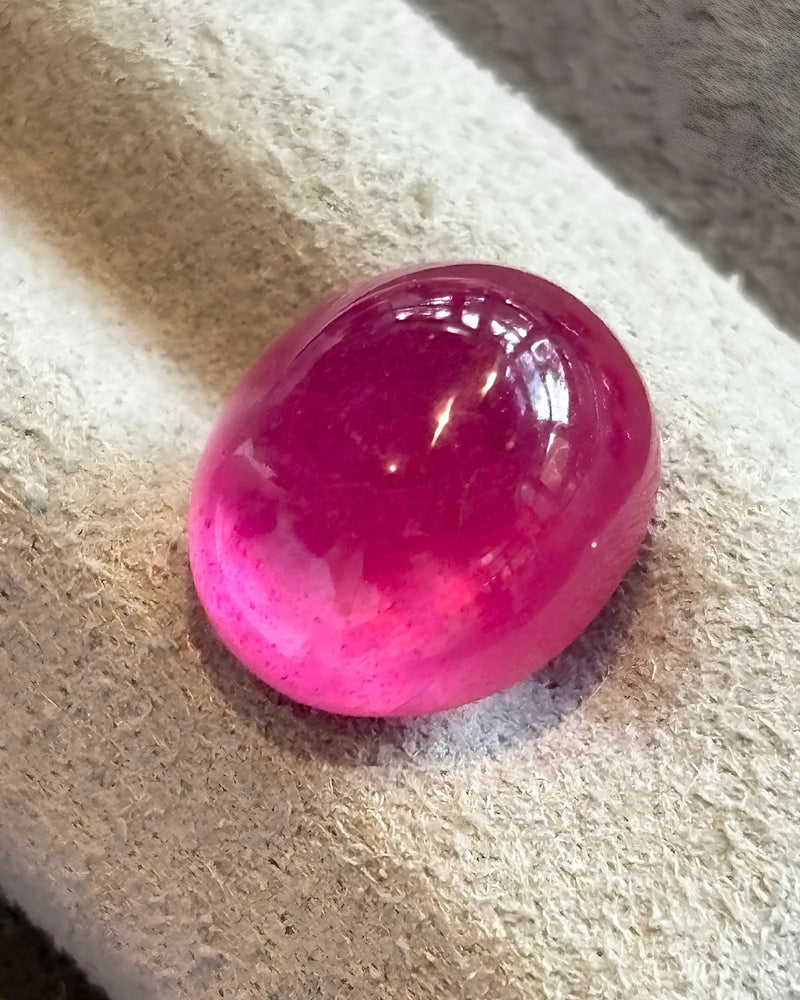
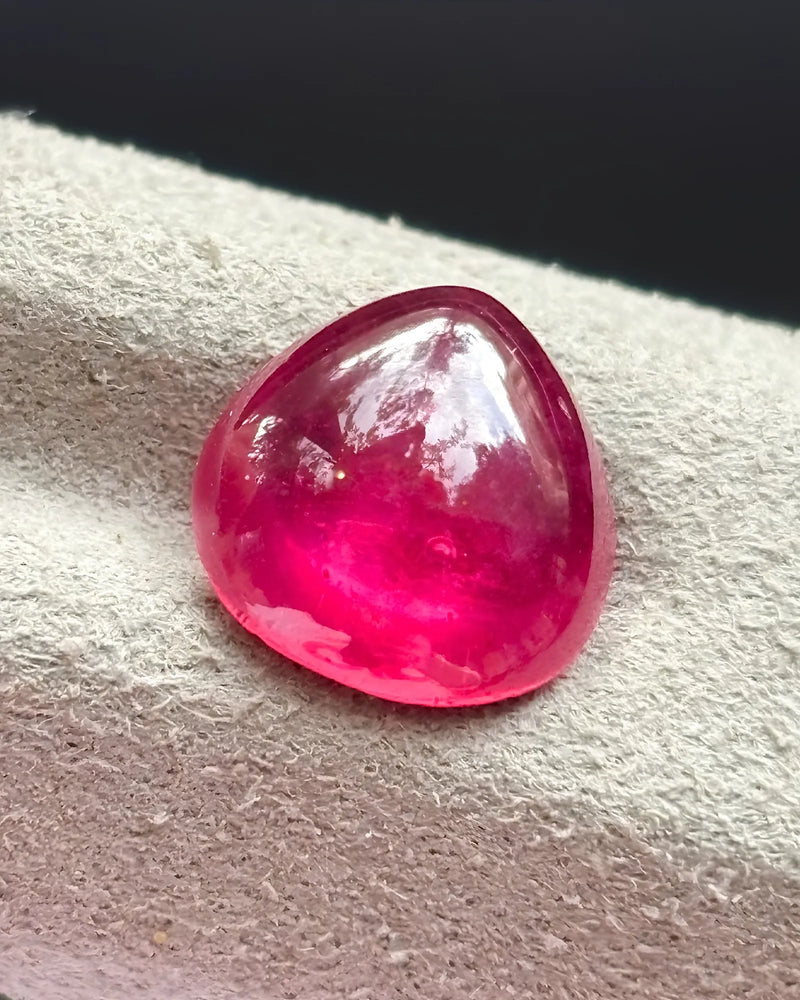
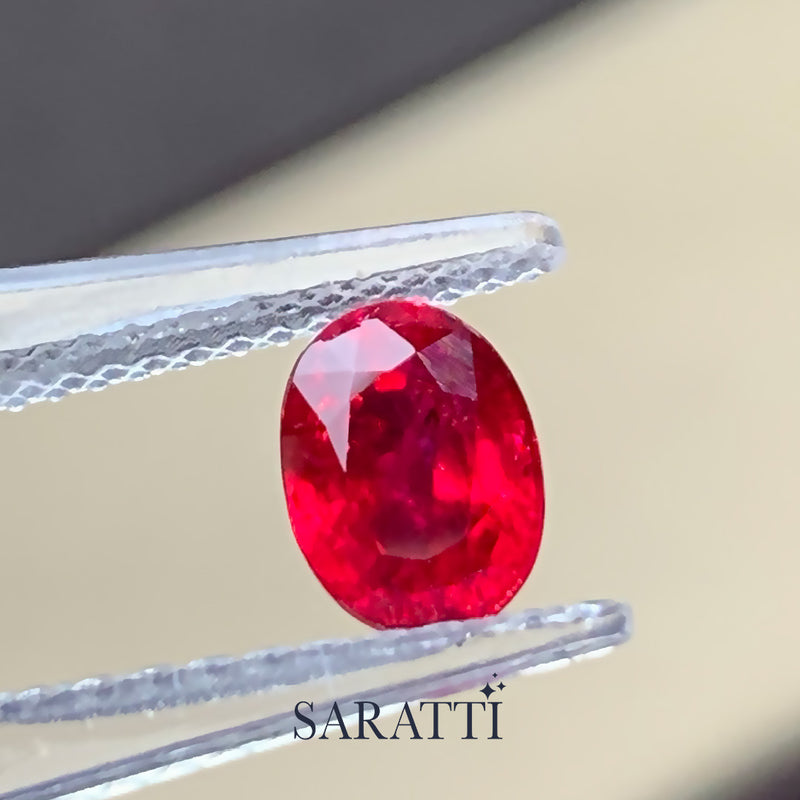
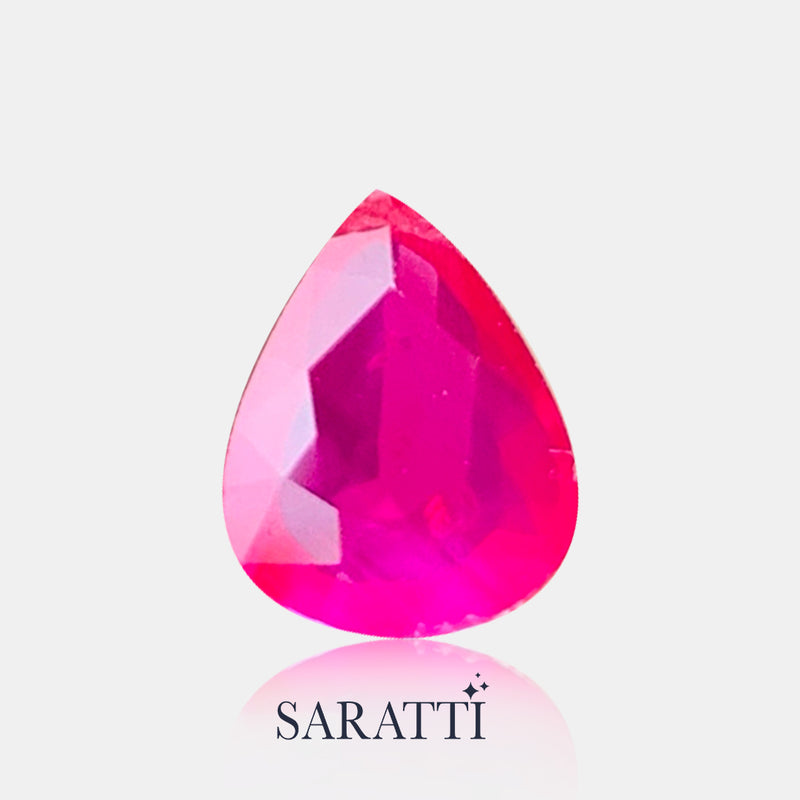
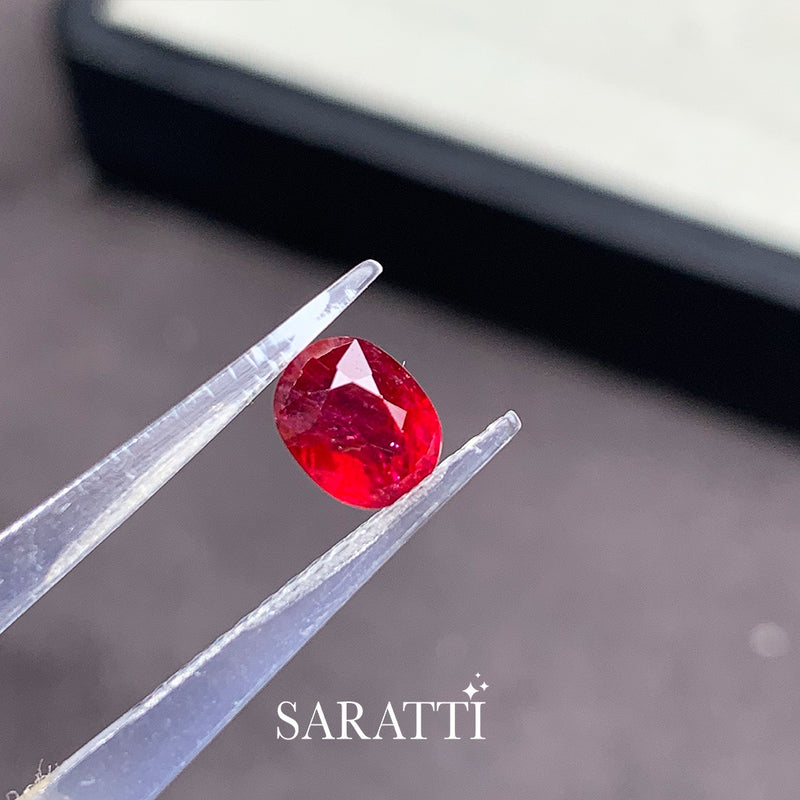
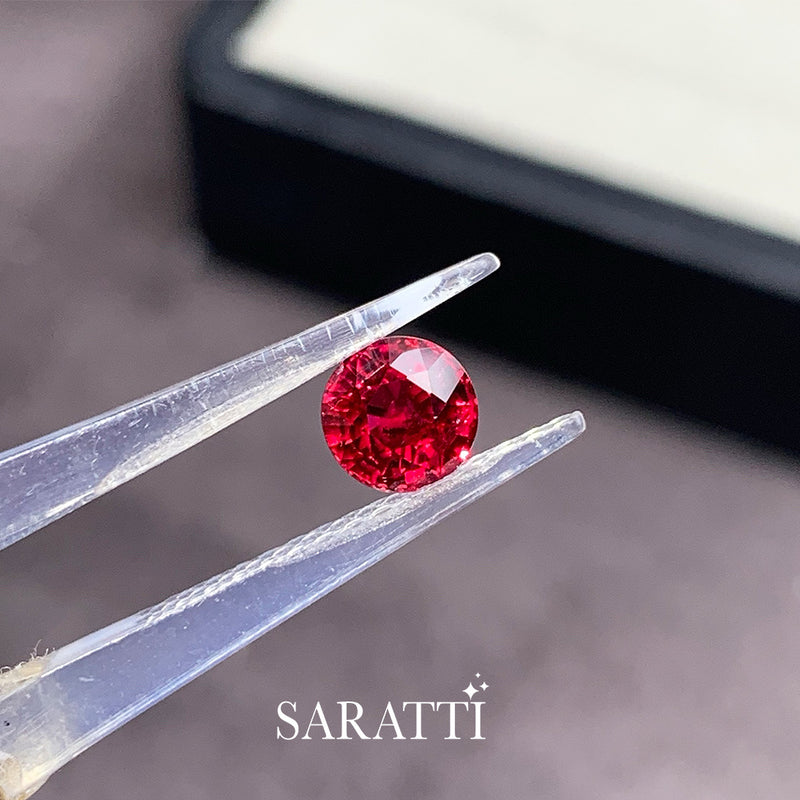
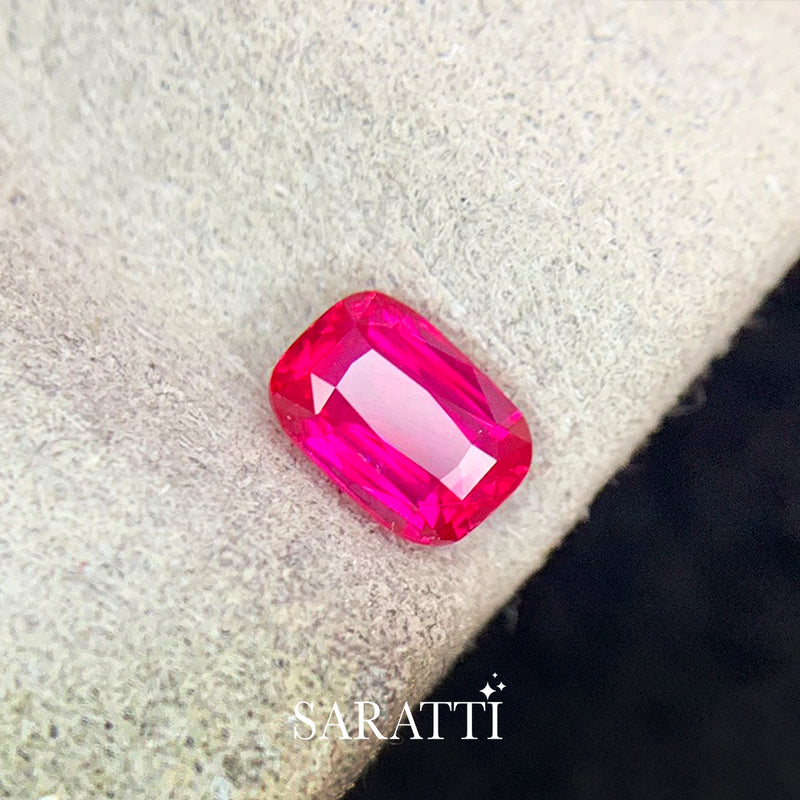
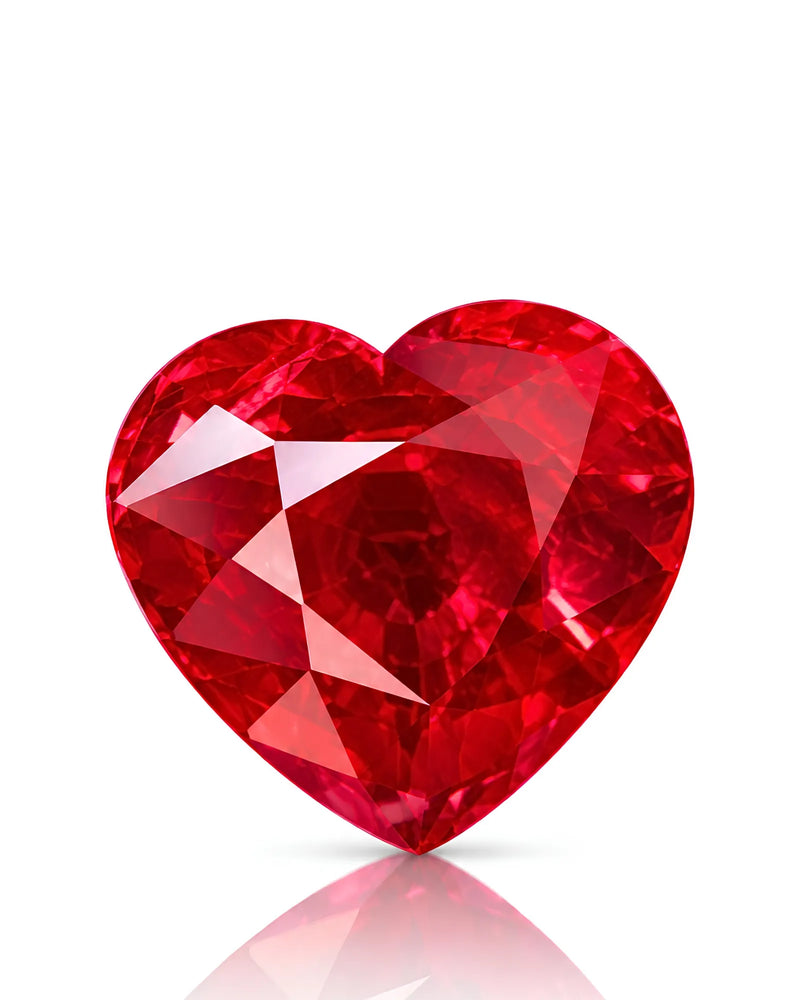
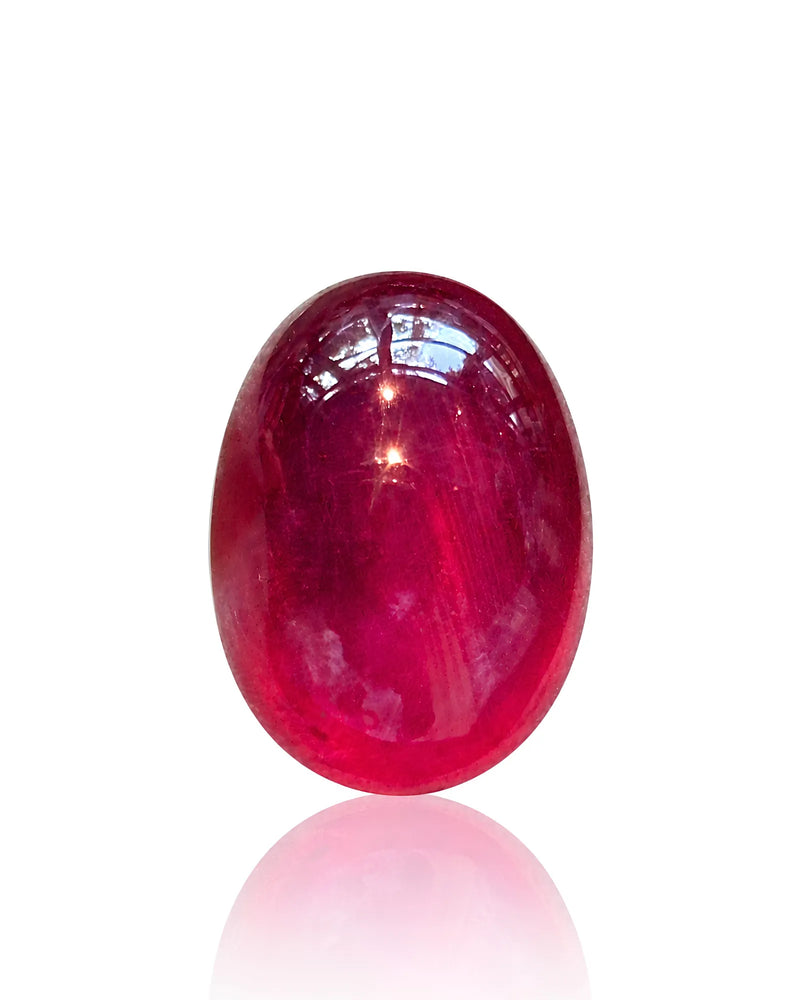
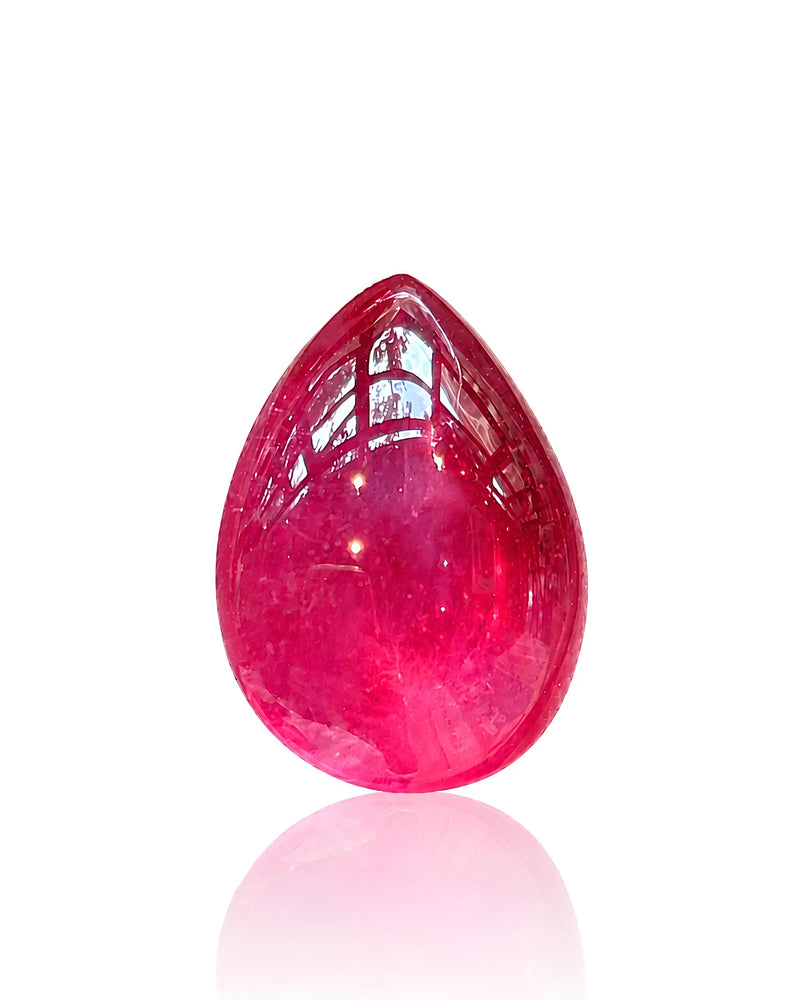
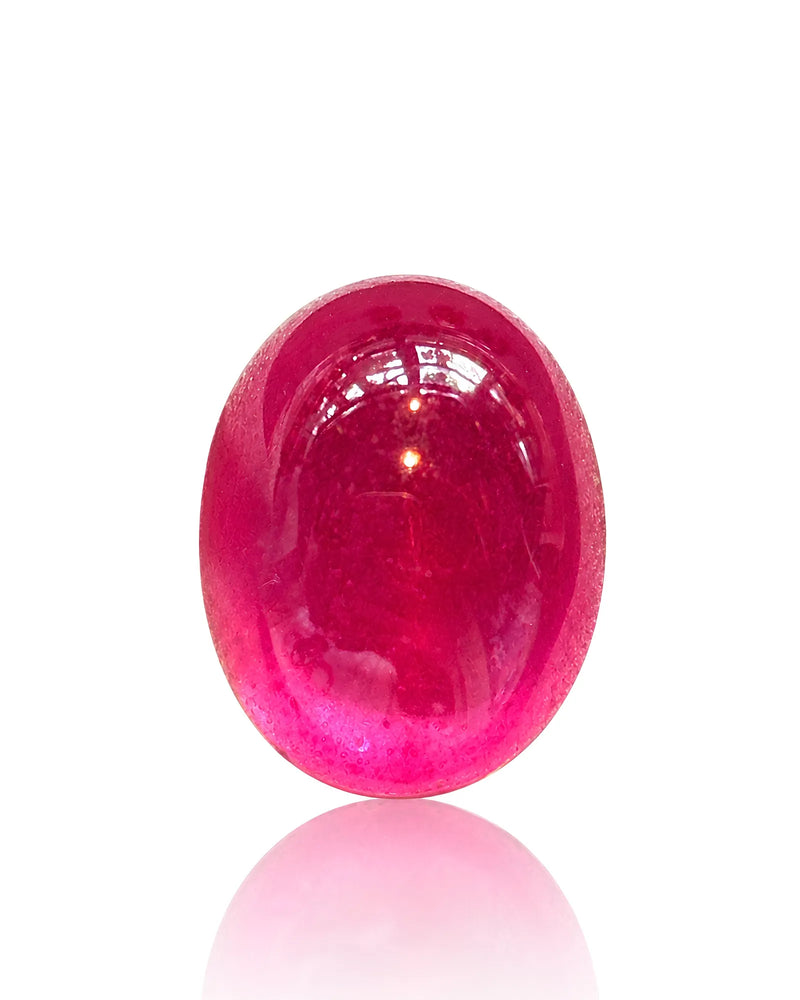
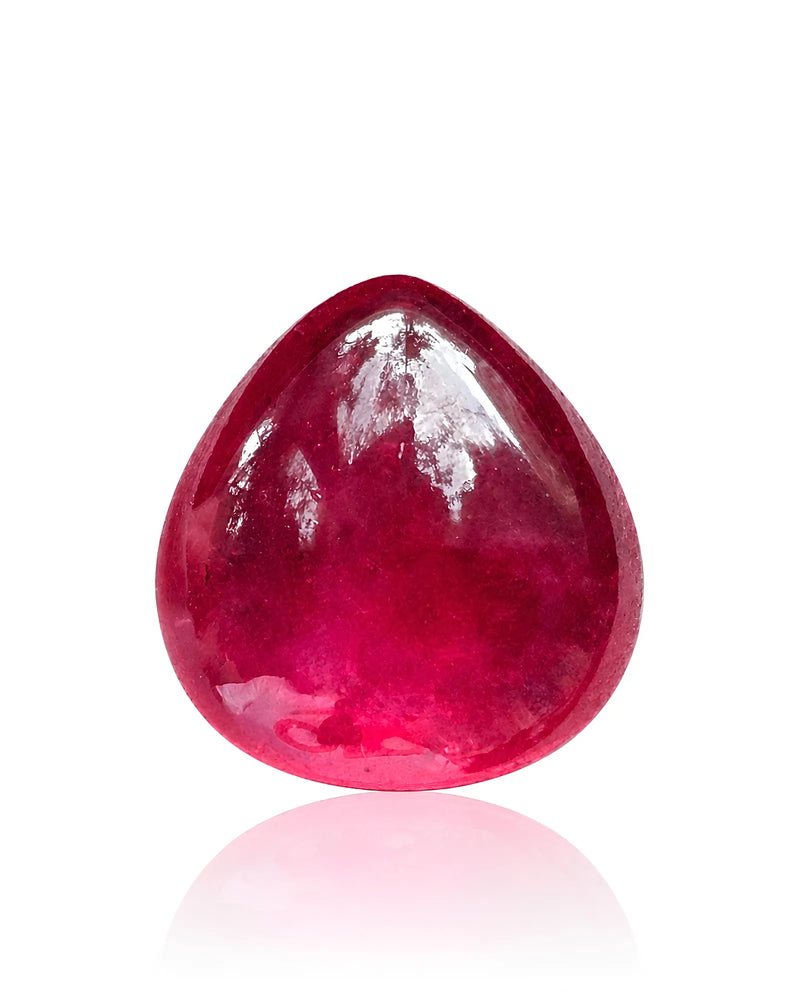
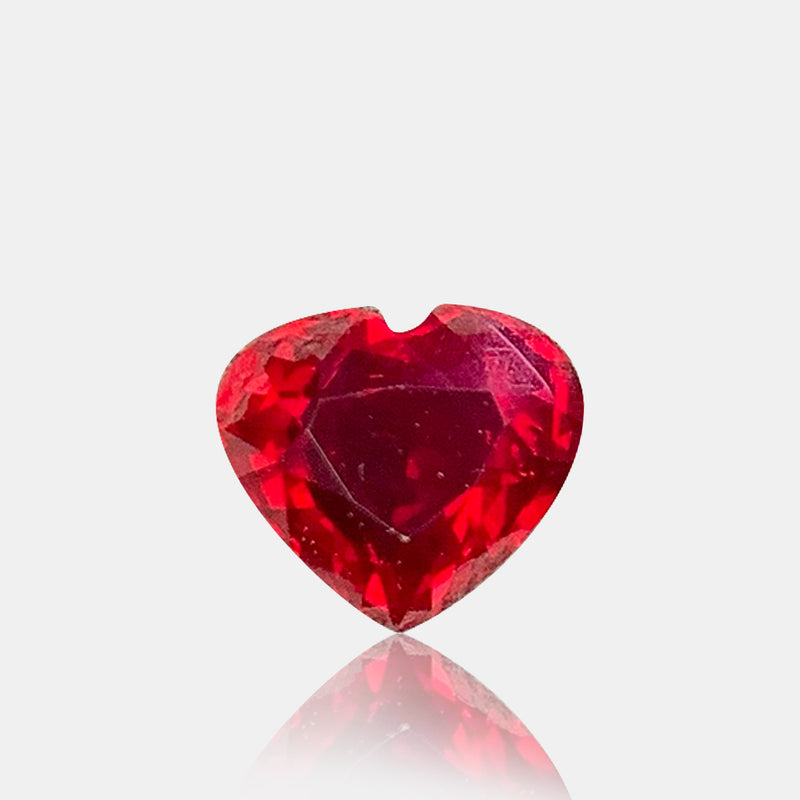
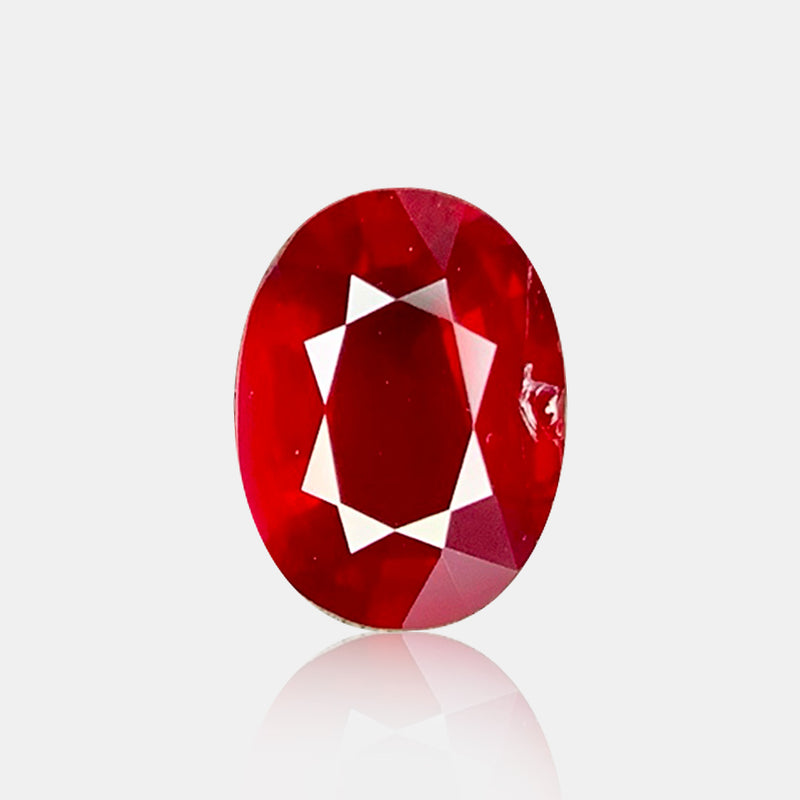
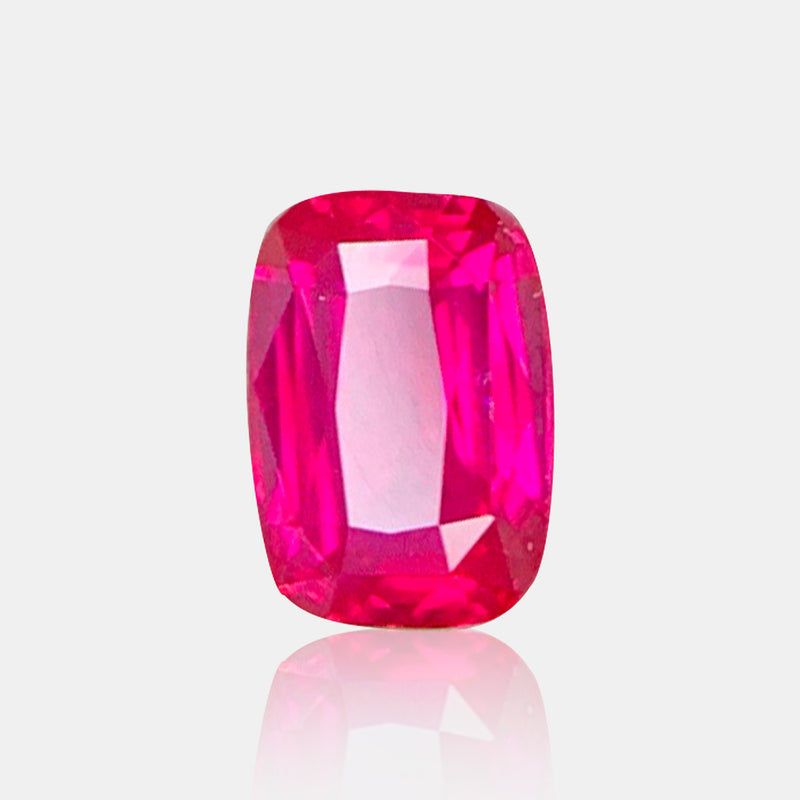
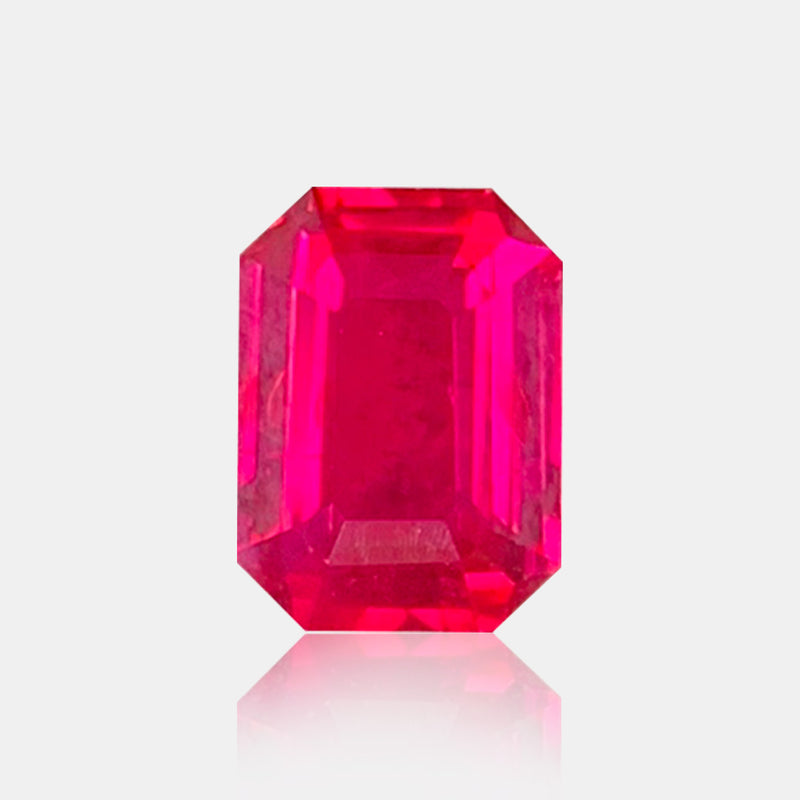
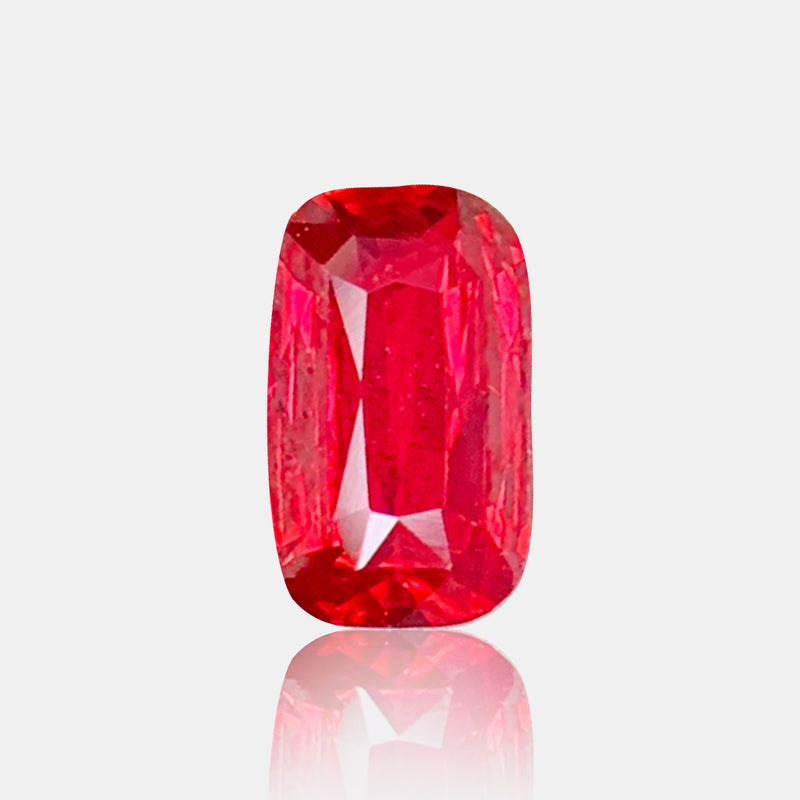
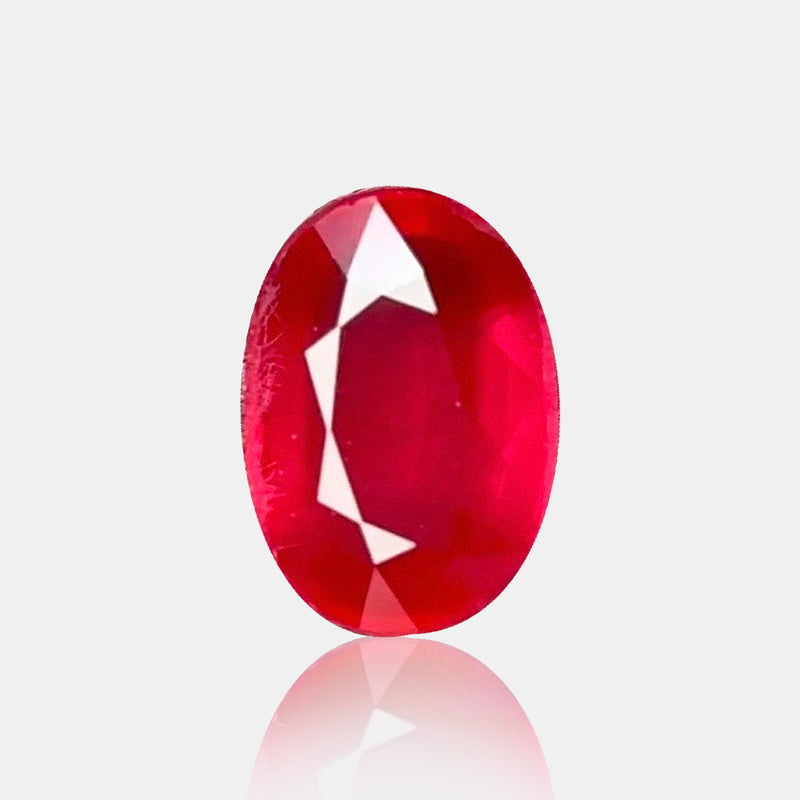
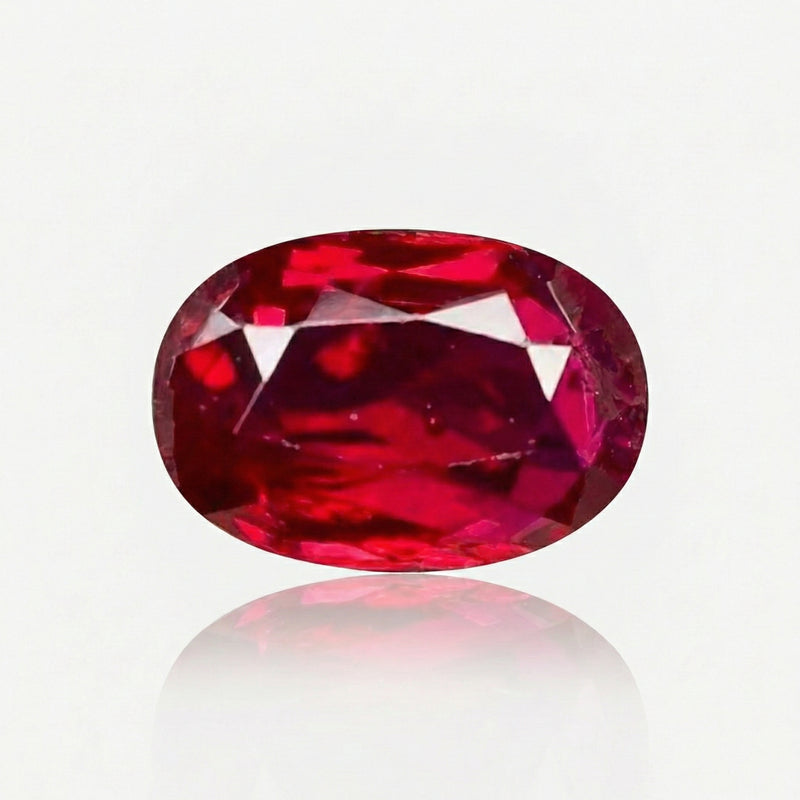
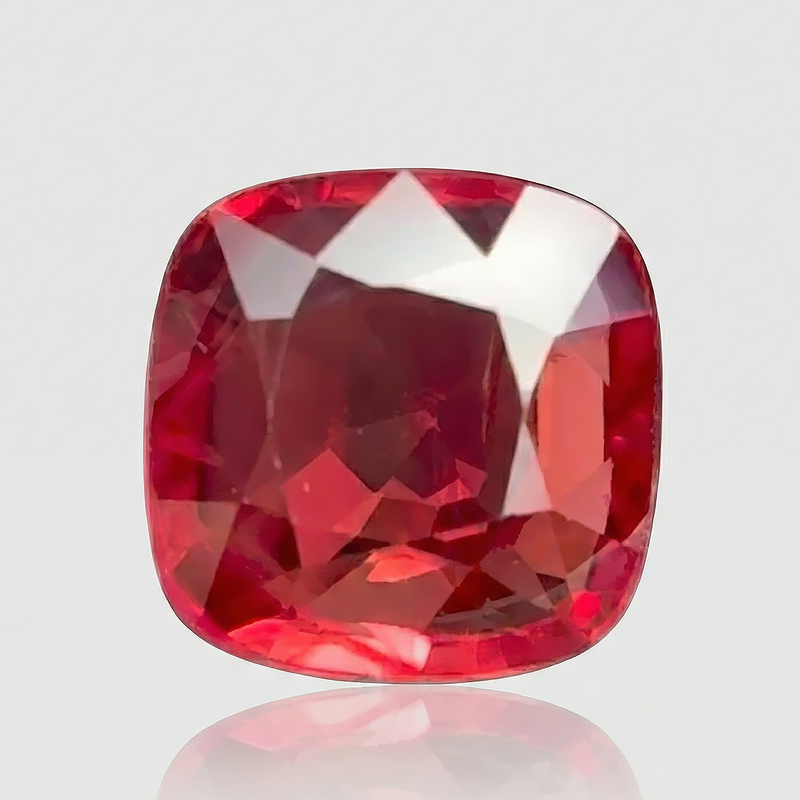
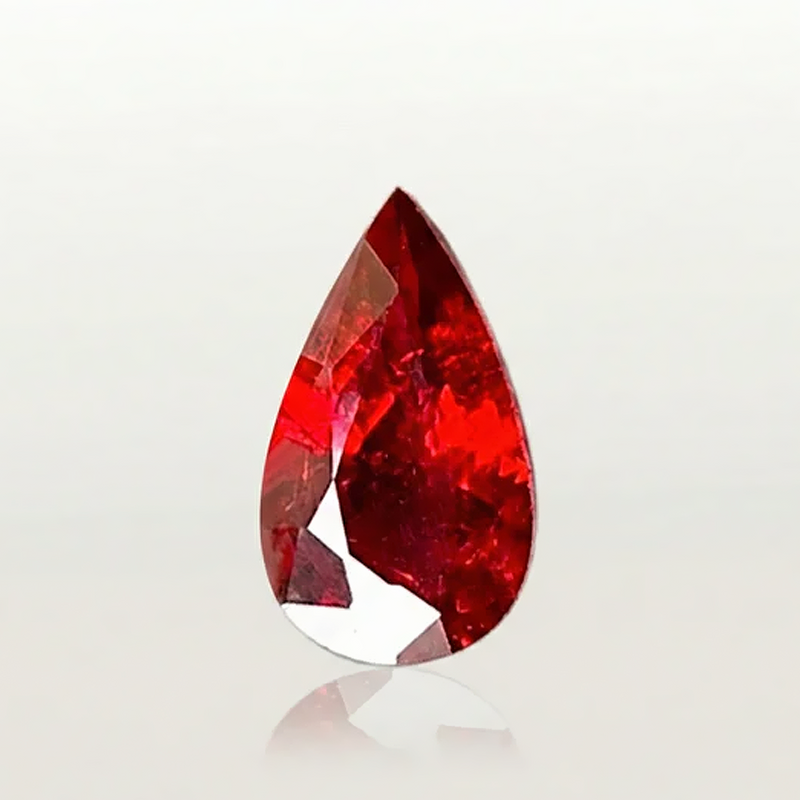
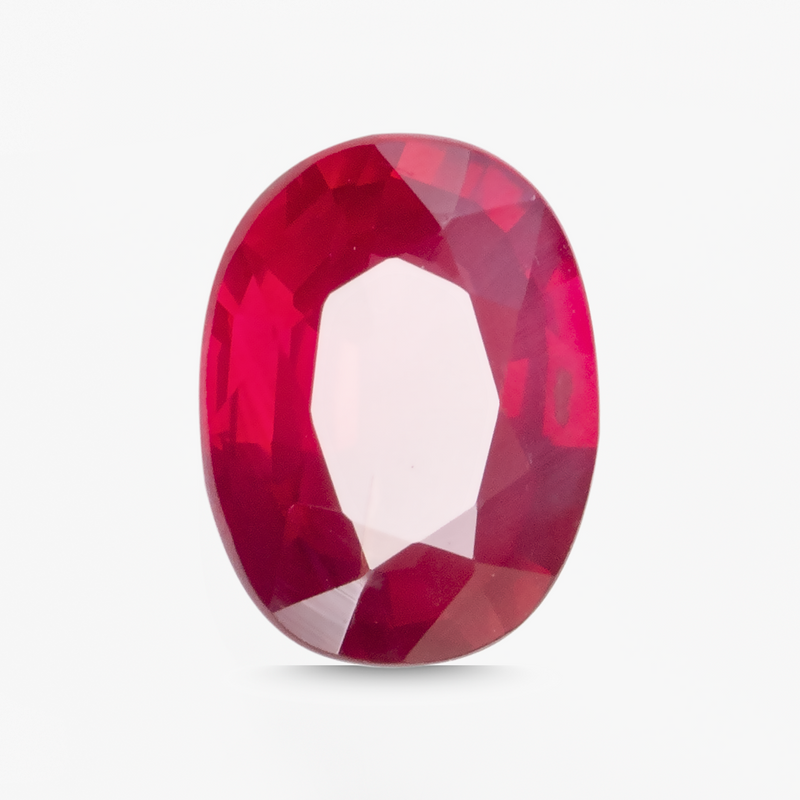
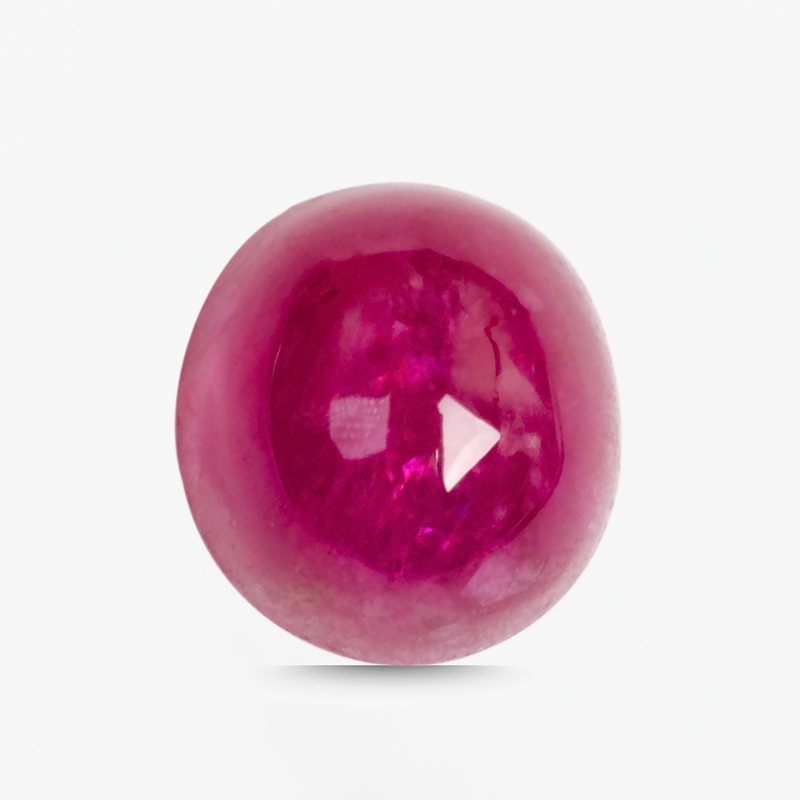
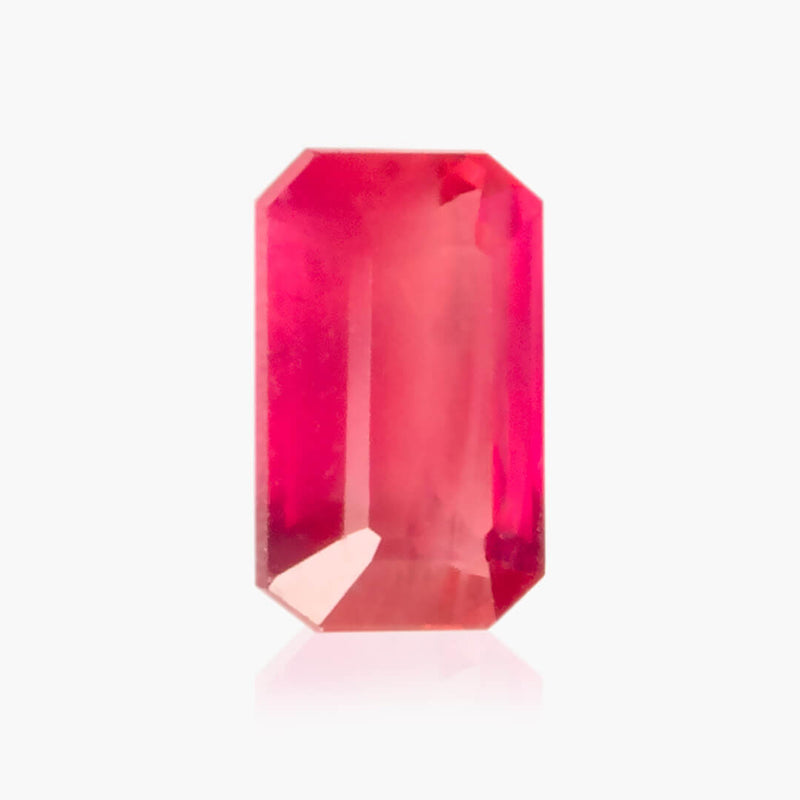
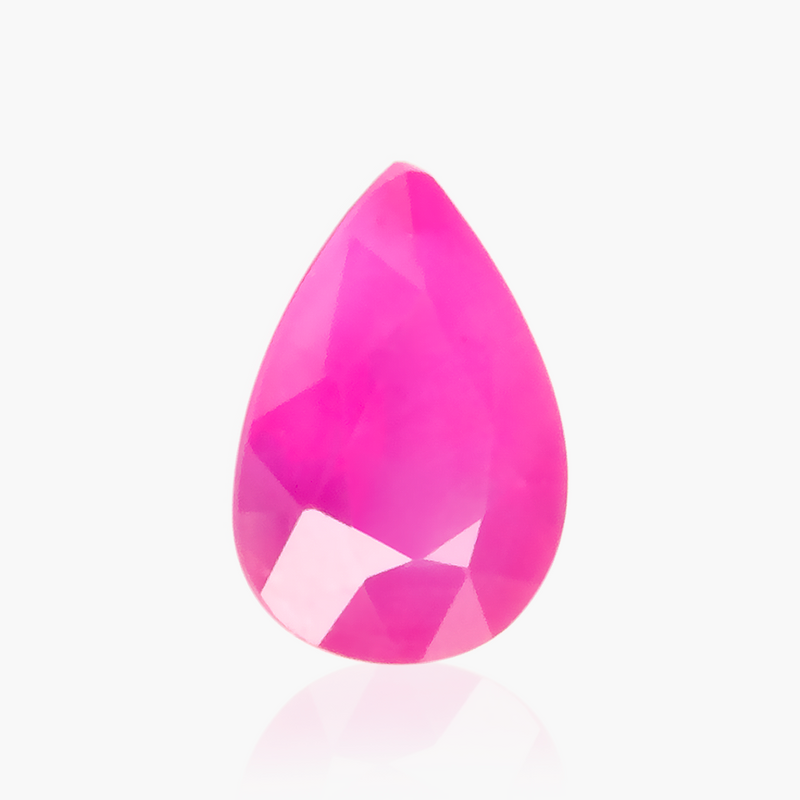
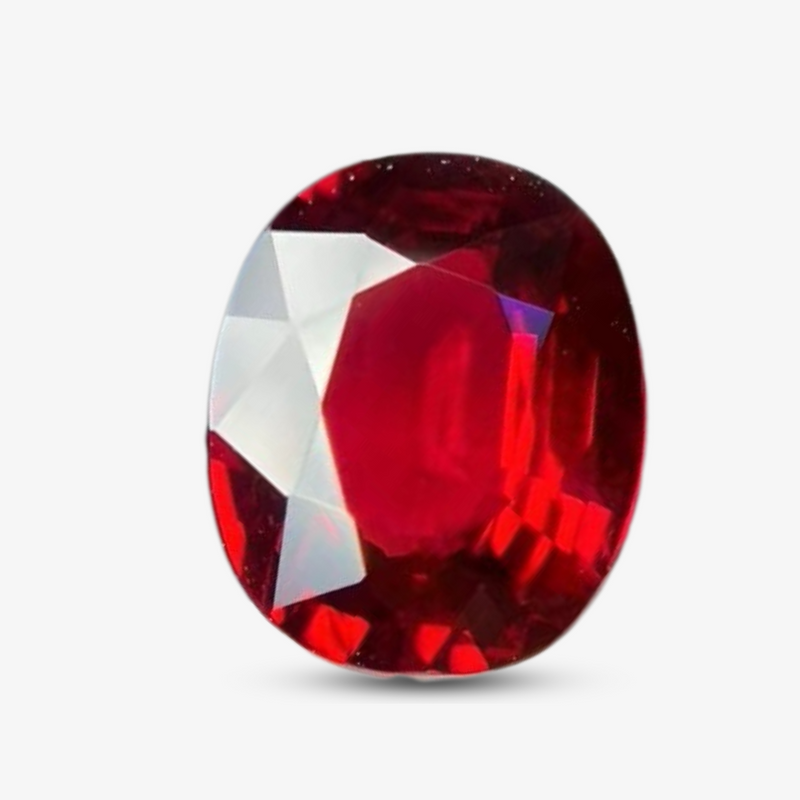
Every ruby in this collection is listed individually, with its own photography and its own details. Where a stone has been heated, we say so. Where a report exists, it is shown. Where none exists, we say that too rather than implying certification the stone does not carry.
For a fuller account of the species, see our ruby guide and the most complete guide to natural ruby.
And if what you are looking for is not on these pages — a particular red, an unheated stone within a budget, a size we are not currently showing — only part of what we can reach is listed online. Describe it, and we will go and look.





 Engagement Rings
 Gemstone Rings
 Wedding Bands
 The SARATTI Difference
 Gemstone Type
 Shop By Color

 New
GFCO
New
GFCO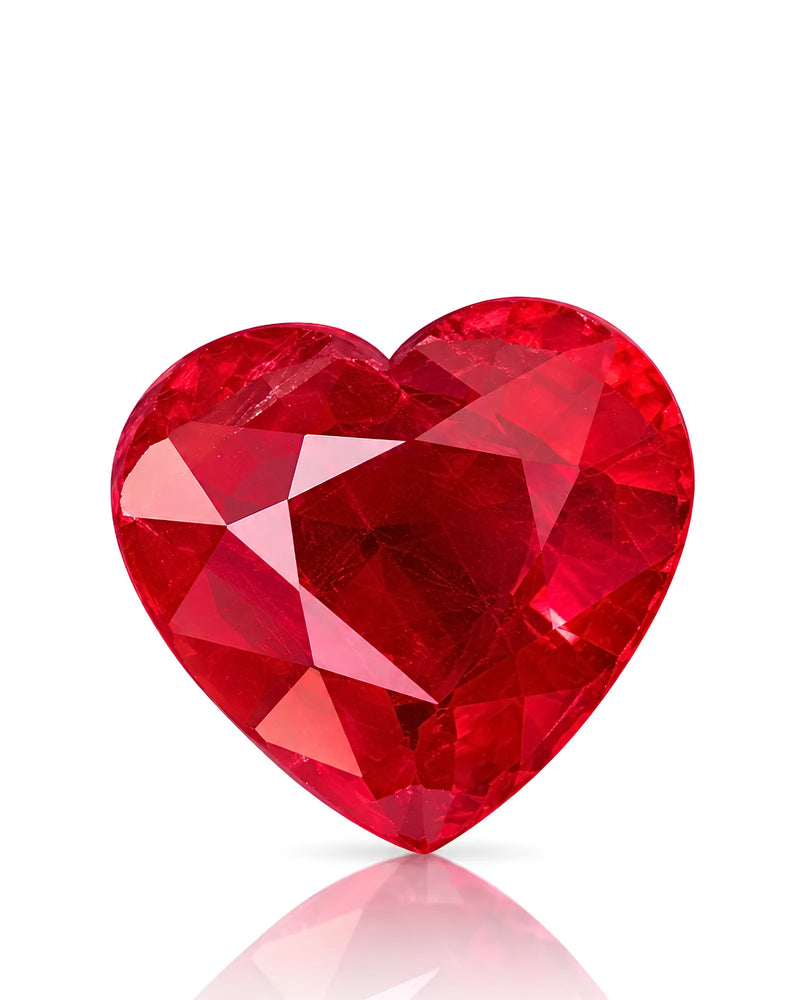 New
GUILD
New
GUILD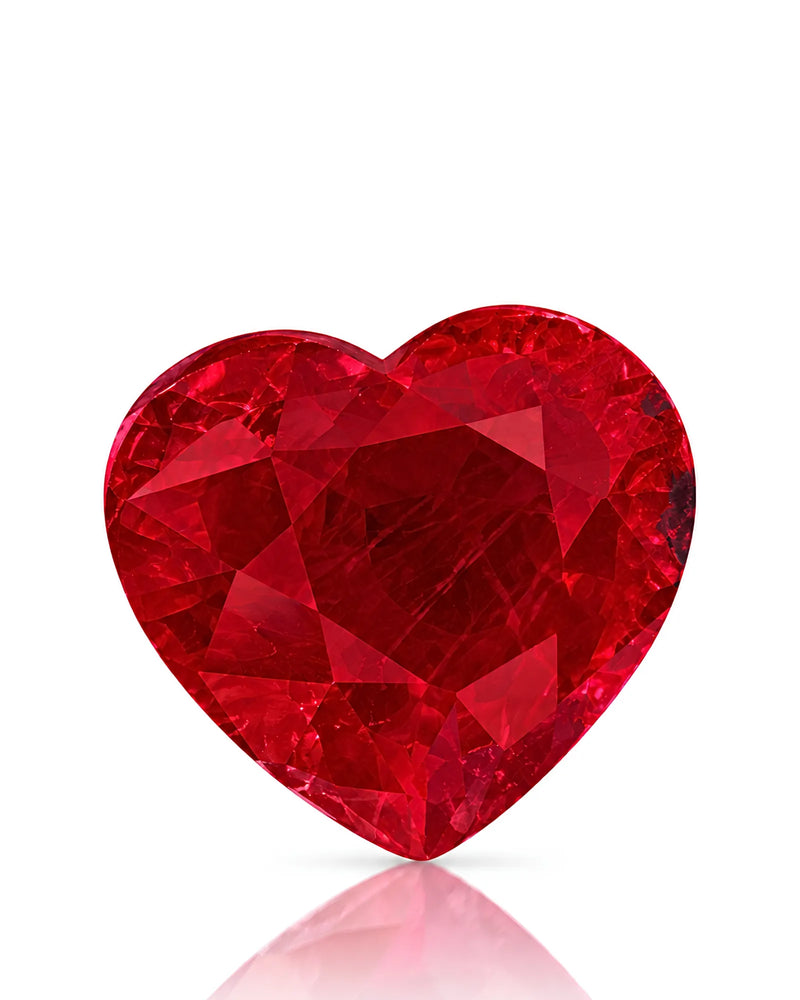 New
GUILD
New
GUILD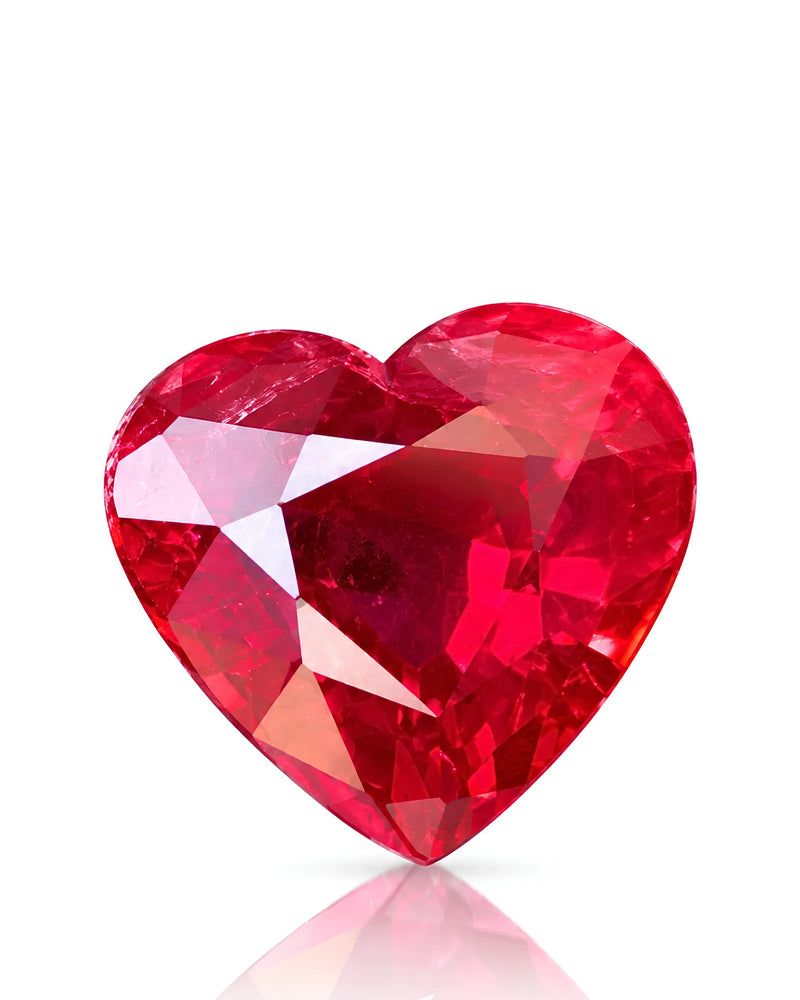 New
GUILD
New
GUILD New
GFCO
New
GFCO GUILD
GUILD New
GFCO
New
GFCO New
AIGS
New
AIGS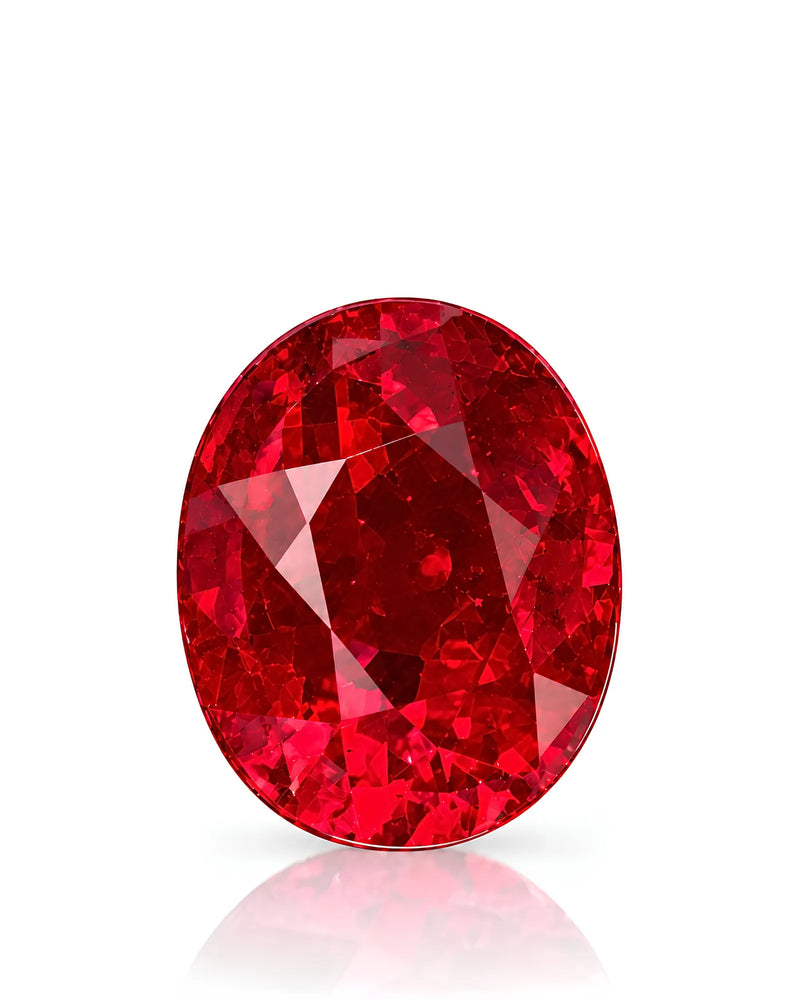 New
GUILD
New
GUILD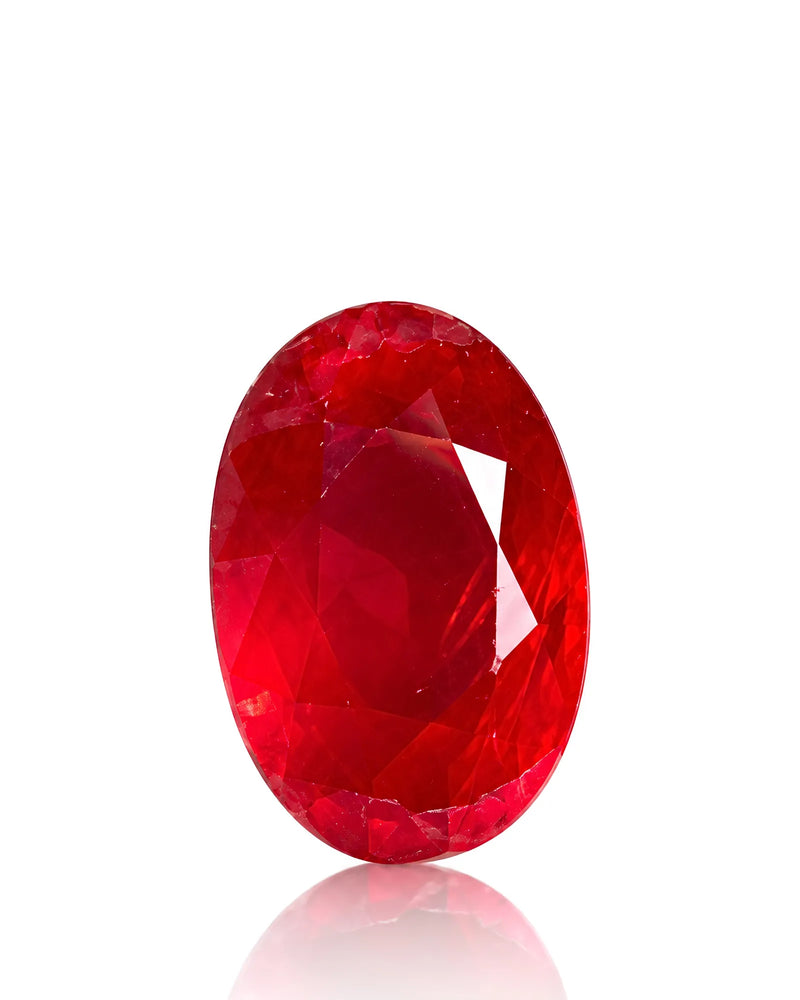 New
GRS
New
GRS AIGS
AIGS GUILD
GUILD GUILD
GUILD GUILD
GUILD GRS
GRS GRS
GRS GRS
GRS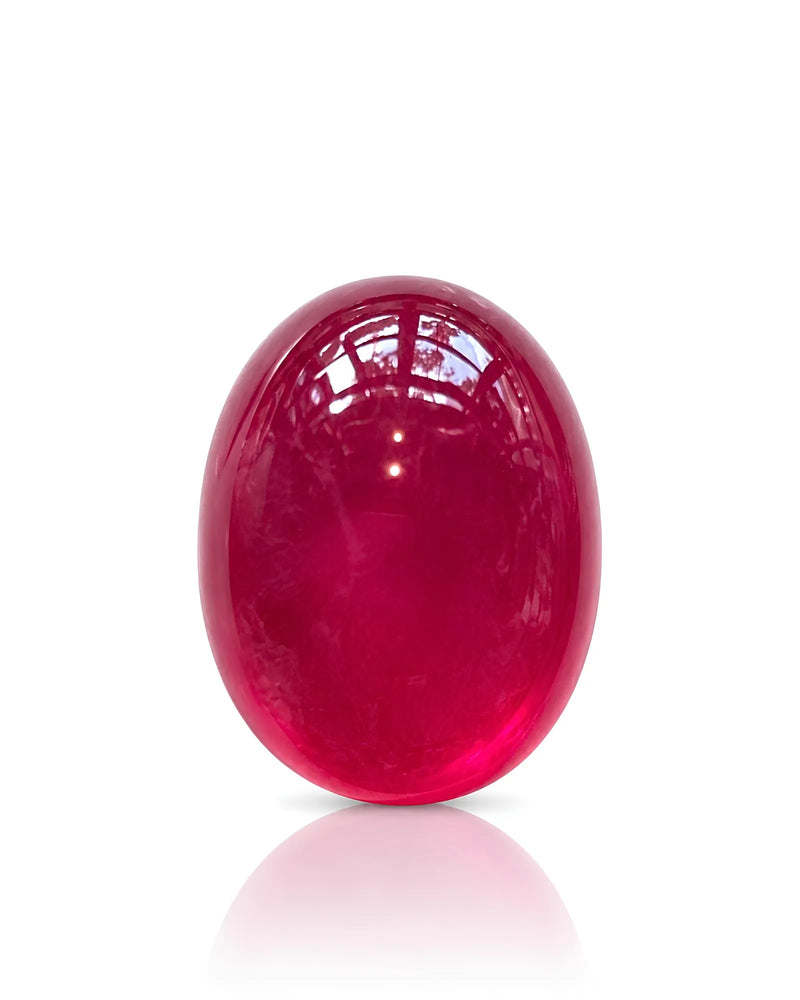
 Sold Out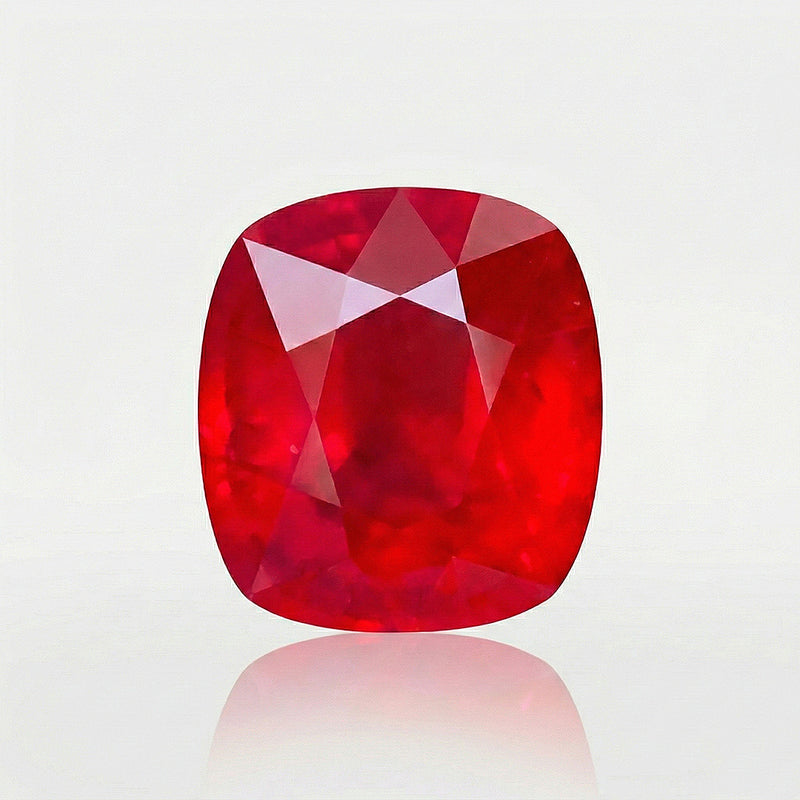
 Sold Out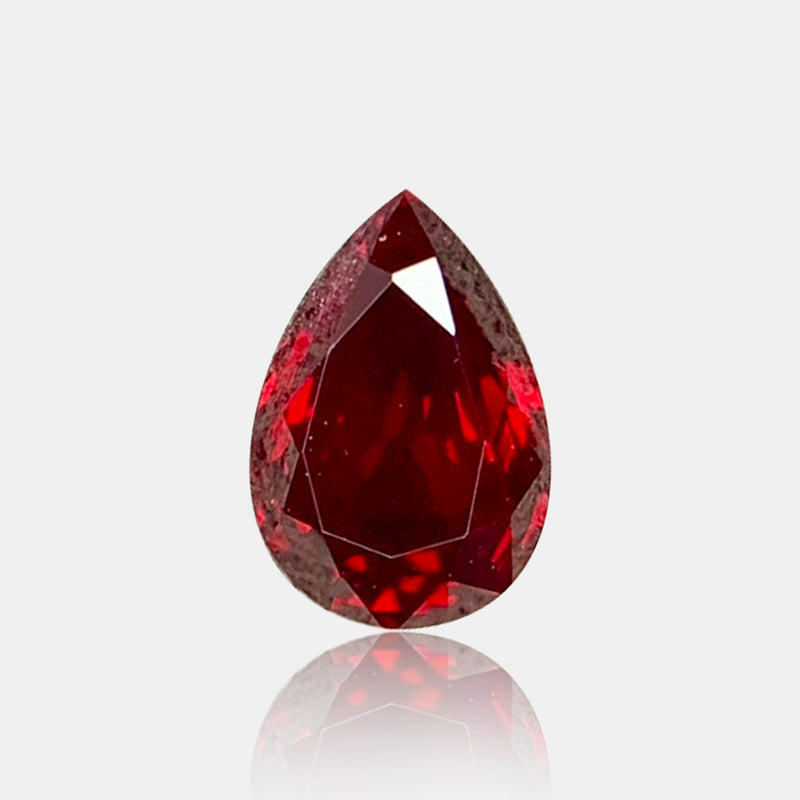
 AIGS
AIGS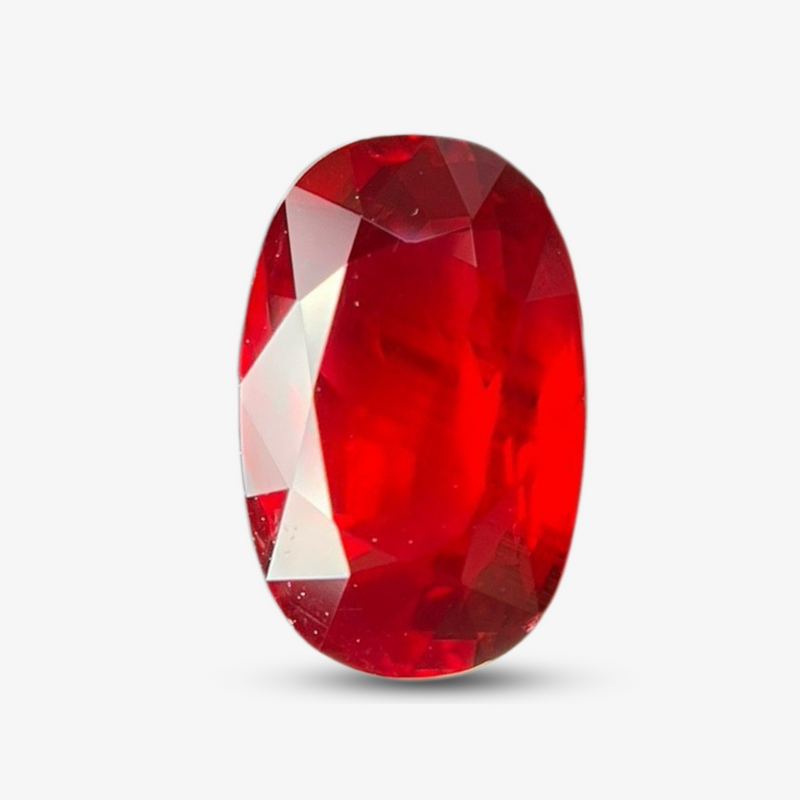 AIGS
AIGS