Designed with you. Completed without compromise.

Complimentary Insured Worldwide Delivery

Yellow Gemstones

Every stone held by the house, listed one at a time.

Warmth, light, and natural beauty.

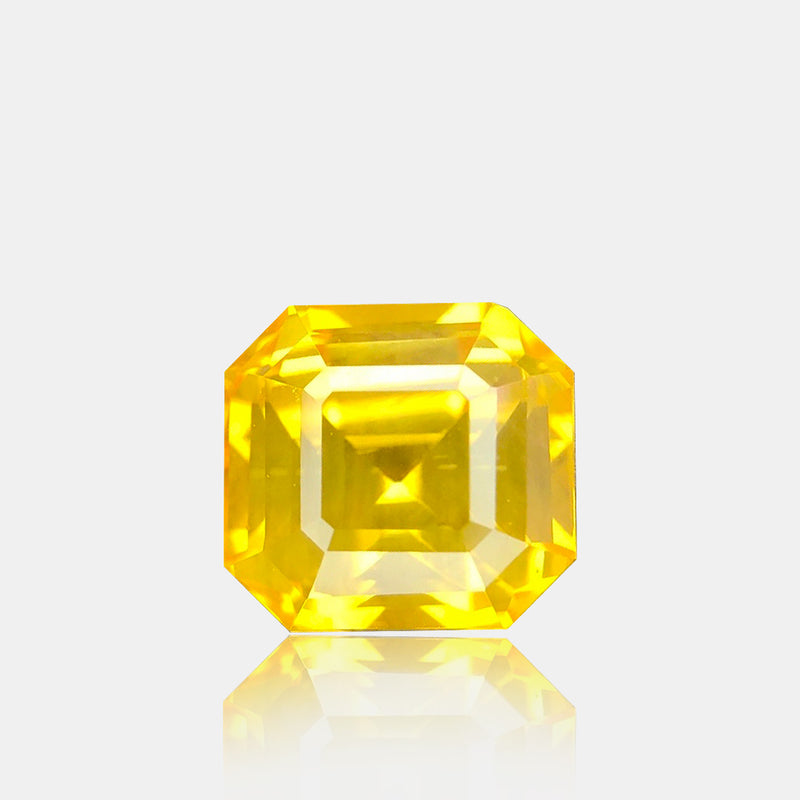
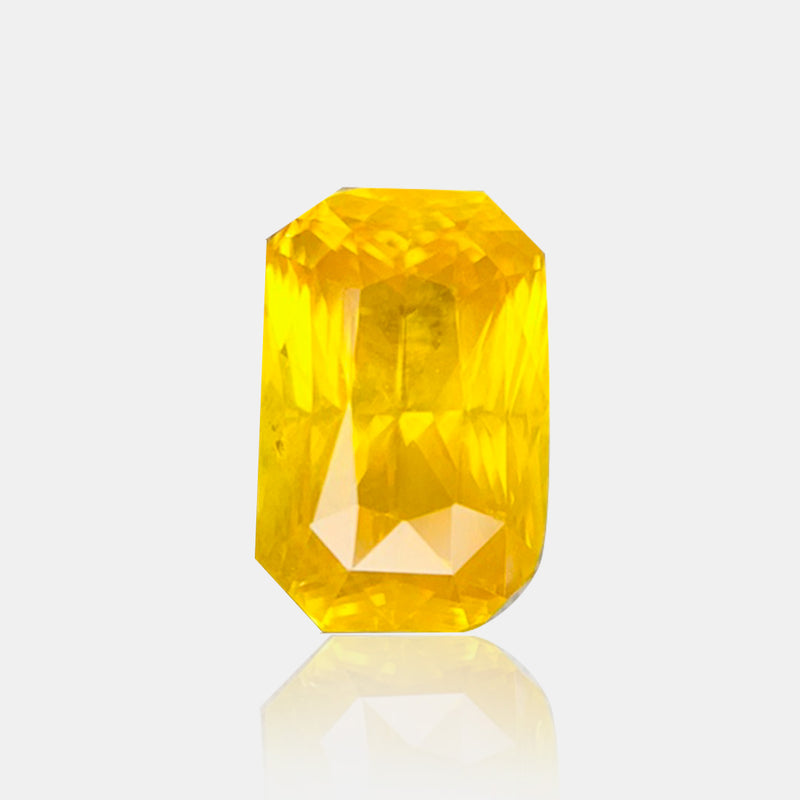
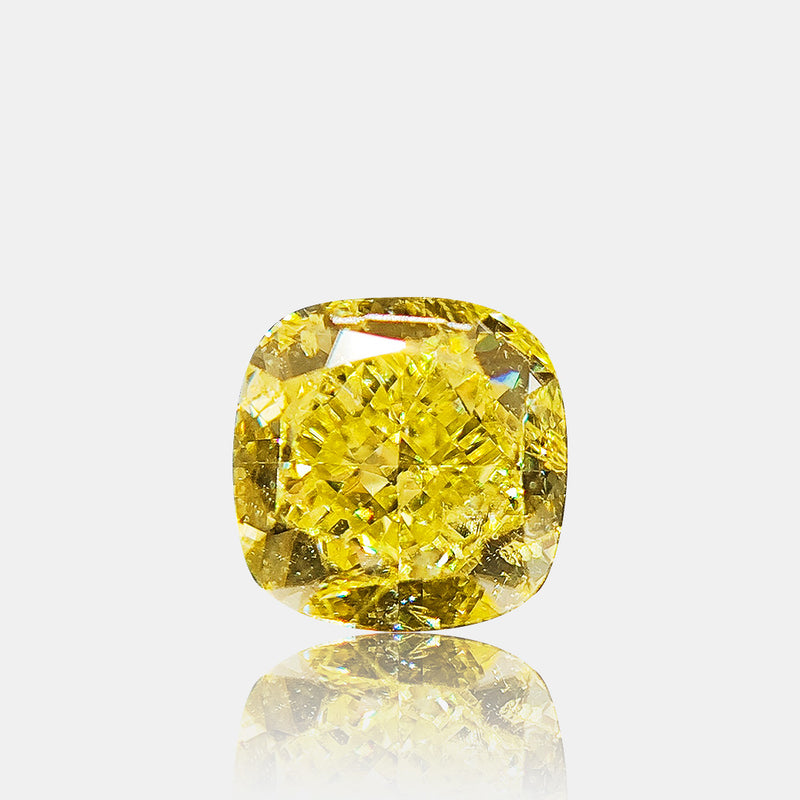
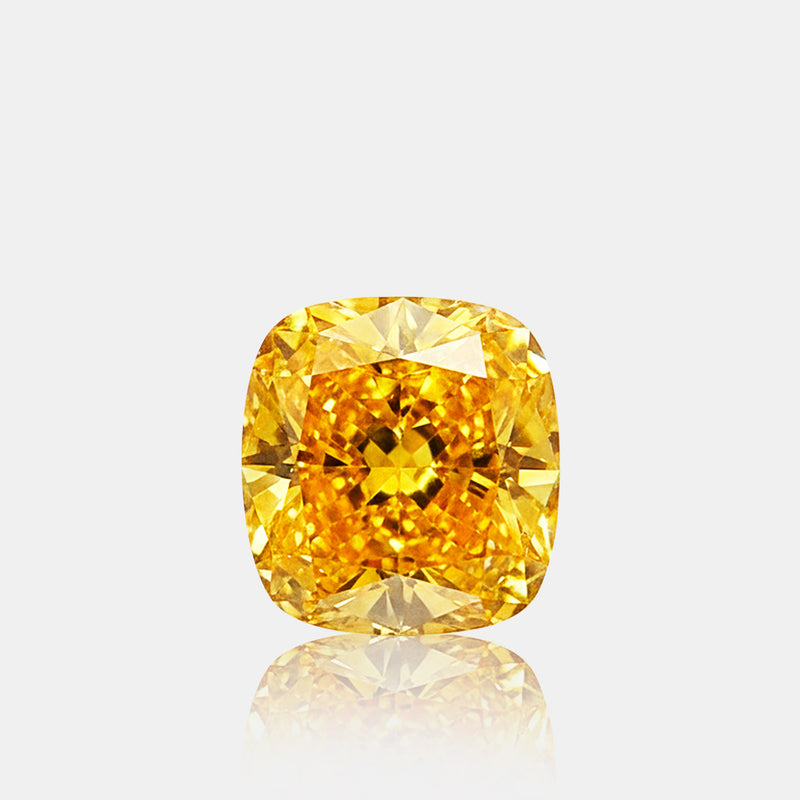
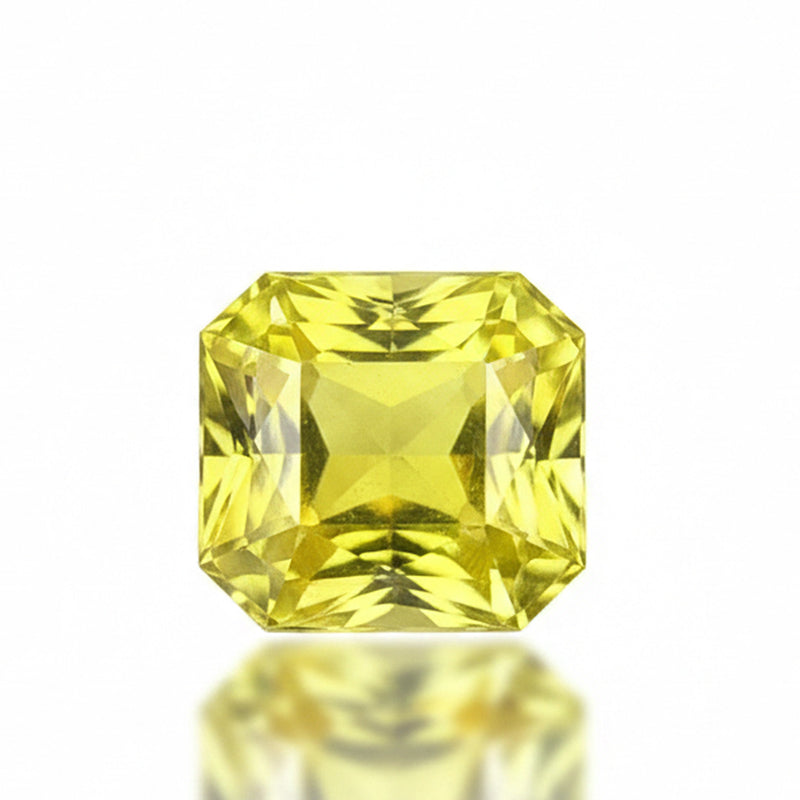
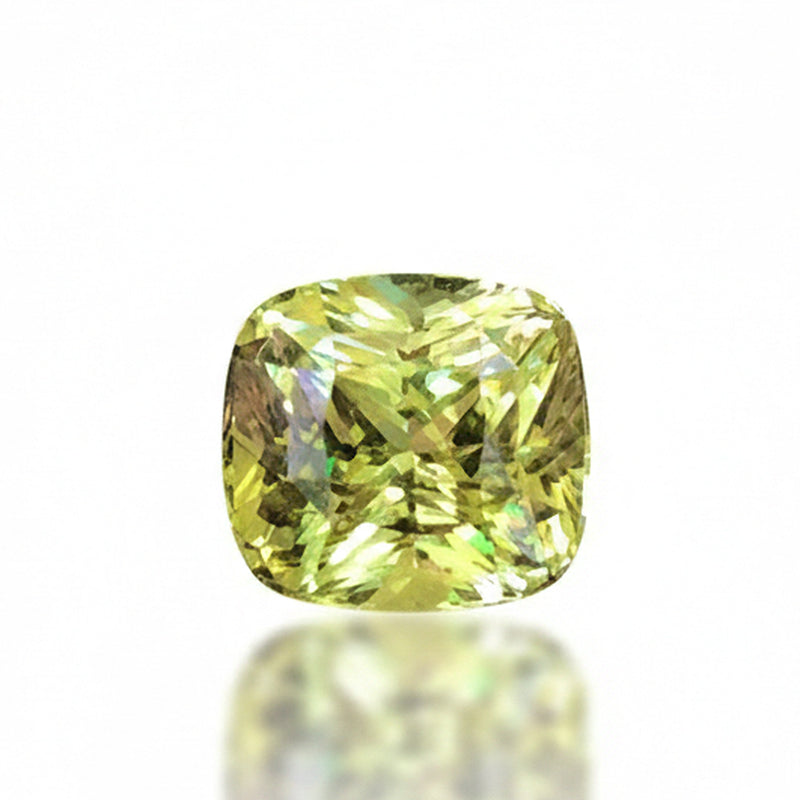
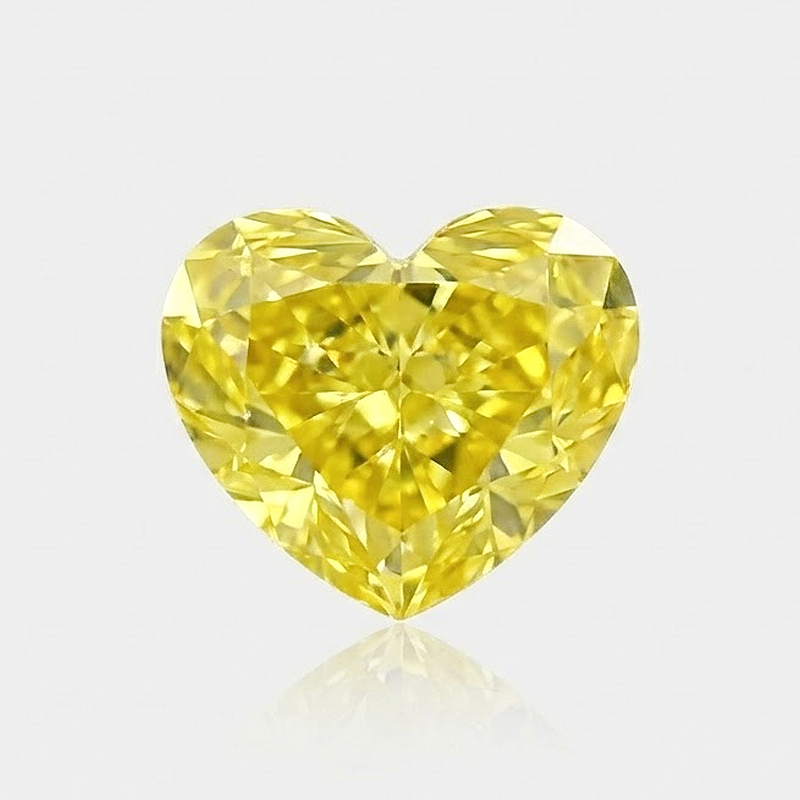
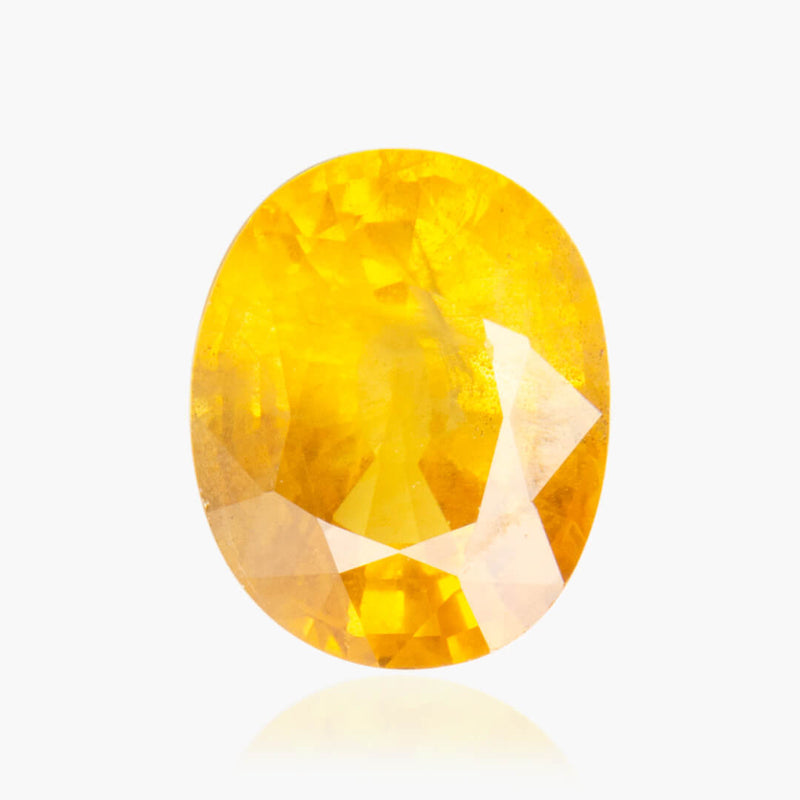
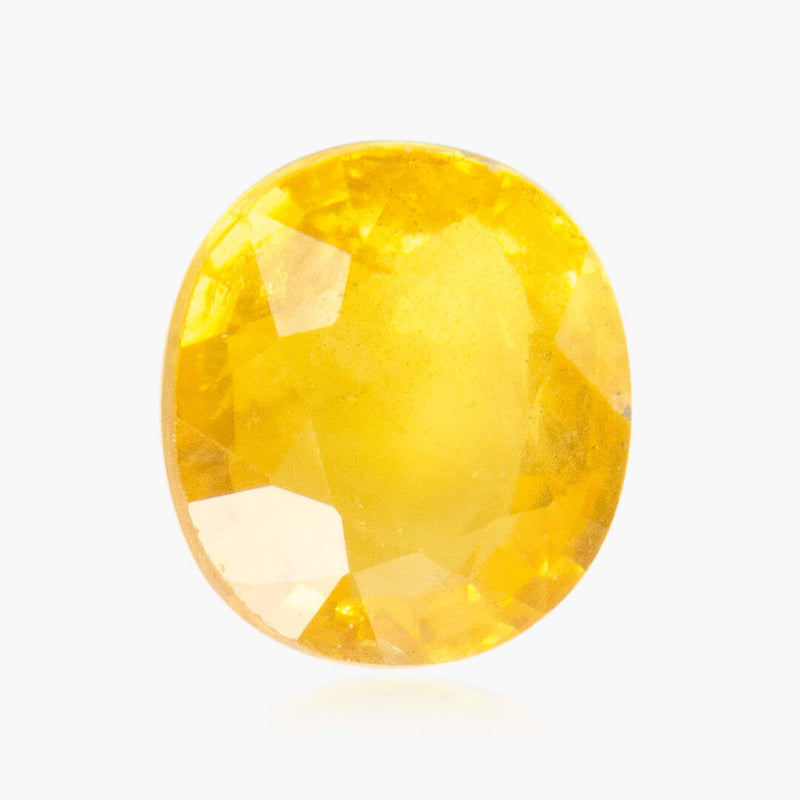
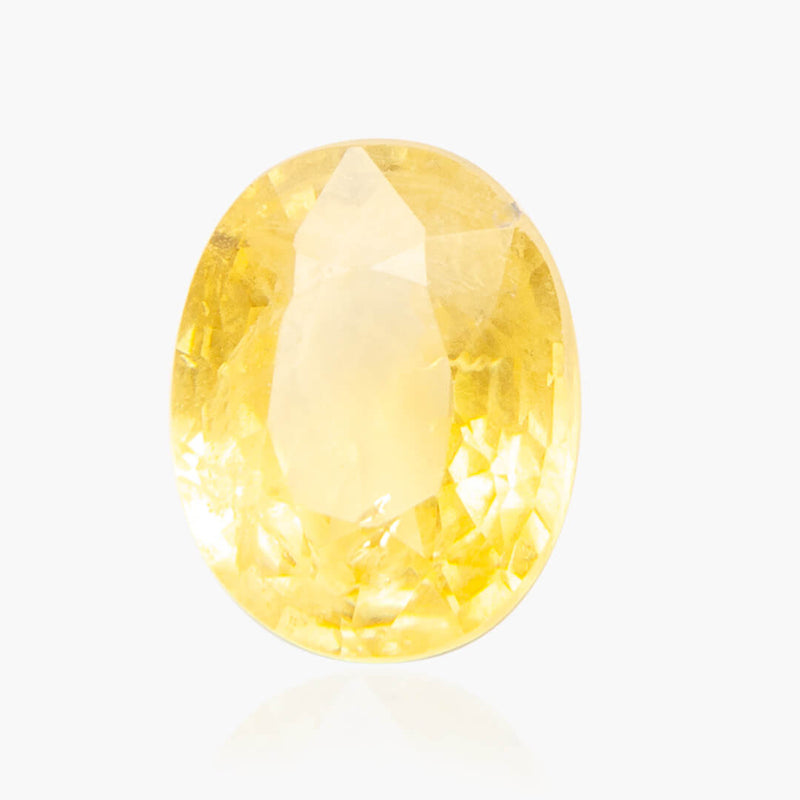
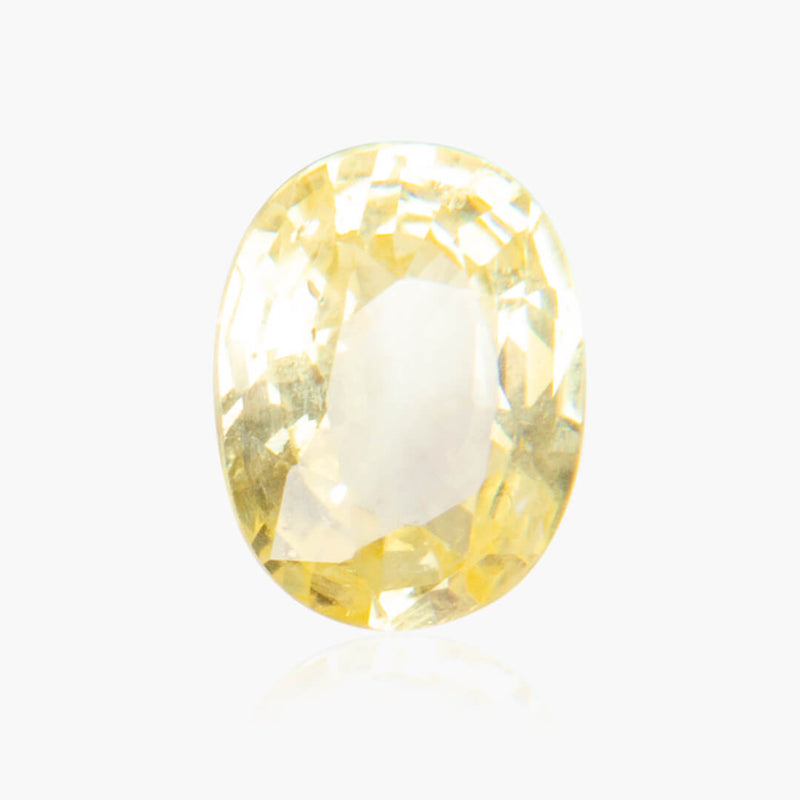
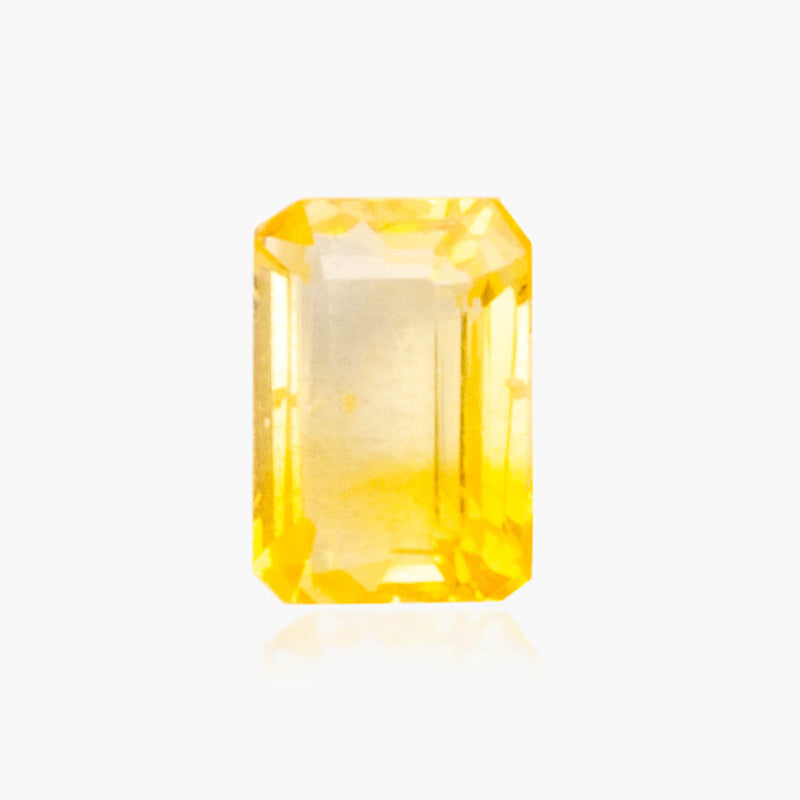
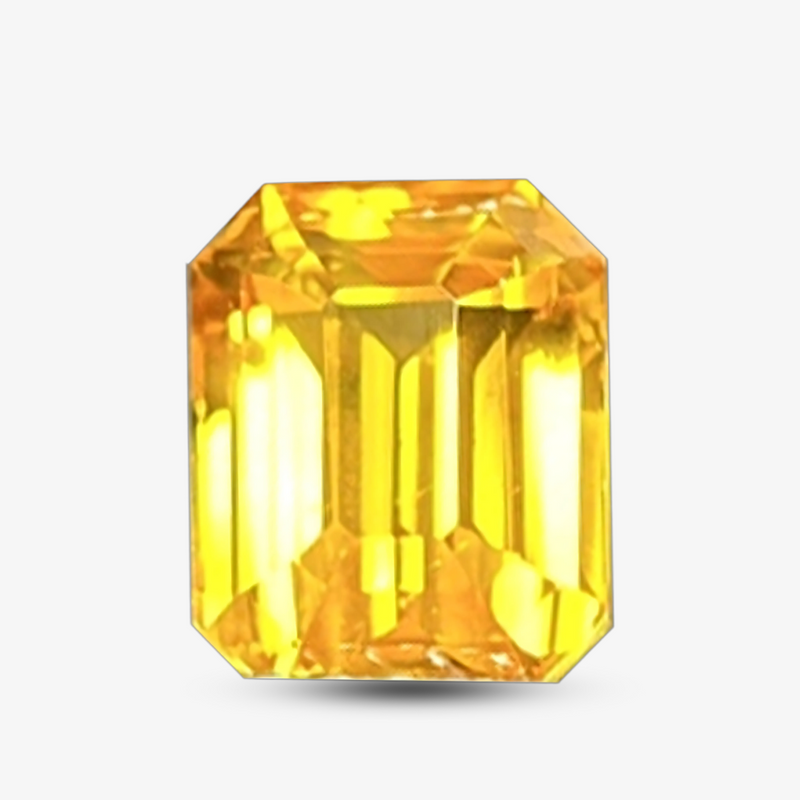
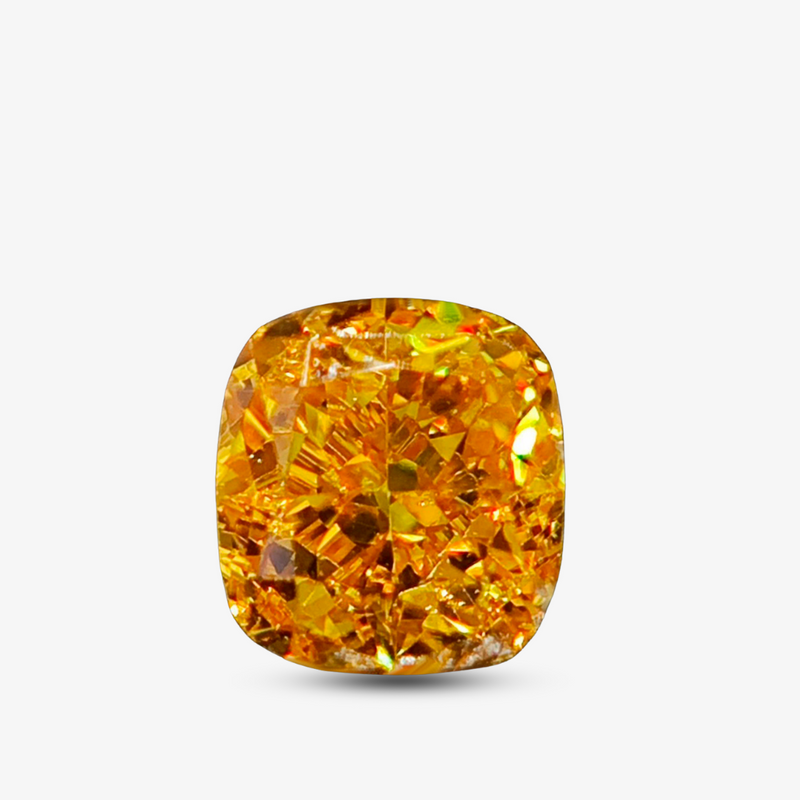
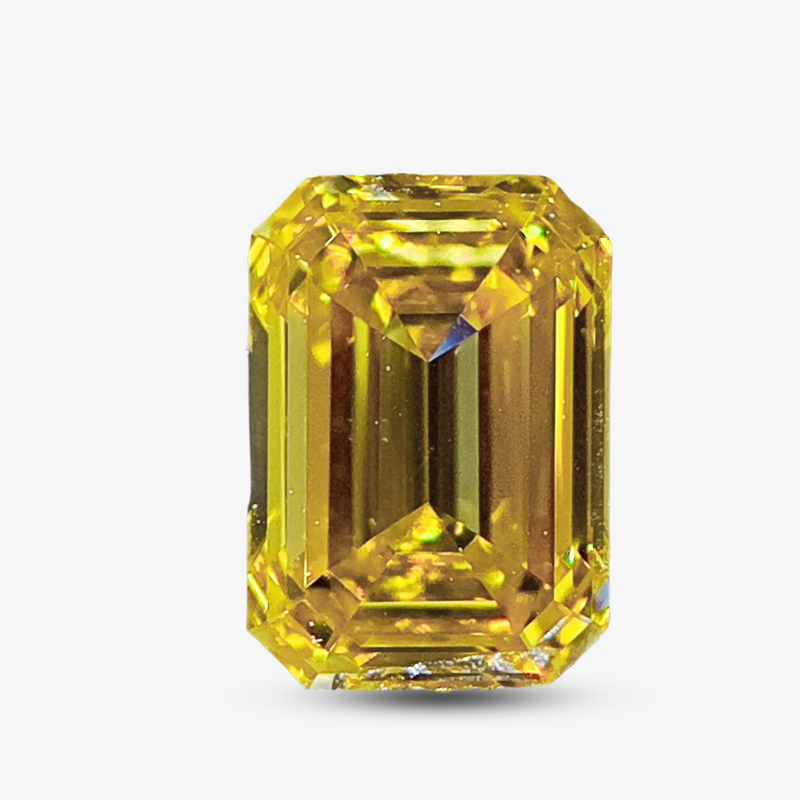
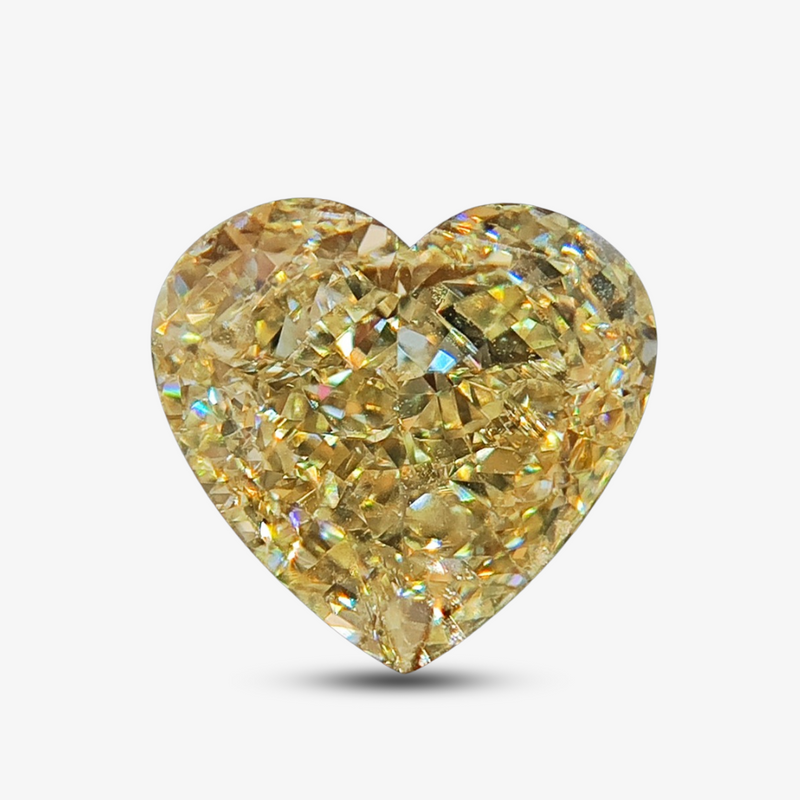
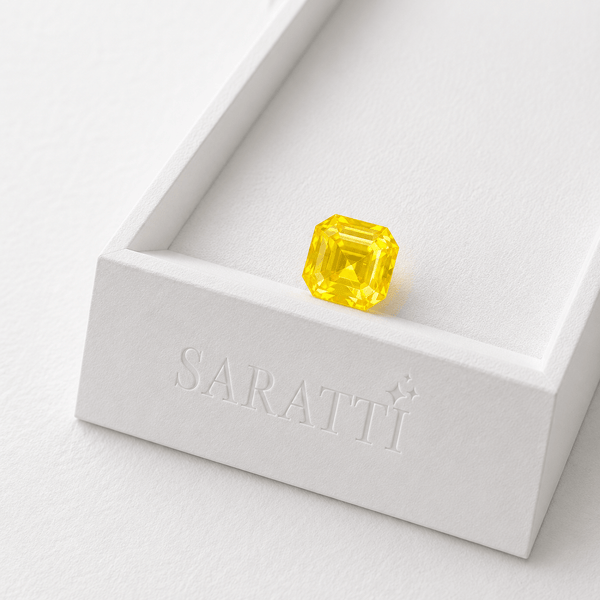
The Yellow Gemstones collection brings together rare natural stones known for their golden tones and bright presence. From yellow diamonds to sapphires, tourmalines, and other fine yellow gemstones, each gemstone is carefully chosen for its color, clarity, and character.

A beautiful starting point for bespoke rings, pendants, and timeless fine jewelry — shaped by nature, finished with intention.

Yellow Gemstones
Filter
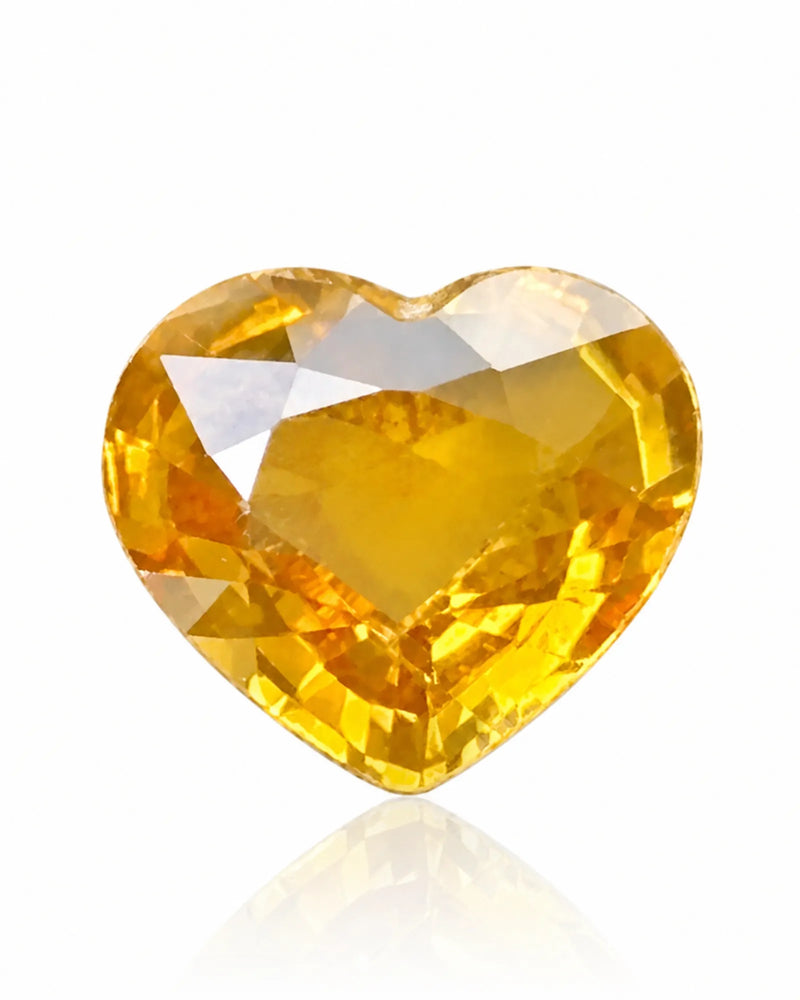
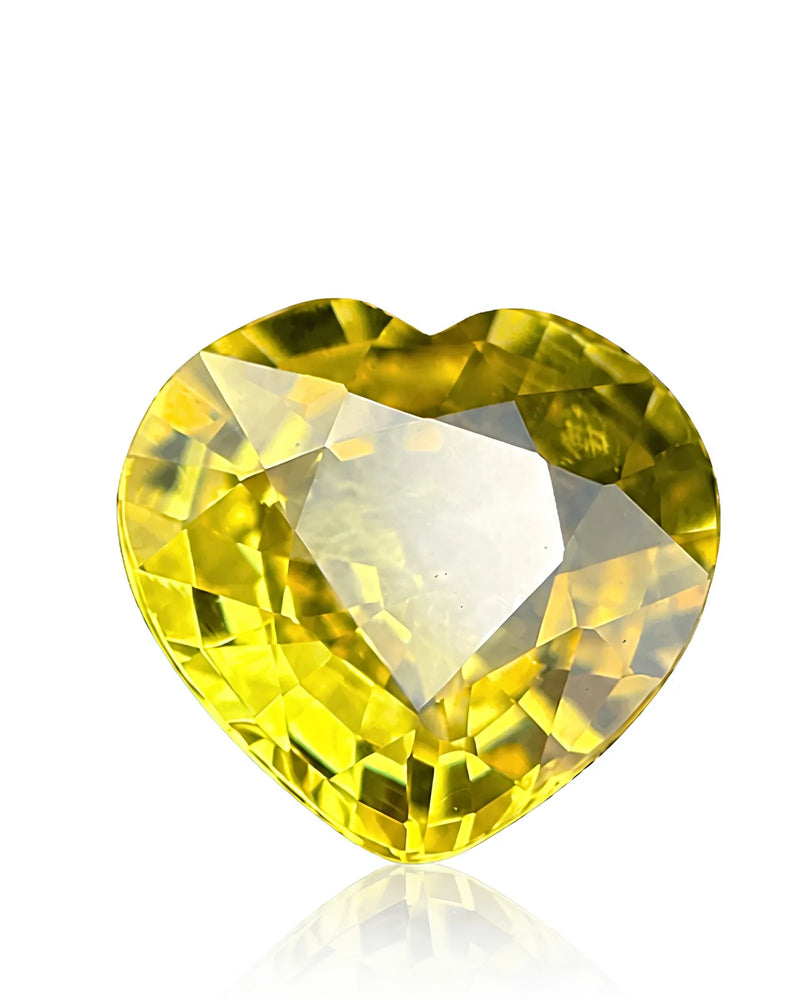
0.84ct Natural Thailand Ceylon Yellow Sapphire Heart main view loose gemstone | SARATTINew SARATTICertified
0.84 ct
Thailand Natural Fancy Yellow Sapphire
Heart
$825
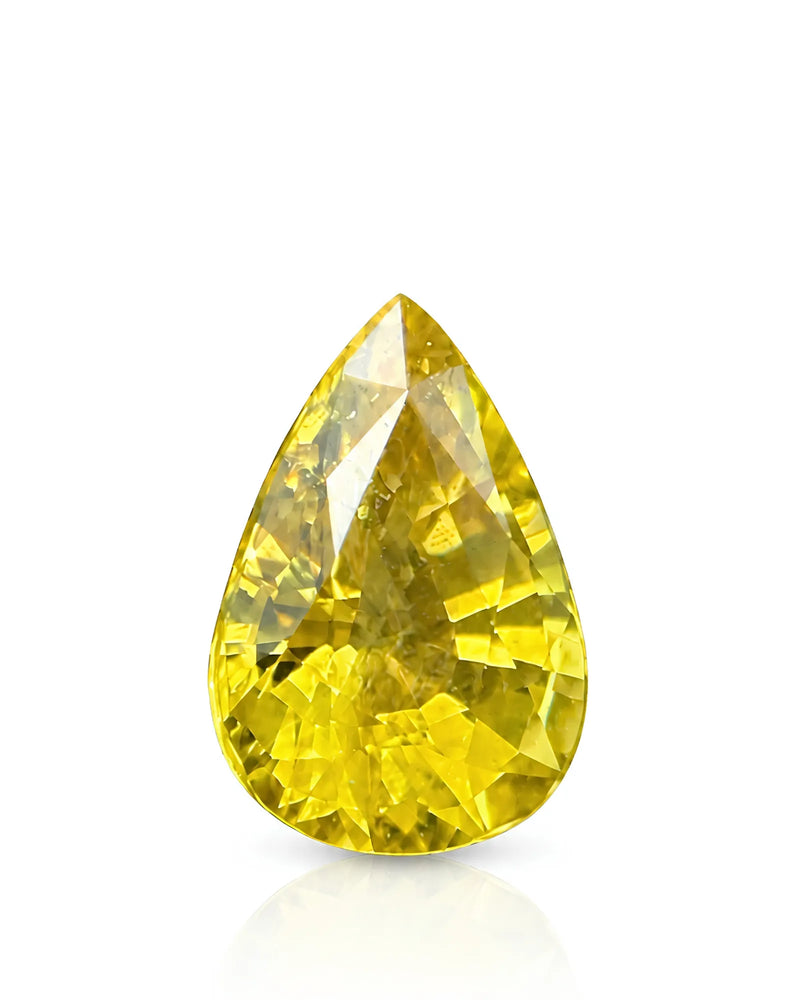
0.90ct Natural Thailand Ceylon Yellow Sapphire Pear main view loose gemstone | SARATTINew SARATTICertified
0.90 ct
Thailand Natural Fancy Yellow Sapphire
Pear
$750
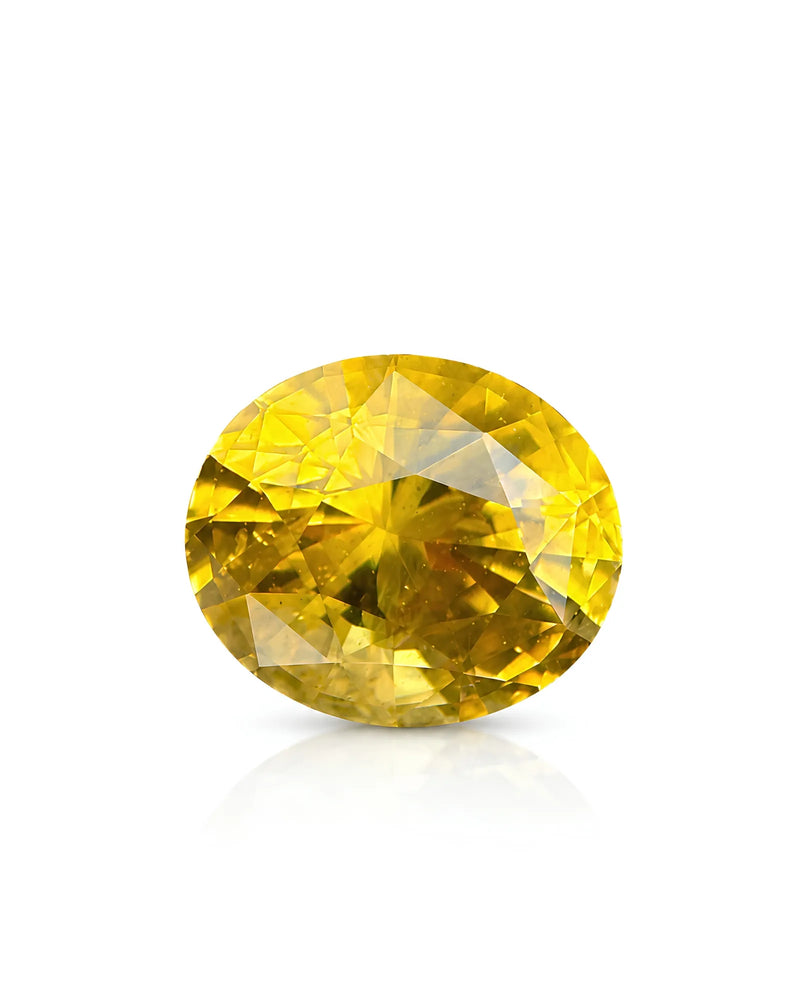
0.90ct Natural Sri Lankan Ceylon Yellow Sapphire Oval main view loose gemstone | SARATTINew SARATTICertified
0.90 ct
Natural Sri Lankan Yellow Sapphire
Oval
$850
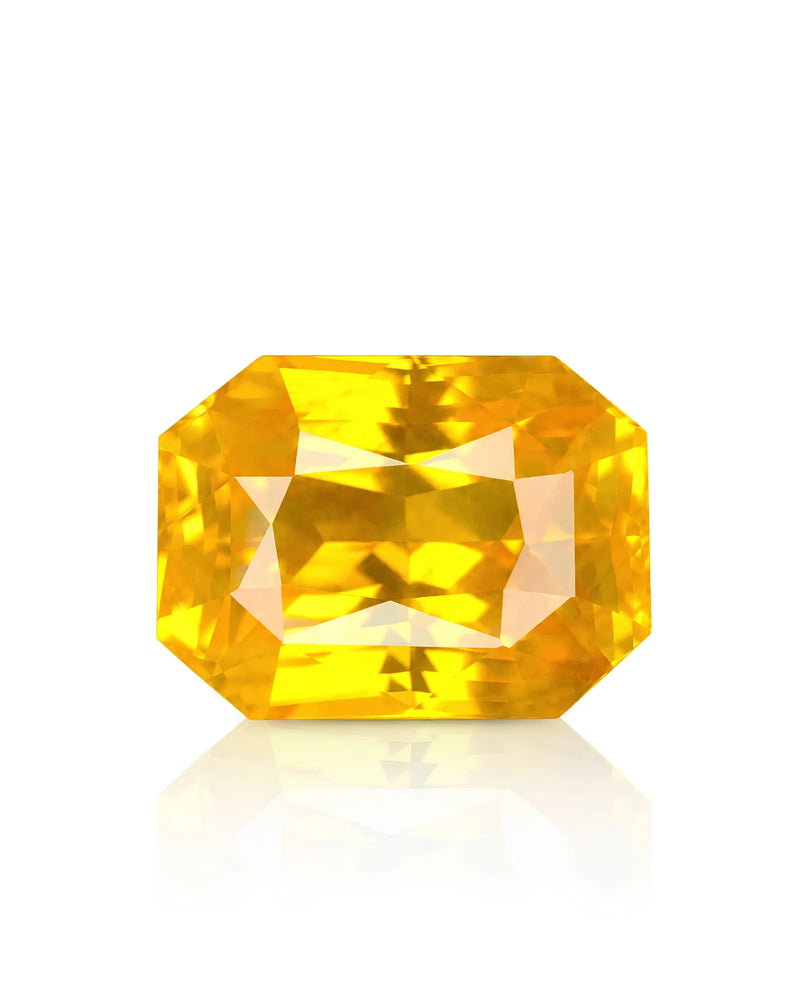
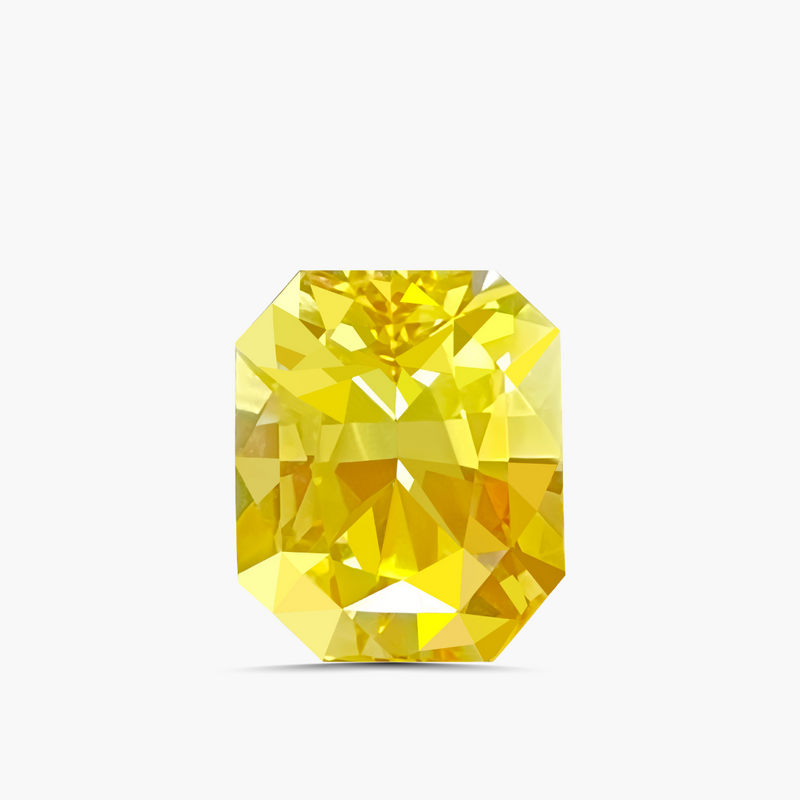
3.55ct Natural Canary Yellow Sapphire Radiant main view loose gemstone | SARATTINew GUILDCertified
3.55 ct
Natural Canary Yellow Sapphire
Radiant
$9,100
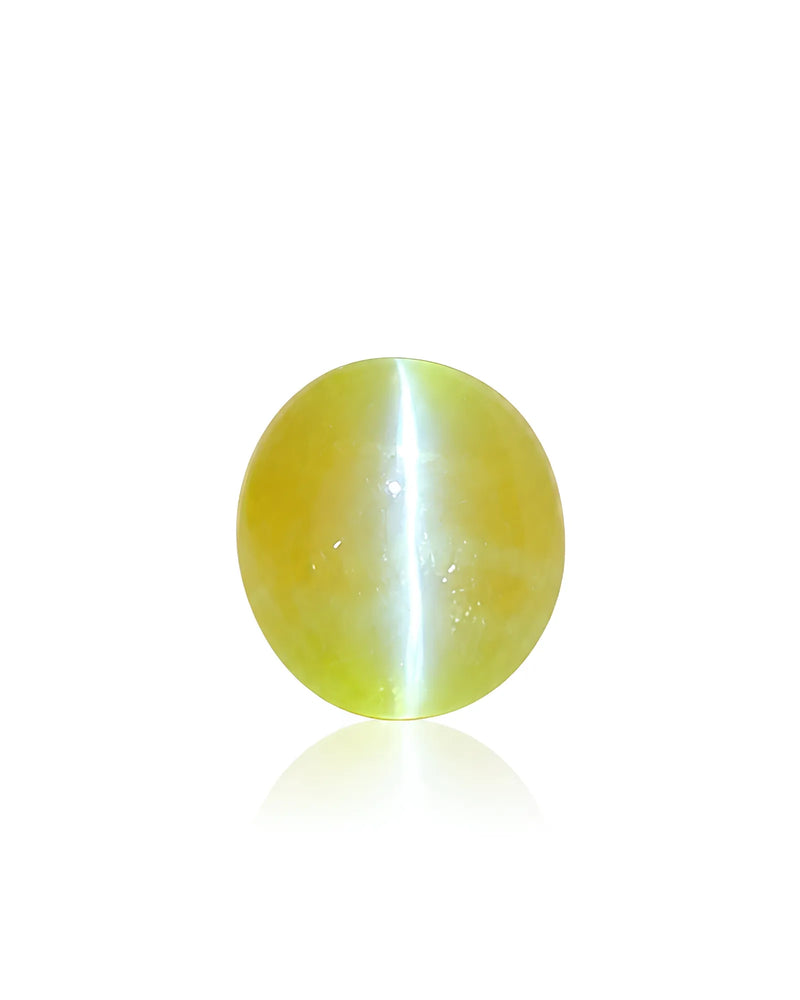
3.06 carat natural Honey Color Cat's-Eye Chrysoberyl round cabochon held between fingertips with a bright vertical chatoyant bandNew CGRLCertified
3.06 ct
Natural Honey Color Cat's Eye Chrysoberyl
Round · Untreated
$5,700
7.37 carat natural Honey Color Cat's-Eye Chrysoberyl oval cabochon showing a bright chatoyant band on the hand GUILDCertified
7.37 ct
Natural Honey Color Cat's Eye Chrysoberyl
Oval · Untreated
$22,450
2.28 carat natural Vivid Yellow Honey Color Cat's-Eye Chrysoberyl round cabochon showing a bright chatoyant band on fingertips GUILDCertified
2.28 ct
Natural Honey Color Cat's Eye Chrysoberyl
Round · Untreated
$4,875
2.23 carat natural Yellowish Green Cat's-Eye Chrysoberyl oval cabochon showing a bright chatoyant band on the hand CGRLCertified
2.23 ct
Natural Yellowish Green Cat's Eye Chrysoberyl
Oval · Untreated
$3,400
1.28 carat natural Yellowish Green Cat's-Eye Chrysoberyl oval cabochon showing a bright chatoyant band on fingertips
1.28 ct
Natural Yellowish Green Cat's Eye Chrysoberyl
Oval · Untreated
$2,150
2.00 carat Natural vivid brownish yellow Cat's Eye Chrysoberyl oval cabochon loose gemstone | SARATTI GUILDCertified
2.00 ct
Natural Honey Color Cat's Eye Chrysoberyl
Oval
$3,000
2.02 carat Natural vivid yellow Cat's Eye Chrysoberyl oval cabochon loose gemstone | SARATTI GUILDCertified
2.02 ct
Natural Honey Color Cat's Eye Chrysoberyl
Oval
$6,100
1.02ct Natural Yellow Sapphire heart cut main view | SARATTI SARATTICertified
1.02 ct
Natural Yellow Sapphire
Heart
$899
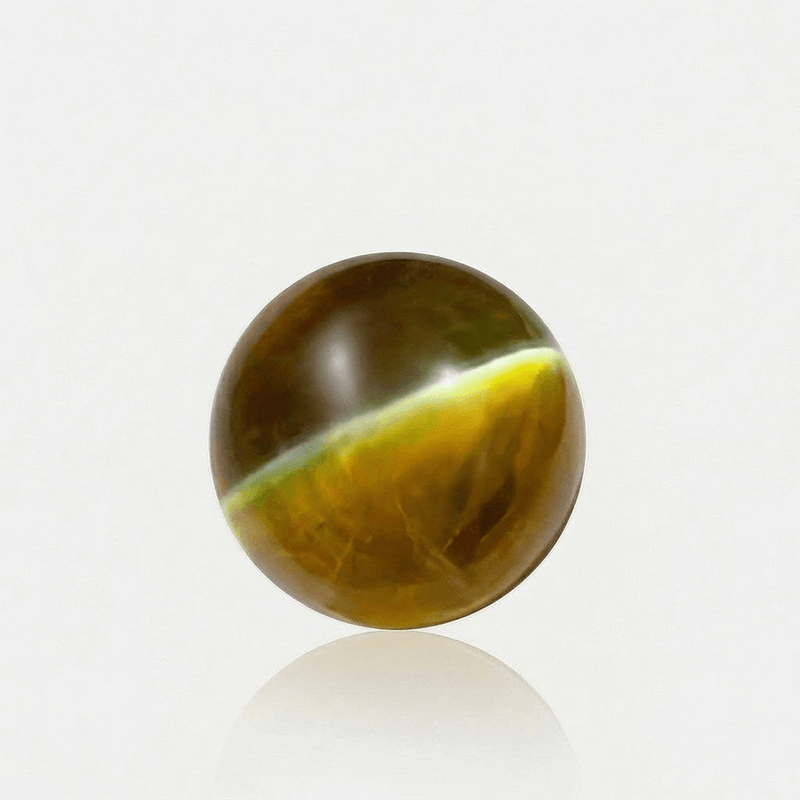
1.53 carat Natural Honey Color Cat’s Eye Chrysoberyl round cabochon loose gemstone | SARATTI
1.53 ct
Natural Honey Color Cat’s Eye Chrysoberyl
Round
$1,344
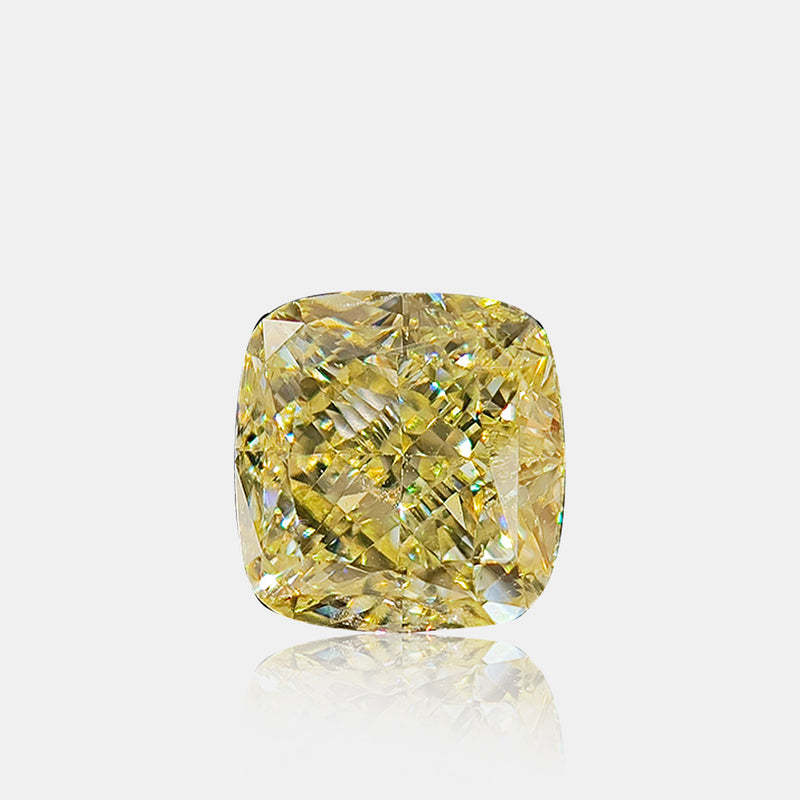
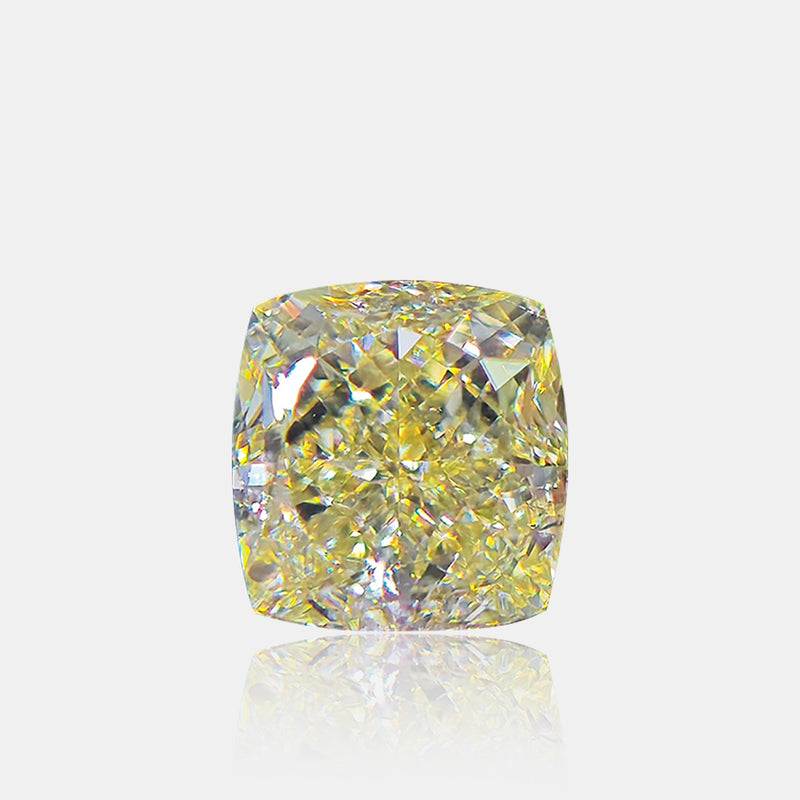
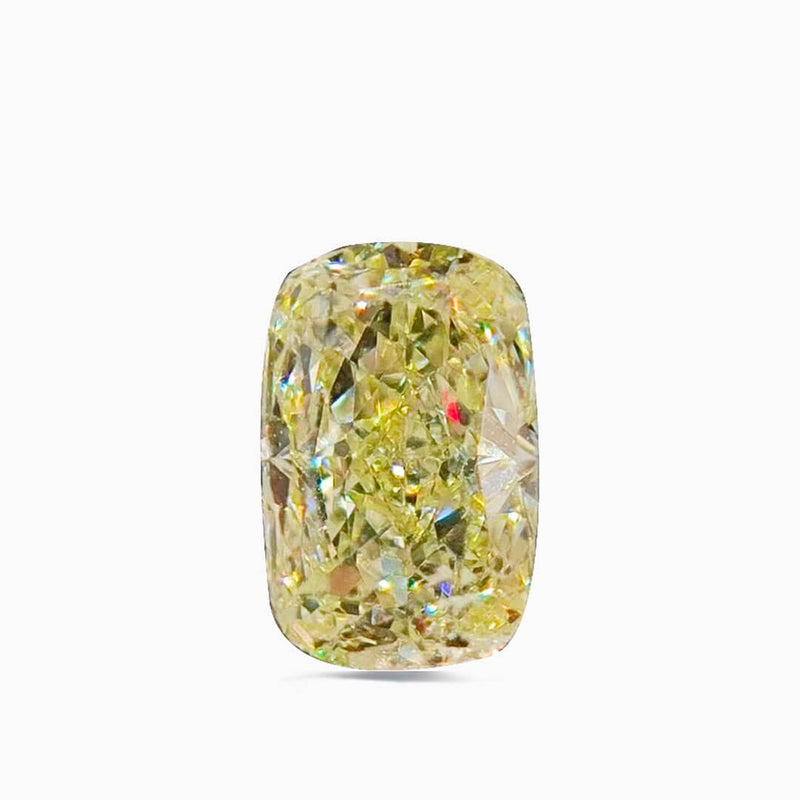
1.01 carat Natural Fancy Light Yellow diamond cushion modified brilliant loose gemstone | SARATTI
1.01 ct
Natural Fancy Light Yellow Diamond
Cushion
$4,179
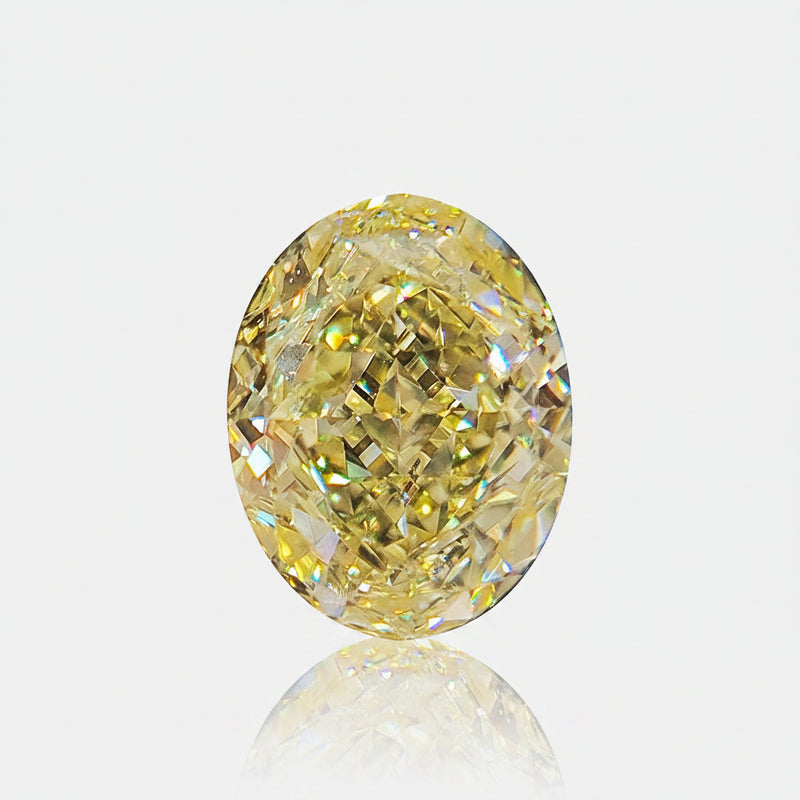
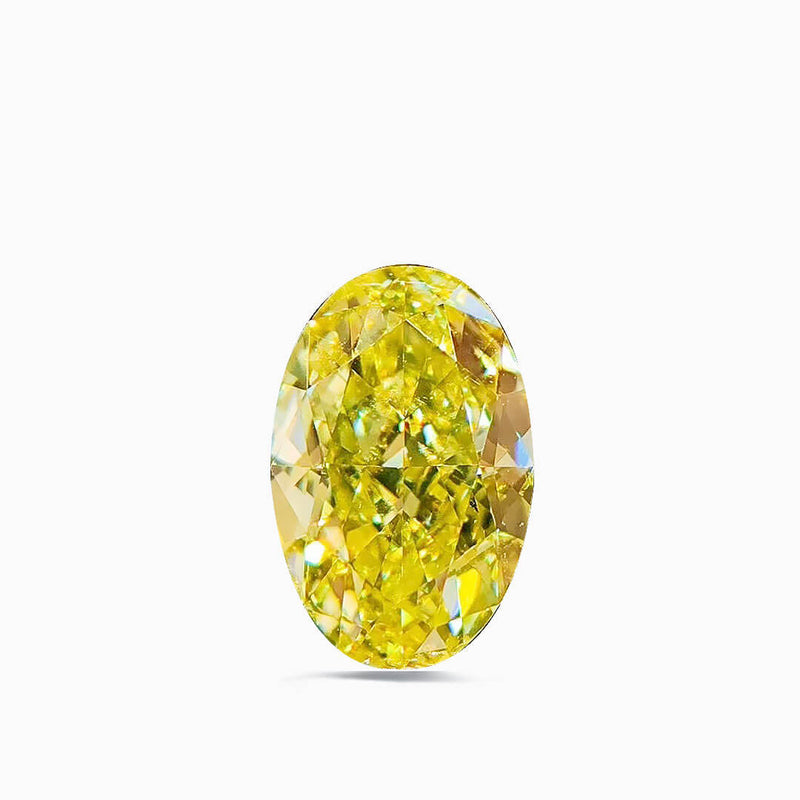
1.00 carat Natural Fancy Yellow diamond oval modified brilliant loose gemstone | SARATTI
1.00 ct
Natural Fancy Yellow Diamond
Oval
$5,460
1.11 carat Natural Fancy Light Brownish Yellow Diamond Cushion Modified Brilliant | SARATTI GIACertified
1.11 ct
Natural Fancy Light Brownish Yellow Diamond
Cushion
$2,624
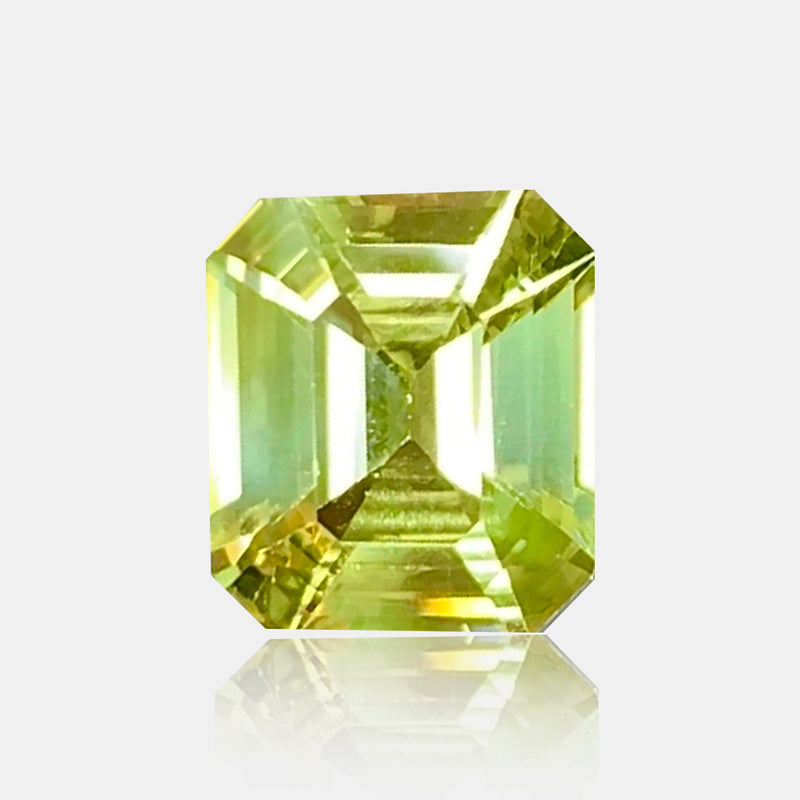
3.52 carats Natural Canary Yellow Chrysoberyl | Octagonal – 9.86 × 8.19 × 5.13mm
3.52 ct
Natural Canary Yellow Chrysoberyl
Octagonal
$2,099
6.14 carats Natural Fancy Yellow Sapphire Gemstone | Oval Cut
6.14 ct
Natural Fancy Yellow Sapphire Gemstone
Oval
$8,609
4.06ct Natural Yellow Sapphire Emerald Cut | SARATTI
4.06 ct
Natural Yellow Sapphire
Emerald Cut
$6,300
1.67ct Fancy Yellow Sapphire Radiant Cut | SARATTI
1.67 ct
Natural Fancy Yellow Sapphire Gemstone
Radiant
$1,554
1.00ct Fancy Intense Yellow Cushion Diamond | SARATTI
1.00 ct
Natural Fancy Intense Yellow Diamond
Cushion
$3,849
0.39ct Fancy Vivid Orange-Yellow Cushion Diamond | SARATTI
0.39 ct
Natural Fancy Vivid Orange-Yellow Diamond
Cushion
$2,615
3.58ct Natural Chrysoberyl Octagonal Cut Loose Gemstone | SARATTI
3.58 ct
Natural Chrysoberyl Gemstone – Octagonal Cut
Octagonal
$2,246
5.42ct Natural Chrysoberyl Cushion Cut Loose Gemstone | SARATTI
5.42 ct
Natural Chrysoberyl Gemstone – Cushion Cut
Cushion
$5,225
Fancy Light Yellow diamond 7.26×5.97mm heart cut SI | SARATTI
1.58 ct
Fancy Light Yellow Natural Diamond
Heart
$4,156
Close-up of yellow sapphire 2.56 carats | SARATTI
2.56 ct
Fancy Yellow Natural Sapphire - Oval Shape - 7 x 8.8mm
Oval
$921
Natural Yellow Sapphire Stone - 1.46 carats - SARATTI
1.46 ct
Fancy Yellow Natural Sapphire Gemstone
Oval · Heated
$427
Yellow Sapphire Gemstone in Oval Shape weighing 0.73 carats | SARATTI
0.73 ct
Yellow Natural Sapphire Gemstone
Oval · Heated
$200
Oval Shape Fancy Light Yellow Sapphire Stone in Oval Shape - SARATTI
1.42 ct
Yellow Natural Sapphire Gemstone
Oval · Heated
$448
Yellow Sapphire Stone in Emerald Cut | 0.9 carats - SARATTI
0.9 ct
Emerald Cut Fancy Yellow Sapphire Gemstone
Emerald Cut · Heated
$449
2.05-carat Radiant Cut Natural Yellow Sapphire Gemstone | CGL Certified
2.05-carat ct
Radiant Cut Natural Yellow Sapphire Gemstone
Radiant
$1,561
0.39cts Fancy Orange Natural Diamond Gemstone | Saratti GIACertified
0.39 ct
0.39-carat Fancy Vivid Orange-Yellow Cushion Natural Diamond
Cushion
$4,023
1.01 cts Fancy Deep Yellow Emerald Cut Natural Diamond | GIA Certified GIACertified
1.01 ct
Fancy Deep Yellow Emerald Cut Natural Diamond
Emerald Cut · Natural
$10,110
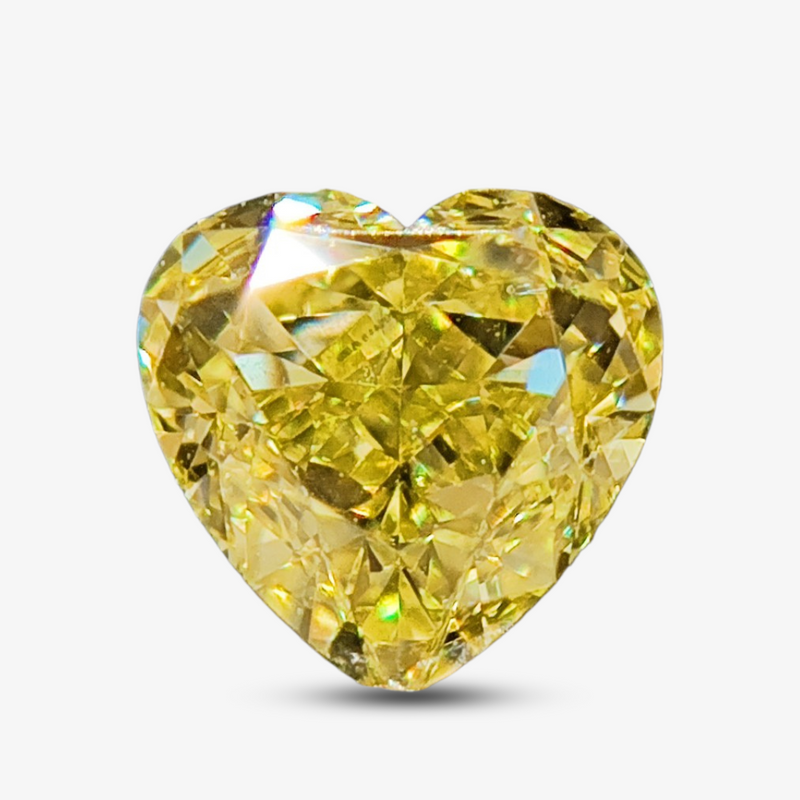
3.01cts Heart Cut Fancy Yellow Natural Diamond Gemstone | Saratti GIACertified
3.01-carat ct
Heart Shaped Fancy Brownish Yellow Natural Diamond
Heart
$28,088
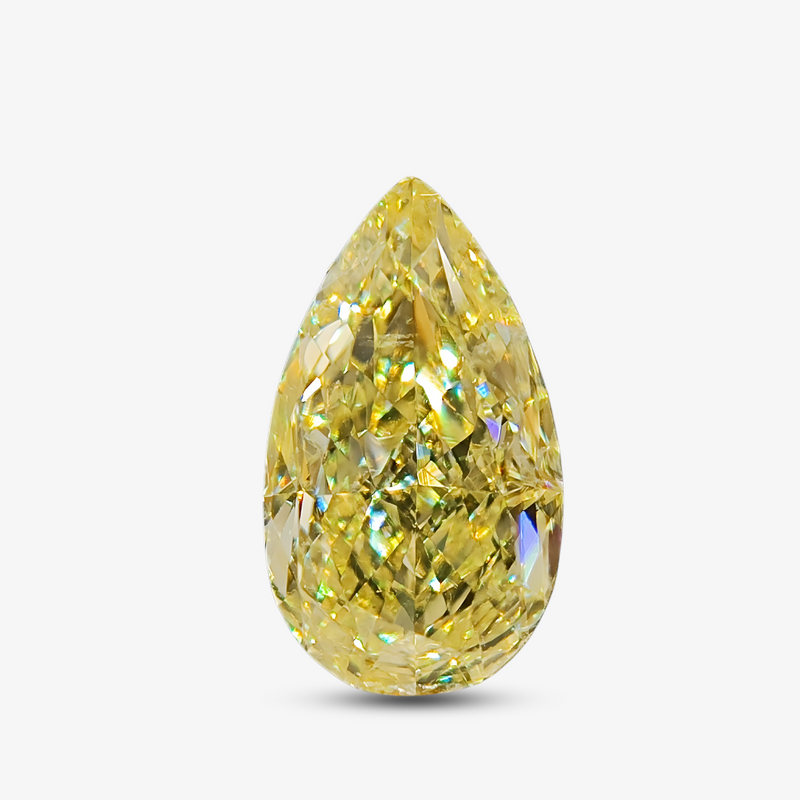
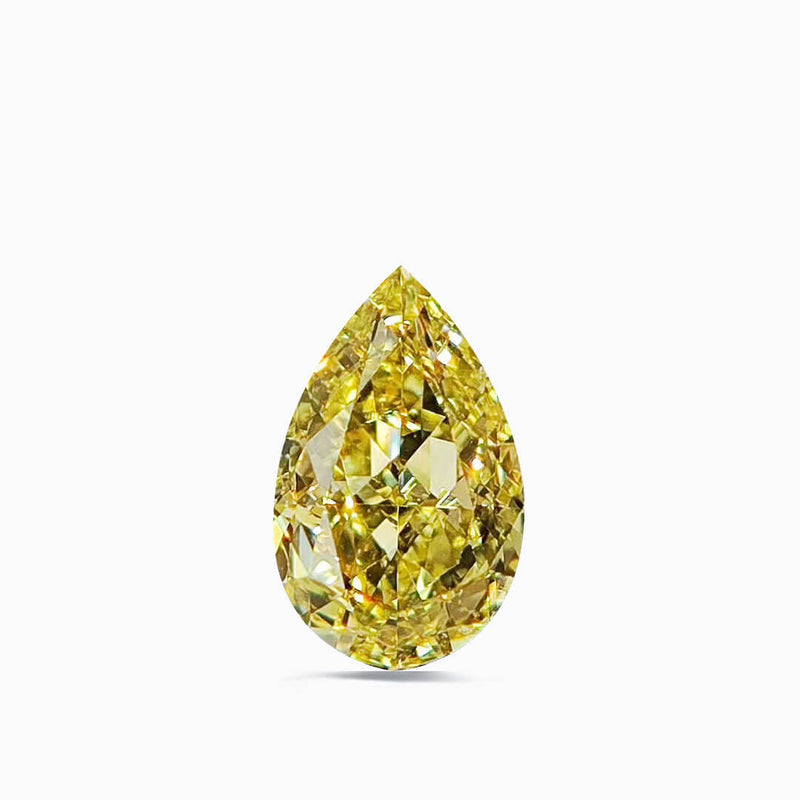
1.00-carat Fancy Yellow Natural Diamond | GIA Certified | Pear Cut GIACertified
1.00-carat ct
Fancy Yellow Natural Diamond
Pear
$6,628
0.51 cts Heart Cut Fancy Intense Yellow Natural Diamond | GIA Certified GIACertified
0.51 ct
Heart Cut Fancy Intense Yellow Natural Diamond
Heart
$3,163
0.51-carat Pear Shaped Natural Fancy Yellow Diamond - GIA Certified GIACertified
0.51 ct
0.51-carat Pear Shaped Natural Fancy Yellow Diamond - GIA Certified
Pear
$2,695
12.93 carats Unheated Fancy Yellow Natural Sapphire | EGL Certified | Saratti Jewelry
12.93 ct
Unheated Fancy Yellow Natural Sapphire
Radiant · Unheated / Untreated
$18,875
Princess Cut Lab Grown Diamond Gem | Saratti
2.01 ct
Fancy Intense Yellowish Orange Lab Diamond
Princess
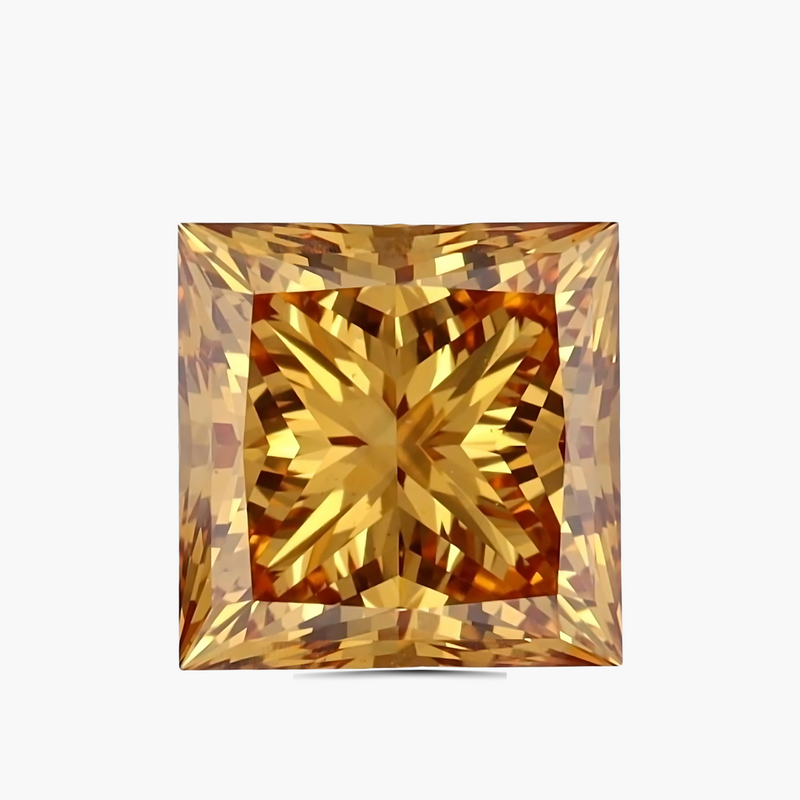
$2,439
1.00 carat Fancy Intense Natural Loose Yellow Diamond | Saratti
1.00 ct
Fancy Intense Natural Loose Yellow Diamond
Oval
$3,203
0.445 Carat Fancy Light Natural Loose Yellow Diamond | Saratti
0.445 ct
Fancy Light Natural Loose Yellow Diamond
Cushion
$1,460
1 Carat Oval Natural Loose Yellow Diamond [GIA Certified] | Saratti Gemstones GIACertified
1 ct
Oval Natural Loose Yellow Diamond [GIA Certified]
Oval
$3,932
0.71 Carat Fancy Natural Loose Yellow Diamond | Saratti Gemstones GIACertified
0.71 ct
Fancy Natural Loose Yellow Diamond [GIA Certified]
Pear
$2,246
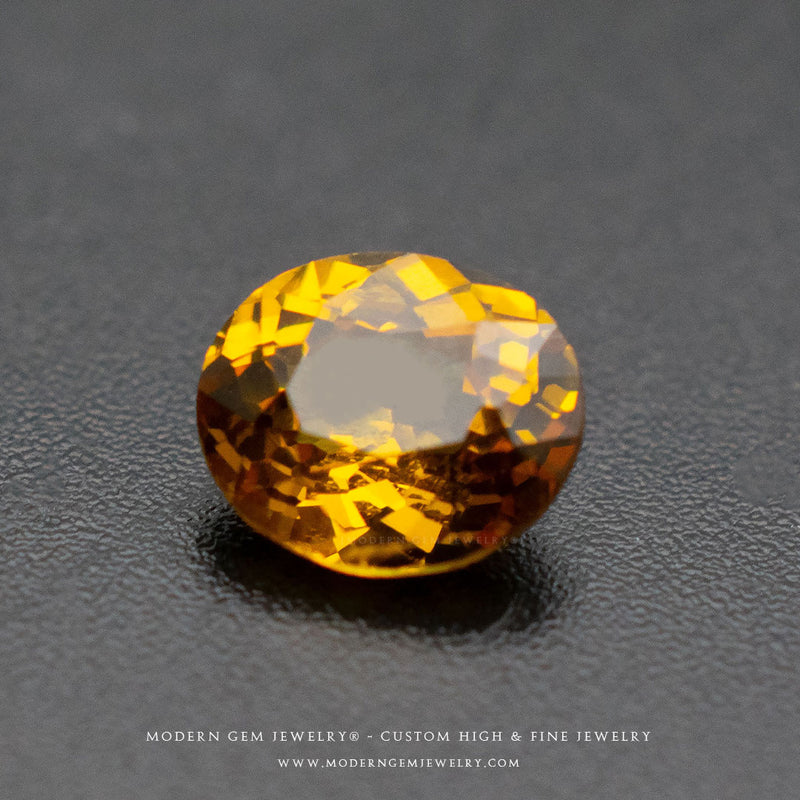
Greenish Yellow Garnet Gemstone - Modern Gem Jewelry
0.865 ct
Oval Greenish Yellow Mali Garnet Gem
Oval
$96
Mali Garnet Natural Gemstone January Birthstone - Modern Gem Jewelry
0.765 ct
Oval Brownish Yellow Mali Garnet Natural Gemstone
Oval
$90
Yellow Oval Mali Garnet Gemstone - Modern Gem Jewelry
0.99 ct
Mali Garnet Oval Yellow Natural Gemstone
Oval
$107
Natural Sapphire Gemstone | Oval Cut Fancy Yellow | 1.505 Carats Heated | Custom Jewelry| Modern Gem Jewelry
1.505 ct
Natural Sapphire Gemstone
Oval
$419
Natural Sapphire Gemstone | Oval Cut Fancy Yellow | 2.165 Carats Heated | Custom Jewelry | Modern Gem Jewelry
2.165 ct
Natural Fancy Yellow Sapphire
Oval · Heated
$597
✦ ✦ ✦
THE PRIVATE COLLECTION

Not every stone we hold is online.

Our online collection is only part of what is available. Many more gemstones are held privately, including stones that may never appear on the website. Tell us what you are looking for — or simply send us a photograph of something you love.

Our gemologists will personally select stones from the wider SARATTI collection for you to consider. Not sure exactly what you want? Send us a photograph, a color you love, or simply ask.

No question is too small.
No request is too specific.
WHATSAPP A GEMOLOGIST
Sapphire, citrine, imperial topaz and the rest, compared honestly

Yellow Gemstones

What Makes a Gemstone Yellow

Yellow is the colour gemstones arrive at most easily and hold most precariously: many minerals turn yellow given the right impurity, and many turn brownish or greenish while doing it.

Iron is the dominant cause. It colours yellow sapphire, sitting as a trace element in otherwise colourless corundum; it colours heliodor, the yellow beryl; and it produces the golden tones of yellow chrysoberyl. Iron absorbs at the violet end of the spectrum and leaves the rest, which is also why iron yellows slide towards green or brown when there is slightly too much of it.

In citrine and much yellow topaz the cause is quite different: not a trace element but a colour centre, a defect in the lattice absorbing light on its own account. Colour centres form under natural irradiation over geological time and can be created or destroyed in a furnace, which is why these two are the most easily manipulated stones here. A third mechanism belongs to one stone only: in fancy yellow diamond the colour comes from nitrogen substituting for carbon, absorbing blue and leaving yellow.

The consequence is that yellow demands more attention to tone and saturation than any other colour. A slightly under-saturated red is still a pretty pink; an under-saturated yellow with a warm modifier is brown, and a cool one greenish, so two stones described identically on paper can be a clean gold and a dull ochre. Our yellow gemstone collection is worth browsing with that in mind.

Yellow Sapphire: The Benchmark

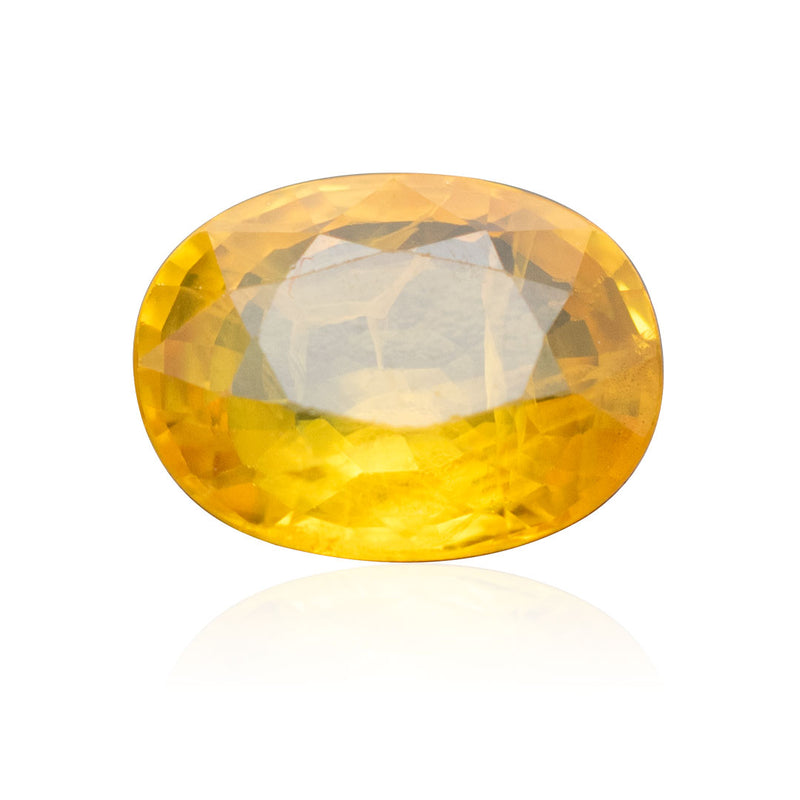
Yellow sapphire is corundum coloured by iron, and at Mohs 9 it is the hardest yellow available and the stone the others are measured against.

The colour runs from pale lemon through canary to deep golden, and the most valued material sits in the medium range with strong saturation and no brown. Sri Lanka is the classic source, in a cooler, cleaner yellow than African or Thai corundum. Relative to blue it is a bargain: same species and hardness at a fraction of the price.

The great majority of yellow sapphire has been heated. Ordinary heat develops or deepens the yellow, is permanent, stable and accepted throughout the trade, and is neither a defect nor concealed.

A second treatment must be understood separately. Beryllium diffusion introduces beryllium at very high temperature, producing a strong yellow or orange rim that can run deep or, in small stones, throughout. The colour is genuine corundum colour, but added rather than developed, and diffused material is worth a fraction of comparable heated-only stones. It cannot be seen with a loupe and requires laboratory analysis, so any yellow sapphire of consequence should carry a report. The sapphire collection and learn about sapphires set out the distinctions.

One further factor drives this market. Yellow sapphire — pukhraj — is the stone prescribed for Jupiter in Vedic astrology, and that demand is specifically for entirely untreated material, certified as such. It is why unheated stones carry a premium out of proportion to any visible difference.

Citrine: The Honest Section

Citrine is yellow to orange-brown quartz, and deserves a plain statement first: the overwhelming majority of citrine sold anywhere in the world is heated amethyst. Purple quartz turns yellow to reddish-orange at around 470 to 560 degrees, permanently and irreversibly, and most Brazilian and Bolivian rough is treated this way as routine. The result is genuine quartz and genuine citrine by every definition the trade uses; it simply was not that colour underground.

Natural, unheated citrine is uncommon and tends to be a paler, smoky lemon rather than the strong orange-gold of heated material. Separating the two is difficult even in a laboratory, since the end product is chemically identical, so the trade does not attempt it.

Madeira is a colour term, not an origin or a variety — a deep orange-red gold named after the fortified wine, describing the darkest and most valuable end of the range.

What citrine offers, uniquely here, is size. Quartz occurs in enormous clean crystals, so a twenty-carat eye-clean citrine costs less than a half-carat yellow sapphire. At Mohs 7 it is hard enough for most wear, though it lacks toughness at the facet edges and can fade under prolonged sunlight.

Imperial and Golden Topaz

Imperial topaz is the premium material in the species: an orange-yellow to golden stone, often peachy or sherry-toned, historically from the mines around Ouro Preto in Minas Gerais, Brazil. It is the only topaz that trades at serious prices, the finest material sitting alongside good sapphire.

The distinction from ordinary yellow topaz is routinely blurred. Plain yellow topaz — straw to golden, from Brazil, Sri Lanka and Nigeria — is abundant and inexpensive, while imperial is defined by a saturated golden-orange to reddish range and, to most of the trade, by Ouro Preto origin. A pale stone described as imperial is being sold on a word. Our note on how to identify natural imperial topaz sets out what to look for, and the imperial topaz collection shows what the term properly covers.

Some pink material offered as imperial has been heated from yellow or brownish rough, which drives off the yellow and leaves pink; it is permanent, hard to detect, and should be disclosed. The wider species sits in the topaz collection. At Mohs 8 topaz is hard, but it has perfect basal cleavage and will split under a direct blow at the wrong angle.

Chrysoberyl and Heliodor

Chrysoberyl is the quiet achiever of this group. At Mohs 8.5 it is the second-hardest stone here, it has no troublesome cleavage, and it is essentially never treated. Coloured by iron, it runs from yellow-green through honey to warm golden brown, and its yellow-green end is distinctive enough that people who like it want nothing else.

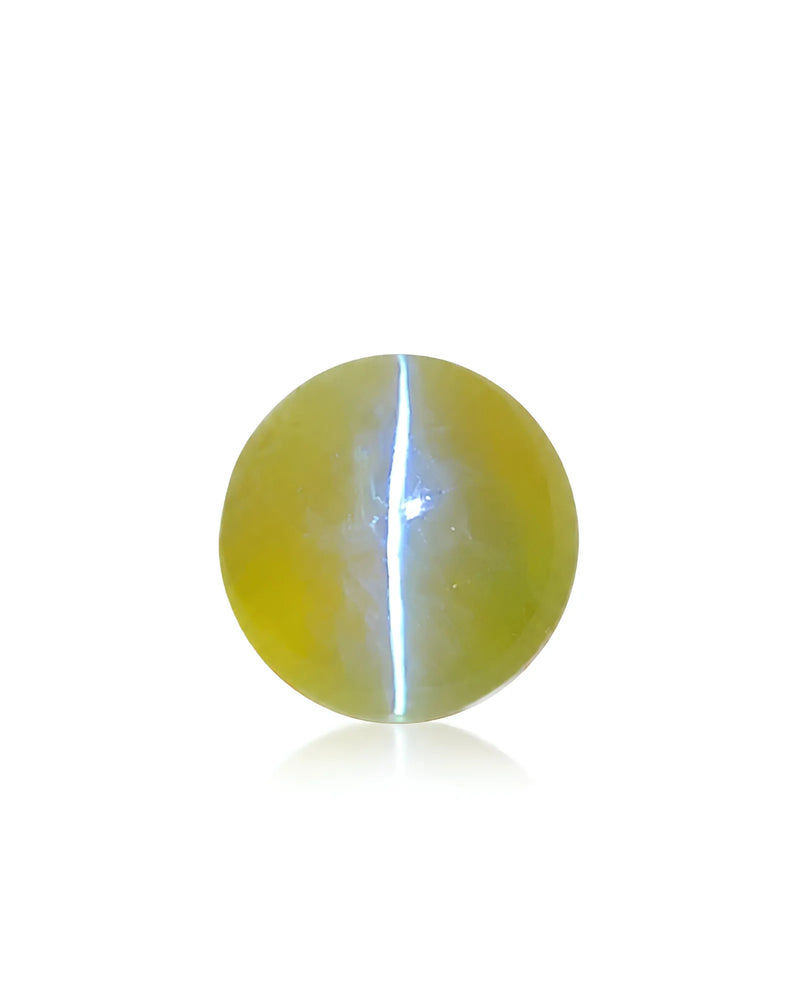
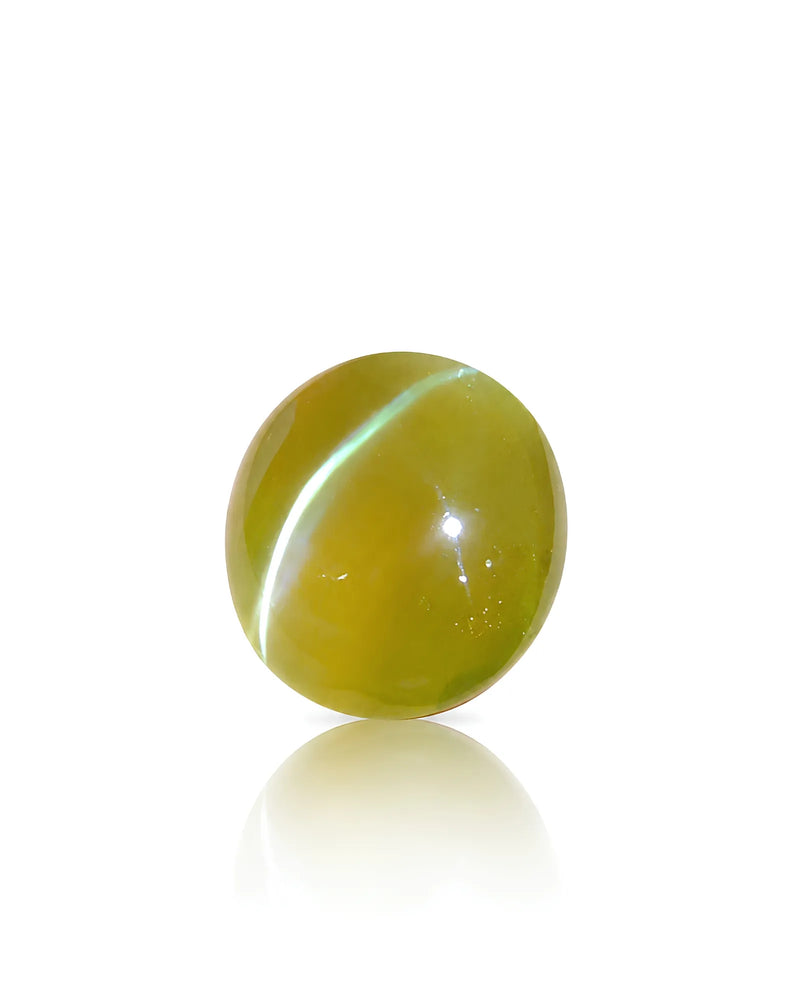
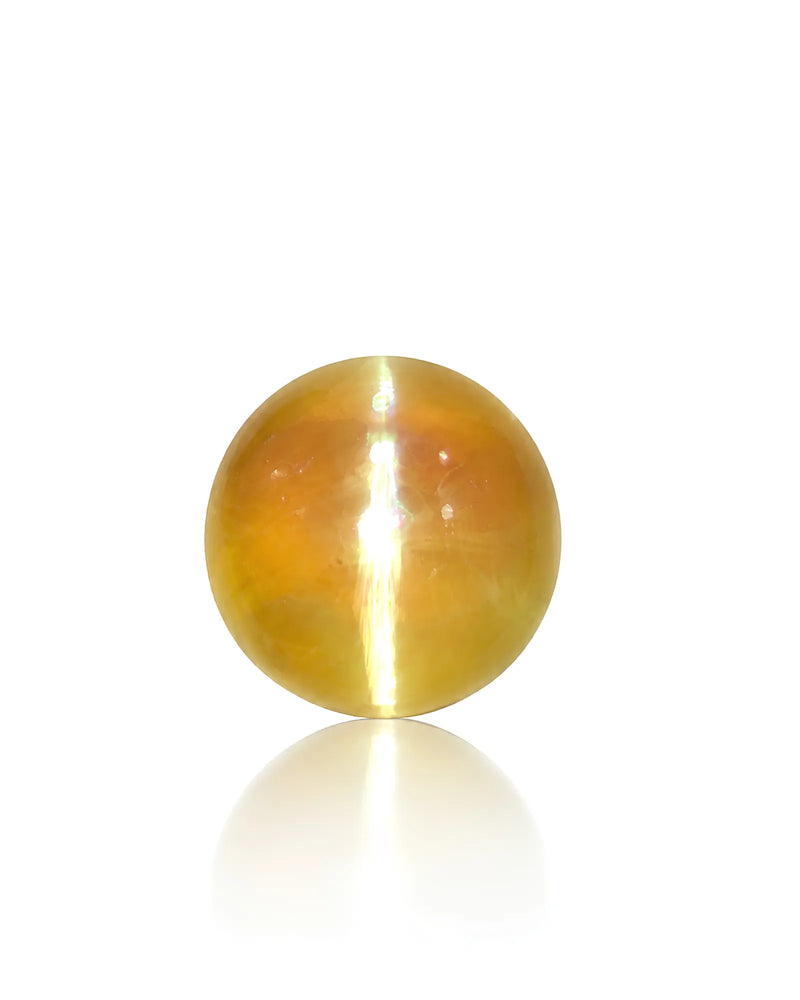
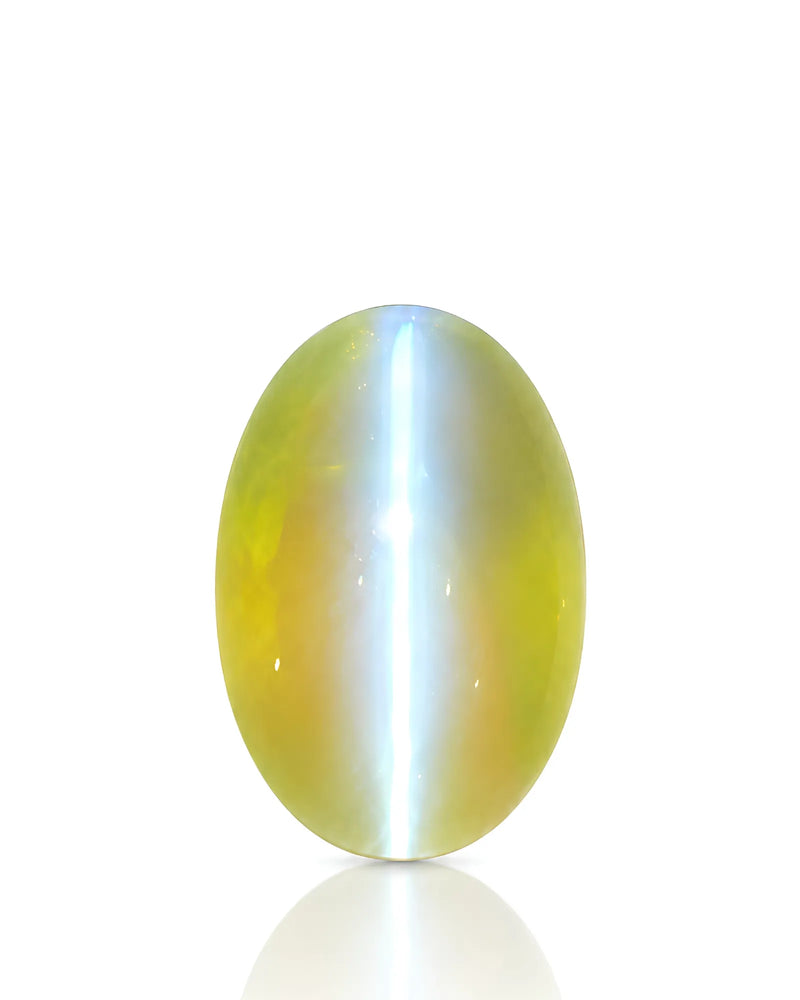
Cat's eye chrysoberyl, or cymophane, contains fine parallel silk that throws a sharp, mobile band of light across a cabochon; a golden honey stone with a crisp, well-centred eye is the most valuable chrysoberyl apart from alexandrite. Transparent material sits in the chrysoberyl collection.

Heliodor is yellow beryl, the same species as emerald and aquamarine, and its virtues are beryl's: very clean, transparent, and available in large sizes at reasonable cost. Its colour is a lighter, greener yellow than sapphire's. At Mohs 7.5 to 8 it wears well.

Yellow Garnet: Mali and Grossular

Garnet's yellow members are the most interesting inexpensive stones here. Mali garnet is a grossular-andradite blend from one small area in Mali, carrying an unusually high refractive index and dispersion for its price — enough that a well-cut stone shows spectral flashes inside a yellow-green to golden brown body colour. Yellow grossular, traded as lemon grossular, is a purer yellow from Tanzania, Kenya and Sri Lanka.

Two facts define them. Garnet is essentially never treated — no heat, no filling, no dye in general use, so a yellow garnet is exactly what geology made it. And both are small: rough above two or three carats is uncommon. At Mohs 6.5 to 7.5 they are among the softer stones here. The full range sits in the garnet collection.

Yellow Diamond, Sphene and Zircon

Fancy yellow diamond belongs here for comparison only. Its colour comes from nitrogen rather than a trace metal, it is graded on a fancy scale from Faint to Fancy Vivid, and priced in a market unrelated to the coloured-stone trade. At Mohs 10 it is the only yellow that will outlast sapphire.

Sphene, or titanite, has dispersion of around 0.051 — higher than diamond's 0.044 — and in a yellow to yellow-green body colour throws more spectral fire than anything else here. At Mohs 5 to 5.5, with distinct cleavage, it is an earring stone, not a ring stone.

Yellow zircon also has high dispersion and a glassy, near-adamantine lustre, in golden to honey tones, usually heat-treated from brown material. Zircon is brittle at the facet junctions and shows abraded, softened edges after years of wear, despite a hardness near 7.5.

Comparing Them Directly: Budget, Durability, Treatment

On budget, most to least expensive per carat in fine quality: fancy yellow diamond, well clear of everything, then unheated yellow sapphire, top imperial topaz, heated yellow sapphire and fine cat's eye chrysoberyl, Mali and grossular garnet, transparent chrysoberyl and heliodor, sphene and zircon, ordinary yellow topaz, and citrine, the most affordable by a wide margin.

On durability, the order is nearly independent of price: diamond at 10, sapphire at 9, chrysoberyl at 8.5, topaz at 8 but with cleavage, heliodor at 7.5 to 8, zircon and citrine at 7 to 7.5, garnet at 6.5 to 7.5, and sphene last.

On treatment, the split is unusually clean. Chrysoberyl, garnet and sphene are essentially never treated. Yellow sapphire, citrine and zircon are treated almost without exception. Topaz and heliodor sit in between.

Those orderings disagree less than in most colours, which makes yellow an easier family to buy in: the hardest stone is not the most expensive, and the untreated ones are not the rarest.

Treatment Across the Group

Stated plainly: essentially all commercial citrine is heated amethyst, and the great majority of yellow sapphire is heated corundum. Both treatments are permanent, stable and long accepted, and both leave a natural stone.

Two things require particular care, and both must be disclosed. Beryllium diffusion in yellow and orange sapphire adds colour rather than developing it, is undetectable outside a laboratory, and materially changes what a stone is worth. And some pink material sold as imperial topaz has been heated from yellow rough.

Chrysoberyl, garnet and sphene are untreated as a group, so if treatment is your objection, yellow offers a genuine choice at nearly every price level.

Where a treatment is known, we state it on the listing, and the standard we apply is set out in how SARATTI grades gemstones.

Durability and Daily Wear

Hardness resists scratching; toughness resists chipping and breaking, and cleavage overrides both.

For a ring worn every day, yellow sapphire at 9 and chrysoberyl at 8.5 are unqualified choices, neither having cleavage. Topaz at 8 is hard, but its basal cleavage means a sharp knock at the wrong angle can split it, so it wants a protective setting. Heliodor is sound for regular wear; citrine and zircon are acceptable in a protective setting but show softened facet edges over a decade of hard wear. Yellow garnet suits earrings, pendants and rings worn occasionally, and sphene should not go into a ring at all.

Ultrasonic and steam cleaning are unsuitable for sphene, for topaz and for any fracture-filled material. Warm water, mild soap and a soft brush are safe for everything on this list.

Certification, and How to Choose

An independent report from GIA, GUILD, AIGS, CGRL, GRS or GRC should confirm species and identify treatment where detectable. Reports matter unequally across this group.

A yellow sapphire needs one more than any other stone here, because ordinary heating, beryllium diffusion and untreated status are three different commercial articles at the same apparent quality, and only a laboratory can separate them; where a stone is bought for astrological purposes, the report must state unheated explicitly. Imperial topaz benefits from confirmation of species and colour origin; citrine rarely needs a report at all. Where one exists it is shown; where none exists, we say so, and recertification can be arranged at cost.

Decide which constraint will not move. If it is a stone worn daily for decades, yellow sapphire is the answer, and its price relative to blue makes it an easy one. If it is an untreated stone, chrysoberyl and yellow garnet are honest and inexpensive. If it is size on a budget, citrine gives more stone than anything else here. If it is a particular golden-orange, that is imperial topaz. Whatever the species, judge the tone in daylight and again under a warm bulb, where the difference between golden and brown becomes plain.

Only part of what we can reach is listed online. Describe it, and we will go and look.

Iron Dominates Iron colours yellow sapphire, heliodor and chrysoberyl. Citrine and much topaz owe their colour to lattice defects instead, and yellow diamond to nitrogen — three unrelated mechanisms behind one apparent colour.
Tone Decides Value Yellow is the hue most likely to read brown or greenish. Saturation and the absence of a warm or cool modifier separate a clean gold from a dull ochre, before clarity or size is considered.
Treatment Splits Cleanly Chrysoberyl, garnet and sphene are essentially never treated. Sapphire, citrine and zircon almost always are. Beryllium diffusion in sapphire is the one treatment requiring laboratory detection and explicit disclosure.
Size Costs Little Quartz and beryl form large clean crystals, so a twenty-carat citrine or heliodor costs a fraction of a small fine sapphire. Yellow garnet and imperial topaz stay stubbornly small.

Frequently Asked Questions About Yellow Gemstones

Yellow sapphire is the benchmark, coloured by iron and hard at Mohs 9. Citrine is the affordable quartz option, available in very large sizes. Imperial and ordinary topaz cover the golden-orange range, chrysoberyl and heliodor the yellow-green to honey range. Mali and grossular garnet give bright, untreated colour in small sizes, while sphene and zircon offer exceptional dispersion at the cost of durability. Fancy yellow diamond sits in an entirely separate market.

In the great majority of cases, yes. Amethyst turns yellow to reddish-orange when heated to roughly 470 to 560 degrees, permanently and irreversibly, and most Brazilian and Bolivian rough is treated this way as a matter of routine. The result is still genuine quartz and genuine citrine by every definition the trade uses. Natural unheated citrine exists but is uncommon, usually paler and smokier, and the two are near-impossible to separate because the end product is chemically identical.

Most yellow sapphire has been heated, which develops or deepens existing colour and is permanent, stable and accepted throughout the trade. Beryllium diffusion is different: beryllium is driven into the stone at very high temperature, adding colour rather than developing it, often as a rim. Diffused material is worth a fraction of comparable heated-only stones, and it cannot be seen with a loupe. Only laboratory analysis identifies it, which is why a report matters here.

Imperial topaz is the premium material in the species: a saturated orange-yellow to golden or reddish stone, often peachy or sherry-toned, historically from the mines around Ouro Preto in Minas Gerais, Brazil. Ordinary yellow topaz is pale straw to golden, abundant and inexpensive, and comes from many sources. The distinction is one of colour saturation and, for most of the trade, origin. A pale yellow stone described as imperial is being sold on a word.

Yellow sapphire at Mohs 9 and chrysoberyl at 8.5 are unqualified choices, both hard and free of troublesome cleavage. Topaz is hard at 8 but has perfect basal cleavage and can split under a sharp knock, so it needs a protective setting. Heliodor is sound for regular wear. Citrine and zircon show softened facet edges over years of hard wear, yellow garnet suits occasional wear, and sphene at 5 to 5.5 should never go into a ring.

Yellow is the hue least forgiving of tone and saturation. An under-saturated yellow carrying a warm modifier reads brown; one carrying a cool modifier reads greenish. Iron, the commonest cause of yellow, slides that way easily when there is slightly too much of it, which is why iron-coloured stones such as heliodor and some chrysoberyl tend yellow-green. Always judge a yellow stone in daylight and again under a warm bulb, where the difference becomes obvious.

Fancy yellow diamond sits well clear of everything else. Below it come fine unheated yellow sapphire and top imperial topaz, then heated yellow sapphire and fine cat's eye chrysoberyl, then Mali and grossular garnet, transparent chrysoberyl and heliodor, then sphene and zircon, then ordinary yellow topaz. Citrine is the most affordable by a wide margin and the only one that gives real size cheaply. Yellow sapphire also costs far less than blue of comparable quality.